
Flamingos in Kenya: Where to See Them and When to Go

Kenya and neighboring Tanzania hold some of the highest concentrations of soda lakes in the world. These shallow, alkaline lakes in the Great Rift Valley are the natural habitat of both lesser and greater flamingos, which feed, roost, and sometimes nest along their shores throughout the year.

The lesser flamingo is the more common of the two species in Kenya. It feeds on blue-green algae that grow in the warm alkaline water. The greater flamingo is larger and feeds on crustaceans and small organisms in the mud. Both species share the same lakes and live peacefully since they do not compete for the same food.

Most of the lesser flamingos in Kenya were born at Lake Natron in Tanzania, the largest lesser flamingo breeding ground in the world. From there, they migrate north to feed across Kenya’s Rift Valley lakes throughout the year.


Two Types of Flamingos in Kenya

FeatureLesser FlamingoGreater Flamingo
SizeSmallerLarger and taller
Bill colorDeep red with black tipPale pink with black tip
DietBlue-green algaeCrustaceans, mud organisms
Color intensityDeeper pinkPaler pink
Standing habitOften stands on one legOften stands on one leg

A group of flamingos in Kenya is called a flamboyance, a name taken from the French word flamboyant meaning “flaming” or “glowing.” When millions gather on a single lake, the name makes complete sense.


Why Are Flamingos Pink?
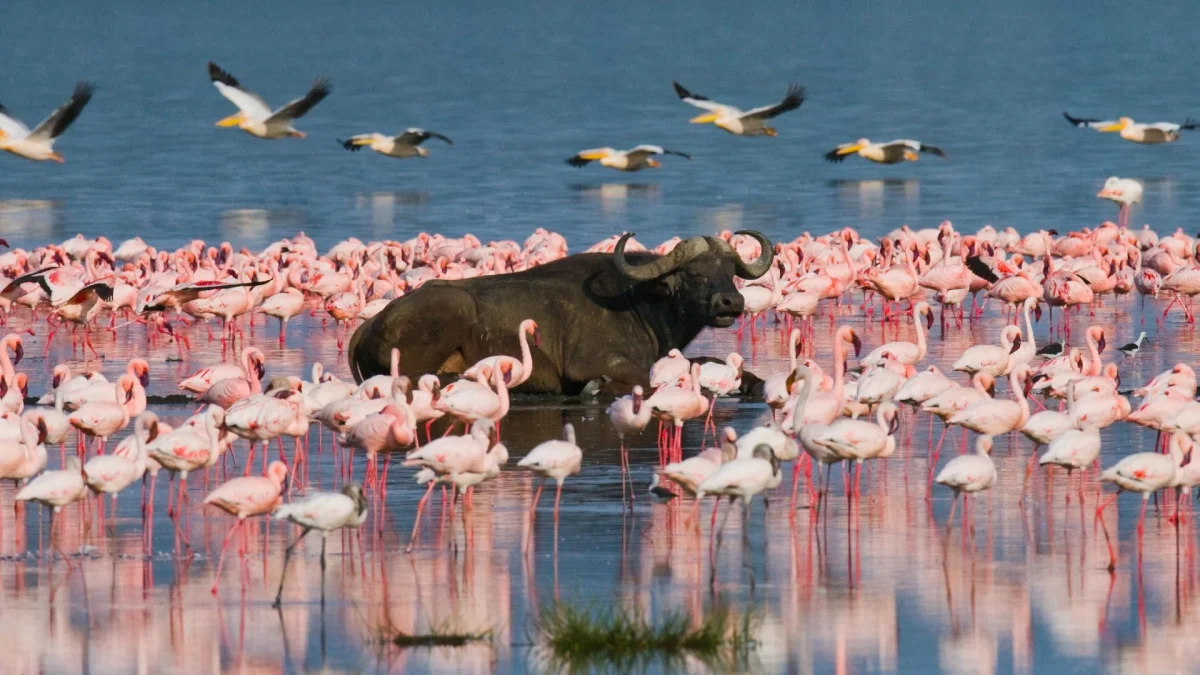
Lake Nakuru

Flamingos get their pink color from carotenoids, natural pigments found in the algae and crustaceans they eat. These pigments are absorbed through digestion and stored in the feathers, skin, and bills. The more carotenoid-rich the diet, the deeper and brighter the pink. Young flamingos are born white and take several years to develop full color as they begin feeding on carotenoid-rich food.


Where to See Flamingos in Kenya


1. Lake Bogoria
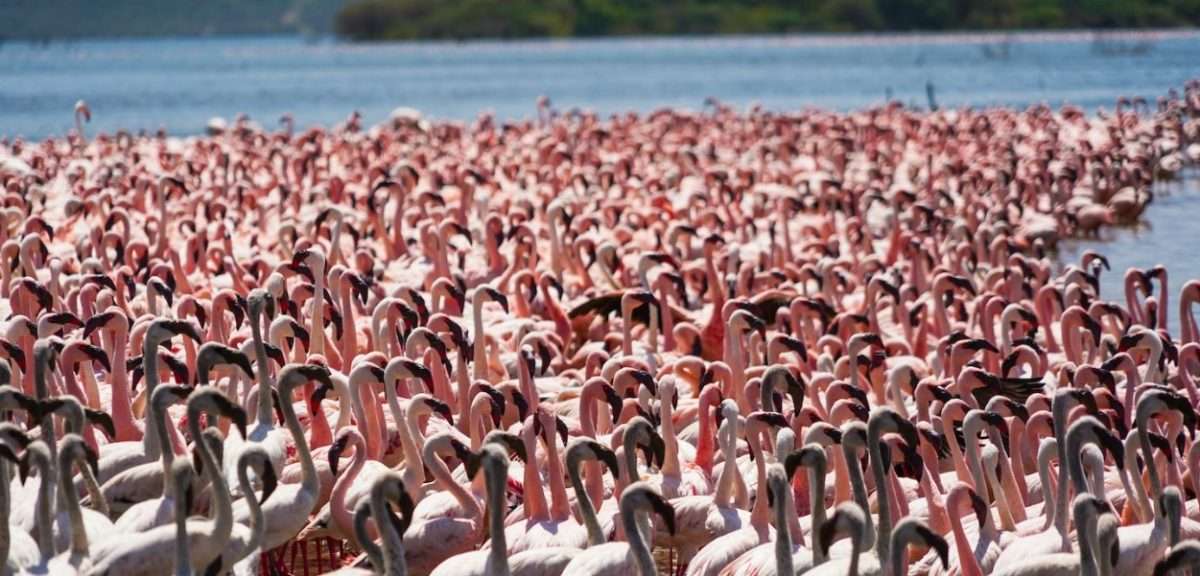
Lake Bogoria

Lake Bogoria is currently the most reliable flamingo destination in Kenya. In June 2019, over one million flamingos were recorded here. Numbers can reach two million in the period following the wet season and significant flocks are present almost year-round.

This lake in Kenya sits in the northern Rift Valley, surrounded by mountains, steaming geysers, and bubbling hot springs along its western shore. It is a dramatic setting and the combination of flamingos and geothermal activity makes it unlike any other lake on the circuit.

The best time for flamingo watching at Lake Bogoria is between August and October. The lake is a two-hour drive from Lake Nakuru, making it possible to add as a day excursion from a Nakuru base. There is no accommodation inside the reserve, so most visitors come on day trips from Nakuru or Lake Baringo, 45 minutes to the north.

Best for: Mega-flocks, remote scenery, geysers, uncrowded experience.


2. Lake Nakuru
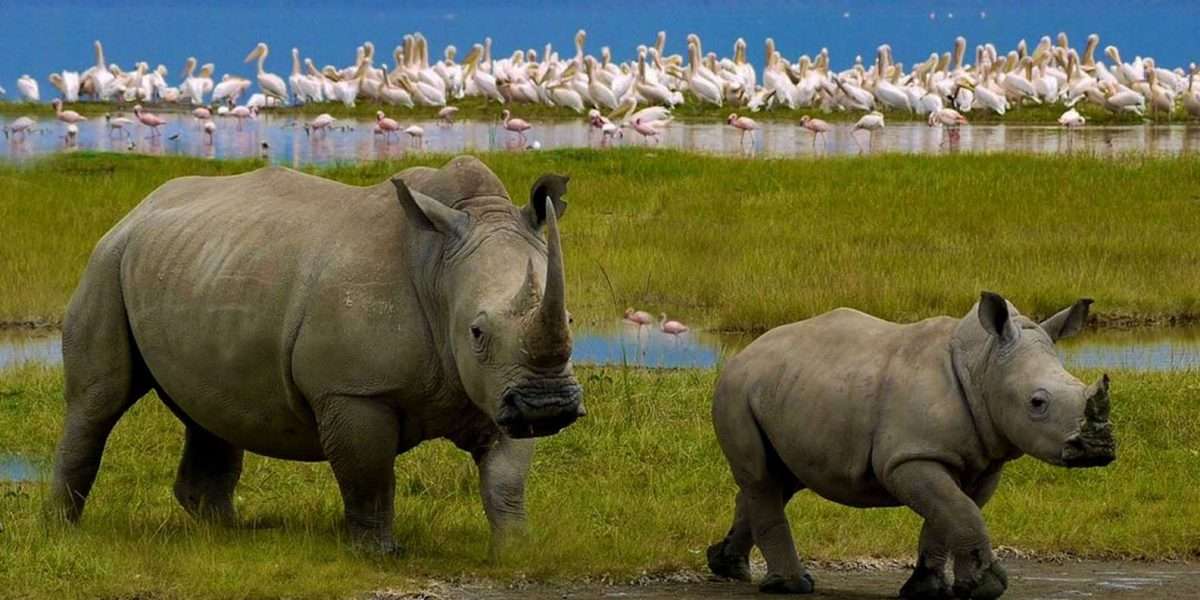
lake-nakuru-day-1-kenya-safari-rhino

Lake Nakuru is the most famous flamingo lake in Kenya and the most accessible. It sits 160 kilometres northwest of Nairobi inside Lake Nakuru National Park, a three and a half hour drive from the capital.

At peak conditions, up to 1.5 million lesser flamingos have gathered here, turning the lakeshore a vivid pink visible from the viewpoints above the park. In recent years, rising water levels caused by flooding have lowered the lake’s salinity, which reduced algae growth and pushed many flamingos to Bogoria and Elementaita. Flamingos have returned in significant numbers since 2017, but counts are now in the thousands rather than millions depending on the season.

The best periods for flamingo watching at Nakuru are toward the end of the short rains (November to December) and the long rains (April to May), when algae levels rise enough to bring the birds back in large numbers.

Lake Nakuru’s advantage over the other flamingo lakes is its broader wildlife offer. The park holds both white and black rhinos, lions, leopards, Rothschild’s giraffes, buffalos, and over 400 bird species. Even in a low flamingo year, Lake Nakuru delivers a strong game drive.

Best for: Flamingo and Big Five combination, accessibility, rhino sightings.


3. Lake Elementaita
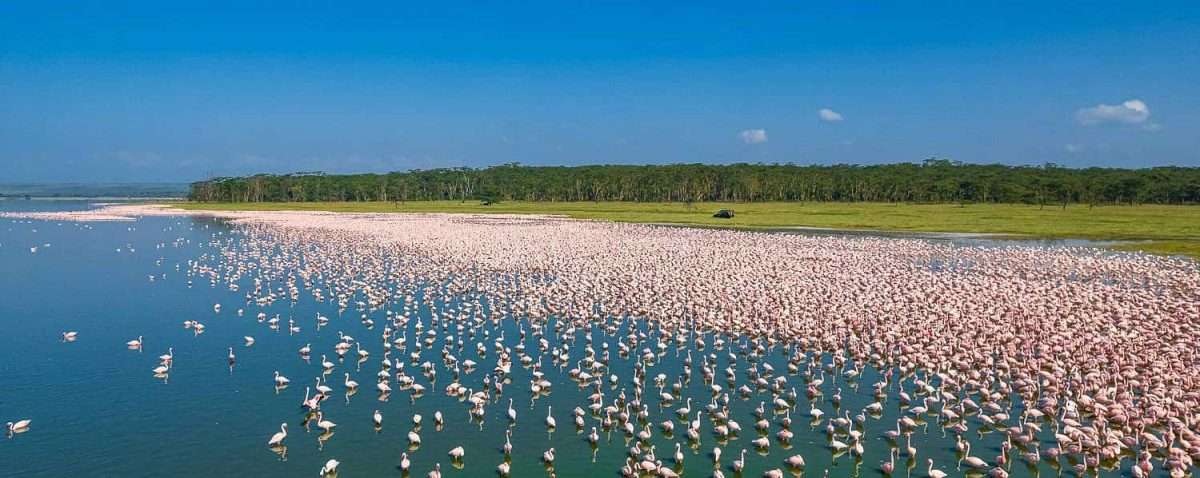
Lake Elementaita

Lake Elementaita is the smallest and least visited of Kenya’s three UNESCO flamingo lakes. It sits just 30 minutes from Lake Nakuru and about 90 minutes from Nairobi, making it one of the most accessible soda lakes in the country.

Lesser and greater flamingos are present year-round, with counts regularly reaching over 200,000 birds. The lake is also one of Kenya’s most important breeding grounds for great white pelicans. More than 450 bird species have been recorded in the area, along with 90% of Kenya’s black-necked grebes and Cape teals.

The surrounding Soysambu Conservancy adds a wildlife dimension beyond birds, with Rothschild’s giraffes, caracals, golden jackals, colobus monkeys, and other predators on the conservancy grounds.

Best for: Year-round flamingo presence, pelican breeding, birdwatching, accessible day trip.


4. Lake Naivasha
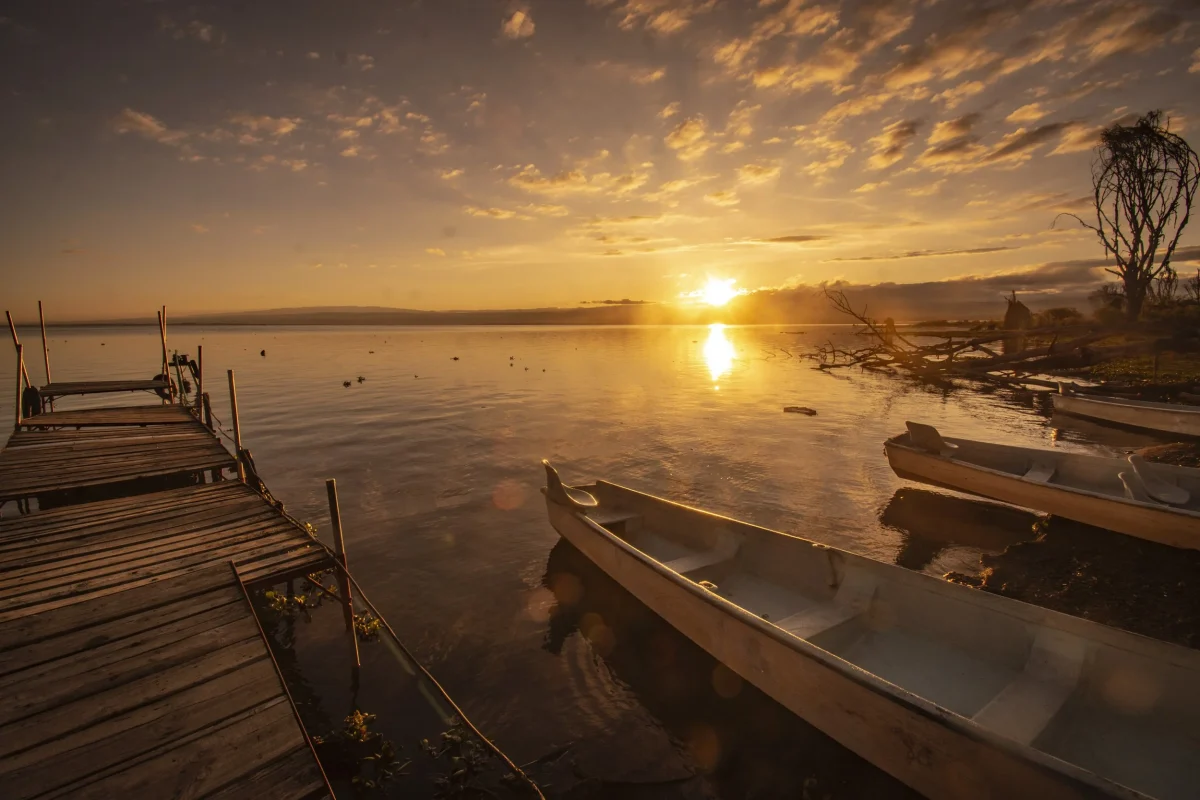
Sunset Cruise on Lake Naivasha

Lake Naivasha is a freshwater lake but still attracts flamingos because of the alkaline salt water found in Lake Oloiden on its southwestern edge. Oloiden is a small saline lake connected to Naivasha and at times holds over 20,000 flamingos on its own.

Greater flamingos feed along Naivasha’s shores where crustaceans and worms are plentiful. The lake is also home to over 400 bird species and around 1,500 hippos. Two hours from Nairobi, it is the most accessible Rift Valley lake for a day trip from the capital.

Best for: Easy access from Nairobi, hippos, birdwatching, combined Oloiden flamingo sighting.


5. Lake Magadi
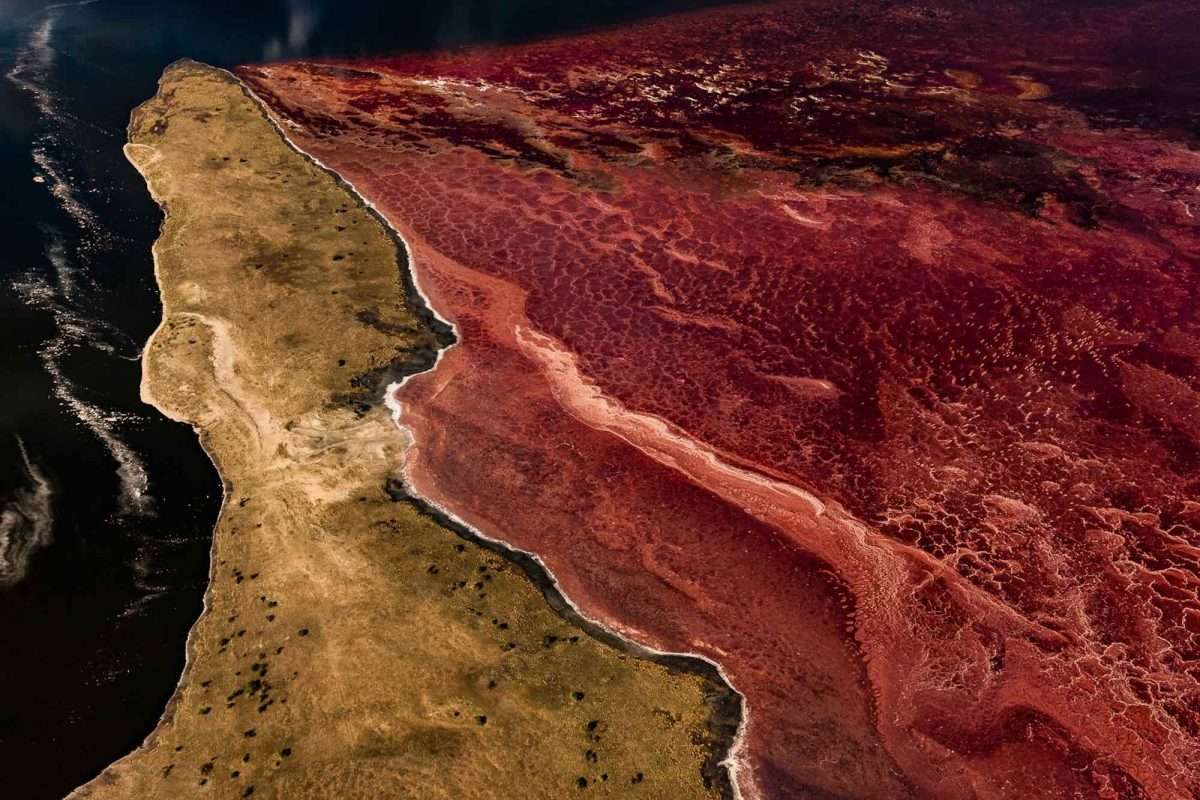
Lake Magadi

Lake Magadi sits in the far south of Kenya near the Tanzania border, close to Lake Natron. Its extreme heat and remote location keep visitor numbers low, but flamingos are present year-round feeding on the lake’s rich algae. Some flamingos breed here as well, making it one of the few Kenyan lakes where breeding activity has been recorded. From Magadi you can also view Lake Natron from the Kenyan side, the largest lesser flamingo breeding ground in the world.

Best for: Off-the-beaten-track experience, year-round flamingos, proximity to Lake Natron.


6. Lake Amboseli
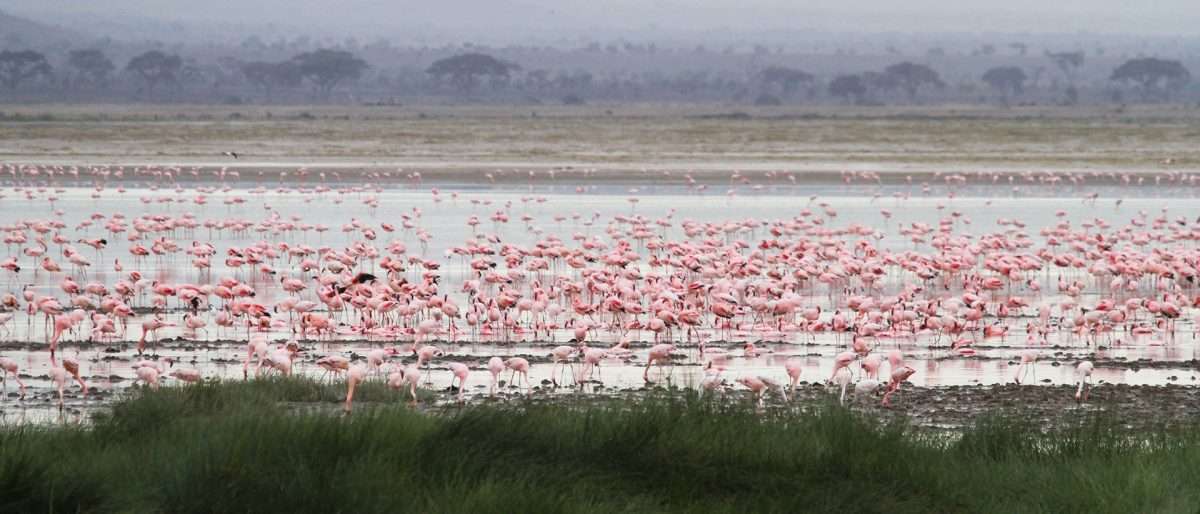
Lake Amboseli

As algae levels have dropped in some Rift Valley lakes due to changes in water quality, flamingos have increasingly moved to less expected locations including Lake Amboseli and smaller saline marshes at the base of Mount Kilimanjaro. Numbers here are seasonal and less predictable than the main Rift Valley circuit, but Amboseli flamingo sightings add a distinctive element to an already exceptional national park.

Best for: Unexpected sightings, combined elephant and flamingo experience, Kilimanjaro backdrop.


7. Lake Turkana
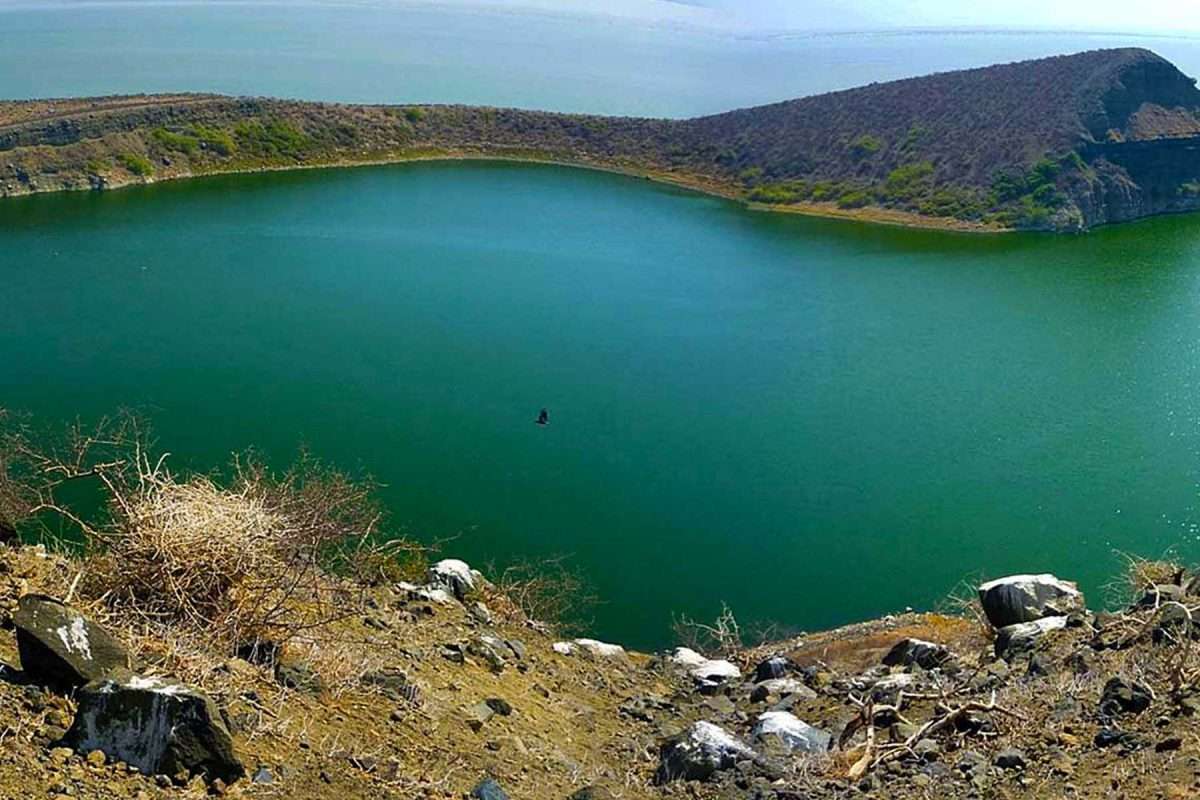
Lake Turkana

Lake Turkana in Kenya’s far north hosts flamingos in a small circular crater lake on Central Island known locally as Lake Flamingo. The crater lake is one of three water bodies on the island separated from the main lake by ancient lava flows. Access is remote and the destination is not commonly visited as part of the standard safari circuit, but for travelers making the journey north, the flamingo sighting here is a genuine bonus.

Best for: Remote and adventurous travelers, unusual setting.



Kenya Flamingo Lakes Comparison

Lake Flamingo Numbers Best Season Accessibility Wildlife Beyond Flamingos
Lake Bogoria Up to 2 million August to October 2 hrs from Nakuru Geysers, greater kudu
Lake Nakuru Up to 1.5 million (variable) End of rains 3.5 hrs from Nairobi Big Five, 400+ birds
Lake Elementaita 200,000 plus Year-round 1.5 hrs from Nairobi Pelicans, 450+ birds
Lake Naivasha 20,000 plus (Oloiden) Year-round 2 hrs from Nairobi Hippos, 400+ birds
Lake Magadi Variable Year-round 2 hrs from Nairobi Soda ash landscape
Lake Amboseli Seasonal Rainy season Inside Amboseli NP Elephants, Kilimanjaro
Lake Turkana Small numbers Variable Remote north Kenya Nile crocodiles, wildlife

When Is the Best Time to See Flamingos in Kenya?

The best overall time for flamingo watching in Kenya is during the dry season from June to early March. During this period, lower water levels concentrate the algae that flamingos feed on, drawing larger numbers to the lakes.

At Lake Bogoria, August to October is the peak period. At Lake Nakuru, the best flamingo conditions occur toward the end of both rainy seasons when algae levels spike. Lake Elementaita holds flamingos reliably throughout the year.

Flamingo movement between lakes is driven by water levels and algae availability rather than a fixed seasonal calendar. Your guide will have current information on which lake is holding the largest concentrations on the day of your visit.


Flamingo Behavior Worth Knowing

Flamingos are highly social birds and much of their behavior is tied to group coordination.

  • Feeding: Both species feed by wading in shallow water and filtering food through their specialized downward-curved bills. Lesser flamingos feed on floating algae. Greater flamingos root through mud for crustaceans and small invertebrates.
  • Standing on one leg: Flamingos stand on one leg to conserve body heat, particularly in cool water. It is not just for show.
  • Courtship: Male flamingos perform synchronized group displays during mating season, including head bobbing, wing spreading, and marching in unison. The displays are performed in large groups and the synchronized movement is one of the more extraordinary things to watch in the wild.
  • Nesting: Both parents share incubation duties and care for chicks after hatching. Young flamingos are born white and take several years to develop their full pink coloration as they build up carotenoids through their diet.
  • Flamboyance: A group of flamingos is called a flamboyance, from the French for “flaming.” When millions gather at a single lake, no other word quite fits.


How to See Flamingos in Kenya

The best way to see flamingos is on a guided game drive with an experienced local guide who knows current lake conditions. Boat tours are available at some lakes and offer a closer perspective on the birds at the waterline.

Keep a safe distance. Flamingos are sensitive to disturbance and will flush from a shoreline if approached too closely. The best sightings come from a respectful distance with binoculars or a zoom lens.

TourwithPipi includes Lake Nakuru as part of the 5-day Kenya road safari, with an afternoon game drive arriving in time for the best light on the lakeshore. Lake Bogoria and Lake Elementaita can be added as extensions for travelers with more time on the northern Rift Valley circuit.


5 Key Takeaways

  1. Kenya’s soda lakes in the Great Rift Valley host two flamingo species: lesser flamingos that feed on blue-green algae and greater flamingos that feed on crustaceans. Both species coexist peacefully since they do not compete for food.
  2. Lake Bogoria is currently the most reliable lake for large flamingo concentrations, holding up to two million birds after the wet season, and is the best destination for a mega-flock experience.
  3. Lake Nakuru is the most accessible and wildlife-rich flamingo destination, combining rhinos, lions, leopards, and Rothschild’s giraffes with flamingo sightings in Kenya’s first dedicated rhino sanctuary.
  4. Lake Elementaita holds flamingos year-round and is just 90 minutes from Nairobi, making it the most consistent and accessible flamingo sighting in Kenya.
  5. Flamingo numbers at any given lake depend on water levels and algae concentration rather than a fixed season. Always check current conditions with your guide before visiting.


Frequently Asked Questions About Flamingos in Kenya


1. Where is the best place to see flamingos in Kenya?

Lake Bogoria is currently the most reliable destination for large flamingo concentrations. Lake Nakuru is the most accessible and combines flamingo sightings with Big Five game viewing. Lake Elementaita holds flamingos year-round and is just 90 minutes from Nairobi.

2. What types of flamingos are found in Kenya?

Kenya has two species: the lesser flamingo and the greater flamingo. Lesser flamingos are smaller with a deeper pink color and feed on algae. Greater flamingos are larger with a pale pink bill and feed on crustaceans and mud organisms.

3. Why are flamingos pink?

Flamingos get their pink color from carotenoid pigments in the algae and crustaceans they eat. The pigments are absorbed through digestion and stored in the feathers, skin, and bills. Young flamingos are born white and develop color over several years.

4. When is the best time to see flamingos in Kenya?

The dry season from June to early March is the best overall period. Lake Bogoria peaks between August and October. Lake Nakuru is best toward the end of the rainy seasons. Lake Elementaita holds flamingos year-round.

5. How many flamingos are in Kenya?

Numbers vary by lake and season. Lake Bogoria can hold up to two million flamingos after the wet season. Lake Nakuru has held up to 1.5 million at peak conditions, though recent numbers are lower due to changing water levels. Lake Elementaita regularly holds over 200,000 birds.

6. Why do flamingos stand on one leg?

Flamingos stand on one leg primarily to conserve body heat, particularly when standing in cool water. The behavior is instinctive and both species do it regularly.

7. What do flamingos eat?

Lesser flamingos eat blue-green algae filtered from alkaline lake water. Greater flamingos eat crustaceans, worms, and small invertebrates filtered from mud. Their specialized downward-curved bills are designed for this filtering process.

8. Where do Kenya’s flamingos breed?

Most lesser flamingos in Kenya were born at Lake Natron in Tanzania, the largest lesser flamingo breeding ground in the world. Some breeding activity has been recorded at Lake Magadi in southern Kenya, which is close to Lake Natron.

9. Can I see flamingos and other wildlife on the same trip?

Yes. Lake Nakuru combines flamingo sightings with Big Five game viewing including rhinos, lions, and leopards. Lake Elementaita sits next to Soysambu Conservancy with giraffes and predators. Lake Naivasha adds hippos and over 400 bird species to the flamingo experience.

10. Are flamingo numbers declining in Kenya?

Flamingo populations at specific lakes have fluctuated due to rising water levels, reduced salinity, pollution from agriculture, and climate-related changes to water quality. Numbers at Lake Nakuru dropped significantly in recent years as rising water reduced algae growth. The IUCN classifies the lesser flamingo as Near Threatened, largely because of its dependence on a small number of breeding sites.

African Safari Collection

Tanzania • Kenya • Morocco • Kilimanjaro

Discover luxury African adventures with TourwithPipi.

Great Migration Safari Tanzania
10 Days
$6,549 per person

Great Migration Safari Tanzania

10-day luxury Tanzania safari designed for peak Great Migration Mara River crossings.

Migration Luxury
Calving Season Safari (February)
10 Days
$5,889 per person

Calving Season Safari (February)

10-day luxury Tanzania safari focused on Ndutu & Southern Serengeti peak calving.

Calving Wildlife
8 Days Tanzania Calving Safari
8 Days
$5,429 per person

8 Days Tanzania Calving Safari

Efficient February calving safari for intense wildlife action in Ndutu & Serengeti.

Photography Couples
7 Days Northern Tanzania Safari
7 Days
$3,749 per person

7 Days Northern Tanzania Safari

Best-value 7-day private luxury safari across Northern Tanzania's best parks.

Value Private
Page 1 of 6

Showing 4 of 22 tours. Contact on WhatsApp

