
The Great Wildebeest Migration is a breathtaking natural event, a continuous cycle of life, death, and survival that unfolds across the vast plains of East Africa. It is widely regarded as the largest land mammal migration on Earth, a powerful spectacle where over 1.5 million wildebeest, joined by hundreds of thousands of zebras and gazelles, embark on an endless, instinctual journey in search of fresh grass and water.
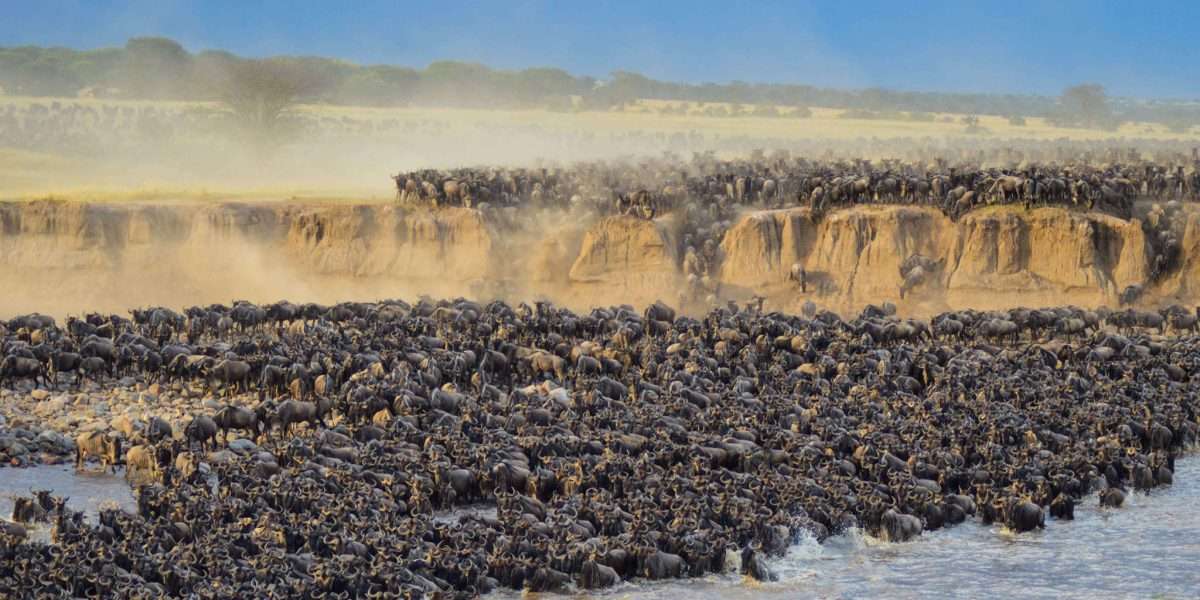
The Great Wildebeest Migration isn’t just a short event; it’s a year-long wildlife phenomenon that moves in a massive, clockwise loop through Tanzania’s Serengeti National Park and Kenya’s Masai Mara National Reserve. The journey spans roughly 1,000 miles and is driven by the rains, making each phase, from the gentle calving season to the dramatic river crossings—a unique chapter in an epic story of survival.
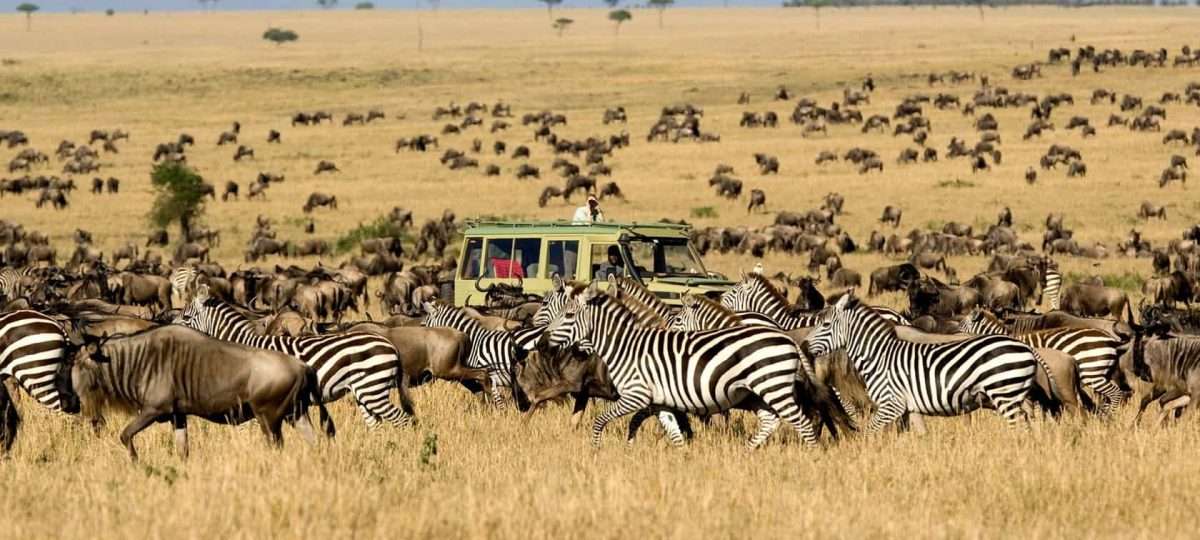
For travelers, witnessing the Great Migration safari is the ultimate African adventure. The sight and sound of thousands of animals moving as one across the endless plains, the tension of a river crossing, or the tender moments of new life during calving season create memories that last a lifetime. This guide will walk you through everything you need to know to plan your own journey to see this natural wonder of the world.
What is the Great Wildebeest Migration?
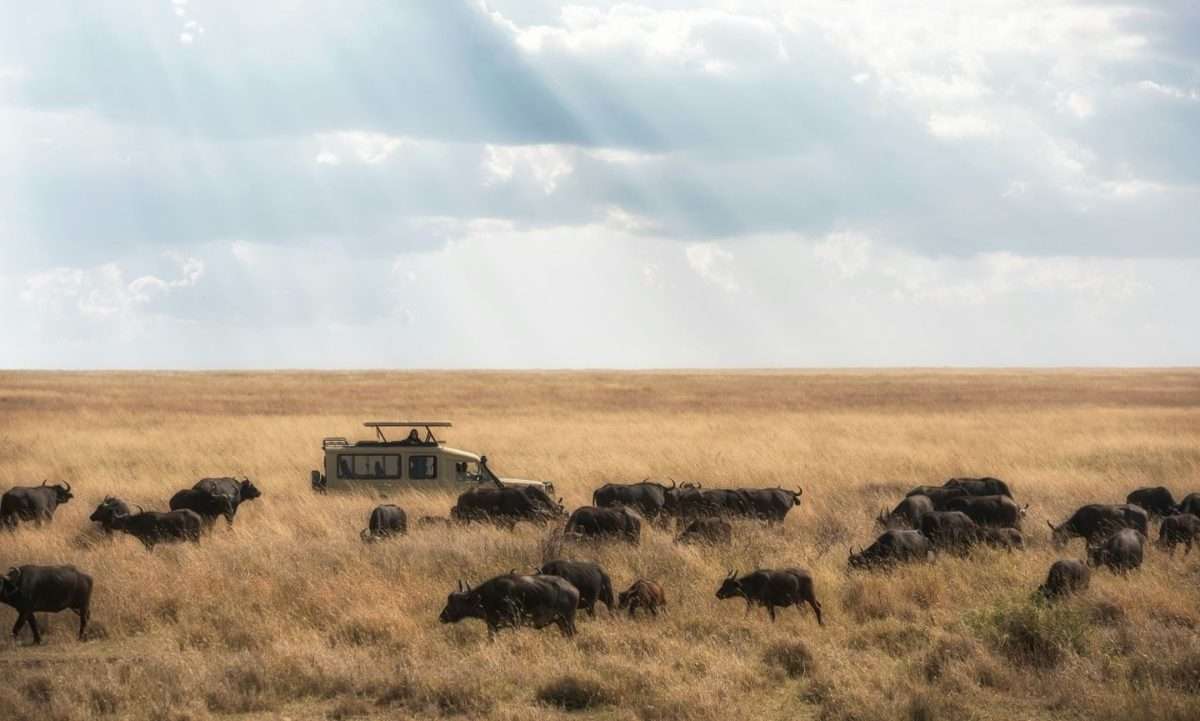
At its heart, the Great Migration is a relentless search for food and water. The wildebeest, along with zebras and Thomson’s gazelles, must constantly move to find the nutritious green grass that grows after seasonal rains. This primal need triggers their annual animal migration across the Serengeti-Mara ecosystem.
The Key Players: More Than Just Wildebeest
While the wildebeest are the stars, this is a group effort:
Wildebeest (or Gnus): The main characters, numbering over 1.5 million. They have a keen sense of smell and hearing to locate rain and fresh grass.
Zebras: Valued travel companions, often numbering around 250,000. They have excellent eyesight to spot predators and eat the top, tougher part of the grass, which helps clear the way for wildebeest.
300,000 Thomson’s & Grant’s Gazelles: Smaller antelopes that join the herds, feeding on the short grasses left behind. Their presence adds to the diversity of the mass wildlife migration.
This synergy between species is a perfect example of nature’s balance, making the migration a successful trek for survival for all.
Why Do Wildebeest Migrate?
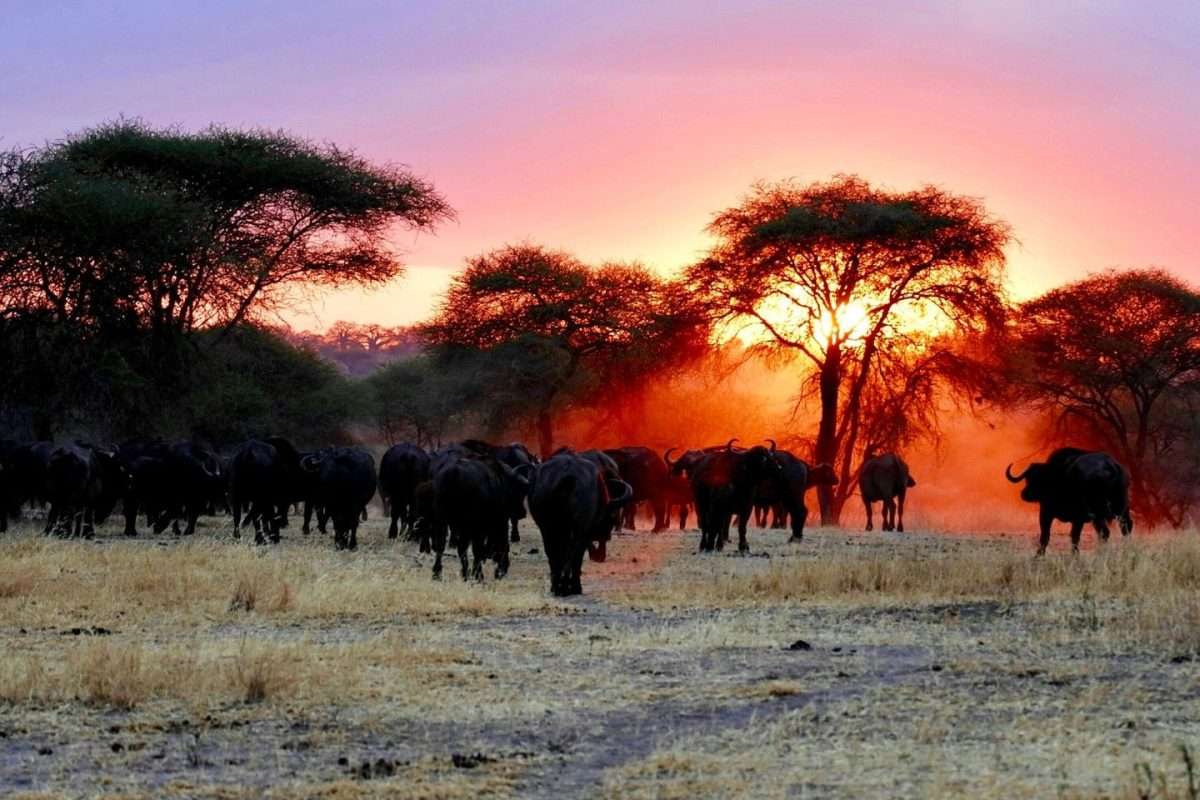
The simple answer is instinct and survival. Wildebeest have a fast metabolism and need to consume large amounts of grass daily. They follow the rainfall patterns over the Serengeti-Maasai Mara ecosystem, as rain triggers the growth of the fresh, mineral-rich grass they need. This seasonal herd migration is a deep, genetic and learned behavior passed down through generations.
The Search for Food and Water
Wildebeest need large amounts of fresh grass to survive. Staying in one place would quickly destroy grazing land. By following seasonal rains, they always find new, nutrient-rich grasslands.
Survival Through Movement
Migration helps prevent disease, overgrazing, and starvation. Moving as a herd also offers protection against predators.
Ancient Instinct
Wildebeest do not follow leaders or maps. Their migration is driven by instinct passed down for thousands of years, guiding them through the same landscapes year after year.
The Stage: The Serengeti-Mara Ecosystem
This incredible journey happens across one of the most famous wildlife areas on the planet: the Serengeti-Mara ecosystem. This is a vast, interconnected region that crosses the border between Tanzania and Kenya.
Serengeti National Park, Tanzania: The name means “endless plains.” This huge park is the primary stage for the migration for about 9 months of the year. Key areas include the Ndutu Plains (south) for calving, the Seronera Valley (central) for year-round game, and the Grumeti River and Mara River areas (west and north) for the famous crossings.
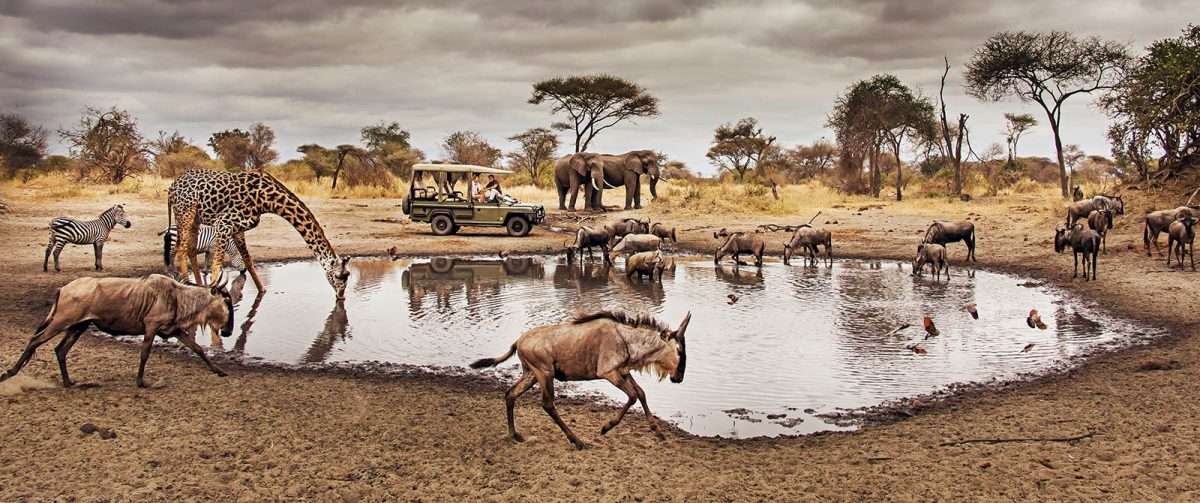
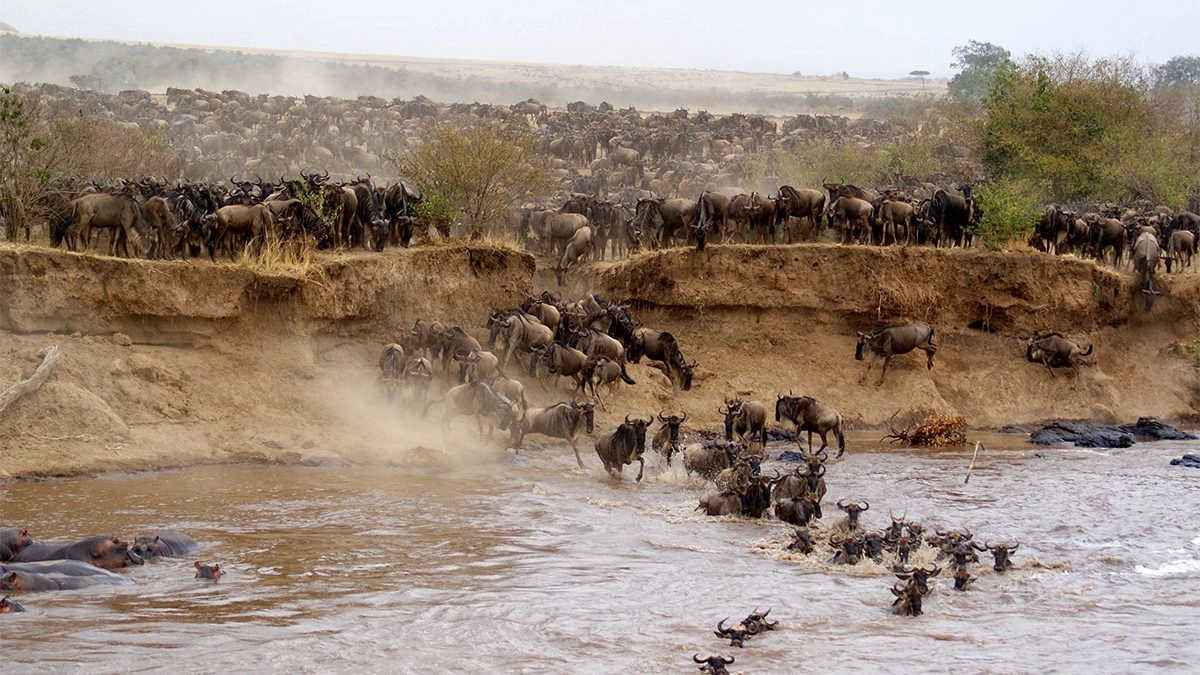
Masai Mara National Reserve, Kenya: A smaller but incredibly rich continuation of the Serengeti plains. The Mara is famous for its Mara River crossings and is where the herds spend the dry season from about August to October, enjoying the lush grasslands.
This entire region is a UNESCO World Heritage Site due to its ecological significance and incredible biodiversity.
How Long Does the Great Wildebeest Migration Last?
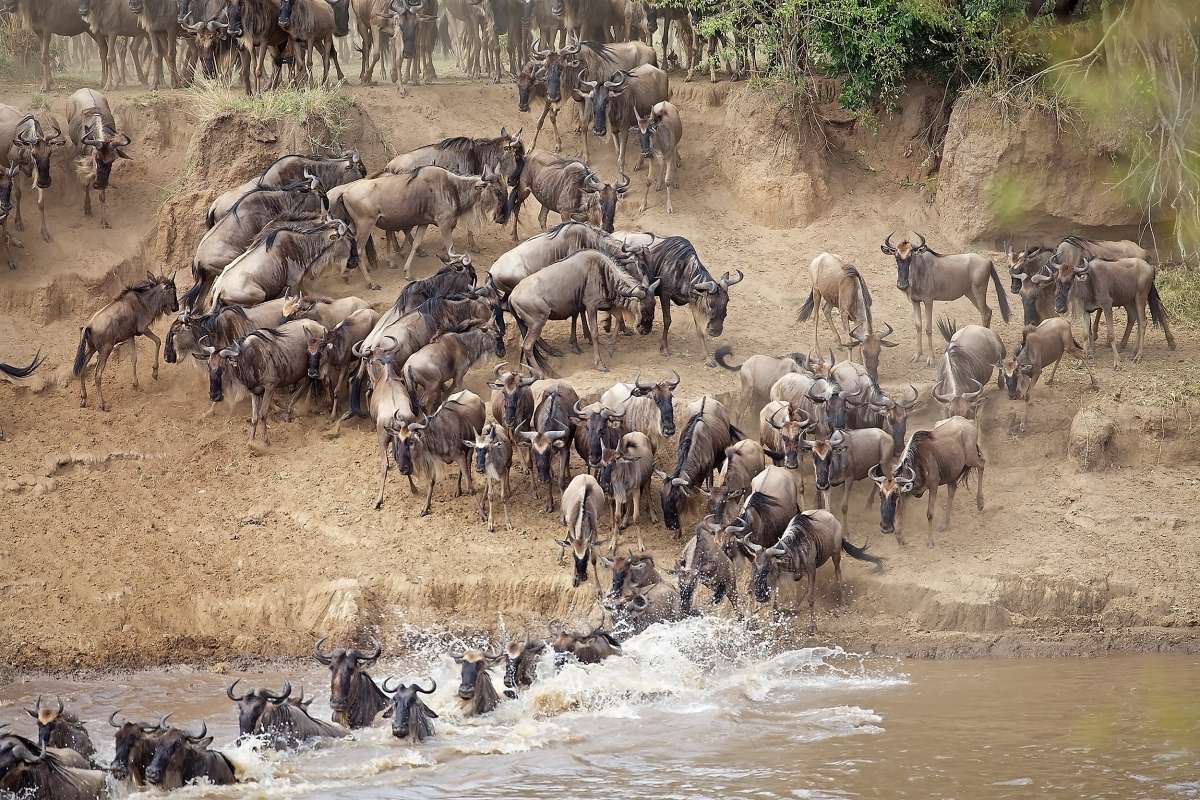
The Great Wildebeest Migration is not a short event that happens once and ends. It is a year-round wildlife movement across the Serengeti and Masai Mara ecosystem. Wildebeest, zebras, and gazelles are almost always on the move, searching for fresh grass and water. Even during the calving season, the herds continue to travel daily, making this the longest and largest land migration in the world.
To make planning easier, the migration is often explained using a month-by-month guide that shows where the herds are usually found throughout the year. However, nature does not follow a fixed timetable. The movement of the wildebeest migration depends entirely on rainfall patterns, grass growth, and water availability.
The Great Wildebeest Migration Month-by-Month Calendar
The Great Wildebeest Migration moves in a giant, year-long circle. You can see this amazing wildlife event any month, but what you see changes with the seasons. The animals follow the rain to find fresh grass. This guide will show you exactly where the herds are each month, helping you plan the perfect safari to see this natural wonder.
January and February: Baby Animals on the Southern Plains
At the start of the year, the big herds are in the south. They stay in the Southern Serengeti and the flat Ndutu plains near the Ngorongoro area. The short rains have made the grass green and full of food for the pregnant mothers.
February is the famous calving season. This is when the wildebeest have their babies. In just a few weeks, over 400,000 calves are born on these plains. The babies are strong and can walk just minutes after birth so they can keep up with the herd.
This is a very exciting time for a safari. So many baby animals attract lots of hunters. Lions, cheetahs, and hyenas are everywhere, looking for an easy meal. You will see amazing scenes of animals hunting and running every day. If you love photography or want to see real wildlife action, this is the best time to visit the Southern Serengeti.
March and April: Moving North in the Green Season
When the long rains come, the herds start to walk north. The whole Central Serengeti becomes a bright green park. This beautiful time is called the Green Season.
The huge group of animals breaks into smaller herds. They follow the rain and the new grass growing towards the western part of the park. This is a peaceful time to visit. There are fewer other tourists. You can enjoy the amazing green views and watch the animals move without big crowds. Sometimes the rain makes the roads muddy, but the beautiful scenery and quiet feeling are worth it.
May and June: The First Big River at Grumeti
By May and June, the animals reach the Western Serengeti. The grass is getting dry. Now it is mating season for the wildebeest. You will see the males fighting and showing off to find a mate.
Here, the herds meet their first big problem: the Grumeti River. The animals gather by the water, feeling nervous. Big Nile crocodiles live in this river, waiting for them. The crossing here is tense and exciting. It is like a practice for the bigger river crossings coming next. Watching the herds decide when to cross the Grumeti River is a thrilling part of the migration story.
July and August: The Famous Mara River Crossing
This is the most famous part of the whole Great Migration. The herds move into the Northern Serengeti and cross into Kenya’s Masai Mara park. They need the fresh grass on the other side of the river.
All the action happens at the Mara River. This is the most dangerous part of their journey. The water moves fast, and giant crocodiles hide below. The herds wait on the bank, sometimes for days. Then, one brave animal jumps in, and suddenly thousands follow. It is loud, chaotic, and amazing to watch. August is usually the best month to see this incredible river crossing event.
September and October: Eating in the Mara and Going Home
After crossing the river, the animals are tired. They spend time eating the tall, green grass in Kenya’s Masai Mara. This is a great time for game drives to see lots of animals relaxing in the beautiful plains.
By October, the herds feel it is time to go home. The short rains are starting in the south of Tanzania. Slowly, the wildebeest and zebras begin their long walk back to the Serengeti. The big group spreads out. If you are in the Northern Serengeti now, you can see these herds moving south in a more relaxed way.
November and December: Back to the Start
In the last months of the year, the animals finish their big circle. They walk back through the middle of the Serengeti, through areas like Lobo and Seronera.
By December, they are home. The herds are back on the green Southern Serengeti and Ndutu plains where they started. The circle is complete. Seeing them return to the calving grounds is a special way to end the year. It shows how the great cycle of the wildebeest migration is ready to begin all over again.
How do you see the Great Migration on Safari

There are several ways to witness the epic great wildebeest migration event, each offering a different perspective.
1. Traditional Game Drives
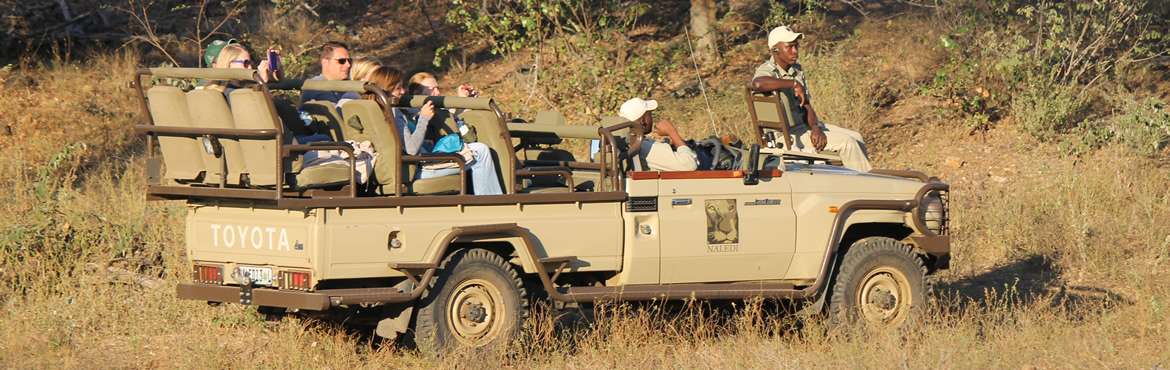
Game Drives are the most common and effective way. You’ll go out in a specialized 4×4 safari vehicle with an expert guide/driver who knows how to track the herds and position the vehicle for the best views, especially at river crossing points. Patience is key!
2. Luxury Mobile Tented Camps
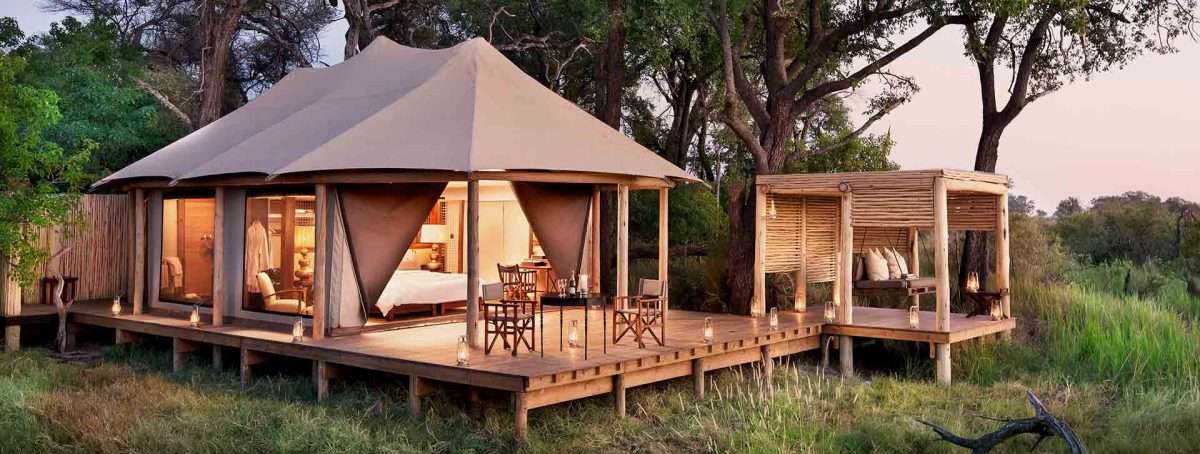
For the ultimate immersive experience, some operators offer luxury mobile camps that literally pack up and move every few months to follow the herds. This means you’re always in the heart of the action, with the sounds of the migration right outside your tent.
3. Hot Air Balloon Safaris
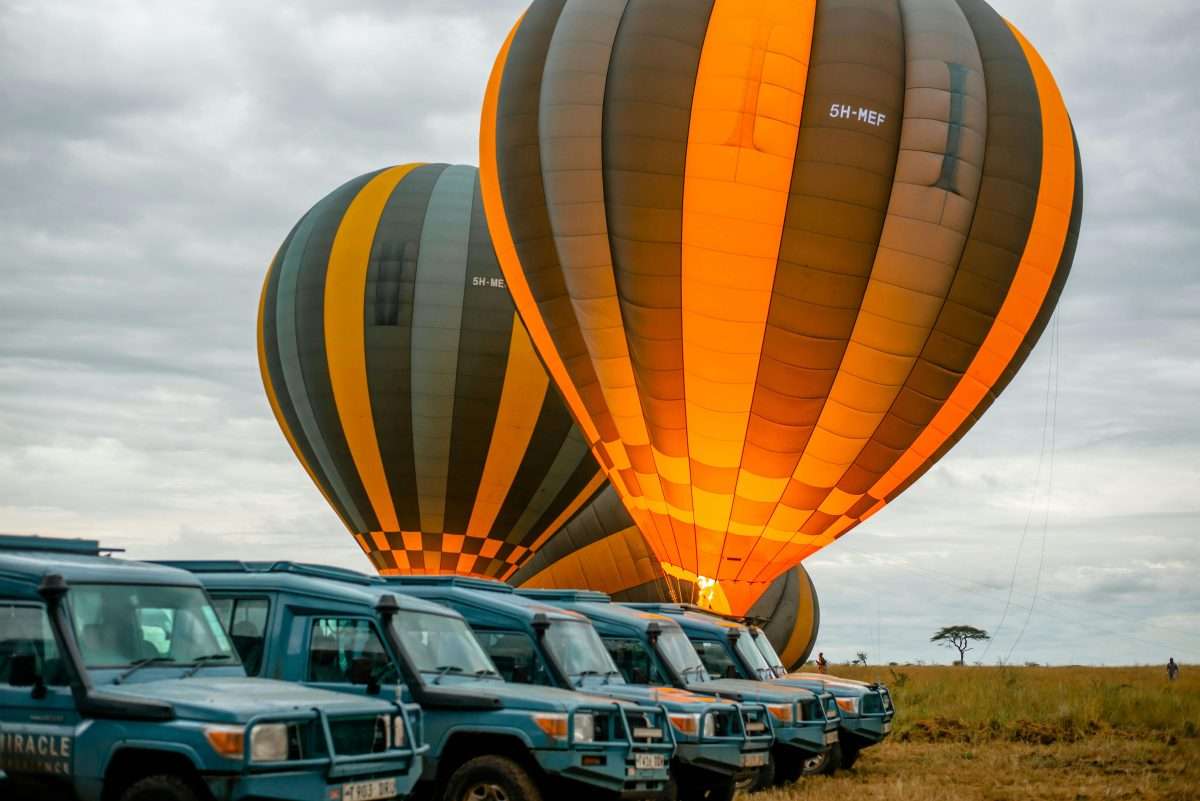
For a truly breathtaking perspective, a hot air balloon ride at sunrise is unmatched. Drifting silently over the plains as the herds move below gives you a humbling sense of the scale of the Great Migration. It often ends with a champagne breakfast in the bush.
4. Private vs. Shared Safaris
Private Safari: Offers complete flexibility. You can decide when to start your day, how long to stay at a sighting, and tailor the experience to your interests (e.g., focus on photography).
Shared/Group Safari: A more social and often budget-friendly option. The schedule is fixed by the guide for the group.
Tanzania or Kenya: Which is better for the great wildebeest migration? 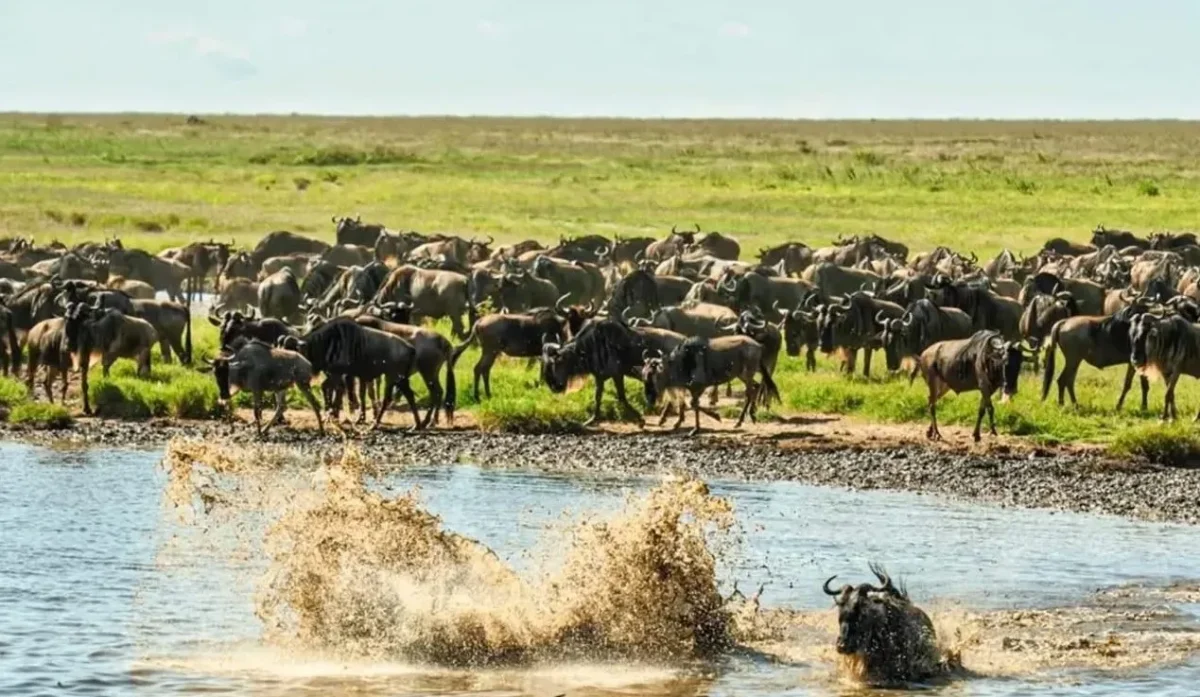
Both countries offer exceptional but distinct experiences within the same Serengeti-Mara ecosystem.
Tanzania’s Serengeti National Park is the main stage. The herds spend roughly eight to nine months of the year here, offering a longer window to see the migration. The Serengeti feels vast and untamed, giving you a sense of the journey’s immense scale as the animals traverse its endless plains.
Kenya’s Maasai Mara National Reserve is smaller but highly concentrated. From approximately August to October, it provides intense, dramatic viewing, especially around the river crossings. Its compact size can make wildlife encounters feel more immediate and accessible.
For the ultimate Great Migration safari, many luxury itineraries now seamlessly combine both Tanzania and Kenya. This cross-border approach lets you experience the vastness of the Serengeti and the concentrated drama of the Mara in one complete journey.
What are the essential items to pack?
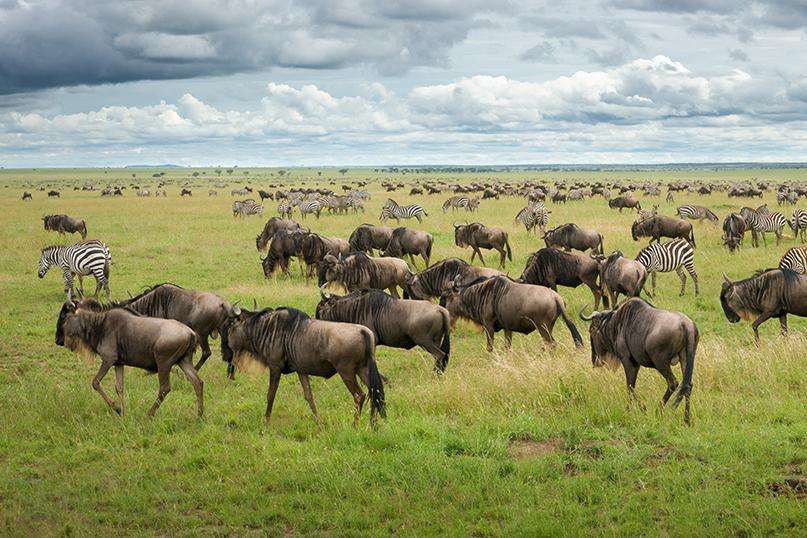
Packing correctly ensures comfort and allows you to fully enjoy every moment.
For clothing, choose neutral colors like khaki, green, or beige that blend with the bush. Mornings and evenings on game drives can be surprisingly cold, while midday is warm, so dressing in layers is crucial. A warm fleece or jacket, a hat for sun protection, and comfortable, closed-toe shoes are all must-haves.
Essential gear includes a pair of good quality binoculars—one for each traveler is ideal. A camera with a strong zoom lens (a 200-400mm range is excellent for capturing animals at a distance) and extra memory cards will help you document the action. Don’t forget high-SPF sunscreen, lip balm, and a reusable water bottle.
For health, consult a travel clinic or your doctor several weeks before your trip. Discuss recommended vaccinations, and a malaria prophylaxis regimen is often advised for travelers visiting these parks. Pack any personal medications and a basic first-aid kit.
When is the best time to see the Great Migration?
Choosing the best time depends on the specific wildlife spectacle you wish to see, as this is a year-round natural event.
If your priority is to witness the intensity of new life and predator action, plan your visit for January to March. This calving season in the Southern Serengeti offers the highest chance to see dramatic hunts, as lions and cheetahs take advantage of the vulnerable newborn wildebeest.
For travelers dreaming of the most iconic scene, the dramatic Mara River crossings, you should aim for July to September. The herds are in the Northern Serengeti and Maasai Mara during these dry season months, with August typically being the peak for crossing activity. The chaos of the crossing, with crocodiles waiting in the waters, is the migration’s most famous chapter.
If you prefer lush green scenery and quieter parks with fewer tourist vehicles, consider the shoulder seasons of April, May, or November. These months offer beautiful landscapes and a more serene safari experience, though wildlife viewing can be more spread out as the herds are on the move.
Is seeing a Wildebeest river crossing guaranteed?
No, witnessing a river crossing is never guaranteed. This is a wild event dictated entirely by the instincts of the herd. They may gather at a riverbank for hours or even days before one individual decides to cross, triggering the rest to follow. An experienced safari guide is essential, as they know the probable crossing points and can read animal behavior to maximize your chances. The key is patience and embracing the anticipation as part of the authentic adventure.
Do Wildebeest and Other Animals Sleep During the Great Migration?
Yes, wildebeest and other animals involved in the Great Migration do sleep, but their rest is light, short, and carefully timed to reduce the risk from predators.
Because the herds are constantly on the move across East Africa, sleep becomes a balance between resting, grazing, and staying alert to danger.
Wildebeest do not sleep for long, deep hours like humans. Instead, they rely on brief periods of rest spread throughout the day and night. Living in massive herds helps them stay safer, as many eyes and ears are always alert.
How Wildebeest Sleep During the Migration
Alertness remains the top priority, as predators such as lions, hyenas, and leopards closely follow the migration routes.
Sleep is often light and interrupted, with some animals resting while others stay awake and act as natural guards within the herd.
Wildebeest use safety in numbers to their advantage. By resting together in groups, they reduce the chance of surprise attacks while still allowing individuals to recover energy.
Short naps and microsleeps are common, allowing wildebeest to rest without fully losing awareness of their surroundings.
These brief rests happen both during the night and throughout the day, depending on conditions and predator activity.
Rather than lying down for long periods, many wildebeest stand or lie down only briefly, ready to move quickly if danger appears.
Most nighttime sleep occurs in short stretches, especially during the early morning hours when temperatures are cooler.
Wildebeest are most active at dawn and dusk, which limits how much deep rest they can take at night.
Daytime rest usually happens during the hottest hours, when grazing slows and conserving energy becomes more important.
Shade and open grasslands offer brief pauses where the herd can relax without fully stopping their journey.
On average, wildebeest sleep for about four to five hours per day in total.
This sleep is a mix of light and slightly deeper rest, often broken into several short sessions rather than one long period.
How Other Migrating Animals Rest
Zebras, gazelles, and other grazing animals follow similar sleep patterns, relying on herd behavior for protection.
Many animals rest in turns, ensuring that some members remain alert while others recover.
Birds involved in long-distance movement also adapt their rest patterns. Some take short naps while perched in flocks, while others rest in safe areas during migration stops.
Across the Great Migration, sleep is not about comfort but survival. Every moment of rest is planned around safety, movement, and the constant need to stay alive in one of nature’s most demanding journeys.
Here are the Great Migration Tour Packages at TourwithPipi:
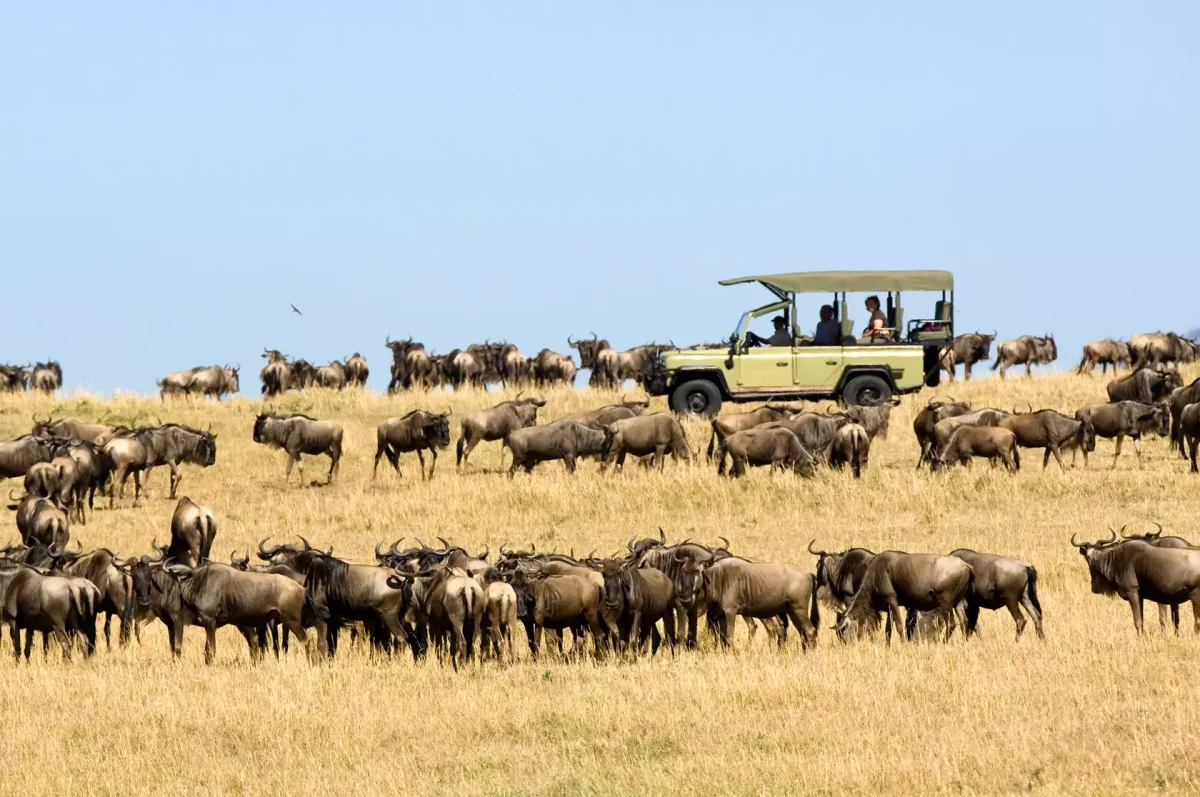
1. Great Migration Safari Tanzania – 10 Days
Experience the peak Great Migration Mara River crossings on this luxury Tanzania safari. Witness thousands of wildebeest and zebras crossing the river in search of greener pastures. This safari is timed for the most dramatic wildlife spectacle in Africa. View Details:
2. Calving Season Safari Tanzania – 11 Days
Focus on Ndutu and Southern Serengeti during peak calving season. Witness the birth of thousands of wildebeest calves and the predators that follow. This luxury safari offers front-row seats to one of nature’s most incredible events. View Details:
3. Tanzania Calving Safari – 8 Days
An efficient February calving safari for intense wildlife action in Ndutu and Serengeti. Perfect for photography enthusiasts and couples seeking a shorter but equally thrilling migration experience. View Details:
4. Northern Tanzania Safari with Migration Viewing – 7 Days
Best-value 7-day private luxury safari across Northern Tanzania’s best parks with Great Migration viewing opportunities. Includes Serengeti National Park during migration season. View Details:
All Great Migration tours include expert guides, luxury accommodations, and guaranteed wildlife viewing during peak migration periods. The migration follows a predictable annual cycle through Tanzania’s Serengeti ecosystem and into Kenya’s Masai Mara.


