
Quick Answer:
Most rhinos live 35 to 50 years in the wild, while those living in protected reserves and zoos can reach 50 to 56 years. The exact lifespan of a rhino depends on its species, habitat, genetics, food availability, and protection from poaching.
How Long Do Rhinos Live?
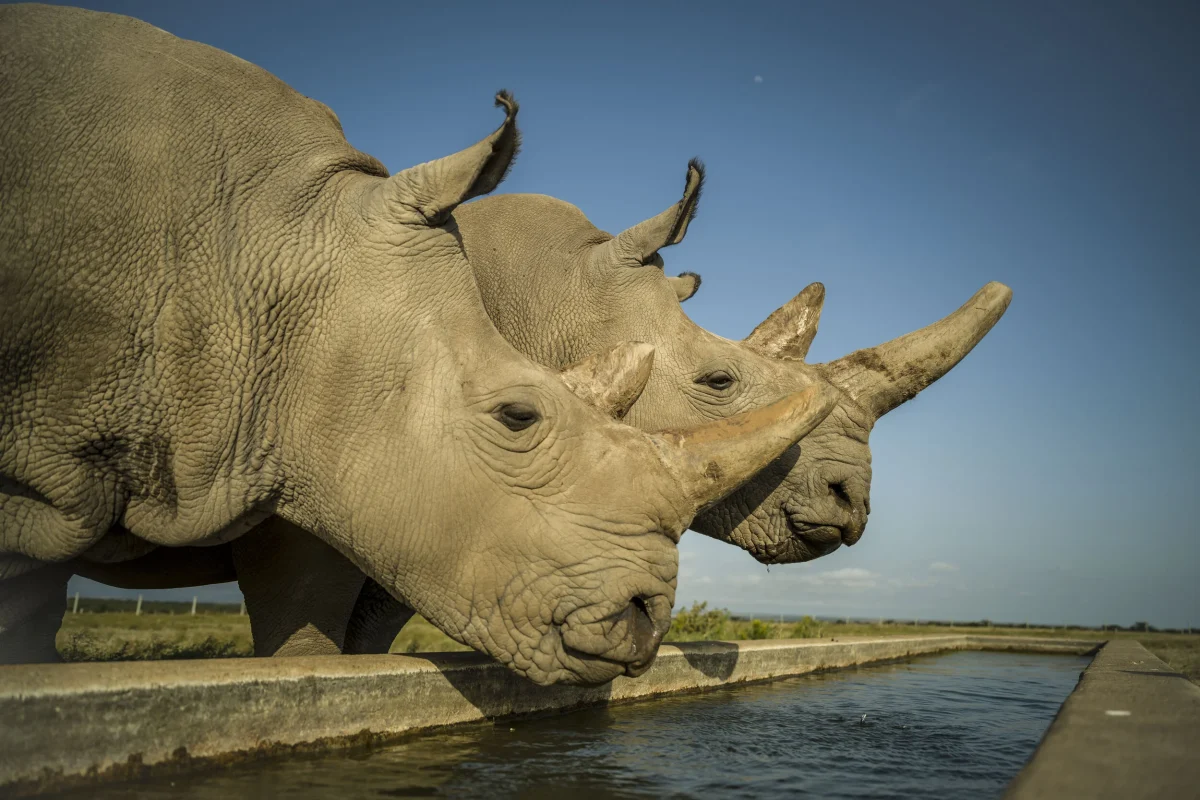
Rhinos are among the world’s longest-living land mammals. Although they face enormous threats from poaching and habitat loss, healthy individuals can live for several decades.
How long does a rhino live?
Most rhinos survive between 35 and 50 years in the wild. Those living in protected reserves, wildlife sanctuaries, and accredited zoos often live even longer because they receive veterinary care, reliable nutrition, and protection from predators and illegal hunting.
The exact lifespan of rhino varies by species, environmental conditions, and conservation efforts.
While biology allows rhinos to live well into their fifties, many wild individuals never reach their natural lifespan because of human-related threats.
Rhino Lifespan by Species
Although all five rhino species belong to the same family, their average lifespan differs slightly depending on habitat, genetics, and environmental pressures.
| Rhino Species | Wild Lifespan | Protected Care / Captivity |
|---|---|---|
| White Rhino | 40–50 years | 50–55 years |
| Black Rhino | 35–50 years | 45–55 years |
| Greater One-horned (Indian) Rhino | 35–45 years | 45–50 years |
| Javan Rhino | 30–40 years | Around 30–40 years |
| Sumatran Rhino | 30–40 years | 40–45 years |
These averages reflect healthy populations living under normal environmental conditions
White Rhino Lifespan
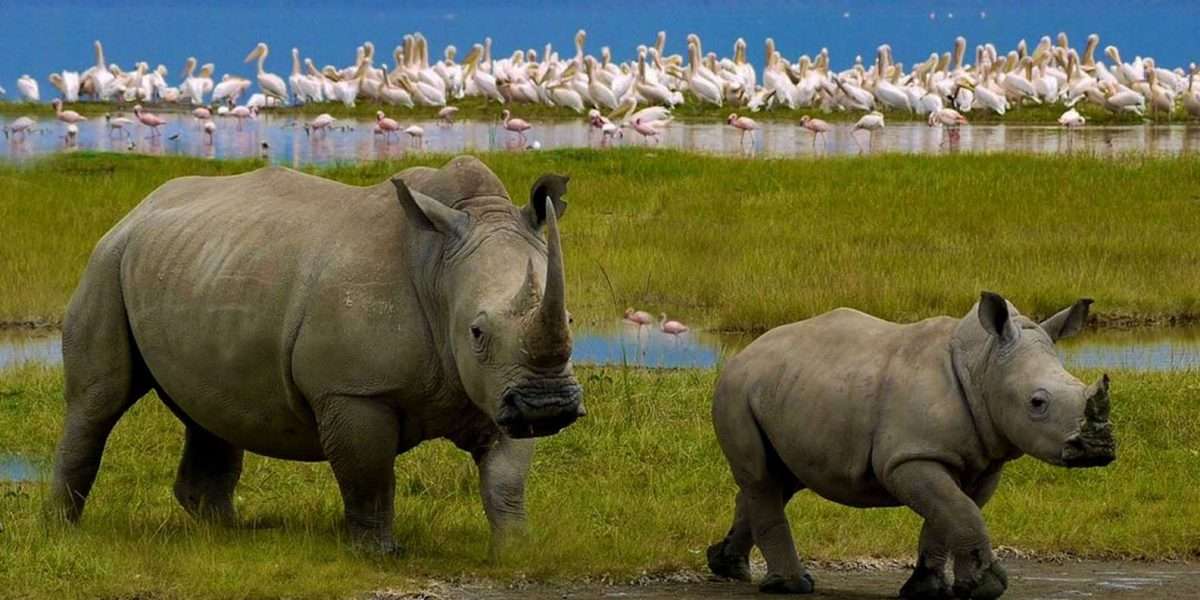
The white rhino has one of the longest life expectancies of any rhino species.
Most white rhinos live between 40 and 50 years in the wild, while individuals living in zoological parks or protected reserves often survive into their early fifties.
Their large body size, relatively calm behavior, and successful conservation management across southern Africa have helped improve survival rates.
One of the oldest recorded white rhinos, Dolly at Zoo Knoxville, reached 56 years of age, making her one of the longest-living rhinos ever documented.
Black Rhino Lifespan
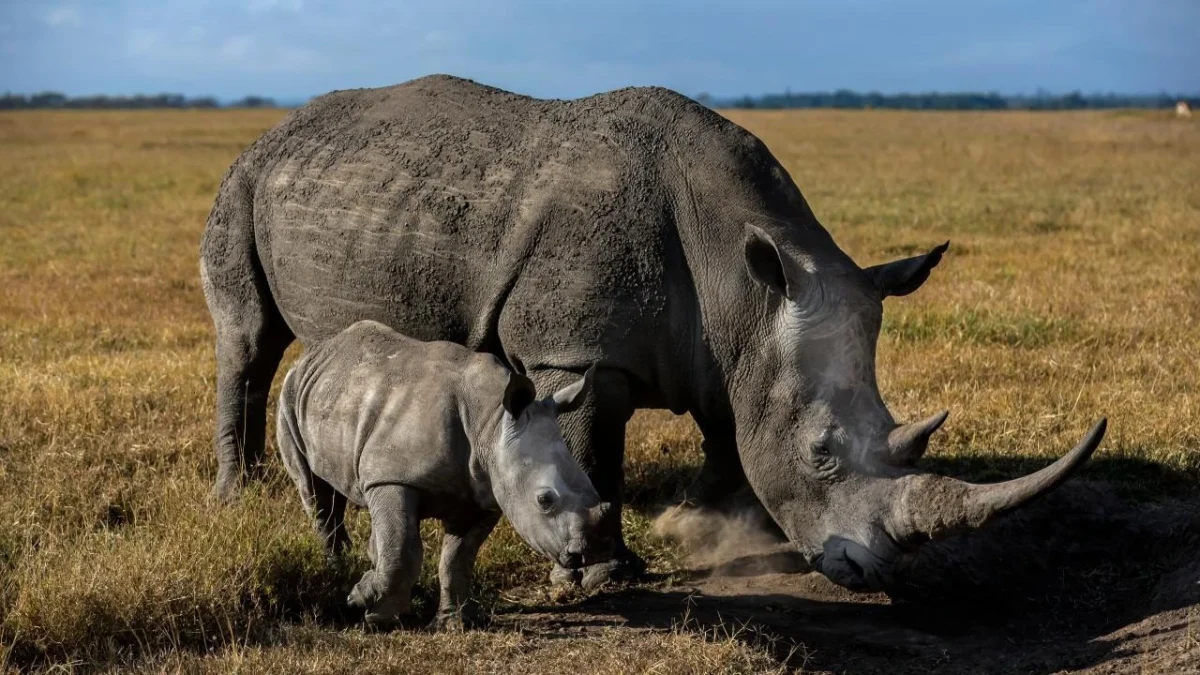
Black rhinos generally live between 35 and 50 years in the wild.
Compared with white rhinos, they are more solitary and often experience greater territorial conflicts, particularly among adult males competing for breeding rights.
In protected reserves with consistent veterinary care, many black rhinos survive into their late forties or early fifties.
The oldest known wild rhino ever recorded was Fausta, an eastern black rhino from Tanzania, who reached 57 years of age, demonstrating the remarkable longevity rhinos can achieve under favorable conditions.
Indian Rhino Lifespan
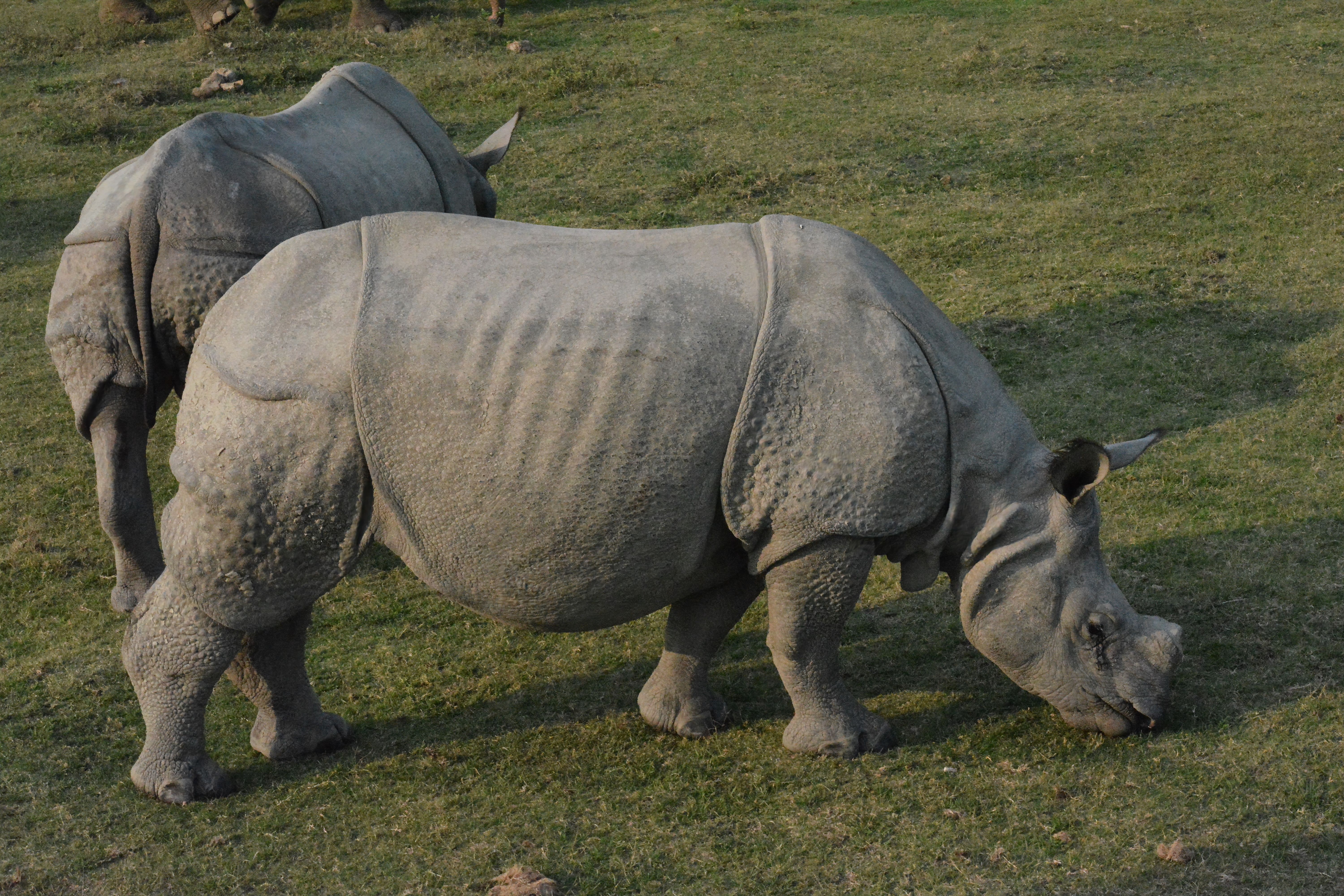
The greater one-horned rhino, commonly known as the Indian rhino, usually lives between 35 and 45 years in the wild.
Protected populations in India and Nepal have benefited greatly from conservation efforts, allowing many individuals to live longer than previous generations.
In managed environments, Indian rhinos commonly reach 45 to 50 years of age.
Their protected grassland habitats, abundant food sources, and strict anti-poaching measures have played an important role in increasing survival rates.
Javan Rhino Lifespan
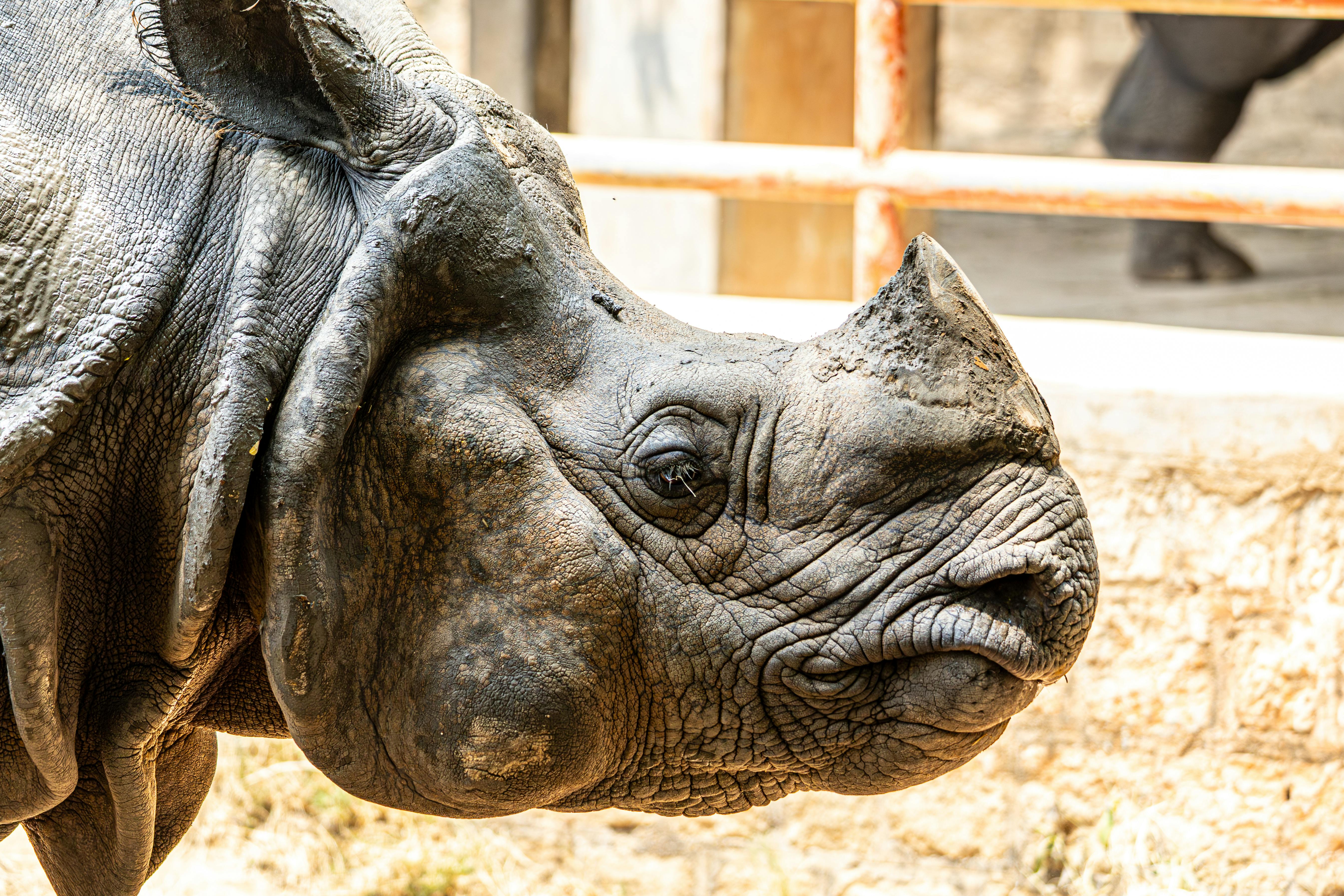
The Javan rhino is the rarest rhino species on Earth.
With fewer than one hundred individuals remaining, nearly the entire wild population survives within a single protected national park in Indonesia.
Their estimated lifespan is 30 to 40 years.
Because so few Javan rhinos exist, scientists have limited opportunities to study their complete life cycle.
Small population size and reduced genetic diversity remain significant long-term conservation challenges.
Sumatran Rhino Lifespan
The Sumatran rhino is the smallest and most ancient of all living rhino species. Unlike the Indian and Javan rhinos, it has two horns and inhabits dense tropical forests across parts of Indonesia.
The average lifespan of a Sumatran rhino is 30 to 40 years in the wild, while individuals under professional care may reach 40 to 45 years.
Because fewer than a hundred Sumatran rhinos remain, much of what scientists know comes from long-term conservation programs. Habitat fragmentation, low breeding success, and isolated populations continue to threaten both their survival and overall life expectancy.
What Affects the Lifespan of a Rhino?
While genetics determine how long a rhino can live, environmental conditions largely determine how long it actually survives.
Several factors influence the lifespan of a rhino, both in the wild and under human care.
Diet and Nutrition
Rhinos are herbivores, but each species feeds differently.
White and Indian rhinos primarily graze on grasses, while black and Sumatran rhinos browse leaves, shoots, shrubs, and small branches.
Access to nutritious vegetation helps rhinos maintain healthy body weight, stronger immune systems, and better reproductive success throughout their lives.
Food shortages caused by drought or habitat degradation can significantly reduce lifespan by increasing malnutrition and disease.
Habitat Quality
Healthy habitats provide more than food.
Rhinos require reliable water sources, secure breeding areas, shade, and sufficient space to establish territories.
However, agriculture, mining, road construction, and expanding human settlements continue to reduce suitable rhino habitat across Africa and Asia.
Habitat loss forces rhinos into smaller isolated populations where competition increases and long-term survival becomes more difficult.
Poaching and Human Activity
The greatest threat to modern rhinos is not old age.
It is illegal wildlife crime.
Poaching for rhino horns remains the leading cause of premature death across every rhino range state.
Although international conservation efforts have strengthened anti-poaching patrols, illegal demand for rhino horn continues to threaten wild populations.
Many rhinos capable of living well beyond forty years never reach their natural lifespan because they are killed long before old age.
Health and Veterinary Care
Wild rhinos naturally face injuries, infections, parasites, and occasional disease outbreaks.
Under professional care, however, veterinarians can diagnose and treat many health problems before they become life-threatening.
Routine health monitoring, nutritional management, and medical treatment are major reasons why rhinos living in accredited zoos and protected reserves often survive several years longer than their wild counterparts.
Genetics and Population Size
Healthy genetic diversity plays an essential role in long-term species survival.
Very small populations face increased risks of inbreeding, which can reduce fertility, weaken immune systems, and increase inherited health problems.
This challenge is particularly serious for critically endangered species such as the Javan and Sumatran rhino.
To maintain healthy populations, conservationists carefully manage breeding programs and, where possible, relocate rhinos between protected populations to preserve genetic diversity.
Conservation Is Helping Rhinos Live Longer
Today, approximately 27,000 rhinos remain in the wild, making conservation more important than ever.
Modern wildlife protection has significantly improved rhino survival across many protected landscapes.
Dedicated conservation programs now combine scientific research, community involvement, and advanced technology to protect both rhinos and their habitats.
Protected reserves provide secure environments with abundant food, reliable water, and constant monitoring, allowing rhinos to live longer and reproduce successfully.
Anti-poaching teams work around the clock using drones, GPS tracking, motion-sensitive cameras, DNA databases, and rapid response units to combat illegal hunting.
Conservation also depends heavily on local communities. Ecotourism, education programs, and employment opportunities encourage people living near rhino habitats to protect wildlife rather than exploit it.
These combined efforts are giving many rhino populations a greater opportunity to reach their full natural lifespan.
Why Rhino Longevity Matters
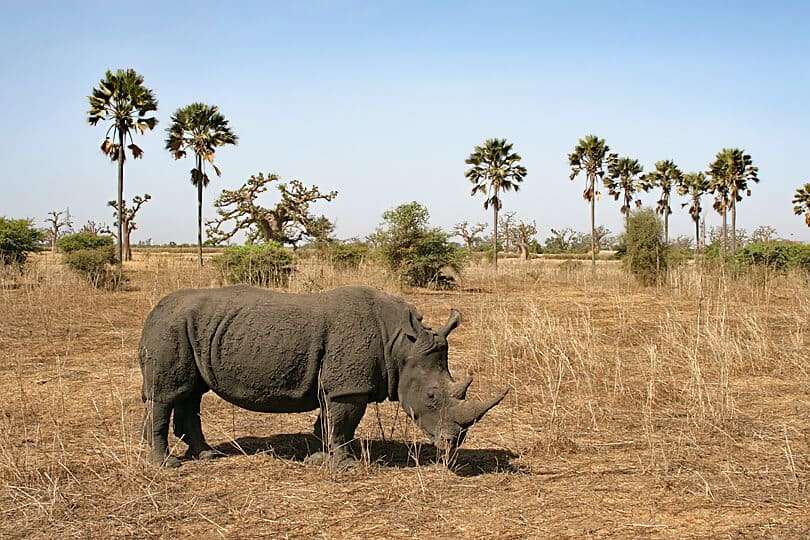
Rhinos are more than iconic animals.
They are keystone species, meaning their presence helps maintain the balance of entire ecosystems.
As they graze and browse, rhinos shape vegetation, create open grasslands, disperse seeds, and influence habitats used by countless other mammals, birds, reptiles, and insects.
Long-lived rhinos continue performing these ecological roles for decades.
Protecting their longevity therefore supports healthier ecosystems, stronger biodiversity, and more resilient landscapes across Africa and Asia.
A rhino living its full natural life contributes far more to conservation than one lost prematurely to poaching or habitat destruction.
See Rhinos in the Wild with TourwithPipi
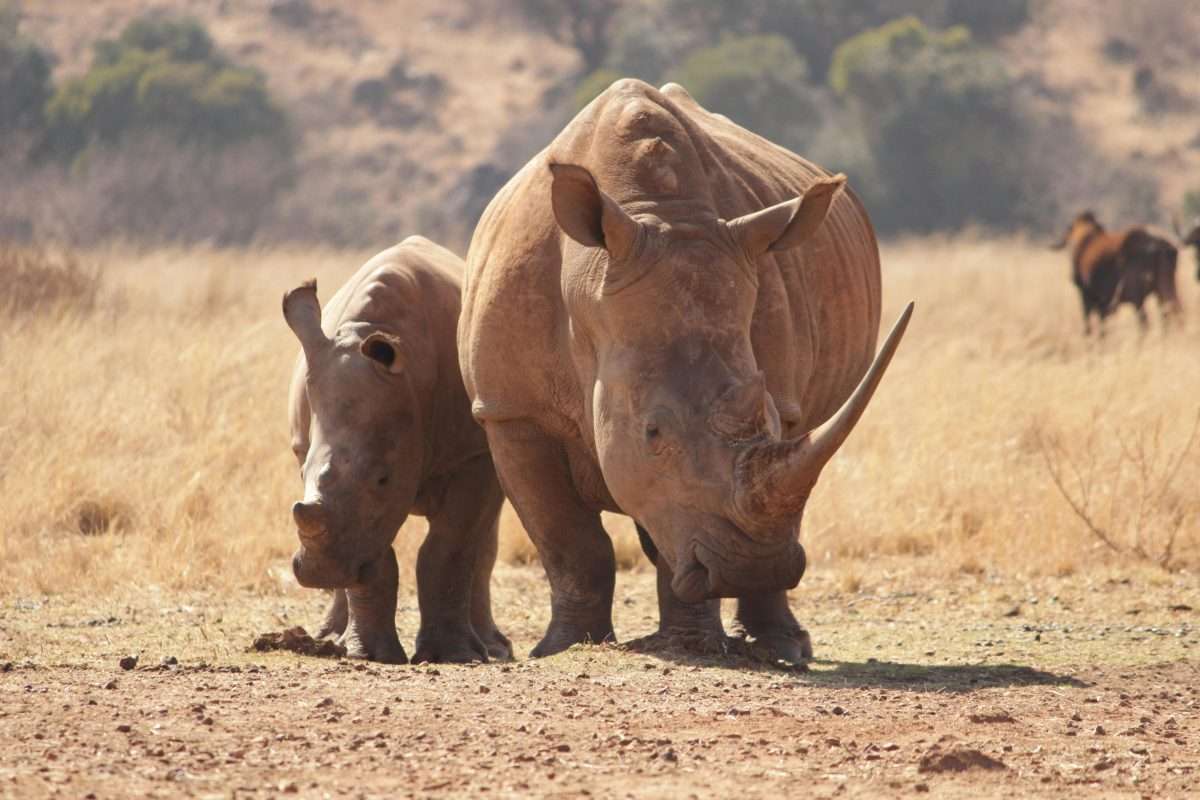
Watching a wild rhino quietly grazing across the African savanna is one of the most memorable wildlife experiences any safari can offer. Whether you encounter the impressive southern white rhino in Kenya, Tanzania, or southern Africa, every sighting highlights the importance of protecting one of Earth’s oldest surviving mammals.
At TourwithPipi, our luxury African safaris are designed to maximize ethical wildlife viewing while supporting responsible tourism and conservation. Our experienced guides know the best locations to safely observe rhinos in their natural habitat while sharing fascinating insights into their behaviour, ecology, and the conservation programs helping these remarkable animals survive for future generations.
Frequently Asked Questions
How long do rhinos live in the wild?
Most rhinos live between 35 and 50 years in the wild. White rhinos generally have the longest average lifespan, while Javan and Sumatran rhinos usually live 30 to 40 years.
How long does a rhino live in captivity?
Rhinos living in accredited zoos, wildlife parks, and protected reserves often live 5 to 10 years longer than wild rhinos. White rhinos can reach 50 to 55 years, while some individuals have lived even longer under exceptional care.
Which rhino species lives the longest?
The white rhino generally has the longest average lifespan, commonly living 40 to 50 years in the wild and over 50 years under professional care.
What is the oldest rhino ever recorded?
The oldest known wild rhino was Fausta, an eastern black rhino from Tanzania that lived to 57 years.
Among white rhinos in human care, Dolly at Zoo Knoxville reached 56 years, making her one of the oldest rhinos ever documented.
Why don’t many wild rhinos reach old age?
Although rhinos are biologically capable of living for decades, many die prematurely because of illegal poaching, habitat loss, injuries, disease, environmental accidents, and increasing conflict with humans.
Poaching for rhino horns remains the single greatest cause of early mortality.
Can rhinos die from natural causes?
Yes. Older rhinos may eventually die from age-related illnesses, infections, injuries, or natural accidents such as becoming trapped in mud, drowning during floods, or complications resulting from disease.
However, across much of their range today, human-related threats are a far greater cause of death than natural ageing.
Key Takeaways
- The average lifespan of a rhino is 35 to 50 years in the wild.
- White rhinos generally live the longest among all species.
- Rhinos under professional care often live several years longer than wild rhinos.
- Poaching remains the leading cause of premature rhino deaths.
- Habitat protection and conservation programs continue to improve rhino survival.
- The oldest recorded white rhino reached 56 years, while the oldest known wild black rhino lived to 57 years.


