
Quick Answer:
Lions sleep between 16 and 20 hours a day, making them one of Africa’s sleepiest mammals. Lions sleep to conserve energy for hunting, avoid the intense daytime heat, digest large protein-rich meals, and stay active during the cooler hours around dawn, dusk, and night when prey is easier to catch.
How Many Hours Do Lions Sleep?
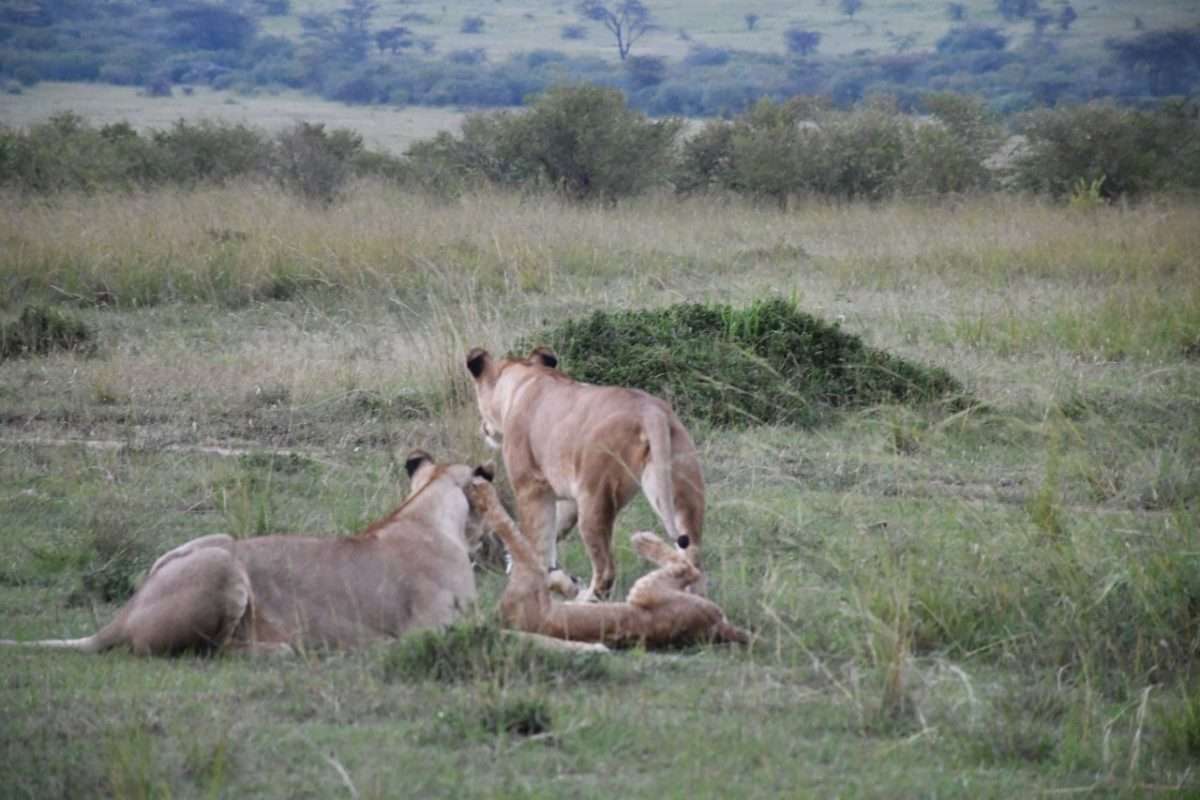
If you’ve ever been on an African safari, you may have been surprised to find lions lying under an acacia tree for most of the day.
This is completely normal.
How many hours do lions sleep a day? Adult lions typically sleep or rest for 16 to 20 hours every 24 hours. Following a successful hunt and a large meal, they may rest for almost an entire day, allowing their bodies to recover and digest large amounts of meat.
Unlike humans, lions rarely sleep in one uninterrupted period. Instead, lions sleeping throughout the day consists of many short naps separated by periods of stretching, grooming, social interaction, and scanning their surroundings.
Even while resting, lions remain surprisingly alert. Small sounds, nearby prey, rival prides, or approaching scavengers can quickly wake them.
Why Do Lions Sleep So Much?
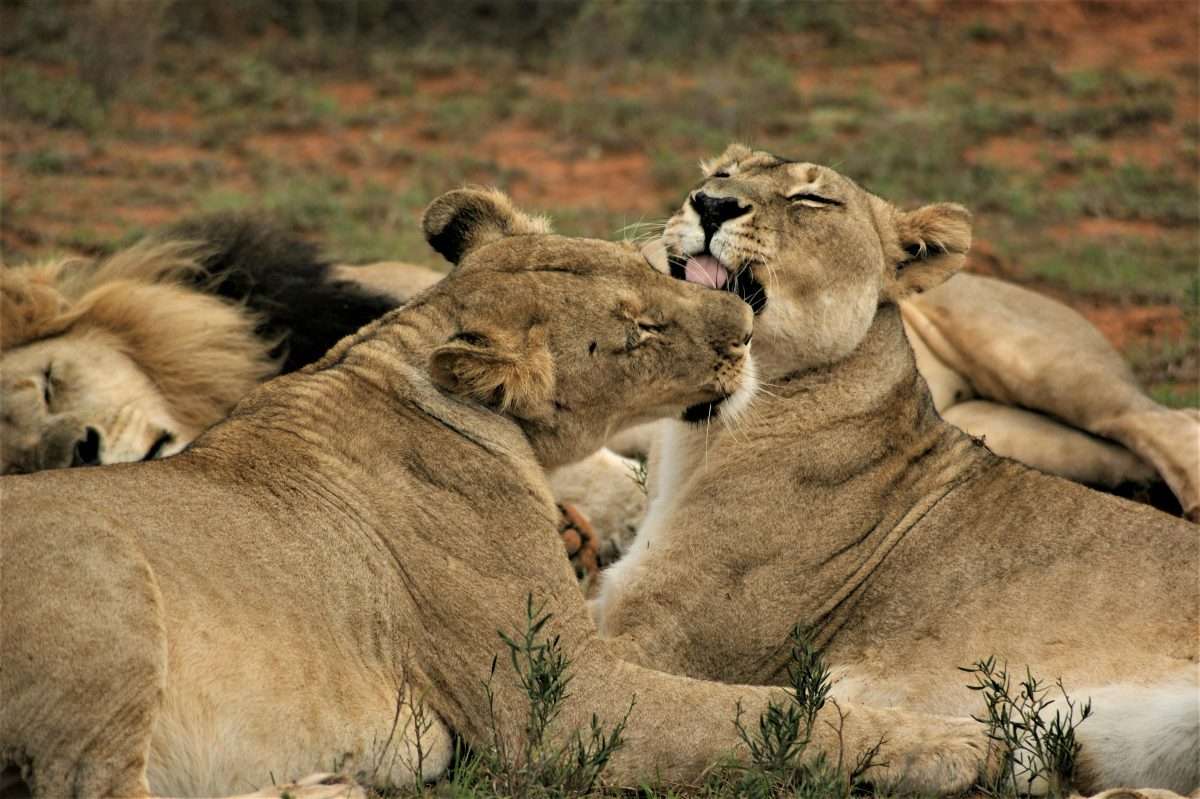
Many people assume lions sleep because they are lazy.
In reality, sleeping is one of the most important survival strategies they have evolved.
Every hour of rest helps prepare them for the enormous physical effort required to hunt, defend territory, and survive in Africa’s challenging environments.
They Need Energy for Hunting
The biggest reason why lions sleep so much is energy conservation.
Lions are powerful sprinters, not endurance runners.
A hunting attempt involves:
- Stalking prey over long distances.
- Remaining perfectly still for extended periods.
- Exploding into a short sprint.
- Wrestling animals that often weigh several hundred kilograms.
These explosive bursts consume tremendous amounts of energy.
Since only a small percentage of hunts succeed, wasting energy on unnecessary activity could reduce their chances of catching the next meal.
Resting between hunts helps lions remain physically prepared for the next opportunity.
Sleeping Helps Lions Stay Cool
African savannas become extremely hot during the middle of the day.
Unlike humans, lions have relatively few sweat glands and cannot cool themselves efficiently through sweating.
Instead, they regulate body temperature by limiting activity during the hottest hours.
Most lions seek shade beneath:
- Acacia trees.
- Bushes.
- Rocky overhangs.
- Tall grass.
By remaining inactive during peak temperatures, they reduce water loss and avoid overheating.
Digestion Requires Rest
Another major reason lions sleep so much is digestion.
Lions are obligate carnivores that consume large quantities of meat after a successful hunt.
A single adult male can eat up to 40 kilograms (88 pounds) in one sitting.
Digesting such protein-rich meals demands considerable energy.
After feeding, lions often spend many hours resting while their digestive system breaks down meat into nutrients needed for muscle repair and future hunting.
The larger the meal, the longer the recovery period.
Following particularly large kills, lions may sleep or rest for up to 24 hours before becoming active again.
When Do Lions Sleep?

Although lions spend much of the day resting, they are far from inactive animals.
Lions are crepuscular, meaning they are most active during:
- Early morning before sunrise.
- Late evening after sunset.
- Throughout much of the night.
These cooler hours offer several advantages.
Temperatures are lower.
Many prey animals become less alert.
Low light also favors lions because their night vision is exceptionally well developed.
Their eyes are estimated to be about six times more sensitive to low light than human eyes, allowing them to hunt effectively long after sunset.
By sleeping during daylight and becoming active at night, lions maximize hunting success while minimizing energy loss.
Where Do Lions Sleep?
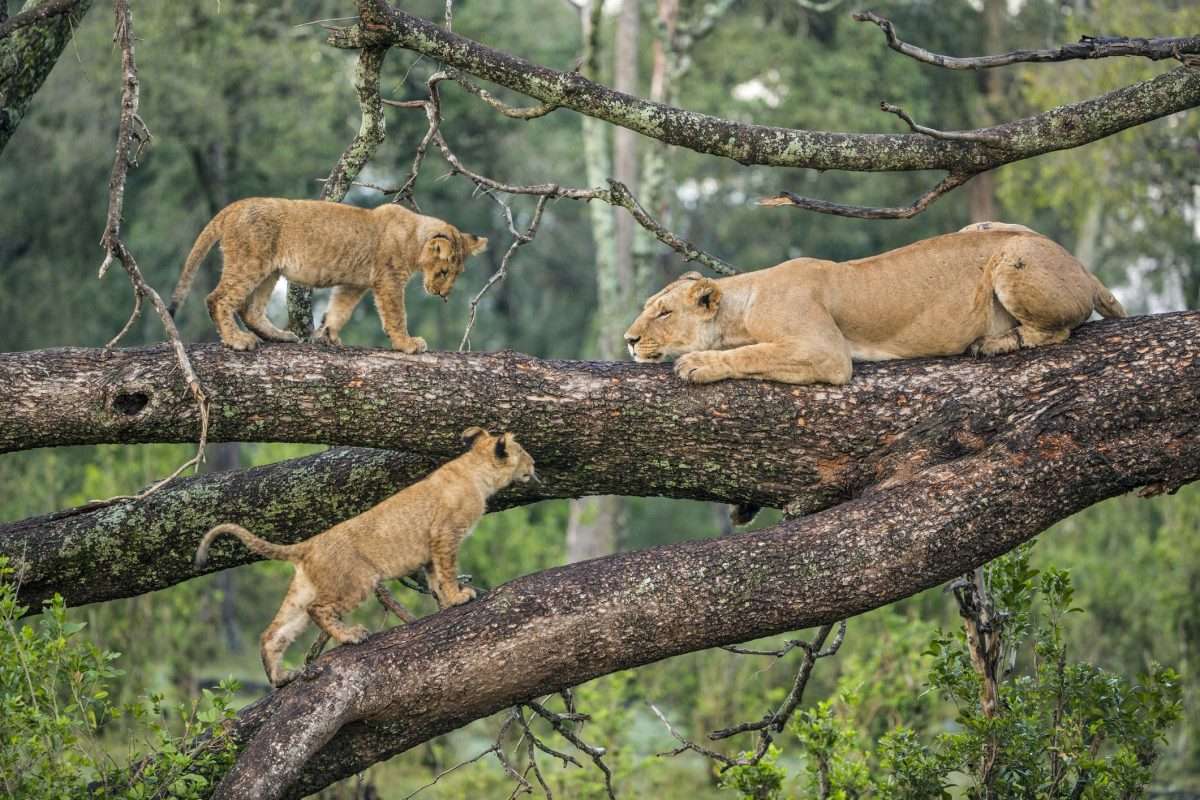
One of the most common safari questions is “Where do lions sleep?”
Lions do not build dens or permanent shelters like some mammals.
Instead, they choose resting places that provide shade, safety, and a good view of their surroundings.
In the wild, lions commonly sleep:
- Beneath acacia trees.
- Under large bushes.
- In tall grass.
- Along dry riverbeds.
- On rocky outcrops called kopjes.
- Occasionally beside waterholes where temperatures are cooler.
Their resting location often changes depending on the weather, the movement of prey, and the location of the pride.
Even while sleeping, lions remain aware of nearby sounds and scents. They can wake almost instantly if another pride approaches, prey appears nearby, or scavengers such as hyenas become a threat.
How Often Do Lions Sleep?
Many people imagine lions sleeping for one long stretch.
In reality, that’s not how their sleep cycle works.
How often do lions sleep?
Lions take numerous short naps throughout the day and night rather than sleeping continuously for 16 to 20 hours.
Between naps they may:
- Groom one another.
- Stretch.
- Change resting locations.
- Interact with cubs.
- Patrol short distances.
- Scan for danger.
This pattern allows them to remain ready to respond quickly if opportunities or threats arise.
Within a pride, not every lion sleeps at the same time.
While several members rest, others often remain awake to monitor the surroundings, helping protect cubs and detect rival lions or approaching predators.
Lion Sleep Compared With Other Big Cats
Lions are among the longest-sleeping members of the cat family, although they are not alone.
| Big Cat | Average Daily Sleep |
|---|---|
| Lion | 16–20 hours |
| Tiger | 16–18 hours |
| Leopard | 12–16 hours |
| Jaguar | 10–12 hours |
| Cheetah | 10–12 hours |
Large carnivores generally sleep more than herbivores because hunting requires short periods of intense activity followed by long recovery periods.
Experience Wild Lions with TourwithPipi
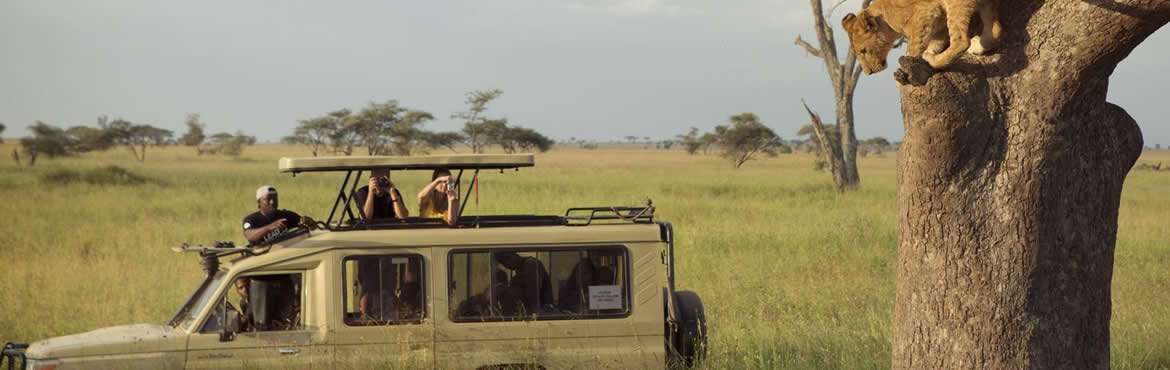
Seeing lions sleeping beneath an acacia tree may seem quiet at first, but experienced safari guides know that these moments often precede incredible wildlife encounters. As the afternoon cools, resting lions begin to stretch, socialize, and prepare for the evening’s hunt.
At TourwithPipi, our luxury safaris across Kenya and Tanzania are carefully timed to maximize wildlife viewing during the hours when lions are naturally most active. Whether you’re exploring the Maasai Mara, Serengeti, Tarangire, or Ngorongoro Conservation Area, you’ll witness authentic lion behaviour while learning from expert local guides who understand their daily routines.
Frequently Asked Questions
How many hours do lions sleep a day?
Adult lions typically sleep or rest for 16 to 20 hours every day. After eating a very large meal, they may rest for up to 24 hours while digesting.
Why do lions sleep so much?
Lions sleep to:
- Conserve energy for hunting.
- Stay cool during Africa’s hottest hours.
- Digest large meat-based meals.
- Prepare for nighttime activity.
- Reduce water loss because they have few sweat glands.
Sleeping is a vital survival strategy rather than a sign of laziness.
Where do lions sleep?
Lions usually sleep in shaded, sheltered locations such as beneath trees, bushes, rocky outcrops, tall grass, or dry riverbeds. They choose places that help them stay cool while allowing them to monitor their surroundings.
How long do lions sleep after eating?
Following a successful hunt, lions often rest for many hours while digesting. After exceptionally large meals, they may sleep or remain inactive for up to 24 hours.
Are lions active during the day?
Usually not.
Lions are primarily crepuscular, meaning they are most active around dawn and dusk. They also spend much of the night hunting, patrolling territory, and interacting with other pride members.
Key Takeaways
- Lions sleep for 16 to 20 hours every day.
- After a large meal, a lion may sleep for up to 24 hours while digesting.
- Lions are crepuscular, meaning they are most active around sunrise and sunset.
- They sleep in multiple short naps rather than one continuous sleep.
- Lions rest during the hottest part of the day because they have very few sweat glands.
- Sleeping helps conserve energy for explosive hunts that often fail.
- Lions usually sleep beneath trees, bushes, rocky outcrops, or tall grass that provides shade.
- Within a pride, some lions remain alert while others rest to protect cubs and territory.


