
I hear this exact sentence almost every week on WhatsApp. People have saved hundreds of Pinterest pins and Instagram posts, but they have not booked a single flight, because the amount of conflicting advice online is genuinely paralyzing. So here is the plan I actually walk guests through, broken into real steps with real numbers, not vague inspiration.
Step 1: Pick a Gateway Country
Africa has 54 countries. You do not need to see all of them on your first trip, you need one that matches what you actually want.
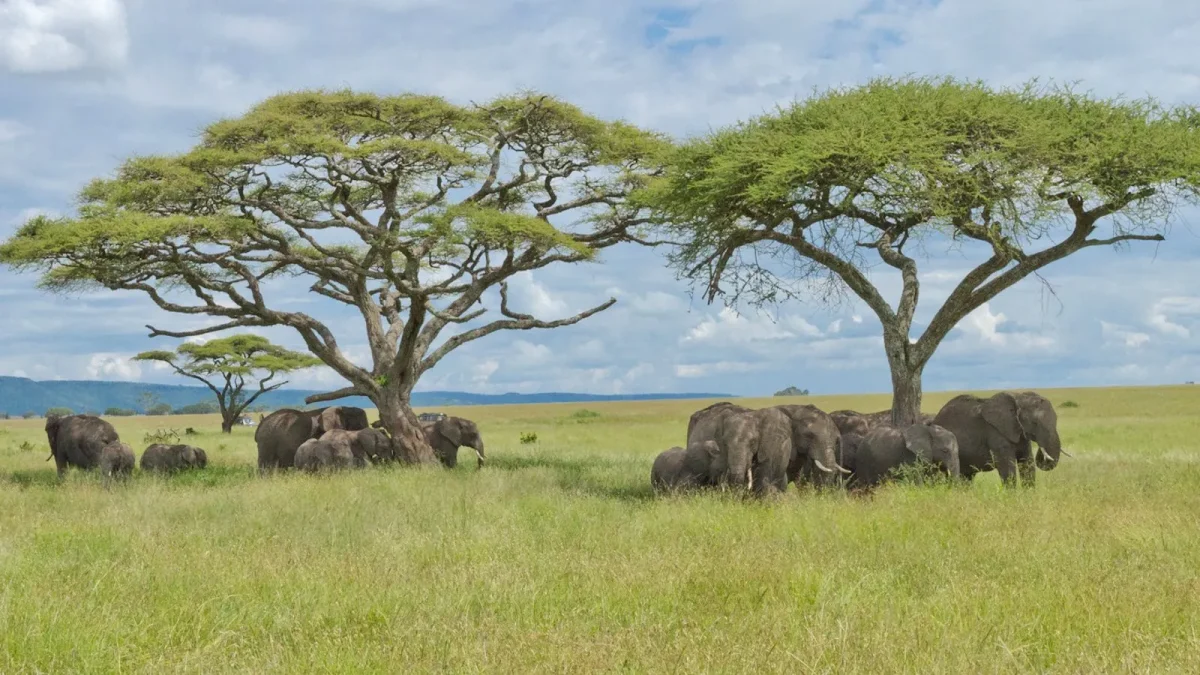
Kenya or Tanzania, if wildlife is the goal:
- Best for the Great Migration, Big Five sightings, and Mount Kilimanjaro views
- English is widely spoken in Kenya
- Strong, established safari tourism infrastructure
- Easiest starting point for a first-time guided safari
South Africa, if you want safari plus city:
- Combine Kruger National Park wildlife with Cape Town’s food, beaches, and culture
- Good roads and signage make independent travel realistic here
- Rideshare apps like Uber work well in the cities
Morocco, if you want culture over wildlife:
- Ancient souks, desert architecture, Mediterranean coastline
- A completely different first-Africa experience from a safari trip
- Independent travel is straightforward
Victoria Falls with Chobe National Park, Botswana, if you want waterfalls plus wildlife:
- Combine one of the world’s largest waterfalls with elephant and buffalo herds along the Chobe River
- Easy to pair Zimbabwe or Zambia’s side of the falls with a short hop into Botswana
- A strong pick if you want a shorter, high-impact trip rather than a long multi-park circuit
Namibia, if you want dramatic desert landscapes:
- Towering red dunes, desert-adapted elephants, and some of the darkest night skies for stargazing
- Roads and signage are well developed, making it one of the better self-drive countries in Africa
- A quieter, less crowded alternative to the classic East Africa safari circuit
Uganda or Rwanda, if gorilla trekking is the goal:
- The only realistic places in the world to see mountain gorillas in the wild
- Usually added onto a Kenya or Tanzania itinerary rather than booked as a standalone trip
- Requires a trekking permit and a genuine hike into the forest, a different pace from a standard game drive
My honest advice for a first wildlife trip: pick Kenya or Tanzania and go deep, rather than splitting a short trip across three countries.
Step 2: Lock Down Your Logistics
Visa Process, Step by Step
- Check your specific visa requirement based on your nationality and destination country, since rules vary and change
- Most US travelers need an eVisa for Kenya or Tanzania, applied for entirely online before you fly
- Go to the official government eVisa portal only, not a third-party site charging extra fees
- Upload a clear photo of your passport photo page and a passport-style photo of yourself
- Pay the visa fee online by card, generally $30 to $50 per person depending on the country
- Your passport needs at least six months of validity left from your travel date and at least one blank page
- Approval usually arrives by email within a few business days, print or save a digital copy to bring with you
- Apply two to three weeks before departure, this rarely takes long but gives you a buffer if anything needs correcting
Travel Insurance
- Do not skip this. A safari involves remote locations, small aircraft transfers, and activities far from a hospital
- Look for a policy that covers trip cancellation, medical treatment abroad, and emergency medical evacuation specifically, since a standard domestic policy often will not cover evacuation by air ambulance from a remote camp
- Some countries and some safari operators require proof of travel insurance before you can join certain activities, like gorilla trekking permits in Rwanda and Uganda
- Buy your policy soon after you book your trip, not right before departure, since some cancellation coverage only applies to problems that come up after your purchase date
- Keep a digital and printed copy of your policy details and the emergency contact number with you at all times during the trip
Flights
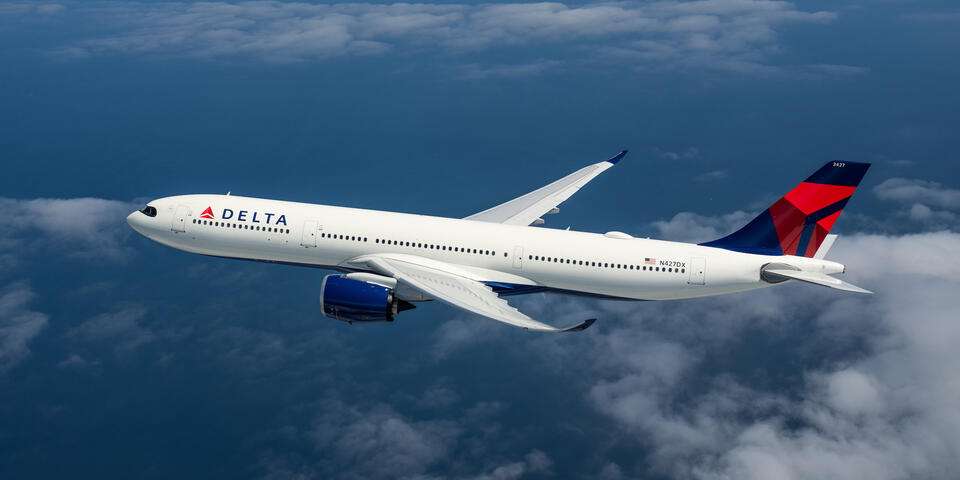
- Most US travelers fly into Nairobi’s Jomo Kenyatta International Airport or Kilimanjaro International Airport
- Common layover hubs: Doha (Qatar Airways), Dubai (Emirates), Amsterdam (KLM), Istanbul (Turkish Airlines)
- Total travel time from the US East Coast: roughly 15 to 18 hours including the layover
- Book flights three to six months ahead, six to nine months out for peak migration season, July through October
Vaccinations
- Book a travel medicine appointment four to six weeks before you fly
- Yellow fever vaccine is required for entry to many parts of East Africa, needed at least 10 days before arrival
- Routine boosters to check: typhoid, tetanus, hepatitis A and B
- Malaria prevention medication, discussed and prescribed by your doctor based on your specific trip
Documents Every First-Time Traveler Should Bring

Beyond your passport itself, a few document details trip up first-timers more than anything else.
- Passport: valid for at least six months past your travel date, with at least one blank page for entry stamps
- Passport photocopies: make two copies of your passport photo page. Keep one in your room safe while traveling, and leave one with someone you trust back home
- Passport-size photos: bring 2 to 4 physical passport-style photos (2×2 inches). Some visa-on-arrival processes, gorilla or chimpanzee trekking permits, and replacing a lost passport at an embassy all require a physical photo, not just a digital one
- Yellow fever certificate: your International Certificate of Vaccination or Prophylaxis, the actual yellow card, is sometimes checked physically at border crossings, so pack the paper copy, not just a photo of it on your phone
- Visa approval: a printed or downloaded copy of your eVisa approval, even though it is normally processed digitally
- Driver’s license: bring it even if you are not planning to drive. If you do plan to self-drive anywhere, check whether that country requires an International Driving Permit alongside your US license, since a US license alone is not always accepted
- A backup photo ID: a US state ID or a second form of identification, kept separate from your passport in case one goes missing
- Printed flight itinerary and lodge confirmations: useful at immigration counters and genuinely necessary if you lose phone signal in a remote area
- Travel insurance details: your policy number and the emergency contact number, both on paper and saved digitally
Optional Activities and the Extra Budget to Set Aside
Your core safari price covers game drives, meals, and lodging, but a lot of the most memorable experiences are optional add-ons booked separately. Here is what to budget for beyond the base cost.
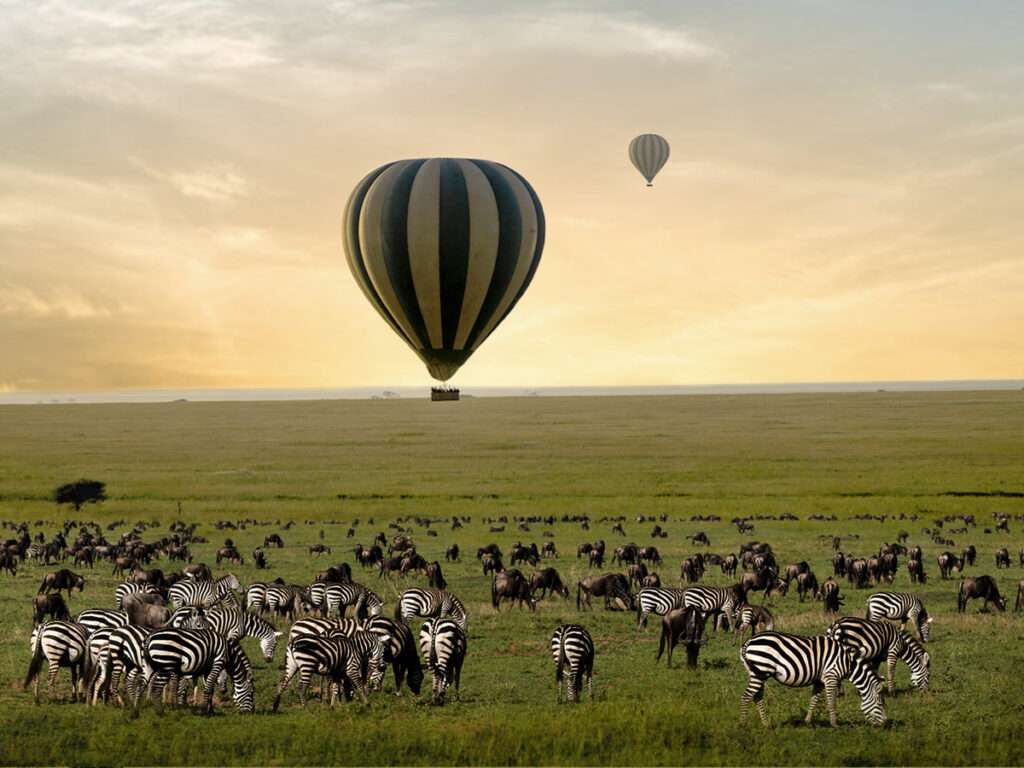
- Hot air balloon safari: roughly $500 to $650 per person for a one hour sunrise flight over the Masai Mara or Serengeti, including a champagne bush breakfast afterward. Children under 7 are usually not permitted, and this needs to be booked in advance through your camp.
- Walking safari: often included at some camps, but where it is a separate add-on, expect roughly $30 to $80 per person for a guided walk of a few hours with an armed ranger.
- Maasai village tour: typically $20 to $50 per person, usually booked directly through your camp or guide, and a respectful way to learn about local culture rather than a generic tourist stop.
- Horseback safari: available at select conservancies, generally $80 to $200 per person depending on length, and usually requires some prior riding experience.
- Spa treatments: many lodges have an on-site spa, with treatments typically running $50 to $150 depending on the service, worth checking your lodge’s specific menu in advance.
- City tours: a half or full day tour in Nairobi, Cape Town, or Marrakech generally runs $40 to $120 per person depending on the itinerary and whether it is private or shared.
- Beach extension: adding a few days in Zanzibar, Diani, or Mombasa after your safari typically costs $150 to $400 per night depending on the property, plus a domestic flight, generally $150 to $300 round trip.
- Diving and snorkeling gear: most beach resorts rent gear on-site, roughly $20 to $40 per day for snorkeling and $60 to $120 for a guided dive including equipment, so you generally do not need to bring your own.
- Hiking gear for gorilla or chimp trekking: waterproof boots, gaiters, and gardening gloves are worth buying before your trip, generally $50 to $150 total, since specialty gear is harder to find once you are in Rwanda or Uganda.
- Gorilla or chimp trekking permits: a separate and significant cost, roughly $700 for a gorilla permit in Rwanda, less in Uganda, and around $100 to $150 for chimp trekking, on top of your regular safari cost.
Step 3: Decide How You Want to Travel

Guided Safari
- Bush flights, park permits, lodge bookings, and daily transfers are all handled for you
- You travel with a licensed guide who knows the terrain and the animals
- Best option for a first trip to Kenya or Tanzania
- Removes nearly every logistical headache a first-timer would otherwise have to solve alone
Independent or Self-Drive Travel
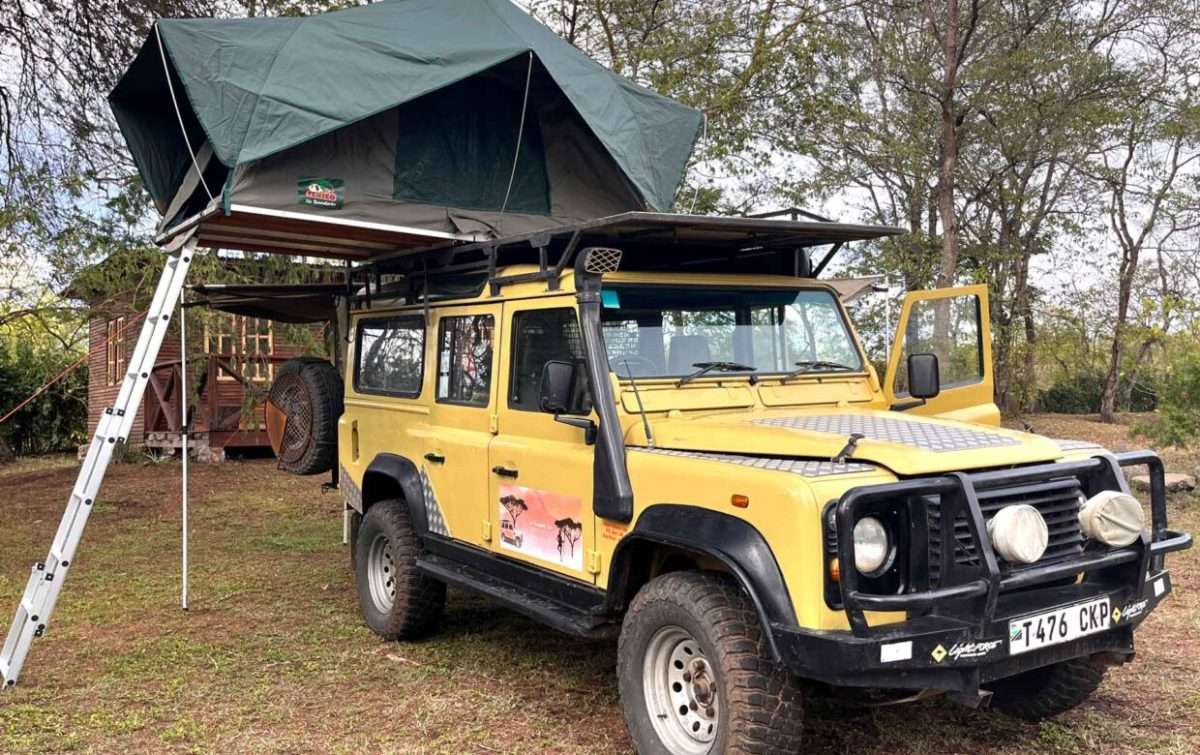
- Genuinely doable in South Africa and Namibia, where roads and rental infrastructure are more developed
- Requires real 4×4 driving confidence and a good sense of navigating unfamiliar routes
- Not recommended in most of East Africa for a first trip, since signage and road conditions can be unpredictable
- Better saved for a second or third trip to Africa, once you already know the continent a little
Step 4: Handle Money and Connectivity

Cash and Cards
- Carry crisp, unblemished US dollar bills printed after 2006. Older or damaged notes are often rejected
- Credit cards are widely accepted in cities and at most lodges, but always carry some cash for tips and small purchases
- A travel-specific currency card, like a Wise card, gives a far better exchange rate than a standard bank credit card when withdrawing local currency or paying abroad
Mobile and Internet
- A local SIM card, bought at the airport on arrival, is often the cheapest option, roughly 15 to 30 dollars for a few gigabytes of data depending on the country
- An eSIM, set up before you fly through an app like Airalo, is more convenient if you land somewhere with limited shop access or arrive late at night
- Do not rely on your home carrier’s international roaming alone, it gets expensive fast
Step 5: Pack the Specific Essentials

- Financial backups: crisp US dollar bills, a backup card, copies of your travel documents stored separately from the originals
- Power protection: a power bank, a headlamp, and the correct plug adapter for your destination, Type G for Kenya and Tanzania
- Modest clothing: pack pieces that cover your knees, elbows, and collarbones if you are visiting religious or conservative areas like Zanzibar
- Neutral safari clothing: khaki, olive, and tan tones, avoiding black and bright blue, which attract tsetse flies
- Soft-sided luggage: required for most safari bush flights, since hard suitcases do not fit the small aircraft holds
Planning for Kids, Family, or a Couple’s Trip
Who you are traveling with changes a few real details about how you should plan.
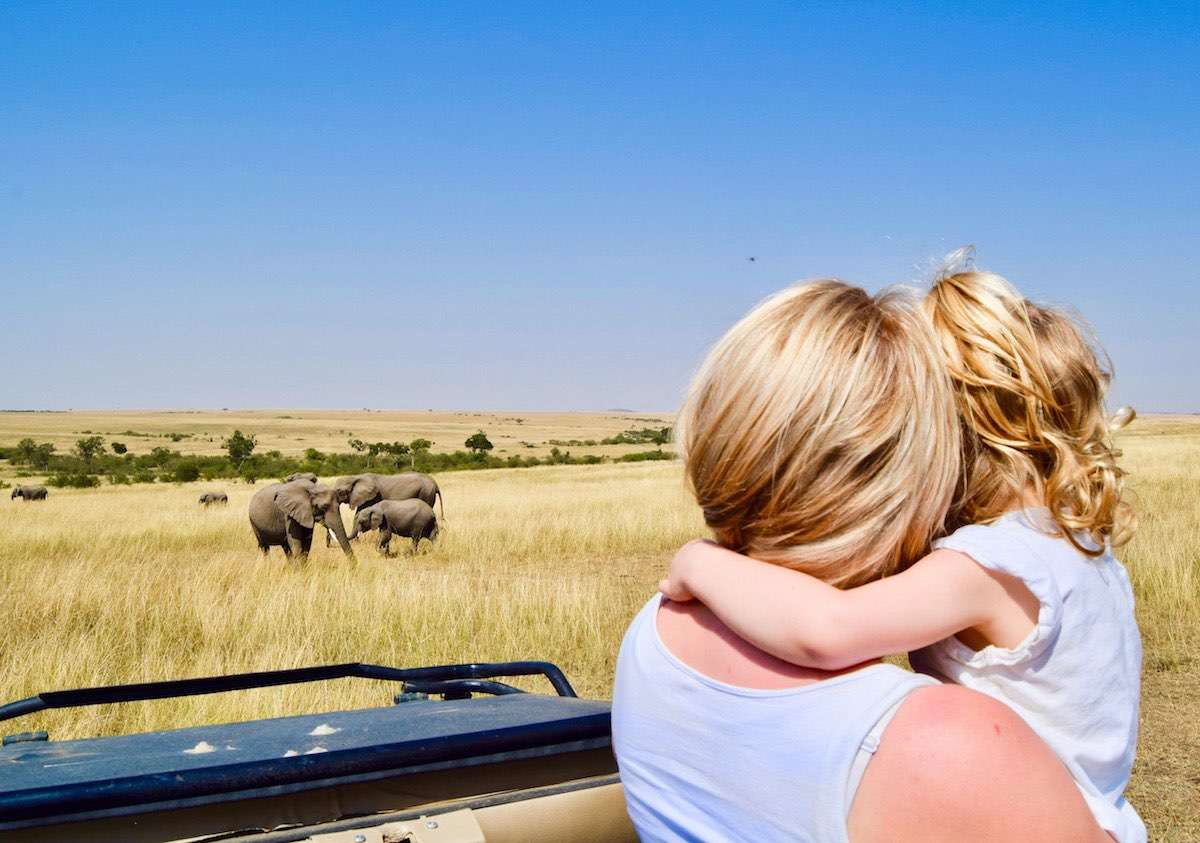
Traveling with kids or as a family:
- Many lodges set a minimum age of 6 or 7 for shared game drives, since young children can struggle to sit still and quiet during a sighting
- Some camps allow younger children on a private vehicle instead of a shared one, usually at an added cost
- Look specifically for family-friendly camps with connecting tents or rooms, since not every lodge is set up for this
- Kids under 12 often get half-price rates for camping style trips, and some lodges offer free or reduced rates too
- Pack road trip or long-drive activities if your itinerary includes real distance between parks, since transfer days can be long with little scenery change
- Ask about age limits for specific activities too, gorilla trekking and certain walking safaris often have their own separate minimum ages
Traveling as a couple:
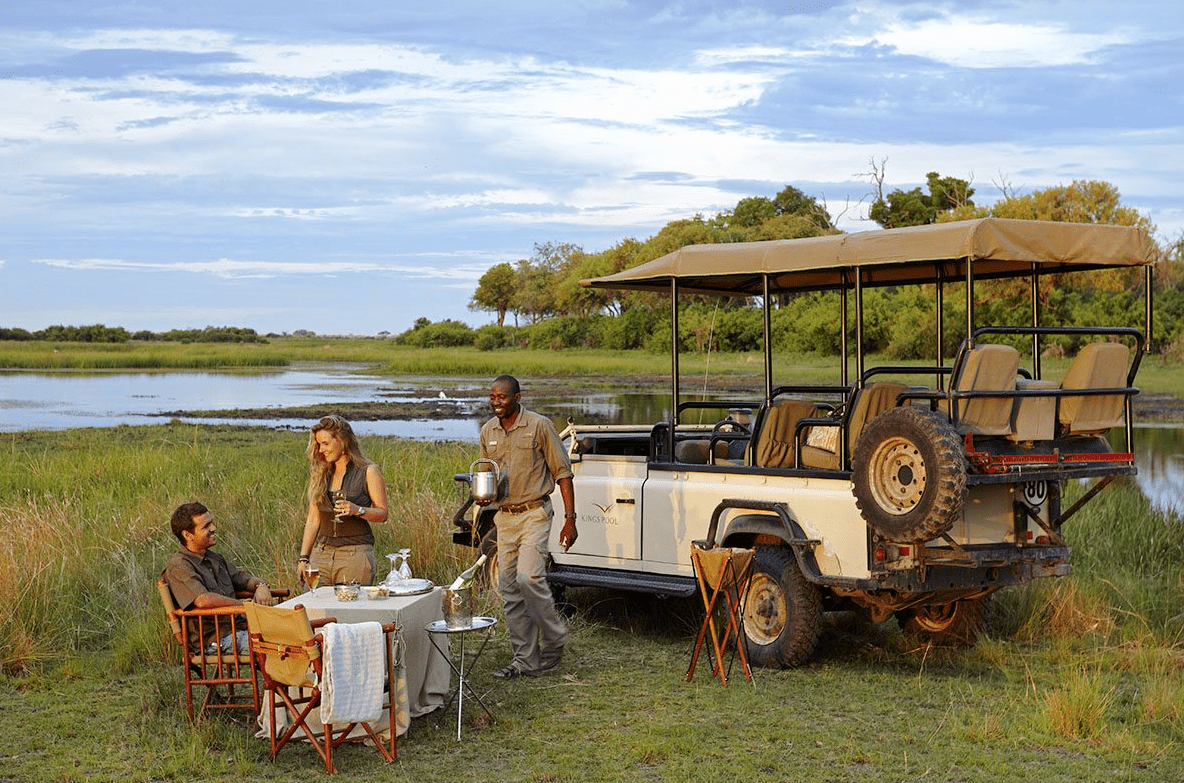
- Many camps offer private dining experiences under the stars, a popular choice for honeymoons and anniversaries
- Ask about adults-only or couples-focused camps if you want a quieter, more romantic pace than a family-oriented lodge
- Sundowner drinks, a private vehicle upgrade, or a special in-room setup are all things worth requesting directly when you book, since not every property advertises them upfront
- A slightly longer trip, 7 to 10 days, gives couples time to enjoy the slower pace of camp life, not just the game drives themselves
Best Time to Visit Africa, Country by Country
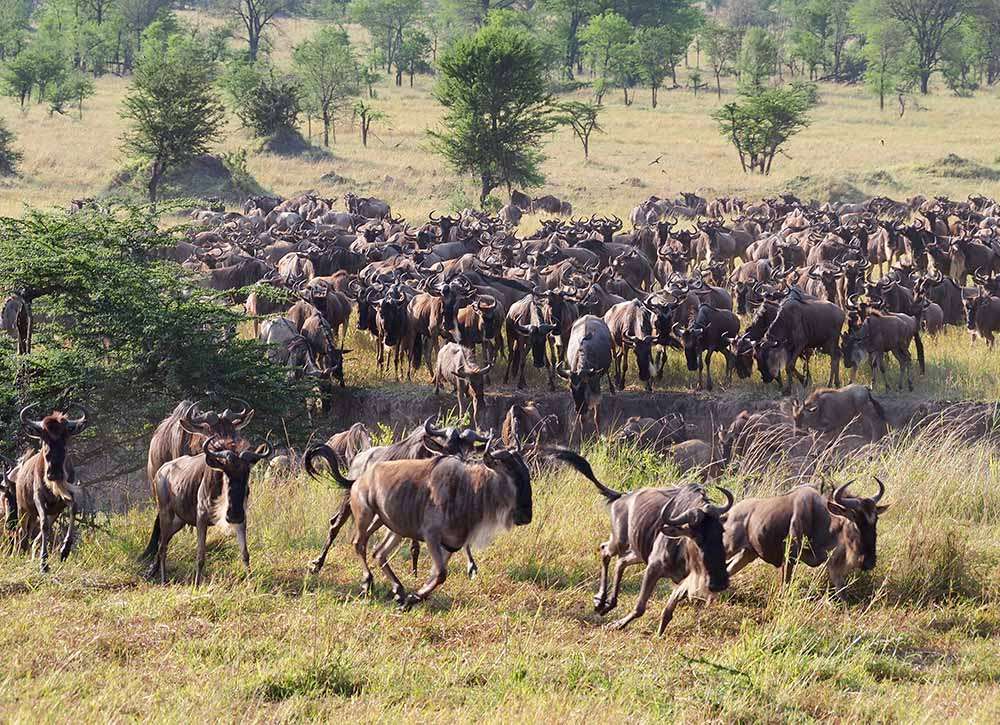
Africa spans both hemispheres, so “best time to visit” changes completely depending on where you are going. Dry season generally means easier wildlife viewing everywhere, since animals gather around shrinking water sources.
- Kenya: dry season and Great Migration timing runs July through September, similar pattern to Tanzania. Shoulder seasons in November, December, and February offer lower prices with still solid wildlife viewing.
- Tanzania: June through October is the long dry season and best for general game viewing. January and February bring a shorter dry spell good for big cat sightings, though it runs hotter and busier. July through September is peak for the Great Migration specifically.
- South Africa: May through October, winter and spring, is best for wildlife in places like Kruger. December through February is better if you are combining safari with beach time, since that is South Africa’s summer.
- Namibia: May through October brings cooler temperatures and easier wildlife viewing. December through February can be very hot and humid, with a higher chance of flooding in some regions.
- Botswana: April through August is the dry winter season. If you want the Okavango Delta at full flood, aim for July or August specifically. December through March is when the zebra migration moves between the delta and the Makgadikgadi and Nxai Pans.
- Zimbabwe and Zambia: May through October is dry season and generally recommended. If Victoria Falls itself is the main draw, February through May is when the falls run at full flood with the most dramatic spray.
There is no single perfect month for the whole continent, so figure out your priority, wildlife density, a specific migration, or lower prices, and plan around that instead.
Crossing Land Borders, If You Plan to Self-Drive
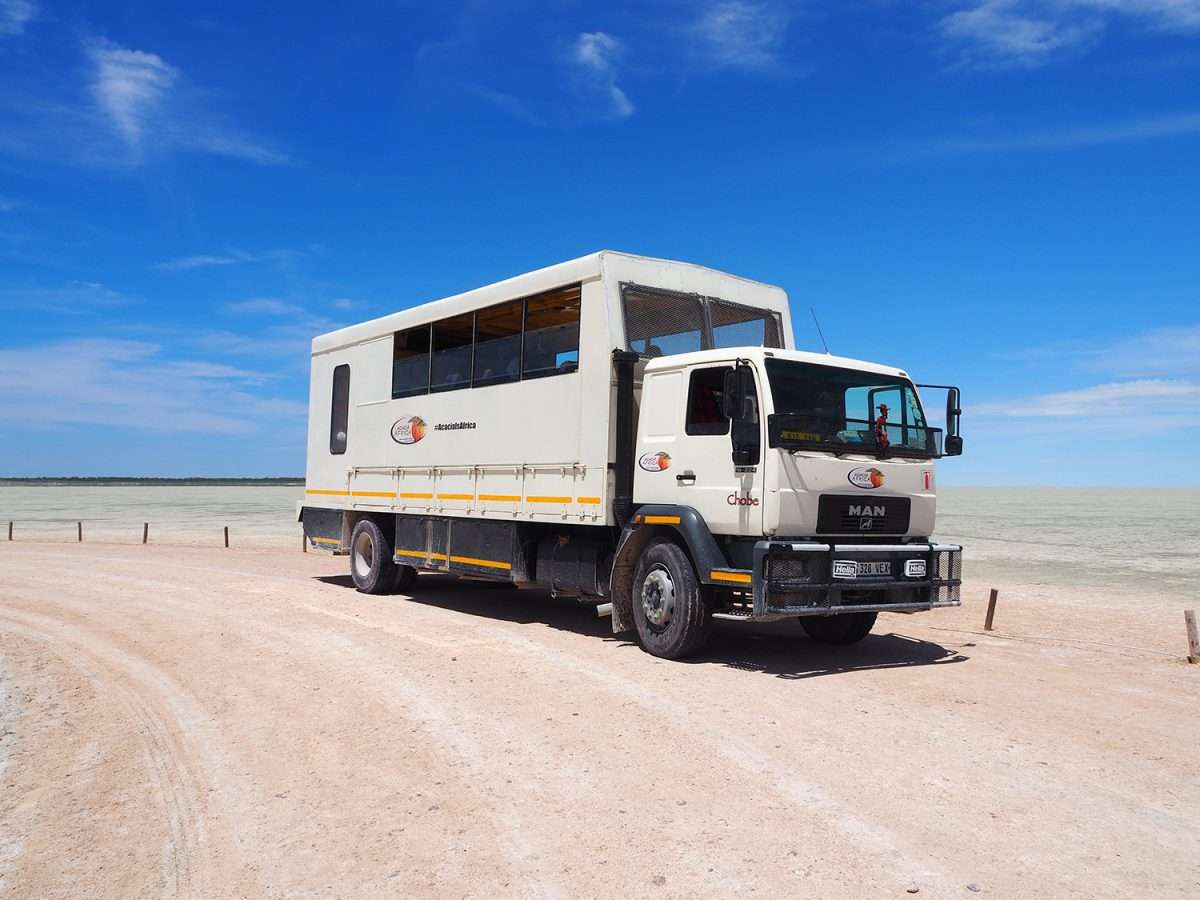
If your trip involves crossing land borders between countries, for example Namibia into Botswana into Zimbabwe, plan for real time at each crossing.
- Each border crossing can take 1.5 to 2 hours, since you formally exit one country and enter the next as separate processes
- Bring passports, any required health declarations, and your rental company’s letter authorizing you to take the vehicle across borders
- Keep every stamped document and payment receipt, since you may need to show proof of fees paid when you exit the country later
- Expect to pay a small vehicle import fee at each border if you are self-driving a rental
- This entire process is one more reason a guided safari is easier for a first trip, since your operator handles every one of these steps for you
Common Myths About Traveling to Africa, Debunked
- “It’s cheap like a trip to Asia.” It is not. Budget realistically, safaris and international flights are a real investment.
- “You have to book a tour.” You do not, but for a first trip focused on wildlife, a guided safari is genuinely the easier and safer path.
- “Kids can’t go on safari.” They can, though many lodges set a minimum age of 6 or 7 for shared game drives.
- “You’ll get eaten by lions if you camp.” No. Camps and lodges are constantly monitored, and wild animal encounters at camp are rare and managed by trained staff.
- “The drives are boring and unscenic.” Some stretches between parks are long with little change in scenery, so bring something to keep you occupied during transfers.
- “You have to dress head to toe in khaki.” You do not need a full safari costume, just neutral tones for game drives specifically.
- “You have to travel in peak season.” Shoulder seasons often mean lower prices, fewer crowds, and still excellent wildlife viewing.
- “It’s impossible on a budget.” It is possible with the right choices, camping or self-catering options exist, though a guided lodge safari will always cost more than budget travel styles.
Is It Safe to Travel to Africa? Quick Facts
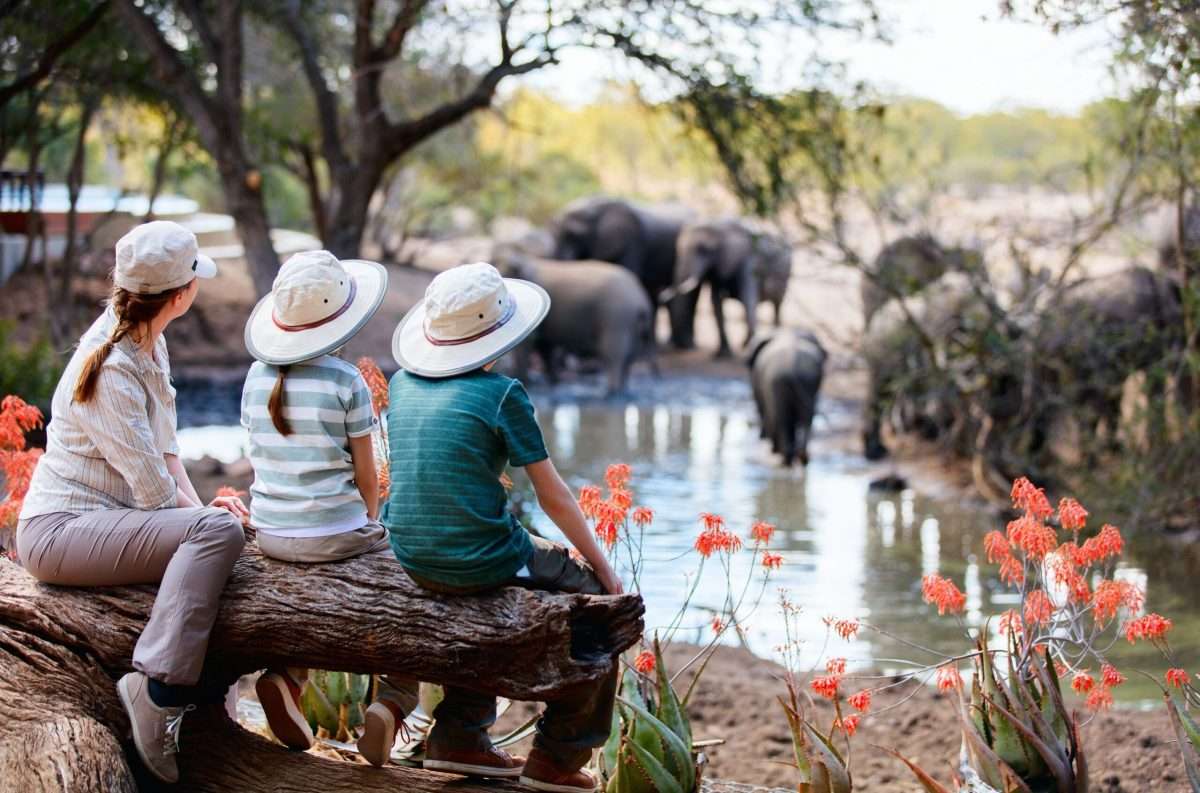
- Safari travel is considered one of the safer ways to travel anywhere in the world
- Camps and lodges are small, usually 6 to 12 rooms, with a high staff-to-guest ratio
- Game drive vehicles carry a handful of guests at a time, rarely crowded
- Personal security basics apply just like any international trip: keep valuables low profile, avoid isolated areas after dark, use a money belt
- Health basics: drink bottled water, use insect repellent at dawn and dusk, bring your personal first aid kit and any regular prescriptions
- Getting around safely means pre-arranged airport transfers, a licensed guide, and sticking to reputable, ground-based operators rather than unverified freelancers
- On safari specifically: always listen to your guide’s instructions, never approach wildlife, and take your camp’s safety briefing seriously on arrival
Realistic Budget Breakdown
- International flights: varies widely by departure city and season, typically $1,000 to $2,000+ round trip from the US
- Guided safari: roughly a few hundred to over a thousand dollars per person per day, covering lodging, meals, and game drives
- Visa fees: generally $30 to $50 per person for an eVisa
- Vaccinations and travel health prep: a few hundred dollars per person, more if you need several boosters
- Tipping: budget $15 to $25 per person per day for your guide, $10 to $20 per person per day for camp staff
- SIM or eSIM: $15 to $30 for a short trip’s worth of data
Still Stuck on I Want to Go to Africa But I Don’t Know How?
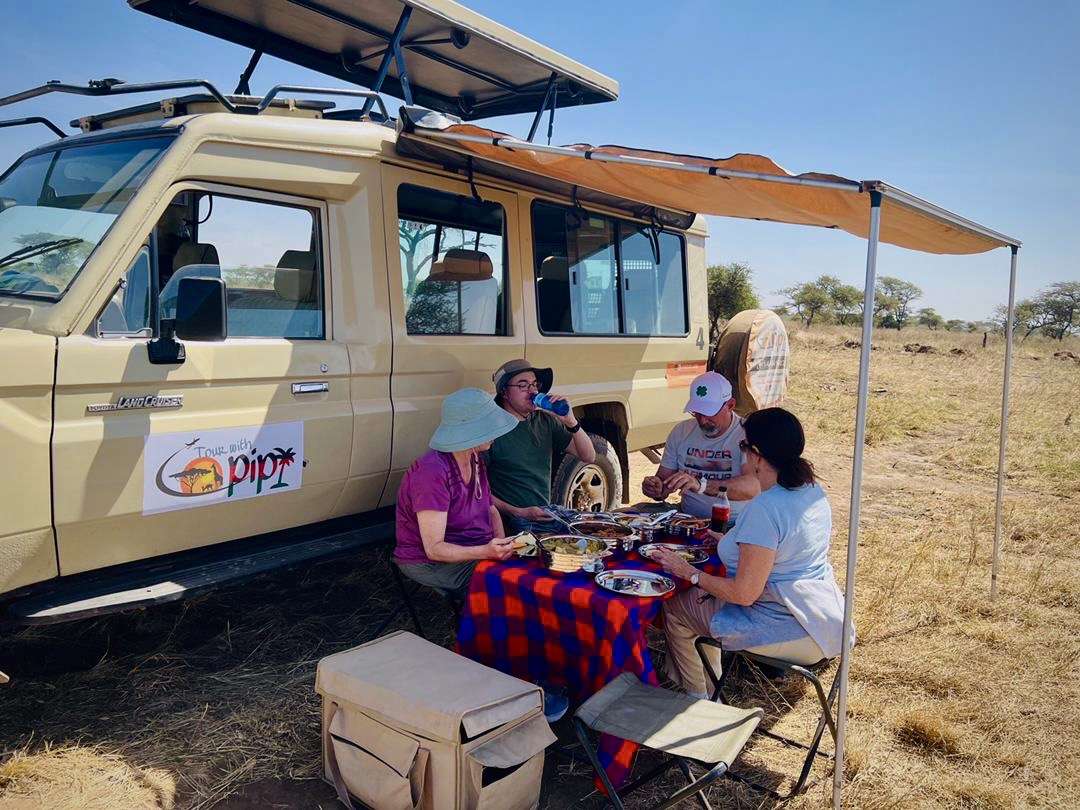
That is exactly what I am here for. Message me directly on WhatsApp, tell me what you are most excited to see, your rough budget, and where you are traveling from, and I will turn it into an actual plan with you.
A few trips built for first-time travelers:
- 5-Day Masai Mara Safari
- 6-Day Mara Discovery: Big Five Safari
- 8-Day Kenya Explorer Safari
- 8-Day Extraordinary Kenya Safari
Frequently Asked Questions
I want to go to Africa but I don’t know how, where do I even start?
Pick one country rather than trying to cover the whole continent, then lock down flights, a visa, and health prep in that order. For most first-time US travelers focused on wildlife, Kenya or Tanzania is the easiest starting point.
How do you get to Africa from the US?
Most travelers fly into Nairobi or Kilimanjaro International Airport, usually with one layover through a hub like Doha, Dubai, Amsterdam, or Istanbul. Total travel time typically runs 15 to 18 hours from the US East Coast.
Is it safe to travel to Africa?
Yes, and safari specifically is considered one of the safer styles of travel anywhere, with small, closely supervised camps, limited group sizes, and licensed guides handling logistics and safety throughout the trip.
Do I need a visa to travel to Africa?
Most US travelers need an eVisa for countries like Kenya and Tanzania, applied for online before departure. Your passport needs at least six months of validity and one blank page.
Should I book a guided safari or travel independently?
For a first trip focused on wildlife in Kenya or Tanzania, a guided safari is far easier, since it handles bush flights, park permits, and daily logistics for you. Independent, self-drive travel works better in South Africa or Namibia, and is generally a better fit for a second or third Africa trip.
How much does it cost to travel to Africa?
A guided safari generally runs a few hundred to over a thousand dollars per person per day, covering lodging, meals, and game drives, with flights, visas, vaccinations, and tipping as separate costs.
Should I get a local SIM card or an eSIM?
Both work well. A local SIM bought at the airport is often cheaper. An eSIM set up before departure is more convenient if you land late or somewhere with limited shop access.
Should I bring cash or rely on cards?
Bring both. Cards are widely accepted in cities and lodges, but carry crisp US dollar bills printed after 2006 for tipping and small purchases, since older or damaged notes are often refused.
When is the best time to visit Africa?
It depends entirely on where you are going. Kenya and Tanzania are best from June through October for general game viewing, with July through September peak for the Great Migration. Southern Africa, including South Africa, Namibia, Botswana, Zimbabwe, and Zambia, runs on the opposite calendar, with May through October as the dry, wildlife-friendly season.
What other countries are good for a first Africa trip besides Kenya and Tanzania?
Victoria Falls paired with Chobe National Park in Botswana works well for a shorter, high-impact trip combining waterfalls and wildlife. Namibia suits travelers who want dramatic desert landscapes and easier self-drive logistics. Uganda and Rwanda are the only places to see mountain gorillas in the wild, usually added onto a Kenya or Tanzania itinerary.
Do I need travel insurance for a safari?
Yes. Look for a policy that covers trip cancellation, medical treatment abroad, and emergency medical evacuation specifically, since standard domestic insurance often will not cover an air ambulance evacuation from a remote camp. Buy it soon after booking, not right before departure.
Can kids go on safari?
Yes, though many lodges set a minimum age of 6 or 7 for shared game drives. Some camps allow younger children on a private vehicle at an added cost, and it is worth confirming age limits for specific activities like gorilla trekking as well.
Is Africa a good destination for a couple’s trip or honeymoon?
Yes. Many camps offer private dining experiences, sundowner setups, and adults-only or couples-focused properties for a quieter, more romantic pace than a family-oriented lodge.
What documents should I bring besides my passport?
Bring two photocopies of your passport photo page, 2 to 4 passport-size photos, your printed yellow fever certificate, your visa approval, a driver’s license, and a backup photo ID. Keep copies in three places, with you, saved digitally, and left with someone at home.
What extra activities should I budget for beyond the base safari cost?
A hot air balloon safari runs $500 to $650 per person, a Maasai village tour $20 to $50, a walking safari $30 to $80, and horseback safari $80 to $200. Gorilla trekking permits cost around $700 in Rwanda and less in Uganda, on top of your regular safari cost. Spa treatments, city tours, and a beach extension are all separate add-ons worth pricing out in advance.
Blog Summary for First-Time Africa Travelers to Remember
- Africa has 54 countries, so start by picking one, not the whole continent.
- Kenya and Tanzania are the easiest starting points for a wildlife-focused first trip.
- Victoria Falls with Chobe, Namibia, and Uganda or Rwanda are strong alternatives depending on your priority.
- Bring passport photocopies, passport-size photos, and your yellow fever certificate as physical copies, not just photos on your phone.
- Budget separately for optional add-ons like a hot air balloon safari ($500 to $650) or gorilla trekking permits (around $700).
- Buy travel insurance soon after booking, and confirm it covers medical evacuation, not just cancellation.
- Many lodges set a minimum age of 6 or 7 for kids on shared game drives.
- Couples can request private dining, sundowners, or adults-only camps for a more romantic pace.
- Best time to visit depends on the region, East Africa peaks June through October, Southern Africa runs May through October.
- Apply for your eVisa two to three weeks before departure through the official government portal.


