
Kenya doesn’t have one official island count, and no credible source claims otherwise. Kenya islands worth genuinely knowing about number 17: coastal islands scattered along the Indian Ocean like Lamu, Mombasa, and Wasini, plus freshwater islands sitting in Lake Victoria, Lake Naivasha, and Lake Turkana. That’s the honest, complete answer, and this guide covers all 17, where they are, what each one is actually like, and which one fits your trip.
Kenya is known for safari, but your trip does not need to stop in the parks. After early and dusty game drives, we take you to the coast where more than 490 km of beaches meet the Indian Ocean. This gives your journey real balance between wildlife and rest.
When you choose a Kenya island holiday, you move from busy safari days to calm white sand beaches and warm ocean water. The coastal islands offer Swahili culture, car-free historic towns like Lamu, and peaceful ocean life. You can snorkel, dive, and sail on traditional dhows while enjoying slow mornings. The freshwater islands inland give you coral-free but genuinely wild alternatives, coral reefs on the coast, quiet nature and birdlife on the lakes. These islands suit honeymooners, families, and travelers who want slower travel. Compared to mainland beaches, islands feel less crowded and more relaxed.
Kenya is not only safari. It is coast, lakes, and islands working together for a complete holiday.
We also design custom island holidays in Kenya based on how you want to travel. Contact us Now!
The 17 Islands in Kenya at a Glance
The Kenya islands worth planning a trip around break down cleanly by type and by what they’re actually good for.
| Island | Type | Best For | Standout Activity |
|---|---|---|---|
| Lamu | Coastal | Culture, families, slow travel | Dhow sailing, Old Town walks |
| Manda | Coastal | Surfing, quiet beach time | Surfing, reef snorkeling |
| Pate | Coastal | History, meaning over resorts | Ancient Swahili town visits |
| Kiwayu | Coastal | Privacy, marine life | Kayaking, coral gardens |
| Funzi | Coastal | Family beaches, culture | Mangrove creek boat trips |
| Wasini | Coastal | Snorkeling day trips | Kisite-Mpunguti Marine Park |
| Chale | Coastal | Privacy, luxury | Overwater bungalows, spa |
| Mombasa | Coastal | Culture, history | Fort Jesus, Old Town markets |
| Robinson | Coastal | Budget, quiet swimming | Shallow-water relaxation |
| Ndere | Lake (Victoria) | Walking safaris | Wildlife on foot |
| Mfangano | Lake (Victoria) | Culture, prehistory | Rock art caves |
| Rusinga | Lake (Victoria) | Archaeology, history | Fossil sites, fishing |
| Takawiri | Lake (Victoria) | Beach-style lake holiday | Swimming, windsurfing |
| Migingo | Lake (Victoria) | Human geography, not tourism | Observing fishing life |
| Central | Lake (Turkana) | Geology, adventure | Crocodile nesting sites |
| South | Lake (Turkana) | Birdlife, conservation | Flamingo and pelican nesting |
| Crescent | Lake (Naivasha) | Gentle walking safari | Walking among zebra and giraffe |
Types of Islands in Kenya
Kenya’s islands fall into two main groups: coastal islands along the Indian Ocean, and freshwater islands in Lake Victoria, Lake Naivasha, and Lake Turkana. Each offers a genuinely different kind of trip.
Coastal Islands Along the Indian Ocean
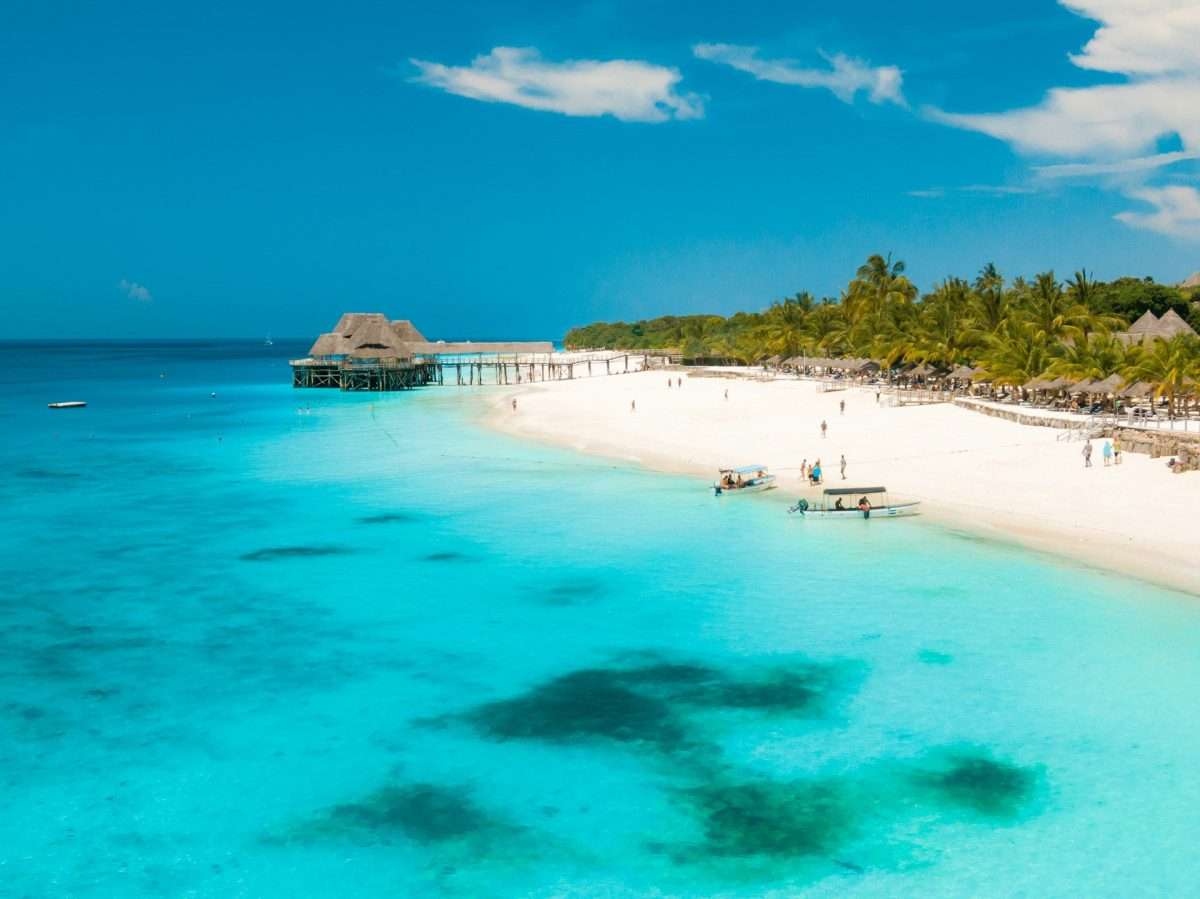
The African coast islands and islands near Mombasa are shaped by Swahili culture and ocean trade. These Kenya beach islands are known for snorkeling, diving, and marine parks.
You can sail on dhows, swim over coral reefs, and enjoy fresh seafood with coconut and spices. Evenings are calm with sunset views and cool sea breezes. These islands are perfect if you want beaches, water activities, and culture in one place.
Inland Islands in Lakes and Rift Valley
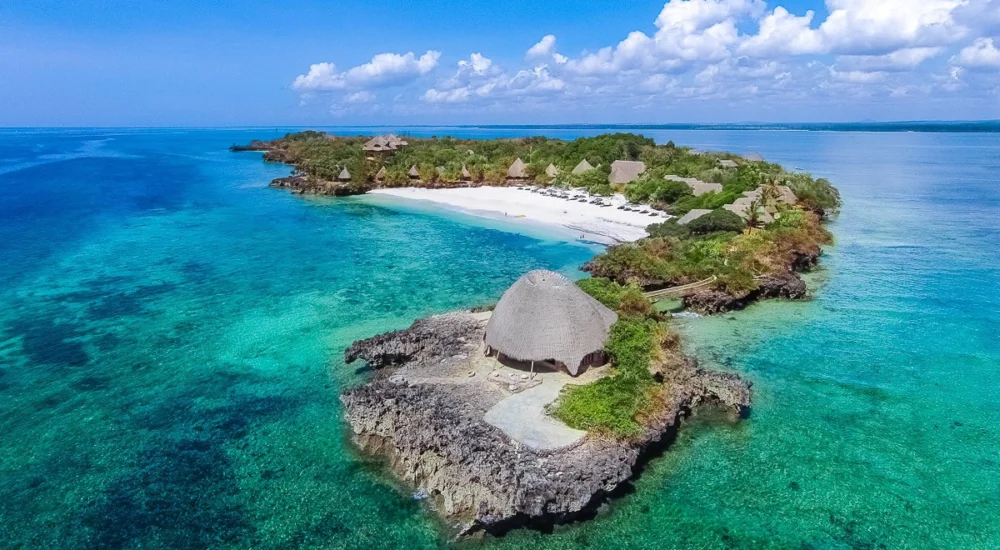
The islands in Lake Victoria and islands in Lake Naivasha are quiet Kenya freshwater islands. They are known for birdlife, walking safaris, and local fishing villages.
You can explore cultural communities, see wildlife on foot, and visit ancient rock art sites. These islands are less crowded and more natural, making them ideal if you want peace, culture, and nature away from busy coastal resorts.
Best Coastal Islands in Kenya (Indian Ocean)
Lamu Island
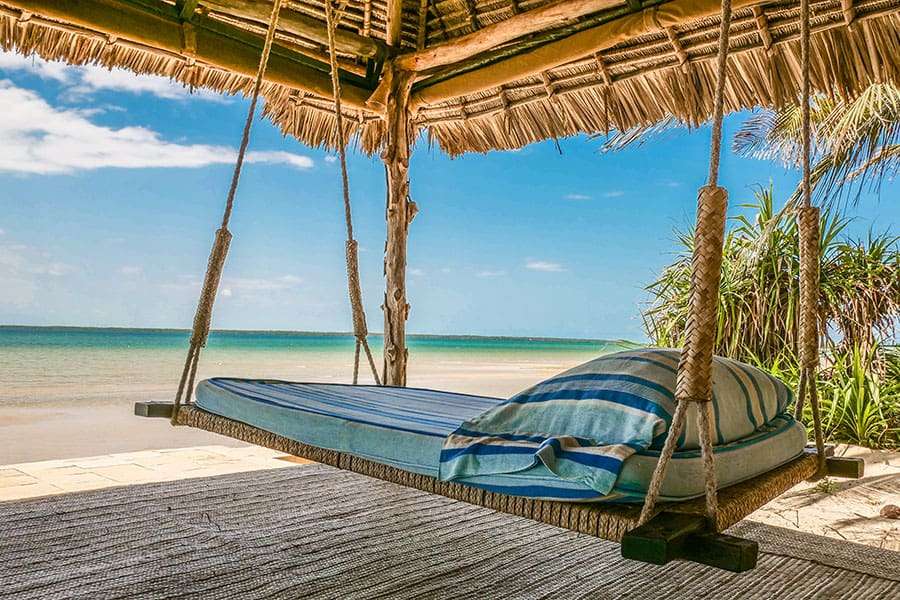
Lamu Island is a UNESCO World Heritage site and the oldest Swahili settlement in East Africa. For over 700 years, life here has moved without cars. You travel by boat or donkey through narrow coral stone streets lined with carved wooden doors. The main town is Lamu, while Shela to the south offers wide white sand beaches and a quieter pace.
We bring you here for barefoot luxury and culture. You can sail on a traditional dhow, snorkel on nearby reefs, and visit the Donkey Sanctuary. Your stay is in a boutique hotel or private villa with ocean views and personal hosting.
Evenings are calm and warm. You may enjoy a coconut oil massage, walk with lantern light through old streets, or dine on Swahili dishes like coconut rice, grilled lobster, and samaki wa kupaka. The beaches are gentle and safe for kids, making Lamu ideal for families and slow travel.
Best time to visit is during the dry seasons from July to October and January to February.
Manda Island
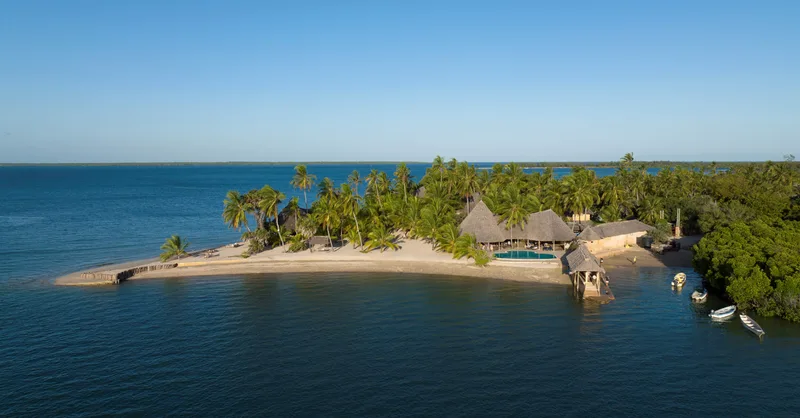
Manda Island lies across the channel from Lamu Town and Shela. It’s part of the Lamu Archipelago and known for open beaches and natural scenery. Ras Kitau, on the southern tip, has long stretches of sand, while mangrove forests and small wildlife add to its wild feel.
This is where we take you for surfing, reef snorkeling, and quiet beach time. You can also explore the Takwa Ruins and old port sites that reveal the island’s trading history. Fly in directly or arrive by boat from Lamu. Manda suits travelers who want space, sea views, and simple luxury close to history.
Pate Island
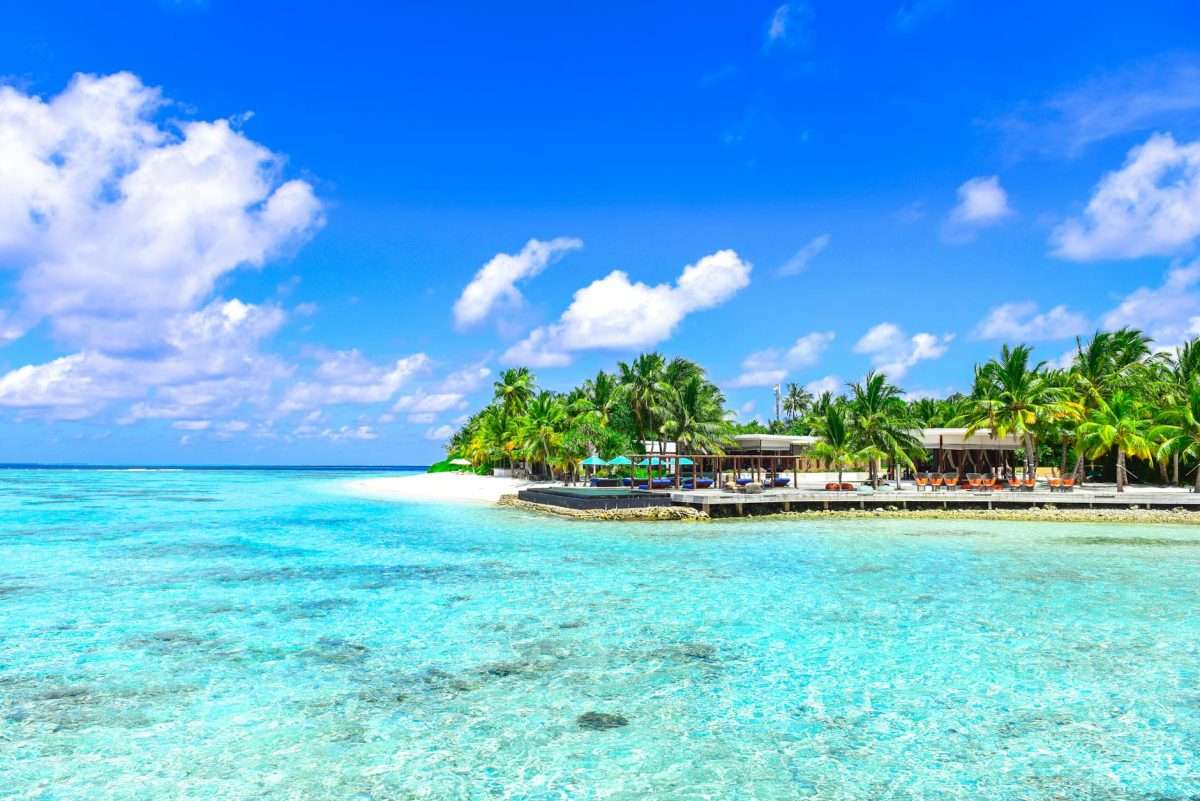
Pate Island is the largest island in the Lamu Archipelago and one of the most historic. It’s known for ancient Swahili towns, mosques, and Islamic learning centers that date back centuries.
Here, you walk through old settlements, meet fishing communities, and learn how coastal life has stayed connected to the sea. Pate isn’t about resorts or crowds. It’s about culture, history, and slow movement. We recommend it for travelers who want meaning, not noise.
Kiwayu Island
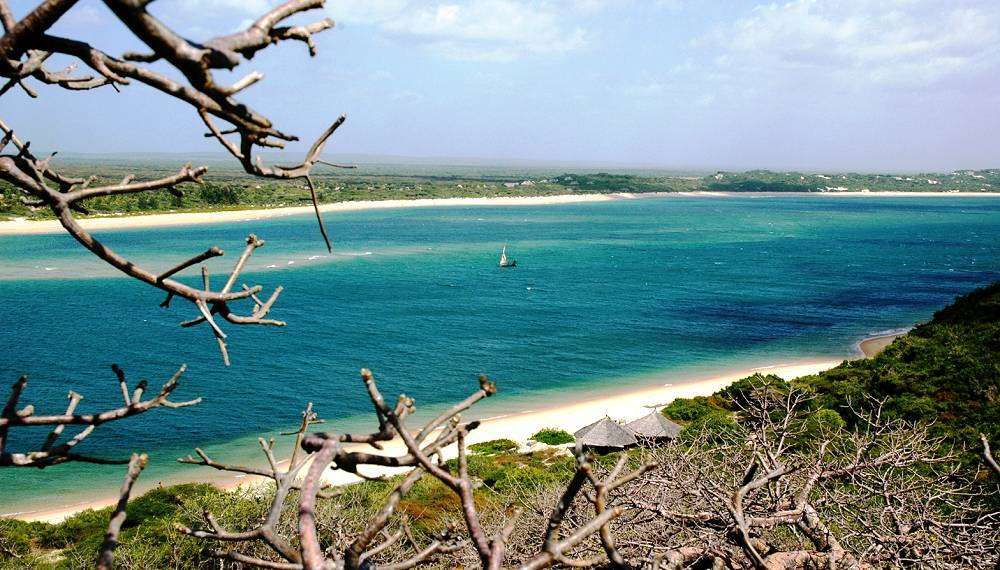
Kiwayu Island sits inside the Kiunga Marine Reserve near the Somali border. It’s one of Kenya’s most untouched coastal islands. The water is clear, and the coral gardens are healthy and colorful.
You can kayak through calm channels, paddle board along the shore, and snorkel above reef systems filled with fish. Turtle nesting beaches and quiet sands make it feel remote and special. Sunset dhow cruises are part of daily life here.
We choose Kiwayu for you when privacy, nature, and marine life are your main goals.
Funzi Island
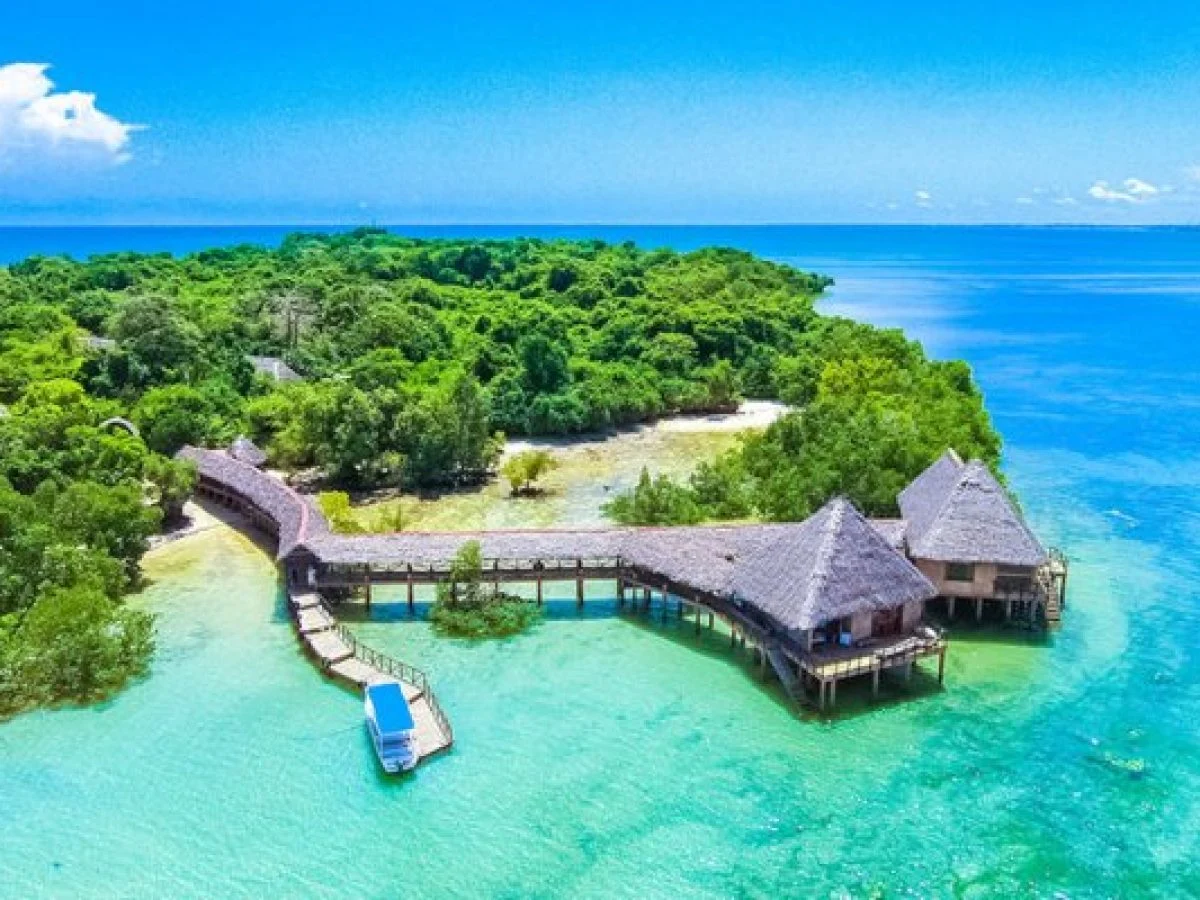
Funzi Island in Kenya is a quiet mangrove island south of Diani and Mombasa, reached by boat. Around 1,500 people from the Shirazi community live here, giving you a real look at traditional Swahili coastal life.
We take you through mangrove creeks where you can spot birds and sometimes crocodiles on the Ramisi River. You also visit turtle conservation areas to learn how sea turtles are protected. Lunch is usually fresh seafood served on a sandbank or in the village. Funzi is ideal for calm family beaches, cultural visits, and nature focused day trips or eco lodge stays.
Wasini Island
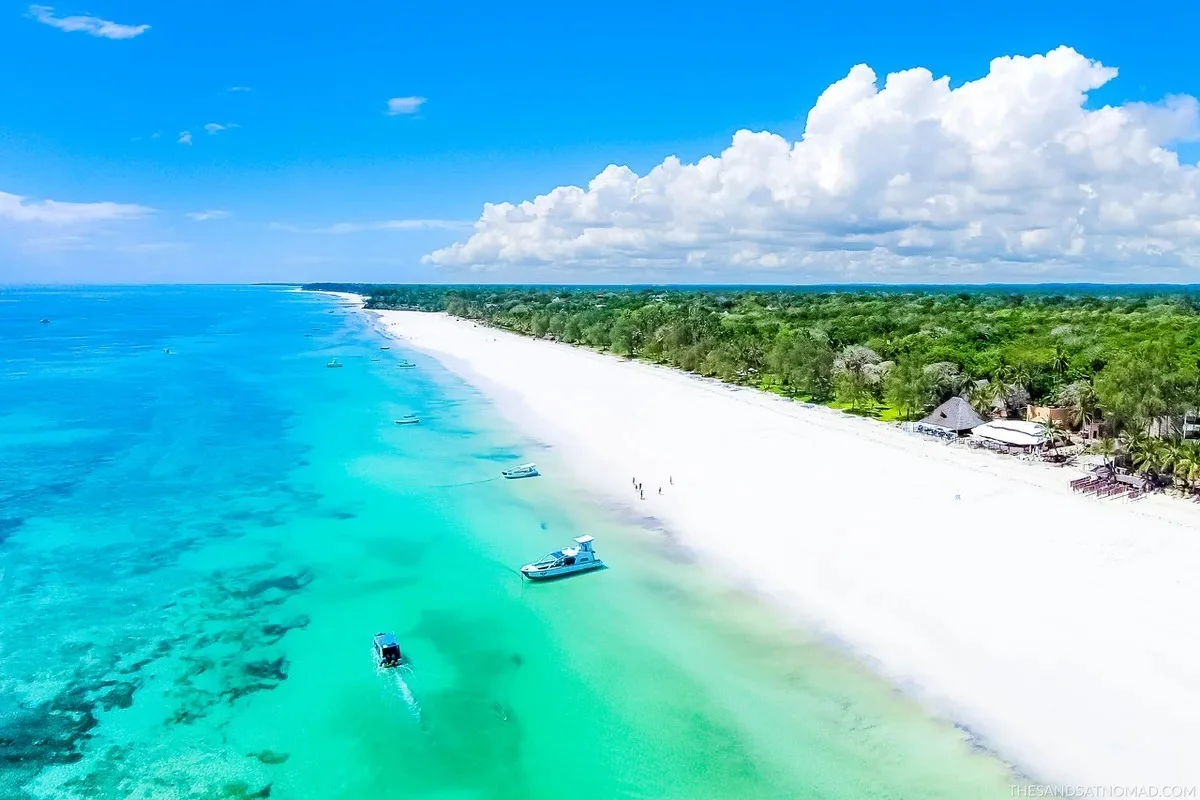
Wasini Island is a small coral island near Shimoni and one of the best places for snorkeling in Kenya. There are no cars or roads, so you walk through narrow paths between local homes and coral stone buildings.
We bring you here for snorkeling and diving in Kisite Mpunguti Marine Park, where you may see dolphins, turtles, and colorful reef fish. You visit the Coral Garden and enjoy seafood lunches prepared by local families. Wasini works well as a relaxed day trip with white sand beaches and clear water.
Chale Island
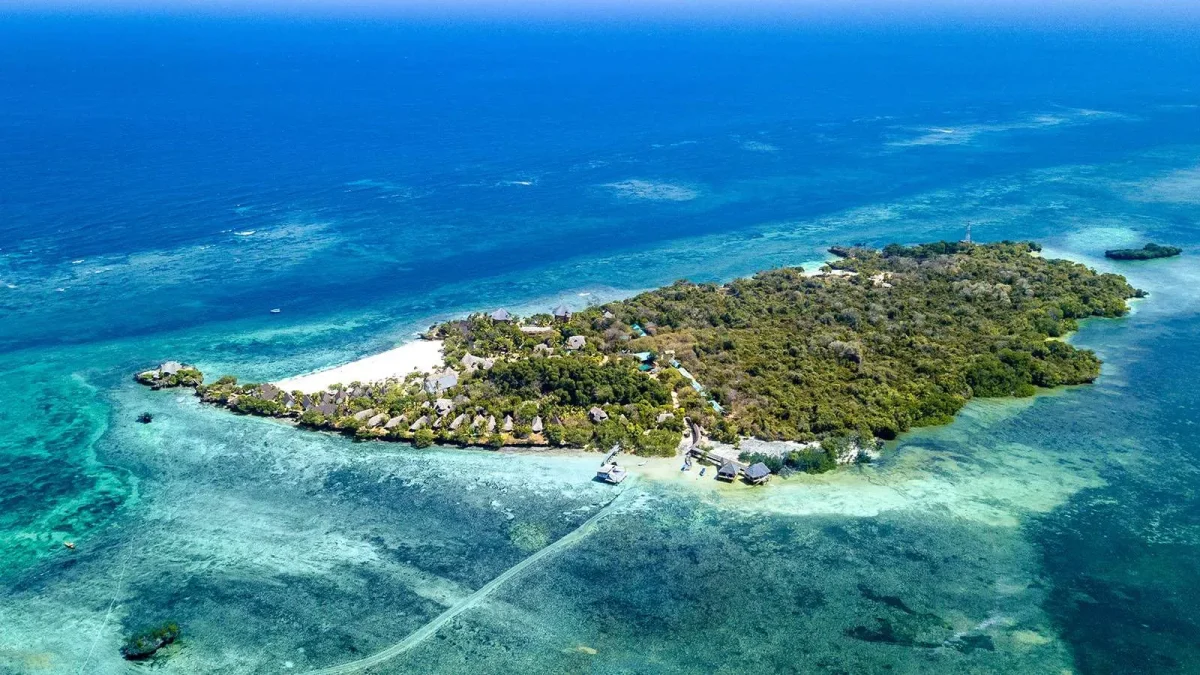
Chale Island is a private island resort off the coast near Diani Beach. It combines forest, mangroves, and white sand beaches in one small island. It is also a protected sacred site with rich marine life.
Here, you stay in luxury rooms and overwater bungalows and enjoy kayaking, paddle boarding, and quiet beach time. The spa offers ocean view treatments and coconut oil massages. Evenings are for romantic dining and sunset views. Chale is perfect if you want privacy, comfort, and nature together.
Mombasa Island
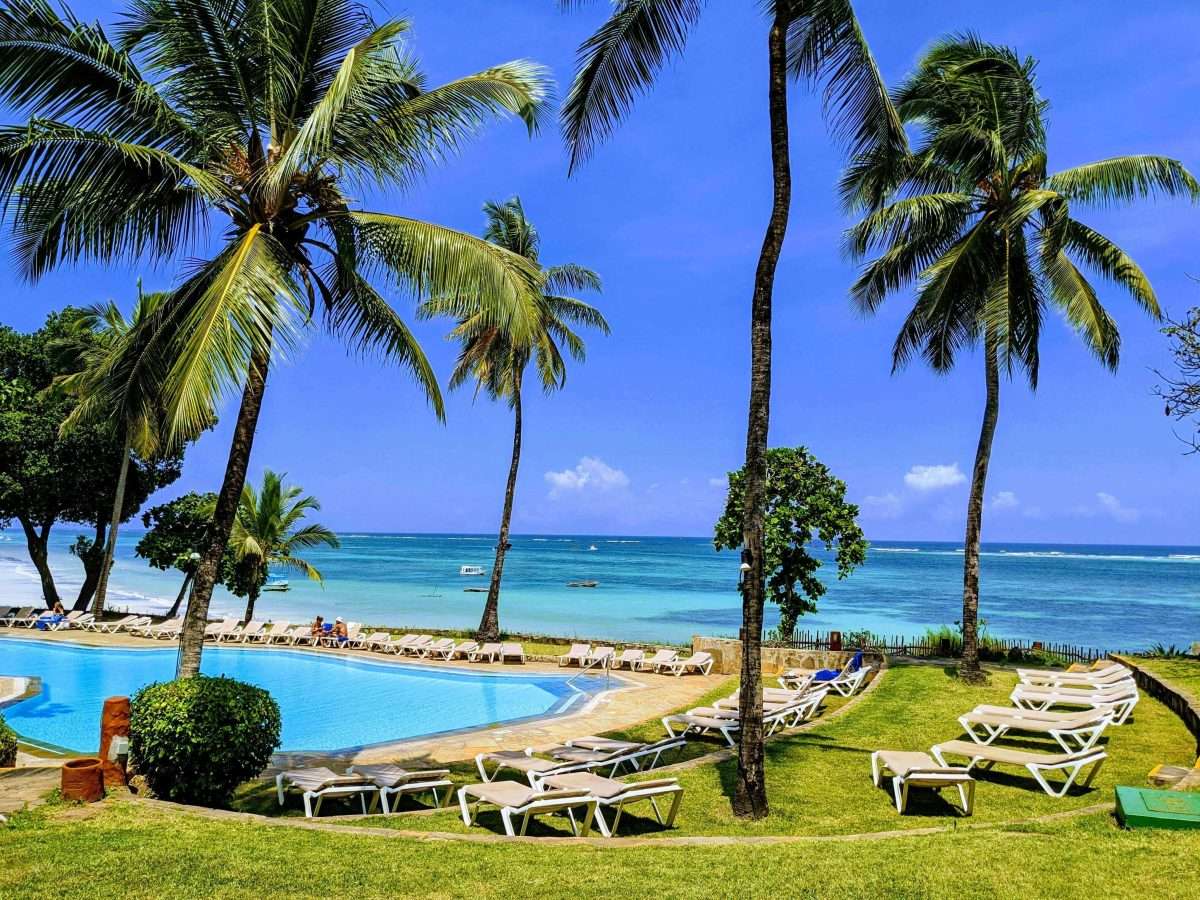
Mombasa Island is the historic heart of Kenya’s coast. It is home to Fort Jesus, Old Town streets, and busy spice markets.
We guide you through cultural walking tours where you learn about Swahili food, Arab trade history, and coastal architecture. In the evening, you can watch dhows in the harbor and enjoy seafood dinners by the water. Beaches are close by on the mainland, making Mombasa Island easy to combine with beach stays.
Robinson Island
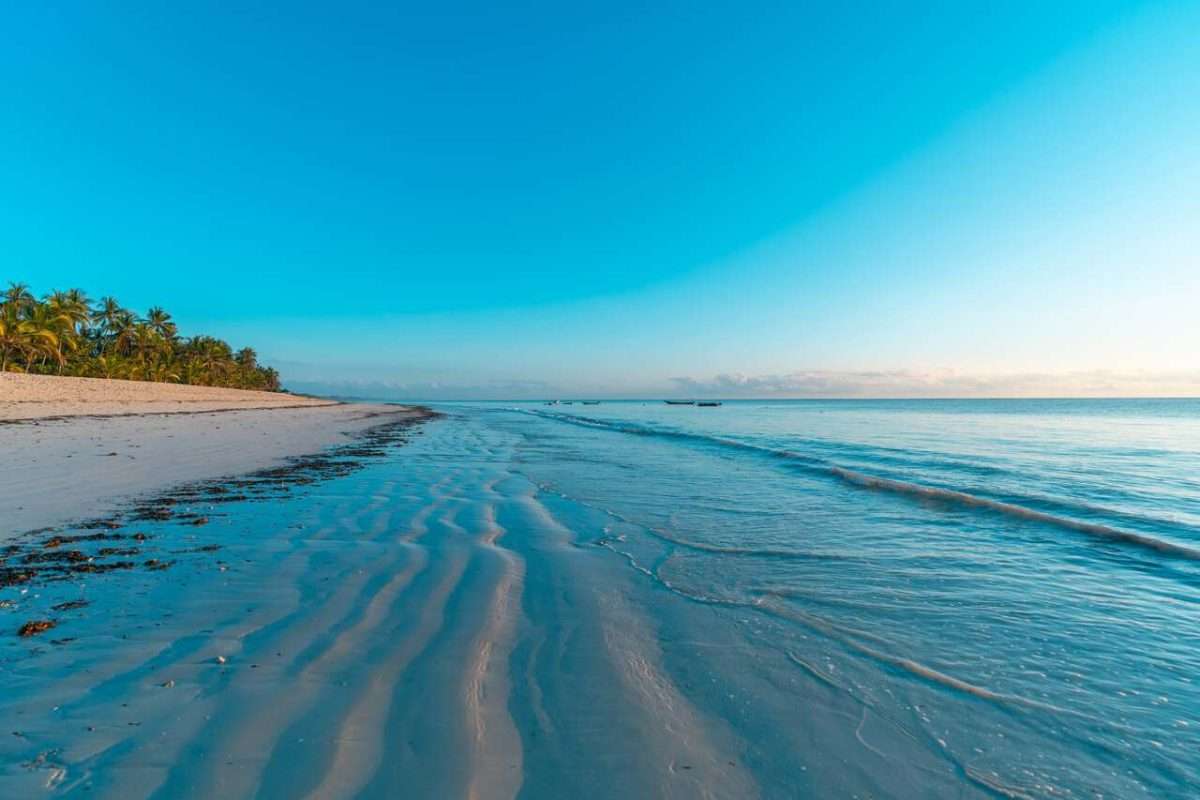
Robinson Island near Malindi is known for its calm, shallow waters and quiet beach setting. It is popular for swimming, snorkeling, and relaxing without crowds.
You can walk along soft sand at sunset, enjoy simple seafood meals, and spend the day in warm, clear water. It is a budget friendly escape for travelers who want peaceful beaches and slow coastal days.
Best Inland Islands in Kenya (Lakes & Rift Valley)
These inland islands give you a very different experience from the coast. Here, you walk among wildlife, learn deep local history, and enjoy quiet lake scenery. We use these islands for travelers who want nature, culture, and space without crowds.
Ndere Island
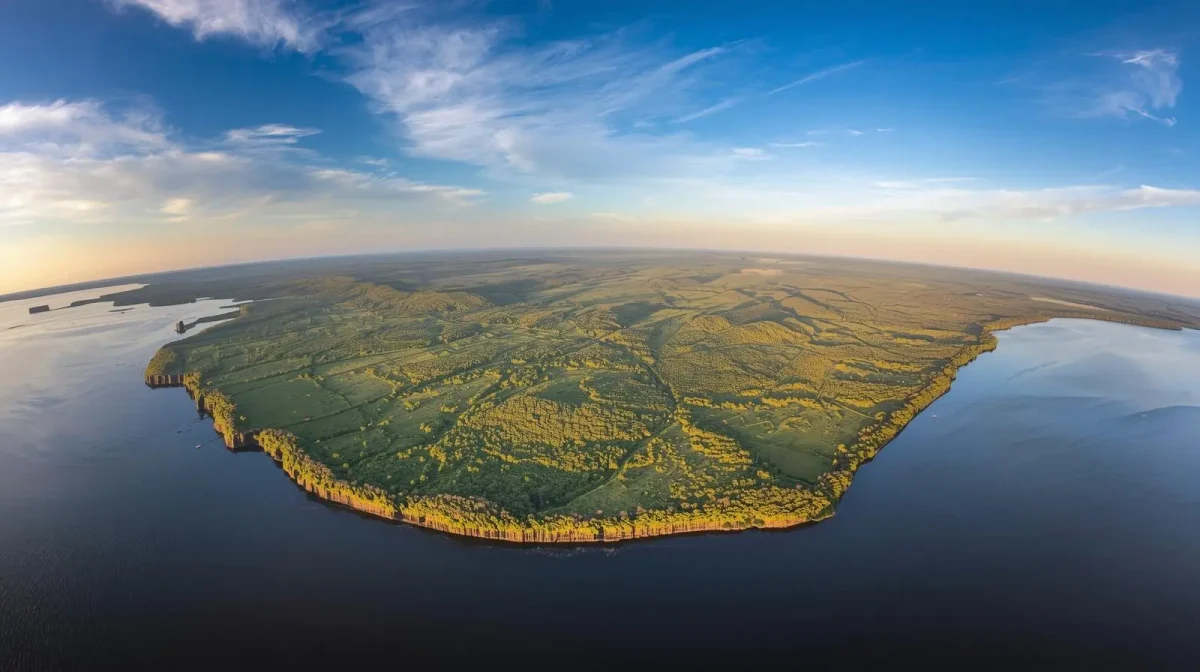
Ndere Island National Park was established in 1986 and covers about 4.2 square kilometers in the Winam Gulf of Lake Victoria. It’s uninhabited and often called the Island of Serenity because of its calm setting and open views toward the Homa Hills.
You reach the island by boat from Kisumu or Homa Bay in about 45 minutes to one hour. Once on land, we explore it on foot with guided nature walks. The island protects impalas, zebras, waterbucks, hippos, and Nile crocodiles. It’s also home to snakes such as pythons and many bird species.
Ndere is known for fish eagles, swifts, and herons that nest along its papyrus-lined shores. The landscape mixes rocky hills, open grassland, acacia woodland, and lake edges. Picnic areas overlook the water, making this one of the best places in western Kenya for a walking safari with lake views.
Mfangano Island
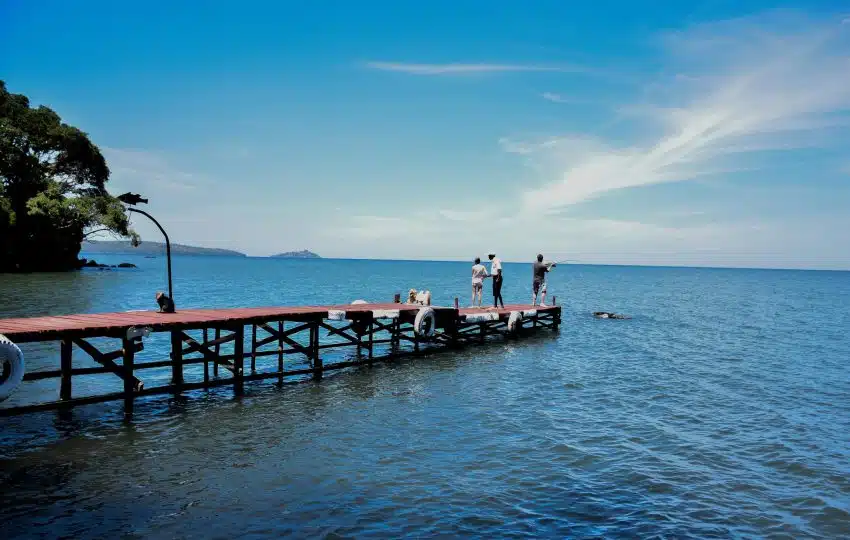
Mfangano Island lies in eastern Lake Victoria and covers about 65 square kilometers. It rises to around 1,694 meters at Mount Kwitutu and is home to roughly 30,000 people, mainly from the Suba community.
This island is famous for prehistoric rock paintings found in caves and forest shelters. Some of these artworks are thousands of years old and rank among the most important cultural records in the lake region. We visit these sites with local guides who explain their meaning and history.
Fishing is central to life here, especially Nile perch and omena. You can hike forested hills, swim in the lake, and visit the Abasuba Community Peace Museum. Mfangano works well for travelers who want culture, history, and everyday village life, not resort tourism.
Rusinga Island
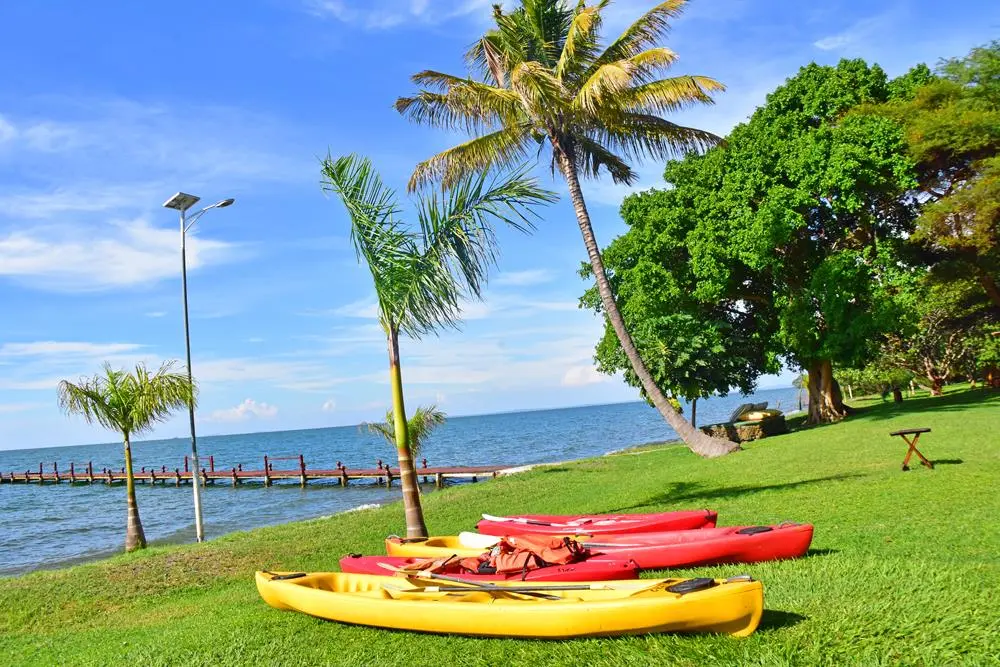
Rusinga Island is internationally important for archaeology. Fossils found here by the Leakey family date back about 18 million years and include early primates that helped shape human evolution studies. The island is also known as the burial place of Tom Mboya, an important figure in Kenyan history.
Located in Homa Bay County, Rusinga has a semi arid but humid climate with rocky hills, farmland, and lake shores. Activities include fishing for Nile perch, boat trips to nearby bird islands, and kayaking.
The island has black sand beaches, quiet eco lodges, and strong fishing culture. We recommend Rusinga for travelers interested in science, history, and peaceful lakeside life.
Takawiri Island
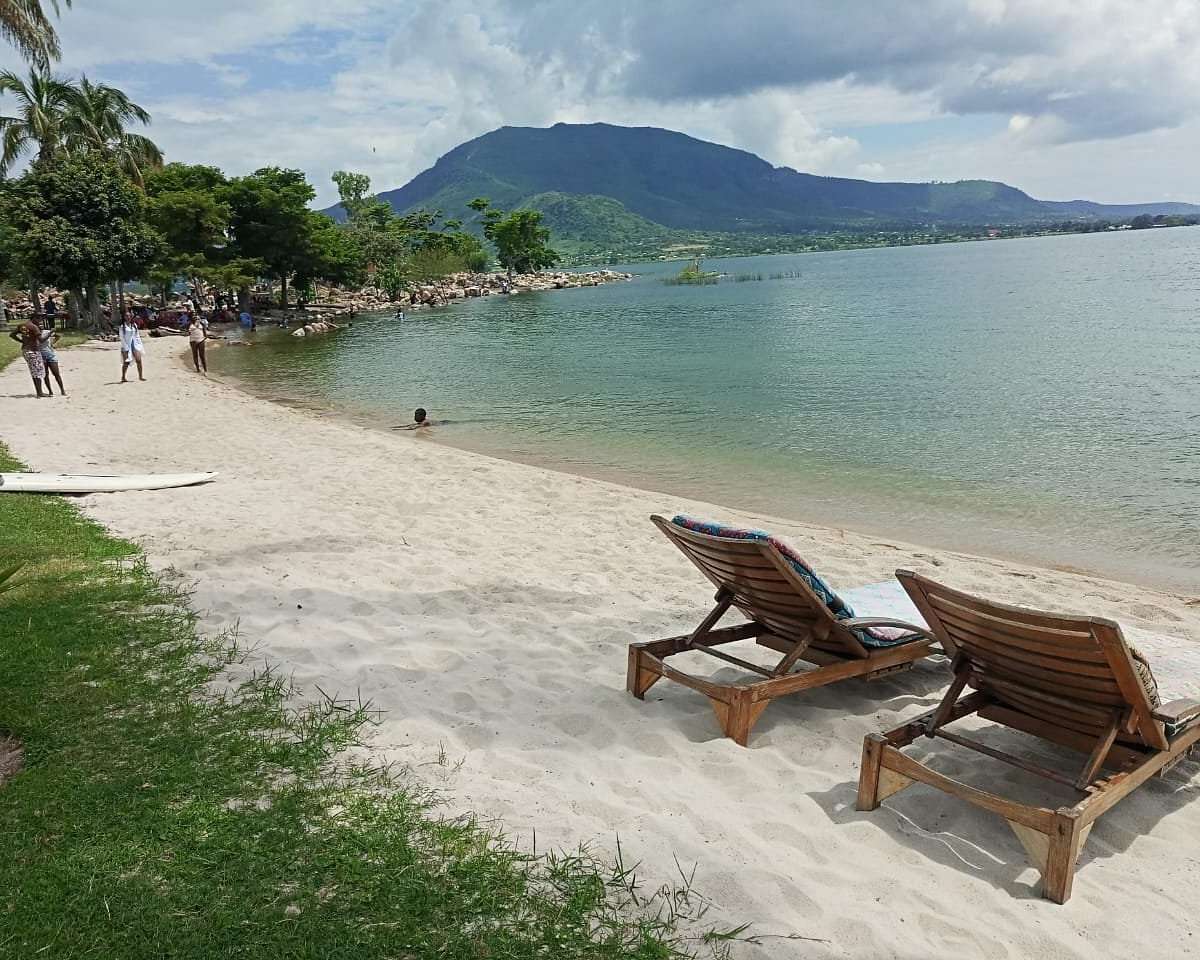
Takawiri Island is one of Lake Victoria’s hidden gems. It is privately owned, lightly developed, and known for its white sandy beaches, clear water, and tall palm trees. Many travelers describe it as a tropical island without the ocean.
It sits near Mbita Point within the Mfangano Island area and feels off grid and quiet. The water is suitable for swimming, and birdlife is strong, especially fish eagles.
You can sail, windsurf, fish, or simply relax on the sand. Accommodation ranges from simple cottages to camping. Takawiri is ideal if you want a lake beach holiday with space, silence, and nature.
Migingo Island
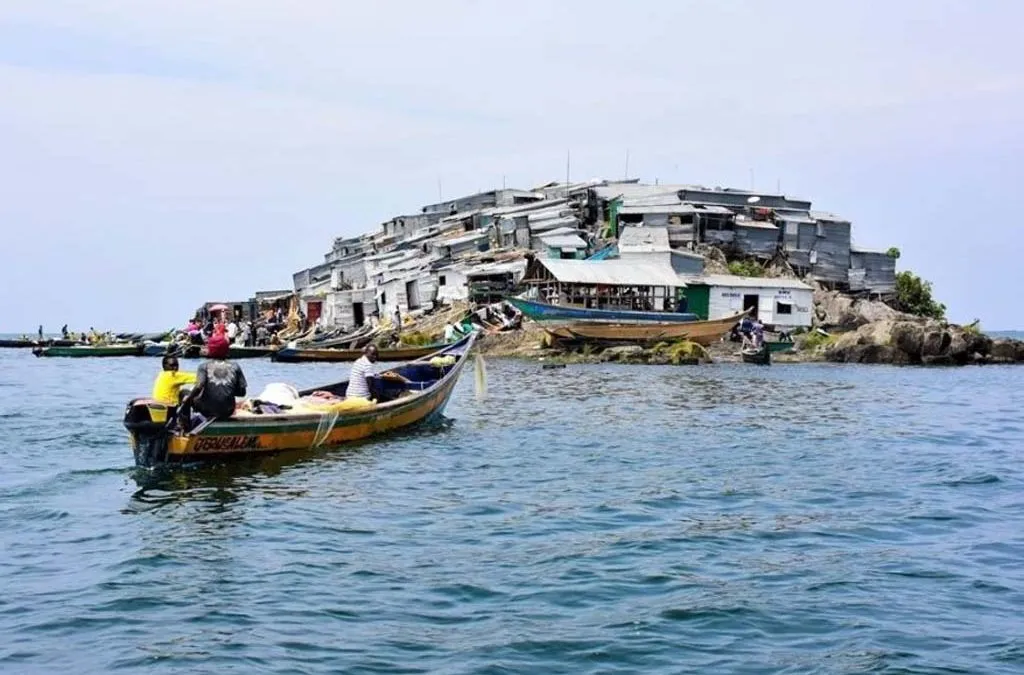
Migingo Island is one of the smallest islands in Kenya and one of the most densely populated. It sits in Lake Victoria and is built almost entirely around the Nile perch fishing industry. Homes, drying racks, and boats fill nearly every space on the rock.
This is not a tourist island, and that is what makes it interesting. You see real cross border lake culture shaped by Kenya and Uganda working the same waters. Its geography and political history make it famous, but daily life remains focused on fishing and trade. We include Migingo for travelers curious about human geography and life on the lake, not beach holidays.
Central Island
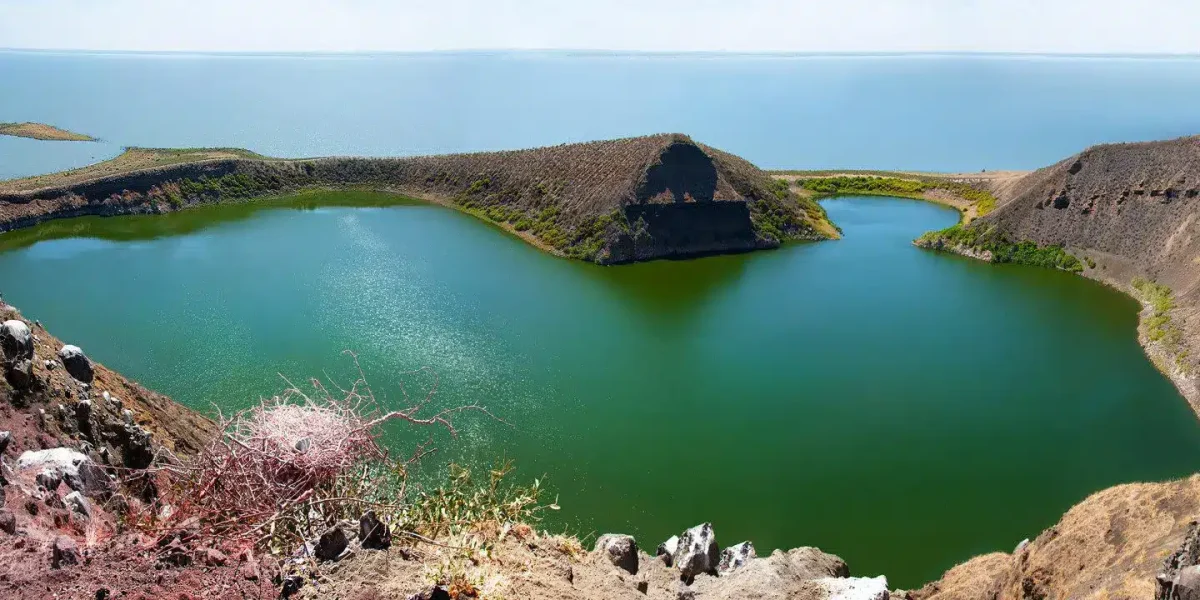
Central Island lies in Lake Turkana and is volcanic in origin. The island rises sharply from the water and holds several crater lakes inside its cone. It is also a major nesting site for Nile crocodiles, which use the warm volcanic ground to incubate their eggs.
This island is remote and reached only by boat. Its black lava rock, hot ground, and open skies create a dramatic landscape. Central Island attracts travelers interested in geology, wildlife, and adventure. It is one of the most unusual islands in Kenya and shows how fire and water meet in the Rift Valley.
South Island
South Island is another protected island in Lake Turkana and is known mainly as a bird breeding sanctuary. Flamingos, pelicans, and other water birds gather here in large numbers, especially during nesting seasons.
The island feels raw and extreme, shaped by wind, salt, and heat. There are no towns and no beach resorts. Its value is ecological. We include South Island for travelers who care about conservation, birdlife, and Kenya’s wild lake environments rather than comfort travel.
Crescent Island
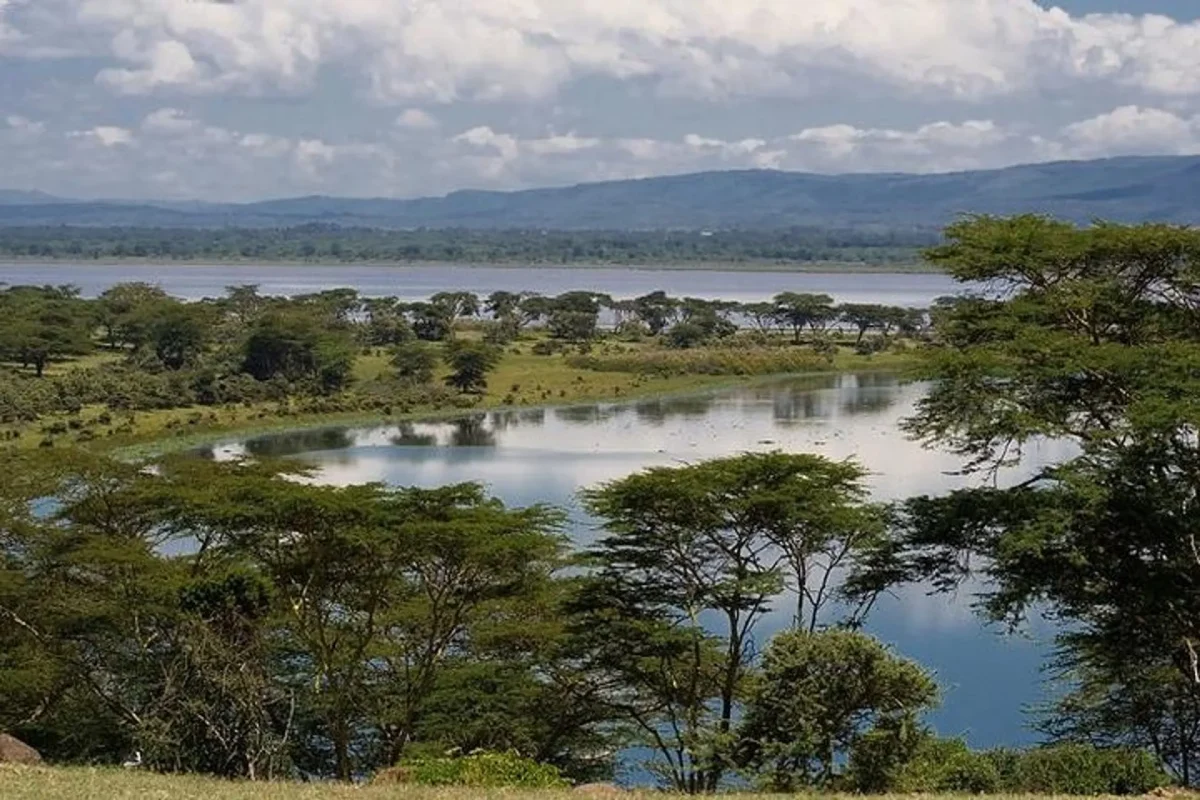
Crescent Island sits in Lake Naivasha and is reached only by boat. It is a private game sanctuary where wildlife moves freely without predators. Zebra, giraffe, wildebeest, and antelope live on open grassland beside the lake.
Here, you do walking safaris instead of vehicle drives. You walk among animals with a guide and enjoy wide views of water and sky. Picnic points sit above the shoreline and birdlife fills the air. Crescent Island is ideal if you want a short, gentle safari experience combined with lake scenery and calm movement.
Things to Do on Islands in Kenya
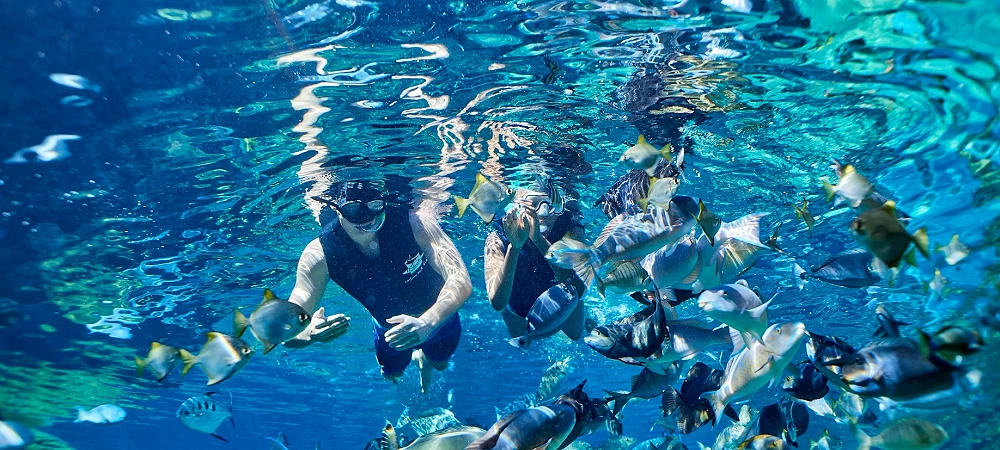
Kenya’s islands give you a mix of sea, culture, and nature. In the ocean, you snorkel and scuba dive over coral reefs filled with tropical fish. In calm lagoons, you kayak or paddle board along the shore. One of our favorite ocean experiences is dhow sailing at sunset, when the light turns gold and the sea goes quiet.
You can also join fishing trips with local crews, take long beach walks for photography, and enjoy spa treatments with coconut or herbal oils. On inland islands, wildlife and birdwatching replace coral reefs, with fish eagles, pelicans, and antelope close to the water. Cultural village visits add meaning, letting you meet fishing families and learn how island life works day to day.
Are Kenya Islands Good for Kids and Families
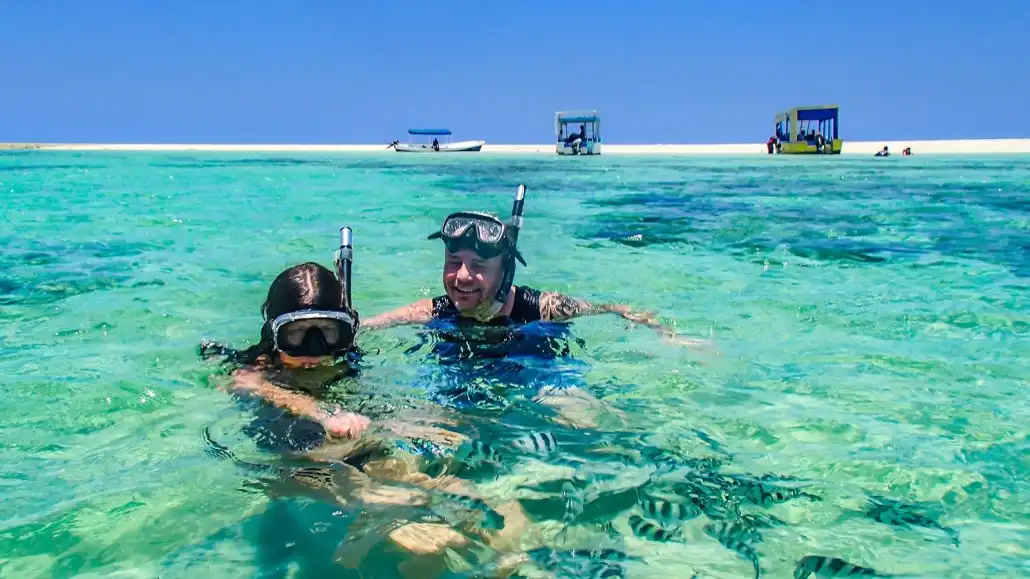
Yes, many family islands in Kenya are safe and relaxed. Several islands have shallow water beaches where children can swim without strong waves. Boat rides and dhow cruises are gentle and fun for all ages, especially in protected channels.
Kids enjoy dolphin watching and snorkeling in clear, calm areas where reefs are close to shore. Cultural visits also help children learn about fishing life and Swahili traditions. With open beaches and quiet space, families can enjoy beach games, short walks, and slow afternoons without crowds.
Food and Dishes to Try on Kenya Islands
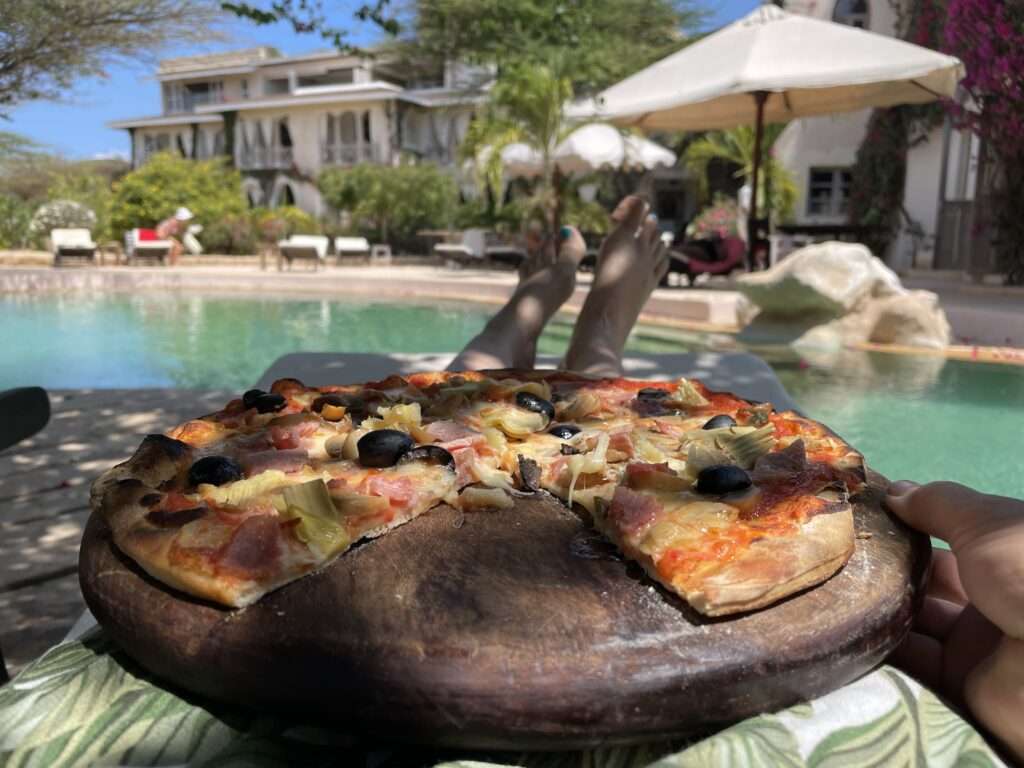
Food is one of the highlights of island travel. Most Kenya island food comes straight from the sea and local farms. Coconut rice is a daily staple, often served with grilled lobster or fish.
You should try octopus curry and samaki wa kupaka, which is fish cooked in coconut sauce with spices. Fresh tropical fruits such as mango, pineapple, and papaya are common at breakfast. Meals are often finished with spiced tea and fresh juices. The flavors reflect Swahili cooking, which blends African, Arab, and Indian influences.
Best Time to Visit Islands in Kenya
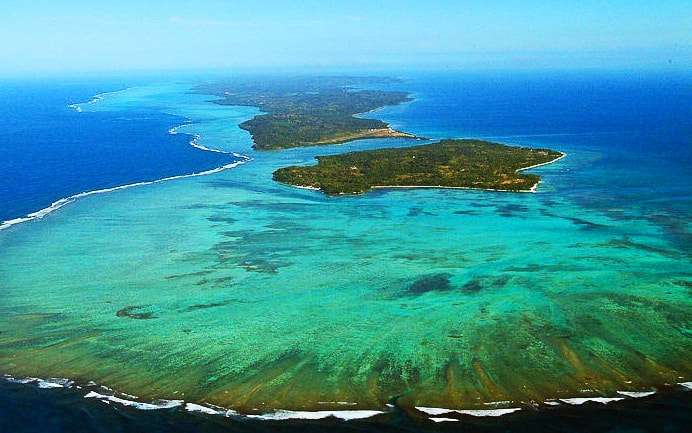
The best time for Kenya beaches is during the dry seasons from January to February and July to October. These months bring sunny days, calm seas, and good travel conditions.
Kenya island weather is warm all year, but snorkeling visibility is best when the ocean is clear and winds are low. It is wise to avoid the main monsoon periods, especially April and May, when seas can be rough. If you travel with children, planning around school holidays helps you choose islands that are quiet but still well served.
Kenya Islands vs Zanzibar and Other East Africa Islands
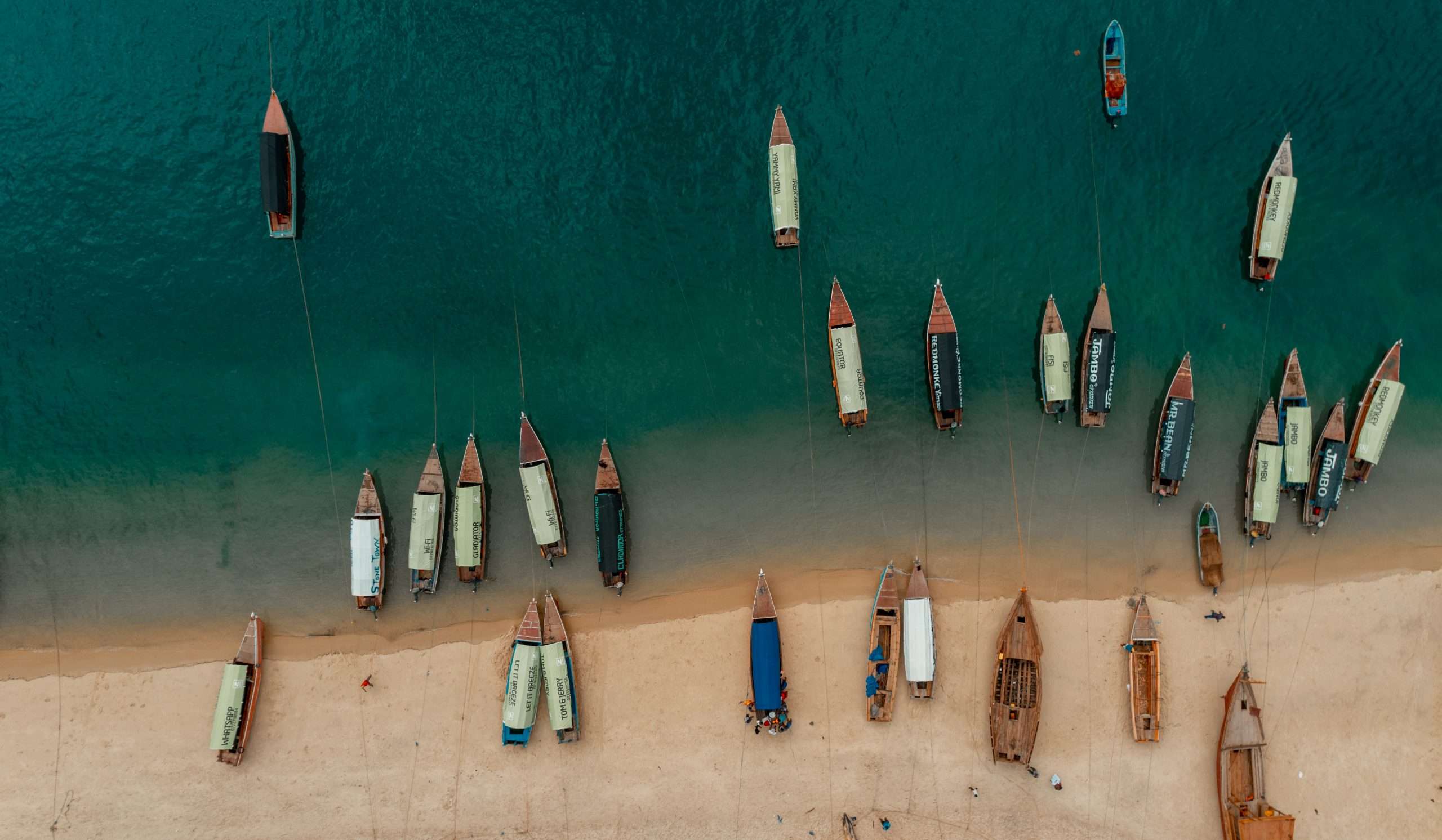
When people compare islands in East Africa, they often think of Zanzibar first. Kenya’s islands offer a different experience. Beaches are usually quieter and less crowded, especially outside major resorts.
Kenya islands keep strong Swahili culture through language, food, and daily life. Another advantage is travel planning. You can combine safari parks with island stays in one trip, which is harder to do with islands far from the mainland. There is also a wide range of options, from simple fishing villages to private luxury resorts. This makes Kenya islands suitable for both budget travelers and high end holidays.
Travel Tips for Visiting Islands in Kenya
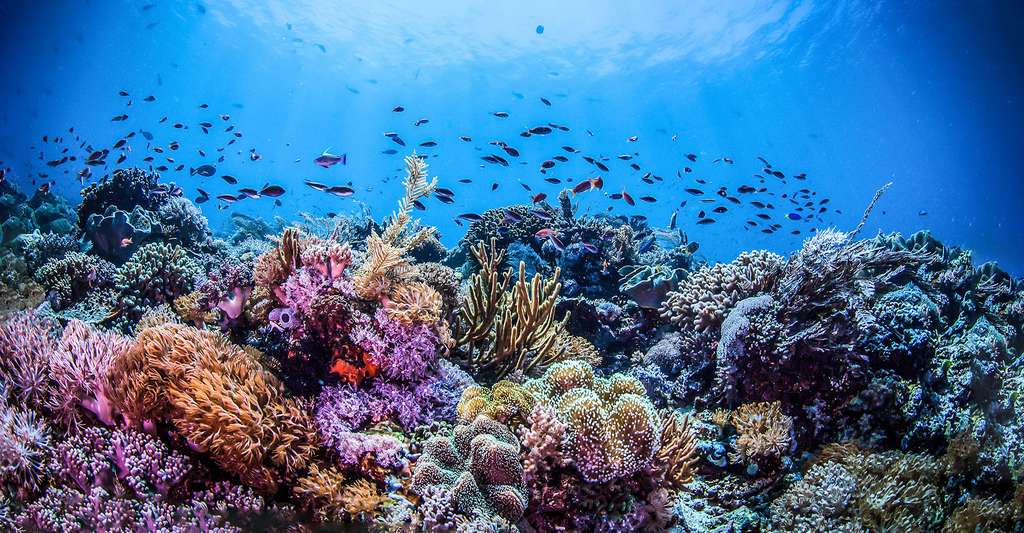
A good Kenya island travel guide starts with simple planning. Boat transfers depend on tides and weather, so flexible timing helps. Pack light because most islands use small boats and narrow paths.
Reef shoes protect your feet on coral shores. Strong sun means hats and sunscreen are essential. Respect local culture by dressing modestly in villages and greeting people politely. Many islands have limited ATMs, so carry enough cash for small purchases and tips. These small steps improve island safety in Kenya and make travel easier.
Why Book Kenya Island Trips with TourwithPipi
We design custom island holidays in Kenya based on how you want to travel. You can sail on private dhow cruises, stay in handpicked beach lodges, and enjoy smooth safari and island planning in one trip.
We create routes for families and honeymoon couples, include cultural visits and food experiences, and arrange sunset dinners and spa options. Our focus is comfort, local knowledge, and simple travel without stress. Contact us Now!
Common Questions About Islands in Kenya
How many islands does Kenya have?
There’s no single official count. Kenya’s coastline and lakes hold dozens of named islands and countless smaller islets, but 17 stand out as genuinely worth visiting, split between the Indian Ocean coast and the freshwater lakes of Victoria, Naivasha, and Turkana.
How many islands are in Lake Victoria on the Kenyan side?
Several notable ones, including Mfangano, Rusinga, Takawiri, Ndere, and Migingo, along with many smaller, unnamed islets. Lake Victoria as a whole, shared by Kenya, Uganda, and Tanzania, holds far more islands than any single country’s share.
What is the most famous island in Kenya?
Lamu Island, a UNESCO World Heritage site and the oldest Swahili settlement in East Africa, is generally considered Kenya’s most famous island, known for its car-free streets and centuries of unbroken Swahili culture.
Are Kenya’s islands safe to visit?
Yes, the islands covered in this guide are established, safe destinations for travelers, including families. Basic precautions, like carrying cash since ATMs are limited, wearing reef shoes, and respecting local dress customs, go a long way.
Blog Summary
- Kenya doesn’t have one official island total, but 17 islands stand out as genuinely worth visiting, split between the Indian Ocean coast and the freshwater lakes of Victoria, Naivasha, and Turkana.
- Coastal islands like Lamu, Mombasa, and Wasini are shaped by Swahili culture, coral reefs, and dhow sailing traditions.
- Freshwater islands like Ndere, Mfangano, and Crescent offer walking safaris, prehistoric rock art, and birdlife instead of beaches.
- Popular activities include snorkeling, scuba diving, kayaking, dhow sailing at sunset, fishing trips, birdwatching, and cultural village visits.
- Many of Kenya’s islands are genuinely family-friendly, with shallow-water beaches and gentle boat rides suited to kids.
- The best time to visit is January to February and July to October, avoiding the rougher seas of April and May.
- Compared to Zanzibar, Kenya’s islands are generally quieter and easier to combine with a safari in the same trip.


