
Quick Answer:
Kenya’s climate is tropical but varies greatly with altitude rather than latitude. Because the country lies on the Equator, it does not experience traditional summer and winter seasons. Instead, Kenya seasons are divided into two dry seasons and two rainy seasons. The dry season in Kenya runs mainly from June to October, making it the best time for wildlife safaris and the Great Wildebeest Migration in the Masai Mara. A second shorter dry season occurs from January to March, while the Kenya rainy season is divided into the long rains (late March to May) and the short rains (November to December).
Understanding Kenya’s Climate
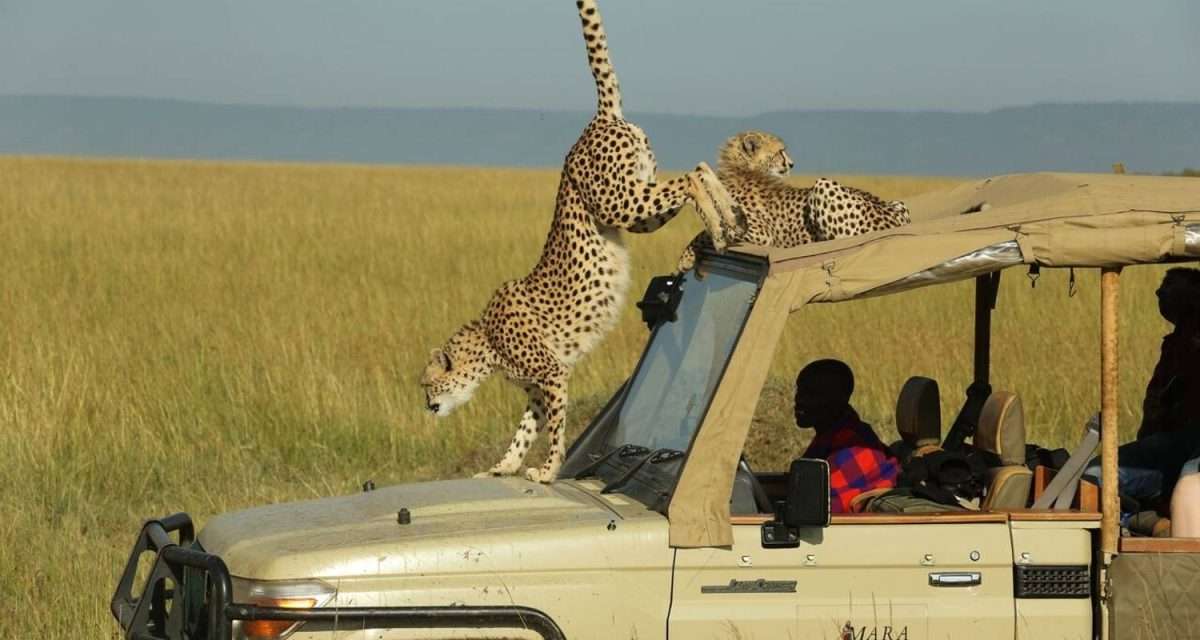
The climate in Kenya is tropical, but because the country lies on the Equator, it experiences two dry seasons and two rainy seasons instead of summer and winter. Temperatures remain fairly consistent throughout the year, averaging 20°C to 30°C (68°F–86°F), while altitude creates noticeable regional differences. The climate of Kenya Africa is cooler in highland safari destinations like the Masai Mara and Mount Kenya, warmer and more humid along the Indian Ocean coast, and hotter in the semi-arid north. These variations make Kenya a year-round destination for safaris, beach holidays, and mountain adventures.
Does Kenya Have Summer and Winter?
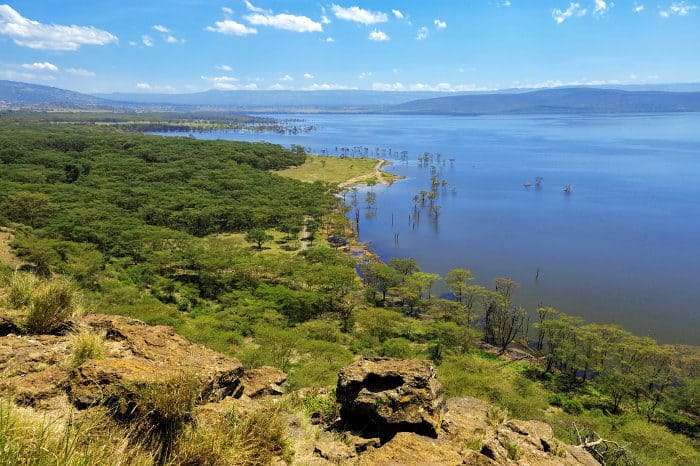
One of the most common questions travellers ask is “When is winter in Kenya?” or “When is summer in Kenya?”
The simple answer is that Kenya does not have traditional summer, autumn, winter, or spring. Since the country lies almost directly on the Equator, daylight hours remain fairly constant throughout the year, with sunrise and sunset changing very little between seasons.
Instead, the Kenya climate follows a rainfall cycle consisting of two dry seasons and two rainy seasons. Wildlife movements, safari conditions, beach holidays, and trekking opportunities are all planned around these rainfall patterns rather than temperature.
If you’re wondering what season is it in Kenya right now, the answer depends entirely on the month you’re travelling. Every season offers a different landscape, wildlife experience, and travel atmosphere, from lush green plains after rain to dusty savannahs where animals gather around shrinking waterholes.
Kenya’s Four Seasons Explained
Unlike many destinations, Kenya seasons are defined by rainfall rather than temperature. Each season offers a unique safari experience and different advantages depending on what you want to see.
Hot and Dry Season (January to March)
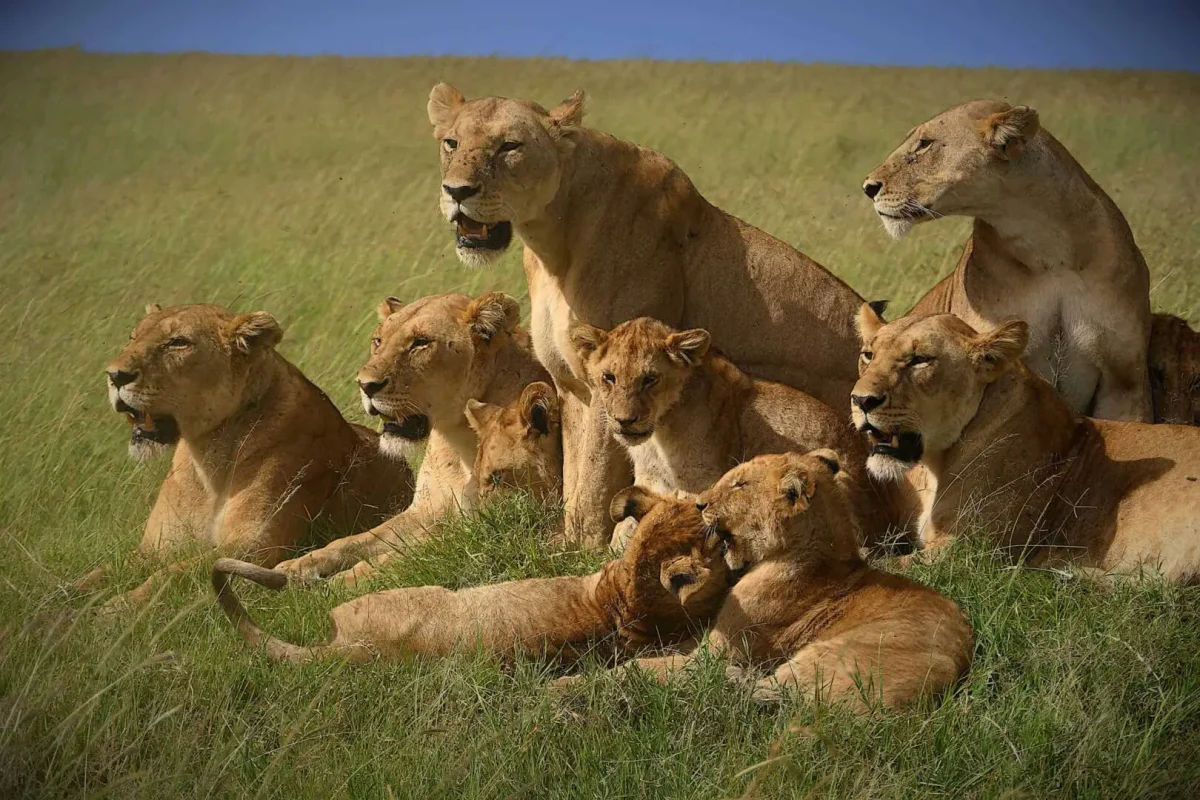
Following the short rains, Kenya enters one of its warmest and sunniest periods. January through March offers clear skies, excellent visibility, and dry landscapes that make wildlife easier to spot.
As water becomes less abundant, elephants, buffalo, giraffes, zebras, and predators begin gathering around permanent rivers and waterholes. Coastal destinations also experience warm seas and excellent conditions for diving, snorkelling, and beach holidays.
Average daytime temperatures during this period range from 25°C to 30°C (77°F to 86°F) across most safari destinations, while coastal regions can become even warmer.
Long Rainy Season (Late March to May)
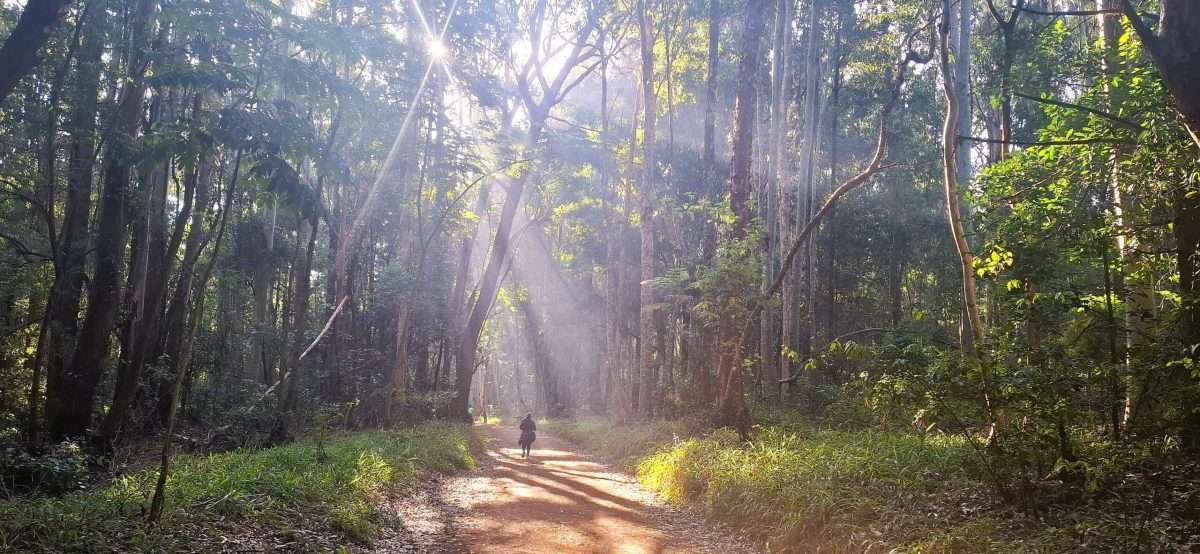
The Kenya rainy season reaches its peak between late March and May, with April typically receiving the highest rainfall of the year.
Heavy afternoon thunderstorms transform the countryside into lush green landscapes filled with fresh grazing, flowering plants, and newborn wildlife. Photographers often favour this season because dramatic clouds, vibrant colours, and fewer safari vehicles create exceptional photographic opportunities.
Some remote safari roads may become muddy or temporarily inaccessible, and a handful of seasonal camps close during April because of the weather. However, travellers who don’t mind occasional rain are often rewarded with lower accommodation prices and quieter parks.
Cool and Dry Season (June to October)
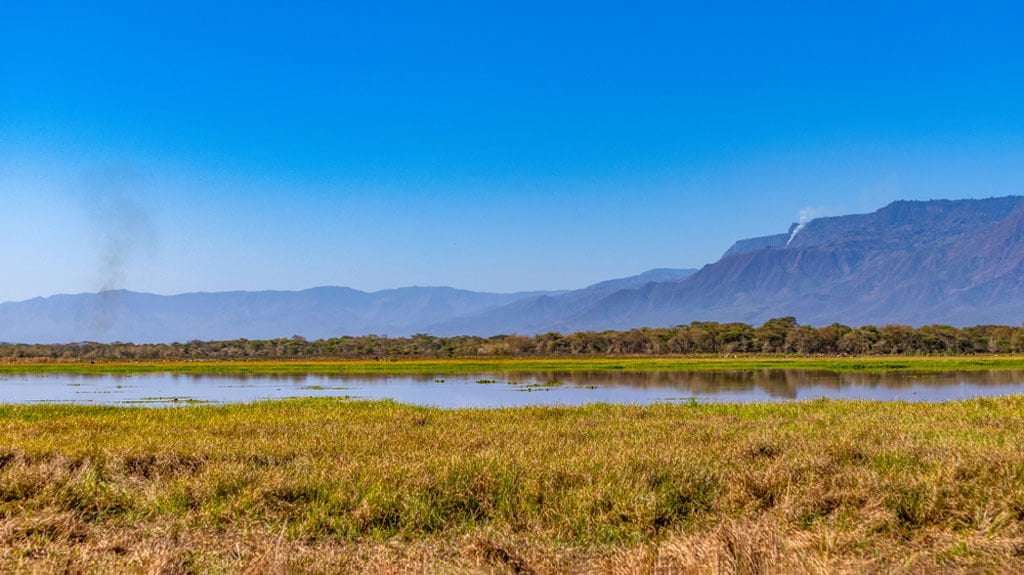
The dry season in Kenya begins in June and is widely regarded as the country’s premier safari season.
Lower humidity, cooler temperatures, and thinning vegetation create ideal conditions for wildlife viewing. Animals become easier to locate as they gather around permanent water sources, while pleasant daytime temperatures make game drives comfortable throughout the day.
This period also coincides with one of the world’s greatest wildlife spectacles, the Great Wildebeest Migration, as more than 1.5 million wildebeest, accompanied by hundreds of thousands of zebras and gazelles, move into the Masai Mara between July and October. River crossings along the Mara and Talek Rivers usually peak between August and September, attracting large numbers of crocodiles, lions, cheetahs, and hyenas.
Kenya Weather by Month
Although the seasons are divided into dry and rainy periods, each month offers a different safari experience. Wildlife movements, birdlife, temperatures, and even accommodation prices change throughout the year, making it important to choose the right time based on your travel goals.
January
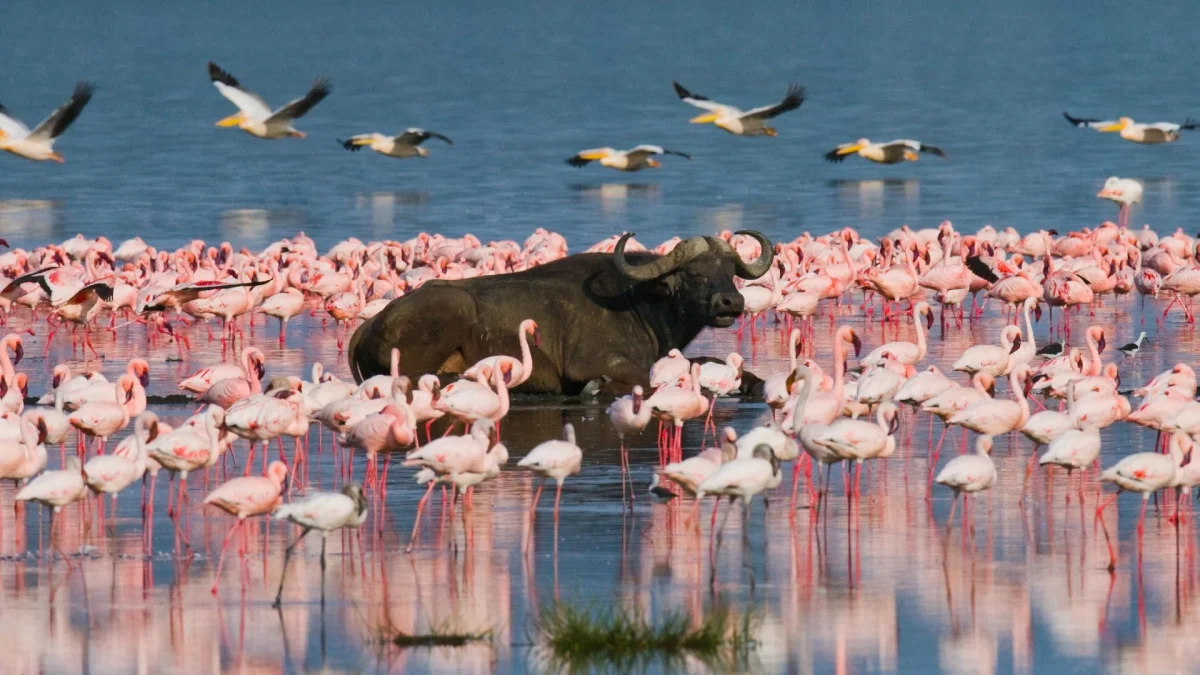
January marks the beginning of Kenya’s first dry season. Thanks to the short rains in November and December, national parks remain green while roads become dry and easy to navigate. Wildlife is active, birdlife is abundant, and visitor numbers are lower than during the peak migration season.
It is one of the best months to combine a safari with a beach holiday. Along Kenya’s coastline, destinations such as Diani Beach, Watamu, and Malindi enjoy warm sunshine, calm seas, and excellent visibility for snorkelling and scuba diving.
Average temperature: 20°C to 29°C (68°F to 84°F)
Best for:
- Safari without peak-season crowds
- Beach holidays
- Diving and snorkelling
- Birdwatching
For many travellers, this is the best season to experience Kenya’s wildlife at its absolute finest.
February
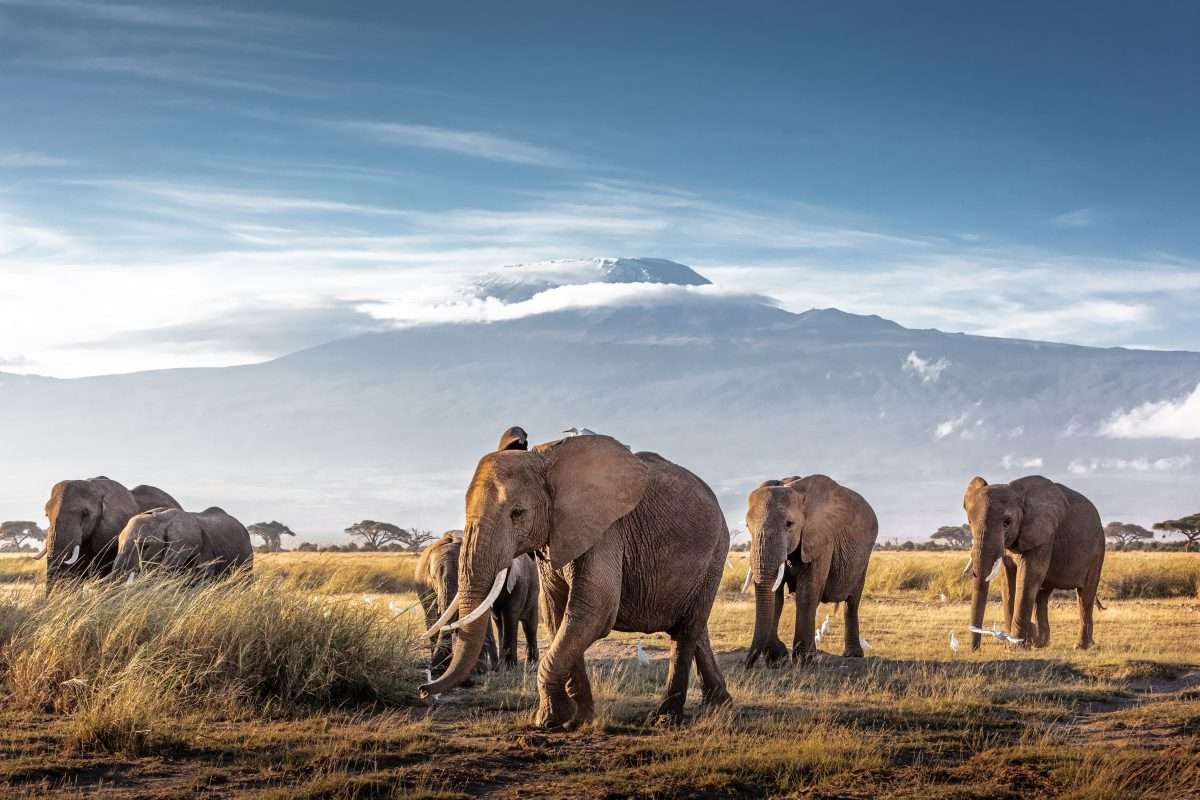
February is generally one of the hottest and driest months of the year. Water sources begin shrinking across many parks, encouraging elephants, buffalo, giraffes, zebras, and predators to gather around permanent rivers and waterholes.
The dry weather also creates outstanding photographic conditions, with bright skies and excellent visibility throughout the day.
February is particularly rewarding in Amboseli National Park, where Mount Kilimanjaro is often visible on clear mornings, creating one of Africa’s most iconic safari landscapes.
Average temperature: 22°C to 30°C (72°F to 86°F)
Best for:
- Wildlife photography
- Big Five safaris
- Amboseli National Park
- Coastal holidays
March
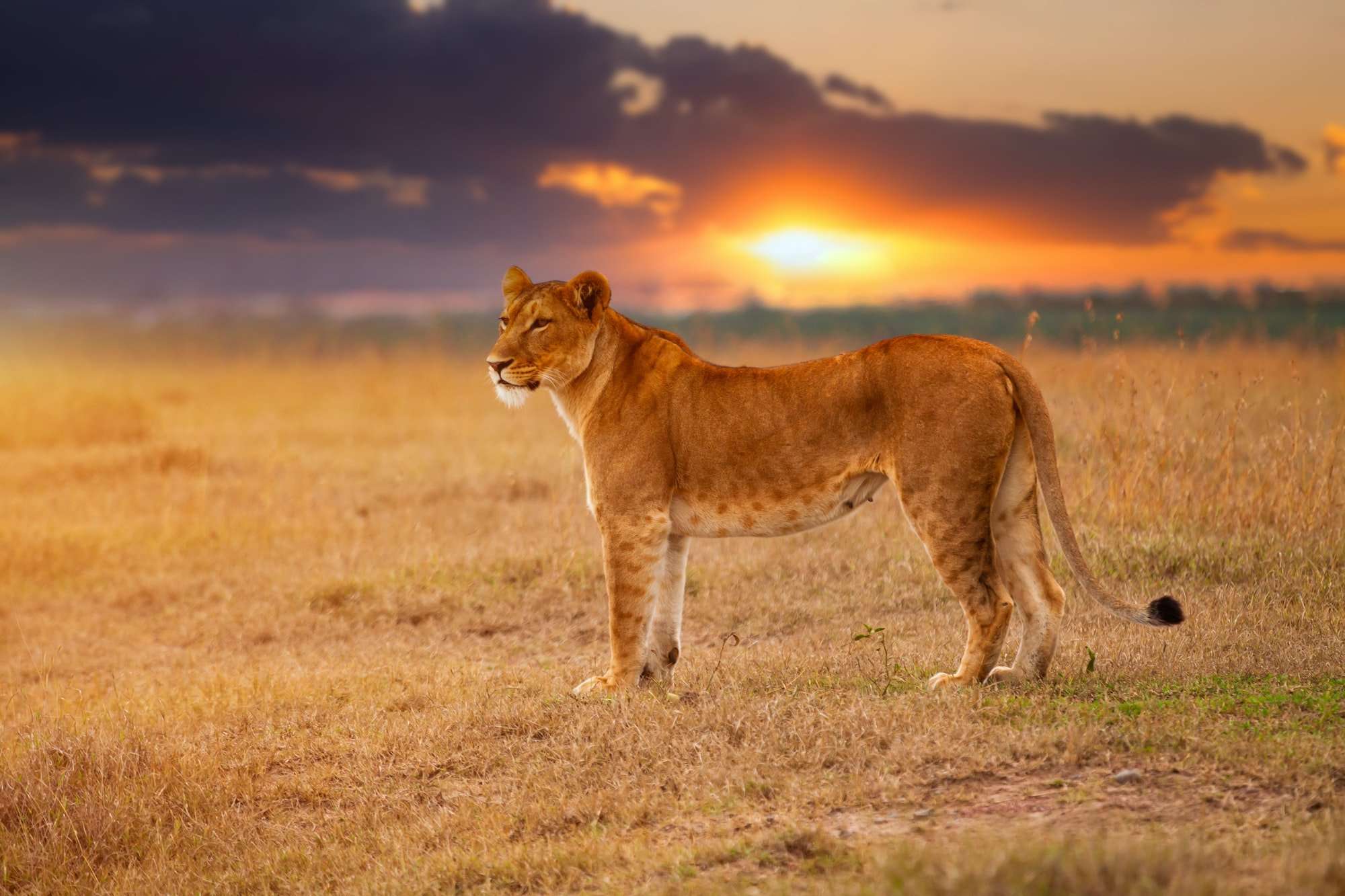
The first half of March still experiences warm, dry weather, making it an excellent month for safari travel. Towards the second half of the month, the Kenya rainy season gradually begins as the long rains arrive.
Early March remains an excellent time to visit the Masai Mara, Samburu, Tsavo, and Laikipia before rainfall becomes more frequent.
By the end of the month, dramatic afternoon thunderstorms begin transforming the landscape into vibrant green grasslands.
Average temperature: 22°C to 30°C (72°F to 86°F)
Best for:
- Early-month safaris
- Landscape photography
- Lower accommodation rates before the rainy season
April
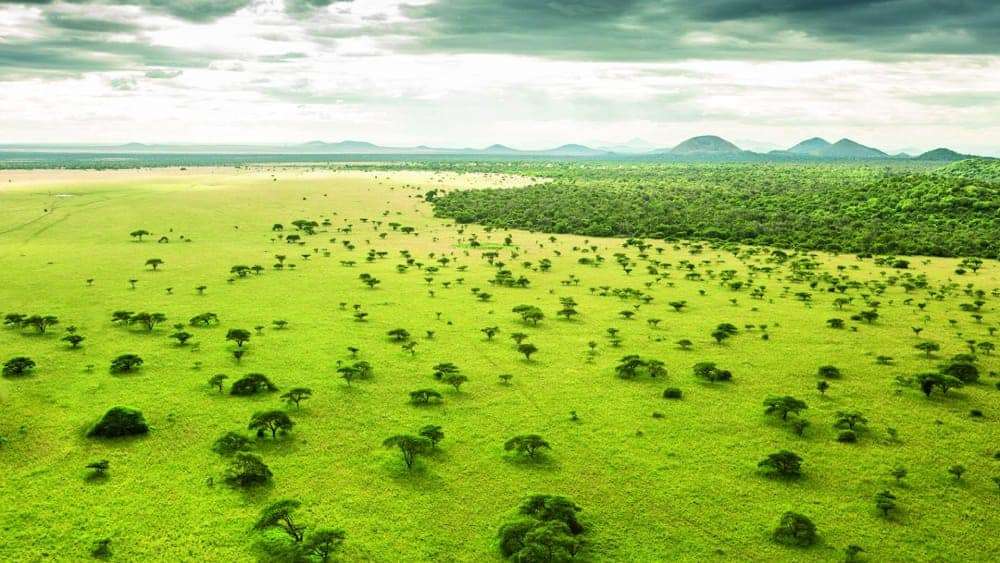
April is usually the wettest month of the year and receives the heaviest rainfall across much of the country. Afternoon and evening thunderstorms are common, and some remote safari tracks become muddy or temporarily inaccessible.
Despite the rain, April offers a completely different side of Kenya. Grasslands become intensely green, flowers bloom across the savannah, and dramatic storm clouds create spectacular photography opportunities.
Many luxury lodges offer significant discounts during April, making it one of the most affordable months to visit Kenya.
Wildlife can be more challenging to spot because dense vegetation provides excellent cover for animals, but the peaceful atmosphere and absence of crowds appeal to experienced safari travellers.
Average temperature: 19°C to 27°C (66°F to 81°F)
Best for:
- Budget safaris
- Landscape photography
- Green season experiences
- Luxury lodge offers
May
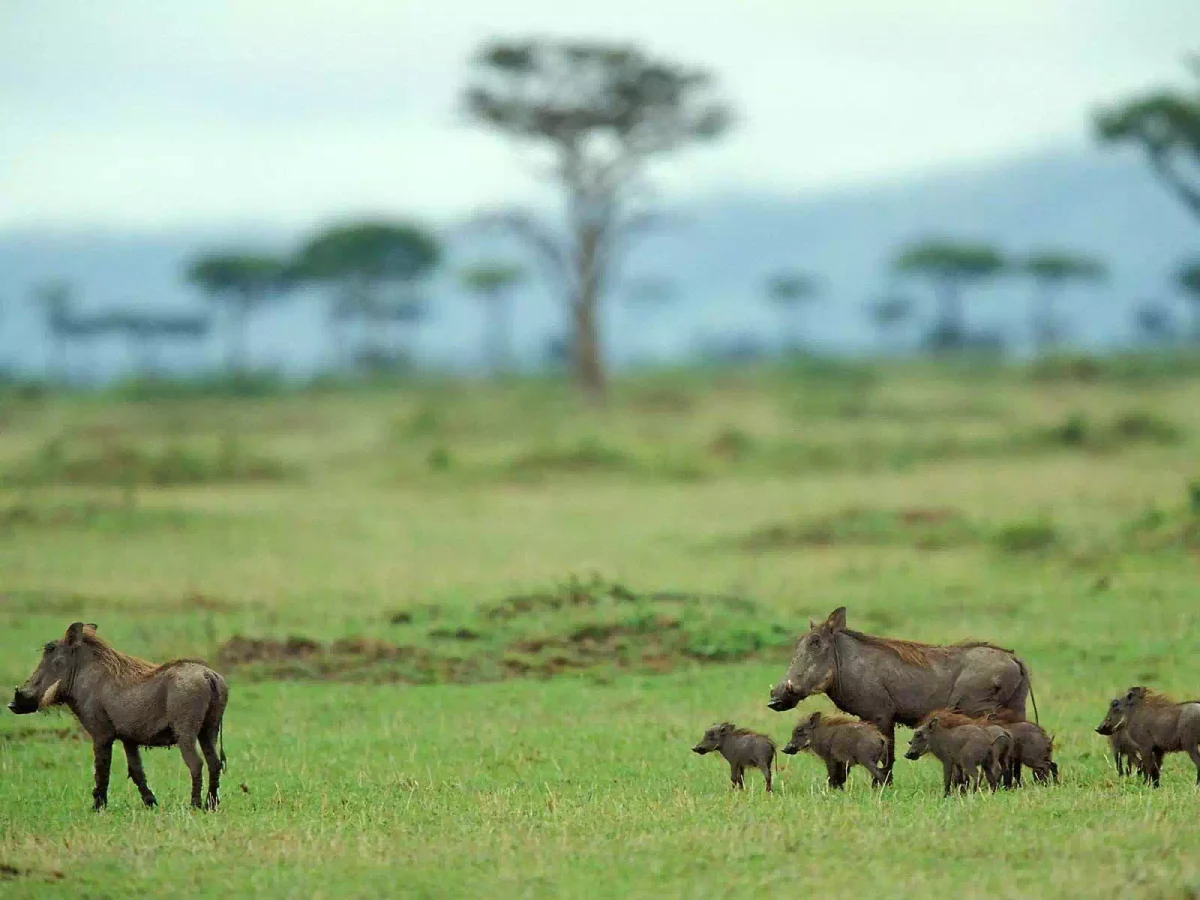
May marks the final month of the long rains. Rainfall gradually decreases as the month progresses, while parks remain beautifully green after weeks of steady precipitation.
Semi-arid parks such as Tsavo East and Tsavo West become particularly attractive during this period, with fresh vegetation covering landscapes that are usually dry and dusty.
Wildlife viewing remains more challenging than during the dry season, but birdwatching is excellent, rivers flow strongly, and visitor numbers remain low.
Accommodation prices also remain significantly lower than during the upcoming peak safari season.
Average temperature: 18°C to 26°C (64°F to 79°F)
Best for:
- Value-for-money safaris
- Birdwatching
- Green landscapes
- Quiet national parks
June
June marks the beginning of the main dry season in Kenya and signals the return of excellent safari conditions.
Rainfall becomes rare, humidity drops, and cooler temperatures make long game drives much more comfortable. Vegetation slowly begins thinning, allowing easier wildlife viewing throughout Kenya’s national parks.
The first few weeks of June are considered a shoulder season, meaning visitors can often enjoy lower prices before the busiest safari months begin.
June is also an excellent month for combining wildlife safaris with trekking in the Aberdare Mountains or climbing Mount Kenya, where cooler temperatures create ideal hiking conditions.
Average temperature: 17°C to 25°C (63°F to 77°F)
Best for:
- Comfortable safari weather
- Walking safaris
- Mount Kenya trekking
- Shoulder-season pricing
The arrival of June also marks the start of Kenya’s most famous wildlife season, which continues through October as millions of migrating animals move across the northern Serengeti and into the Masai Mara.
July
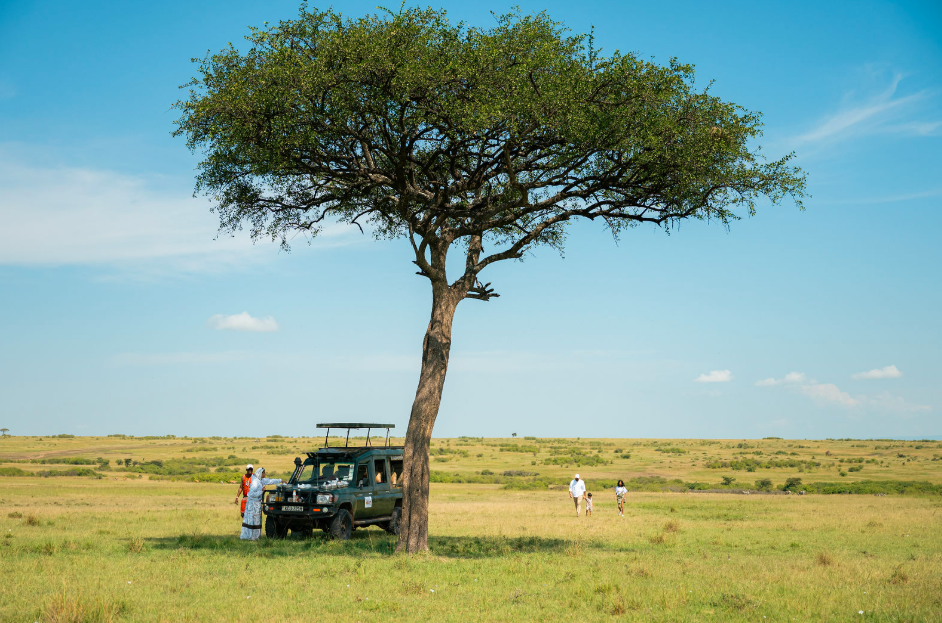
July is the start of Kenya’s peak safari season. Cooler temperatures, almost no rainfall, and excellent visibility create ideal conditions for wildlife viewing across the country. This is also when the first herds of the Great Wildebeest Migration begin arriving in the Masai Mara from Tanzania’s Serengeti, bringing hundreds of thousands of wildebeest and zebras into Kenya.
Predators quickly follow the migration, making July an excellent month to witness lions, cheetahs, leopards, and hyenas in action. In Tsavo East National Park, elephants gather along the Galana, Tsavo, and Voi Rivers as natural water sources become scarce.
Morning game drives can feel chilly, particularly in the Masai Mara where temperatures may drop to around 10°C (50°F), so a warm jacket is recommended.
Average temperature: 10°C to 25°C (50°F to 77°F)
Best for:
- Great Wildebeest Migration
- Big Five safaris
- Predator sightings
- Comfortable game drives
August
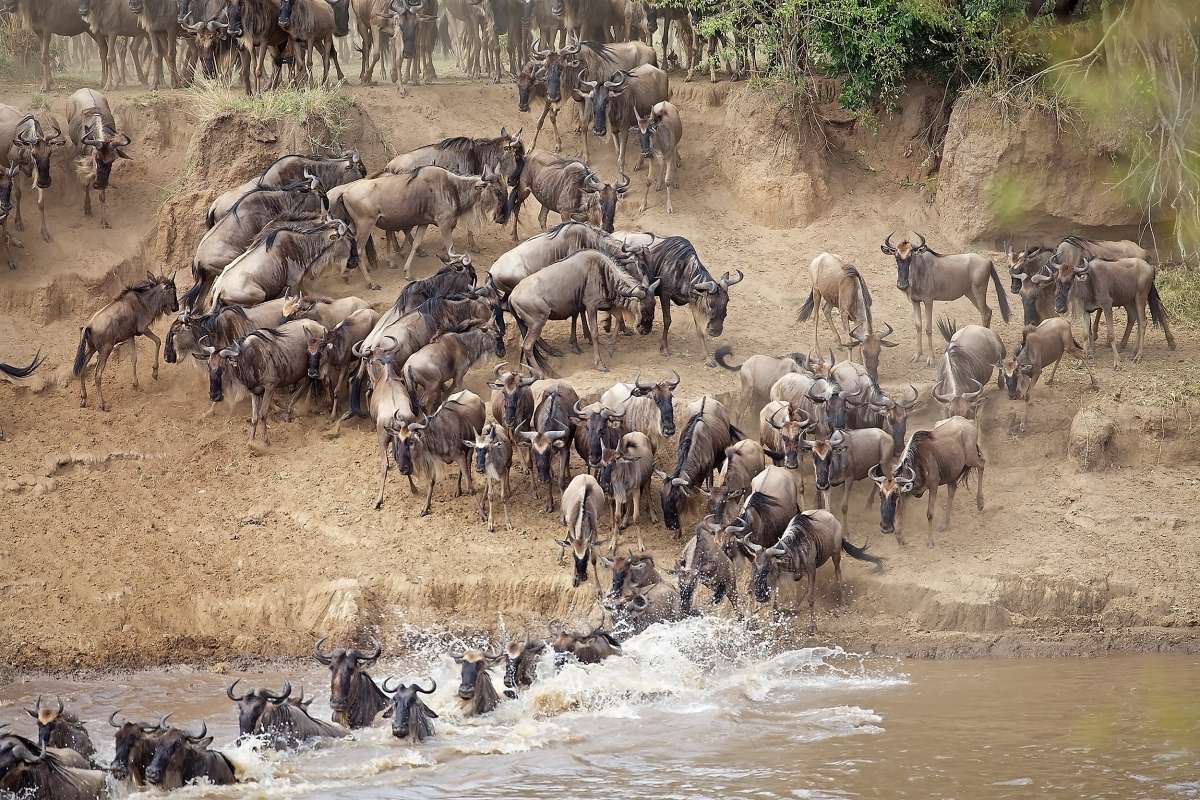
August is widely regarded as one of the best months to experience the Kenya climate. Dry weather continues, wildlife gathers around rivers and waterholes, and the Great Migration reaches its peak in the Masai Mara.
This is one of the best opportunities to witness dramatic Mara River crossings as wildebeest attempt to cross crocodile-filled waters while lions, leopards, cheetahs, and hyenas wait nearby.
Because this is one of Kenya’s busiest travel months, lodges inside and around the Masai Mara often sell out many months in advance.
Outside the Mara, parks such as Amboseli, Samburu, and Tsavo also enjoy exceptional wildlife viewing thanks to sparse vegetation and reliable water sources.
Average temperature: 11°C to 25°C (52°F to 77°F)
Best for:
- Mara River crossings
- Wildlife photography
- Predator action
- Luxury safari holidays
September
September continues to offer outstanding safari conditions. The migration remains active in the Masai Mara, and river crossings often continue throughout much of the month.
Elsewhere in Kenya, dry conditions concentrate wildlife around permanent rivers and lakes, making animal sightings easier than at almost any other time of year.
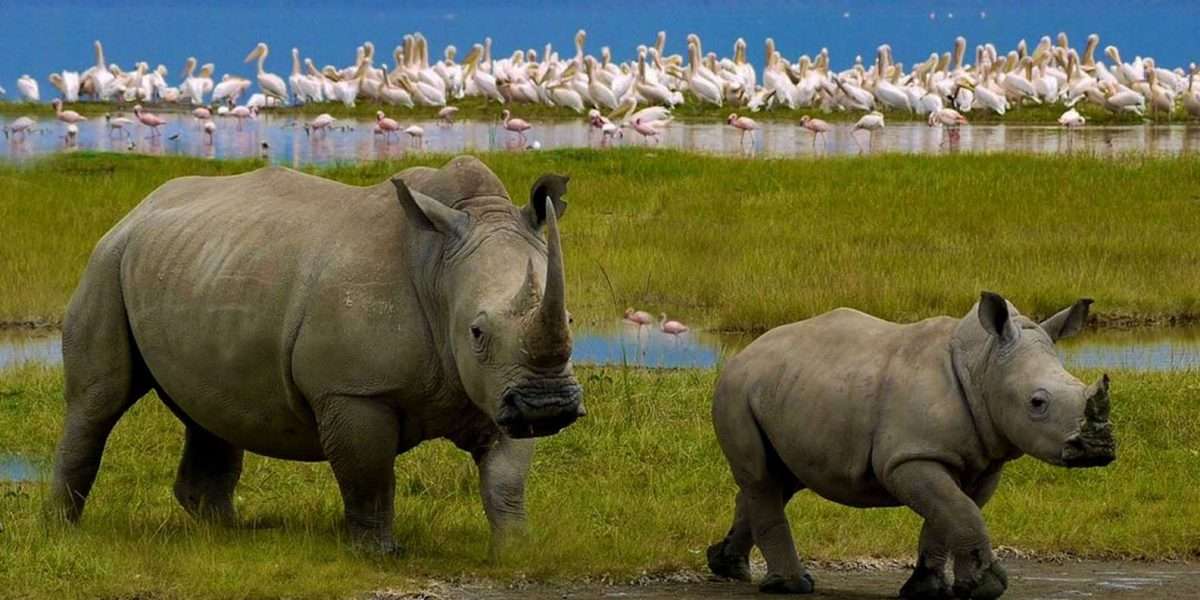
Lake Nakuru National Park becomes particularly rewarding during September as evaporation increases the concentration of algae in its alkaline waters, attracting large flocks of Lesser Flamingos. Combined with rhinos, Rothschild’s giraffes, lions, and leopards, it offers one of Kenya’s most diverse safari experiences.
Average temperature: 11°C to 27°C (52°F to 81°F)
Best for:
- Great Migration
- Flamingos at Lake Nakuru
- Big Five safaris
- Wildlife photography
October
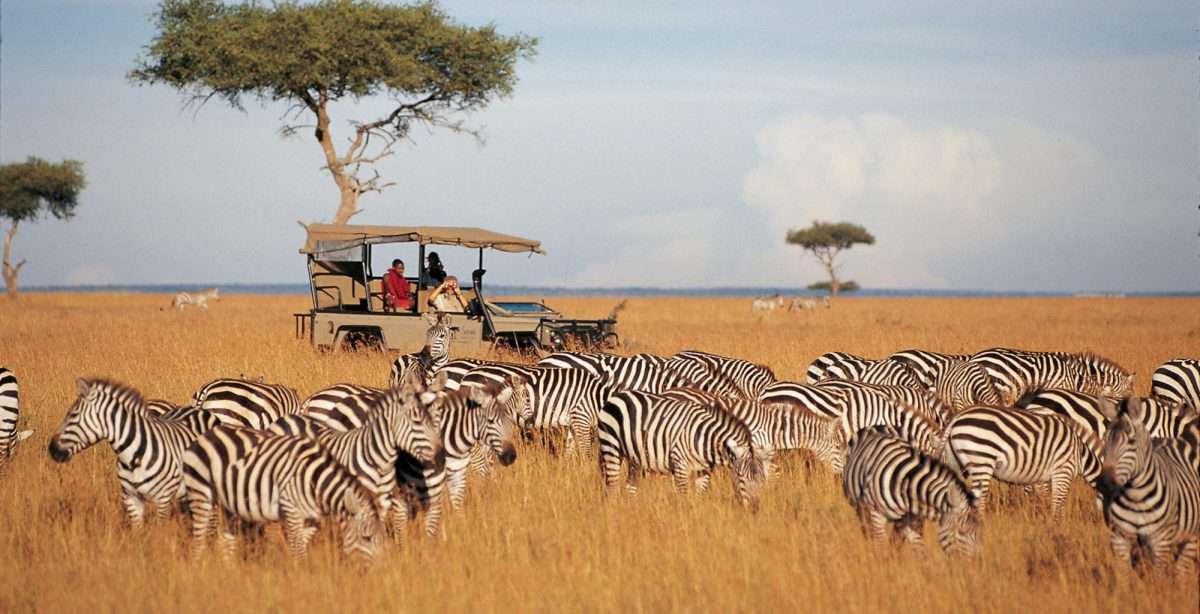
October marks the final month of the long dry season in Kenya, and wildlife viewing remains exceptional. Water becomes increasingly limited, drawing elephants, buffalo, giraffes, antelope, and predators to the few remaining rivers and waterholes.
In Samburu National Reserve, visitors have excellent chances of seeing the unique Samburu Special Five alongside large elephant herds and numerous big cats gathering around the Ewaso Nyiro River.
October is also one of the best months to explore quieter parks such as Meru National Park, where visitor numbers remain relatively low despite excellent wildlife viewing.
Although temperatures begin rising slightly towards the end of the month, conditions remain comfortable for game drives and walking safaris.
Average temperature: 12°C to 28°C (54°F to 82°F)
Best for:
- Elephant safaris
- Samburu National Reserve
- Meru National Park
- End-of-season wildlife viewing
November
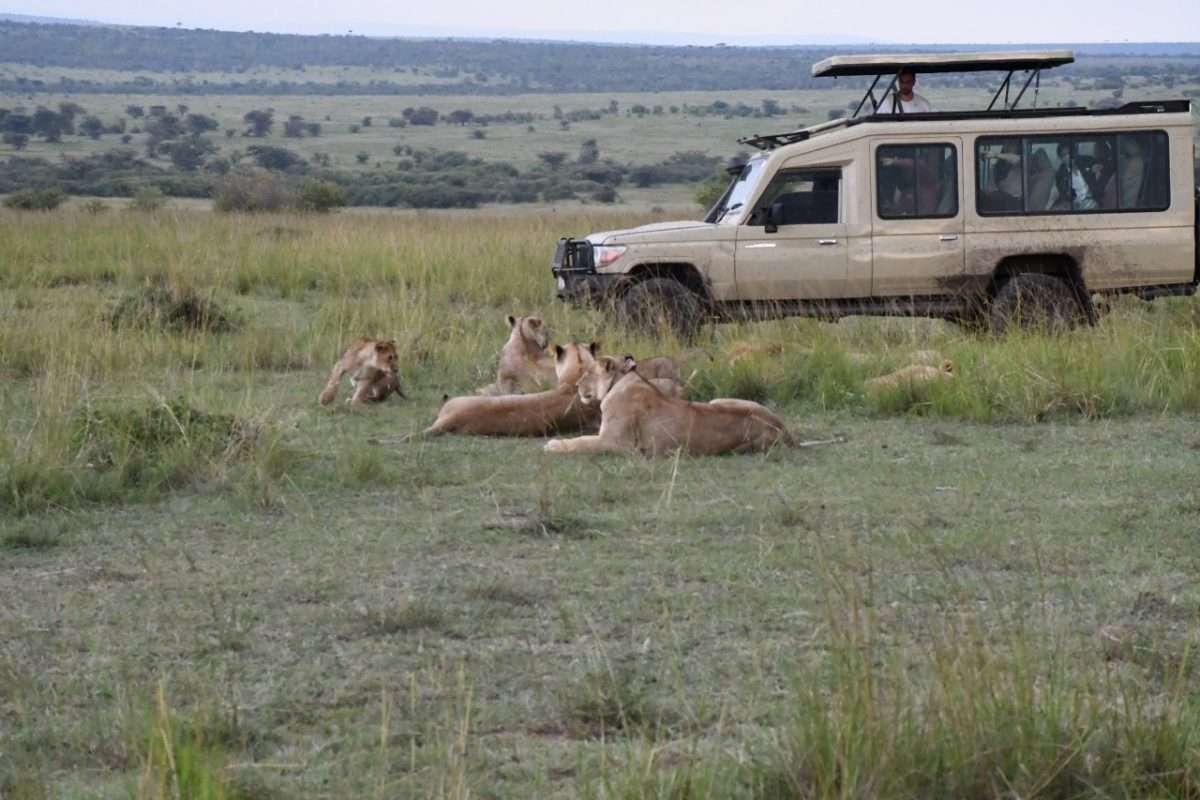
November signals the arrival of the short Kenya rainy season. Unlike the long rains, showers are usually brief, localized, and often occur during the afternoon or evening without significantly affecting safari activities.
The first rains transform dusty landscapes into fresh green grasslands almost overnight. Many animals begin dispersing away from permanent water sources as food becomes widely available again.
This shoulder season also brings fewer visitors, making November an excellent month for travellers seeking quieter parks, lower accommodation rates, and beautiful green scenery.
Average temperature: 20°C to 27°C (68°F to 81°F)
Best for:
- Green season safaris
- Birdwatching
- Photography
- Lower safari prices
December
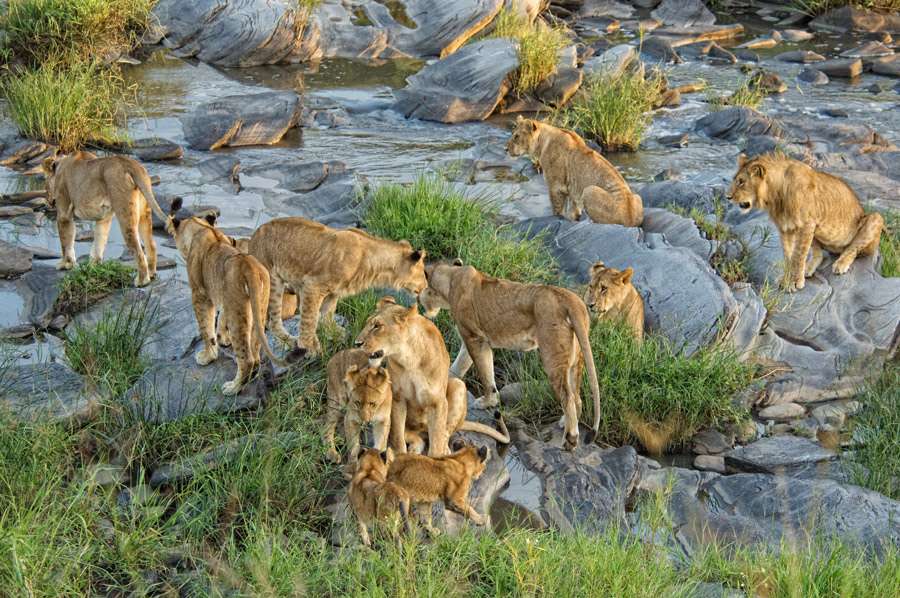
December begins with occasional showers before gradually becoming drier from the middle of the month. By Christmas and New Year, much of Kenya enjoys warm, sunny weather that combines perfectly with both safari holidays and Indian Ocean beach escapes.
The Masai Mara becomes greener after the short rains, creating beautiful scenery for wildlife photography. Coastal destinations such as Diani Beach, Watamu, and Malindi enjoy warm temperatures and calm seas, making December one of the most popular months for family holidays.
Although visitor numbers increase during the festive season, the combination of wildlife, beaches, and pleasant weather makes December one of Kenya’s most rewarding months to visit.
Average temperature: 20°C to 28°C (68°F to 82°F)
Best for:
- Christmas safaris
- Beach holidays
- Family travel
- Wildlife and coastal combinations
Best Time to Visit Kenya
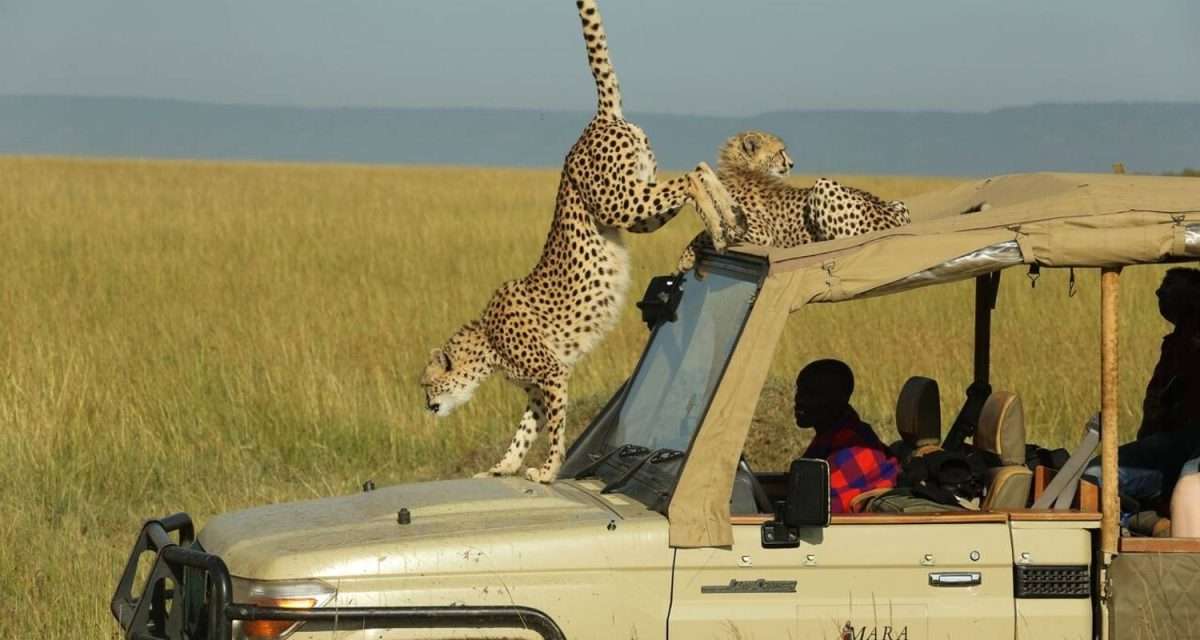
The best time to visit Kenya depends on the type of experience you’re looking for. Thanks to its equatorial location, wildlife can be seen throughout the year, but rainfall has a significant impact on game viewing, photography, trekking, and beach holidays.
For most visitors, the dry season in Kenya between June and October offers the best overall conditions. Vegetation becomes thinner, animals gather around rivers and waterholes, temperatures are comfortable, and the Great Wildebeest Migration reaches the Masai Mara.
However, every season has its own advantages, from lush green landscapes during the rainy months to lower accommodation prices and quieter parks during the shoulder season.
| Travel Experience | Best Time to Visit |
|---|---|
| Safari | June to October |
| Great Wildebeest Migration | July to October |
| Mara River Crossings | August to September |
| Beach Holidays | January to March & December |
| Birdwatching | November to April |
| Mount Kenya Trekking | January to March & June to October |
| Budget Safari | April, May & November |
| Photography | February, July to October |
Kenya Climate by Region
One reason the climate in Kenya Africa feels so diverse is because the country ranges from tropical coastline to mountain peaks over 5,199 metres (17,057 ft). Temperatures and rainfall vary dramatically depending on elevation and location.
Masai Mara
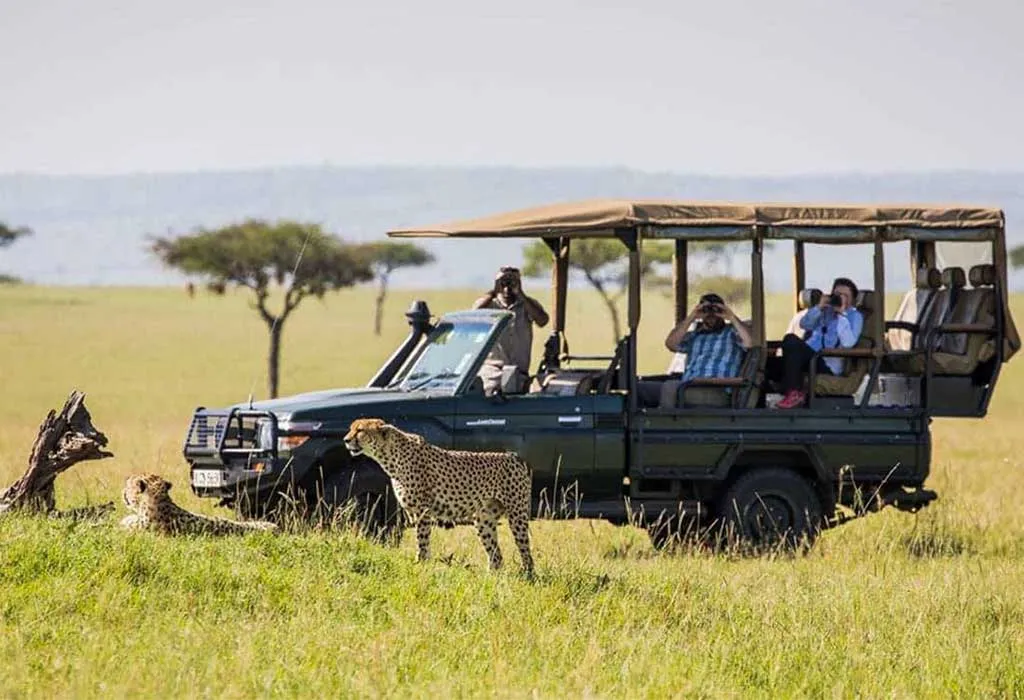
The Masai Mara enjoys one of Kenya’s most pleasant climates thanks to its elevation of 1,500–1,900 metres.
Daytime temperatures usually range between 24°C and 28°C (75°F–82°F), while early morning game drives can be as cool as 10°C to 12°C (50°F–54°F).
The reserve receives approximately 1,400 mm (55 inches) of rainfall annually, with April being the wettest month and July the driest.
Nairobi & Central Highlands
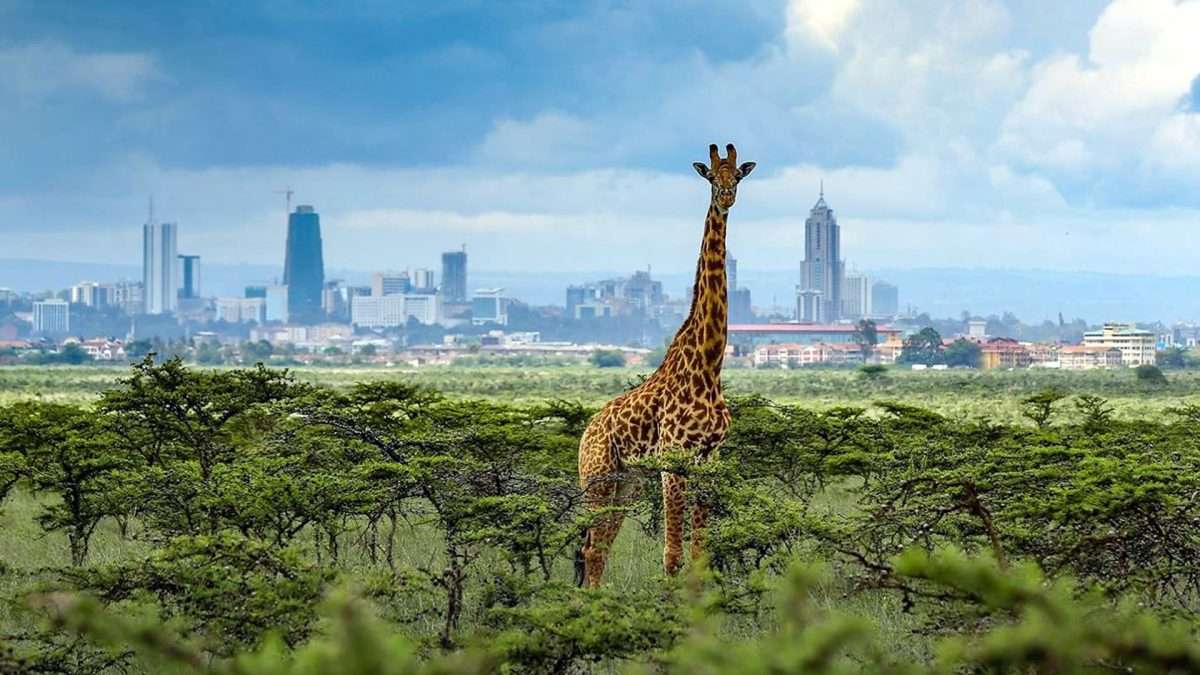
Nairobi’s elevation of around 1,795 metres (5,889 ft) gives it a mild climate throughout the year.
Average daytime temperatures remain between 20°C and 26°C, while evenings are often cool enough to require a light jacket.
This comfortable weather makes Nairobi one of Africa’s most pleasant capital cities to visit year-round.
Kenya Coast
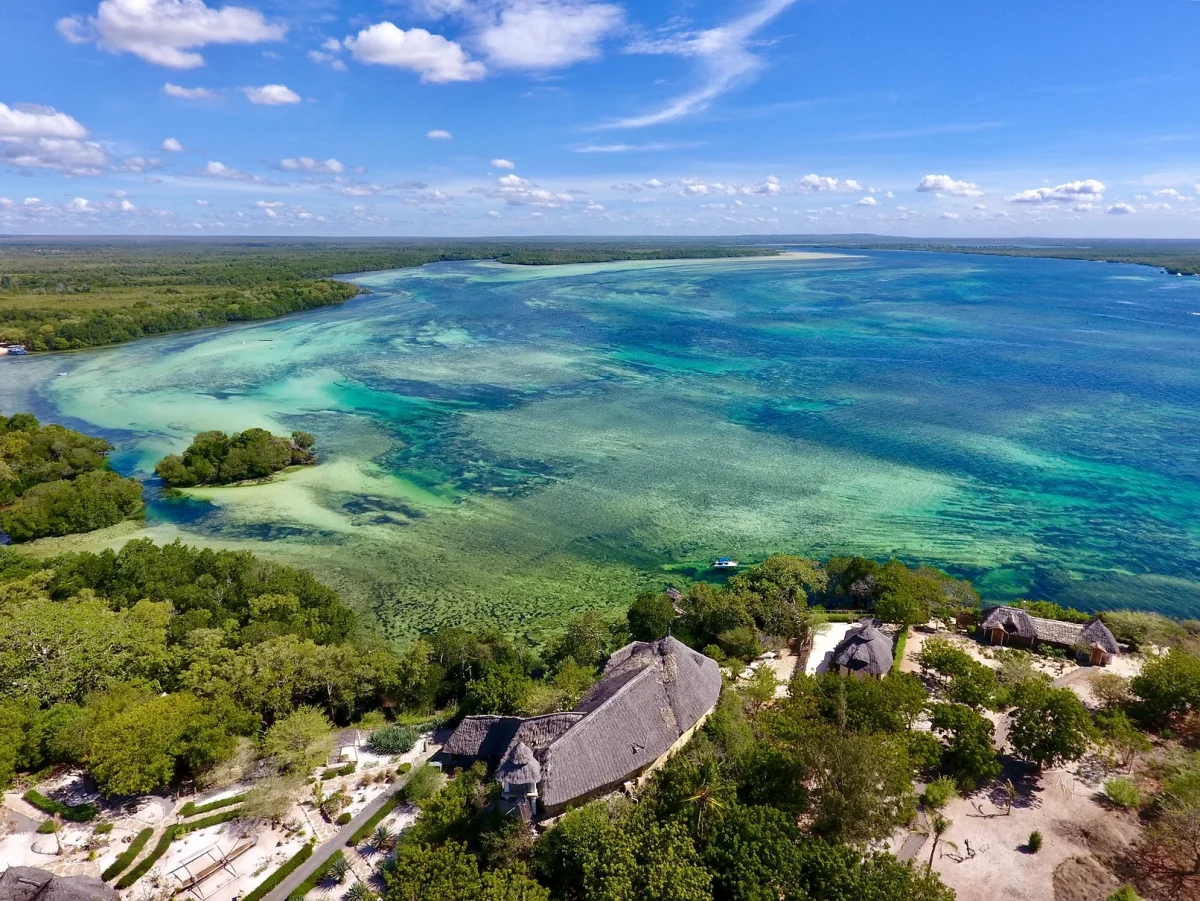
The coastline experiences a completely different climate.
Destinations such as Diani Beach, Watamu, Malindi, and Mombasa remain warm throughout the year, with daytime temperatures averaging 28°C to 32°C (82°F–90°F).
The calmest sea conditions generally occur between October and April, making this the best period for diving, snorkelling, dolphin watching, and beach holidays.
From May to September, stronger southeast monsoon winds create rougher seas, although beach holidays are still enjoyable.
Northern Kenya
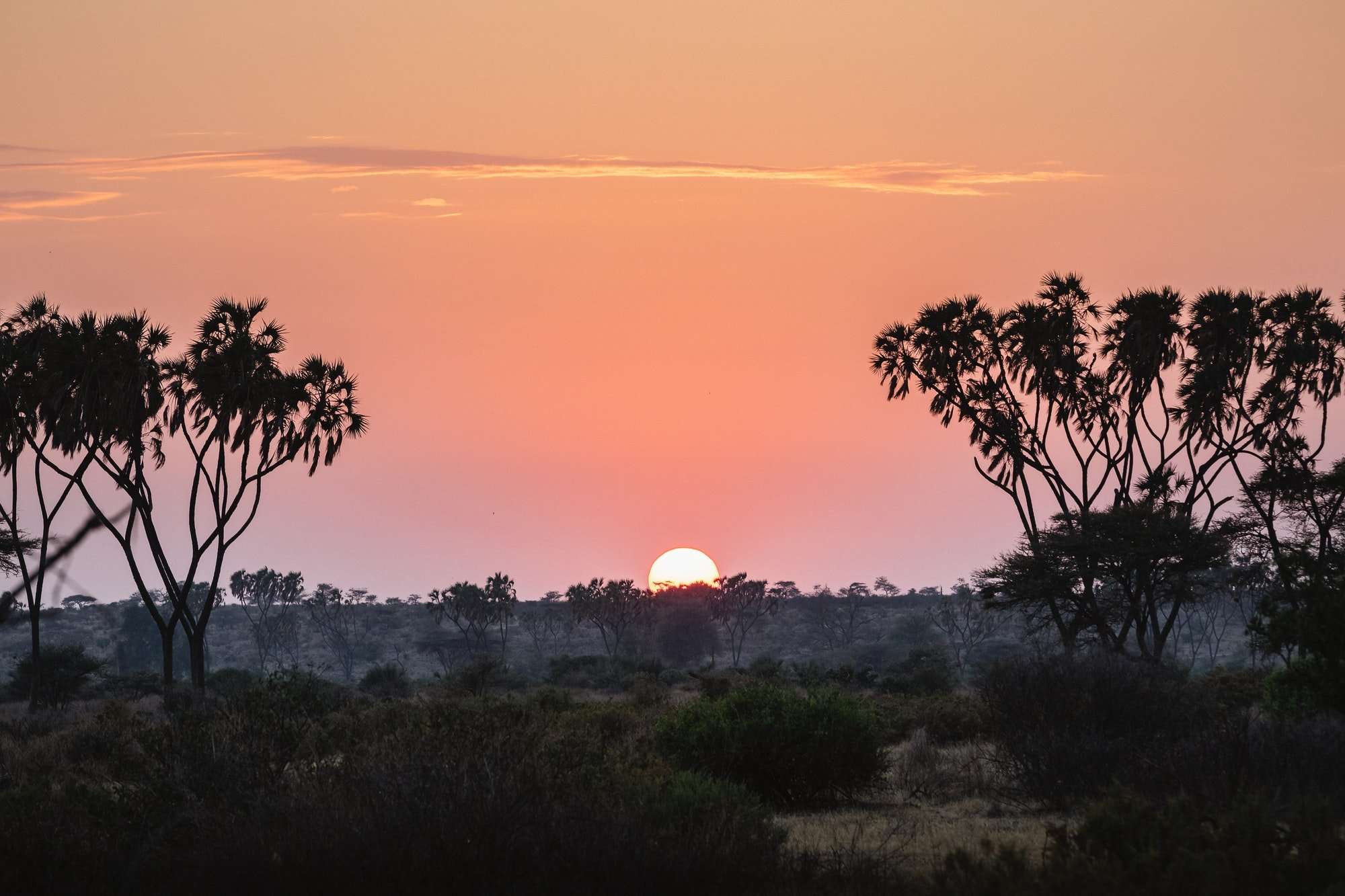
Northern Kenya is the country’s hottest region.
Temperatures regularly exceed 35°C (95°F) during the hottest months, particularly between March and May. Rainfall is limited, and much of the region has a semi-arid or arid climate.
Despite the harsh conditions, destinations such as Samburu National Reserve offer excellent wildlife viewing because animals rely heavily on permanent rivers.
Experience Every Kenya Season with TourwithPipi
Book your first safari in Kenya
No matter when you travel, Kenya offers something remarkable. You could witness the Great Wildebeest Migration during the dry season, photograph dramatic thunderstorms over Amboseli, relax on the white beaches of Diani, or explore quieter parks during the lush green months.
At TourwithPipi, we create tailor-made Kenya safaris based on the season, wildlife movements, and your travel preferences. Whether you’re planning a Big Five safari, a luxury honeymoon, a family holiday, or a combined safari and beach itinerary, we’ll help you choose the perfect time and destination for your adventure.
Frequently Asked Questions
What season is it in Kenya right now?
Kenya’s season depends entirely on the month. Instead of summer and winter, the country experiences two dry seasons and two rainy seasons each year.
When is winter in Kenya?
Kenya does not experience a true winter. The coolest months are generally June to August, especially in higher-altitude safari destinations like the Masai Mara and Mount Kenya.
When is summer in Kenya?
There is no official summer season. The warmest period usually occurs between January and March, when temperatures are highest and rainfall is minimal.
What is the dry season in Kenya?
The main dry season in Kenya runs from June to October, while a shorter dry period occurs from January to March.
When is the Kenya rainy season?
The Kenya rainy season is divided into two periods:
- Long rains: Late March to May
- Short rains: November to December
Is Kenya good for safari all year?
Yes. Wildlife can be seen throughout the year, but June to October generally provides the easiest game viewing because animals concentrate around permanent water sources and vegetation is less dense.
Key Takeaways
- The Kenya climate is tropical and shaped by rainfall rather than traditional summer and winter seasons.
- Kenya experiences two dry seasons (January to March and June to October) and two rainy seasons (late March to May and November to December).
- The dry season in Kenya from June to October offers the best wildlife viewing and coincides with the Great Wildebeest Migration.
- August and September are the best months to witness dramatic Mara River crossings.
- Coastal Kenya is warm year-round, while high-altitude regions such as the Masai Mara and Mount Kenya are much cooler.
- April and May offer lower safari prices, fewer visitors, and beautiful green landscapes despite heavier rainfall.


