
Lake Manyara National Park is one of Tanzania’s most rewarding safari destinations and one of the most underrated stops on the Northern Circuit. Covering 325 km² in northern Tanzania, the park is famous for its tree-climbing lions, enormous elephant herds, thousands of pink flamingos on the alkaline lake, and some of the most diverse wildlife habitats in East Africa packed into a compact, less-crowded space.
This guide covers everything you need to plan a Lake Manyara safari in 2026. You will find where the park is, what wildlife lives here, the best time to visit, what activities are available, how much it costs, and the exact Tanzania itineraries TourwithPipi offers that include Lake Manyara.
Written by Khadija Tayabali, Kenya-born physician and Virtuoso-certified safari advisor experienced in designing private safaris across East and Southern Africa.
Quick Lake Manyara National Park Facts
- Location: Northern Tanzania, 126 km west of Arusha, 65 km from Tarangire, 75 km from Ngorongoro Crater
- Size: 325 km² total, with the lake covering approximately 200 km² (two-thirds of the park)
- Established: 1960
- UNESCO status: Part of the greater Biosphere Reserve programme since 1981
- Named after: The Maasai word Emanyara, a plant used to build protective fences around homesteads
- Best known for: Tree-climbing lions, flamingos, four of the Big Five (no rhinos), baboon troops up to 200 strong
- Birds: Over 400 recorded species, excellent for waterbirds and woodland species
- Park fees: 59pernon−residentadultperday;59pernon−residentadultperday;18 per non-resident child per day
- Park hours: 6am to 6pm daily; night drives permitted with prior authorization
- Best time to visit: June to October for dry season game viewing; November to April for flamingos and birdwatching
- Nearest airport: Kilimanjaro International Airport (JRO), approximately 90 minutes to Arusha and a further 90 minutes to the park
- The lake accounts for approximately two-thirds of the park’s total area
- Lake Manyara has one of the largest elephant populations in northern Tanzania
- The park borders the Great Rift Valley Escarpment, which extends over 6,000 km across Africa
- Tree-climbing lions in Lake Manyara are found in only two other locations in the world: Tarangire National Park and Ishasha in Queen Elizabeth National Park, Uganda
- The park contains four of the Big Five — rhinos are absent
- Flamingos are present from November through April when water levels are highest
- Baboon troops in Lake Manyara can number up to 200 individuals, among the largest troops in Tanzania
Where Is Lake Manyara National Park?
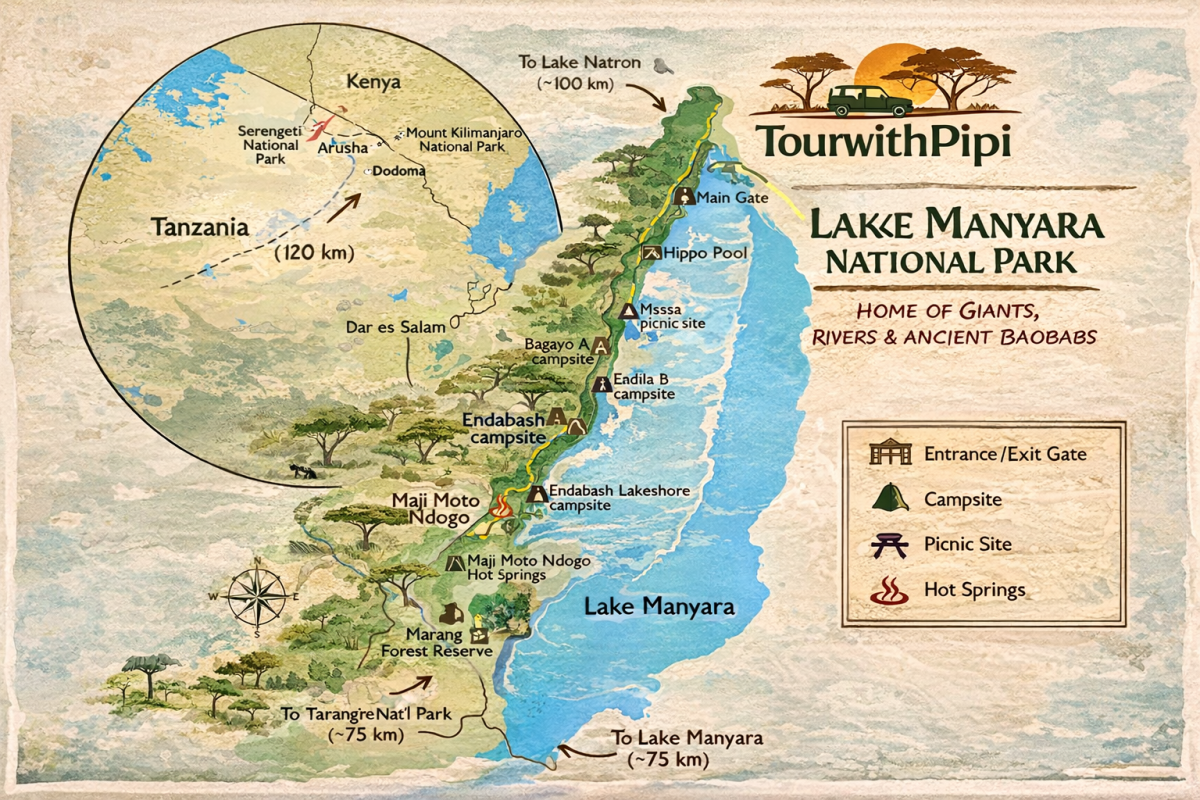
Lake Manyara National Park sits in northern Tanzania’s Arusha and Manyara regions, 126 km west of Arusha and approximately 90 minutes by road. It lies along the eastern wall of the Great Rift Valley, with the dramatic Rift Valley Escarpment rising steeply to the west and the alkaline lake stretching across most of the park’s floor.
The park’s position on the Northern Safari Circuit makes it a natural and logical stop between destinations. To the south-east is Tarangire National Park (65 km). To the north is the Ngorongoro Conservation Area (75 km). To the west is the Serengeti National Park (approximately 200 km). Lake Manyara is often the first park travelers encounter on the Northern Circuit westward route from Arusha.
Getting there: Most travelers reach Lake Manyara by road from Arusha. The drive takes approximately 90 minutes and passes through the town of Mto wa Mbu, which sits at the northern park gate and is worth a short stop for local crafts and a glimpse of Maasai market culture. A domestic charter flight to Lake Manyara Airstrip is also available for those combining with fly-in itineraries.
Why Visit Lake Manyara National Park?
Lake Manyara is often used as a transit stop on the Northern Circuit, a single half-day game drive before moving on to Ngorongoro or Tarangire. That is a mistake. The park rewards travelers who stay at least one full day and ideally two nights.
Here is why Lake Manyara deserves more time.
- It is genuinely uncrowded: Even during peak season from July to October, Lake Manyara sees a fraction of the vehicle traffic found in the Serengeti or on the Ngorongoro Crater floor. You can sit with a sighting for 20 or 30 minutes without another vehicle in sight. That quality of quiet is rare on the Northern Circuit.
- It holds six distinct habitats in 325 km²: Dense groundwater forest at the northern entrance, open acacia woodland, grassy floodplains, the alkaline lake, the Rift Valley Escarpment, and freshwater springs and swamps. Moving through these habitats in a single day game drive feels like traveling through several different ecosystems.
- The tree-climbing lions are genuinely unique: Most lions avoid trees. The lions of Lake Manyara, Tarangire, and Ishasha (Uganda) do not. Watching a full-grown lion settle onto a horizontal acacia branch at eye level with your vehicle is one of the most distinctive and memorable wildlife encounters anywhere in Africa.
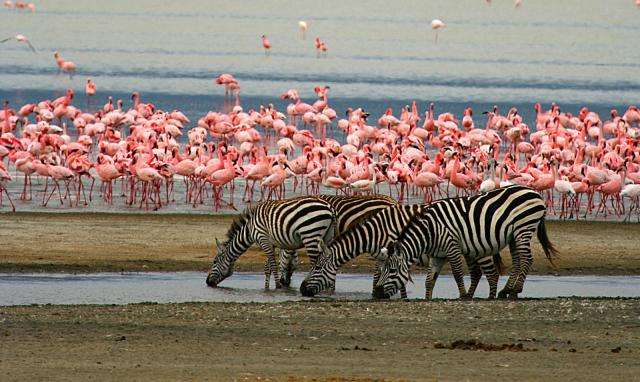
- Flamingo photography at scale: When water levels are high from November through April, tens of thousands of flamingos line the alkaline shores of Lake Manyara. The pink fringe stretching across the white alkaline flat is one of the most photographed scenes in East Africa.
Lake Manyara National Park Wildlife
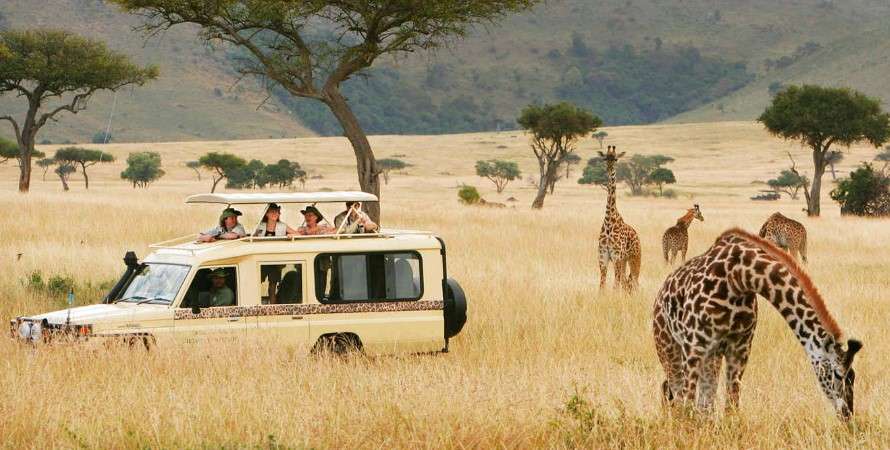
Lake Manyara is home to four of the Big Five: lion, leopard, elephant, and buffalo. Rhinos are not found here. The park offers one of the highest wildlife densities in Tanzania’s Northern Circuit.
- Tree-Climbing Lions
Lake Manyara is famous for its rare tree-climbing lions, often seen resting on acacia branches during midday. They are usually found near woodland areas and the Rift Valley escarpment. - Elephants
Large elephant herds move through the groundwater forest and open floodplains year-round, offering close and unique sightings in a forest setting. - Hippos
Hippos are easily seen in the shallow pools along the park’s western side, especially during early morning and late afternoon. - Baboons
Large troops of olive baboons, sometimes over 200 individuals, are commonly seen moving through the park. - Flamingos
From November to April, thousands of pink flamingos gather along the lake, creating one of the most striking wildlife scenes. - Other Wildlife
Giraffe, zebra, wildebeest, impala, warthog, waterbuck, leopard, and dik-dik are all commonly spotted throughout the park.
Birdwatching in Lake Manyara National Park
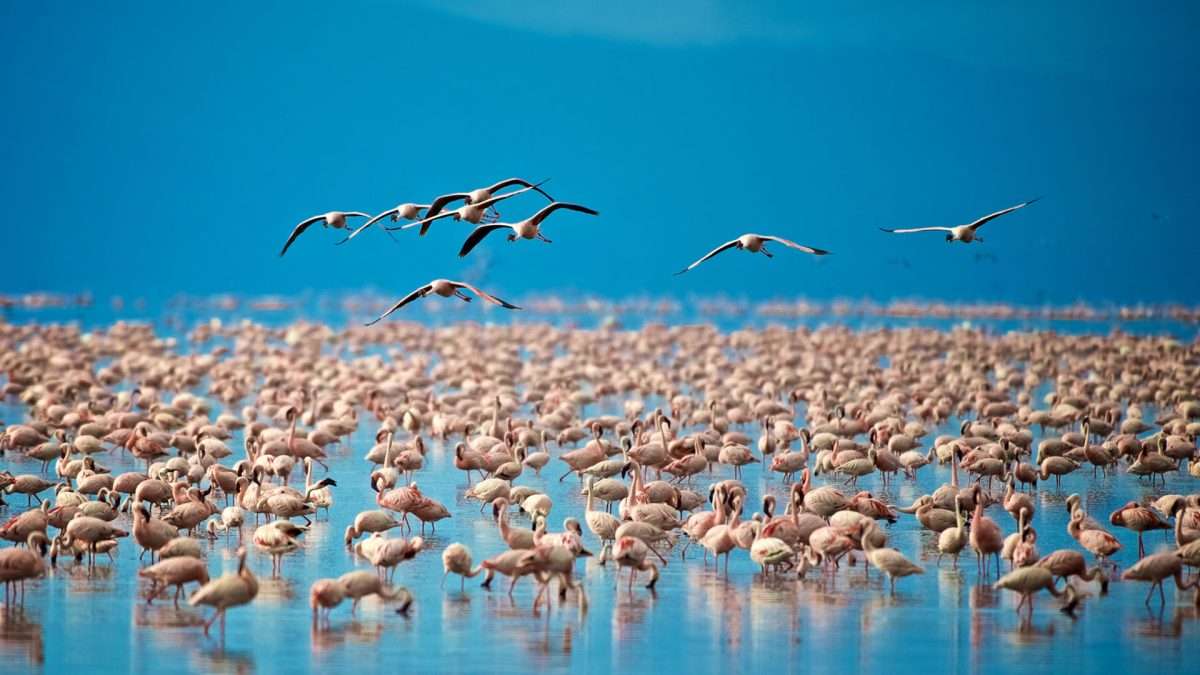
Lake Manyara is one of the finest birdwatching destinations in northern Tanzania. Over 400 bird species have been recorded across the park’s six distinct habitats, and the alkaline lake itself functions as a massive waterbird magnet.
The wet season from November through April is the peak birdwatching window when European and Asian migratory species arrive in addition to the resident population. Species you can reliably see include:
- On the lake: Greater and lesser flamingo, great white pelican, pink-backed pelican, African spoonbill, yellow-billed stork, grey heron, goliath heron, great egret.
- In the forest: Silvery-cheeked hornbill, crowned eagle, African hawk eagle, Narina trogon, white-starred robin, black-and-white casqued hornbill.
- In the woodland and grassland: Secretary bird, kori bustard, superb starling, little bee-eater, lilac-breasted roller, red-and-yellow barbet, grey crowned crane, spectacled weaver.
- Along the escarpment: Augur buzzard, lanner falcon, white-winged widowbird.
For birders visiting Tanzania’s Northern Circuit, Lake Manyara is not optional. It is essential.
The Six Habitats of Lake Manyara National Park
Lake Manyara’s extraordinary wildlife diversity is driven by the variety of ecosystems contained within 325 km². Understanding these habitats helps you plan your game drives more effectively.
1. Groundwater Forest (Northern entrance):
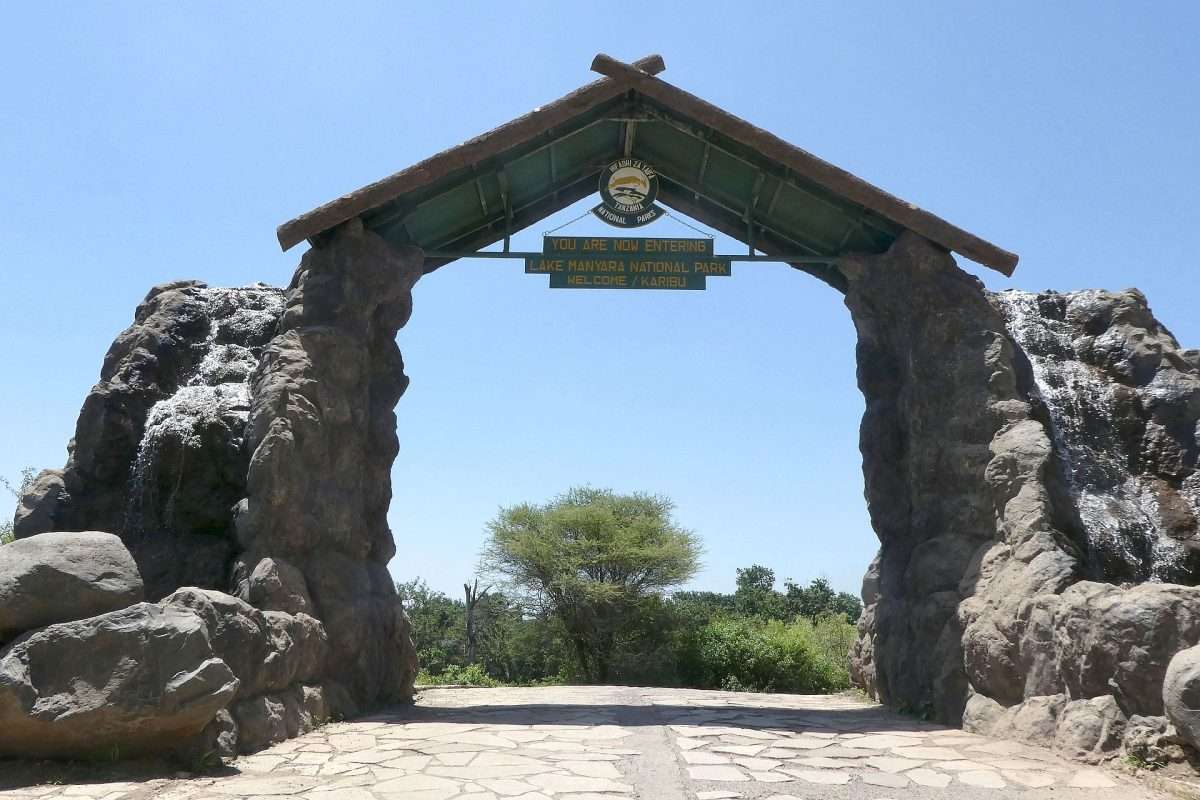
Dense, permanently green forest fed by underground springs from the escarpment. This is where you find elephants in the trees, blue monkeys, vervet monkeys, baboons, and a profusion of forest birds including hornbills and crowned eagles. The cool, shaded atmosphere of this habitat feels completely different from open savannah.
2. Alkaline Lake:
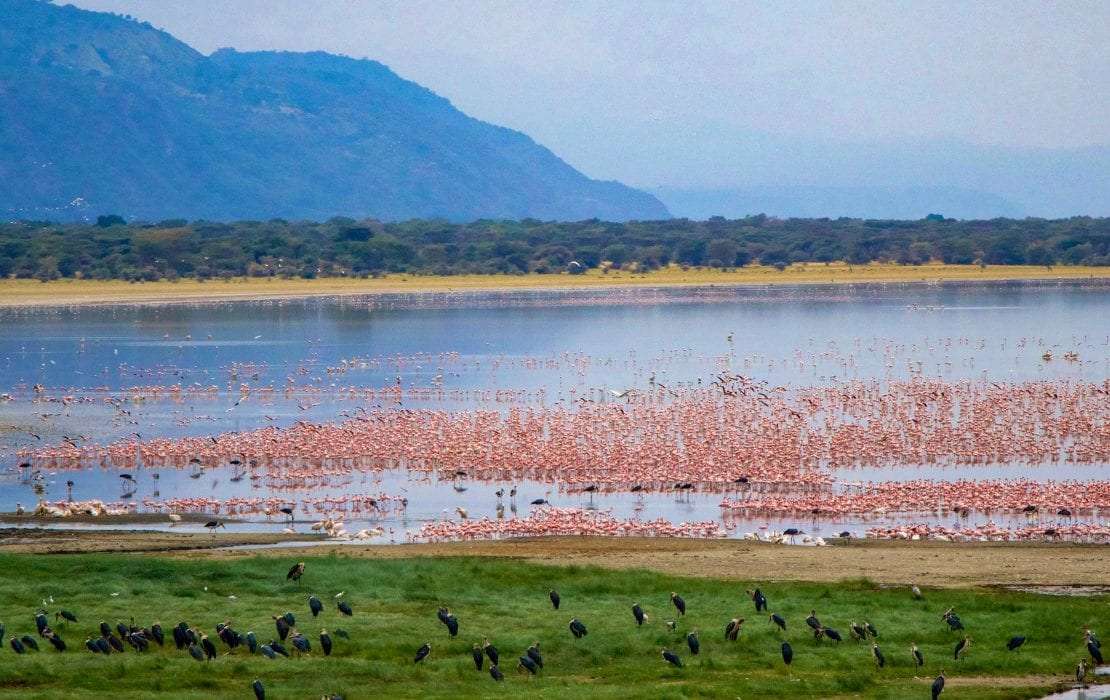
Covering approximately 200 km², the lake is shallow, highly alkaline, and home to flamingos, pelicans, herons, storks, and hippos. Water levels fluctuate seasonally, affecting both flamingo numbers and the accessibility of the lake’s edge during game drives.
3. Acacia Woodland:
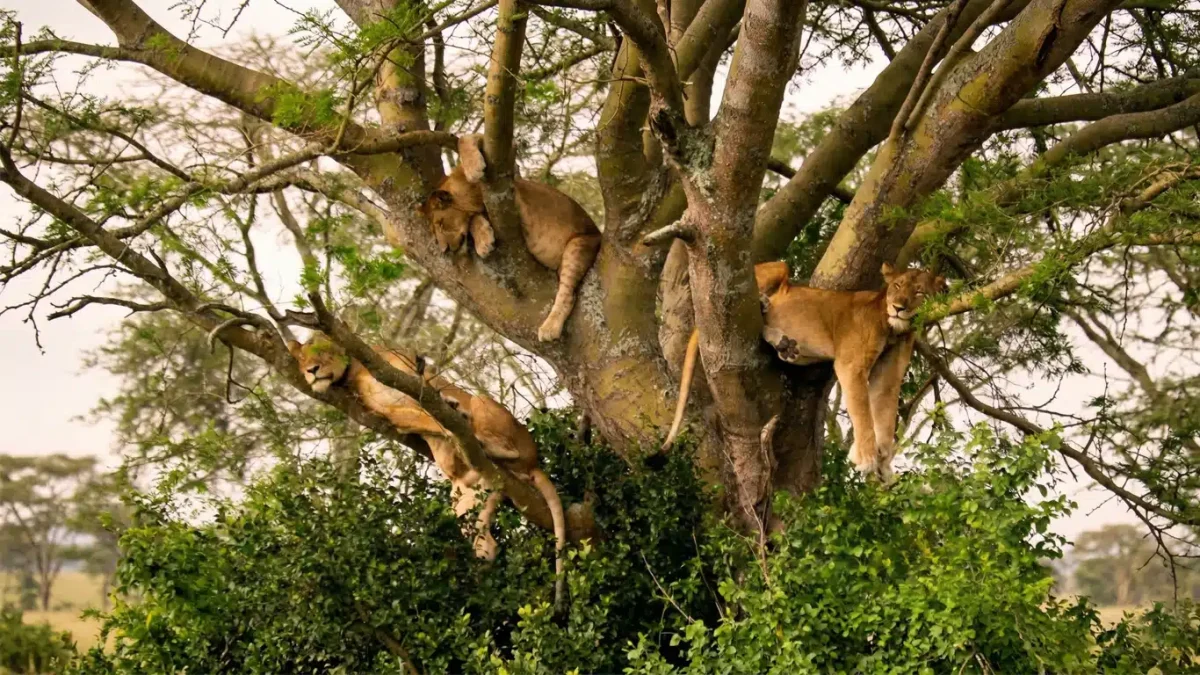
The transition zone between the forest and the open floodplains. This is the primary habitat of the tree-climbing lions, who use the acacia branches for rest and shade during the hottest part of the day. Giraffe, impala, and buffalo move through this zone throughout the day.
4. Grassy Floodplains:
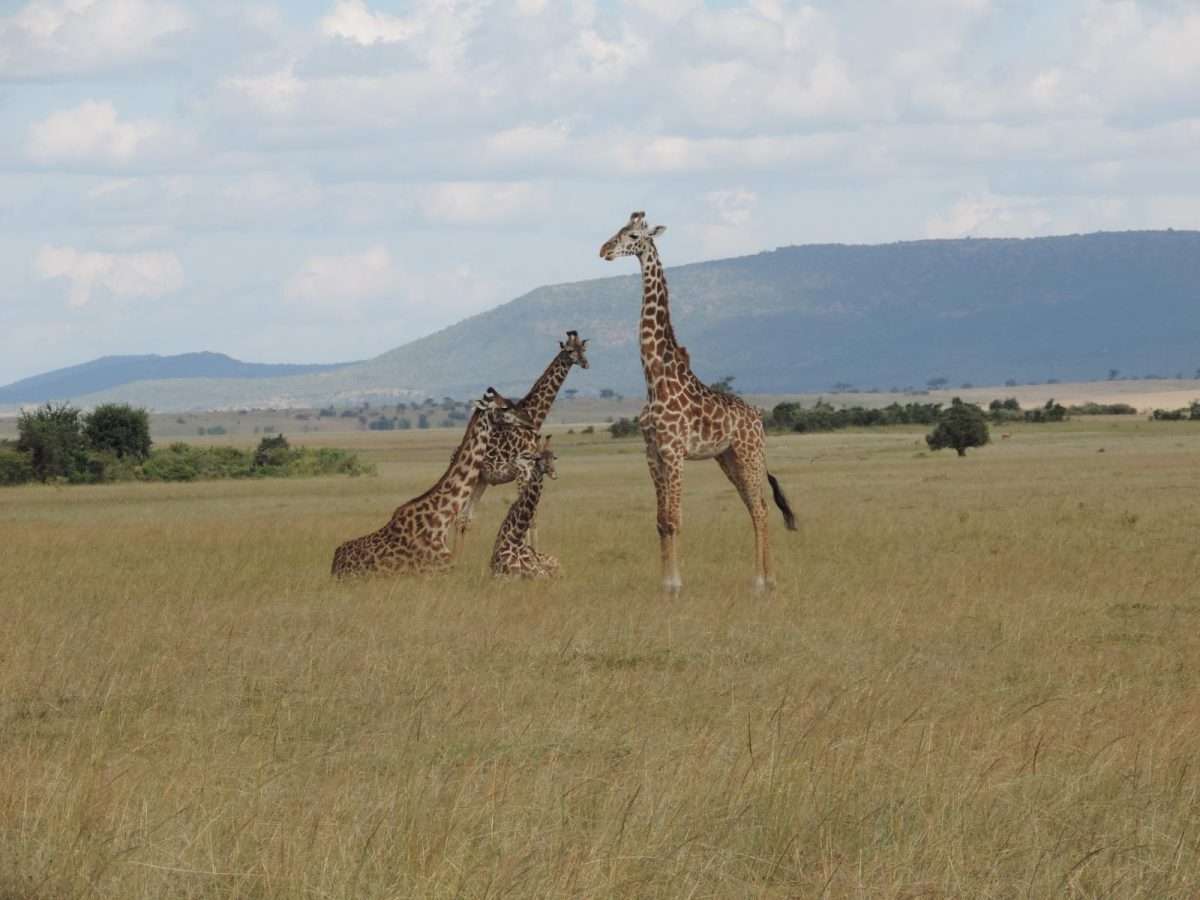
Open areas adjacent to the lake shore where zebra, wildebeest, and buffalo graze. The open visibility of the floodplains makes this a productive area for predator sightings, particularly lions moving between resting areas and water.
5. Freshwater Springs and Swamps:
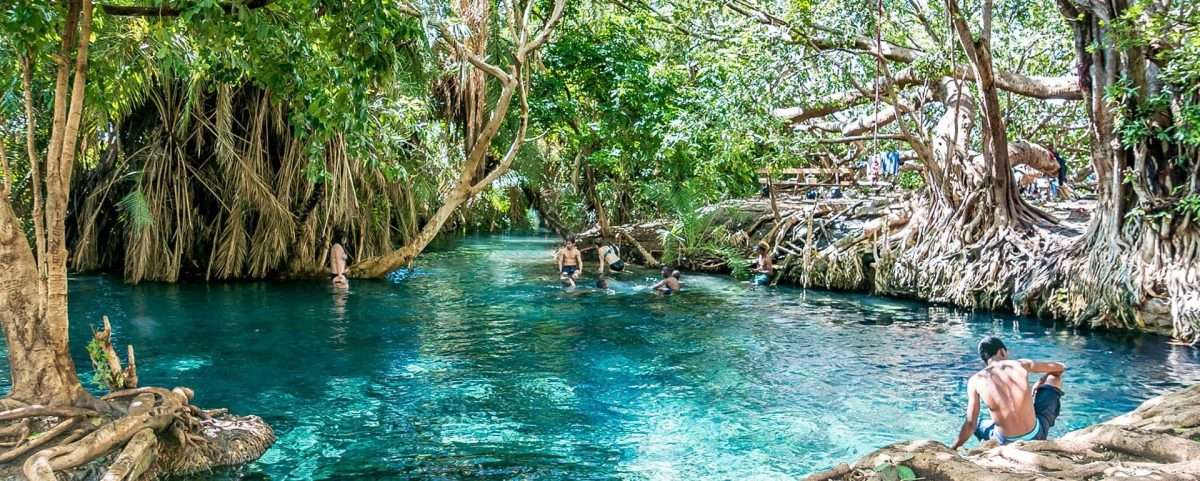
The Maji Moto hot springs on the western lake shore add geothermal interest. Hippo pools fed by underground springs from the escarpment support resident pods year-round.
6. Rift Valley Escarpment:
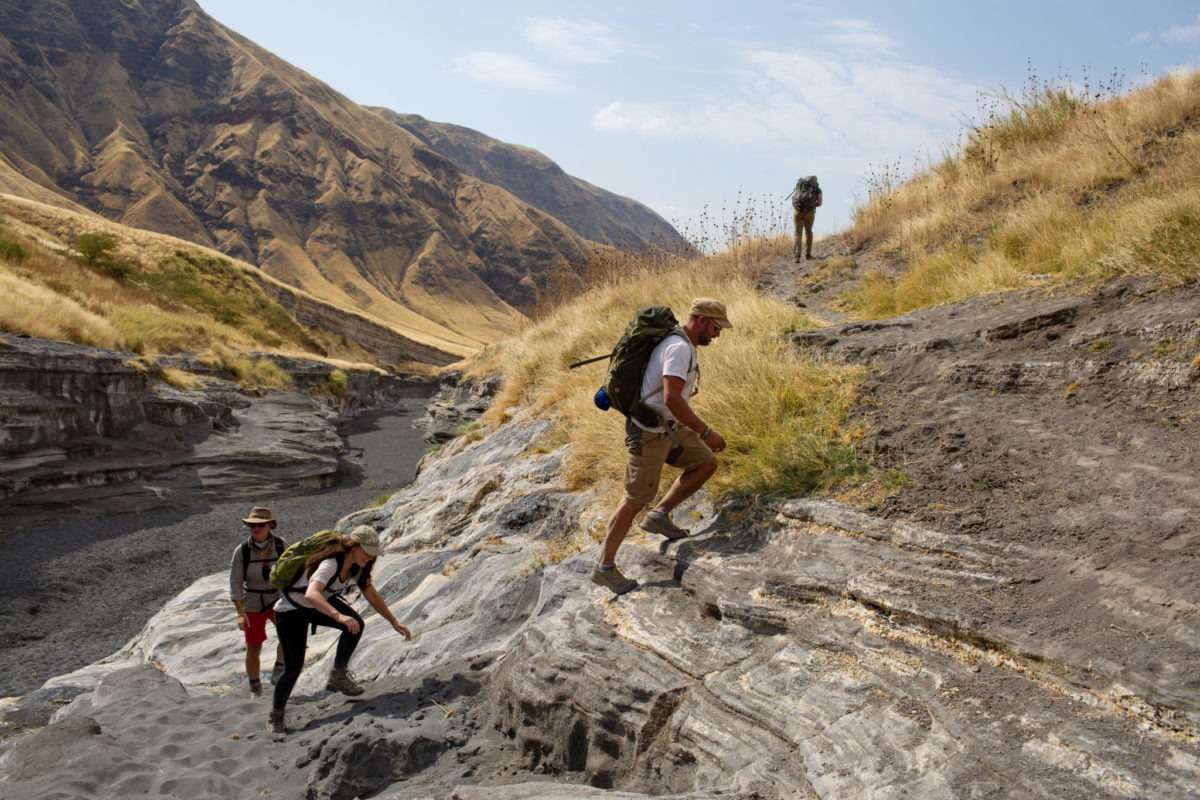
The steep western wall of the Great Rift Valley rises dramatically above the park. Klipspringer and rock hyrax inhabit the rocky outcrops. The escarpment creates both the park’s dramatic visual backdrop and its unique micro-climate, channeling water into the groundwater forest below.
Activities in Lake Manyara National Park
Morning Game Drives
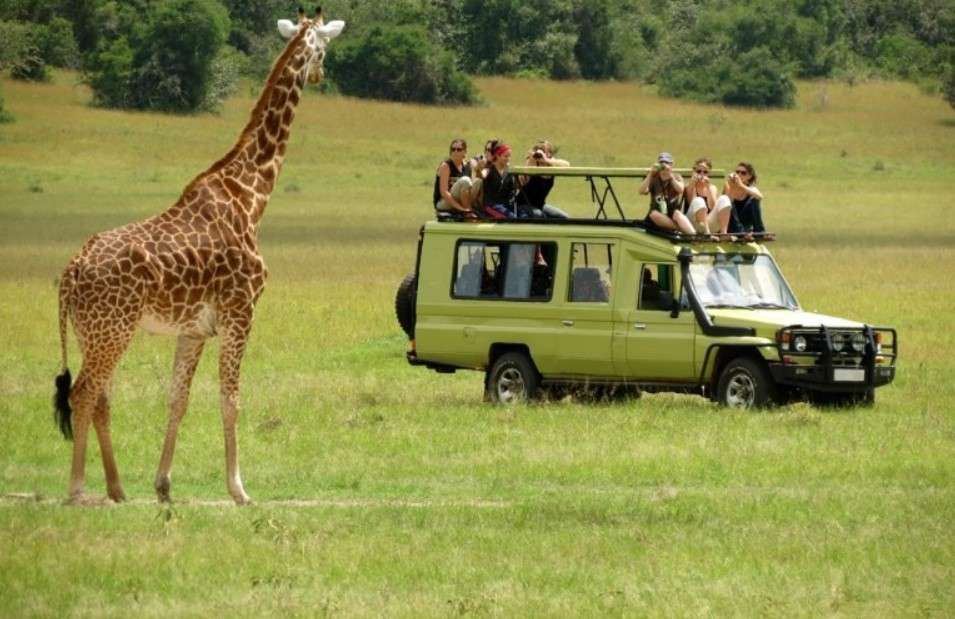
Morning game drives starting at 6am when the park gate opens are the most productive for wildlife. The groundwater forest is active with elephants and baboons. Lions are often moving between resting areas in the early light. Flamingos are feeding along the lake shore before the heat builds.
TourwithPipi plans all Tanzania itinerary game drives around early starts, specifically because the first 90 minutes after sunrise deliver wildlife activity that the midday period cannot match.
Night Game Drives
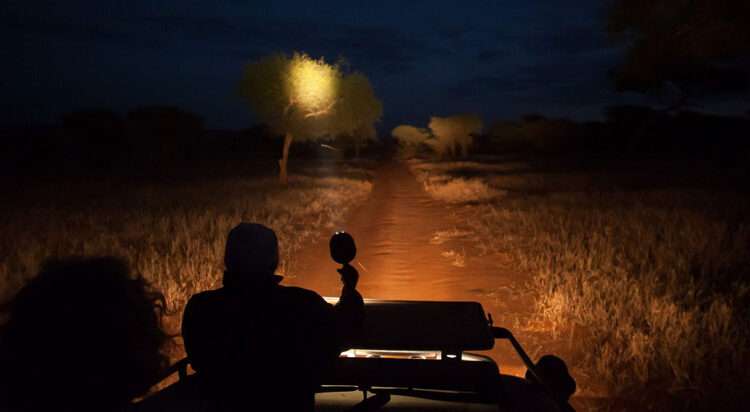
Night drives are permitted in Lake Manyara National Park with prior TANAPA authorization, making it one of the few parks on the Northern Circuit where this is possible. After dark, porcupines, civets, genets, and bush babies emerge. Lions, which rest for most of the day, become active hunters at night. Hippos leave the water and graze on the floodplains. A spotlight-equipped vehicle in Lake Manyara at night is one of the most exciting safari experiences available on the Northern Circuit.
TIP: Not all accommodation options in and around Lake Manyara hold the authorization required for night drives. TourwithPipi confirms night drive availability before recommending any lodge.
Guided Walking Safari
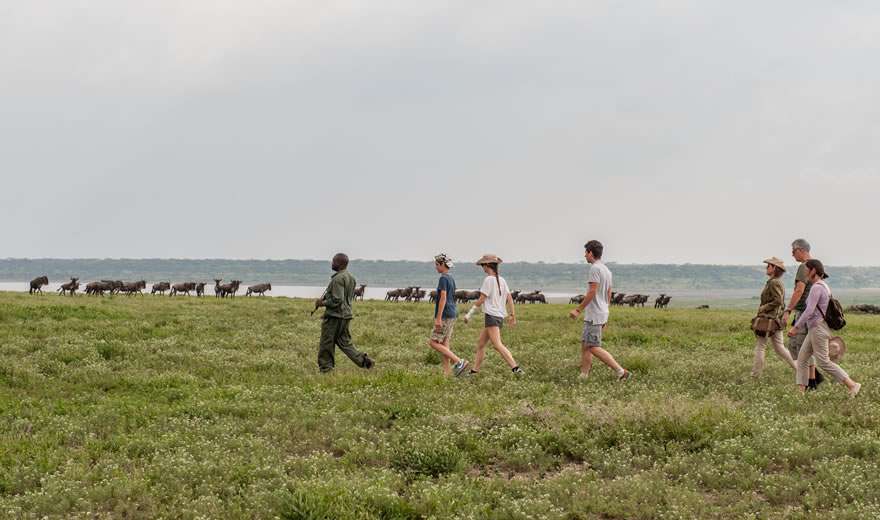
Guided walks are available in and around Lake Manyara. The park’s treetop walkway, a 370-metre suspension bridge through the forest canopy at approximately 18 metres above the ground, is one of the most distinctive walk experiences in Tanzania. Monkeys, birds, and the forest ecosystem from above give a completely different perspective from ground level. Walking with an armed ranger through the escarpment forest is also available at select lodges.
Boat and Canoe Rides
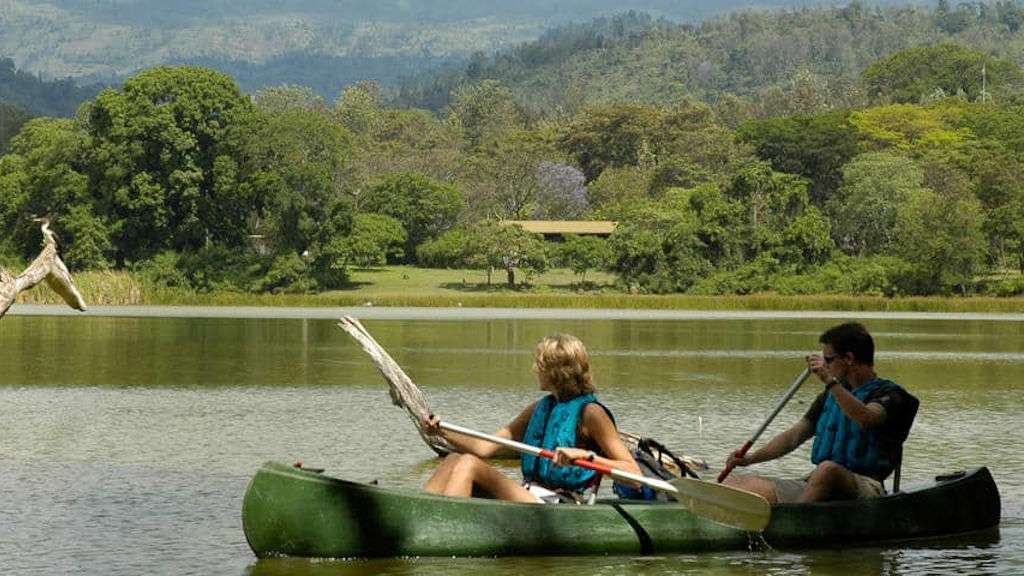
When water levels allow, boat and canoe rides on Lake Manyara offer a perspective on the park that no vehicle-based game drive can replicate. From the water you see flamingos at eye level, hippos moving in the shallows, and birds along the reed beds that are inaccessible from the road. The Rift Valley Escarpment rising above the lake from this vantage point is one of the great scenic views in northern Tanzania.
Birdwatching
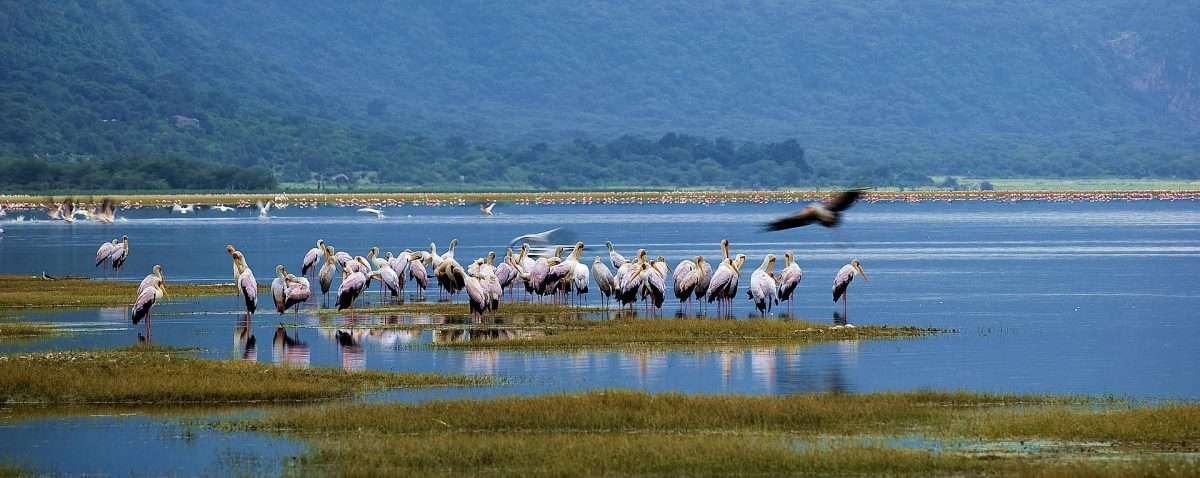
Dedicated birdwatching drives in Lake Manyara, planned around the lake shore at dawn and the forest edges at mid-morning, regularly yield over 100 species in a single day. TourwithPipi’s guides are familiar with the specific areas of the park where rare and endemic species are most reliably found.
Cultural Visit to Mto wa Mbu
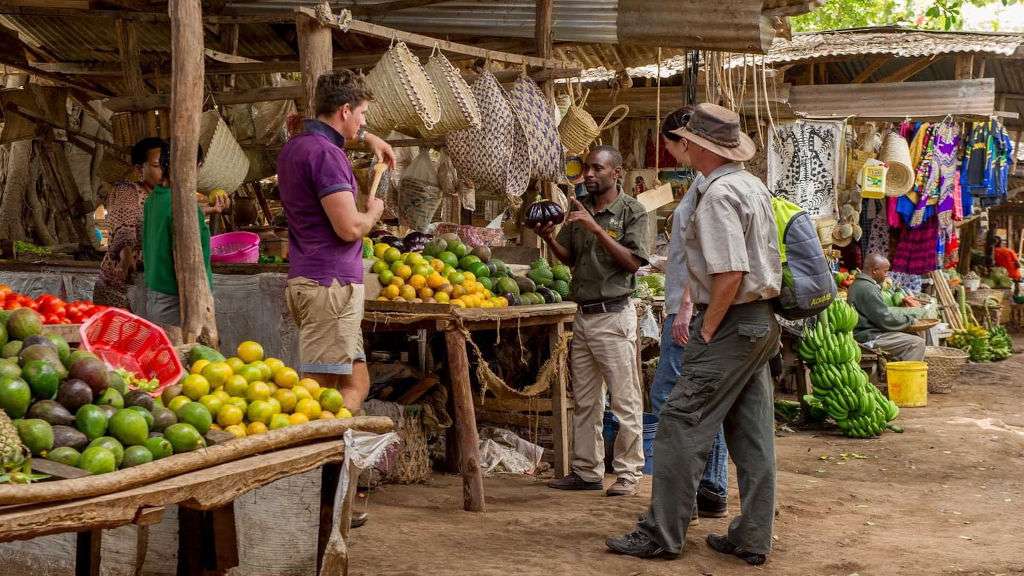
The town of Mto wa Mbu sits at the northern gate of Lake Manyara and is one of the most culturally diverse communities in Tanzania, home to over 120 different tribal groups from across the country. A guided town walk reveals local crafts, the banana beer-making traditions of the area, Maasai cultural elements, and daily community life. TourwithPipi includes a Mto wa Mbu stop as an optional cultural element on Tanzania itineraries that pass through Lake Manyara.
Horseback Safari
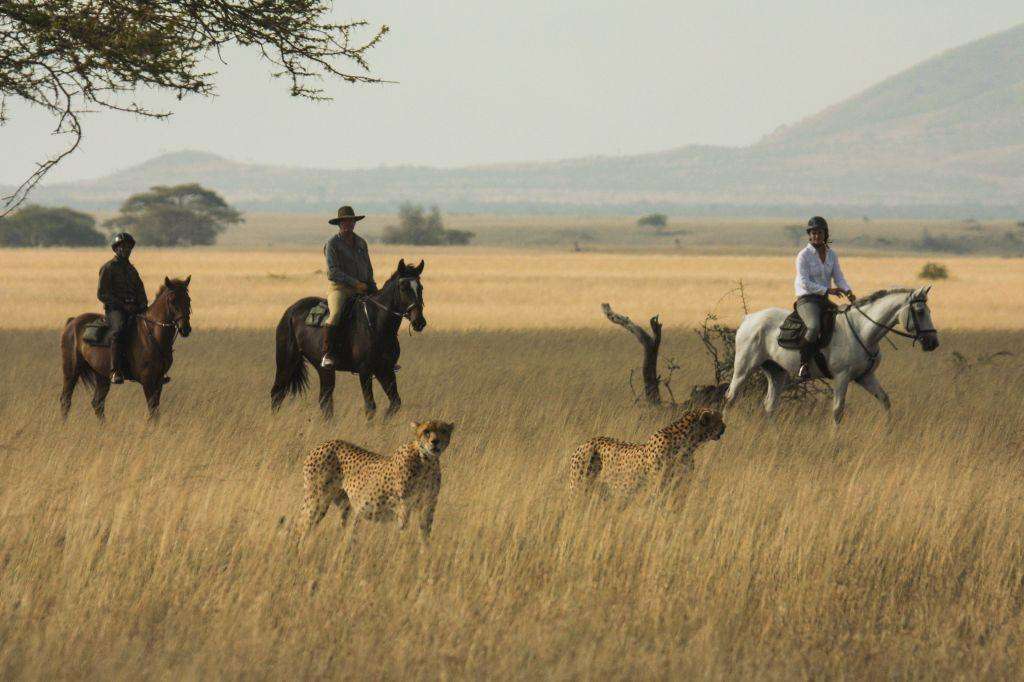
Horseback riding through the acacia woodlands and floodplains of Lake Manyara is one of the most unusual wildlife experiences available anywhere on the Northern Circuit. Horses allow access to areas where vehicles cannot go and approach wildlife at ground level with less disturbance. This activity is organized through specialist operators adjacent to the park.
When to Visit Lake Manyara National Park
Because the park holds permanent water from the escarpment springs and the lake itself, wildlife is present year-round. The choice of timing comes down to what experience you are optimizing for.
- For tree-climbing lions: July to October in the dry season. Lions rest in trees most frequently during the hottest midday hours and are easiest to spot when the acacia canopy is thin and visibility is clear.
- For flamingos: November through April. The higher water levels in the wet season support the largest flamingo concentrations, often reaching tens of thousands along the lake shore.
- For birdwatching: November through April when European and Asian migratory species arrive alongside the resident population. The green season makes the forest habitats especially productive.
- For avoiding crowds: Lake Manyara is significantly less visited than other Northern Circuit parks throughout the year. Even at peak season it feels uncrowded by comparison. April through June offers excellent value and very low visitor numbers.
Lake Manyara National Park Entry Fees (2026)
| Visitor Category | Day Entry | Overnight Stay (Additional) |
|---|---|---|
| Non-resident adult | $59 per person per day | $47.20 per person per night |
| Non-resident child (5 to 15) | $18 per person per day | $18 per person per night |
| Resident adult | $30 per person per day | $40 per person per night |
| East African adult | $5 per person per day | $13 per person per night |
Important notes:
- Entry fees are valid for 24 hours
- Day entry fees apply per entry — re-entering costs the same fee again
- Payments must be made by Visa or Mastercard (no cash accepted at the gate)
- Night drives require separate prior authorization from TANAPA
- All park fees are included in TourwithPipi Tanzania package prices
Lake Manyara Safari Cost: What to Budget in 2026
Lake Manyara is generally priced at a lower lodge level than the Serengeti or Ngorongoro Crater, reflecting its smaller size and lower visitor numbers. However the range from budget to luxury is significant.
| Accommodation Level | Per Person Per Night | Notes |
|---|---|---|
| Budget camp (outside park) | 100to100to250 | Basic facilities, further from gate |
| Mid-range lodge | 250to250to500 | Good quality, park access, full board |
| Luxury lodge (inside or adjacent) | 500to500to1,000 | Prime position, expert guiding |
| Ultra-luxury (e.g. Lake Manyara Tree Lodge) | 1,000to1,000to2,000+ | Inside the park, exclusive access |
Park entry fees of $59 per adult per day are in addition to lodge costs. Most travelers visit Lake Manyara as part of a Tanzania Northern Circuit package, making the per-night cost straightforward when viewed as a daily rate within the full itinerary.
TourwithPipi Tanzania Packages That Include Lake Manyara National Park
All TourwithPipi Tanzania safaris are 100% private. Your group has its own dedicated 4×4 Land Cruiser and expert guide throughout. All four packages below include Lake Manyara National Park.
7 Days Northern Tanzania Luxury Safari
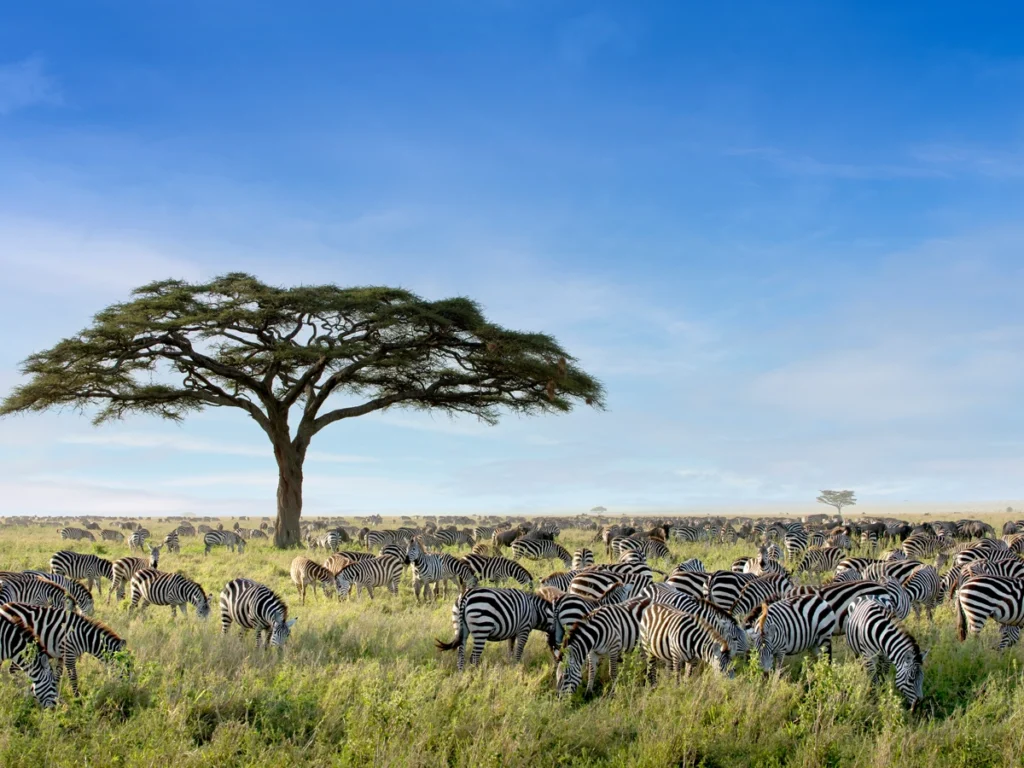
A complete Northern Circuit covering Lake Manyara National Park, the Ngorongoro Crater, Serengeti National Park, and Tarangire. Lake Manyara is the opening destination, giving your group a first full day in the park before moving west to the crater and Serengeti.
| Group Size | Per Person | Total |
|---|---|---|
| 2 People | $3,749 | $7,498 |
| 4 People | $3,299 | $13,196 |
| 6 People | $2,979 | $17,874 |
8-Day Tanzania Calving Season Safari
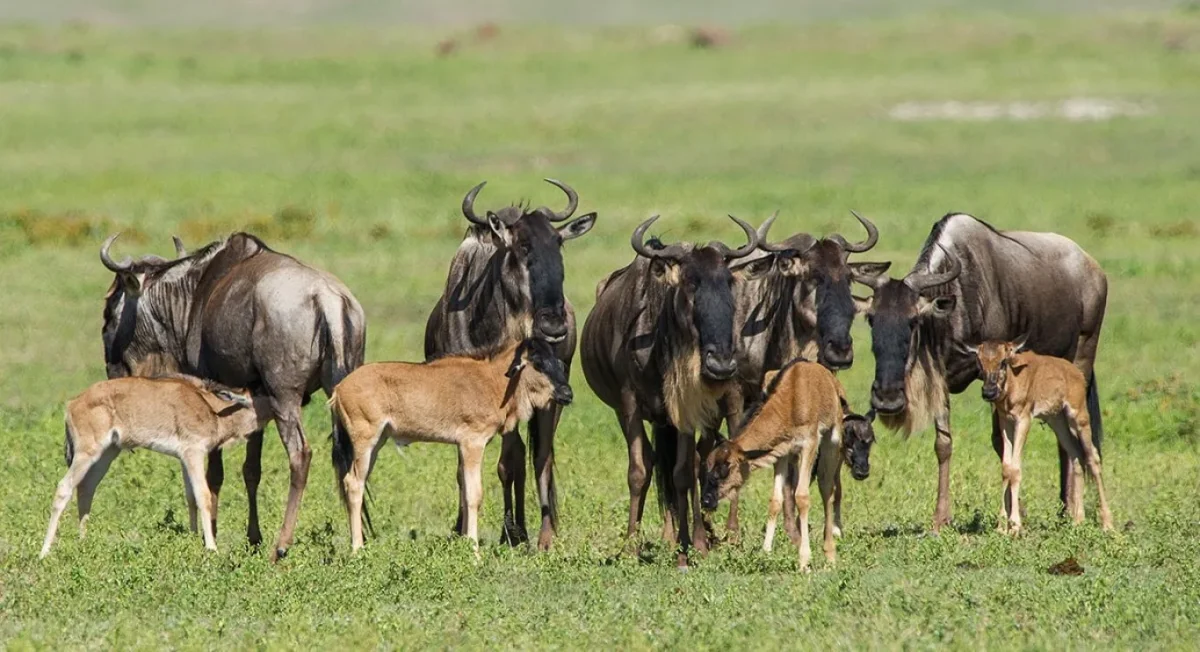
Ngorongoro Crater, Central Serengeti, Ndutu calving plains, and Tarangire. This itinerary focuses on the January to March calving season with Lake Manyara as a gateway stop on the westward route from Arusha. Best timed for witnessing the extraordinary calving season on the Ndutu Plains with Big Five sightings in the crater and elephant herds in Tarangire.
| Group Size | Per Person | Total |
|---|---|---|
| 2 People | $5,429 | $10,858 |
| 4 People | $4,679 | $18,716 |
| 6 People | $4,449 | $26,694 |
10 Days Great Migration Safari in Tanzania
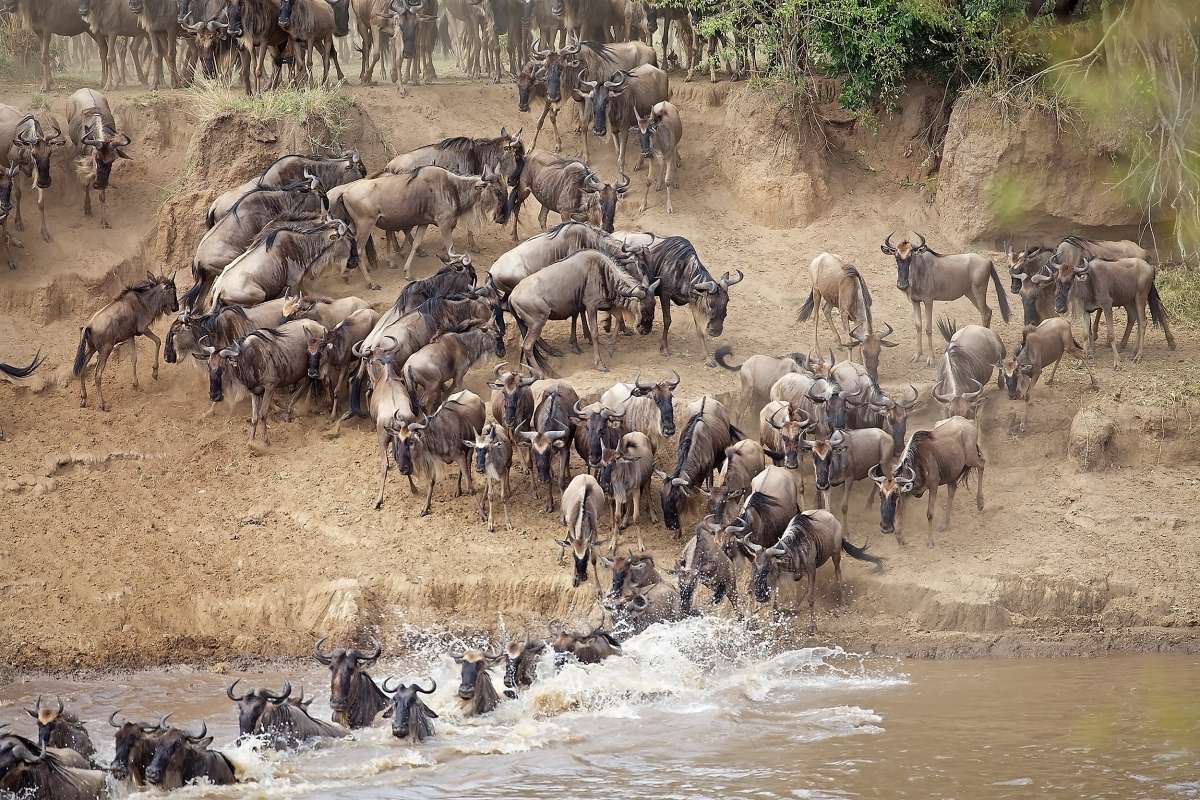
Tarangire, Ngorongoro Crater, Central Serengeti, and Northern Serengeti with two full days at the Mara River. This is TourwithPipi’s most comprehensive Tanzania itinerary, designed for peak season travel from July through October. Lake Manyara is visited as a game drive stop en route, with the tree-climbing lions and flamingo-lined lake a distinctive opening experience before the scale of the Serengeti takes over.
| Group Size | Per Person | Total |
|---|---|---|
| 2 People | $6,549 | $13,098 |
| 4 People | $5,749 | $22,996 |
| 6 People | $5,479 | $32,874 |
10 Days Tanzania Calving Season Safari (Extended Northern Circuit)
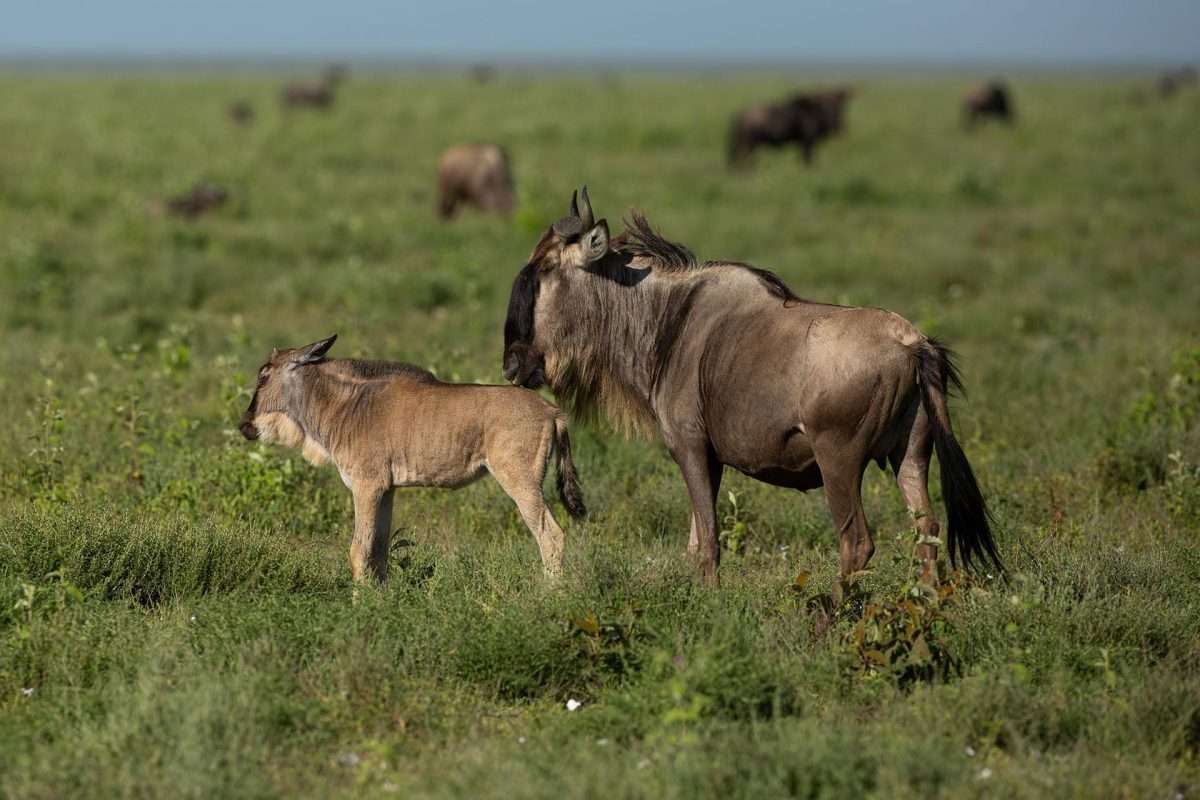
An extended 10-day version of the calving season circuit covering Tarangire, Ngorongoro Highlands, Ngorongoro Crater, Ndutu Plains, and Central Serengeti. Lake Manyara is incorporated as a first-day stop from Arusha before the circuit moves west. Two full days on the Ndutu calving grounds and two full days in Central Serengeti make this the most complete calving season itinerary TourwithPipi offers.
| Group Size | Per Person | Total |
|---|---|---|
| 2 People | $5,519 | $11,038 |
| 4 People | $5,099 | $20,396 |
| 6 People | $5,889 | $35,334 |
View full 10-day calving season itinerary
TourwithPipi Tanzania Package Comparison
| Package | Duration | Best Season | Lake Manyara Role | 4-Person Total | Per Person |
|---|---|---|---|---|---|
| 7 Days Northern Circuit | 7 Days | Year-round | Opening full day, tree-climbing lions, flamingos | $13,196 | $3,299 |
| 8-Day Calving Season | 8 Days | Jan to Mar | Gateway stop, en route to Ngorongoro | $18,716 | $4,679 |
| 10 Days Great Migration | 10 Days | Jul to Oct | Game drive stop, flamingos and lion | $22,996 | $5,749 |
| 10 Days Calving Season (Extended) | 10 Days | Jan to Mar | Opening stop from Arusha, forest and lake drive | $20,396 | $5,099 |
Where to Stay at Lake Manyara National Park
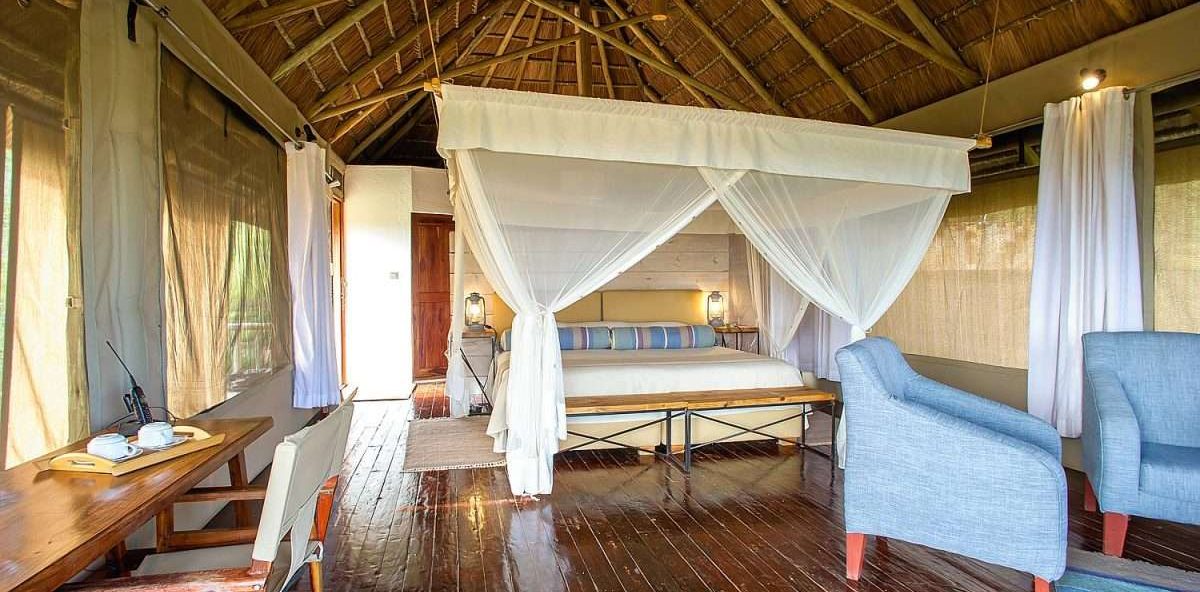
Where you stay at Lake Manyara shapes your safari experience. You can choose between inside the park, near the park gate, or in the Karatu highlands, depending on budget, access, and comfort.
- Inside the Park
Staying inside the park is the most immersive option. You get direct access to game drives and a quiet experience after the gates close. It is the most exclusive and expensive choice, with limited availability. - Near the Park (Best Balance)
Lodges near the park gate offer the best mix of location, comfort, and value. You stay close to the entrance, get early access for game drives, and enjoy good views without paying inside-park prices. - Karatu and Ngorongoro Highlands
Located about 45 minutes to 1 hour away, these properties offer beautiful settings, great hospitality, and lower prices. The trade-off is longer drive time to the park, especially for early morning safaris.
Simple tip:
Stay near the park for convenience. Choose inside the park for exclusivity. Choose Karatu for value and a relaxed atmosphere.
Combining Lake Manyara with Other Tanzania Destinations
Lake Manyara’s central position on the Northern Circuit makes it straightforward to combine with every other major Tanzania safari destination.
Lake Manyara and Tarangire: A natural two-park pairing for travelers who want a shorter Tanzania circuit without the full Serengeti commitment. Tarangire (65 km south-east) delivers elephant herds and baobab landscapes while Lake Manyara adds the tree-climbing lions, flamingos, and forest wildlife.
Lake Manyara and Ngorongoro Crater: The Ngorongoro Conservation Area is 75 km from Lake Manyara. Most Northern Circuit itineraries drive from Lake Manyara to the crater rim in a single day, often stopping for lunch at the crater viewpoint. This is the most natural two-destination pairing on the circuit.
Lake Manyara and Serengeti: Adding two to four nights in the Serengeti after Lake Manyara creates a five to seven day circuit that covers the full spectrum of northern Tanzania wildlife. The journey from Lake Manyara to the Serengeti passes through the Ngorongoro Conservation Area, making a crater visit a natural en-route addition.
Park Rules and Safety in Lake Manyara National Park
Understanding the park rules before you arrive ensures your visit runs smoothly and contributes to the conservation of the park’s habitats and wildlife.
- The park is open from 6am to 6pm. Night drives require separate TANAPA authorization arranged in advance through your operator
- The maximum speed limit inside the park is 50 km per hour
- Wildlife always has right of way on park roads — stop and wait when animals are on or near the road
- Leaving your vehicle is not permitted anywhere in the park except at designated picnic sites (including the Hippo Pool) and the treetop walkway entrance
- Maintain a minimum distance of 200 metres from all wildlife at all times
- Feeding animals is strictly prohibited and can result in significant fines
- No littering, cutting vegetation, removing plants, collecting feathers, shells, bones, or any other natural materials from the park
- Loud noises including music, clapping, shouting, and imitating animal sounds are prohibited
- Smoking is not permitted inside the park boundaries
- Driving off designated tracks without TANAPA authorization is not permitted
- Entry fees must be paid by Visa or Mastercard — cash is not accepted at the gates
Practical Tips for Your Lake Manyara Safari
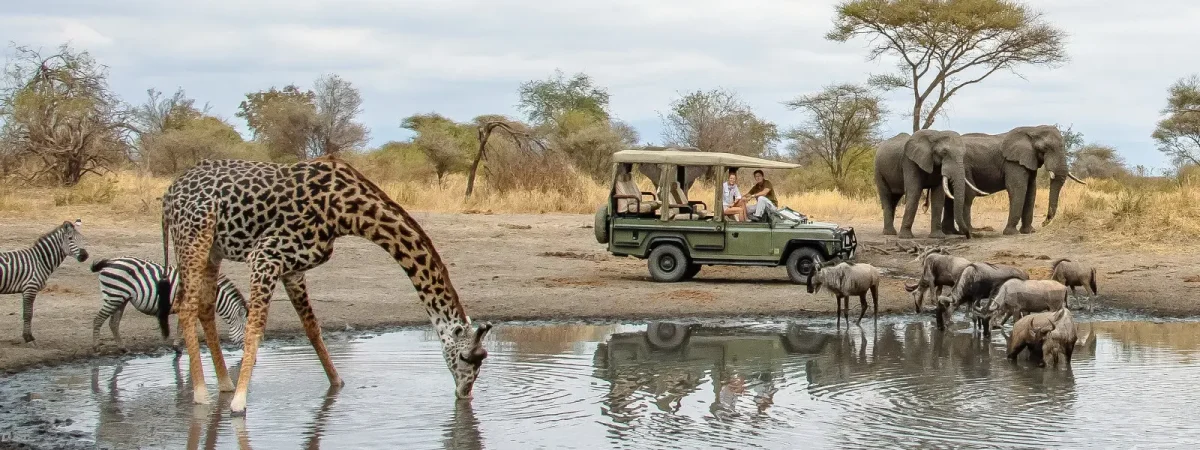
- Arrive at the gate when it opens: The 6am gate opening window, before other safari vehicles arrive from Arusha, gives you the first hour of game viewing in near-silence. The groundwater forest at dawn with elephants and baboons moving through the mist is one of the finest safari experiences on the Northern Circuit.
- Stay at least one night: A half-day game drive does not do Lake Manyara justice. One night inside or adjacent to the park gives you both an early morning and a late afternoon drive, which doubles the wildlife activity you witness.
- Bring malaria prevention: Lake Manyara lies in a malaria zone. Consult your doctor about prophylactics and bring effective mosquito repellent. Most lodges provide mosquito nets. This is non-negotiable for any Tanzania safari, not specific to Lake Manyara.
- Pack binoculars for the lake: Flamingo and waterbird sightings across the open lake are significantly more rewarding with good binoculars. The lake’s scale means distant sightings are common without optics.
- Time the canopy walk for mid-morning: The treetop walkway is best visited after the early morning game drive when the forest is warming up and birds are active at canopy level. Monkeys and hornbills in the trees directly around you are a genuinely different experience from a vehicle.
Frequently Asked Questions About Lake Manyara National Park
What makes Lake Manyara National Park so special?
Lake Manyara is unique for three reasons that no other Tanzania Northern Circuit park can match in combination: the tree-climbing lions found in only two other locations on earth, the flamingo spectacle across the alkaline lake from November through April, and the extraordinary habitat diversity packed into 325 km². The park is also significantly less crowded than Serengeti or Ngorongoro, giving you a quieter and more intimate safari experience.
When is the best time to visit Lake Manyara National Park?
The best time for general game viewing and tree-climbing lion sightings is July through October during the dry season. For flamingos and birdwatching, November through April is optimal when the lake is at its highest and migratory bird species arrive. April to June and November offer excellent value with lower visitor numbers.
How many days do you need for a Lake Manyara safari?
One full day inside the park is the minimum for a meaningful experience. Two nights, giving you a dawn drive, a midday canopy walk, and a late afternoon or night drive, is the recommended stay. TourwithPipi allocates at least one full Lake Manyara game drive on all Tanzania itineraries.
What are the entrance fees for Lake Manyara National Park?
Non-resident adults pay 59perpersonperday.Non−residentchildrenbetween5and15yearspay59perpersonperday.Non−residentchildrenbetween5and15yearspay18 per day. Overnight stays incur an additional $47.20 per adult per night. Payments are by Visa or Mastercard only. All fees are included in TourwithPipi package prices.
Are there really tree-climbing lions in Lake Manyara?
Yes. Lake Manyara is one of only three locations in the world where this behavior has been documented consistently, alongside Tarangire National Park in Tanzania and the Ishasha sector of Queen Elizabeth National Park in Uganda. The behavior is most commonly seen during the midday heat when lions rest horizontally across acacia branches.
Can you see flamingos in Lake Manyara year-round?
Flamingos are present throughout the year but peak numbers occur from November through April when the alkaline lake is at its highest water levels. During the dry season, lower water levels cause many flamingos to move north to Lake Natron. Your guide will advise on current flamingo numbers based on seasonal conditions.
Are night drives allowed in Lake Manyara National Park?
Yes, with prior TANAPA authorization. Not all accommodation options around Lake Manyara hold this authorization. TourwithPipi confirms night drive availability before recommending any lodge. Night drives in Lake Manyara reveal hippos grazing on the floodplains, porcupines, civets, and hunting lions.
What should I pack for a Lake Manyara safari?
Pack neutral-colored clothing in khaki or olive tones, a warm layer for the 6am gate opening, effective mosquito repellent (Lake Manyara is a malaria zone), binoculars for the lake flamingo viewing, sunscreen, and a wide-brimmed hat. A camera with a telephoto lens and a macro lens for the forest habitat will cover both the wide lake scenes and close forest wildlife encounters.
Is Lake Manyara National Park safe?
Yes. Lake Manyara is a safe and well-managed park visited by thousands of international travelers each year. The mandatory vehicle rule and the 200-metre wildlife proximity guideline keep guests secure. Malaria prevention measures are important for any Tanzania safari destination. TourwithPipi’s guides are experienced professionals who manage all safety protocols throughout your visit.
How does Lake Manyara compare to other Northern Circuit parks?
Lake Manyara is the smallest park on the Northern Circuit at 325 km² compared to Tarangire (2,850 km²), Ngorongoro Conservation Area (8,292 km²), and Serengeti (14,763 km²). What it lacks in scale it delivers in habitat diversity and uniqueness. The tree-climbing lions and the flamingo lake are found nowhere else on the circuit. It is best experienced as part of a 7 to 10 day circuit rather than as a standalone destination.
Lake Manyara National Park Summary
- Lake Manyara National Park covers 325 km² in northern Tanzania, with the alkaline lake making up approximately two-thirds of the total area. It sits 126 km from Arusha and is a natural first stop on the Tanzania Northern Safari Circuit.
- The park is famous for its tree-climbing lions, a behavior found in only two other locations worldwide. These lions are most visible during midday rest periods in the acacia woodland.
- Lake Manyara holds four of the Big Five: lion, leopard, elephant, and buffalo. Rhinos are not present. Baboon troops of up to 200 individuals, large elephant herds, and hippos in the freshwater springs are among the defining wildlife experiences.
- Over 400 bird species are recorded in the park. Flamingos are most numerous from November through April when the alkaline lake is at its highest water levels. The park is one of the best birdwatching destinations in northern Tanzania.
- The park contains six distinct habitats: groundwater forest, alkaline lake, acacia woodland, grassy floodplains, freshwater springs, and the Rift Valley Escarpment. This habitat diversity creates extraordinary wildlife variety in a compact area.
- Activities in Lake Manyara go beyond game drives. Night drives with prior TANAPA authorization, the 370-metre treetop canopy walk, canoe and boat rides on the lake, guided walking safaris, and horseback riding are all available.
- The dry season from July to October is the best time for general game viewing and tree-climbing lion sightings. November through April is the best period for flamingos and birdwatching.
- Park entry fees are 59pernon−residentadultperdayand59pernon−residentadultperdayand18 per non-resident child per day. Payment is by card only. All fees are included in TourwithPipi Tanzania package prices.
- TourwithPipi includes Lake Manyara in all four Tanzania itineraries. Packages for groups of four range from 13,196fora7−dayNorthern Circuitto13,196fora7−dayNorthernCircuitto22,996 for a 10-day Great Migration safari.
- Every TourwithPipi Lake Manyara safari is 100% private with a dedicated 4×4 Land Cruiser, expert guide, full board, all park fees, and transfers. Backed by Virtuoso certification and 5.0 stars on both TripAdvisor and Google.


