
Why Leopards Are Genuinely Hard to Find
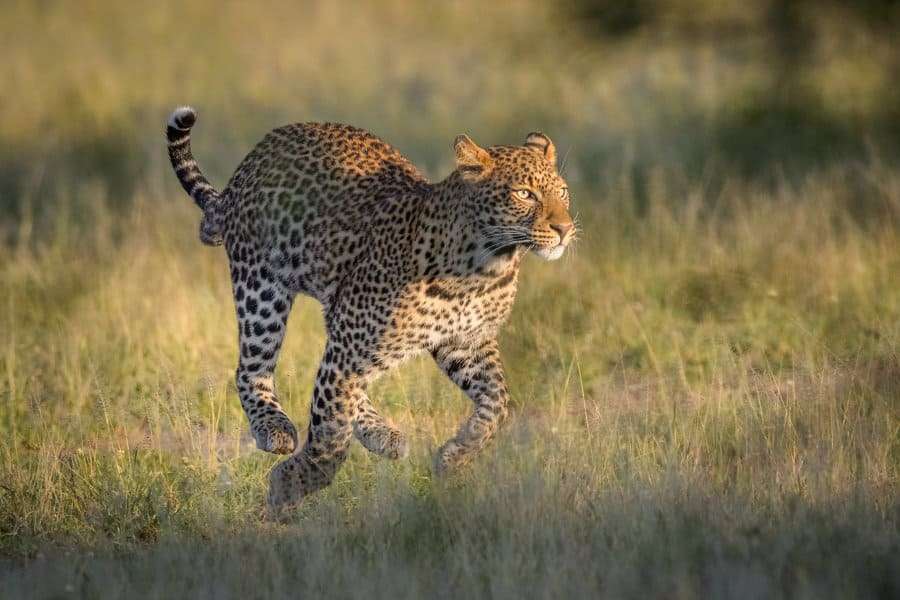
Leopards are built to disappear. Everything else about spotting one follows from that.
A leopard’s entire survival strategy is built around not being seen.
Leopards are solitary and largely nocturnal, resting through the heat of the day in dense cover or draped across a tree branch, and hunting mostly at dusk, night, and dawn. Their rosette pattern breaks up their outline against dappled light and shadow almost perfectly, which is exactly why an experienced guide scanning specific tree limbs and riverbank thickets finds far more leopards than someone simply driving and hoping. Add genuinely low population density even in strong habitat, and you have an animal that rewards patience and local knowledge more than any other member of the Big Five.
Best Leopard Tours in Tanzania
Serious leopard tours Tanzania itineraries consistently outperform much of the rest of the continent, and the Serengeti alone accounts for a large share of that reputation.
Serengeti National Park
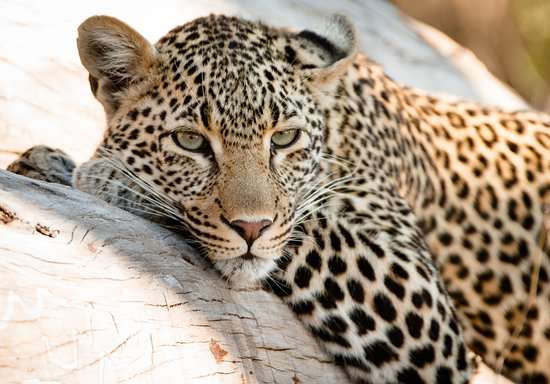
The central Seronera Valley is widely considered Tanzania’s most reliable leopard location, with riverine woodland along the watercourses giving resident leopards both cover and a steady supply of prey. The western Loliondo area is a strong second option for travelers who want fewer vehicles at a sighting. Good guides here know the specific trees leopards regularly use to cache kills away from hyenas, which turns a lucky spot into a genuinely extended sighting.
Tarangire National Park
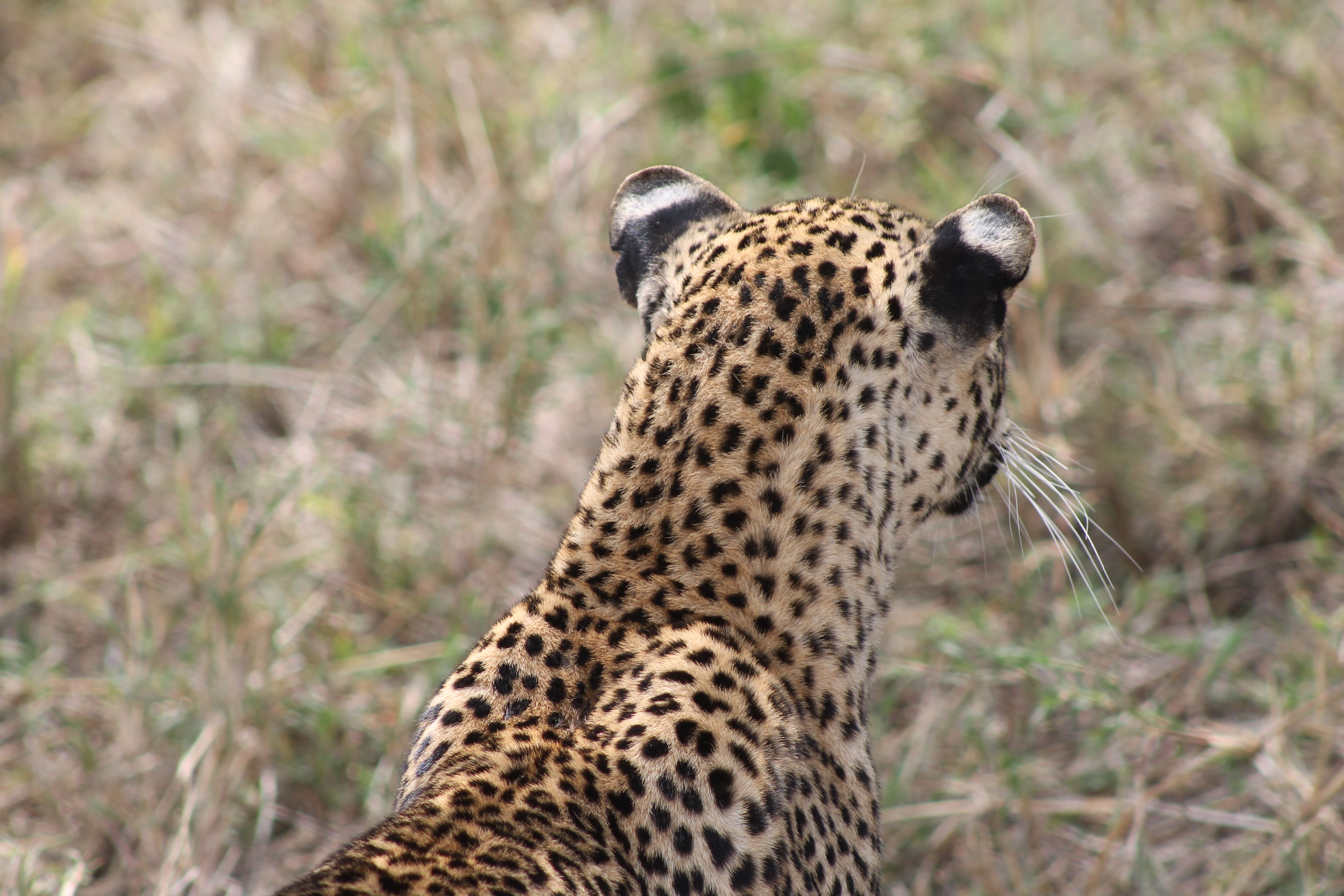
Tarangire is better known for its elephant herds and ancient baobabs, but its leopard population genuinely rivals better-known parks. The Tarangire River draws both prey and predators through the dry season, and leopards here are frequently found resting in riverside trees or moving through the acacia woodland at the edges of the open plains.
Ruaha National Park
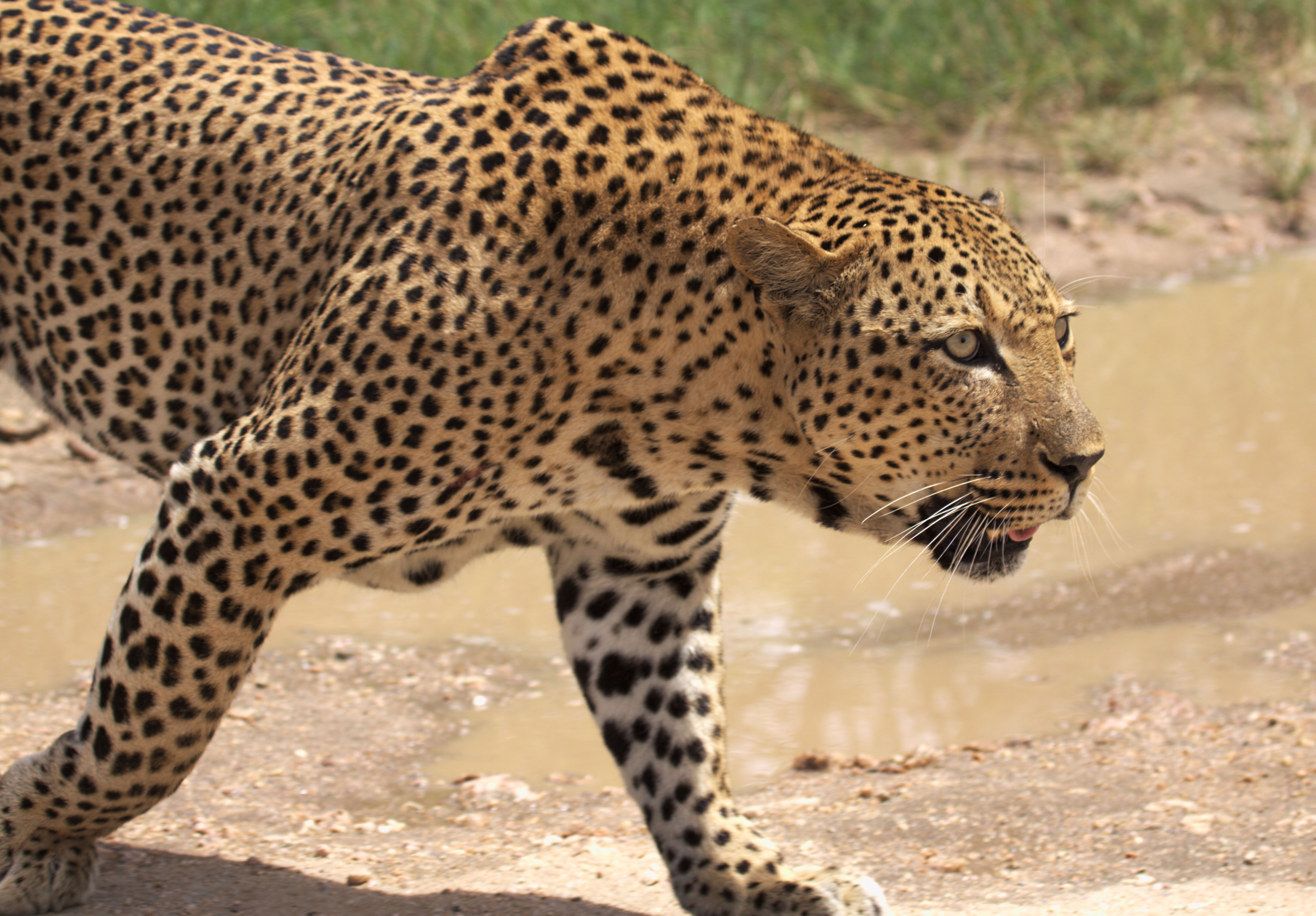
Ruaha is Tanzania’s largest national park and one of its least visited, which is exactly what makes a leopard sighting here feel different. The rocky hills and thick bushland around the Great Ruaha River hold a genuinely strong leopard population, and finding one without another vehicle in sight is a real possibility here in a way it rarely is in the central Serengeti.
Ngorongoro Crater and Lake Manyara
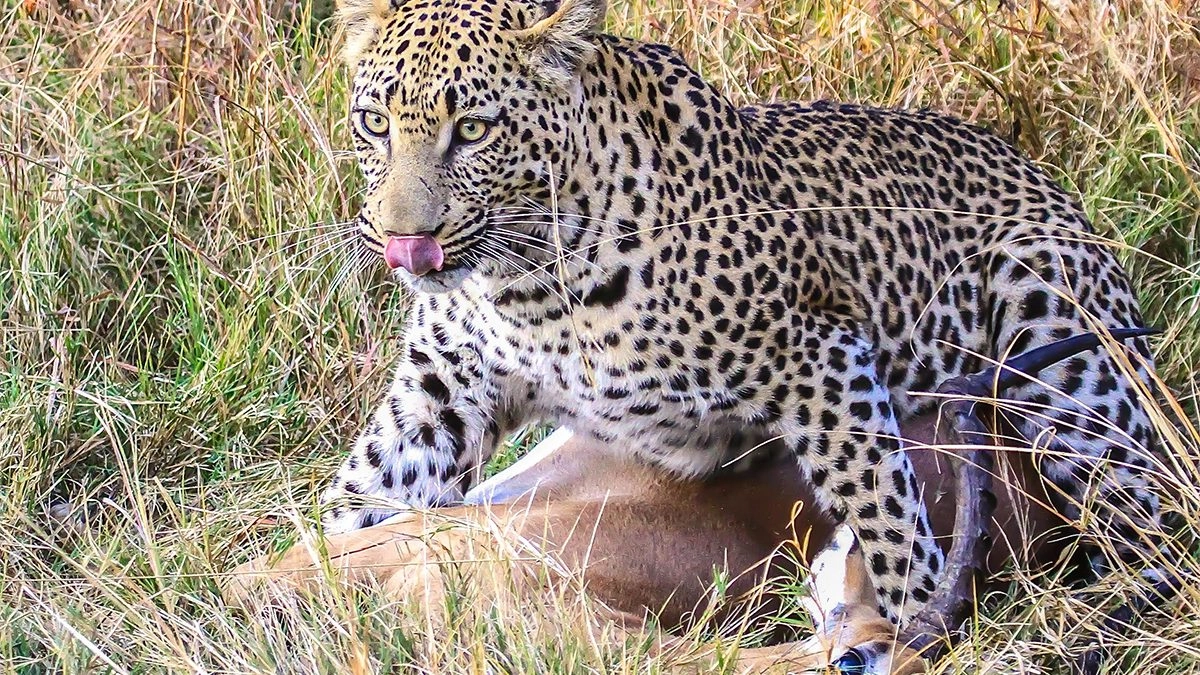
Leopards are present in both, though less reliably seen than in the parks above. The Ngorongoro Crater’s Lerai Forest holds resident leopards, though the open crater floor makes sightings less frequent than in denser terrain. Lake Manyara’s groundwater forest is thick enough that leopards here are genuinely harder to spot, but a night drive, where permitted, meaningfully improves the odds given how active leopards are after dark.
Best Leopard Destinations Elsewhere in Africa
Kenya: Masai Mara and Samburu

The Masai Mara’s riverine tree lines hold resident leopards throughout the year, and the private conservancies bordering the reserve, including Mara North and Olare Motorogi, add night drives and off-road access that the national reserve itself doesn’t allow. Samburu, further north, sits in genuinely different terrain, arid woodland and rocky outcrops along the Ewaso Nyiro River, and many Kenya-based guides rate it as the country’s single best leopard destination, even ahead of the Mara.
South Africa: Sabi Sand
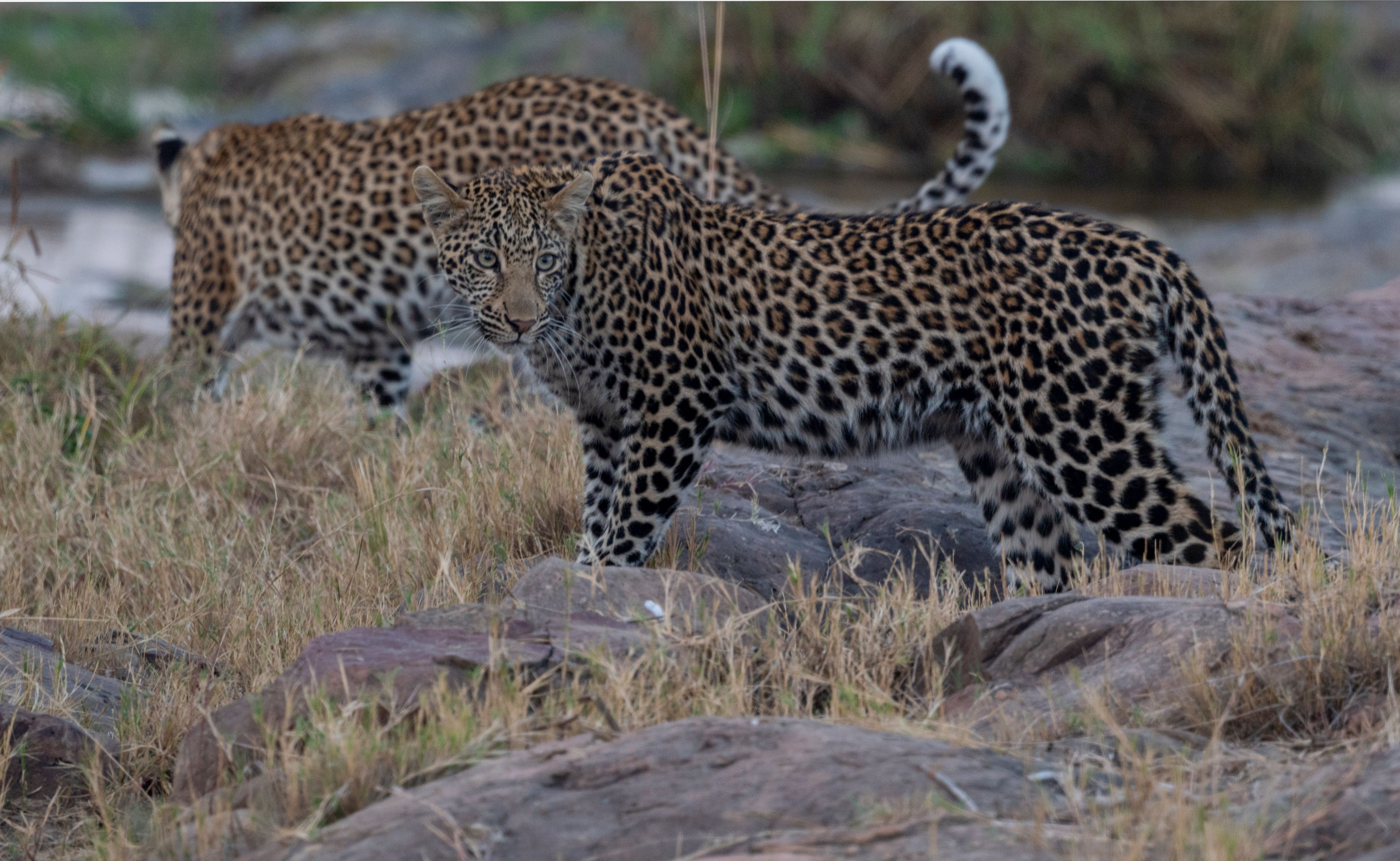
Sabi Sand, the private reserve system bordering Kruger National Park’s western edge, holds the highest documented leopard density anywhere in Africa. Decades of habituation mean leopards here are often remarkably unbothered by vehicles, and off-road driving plus spotlit night drives give guides a real edge in finding them. If a leopard sighting is genuinely the priority for your trip, Sabi Sand is where the odds tilt most in your favor.
Botswana and Zambia
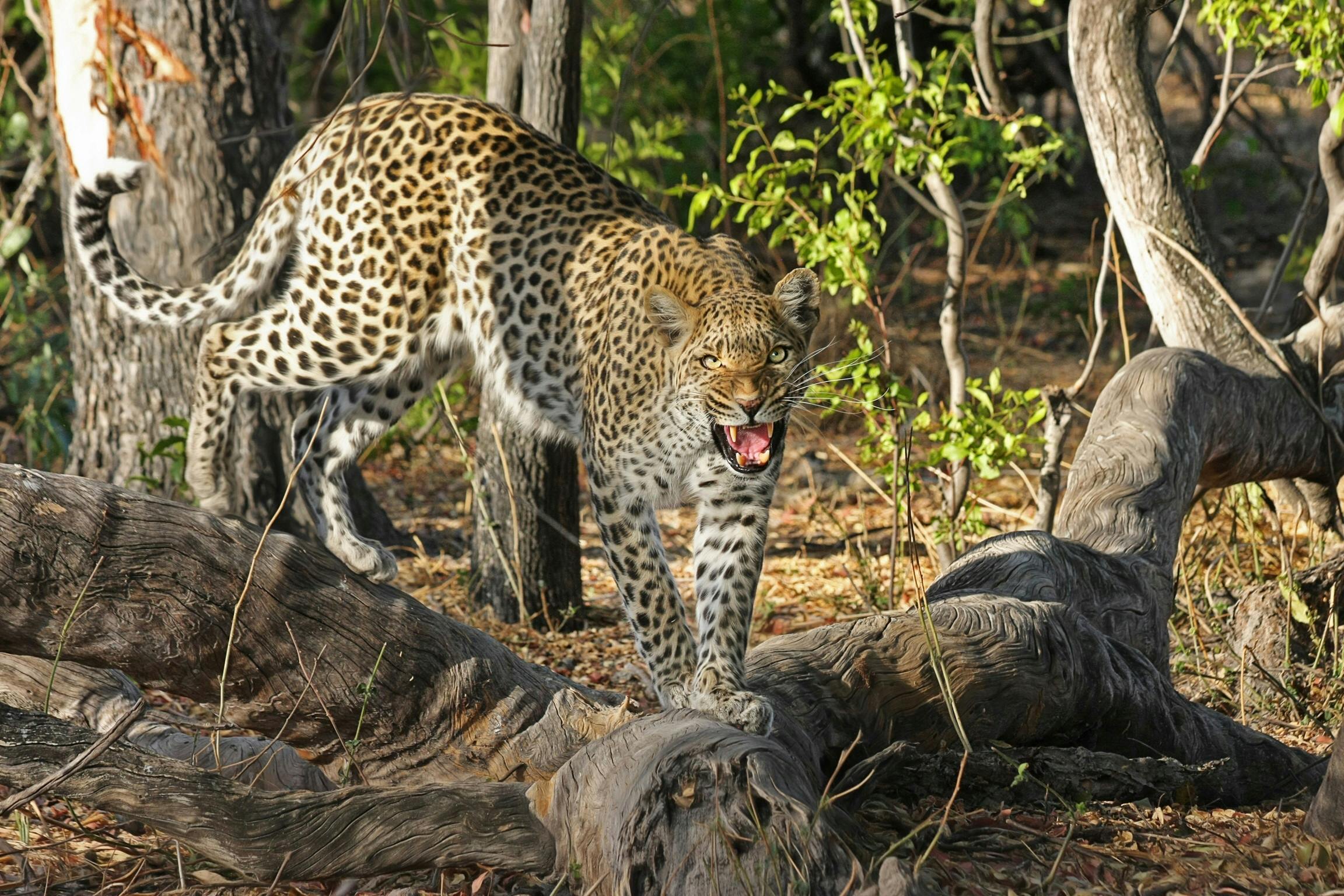
The Okavango Delta’s Moremi Game Reserve and Zambia’s South Luangwa both carry strong reputations for leopard density, particularly along the Delta’s floodplain edges and the Luangwa River. I can build a tailor-made itinerary into either country if leopard density is genuinely your top priority, since TourwithPipi plans trips across the continent, not just our core Kenya, Tanzania, and South Africa circuits.
Private Conservancy vs National Park for Leopard Sightings
Where you’re based matters almost as much as which country you choose.
| Private Conservancy | National Park or Reserve | |
|---|---|---|
| Night drives | Usually permitted | Usually restricted to daylight hours |
| Off-road driving | Usually permitted | Usually restricted to established tracks |
| Vehicle limits at a sighting | Typically capped at 2 to 3 vehicles | Can draw a dozen or more at a popular sighting |
| Guide-to-guide radio sharing | Smaller, more selective network | Wide network, faster crowding |
Since leopards are most active exactly when most national parks close their gates, a conservancy or private concession genuinely changes what’s possible, not just how crowded the sighting is.
Best Time of Day and Season
Early morning and late afternoon into dusk consistently produce the most leopard activity, since that’s when they’re actively moving and hunting rather than resting through the heat of the day. Where night drives are permitted, the first hour or two after sunset is often the single best window, when leopards are just beginning to patrol territory or stalk prey.
Dry season, roughly June through October across most of East and Southern Africa, thins out vegetation and concentrates both prey and predators around remaining water sources, which generally improves visibility without changing leopard behavior itself.
Reading the Signs: What Good Guides Actually Look For
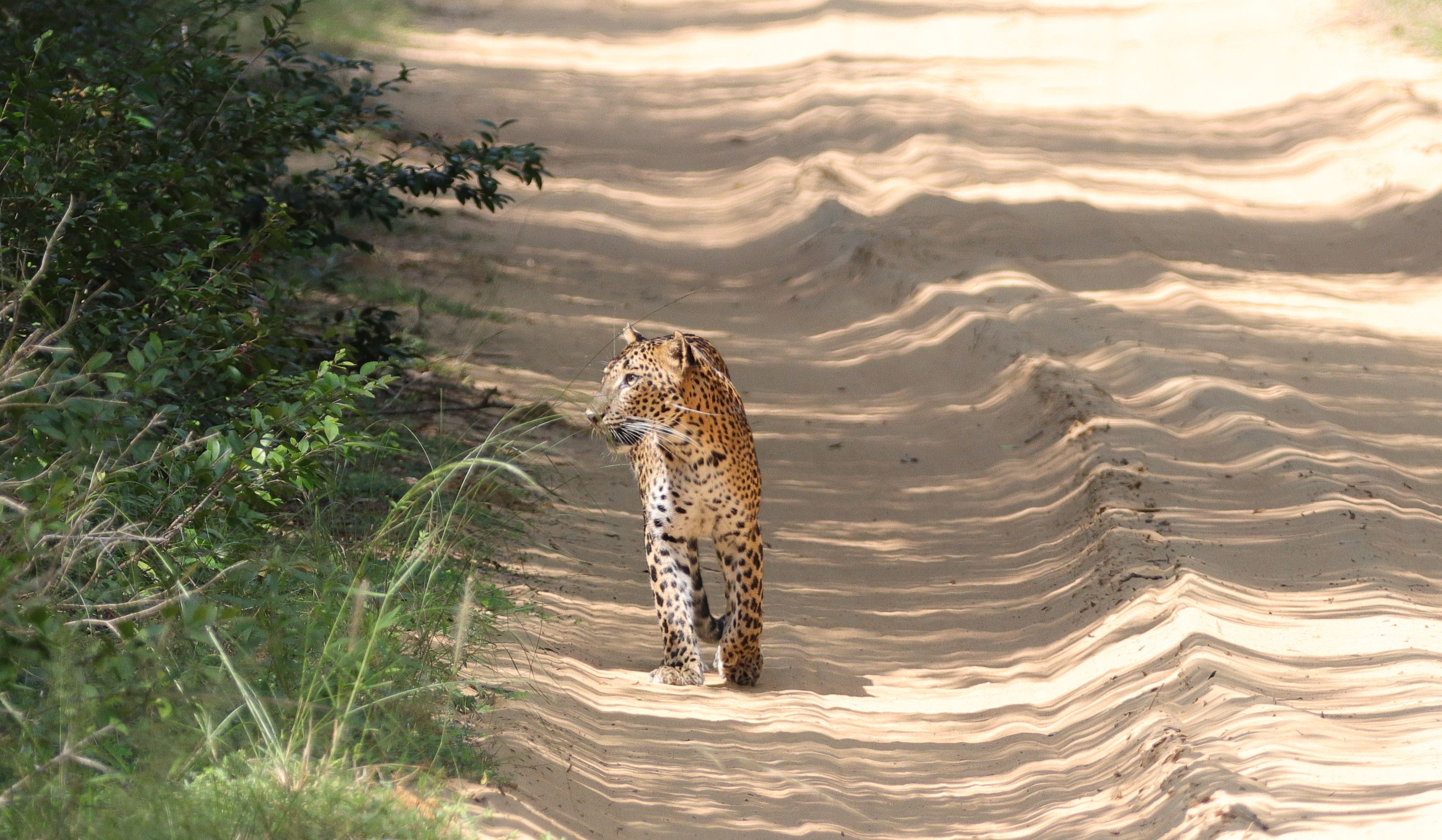
A genuinely good leopard sighting rarely starts with spotting the cat itself. It starts with reading the signs around it.
- Alarm calls from vervet monkeys, baboons, or impala, which often reveal a leopard’s location before you’d ever see it directly
- Fresh tracks along a sandy road or riverbank, which an experienced tracker can age within minutes
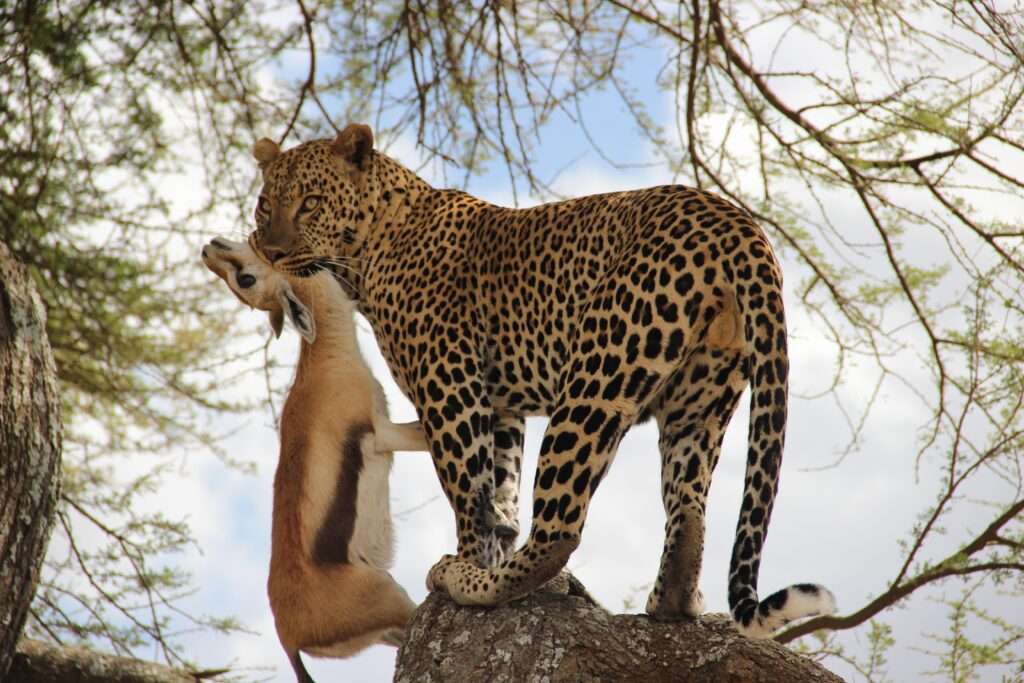
- A carcass hoisted into a tree, a leopard’s signature way of protecting a kill from hyenas and lions
- A pair of eyes catching the spotlight beam and reflecting straight back during a permitted night drive
- Unusual stillness or focus from other predators or prey in the area, which often means something is being watched
TourwithPipi Camps for Leopard Sightings
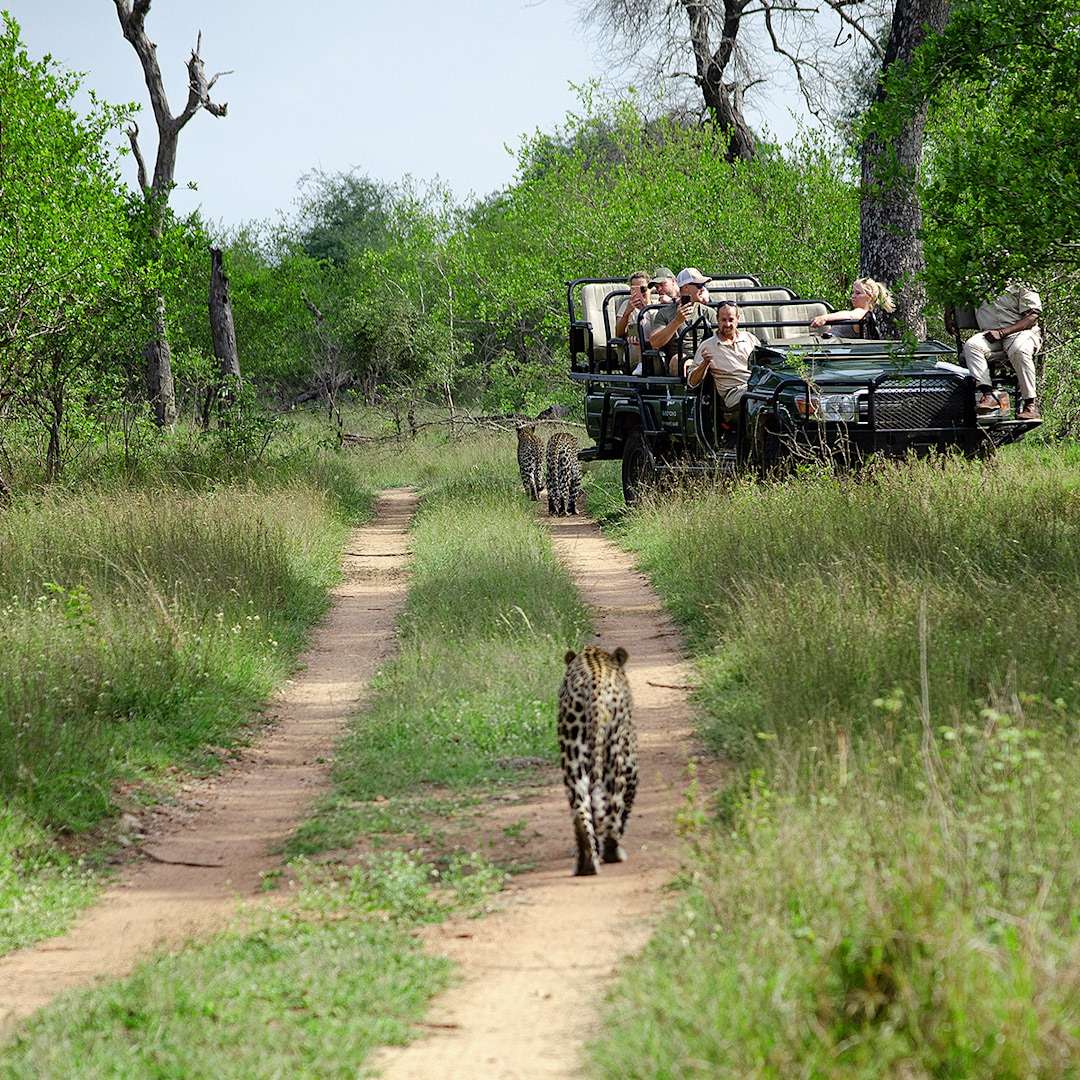
I put leopard-focused guests into camps specifically chosen for their location relative to known leopard territory, not just general safari quality.
Arathusa Safari Lodge, in the Sabi Sand Game Reserve bordering Kruger, sits inside one of the highest leopard-density areas on the continent, with off-road tracking and experienced trackers who know individual leopards by name and territory.
Olare Mara Kempinski and Soroi Mara Bush Camp, in the Olare Motorogi and Mara North Conservancies, both allow night drives and off-road access that the main Masai Mara reserve doesn’t, genuinely improving the odds of a leopard sighting beyond what a standard reserve-based safari offers.
Real Leopard-Focused Safaris You Can Book
The Cape Town in Style: 7-Day Coastal and City Escape includes three nights at Arathusa Safari Lodge in Sabi Sand, with guided game drives and a bush walk specifically suited to tracking leopards and the rest of the Big Five, paired with four nights in Cape Town.
For Kenya, the 9-Day Chale and Masai Mara Escape and the Must See Kenya: An 8-Day Luxury Safari Journey both include time in the Masai Mara’s private conservancies, where night drives genuinely open up leopard sightings a standard reserve-only itinerary can’t offer.
You can see every current itinerary on our full trip list.
Ready to Plan a Leopard-Focused Safari?
Tell me if a leopard sighting is the priority for your trip, and I’ll build the itinerary around the destinations and camps that genuinely improve your odds. Message me on WhatsApp to start planning.
Common Questions About Leopard Tours
Where is the best place in Africa to see a leopard?
Sabi Sand in South Africa holds the highest documented leopard density on the continent, though the Serengeti’s Seronera Valley in Tanzania and Kenya’s Masai Mara and Samburu are all consistently strong choices too.
Are leopards easy to see in Tanzania?
The Serengeti’s Seronera Valley offers genuinely good odds, especially with an experienced guide who knows where leopards tend to cache kills. Tarangire and Ruaha are strong secondary options, particularly for travelers who want fewer vehicles at a sighting.
What time of day are leopards most active?
Early morning, late afternoon, and the first hour or two after dusk, where night drives are permitted. Leopards rest through the heat of the day, usually in dense cover or up in a tree.
Can you guarantee a leopard sighting on safari?
No operator can honestly guarantee it, since leopards are solitary, mostly nocturnal, and genuinely hard to spot even in strong habitat. Choosing the right park, guide, and accommodation meaningfully improves your odds without ever making it a certainty.
Do private conservancies really improve leopard sightings?
Yes. Night drives and off-road access, both usually restricted or banned in national parks and reserves, matter significantly for an animal that does most of its hunting after dark.
What should I book if a leopard sighting is the whole reason for my trip?
A private conservancy or reserve with night drive access, either Sabi Sand in South Africa or a Masai Mara conservancy in Kenya, since both allow the kind of active tracking and after-dark searching a standard national park itinerary simply can’t offer.
What makes the best leopard safari on a tight timeline?
A short, 3 to 4 night stay at a single private conservancy or reserve, rather than splitting the same nights across multiple parks. Leopards reward guides who know a specific territory intimately, and that kind of local knowledge only builds with focused time in one area.
Is a safari for leopard sightings different from a general Big Five safari?
Not structurally, but the details shift. The same itinerary works, just weighted toward parks and camps with genuine night drive access and guides experienced specifically in leopard tracking, rather than a general wildlife checklist.
Blog Summary
- Tanzania’s Serengeti, Kenya’s Masai Mara and Samburu, and South Africa’s Sabi Sand consistently produce the best leopard sighting odds in Africa.
- The Seronera Valley is the Serengeti’s most reliable leopard area, with Tarangire and Ruaha as strong secondary Tanzania options.
- Sabi Sand holds the highest documented leopard density anywhere on the continent.
- Private conservancies allow night drives and off-road access that most national parks and reserves restrict, directly improving leopard odds.
- Early morning, late afternoon, and just after dusk are the most productive windows for leopard activity.
- Reading signs, alarm calls, fresh tracks, and cached kills in trees, matters as much as luck for a genuine sighting.
- Arathusa Safari Lodge, Olare Mara Kempinski, and Soroi Mara Bush Camp are the camps I use most for leopard-focused itineraries.
- Costs vary by destination and accommodation type more than by any separate “leopard safari” product, generally $2,000 to $6,000 per person depending on the park and length of stay.


