
Imagine walking through the Maasai Mara and looking up to greet your guide. The Maasai height is one of the first things visitors notice. These lean, elegant people wrapped in bright red shukas stand noticeably taller than almost everyone around them. But just how tall are the Maasai and why are they so tall? The answers are genuinely fascinating.
Quick Answer — Maasai Average Height
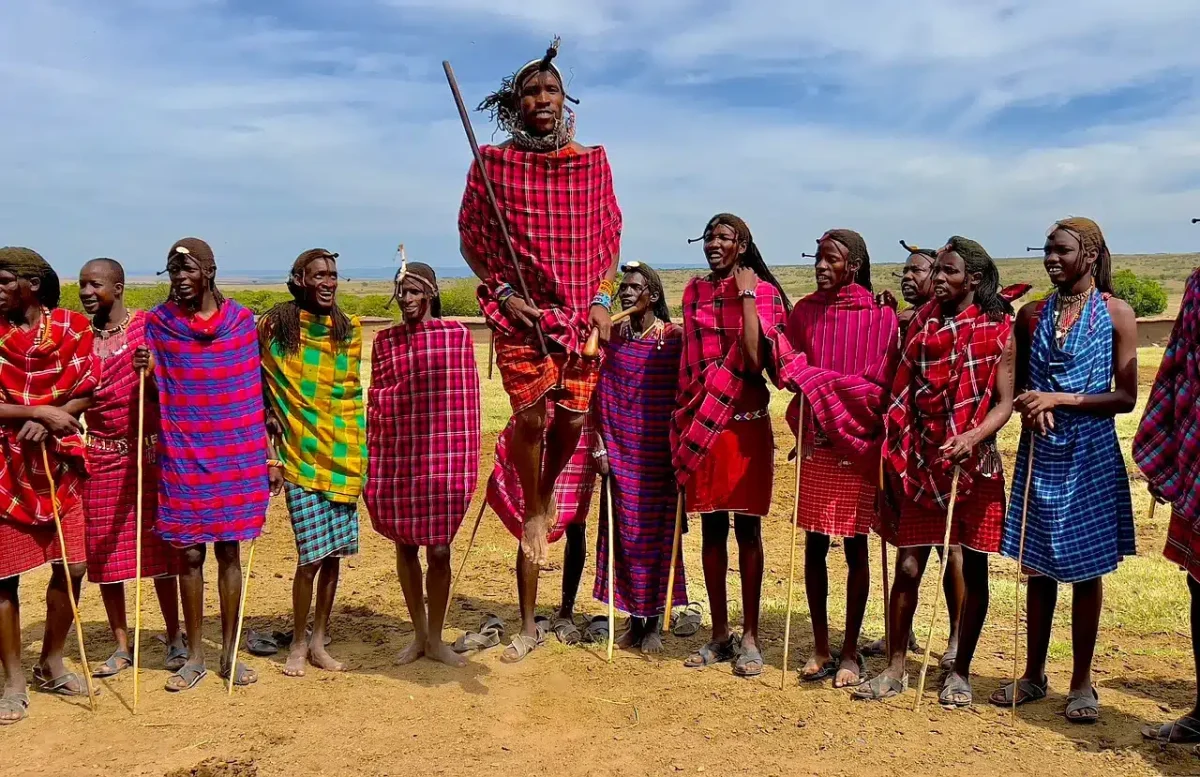
The Maasai average height is approximately 6.2 feet or 187 cm for men. Many Maasai men reach well over 6 feet and some individuals exceed 7 feet. This places the Maasai among the tallest people on Earth. The global average height for men is around 5 feet 7.5 inches or 175 cm. The Maasai sit significantly above that figure.
Who Are the Maasai People?
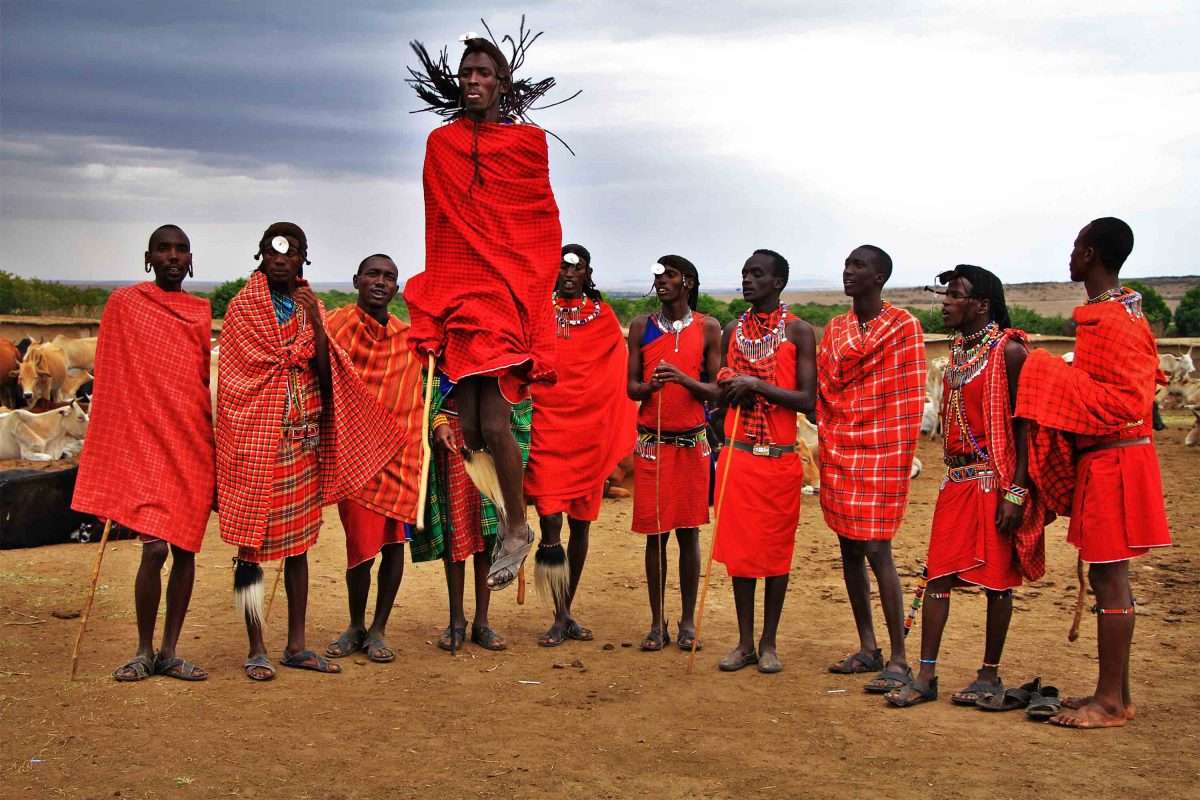
The Maasai are a semi-nomadic pastoralist people who live across the grasslands and savannahs of southern Kenya and northern Tanzania. They are one of the most recognizable indigenous communities in Africa and one of the most visited by safari travelers because their territory overlaps directly with some of the greatest wildlife areas on Earth including the Maasai Mara in Kenya and the Ngorongoro Conservation Area in Tanzania.
Cattle are at the center of Maasai life. A family’s wealth is measured in cattle and the care of livestock shapes the daily routine. The Maasai move seasonally to find fresh grazing for their herds, a lifestyle that has remained largely unchanged for centuries.
In 1951 the British colonial government removed the Maasai from land that became the Serengeti National Park and relocated them to areas around the Ngorongoro Conservation Area. Today the Maasai number over one million people living across southern Kenya and northern Tanzania, recognizable everywhere by their bright shukas, beaded jeweler, and striking physical presence.
Maasai Average Height — The Numbers
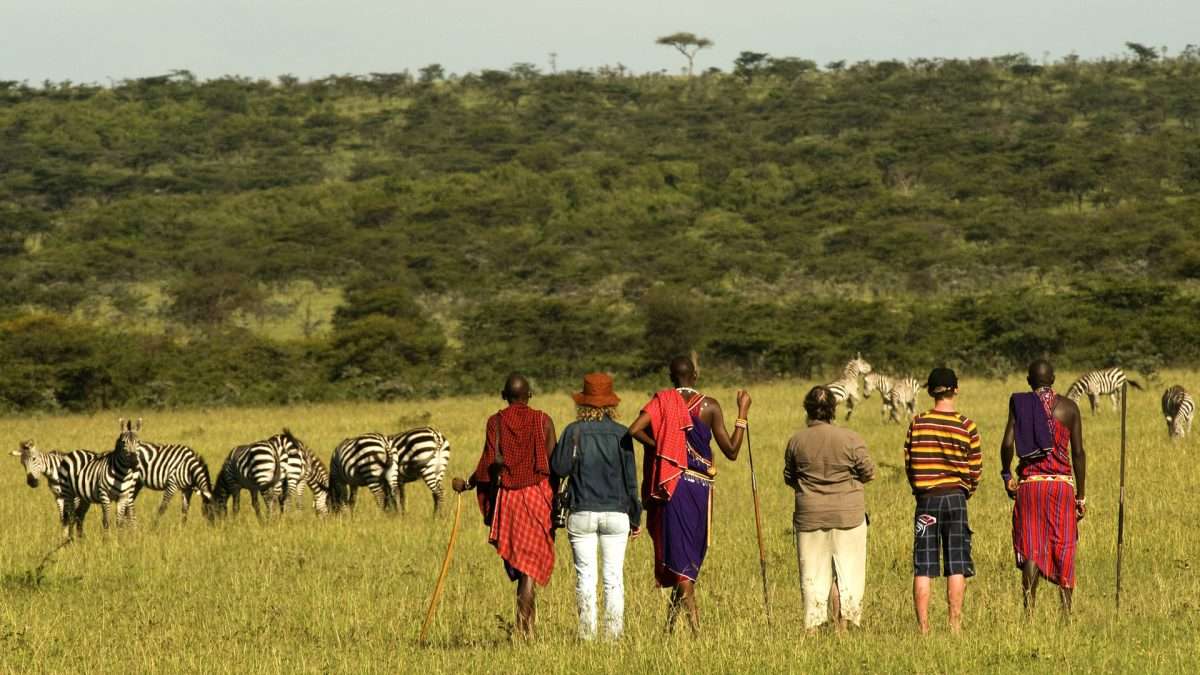
The Maasai people average height places them among the tallest populations in the world.
| Group | Average Height |
|---|---|
| Maasai men | Approximately 6.2 feet (187 cm) |
| Maasai women | Approximately 5.9 feet (180 cm) |
| Global average men | 5 feet 7.5 inches (175 cm) |
| Global average women | 5 feet 3 inches (160 cm) |
| Average Kenyan man | 5 feet 8 inches (172 cm) |
| Average Tanzanian man | 5 feet 8 inches (173 cm) |
The Maasai tribe average height of 187 cm for men puts them around 12 centimeters above the global average. Many individual Maasai men stand considerably taller than this and heights above 6 feet 5 inches are not unusual within the community. Some exceptional individuals reach 7 feet or more.
When you stand next to a Maasai elder or warrior on a cultural visit in Kenya or Tanzania, the height difference is immediately apparent and genuinely striking.
Why Are the Maasai So Tall?
Why are the Maasai so tall is one of the most common questions visitors ask after meeting them for the first time. Scientists, anthropologists, and nutritionists have studied this question and the answer comes from three main factors working together.
Genetics
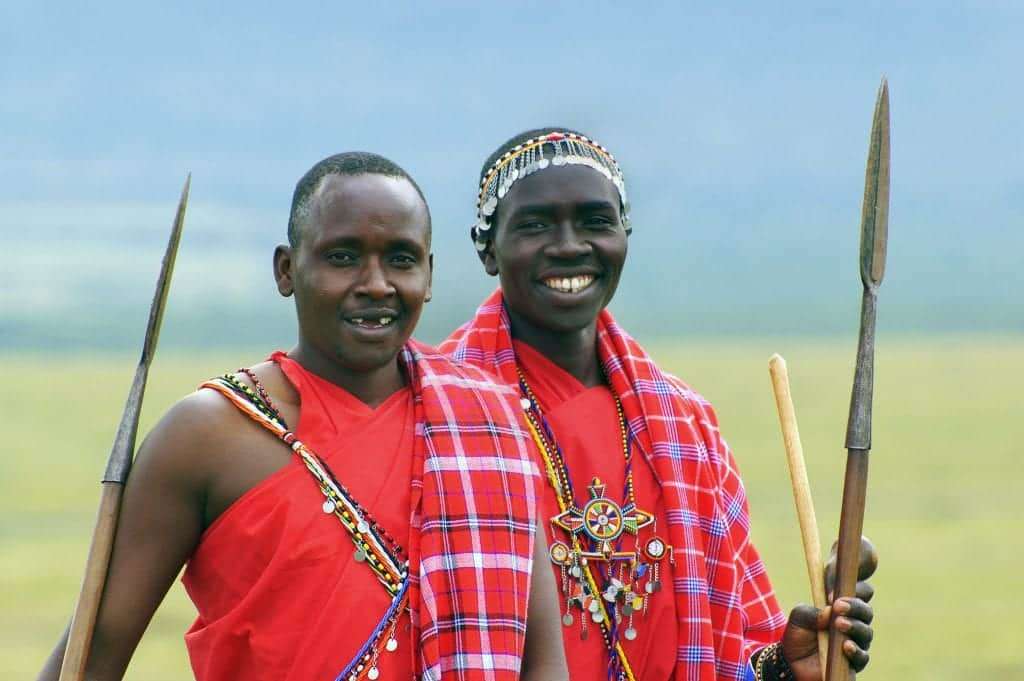
Genetics accounts for approximately 80 percent of a person’s height. If your parents are tall, you are very likely to be tall too.
Research suggests that the Maasai and many other East African pastoralist communities are descended from the Cushites, an ancient people from the Horn of Africa who were characteristically tall, lean, and long-limbed. This genetic inheritance has been passed down through generations of the Maasai community and remains the foundation of their remarkable stature.
The Maasai have also historically practiced selective marriage within their community, meaning the tall, lean physique associated with Maasai identity has been consistently reinforced across many generations.
Diet

The traditional Maasai diet is almost entirely animal-based and extraordinarily protein-rich. The three main foods are milk, meat, and blood, all sourced from their cattle herds.
Milk is consumed daily in large quantities, both fresh and fermented. Meat is eaten at celebrations and ceremonies. Blood, drawn carefully from living cattle without killing them, is consumed particularly by warriors, pregnant women, and people recovering from illness. It is rich in iron, protein, and nutrients.
This diet provides the amino acids, protein, calcium, and nutrients that directly support bone development, muscle growth, and tissue repair during childhood and adolescence. The nutrient density of the traditional Maasai diet is thought to contribute significantly to the growth patterns that produce the Maasai height most visitors find so striking.
It is worth noting that as more Maasai communities adopt modern diets in urban areas, researchers have observed changes in average height and body composition in younger generations. The traditional diet appears to play a genuine and important role.
Lifestyle and Physical Activity

The Maasai lifestyle is physically demanding from childhood. Herding cattle across large distances, walking many kilometres each day, and maintaining an active outdoor life from a young age all contribute to the physical development of Maasai children and young adults.
Physical activity stimulates the production of growth hormones, particularly during puberty and adolescence. Regular demanding exercise over many years supports taller and leaner physical development.
The Adumu, the famous Maasai jumping dance, is a vivid expression of this physical culture. Young Maasai warriors compete to jump as high as possible, chanting together in a circle while individuals take turns launching themselves vertically from a standing position. The jump that reaches the greatest height is considered the most impressive. The Adumu is not just a display of the Maasai people height — it is a cultural celebration of physical strength, competitiveness, and identity.
Cultural Significance of Height in Maasai Society
How tall are the Maasai tribe is not just about biology. In Maasai culture, height represents strength, health, and presence. Taller warriors are often seen as more capable and attractive.
This is especially visible during the Adumu jumping dance, where the highest jump earns respect and attention, particularly from women choosing potential partners.
The Maasai lifestyle also shapes this tall, upright posture. Daily walking across open land builds a straight and confident stance. Their traditional dress, with bright shukas, beaded jewellery, and long walking sticks, further enhances their tall and striking appearance.
Does Masai Jump Increase Height?
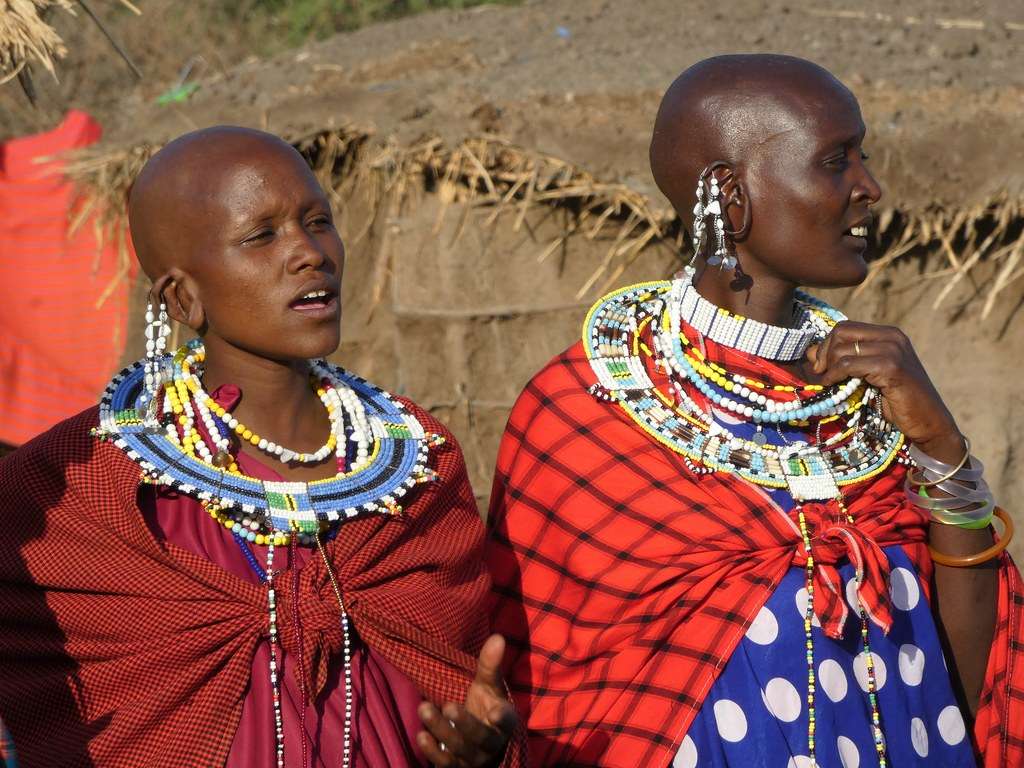
No. The Maasai jumping dance, known as adumu, does not make anyone taller. It’s a display of strength, fitness, and status, not a height-changing exercise.
The jump works because of how it’s performed, not because it triggers growth:
- Warriors jump straight up from a standing position, keeping their body rigid and their feet close together.
- The height comes from powerful leg muscles and repeated practice from a young age, not from stretching bones or joints.
- Bone growth plates close after puberty. Once that happens, no amount of jumping changes your actual height.
- Any height claims tied to the dance are cultural myth or marketing spin, not something backed by anatomy or research.
What the jump actually does:
- Signals a warrior’s strength and readiness for adulthood within Maasai culture.
- Plays a role in courtship, since jump height was traditionally seen as a sign of vitality.
- Builds real athletic power in the legs and core over years of practice, the same way any explosive jump training would.
So if you’ve seen a claim online that “Maasai jumping” is a height-growth secret, that’s not accurate. It’s a genuine cultural tradition and a real display of athleticism, but it has nothing to do with getting taller.
Meeting the Maasai on Safari

For visitors to Kenya and Tanzania, a Maasai cultural village visit is one of the most genuinely rewarding experiences available alongside the wildlife safari. Most Maasai communities near the Maasai Mara, Amboseli, and Ngorongoro Conservation Area welcome visitors for guided cultural experiences.
A typical community visit includes a traditional welcome ceremony, a demonstration of the Adumu jumping dance, a walk through the village to see traditional homebuilding and daily life, an opportunity to see Maasai beadwork and crafts, and conversation with community members through your guide.
The Maasai are warm and direct hosts. The experience of watching the Adumu at close range, with warriors launching themselves into the air against a backdrop of open savannah, is one of those moments that stays with safari visitors long after they have returned home.
TourwithPipi includes authentic Maasai cultural visits as part of Kenya and Tanzania safari itineraries. Every visit is arranged respectfully with communities that have chosen to welcome travelers, and a portion of any fees paid goes directly to the community Healthcare.
Plan a Kenya Maasai safari with TourwithPipi →
Conclusion
The Maasai height is not an accident. It is the result of genetics inherited from ancient tall-statured ancestors, a traditional diet built around high-protein animal products, and a physically active lifestyle that has remained consistent for generations.
How tall are the Maasai? Tall enough to be among the most striking and physically impressive people you will encounter anywhere in Africa. At an average of 6.2 feet and with many individuals well above that, the Maasai people average height is a genuine outlier by global standards.
Meeting the Maasai on a Kenya or Tanzania safari is one of the most memorable parts of the East African experience. Their height, their culture, their dress, and their warmth as hosts all combine to make a Maasai village visit something you genuinely do not forget.
Plan your Kenya or Tanzania safari with TourwithPipi →
Frequently Asked Questions — Maasai Height
What is the average height of the Maasai?
The Maasai average height for men is approximately 6.2 feet or 187 cm. This places the Maasai significantly above the global male average of 5 feet 7.5 inches or 175 cm. Many Maasai men stand well above 6 feet and some individuals exceed 7 feet.
How tall are the Maasai tribe compared to other peoples?
The Maasai are among the tallest peoples in the world. Their average male height of 187 cm compares to the global male average of 175 cm, the average Kenyan man at around 172 cm, and the average Tanzanian man at around 173 cm. The Maasai sit approximately 12 centimetres above the global average.
Why are the Maasai so tall?
The Maasai are so tall because of three factors working together. Genetics inherited from tall Cushite ancestors accounts for around 80 percent of their height. A traditional high-protein diet of milk, meat, and blood provides the nutrients that support bone and muscle growth. And a physically active daily lifestyle of herding and walking stimulates growth hormone production during childhood and adolescence.
What do the Maasai eat that makes them so tall?
The traditional Maasai diet is built almost entirely on cattle products. Milk is consumed daily in large quantities. Meat is eaten at celebrations. Blood drawn carefully from living cattle is consumed particularly by warriors and those who are unwell. This diet is extremely high in protein, calcium, and essential nutrients that directly support growth and physical development.
What is the Adumu jumping dance?
The Adumu is the traditional jumping dance performed by Maasai warriors. Young men compete to jump as high as possible from a standing position while the group chants together. It is a celebration of physical strength and height within Maasai culture. The warrior who jumps the highest earns the greatest admiration. The Adumu is performed at ceremonies and for visitors during cultural village visits.
Where do the Maasai live?
The Maasai live across the grasslands and savannahs of southern Kenya and northern Tanzania. Their territory overlaps directly with some of Africa’s most famous wildlife areas including the Maasai Mara National Reserve in Kenya and the Ngorongoro Conservation Area and Serengeti in Tanzania.
Can I meet the Maasai on a Kenya safari?
Yes. Maasai cultural village visits are available near most major safari destinations in southern Kenya including the Maasai Mara, Amboseli, and Lake Nakuru. A typical visit includes a welcome ceremony, the Adumu jumping dance, a village walk, and demonstrations of beadwork and traditional crafts. TourwithPipi includes respectful Maasai cultural experiences as part of Kenya safari itineraries.
Are the Maasai the tallest people in Africa?
The Maasai are among the tallest peoples in Africa and the world. The Dinka and Nuer peoples of South Sudan are often cited alongside the Maasai as the tallest in Africa, with average heights in a similar range. The exact ranking varies by study and methodology but the Maasai consistently appear at or near the top of any comparison of African peoples by average height.
Has the Maasai height changed over time?
Research suggests that younger Maasai generations who have moved to urban areas and adopted more modern diets show some differences in height and body composition compared to those who maintain the traditional pastoral lifestyle and diet. This supports the view that diet and lifestyle play a genuine role alongside genetics in producing the remarkable Maasai height.
Is height important in Maasai culture?
Yes. Within Maasai society height is considered a mark of strength, health, and resilience. Tall warriors are seen as more attractive and capable. The Adumu jumping dance specifically celebrates physical height and strength. Height is woven into Maasai identity and cultural values in a way that makes it genuinely significant rather than simply a biological fact.
Blog Summary About Maasai Height
- The Maasai average height for men is approximately 6.2 feet or 187 cm, placing them among the tallest peoples on Earth.
- The Maasai people height sits around 12 centimetres above the global male average of 175 cm.
- Some individual Maasai men exceed 7 feet in height, though the average figure of 187 cm is the most widely cited measurement.
- Genetics accounts for approximately 80 percent of the Maasai height, with ancestry traced to the tall Cushite peoples of the Horn of Africa.
- The traditional Maasai diet of milk, meat, and blood provides exceptional protein and nutrient density that supports bone and muscle development from childhood.
- The Maasai lifestyle of herding, long-distance walking, and daily physical activity stimulates growth hormone production during childhood and adolescence.
- The Adumu jumping dance performed by Maasai warriors is a cultural celebration of physical strength and height within Maasai society.
- Within Maasai culture, height is considered attractive and socially significant, particularly for young warriors seeking a partner.
- The Maasai live across southern Kenya and northern Tanzania in areas that include the Maasai Mara, Amboseli, and Ngorongoro — meaning safari visitors can meet them in person.
- Why are the Maasai so tall comes down to three things working together — genetics inherited from tall ancestors, a high-protein traditional diet, and a physically demanding active lifestyle from early childhood.


