
A safari scarf, bandana, or snood protects your face and neck from sun, dust, and wind, and adds warmth on cold morning game drives. A lightweight cotton scarf works for general use, while a snood, a tube-style neck warmer, is especially popular with men who want something that pulls up over the face quickly without tying or folding.
Why a Safari Scarf Is One of the Most Useful Things You Pack
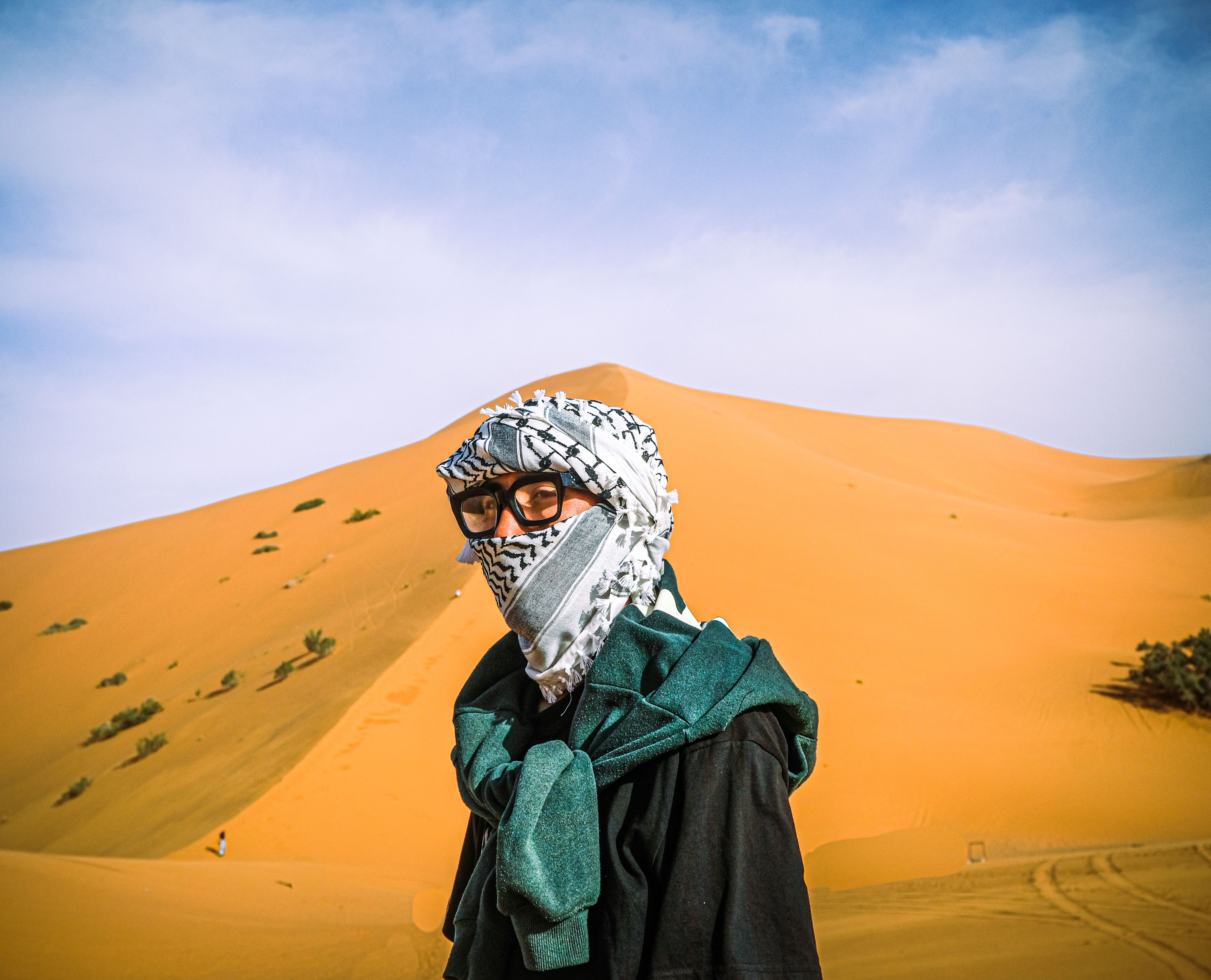
Game drive roads are dusty, mornings are cold, and midday sun is direct. A single scarf for safari handles all three problems at once. Wrap it around your neck for warmth before sunrise, pull it up over your nose and mouth when the vehicle kicks up dust on a dry road, or drape it over your shoulders for extra sun protection once the day heats up. Few single items in a packing list do this much work.
Safari Neck Scarf vs Safari Bandana vs Snood: What Is the Difference
Safari Neck Scarf

A safari neck scarf is typically a larger, square piece of fabric, often cotton, that you fold and wrap around your neck or head. It offers the most coverage and the most styling options, from a loose neck wrap to a full head covering.
Safari Bandana
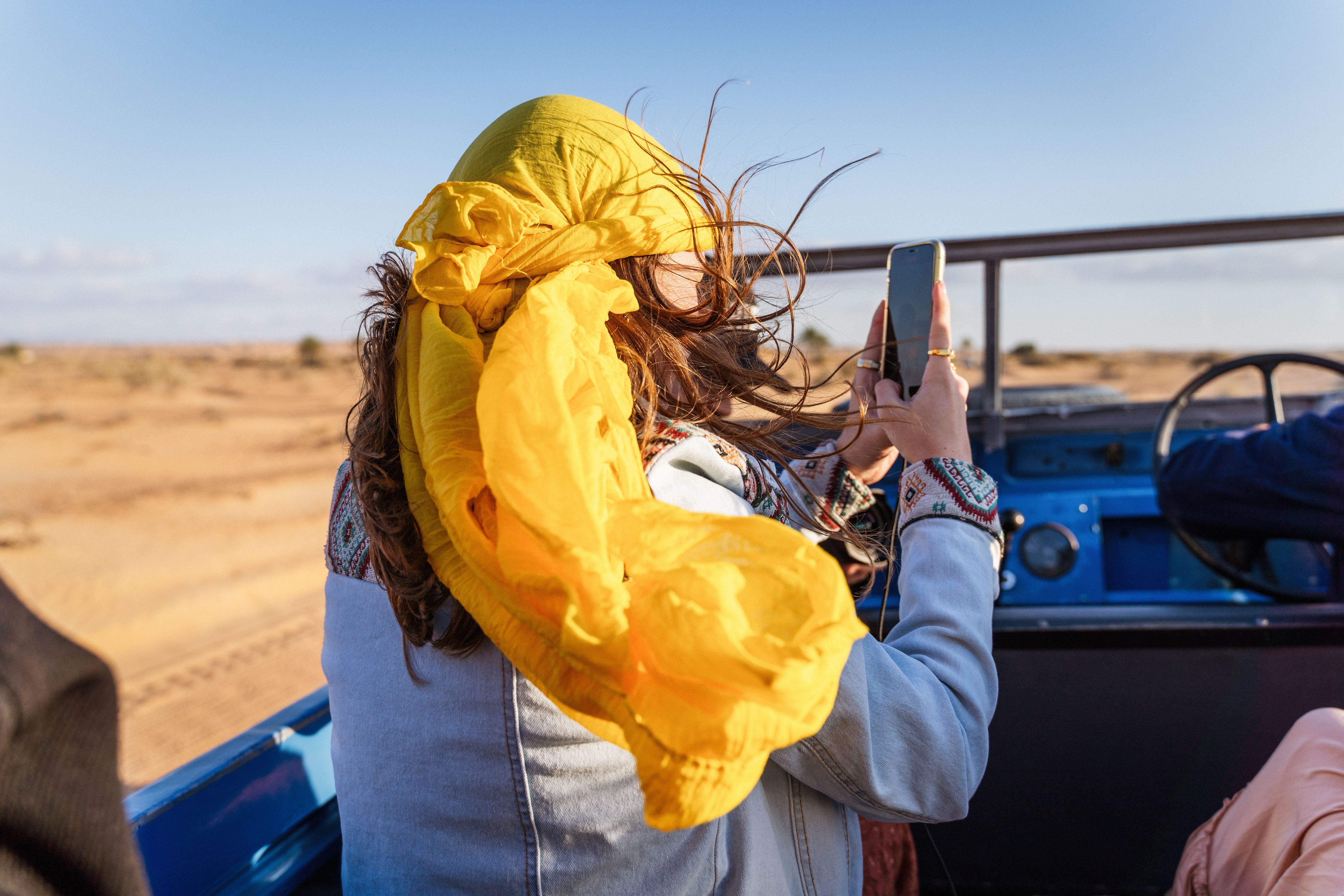
A safari bandana is smaller and simpler, usually a square of cotton folded into a triangle and tied around the neck or over the face. It is quick to use and easy to pack flat, though it offers less coverage than a full scarf.
Snood (Men’s and Women’s)

A snood is a stretchy fabric tube you pull over your head, rather than something you tie or fold. Snoods men’s styles are especially popular on safari because they slide up over the nose and mouth in seconds when dust kicks up, then drop back down around the neck just as fast. No knots, no readjusting, which matters when you are trying to keep your binoculars up at the same time.
Best Fabric for a Scarf for Safari
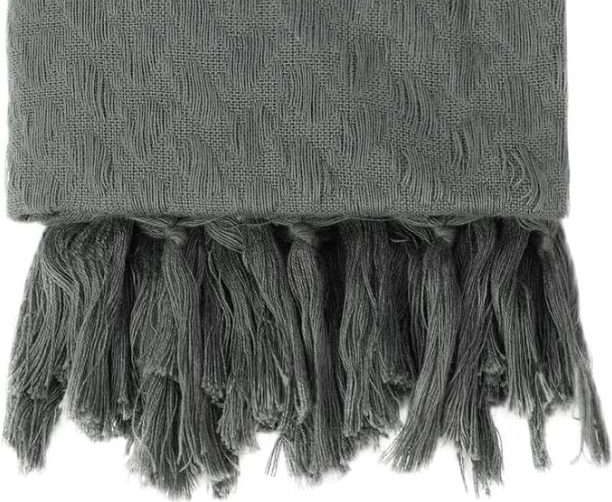
Cotton is the standard choice, since it breathes well in heat and still offers a layer of warmth when folded thicker on a cold morning. Cotton and hemp blends are a strong alternative, lightweight and quick to dry if you hand wash it partway through your trip. Avoid anything heavy or slow-drying, since a scarf that stays damp defeats the purpose of packing something light and useful.
Two Safari Scarves Worth Buying
These are two real options that cover the most common needs, a versatile tactical-style wrap and a lightweight everyday scarf.
Explore Land Cotton Shemagh Keffiyeh Tactical Desert Scarf

This is currently the number one best seller in men’s fashion scarves on Amazon, rated 4.6 out of 5 stars across more than 28,000 reviews. It measures 41 by 43 inches, made from a soft 80 percent cotton and 20 percent polyester blend that stays gentle against skin in any climate. The multi-way styling covers your face, head, and neck against sun, sand, wind, and dust, and folding it thicker adds real warmth on cold mornings. It comes in more than 30 colors and works well for men or women. Hand wash only.
MANSHU 4-Piece Women’s Soft Cotton Hemp Shawl Wrap

This set comes with four lightweight, 100 percent cotton scarves in one pack, rated 4.6 out of 5 stars across over 2,100 reviews. Since you get four in different colors, it solves outfit rotation for an entire safari without adding real weight to your bag. They work well for travel, daily wear, and layering over shoulders for sun protection. Hand wash in cold water, no wringing or twisting, hang to dry.
Snoods for Men: Why They Work So Well on Cold Mornings
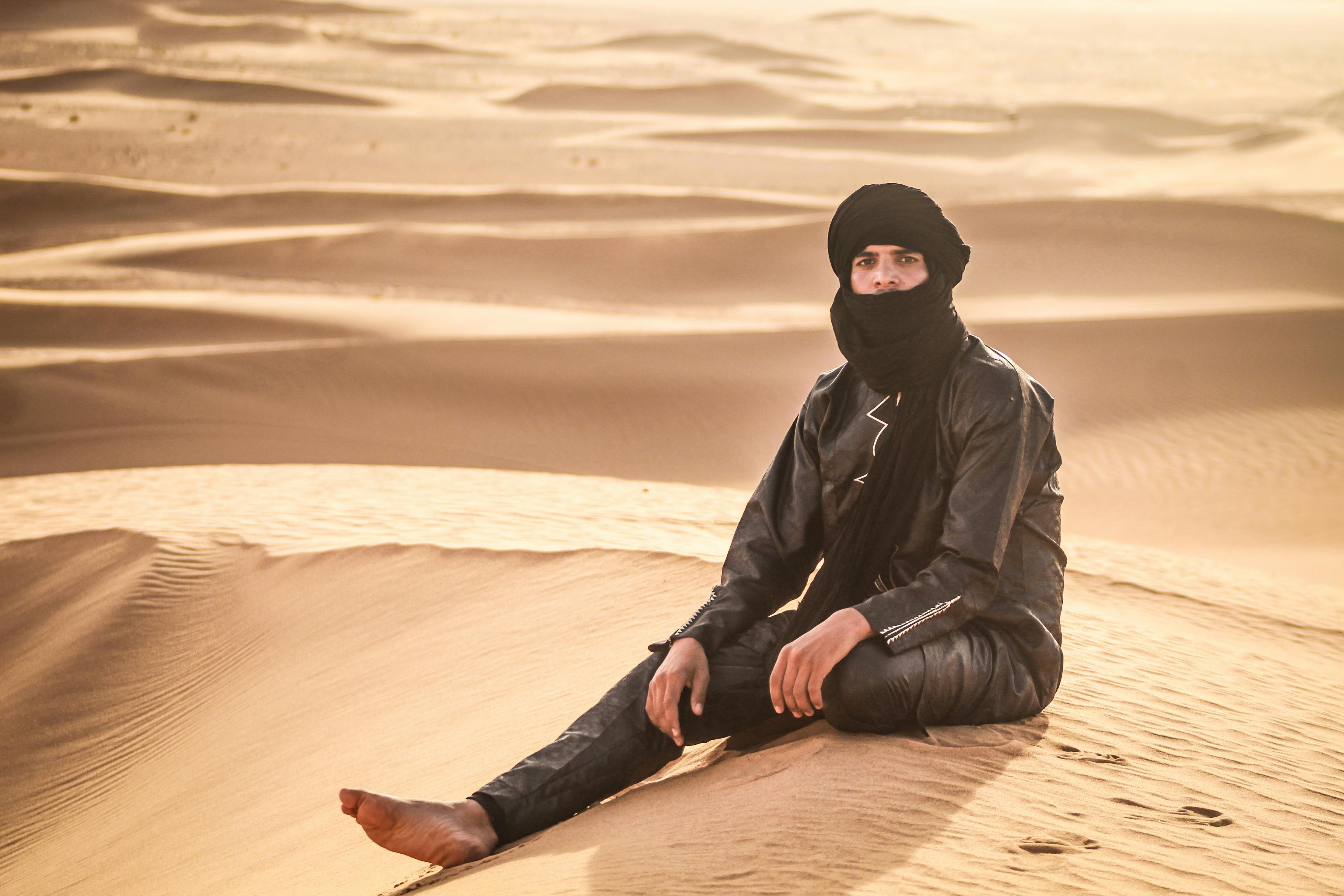
Cold game drive mornings are exactly where a men’s snood earns its space in your bag. Pull it up over your nose in seconds when the temperature drops before sunrise, then push it down around your neck once the sun climbs and the vehicle warms up. Unlike a scarf, there is nothing to tie or refold every time conditions change, which matters when you are also holding a camera or binoculars with both hands.
How to Wear a Safari Scarf: Multiple Styles
- Neck wrap: loose around the neck for general sun and wind protection
- Face covering: pulled up over the nose and mouth on dusty roads
- Head wrap: folded and tied over the head for full sun coverage on a hot afternoon
- Folded thick: doubled or tripled for extra warmth on a cold morning drive
- Shoulder drape: loose over the shoulders as a light layer against direct sun
What Color Scarf Should You Pack
Stick to neutral tones, khaki, tan, olive, or stone, the same palette recommended for the rest of your safari wardrobe. These colors blend into the bush and do not draw attention. Avoid black and dark or bright blue, since both colors are known to attract tsetse flies.
How to Care for and Wash Your Safari Scarf
Most cotton safari scarves and bandanas are hand wash only, since machine washing can fade the fabric or fray the edges over repeated cycles. Wash in cool water, avoid wringing or twisting the fabric, and hang it to dry rather than using heat, which helps it keep its softness through a full multi-day trip.
Ready to Plan Your Trip?

If you want a full packing list built around your specific dates and destinations, message me directly on WhatsApp.
A few trips where a good scarf earns its keep:
- 5-Day Masai Mara Safari
- 6-Day Mara Discovery: Big Five Safari
- 8-Day Kenya Explorer Safari
- 8-Day Extraordinary Kenya Safari
Frequently Asked Questions
What is the best scarf for safari?
A lightweight cotton scarf, roughly 40 by 40 inches, offers the most versatility, covering your neck, face, and head against sun, dust, and wind. Cotton and hemp blends are a strong alternative if you want something quicker to dry after a hand wash.
What is the difference between a safari scarf and a safari bandana?
A safari scarf is larger and offers more coverage and styling options, while a safari bandana is smaller, simpler, and quicker to tie, though it covers less area.
Why do men wear snoods on safari?
A men’s snood is a stretchy fabric tube that pulls up over the nose and mouth instantly, without tying or folding, which makes it especially useful on cold mornings or dusty roads when your hands are busy with a camera or binoculars.
What color scarf should I pack for safari?
Neutral tones like khaki, tan, olive, or stone work best. Avoid black and dark or bright blue, since both colors attract tsetse flies.
Can you wash a safari scarf?
Yes, most cotton safari scarves are hand wash only. Wash in cool water, avoid wringing the fabric, and hang it to dry to keep it soft for the rest of your trip.
Blog Summary About Safari Scarves, Bandanas, and Snoods
- A safari scarf handles sun, dust, and wind protection in one lightweight item.
- Cotton is the standard fabric, breathable in heat and warm when folded thicker.
- A safari neck scarf offers more coverage and styling options than a bandana.
- A safari bandana is smaller, simpler, and quicker to tie on and off.
- Men’s snoods pull up over the face instantly, no tying required.
- Stick to neutral colors, khaki, tan, olive, or stone, and avoid black and dark blue.
- Most cotton safari scarves are hand wash only, air dried rather than machine dried.
- A single scarf can be worn five different ways: neck wrap, face cover, head wrap, folded for warmth, or shoulder drape.
- A multi-pack of scarves solves outfit rotation without adding real luggage weight.
- Scarves weigh almost nothing, making them one of the easiest high-value packing additions.
Written by Khadija, founder of TourwithPipi, based on years of watching one small piece of fabric solve half a guest’s packing problems on every trip.


