
What’s Included in a Safari Package
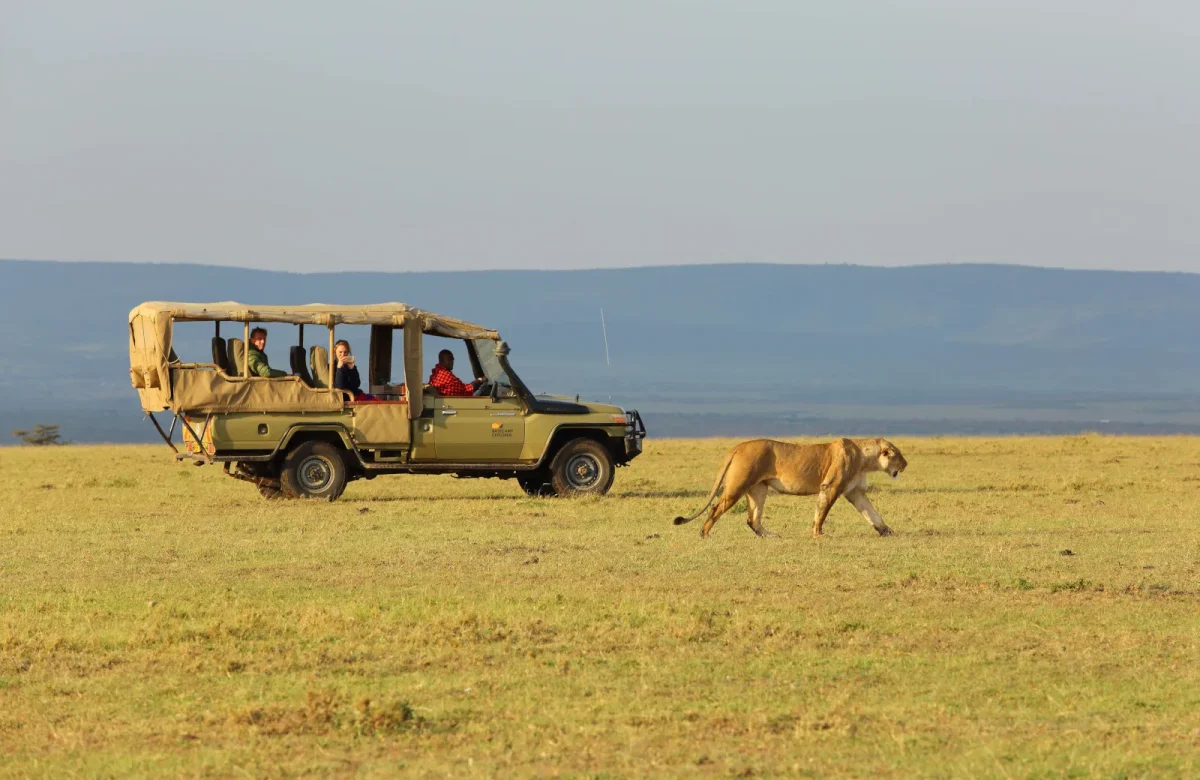
A safari holiday is usually a genuine all-in package, not a collection of separate bookings. Here’s what’s typically covered:
Accommodation. Depending on the safari type and tier, this ranges from luxury lodges and tented camps with private decks and en-suite bathrooms, to simpler camps with the essentials covered.
Meals. Full board is standard on most packages, with an on-site chef covering breakfast, lunch, and dinner across a mix of local and international dishes. Fresh juices, coffee, and tea are typically included throughout the day.
Guided game drives. The standard rhythm is a dawn outing followed by a second drive as the afternoon cools off, timed to when wildlife is most active. An experienced guide comes with every drive.
Park fees. National park and reserve entrance fees are usually built into the package price rather than charged separately.
Transfers. Airport pickup and drop-off, plus transport between camps or lodges, are typically included, often in a dedicated safari vehicle or a light aircraft on fly-in itineraries.
Conservation contribution. Many operators direct a portion of your package cost toward wildlife protection and local community projects in the areas you visit.
Types of Safari, Explained
Game Drive Safaris
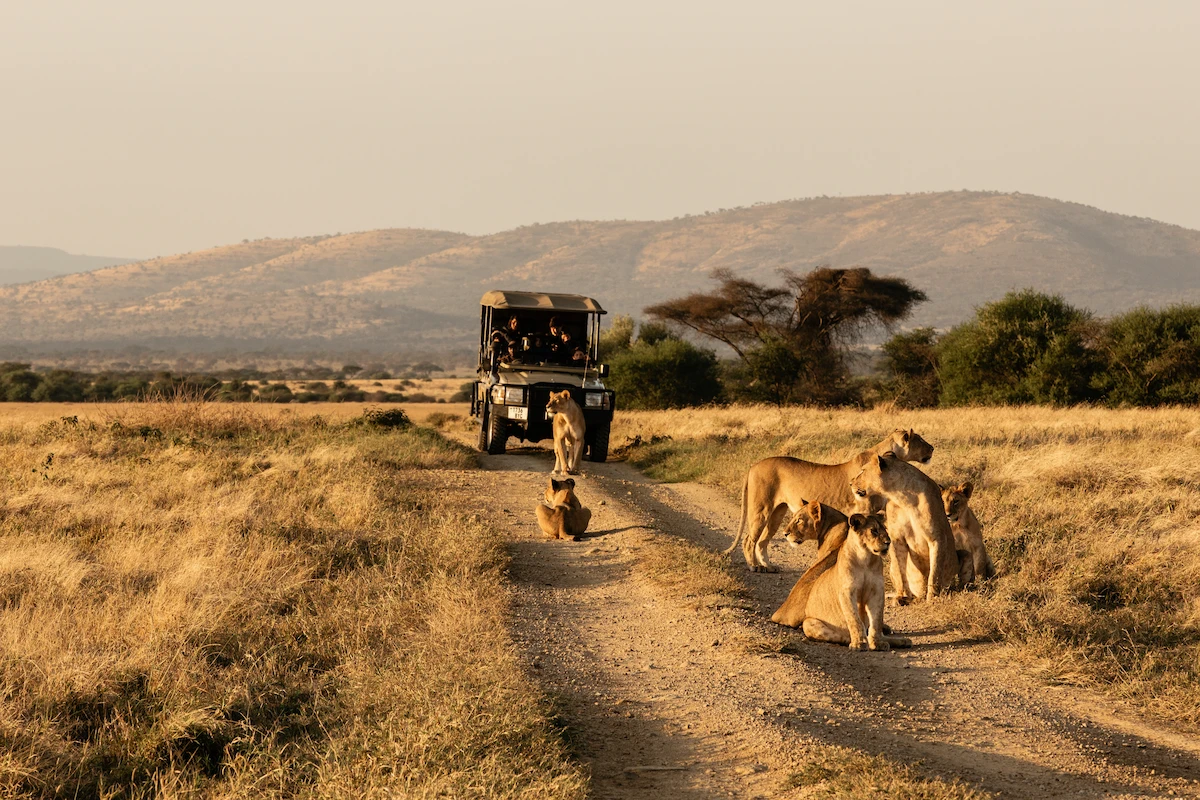
The classic, open 4×4 game drive is the heart of most people’s first safari, and for good reason. It covers real ground, gets you genuinely close to wildlife, and works for nearly every age and fitness level.
What makes it work:
- An experienced guide who reads the landscape and radios other vehicles about sightings
- Coverage of diverse terrain, from open grassland to riverine forest, in a single circuit
- Access to the full Big Five: lion, leopard, elephant, buffalo, and rhino
Best parks for a game drive safari:
- The Masai Mara in Kenya, for the Great Migration and consistently high lion density
- The Serengeti in Tanzania, for sheer scale and wildlife diversity
- Kruger National Park in South Africa, for a dense concentration of the Big Five
- Ngorongoro Crater in Tanzania, where an entire ecosystem sits inside one collapsed volcanic caldera
Our 9-Day Chale and Masai Mara Escape is built around exactly this kind of classic game drive experience in the Mara, paired with beach time on the Kenyan coast.
Self-Drive Safaris
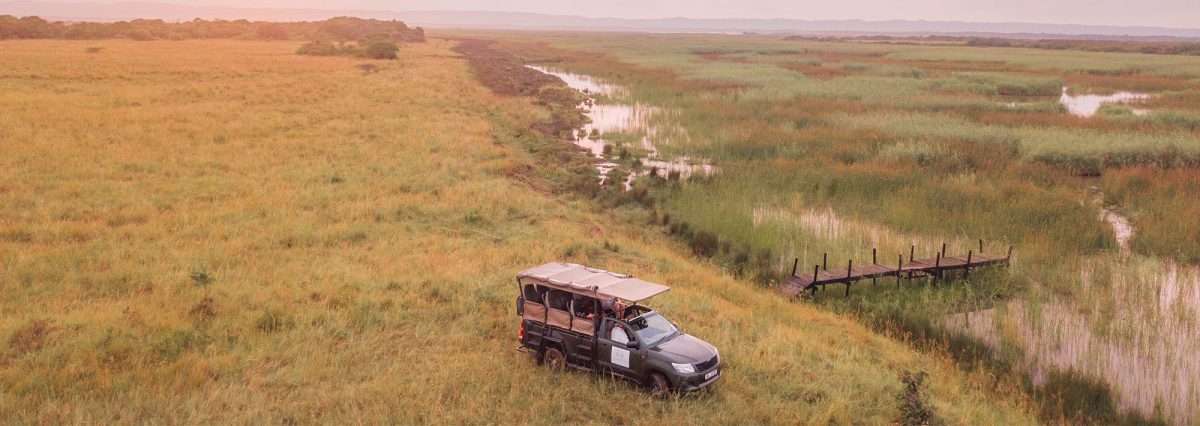
A self-drive safari means renting your own vehicle and driving yourself through the park, with no guide and no fixed schedule beyond the park’s own gate hours. It’s the most independent way to see African wildlife, and the one type on this list that puts you entirely in control of the pace.
What makes it work:
- Complete control over timing, so you can linger at a sighting as long as you want without a group waiting on you
- Genuinely lower cost than a guided safari, since you’re paying for the rental and park fees rather than a guide and vehicle
- A practical workaround for young kids, since there’s no lodge age policy to navigate when you’re driving yourself
Best parks for a self-drive safari:
- Kruger National Park in South Africa, by far the most established self-drive destination on the continent, with a well-maintained road network and clear signage
- Etosha National Park in Namibia, where the road system and waterhole layout make self-navigation genuinely manageable
- Pilanesberg National Park in South Africa, a smaller, malaria-free reserve that suits a first attempt at self-driving
Good to know: you give up a trained guide’s tracking knowledge and radio network of other vehicles, so sightings tend to be more a matter of luck than on a guided drive. A self-drive trip also means you’re responsible for your own route planning, fuel stops, and park regulations. TourwithPipi doesn’t arrange self-drive rentals or logistics, since every trip we run is a fully guided, private safari. If you like the idea of controlling your own pace but want a guide’s eyes and local knowledge alongside you, a private guided game drive gets you most of that same flexibility without giving up the tracking expertise. Message me on WhatsApp if you’d like to compare the two properly before deciding.
Flying Safaris
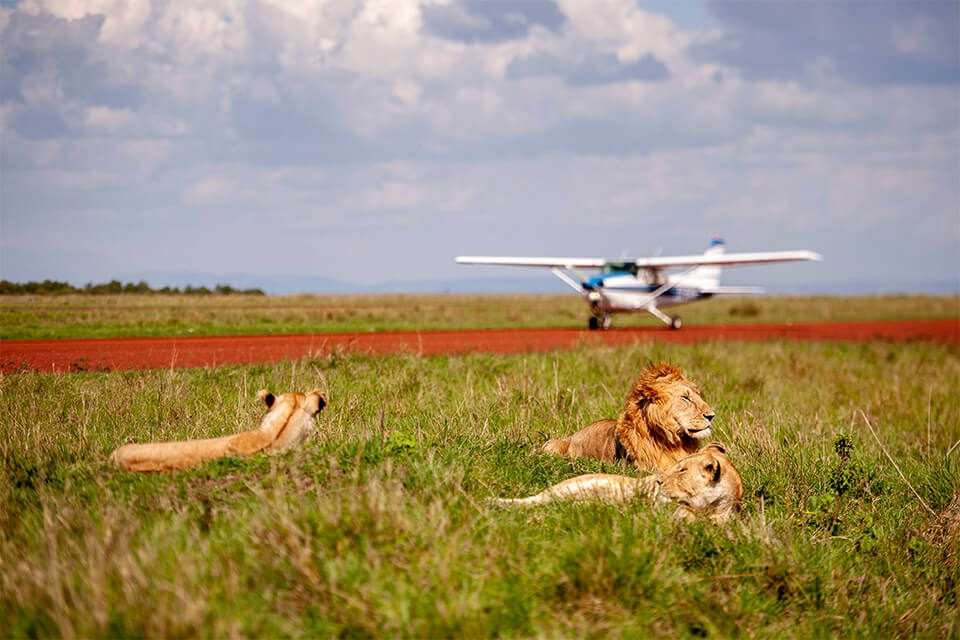
A flying safari swaps long road transfers for short hops between parks by light aircraft, which changes the entire shape of a multi-park trip. Instead of losing half a day to driving between regions, you land at a private airstrip close to your next lodge and are on a game drive within the hour.
What makes it work:
- Significantly less time spent in transit between parks
- Access to more remote conservancies that a road transfer would make impractical
- A genuinely different, aerial view of the landscape between stops
This is one of TourwithPipi’s own specialties. Every multi-park Kenya or Tanzania itinerary I build can be routed as a flying safari on request, cutting a full day of road transfer time out of a typical week-long trip. Message me on WhatsApp with your dates and I’ll price it out as a fly-in route.
Walking Safaris

Walking safaris aren’t permitted in most parks, which is exactly why they’re worth prioritizing where they are. Moving on foot, with an armed ranger leading the way, puts you at eye level with the bush rather than looking down from a vehicle.
What makes it work:
- Genuine tracking lessons, learning to read spoor, droppings, and broken branches the way your guide does
- A quieter, slower pace that’s better for spotting birds and smaller creatures a vehicle would drive past
- The option to combine it with gorilla or chimp treks in forested terrain
Best parks for a walking safari:
- South Luangwa National Park in Zambia, widely considered the birthplace of the walking safari
- Kruger National Park in South Africa, for both short and multiday walking trails
- Mana Pools National Park in Zimbabwe, a UNESCO site known for close elephant and hippo encounters on foot
Good to know: most walking safaris cap the group at 6 to 8 guests for safety, and you’ll move single file behind your ranger rather than spreading out the way you might on a casual hike. I generally recommend adding it as one or two activities within a longer game drive trip rather than booking it as the entire itinerary, since a few hours on foot goes a long way.
Cycling Safaris
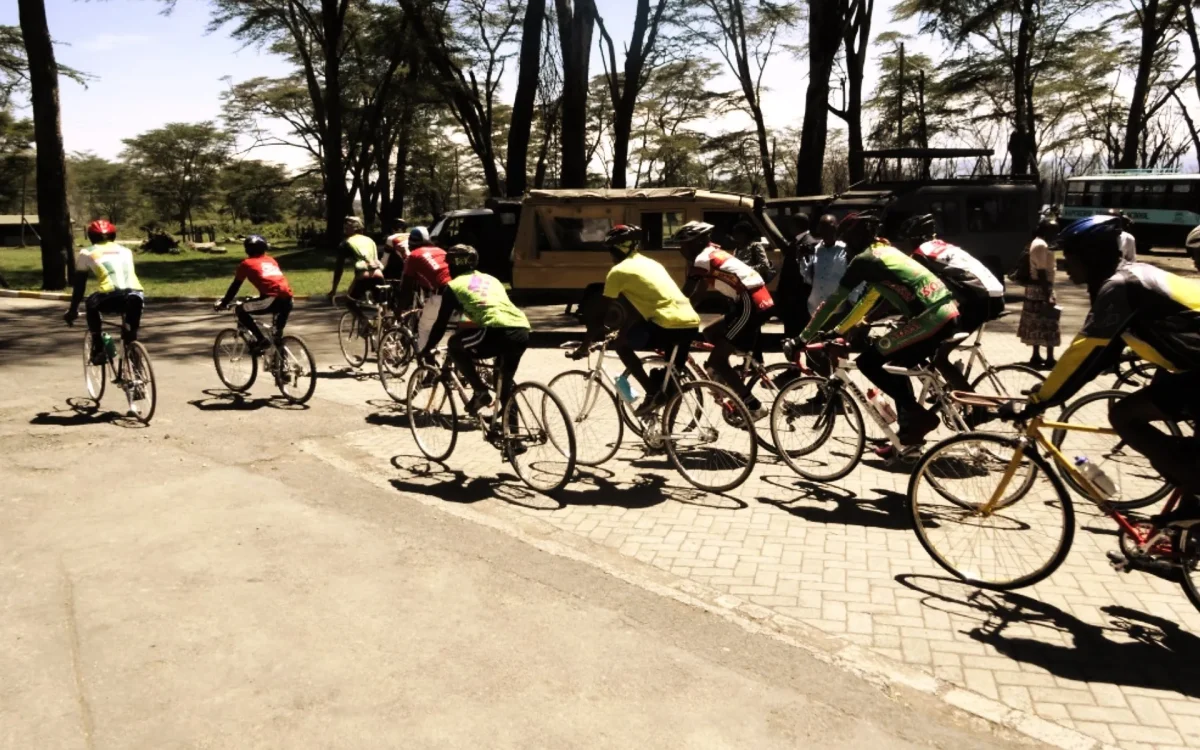
Cycling safaris range from flat, easy rides across savannah to genuinely challenging routes through hill country, and they’re a good option for active travelers who want something more physical than a vehicle-based drive.
What makes it work:
- A quieter, slower approach to wildlife than a vehicle, similar in spirit to a walking safari but covering more ground
- Lowland routes for classic game like elephant, giraffe, and zebra; hillier routes for primate sightings
- A genuinely different way to experience a park you may have already driven through
Best parks for a cycling safari:
- Lake Manyara National Park in Tanzania, tracing the base of the Great Rift Valley’s escarpment wall
- Amboseli National Park in Kenya, cycling through wetlands with Kilimanjaro as a backdrop
- Mount Elgon National Park in Uganda, for mountain biking through forest and primate habitat
Good to know: fitness matters more here than on any other safari type in this list, since you’re providing the effort a vehicle would otherwise handle for you. Most operators cap rides at two to three hours a day rather than running them as a full-day activity, and a few days of rest between rides is common on longer cycling itineraries.
Horseback Safaris
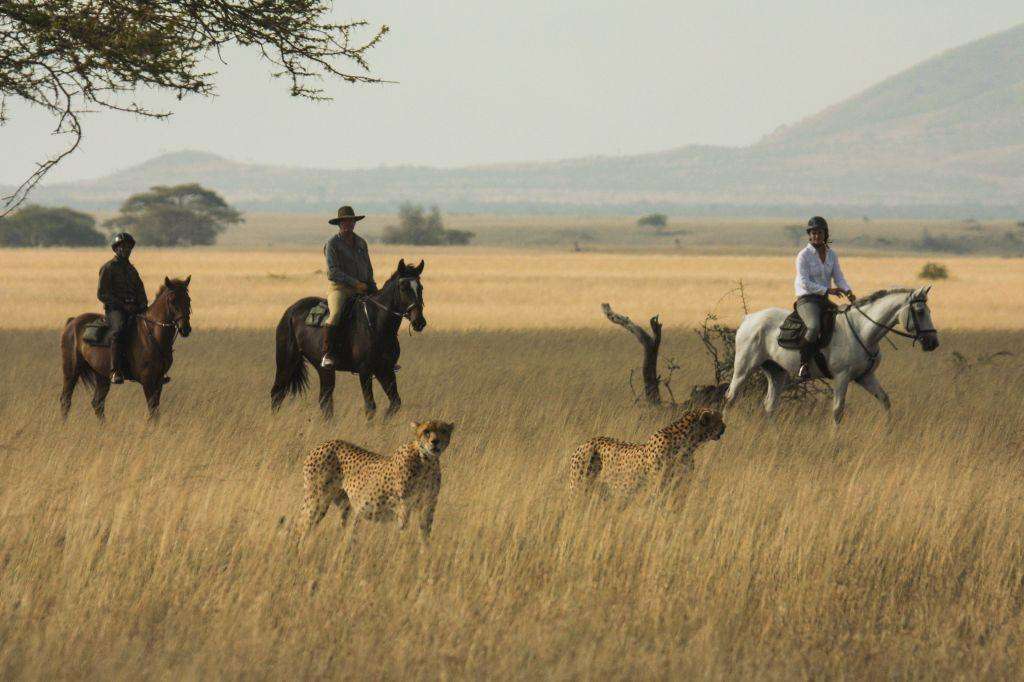
Horseback safaris are less commonly offered than a standard game drive, and you’re more likely to find one at a privately run reserve than inside a government national park. The higher vantage point and quiet movement give you a different kind of access to wildlife than a vehicle does.
What makes it work:
- A higher sightline over long grass than you’d get in a vehicle
- Quiet, slow movement that keeps animals calmer and often lets you get closer
- Options ranging from a two-hour outing to a multiday trip staying in fly camps along the route
Best parks for a horseback safari:
- Lake Mburo National Park in Uganda, for shorter guided rides through hilly country
- The Serengeti in Tanzania, for multiday rides that follow the Great Migration herds directly
Good to know: a short two-hour outing is genuinely open to novice riders, but a multiday ride following the migration usually asks for at least intermediate riding experience, since several hours a day in the saddle over uneven ground is a different commitment than an arena lesson. Ask about the specific riding level required before booking a multiday option.
Boat and Water Safaris
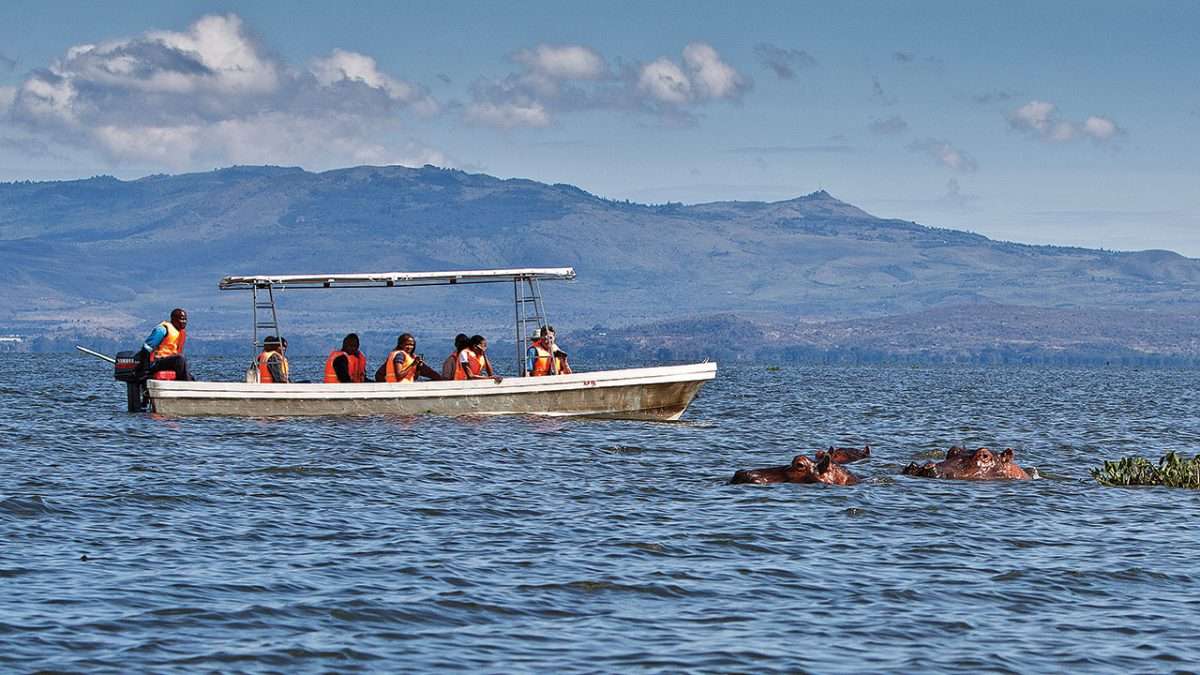
A boat or canoe safari trades the dust of a game drive for genuine quiet, and it’s often the only way to properly see hippos, crocodiles, and the birdlife that congregate along Africa’s rivers and deltas.
What makes it work:
- Close, low-impact access to aquatic wildlife that a vehicle simply can’t reach
- A calmer, more relaxed pace, good for families and travelers who want a break from early wake-up calls
- Access to areas, like the flooded channels of the Okavango, that aren’t reachable by road at all
Best spots for a boat safari:
- The Okavango Delta in Botswana, especially during the wet season flood
- The Zambezi River in Zambia, including canoe routes both above and below Victoria Falls
- The Kazinga Channel in Uganda’s Queen Elizabeth National Park
Good to know: this is one of the least physically demanding safari types on this list, since there’s no walking, riding, or long game drive involved. It’s a genuinely good option for older travelers, anyone recovering from an injury, or a family with a toddler who needs a lower-key day between game drives.
Hot Air Balloon Safaris
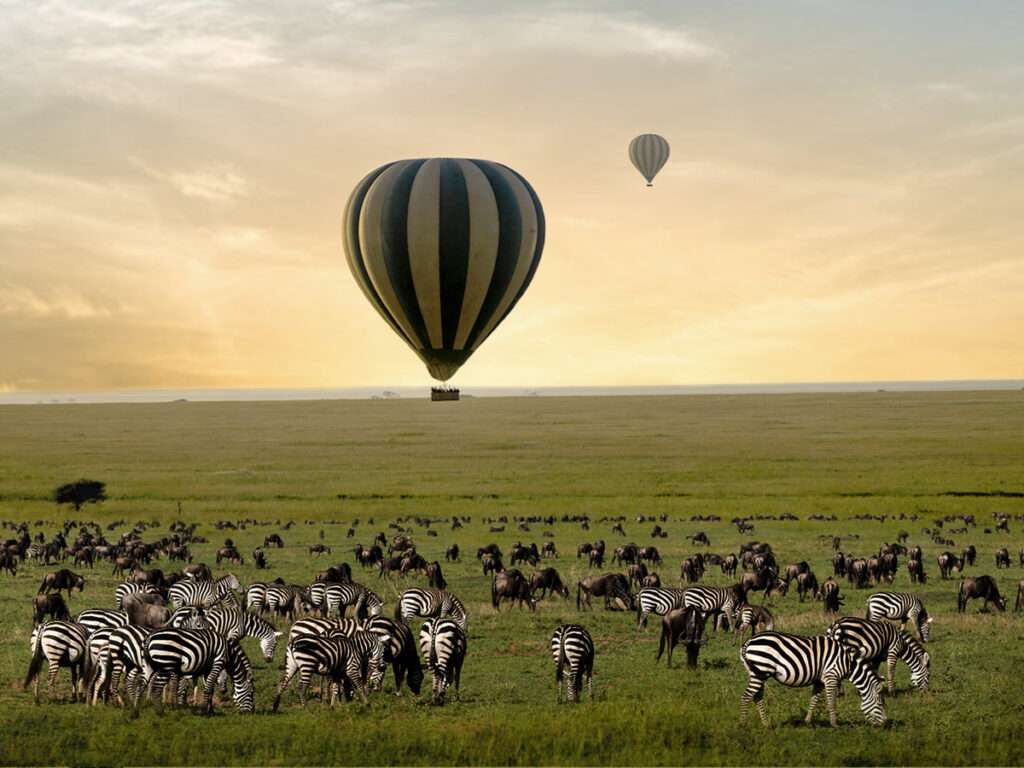
A hot air balloon safari won’t get you close to individual animals, but the trade-off is a genuinely unmatched view of the landscape and the scale of a migration herd stretched across the plains below.
What makes it work:
- A completely different perspective on the terrain and wildlife movement patterns
- A dramatic, memorable add-on for a honeymoon, anniversary, or milestone trip
- Sunrise timing that pairs naturally with a morning game drive afterward
Best spots for a balloon safari:
- The Serengeti in Tanzania, for the sheer scale of the Great Migration from above
- The Masai Mara in Kenya, seasonally, for the same migration from the Kenyan side of the border
- The Okavango Delta in Botswana, when flooded, for a completely different landscape from above
Good to know: flights are weather-dependent and can be called off at short notice if wind conditions aren’t safe. I always build a balloon safari into the middle of a trip rather than the last morning, so there’s still a chance to reschedule if the first attempt gets cancelled.
Primate Trekking Safaris
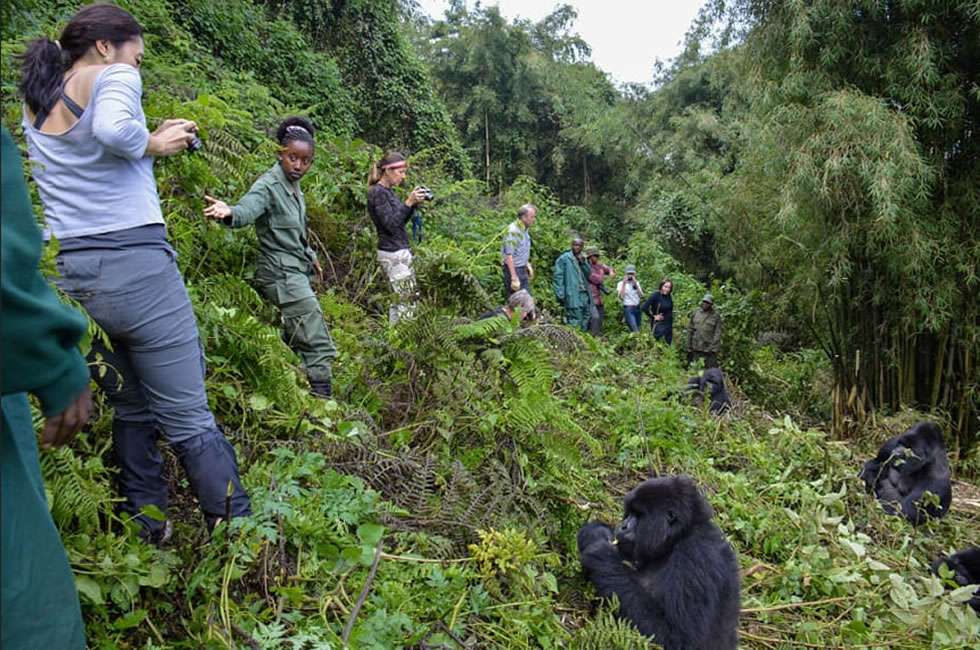
Primate trekking is a genuinely different experience from a standard safari, built around a guided hike through forest or mountain terrain to reach habituated gorilla or chimpanzee families.
What makes it work:
- Close, ranger-guided encounters with mountain gorillas or chimpanzees in their actual habitat
- A real physical challenge, with hikes that can run several hours over uneven terrain
- Strict, government-regulated group sizes that keep the experience from feeling crowded
Best spots for primate trekking:
- Bwindi Impenetrable Forest in Uganda, for mountain gorilla trekking
- Volcanoes National Park in Rwanda, also for mountain gorillas, with strong tourism infrastructure
- Kibale National Park in Uganda, for chimpanzee trekking among a dozen other primate species
Good to know: gorilla trekking permits are genuinely limited and sell out months ahead during peak season, especially in Rwanda. If a gorilla trek is the priority for your trip, book that piece first and build the rest of the itinerary around the confirmed permit date, not the other way around.
Photographic Safaris

A photographic safari is built specifically around getting the shot, with vehicles and guides who understand light, positioning, and patience in a way a standard game drive doesn’t always prioritize.
What makes it work:
- Specialized vehicles, often with beanbag supports or raised platforms for stable shots
- Guides who prioritize positioning and lighting over simply checking off sightings
- Longer stops at productive sightings instead of moving on quickly
Best spots for a photographic safari:
- The Masai Mara in Kenya, especially during migration season
- The Serengeti in Tanzania, for the same migration from a different angle
- Chobe National Park in Botswana, renowned for river-based elephant photography
Good to know: bring more memory cards and battery capacity than feels necessary, since one strong sighting, a hunt or a river crossing, can easily produce several hundred frames in twenty minutes. If you’re traveling with a serious camera body, ask about a vehicle with a beanbag or bracket mount specifically, since not every standard game drive vehicle is set up for it.
Mobile Safaris
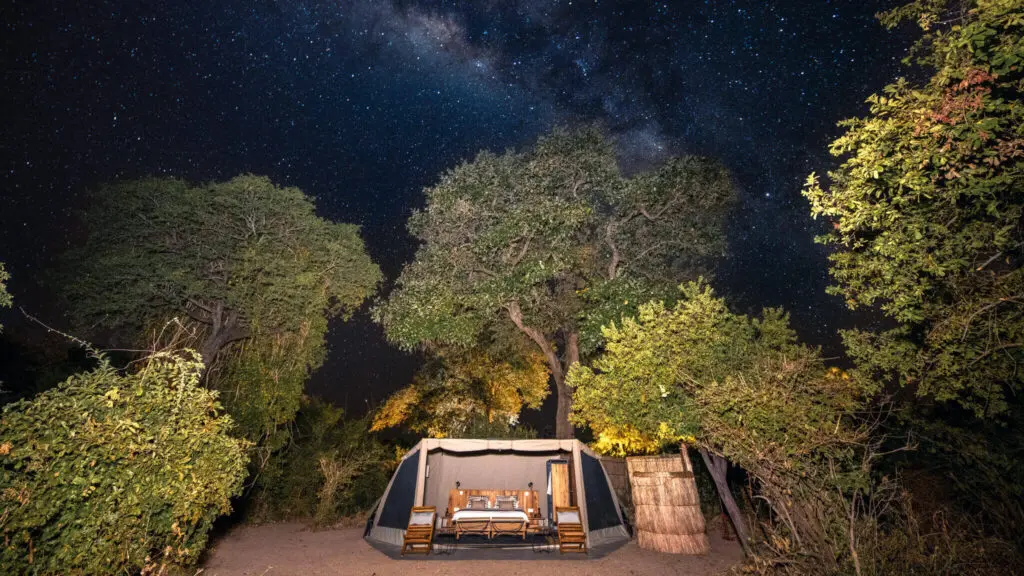
A mobile safari relocates the entire camp from one site to another over the course of the trip, which means waking up somewhere genuinely new every few days rather than staying fixed in one lodge.
What makes it work:
- Flexibility to chase the best current wildlife activity rather than staying tied to one location
- A closer, more intimate group experience than a large fixed lodge
- Comfortable camping, including hot showers and proper meals, despite the mobility
Best spots for a mobile safari:
- The Serengeti in Tanzania, following the Great Migration through different regions of the park
- The Okavango Delta and Chobe in Botswana, moving between distinct wildlife habitats
Good to know: comfort levels genuinely vary from one camp to the next along the route, since not every site offers the same setup. Ask your operator for the specific camp list before booking if a consistent standard matters more to you than the flexibility of following the wildlife.
Beach and Safari Combination Trips
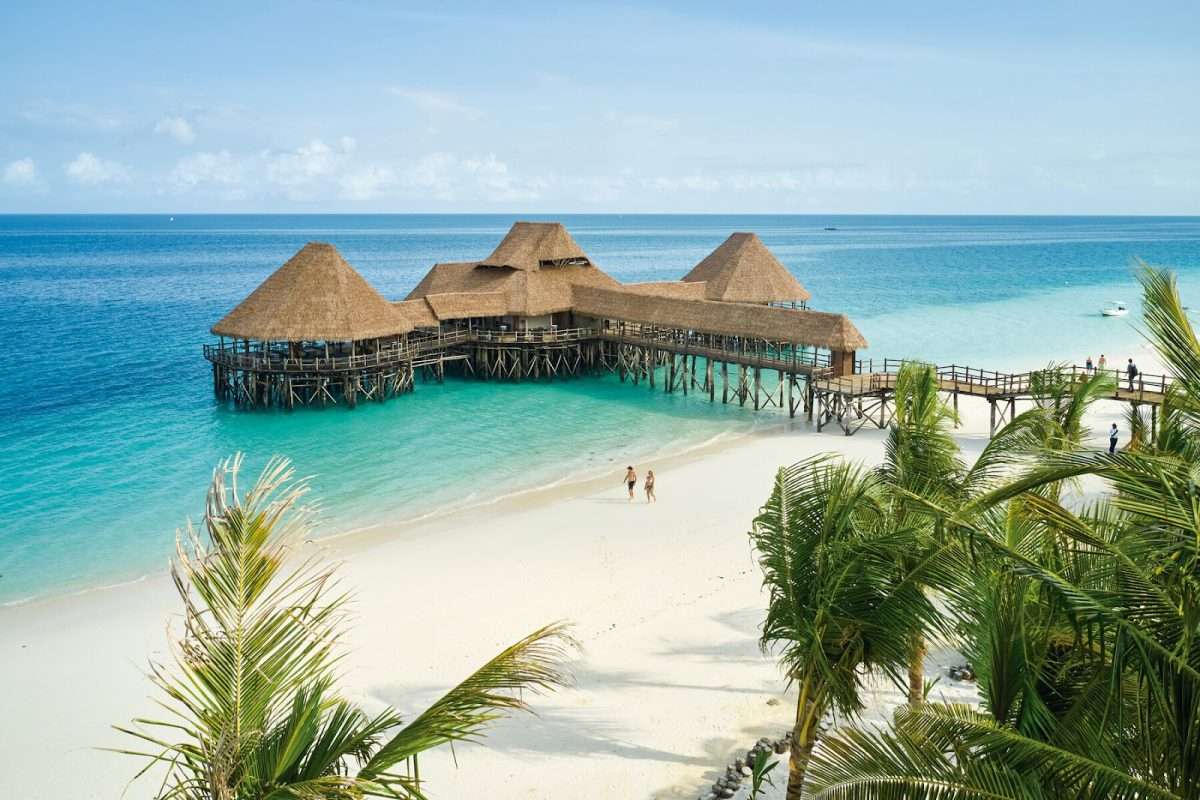
Pairing a classic safari with several days on the coast is one of the most requested trip types I build, and it’s also one that neither a standard game drive guide nor a hotel booking site tends to cover well on its own.
What makes it work:
- A genuine change of pace after several early mornings on game drives
- The chance to combine two very different kinds of memories in a single trip
- Straightforward logistics in Kenya and Tanzania, where the coast is a short flight from the main safari circuits
Our Cape Town in Style: 7-Day Coastal and City Escape pairs three nights at a private reserve bordering Kruger with four nights in Cape Town, combining a genuine safari with city and coastal time in one trip.
Private vs Group Safaris
Every safari on this list can be booked either privately, with your vehicle and guide dedicated to your group alone, or as part of a shared group tour with other travelers.
| Private Safari | Group Safari | |
|---|---|---|
| Vehicle | Just your group | Shared with other travelers |
| Pace | Set entirely by you | Set by the group and itinerary |
| Cost | Higher per person | Lower per person |
| Flexibility | Full control over stops and timing | Fixed schedule for everyone |
| Best for | Families, honeymooners, photographers | Solo travelers on a tighter budget |
Every TourwithPipi safari is private by default. There’s no shared vehicle, no fixed group schedule, and no compromise on pace to accommodate strangers on the same truck.
Which Type of Safari Is Right for You?
| If You Are… | Consider This Type |
|---|---|
| A first-time visitor | Game drive safari |
| Planning your own budget road trip through Kruger | Self-drive safari |
| Short on trip days but want multiple parks | Flying safari |
| Traveling with young kids | Game drive, boat, or beach and safari combo |
| An experienced, fit traveler seeking adventure | Walking or cycling safari |
| Celebrating a honeymoon or anniversary | Balloon safari plus a beach and safari combo |
| A serious photography enthusiast | Photographic safari |
| Chasing a bucket-list wildlife encounter | Primate trekking safari |
| Wanting to follow the Great Migration closely | Mobile safari |
Costs by Safari Type
| Safari Type | Typical Add-On Cost | Notes |
|---|---|---|
| Standard game drive | Included in most base packages | Two drives daily, guide included |
| Self-drive rental car | $40 to $90 per day | Excludes fuel and park entry fees, which are paid separately |
| Flying safari upgrade | $400 to $800 per person, per flight leg | Replaces a road transfer day |
| Guided walking safari | $50 to $150 per person | Availability depends on the specific conservancy |
| Horseback safari | $80 to $200 per outing | Multiday rides cost significantly more |
| Balloon safari | $450 to $590 per adult | Usually booked as a single add-on morning |
| Gorilla trekking permit | $700 in Rwanda, around $800 in Uganda | Permit cost is separate from the trek itself |
| Chimp trekking permit | $150 to $250 | Varies by park and country |
Best Time of Year for Each Safari Type
Timing changes which type of safari makes the most sense, not just which park you visit.
| Safari Type | Best Time | Why |
|---|---|---|
| Game drive (Masai Mara, Serengeti) | July to October | Great Migration river crossings, peak dry-season visibility |
| Flying safari | Year round | Weather affects individual flights less than a multi-hour road transfer |
| Walking safari | June to October | Dry season means firmer ground and easier tracking |
| Cycling safari | June to October | Cooler, drier conditions make longer rides more manageable |
| Horseback safari | June to October | Same dry-season logic as walking and cycling safaris |
| Boat safari (Okavango Delta) | May to October | Flood season fills the delta’s channels |
| Balloon safari | Year round, best June to October | Clearer skies and stronger migration viewing in the dry months |
| Primate trekking | June to September, December to February | Drier trails make the hike itself considerably easier |
| Mobile safari | June to October | Matches the Great Migration’s most active window |
Safari Lodge and Camp Types
The type of accommodation shapes the whole trip as much as the safari activity itself does. Here’s what actually separates one category from the next.
Luxury Safari Lodges
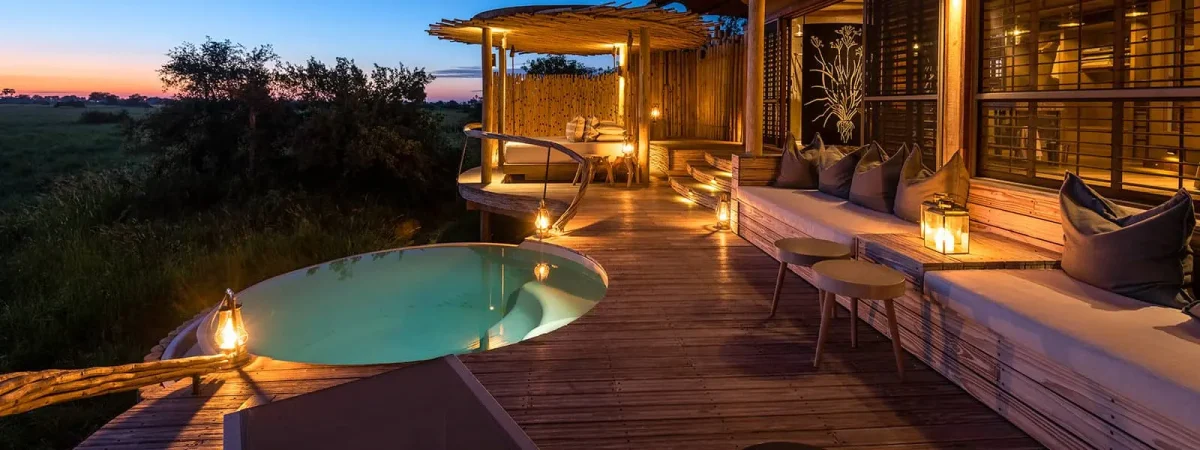
These sit at the top end of the market, designed to blend genuine comfort with an authentic bush setting rather than feeling like a transplanted city hotel.
What to expect:
- Spacious suites or standalone villas, often with a private plunge pool or Jacuzzi on the deck
- En-suite bathrooms with proper hot showers, sometimes an outdoor shower as well
- Fine dining with a genuinely skilled on-site chef, not just a standard buffet rotation
- Personalized service, including a private guide and vehicle dedicated to your suite or villa
- Extra amenities at the strongest properties, such as a spa, gym, or a small library or lounge
Tented Camps
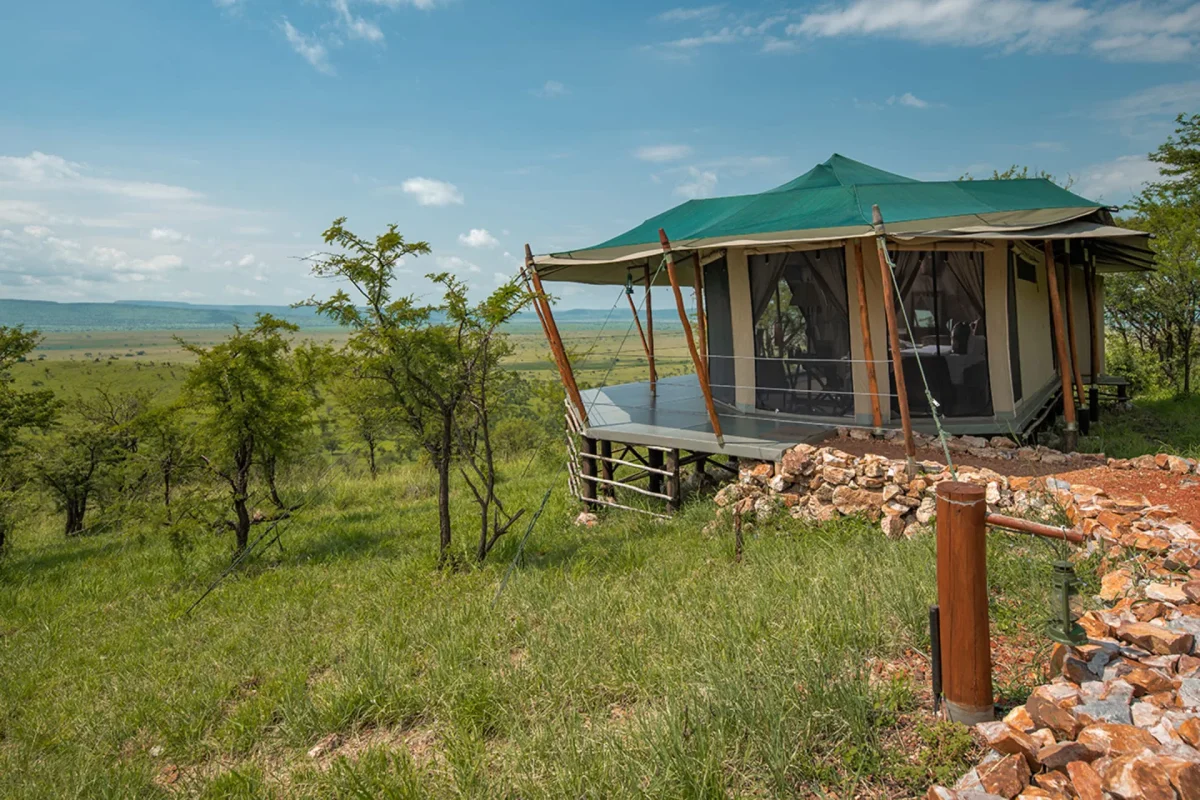
Canvas tents on raised wooden platforms give you a genuinely immersive bush experience, and the comfort level inside varies more than people expect, from fairly basic to close to luxury lodge standard.
What to expect:
- Canvas tents on a raised wooden or platform base, usually with proper flooring rather than bare ground
- En-suite bathrooms in the better camps, sometimes with an outdoor shower under the stars
- Quality bedding and proper furnishings, not a basic camping setup
- A shared dining tent or mess area, where meals become a genuinely social part of the day
- Plunge pools and dedicated lounge areas at the top end of this category
Boutique Lodges
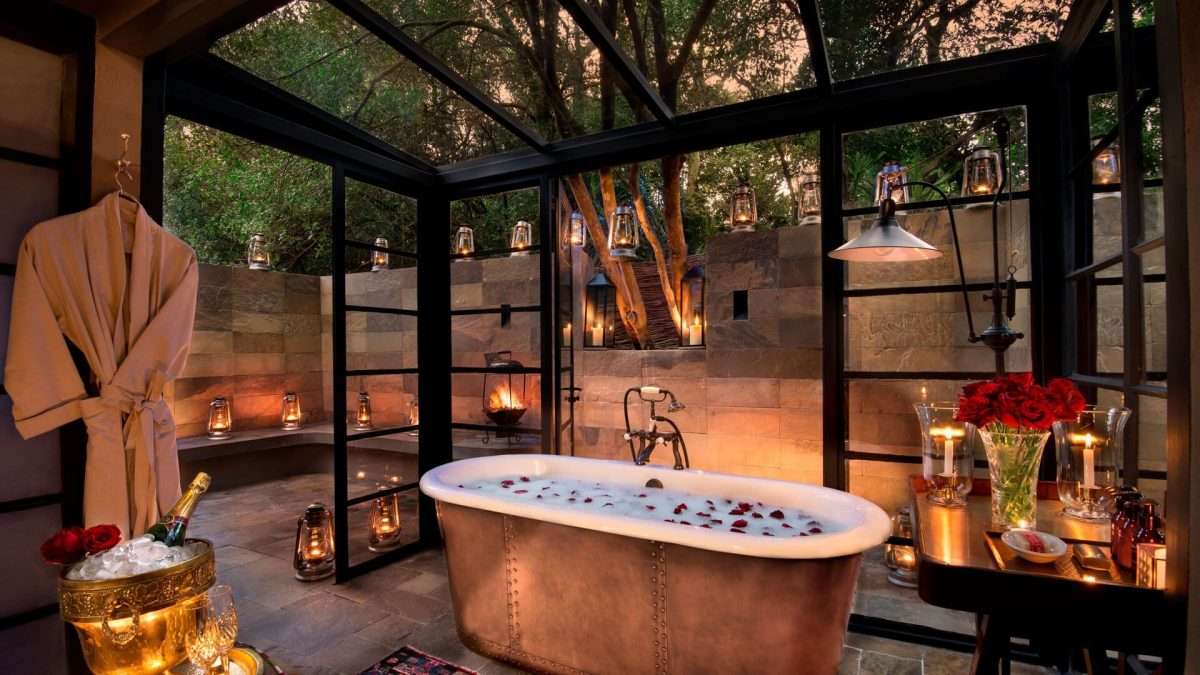
A boutique lodge trades scale for intimacy, usually capping the property at a handful of rooms so service stays genuinely personal throughout your stay.
What to expect:
- A small, deliberately limited number of rooms or suites, protecting privacy and quiet
- Distinctive, often locally inspired design rather than a standardized chain look
- Genuinely personalized service, with staff who know your name and preferences by day two
- Custom activity planning built around what your specific group actually wants to do
- A level of detail, from the plating at dinner to the turndown routine, that a larger property can’t match
Family-Friendly Lodges
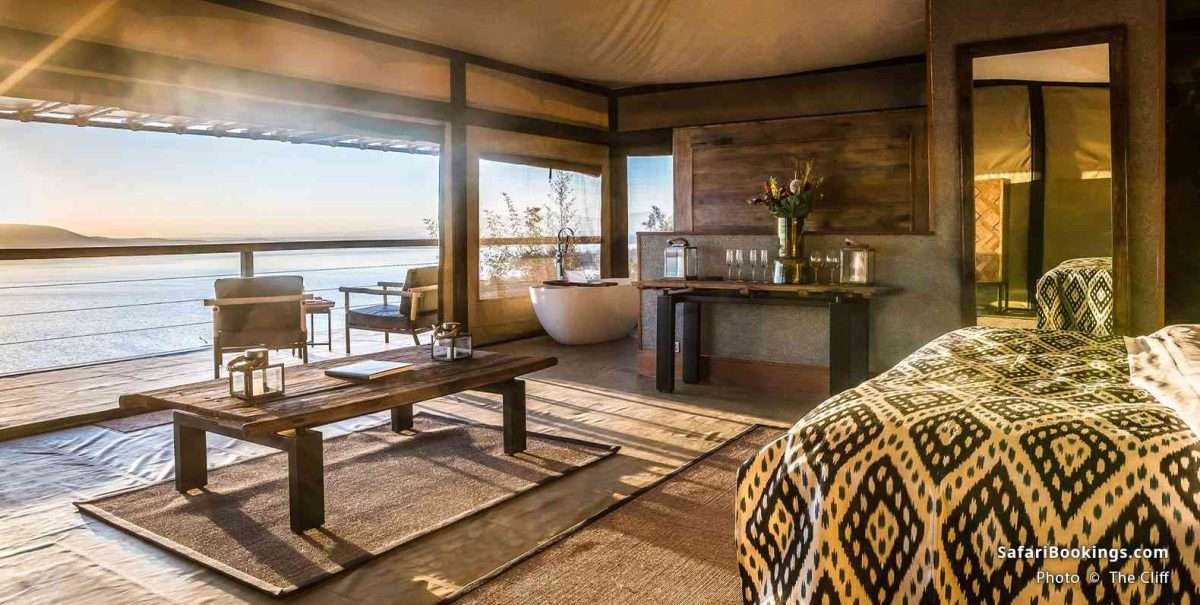
These are built specifically with children in mind, not simply lodges that happen to allow kids in the door.
What to expect:
- Connecting or interleading family rooms, rather than two separate units across the property
- A structured kids’ program, often split by age band, with activities like tracking lessons and craft sessions
- Babysitting services, so parents can get one genuinely quiet adult dinner during the stay
- Fenced grounds and safe deck design, removing the real fall and wildlife-access risks unfenced properties carry
- A swimming pool and genuinely child-friendly menu options at mealtimes
Mobile Camps

A mobile camp physically relocates over the course of your trip, which means the camp itself becomes part of the adventure, not just your base for it.
What to expect:
- Temporary but properly equipped tents, moved to a new site every few days to follow the wildlife
- Portable dining setups and a communal campfire area for evenings
- Genuinely small group sizes, which keeps the experience personal despite the constant movement
- Hot showers and proper cooked meals, even though the entire operation packs up and moves regularly
- Access to remote areas that a fixed lodge simply can’t reach
What Does a Typical Safari Day Look Like?
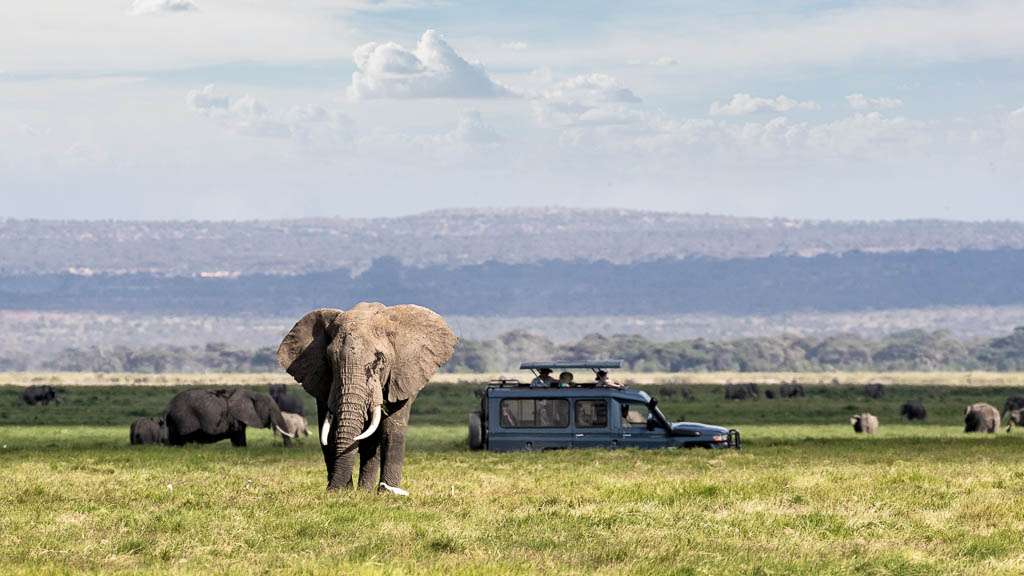
Every operator structures the day slightly differently, and everything below is optional and adjustable to your own pace, but here’s a realistic hour-by-hour outline of a classic game drive day.
5:00 am, wake-up call. A gentle knock at your tent or a quiet call from lodge staff, timed so you’re dressed and ready before the best wildlife activity of the day begins.
5:30 am, light breakfast. Coffee, tea, and a quick bite of pastries or fruit before heading out, since the golden light of sunrise doesn’t wait for a full sit-down meal.
6:00 am, morning game drive. Your main drive of the day, typically three to four hours, tracking lions, elephants, and whatever else is active while the light and temperature are at their best. Your guide will often radio other vehicles nearby about fresh sightings, so a good morning drive tends to build momentum as it goes.
9:30 am, brunch back at the lodge. A proper spread of hot and cold dishes waits back at camp after a long morning out, usually the biggest meal of the day.
11:00 am to 1:00 pm, leisure time. This stretch is yours to fill: a guided bush walk close to camp, a spa treatment, or simply time by the pool while the midday heat keeps most wildlife resting in the shade anyway.
1:00 pm, lunch. A more leisurely, lighter meal than brunch, often featuring fresh local ingredients.
2:00 pm, downtime or activities. The hottest part of the day is genuinely quiet on safari, both for guests and the animals, though some lodges offer a cultural visit to a nearby community, a bird watching session, or a craft workshop for guests who’d rather stay active.
3:30 pm, afternoon tea. Tea, coffee, and a light snack before heading back out, giving you a proper break between the two drives.
4:00 pm, evening game drive. Cooler temperatures bring nocturnal and crepuscular animals out as the light softens again. This drive typically ends with a stop somewhere scenic to watch the sunset over fresh juice, mocktails, and snacks, a tradition most guides call a sundowner.
7:30 pm, dinner. Often served under the stars in an open-air setting, with the day’s sightings as the main topic of conversation around the table.
9:00 pm, stargazing or a quiet fireside chat. Some lodges run a short stargazing session with a telescope before everyone turns in, especially useful given how little light pollution most safari camps have.
10:00 pm, bedtime, falling asleep to the actual sounds of the African night rather than a recording of them.
Ready to Choose Your Safari Type?

Tell me which type of safari caught your attention, or if you’re not sure yet, tell me your dates, your fitness level, and who’s traveling with you, and I’ll recommend the right mix. Message me on WhatsApp to start planning.
Common Questions About Types of Safaris
What are the main types of safaris in Africa?
The main types are game drive, self-drive, flying, walking, cycling, horseback, boat, balloon, primate trekking, photographic, mobile, and beach and safari combination trips. A game drive is the most common starting point for first-time visitors.
What type of safari is best for families with young kids?
A standard game drive, a boat safari, or a beach and safari combination trip all work well for young kids, since none of them carry the age restrictions that walking safaris, cycling, or primate trekking typically do.
What is the difference between a flying safari and a balloon safari?
A flying safari uses a light aircraft to transfer you between parks, cutting down road transfer time on a multi-park trip. A balloon safari is a single, scenic hot air balloon flight over one park, usually at sunrise, and isn’t a mode of transport between destinations.
Which type of safari is best for a first trip to Africa?
A classic game drive safari across two or three parks is the type I recommend most for a first trip. It’s the most flexible for all ages, requires no special fitness level, and gives you the widest range of wildlife sightings.
Can you combine multiple types of safari in one trip?
Yes, and most of the trips I build do exactly this. A common combination is a game drive safari with a balloon flight added on, or a game drive paired with several days on the beach at the end.
Do all safari types cost the same?
No. A standard game drive is usually included in the base package price, while safari types like ballooning, horseback riding, and primate trekking come with their own separate add-on costs, sometimes several hundred dollars per person. Check the costs table above before assuming every activity is bundled in.
Blog Summary
- There are 12 main types of safaris in Africa: game drive, self-drive, flying, walking, cycling, horseback, boat, balloon, primate trekking, photographic, mobile, and beach and safari combination trips.
- Most safari packages include accommodation, meals, two guided game drives a day, park fees, transfers, and a conservation contribution.
- Lodge types range from luxury lodges and tented camps to boutique, family-friendly, mobile, and classic camps, each shaping the trip differently.
- A typical safari day runs from a 5 am wake-up call through two game drives, with leisure time, meals, and sundowners built in.
- A self-drive safari, most established in Kruger National Park, gives you full control of the pace at a lower cost, but trades away a trained guide’s tracking knowledge.
- Flying safaris cut road transfer time between parks and are one of TourwithPipi’s own specialties.
- Walking, cycling, and horseback safaris all offer a closer, quieter alternative to a standard vehicle-based game drive.
- Primate trekking, photographic, and mobile safaris each serve a specific kind of traveler rather than a general audience.
- Every TourwithPipi safari is private and guided by default, with no shared vehicle, no fixed group schedule, and no self-drive logistics to manage yourself.
- Costs vary significantly by safari type, from an included standard game drive to a $450 to $590 balloon safari or a $700-plus gorilla trekking permit.


