
Quick Answer
- A Masai Mara game drive is a guided wildlife excursion in an open-roof 4×4 vehicle inside the Maasai Mara National Reserve.
- Morning game drives in Masai Mara start at 6:30 AM and last 3 to 4 hours. Afternoon drives run from 3:30 PM to 6:30 PM. Full-Day Drives last 6 to 8 hours (dawn to late afternoon)
- The Big Five (lion, leopard, elephant, buffalo, rhino) can be seen year-round. The Great Migration runs July through October.
- Most camps in Masai Mara offer two drives per day. On a 3-night stay, expect 5 to 6 game drives total.
- Night game drives are only permitted on private conservancies bordering the main reserve.
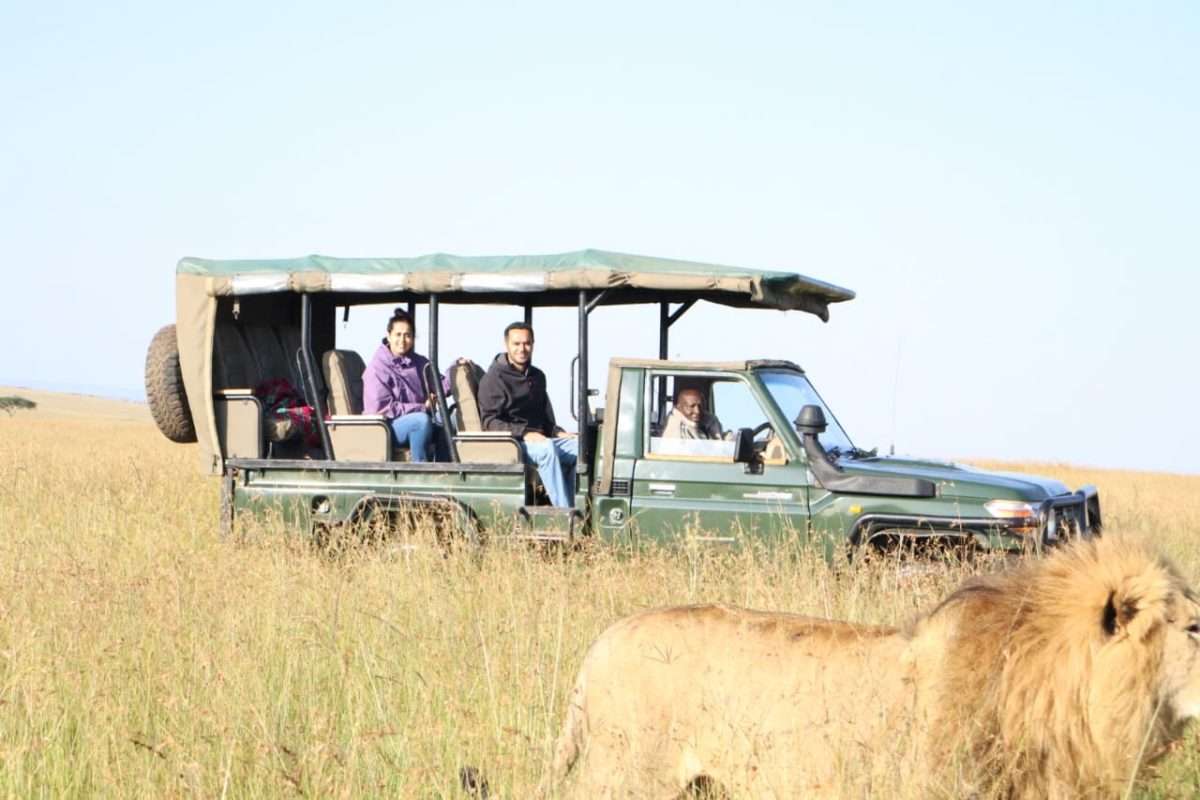
Game drives in Masai Mara are unforgettable. The gently rolling hills, the wide open plains, the acacia trees scattered across golden grassland. This is the quintessential African safari experience, and it looks exactly the way you imagined it would, except the animals are closer than you expect.
Travelers encounter large numbers of animals year-round. Big herds of elephant, buffalo, zebra, and plains game move across the savannah constantly. Predator sightings are common. The Great Wildebeest Migration passes through the Mara for roughly three months each year, between July and October, bringing over 1.5 million wildebeest with it. A single game drive safari in Masai Mara can last a couple of hours in the morning, a golden afternoon session, or a full day with a picnic breakfast and lunch eaten in the bush.
Standalone game drive prices start from USD 75 per person. Exclusive vehicle hire for a full day runs from USD 300 to USD 550 depending on the camp. Most travelers get far better value booking an all-inclusive TourwithPipi Kenya safari package where game drives, accommodation, meals, park fees, and airport transfers are all included, with a private Land Cruiser and certified guide throughout.
The Maasai Mara: What Kind of Place Are You Driving Into?
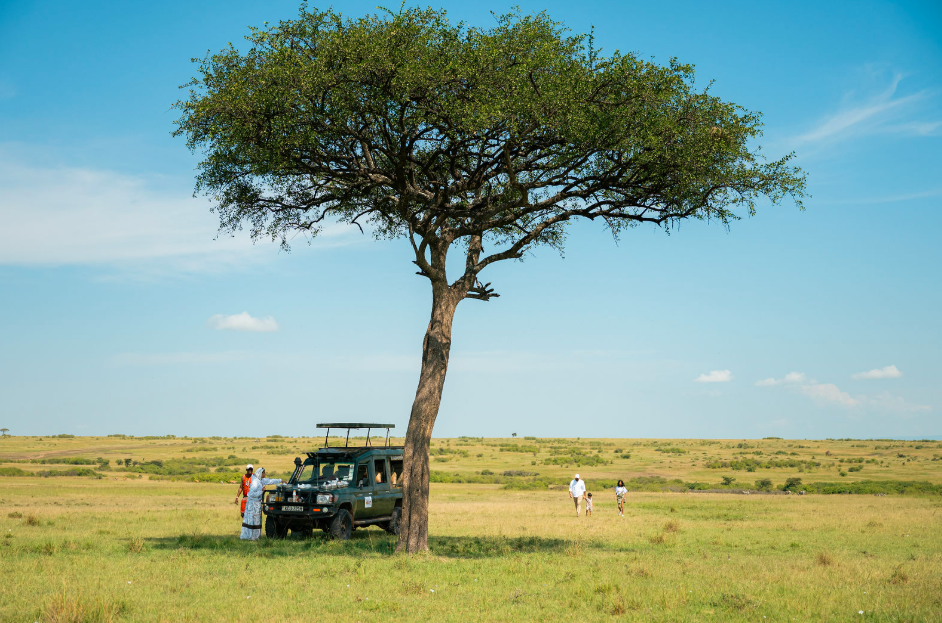
The Maasai Mara National Reserve covers about 1,510 square kilometres of open savannah in southwestern Kenya. It shares an unfenced border with the Serengeti National Park in Tanzania, which means wildlife moves freely across the ecosystem. There are no artificial barriers. Animals go where the grass and water take them.
The landscape shifts across a single drive: wide golden grasslands, acacia woodland, the winding Mara River lined with fig trees, and steep escarpment edges. You cover a lot of different terrain in a few hours.
The Mara is home year-round to the Big Five: lion, leopard, elephant, buffalo, and black rhino. It also has healthy populations of cheetah, hyena, giraffe, zebra, hippo, crocodile, and over 470 bird species including nearly 60 raptors.
Game Drive Timing: When Do They Start and How Long Do They Last?
Morning Game Drive
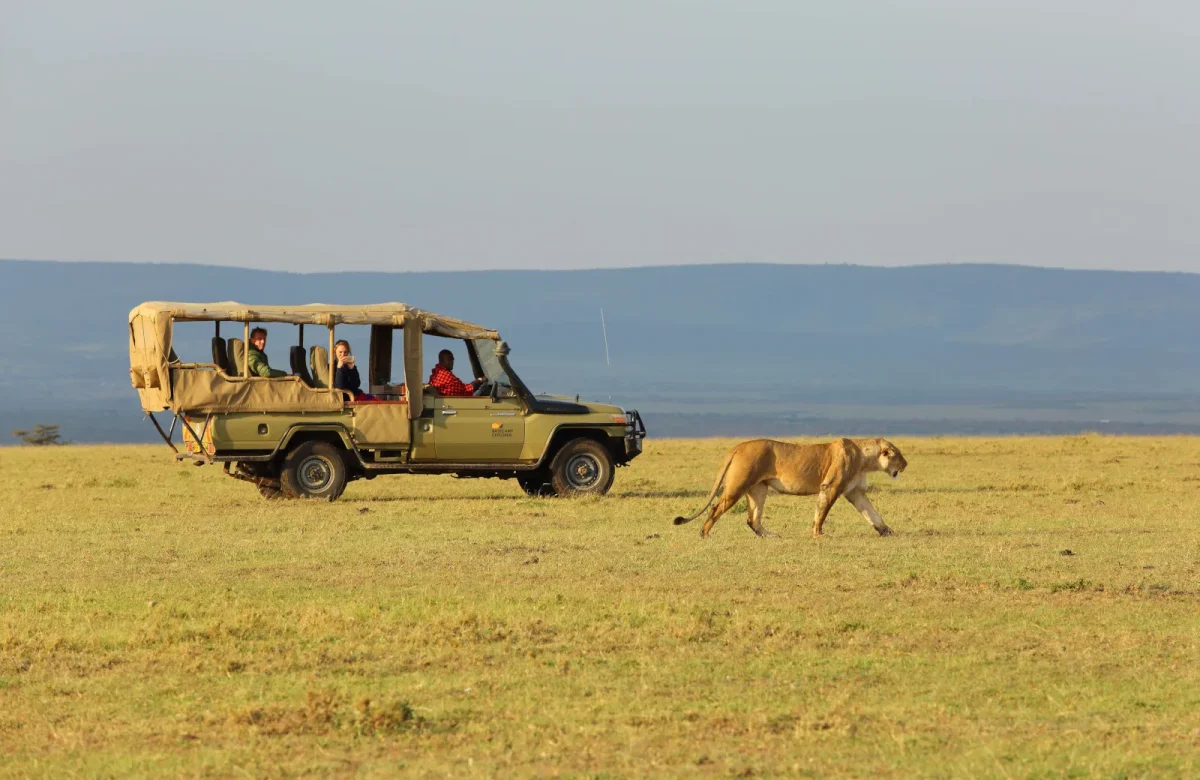
Morning drives in Masai Mara typically begin at 6:30 AM and run until about 9:00 AM, though many camps let you stay out longer if there is action happening. Dawn is when predators are still active from the night. You catch lions finishing a kill, cheetahs scanning for gazelles in the early light, and elephants moving to water. The air is cool and the photography light is exceptional.
Afternoon Game Drive
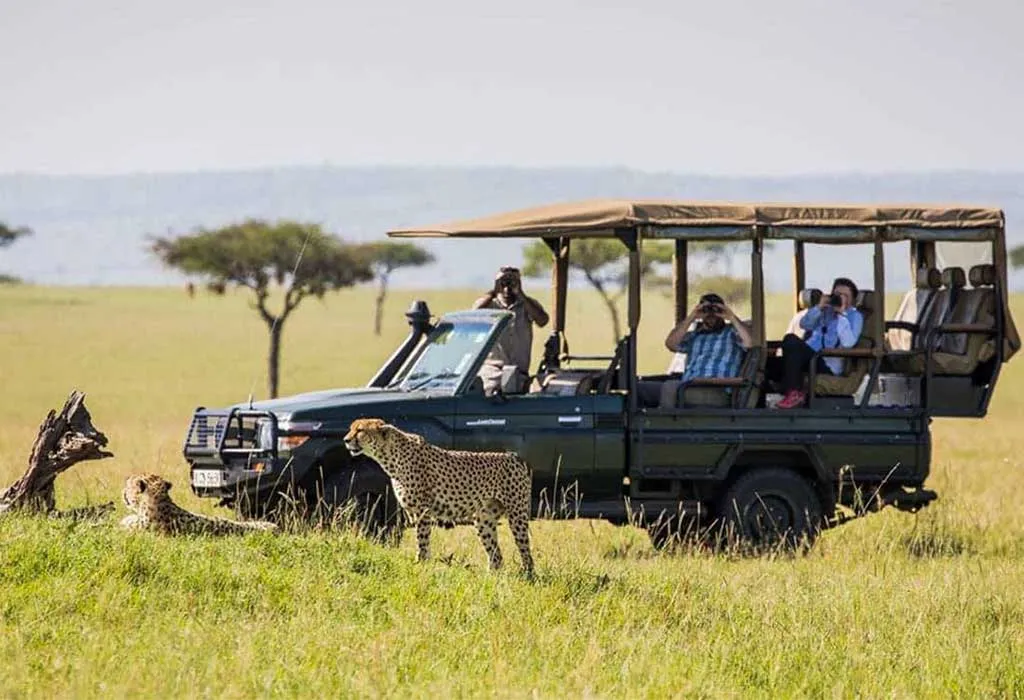
Afternoon drives usually depart at 3:30 PM and return by 6:30 PM. This is what photographers call golden hour. The sun drops toward the west, the shadows stretch long across the plains, and everything turns warm amber. Predators become active again after resting through the heat of the day.
Full-Day Game Drive
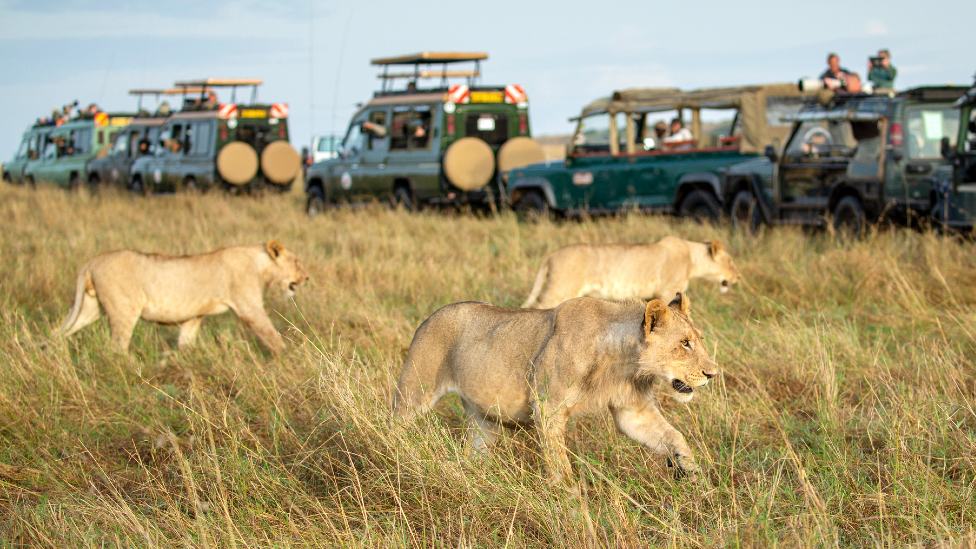
Some camps offer full-day drives, usually from 10:00 AM to 4:00 PM, with a packed bush lunch eaten at a picnic spot inside the reserve. This lets you explore farther corners of the Mara Triangle or follow a specific animal situation (like a cheetah hunt or a lion pride with cubs) without having to turn back.
How Much Ground Does One Game Drive Cover?
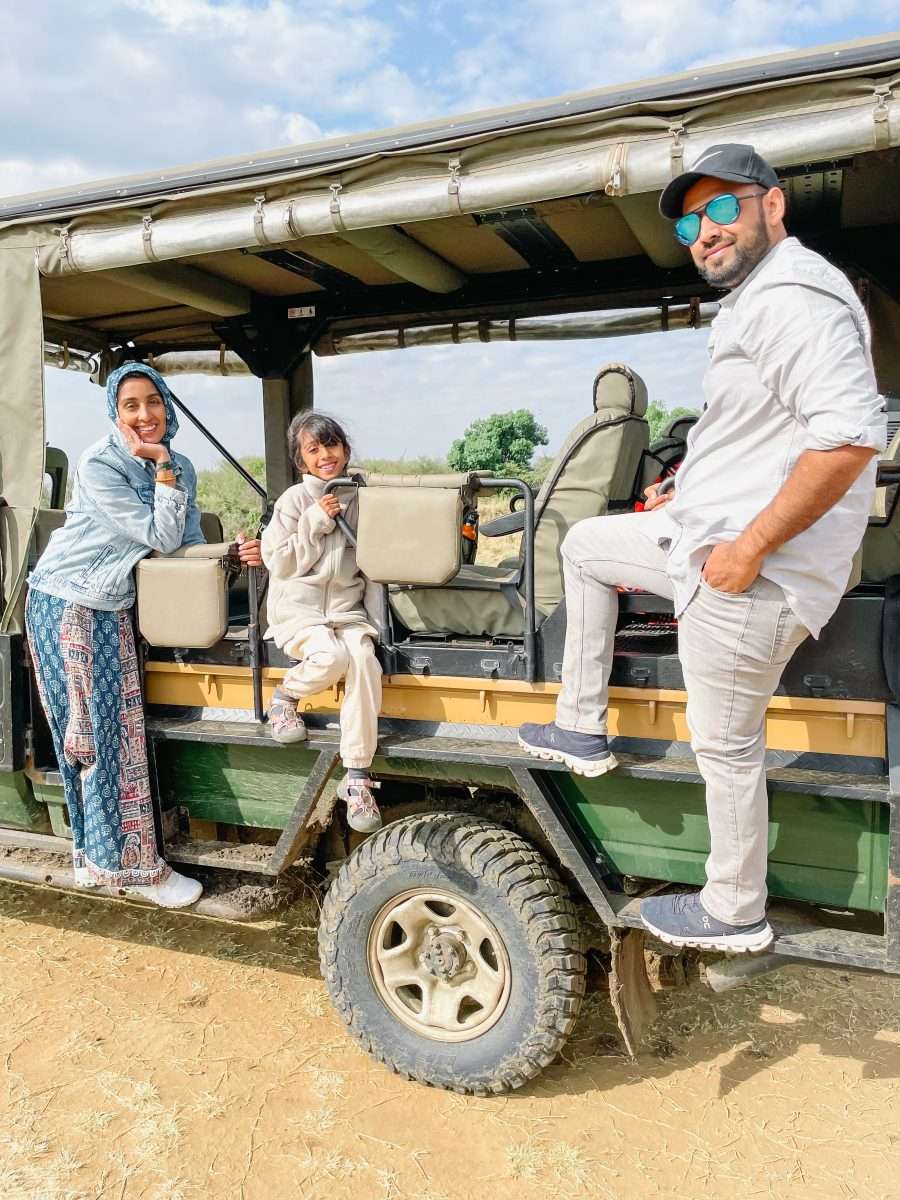
In a typical 3-4 hour morning drive, you cover roughly 30 to 50 kilometers depending on stops and what you find. The guide does not rush through. If there is a leopard in a tree, you stay. A full-day drive can cover 80 to 120 kilometers across different sections of the reserve.
Vehicle Types: What You Sit In on a Game Drive in Masai Mara Kenya
Toyota Land Cruiser 70 Series and 78 Series (Enclosed Pop-Top)
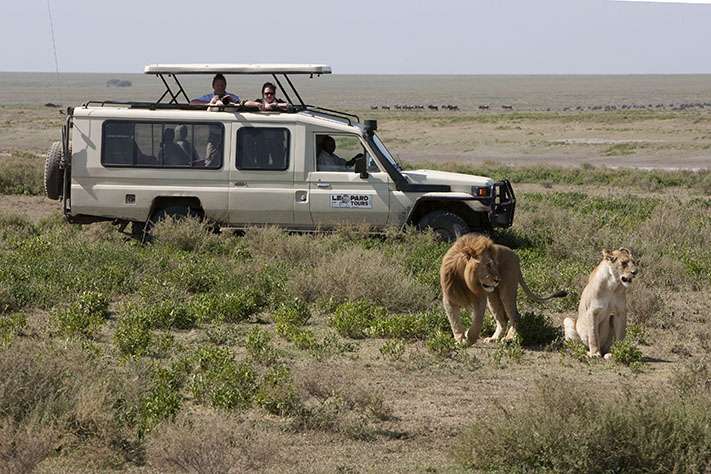
The workhorse of the Mara. Modified Toyota Land Cruiser 70 and 78 series vehicles with pop-up roof hatches that open fully for a 360-degree standing view. These are the most common vehicles for game drives in Masai Mara and are used by the majority of operators and camps. High ground clearance, excellent in mud and on rough tracks, and genuinely reliable in all weather. They seat 6 passengers comfortably, up to 8 with an extended configuration. Windows pop out for clean camera angles. USB charging points are standard in quality vehicles.
Safari Tour Van / Toyota HiAce Custom
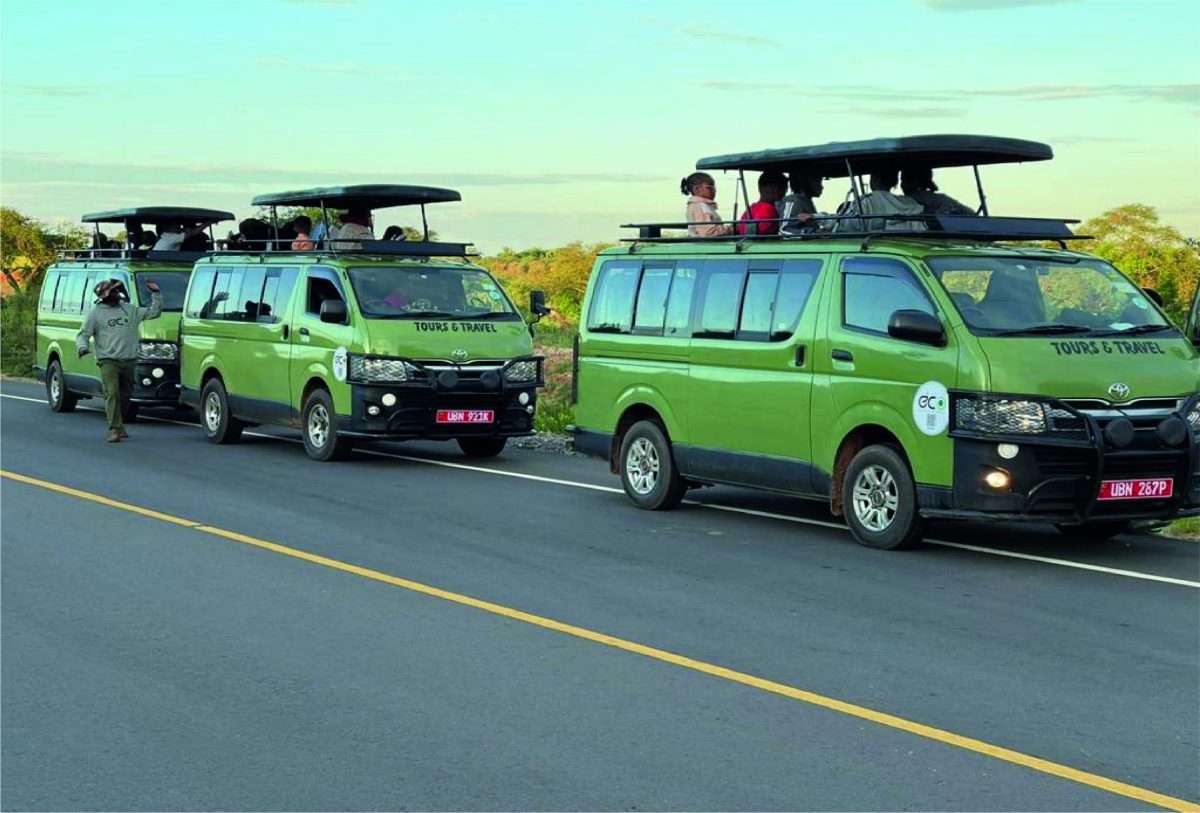
Lighter, more agile, and lower cost. A Toyota HiAce or similar van converted for safari use, with roof hatches and elevated bench seating. Each passenger gets a window seat. Seats 6 to 9. Not always 4×4, but capable on most Mara roads under normal conditions. Common on road safaris departing Nairobi. Good for families who want more interior space.
Open-Sided Land Rover Defender and Land Cruiser (Safari Camp Vehicles)
Found at certain Mara camps and lodges, particularly those on private conservancies. These are modified Land Rover Defenders or Land Cruiser platforms with no side panels, no windows, and open access across the full width of the vehicle. They sit lower than enclosed vehicles and give an unobstructed side view, which is why photographers prefer them. Wide side panelling can accommodate beanbags for camera support. High roofs allow for elevated shooting angles without obstruction. Some photographic camps offer versions with same-level seating, folding windscreens, and cut-out side panels built specifically for low-angle wildlife shots. Not road-legal for highway travel, so these operate exclusively inside the park or conservancy.
Inside the Vehicle: What to Expect
Padded seats with decent legroom, pop-up roof for game viewing, USB charging ports (bring your cable), and a small cooler with cold water bottles, a radio to communicate with other guides on sightings.
Your Safari Team: Guide, Driver, and Tracker

On a quality Masai Mara game drive, you have an experienced guide who knows the reserve deeply. Many guides have spent years learning individual animal territories, pride dynamics, and seasonal movement patterns. They communicate on radio with other vehicles to share sightings.
You get a separate tracker, usually seated at the front or on a tracker seat outside the vehicle, who reads animal prints, disturbed grass, and bird behaviour to locate animals that are not in plain view. This combination of guide and tracker dramatically increases what you find.
Your driver and guide are often the same person. At higher-end camps, they are sometimes separate roles.
What Animals Will You See?
Year-Round
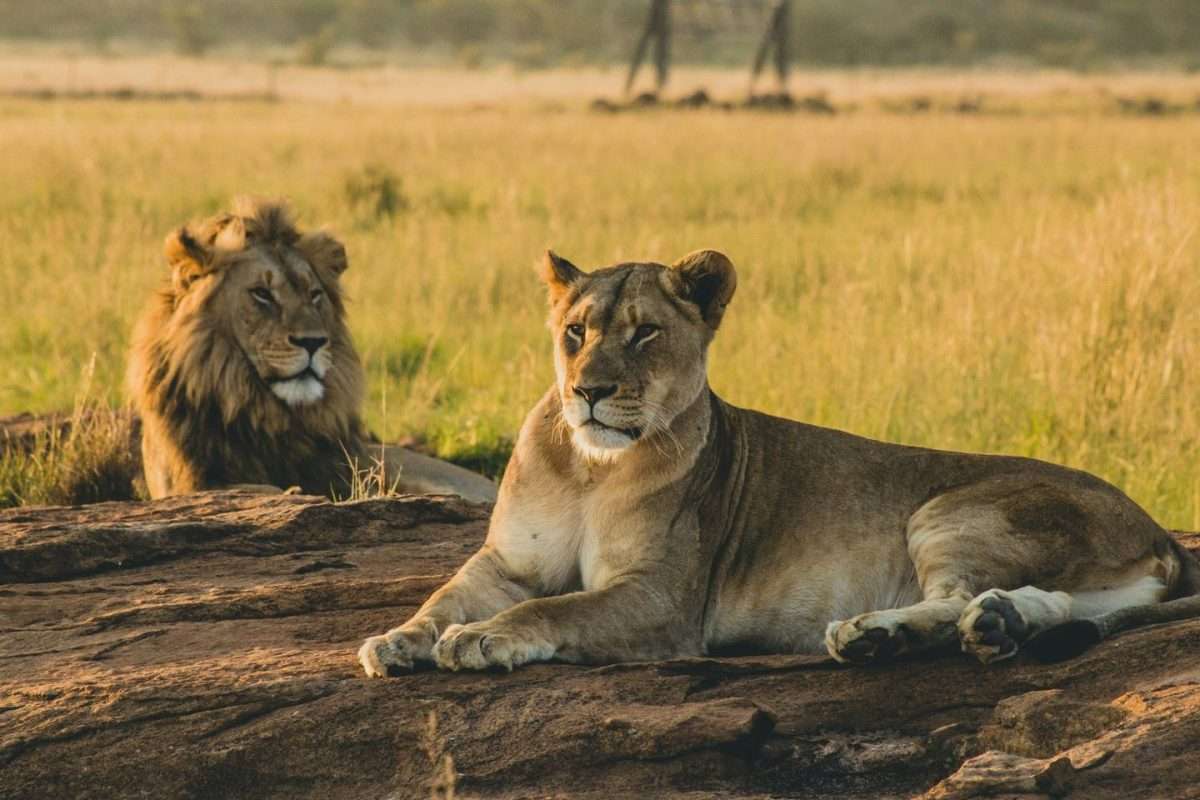
The Big Five are resident in the Mara all year. Lion sightings are very common since the Mara has one of the highest lion densities in Africa. Elephant herds, buffalo, giraffe, zebra, warthog, hyena, hippo, and crocodile are also consistently present.
The Great Migration (July to October)
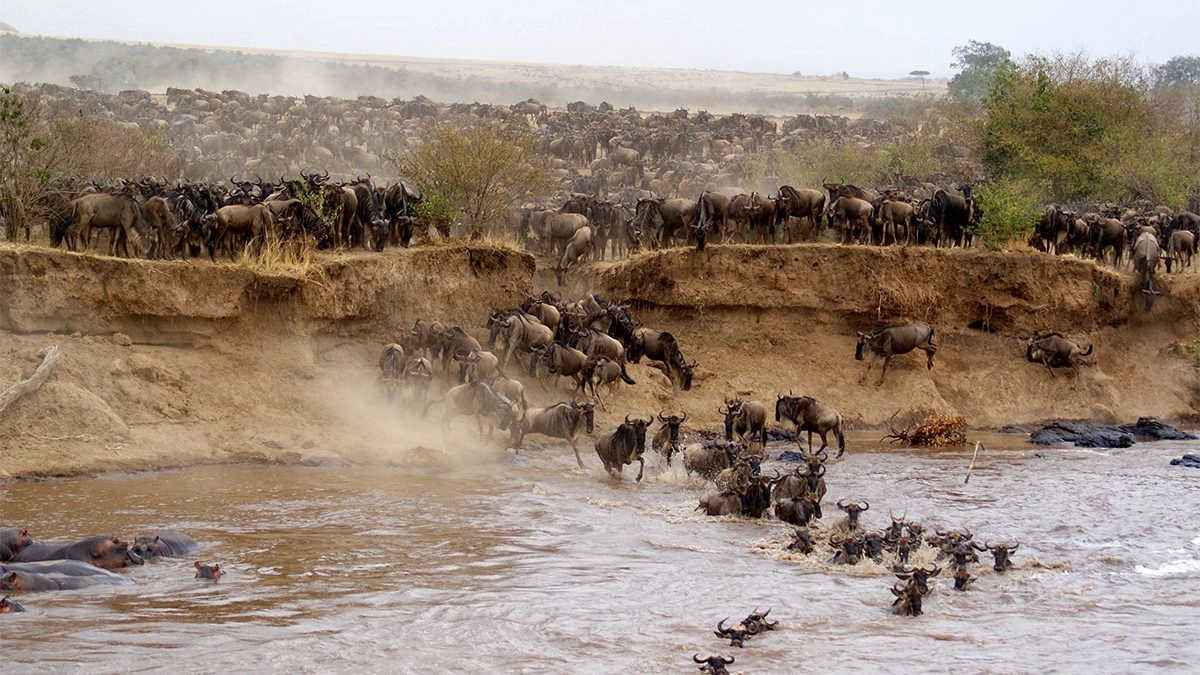
Between July and October, over 1.5 million wildebeest and 200,000 zebras move through the Mara from the Serengeti in search of grass. The Mara River crossings are the most dramatic part: massive herds plunge into the crocodile-filled river in waves of noise, dust, and chaos. If you are there in July through September, position at the river crossings is everything.
November to April
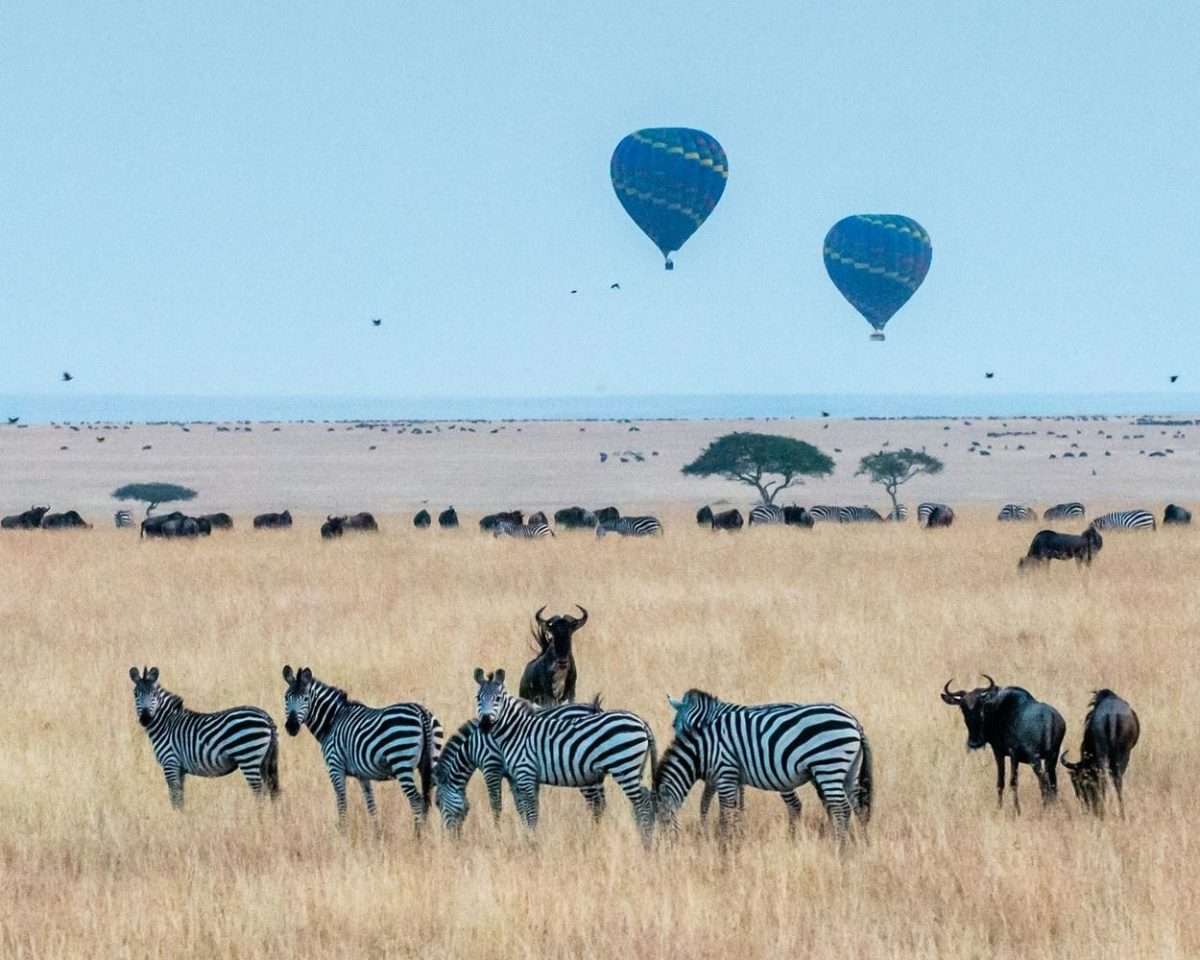
The wildebeest head back south, but the resident Mara wildlife stays. Predator sightings remain excellent. From November to April, migratory birds from Europe and North Africa arrive, many in striking breeding plumage. February to May brings newborns: lion cubs, wildebeest calves, zebra foals.
Game Drives with Family and Kids

The Mara is one of the best places in Africa for a family safari. Children often respond more intensely to a real lion twenty metres away than any adult does.
Practical notes for families:
- Most camps welcome children aged 6 and above on standard game drives
- Some premium camps have no age restriction on private vehicles
- Bring small binoculars for children, they will use them constantly
- Morning drives start early; let kids nap in the vehicle if needed
- Pack snacks for fussy eaters since bush lunches are fixed menus
- Children often spot animals faster than adults because they are looking everywhere
How Many Game Drives on a 3-Night Stay?
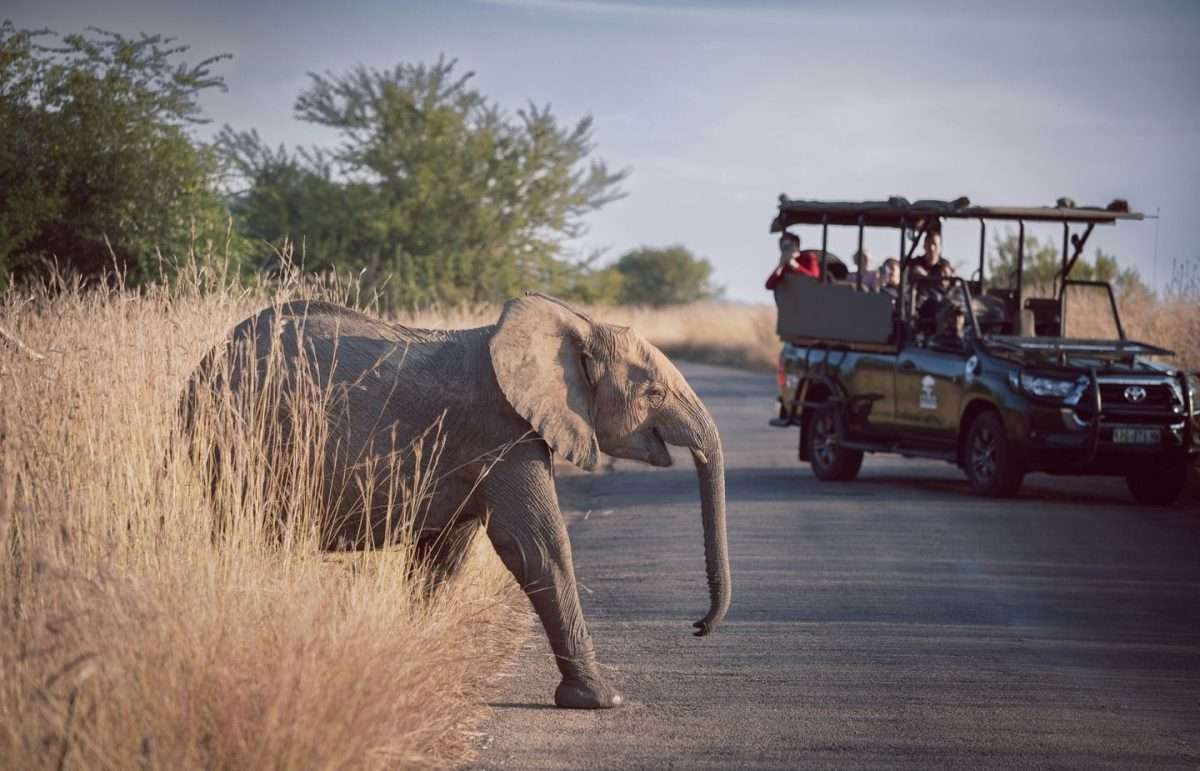
The exact number depends on which TourwithPipi package you book, but here is what a typical Masai Mara stay looks like in practice:
On a 3-night Masai Mara stay, you get 6 game drives: a late afternoon drive on your arrival day, two morning and two afternoon drives across your two full days, and a final morning drive before your departure flight. That is a full morning and evening in the bush every single day.
On a 2-night Masai Mara stay (common in the 5-day package), you get 4 drives: arrival afternoon, two full-day drives, and one departure morning drive.
All TourwithPipi packages include a private 4×4 Land Cruiser, a certified English-speaking guide, full board meals, all park fees, airport transfers, and emergency medical evacuation cover. No shared vehicles with strangers, no fixed group departure times.
Here are the current packages that include Masai Mara game drives:
6 Days Luxury Safari in Kenya (Signature) — From $3,799 First-time safari? This is the one. Ol Pejeta for rhinos, then the Masai Mara for Big Five game drives. Comfortable lodges, private vehicle, relaxed pace. Great for couples.
7 Days Masai Mara Safari and Watamu Beach (Classic) — From $3,699 Mara game drives followed by days on Watamu’s white sand coast. A natural fit for honeymooners and families who want both wildlife and the ocean.
5 Days Maasai Mara Kenya Safari (Classic) — From $1,739 Shorter trip, strong sightings. Lake Nakuru for rhinos and flamingos, then straight into the Mara. Ideal if your time is limited but you still want a proper safari.
8 Days Classic Kenya Safari (Premier) — From $4,219 The Mara, Nakuru, Naivasha, and Amboseli in one seamless journey. You finish with Kilimanjaro on the horizon. Best for wildlife lovers who want to see as much of Kenya as possible.
8 Days Kenya Flying Safari (Signature) — From $5,519 Small aircraft between parks. No long road drives. Ol Pejeta, Amboseli, and the Masai Mara, all at a pace that leaves more time for actual game drives. For travelers who want maximum wildlife with maximum comfort.
9 Days Mara and Chale Honeymoon Escape (Signature) — From $4,739 Great Rift Valley and Masai Mara game drives followed by a private island retreat on Chale Island. The balance is perfect if you want the whole picture: wild and serene.
Not sure which fits your dates and budget? Talk to our team on WhatsApp and we will sort it out.
Safety Rules on a Masai Mara Game Drive
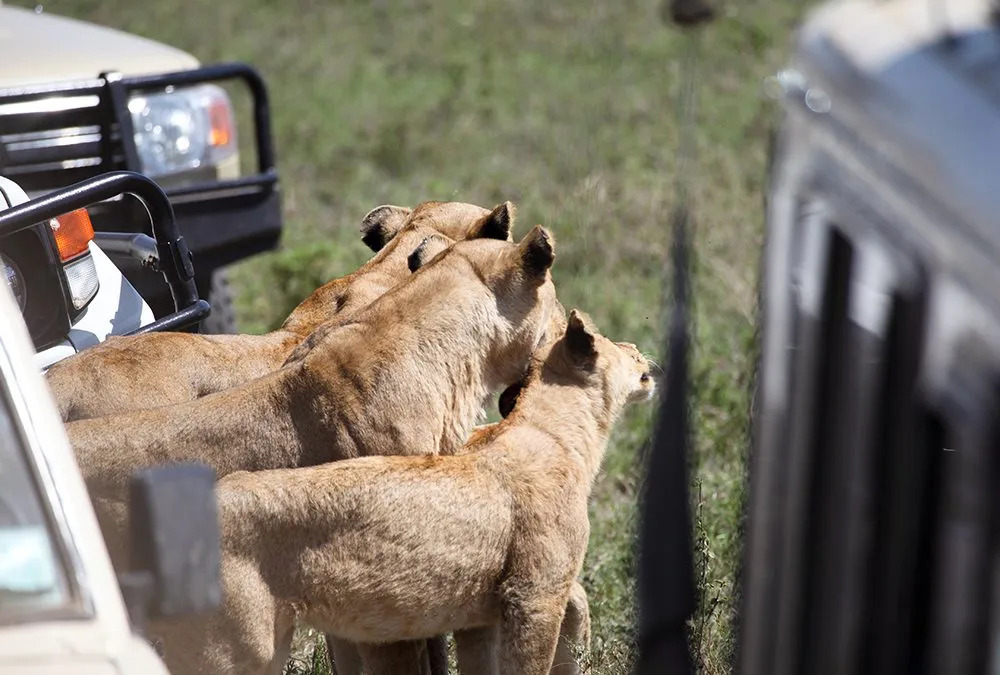
African safari are generally safe especially in Kenya they are well guided and operated under supervision so they are really safe, however the reserve is wild. you need to follow some basic rules, these rules protect both you and the animals.
- Do not stand up or lean out of the vehicle. The animals recognise the vehicle as a single unit. The moment a human silhouette appears above the roofline in a way that breaks that shape, some animals react. Lions and buffalo can become agitated.
- Do not put your hand out toward animals. Especially near lion prides with cubs, elephant herds with calves, or any large animal.
- Do not feed animals. Not baboons, not vervet monkeys, not anything. Feeding habituates animals to vehicles and leads to aggressive behaviour that puts other visitors at risk.
- Do not try to touch a giraffe. They are tall and look gentle. A kick from a giraffe can be fatal.
- Do not use flash photography near nocturnal animals or at dusk. Flash disorients and distresses animals, particularly at waterholes and during kills.
- Do not use loud shutter sounds when close to cheetahs, especially mothers with cubs. Cheetahs are nervous animals. Loud repetitive sounds can cause them to abandon a hunt or, in extreme cases, move cubs away from the area.
- Do not approach lion cubs. Cubs look approachable. Their mothers are not.
What Happens When a Cheetah Climbs on the Vehicle?
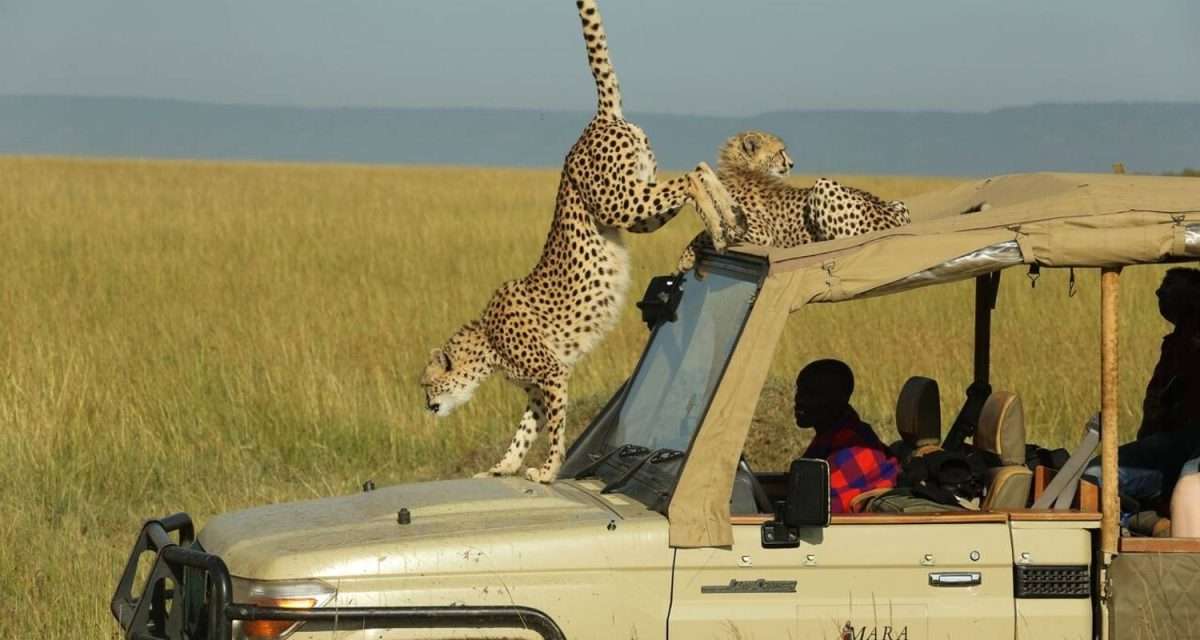
It does happen. Cheetahs sometimes use raised surfaces to scan for prey, and safari vehicles are the tallest things in the open grassland. The rule is to stay still, do not make sudden movements, do not use flash, and let the animal leave in its own time. Guides know exactly what to do. Trust them.
Food, Water, and Toilets on a Game Drive
Water: Cold water is provided in most modern safari vehicles. Bring a refillable bottle for longer drives.
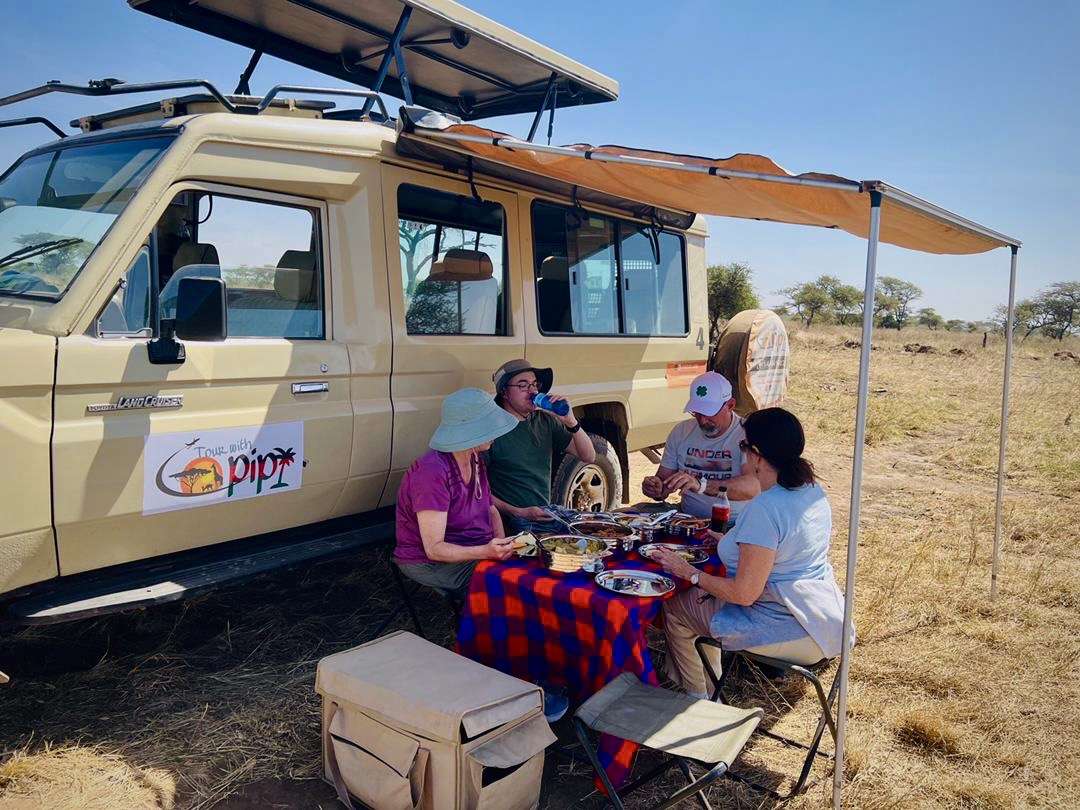
Food: Morning drives often depart before breakfast and return for a full camp breakfast. Full-day drives include a packed bush breakfast and a picnic lunch eaten at a scenic spot inside the reserve. Some camps offer a sundowner stop on afternoon drives: cold drinks and snacks watched from a hilltop as the sun goes down.
Toilets: Toilets are available at designated park gates, official picnic sites, and private lodges inside the reserve. Because you can be hours away from a physical restroom during a long drive, most quality camps also bring a portable bush toilet on full-day excursions. Go before you leave camp, and do not hesitate to tell your guide if you need a stop. They have heard it before.
Best Time for a Game Drive Safari in Masai Mara
There is no bad time to visit the Mara. That is genuinely true, not a marketing line. The resident wildlife does not leave.
That said:
July to October is best to visit Masai Mara for the Great Migration and Mara River crossings. January to March is quieter with fewer visitors, calving season wildlife, and dramatic green landscapes. June marks the start of migration movement with good predator activity. November to April brings excellent birdwatching and lush scenery.
Avoid school holiday peaks in August if you prefer fewer vehicles at sightings.
Key Takeaways
- Morning drives start at 6:30 AM when predators are most active. Afternoon drives run 3:30 PM to 6:30 PM in golden hour light.
- On a 3-night stay, expect 5 to 6 game drives across different times of day.
- The Big Five are resident year-round. The Great Migration adds wildebeest river crossings from July to October.
- Open-sided vehicles give the best photography angles but are only found at select camps. Request one during booking.
- Your guide is your best asset on any game drive. Ask questions. They know these animals by name.
- Safety rules exist for good reason: stay seated, no flash, no feeding, no hands outside the vehicle.
- Full-day drives are worth doing at least once. Bush lunch in the Mara, far from any camp, is a different experience entirely.
- Night game drives require a camp on a private conservancy. If this matters to you, book accordingly.
Frequently Asked Questions
What is a game drive in Masai Mara?
A game drive in Masai Mara is a guided wildlife outing in a modified 4×4 safari vehicle inside the Maasai Mara National Reserve. Your guide drives through the reserve while you watch and photograph wild animals in their natural habitat.
How long is a morning game drive in Masai Mara?
Morning game drives typically last 3 to 4 hours, starting at 6:30 AM and returning by 10:00 AM. Many camps allow extended drives if there is significant wildlife activity.
How much does a game drive in Masai Mara cost?
Standalone game drive prices start from USD 75 per person. Exclusive vehicle hire for a full day costs USD 300 to USD 550 depending on the camp. Booking an all-inclusive safari package that includes drives, meals, accommodation, and flights from Nairobi is usually better value overall.
What animals can you see on a game drive in Masai Mara Kenya?
Year-round sightings include the Big Five: lion, leopard, elephant, buffalo, and rhino. Cheetah, hyena, giraffe, zebra, hippo, and crocodile are also common. From July to October, the Great Migration brings over 1.5 million wildebeest through the reserve.
Is a game drive safari in Masai Mara safe?
Yes. Game drives in Masai Mara are safe when you follow the rules: stay seated in the vehicle, do not lean out, do not feed or approach animals, and follow your guide’s instructions. Animals are habituated to vehicles and do not see them as a threat.
What should I wear on a game drive in Masai Mara?
Wear neutral, muted colours: khaki, olive, grey, or brown. Avoid bright white or red, which can attract attention from animals and insects. Layer up for early morning drives since the Mara is cool at dawn. A light fleece or jacket is useful.
Can I do a game drive in Masai Mara with kids?
Yes. Most camps welcome children aged 6 and above on standard drives. Private vehicles allow more flexibility with age restrictions. Kids often spot animals faster than adults and tend to love the experience.
Are night game drives allowed in Masai Mara?
Night drives are not permitted inside the main Maasai Mara National Reserve. They are available on private conservancies bordering the reserve, typically running from 7:00 PM to 9:00 PM. Book a camp with conservancy access if this is on your list.
How many game drives are included in a 3-day Masai Mara safari?
On a standard 3-night stay with twice-daily drives, expect 5 to 6 game drives. This includes morning and afternoon drives on full days, plus an arrival afternoon drive and a departure morning drive, subject to flight schedules.
What is the difference between a safari and a game drive?
A safari is the full trip, which includes accommodation, meals, transport, and multiple game drives across one or more locations and national parks. A game drive is a single excursion within a safari. Think of the safari as the journey and the game drive as one chapter of it.


