
July to October is the peak season and the best time to visit the Masai Mara to witness millions of wildebeest, zebras, and gazelles crossing the crocodile-infested Mara River. This is when most people visit the Masai Mara so expect large crowds and plenty of safari vehicles, especially at the river crossing points in August and September.
Quick Facts: Masai Mara Seasons
- Dry season: June to October (best for Great Migration and clear game viewing)
- Green season: November to May (best for birdwatching, low rates, newborn wildlife)
- Great Migration: July to October in the Mara
- Lion season: January to March
- Long rains: March to May
- Short rains: November to December
The Great Migration: July to October
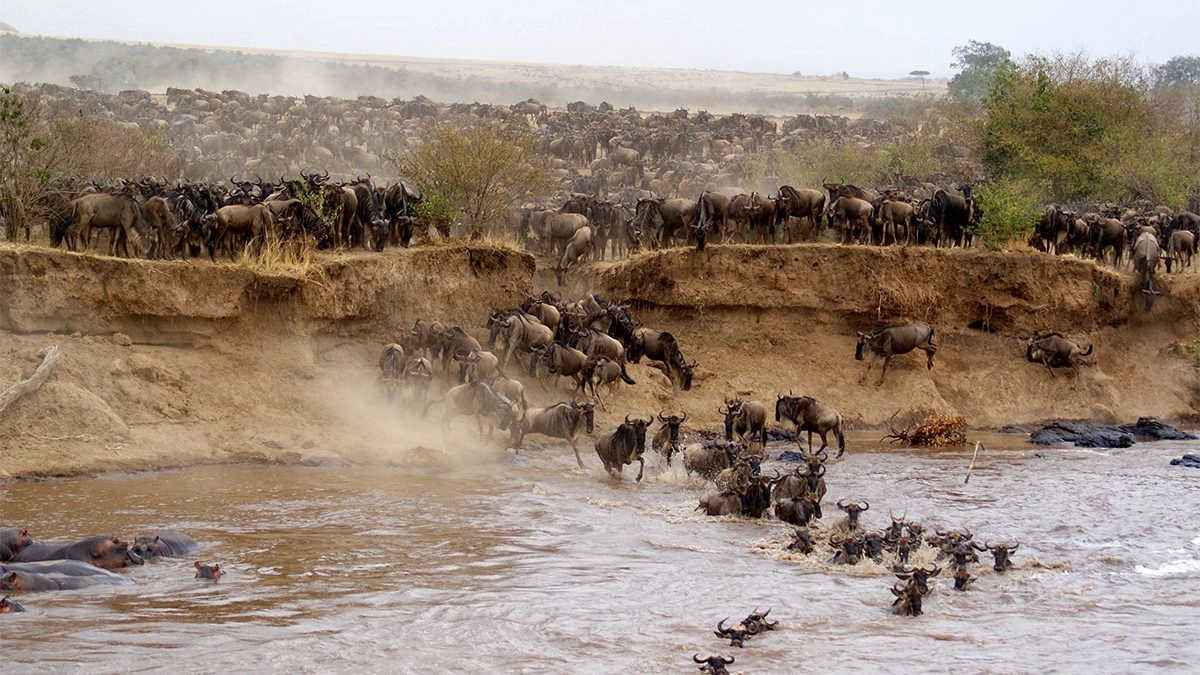
The Great Migration is the single biggest reason most people plan a trip to the Masai Mara. Between July and October, approximately 1.5 million wildebeest, hundreds of thousands of zebras, and large herds of other herbivores cross from Tanzania’s Serengeti into the Mara in search of fresh grass.
The Mara River crossings are the defining moment of the migration. Herds gather on the riverbank, hesitate, then plunge into the crocodile-filled water in a chaos of hooves, spray, and noise. A single crossing lasts two to three minutes. If you are positioned correctly with a guide who tracks herd movement, it is one of the most extraordinary wildlife events on earth.
Since the dry season brings shorter grass and less vegetation, wildlife is easier to spot across the board. Clear skies and warm days make for ideal game drive conditions.
TIP: The Mara National Reserve proper gets congested during peak migration season from August to September. If crowds are a concern, consider staying in one of the private conservancies surrounding the reserve, such as the Mara North or Olare Motorogi. Game viewing is equally good and vehicles are far fewer.
Lion Season: January to March
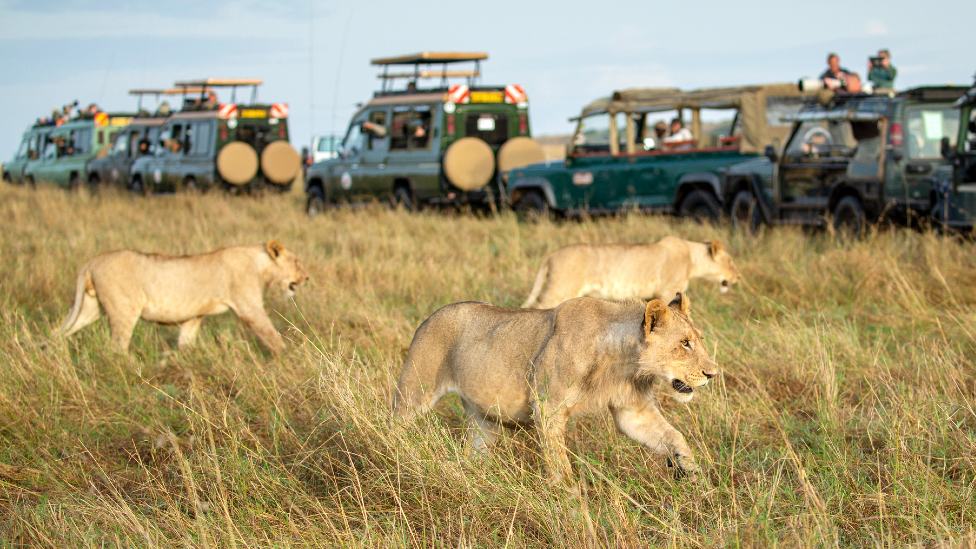
January through March is known as lion season in the Masai Mara. After the rains, the plains fill with newborn wildebeest, zebra, impala, and antelope calves. The abundance of vulnerable young prey draws lions, cheetahs, and leopards into the open.
Grass thins as the short rains end, making it easier to spot predators resting or hunting across open ground. This is one of the best periods in the year for big cat sightings and for watching the raw dynamics of predator and prey play out on the plains.
January and February are also part of the bird migration season. Look up as well as out: migratory species pass through in large numbers during these months.
Green Season: March to May
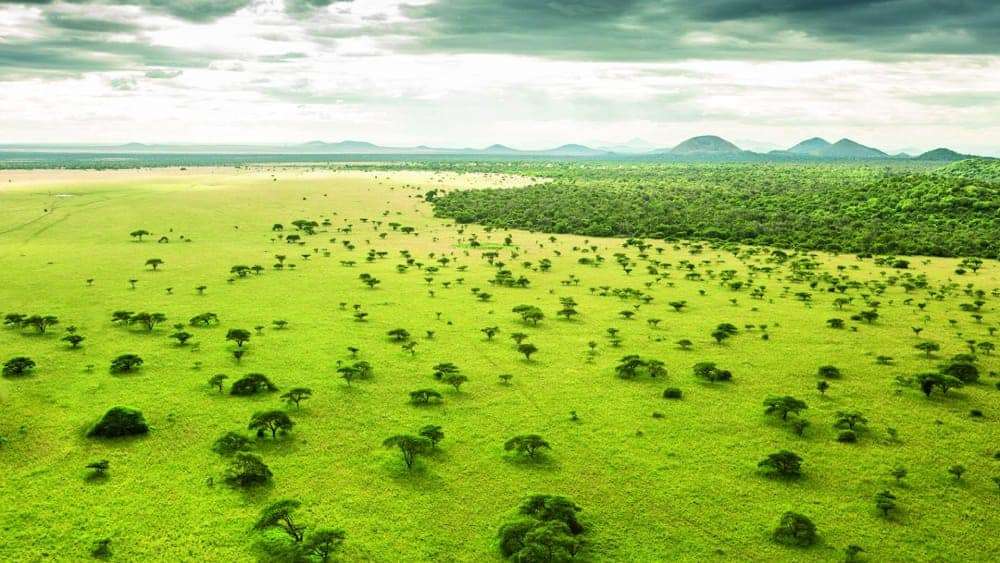
The long rains arrive in March and run through May, transforming the Masai Mara into something softer and more vivid. The dusty brown savannah gives way to deep green plains, flowering trees, and swaying grass. It is genuinely beautiful and often photographically stunning after rain.
The maternity ward opens. Young impalas, antelopes, warthogs, and buffalo calves appear across the plains and their presence draws predators. Cheetah hunts, leopard sightings, and lion activity remain high during this season because food is abundant and animals are active.
Birdwatching is at its best during the green season. Colorful migratory species arrive in thousands, filling the trees and wetlands of the Mara with activity.
Rates drop significantly during the green season. Most visitors plan around the migration months, so lodges and tented camps offer their most competitive prices from March to May. If budget matters, this is the window to consider.
Short Rains: November to December
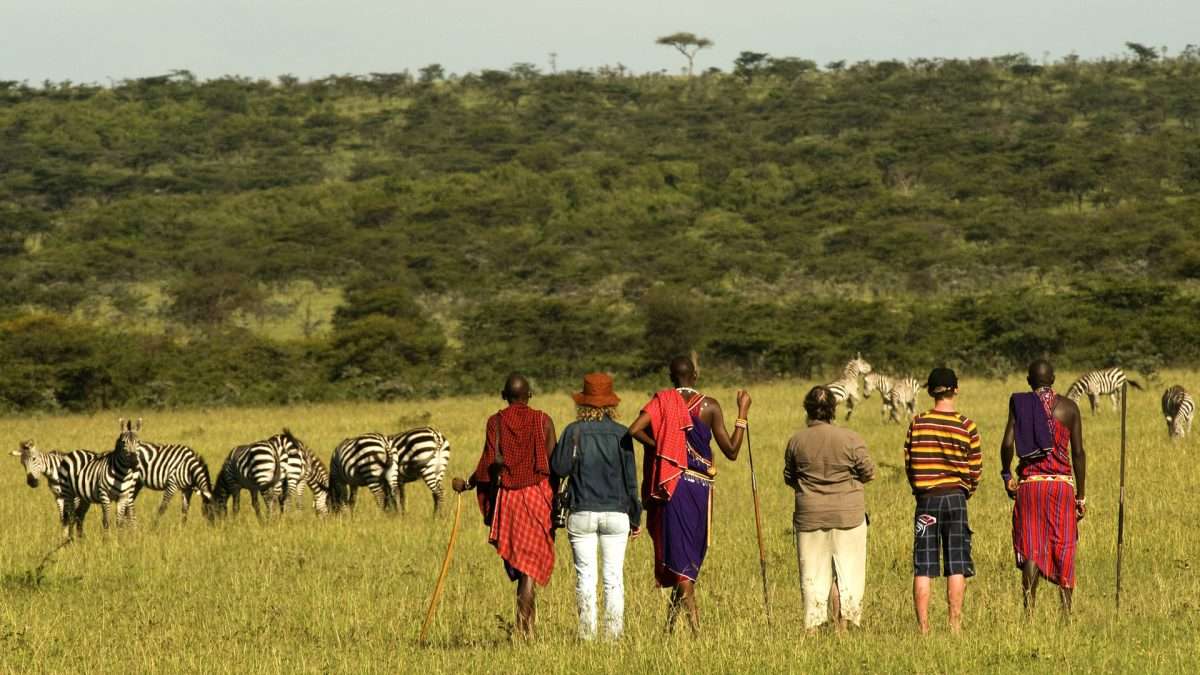
November and December bring the short rains, which are lighter and less sustained than the long rains. Expect afternoon showers, overcast mornings, and evenings that can turn chilly. Game viewing remains good because the migration herds have moved back south into Tanzania and resident predators are still active across the plains.
Rates during November and December are lower than peak season and the reserve is noticeably quieter. For travelers who want good wildlife without the crowds or the premium price tag of July to October, this window is underrated.
Dry Season vs Green Season: Which Is Right for You?
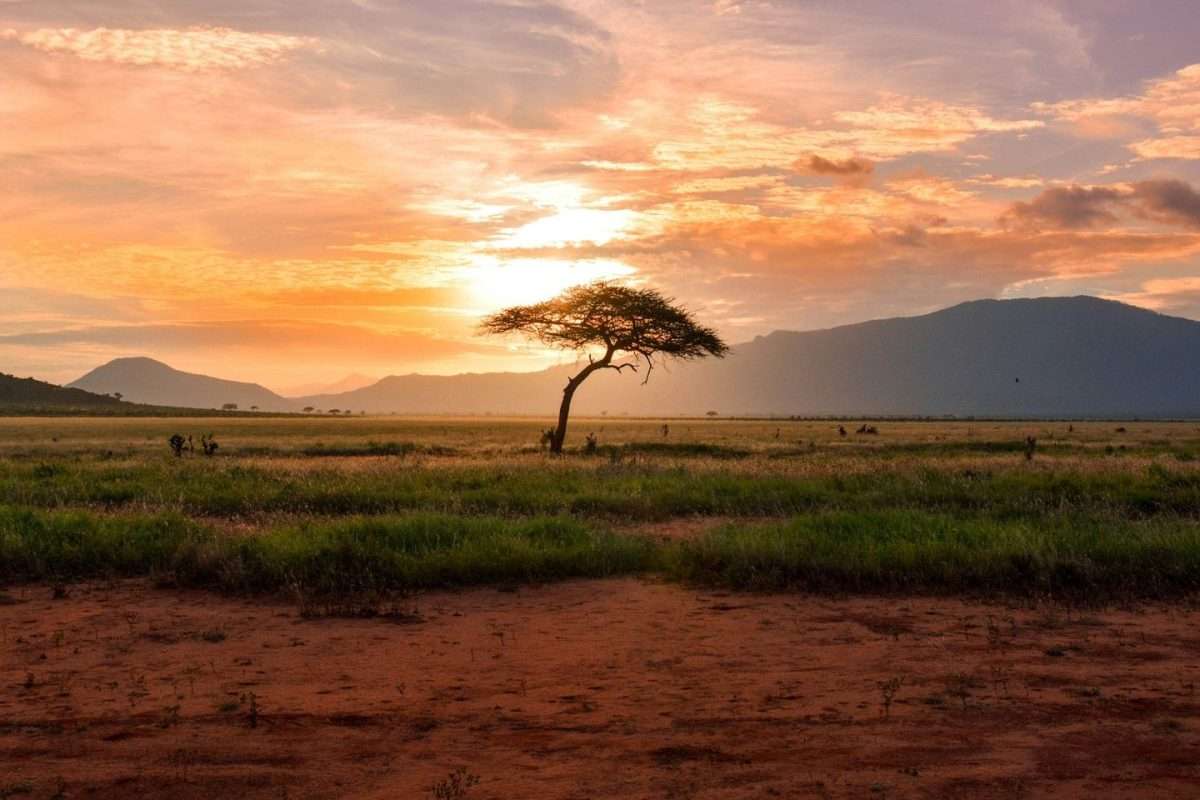
Choose the Dry Season (June to October) if:
- Seeing the Great Migration and Mara River crossings is your priority
- You want the best overall game viewing conditions
- You prefer dry, warm weather and clear skies
- You do not mind paying peak rates and sharing the reserve with more visitors
Choose the Green Season (November to May) if:
- Budget is a factor and you want lower lodge rates
- You are a birdwatcher or photographer who wants lush, colorful landscapes
- You prefer quieter game drives with fewer vehicles
- You are happy to accept some rain and occasionally muddy roads
TIP: The private conservancies surrounding the Masai Mara National Reserve are open year-round and maintain consistently high game viewing standards in all seasons. Night drives, bush walks, and off-road driving are permitted in the conservancies, which adds a dimension that the national reserve cannot offer.
How Many Days Should You Spend in the Masai Mara?
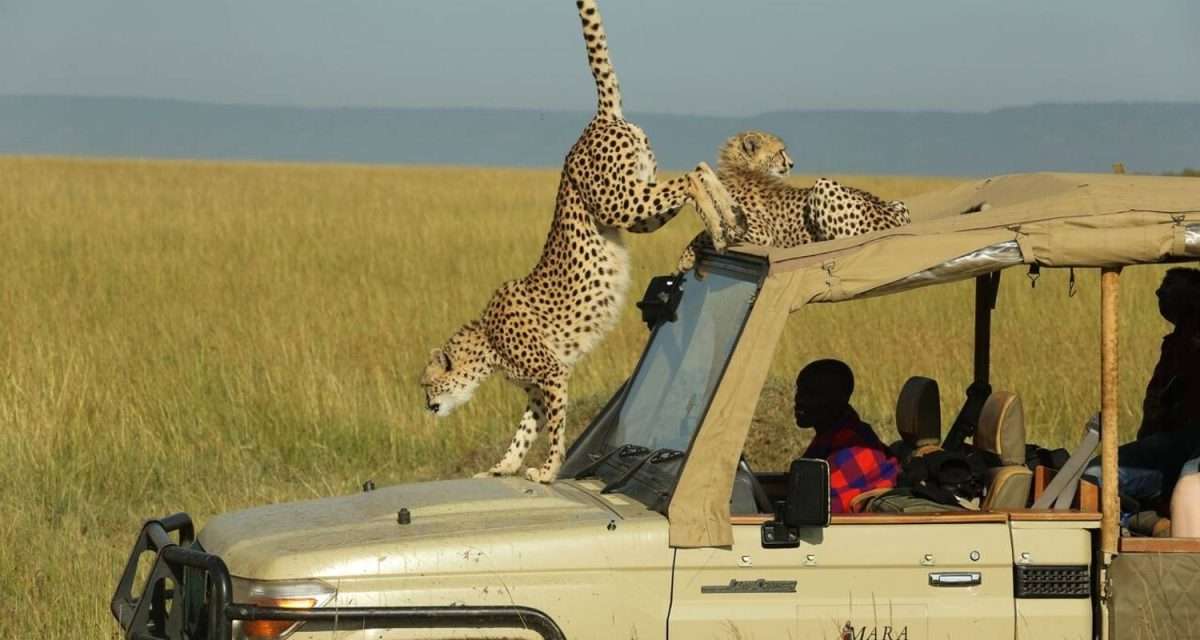
A minimum of three full days in the Mara gives you two morning game drives and two afternoon drives. This is enough to see lions, elephants, cheetahs, and a good range of plains wildlife.
Four to five days is the better option if you want to maximize predator sightings, increase your chances of a Migration crossing, or simply allow the Mara to reveal itself at its own pace. Every drive is different. The fourth morning often produces sightings the first three did not.
TourwithPipi’s 5-day Kenya road safari includes three full days in the Masai Mara with morning and afternoon game drives from Soroi Mara Bush Camp. The 8-day luxury fly-in safari includes two full Mara days as part of a three-park itinerary.
Where to Stay in the Masai Mara

Your accommodation determines your Mara experience as much as the season does. Staying inside the national reserve gives you fast access to the main wildlife areas. Staying in a private conservancy gives you exclusivity, flexibility, and more intimate game viewing.
Soroi Mara Bush Camp in the Mara North Conservancy for the 8-day luxury fly-in safari. The camp sits in a private area with far fewer vehicles than the national reserve and permits off-road driving to follow wildlife wherever it moves.
Sarova Mara Game Camp for the 5-day road safari. The camp is positioned inside the reserve with direct access to the main game circuits and the Mara River crossing points.
Both properties include full board meals, professional guides, and twice-daily game drives.
5 Key Takeaways
- The best time to visit the Masai Mara for the Great Migration and Mara River crossings is July to October, with August and September being peak crossing months.
- January to March is lion season, when thin dry-season grass and abundant newborn prey make predator sightings more frequent and visible.
- The green season from March to May offers the lowest rates, the best birdwatching, lush scenery, and very few crowds. Some roads and camps are affected by the April to May heavy rains.
- The Masai Mara delivers excellent game viewing in every month of the year. Resident lions, elephants, cheetahs, leopards, and buffalos are present regardless of the season.
- Staying in a private conservancy surrounding the national reserve reduces crowds significantly and adds flexibility through off-road driving and night drives that the reserve does not permit.
Frequently Asked Questions About the Best Time to Visit Masai Mara
1. When is the best time to visit the Masai Mara?
July to October is the best overall period for the Great Migration and dry-season game viewing. January to March is excellent for predator sightings. The green season from March to May offers lower rates and great birdwatching.
2. When do the Mara River crossings happen?
The Mara River crossings happen between July and October when the migration herds move from the Serengeti into the Masai Mara. August and September typically produce the highest frequency of crossings, though timing depends on herd movement and cannot be guaranteed.
3. Is the Masai Mara good to visit outside of migration season?
Yes. The Masai Mara has resident lions, leopards, cheetahs, elephants, buffalos, and a vast range of plains wildlife year-round. Outside migration season, the reserve is quieter, rates are lower, and predator sightings remain consistently good.
4. What is lion season in the Masai Mara?
Lion season runs from January to March when the grass thins after the short rains and newborn wildebeest, zebra, and impala calves attract big cats into the open. It is one of the best periods for close predator sightings and watching active hunts.
5. What is the green season in the Masai Mara?
The green season runs from March to May during the long rains. The landscape turns vivid green, birdwatching improves dramatically, accommodation rates drop significantly, and crowds are minimal. Some roads can be muddy in April and May.
6. Is the Masai Mara crowded during the Great Migration?
The national reserve can be crowded during peak migration months from August to September, with multiple vehicles gathering at crossing points. Staying in a private conservancy around the reserve significantly reduces vehicle congestion and provides a more exclusive experience.
7. How many days do I need in the Masai Mara?
A minimum of three full days gives you a solid game drive experience. Four to five days is better for maximizing predator sightings and increasing the chances of witnessing a Migration crossing. TourwithPipi’s Kenya safaris include three full Mara days as the standard minimum.
8. What is the weather like in the Masai Mara?
The dry season from June to October brings warm days, clear skies, and cool mornings. The green season from March to May brings afternoon rains and lush landscapes. Temperatures are generally mild year-round with cool mornings during game drives.
9. Should I visit the Masai Mara National Reserve or a private conservancy?
The national reserve offers the widest game circuits and is the setting for most migration crossings. Private conservancies offer exclusivity, off-road driving, night drives, and far fewer vehicles. TourwithPipi uses both depending on your itinerary and travel dates.
10. Can I combine the Masai Mara with other Kenya parks?
Yes. TourwithPipi’s 5-day Kenya road safari combines Lake Nakuru and the Masai Mara. The 8-day luxury fly-in safari combines Ol Pejeta, the Masai Mara, and Amboseli. Both itineraries are available year-round.


