
The lion crossed the track maybe fifteen feet from our vehicle, and I remember thinking, quite clearly, that I should be more scared than I actually was. My guide just smiled and said “he already knows we’re here, he just doesn’t care,” and that was the moment I understood why people fly halfway around the world for five days in the Kenyan bush.
I’ve now planned dozens of 5 day Kenya safari tours for guests at TourwithPipi, and the question I get first, every single time, is the same one you’re probably here for: how much does a 5 day Kenya safari actually cost, and what do you get for that money. So let’s skip the vague “prices vary” answer you’ll find on most safari sites, and go through the real numbers instead.
5 Day Kenya Safari Cost: The Real Numbers
Here’s what I tell every guest before we even start building an itinerary. Your 5 days Kenya safari cost breaks down into five real categories, and once you understand each one, comparing quotes from different operators gets a lot easier.
Flights. From most of North America, expect $900 to $1,600 round trip to Nairobi, depending on your departure city and how far ahead you book. From Europe, that drops to $700 to $1,200. There’s no way around this cost, but booking three to six months out consistently gets you the better fares.
Kenya e-Visa. Every visitor now applies online rather than at an embassy. It costs $30 and is valid for single entry within 90 days of approval, and I’ll walk you through the exact steps further down.
Safari package (accommodation, game drives, and meals). This is where the real range lives, and it’s also where your 5 days Kenya safari cost is decided. A private road safari runs $300 to $400 per person per day. A fly-in itinerary with domestic flights between parks runs $700 to $750 per day, since you’re paying for the convenience of scheduled aircraft instead of a five-hour road transfer.
Park entry fees. The Masai Mara currently charges $80 per person per day for non-residents, while Amboseli runs $60. These are usually built into your safari package price, but I’d still ask directly, because a “budget” quote that quietly excludes park fees isn’t actually cheaper once you add them back in.
Extras. Budget separately for a hot air balloon safari (around $500 per person), a spa treatment at camp (from $60), a guided bush walk ($50 to $150 depending on length), a Maasai village visit ($30 to $80), tips ($15 to $30 per day for your guide), souvenirs, travel insurance, and antimalarial medication or bug spray. None of these are included in a standard quote, and none of them should surprise you if your operator is upfront from the start.
Put together, that’s how a real 5 day Kenya safari tour price gets built, not guessed at.
Masai Mara vs Amboseli vs Tsavo vs Ol Pejeta: Which Park to Choose
Kenya has more than 50 national parks and reserves, but almost every 5 day Kenya safari Itinerary I build for guests draws from the same four. Here’s my honest read on each, after years of sending people to all of them.
- Masai Mara National Reserve is the one everyone’s seen in a documentary, and for good reason. It has the highest predator density in the country, and I’ve had guests see all of the Big Five in a single day here. Yes, peak season means sharing a sighting with other vehicles, but the wildlife density more than makes up for it. Give it at least three nights.
- Amboseli National Park is where Mount Kilimanjaro shows up in nearly every photo, though only on clear mornings, afternoon cloud cover often hides it. The elephant herds here are famously relaxed around vehicles, and two nights covers it well.
- Tsavo East and West are Kenya’s biggest parks by far, and the least crowded. The red-dusted elephants are the signature sighting, but with more space for animals to hide, first-time visitors often find the spotting harder than in the Mara. I usually only recommend Tsavo if you’ve already done a Kenya safari before, or if you have more than a week to spend.
- Ol Pejeta Conservancy sits north of the equator on the Laikipia Plateau, and it’s the one park on this list built specifically around conservation. It’s the only place on the planet where you can see the last two northern white rhinos, and it also runs Kenya’s only chimpanzee sanctuary. If Big Five plus a genuine conservation story matters to you, Ol Pejeta pairs beautifully with the Mara on a longer trip, and we cover more of that pairing in our complete guide to Kenya safari destinations.
My honest recommendation for a first 5 day Kenya safari packages booking: Masai Mara plus one other park, not three or four squeezed into five days. I’ll show you exactly what that looks like in the two itineraries below.
Two Real 5-Day Kenya Safari Itineraries
Rather than talk in the abstract, let me walk you through the two 5 day Kenya safari tours we actually run, since they sit at genuinely different price points and suit different travelers.
Big Five Safari: A 5-Day Maasai Mara Road Adventure
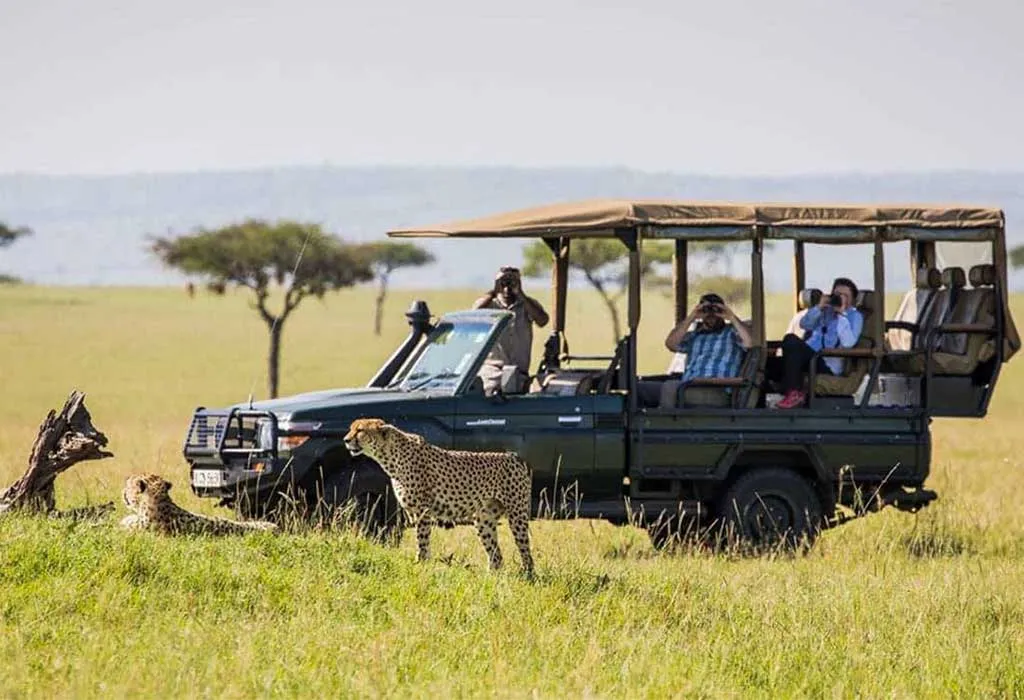
This is our entry point, and it’s the itinerary I recommend most often for first-timers who want the classic Big Five experience without the fly-in price tag. From $1,589 per person for a group of three, or $1,869 for two travelers.
Everything here runs through a private 4×4 with a pop-up roof and your own dedicated guide, full board accommodation, and all park fees already built in. An optional hot air balloon safari and Maasai village visit are both available as add-ons. Here’s exactly how the five days actually unfold, day by day.
Day 1: Nairobi to Lake Nakuru You’ll leave Nairobi after breakfast for the three to four hour drive through the Great Rift Valley, and this is genuinely one of my favorite parts of the whole trip, the escarpment views alone are worth the drive. By the time you reach Lake Nakuru National Park, the afternoon light is usually softening, perfect timing for your first game drive. Keep your camera ready for rhinos grazing against the golden horizon and, if you’re lucky with the season, flocks of flamingos turning the shoreline pink. You’ll spend the night at Sarova Lion Hill Game Lodge, overlooking the lake, and I always tell first-timers not to overplan this first evening, let the jet lag settle and just enjoy dinner.
Day 2: Lake Nakuru to the Masai Mara After breakfast, it’s another five to six hour drive, this time into the Mara itself. You’ll arrive in time for lunch, and I’d genuinely recommend resting for an hour before your first afternoon game drive, since the temptation to head straight out is real but the light is actually better later in the day anyway. Lions, elephants, and cheetahs are common sightings even on this first drive, and by the time golden hour hits, you’ll understand exactly why people describe the Mara the way they do. Overnight at Sarova Mara Game Camp.
Day 3: Full Day in the Masai Mara This is the day I tell guests to simply put the itinerary away and let the guide lead. A full day of game drives means both early morning and late afternoon sessions, with a picnic lunch out in the bush between them, and this is genuinely when the Mara starts to feel less like a checklist and more like an experience. River crossings, a cheetah on the hunt, hippos lounging in the shallows, day three is usually the one guests talk about most once they’re home. If you’ve added the hot air balloon safari, this is typically when it happens, a sunrise flight followed by a champagne breakfast in the open field.
Day 4: Another Day in the Mara, or a Cultural Detour Day four gives you the choice: another full day chasing wildlife, or a morning game drive followed by an optional visit to a Maasai village in the afternoon. I’d genuinely encourage the village visit if it’s your first time in Kenya, understanding the Maasai’s relationship with this land adds a dimension that wildlife alone doesn’t capture. Either way, you’ll be back at camp for a final dinner and fireside storytelling under a sky that, away from any city light, is genuinely one of the darkest and clearest you’ll ever see.
Day 5: Masai Mara to Nairobi After a last breakfast, it’s the five to six hour drive back to Nairobi, and I always suggest treating this final stretch as part of the trip rather than dead time, the countryside views are worth staying awake for. You’ll arrive in Nairobi by afternoon, in plenty of time for an evening departure or an extra night in the city if your flight home isn’t until the next day.
Busy Traveler: A 5-Day Safari Through Kenya’s Iconic Wildlife
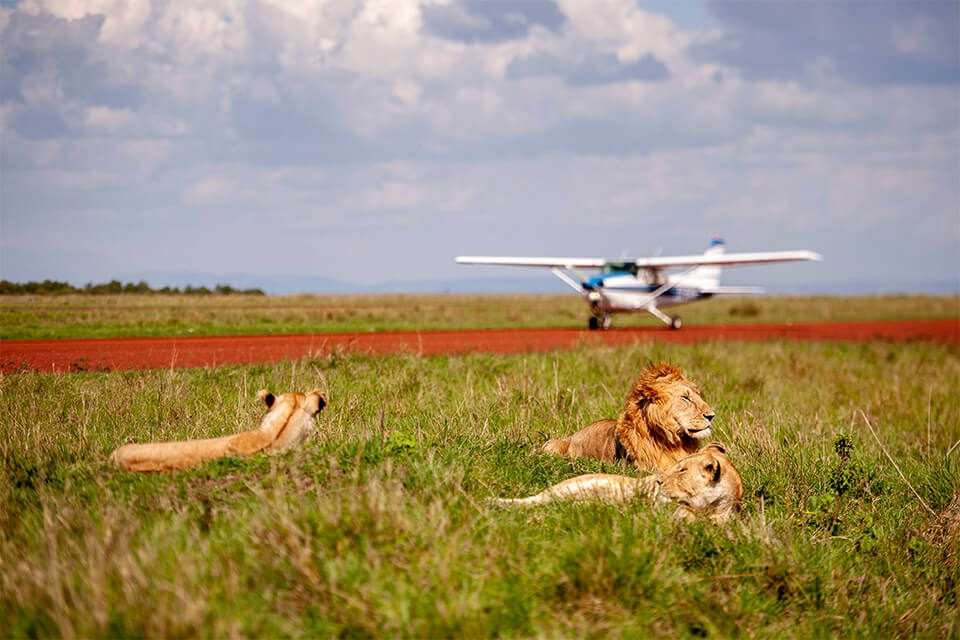
This is the itinerary for travelers who want three distinct regions of Kenya in five days rather than two, and are happy paying more to save the travel time. From $3,709 per person, priced for a minimum group of four.
Both itineraries include a professional English-speaking guide, all park entry fees, full board meals, airport transfers, and emergency medical evacuation cover. Neither includes international flights, visa, tips, or personal spending, which brings us back to the honest cost breakdown above. Here’s the day-by-day rhythm for this one specifically.
Day 1: Arrival and Lake Naivasha Landing in Nairobi and heading straight into the Rift Valley by road might sound like a lot for day one, but the drive to Lake Naivasha is short and genuinely gentle, exactly the kind of soft landing I’d want after a long international flight. Once you arrive, the afternoon is yours to explore the lakeshore, hippos resting in the shallows, fish eagles swooping low, and if you’re up for it, a peaceful boat ride past the birdlife along the crescent shore. Dinner and your first night are at Enashipai Resort & Spa, and honestly, this is the one evening on the whole trip where I’d tell you to just relax by the pool and not think about tomorrow yet.
Day 2: Into the Mara by Air This is where the itinerary earns its name. After breakfast, a short scheduled flight from Loldia Airstrip lifts you straight into the Masai Mara, and the aerial views alone, the Rift Valley falling away beneath you, make the flight worth it on its own. You’ll land at Ol Kiombo Airstrip and head straight into your first Mara game drive that same afternoon, no five-hour road transfer eating into your actual safari time. Overnight at Soroi Mara Bush Camp, right on the river, with the sounds of the wild genuinely audible from your tent.
Day 3: Full Day Safari in the Mara A complete day dedicated to the Mara, morning and afternoon drives, a picnic lunch out on the plains between them, and this is the day that tends to deliver the moment people remember longest, a river crossing, a hunt in progress, or simply a golden-hour sky that looks unreal in photos and somehow even better in person. Back at Soroi Mara Bush Camp for dinner and fireside stories.
Day 4: Mara to Amboseli A scenic flight takes you from the Mara to Amboseli, and the shift in scenery is immediate, wide, dry plains giving way to Kilimanjaro rising in the distance. Your afternoon game drive introduces you to Amboseli’s famously large and famously relaxed elephant herds, often crossing directly in front of the vehicle close enough to make out real detail on the matriarch. Overnight at Elewana Tortilis Camp, with Africa’s highest peak visible right from camp on a clear evening.
Day 5: Amboseli to Nairobi One final scheduled flight back to Wilson Airport closes the loop, and I always tell guests to use this last morning for one more unhurried game drive if the schedule allows, Kilimanjaro tends to be clearest before 9am, so an early start on your final day is worth it for the photos alone. You’ll be back in Nairobi with time to spare before your international connection.
Kenya Visa: Step-by-Step Process
The eVisa system replaced the old paper visa entirely, and it’s genuinely simple once you know the steps.
- Go to the official Kenya eVisa portal (avoid third-party sites that charge extra for the same application).
- Create an account with your email.
- Fill in your passport details, travel dates, and accommodation address, your first safari lodge confirmation works fine here.
- Upload your passport bio page scan, a passport photo, and proof of onward travel.
- Pay the $30 fee online by card.
- Wait two to three business days for approval, then download and print the PDF.
If you’re planning to extend into Tanzania afterward, look into the East Africa Tourist Visa instead, which covers Kenya, Uganda, and Rwanda for about $100 and is often the smarter move if a Serengeti extension is even a possibility.
Best Time to Visit Kenya
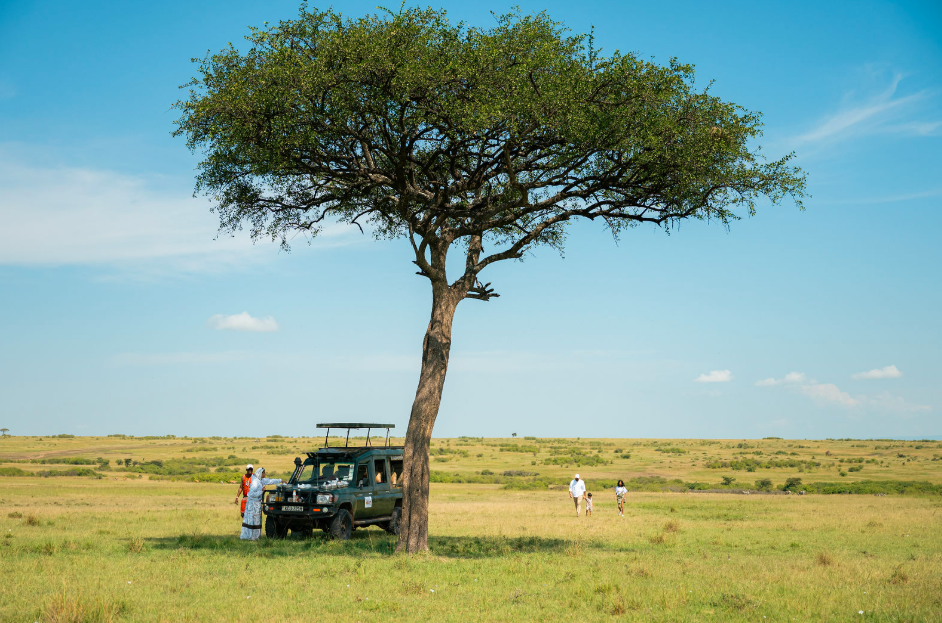
This genuinely depends on what you’re hoping to see.
- July to October is Great Migration season in the Masai Mara, with millions of wildebeest and zebra crossing the Mara River. It’s dramatic, but also unpredictable, you might wait hours for a crossing that never comes. It’s also peak season, which pushes your 5 days Kenya safari cost up by roughly 20 to 30%. Our month-by-month guides to Kenya in July, Kenya in August, Kenya in September, and Kenya in October go deeper on exact timing.
- January and February are dry, warm, and quiet, with wildlife easier to spot around shrinking water sources and considerably fewer vehicles at each sighting.
- June sees migration herds entering Kenya from Tanzania, with good wildlife and lower prices than the July peak.
- April and May are the rains, and I’d genuinely avoid this window. Roads turn to mud, some camps close entirely, and you’ll lose real game-drive time to getting unstuck.
What Safari Packages Actually Include
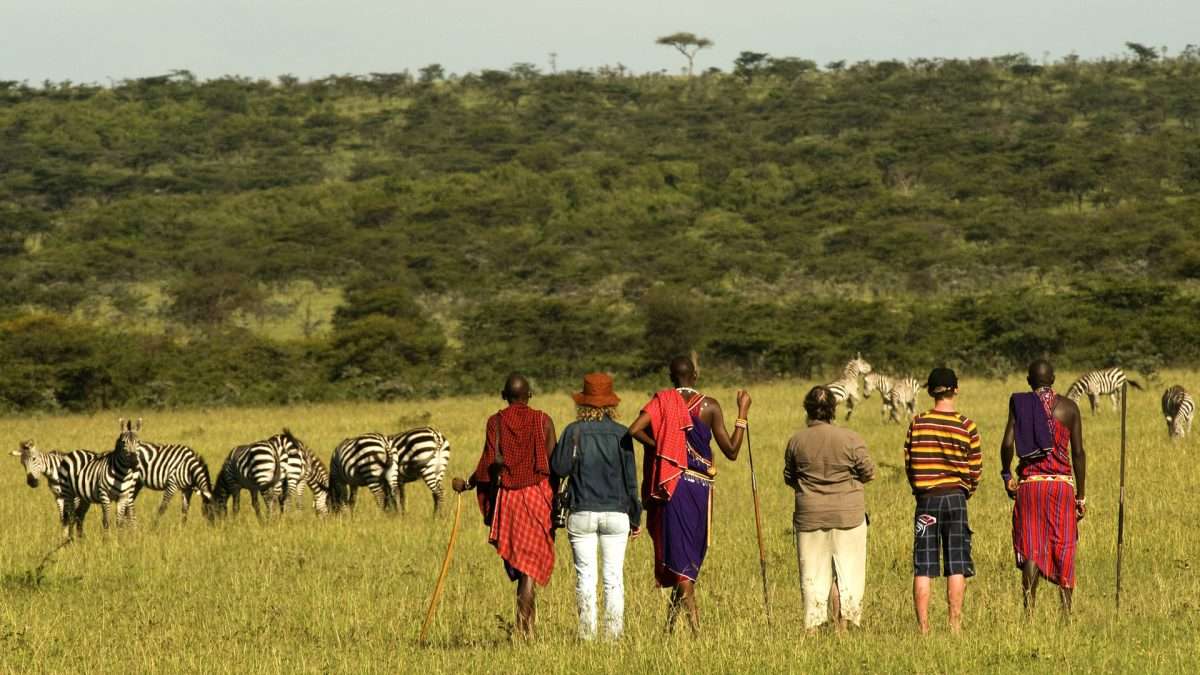
“All-inclusive” means something different depending on who’s selling it, so here’s what to actually check before you book.
Usually included: accommodation, three meals daily, two game drives a day, drinking water, and airport transfers. Sometimes included: park entry fees, domestic flights, and house wine or local beer. Rarely included: international flights, visa fees, premium alcohol, balloon safaris, tips, and travel insurance.
Ask specifically whether park fees are built in. A Masai Mara package that quietly excludes the $80 per day entry fee isn’t the deal it looks like on paper. And ask whether your game drives are private or shared, since that single detail changes the entire feel of your trip far more than most people expect going in.
Safari Cost Tiers Explained
Broadly, Kenya safaris split into four tiers, and it’s worth knowing where a given quote actually sits.
- Budget ($150-$220/day): shared vehicles, basic camps, communal bathrooms. Fine if cost is your only priority, though I’d only suggest it if you’re genuinely flexible about comfort.
- Mid-range ($300-$400/day): private en-suite tents or lodge rooms, private 4×4 with a dedicated guide, good food. This is a solid, comfortable step up from budget, though it’s still one tier below where we operate at TourwithPipi.
- Luxury ($500-$750/day): spacious tented suites, gourmet meals, private vehicle and guide throughout, often with fly-in transfers between parks. This is exactly where TourwithPipi sits, both of our 5-day itineraries above, the Big Five Road Adventure and the Busy Traveler fly-in route, are built to this luxury standard, private throughout, full board, personally vetted lodges, with nothing shared and nothing cut to hit a lower price point.
- Ultra-luxury ($1,000+/day): exclusive camps, helicopter transfers, celebrity-chef dining. Wonderful if budget genuinely isn’t a factor, but you’re seeing the same lions as everyone else at a fraction of the price.
If you want the fuller picture across longer trips too, our Kenya safari cost guide breaks down pricing well beyond just five days.
Packing for Kenya Safari
I’ve watched guests shiver through their first Masai Mara sunrise because they assumed “Africa” meant “hot.” It doesn’t, not at 6am.
- Neutral colors only, khaki, olive, brown, beige. Bright colors and dark blue can spook wildlife and attract tsetse flies.
- Layers matter more than anything else. Mornings sit around 10-15°C, warming quickly once the sun’s up.
- A proper jacket and a warm hat for early game drives.
- Closed-toe shoes or light hiking boots.
- Binoculars, genuinely essential, don’t rely on your camera zoom.
- A power bank, since camp electricity often runs on limited hours.
- Malaria prevention medication (consult your doctor before you travel), insect repellent with DEET, and a basic first-aid kit.
- Your passport, printed eVisa, and any required yellow fever documentation if you’re transiting through a risk country.
Food in Nairobi
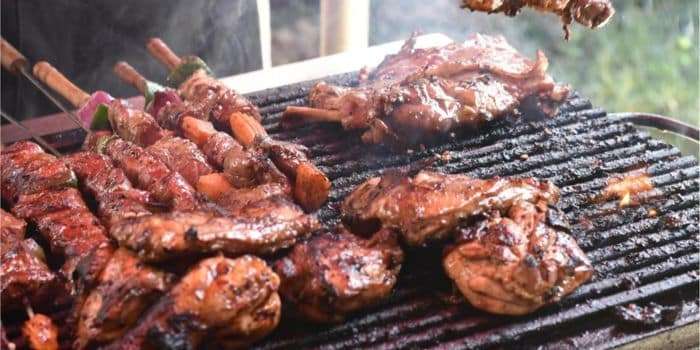
Nairobi’s food scene is a genuine highlight before or after your safari, not just a stopover meal. You’ll find strong Indian, Ethiopian, and international options across the city, alongside classic Kenyan dishes like nyama choma (grilled meat) and ugali. At camp itself, food runs buffet-style and international, and nearly every property will accommodate vegetarian requests without issue if you flag it in advance.
Common Mistakes First-Time Travelers Make
- Underpacking warm clothes. The equator doesn’t mean warm nights or dawn game drives. Bring the jacket.
- Overpacking luggage. Small bush planes enforce strict weight limits, usually 15 kg including carry-on. Pack soft-sided bags, not hard suitcases.
- Booking the cheapest package available. I’ve heard the horror stories: vehicles that break down, guides who can’t name a single bird, tents with actual holes. Pay a little more for a reputable operator.
- Expecting instant wildlife. Some drives genuinely are just zebras for two hours. That’s normal, and patience is part of the deal.
- Assuming every quote is the same trip. Two operators can quote wildly different prices for what looks like an identical 5 day Kenya safari tours itinerary on paper, and the difference is almost always hiding in vehicle privacy, guide experience, or a quietly excluded park fee. Always ask for a full, itemized breakdown before comparing two numbers side by side.
Are Kids Allowed on Masai Mara Safaris?
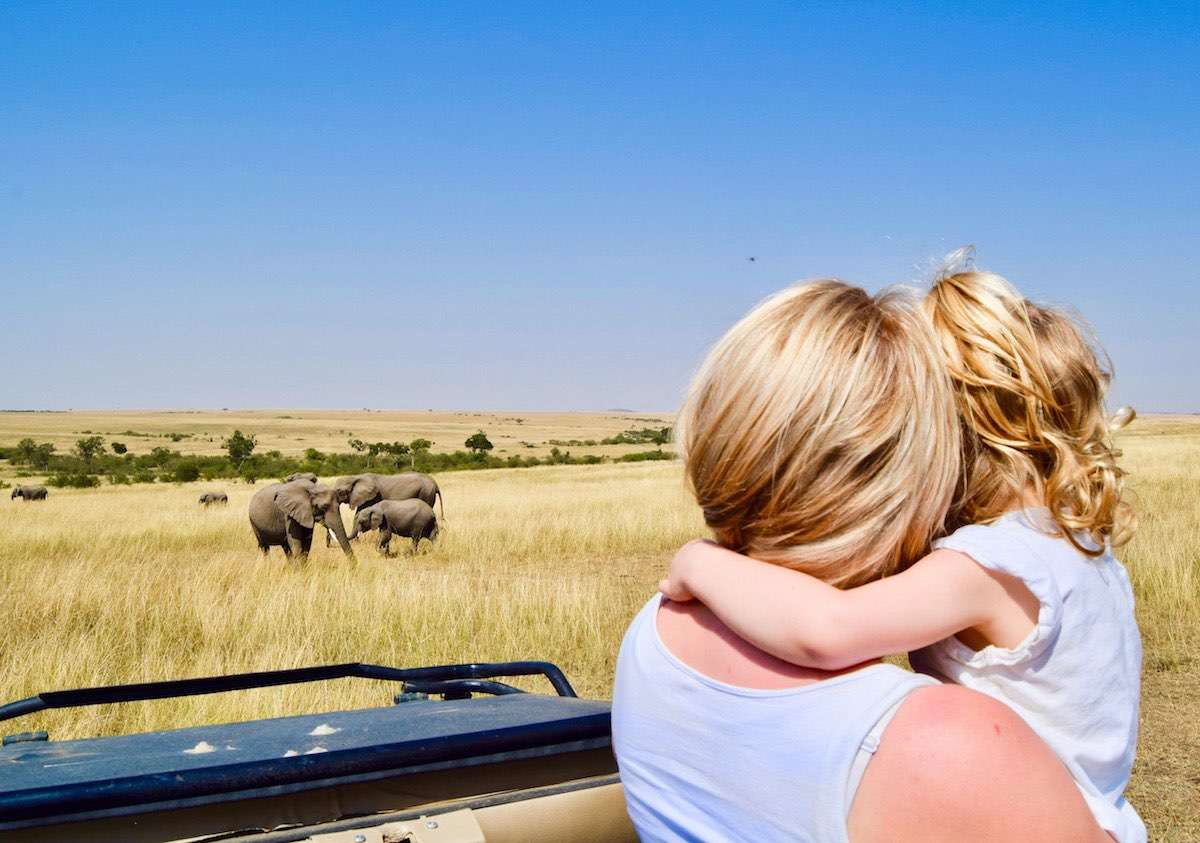
Yes, and the Mara is genuinely one of the more family-friendly reserves in Kenya, provided you choose the right lodge. Many properties welcome children of all ages, though some camps set a minimum age (often 6 or 7) for activities like walking safaris or balloon flights specifically. If you’re specifically searching for a 5 days Kenya safari Itinerary for families, the Busy Traveler route above is the one I point parents toward first, since the domestic flights cut out the long road transfers that wear kids down over a full day, trading a longer road day for real rest time at each stop.
Is Masai Mara Better than Kruger?
They’re genuinely different experiences rather than one being simply better. The Masai Mara wins on raw predator density and the Great Migration specifically, while Kruger in South Africa offers excellent self-drive infrastructure and a wider network of private concessions with night drives. If migration timing and Big Cat density are your priority, the Mara has the edge. If you want to self-drive and explore at your own pace, Kruger is the stronger fit.
Which is Better: Masai Mara or Serengeti?
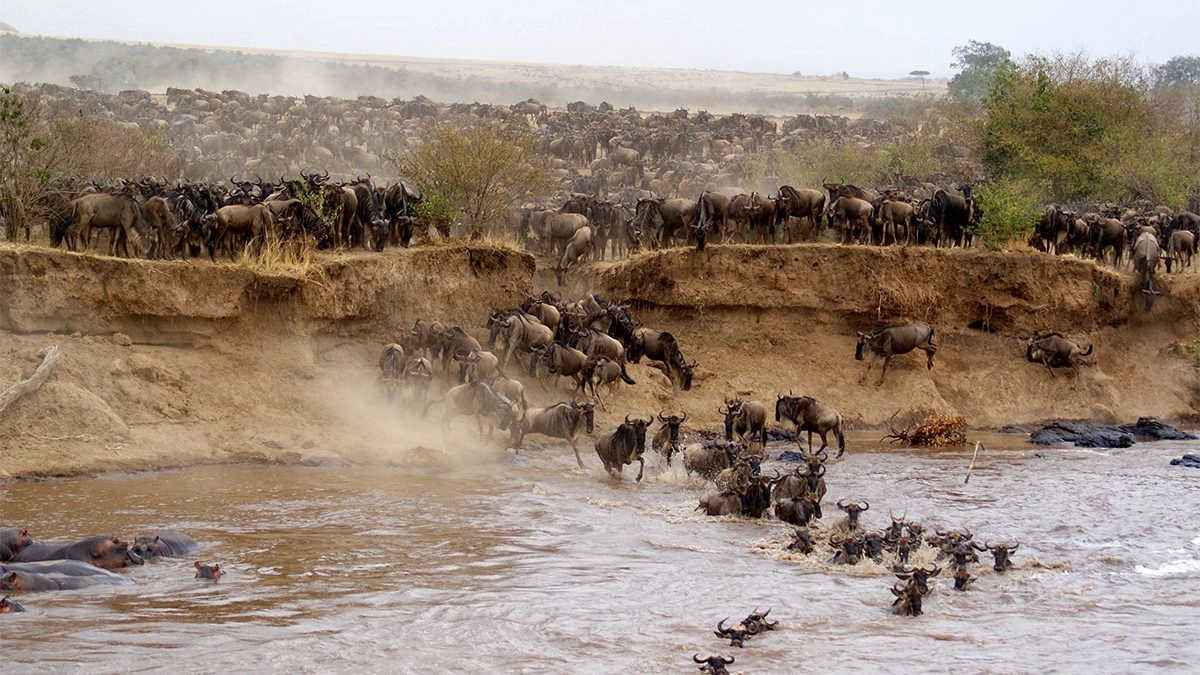
They’re two halves of the same ecosystem, so the honest answer depends on timing. The Masai Mara is at its best from July to October, when migration herds arrive from Tanzania and the Mara River crossings happen. The Serengeti is larger and covers more of the migration’s annual route, including the calving season in the south from January to March. Neither is objectively better, they’re the same migration seen from different sides of the border at different points in the year.
How Long Should I Stay in the Masai Mara?
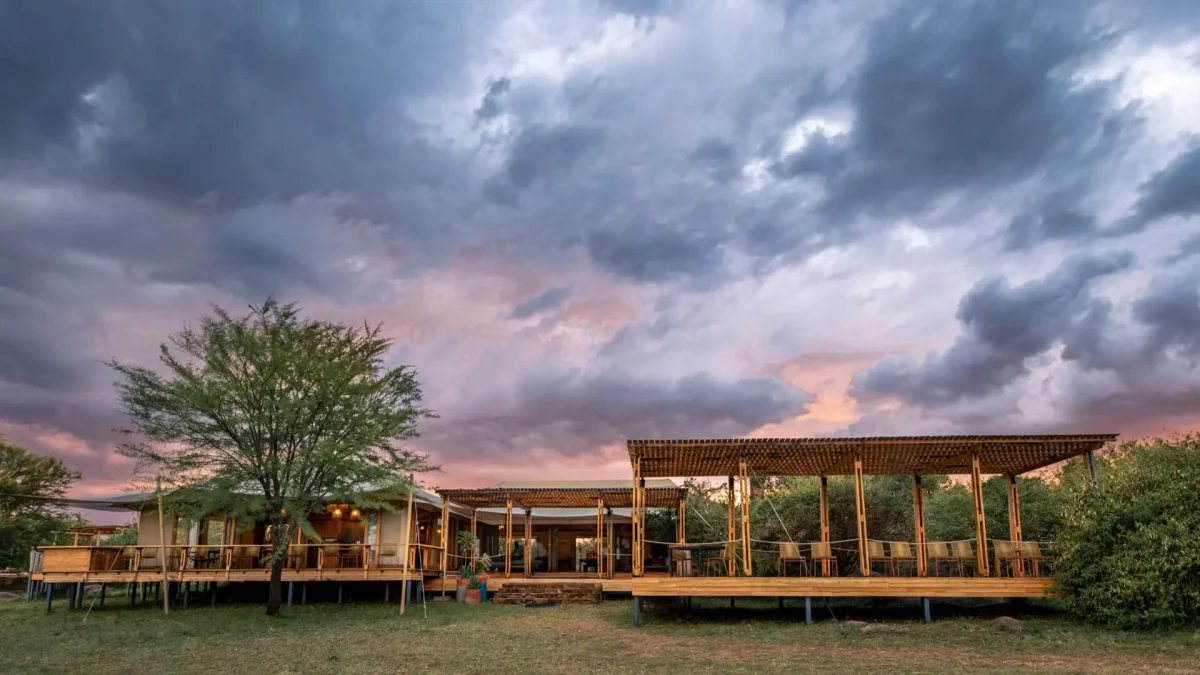
Three nights is the practical minimum for a real Masai Mara experience. Two nights technically works, but you’ll lose most of one day to arrival and departure logistics, leaving barely a full day of actual game driving. Three nights gives your guide enough time to track specific wildlife movement rather than just covering ground, and it’s exactly why both itineraries above build in at least that much time in the reserve.
Safety Tips for Families
Kenya’s established safari circuit, the Masai Mara, Amboseli, and Nairobi’s own parks, is genuinely safe for families traveling with a reputable operator, but a few habits make a real difference once you’re out on game drives:
- Stay hydrated. The African sun works faster than most people expect, especially on a full-day game drive with no shade. Keep water bottles topped up for everyone, kids especially, throughout the day.
- Sun protection. Sunscreen, a proper hat, and sunglasses matter more here than almost anywhere else you’ll travel. Reapply sunscreen at midday, not just once in the morning.
- Follow your guide’s instructions. This sounds obvious, but on a game drive or a guided walk, your guide’s word is final, especially around wildlife. Keep kids seated and inside the vehicle unless your guide specifically says otherwise.
- Mosquito protection. Use insect repellent from late afternoon onward, and sleep under the mosquito net your camp provides rather than skipping it because the room feels sealed up.
- Health precautions. Confirm your family’s routine vaccinations are current before you travel, and pack a basic first-aid kit with any regular medications, since pharmacies are genuinely hard to find once you’re out in the bush.
Accommodations in Kenya
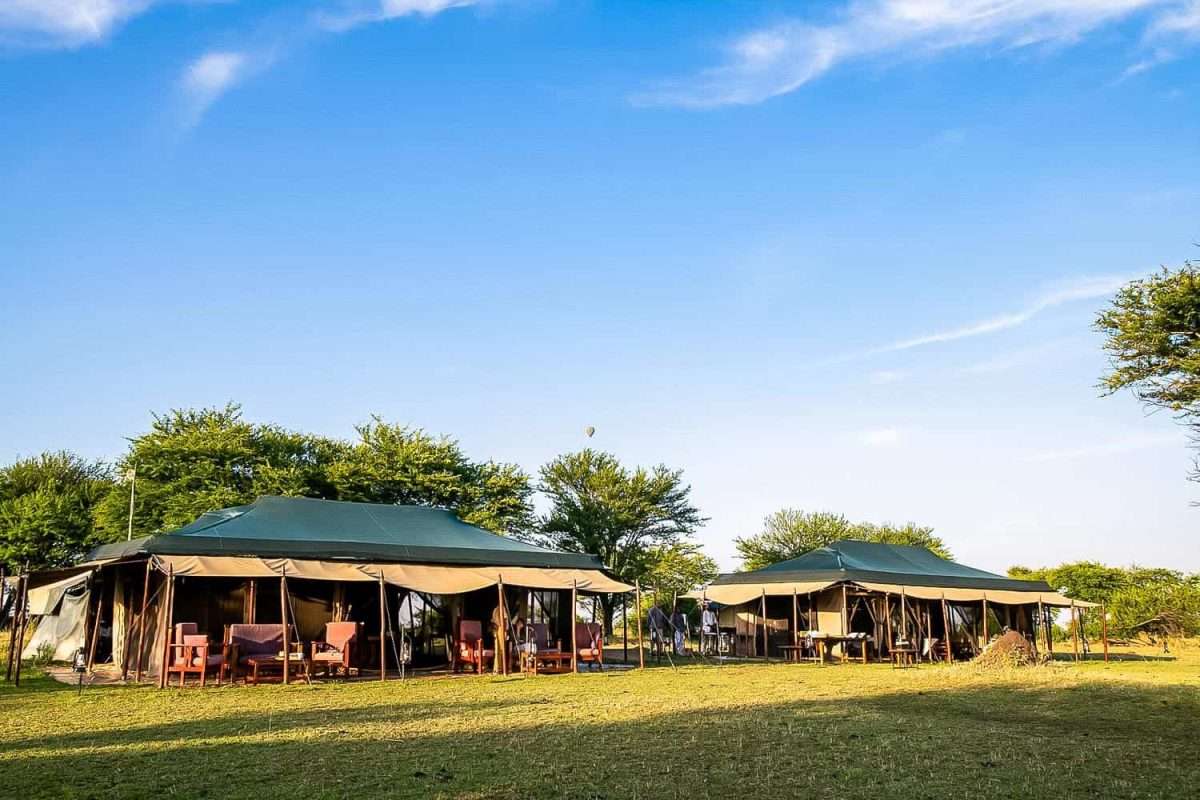
Across both 5-day itineraries above, you’ll stay in full board lodges and tented camps chosen specifically for location and comfort, not just brand recognition.
On the Big Five Safari Road Adventure, your first night is at Sarova Lion Hill Game Lodge, perched above Lake Nakuru with sweeping views over the lake itself, followed by three nights at Sarova Mara Game Camp, set inside the Masai Mara with the kind of fireside evenings that genuinely define a first safari.
On the Busy Traveler fly-in route, you’ll open at Enashipai Resort & Spa on the shores of Lake Naivasha, a genuinely restful first night after a long flight, before moving to Soroi Mara Bush Camp on the Mara River for two nights of classic bush atmosphere, and closing at Elewana Tortilis Camp in Amboseli, with Kilimanjaro visible from camp on a clear evening.
If you want a fuller sense of what “luxury” actually looks like on the ground in Kenya and beyond, our guide to the best safari lodges in Africa walks through 20 properties we’ve personally stayed at or booked guests into, including several of the exact camps featured on the itineraries in this guide.
Frequently Asked Questions
How much does a 5 day Kenya safari cost?
A 5 day Kenya safari tour costs $1,589 to $3,709 per person in 2026, depending on whether you travel by road or by scheduled flight between parks, plus international flights, visa, and tips priced separately.
What is included in a 5 days Kenya safari packages quote?
A genuine 5 day Kenya safari Itinerary includes a private vehicle and guide, full board accommodation, all park entry fees, airport transfers, and emergency medical evacuation cover. International flights, visa, tips, and personal spending are not included.
Which 5 day Kenya safari itinerary is best for families?
The Busy Traveler 5-Day itinerary, which uses scheduled flights between Lake Naivasha, the Masai Mara, and Amboseli, is our strongest recommendation for families, since it cuts out the long road transfers that tend to wear younger travelers down.
Do I need a visa for a 5 day Kenya safari?
Yes. Kenya requires an eVisa for most nationalities, applied for online, costing $30 and valid for single entry within 90 days of approval.
What is the best time for a 5 day Kenya safari tour?
July through October covers Great Migration season in the Masai Mara, January and February offer dry, quiet conditions with fewer crowds, and April and May should generally be avoided due to heavy rains.
Blog Summary
- A 5 day Kenya safari tour costs $1,589 to $3,709 per person in 2026, with road safaris at the lower end and fly-in itineraries at the upper end.
- TourwithPipi runs two real 5-day Kenya safari packages: a road safari through Lake Nakuru and the Masai Mara from $1,589, and a fly-in itinerary through Naivasha, the Masai Mara, and Amboseli from $3,709.
- The Masai Mara, Amboseli, Tsavo, and Ol Pejeta each offer a genuinely different kind of safari, and most first-time 5 day Kenya safari Itinerary plans should focus on two parks, not four.
- Kenya’s eVisa costs $30, takes two to three business days, and is best applied for at least a week before travel.
- July to October is Great Migration season and the most expensive time to travel, while January and February offer excellent wildlife viewing at a lower cost.
- Every genuine safari package should disclose park fees, private versus shared vehicles, and exact inclusions before you book, and TourwithPipi operates in the mid-range to luxury tier across both 5-day itineraries in this guide.
Start Planning Your 5 Day Kenya Safari →


