
Quick Answer: Kenya in July is warm, dry, and sunny. Nairobi stays cool at 73 to 77°F, the coast runs hotter at 82 to 88°F, and Masai Mara weather in July is dry with daytime highs near 75°F. This is peak safari season, and the Great Migration reaches the Mara River late in the month.
Weather in Kenya in July
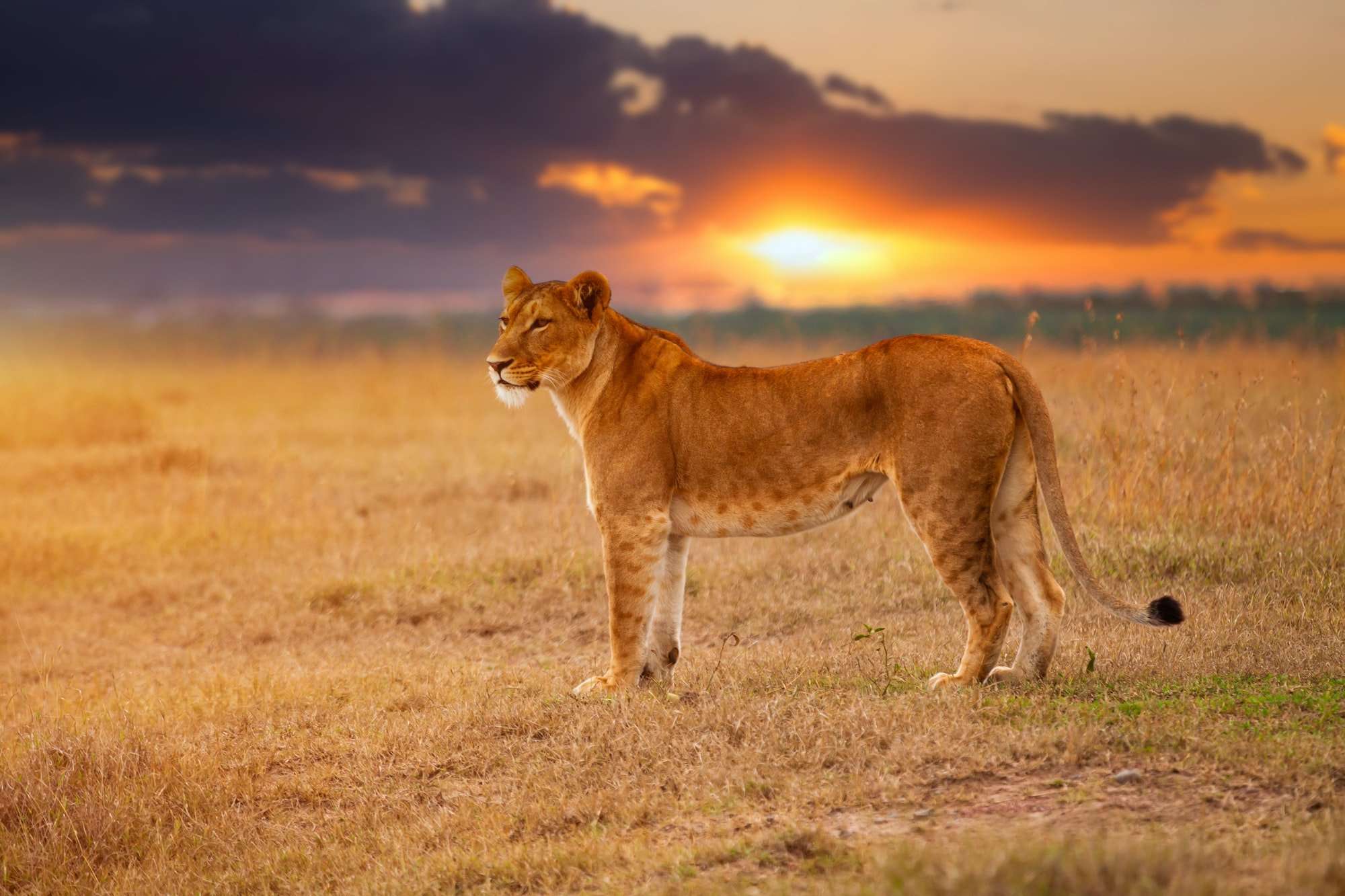
July falls in Kenya’s long dry season, which runs from June through October. Rain clears out of most regions, humidity drops, and skies stay clear for days at a stretch. This is the single biggest reason July ranks as one of the best months for a Kenya safari.
Kenya’s size and elevation range mean July temperature is not one number. It changes by region, and travelers planning a multi-stop trip need to know the difference before they pack.
Weather in Nairobi Kenya in July
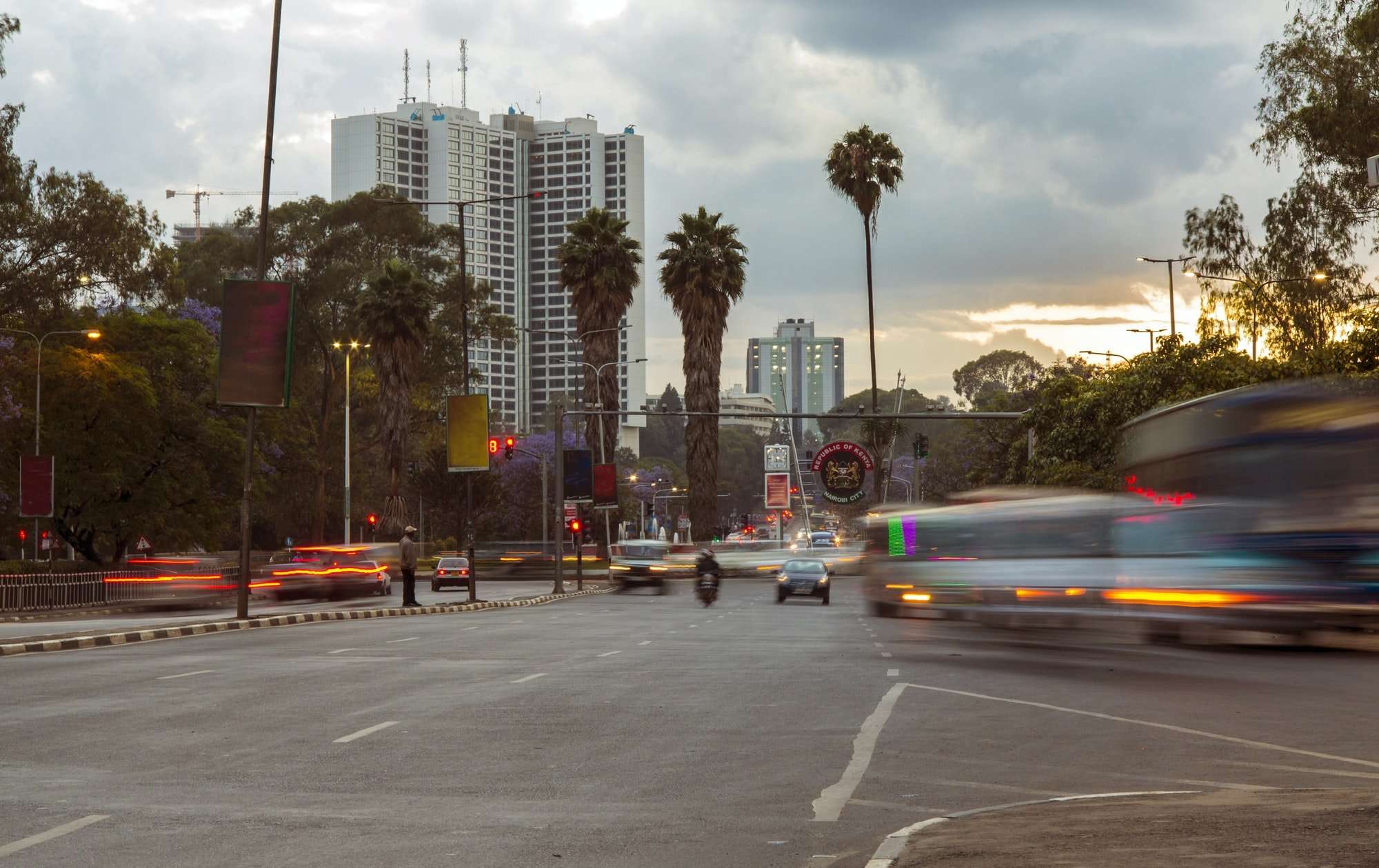
Nairobi sits at nearly 5,500 feet above sea level, which keeps it cooler than the coast year-round. In July, daytime highs run 73 to 77°F, with nights dropping to around 54 to 55°F. Mornings can feel genuinely cold, especially before sunrise. This is comfortable weather for walking through markets or spending a day at the Nairobi National Museum, but pack a real jacket, not just a light layer, for evenings.
Weather in Masai Mara Kenya in July
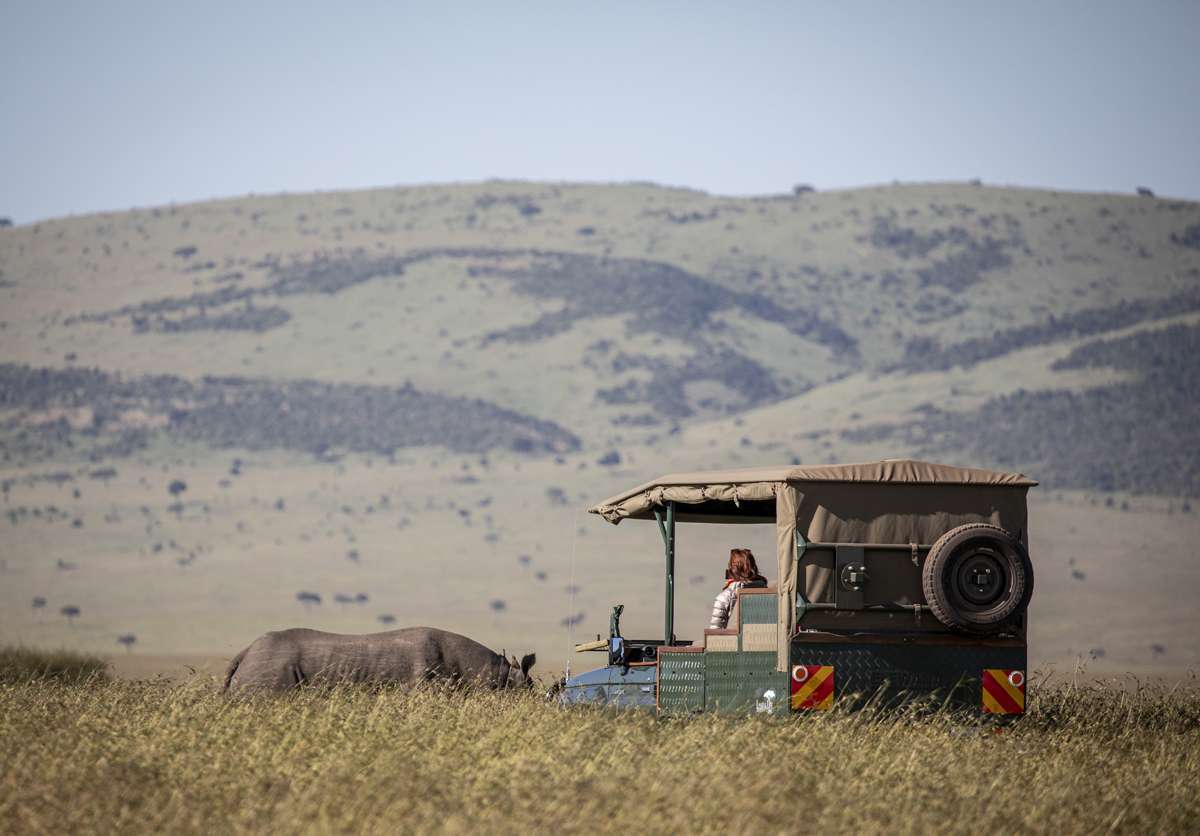
Weather in Masai Mara Kenya in July stays dry and mild, with daytime highs around 73 to 75°F and cool mornings before sunrise game drives. Weather Masai Mara July rarely brings rain, so tracks stay firm and passable, which matters for game drives that often go off-road to follow predators or migration herds. Masai Mara weather in July is one of the most reliable stretches of the year for uninterrupted game viewing.
Kenya’s Coast in July
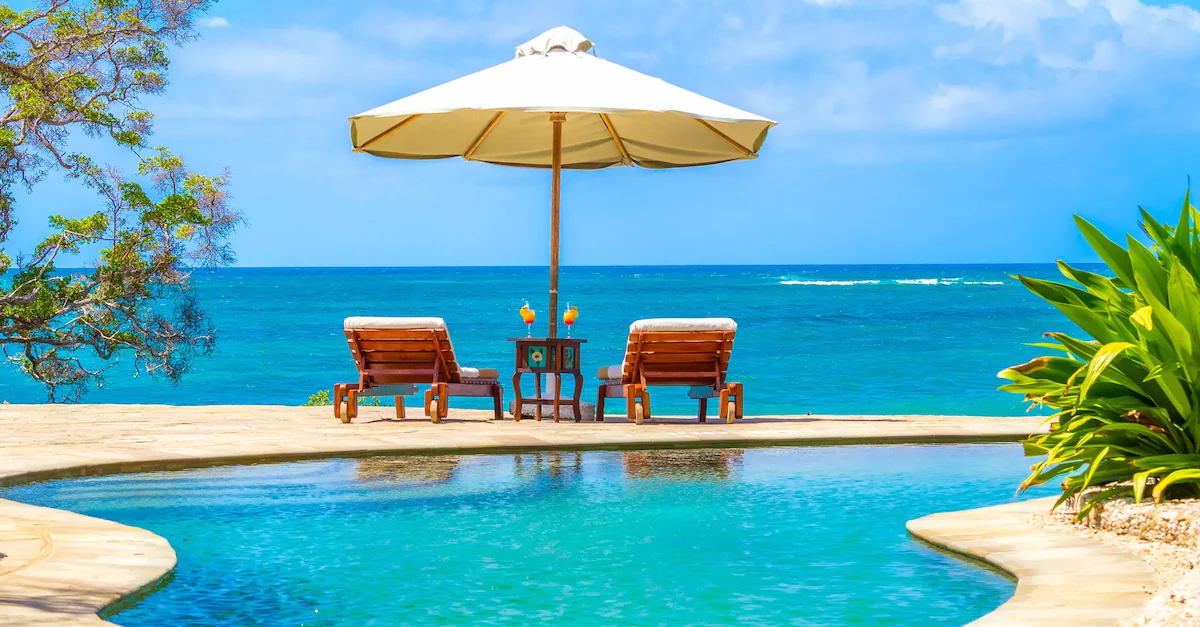
The coast runs warmest, with daytime highs between 82 and 88°F in Mombasa and Malindi. A steady onshore breeze keeps the heat from feeling heavy, and the Indian Ocean stays warm enough for comfortable swimming and diving all month.
Mountain Parks: Mount Kenya and Hell’s Gate
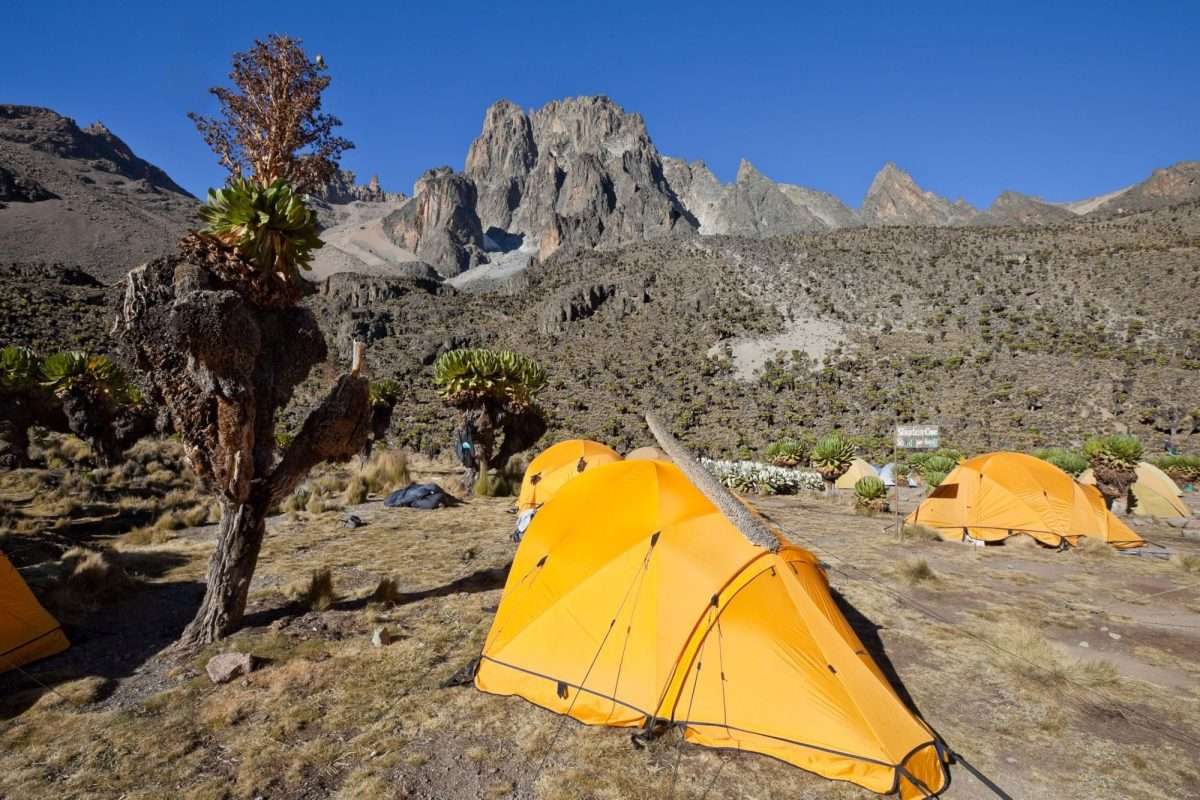
Mount Kenya and Hell’s Gate National Park sit outside the dry-season pattern. Both still get rain about one day in three during July, driven by altitude rather than the broader seasonal shift. Pack a waterproof shell if either park is on your route.
Is July a Good Time to Visit Kenya?
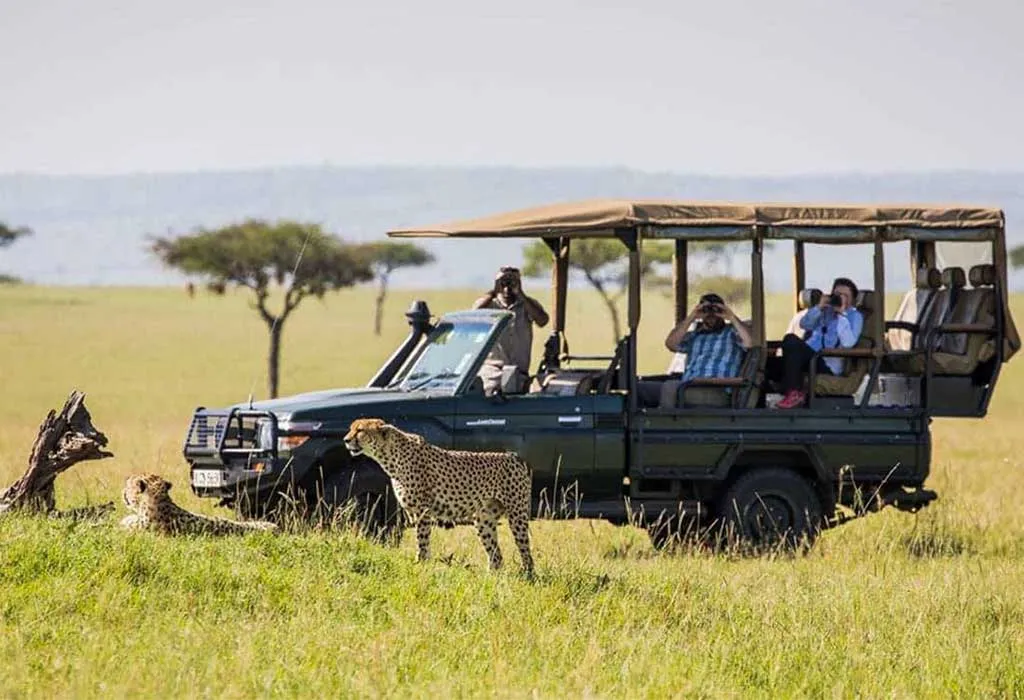
Yes, and for one main reason: July combines dry-season weather with the start of the Great Migration. That pairing is rare. Most of the world’s best wildlife spectacles happen during rainy or unpredictable weather. In Kenya, July delivers both good conditions and one of the best events in the wildlife calendar at the same time.
The trade-off is cost and crowds, covered in detail below. For most travelers, especially first-timers who want reliable weather and strong odds of seeing predators and migration herds in the same week, July still comes out ahead of the shoulder seasons.
The Great Wildebeest Migration in July
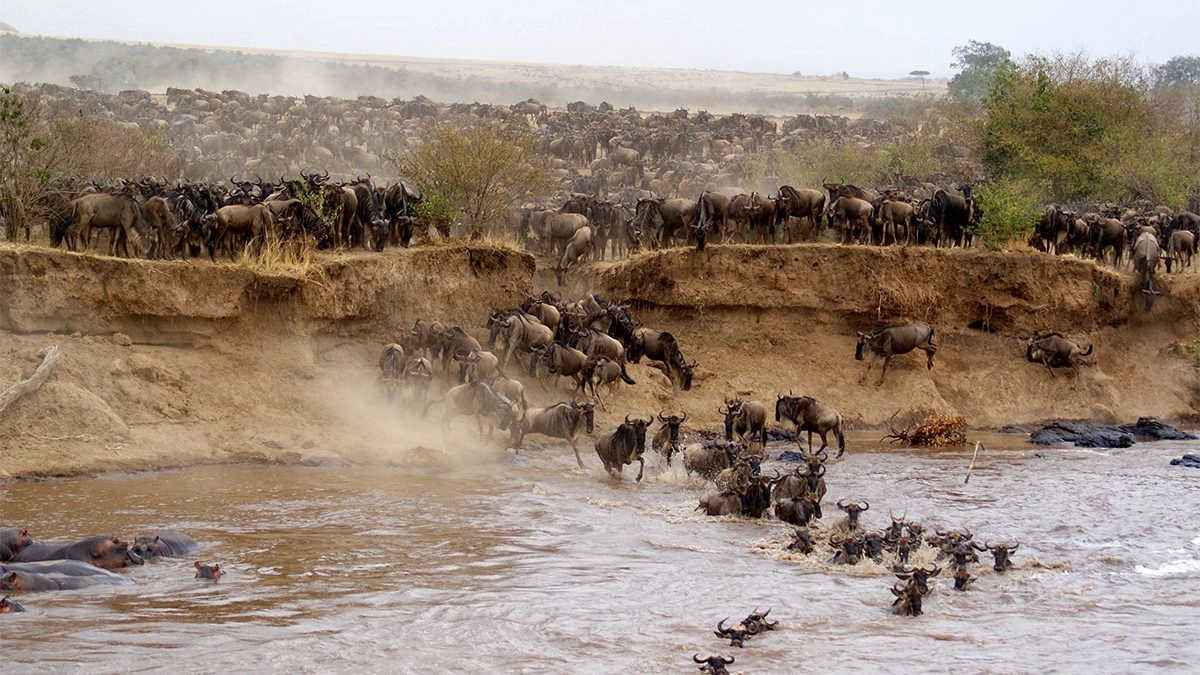
The Great Migration is not a single event. It is a year-round movement of over a million wildebeest, plus hundreds of thousands of zebra, following rainfall between Tanzania’s Serengeti and Kenya’s Masai Mara. July is when that movement becomes visible from the Kenyan side.
Herds typically begin arriving at the Mara River from mid-July, with numbers building through late July and peaking in August. The crossings themselves are unpredictable by nature. Herds can gather on a riverbank for hours before crossing, or turn back entirely. This is one reason a knowledgeable local guide, not just a fixed itinerary, matters more here than on almost any other safari.
Booking tip from TourwithPipi: Camps positioned close to the Mara River, rather than the wider reserve, give guests a real shot at same-day crossing access. Since river-adjacent camps are limited and book out fastest for July, we recommend confirming migration-season lodging four to six months ahead.
Best Places to Visit in Kenya in July
Masai Mara
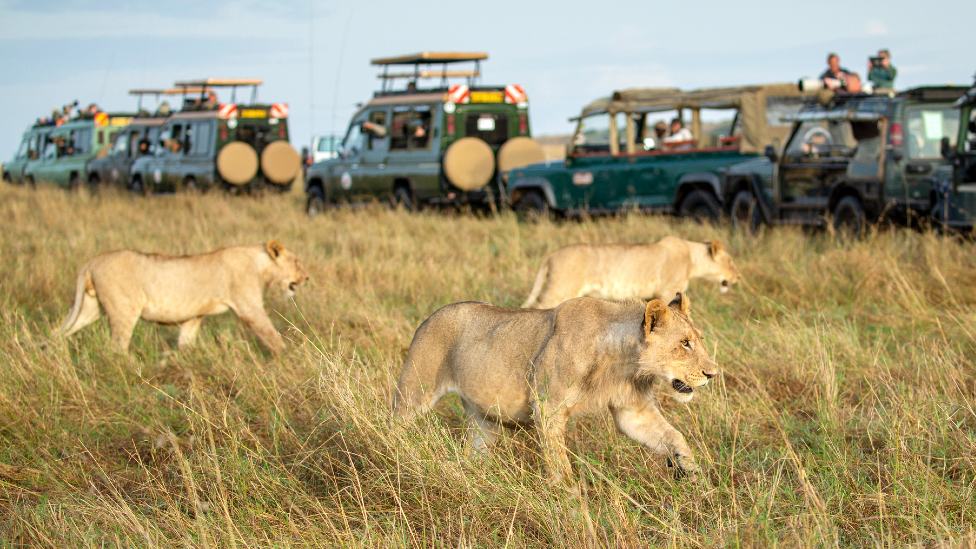
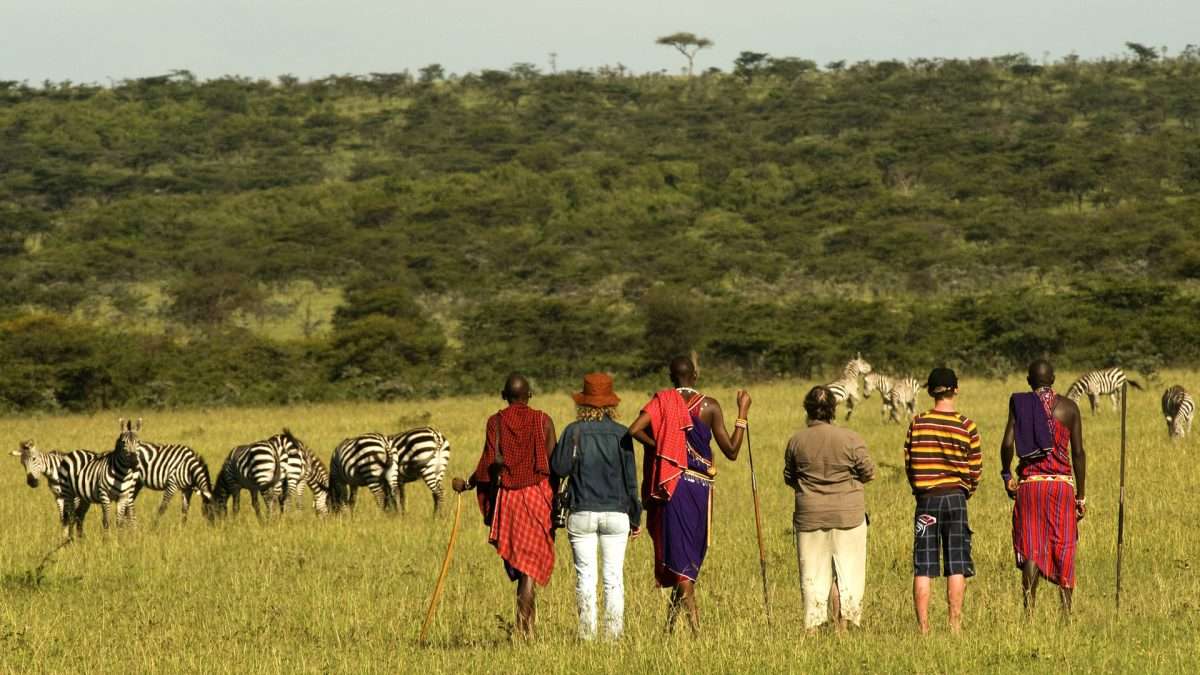
The top choice for July travel. Weather in Masai Mara Kenya in July stays dry and mild, supporting both the migration and strong general game viewing, including lions, leopards, cheetahs, elephants, and giraffes. A sunrise hot air balloon flight over the reserve, followed by a bush breakfast, is one of the most requested add-ons for July trips. Walking safaris and horseback riding are also on offer in parts of the Mara for travelers who want a slower, ground-level view of the landscape.
Masai Mara weather in July
- Day temperature: 22°C to 25°C
- Morning temperature: 10°C to 12°C
- Rainfall: Low
- Wildlife viewing: Excellent
Recommended stay: 3 to 4 days
Amboseli National Park
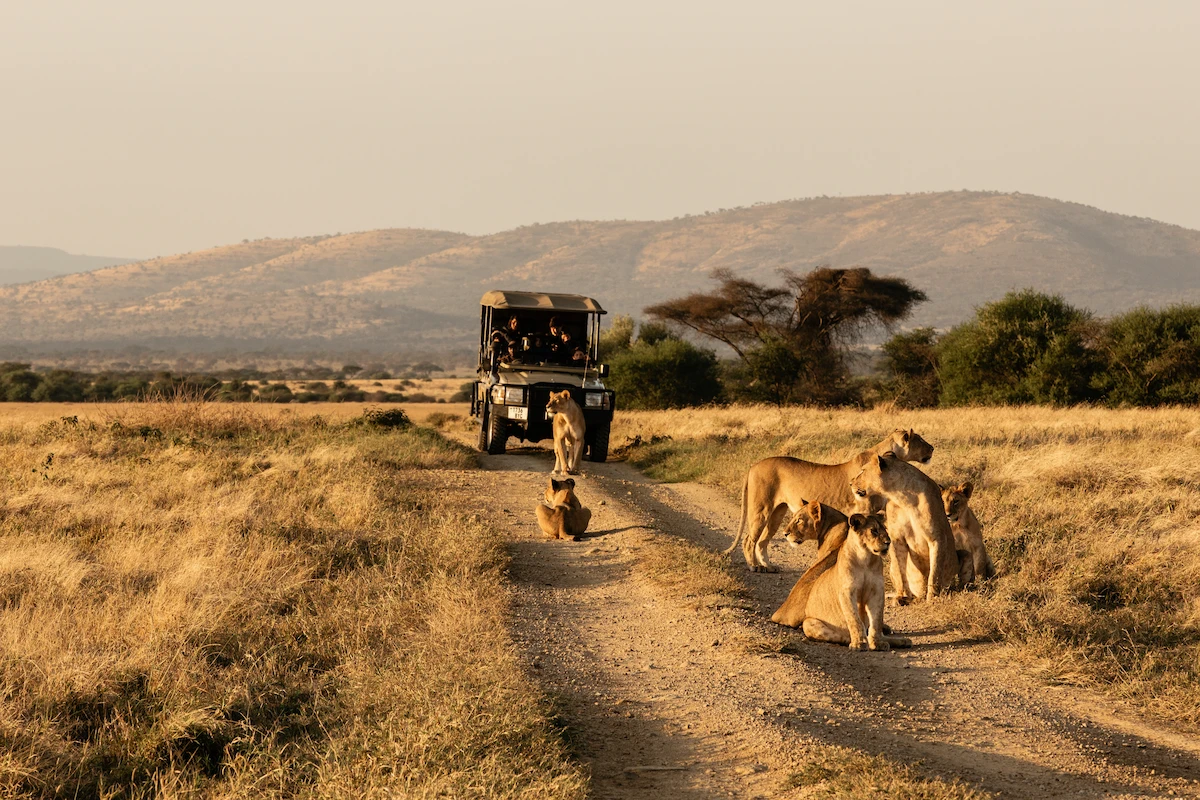
Amboseli is one of Kenya’s most photographed national parks. July offers clear skies that frequently reveal spectacular views of Mount Kilimanjaro, creating unforgettable safari photographs.
The park is famous for its large elephant herds, many of which include some of Africa’s remaining giant tuskers. Buffaloes, giraffes, zebras, wildebeests, hyenas, lions, and numerous bird species are also regularly seen.
Recommended stay: 2 to 3 days
Lake Nakuru National Park
Lake Nakuru is one of Kenya’s best parks for rhino conservation and birdlife. During July, dry conditions improve road access while shorter grass makes wildlife easier to spot.
Visitors commonly see black rhinos, white rhinos, Rothschild’s giraffes, buffaloes, lions, leopards, baboons, and large numbers of flamingos along the alkaline lake.
Recommended stay: 1 to 2 days
Hell’s Gate National Park
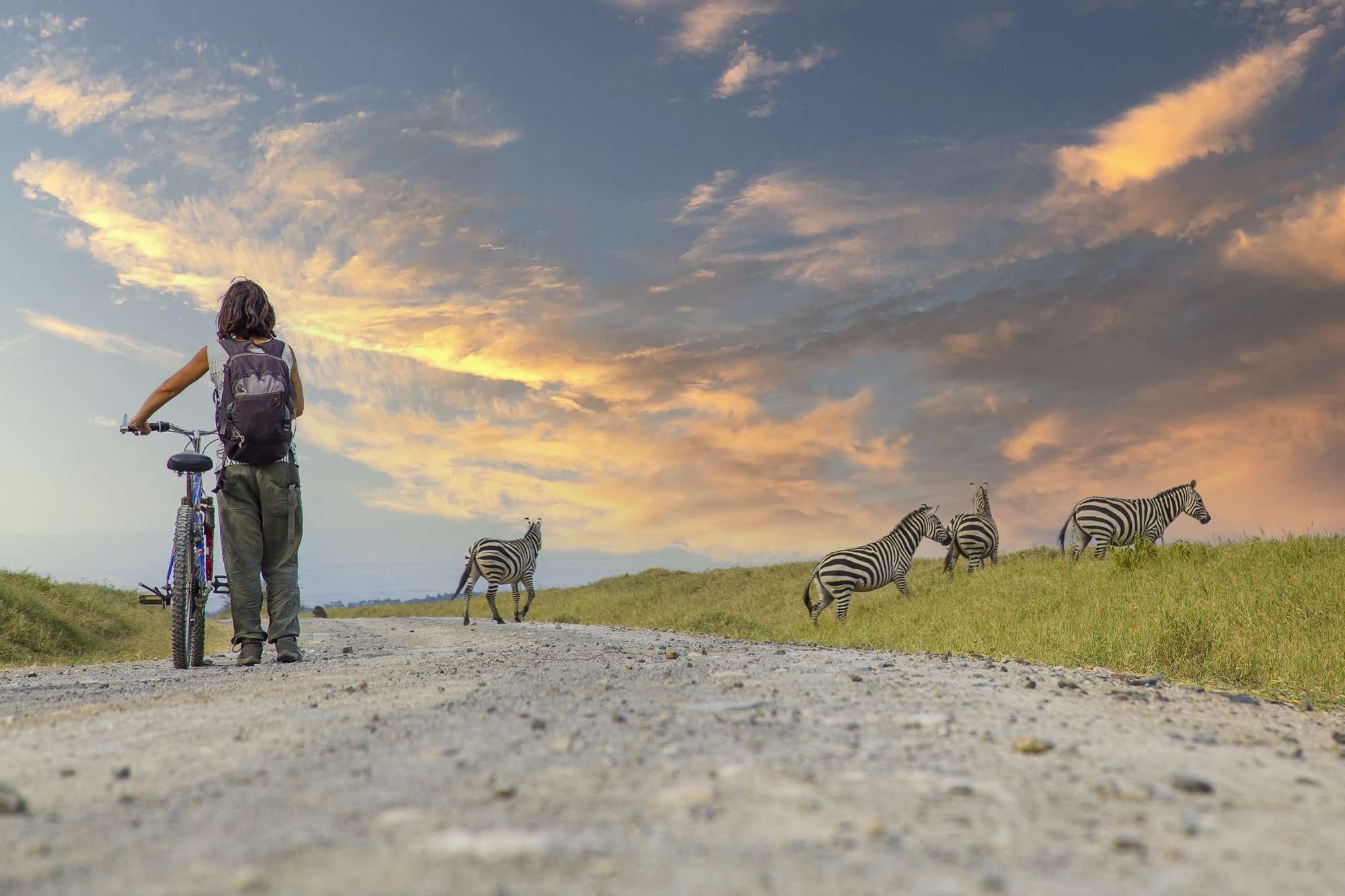
Hell’s Gate is one of the only parks in Kenya without resident predators, which means visitors can hike or mountain bike freely past zebras and elephants through dramatic volcanic gorges. July’s dry conditions make the trails easier to manage.
Recommended stay: 1 day
Samburu National Reserve and Ol Pejeta Conservancy
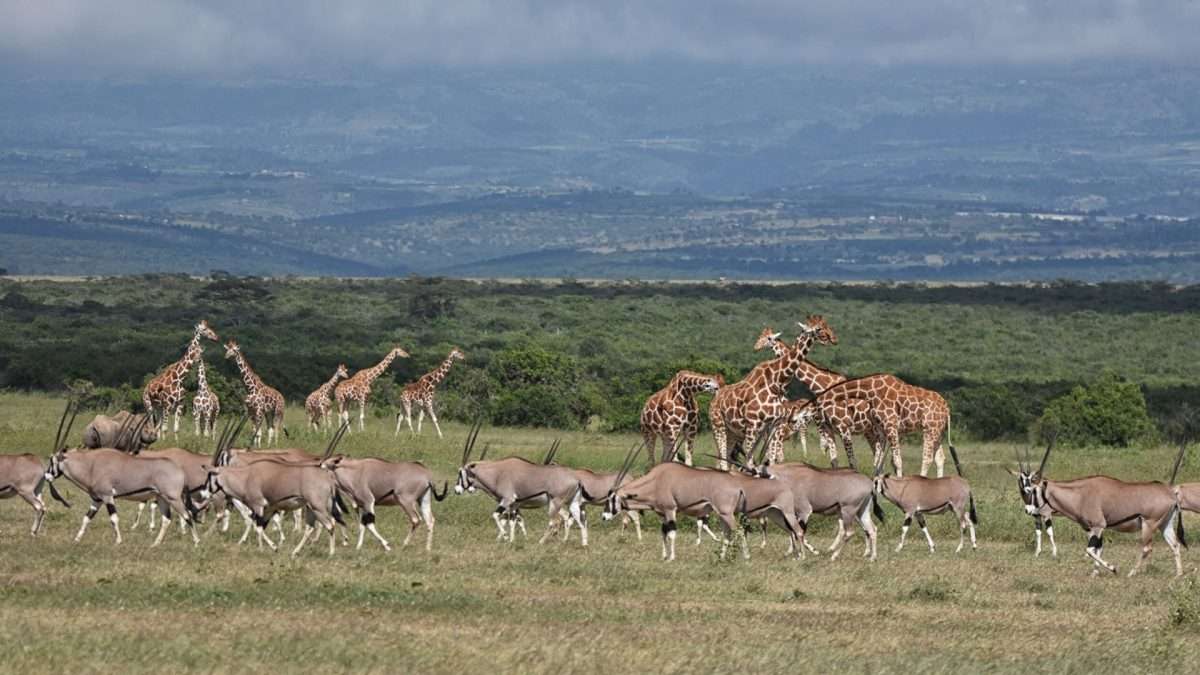
Samburu holds its own version of the Big Five: the beisa oryx, reticulated giraffe, Grevy’s zebra, Somali ostrich, and gerenuk, alongside four of the traditional Big Five, without rhino. Ol Pejeta is a stronger bet for classic Big Five sightings, including black rhino.
Loisaba Conservancy
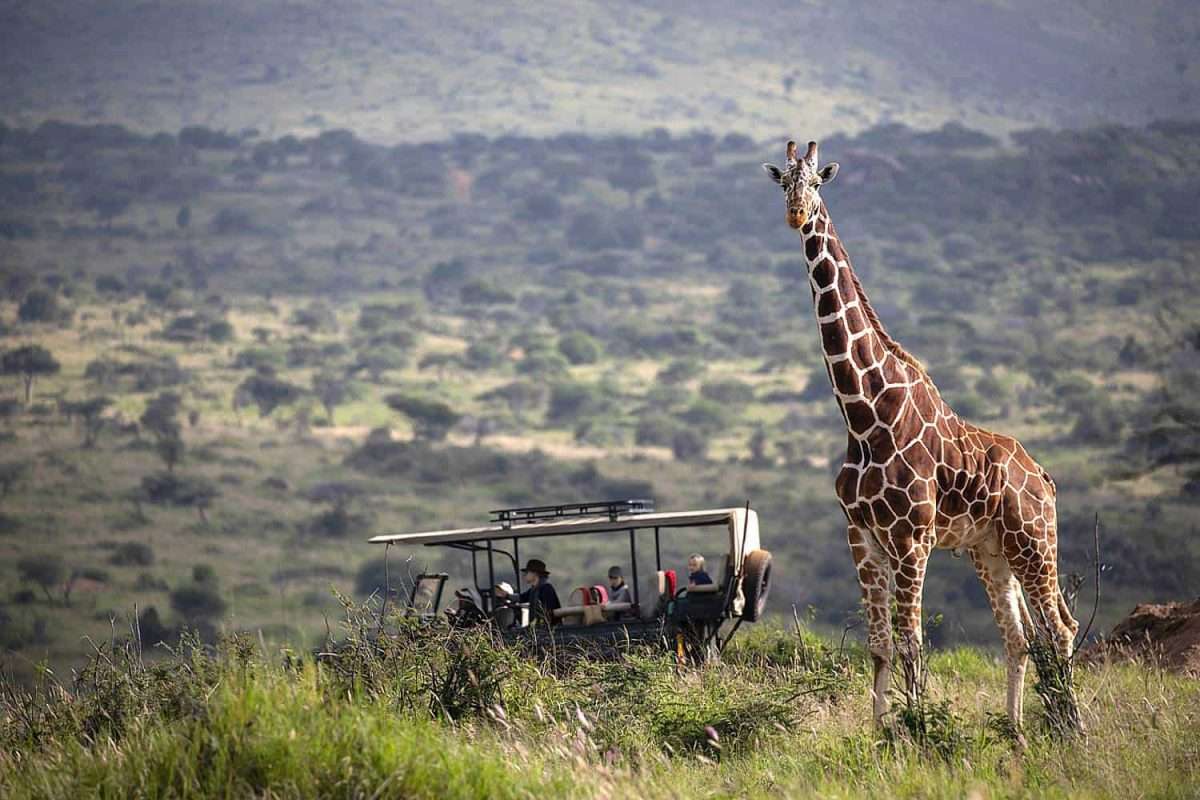
June through September is peak wildlife season at Loisaba, with hilltop viewpoints, Grevy’s zebra, buffalo, greater kudu, reticulated giraffe, lions, cheetahs, and a slowly recovering population of African wild dogs.
The Coast: Mombasa, Malindi, and Diani Beach
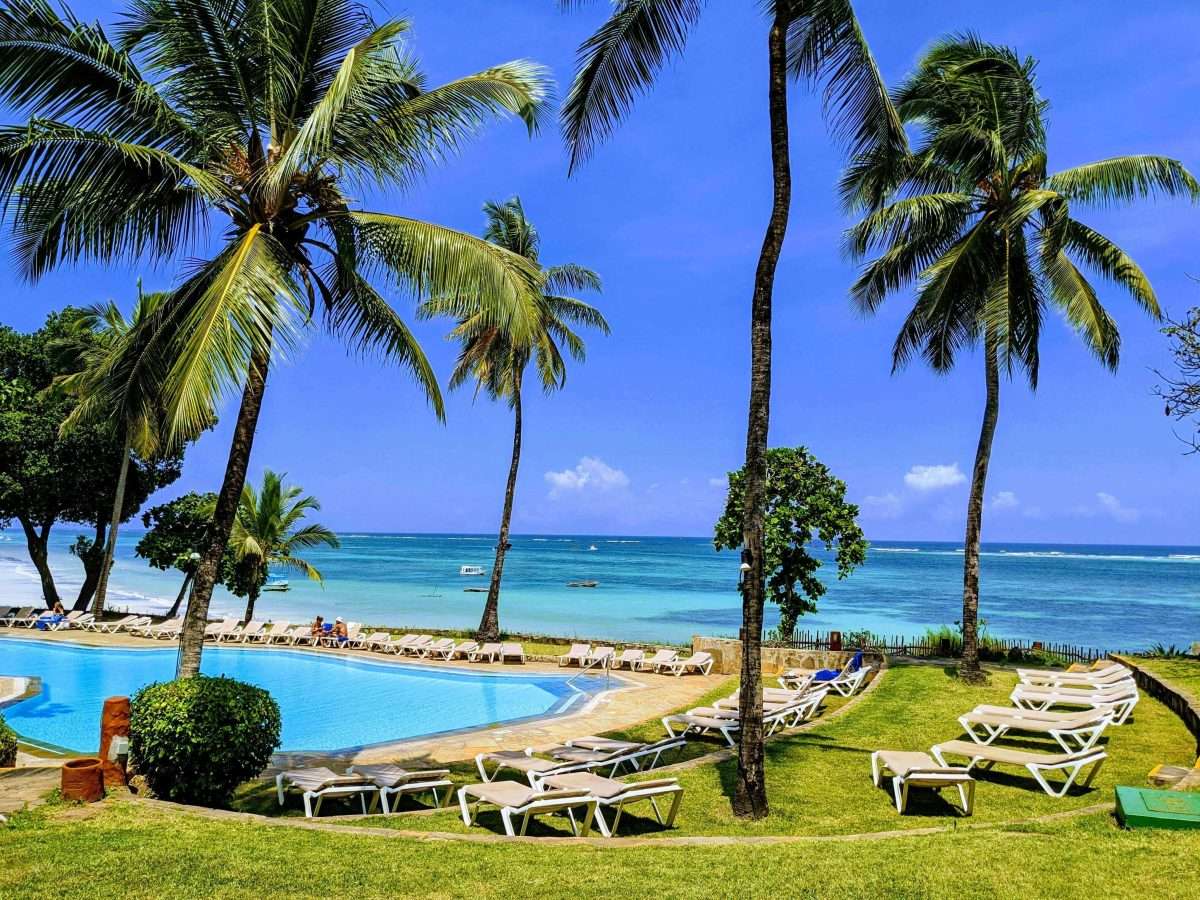
Warm water, ivory sand, and a lighter crowd than the hottest months make July a strong window for the coast. Mombasa suits dolphin-watching tours and the Mombasa Marine National Park. Malindi is better for Watamu Beach and the Falconry of Kenya rehabilitation center. Diani Beach, south of Mombasa, is another strong pick in July, with calmer crowds and the same warm, swimmable water that defines the coast this month.
Tsavo East and Tsavo West National Parks
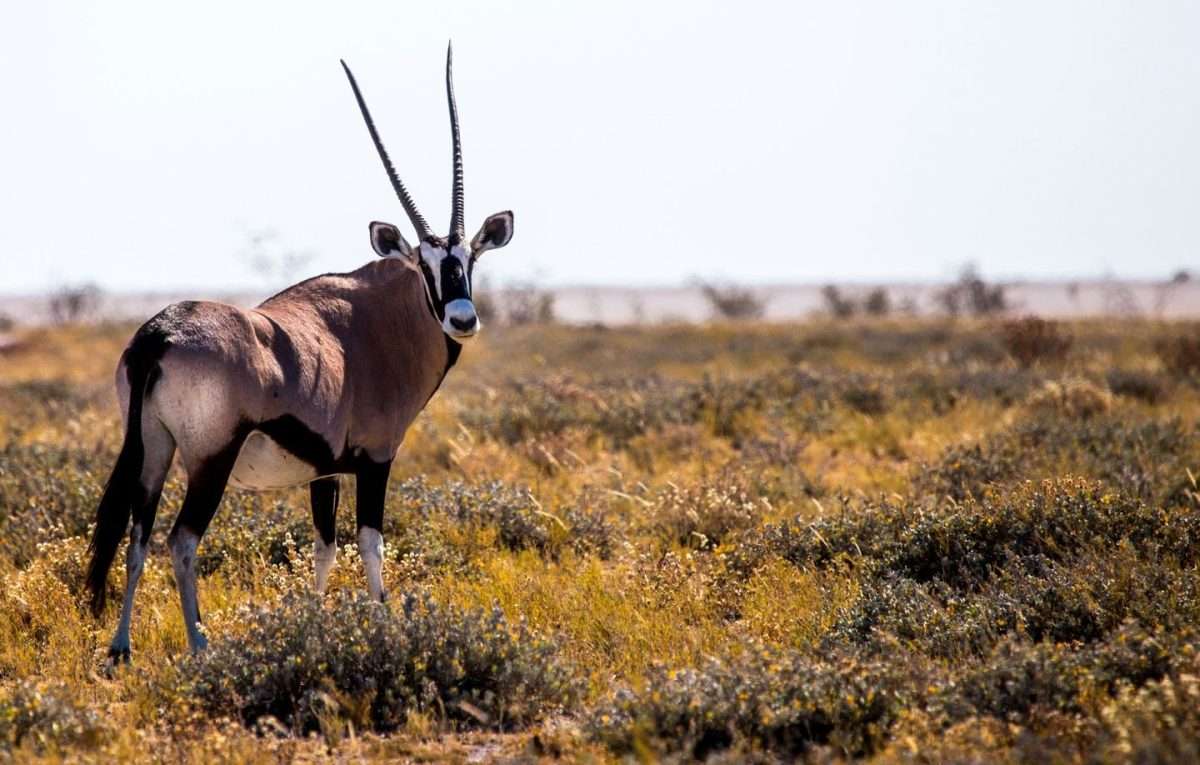
Kenya’s largest protected area splits into Tsavo East and Tsavo West, both known for red-dust elephant herds and wide open terrain. July’s dry conditions make wildlife easier to spot here too, as animals cluster near the remaining water sources.
Nairobi
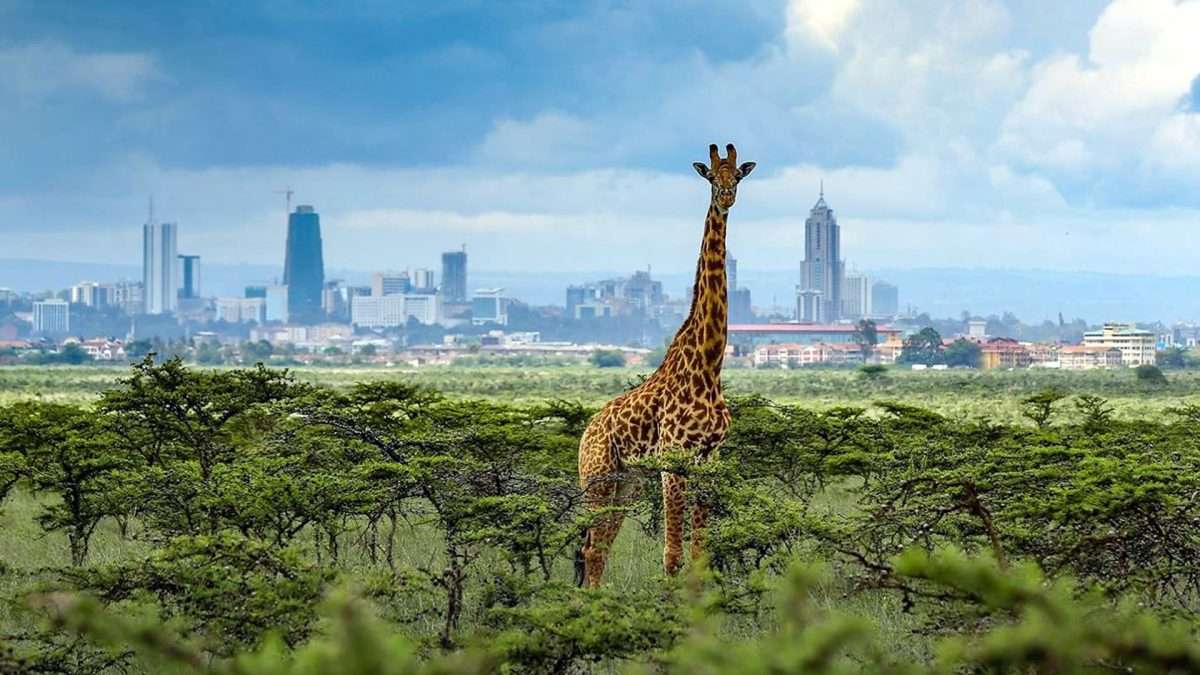
Mild July temperatures make Nairobi genuinely walkable. Nairobi holds a rare distinction: it is the only capital city in the world with a national park inside its borders. The AFEW Giraffe Center and Nairobi National Park’s rhino sanctuary sit just outside the city, alongside galleries like Banana Hill Art Gallery and the Nairobi Botanical Gardens for a cultural stop before or after a safari.
Mount Kenya
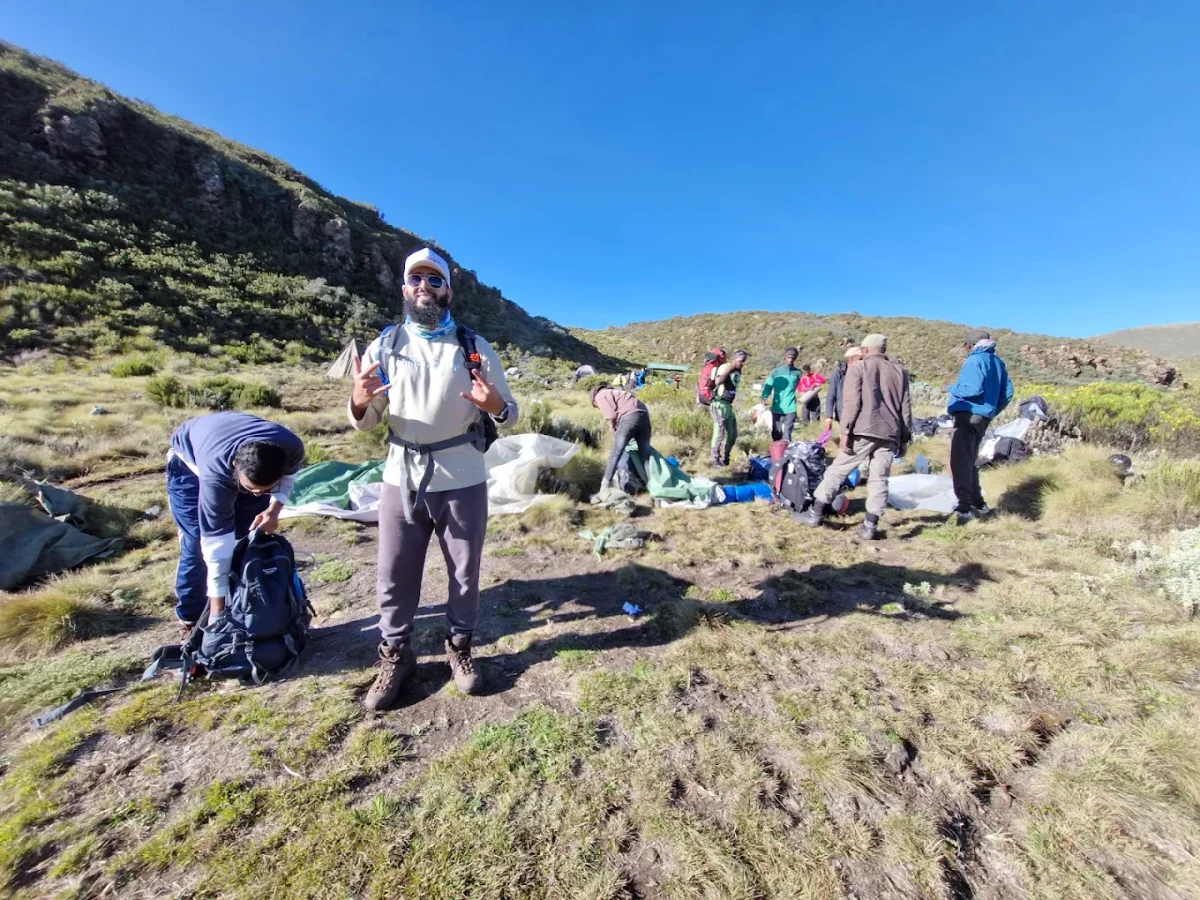
Africa’s second-highest peak, standing over 17,000 feet, Mount Kenya is a once-active volcano that now offers trekkers a route to Point Lenana without technical climbing skill, with dramatic Rift Valley views along the way. Expect occasional rain even in July, given the altitude.
Aberdare National Park and Lamu
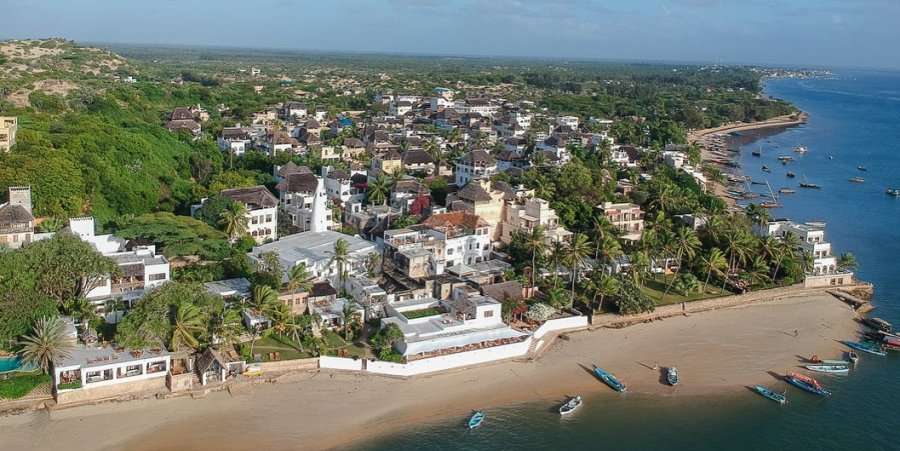
Aberdare National Park, with its forested slopes and waterfalls, is a strong pairing with a Mount Kenya trip for travelers who want more highland scenery. On the coast, the historic town of Lamu offers a slower, cultural counterpoint to the beaches at Mombasa and Malindi, with Swahili architecture and a UNESCO-listed old town.
Kenya in July: Crowds and Costs
July is high season, and it shows in three places: lodge rates, flight prices, and vehicle capacity.
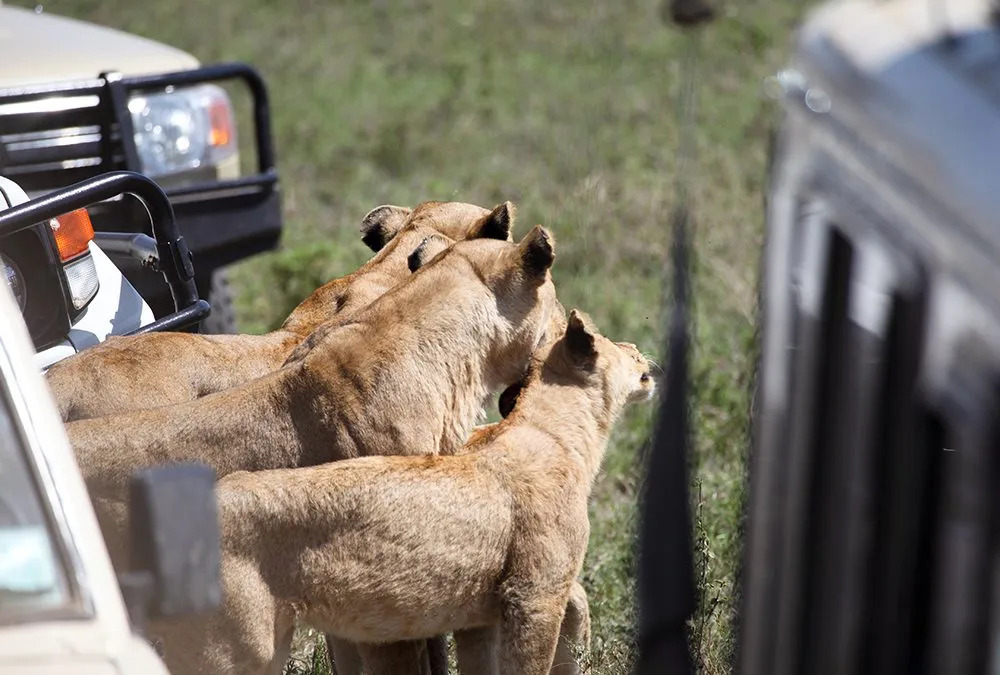
Lodges commonly charge peak-season rates in July, sometimes close to double what the same room costs in the low season. Flights into Nairobi and Mombasa are pricier too, with fewer promotional fares available. Shared safari vehicles are more likely to run full, especially in Masai Mara during migration weeks.
Even with these pressures, Kenya safaris typically use smaller group sizes than mass-market destinations elsewhere in the world, so July crowds rarely feel as overwhelming as peak season does in more heavily trafficked places.
Average Safari Costs in July
| Safari Type | Average Price (Per Person) |
|---|---|
| Budget Safari | US$180 to US$300 per day |
| Mid-range Safari | US$350 to US$700 per day |
| Luxury Safari | US$800 to US$2,000+ per day |
| Ultra Luxury Safari | US$2,500 to US$5,000+ per day |
Prices usually include accommodation, game drives, park fees, meals, and guide services, although inclusions vary by operator.
Flight Prices
International airfares also increase during July due to high demand.
Average return economy flights to Nairobi:
- Europe: US$700 to US$1,200
- North America: US$900 to US$1,600
- Middle East: US$350 to US$700
- India: US$350 to US$700
Booking several months ahead often provides better availability and pricing.
How Many Days Should You Spend in Kenya in July?
The ideal trip length depends on what you want to experience.
| Trip Length | Recommended For |
|---|---|
| 5 Days | Masai Mara safari only |
| 7 Days | Nairobi, Masai Mara and Lake Nakuru or Amboseli |
| 10 Days | Multiple parks plus the Great Migration |
| 12–14 Days | Safari combined with Diani Beach, Watamu or Mombasa |
A 7 to 10-day itinerary offers the best balance, allowing enough time to experience Kenya’s diverse wildlife, landscapes, and culture without rushing.
What to Pack for Kenya in July

Packing for Kenya in July is straightforward because the weather is mostly dry, but temperatures vary between early mornings, afternoons, and evenings.
Bring lightweight clothing for daytime game drives, along with a warm fleece or jacket for cool mornings in the Masai Mara, Amboseli, and Nairobi. Comfortable walking shoes, a wide-brim hat, sunglasses, sunscreen, binoculars, a camera with extra batteries, and a reusable water bottle are all useful.
If your itinerary includes Mount Kenya or Hell’s Gate National Park, a lightweight waterproof jacket is worth carrying since occasional showers can occur in higher elevations.
Neutral colours such as khaki, olive, brown, and beige work best on safari because they blend into the environment and attract fewer insects.
Plan Your Kenya Safari With TourwithPipi
Kenya in July rewards travelers who plan early. As a Virtuoso-certified safari operator focused on East Africa, TourwithPipi builds July itineraries around confirmed migration timing, camp availability near the Mara River, and the right mix of wildlife and coast for your trip.
Start Planning Your Kenya Safari → View Kenya Safari Packages →
FAQs About Kenya in July
Is July a good time to visit Kenya?
Yes. Weather in Kenya in July is dry and mild, and it lines up with the start of the Mara River crossings, which is rare timing for both good weather and a major wildlife event together.
How hot is Masai Mara in July?
Masai Mara weather in July runs about 73 to 75°F in the day, with cool mornings and dry ground. Rain is uncommon this month.
What is the weather like in Nairobi, Kenya in July?
Weather in Nairobi Kenya in July stays mild, with highs of 73 to 77°F and nights dropping to around 54 to 55°F.
Is Kenya or Tanzania better for safari in July?
Both hold strong game viewing in July, since the Great Migration moves between them. Kenya’s Masai Mara is the stronger pick for river-crossing viewing as herds begin arriving from Tanzania’s Serengeti.
Is July the coldest month in Kenya?
No. July is mild, not cold. Nairobi’s coolest nights sit around 54°F, while daytime temperatures across the country stay comfortable.
What should I wear in Kenya in July?
Neutral, breathable layers for daytime, plus a real jacket for cold mornings and evenings in Nairobi and the Mara.
How far ahead should I book a July Kenya safari?
Four to six months, especially for migration-season camps near the Mara River, which sell out first due to limited river-adjacent capacity.
How many days is enough for a Kenya safari in July?
Seven days covers the core highlights. A 10-day trip, like the itinerary above, allows time for both migration viewing and secondary parks like Lake Nakuru or Hell’s Gate.
Key Takeaways
- Weather in Kenya in July is dry across nearly the whole country, with the mountains as the only exception.
- Kenya July temperature averages: Nairobi 73–77°F, coast 82–88°F, Masai Mara 73–75°F.
- Weather in Masai Mara Kenya in July supports the start of the Mara River crossings, usually from mid to late July.
- July is high season. Expect higher lodge rates, pricier flights, and busier parks.
- Mount Kenya and Hell’s Gate still get rain roughly one day in three, even in July.


