
From a distance, Lake Nakuru appears covered in a thin, bright pink blanket. As you get closer, the picture gets clearer and you find yourself staring at two million flamingos packed along the shoreline, feeding on the algae that thrive in the lake’s alkaline water. It is one of the great natural spectacles in Kenya and it happens inside a national park just three and a half hours from Nairobi.
Lake Nakuru National Park in Kenya at a Glance
Located in Kenya’s Great Rift Valley, Lake Nakuru sits at an elevation of 1,745 metres and is famous for the vast flocks of flamingos that feed on its algae. The lake varies in size between 5 and 45 square kilometres depending on rainfall and sits inside Lake Nakuru National Park, south of Nakuru town, Kenya’s fourth largest city.
The park was declared Kenya’s first rhino sanctuary in 1987, and both white and black rhinos have thrived here ever since. Surrounded by acacia woodland, rocky cliffs, and forested escarpments, the lake is also a vital water source for zebras, buffalos, Rothschild’s giraffes, and a wide range of predators.
Where Is Lake Nakuru in Kenya?
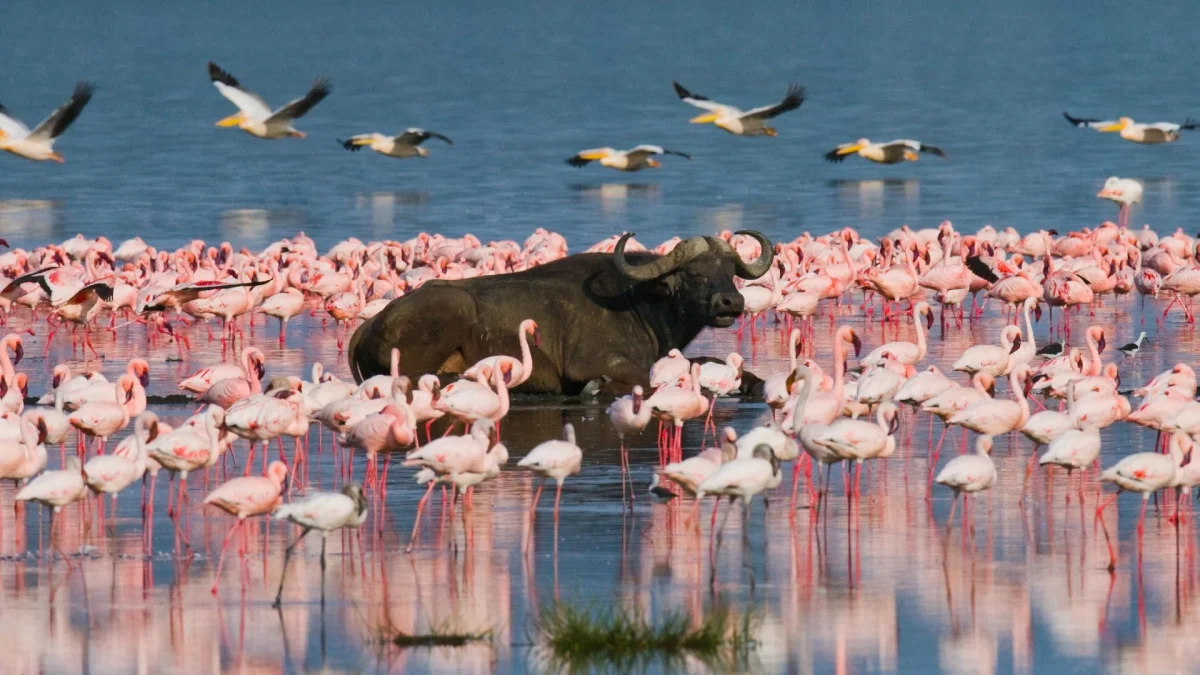
Lake Nakuru sits in Nakuru County inside Kenya’s Great Rift Valley, about 160 kilometres northwest of Nairobi. The town of Nakuru, Kenya’s fourth largest city, sits just north of the park boundary. The lake itself covers between 5 and 45 square kilometers depending on rainfall, with its surface area changing significantly from one season to the next.
The park lies along the floor of the Rift Valley, surrounded by acacia woodland, rocky cliffs, and forested escarpments that rise steeply on all sides. It is a compact but remarkably diverse ecosystem. You can be watching flamingos on the lakeshore, then drive ten minutes into dense forest where leopards rest in the trees, and reach open grassland where rhinos graze by mid-morning.
Getting there from Nairobi takes around three and a half hours by road along the Nairobi to Nakuru Highway. A direct bush flight from Jomo Kenyatta International Airport to Naishi Airstrip inside the park takes just 25 minutes.
Why Is Lake Nakuru Famous?
The Flamingos
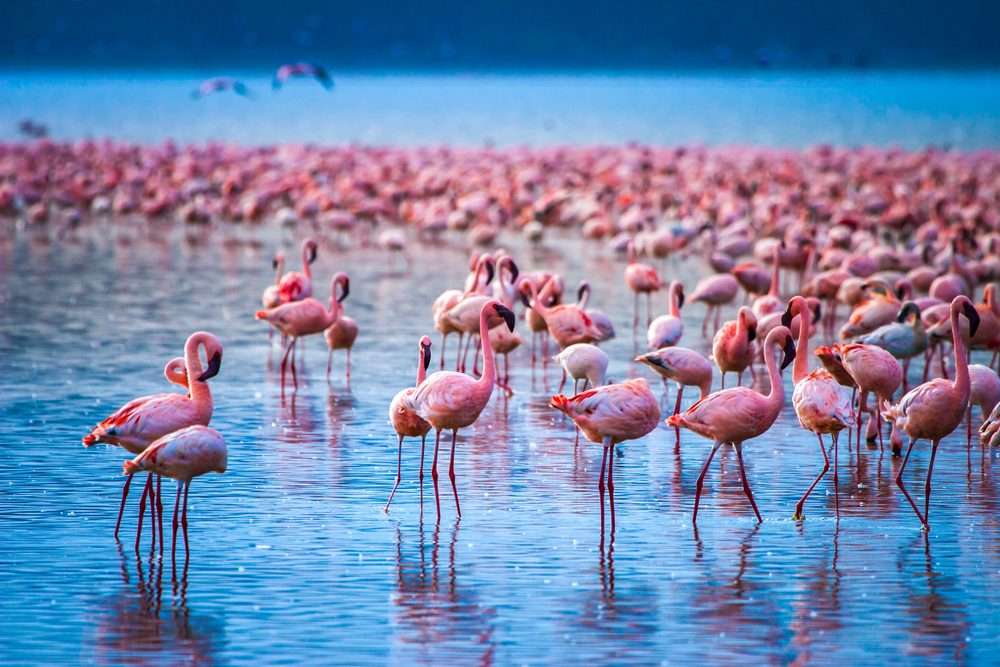
The flamingos are the reason most people come. Lesser and greater flamingos feed on the cyanobacteria and algae that grow in the lake’s warm, alkaline water. At peak times, up to two million birds gather along the shoreline, turning the lake’s edge a vivid shade of pink that is visible from the viewpoints above the park.
The flamingo population fluctuates with the lake’s water levels. When rainfall raises the water level too high, the algae concentration drops and the birds move to other Rift Valley lakes.
The Rhino Sanctuary
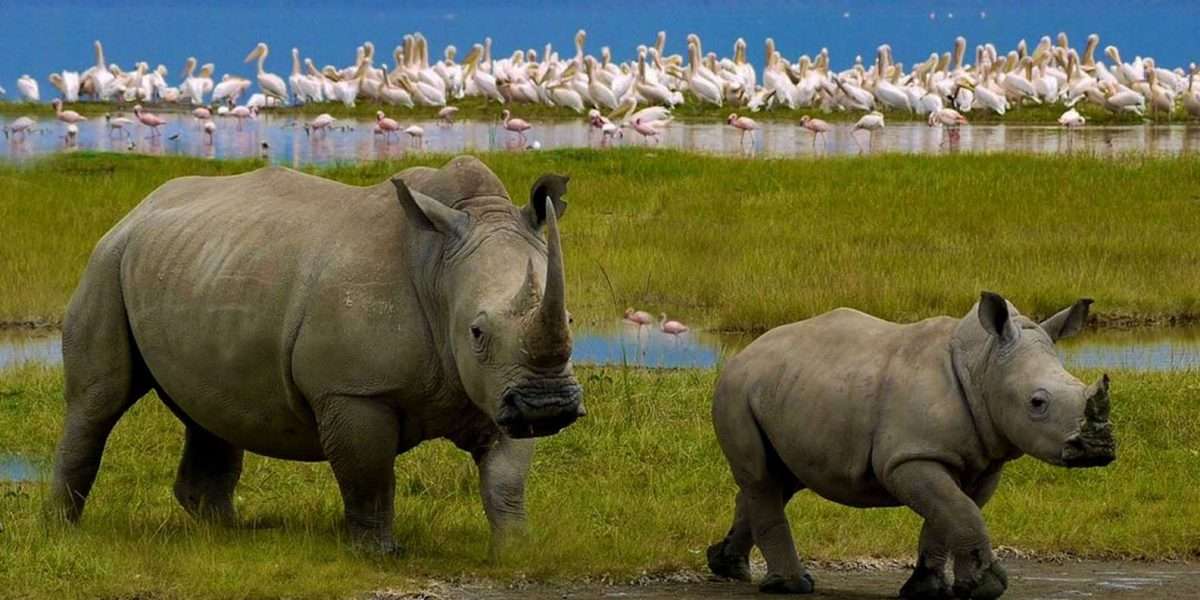
In 1987, Lake Nakuru National Park was declared Kenya’s first official rhino sanctuary. The entire park is fenced, which dramatically reduces poaching pressure and allows the rhino population to grow in a protected environment. Both white and black rhinos are present. By 2009, the park held over 25 eastern black rhinos and around 70 southern white rhinos, and numbers have continued to grow since then.
Black rhinos are browsers, feeding on leaves and shrubs in the woodland areas. White rhinos are grazers and tend to stay on open grassland near the lakeshore. Both are regularly seen on game drives, often close enough for excellent photography without the need for a telephoto lens.
The Rothschild’s Giraffe
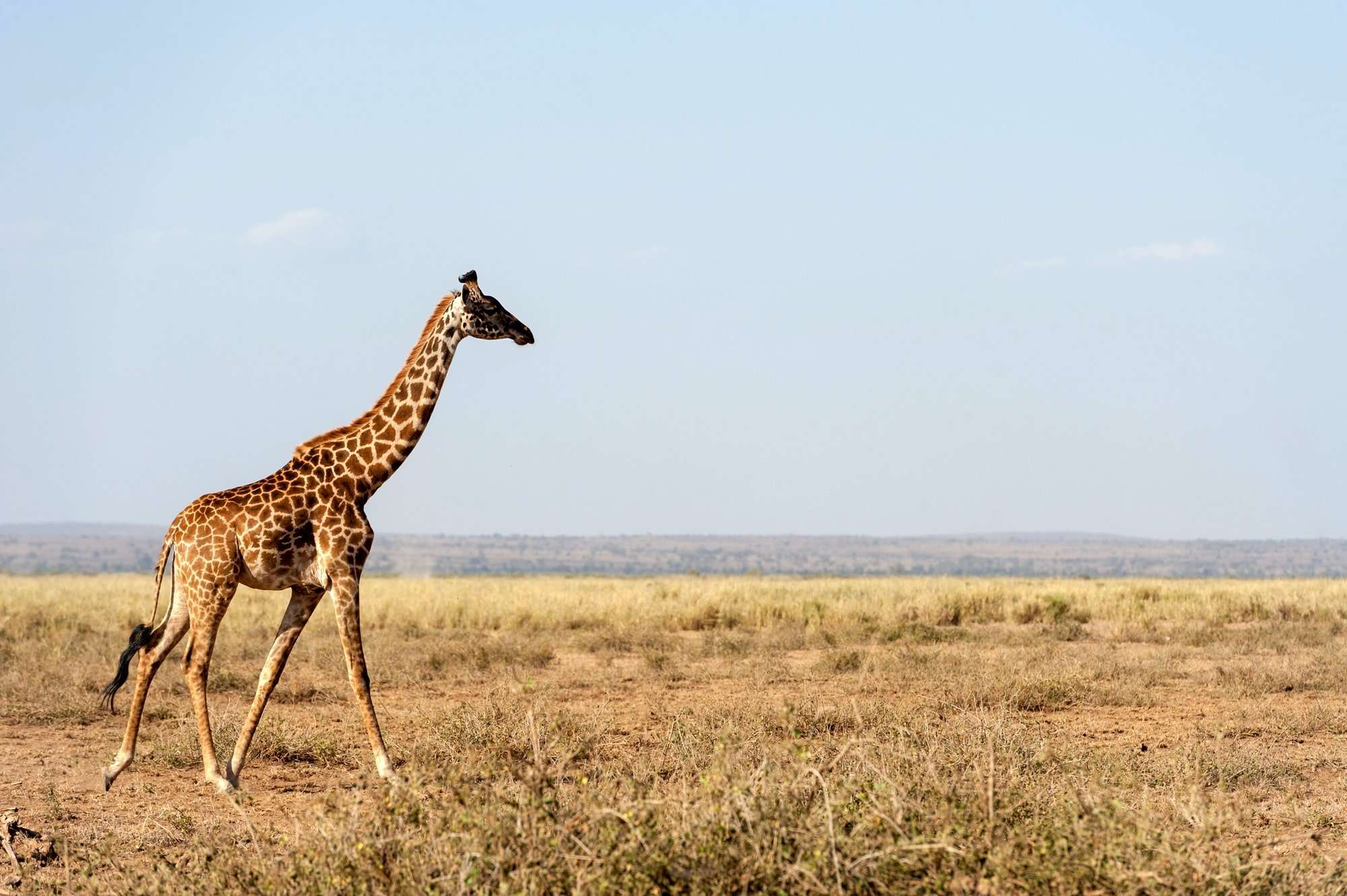
The endangered Rothschild’s giraffe was introduced to Lake Nakuru National Park in 1977, relocated from western Kenya where their population had become critically small. The park now holds a healthy breeding population. Rothschild’s giraffes are identified by their white lower legs with no markings below the knee, giving the appearance of white socks, and five ossicones on their heads instead of the two or three found on other subspecies. The same subspecies is bred at Nairobi’s Giraffe Centre.
Top 5 Things to Do at Lake Nakuru National Park
1. Game Drives
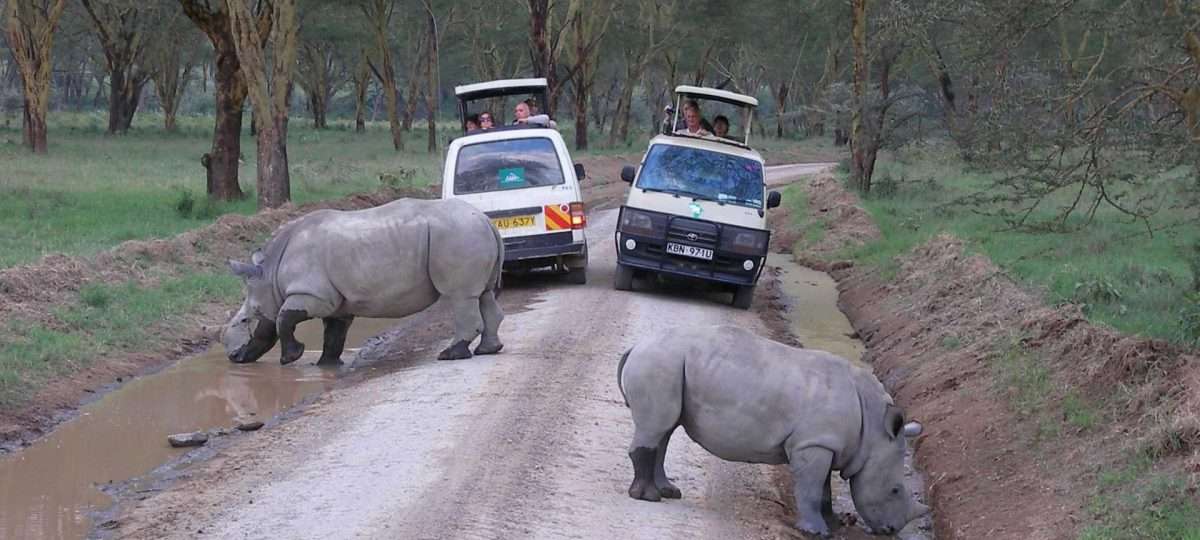
Lake Nakuru National Park is a great place for a Kenya safari game drive. The park contains a wide variety of habitats from lakeshore wetlands to open grassland to dense acacia forest, all within a compact, fully fenced area.
Flamingos, rhinos, and giraffes are the easiest animals to spot around the lake. Buffalos, zebras, lions, and leopards are also regularly seen, and your guide will know which areas are most productive on any given morning.
2. Baboon Cliff Viewpoint
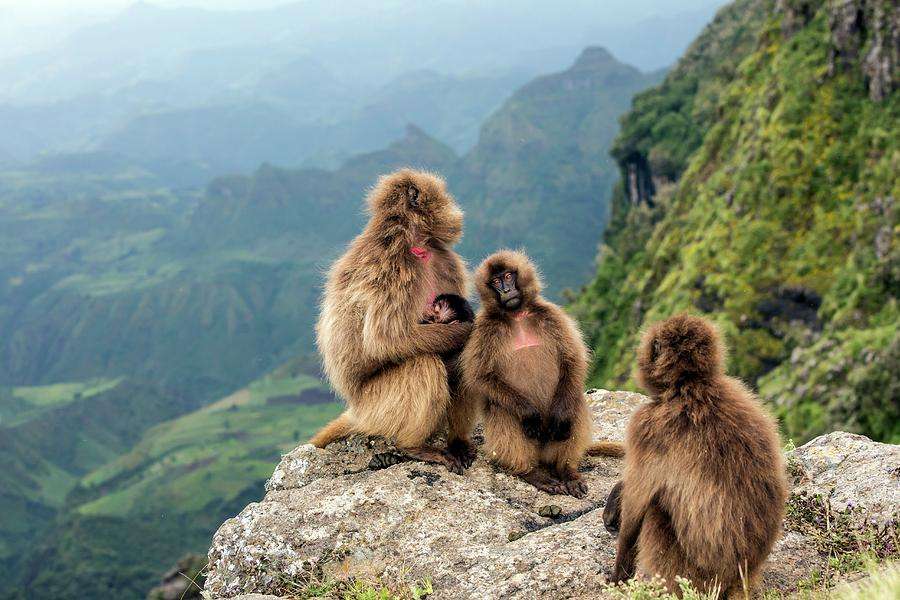
Baboon Cliff is an excellent viewpoint that overlooks the entire Rift Valley floor with Lake Nakuru directly below. The cliff gets its name from the large troop of olive baboons that roam the area. They are bold around visitors and any food needs to be kept securely packed.
The views are at their best in the morning, with clear skies and the early sun lighting up the panoramic sweep of the valley. Several picnic benches sit at the top, making it a natural stop during a full day game drive. The cliff is easily accessible by car and several short hiking trails run through the surrounding area for those who want to stretch their legs.
3. Out of Africa Viewpoint
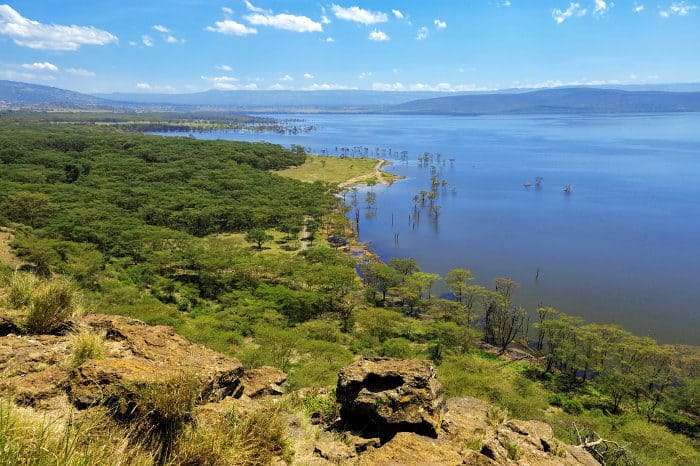
The Out of Africa viewpoint is the most impressive viewpoint in the Lake Nakuru national park. A short hike on a steep rocky trail is required to reach it, and the path is significantly more demanding than the route to Baboon Cliff.
The effort is worth it. The panoramic view across the Rift Valley, the lake, and the surrounding escarpments is the widest in the park. The viewpoint takes its name from the 1985 film Out of Africa, shot partly on location in Kenya, which made this stretch of the valley famous to audiences around the world.
4. Makalia Waterfall
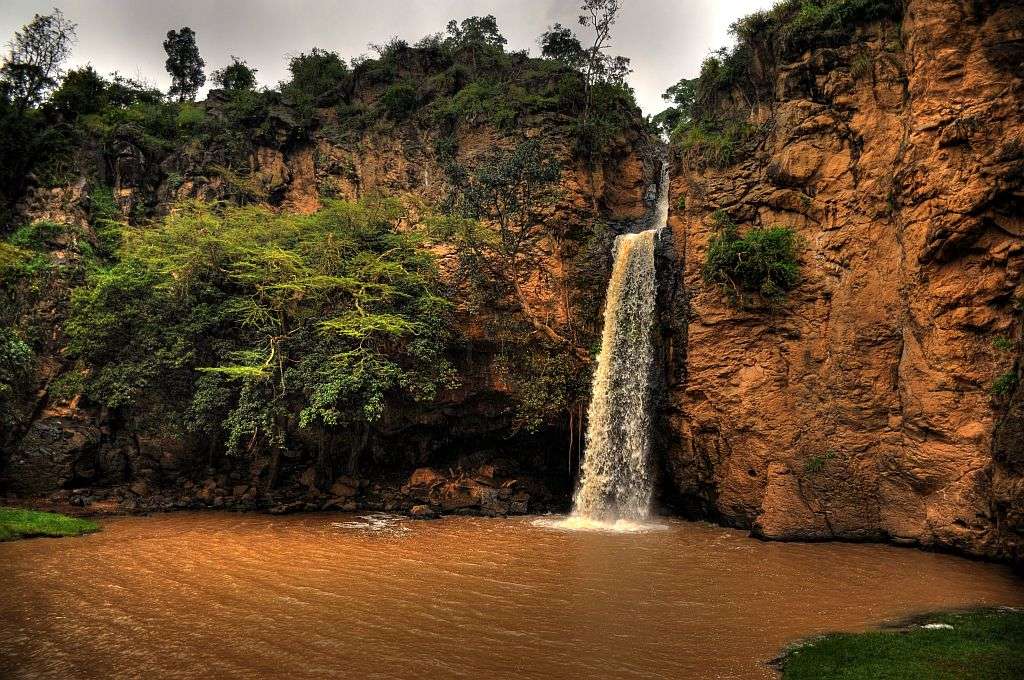
Makalia Falls sits in the southern part of the park near the Makalia River, which flows into Lake Nakuru. The falls reach around 10 metres in height and flow seasonally. During the dry season they can slow considerably, but after rain the surrounding vegetation is lush and the falls are a pleasant stop for a short walk or an afternoon picnic.
The falls are easily accessible via a short drive from the park’s main gates.
5. Cycle With the Rhino
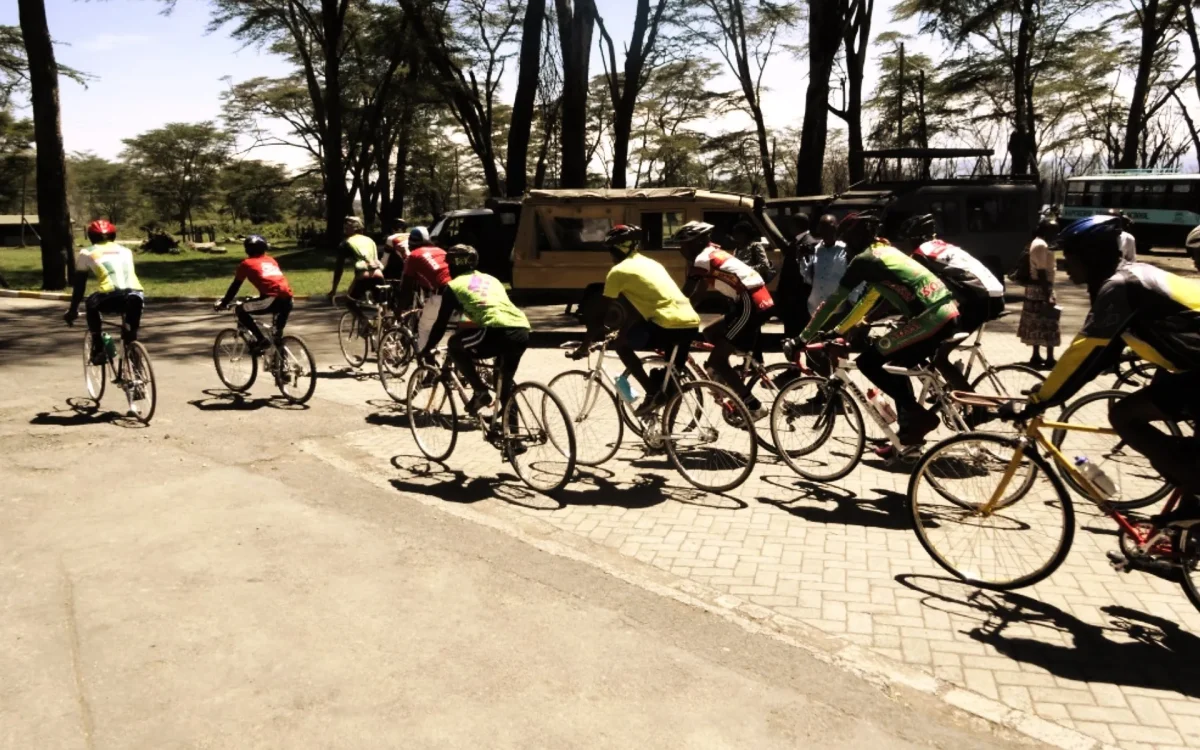
Cycle with the Rhino is an annual event at Lake Nakuru National Park where hundreds of people come together to cycle around the entire park boundary to raise money for community conservation projects.
Despite its name, the event funds a broad range of conservation work, including the construction of a perimeter fence to reduce poaching and human-wildlife conflict. Since fundraising began in 2003, 18 kilometers of baboon-proof fencing have been erected around the park.
When to Visit Lake Nakuru National Park
The best time to visit Lake Nakuru is during Kenya’s dry seasons. June to October is the long dry season and January to March is the short dry season.
During dry periods, smaller watering holes across the region dry up and animals gather at Lake Nakuru as the main permanent water source. This concentrates wildlife and significantly increases your chances of good sightings across all species.
| Season | Months | Conditions |
|---|---|---|
| Long Dry Season | June to October | Best game viewing, rhinos and flamingos active |
| Short Dry Season | January to March | Good conditions, fewer visitors |
| Long Rains | March to May | Lush, muddy roads, fewer crowds |
| Short Rains | November to December | Brief showers, good birdwatching |
Flamingo numbers at the lake are less predictable than the dry season pattern suggests. They depend on algae levels, which are tied to water chemistry rather than rainfall alone. Your guide will have current information before any game drive.
Where to Stay at Lake Nakuru National Park
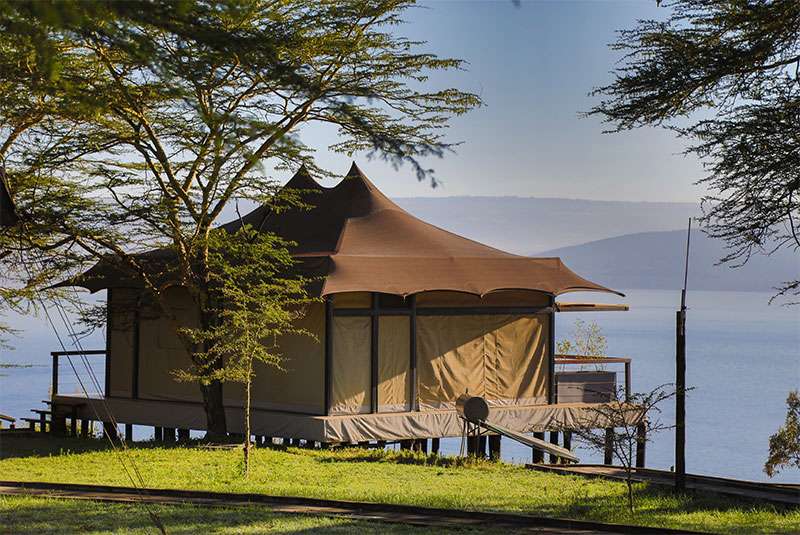
TourwithPipi guests on the 5-day Kenya road safari stay at Sarova Lion Hill Game Lodge, perched on an elevated hillside overlooking the lake with sweeping panoramic views across the park and the Rift Valley. The lodge is positioned on the eastern side of the park and its location is one of its strongest assets. Wildlife moves through the surrounding area and the terrace views at sunset, looking down over the flamingo-edged lake, are genuinely memorable.
The Cliff Nakuru is an alternative luxury option positioned on the escarpment above the park with dramatic views over the lake from a higher elevation. It is one of the most scenic lodge positions in the Rift Valley.
Both properties are used by TourwithPipi depending on the specific itinerary and travel dates. All accommodation is booked as part of the safari package and includes full board meals.
Lake Nakuru Park Fees and Getting There
Lake Nakuru National Park entry fees for non-residents are approximately USD 60 for adults and USD 35 for children. Fees are paid by card on arrival at the gate. Cash is not accepted.
- By road from Nairobi: Follow the Nairobi to Nakuru Highway northwest. The drive takes around three and a half hours. From Nakuru town center it is a further four kilometres to the main Lanet Gate entrance.
- By road from the Masai Mara: Use the Nderit Gate entrance on the western side of the park, which is the most direct approach from the Mara direction.
- By air: A direct bush flight from Jomo Kenyatta International Airport to Naishi Airstrip inside the park takes 25 minutes. TourwithPipi arranges all domestic flight bookings as part of fly-in safari packages.
Frequently Asked Questions About Lake Nakuru
1. Why is Lake Nakuru famous?
Lake Nakuru is famous for its massive flamingo flocks, which can reach two million birds at peak times, and for being Kenya’s first dedicated rhino sanctuary holding both white and black rhinos. It is also one of Kenya’s most accessible national parks, just three and a half hours from Nairobi.
2. Is Lake Nakuru worth visiting?
Yes. Lake Nakuru offers flamingo spectacles, consistent rhino sightings, Rothschild’s giraffe, lions, leopards, and over 400 bird species in a compact, fully fenced park. It is one of the best value safari parks in Kenya for the range of wildlife it delivers in a short visit.
3. Where exactly is Lake Nakuru in Kenya?
Lake Nakuru is in Nakuru County in the Great Rift Valley, approximately 160 kilometres northwest of Nairobi. It sits just south of Nakuru town, Kenya’s fourth largest city, and is about three and a half hours by road from the capital.
4. How much does it cost to get into Lake Nakuru National Park?
Non-resident adult entry costs approximately USD 60. Non-resident children pay approximately USD 35. Fees are paid by card at the gate. TourwithPipi includes all park fees in its Kenya safari package prices.
5. What is the best time to visit Lake Nakuru?
The long dry season from June to October and the short dry season from January to March are the best periods. Wildlife concentrates around the lake as other water sources dry up, making game viewing more productive.
6. How do I get to Lake Nakuru National Park?
By road from Nairobi the drive takes three and a half hours along the Nairobi to Nakuru Highway. By air, a bush flight from Jomo Kenyatta International Airport to Naishi Airstrip takes 25 minutes. From the Masai Mara, approach via the Nderit Gate on the park’s western side.
7. Are there rhinos at Lake Nakuru?
Yes. Lake Nakuru was declared Kenya’s first rhino sanctuary in 1987. The park holds both southern white rhinos and eastern black rhinos in a fully fenced protected area. Rhino sightings on game drives are consistent and among the most reliable in Kenya.
8. How many flamingos are at Lake Nakuru?
At peak times up to two million lesser and greater flamingos gather on the lake’s shores. Numbers fluctuate with water levels and algae concentration. When water levels rise too high, flamingos move to other Rift Valley lakes including Bogoria and Elementaita.
9. What other wildlife can I see at Lake Nakuru?
Beyond flamingos and rhinos, Lake Nakuru holds lions, leopards, Rothschild’s giraffes, Cape buffalo, waterbuck, hippos, hyenas, baboons, large pythons, pelicans, African fish eagles, and over 400 bird species in total.
10. Can I visit Lake Nakuru as a day trip from Nairobi?
Yes. The three and a half hour drive makes a day trip possible, though an overnight stay allows for both an afternoon and morning game drive and significantly improves your chances of seeing the full range of wildlife including predators that are more active at dawn and dusk.


