

Planning an African safari with small kids can feel overwhelming. Parents worry about health, safety, boredom, and whether their children will actually enjoy it. Maybe your kids have watched The Lion King and now want to see Mufasa in real life. Or maybe you’re excited but quietly wondering, Is an African safari really safe for families?
We understand this completely. At TourwithPipi, we’re born in Africa and now based in North America. That means we see safari travel through both lenses. We know how magical Africa is, but we also understand the real concerns parents have before bringing their children across the world.
This is why TourwithPipi family safaris are designed differently. We plan child-friendly routes, choose safe parks, avoid long driving days, and select lodges that genuinely welcome families. Every detail is thought through so your kids stay engaged, comfortable, and safe. An African safari for families isn’t about rushing through parks. It’s about creating lifetime experience your children will remember.
Are African Safaris Safe for Families?

Yes, safaris are safe. We’ve taken our own kids on multiple safaris across Tanzania, Zambia, Kenya, and South Africa, and every trip has been both secure and incredible. Seeing Africa through their eyes makes it even more special. Millions of families travel to Africa every year and return with nothing but unforgettable memories. Serious incidents are extremely rare and almost always linked to ignoring basic safety rules.
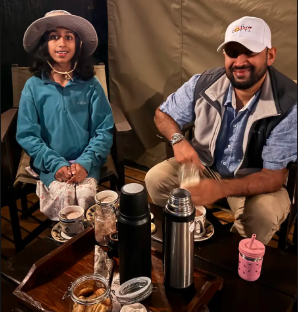
Wildlife safety is simple: respect animal space. Never approach animals, especially mothers with young. Windows stay closed near predators like lions or leopards. You only exit the vehicle at designated rest stops. These rules exist for a reason, and they work.
At TourwithPipi, we personally inspect every lodge before recommending it to families. We only stay in fenced or guarded camps inside national parks. If a place doesn’t feel safe, we don’t use it. We’ve even changed camps mid-trip when conditions didn’t meet our standards. Safety always comes first.
Top Kenya safari for Families
- 5 Days Maasai Mara, Kenya Safari
- 6 Days Luxury Safari in Kenya
- 8 Days Masai Mara Safari & Watamu Beach
- 8-Days Classic Kenya Safari
- 8-Days Kenya Flying Safari
- 9-Day Mara & Chale Honeymoon Escape
Top Tanzania safaris for Families
- 7-Day Classic Luxury Tanzania Safari Tour
- 9-Day Luxury Tanzania Safari with Zanzibar
- 10-Day Luxury Tanzania Calving Season Safari
- 10-Day Luxury Tanzania Great Migration Safari
How Old Should Kids Be for an African Safari?
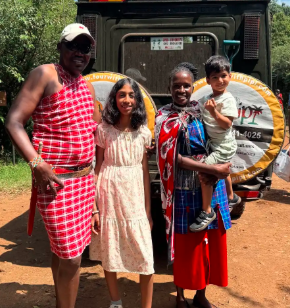
This is the number one question we hear from parents. “Is my child too young for safari?” The honest answer: there’s no perfect age, it’s about the right planning.
Many organized game drives in Africa have a minimum age of 6. Some national parks in Africa also restrict entry for younger children on group safaris. But that doesn’t mean families with small kids can’t experience Africa.
In East Africa, especially Kenya and Tanzania, there is no strict age limit for private safaris. This means toddlers, babies, and young children are welcome on game drives when traveling with a private guide, which is how TourwithPipi operates.
Southern Africa is stricter. Many lodges in South Africa and Botswana only allow children aged 6 or 8+ on drives. That’s why choosing the right destination matters.
At TourwithPipi, we don’t just look for lodges that allow kids, we choose places that genuinely welcome families. That means:
- Fenced properties
- No steep open decks
- Child-safe layouts
- Pools, games & activities
Safari Activities for Kids at Every Age
Kids Under 2 Years
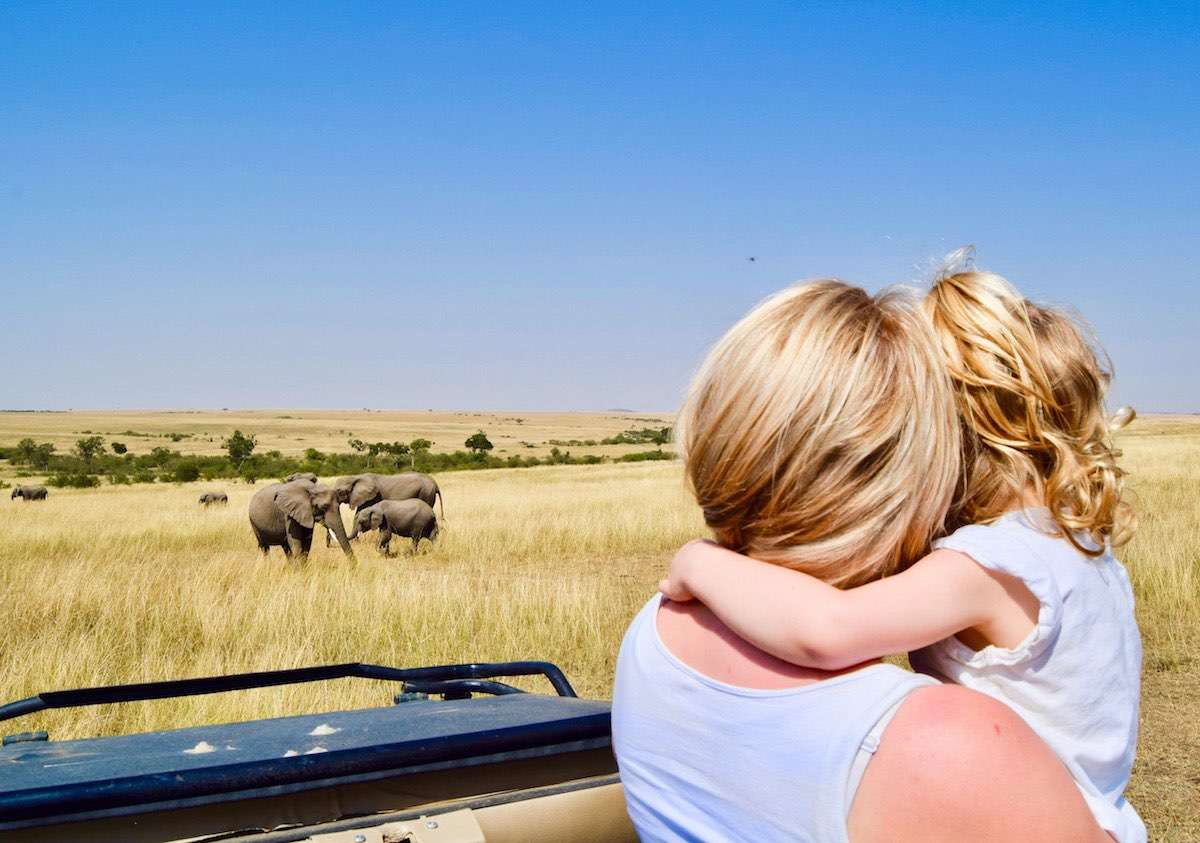
Safaris in Africa with babies are often easier than parents expect. They ride comfortably in a car seat or baby carrier, nap through most of the drive, and still enjoy watching movement outside the vehicle. Those early moments become priceless memories for parents. Seeing a baby wave at elephants or stare at giraffes is unforgettable. Private vehicles work best at this age because you can control the pace and stop whenever needed. Short drives, flexible schedules, and lodges with babysitting support make everything smoother.
Best for:
Short, relaxed game drives
Sleeping in carriers or car seats
Lodges offering babysitting
Private safari vehicles
Ages 3–6
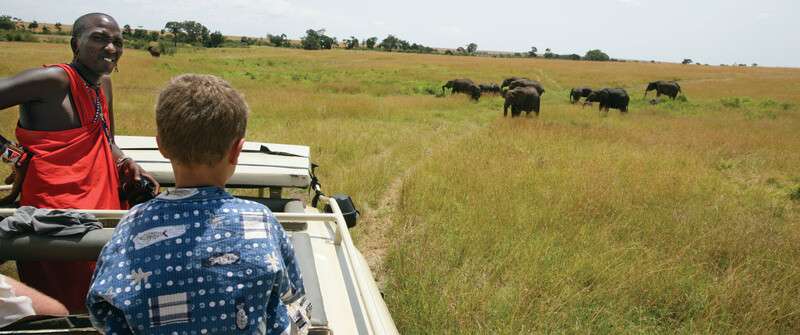
This age group is full of energy and curiosity. Kids get excited about animals, tracks, insects, and even the smallest details in nature. Guides usually stop more often so children can stretch, explore safely, and stay engaged. Back at the lodge, scavenger hunts, craft sessions, and games keep them entertained between drives.
South Africa is ideal for families with young kids 3-5 year-old because many reserves are malaria free. This gives parents peace of mind. These safaris can easily be combined with Cape Town, the Garden Route, or even Mauritius for beach time.
Best for:
Short game drives
Kid ranger programs
Snack breaks and play time
Malaria free reserves
Ages 7–12
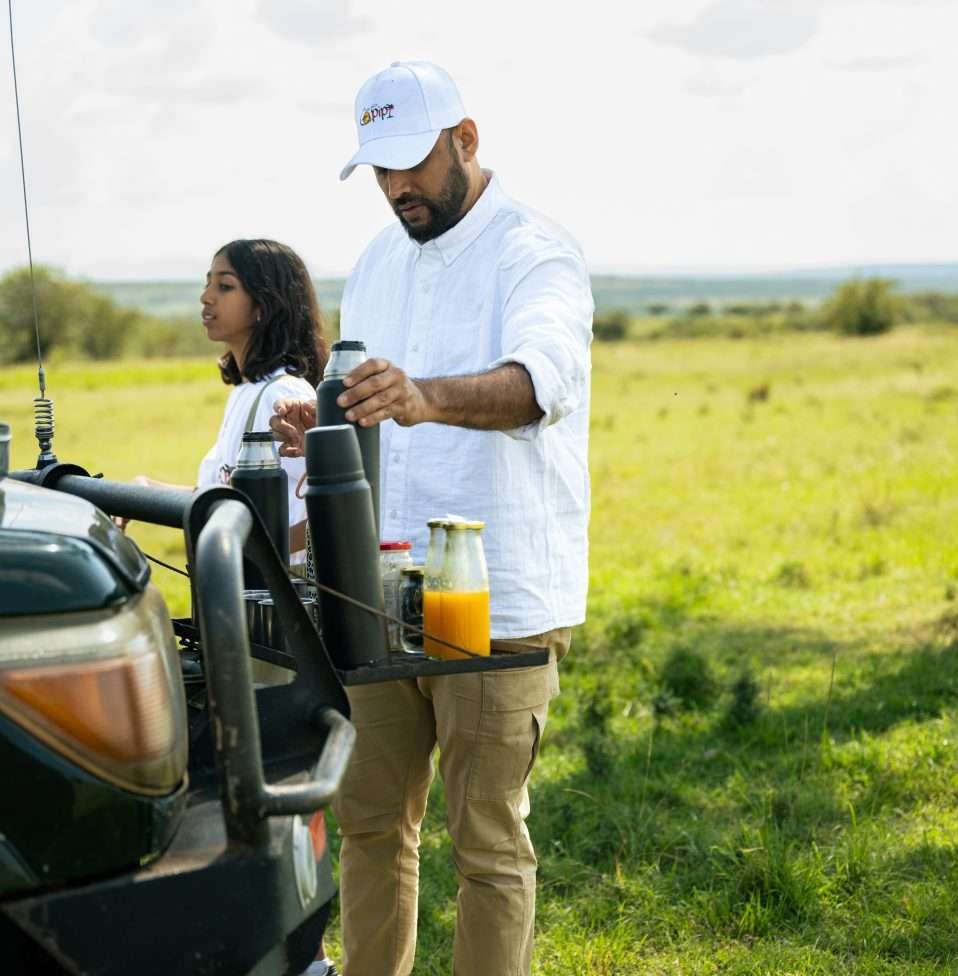
This is often the perfect safari age. Kids develop patience and genuine interest in wildlife. The best safari countries for kids aged 7–12 are South Africa, Kenya, Tanzania, Namibia, and Botswana for their safety, wildlife variety, and family-friendly lodges. Children enjoy helping guides track animals, learning basic photography, and joining junior ranger programs.
They also love adventure activities such as horseback safaris, hot air balloon rides, and guided bush walks. At this stage, they stay focused longer and ask thoughtful questions about animals and conservation.
Best for:
Animal tracking
Wildlife photography
Guided bush walks
Junior ranger programs
Teens
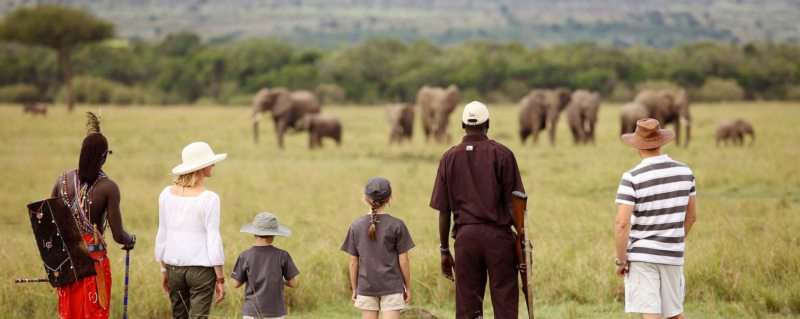
Teenagers are ready for bigger adventures. Tanzania and Botswana are top choices for Teens, especially the Serengeti and Ngorongoro. Teens can join walking safaris, canoe safaris, and even conservation projects. They also enjoy cultural visits and stargazing in remote camps.
This age group often connects deeply with Africa. The experience builds confidence, independence, and a real appreciation for nature.
Best for:
Walking safaris
Canoe safaris
Conservation projects
Cultural experiences
Best African Safari Destinations for Families
South African Safaris for Families
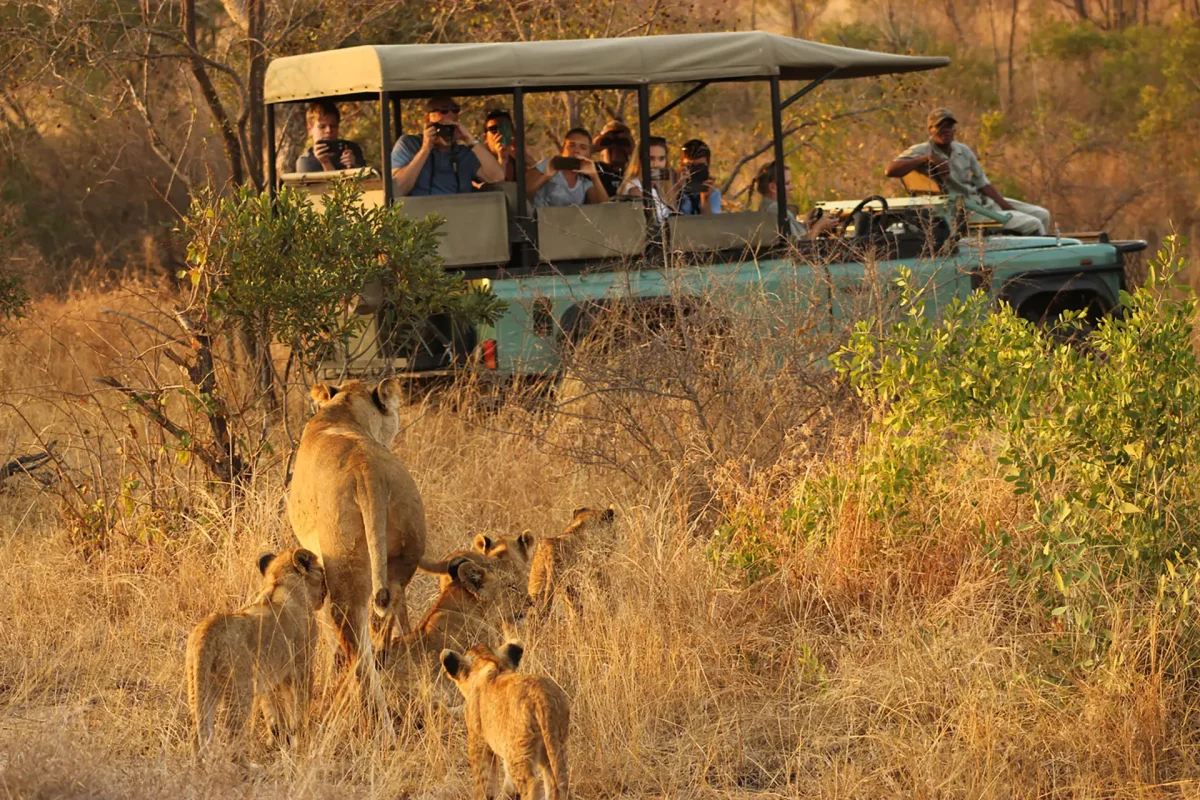
Best for kids aged 2 to 10
Cape Town in Style: A 7-Day Coastal & City Escape — $3,709
South Africa is widely considered the easiest and safest place to take children on their first African safari. One of the biggest reasons is malaria. Most private reserves outside Kruger National Park are malaria free, which makes them ideal for families with toddlers and young kids. Since malaria medication is not recommended for children under five, this is a major advantage for parents.
Age rules vary by lodge. Some allow children from age three on game drives, while others set the minimum age at six. Family villas often have no age limits at all, which is why they are so popular with parents traveling with small children. Reserves like Madikwe Game Reserve are especially good for families because they are malaria free, close to major cities, and offer excellent Big Five sightings without long drive times. Phinda Private Game Reserve and Marakele are also strong options with junior ranger programs and fenced camps.
South Africa’s infrastructure makes travel smooth. Roads are good, hospitals are nearby, and English is spoken everywhere. Many families combine safari with Cape Town, where kids love seeing penguins at Boulders Beach, or drive the Garden Route for beaches and short hikes. This mix of wildlife and city comforts makes South African safaris for families incredibly practical.
Kenya Family Safari
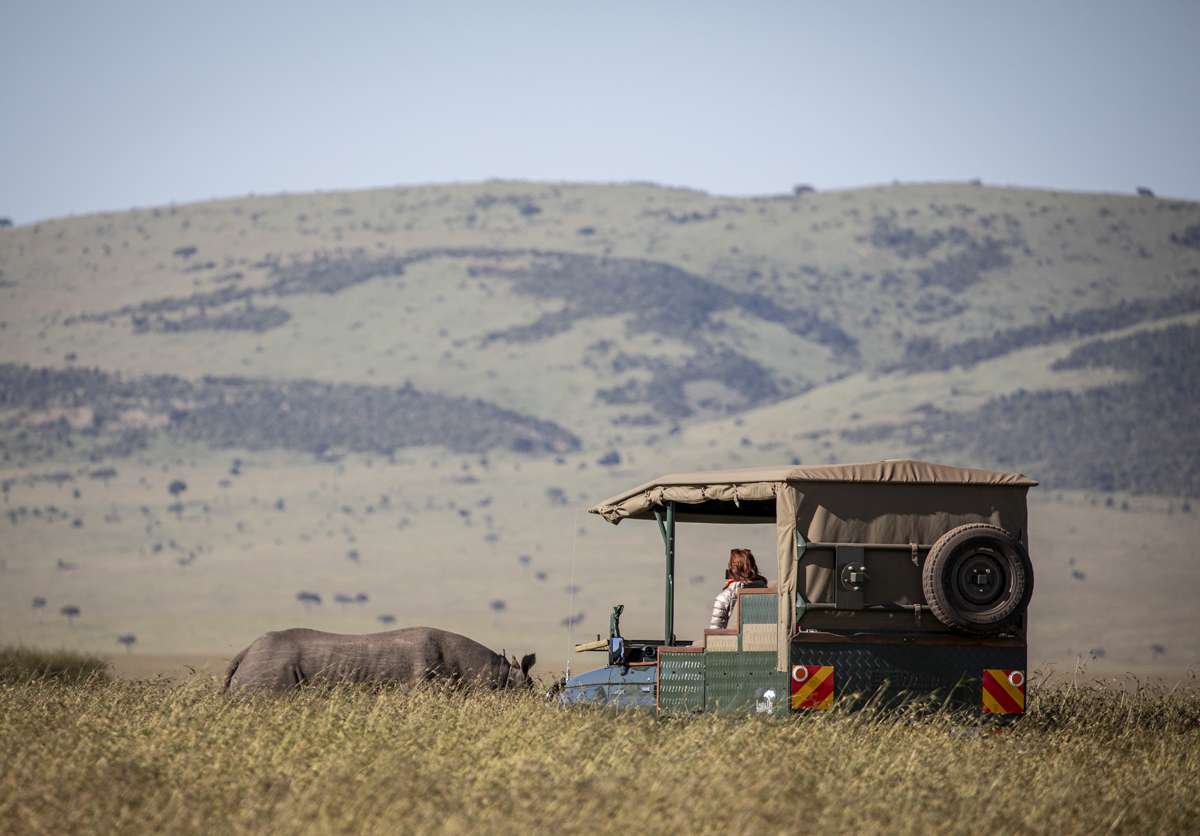
Best for kids aged 5 to 12
Kenya becomes a fantastic option once children can sit through longer game drives. The Masai Mara delivers some of the highest wildlife density in Africa, which means kids see lions, elephants, and giraffes quickly instead of waiting hours. This keeps them engaged and excited.
Most tour operators allow children of any age, but private camps usually prefer kids over five. Conservancies like Lewa and Samburu offer something special. Unlike national parks, they allow night drives, horse riding, and guided bush walks. Families love the flexibility. One morning, parents might go on a drive while kids sleep in, then everyone meets for lunch and swimming.
Health is something to plan for here. Kenya is a malaria zone and yellow fever vaccination is required. That is why guided safaris are strongly recommended for families. Cultural visits to Maasai villages are also popular, giving kids a chance to learn about local traditions.
Tanzania Family Safari
Best for kids aged 7 and above
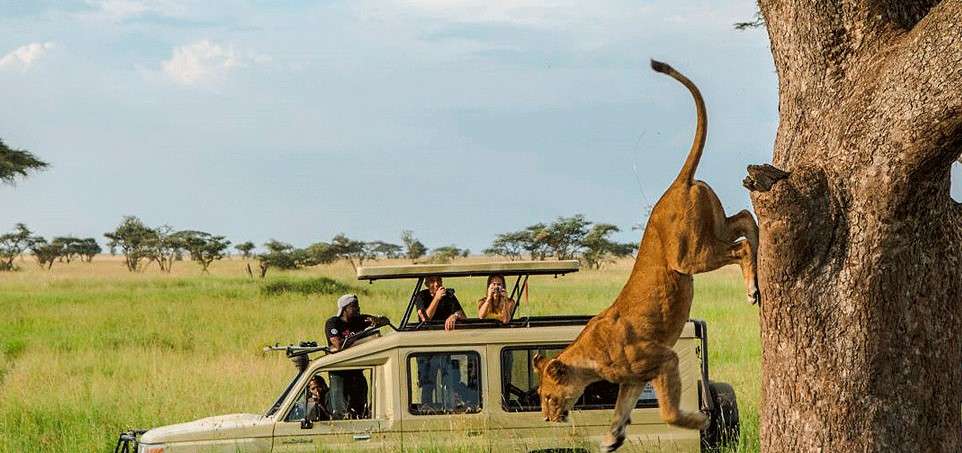
Tanzania is perfect for families with older children who have longer attention spans. The Serengeti and Ngorongoro Crater are two of Africa’s most famous parks and offer incredible wildlife in a short time. Ngorongoro is especially good because kids can see the Big Five in just half a day.
Many lodges set minimum ages between six and eight for game drives, and walking safaris are usually restricted to children over twelve. Some camps, like Singita Grumeti, run junior ranger programs where kids learn tracking and bush skills. After safari, families often fly to Zanzibar for beach time, which helps kids relax after early mornings and dusty drives.
Safety matters here. Families should avoid unfenced camps with young children and always choose lodges with escorts and guards at night. Tanzania works best when planned carefully around child-friendly properties.
Botswana Family Safari
Best for kids aged 10 and above
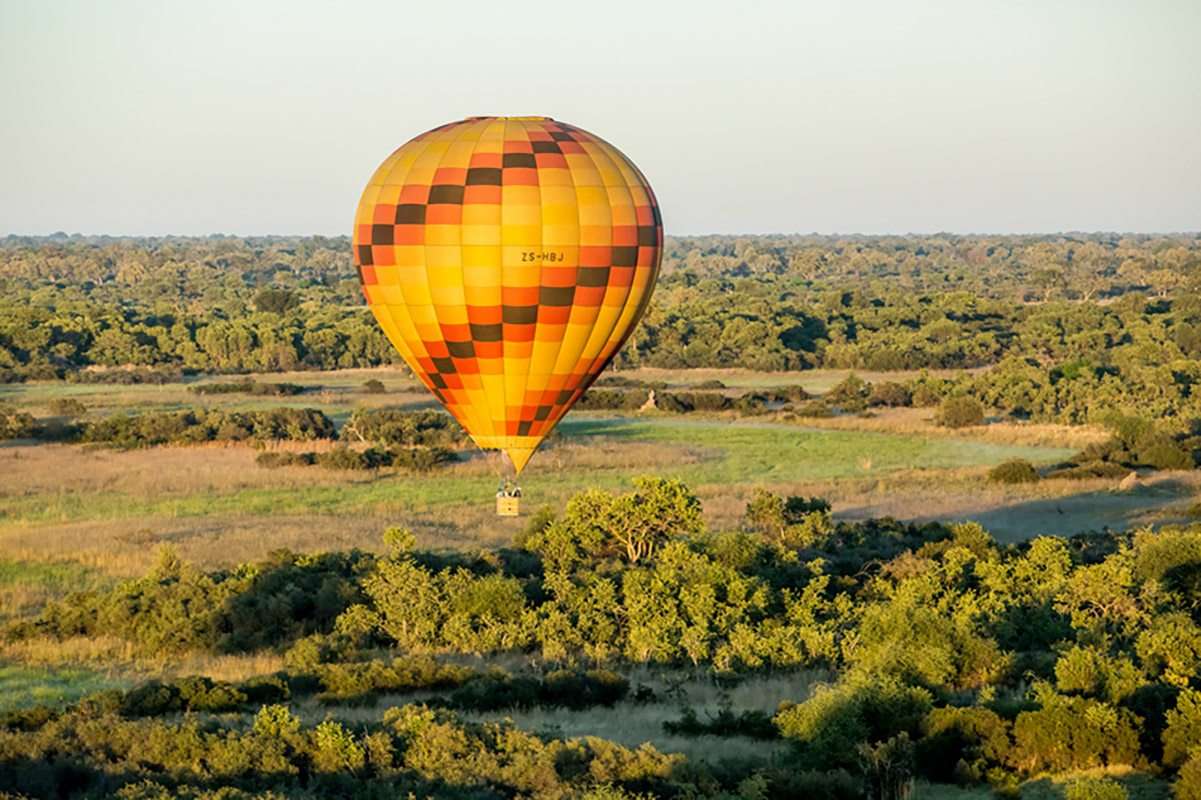
Botswana is one of Africa’s safest safari destinations, but it suits older children better. Many luxury camps have strict age rules, often eight or ten years and above. Activities like mokoro canoe rides usually require kids to be at least twelve.
The Okavango Delta offers incredible wildlife and water safaris. Camps like Vumbura Plains and Camp Kalahari have family tents and fenced areas, which add comfort and safety. Kids here learn real bush skills like animal tracking, bird identification, and stargazing in remote wilderness.
Botswana safaris are more expensive, but they offer privacy, uncrowded parks, and very high safety standards. This makes it perfect for adventurous families with teenagers.
Namibia Family Safari
Best for all ages
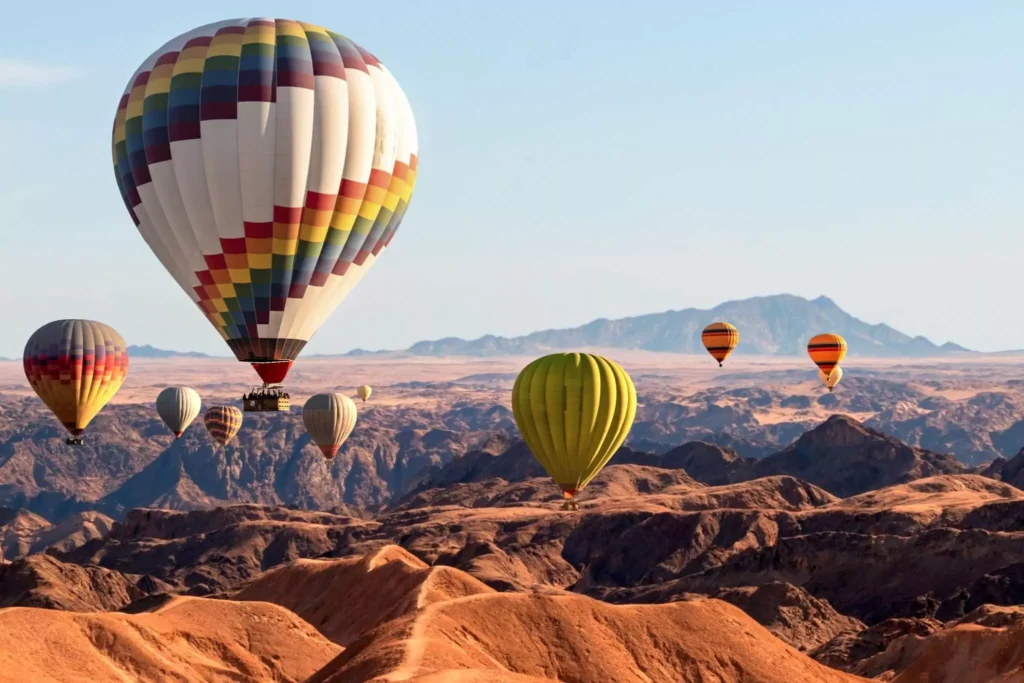
Namibia is ideal for families who like road trips and open landscapes. Etosha National Park is one of Africa’s best self drive parks, with animals gathering around waterholes, which makes wildlife spotting easy even for beginners.
There are no strict age limits for self-drive safaris here, and malaria risk is lower than in East Africa. Kids love climbing the giant dunes of Sossusvlei, sandboarding, and spotting desert adapted elephants. Namibia works well for families who want flexibility and fewer crowds.
Morocco Family Adventure Safari
Best for all ages
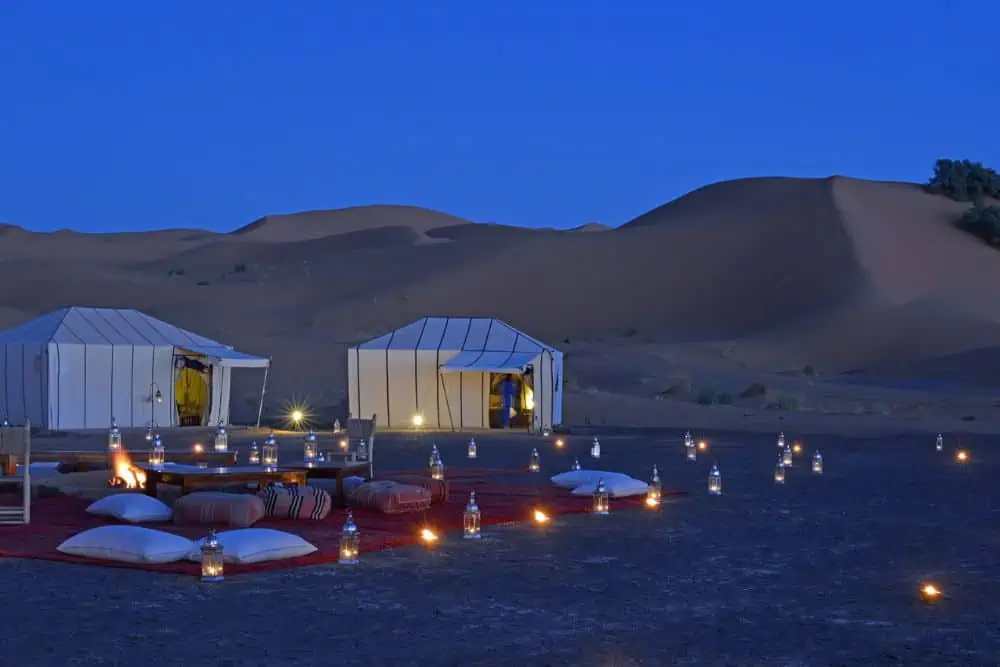
Morocco is not a wildlife safari destination, but it offers a desert safari experience that families love. Camel rides, sandboarding, overnight desert camps, and exploring ancient kasbahs feel like an adventure movie for kids.
Moroccans are very child friendly, and tourism infrastructure is strong. Short travel distances between cities, mountains, and deserts make it easy to move without exhausting children. It is a safe, colorful, and cultural alternative for families who want something different.
Morocco Tours
Zimbabwe Family Safaris
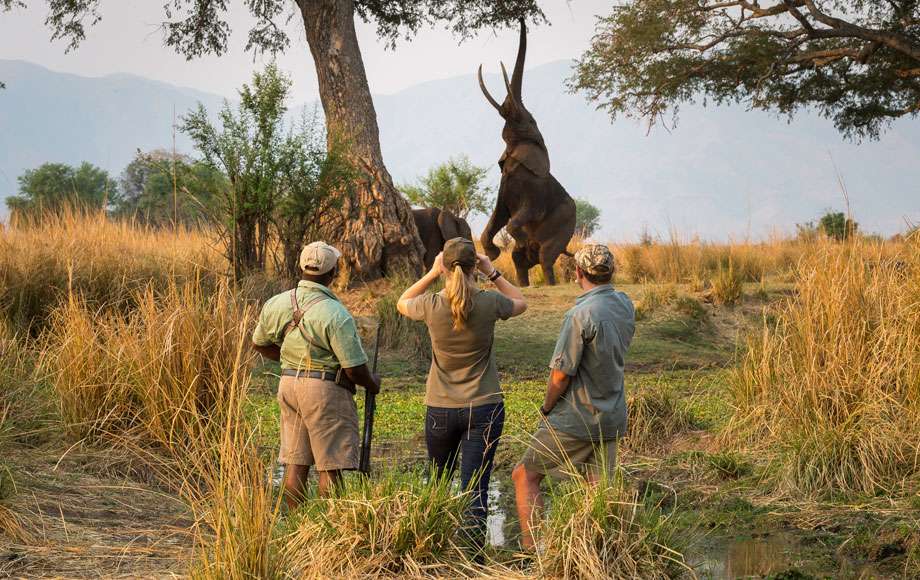
Best for kids aged 6 and above
Zimbabwe is excellent for walking safaris and unique activities. Hwange National Park offers guided bush walks for kids, and the famous Elephant Express train ride is a huge hit with younger travelers.
Camps like Somalisa Acacia welcome families and provide child specialist guides. Victoria Falls adds another wow factor, making this destination exciting for both kids and parents.
Zambia Family Safaris
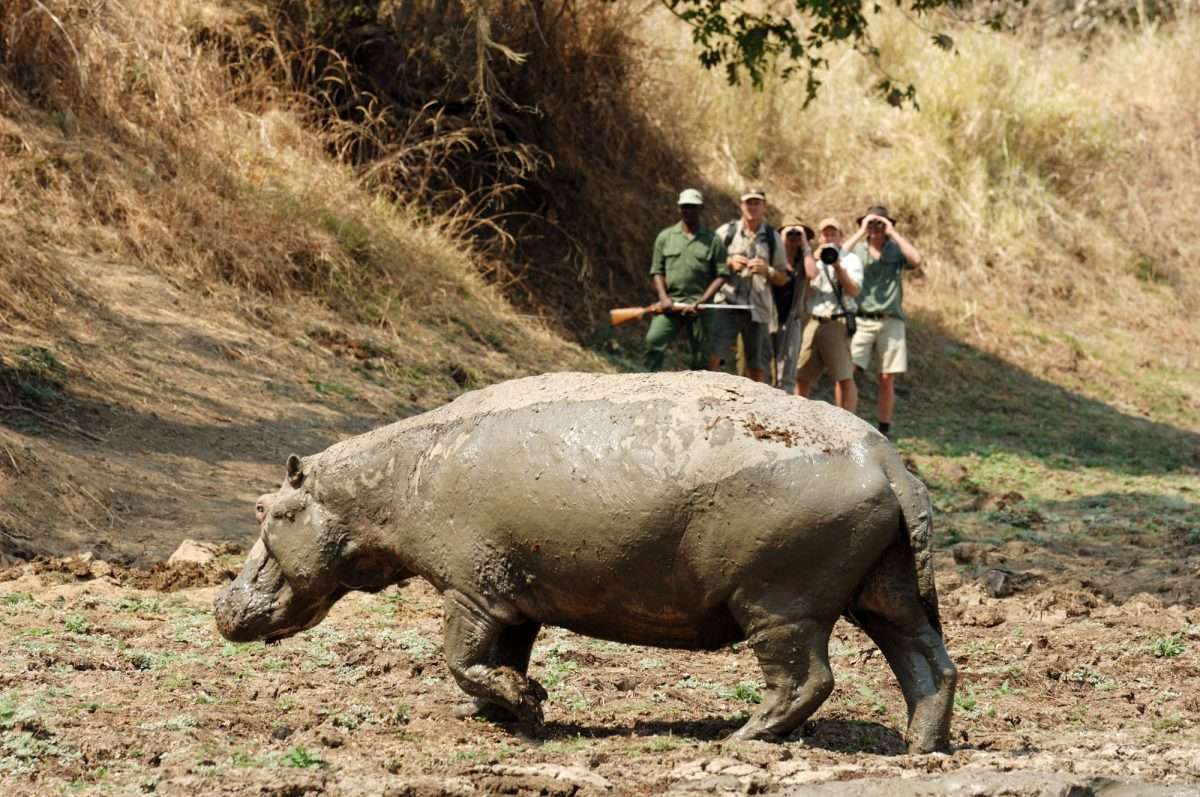
Best for kids aged 10 and above
Zambia is known as the birthplace of walking safaris. This makes it ideal for older children who want adventure. South Luangwa National Park offers close encounters with lions, elephants, and hippos.
Camps like Chinzombo have family suites and tailored programs for kids. Zambia is best for families who are comfortable with remote travel and want something more wild and immersive.
Malaria & Health Safety for Kids
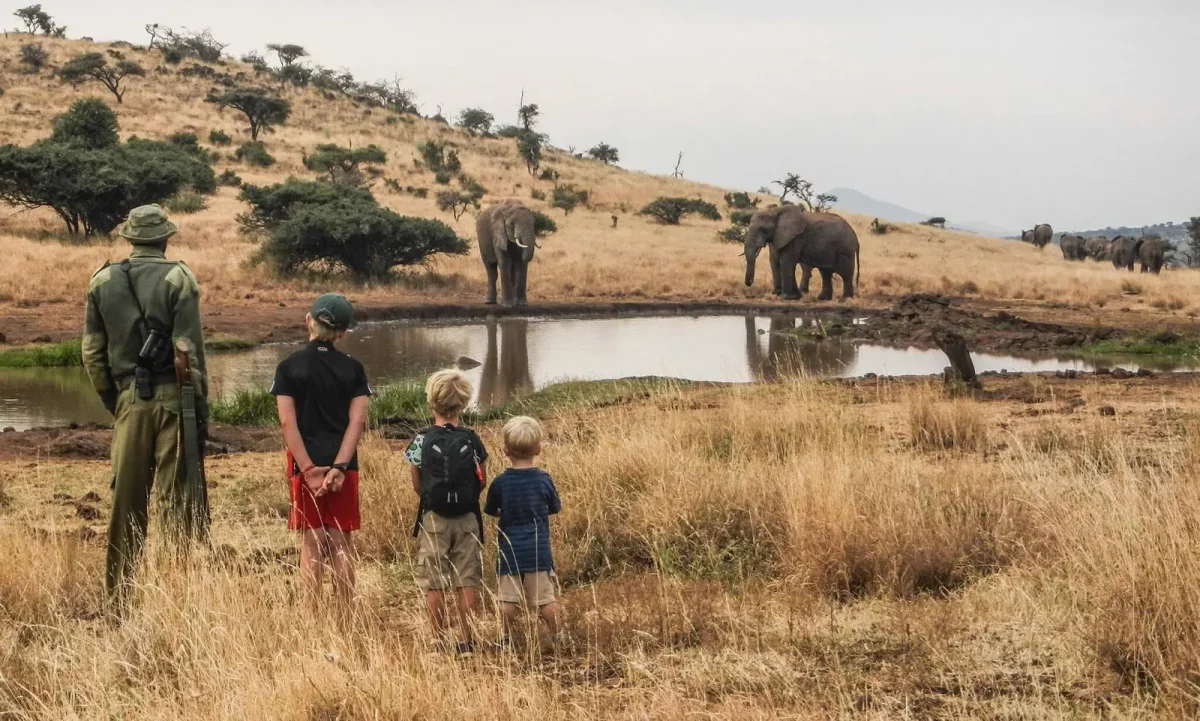
Malaria is one of the biggest concerns for parents planning an African safari with children, and rightly so. Many safari destinations fall inside malaria zones, especially in East Africa and parts of Southern Africa. This does not mean you should avoid safari altogether, but it does mean planning properly.
We strongly recommend visiting a travel clinic at least 8 weeks before departure. Do not rely only on your family doctor, as travel clinics have the most up-to-date information on malaria prevention and vaccines. You can also check official guidance on the CDC website to see which vaccinations are required for your destination.
If you want to avoid anti-malaria medication entirely, consider malaria-free safari zones. Places like Tswalu Kalahari Reserve in South Africa and private reserves around Madikwe are completely malaria-free. This is why South Africa is often our top recommendation for families with toddlers and young children.
Some areas sit inside technical malaria zones but carry very low risk during the dry season. Etosha National Park in Namibia is a good example. Mosquito breeding drops sharply in dry months, making malaria risk extremely low. Even so, always confirm seasonal risk before travel.
If your itinerary includes a malaria area, do not skip medication. Long sleeves, repellents, and mosquito nets help but do not prevent malaria on their own. All travelers should take prescribed antimalarials. We have traveled with children in malaria zones and used medication without any side effects. Crushing tablets into chocolate spread or yogurt works well for younger kids.
Yellow fever vaccination is mandatory for entry into some countries like Kenya and Tanzania, especially if you are arriving from another African nation. Make sure your child’s routine vaccines are up to date.
What to Pack for an African Safari With Kids
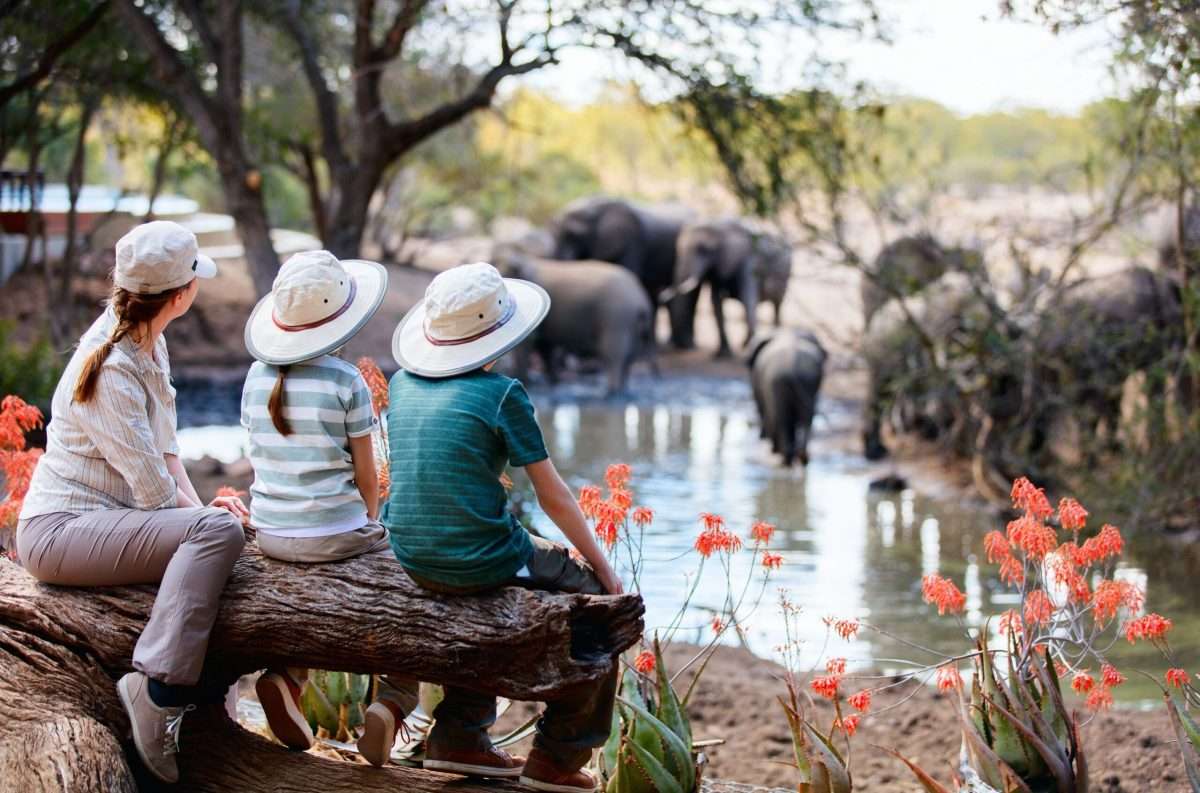
Packing smart makes a huge difference when traveling with children on safari. Mornings are cold, afternoons are hot, and evenings cool down again, so layers are essential.
For clothing, stick to neutral colors like khaki, olive, and beige. These blend into the environment and do not attract insects. Avoid bright colors and black. Bring lightweight t-shirts, breathable pants, and at least one warm jacket for early morning game drives. Closed-toe shoes are a must for safety around camp.
Sun protection is critical. Pack wide-brim hats, sunglasses, and SPF sunscreen. Long-sleeve UV shirts are excellent for hot days. Mosquito spray should always be in your daypack.
For entertainment, kids spend a lot of time sitting in vehicles, so bring distractions. A portable games console, headphones, and one new game they have never played before can be a lifesaver. Drawing books and crayons are great for downtime, especially in the evenings.
Snacks from home are surprisingly helpful. Safari meals are excellent, but familiar snacks keep kids happy during long transfers. Rehydration salts and anti-diarrhea medication should always be in your medical kit.
Binoculars sized for children turn safari into a treasure hunt. Kids love spotting animals themselves. A camera lets them document their own adventure, which builds excitement.
If traveling with babies, a baby carrier and car seat are essential. Some camps offer babysitting services, but always confirm in advance. A baby monitor helps if your child sleeps early while you enjoy dinner.
A power bank is crucial. Phones, tablets, and cameras drain quickly in remote camps. A collapsible bag is useful for collecting souvenirs like shells or drawings.
African Safari Considerations for Families
Instead of picking a country first, focus on choosing the right safari camp. Family-friendly lodges offer pools, play areas, and junior ranger programs that keep kids engaged between game drives and prevent boredom.
Booking a private vehicle and guide gives families full control. You can start later, stop for snacks, take bathroom breaks, and avoid pressure from other guests on shared drives.
Avoid rushing between lodges. Staying 3 to 4 nights in one place reduces packing stress and helps kids settle in and feel comfortable.
Private villas work beautifully for families. Properties in Kenya, Tanzania, and South Africa offer space, privacy, and flexible schedules that suit children of all ages.
Safaris are very safe when booked with reputable operators. You’re always accompanied by experienced guides who know animal behavior and emergency protocols.
Families with young kids should choose fenced lodges for extra security at night. Solid walls and enclosed rooms provide more peace of mind than open tents.
Using a safari expert helps match your child’s age with the right destination, lodge, and travel pace, making the entire experience smoother and more enjoyable.
How TourwithPipi Plans Safe Family Safaris
Blog Summary – African Safaris for Families (TourwithPipi)
African safaris for families are safe when planned properly – Traveling with licensed operators, private vehicles, and certified guides makes family safaris in Africa secure and well-managed, even for first-time travelers.
South African safaris for families are ideal for young kids – Malaria-free reserves like Madikwe, Phinda, and Marataba make South Africa the best African safari destination for families with toddlers and kids under 6.
Kenya family safaris work best for ages 5–10 – Private conservancies in Masai Mara, Lewa, and Samburu offer flexible schedules, cultural visits, and junior ranger programs perfect for school-age children.
Tanzania family safaris suit older kids and teens – Serengeti and Ngorongoro provide epic wildlife viewing, while Zanzibar beach add-ons help balance long game drives for teenagers.
Botswana safaris are luxury-focused for families – Okavango Delta fly-in camps offer safe, high-end experiences with age limits and specialist child programs.
Namibia is great for budget-friendly family safaris – Etosha National Park allows self-drive safaris, desert adventures, and low malaria risk during dry season.
Best age for safari with kids depends on destination – Under 2 years: short drives and private vehicles. Ages 3–6: malaria-free zones. Ages 7–12: Kenya & South Africa. Teens: Tanzania, Zambia, Botswana.
Health safety matters for family safaris – Malaria prevention, vaccinations, mosquito protection, and travel clinic advice are essential for Africa travel with kids.
Packing right improves safari comfort – Neutral clothing, sunscreen, hats, binoculars, snacks, power banks, and basic medicines ensure stress-free travel.
TourwithPipi safari safety standards – Every family safari includes lodge vetting, private vehicles, daily route checks, emergency protocols, and 24/7 support.
Choosing camps over countries improves experience – Kid-friendly lodges with pools, babysitting, and play areas make safaris enjoyable for children.
Private guided safaris are safest for families – Personalized schedules, snack breaks, and flexible drives keep kids engaged and comfortable.
Best months for family safaris – June to October offers cooler weather, fewer mosquitoes, and easier wildlife viewing.
Cost of family African safari – Value trips start from $4,500 per person, mid-range $6,000–$9,000, luxury safaris from $9,000+.


