
Quick Answer: The cost of a safari in Kenya in 2026 ranges from about $220 per person per day for a budget group safari to $300 to $400 per day for a private mid-range safari, and $600 to $1,500 or more per day for a luxury safari. A typical private Kenya safari with a local operator like TourwithPipi starts around $300 to $350 per person per day, fully inclusive of park fees, a private 4×4 vehicle, a certified guide, full board accommodation, and government taxes. Since the Masai Mara National Reserve raised its park fees in 2024, Kenya is no longer dramatically cheaper than Tanzania, though it remains one of the more affordable safari destinations for anyone planning an African safari package.
Ready to get a real quote for your Kenya safari? Talk to a TourwithPipi safari consultant on WhatsApp →
Kenya Safari Costs at a Glance
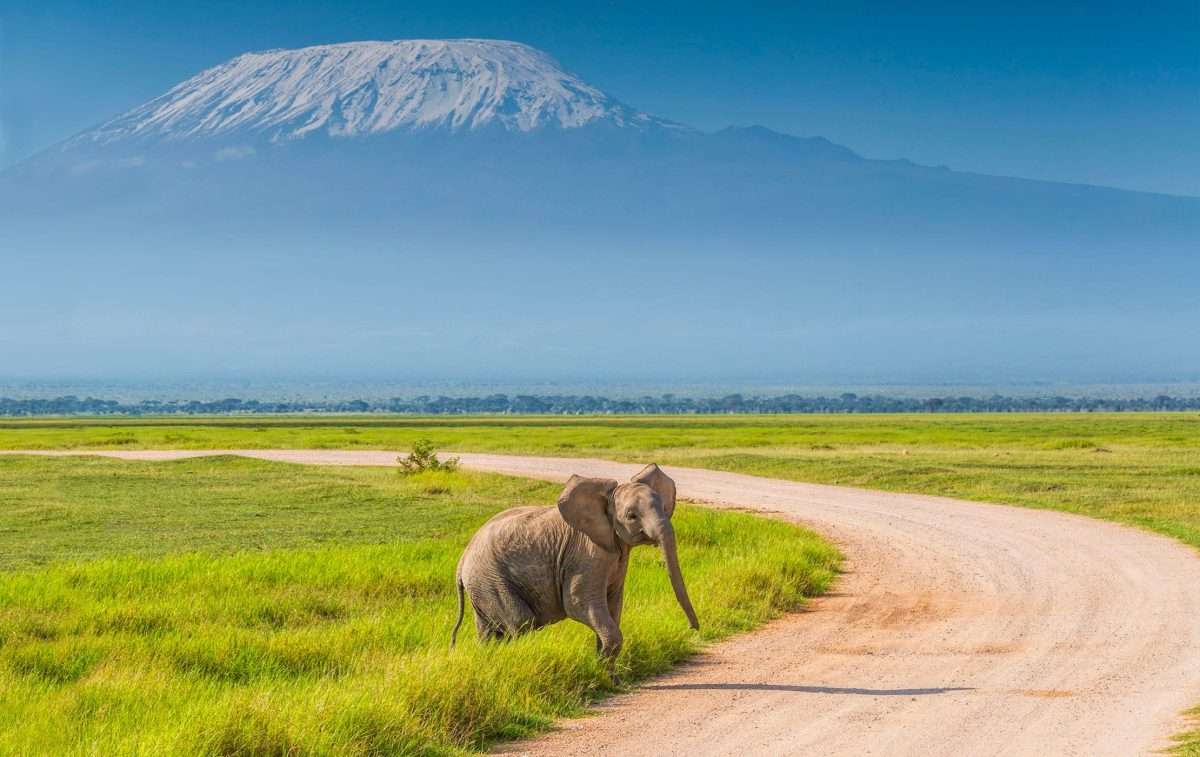
Kenya is home to some of the most famous wildlife destinations on the planet. The Masai Mara National Reserve has a reputation for being one of the best places anywhere to see Africa’s big cats, while Amboseli National Park is known worldwide for its enormous elephant herds moving beneath Mount Kilimanjaro.
For years, Kenya was marketed as the more affordable choice compared to neighboring Tanzania and Uganda. That is no longer quite as true. Since the Masai Mara’s park fees fully doubled in 2024, Kenya, Tanzania, and Uganda now sit much closer together in overall cost, and this guide walks through exactly what changed and what a realistic Kenya safari cost looks like heading into 2026.
To answer the headline question directly: a typical private safari in Kenya starts at around $300 per person per day. That figure already includes park fees, full board accommodation, your private vehicle, a driver-guide, and government taxes. If a private safari sits outside your budget, cheaper options exist. Shared group safaris with budget camping can cost as little as $180 to $220 per person per day, particularly if you limit the number of days spent in the most expensive parks like the Masai Mara.
The rest of this guide breaks down exactly how those costs are built up, what you get at each comfort level, and how to get the best value for whatever budget you are working with.
TourwithPipi’s own Kenya itineraries reflect this same real-world pricing structure. A 5 Days Maasai Mara, Kenya Safari starts from $1,739 per person, working out to roughly $348 per person per day, squarely in the private mid-range bracket described throughout this guide, and fully inclusive with no hidden costs added later.
How Much Will Your Kenya Safari Cost?
Safaris are, without question, not a cheap holiday. But they remain one of the most extraordinary, once-in-a-lifetime experiences available anywhere in the world, and Kenya continues to be one of the best places on Earth to have that experience, park fee increases included.
Kenya’s safari highlights need little introduction: the world-class Masai Mara National Reserve, home to the Big Five and the annual wildebeest migration, and Amboseli National Park, famous for its “big tuskers,” elephants whose tusks are so large they nearly touch the ground.
To understand where your money actually goes, it helps to start with the park fee increase that reshaped Kenya safari pricing starting in 2024. Beginning January 2024 and fully implemented by July 1st of that year, park fees across Kenya rose by roughly 100%. The Masai Mara offers the clearest example: entry used to cost $80 plus 18% tax ($94.40) per adult per day, year-round. Under the new structure, that fee rose to $200 plus 18% tax ($236) per adult per day in peak season (July to December) and $100 plus 18% tax ($118) per adult per day in low season (January to June).
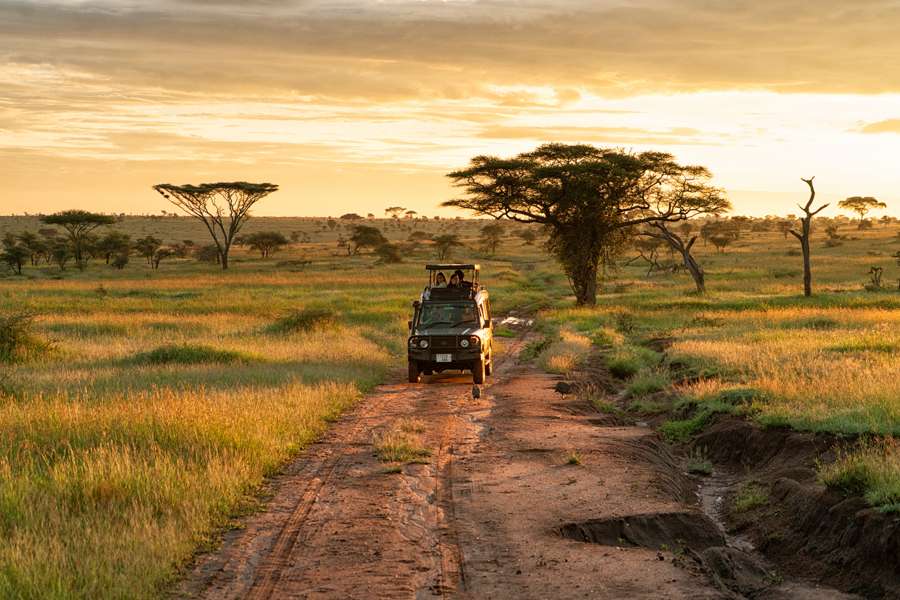
The official reasoning behind the increase was never fully published, but the widely accepted explanation is that the Masai Mara and other popular reserves had become overcrowded. By raising prices, the Narok County Government and the Kenya Wildlife Service aimed to reduce visitor numbers while maintaining overall park revenue for conservation and anti-poaching efforts.
Since park fees represent roughly 30% of a typical safari’s total cost, this increase added something in the region of 30% to the price of a standard Kenya safari, pushing typical starting prices from around $220 to $300 per adult per day. This brought Kenya’s pricing much closer in line with Tanzania, where private safaris typically start around $350 per day.
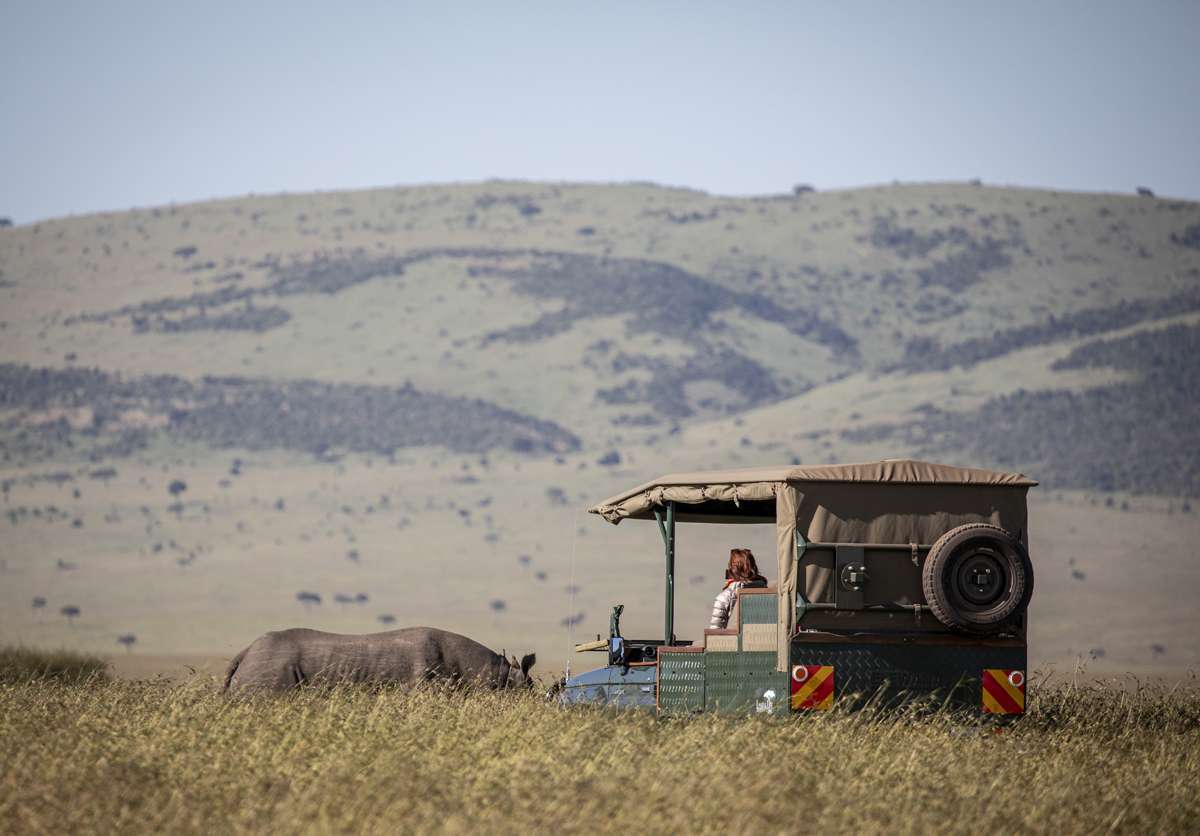
In response, some Kenyan tour operators have restructured their standard itineraries to include less time in the most expensive parks, particularly the Masai Mara, spreading trip days across lower-fee parks and conservancies instead as a way to soften the overall price increase for budget-conscious travelers.
There is a silver lining. Higher fees mean fewer vehicles at each sighting during peak season, which in practice translates to a noticeably better wildlife-viewing experience with less congestion around popular sightings. It also makes lesser-known, lower-fee parks and conservancies financially more attractive, since travelers who diversify their itinerary beyond the Masai Mara alone are rewarded with lower costs without sacrificing wildlife quality.
With the headline pricing covered, it’s worth going deeper into what you actually get at each comfort level, and how your choice of booking method changes the final number on your quote.
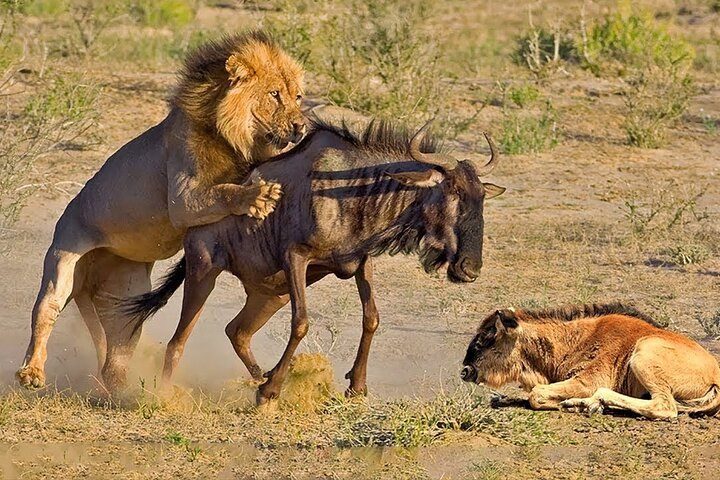
The comfort levels used throughout the safari industry are budget (split into budget camping and budget lodges), mid-range, and luxury (which itself splits into luxury and luxury-plus). These labels mostly describe your accommodation, though they also affect your safari vehicle, with minibuses common at the budget end and 4×4 Toyota Land Cruisers standard from mid-range upward.
For each comfort level below, we’ll walk through what to expect when booking a self-drive trip, a shared group tour, a private safari with a local Kenya-based operator like TourwithPipi, and a booking through an international travel agency based in the US, UK, or elsewhere.
Budget Kenya Safari Costs
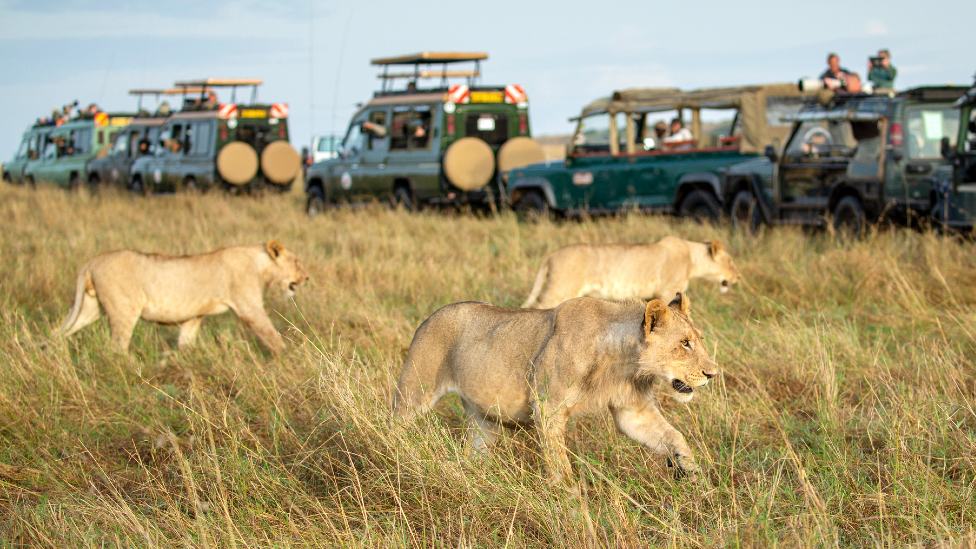
Budget safaris are entry-level safaris and the most affordable way to experience a genuine African safari, riding through the national parks in a safari vehicle spotting wildlife exactly as luxury travelers do, just with a different accommodation standard at the end of the day.
Within the budget category, you’ll find two distinct sub-types: budget camping and budget lodges. Budget lodges can include large, semi-permanent tented camps that are genuinely comfortable, with proper beds and western-style bathrooms, a step up from a ground tent but still well below mid-range pricing.
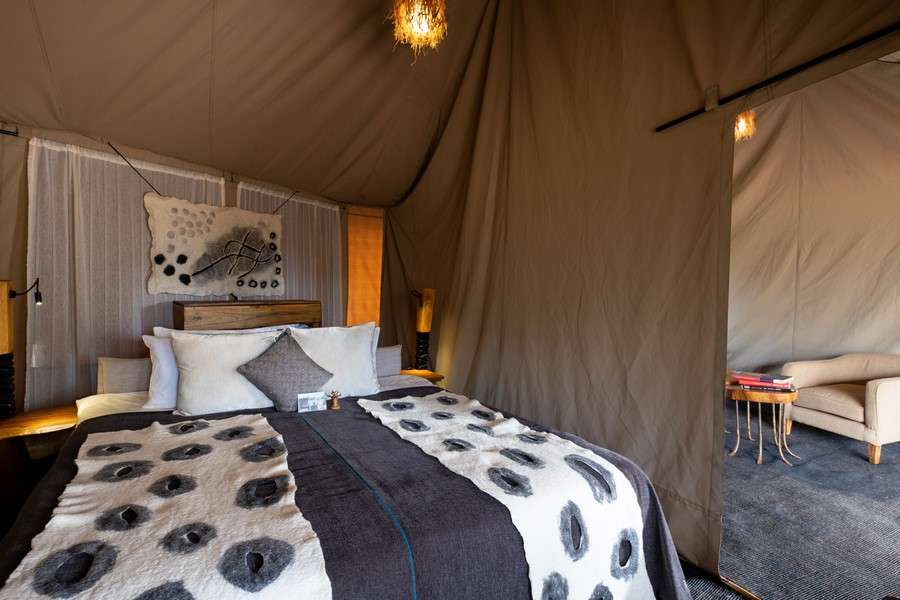
Budget camping accommodation is typically what you’ll be given if you book a shared group safari. These run on a fixed schedule, departing on set dates and usually lasting three or six days. They lack the flexibility and comfort of a private trip, but they can work out to be genuinely cost-effective for a solo traveler, since a private budget safari for one person alone commonly starts around $500 per day once you’re covering the full vehicle and guide cost yourself.
For parties of two or more, a private safari becomes a considerably more cost-effective option, since you’re splitting the fixed costs, the driver-guide and the vehicle, between everyone in your group. Private budget safaris typically use budget lodges or semi-permanent tented camps rather than ground camping.
In practice, satisfaction ratings for private budget safaris tend to run noticeably higher than for group budget camping trips. Group safaris achieve their lower price largely through aggressive cost-cutting, which often means a no-frills experience and less experienced guides assigned to the largest, cheapest group departures.
What’s the Difference Between a Budget and Mid-Range Safari?
The two biggest differences between a budget Kenya safari and a mid-range one are accommodation and vehicle standard. You might also be assigned a less experienced guide on a budget trip to help keep costs down, and your itinerary may favor lower-fee parks, or at least minimize time spent in the most expensive reserves like the Masai Mara.
On a budget safari, you’ll typically move between parks by road wherever possible, since internal flights are a genuinely significant cost that budget itineraries avoid.
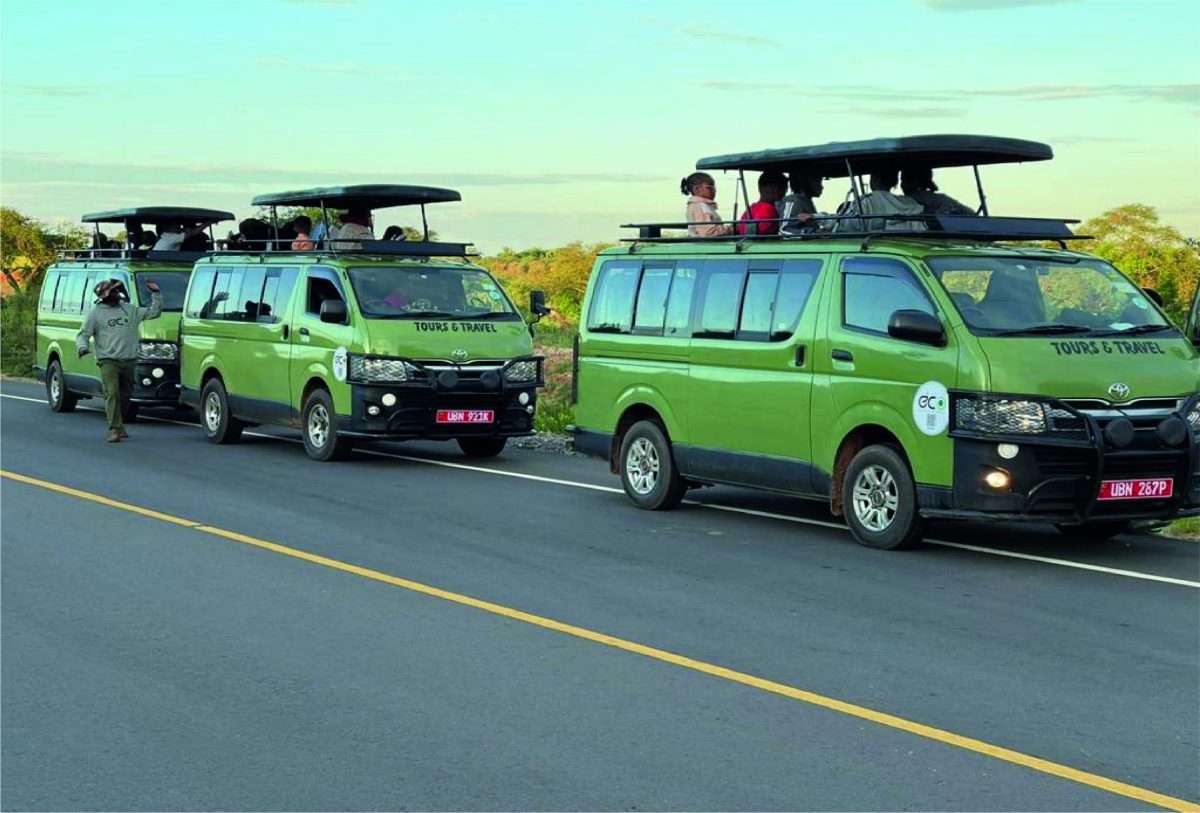
One notable cost advantage Kenya holds over Tanzania at the budget level: Kenya permits lower-cost minibuses inside its national parks, while Tanzania restricts entry to more expensive 4×4 Land Cruisers, which pushes Tanzanian budget safaris slightly higher in price by comparison. Kenya’s safari minibuses aren’t quite as rugged as a full Land Cruiser, but they remain a genuinely cost-effective way to move around the parks, complete with pop-up roofs for game viewing.
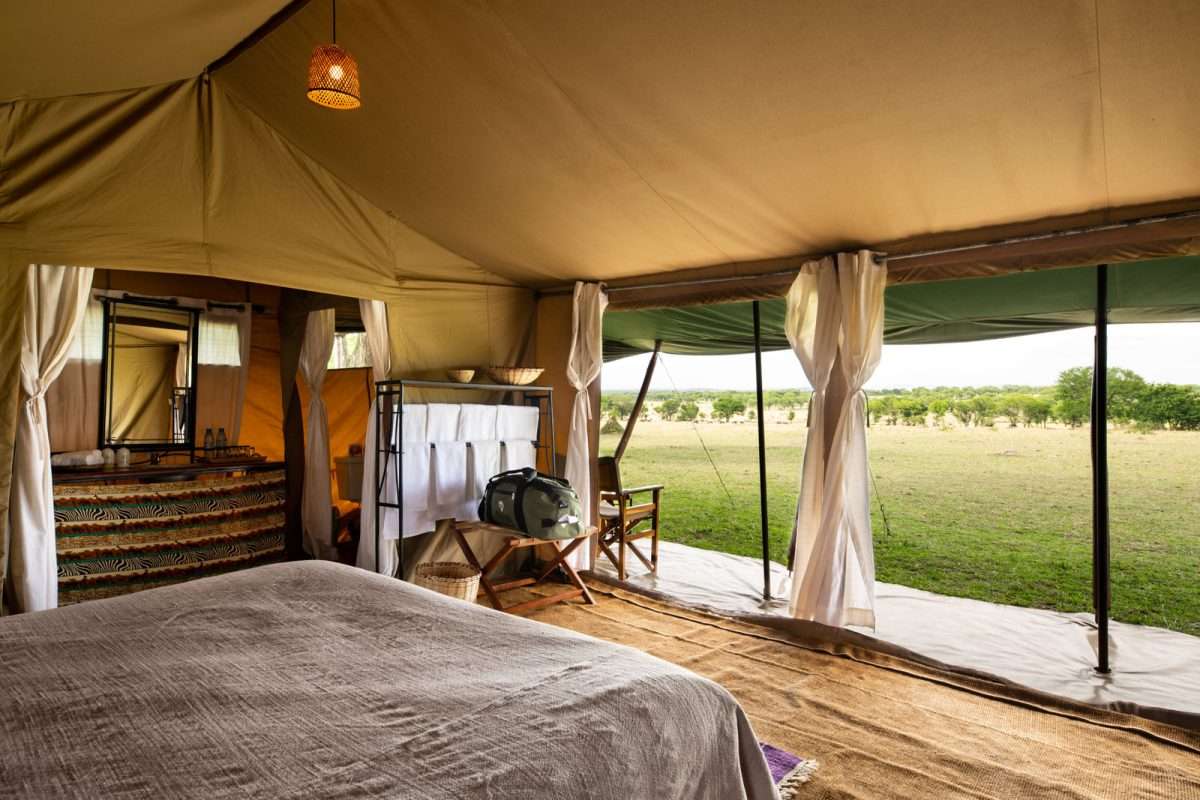
Accommodation remains the single biggest visible difference between a budget and mid-range trip. This spans everything from small ground tents with sleeping bags on a group camping safari through to comfortable budget lodges and tented camps with private bathrooms on a private budget trip. Mid-range accommodation steps up considerably from there, with larger rooms, more comfortable beds, and guaranteed private bathrooms as standard.
What Stays the Same on a Budget Safari?
You’ll still travel with a driver-guide unless you specifically choose to self-drive, and you’ll typically visit the same headline parks as a mid-range or luxury traveler, simply spending less time in the most expensive reserves.
Notes on Budget Safari Costs
Choosing a shared group safari, where you ride with strangers in a fixed-schedule vehicle, can save you roughly 12% to 27% compared to a private budget trip. Accommodation on these group trips is usually basic ground tents with communal bathrooms, run on fixed three- and six-day itineraries departing at scheduled times. On a like-for-like accommodation basis, the realistic savings land closer to 12%.
A private self-drive option is cheaper than booking a private safari through a local operator, purely because you’re removing the driver-guide cost. That said, since you’re already committing significant money to flights, park fees, and accommodation, the case for paying a modest amount extra for an experienced guide, better sightings, and a genuinely more relaxing trip is strong. We cover self-drive safaris in detail in the Factors Affecting Your Kenya Safari Cost section further down.
Booking through an international travel agency rather than a local Kenya-based operator adds cost purely because you’re now paying for that agency’s overheads and profit margin on top of the local operator who actually delivers the safari.
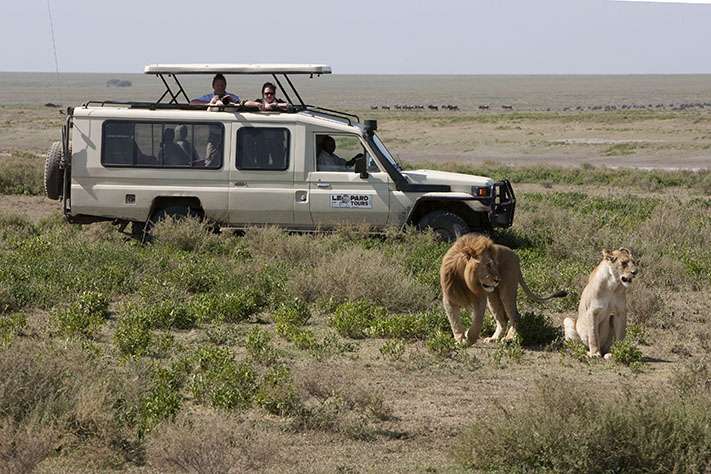
Recommended booking options for budget Kenya safaris: A private safari with a trusted local operator remains the most popular and generally most satisfying option, with typical pricing starting from $300 per person per day. TourwithPipi’s own 5 Days Maasai Mara, Kenya Safari itinerary sits at the affordable end of this bracket, starting from $1,739 per person, fully inclusive, with your private vehicle, with no separate park fee or vehicle cost added later.
Mid-Range Kenya Safari Costs
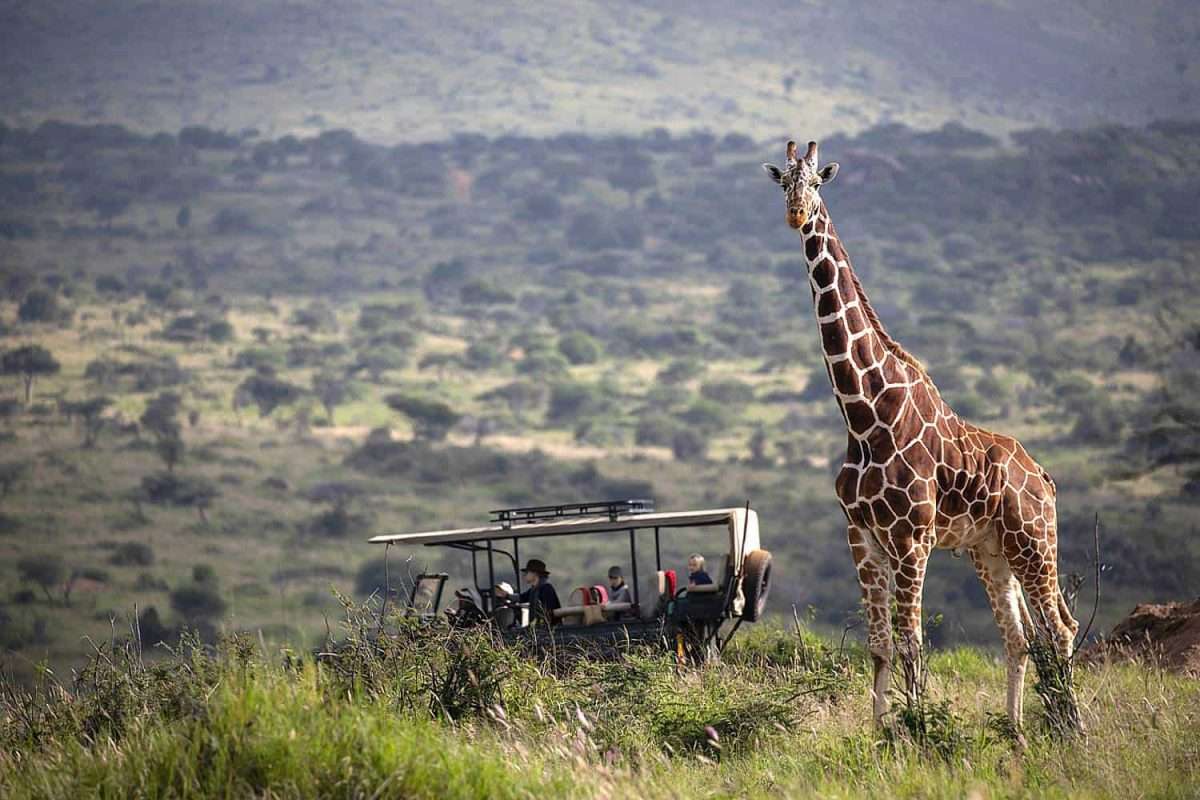
Mid-range safaris are the single most popular category of safari in Kenya, and for good reason. They deliver a genuinely excellent experience without the price tag of a full luxury trip.
Mid-range safaris typically cost only around 30% more than budget options, while delivering a meaningfully higher standard of accommodation, think proper tented camps inside the national parks themselves, with real beds and private, western-style bathrooms as standard.
Since you’re already committing serious money to park fees and vehicle costs regardless of comfort level, the case for spending an extra $75 to $100 per person per day to upgrade to a spacious 4×4 Toyota Land Cruiser, a more experienced guide, and genuinely comfortable accommodation is one of the strongest value arguments in the entire safari pricing spectrum.
What’s the Difference With a Mid-Range Safari?
The two main differences between a mid-range Kenya safari and a budget one are your accommodation and your safari vehicle. Mid-range accommodation typically sits inside the national parks themselves, with comfortable tented camps and lodges offering private, western-style bathrooms throughout.
You’ll also typically be upgraded to a proper 4×4 Toyota Land Cruiser with a pop-up roof for game viewing, rather than a lighter-duty minibus. Mid-range itineraries generally spend more time in the marquee parks, like the Masai Mara, compared to a budget trip, and may include one internal flight to avoid a particularly long road transfer, most commonly at the start or end of a longer itinerary. You’ll also typically be assigned a more experienced guide than on a budget trip, which meaningfully improves your odds of exceptional sightings.
What Stays the Same on a Mid-Range Safari?
You’ll generally visit many of the same parks as a budget traveler, simply spending more time in the higher-fee reserves and enjoying a noticeably more comfortable base to return to each evening.
Notes on Mid-Range Safari Costs
As with budget safaris, self-driving is cheaper than booking through a local operator purely because you’re removing the guide cost, and international agency bookings cost more than local operator bookings for the same reason described above: an added overhead and profit layer on top of the local company actually running your safari.
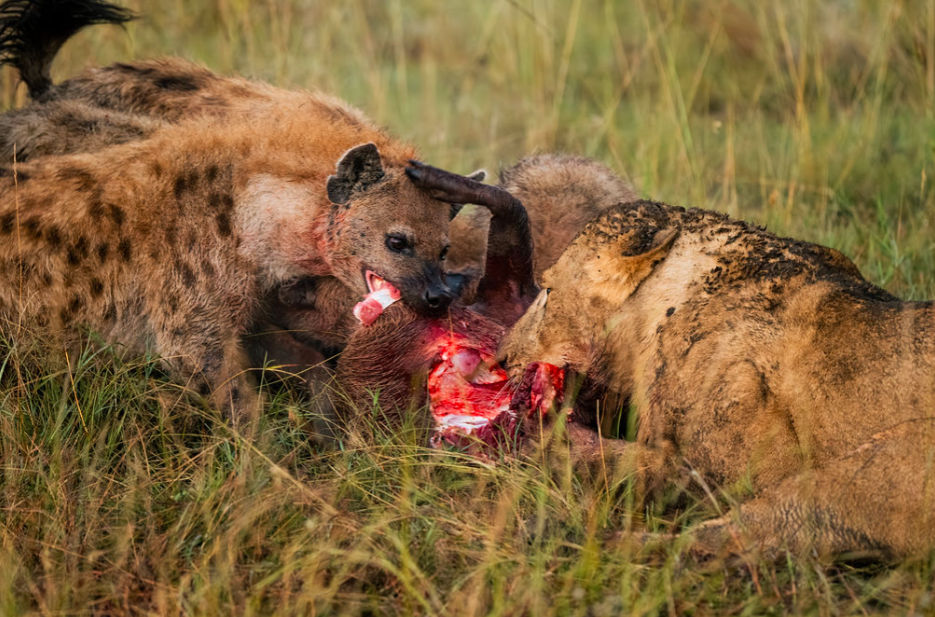
Recommended booking options: A private safari with a trusted local operator remains the strongest combination of value and experience, with typical pricing starting from $400 per person per day. TourwithPipi’s 6 Days Luxury Safari in Kenya, from $3,799 per person, and 8-Days Classic Kenya Safari, from $4,219 per person, these fully inclusive of park fees, guide, your own private vehicle and not shared, and full board meals and luxury accommodation.
Luxury Kenya Safari Costs
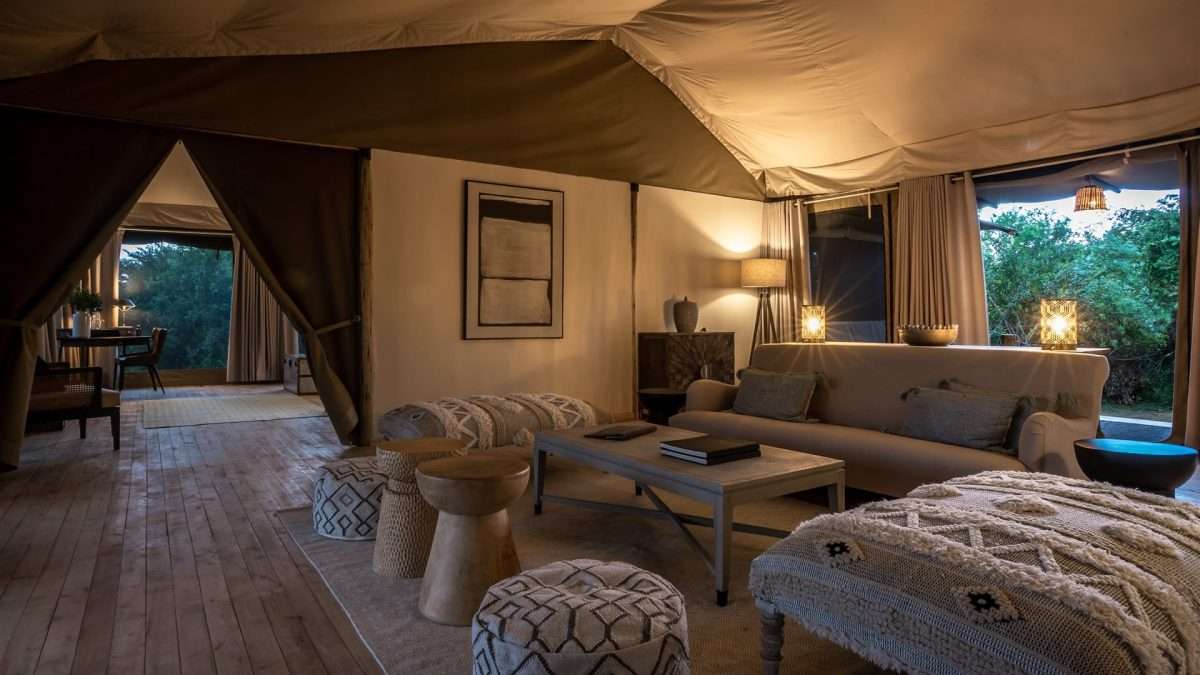
Kenya does luxury safaris exceptionally well, with a genuinely huge range of world-class accommodation to suit almost any luxury budget you’re working with. Understanding a luxury safari vs a budget safari in Kenya comes down almost entirely to accommodation standard, vehicle quality, and guide experience, not the wildlife itself.
Luxury safaris booked through a local operator typically start from $600 per adult per day and run up to around $1,500. Luxury-plus safaris start from $1,500 per person per day and can climb to $5,000 or more, particularly once private charter flights, exclusive-use camps, and dedicated photography vehicles enter the picture.
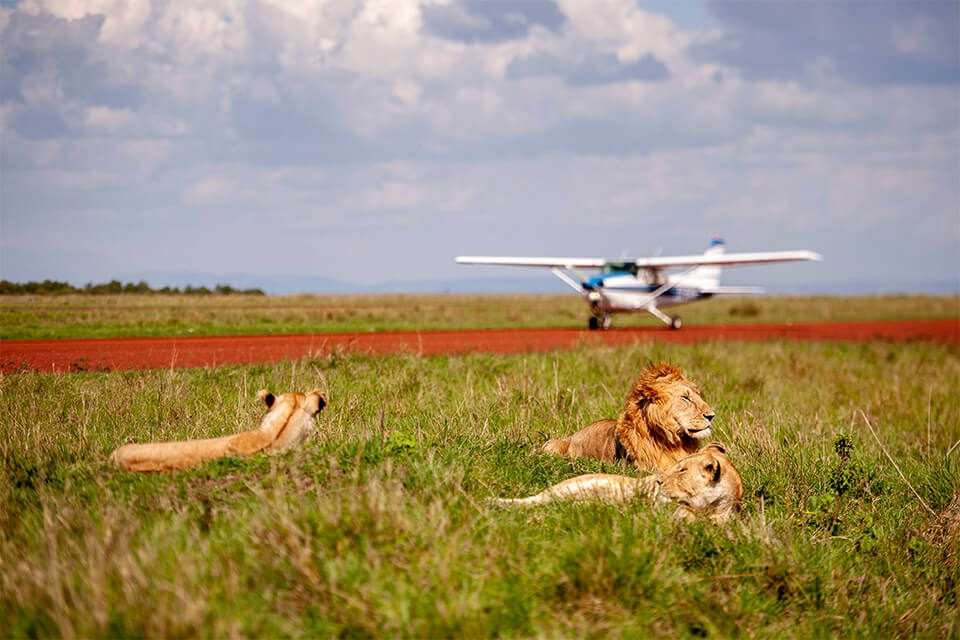
At the luxury end, charter flights commonly replace longer road transfers entirely, landing directly on airstrips inside or immediately adjacent to the parks you’re visiting.
What’s the Difference With a Luxury Safari?
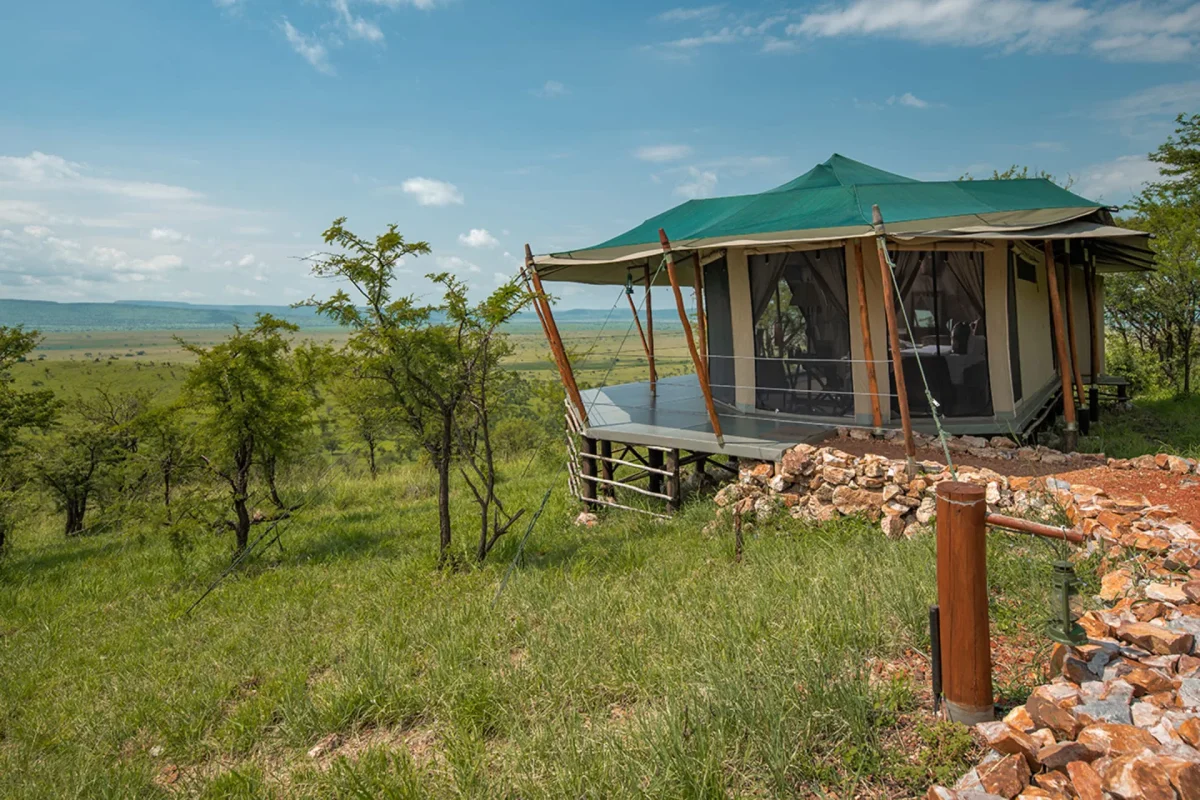
The main differences between a mid-range and a luxury Kenya safari come down to your accommodation standard and how many internal flights are included. Luxury accommodation is typically located directly inside the national parks and reserves themselves, with features like infinity pools, spas, private plunge pools, and genuinely spectacular views built into the experience. Suites are larger, and meals move from a buffet format to being cooked to order.
You’ll typically spend the vast majority of your time in the very best parks, the Masai Mara chief among them, paired with the most experienced guides available to maximize your sightings, often using the highest-specification 4×4 Land Cruisers, including dedicated photography vehicles where requested.
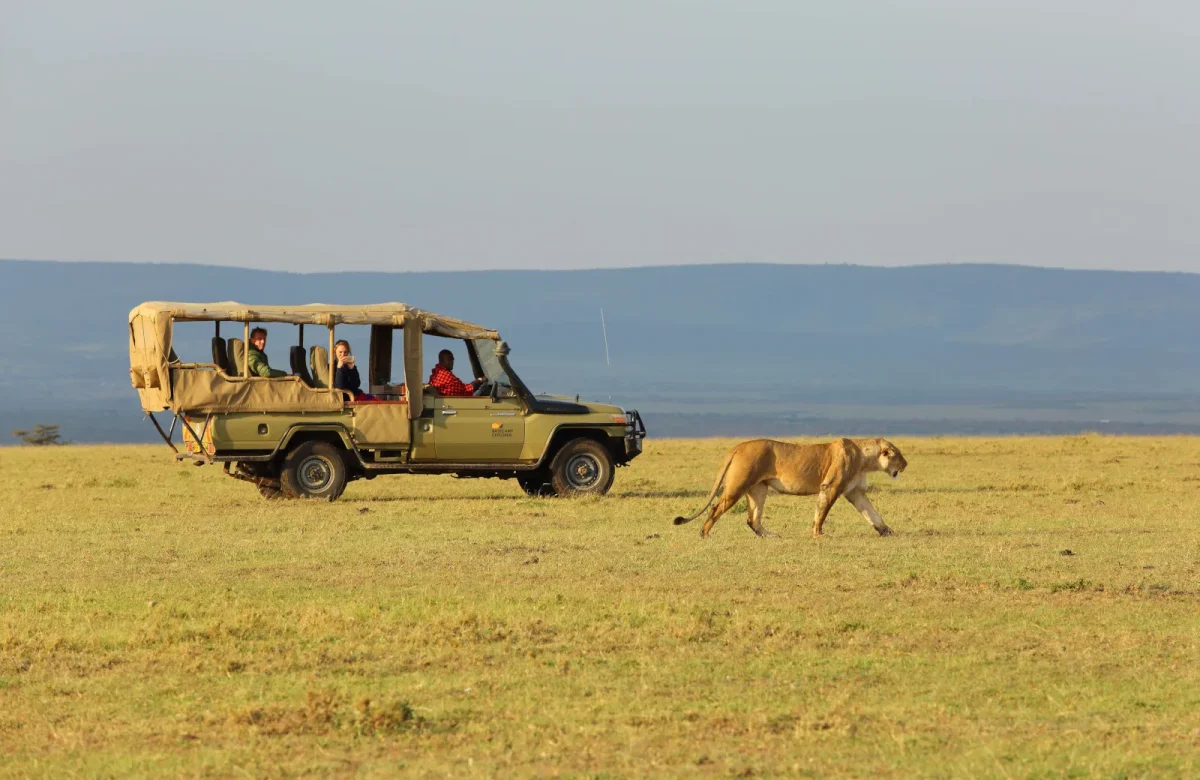
Luxury Kenya itineraries commonly include one or more internal flights to eliminate long road transfers. These flights typically add around $350 per person, per one-way leg.
What Stays the Same on a Luxury Safari?
Your safari vehicle will follow a similar format to a mid-range trip, simply built to a noticeably higher specification.
Notes on Luxury Safari Costs
Self-driving remains the cheapest option purely by removing the guide cost, though this trade-off becomes far less compelling the more you’re already spending on accommodation and flights. International travel agencies tend to add their largest markup at the luxury tier specifically, since luxury travelers are often less price-sensitive and may associate a higher sticker price with higher perceived value, even when the underlying safari is delivered by the exact same local operator either way.
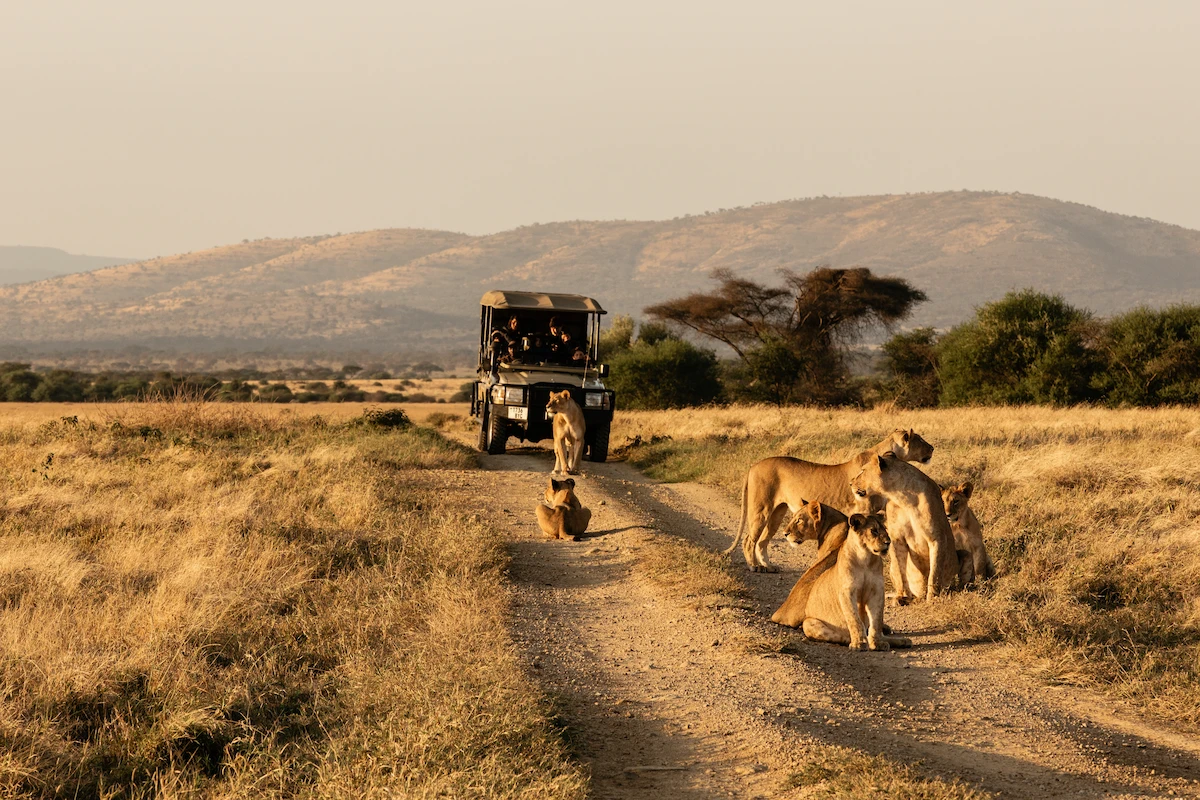
Recommended booking options for cheapest luxury Kenya safaris: A private safari with a trusted local operator remains the strongest value at this tier, with typical pricing starting from $600 per person per day. TourwithPipi’s 8-Days Kenya Flying Safari, from $5,519 per person, and 9-Day Mara & Chale Honeymoon Escape, from $4,739 per person, both sit within this luxury bracket, combining premium fly-in logistics with fully inclusive, transparent per-person pricing.
Factors Affecting Your Kenya Safari Cost
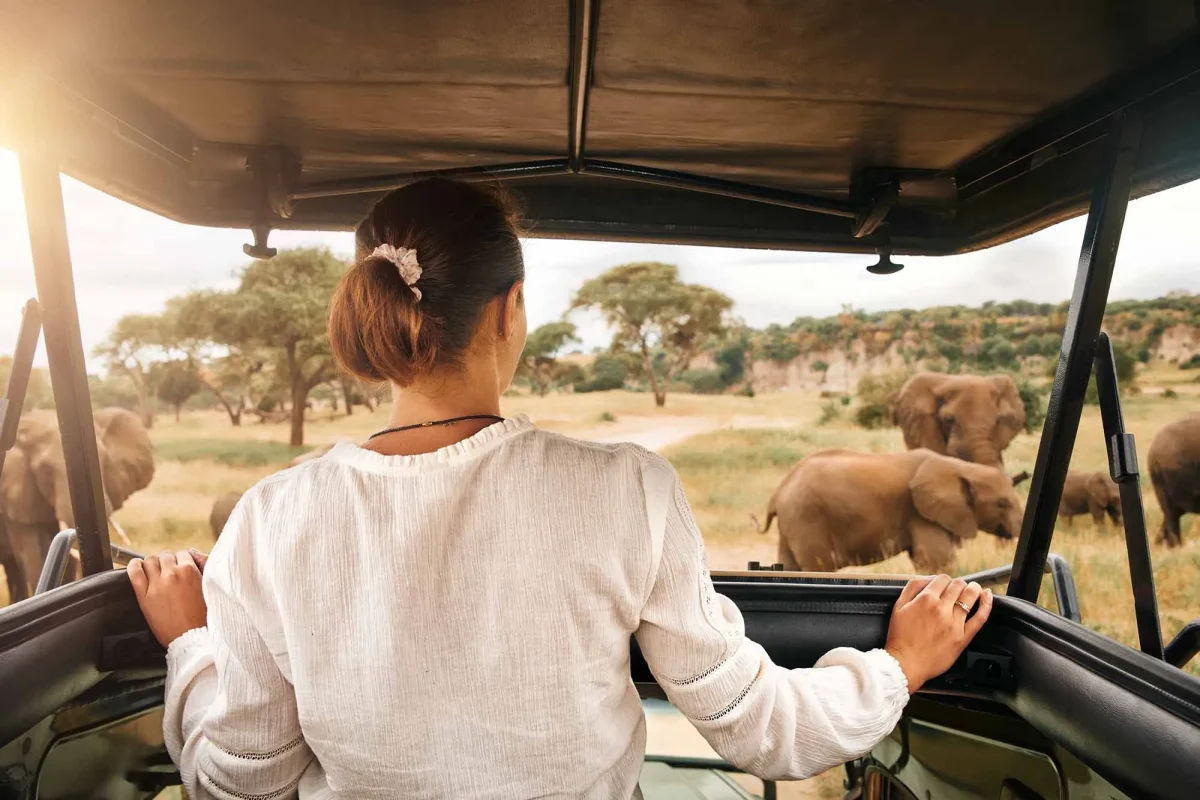
When you compare multiple safari quotes side by side, it can be genuinely confusing to understand why one is significantly higher than another, and which one actually represents the better value. The factors below are listed roughly in order of how much impact they typically have on your final safari cost.
One notable exception to this ordering: for solo travelers on a private safari, group size jumps to the second most important factor for budget trips, and the third most important for mid-range trips, since a solo traveler is shouldering the entire fixed cost of the vehicle and guide alone.
1. Type of Safari Company
There are four broad ways to organize a Kenya safari itinerary: self-drive (DIY), hotel-provided safaris, a local Kenya-based safari company, and an international safari company based in your home country, such as the US or UK. Each carries a meaningfully different cost structure.

Self-Drive (DIY) Costs
An important update for anyone considering this route in 2026: the Narok County government, which oversees the Masai Mara, has banned self-driving within the reserve to help protect the ecosystem. Only licensed drivers working for registered tour operators are now permitted to drive inside the Masai Mara National Reserve. As a self-driver arriving in a rental vehicle, you will not be permitted to drive yourself through the reserve, and visiting the Masai Mara now requires booking with a licensed safari company that provides a professional driver-guide.
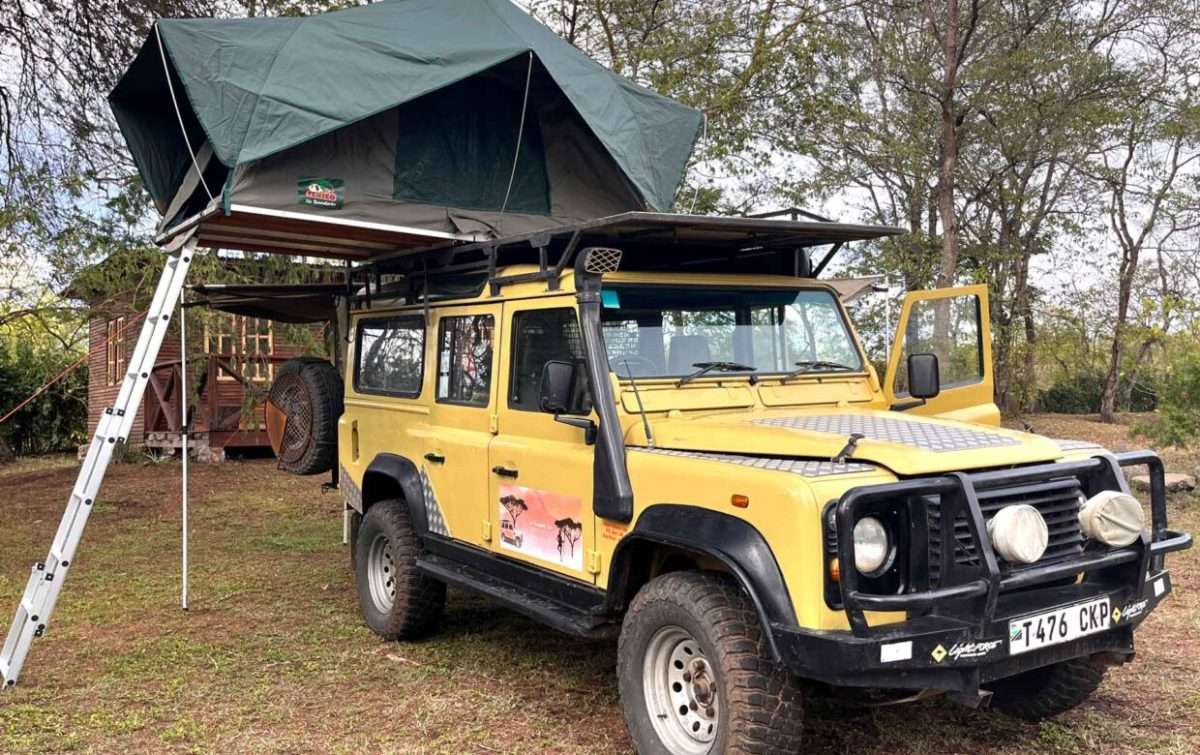
Self-drive safaris in Kenya tend to appeal to travelers who enjoy the added sense of independence and adventure that comes with navigating unfamiliar terrain themselves. Others choose self-drive purely as a way to reduce overall safari costs.
While Kenya is marginally more accommodating to self-drivers than Tanzania, thanks to slightly more flexible vehicle entry requirements outside the Masai Mara, the country as a whole is still not really built around independent self-drive travel. The overwhelming majority of visitors use a licensed safari company, and Kenya’s tourism infrastructure reflects that reality.
Self-driving in Kenya also carries genuine, practical hazards: flooded paths concealing deep potholes, remote roads with no cell signal if you get a flat tire, and the simple fact that experienced local guides carry invaluable knowledge of current wildlife movement, plus radio contact with other guides, that a self-driver has no access to whatsoever. Given that you’re already committing significant money to flights, accommodation, and park fees, the case for paying a modest amount more for a guide who can put you in the right place at the right time is difficult to argue against.
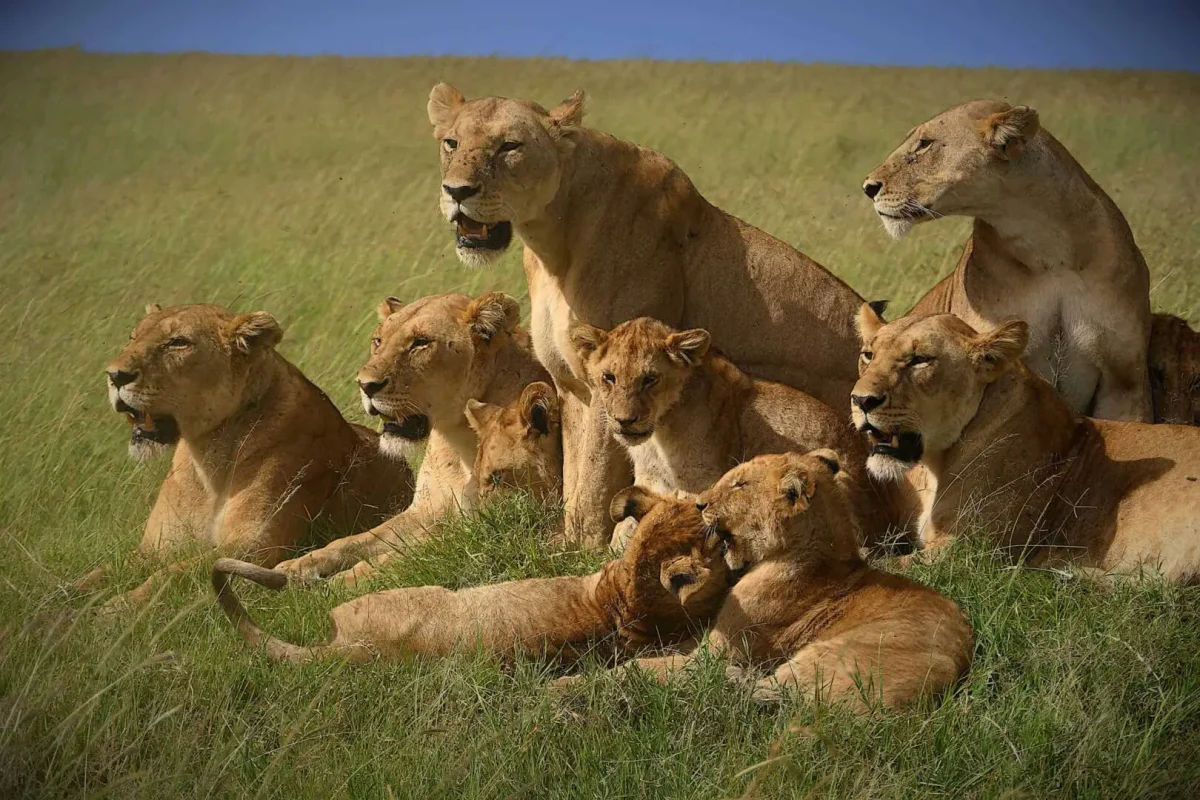
Roughly speaking, park fees and accommodation together make up more than 70% of the total cost on a self-drive Kenya safari, meaning the “savings” from self-driving apply almost entirely to the driver-guide fee alone, typically $250 to $350 per day for the vehicle and guide combined, split across your party.
Local Kenya Safari Company Costs
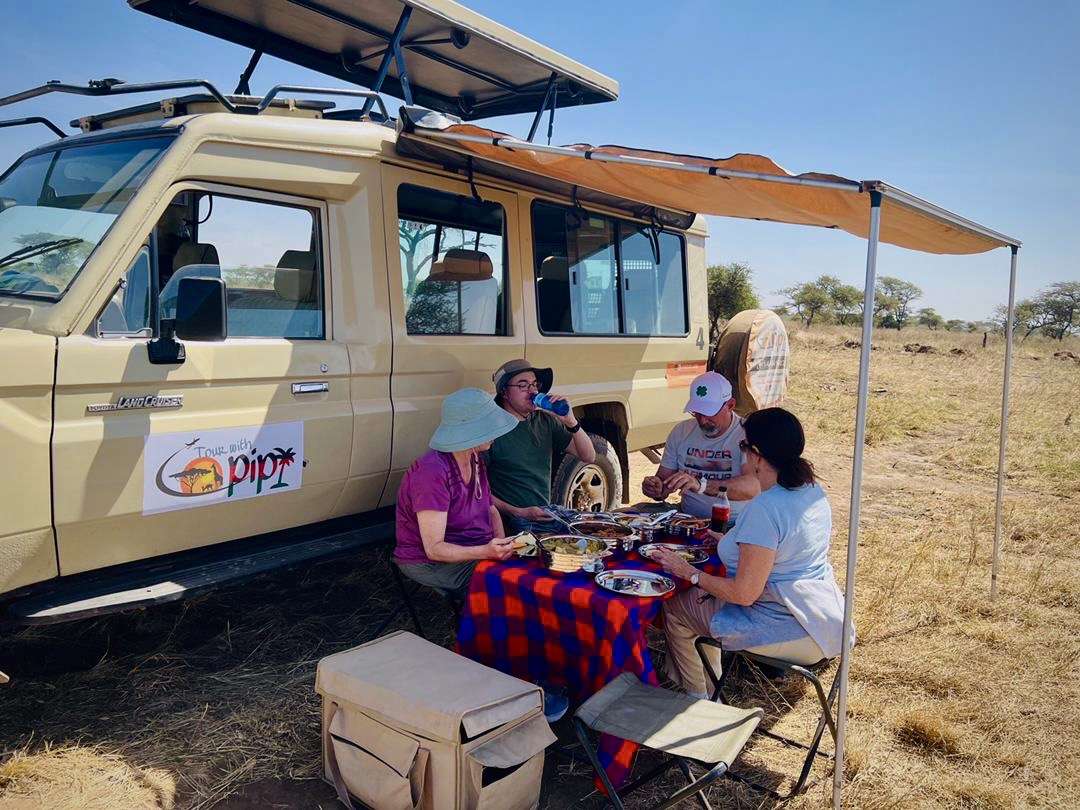
The best value-for-money Kenya safaris are consistently achieved by working with a strong local safari company. A genuinely good local operator saves you both time and money through real on-the-ground knowledge, from current wildlife movement patterns and the position of the Great Migration herds, to which specific conservancies are quietest at any given moment.
Not all local companies are created equal. The strongest results tend to come from operators that are established enough to deliver consistently, but not so large that standards begin to slip through over-expansion, aging vehicles, or less experienced guides hired to cover growing volume. The opposite risk exists too: a local operator that is too small can become genuinely overstretched during busy periods, with the same small team trying to manage too many simultaneous trips. TourwithPipi is built specifically around this balance: small enough that every single trip receives personal attention from a Kenya-born founder, but structured enough to deliver a consistent, professional standard across every itinerary.
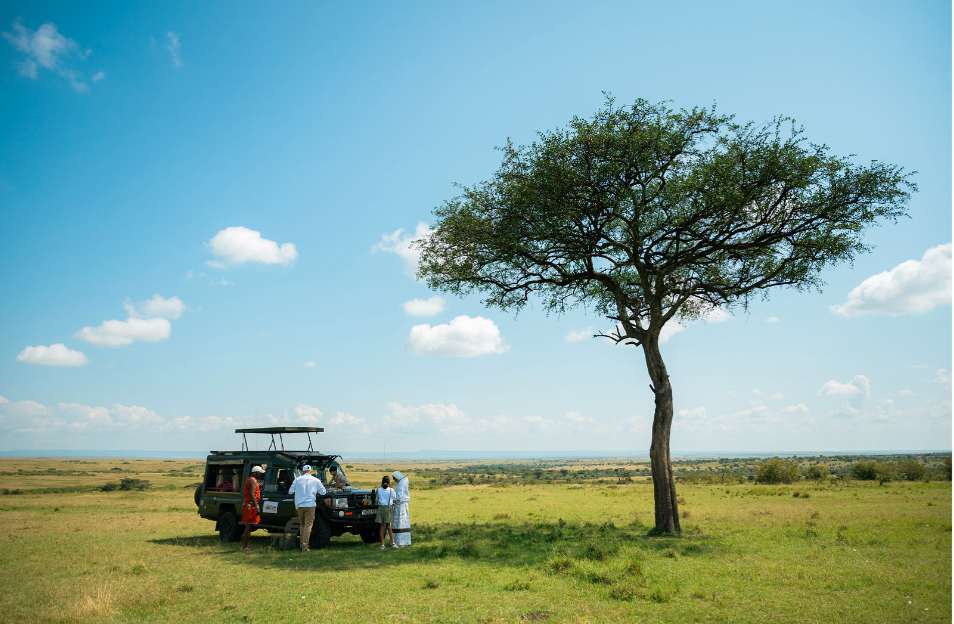
Local operators typically work on remarkably thin margins, commonly a 10% to 15% markup covering wages and limited overhead, leaving something in the region of 3% to 5% as genuine profit. Local operators also typically hold special negotiated rates directly with lodges, meaning that even after their margin is added, total accommodation cost often comes out similar to, or even below, what an individual traveler could achieve booking directly. Interestingly, on already-expensive add-on activities like hot air balloon safaris, many local operators add little to no margin at all, arranging them for guests essentially as a gesture of goodwill rather than a profit center.
Roughly speaking, accommodation and park fees together account for more than half of total safari costs when booking through a local operator, which is exactly why choosing the right operator, rather than simply the cheapest headline price, makes such a meaningful difference to overall value.
International Travel Agency Costs (US, UK, and Elsewhere)
It’s an open secret within the safari industry that international travel agencies and safari companies based in the US, UK, and elsewhere generally subcontract the actual on-the-ground safari to a local Kenya-based operator. The vehicle branding is swapped out for the international company’s livery for the duration of your trip, but the guide, vehicle, and lodges are the same ones a local operator would have arranged directly.
There’s nothing inherently wrong with this practice, but it does mean you pay more for the same underlying safari. You’re now covering two layers of overhead and profit: the local operator’s, and the international agency’s on top of it. That markup typically ranges from 20% up to a genuinely substantial 300% at the high end of the luxury market.
Beyond the raw cost difference, booking through an intermediary can introduce communication friction. Special requests can get lost in translation between your sales representative and the guide actually delivering your safari, and real-time, on-the-ground updates don’t always make it back through the chain to you during the planning process.
International agencies do offer some genuine advantages. Many can book your international flights alongside the safari itself, may offer stronger deposit protection frameworks, and tend to be well versed in very high-end requests like private jet charters. In practice, this overseas-agency model tends to focus on luxury and luxury-plus travelers specifically, since a reasonable service level from a major international agency typically requires a spend of at least $15,000, with $50,000 or more required to receive genuinely dedicated attention, and total trip costs that can, at the extreme end, exceed $100,000.
On the protection side specifically, UK-based agencies are typically covered by the Package Travel Regulations, a framework requiring sellers of package holidays to protect client funds, either through a bonded reserve or a third-party trust arrangement, so you’re covered if the company becomes insolvent before your trip. If a UK agency also books your international flights as part of the package, you’re additionally covered by the ATOL scheme (Air Travel Organisers’ Licensing), which holds a central industry fund specifically for this purpose rather than relying on each company’s individual bond. In the US, protections such as the Airline Passenger Protection Act and the Federal Aviation Administration’s consumer protection rules apply specifically to the flight booking portion when arranged through a US-based travel agent, though coverage for the land-based safari itself varies considerably by company and state.
If deposit protection matters to you and you’d rather book directly with a local operator, it’s worth knowing that paying your deposit by credit card typically provides its own layer of purchase protection under schemes like the UK’s Section 75, alongside comprehensive travel insurance with trip interruption cover, both of which apply regardless of whether you book with a local Kenya-based operator or an international agency.
Hotel Provides Safaris Costs (Hotel-Provided Safari Costs)
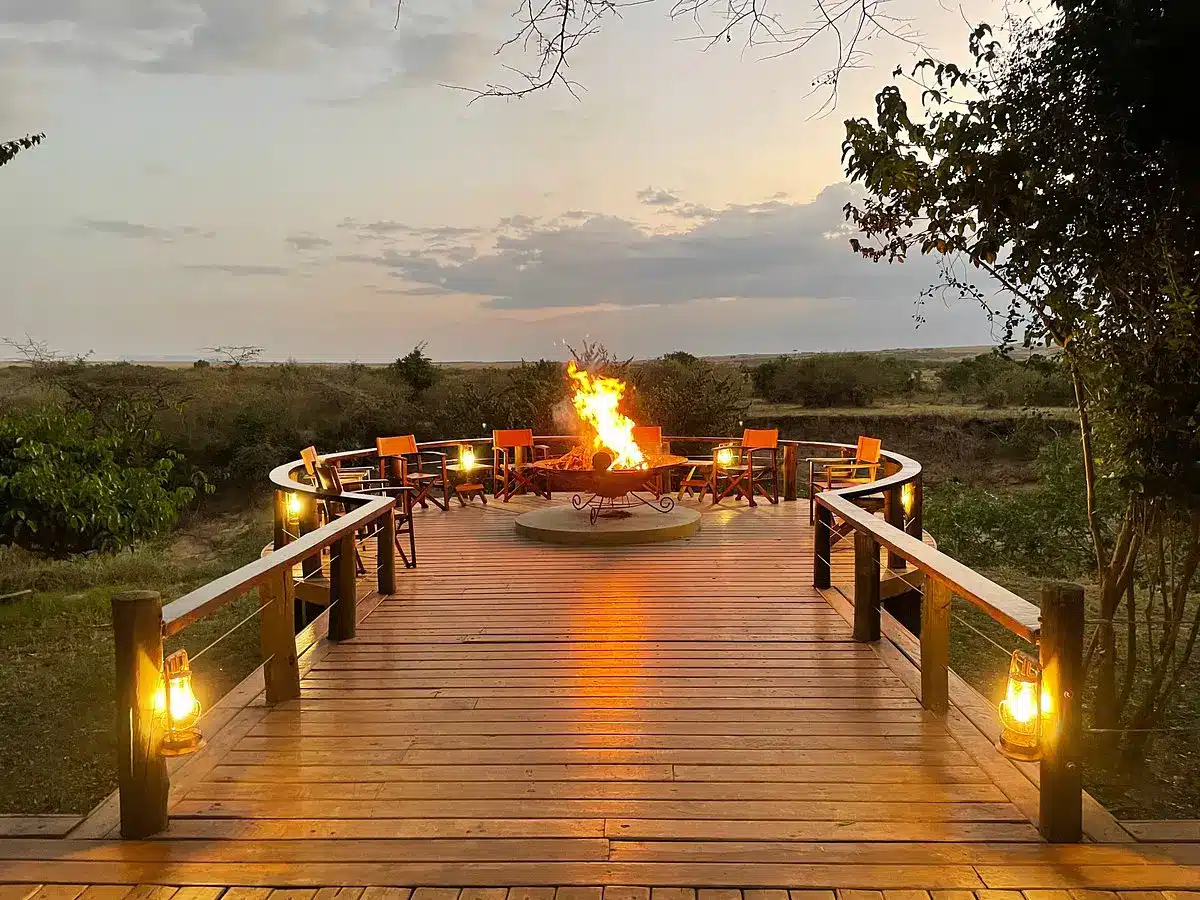
Some luxury-plus hotels located inside Kenya’s national parks offer their own in-house safaris using their own vehicles and guides, usually run as shared drives alongside other hotel guests. These tend to carry a real premium, since the hotel is pricing the experience at a premium rate rather than the wholesale rate a dedicated safari operator would charge. This option can suit travelers planning to spend most of their time at one property with only occasional game drives, and who don’t mind sharing a vehicle with other guests. This model typically pairs with flying directly to and from the property by small propeller plane rather than a road transfer.
2. Safari Accommodation Costs
Accommodation typically represents around 30% of your total safari cost when booking through a local operator like TourwithPipi, roughly a third of everything you spend.
The level of accommodation is the single biggest factor separating a budget, mid-range, and luxury trip. Kenya lodges and tented camps almost always charge on a full board, per-person basis rather than per room, though two people sharing a room will always cost less per person than booking a room solo.
A typical day includes a buffet breakfast before you head out on your morning game drive, a packed lunchbox or hot meal eaten out in the bush, since parks like the Masai Mara charge per entry, making it more cost-effective to stay inside rather than return to the gate, and a hot dinner back at your lodge in the evening, ranging from a buffet to a full cooked-to-order menu depending on your comfort tier.
Accommodation located inside the national parks themselves tends to cost more than properties just outside the gates, since in-park lodges absorb overnight park fees and higher running costs. Several excellent properties sit right on the edge of the Masai Mara, offering sweeping views over the reserve and only a five-minute drive to the gate, at a noticeably lower price than an equivalent in-park lodge.
Here is a realistic breakdown of typical accommodation pricing per person, per night, on a full board basis during peak season, based on two adults sharing a room, excluding park entry fees:
Nairobi runs roughly $30 per night at the budget tier, $50 at mid-range, and $100 at the luxury tier. Amboseli National Park runs about $50 budget, $80 mid-range, and $200 luxury. Just outside the Masai Mara, expect roughly $70 budget, $300 mid-range, and $500 luxury. Staying inside the Masai Mara itself runs higher across the board: around $150 budget, $400 mid-range, and $800 at the luxury tier, reflecting both the premium location and the overnight park fees baked into in-reserve accommodation.
Budget Accommodation ($30 to $100 per person per night)
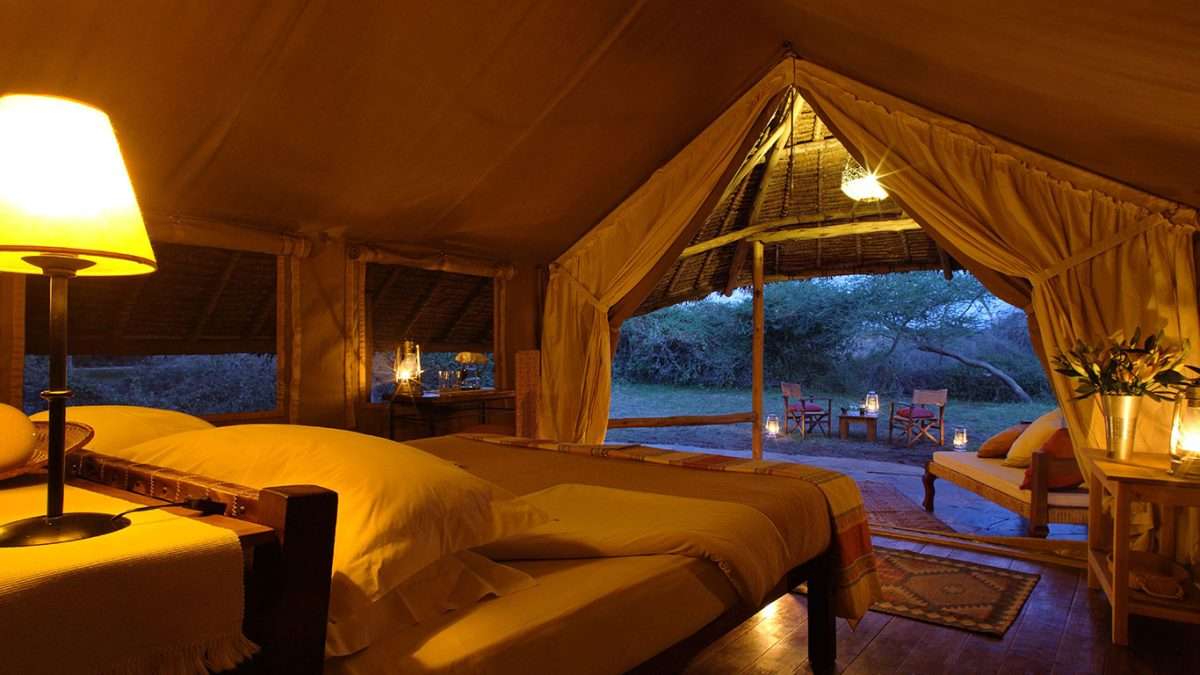
Budget accommodation spans a genuinely wide range, from ground tents and basic tented camps through to simple lodges and hotels. Bathrooms can be private or shared depending on the specific property, though they’ll almost always be western-style. Budget accommodation typically sits outside the national parks, since most of Kenya’s prime wildlife viewing areas are quite accessible from the entrance gates, unlike Tanzania’s Serengeti, where the sheer scale of the park makes staying inside far more practical.
Food at this tier is generally served buffet-style, and while food safety issues are genuinely rare across all tiers, quality and freshness tend to be noticeably higher at mid-range and luxury properties. If you have a particularly sensitive stomach, either be selective and stick to freshly cooked, low-risk options at budget buffets, or consider stepping up to mid-range accommodation for the trip.
Mid-Range Accommodation ($50 to $400 per person per night)
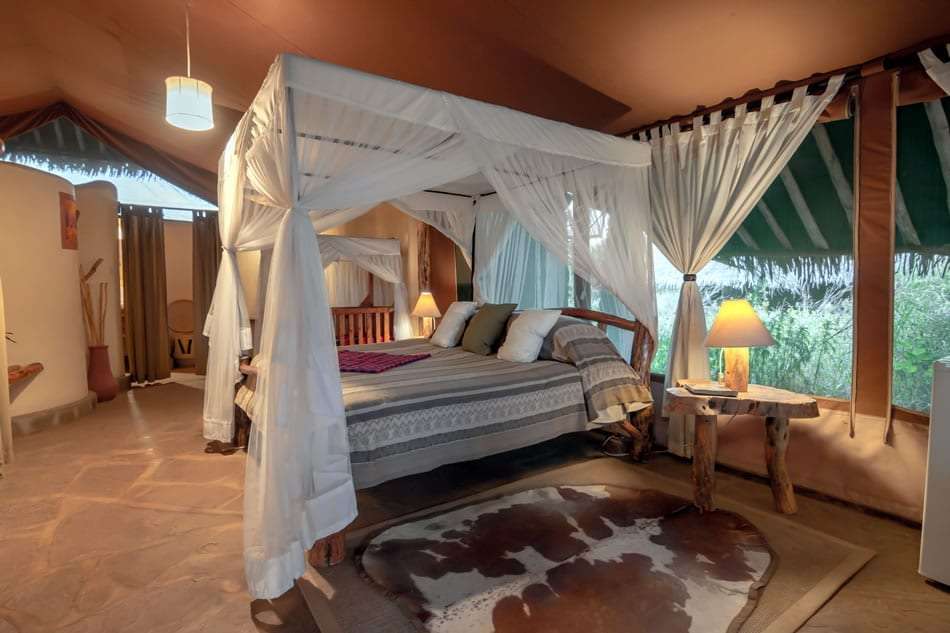
Mid-range accommodation is the single most popular category for Kenya safaris, delivering real comfort at a price that stays well short of luxury-tier costs. A private, western-style bathroom is essentially guaranteed at this level.
Three main property types dominate the mid-range tier: tented camps, lodges, and hotels, with hotels most common in cities and tented camps or lodges more typical near the parks themselves. Tented camps at this tier are genuinely large, permanent structures with proper beds, private bathrooms, and often comfortable sitting areas, offering a closer connection to the surrounding bush than a hard-walled lodge, since you can hear the sounds of the wild at night from inside a well-secured, guarded camp.
Luxury and Luxury-Plus Accommodation ($100 to $3,000 or more per person per night)
A luxury safari lodge stay is one of the quintessential African travel experiences, and Kenya offers a genuinely enormous range of options if your budget supports it. Prices span from around $100 per night in Nairobi up to $3,000 or more at the very top end of the market, with full board luxury accommodation typically landing in the $300 to $500 per person per night range for most travelers.
Luxury accommodation appears as tented camps, lodges, and city hotels, generally located inside the national parks or on bordering private conservancies once you’re outside the cities. Expect spacious rooms, spectacular views, spas, plunge pools, and infinity pools as standard features at this tier, along with food cooked to order rather than served buffet-style, sometimes grown on-site in the property’s own organic gardens.
For longer trips, particularly a two-week combined Kenya and Tanzania itinerary, it’s worth building in at least one full day or a relaxed half-day away from early morning and evening game drives specifically to enjoy your luxury accommodation itself, rather than treating it purely as a place to sleep between 6am and 6pm safari days.
3. Time of Year
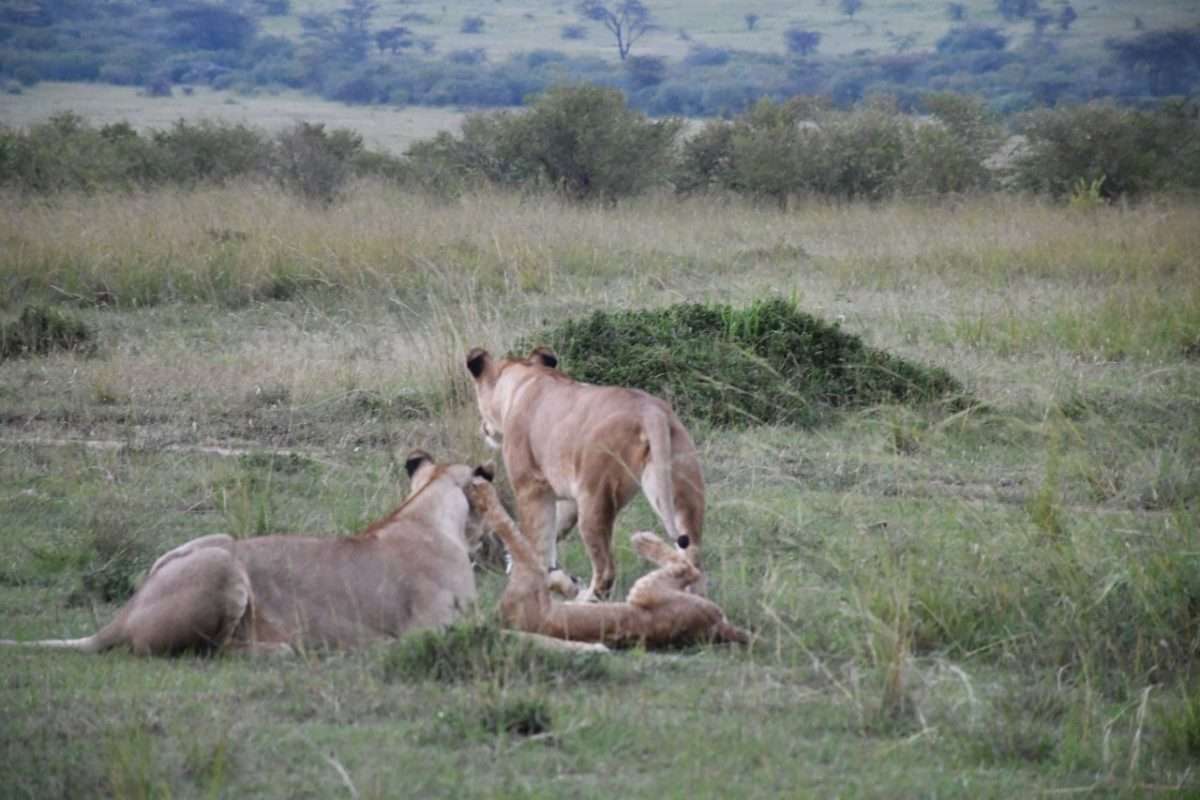
The time of year you travel meaningfully affects your total Kenya safari cost, and Kenya’s three seasons are dictated by rainfall, following broadly the same pattern as neighboring Tanzania.
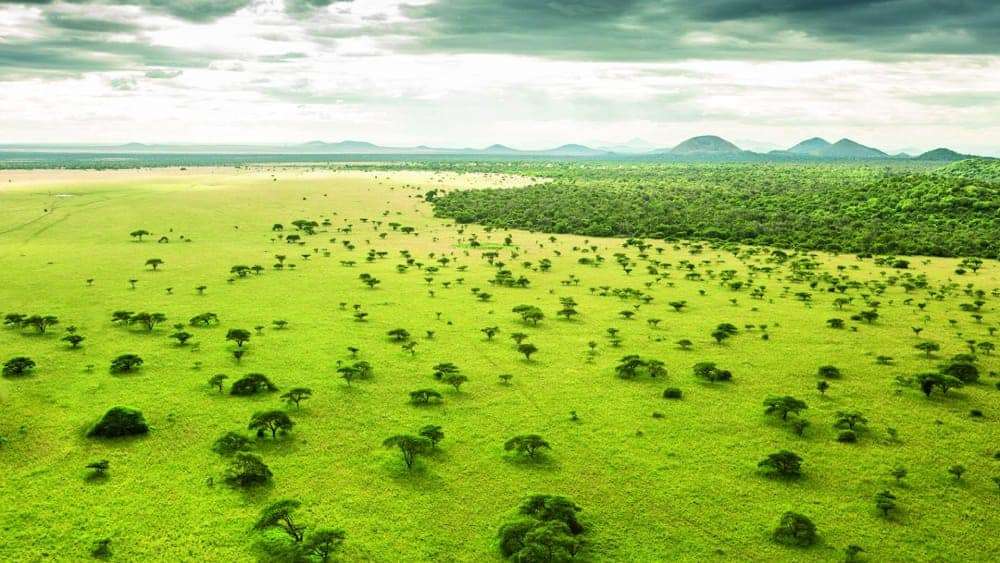
Low season runs March, April, and May, and represents the lowest-cost time to visit. Expect the possibility of heavy downpours and occasionally flooded roads, though the landscape turns a genuinely beautiful lush green that many photographers specifically seek out, even as it can make spotting wildlife slightly more challenging against denser vegetation.
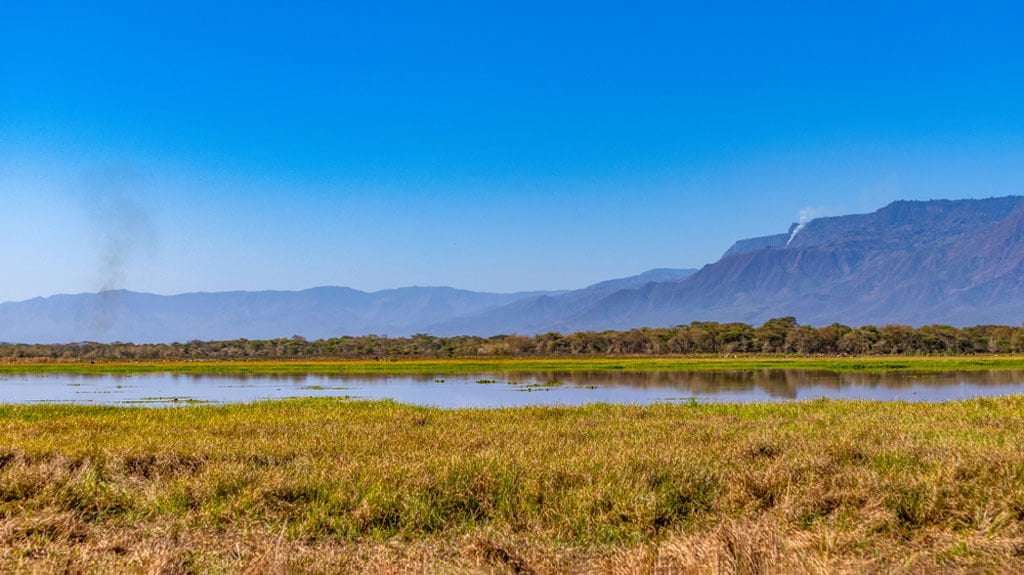
Shoulder season covers January and February, plus November and December, and represents excellent value. Some rain is still likely, but conditions are considerably more manageable than deep low season. January and February are a particularly strong window for seeing newborn animals, and if you pair Kenya with a Tanzania extension, this timing also lines up with the wildebeest calving season around the Ndutu region on the edge of the Serengeti.
It’s worth noting that January and February shoulder season pricing runs meaningfully cheaper than the November and December shoulder season, since Kenya’s park fees are structured higher in the second half of the calendar year. The bulk of the savings in the earlier shoulder window comes from lower accommodation rates.
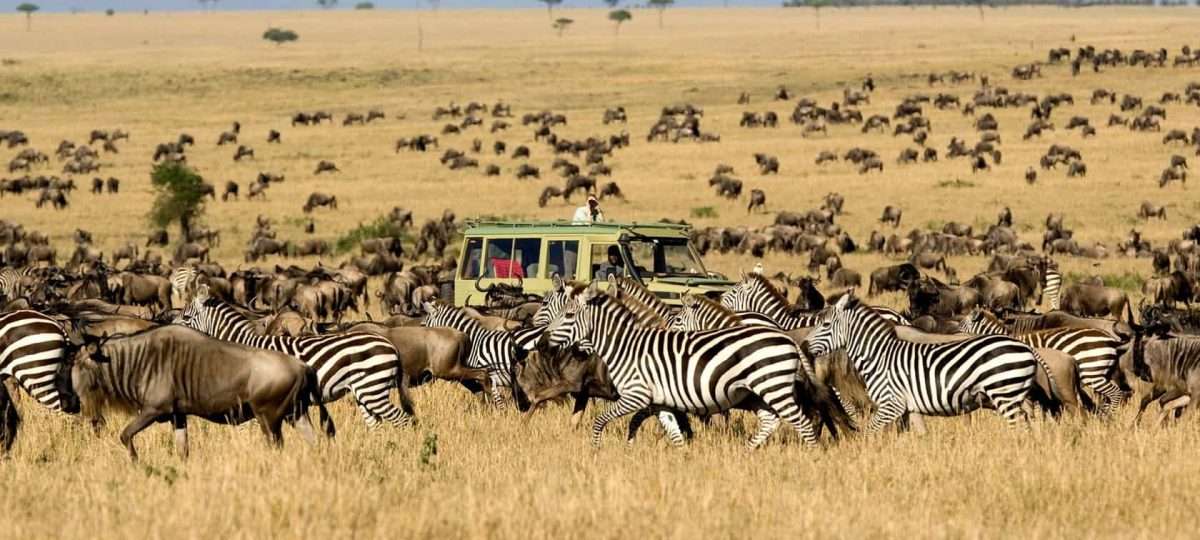
Peak season runs from July through September or into October, coinciding with the long dry season, and represents both the most popular and the most expensive time to visit. Reduced vegetation and water availability concentrate wildlife around remaining water sources, delivering outstanding game viewing. August and September specifically are the two months when the Great Wildebeest Migration’s river crossings become visible on the Kenyan side of the border, as herds cross the Mara River from Tanzania’s Serengeti.
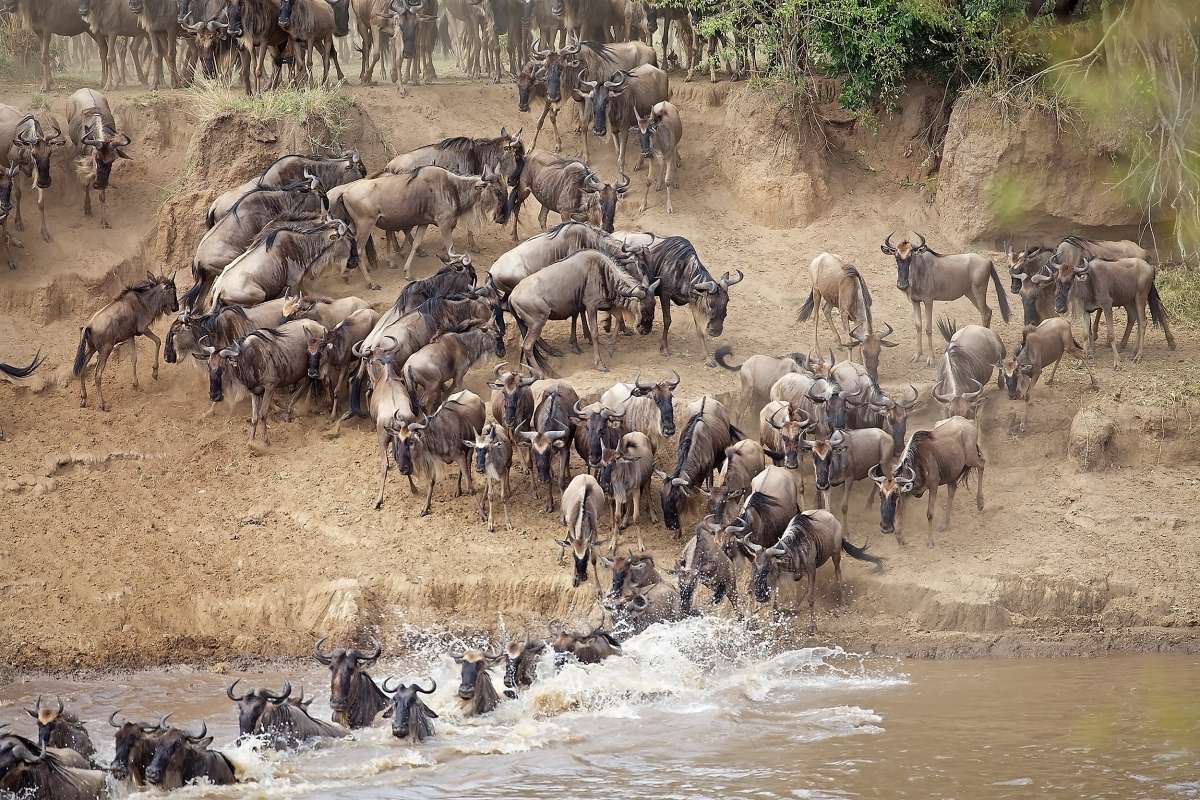
Across the board, expect savings in the range of 20% to 30% during low season and 12% to 15% during shoulder season on a full safari Kenya package, with the bulk of that saving coming from reduced accommodation rates and, in low season specifically, reduced park fees as well.
4. How You Travel Between Parks
Your chosen mode of transport between parks and lodges meaningfully affects your total Kenya safari cost.
Matatu minibuses are Kenya’s ubiquitous, informal public transport, generally best avoided for safari transfers given their safety record. For airport transfers specifically, a private minibus, dedicated taxi, or safari vehicle is a considerably safer choice.
Safari minibuses are a distinct, purpose-built category: 4×4 vehicles used by licensed safari companies to move you both between parks and around them for game viewing, complete with pop-up roofs. While not as rugged as a full Land Cruiser, they represent a genuinely solid option for budget-tier safaris.
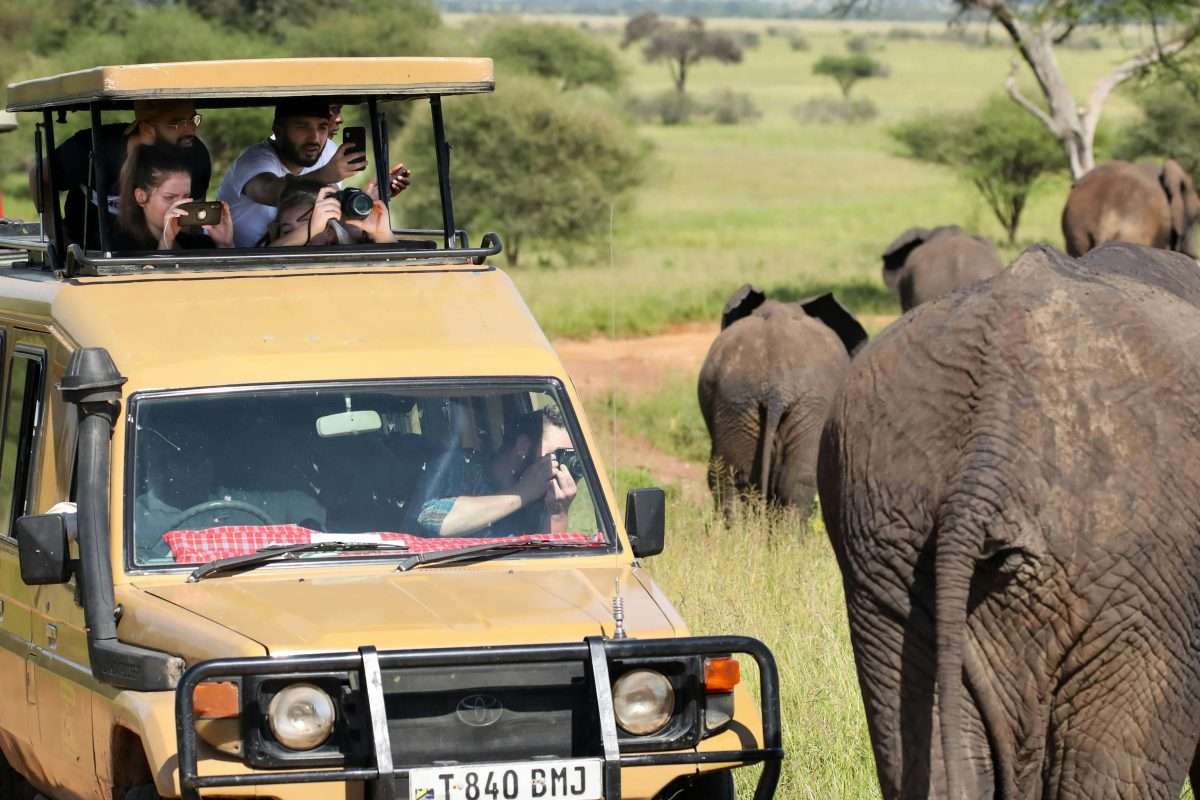
Toyota Land Cruiser safari vehicles are the standard for mid-range and luxury safaris throughout Kenya. These are heavy-duty, purpose-built 4x4s equipped with plug sockets, fridges, and sometimes wifi, deliberately kept mechanically simple given how much punishment they take on Kenya’s rougher park roads. Photography-focused vehicles with larger window openings for lower-angle shots are available on request for travelers prioritizing photography.
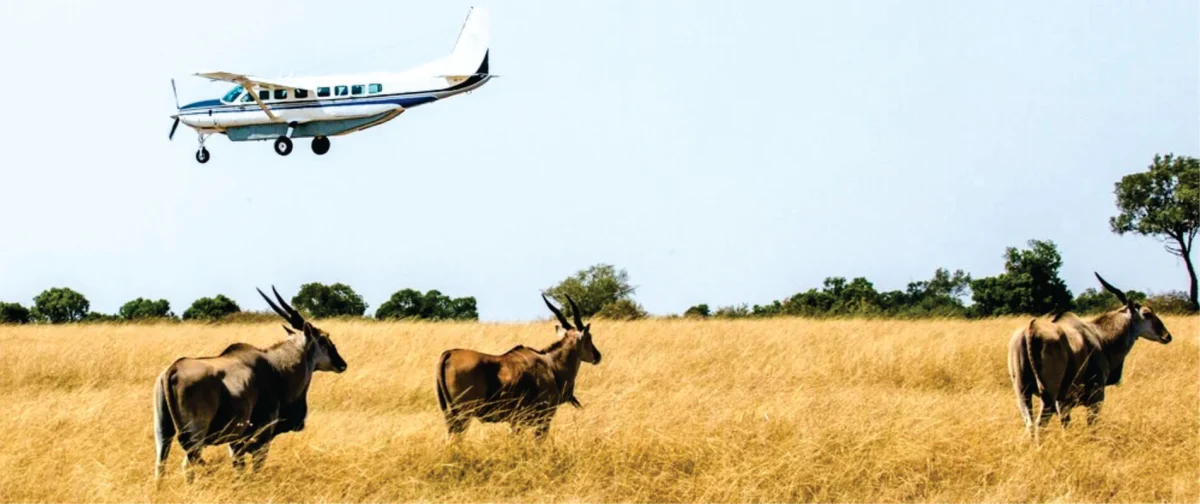
Scheduled and chartered propeller planes replace longer road transfers on higher-end luxury itineraries, often called “fly-in safaris” when the aircraft lands directly on an airstrip inside or immediately beside the park itself. Scheduled flights typically run around $300 per person, per one-way leg. Private charters, including helicopter options, offer more scheduling flexibility at a meaningfully higher cost.
Private jets remain the domain of a small number of VIP travelers, with total costs easily reaching $100,000 or more depending on aircraft size, and billable hourly rates commonly running $2,000 to $11,000. Given the significantly higher per-passenger emissions of private jet travel, this option carries a real environmental cost alongside its financial one.
5. Kenya Safari Park Fees
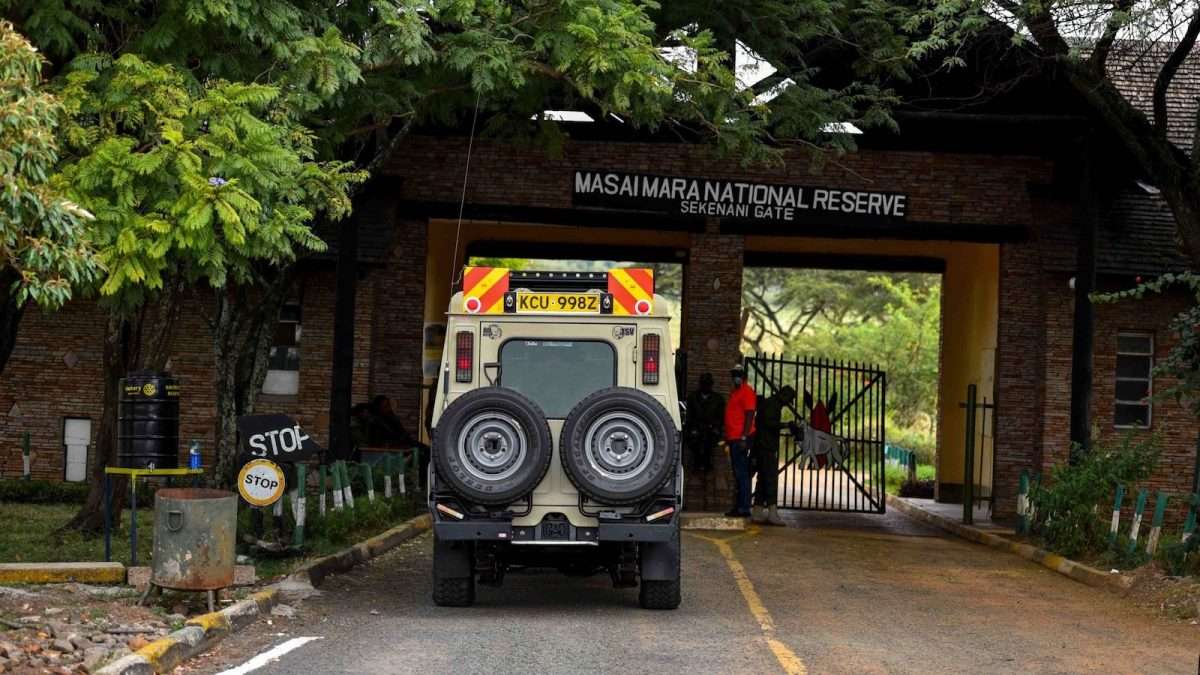
Masai mara park fees typically account for around 30% of your total safari cost when booking with a local operator. Below is a snapshot of current fees for several of Kenya’s most visited parks and reserves, effective from July 1st, 2024, and continuing as the baseline structure into 2026.
The Masai Mara National Reserve charges $118 per adult per day in low season and $236 in high season. Amboseli National Park and Lake Nakuru National Park charge $94 in low season and $118 in high season. Tsavo East and West National Parks, along with Meru National Park and the Aberdares, charge $41 in low season and $61 in high season. Nairobi National Park charges $51 in low season and $118 in high season. Mount Kenya National Park charges $51 in low season and, unusually, a lower $35 in high season, reflecting different seasonal demand patterns for mountain trekking versus classic savannah safari.
These figures apply to a single entry, for non-East African citizens, per adult per day, and already include Kenya’s 18% tax. A nominal vehicle fee of roughly $12 applies on top, and children aged 3 to 17 are typically charged around 20% to 25% of the adult rate.
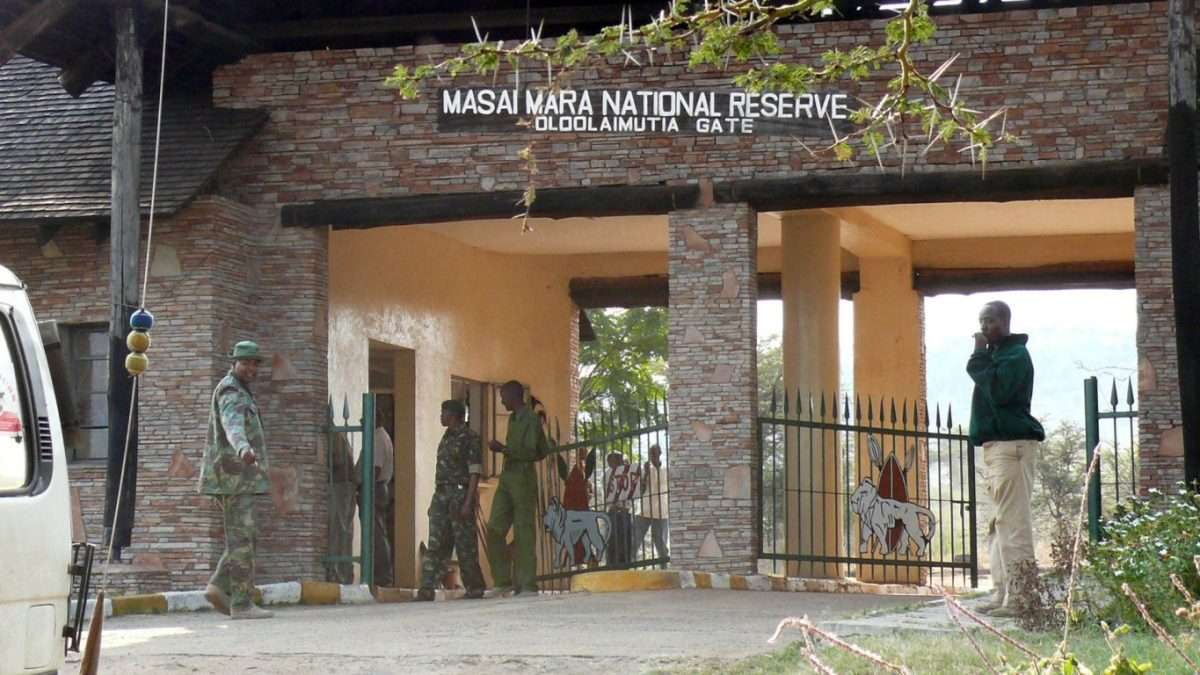
The Masai Mara remains, by a wide margin, Kenya’s most expensive park to enter, but it also remains the single most requested destination for exactly the sightings that make the premium worthwhile.
6. Group Size
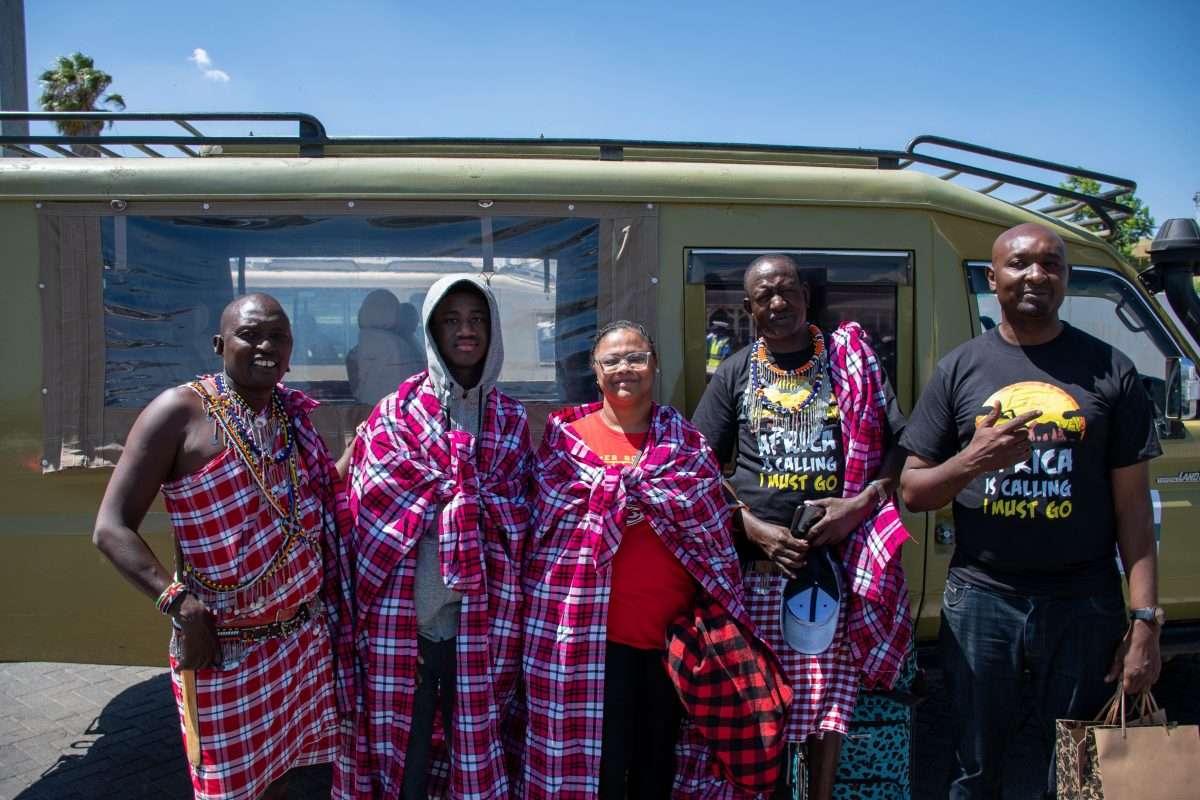
Solo travelers pay significantly more per person than parties of two or more sharing a private safari. A private budget safari for a single traveler commonly starts around $500 per person per day, compared to roughly $300 per person for a couple splitting the same vehicle and guide.
The core reason is simple: fixed costs. The vehicle and driver-guide combined typically run $250 to $350 per day regardless of how many people are in the vehicle, so a solo traveler absorbs the entire figure alone, while a couple splits it in half each.
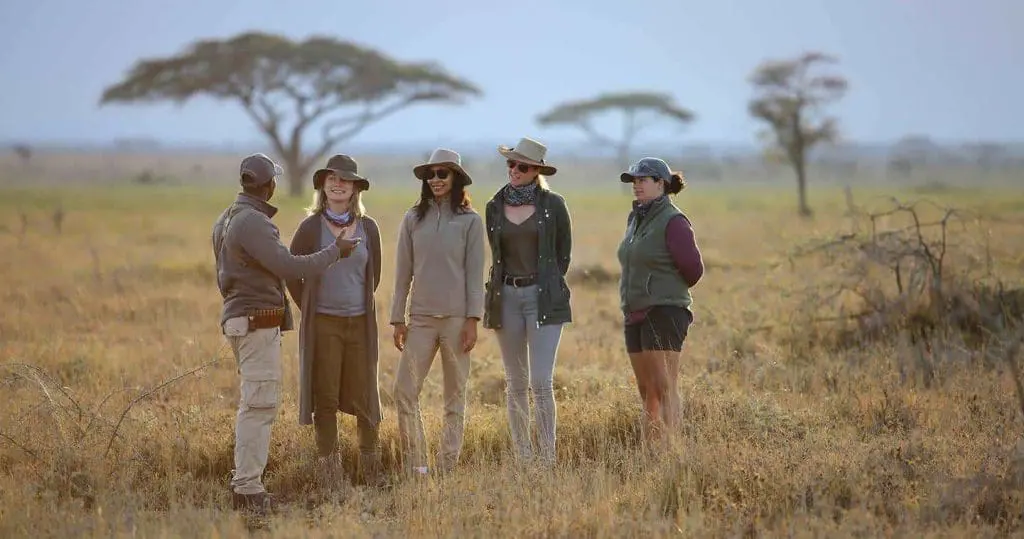
Here’s how the per-person vehicle contribution shrinks as your group grows, based on a $250 daily vehicle and guide cost: one traveler pays $250.00 with no group savings. Two travelers pay $125.00 each, saving $125.00 per person. Three travelers pay $83.33 each, saving a further $41.67 per person compared to two. Four travelers pay $62.50 each, saving another $20.83. Five travelers pay $50.00 each, saving $12.50 more. Six travelers pay $41.67 each, saving $8.33 further. Seven travelers pay $35.71 each, saving a final $5.95.
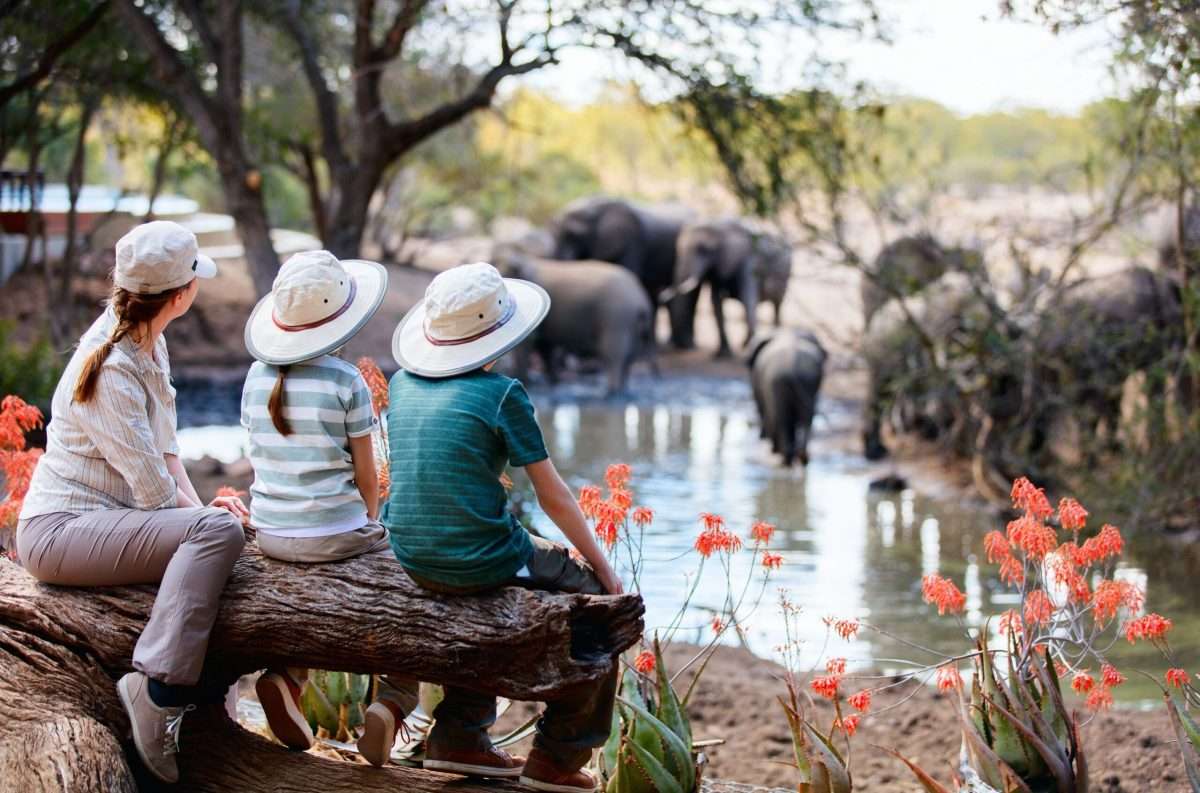
As this shows, the meaningful cost reductions happen going from one traveler to two, and from two to three. Beyond three or four travelers, additional group members continue to lower the average cost, but the per-person savings become genuinely marginal.
A small number of other fixed costs shrink with group size too, including any accommodation charged per room rather than per person (rare, since most Kenya lodges bill per person) and certain cultural tours with a flat fee regardless of headcount. Most other costs, accommodation beyond the first two guests, park fees, flights, food, and per-person activities like night drives, horseback safaris, or a Giraffe Centre visit in Nairobi, stay fixed on a per-person basis regardless of group size.
Kenya Safari Cost by Trip Length
Trip length is, in practice, the single biggest lever on your total safari cost, often mattering more than whether you choose budget, mid-range, or luxury accommodation. A longer trip means more nights of accommodation, more park entries, and potentially more internal flights, so understanding realistic costs by duration helps you budget accurately before you start comparing individual quotes.
A 3-day Kenya safari is the shortest genuinely worthwhile option, and works well given the short driving distance from Nairobi to parks like Amboseli or the western edge of the Masai Mara. Realistic per-person pricing for a private, fully inclusive 3-day Kenya Safari trip starts around $939 to $1,200, depending on which park you choose and your accommodation tier.
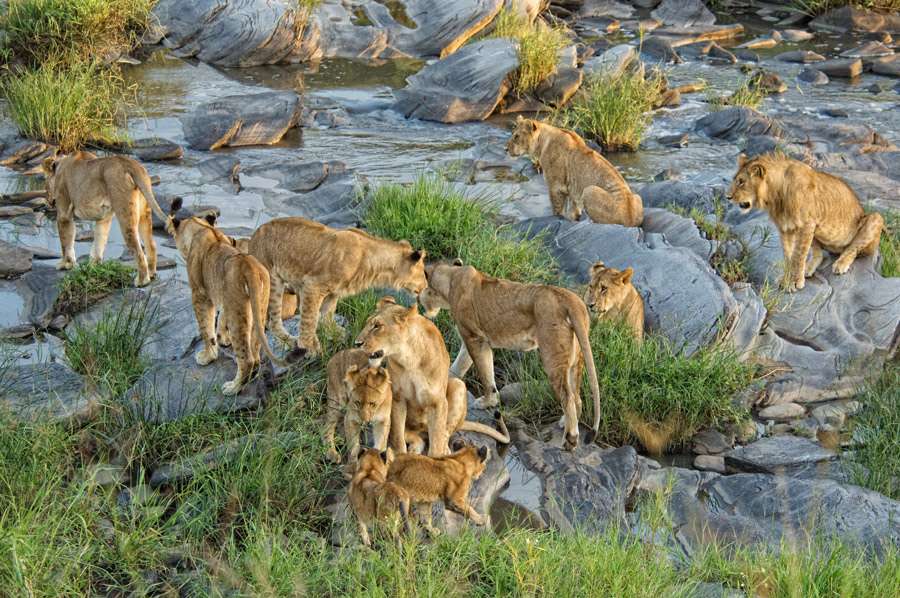
A 5-day Kenya safari is the practical starting point for most first-time visitors, long enough to combine two regions, commonly Lake Nakuru and the Masai Mara, without feeling rushed. Expect private, fully inclusive pricing from roughly $1,700 to $2,500 per person at this length. TourwithPipi’s own 5 Days Maasai Mara, Kenya Safari, from $1,739 per person, sits right at the affordable end of this bracket.
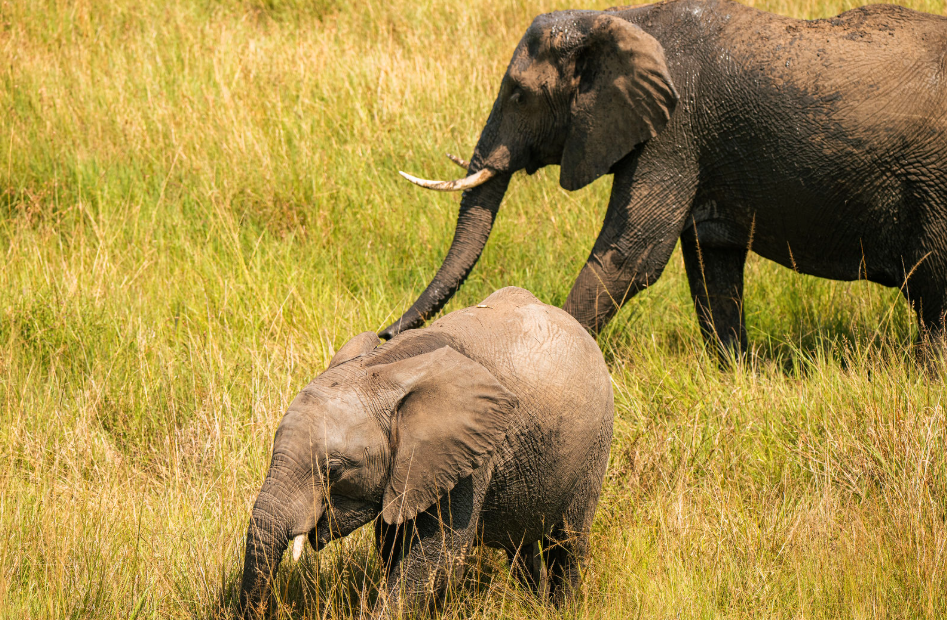
A 6 to 7 day Kenya safari opens up room for three regions rather than two, commonly adding Ol Pejeta Conservancy or Amboseli to a Masai Mara and Lake Nakuru itinerary. Expect $3,000 to $4,000 per person at the mid-range tier, reflected in TourwithPipi’s 6 Days Luxury Safari in Kenya from $3,799 per person.
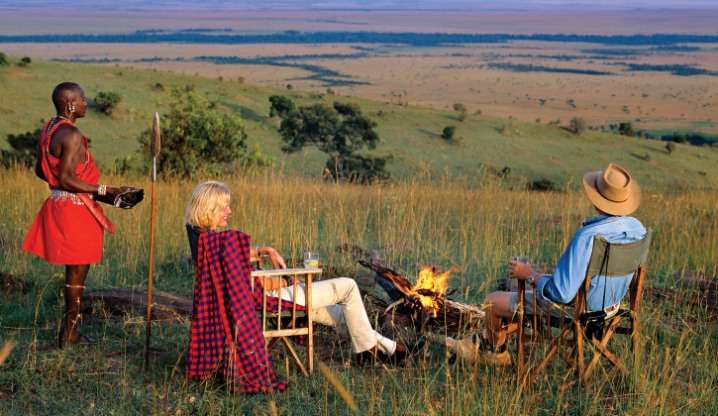
An 8 to 9 day Kenya safari is where a beach or island extension typically enters the picture, since this length comfortably supports several days of game drives followed by genuine coastal rest. Expect $3,700 to $5,500 per person depending on whether you choose a coastal finish like Watamu or a more secluded option like Chale Island, and whether your itinerary uses road transfers or internal flights between stops.

A 10-day or longer Kenya safari, particularly one that adds a Tanzania extension across the border, moves into the $5,000-plus range per person, reflecting both the additional park fees and the logistics of covering more ground. At this length, the case for at least one internal flight segment becomes considerably stronger, since road transfers between four or more distinct regions can consume days that would otherwise be spent on actual game drives.
The clearest overall lesson: if your budget is fixed, it is almost always better value to shorten your itinerary and stay in fewer regions than to keep a long trip length and simply downgrade your accommodation tier. Wildlife quality barely changes between budget and luxury lodges in the same park, but rushing through four regions in five days meaningfully reduces your actual time spent on safari.
How to Choose the Right Kenya Safari Company
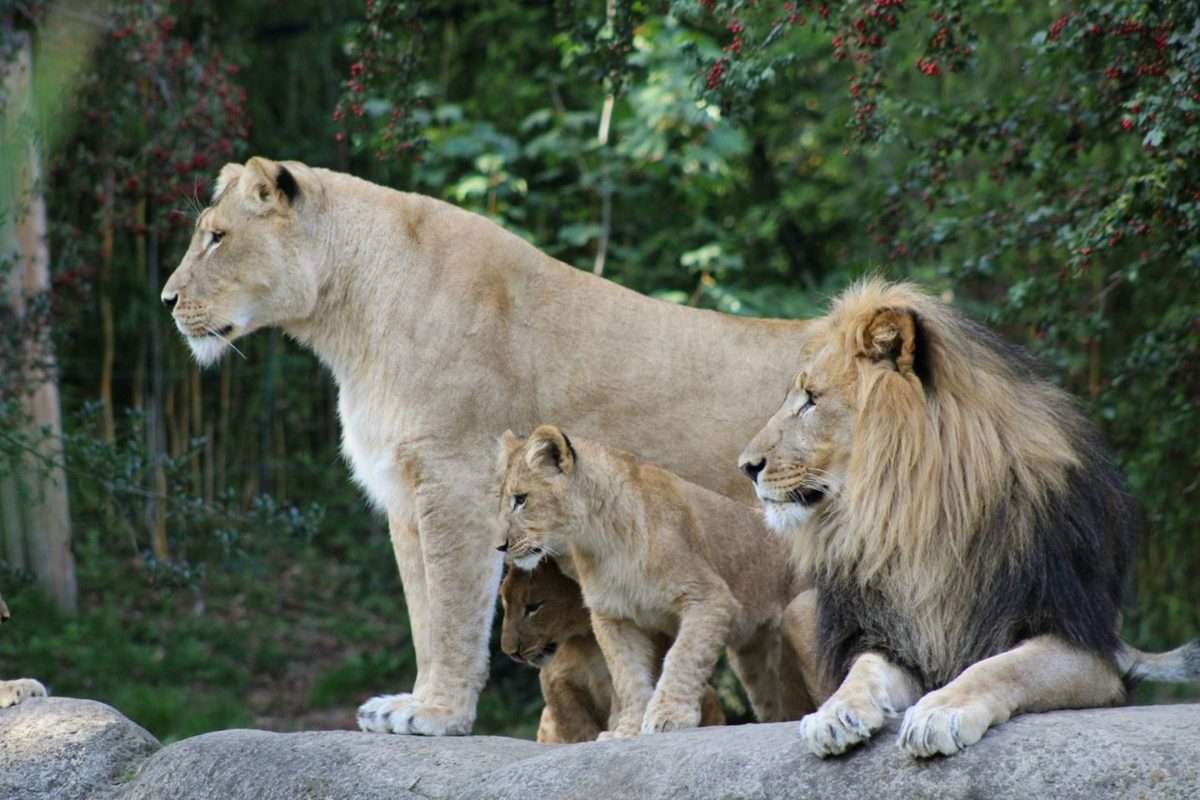
With the cost breakdown above in mind, the operator you choose arguably matters more than any single line item on your quote, since the same underlying safari, the same parks, similar lodges, similar wildlife, can be delivered at wildly different price points depending on how many layers sit between you and the ground operator actually running your trip.
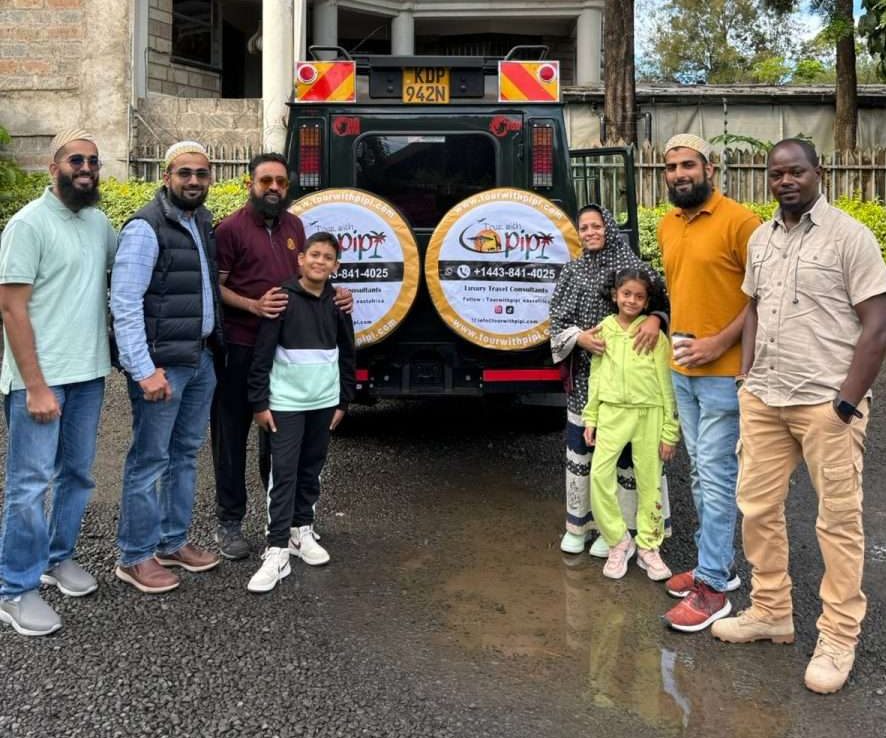
A few practical questions help separate a genuinely strong local operator from one riding on reputation alone. Ask how long the company has operated in Kenya specifically, not just Africa broadly. Ask whether your guide is a full-time, directly employed staff member or a subcontracted freelancer brought on for busy periods. Ask exactly what “fully inclusive” covers in your specific quote, park fees, government taxes, meals, and transfers should all already be built in, with only international flights, visas, insurance, tips, and personal spending left for you to budget separately. Ask how the company tracks wildlife movement and the position of the Great Migration in real time, since this single factor often determines whether a Masai Mara safari delivers the sightings you’re hoping for.
TourwithPipi answers each of these questions directly and transparently. Every Kenya itinerary is personally designed by a Kenya-born founder who has physically stayed at the lodges featured on the trip, works with directly employed, certified English-speaking guides rather than rotating freelancers, and quotes one all-inclusive per-person price from the very first conversation, with park fees, vehicle, guide, full board meals, and airport transfers already built in before you ever see a number.
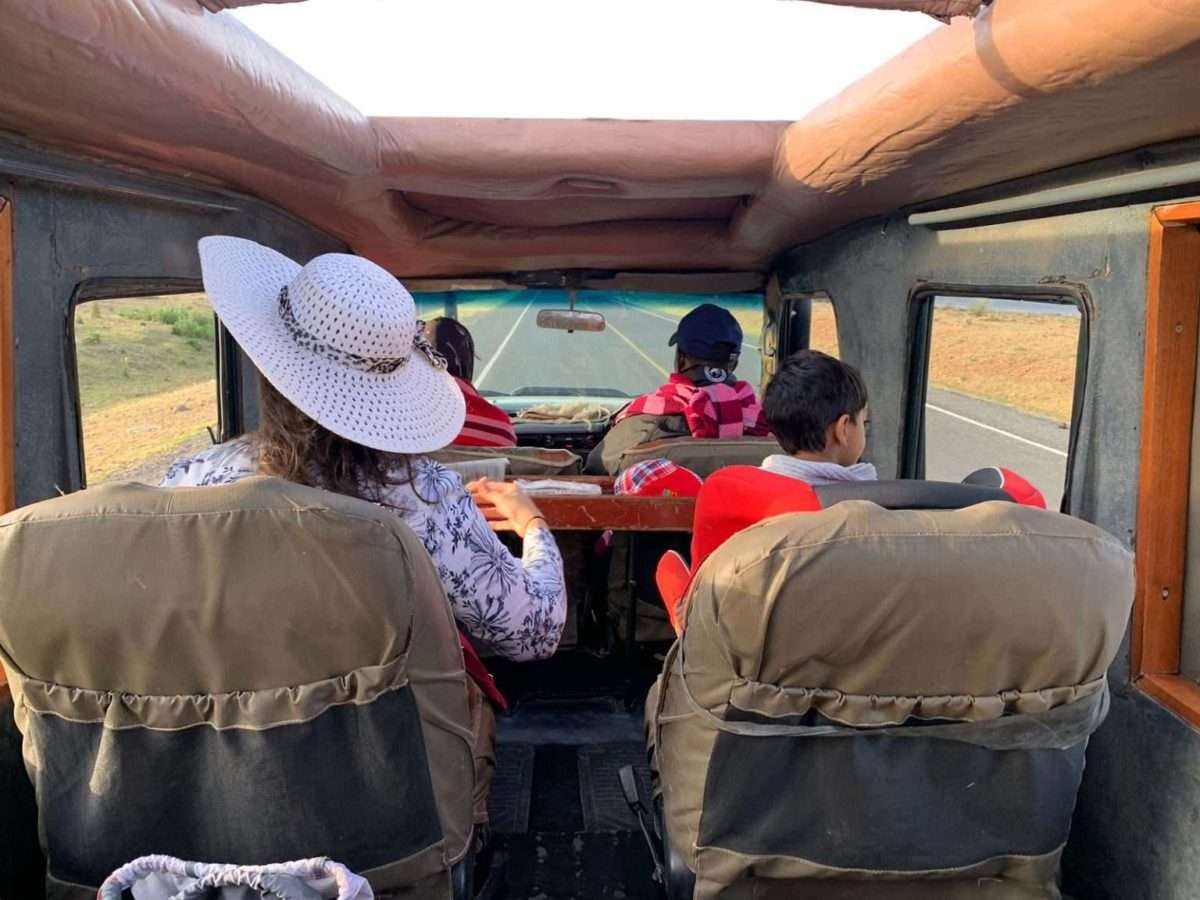
This matters most once you compare it against the alternative described earlier in this guide: booking through an international agency in your home country that then subcontracts the exact same style of safari to a local Kenya-based operator, while adding a markup of 20% to as much as 300% for the privilege of a familiar time zone and a recognizable brand name. For travelers comfortable communicating directly with a Kenya-based team, whether by email or WhatsApp, that markup buys very little that a well-chosen local operator doesn’t already provide directly.
Why Trust This Kenya Safari Cost Guide
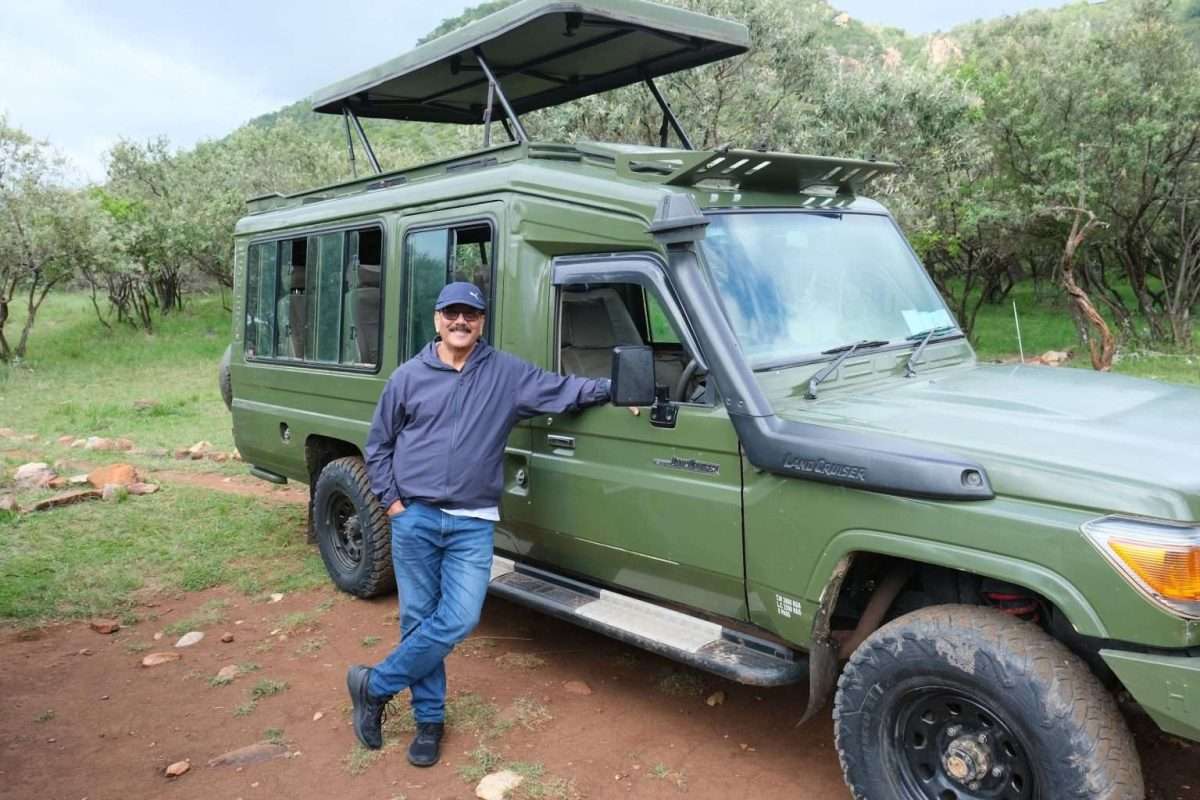
Pricing information on safari costs goes stale quickly, particularly following a structural change as significant as the Masai Mara’s 2024 park fee increase. This guide reflects the post-2024 fee structure as the ongoing baseline heading into 2026, cross-referenced against TourwithPipi’s own current, live itinerary pricing throughout, rather than outdated pre-2024 figures still circulating on some older safari planning resources.
TourwithPipi is founded by a Kenya-born physician and Virtuoso-certified luxury travel advisor with a Kenya-based team and North America support, giving this guide a genuinely local, current perspective on Kenya safari pricing rather than a desk-researched overview compiled from a distance. Every price referenced against a specific TourwithPipi itinerary throughout this guide reflects live, bookable pricing at the time of writing, not a rough estimate.
How Do Kenya Safari Costs Compare With Other African Safaris?
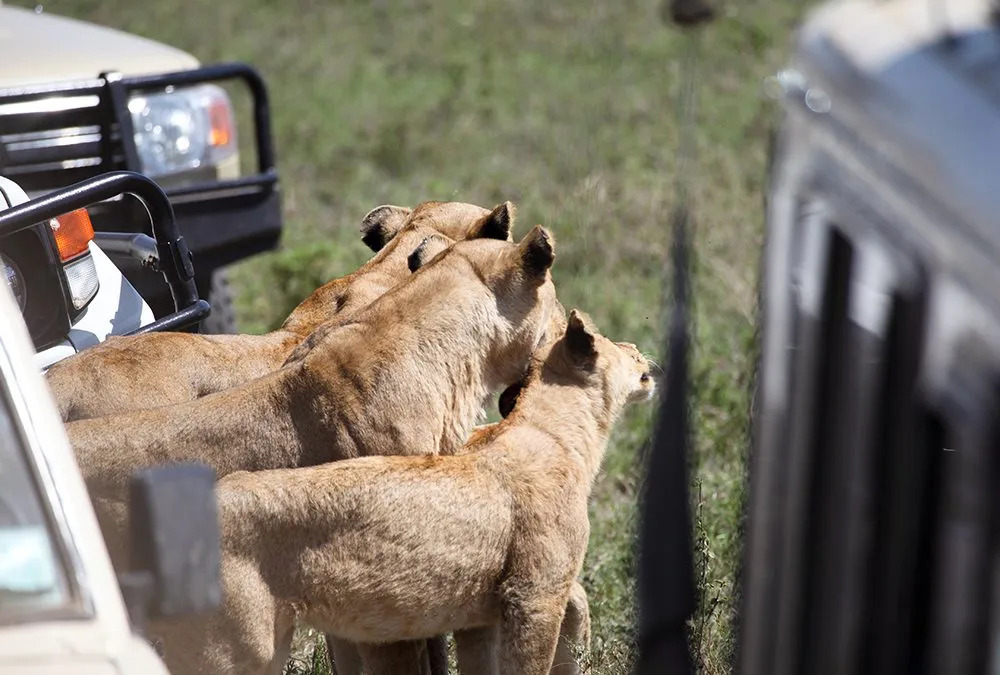
Kenya remains one of the lowest-cost safari destinations in Africa, sitting close to Tanzania in overall pricing, and noticeably cheaper than South Africa, Botswana, Uganda, and Rwanda when compared on a like-for-like private budget safari basis.
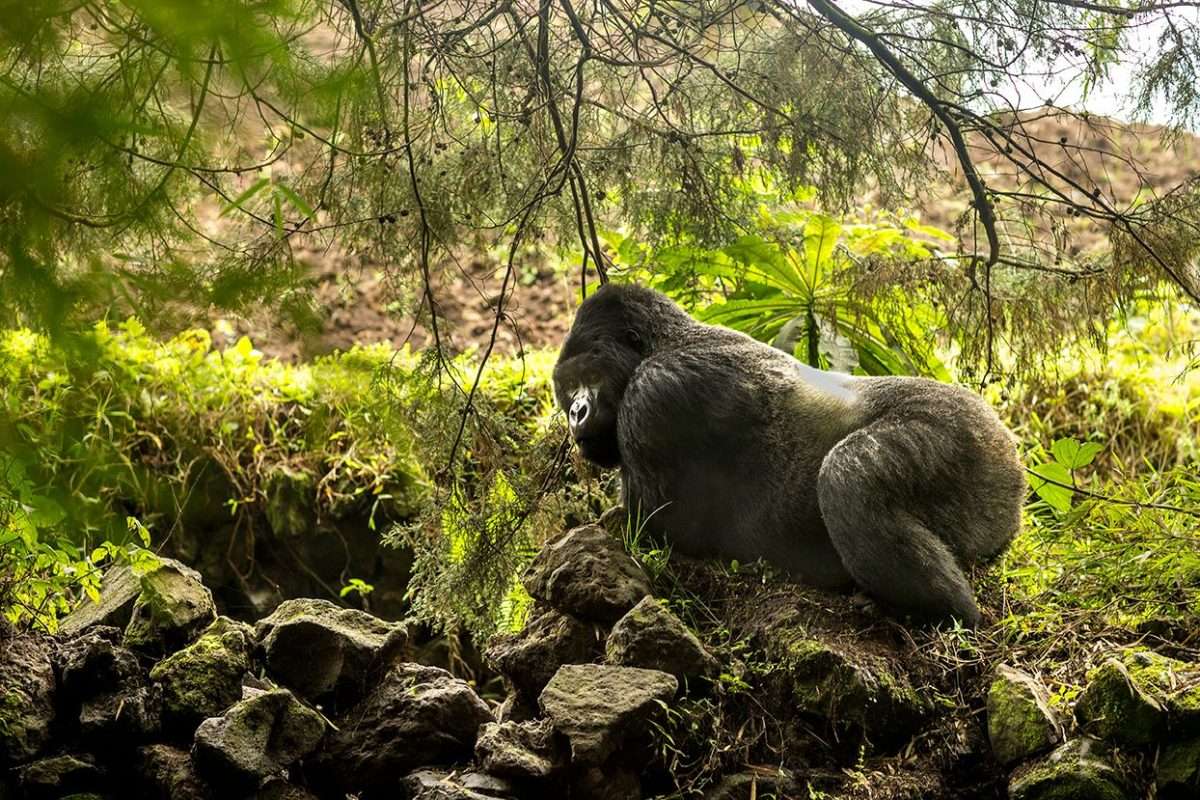
Here’s how typical private budget safari in Africa pricing compares across the continent’s most popular destinations, in US dollars per person per day: Kenya runs around $300. Tanzania runs around $350. South Africa runs around $400. Botswana runs around $450. Uganda runs around $450, driven up largely by gorilla trekking permit costs. Rwanda runs around $650, for the same reason, with gorilla permits representing an even larger share of a typically shorter Rwanda itinerary.
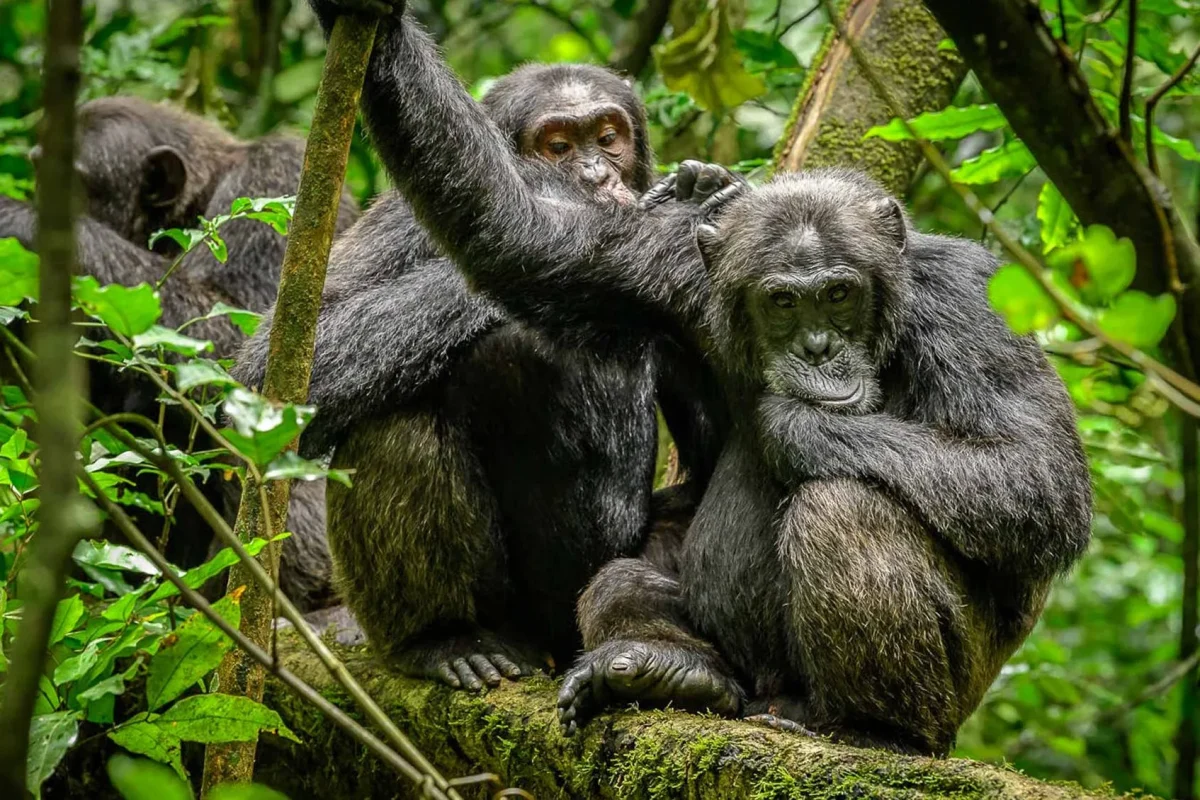
This comparison holds an important nuance worth remembering: Uganda and Rwanda’s higher figures are driven almost entirely by the cost of gorilla trekking permits, which currently run in the region of $800 per person and have no meaningful discount or workaround. Strip gorilla trekking out of the equation, and both countries can be genuinely affordable destinations in their own right.
For travelers specifically comparing East Africa’s two marquee destinations, Kenya’s 2024 park fee increase closed most of the gap that used to exist between it and Tanzania. The two countries are now similar enough in price that the decision between them should come down to which specific parks, wildlife, and travel style suit you best, rather than which one is meaningfully cheaper. TourwithPipi operates itineraries across both countries, including the 7-Day Classic Luxury Tanzania Safari Tour from $3,109 per person, giving you a direct, apples-to-apples comparison against Kenya’s own pricing above.
Cultural Experience Tours Costs
Kenya is one of the most culturally diverse countries in Africa, home to at least 42 distinct ethnic groups. For any safari of five days or longer, building in at least one genuine cultural experience is well worth the modest additional cost, and often becomes one of the standout memories of the entire trip.
It’s worth specifying to your operator that you want an authentic experience, since some village visits along the busiest tourist routes have become fairly commercialized over time. Communities located slightly off the beaten path, and visited less frequently, tend to offer the most genuine and immersive version of this experience.
Cost of Visiting the Maasai in Kenya

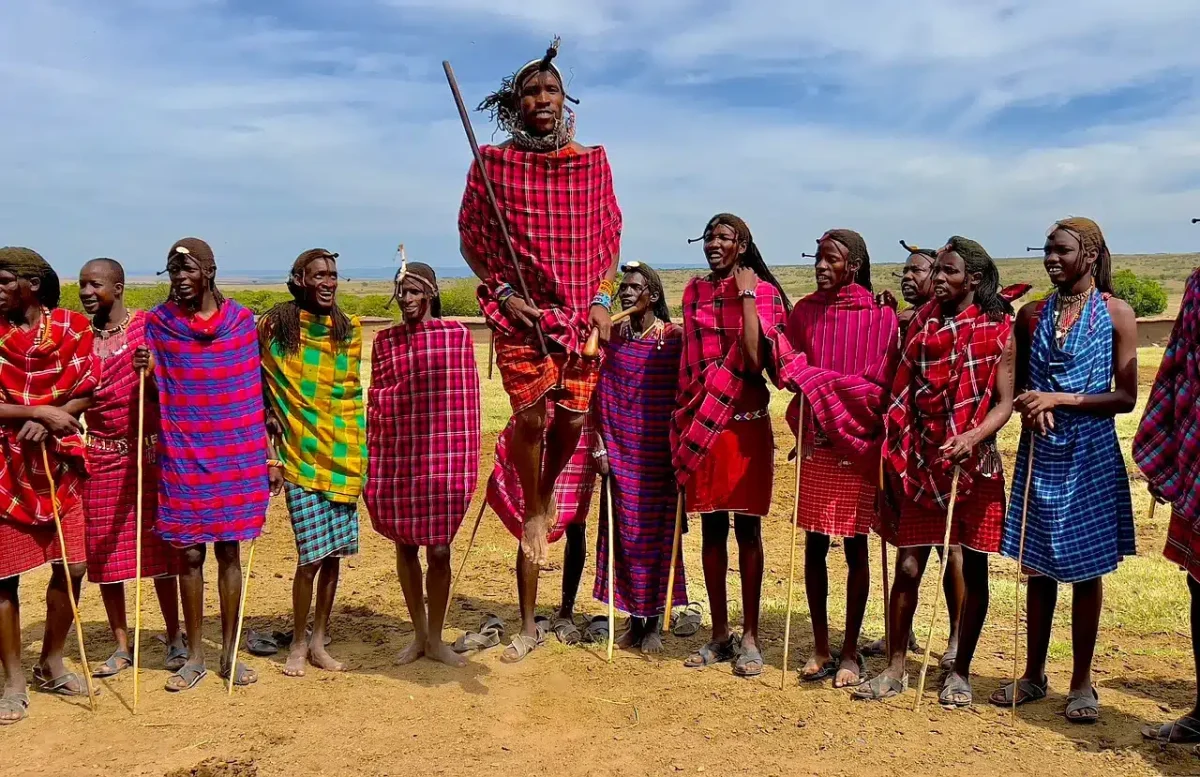
The Maasai are among the most recognizable tribes in the world, known for their distinctive red shuka dress and their traditional jumping dance, in which young men demonstrate strength and vitality by jumping as high as possible. The name is generally understood to mean the “Maa-speaking” people, referencing their distinct language. The Maasai’s fearsome reputation as warriors is also credited by some as a historical factor in the relatively low levels of poaching in areas like Amboseli, since poachers reportedly avoided Maasai land out of respect for their strength and territorial vigilance.
Visiting a Maasai village, known as a manyatta, typically costs $50 to $80 per person, depending on the specific community. A visit usually includes the welcoming jumping dance, sometimes with an invitation for guests to join in, a tour of the traditional mud-and-stick homes, and an explanation of Maasai culture and daily life. At the end of the visit, you’ll typically have the option to purchase handmade beadwork and jewelry directly from the community, entirely optional, but a meaningful way to support the village beyond the visit fee itself.
Cost of Visiting the Samburu Tribe in Kenya
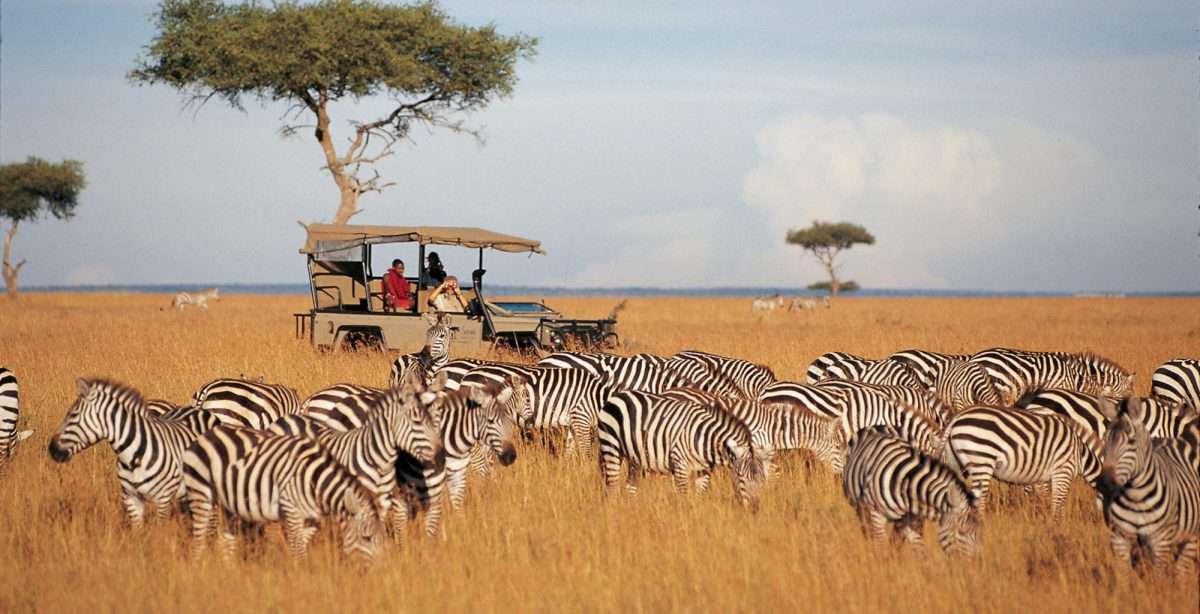
The Samburu, close cultural relatives of the Maasai, are semi-nomadic pastoralists who herd cattle, sheep, goats, and camels, living in round, mud-and-stick homes called manyattas near the Samburu National Reserve in north-central Kenya. The Samburu also refer to themselves as the Lokop or Loikop, names worth recognizing since they appear frequently in more detailed cultural literature about the community.
A visit to a Samburu community on the edge of the reserve typically costs $30 to $50 per person, and offers insight into a culture and way of life distinct from the Maasai despite the visual similarities many first-time visitors notice.
Special Interest Safari Costs
Special interest safaris such as birding, photography, and hot air ballooning generally require specialist equipment, like a dedicated photography vehicle, or specialist guiding, like a professional bird spotter, which adds a modest premium to standard safari pricing.
That said, longer special-interest itineraries, a two-week birding safari for example, often spend meaningful time in more remote, lower-fee parks that are nonetheless excellent for their specific focus, which can actually bring the average daily cost down compared to a shorter, standard itinerary concentrated entirely in the high-fee Masai Mara.
Birding Safari Costs in Kenya
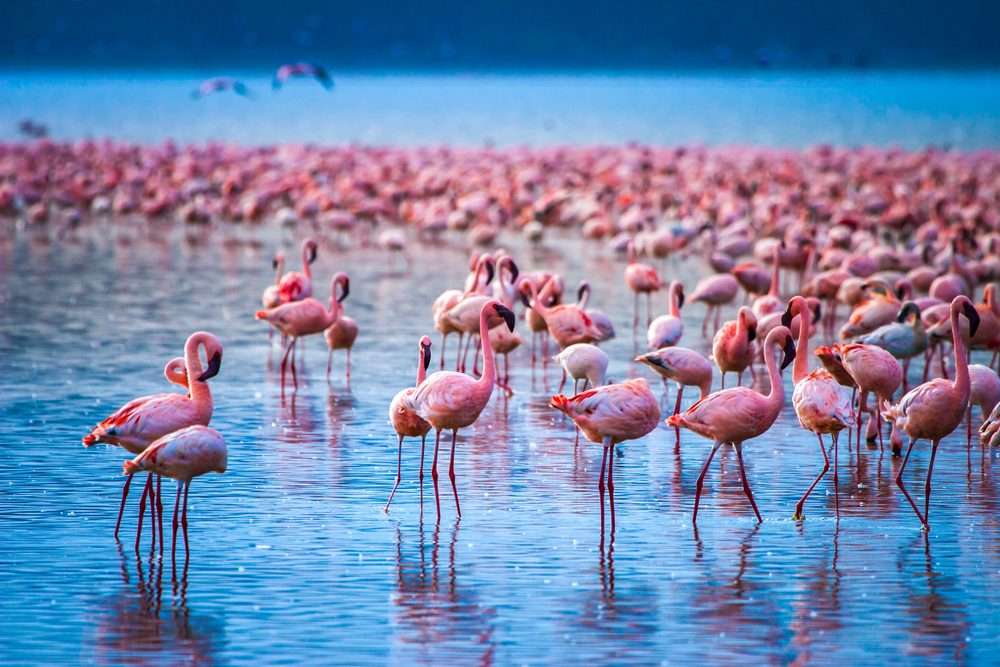
With more than 1,150 confirmed bird species, Kenya ranks among Africa’s premier birding destinations, rivaled only by the Democratic Republic of the Congo and Tanzania in overall diversity. A dedicated two-week birding safari can realistically reveal 400 or more species to a committed birder.
Standout birding locations include Kakamega Forest, one of Africa’s top birding sites, alongside Amboseli, the Masai Mara, and the Rift Valley’s lake circuit: Lake Naivasha, Lake Nakuru, Lake Baringo, and Lake Bogoria.
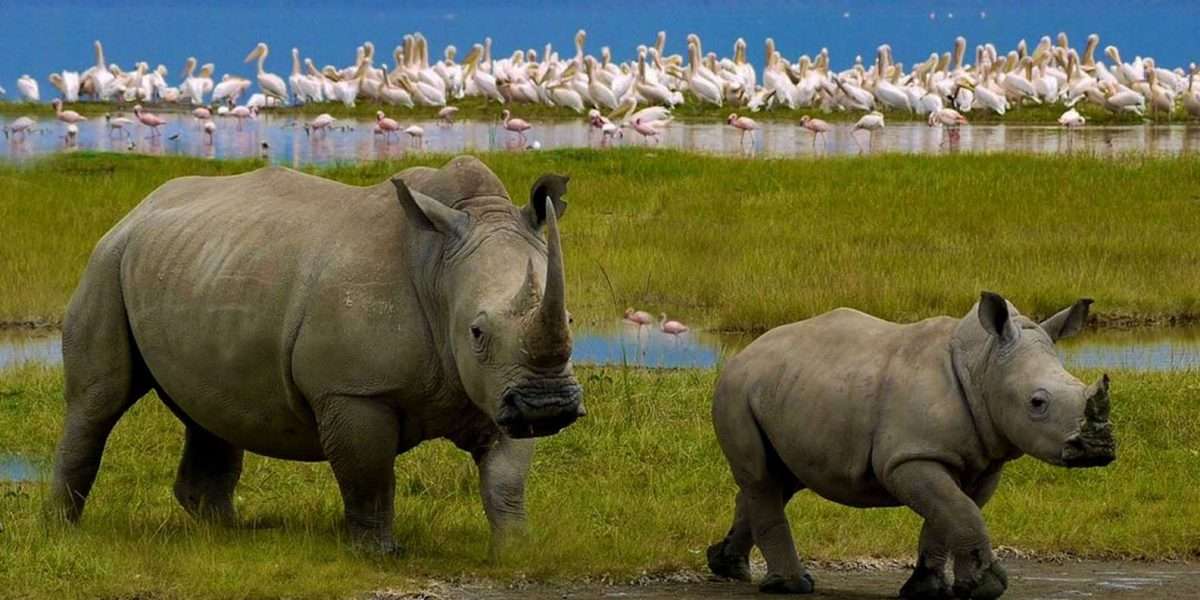
Birding-focused safaris typically add $50 to $100 per person per day on top of standard safari costs, and tend to run considerably longer than a standard trip, often 10 to 20 days or more, to properly cover the range of habitats required.
Photography Safari Costs in Kenya
A photography safari is built specifically around helping you capture the best possible wildlife images, often with a guide experienced in positioning the vehicle for optimal light and angles. At the higher end, some itineraries include a professional photographer who actively directs the driver and coaches guests on technique throughout the trip.
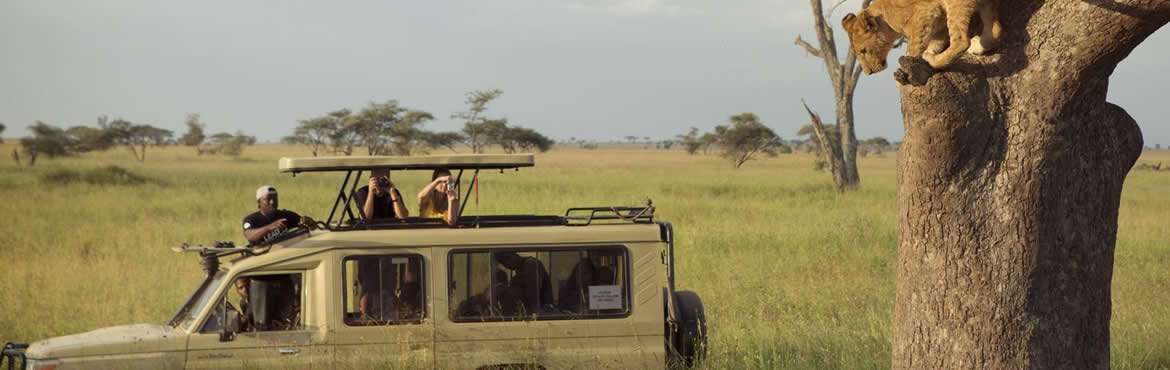
Photography-focused itineraries commonly use a specialist vehicle with large, glassless window openings running the full width of the vehicle, allowing for genuinely low-angle shots in addition to the standard pop-up roof.
Expect photography safaris to add roughly $50 to $150 per person per day on top of standard pricing, with costs rising further if a well-known professional photographer is joining the trip.
Hiking and Walking Safari Costs in Kenya
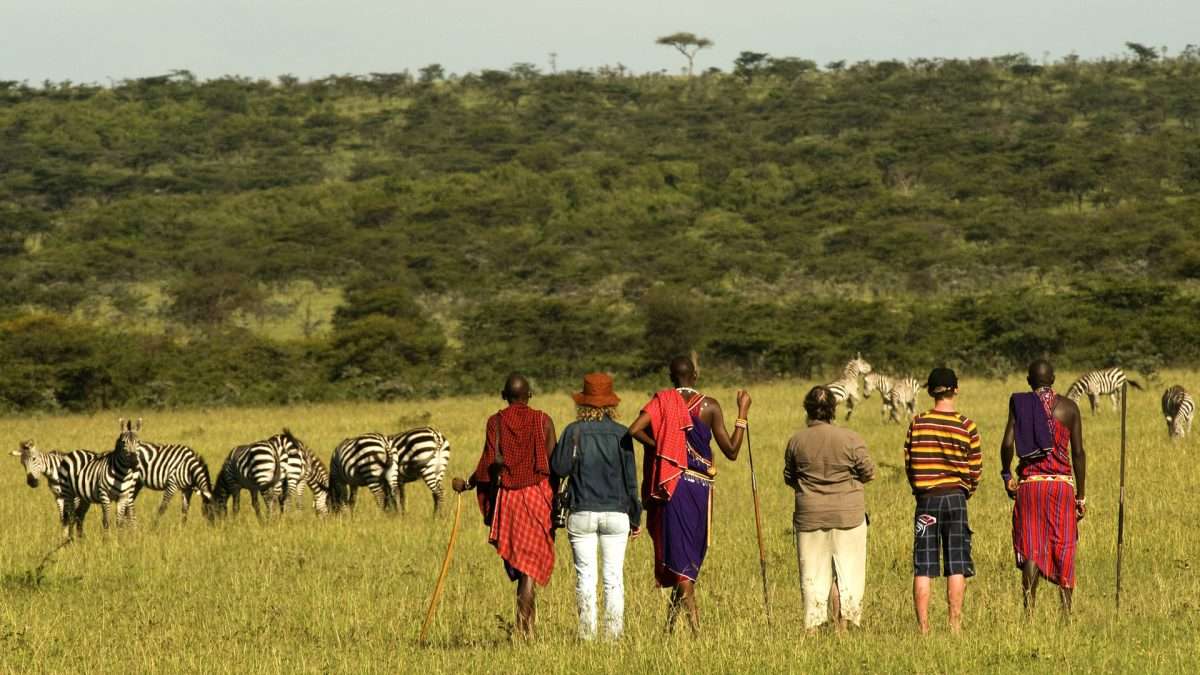
Walking safaris offer a genuinely different, more immersive way to experience the African bush, though they remain relatively new to Kenya. Most of Kenya’s major reserves, including the Masai Mara itself, Samburu, and Tsavo, currently permit only vehicle-based game drives.
Walking safaris are, however, generally available within private ranches and the wildlife conservancies bordering many national parks. Your guide will typically carry a firearm for safety given the increased proximity to wildlife involved. Given that added risk, using a highly experienced, properly certified guide matters even more than usual; the Kenya Professional Safari Guides Association (KPSGA) certification is a strong indicator of genuine walking-safari expertise.
Walking safaris typically cost $150 to $200 per person per day.
Balloon Safari Costs in Kenya
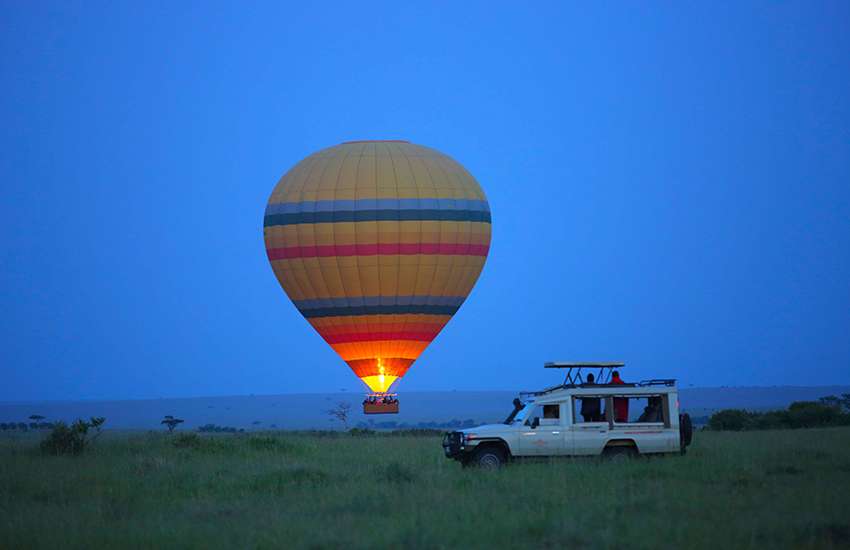
A hot air balloon safari delivers a genuinely unique bird’s-eye view of both the landscape and the wildlife below. Flights typically depart just before sunrise and last around an hour.
For safety reasons, balloon flights only proceed in calm weather conditions, meaning they are always subject to change on the day, with a full refund provided if conditions prevent takeoff. It’s worth noting that hot air balloons carry an excellent overall safety record specifically because operators decline to fly in marginal conditions; pressuring an operator to take off against their judgment in poor weather is never worth the risk, however disappointing a cancelled flight feels in the moment. Balloon safaris over the Masai Mara typically cost $500 to $650 per person, most commonly booked as an add-on to a broader multi-day Kenya itinerary.
Hidden Costs to Watch For When Comparing Kenya Safari Quotes
Beyond the standard exclusions already covered in this guide, international flights, visas, travel insurance, tips, and personal spending, a handful of less obvious costs occasionally catch first-time safari travelers off guard when comparing quotes from different operators.
Watch for whether quoted pricing includes government taxes on top of the headline park fee, since Kenya’s 18% tax is sometimes presented separately in a less transparent quote. Watch for whether a “full board” label genuinely means three meals daily, or whether it quietly excludes bottled water, which some budget operators bill separately. Watch for whether airport transfers on both arrival and departure are included, since a missing departure transfer can mean an unexpected same-day taxi booking at inflated airport rates. Watch for whether an internal flight quoted as part of a mid-range or luxury itinerary includes checked baggage, since small charter aircraft often impose strict weight limits with excess baggage fees charged directly at the airstrip. And watch for whether a hot air balloon safari or other named add-on is priced per person or per couple, since this is occasionally left ambiguous in a written itinerary.
A genuinely transparent operator will answer every one of these questions clearly and in writing before you pay a deposit. TourwithPipi builds every one of these details into the written itinerary provided at the quote stage specifically so nothing is left to interpretation once you’ve already committed funds.
Mount Kenya Hiking Costs
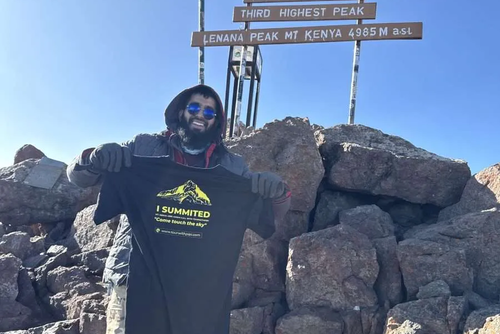
Roughly two hours north of Nairobi, Mount Kenya stands as the second-highest peak on the entire African continent. While a determined climber can technically summit and descend in as few as three days, this is not generally recommended, since it leaves little time to acclimatize to the altitude. Four to six days is the more sensible window, depending on which route you choose.
Mount Kenya can technically be climbed year-round, though the north-side routes are best attempted between June and October, while the south-side routes are best tackled between December and February.
Hiking Mount Kenya typically costs around $200 per person per day, though this figure shifts with group size, season, route selection, and total trip length.
Other Safari Costs to Budget For
Standard safari quotes generally exclude a handful of additional costs, alongside international flights. Here’s what to budget separately.
Tips and Gratuities
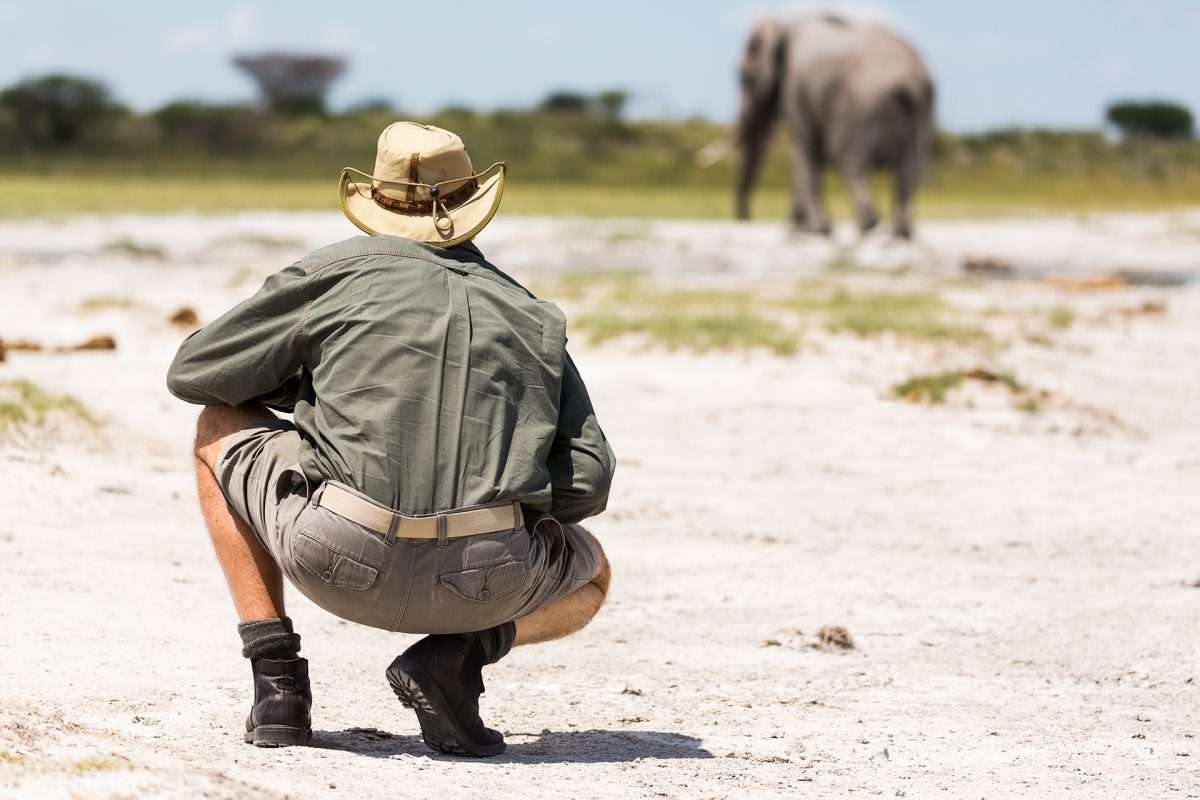
Tipping is a well-established part of safari culture in Kenya. US dollars are generally preferred, though Kenyan Shillings, Euros, and British Pounds are all commonly accepted as well.
A reasonable guideline is around $20 per day for your driver-guide, split across your party, so roughly $10 per person per day for a couple traveling together. If your guide delivered a genuinely exceptional experience, tipping somewhat above this is entirely appropriate. It’s customary to present your guide’s tip at the conclusion of the safari.
Tipping at your accommodation is discretionary, typically left in a shared staff tipping box, with a reasonable guideline of around $5 per adult per night depending on the level of service received. Tipping the Maasai or other communities you visit is not generally expected; purchasing a piece of their handmade jewelry or craftwork is the more appropriate way to show appreciation and support.
Visa and Entry Requirements
Kenya has moved away from a traditional visa system. Visitors now apply instead for an Electronic Travel Authorization (eTA) ahead of arrival, currently costing $30 per person. Requirements can shift, so always check your home government’s current travel advisory before booking.
Souvenirs
Bartering is a genuine part of Kenyan market culture, and it’s common for an initial asking price to sit 50% or more above what a seller will ultimately accept. Setting a firm target price in your own mind and being willing to walk away if necessary is generally the most effective way to reach a fair number, and Nairobi typically offers the lowest starting prices of anywhere in the country.
As a rough guide: a handmade metal bracelet commonly sells for $5 to $15, with asking prices closer to $30, and a hand-carved ebony animal figure around 15 by 30 centimeters typically runs about $20, against an asking price closer to $40.
Clothing
You may already own suitable safari clothing, in which case this costs nothing extra. Kenya’s temperature swings meaningfully across a single day, from genuinely cold pre-dawn starts to warm midday heat, so layering is essential. A lightweight base layer under a linen shirt, topped with a warm layer you remove as the day heats up, works well for most travelers. Bring a waterproof jacket regardless of season.
Evenings at Kenya’s lodges are almost always casual, so formal wear is unnecessary. Stick to neutral tones, beige, brown, muted green, and grey, and avoid black, dark blue, bright colors, and white, all of which can disturb wildlife and attract tsetse flies, particularly relevant if a walking safari is part of your itinerary.
Vaccines and Medication
Travel vaccination costs vary by provider and home country, but typically include an initial consultation fee of $15 to $100, a per-shot administration fee of $10 to $20, and the cost of the vaccine itself, ranging from under $10 to $150 or more per dose depending on which vaccines are recommended for your specific travel history.
Antimalarial medication is generally recommended for travel to Kenya, typically costing around $2 per day, taken for a period before, during, and after your trip according to your specific medication’s instructions. Always confirm current recommendations with a travel clinic or your home country’s official health guidance before departure.
Kenya Safari Costs for Families and Multi-Generational Groups

Families traveling with children face a slightly different cost calculation than couples or solo travelers, and a few Kenya-specific factors are worth understanding before you request a quote.
Many mid-range and luxury lodges offer a discounted rate for children, typically 20% to 50% off the adult rate depending on age and whether the child shares a room with parents or requires a separate room or interconnecting family suite. Park fees follow a similar reduction, with children aged 3 to 17 generally charged around 20% to 25% of the adult entry fee, as noted earlier in this guide, though children under 3 are typically admitted free at most parks.
Group size math works in a family’s favor too. A family of four traveling together splits the fixed vehicle and guide cost four ways rather than two, meaningfully lowering the per-person cost compared to a couple traveling alone, even before any child discounts are applied.
Some activities carry minimum age restrictions worth checking before you book: hot air balloon safaris commonly require children to be at least 6 to 7 years old, and walking safaris, where available, are generally unsuitable for very young children given the safety considerations involved. A good operator will flag these restrictions clearly at the quote stage rather than leaving a family to discover them once they’ve already arrived.
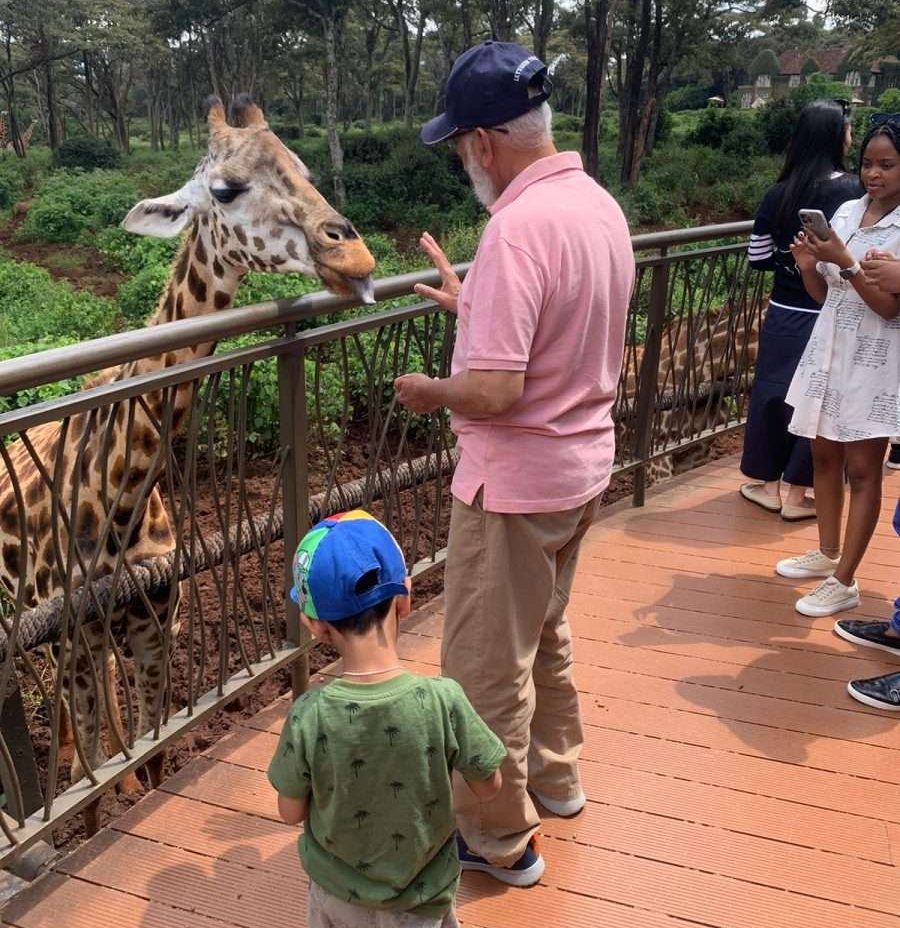
For multi-generational groups combining grandparents, parents, and children, it’s worth discussing pacing directly with your operator. A packed, back-to-back game drive schedule suited to energetic younger travelers may be genuinely exhausting for older relatives, and a well-designed family itinerary should build in rest days or a lighter afternoon schedule rather than assuming every traveler wants the same intensity of wildlife viewing every single day.
Kenya Safari Travel Insurance Costs
Travel insurance is not included in any standard Kenya safari quote, budget, mid-range, or luxury, and is worth budgeting for separately regardless of which operator you choose.
A comprehensive travel insurance policy covering medical evacuation, trip cancellation, and interruption typically costs 4% to 8% of your total trip cost, though this varies by provider, your age, and your home country. Given that a serious medical situation in a remote park can require evacuation by light aircraft, a cost that can run into the tens of thousands of dollars without coverage, comprehensive medical evacuation cover specifically is worth treating as a non-negotiable line item rather than an optional add-on.
It’s worth noting that TourwithPipi itineraries already include emergency medical evacuation cover as a built-in inclusion, which covers the specific cost of an emergency airlift from the field to appropriate medical care. This is a distinct, narrower protection from full travel insurance, which additionally covers trip cancellation, lost luggage, and broader medical treatment costs, and should still be arranged separately regardless of what your safari operator already includes.
Currency and Exchange Rate Considerations
Almost all Kenya safari quotes, from local operators and international agencies alike, are priced in US dollars rather than Kenyan Shillings, regardless of your home currency. This matters for two practical reasons worth understanding before you book.
First, if your home currency is not the US dollar, your final cost will shift slightly with exchange rate movements between the time you receive your quote and the time you actually pay your balance, particularly on longer-lead bookings made six to twelve months ahead of peak season travel. It’s worth asking your operator whether your quoted price is locked in dollar terms at booking, or subject to adjustment if exchange rates move significantly before departure.
Second, while your safari package itself is priced in dollars, day-to-day incidental spending inside Kenya, souvenirs, casual purchases, and sometimes tips, can be paid in either US dollars or Kenyan Shillings. Exchanging a modest amount of cash into Shillings on arrival, or simply using dollars directly for tips and market purchases, both work fine in practice, though carrying small-denomination dollar bills tends to be more useful than larger ones, since change is not always readily available in more remote areas.
Park fees themselves are set and collected in US dollars regardless of the currency your broader trip is priced in, which is part of why park fee increases translate so directly and predictably into higher overall safari costs, unlike costs denominated in local currency, which can be partially offset by favorable exchange rate movements over time.
How Much Cash Should You Bring on a Kenya Safari?
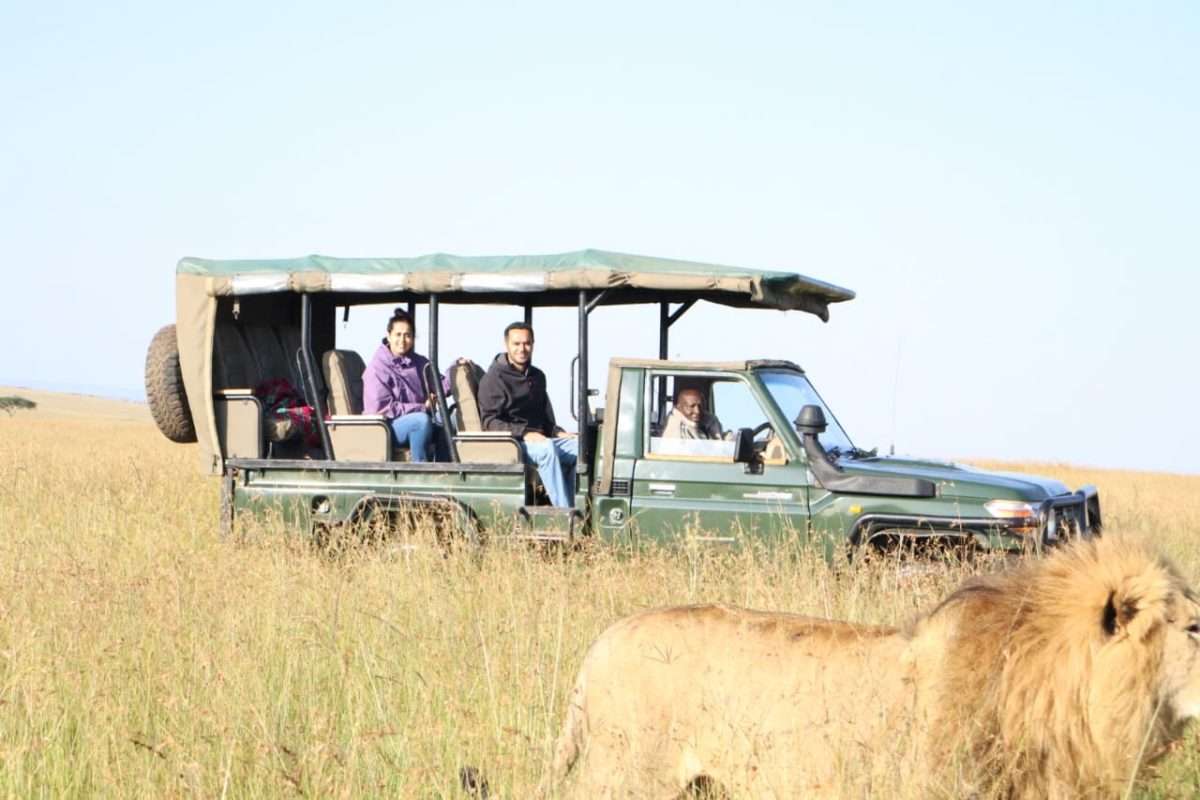
Most costs throughout your trip can be paid by card, and Visa cards in particular tend to work reliably at Kenyan payment terminals, though Mastercard can be less consistent in some locations. It’s worth notifying your bank of your travel dates in advance, through their app or by phone, so routine overseas transactions aren’t mistakenly flagged and blocked as suspicious.
Kenyan Shillings and US dollars are both widely accepted in cash. The two main things you’ll actually need cash for are tips, budget roughly $20 to $30 per person per day in total across your driver-guide and any other staff, and souvenirs or small market purchases, where $200 for the trip is a reasonable starting allowance if you plan to buy handmade jewelry or crafts along the way.
Best Value Kenya Safari Itineraries by Budget
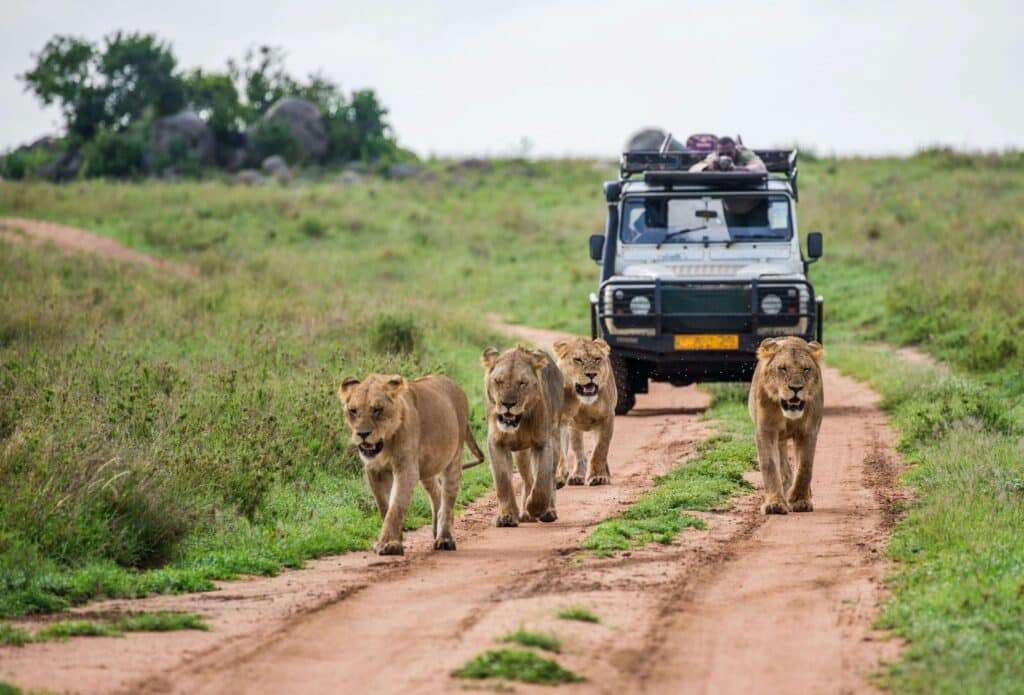
Pulling everything in this guide together, here is a quick reference for which TourwithPipi itinerary fits which budget tier, so you can move straight from research into a real quote.
For a genuinely budget-conscious first safari, the 5 Days Maasai Mara, Kenya Safari at $1,739 per person delivers Lake Nakuru and the Masai Mara in the most cost-effective format available, without dropping to shared group camping.
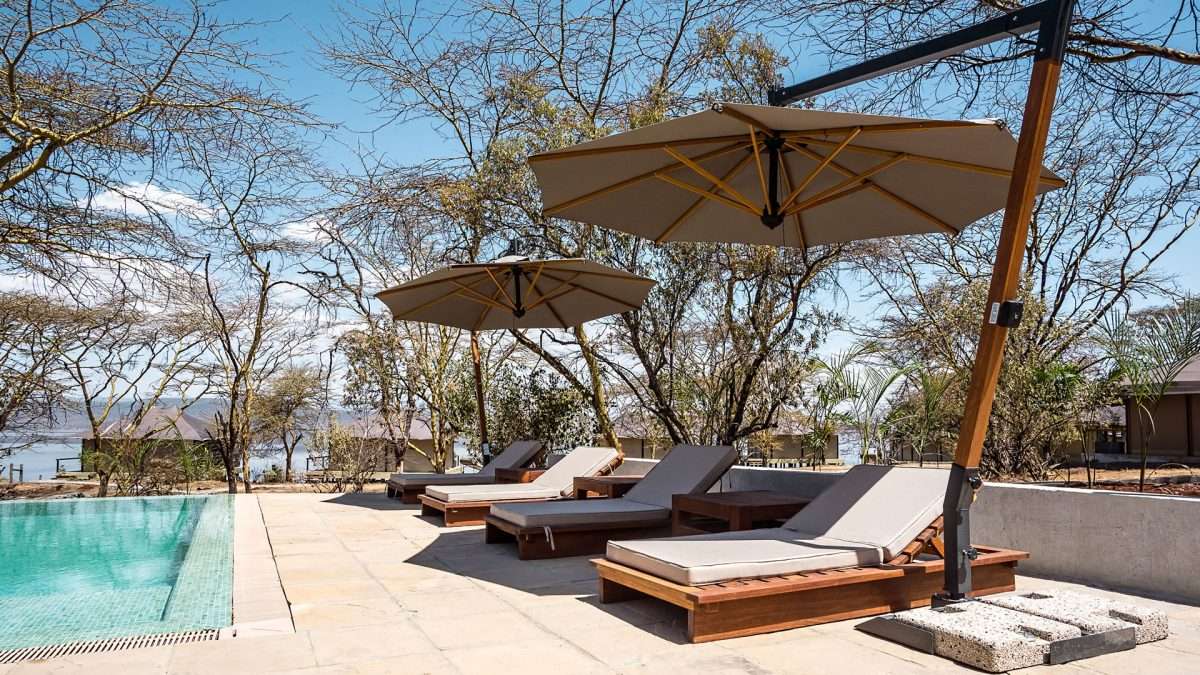
For a comfortable, well-paced first-timer trip at the mid-range tier, the 6 Days Luxury Safari in Kenya at $3,799 per person adds Ol Pejeta’s rhino sanctuary alongside the Masai Mara at a genuinely relaxed pace.
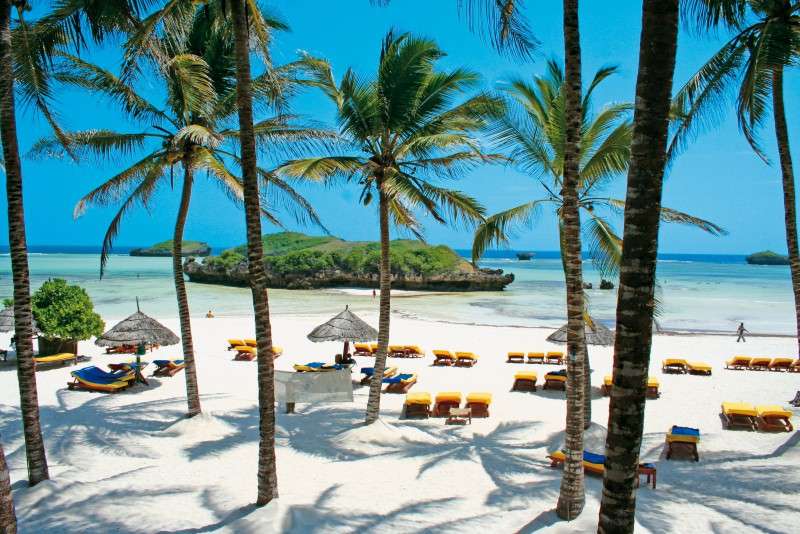
For travelers who want to add a beach finish without a major budget jump, the 8 Days Masai Mara Safari & Watamu Beach itinerary at $3,699 per person closes a Masai Mara safari with real coastal downtime at a similar overall price point to the 6-day safari-only option above.
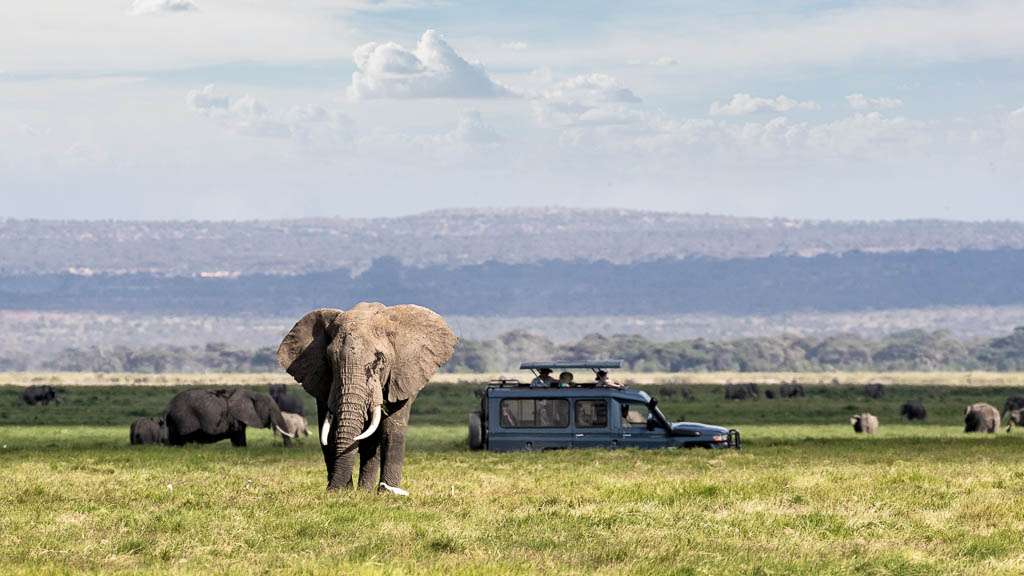
For a complete, four-park circuit at the upper-mid-range tier, the 8-Days Classic Kenya Safari at $4,219 per person covers the Masai Mara, Lake Nakuru, Lake Naivasha, and Amboseli in one seamless trip.
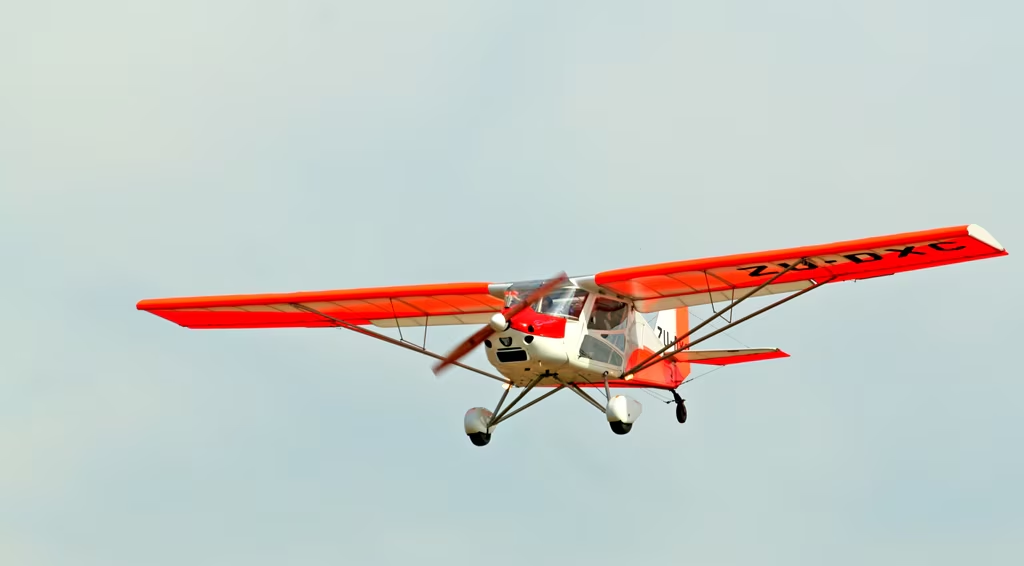
For travelers prioritizing time efficiency over cost, the 8-Days Kenya Flying Safari at $5,519 per person moves between Ol Pejeta, Amboseli, and the Masai Mara entirely by air, maximizing actual time spent on wildlife rather than the road.
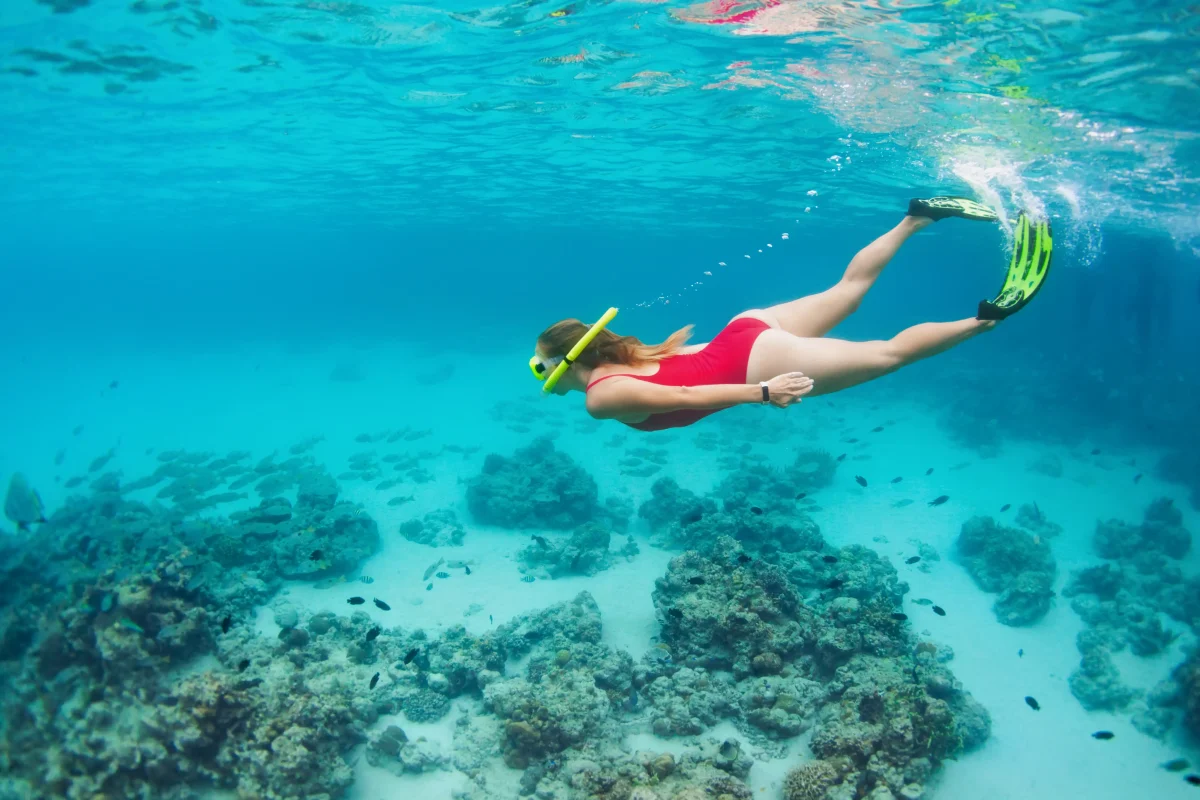
For honeymooners and couples wanting a private island finish, the 9-Day Mara & Chale Honeymoon Escape at $4,739 per person pairs the Great Rift Valley and Masai Mara with a secluded stay on Chale Island.
Frequently Asked Questions About Kenya Safari Costs
How much does a Kenya safari cost in 2026?
A private Kenya safari with a local operator typically starts around $300 per person per day, fully inclusive of park fees, a private vehicle, guide, and full board accommodation. Budget group camping safaris can run as low as $180 to $220 per person per day, while luxury safaris commonly run $600 to $1,500 or more per person per day.
How much is a safari in Kenya for a 5-day trip?
A 5-day Kenya safari with a reputable local operator typically costs $1,700 to $2,500 per person at the entry to mid-range tier. TourwithPipi’s 5 Days Maasai Mara, Kenya Safari starts from $1,739 per person, fully inclusive.
What is the cheapest safari package in Kenya?
Among cheap Kenya safari packages, the cheapest genuine option remains shared group camping safaris, which can run as low as $180 to $220 per person per day, though quality and guide experience both tend to drop noticeably below the $220 mark. For a more comfortable but still affordable safari package Kenya travelers consistently rate highly, a short single-park private option, such as a 3 to 5 day Amboseli or Masai Mara itinerary, typically offers the best balance of low cost and genuine quality. These sit among the cheapest safaris in Kenya, and arguably the cheapest safari in Kenya you can book while still getting a fully guided, private experience.
How much is safari in Kenya compared to an affordable safari Kenya travelers often ask about online?
An affordable safari Kenya package, meaning a private, fully guided trip rather than a group camping tour, typically starts around $300 per person per day, or roughly $1,739 for a full 5-day itinerary. This is the realistic answer to how much is safari in Kenya once you move past the cheapest, most stripped-down group options and want a genuinely comfortable, guided experience.
Is Kenya a cheaper destination to go on safari than Tanzania?
Not by much anymore. Kenya’s 2024 Masai Mara park fee increase brought its pricing much closer in line with Tanzania. Private safaris in Kenya now typically start around $300 per person per day, compared to roughly $350 in Tanzania, a meaningfully smaller gap than existed before the fee change.
What is the difference between a luxury safari and a budget safari in Kenya?
The primary differences are accommodation standard, vehicle quality, and guide experience. A budget safari typically uses ground tents or basic lodges outside the parks with a minibus vehicle, while a luxury safari uses premium tented camps or lodges inside the parks themselves, a high-specification 4×4 Land Cruiser, and the most experienced available guides, often paired with internal flights to minimize road transfers.
Should I book a private Kenya safari or join a group tour?
A private Kenya safari offers a dedicated vehicle and guide, flexible timing built around real wildlife movement, and generally higher satisfaction ratings, particularly for couples, families, and solo travelers willing to pay a modest solo supplement. A group tour can meaningfully lower cost for solo or budget-conscious travelers comfortable sharing a fixed schedule and vehicle with strangers.
How much are Kenya safari park fees in 2026?
Masai Mara National Reserve currently charges $118 per adult per day in low season and $236 in high season. Amboseli and Lake Nakuru charge $94 low season and $118 high season. Smaller parks like Tsavo and Meru charge $41 low season and $61 high season. These figures already include Kenya’s 18% tax.
Is it cheaper to self-drive a Kenya safari?
Self-driving can save you the cost of a driver-guide, typically part of a combined $250 to $350 daily vehicle and guide fee, but it is no longer possible inside the Masai Mara National Reserve, which now requires a licensed operator and guide. Given that park fees and accommodation already make up over 70% of a self-drive budget, the actual savings from self-driving are more modest than many travelers expect.
How much should I tip on a Kenya safari?
A reasonable guideline is around $20 per day for your driver-guide, split among your travel party, plus roughly $5 per adult per night for lodge staff, left in the property’s tipping box. Tipping is not generally expected when visiting Maasai or Samburu communities; purchasing handmade crafts is the more appropriate way to contribute.
Do I need a visa to visit Kenya?
Kenya has replaced its traditional visa system with an Electronic Travel Authorization (eTA), currently costing $30 per person, applied for online ahead of your arrival. Always confirm current requirements with your home country’s official travel guidance before booking.
Are Kenya safari costs cheaper for children?
Yes. Most mid-range and luxury lodges discount children’s accommodation by 20% to 50% depending on age and room configuration, and park fees for children aged 3 to 17 are typically charged at around 20% to 25% of the adult rate, with children under 3 generally admitted free.
Does travel insurance cost extra on top of a Kenya safari quote?
Yes. Comprehensive travel insurance covering medical treatment, trip cancellation, and interruption is not included in any standard safari quote and typically costs 4% to 8% of your total trip cost separately. TourwithPipi itineraries do include emergency medical evacuation cover as standard, which is a narrower, specific protection distinct from full travel insurance.
What is the best month to visit Kenya for the lowest safari cost?
March, April, and May make up Kenya’s low season and offer the lowest overall pricing, with savings of roughly 20% to 30% compared to peak season. January and February shoulder season offers a strong middle ground, with meaningfully lower costs than peak season and the added bonus of newborn wildlife sightings.
How much extra does a beach extension add to a Kenya safari cost?
Adding a beach extension like Watamu or Chale Island to a Masai Mara safari typically adds $1,000 to $2,000 per person to the total trip cost compared to a safari-only itinerary of similar length, largely reflecting the additional nights of accommodation and the internal flight required to reach the coast.
Final Thoughts on Kenya Safari Costs in 2026
Kenya remains a genuinely outstanding safari destination, home to some of the finest national parks and reserves anywhere on Earth, with wildlife sightings all but guaranteed across a well-planned itinerary. For the fullest experience, a 7 to 10 day trip is well worth the extra time if your schedule allows, though a well-designed 5-day itinerary still delivers Kenya’s very best safari locations without compromise.
With private safaris now starting around $300 per person per day following the 2024 park fee increase, Kenya sits firmly in the mid-range tier of African safari destinations: broadly comparable to Tanzania, meaningfully more affordable than Botswana, and considerably cheaper than a Uganda or Rwanda itinerary built around gorilla trekking. Direct flights into Nairobi from numerous European and North American cities also keep Kenya genuinely accessible, without the steep long-haul cost premium some other safari destinations carry.
TourwithPipi’s own Kenya itineraries reflect exactly this pricing reality, fully transparent from the first quote, with every park fee, guide, vehicle, and meal already built into one honest per-person price, so nothing grows once you land.
If you take one thing away from this entire guide, let it be this: the cheapest quote and the best value quote are rarely the same number. Two operators quoting a similar headline price can differ enormously in guide experience, lodge location relative to the actual wildlife, and how transparently they’ve disclosed what is and isn’t included. Whether you ultimately choose a budget, mid-range, or luxury Kenya safari, spend the extra ten minutes asking the questions laid out in this guide before you pay a deposit. It is consistently the single highest-leverage thing you can do to make sure your money buys the safari you actually pictured when you started planning, not a cheaper version of it revealed only once you’ve already landed in Nairobi.
Kenya Safari Cost Checklist: What to Confirm Before You Book
Before you commit a deposit to any Kenya safari quote, budget, mid-range, or luxury, run through this quick checklist to make sure you’re comparing genuinely equivalent offers.
Confirm your guide is a directly employed, certified staff member rather than a subcontracted freelancer. Confirm your vehicle type matches your comfort tier, a Toyota Land Cruiser for mid-range and luxury, and ask directly if a minibus is being used instead. Confirm park fees, government taxes, and a per-person vehicle fee are already included in your quoted price rather than added separately later. Confirm exactly which meals are covered under “full board,” and whether bottled water is included or billed separately. Confirm whether airport transfers cover both arrival and departure, not just one leg. Confirm whether any internal flights include checked baggage, and what the weight limit is. Confirm your accommodation’s specific location relative to the park gate or reserve boundary, not just which broader region it’s listed under. Confirm what emergency medical evacuation cover is included, and separately, whether you still need to arrange your own comprehensive travel insurance. Confirm the cancellation and deposit refund policy in writing before you pay anything. And finally, confirm whether the number you’re comparing is genuinely a like-for-like quote against other operators, since a lower headline price built around a lower accommodation tier, a shorter itinerary, or a less experienced guide is not actually a better deal, simply a different trip wearing a similar price tag.
Working through this list takes perhaps fifteen minutes, and it consistently separates travelers who end up thrilled with their Kenya safari from those who feel, fairly or not, that they were quietly short-changed somewhere between the quote and the actual trip.
Plan Your Kenya Safari With TourwithPipi
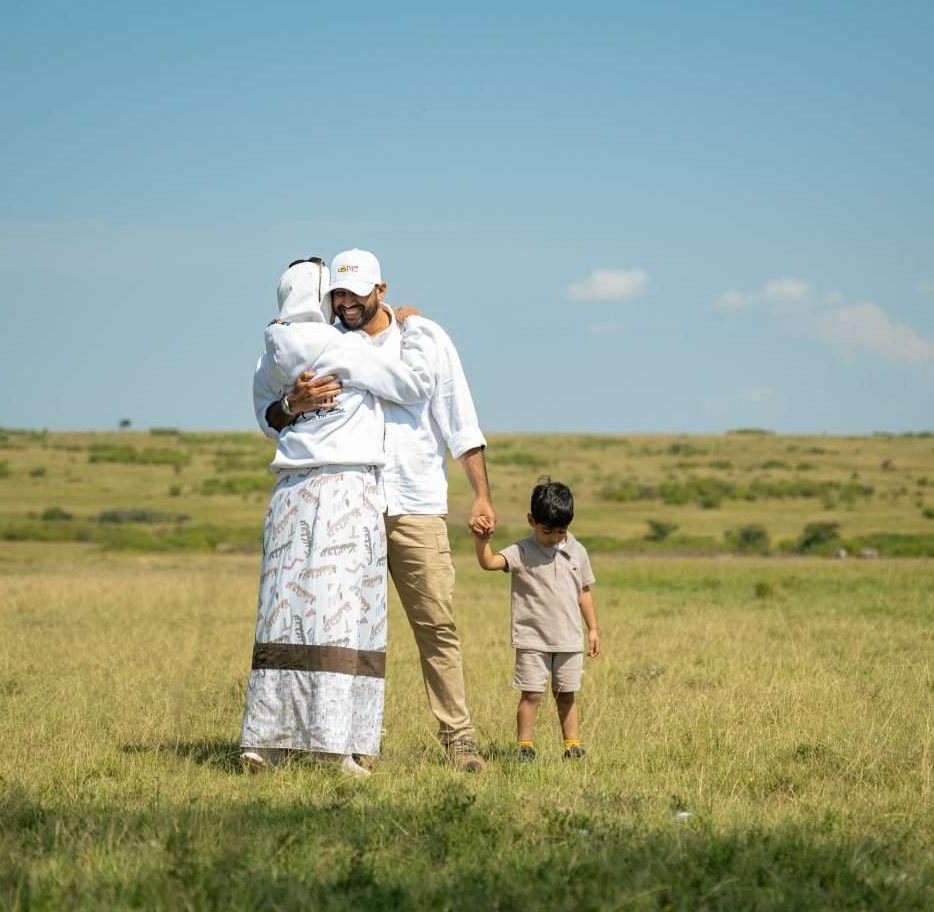
Ready to get a transparent, fully inclusive quote for your Kenya safari? Message our team on WhatsApp to start planning your trip today.
Start Planning Your Kenya Safari →
Key Takeaways
- A private Kenya safari with a local operator typically starts at $300 per person per day, fully inclusive. Budget group camping safaris can run as low as $180 to $220 per day, though quality drops noticeably below $220.
- Park fees now make up around 30% of your total safari cost, following the Masai Mara’s 2024 fee increase, which doubled peak-season rates from $80 to $200 per adult per day.
- The single biggest factor in your total safari cost is trip length, not luxury level. A 5-day itinerary is the practical starting point, with 7 to 10 days recommended if your schedule allows.
- Booking with a local, Kenya-based operator instead of an international agency in your home country typically saves 20% to 300%, since international agencies subcontract the same local operators and add their own markup on top.
- Kenya’s park fees are now broadly comparable to Tanzania’s, meaning the old idea of Kenya as the “cheap” East African safari destination no longer holds in 2026, though it still undercuts Botswana, Uganda gorilla trekking, and Rwanda on a straight per-day basis.


