
When you think of Africa, Kenya is most likely the image that comes to mind. It is one of the most spectacular destinations in the world and sits at the very top of most Africa bucket lists for good reason. From the thundering wildebeest crossings of the Maasai Mara to the elephant-filled swamps of Amboseli, from the flamingo-pink shores of Lake Nakuru to the ancient Swahili culture of Lamu Island, the magical places to visit in Kenya cover a range that no other single African country can match.
This guide covers every major Kenya safari destination including national parks, private conservancies, coastal beaches, Rift Valley lakes, cultural sites, and the practical information you need to plan your trip from the US or UK.
Quick Answer — What Are the Best Kenya Safari Destinations?
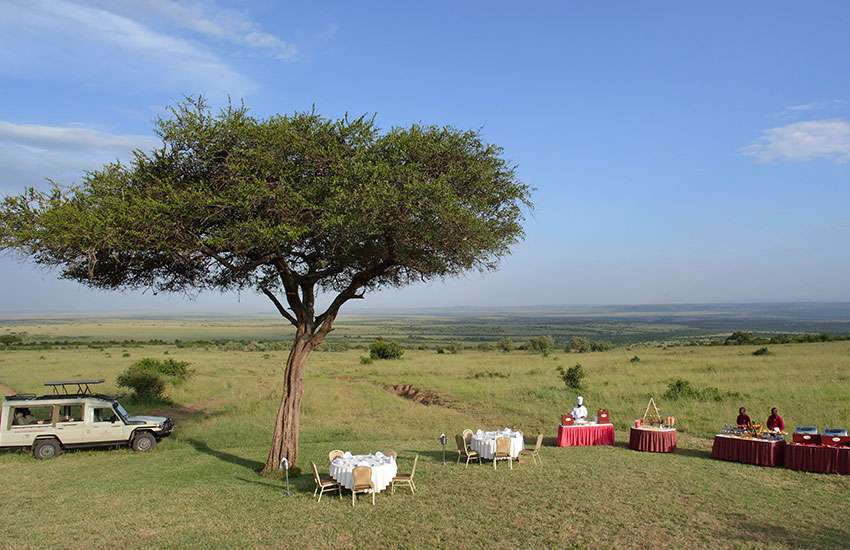
The best safari destinations in Kenya are the Maasai Mara National Reserve, Amboseli National Park, Samburu National Reserve, Tsavo East and West National Parks, Lake Nakuru National Park, Ol Pejeta Conservancy on the Laikipia Plateau, and Nairobi for a city stopover. Kenya’s top coastal tourist attraction sites in Kenya include Diani Beach, Watamu Marine National Park, and Lamu Island UNESCO Heritage Town. The country covers over 50 protected areas across national parks, game reserves, and private conservancies totalling more than 40,000 km² of protected land.
10 Things to Know About Kenya Safari Destinations
- Maasai Mara National Reserve hosts the Great Wildebeest Migration from July to October and holds approximately 16.5 lions per 100 km², the highest density in Africa.
- Amboseli National Park is the ideal Kenya destination for free-ranging elephant herds against the backdrop of Mount Kilimanjaro, Africa’s highest peak at 5,895 metres.
- Samburu National Reserve is the only Kenya safari destination where you reliably see all five of the Samburu Special Five — reticulated giraffe, Grevy’s zebra, gerenuk, Beisa oryx, and Somali ostrich.
- Ol Pejeta Conservancy on the Laikipia Plateau is home to the world’s last two northern white rhinos and over 140 critically endangered black rhinos.
- Tsavo East and West together cover over 20,000 km², making Tsavo the largest protected ecosystem in Kenya and one of the largest wildlife areas on Earth.
- Lake Nakuru National Park is one of the most reliable places in Africa to see both black and white rhinos, with over 400 bird species also recorded in the park.
- Private conservancies around the Maasai Mara permit night drives, guided walks, and off-road driving that are not allowed inside the national reserve itself.
- Diani Beach is consistently ranked among Africa’s best beaches and is accessible within 30 minutes of Mombasa’s Ukunda Airstrip on the south Kenya coast.
- Lamu Island is a UNESCO World Heritage Site and East Africa’s oldest continuously inhabited town, with no motor vehicles, centuries of Swahili architecture, and traditional wooden dhow sailing.
- Nairobi National Park is the only national park in the world located inside a capital city, with lions, rhinos, and giraffes visible against the Nairobi skyline.
Getting to Kenya from the USA and UK
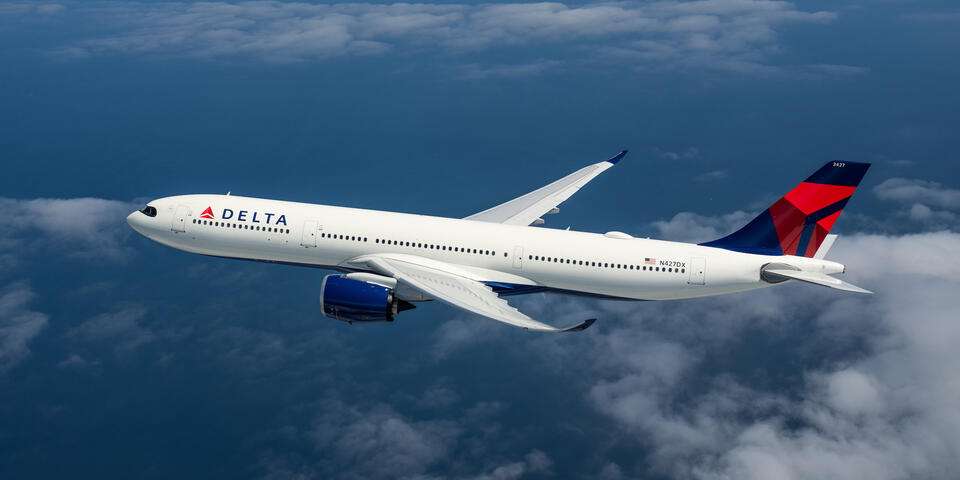
Most international visitors arrive at Jomo Kenyatta International Airport (NBO) in Nairobi, which is the main hub for all Kenya safari destinations on the Northern Circuit. From NBO, domestic flights from Wilson Airport (approximately 90 minutes away) connect you to safari airstrips across the country.
- From the USA: Direct routes do not exist as of 2026. The most popular connections are through Nairobi via Doha (Qatar Airways, approximately 19 to 22 hours total), Amsterdam (KLM, approximately 20 to 23 hours), London (British Airways or Kenya Airways, with a connection, approximately 22 hours), and Addis Ababa (Ethiopian Airlines, approximately 18 to 20 hours). Ethiopian Airlines and Qatar Airways are the two most popular carriers for US travelers due to competitive fares and good connection times.
- From the UK: Kenya Airways operates a direct flight from London Heathrow to Nairobi in approximately 8 hours and 45 minutes. British Airways also operates this route. It is the shortest and most convenient international connection to Kenya’s top tourist destinations.
- Mombasa Coast Connections: Moi International Airport (MBA) in Mombasa serves the southern Kenya coast including Diani Beach. Direct charter flights operate from the UK seasonally, and connecting flights from Nairobi take approximately 1 hour on Kenya Airways or Jambojet.
- Domestic Connections Between Safari Destinations: Wilson Airport in Nairobi connects to airstrips in the Maasai Mara (35 to 50 minutes), Amboseli (40 minutes), Samburu (1 hour), Laikipia (1 hour), Tsavo (45 minutes), and Lamu (1.5 hours) on Safarilink, AirKenya, and Fly540 domestic carriers.
| Route | Carrier Options | Flight Time |
|---|---|---|
| New York to Nairobi (via Doha) | Qatar Airways | 19 to 22 hours |
| London to Nairobi (direct) | Kenya Airways / British Airways | 8 hrs 45 mins |
| Nairobi to Maasai Mara | Safarilink / AirKenya | 35 to 50 mins |
| Nairobi to Amboseli | AirKenya / Safarilink | 40 mins |
| Nairobi to Samburu | AirKenya | 1 hour |
| Nairobi to Lamu | AirKenya | 1.5 hours |
| Nairobi to Mombasa / Diani | Kenya Airways / Jambojet | 1 hour |
1. Maasai Mara National Reserve: Kenya’s Most Iconic Safari Destination
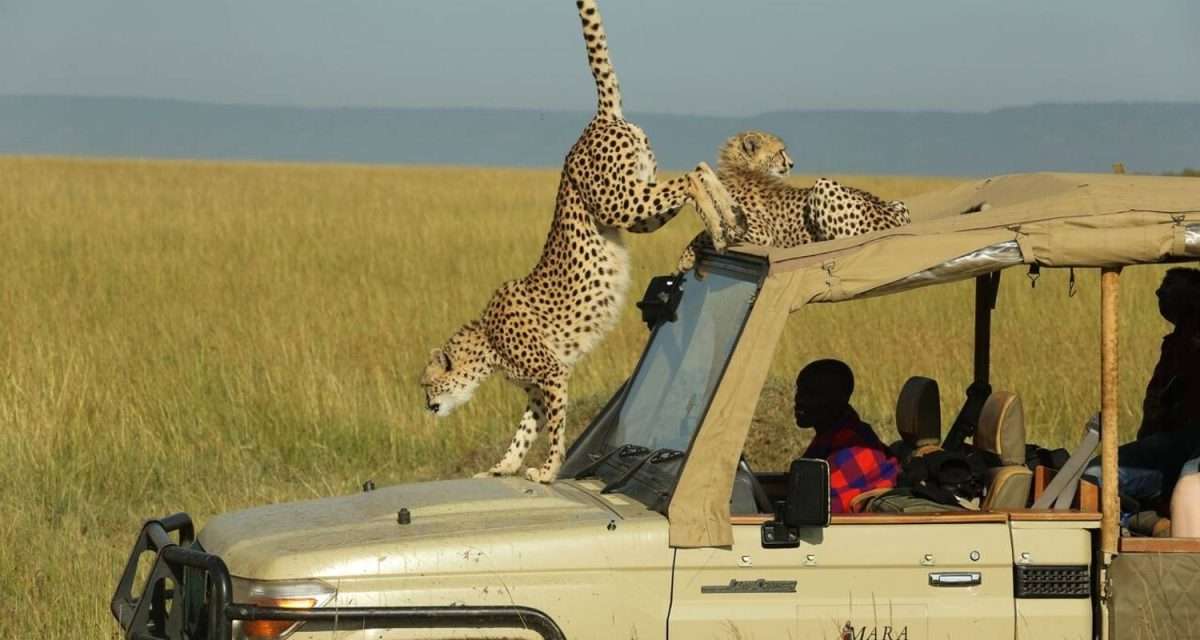
The Maasai Mara is the most famous of all Kenya safari destinations and the starting point for most first-time visitors. It forms the northern section of the greater Serengeti-Mara ecosystem, sharing an open border with Serengeti National Park in Tanzania. Wildlife moves freely between the two countries following rain and grass, making the Mara part of one of the most intact wildlife corridors remaining in Africa.
The lion density of approximately 16.5 per 100 km² means that on most game drives you encounter multiple prides within a single morning.
The Great Wildebeest Migration passes through the Mara from July to October each year. Over 1.5 million wildebeest and 300,000 zebra cross the Mara River from Tanzania in a series of dramatic crossings where crocodiles wait in the water and lions patrol the banks above. This is one of the most-watched wildlife events in the world and the primary reason most travelers choose the Maasai Mara as their first Kenya safari destination.
What to do in the Maasai Mara:
- Morning and afternoon game drives in the national reserve and surrounding conservancies
- Hot air balloon safari at sunrise over the open grasslands, followed by a champagne bush breakfast
- Guided walking safaris in the private conservancies bordering the reserve
- Night drives permitted in conservancies including Olare Motorogi, Naboisho, Mara North, and Ol Kinyei
- Maasai cultural village visits and beadwork demonstrations
- River crossings viewpoints at Kichwa Tembo and Paradise Plain during July to October
Best time to visit the Maasai Mara: July to October for the Great Migration. Year-round for big cats. January and February for fewer visitors and good predator sightings.
How many days in the Maasai Mara: Minimum 3 nights to experience the reserve and at least one conservancy. 4 to 5 nights during the migration season if you want to witness river crossings.
2. Amboseli National Park: The Ideal Kenya Destination for Elephants and Kilimanjaro Views
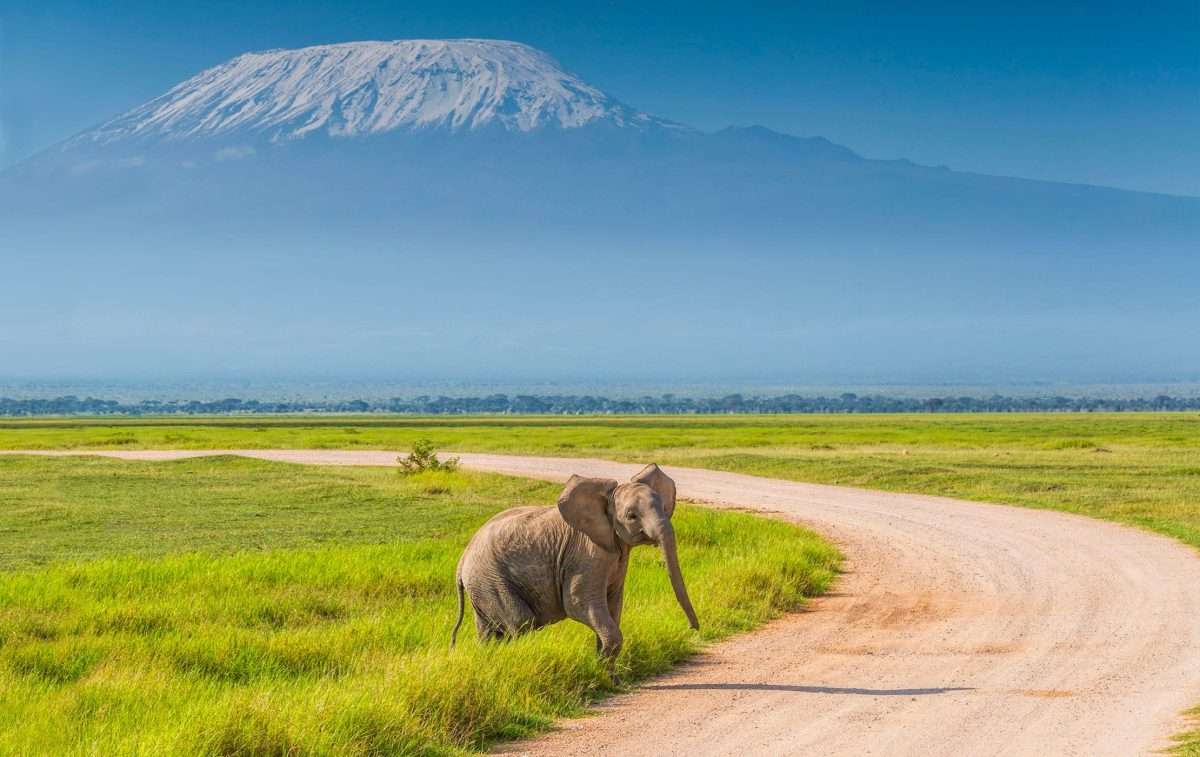
Amboseli is the ideal Kenya destination to experience the iconic African image of elephant herds moving against the backdrop of a snow-capped mountain. Amboseli is the place where you can see some of the most free-ranging elephants in the world, situated at the base of Mount Kilimanjaro. The park covers 392 km² and is a UNESCO Man and Biosphere Reserve since 1991.
The Amboseli ecosystem holds over 1,600 elephants including some of Africa’s last remaining big tuskers. Beyond elephants, Amboseli is one of the best Kenya vacation spots for watching all activity around the swamp systems — Enkongo Narok and Longinye swamps concentrate hippos, buffalo, lions, and birds in a small accessible area. Kilimanjaro views are clearest in the early morning before cloud builds over the summit by mid-morning.
What to do in Amboseli:
- Morning elephant game drives in the swamp areas for best Kilimanjaro photography
- Big Five game drives focusing on lions and buffalo in the open grasslands
- Guided Maasai cultural walks around the park perimeter
- Bush breakfasts with Kilimanjaro views
- Sundowner drives in the open savannah at dusk
Best time to visit Amboseli: June to October for dry-season game viewing and clearest Kilimanjaro views. Year-round for elephants. January and February also excellent with clear mountain views.
How many days in Amboseli: 2 to 3 nights gives you enough time for the swamp drives and morning Kilimanjaro photography without rushing.
Combining Amboseli with other destinations: Amboseli pairs very naturally with the Maasai Mara in a classic 7 to 10 day Kenya itinerary. The two parks are connected by domestic flight in under 1 hour via Nairobi.
3. Samburu National Reserve: One of Kenya’s Most Rewarding Safari Destinations
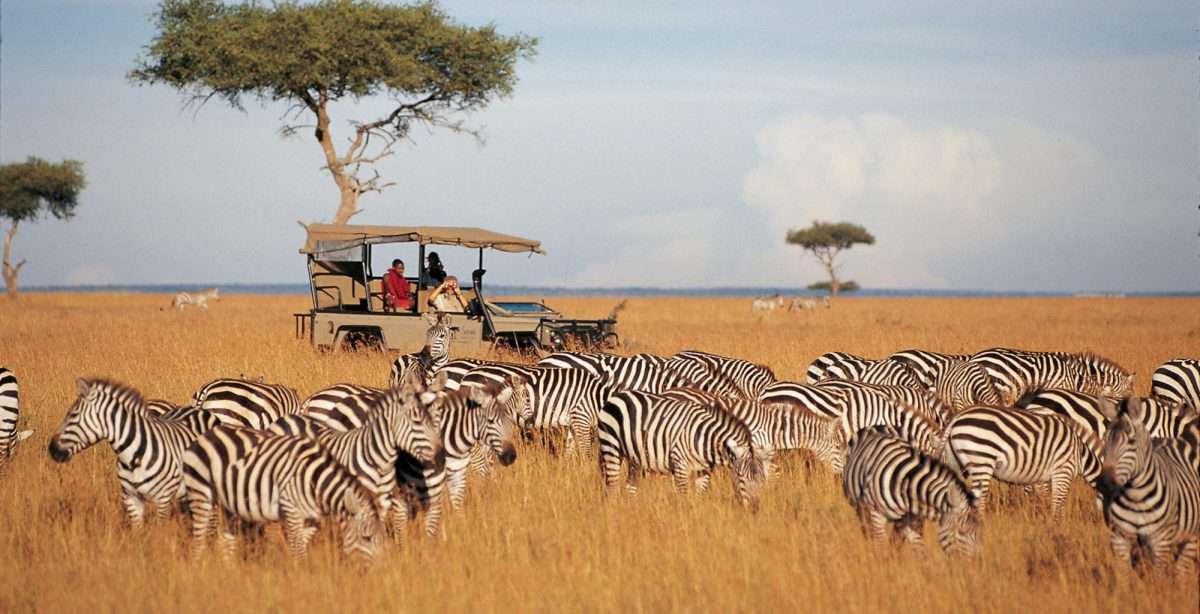
Samburu National Reserve in northern Kenya is one of the most compelling tourist destinations in Kenya for travelers who want something genuinely different from the classic southern circuit. It covers 104 km² in arid, semi-desert country along the Ewaso Ng’iro River, where Samburu hosts dry country specialists such as Grevy’s zebra, reticulated giraffe, gerenuk, and Somali ostrich — species you simply cannot find in the Mara, Amboseli, or Tsavo.
The landscape here looks completely different from the lush savannah most people associate with Kenya. Dry acacia woodland, doum palm riverine forest, and rugged volcanic hills frame the Ewaso Ng’iro River where all wildlife concentrates in a narrow band of activity. Lions, leopards, elephants, and cheetahs move through the riverine habitat daily alongside the five endemic northern dry-country species.
What to do in Samburu:
- Morning game drives along the Ewaso Ng’iro River for the Samburu Special Five
- Crocodile and bird watching on the river banks
- Cultural visits to traditional Samburu villages and warrior camps
- Camel trekking through the dry-country landscape
- Night drives in private conservancies bordering the reserve
- Buffalo Springs National Reserve game drives directly across the river
Best time to visit Samburu: June to October and January to February for dry-season game viewing. The reserve is excellent year-round because the Ewaso Ng’iro River keeps wildlife concentrated along its banks even during the rains.
How many days in Samburu: 2 to 3 nights is standard. Pair with Laikipia on a northern Kenya circuit for one of the most rewarding and less crowded Kenya safari experiences available.
4. Tsavo East and Tsavo West: Kenya’s Largest Safari Wilderness
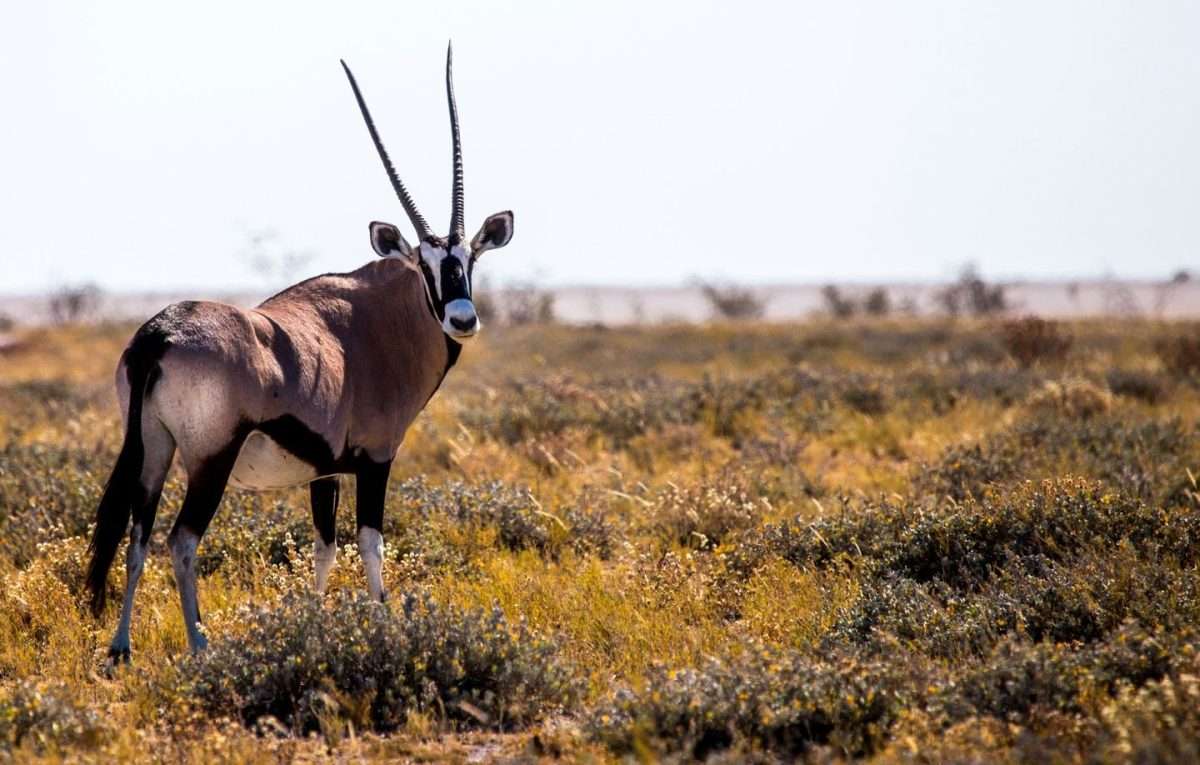
If you are looking for less crowded safari destinations in Kenya, Tsavo is your answer. Together Tsavo East and Tsavo West cover over 20,000 km², making Tsavo the largest protected area in Kenya and one of the largest wildlife ecosystems in the world. Despite this scale the two parks receive far fewer visitors than the Mara or Amboseli, meaning you often enjoy sightings with no other vehicles present.
Tsavo East covers 11,747 km² of flat, open, volcanic plains. The red-dust elephant herds of Tsavo East are famous — elephants here coat themselves in the park’s distinctive red volcanic dust, giving them a reddish tint that you see nowhere else in Kenya. The Galana River runs through the heart of the park and concentrates wildlife in a linear corridor of riverine habitat. The Yatta Plateau, the world’s longest lava flow at 290 km, rises dramatically above the eastern plains.
Tsavo West is more mountainous and varied, with volcanic hills, the crystal-clear Mzima Springs (where hippos and fish are visible underwater through a glass viewing panel), and the Ngulia Rhino Sanctuary which is one of Kenya’s most successful rhino conservation projects. The Shetani Lava Flow — a dramatic 200-year-old solidified lava field — stretches across the landscape in striking black formations near the Chyulu Hills border.
What to do in Tsavo:
- Full day game drives in Tsavo East’s open plains for elephant herds and lion sightings
- Mzima Springs walk — watching hippos underwater from the viewing panel is unique in Kenya
- Ngulia Rhino Sanctuary game drives in Tsavo West
- Lugard Falls on the Galana River — dramatic cascades through carved volcanic rock
- Tsavo West volcanic landscape drives including the Shetani Lava Flow
- Bird watching — over 600 species recorded across both parks
Animals you will see: All Big Five, red-dust elephants, lions, leopards, cheetahs, buffalo, hippos, crocodiles, gerenuk, lesser kudu, Fringe-eared oryx, and over 600 bird species.
Best time to visit Tsavo: June to October and January to February. Tsavo is excellent in the green season for birding and lush landscape photography with far fewer visitors.
How many days in Tsavo: 2 nights in each park gives you the core experience. Most travelers combine Tsavo East and West in a single 4 to 5 night itinerary, often pairing it with a Diani Beach extension on the Kenyan coast.
5. Lake Nakuru National Park: A Must-Visit Kenya Vacation Spot for Rhinos and Birds
Lake Nakuru National Park is one of the most rewarding Kenya vacation spots within easy reach of Nairobi — just three hours by road through the Great Rift Valley. The park covers 188 km² around Lake Nakuru, a soda lake set in a bowl of yellow-barked acacia forest, euphorbia woodland, and open grassland.
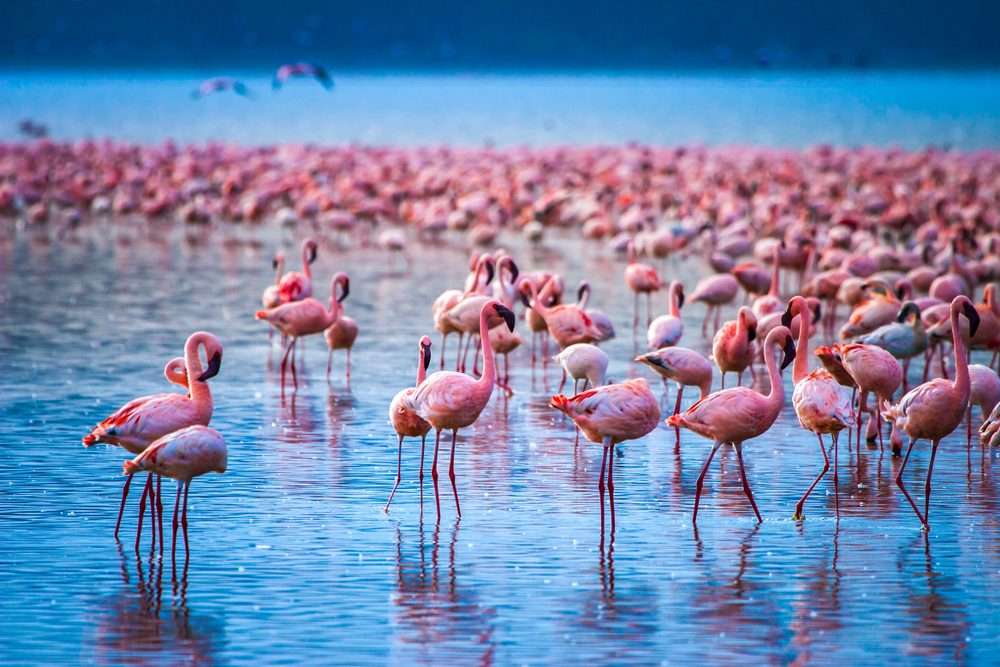
Lake Nakuru glows pink with flamingos when water conditions are right, with rhinos and both black and white species protected within the park.
What to do in Lake Nakuru:
- Rhino game drives — both black and white rhinos in a single morning
- Baboon Cliff viewpoint for panoramic Rift Valley photography
- Flamingo watching from the lake shore (numbers vary with water salinity)
- Rothschild giraffe sightings in the acacia forest
- Bird watching — over 400 species including African fish eagle, grey crowned crane, and pelicans
- Combine with Lake Naivasha (40 minutes south) for boat safaris and Crescent Island walks
Best time to visit Lake Nakuru: Year-round. Flamingo numbers are best when water salinity is optimal, which varies by season. The park is worth visiting any month for rhinos and birdlife.
How many days: Lake Nakuru works well as a 1 to 2 night stop. It combines naturally with Lake Naivasha and the Maasai Mara on a classic Kenya circuit.
6. Ol Pejeta Conservancy: One of Kenya’s Most Important Safari Destinations
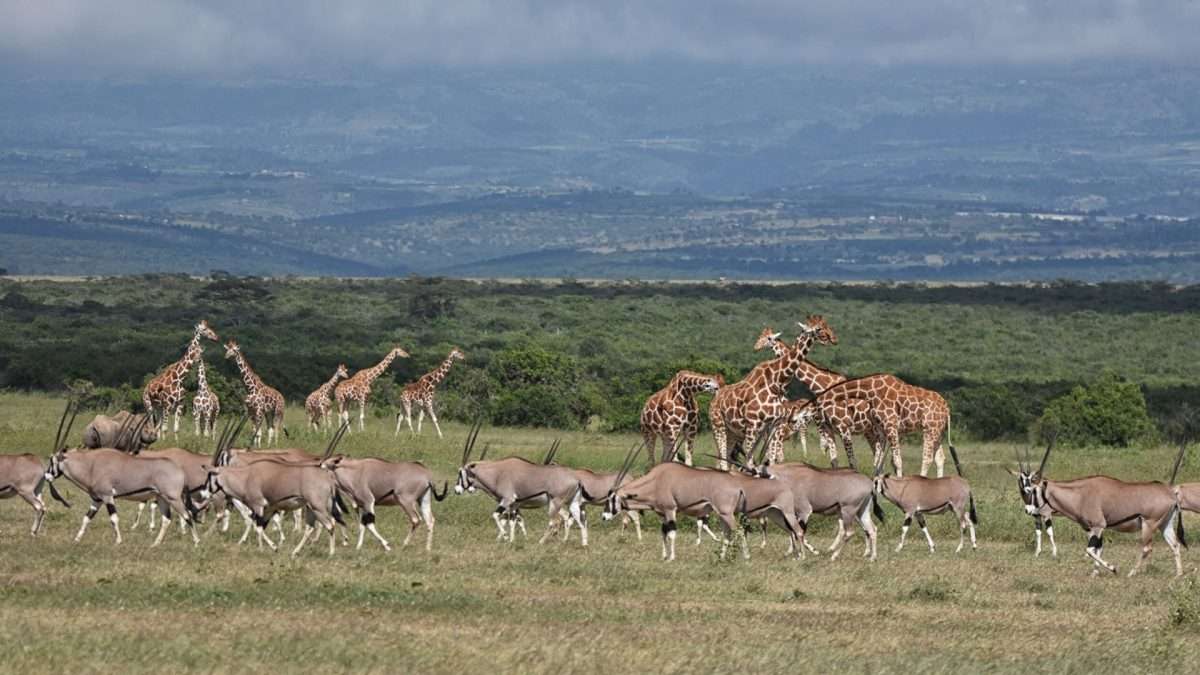
Ol Pejeta Conservancy on the Laikipia Plateau is one of Kenya’s most important tourist attraction sites for conservation-minded travelers and one of the standout intimate Kenya safari experiences in the country. It covers 360 km² along the Ewaso Ng’iro River in central Kenya with all of the Big Five, the Sweetwaters Chimpanzee Sanctuary, and the world’s last two northern white rhinos.
Ol Pejeta is one of the most esteemed wildlife conservancies in East Africa with all of the Big Five present and most famous for employing highly trained rhino protection squads and a team of international veterinary experts to keep diligent watch over the critically endangered black rhino population.
What to do at Ol Pejeta:
- Northern white rhino enclosure visit — see the world’s last two individuals
- Black rhino tracking and night rhino walks with armed ranger
- Big Five game drives in private conservancy terrain with off-road access
- Visit the Sweetwaters Chimpanzee Sanctuary — the only place in Kenya to see chimpanzees
- Night game drives not available in national parks
- Community education centre visits to understand the conservation model
Animals you will see: Northern and southern white rhinos, black rhinos, lions, leopards, cheetahs, elephants, Cape buffalo, Grevy’s zebra, Jackson’s hartebeest, and over 300 bird species.
Best time to visit: Year-round. Ol Pejeta is not dependent on migration or seasonal rainfall for wildlife activity.
How many days: 2 to 3 nights gives you time for the rhino visits, chimpanzee sanctuary, and thorough game drive coverage of the conservancy.
7. Laikipia Plateau: Kenya’s Newest Safari Destination and Most Exclusive Safari Experience
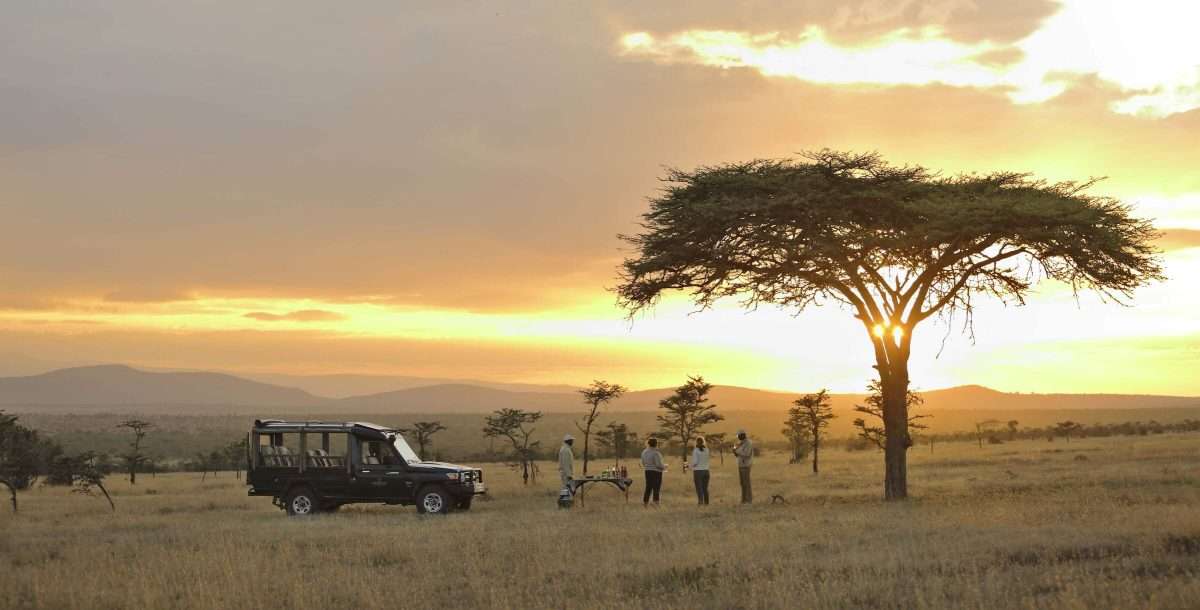
The Laikipia Plateau is widely described as Kenya’s newest safari destination and one of the most rewarding regions for travelers who are after less crowded safari destinations away from the well-known southern parks. The plateau covers an area almost the size of Wales in central Kenya, north of Mount Kenya and the Aberdare Range, at elevations between 1,700 and 2,500 metres above sea level.
What to do in Laikipia:
- Horse riding safaris through open plains alongside zebra and giraffe
- Walking safaris and guided bush walks with armed rangers
- Night game drives in private conservancy terrain
- Camel trekking through dry-country landscape
- Rhino tracking on foot with conservation teams
- Fly camping and star-bed sleep-outs under the open Laikipia sky
- Cultural visits to Samburu and Maasai communities within the conservancy model
- Bi-plane scenic flights over the plateau and Mount Kenya
Animals you will see: Grevy’s zebra, black and white rhinos, lions, leopards, elephants, African wild dogs (one of the strongest populations in Kenya), cheetahs, reticulated giraffe, and over 400 bird species.
Best time to visit Laikipia: Year-round. The plateau altitude makes it pleasant even during Kenya’s rains. June to October and January to February for best dry-season conditions.
How many days: 3 to 4 nights to experience the range of activities properly. Laikipia is not a drive-past destination — it rewards slow travel and extended time in the bush.
8. Nairobi — The Starting Point for All Kenya Safaris and a Destination in Its Own Right
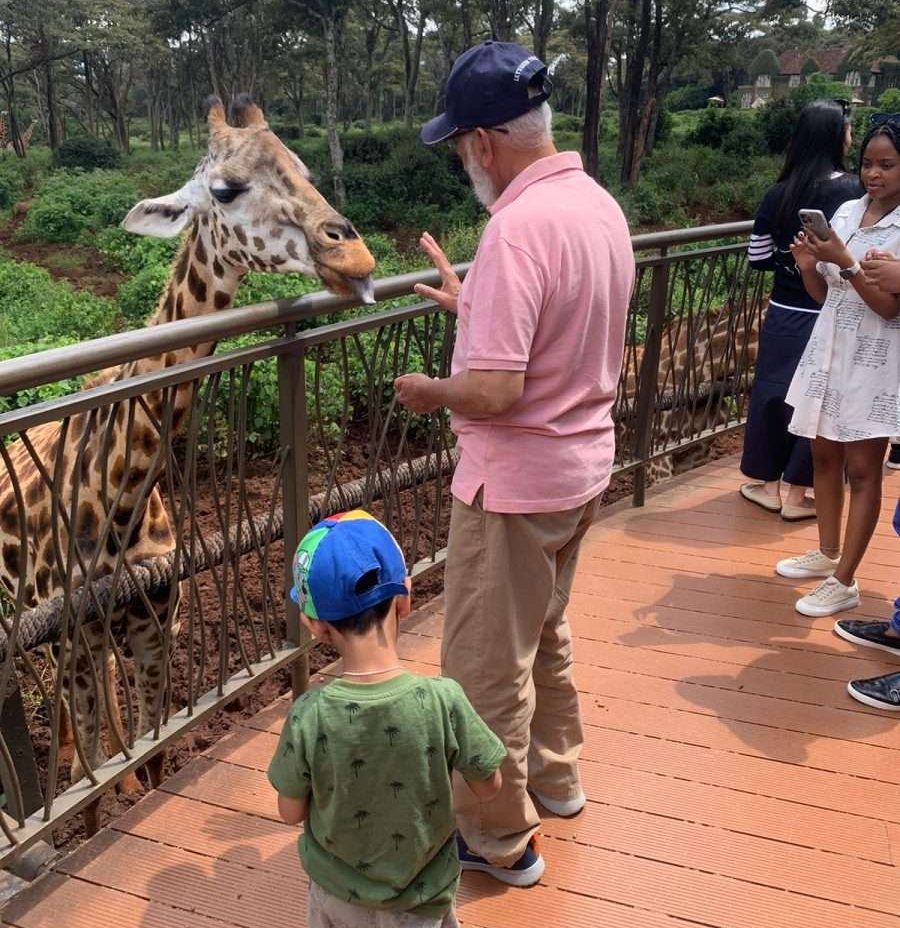
Almost all best Kenya safaris start or end in Nairobi, making a stopover in this city almost inevitable for international visitors. But Nairobi is far more than a transit city. It is East Africa’s largest urban centre, a genuinely lively and fascinating city, and home to several of Kenya’s most famous tourist attraction sites.
Nairobi National Park sits just 7 km from the city’s CBD and is the only national park in the world located inside a capital city. You can visit the Sheldrick Wildlife Trust adjacent to Nairobi National Park to see orphaned elephants having their morning feed, and the Giraffe Centre in the leafy suburb of Karen where you can hand-feed the critically endangered Rothschild giraffe.
What to do in Nairobi:
- Nairobi National Park morning game drive — lions, rhinos, and giraffes against the city skyline
- Sheldrick Wildlife Trust elephant nursery (open daily 11am to 12 noon)
- Giraffe Centre hand-feeding experience in Karen
- Karen Blixen Museum — colonial history and literary heritage
- Nairobi National Museum — natural history, archaeology, and cultural collections
- Kazuri Beads Factory in Karen — women’s cooperative workshop visit
- Carnivore Restaurant — Nairobi’s most famous bush meat dining experience
Best time to visit Nairobi: Year-round. Nairobi is typically used as an arrival or departure day on Kenya safari itineraries rather than as a multi-night base, though 1 to 2 nights allows you to experience the city’s main attractions.
9. Mombasa and Kenya’s Beach Destinations — Some of Kenya’s Prime Vacation Spots
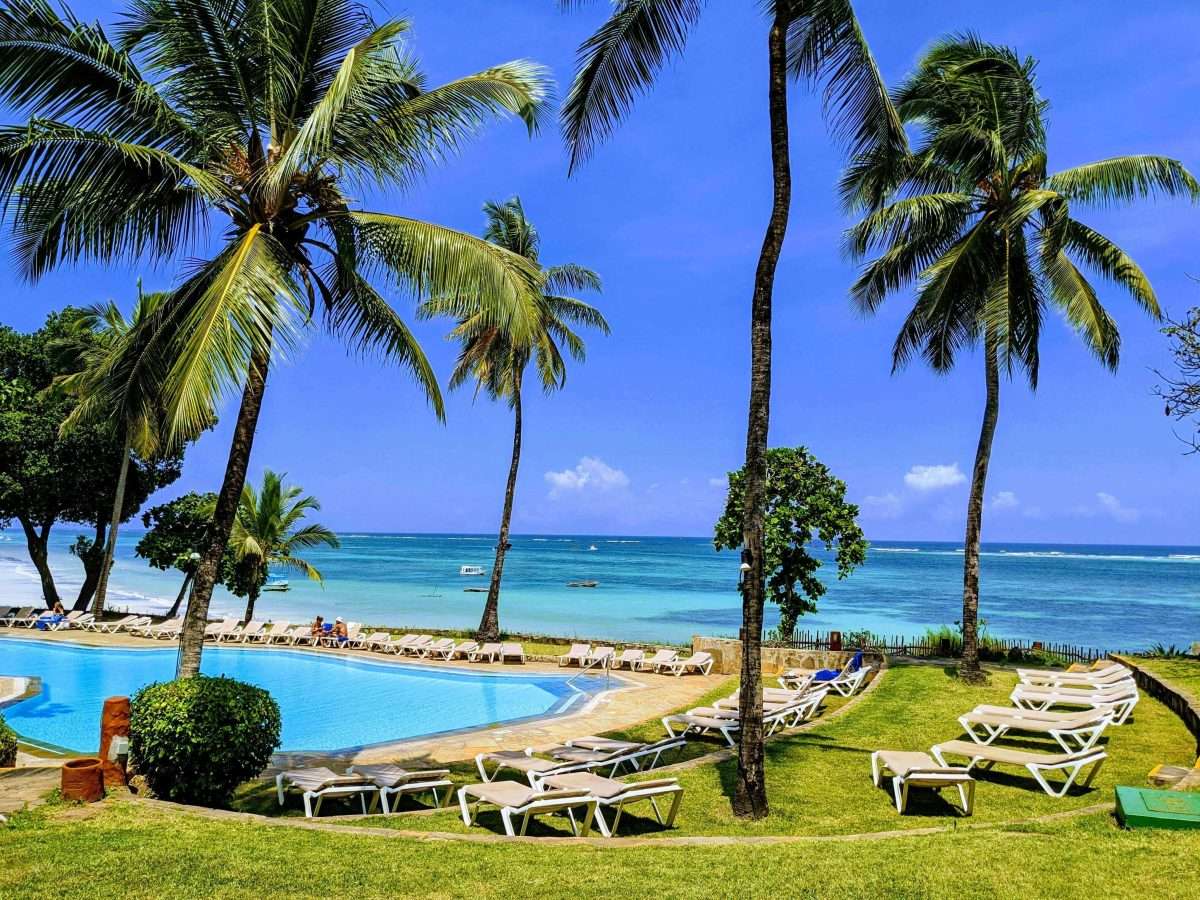
With all the attention on Kenya’s safari destinations it is easy to forget that Kenya has one of Africa’s most beautiful coastlines. The Indian Ocean coastline stretches over 500 km and offers some of the most stunning beaches in Africa with powdery white sand, crystal-clear waters, and vibrant coral reefs. These are genuinely some of Kenya’s prime vacation spots and the perfect extension to any Northern Circuit safari.
- Diani Beach sits 30 km south of Mombasa and is consistently ranked among Africa’s best beaches. Diani Beach is perfect for honeymooners, families, and thrill-seekers looking for a full-service beach destination with water sports like snorkelling, kite surfing, and jet skiing
- Watamu is the ideal Kenya vacation spot for marine biodiversity and a quieter atmosphere. Watamu Marine National Park’s coral gardens are home to many different marine creatures including three different types of turtles, parrotfish, angelfish, and manta rays and whale sharks seasonally between November and February.
- Lamu Island is one of the most unique tourist destinations in Kenya. Lamu Island is a UNESCO World Heritage Site, Kenya’s oldest living town, with no motor vehicles, ancient coral-stone architecture, and a serene pace of life where donkeys and wooden dhows provide all transport. The annual Lamu Cultural Festival draws travelers from across the world.
Other coastal highlights:
| Destination | Best For | Key Attraction |
|---|---|---|
| Malindi | Diving, kitesurfing, history | Gede Ruins, Vasco da Gama Pillar, Malindi Marine Park |
| Kilifi | Off-the-beaten-path travelers | Bofa Beach, Mnarani Ruins, Kilifi Creek |
| Mombasa Old Town | History and culture | Fort Jesus UNESCO, spice markets, dhow harbour |
| Wasini Island | Dolphin spotting, snorkelling | Kisite-Mpunguti Marine Park, dhow trips |
| Shimba Hills | Safari and coastal combination | Sable antelope, elephants, Sheldrick Falls hike |
Best time for Kenya beaches: January, February, and July to October for the most reliable dry conditions on the coast. Avoid April and May when the long rains are heaviest.
How many beach days to add: 3 to 5 nights on the coast is the most popular extension to a Kenya safari itinerary. Diani is the most accessible for a first visit, Watamu suits marine-focused travelers, and Lamu suits cultural explorers.
10. Amboseli to Chyulu Hills to Tsavo — Southern Kenya’s Safari Circuit
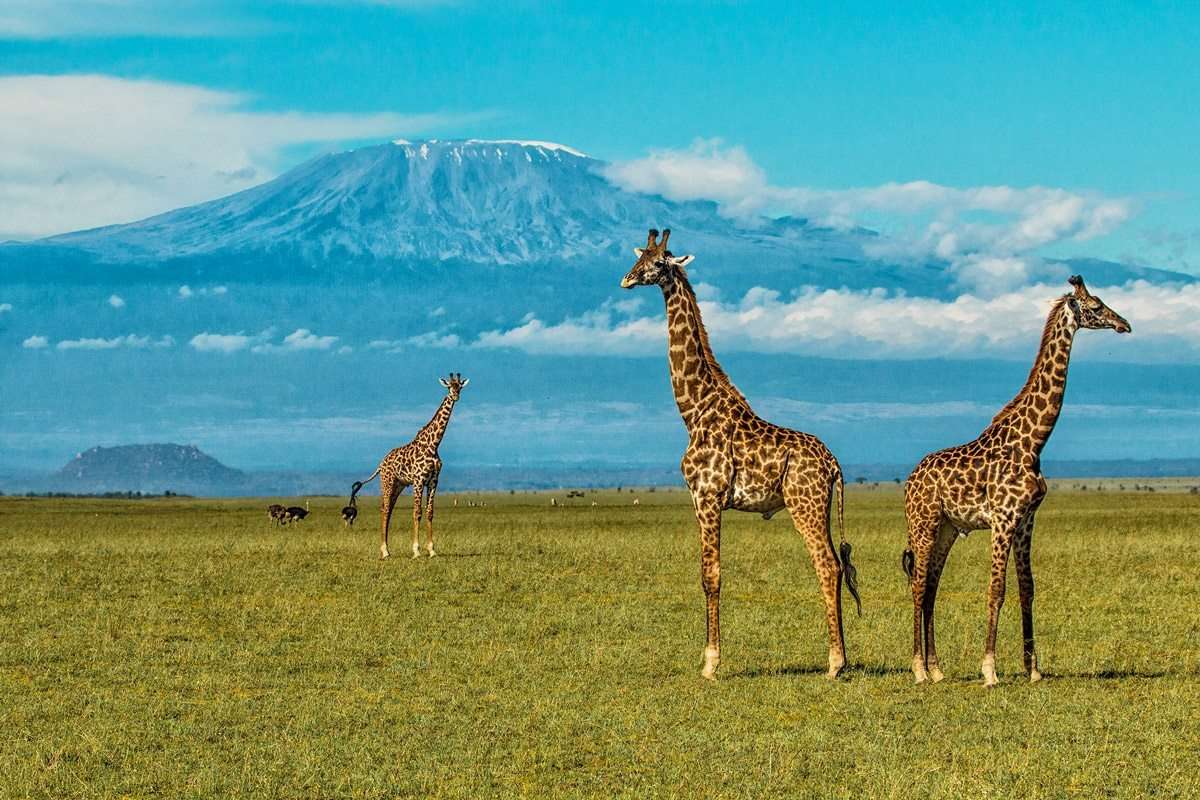
The southern Kenya circuit connecting Amboseli, Chyulu Hills, and Tsavo is one of the most rewarding and underutilised tourist destination in Kenya routes for travelers who want to experience the full depth of the southern ecosystem. The three destinations share landscapes, wildlife corridors, and spectacular volcanic scenery across a continuous stretch of protected land south of Nairobi.
Chyulu Hills National Park between Amboseli and Tsavo West is one of Kenya’s hidden gems and a must-visit Kenya vacation spot for travelers who love dramatic landscapes combined with wildlife. The hills are among the youngest volcanic formations on Earth, formed only 500 years ago. Horse riding safaris through the volcanic landscape, lava cave exploration, and views of Kilimanjaro across the Amboseli plains make Chyulu Hills genuinely distinctive. It is also home to some of the most exclusive and highly-rated safari lodges in East Africa.
What to do across southern Kenya:
- Amboseli elephant and Kilimanjaro photography
- Chyulu Hills lava cave walks and horse riding safaris
- Tsavo East open plains game drives for red-dust elephants
- Tsavo West Mzima Springs and Ngulia Rhino Sanctuary
- Walking on the Shetani Lava Flow in Tsavo West
- Lugard Falls river walk
11. Lake Naivasha and Hell’s Gate — Easy Kenya Vacation Spots Near Nairobi
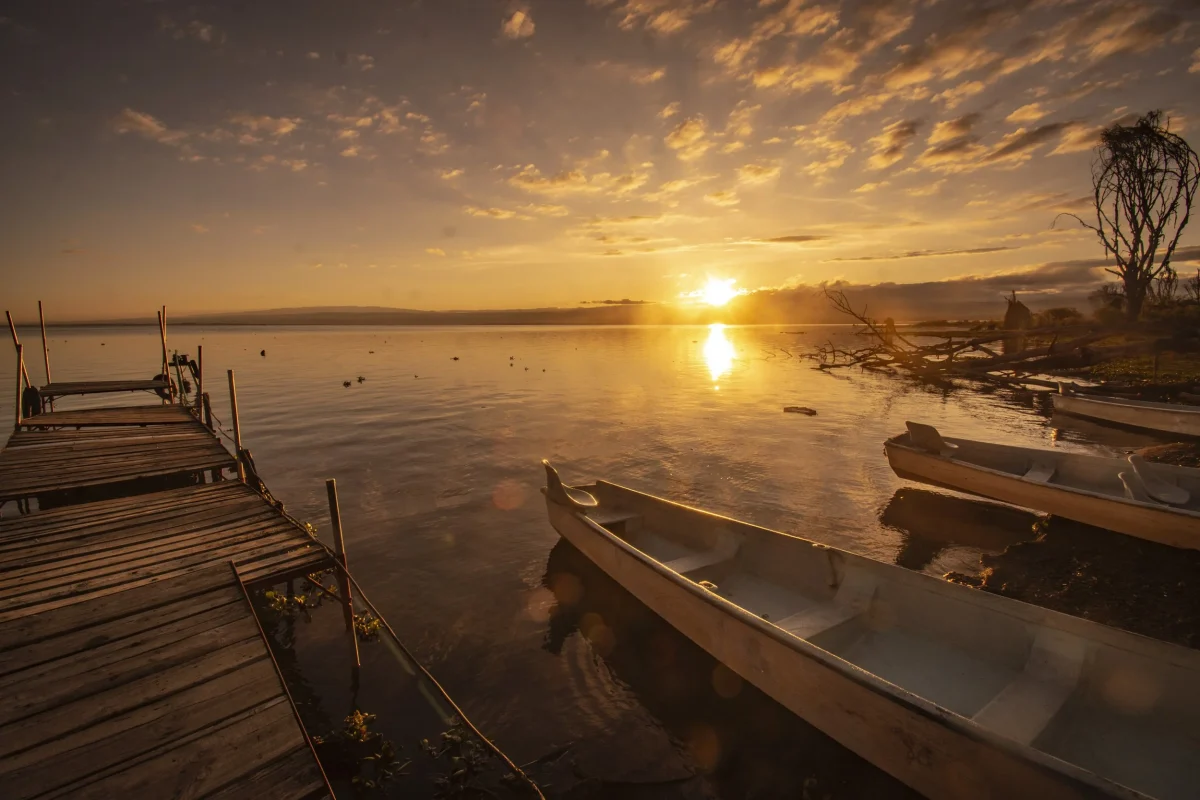
Lake Naivasha is a freshwater lake in the Great Rift Valley 80 km from Nairobi and one of the most accessible Kenya vacation spots for travelers who want wildlife without a long drive or domestic flight. Lake Naivasha is ideal for boat safaris where you can slowly navigate around hippo pods, and Crescent Island offers a walking safari with giraffes and waterbucks since there are no predators on the island.
Hell’s Gate National Park adjacent to Lake Naivasha is the only park in Kenya where you can cycle freely among wildlife without a vehicle. The dramatic gorge, geothermal steam vents, and Fischer’s Tower and Central Tower volcanic pillars make Hell’s Gate one of Kenya’s most visually unique parks. The landscapes inspired the setting for Disney’s “The Lion King.” Entry is free for self-drivers.
Best time to visit: Year-round. Lake Naivasha and Hell’s Gate work perfectly as a 1 to 2 night side trip from Nairobi or as part of a wider Rift Valley circuit combining Nakuru, Naivasha, and Bogoria.
12. Mount Kenya — The Highlands Safari Circuit
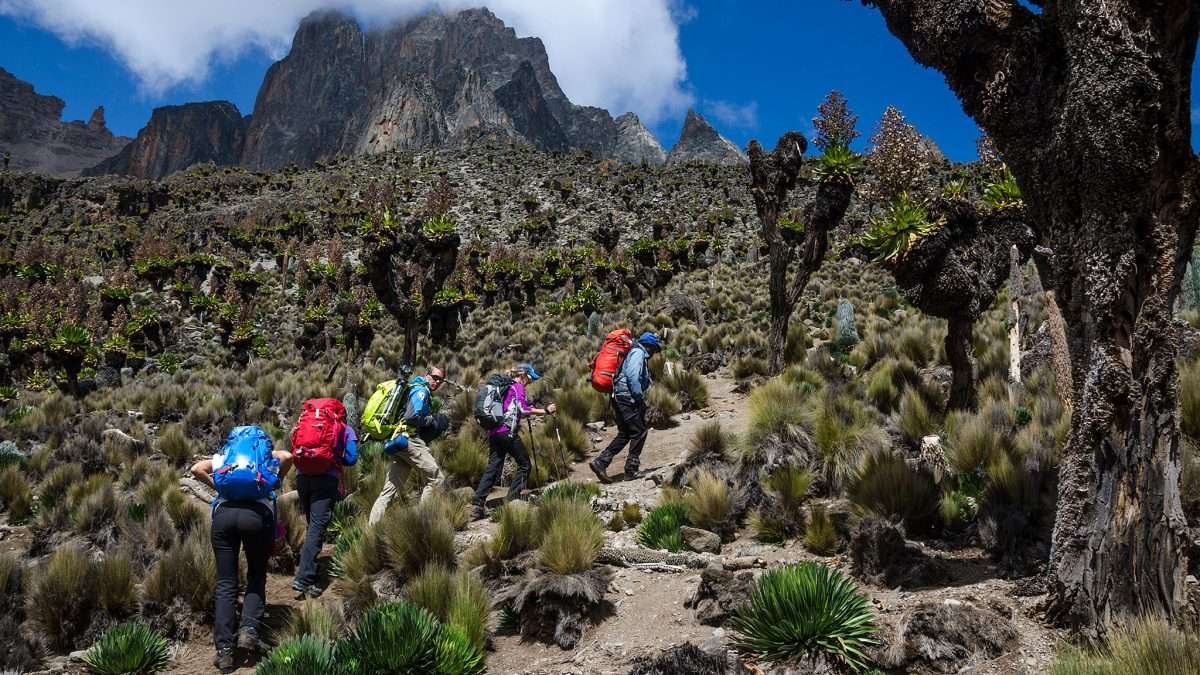
Mount Kenya National Park protects Africa’s second highest mountain at 5,199 metres and is a UNESCO World Heritage Site. Mount Kenya Central Highlands includes great wildlife destinations such as family-friendly and multi-activity Meru National Park and Lewa Downs Conservancy in the foothills of Mount Kenya.
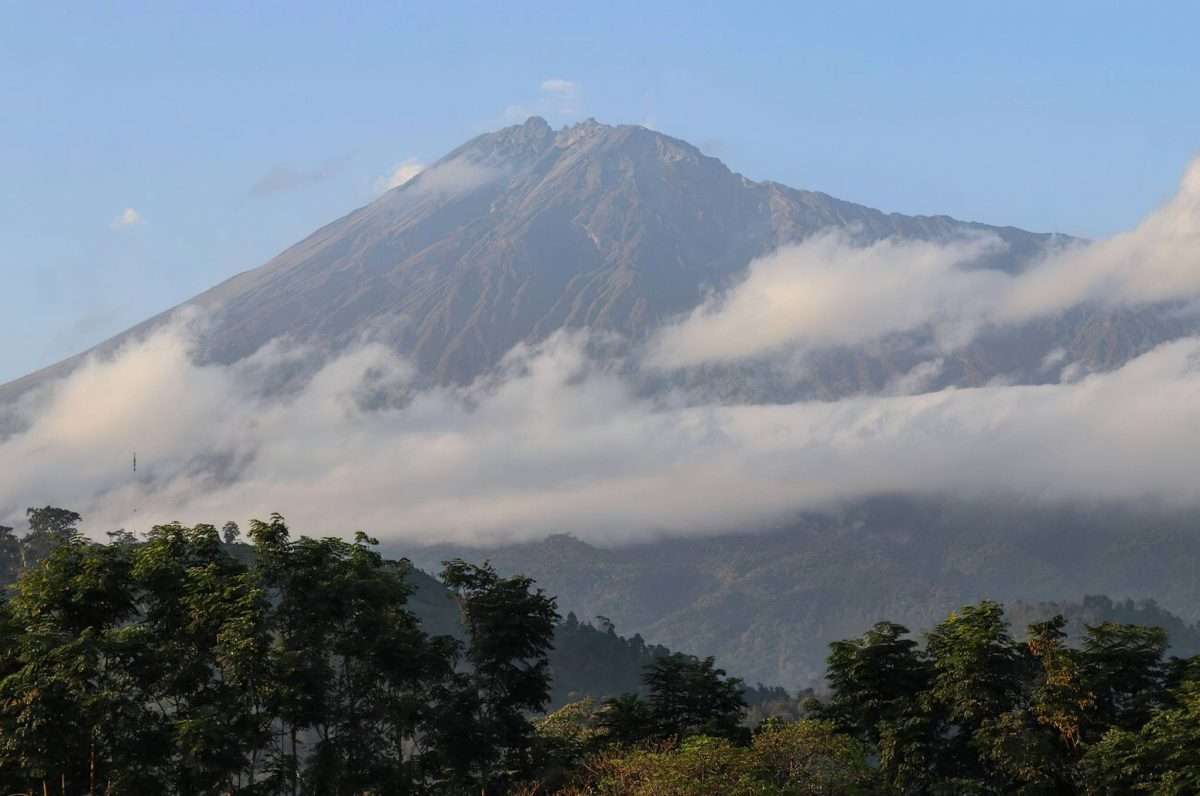
Meru National Park on the eastern slopes of Mount Kenya is where Joy and George Adamson raised Elsa the lioness, made famous by the book and film “Born Free.” Meru is one of the most beautiful and least-visited parks in Kenya with rivers, wetlands, open savannah, and elephants in exceptional numbers. Low visitor counts make Meru one of the best less crowded safari destinations in Kenya in 2026.
What to do in the Mount Kenya region:
- Mount Kenya summit and point Lenana climb (4,985 metres, non-technical with a guide)
- Meru National Park game drives and Born Free heritage visit
- Lewa Wildlife Conservancy rhino and Grevy’s zebra drives
- Highland walks and forest elephant tracking in Mount Kenya foothills
- Aberdares National Park treetop lodge wildlife watching at night waterholes
Best time: Year-round for the highlands. June to September is best for Mount Kenya climbing.
Best Time to Visit Kenya Safari Destinations
| Month | Conditions | Best Destination to Visit |
|---|---|---|
| January to February | Dry, warm, excellent game viewing | Amboseli (Kilimanjaro views), Laikipia |
| March to May | Long rains, lower prices, lush landscapes | Meru, Samburu, Tsavo |
| June to July | Dry season starts, migration enters Mara | Maasai Mara, Amboseli |
| July to October | Peak season, Great Migration river crossings | Maasai Mara, conservancies |
| November to December | Short rains, green landscapes, newborn animals | Tsavo, Samburu, Laikipia |
How Many Days Do You Need for a Kenya Safari?
| Itinerary | Days | Destinations Covered |
|---|---|---|
| Classic short break | 5 to 6 days | Nairobi plus Maasai Mara or Amboseli |
| Standard safari | 7 to 9 days | Maasai Mara plus Amboseli or Samburu |
| Safari and beach | 10 to 12 days | Maasai Mara, Amboseli, and Diani or Watamu |
| Extended circuit | 14 to 16 days | Maasai Mara, Samburu, Laikipia, Meru, beach |
| Grand Kenya tour | 18 to 21 days | All major destinations including coast and Mount Kenya |
Conclusion
Kenya genuinely earns its place at the top of every Africa travel list. The range of Kenya safari destinations — from the lion-filled grasslands of the Maasai Mara to the last northern white rhinos of Ol Pejeta, from the red-dust elephant herds of Tsavo to the cultural riches of Lamu — gives every type of traveler something unforgettable. These are not just magical places to visit in Kenya, they are places that change how you see the natural world.
The best Kenya safaris combine two or three destinations to give you variety across landscape, wildlife, and experience. A week in the Mara and Amboseli is an outstanding first trip. Adding Samburu or Laikipia for a second visit gives you wildlife and landscapes that most travelers never see. Ending any Kenya itinerary with Diani, Watamu, or Lamu transforms a safari into a complete East African journey.
TourwithPipi designs and operates private guided Kenya safaris for travelers from the US, UK, and Canada. Every itinerary is personally designed by our Kenya-born, Virtuoso-certified founder around your travel dates, interests, and group. We handle everything from park fees and lodge bookings to airport transfers, domestic flights, and daily guiding — so your only focus is the experience.
Frequently Asked Questions About Kenya Safari Destinations
What is the best Kenya safari destination for first-time visitors?
The Maasai Mara National Reserve is the most complete first Kenya safari destination because it combines the highest predator density in Africa, spectacular year-round elephant and buffalo sightings, the Great Migration from July to October, and the widest range of activities including hot air balloon safaris, walking safaris in conservancies, and Maasai cultural visits. Many first-time visitors combine the Mara with Amboseli National Park on a 7 to 10 day Kenya safari for the best overall introduction to Kenya’s wildlife.
When is the best time to visit Kenya for a safari?
Kenya offers excellent safari destinations year-round. July to October is peak season with the Great Migration river crossings in the Maasai Mara. January and February offer dry-season game viewing across all parks with the clearest Kilimanjaro views in Amboseli. June is excellent for starting the dry season with good sightings and slightly fewer visitors than August and September. The long rains in April and May bring lower prices, fewer vehicles, and lush green landscapes that are outstanding for photography.
What is the difference between a Kenya national park and a private conservancy?
Kenya’s national parks are managed by the Kenya Wildlife Service with strict rules including no night drives, no off-road driving, and no walking safaris with wildlife present. Private conservancies are owned and managed by local communities or private landholders and permit activities not allowed in parks. Conservancies around the Maasai Mara including Olare Motorogi, Naboisho, Mara North, and Ol Kinyei allow night drives, guided bush walks, off-road driving, and limit vehicles at sightings for a more exclusive and intimate Kenya safari experience.
What are the Samburu Special Five?
The Samburu Special Five are five wildlife species found only in the dry northern regions of Kenya and not present in Kenya’s more popular parks in the south. They are the reticulated giraffe with large geometric patches, the Grevy’s zebra with narrower stripes and larger ears, the gerenuk which stands on its hind legs to feed from trees, the Beisa oryx with long straight horns, and the Somali ostrich with blue-grey legs. You reliably see all five at Samburu National Reserve and the adjacent Buffalo Springs National Reserve.
Can I combine a Kenya safari with a beach holiday?
Yes. A Kenya safari and beach combination is one of the most popular itineraries in East Africa. The most common pairing combines the Maasai Mara or Amboseli with 3 to 5 nights at Diani Beach or Watamu. Domestic flights connect Nairobi Wilson Airport to coastal airports at Ukunda (Diani) and Mombasa in 1 hour, and to Watamu via Malindi in 1 hour 15 minutes. TourwithPipi arranges both the safari and beach portions as a single booking from the US or UK.
How much does a Kenya safari cost?
Kenya safari costs vary widely by destination, accommodation level, and group size. Budget shared safaris start from around USD 150 to 250 per person per day. Mid-range private safaris cost from USD 300 to 600 per person per day. Luxury private safaris at premium conservancy camps cost from USD 600 to 1,500 or more per person per day. The Maasai Mara park entry fee alone is USD 200 per person per day for non-residents in 2026. TourwithPipi specialises in private luxury Kenya safari itineraries and provides transparent fully-inclusive pricing at enquiry.
Where is the best place to see rhinos in Kenya?
The three most reliable places to see rhinos across Kenya safari destinations are Ol Pejeta Conservancy on the Laikipia Plateau, which holds the world’s last two northern white rhinos and over 140 black rhinos; Lake Nakuru National Park, where both black and white rhinos live within a fully fenced sanctuary; and Nairobi National Park, which holds approximately 40 black rhinos just 7 km from Nairobi’s city centre. Lewa Wildlife Conservancy on the Laikipia Plateau also holds significant and well-protected rhino populations.
Is Kenya safe for tourists in 2026?
Kenya’s main safari destinations, coastal beach areas, and Nairobi’s tourist districts are generally safe for international visitors when standard travel precautions are followed. The Maasai Mara, Amboseli, Samburu, Tsavo, Laikipia, Diani, Watamu, and Lamu all receive large numbers of international visitors annually. Check your government’s current travel advisories before booking, purchase comprehensive travel insurance, and book all game drives and transfers through a registered licensed Kenya safari operator like TourwithPipi.
Do I need a visa for Kenya?
Most nationalities require a Kenya eTA (Electronic Travel Authorisation) to enter Kenya, which replaced the traditional e-visa system in January 2024. The eTA is applied for online before travel at the official Kenya immigration portal and costs USD 30 for most nationalities including US, UK, Canadian, and Australian passport holders. Processing takes 3 to 5 business days. Apply at least 2 weeks before departure and ensure your passport has a minimum of 6 months validity from your entry date.
What animals will I see in Kenya?
Kenya’s safari destinations give you access to all of the Big Five — lion, leopard, elephant, Cape buffalo, and rhino — across multiple parks. You will also see cheetahs, giraffes, zebras, hippos, crocodiles, wildebeest, hyenas, jackals, African wild dogs, and over 1,100 bird species across the country. The northern parks add unique dry-country species including Grevy’s zebra and gerenuk. Kenya’s Indian Ocean coast adds whale sharks, manta rays, humpback whales, sea turtles, and over 200 coral reef fish species to this list.


