
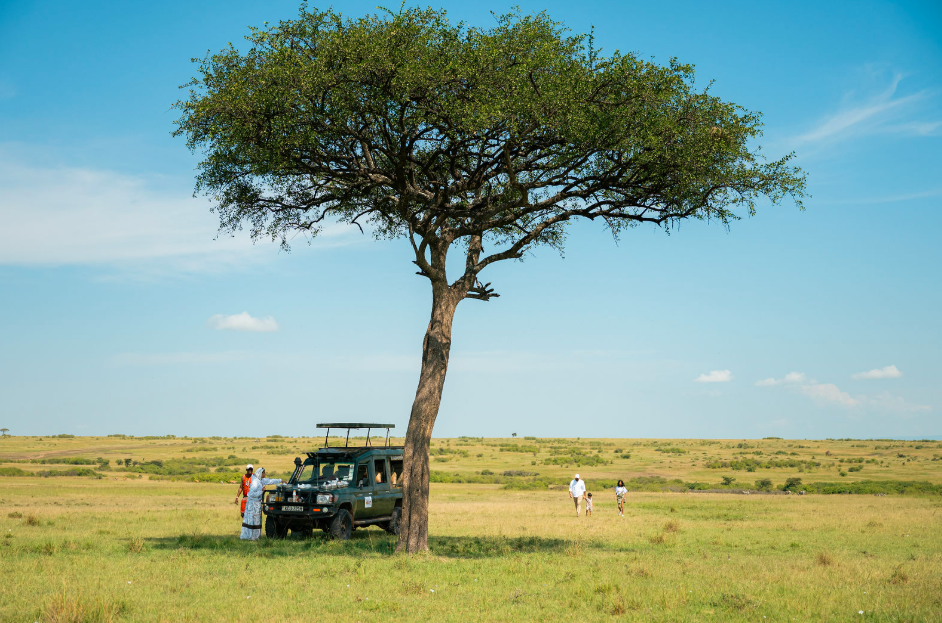
The Masai Mara National Reserve is Africa’s most celebrated wildlife destination and Kenya’s crown jewel of safari. Located in southwestern Kenya along the Tanzanian border, this 1,510 square kilometer reserve forms a single continuous ecosystem with Tanzania’s Serengeti National Park. It holds more than 90 mammal species, over 570 bird species, and hosts the annual Great Migration of over two million wildebeest, zebras, and gazelles between July and October. No other reserve on earth delivers this combination of resident wildlife density and seasonal spectacle in one place.
Quick Facts: Masai Mara National Reserve
| Detail | Information |
|---|---|
| Location | Narok County, southwestern Kenya |
| Size | 1,510 km² (reserve only) |
| Total ecosystem | Over 3,000 km² including 12 private conservancies |
| Elevation | Approximately 1,500 metres above sea level |
| Managed by | Narok County Government |
| Main rivers | Mara, Talek, and Sand rivers |
| Mammal species | Close to 90 |
| Bird species | Over 570 |
| Resident lions | 850 to 900 |
| Annual Great Migration | July to October |
| Distance from Nairobi | 270 km, 5 to 6 hours by road |
| Bush flight from Nairobi | 45 minutes from Wilson Airport |
Masai Mara or Maasai Mara: Which Is Correct?
Both spellings are used and both are acceptable. Masai Mara is the official gazetted name used by the Kenyan government for the national reserve. Maasai Mara is the more culturally accurate spelling that reflects the correct spelling of the Maasai people who have lived in this landscape for centuries. You will see both used interchangeably across travel literature, signage, and official documents. In this guide we use Masai Mara when referring to the national reserve and Maasai when referring to the people and culture.
What Does “Mara” Mean?
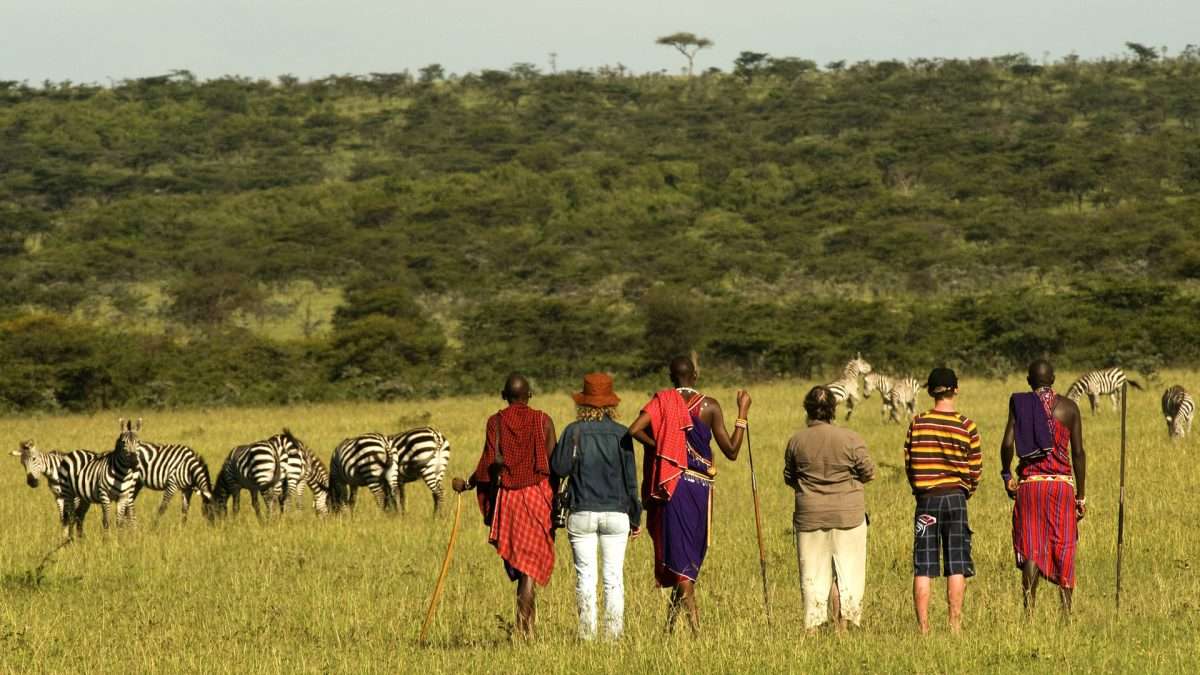
In the local Maa language spoken by the Maasai, Mara means “spotted.” The name refers to the short bushy trees and clusters of acacia that dot the open rolling savannah, creating a spotted or patchy appearance when viewed from a distance or from the air. It is one of those names that makes complete sense the moment you see the landscape from a balloon at dawn.
Where Is the Masai Mara?
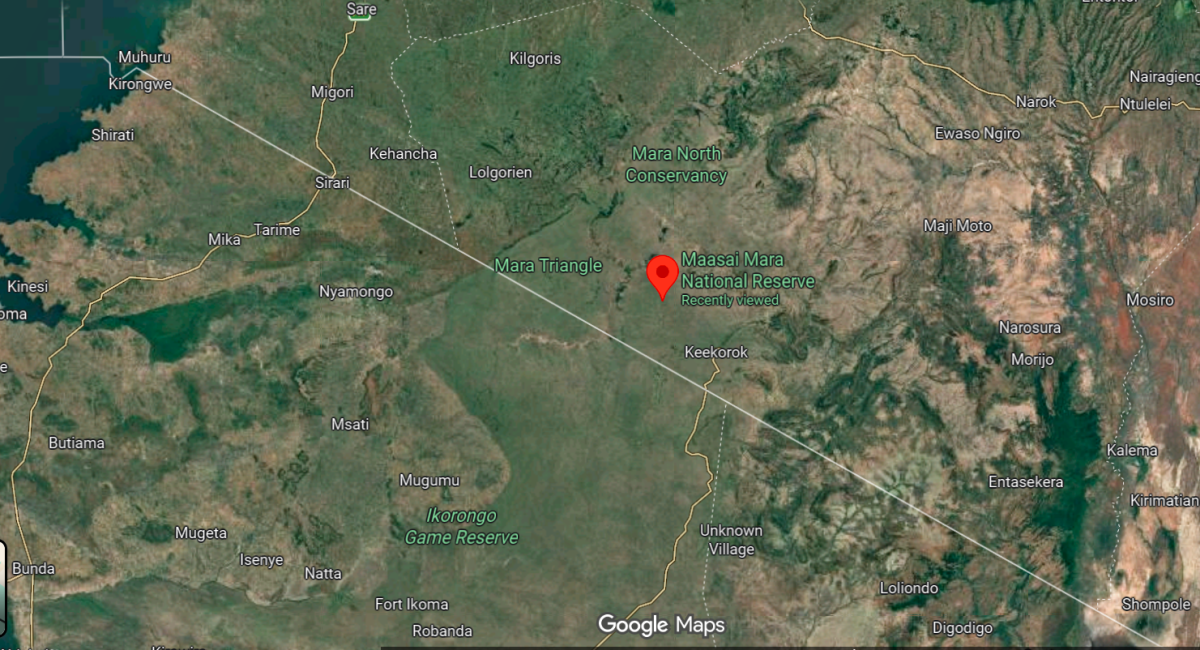
The Masai Mara sits in Narok County in southwestern Kenya, sharing its southern boundary directly with Tanzania’s Serengeti National Park. Together the two reserves form the greater Mara-Serengeti ecosystem, one of the largest and most intact wildlife corridors in the world.
Three rivers shape the reserve. The Mara River is the most famous, forming the stage for the Great Migration crossings between July and October. The Talek River runs through the central and eastern sections of the reserve. The Sand River marks part of the boundary with the Serengeti. All three sustain the local wildlife year-round and concentrate animals during the dry season when smaller water sources disappear.
How Big Is the Masai Mara?
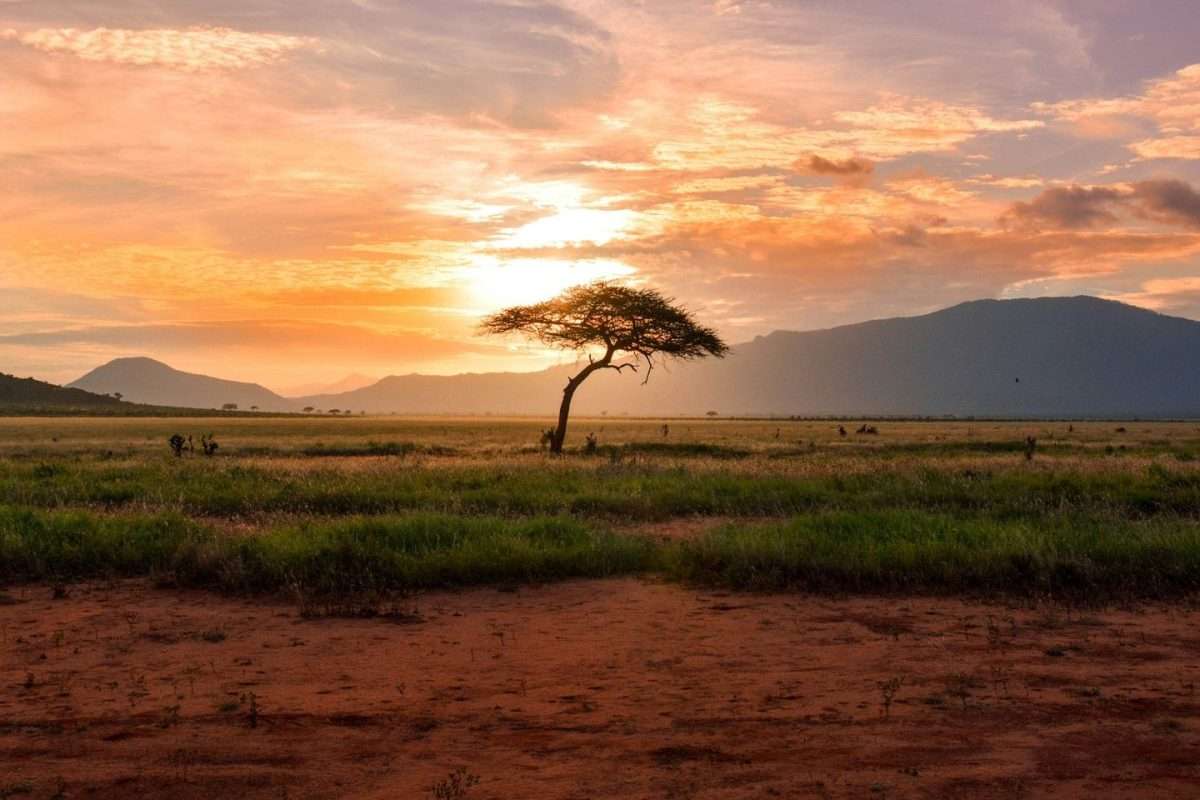
The national reserve covers 1,510 square kilometres of open savannah, riverine forest, and acacia woodland. When the surrounding private conservancies are included, the total protected ecosystem expands to over 3,000 square kilometres. The conservancies include Mara North, Olare Motorogi, Naboisho, Ol Kinyei, Mara Triangle, and several others, each managed independently with their own lodges and safari operations.
Masai Mara Wildlife and Animals
Predators

The Masai Mara holds one of the highest concentrations of predators anywhere in Africa. Lions are the headline species with an estimated 850 to 900 individuals living across the reserve and surrounding conservancies. The reserve is home to the world-famous Marsh Pride, made famous by BBC’s Big Cat Diary and Dynasties.
Cheetahs hunt in daylight on the open southern plains, making the Mara one of the best places on earth to watch a complete hunt. Leopards are present in healthy numbers along the Mara River’s riverine woodland, with sightings increasing in recent years. Spotted hyenas are found throughout the reserve at a density of around 12 per 100 square kilometers and are most active in the early morning hours.
The Big Five
All Big Five species are present in the Mara ecosystem.
| Animal | Population / Notes |
|---|---|
| Lion | 850 to 900, one of Africa’s highest densities |
| Elephant | Healthy and growing population, family herds common |
| Leopard | Present throughout, riverine woodland is best area |
| Cape Buffalo | Herds of 100 or more, common near water |
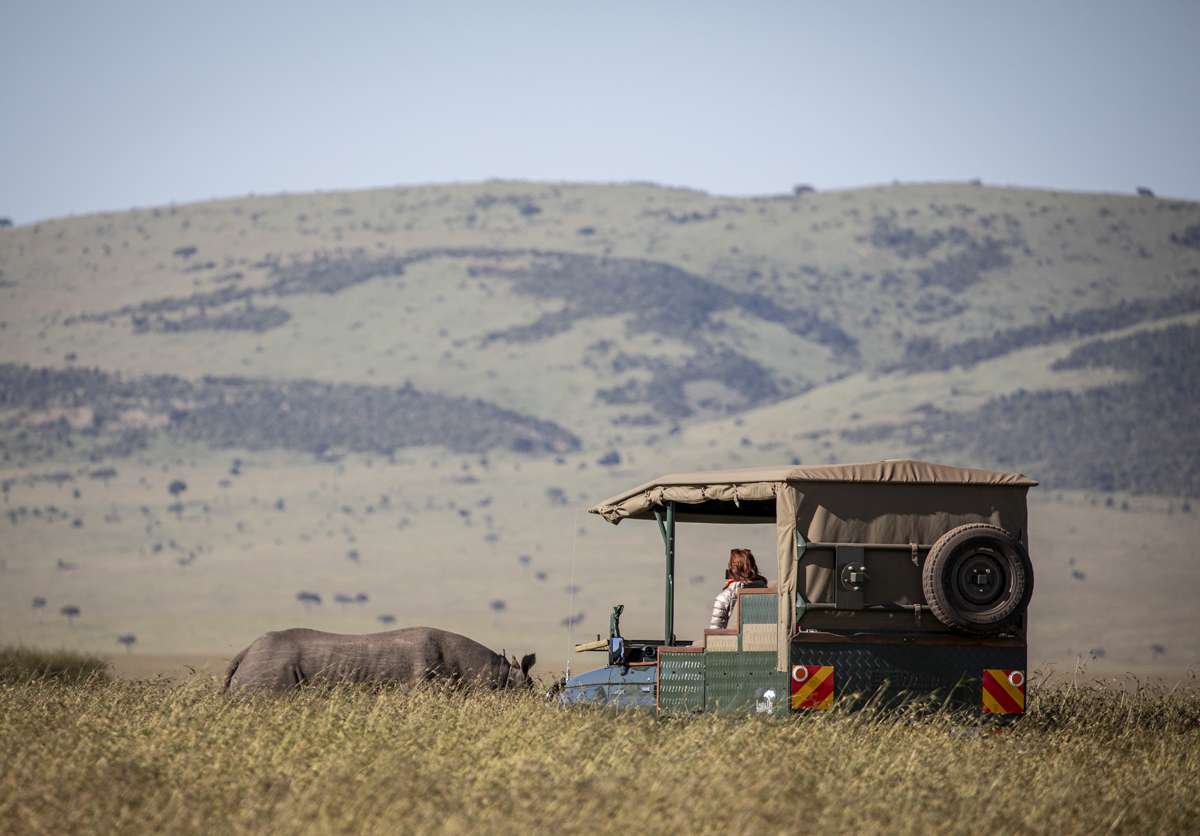
| Black Rhino | 35 to 50 in the Mara Triangle, sightings not guaranteed |
Other Notable Masai Mara Animals
Beyond the Big Five, the Mara holds cheetahs, hippos, Masai giraffes, plains zebras, wildebeest, topi, impala, Thomson’s gazelles, Grant’s gazelles, warthogs, waterbuck, olive baboons, vervet monkeys, and a wide range of smaller mammals including bat-eared foxes, honey badgers, and aardvarks.
Hippo pods of 30 to 50 individuals live in the Mara River. The river also holds large Nile crocodiles, some exceeding five metres in length, which become particularly active during migration crossing season.
Birdlife
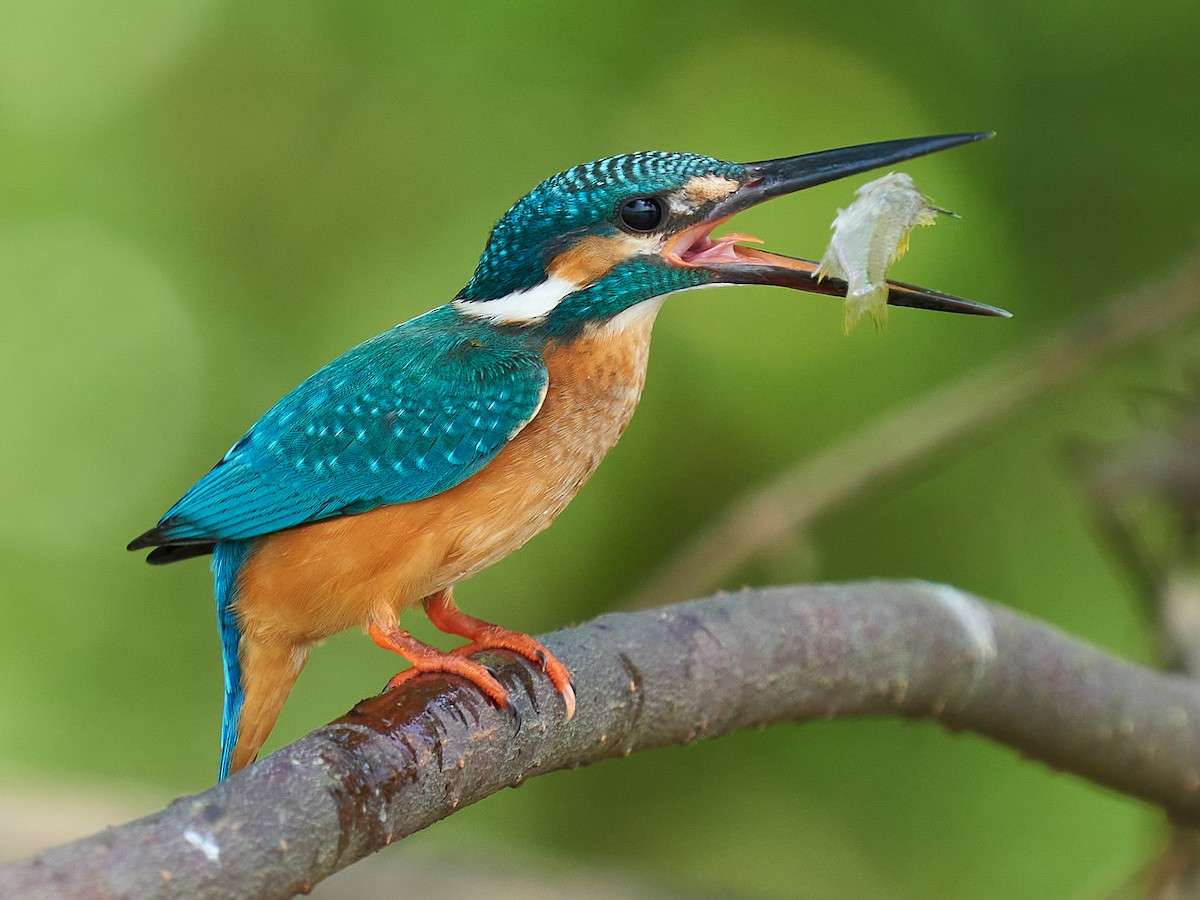
The Mara holds over 570 bird species including 57 raptor species. The bateleur eagle, martial eagle, lilac-breasted roller (Kenya’s national bird), African fish eagle, and secretary bird are among the most iconic sightings. European migratory species arrive between November and April, making the green season the peak period for birdwatching.
The Great Migration
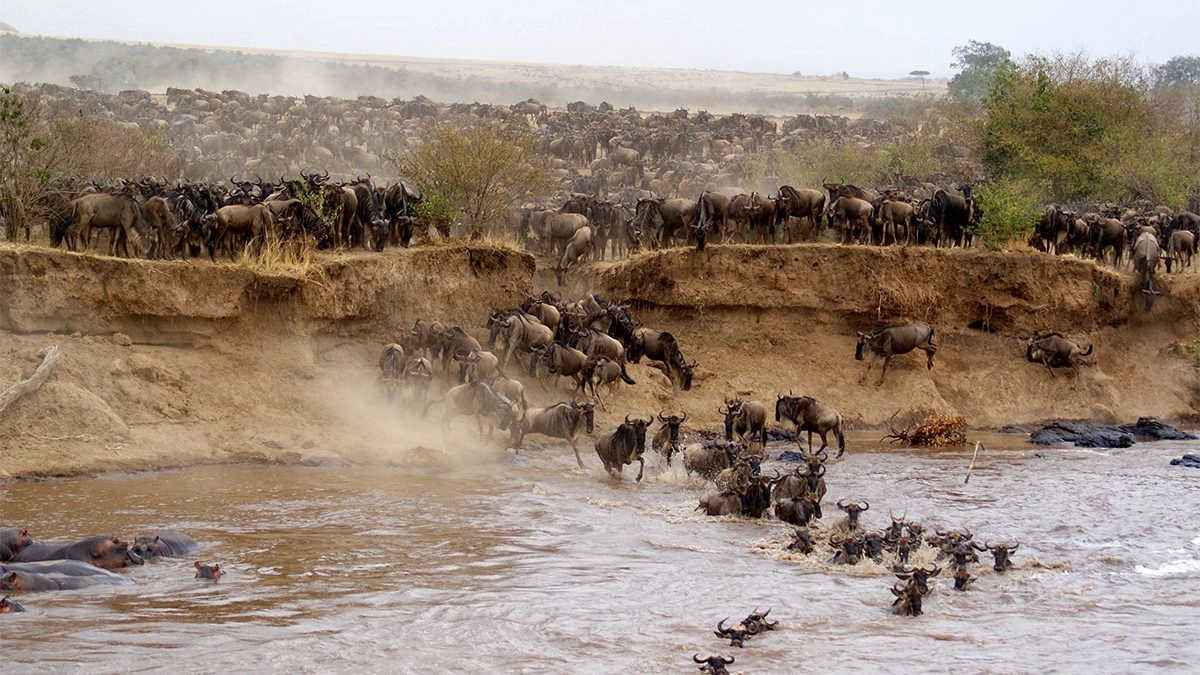
Every year between July and October, over two million wildebeest, zebras, and gazelles travel north from Tanzania’s Serengeti into the Masai Mara in search of fresh grass. This is the largest overland animal migration on earth and the primary reason many travelers plan their Kenya safari around these specific months.
The Mara River crossings are the defining moment. Herds gather on the southern bank, pace nervously for hours, then plunge into the crocodile-filled water in a chaotic rush. A single crossing lasts two to three minutes. The drama is unlike anything else in the natural world.
Crossings happen at multiple points along the Mara and Talek rivers. August and September produce the highest frequency of crossings. No crossing can be guaranteed on any given day since the herds move on instinct, but a good guide who monitors herd movement significantly improves your chances.
Masai Mara Safari Experience: What to Expect
Game Drives
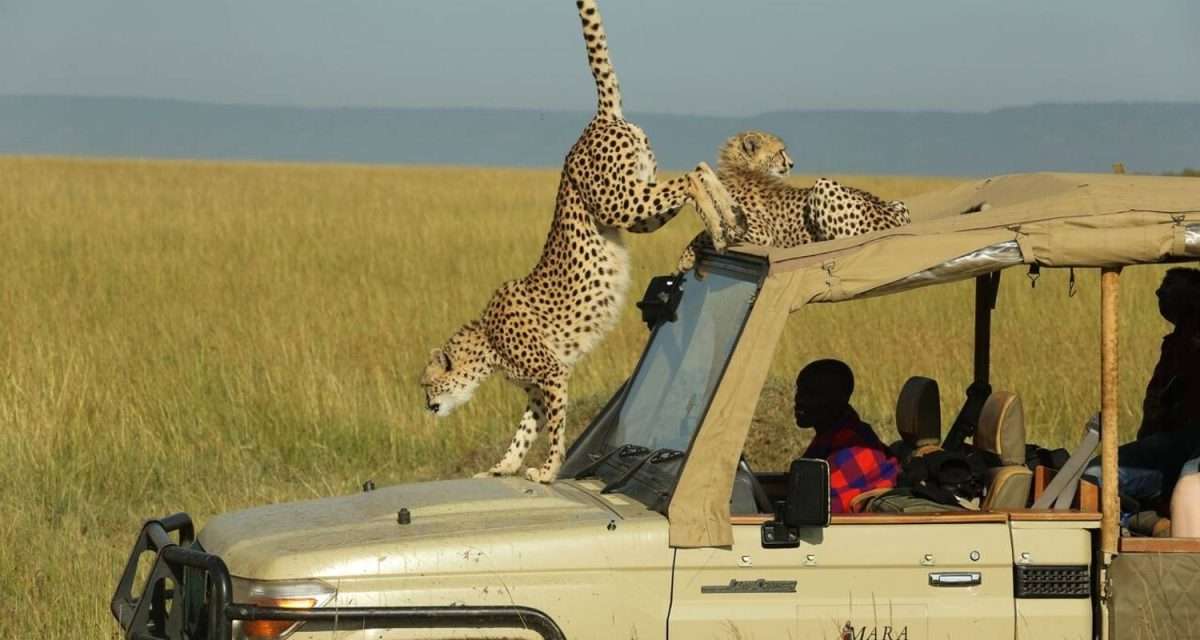
Morning drives begin at 6:00 AM when predators are most active and the light is best for photography. Afternoon drives go out again around 4:00 PM and run until dusk. Your guide communicates with other drivers over radio, which means any significant sighting in the reserve is shared across the network in real time.
Inside the vehicle, move slowly and quietly near animals. Do not lean suddenly out of the roof hatch. Do not use camera flash. If your guide says stay in the vehicle, stay in the vehicle.
Hot Air Balloon Safari
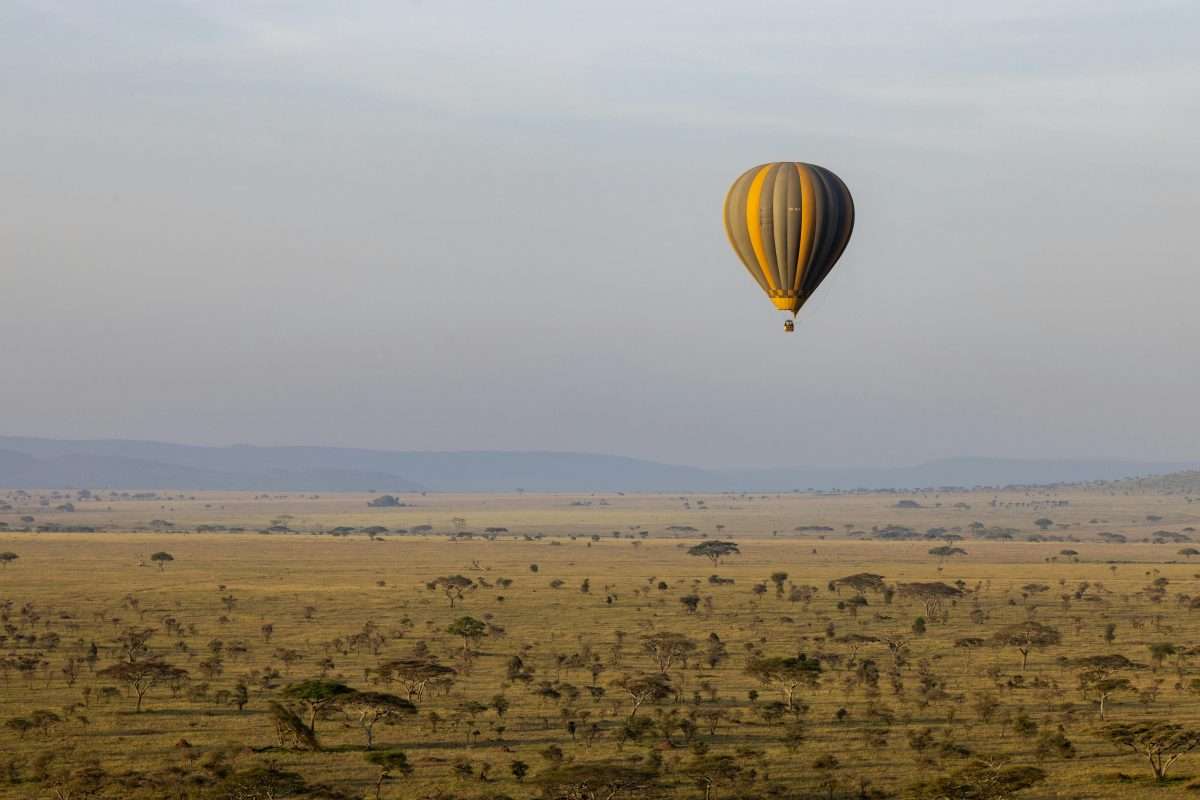
A sunrise balloon flight over the Mara is one of the most memorable optional activities in East Africa. Flights last approximately one hour and drift silently above herds of wildlife as the sun rises. A champagne bush breakfast follows landing on the open plains. Cost is approximately USD 500 per person and advance booking is essential during migration season.
Bush Walks
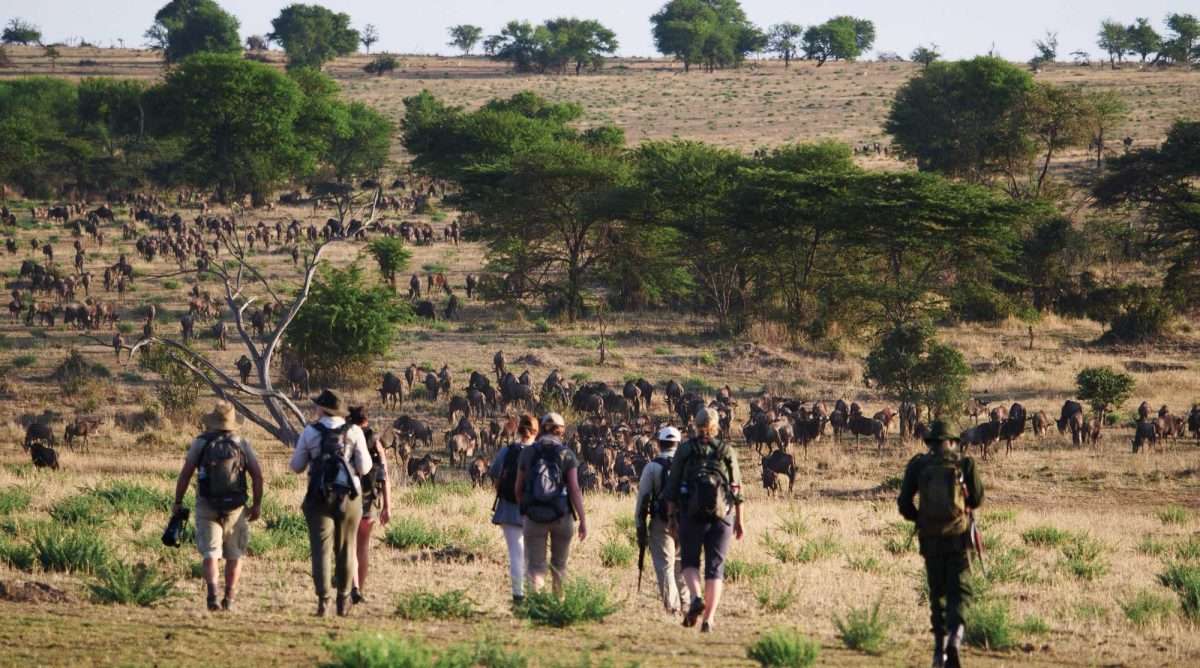
Walking safaris are available in the private conservancies surrounding the national reserve. Led by trained Maasai guides, walks cover two to four kilometres through the bush, reading animal tracks, identifying plants, and experiencing the landscape at ground level.
Maasai Village Visits

Cultural visits to traditional Maasai enkangs (homesteads) offer genuine insight into a community that has coexisted with the Mara ecosystem for centuries. Visits include traditional singing and jumping dances, a walk through the compound, and a visit to the local school. Cost is approximately USD 50 per person, all of which goes directly to the community.
Masai Mara Weather and Climate
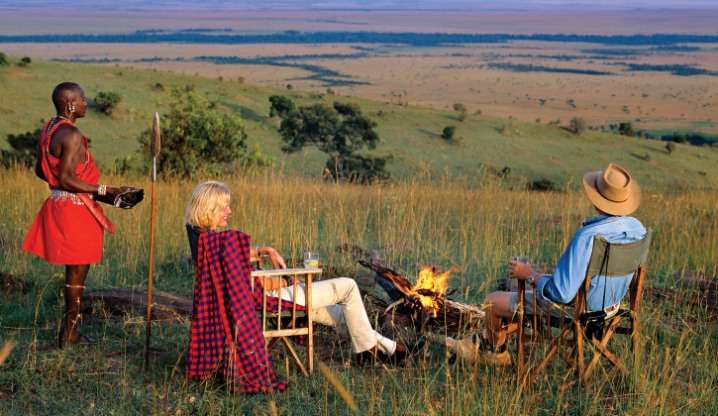
The Mara sits at approximately 1,500 metres above sea level, which keeps temperatures mild and pleasant year-round.
| Season | Months | Conditions |
|---|---|---|
| Long Dry Season | June to October | Warm days, cool mornings, clear skies, best game viewing |
| Short Rains | November to December | Afternoon showers, green landscape, fewer crowds |
| Long Rains | March to May | Heaviest rainfall, lush scenery, some roads affected |
| Short Dry Season | January to February | Dry, warm, lion season, good predator sightings |
Morning game drives require a warm layer regardless of the season. The open vehicle roof at dawn can feel significantly colder than the afternoon temperature suggests. Afternoons in the dry season reach around 28°C to 30°C. Evenings cool quickly after sunset.
Best Time to Visit the Masai Mara
Peak Season: July to October
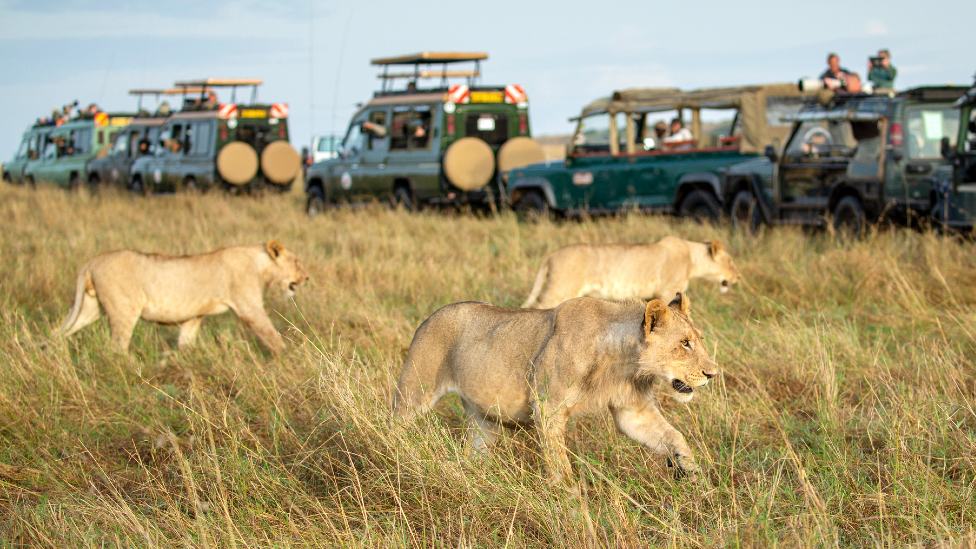
July to October is the peak season and the best time to visit the Masai Mara to witness millions of wildebeest, zebras, and gazelles crossing the crocodile-infested Mara River. This is when most people visit the Masai Mara so expect large crowds and plenty of safari vehicles, especially at the river crossing points in August and September.
Green Season: November to May
November to May brings lower rates, fewer visitors, lush green landscapes, and excellent birdwatching. January to March is lion season when thin dry-season grass makes predator sightings more frequent. The long rains from March to May bring the heaviest rainfall and some road difficulties but also the lowest prices and the most uncrowded game drives of the year.
Getting to the Masai Mara
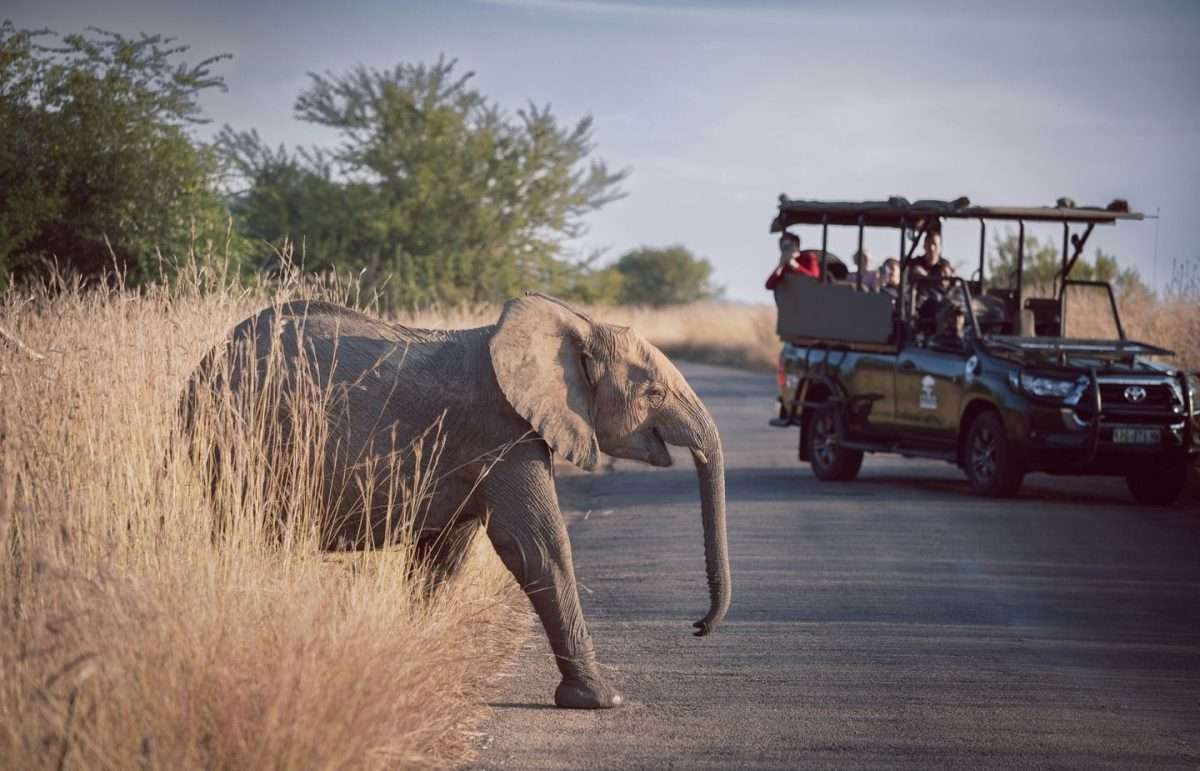
By road: The Masai Mara is approximately 270 kilometres from Nairobi, a five to six hour drive depending on road and traffic conditions. The route passes through the Great Rift Valley and the Kenyan highlands before the landscape opens into the Mara plains.
By air: A bush flight from Wilson Airport in Nairobi to one of the Mara’s airstrips takes 45 minutes. Multiple airstrips serve the reserve and surrounding conservancies including Keekorok, Ol Kiombo, and Mara North.
Masai Mara Visitor Numbers

According to data from the Kenya National Bureau of Statistics Economic Survey 2026, the Masai Mara experienced a significant post-pandemic tourism surge followed by a notable decline.
| Year | Visitor Numbers |
|---|---|
| 2021 | 119,500 |
| 2022 | 249,900 |
| 2023 | 420,100 (all-time peak) |
| 2024 | 343,100 |
| 2025 | 213,300 |
Analysts attribute the recent decline to steep increases in park entry fees and security concerns linked to global geopolitical conditions. Despite the drop from the 2023 peak, the Masai Mara remains Kenya’s most visited wildlife destination.
TourwithPipi Masai Mara Packages
TourwithPipi’s 5-day Kenya road safari includes three full days in the Masai Mara with morning and afternoon game drives from Sarova Mara Game Camp inside the reserve. Starting from USD 1,739 per person for a group of six.
The 8-day luxury Kenya fly-in safari covers Ol Pejeta, the Masai Mara, and Amboseli with bush flights between destinations. Two full days in the Mara from Soroi Mara Bush Camp in Mara North Conservancy. Starting from USD 5,519 per person for a group of six.
The 9-Day Masai Mara & Chale Honeymoon Escape (Signature)
combines the dramatic wildlife landscapes of the Great Rift Valley and Maasai Mara with a secluded island retreat on Chale Island. It is a perfectly balanced itinerary for those seeking high-end adventure followed by total coastal serenity. Starting from USD $4,739 per person for a group of six.
The 8-day classic luxury safari takes you through Kenya’s top parks: Masai Mara, Lake Nakuru, Lake Naivasha, and Amboseli. It’s perfect for wildlife lovers wanting to see the Big Five and stunning landscapes like Mount Kilimanjaro in one seamless, high-end journey. Starting from USD $4,219 per person for a group of six.
Our 6 Days Luxury Safari in Kenya (Signature) is great for first time travelers who want to see the best wildlife without rushing. You explore Ol Pejeta for rhinos and the Masai Mara for Big Five game drives while staying in comfortable lodges, making it perfect for couples or travelers who want an easy, well planned safari experience. Starting from USD $3,799 per person for a group of six.
All Kenya tour packages include all park fees, full board, professional guide, game drives, and airport transfers.
5 Key Takeaways
- The Masai Mara covers 1,510 km² of open savannah in southwestern Kenya and forms a continuous ecosystem with Tanzania’s Serengeti, making it one of the largest intact wildlife corridors in the world.
- The reserve holds an estimated 850 to 900 lions, one of Africa’s highest densities, alongside all Big Five species, cheetahs, hippos, and over 570 bird species.
- The Great Migration brings over two million wildebeest, zebras, and gazelles into the Mara between July and October, with the Mara River crossings being the most dramatic wildlife event on earth.
- Peak season from July to October delivers the best game viewing but also the most visitors and vehicles. Private conservancies surrounding the reserve offer the same wildlife with significantly fewer crowds.
- The Mara is accessible by road from Nairobi in five to six hours or by bush plane in 45 minutes from Wilson Airport.
Frequently Asked Questions About the Masai Mara
1. What is the Masai Mara famous for?
The Masai Mara is famous for the annual Great Migration, its exceptional lion population, consistent Big Five game viewing, and the dramatic Mara River crossings between July and October.
2. How big is the Masai Mara?
The national reserve covers 1,510 square kilometres. Including the surrounding private conservancies, the total protected ecosystem extends to over 3,000 square kilometres.
3. Is it Masai Mara or Maasai Mara?
Both are correct. Masai Mara is the official gazetted name of the national reserve. Maasai Mara is the more culturally accurate spelling reflecting the correct name of the Maasai people. Both spellings are widely used and accepted.
4. When is the best time to visit the Masai Mara?
July to October is the best time for the Great Migration and peak game viewing. January to March is excellent for lion and predator sightings. The green season from November to May offers lower rates, fewer crowds, and outstanding birdwatching.
5. How many lions are in the Masai Mara?
An estimated 850 to 900 lions live across the Masai Mara National Reserve and surrounding conservancies, one of the highest concentrations of lions in Africa.
6. How far is the Masai Mara from Nairobi?
The Masai Mara is approximately 270 kilometres from Nairobi, a five to six hour drive by road or 45 minutes by bush plane from Wilson Airport.
7. What is the Great Migration?
The Great Migration is the annual movement of over two million wildebeest, zebras, and gazelles from Tanzania’s Serengeti into the Masai Mara between July and October. The Mara River crossings are the most dramatic event, where herds brave crocodile-filled water to reach Kenya.
8. Can I do a night drive in the Masai Mara?
Night drives are not permitted inside the national reserve but are available in the private conservancies surrounding it. TourwithPipi’s Soroi Mara Bush Camp in Mara North Conservancy offers night drives as part of the 8-day fly-in safari.
9. What is the difference between the Masai Mara National Reserve and a private conservancy?
The national reserve is managed by Narok County Government and is open to all safari operators. Private conservancies are leased from Maasai landowners, have fewer vehicles, and permit off-road driving, night drives, and bush walks that the reserve does not allow.
10. How many days do I need in the Masai Mara?
A minimum of three full days gives you a solid game drive experience. Four to five days significantly increases your chances of predator sightings and witnessing a Great Migration river crossing during peak season.


