
A Serengeti National Park safari is the dream African safari adventure for travelers from all over the world. The park is a UNESCO World Heritage Site and one of the richest wildlife areas on the planet. Covering nearly 15,000 square kilometers, the Serengeti is home to more than two million grazing animals, around 4,000 lions, close to 1,000 leopards, over 500 cheetahs, and nearly 500 bird species. This incredible diversity is what makes a safari in Serengeti unlike anywhere else in Africa.
When you travel with TourwithPipi, your Serengeti safari experience goes far beyond game drives. You explore endless open plains dotted with acacia trees and rocky kopjes where lions rule their territory. You witness the legendary Great Migration as massive herds move across the savannah. You might even spot a shy leopard resting in riverine forests or float silently above the plains during a sunrise hot air balloon safari. Best of all, accommodation fits every budget, and the sound of lions roaring at night comes free.
So why is Serengeti the most famous Tanzania wildlife safari destination? It offers unmatched wildlife density, realistic Big Five sightings, classic open savannah scenery, and dramatic predator action year-round. This guide is designed for first-time safari travelers, wildlife photographers, families, and anyone planning their first African safari adventure.
Where Is Serengeti National Park Located?
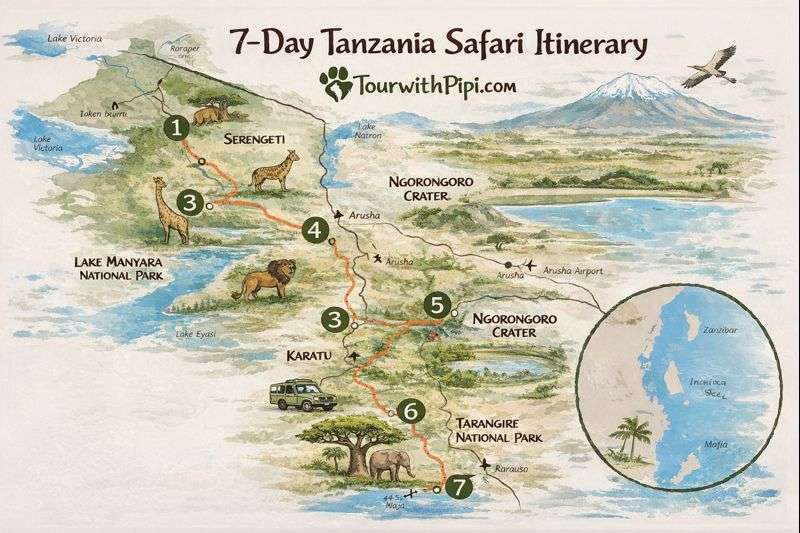
The Serengeti National Park location sits in northern Tanzania, stretching toward the Kenya border where it connects with the famous Masai Mara. Together, these parks form one massive ecosystem that supports the Great Migration and year-round wildlife movement.
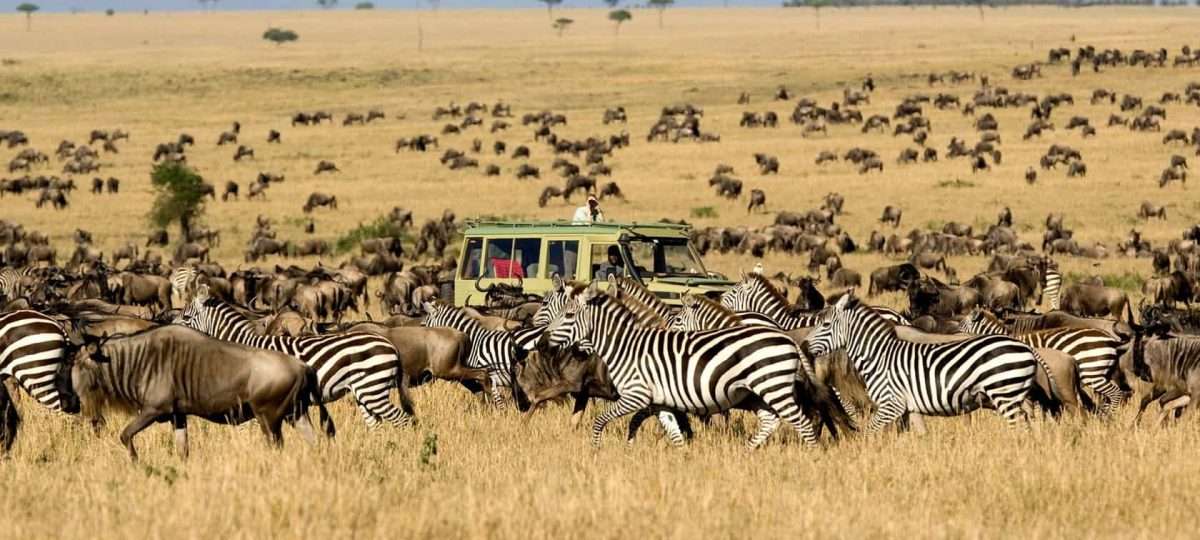
Serengeti lies northwest of the Ngorongoro Conservation Area and is easily accessed from Arusha, Tanzania’s main safari hub. Most travelers start their Serengeti safari from Arusha, driving through scenic highlands or flying into one of the park’s airstrips. Whether you travel by road or air, the journey itself feels like part of the adventure.
For travelers planning a Tanzania safari Serengeti route, this park fits perfectly into a northern circuit itinerary that includes Tarangire, Ngorongoro Crater, and Lake Manyara.
Why Serengeti Is the Best Safari Park in Africa

Serengeti National Park is widely considered the heart of African safaris. Spanning more than 5,700 square miles, the park features vast grass plains, dramatic granite kopjes, riverine forests, and woodlands that support one of the highest wildlife densities on Earth.
This is where you find all members of the Big Five, along with giraffes, zebras, hippos, and countless antelope species. Throughout the year, the park hosts the Great Migration Tanzania, the largest land migration on the planet, as millions of wildebeest and zebras follow seasonal rains between Tanzania and Kenya.
What makes Serengeti truly special is its conservation value. Recognized as a World Heritage Site, it forms part of a larger ecosystem that includes Ngorongoro, Loliondo, and the Masai Mara. This protected landscape plays a major role in African wildlife conservation, preserving habitats for future generations.
For travelers searching for the best Serengeti safari, this park delivers unmatched game viewing, breathtaking landscapes, and authentic wilderness experiences.
Serengeti Wildlife: What Animals Will You See?
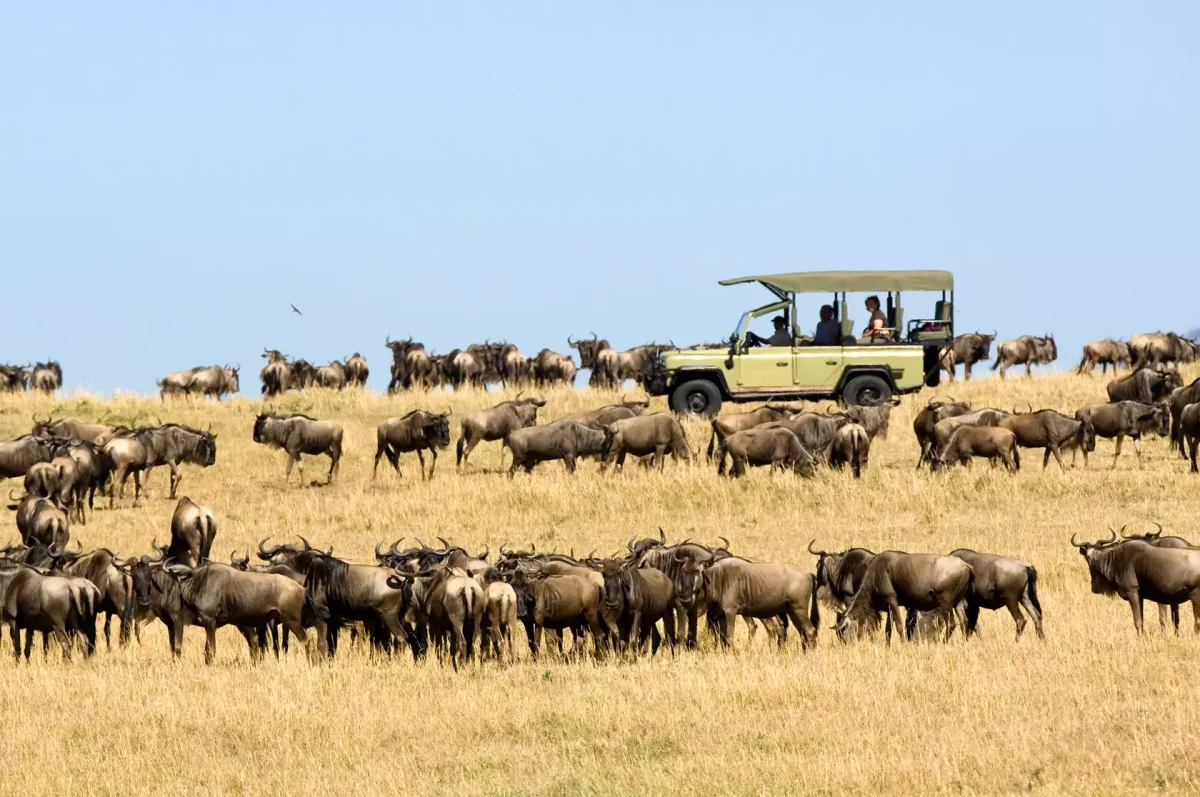
The wildlife of Serengeti is the main reason it stands as the crown jewel of Tanzania’s safari circuit. The park supports over 70 large mammal species and more than 500 bird species. Every game drive feels different, and no two days are ever the same.
Alongside the Great Migration herds of wildebeest and zebras, you will often see predators like lions, leopards, cheetahs, spotted hyenas, and striped hyenas. Rare sightings may include African wild dogs, though only a few packs remain in the ecosystem.
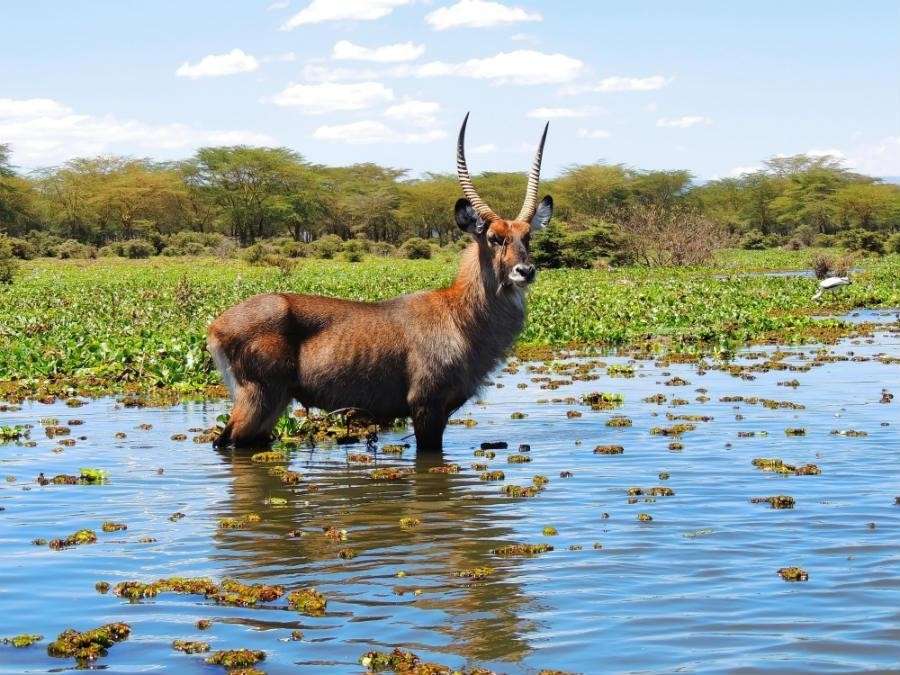
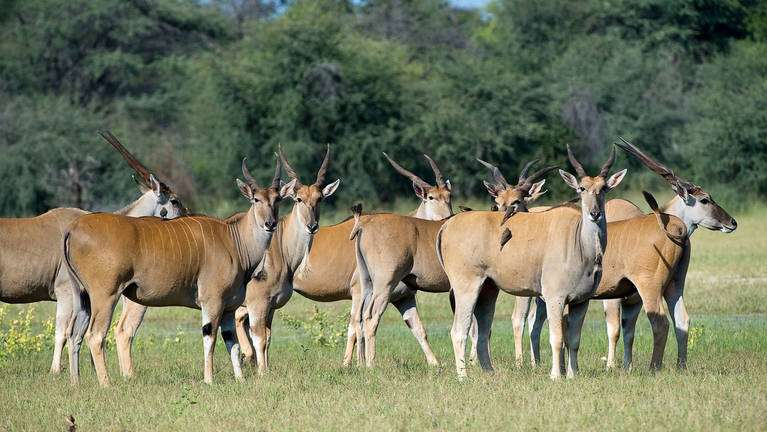
Smaller carnivores such as bat-eared foxes, black-backed jackals, serval cats, caracals, honey badgers, African civets, genets, and polecats are also part of the Serengeti wildlife scene. Hooved herbivores range from tiny dik-diks to massive elands and giraffes. Grant’s gazelles, waterbucks, and topis roam the open plains.
Along rivers, you can spot hippos, crocodiles, and Nile monitors. With luck, you might even glimpse a black rhino, though fewer than 100 remain inside the park. Ground pangolins also live here but are extremely rare to see. Monkeys concentrate around forested riverbanks, especially near the Grumeti River.
Big Five Animals in Serengeti
The Big Five safari is a top goal for most travelers. Serengeti is one of the few places where seeing all five in a single trip is very realistic.
Lion
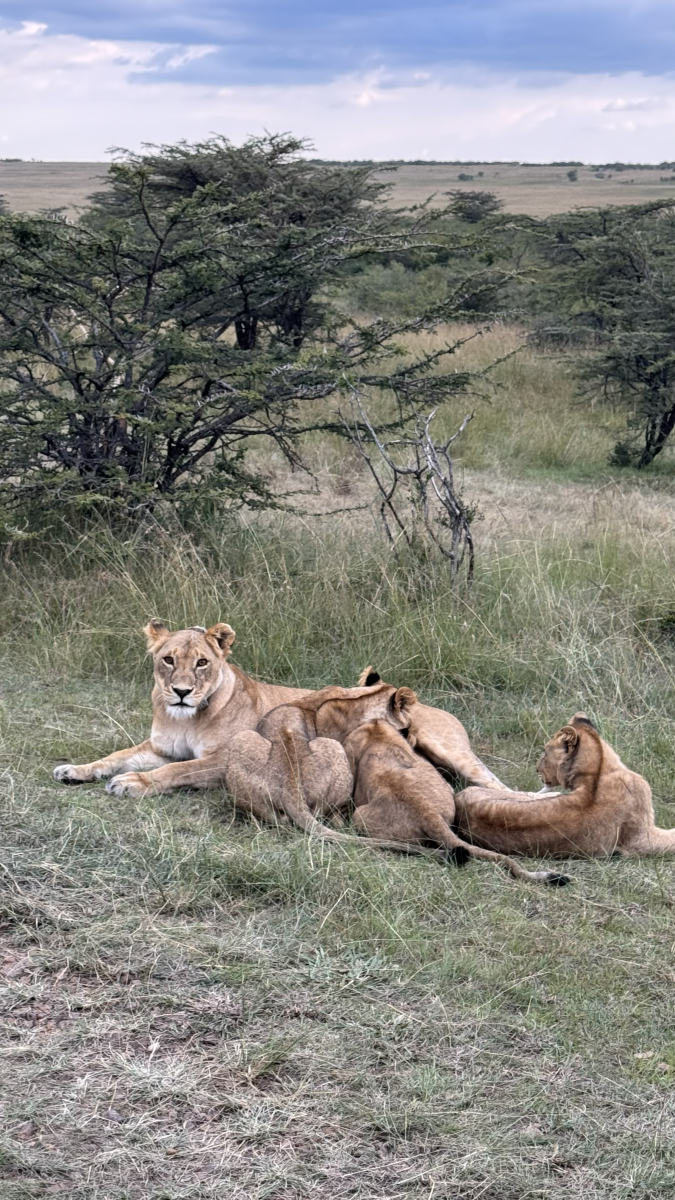
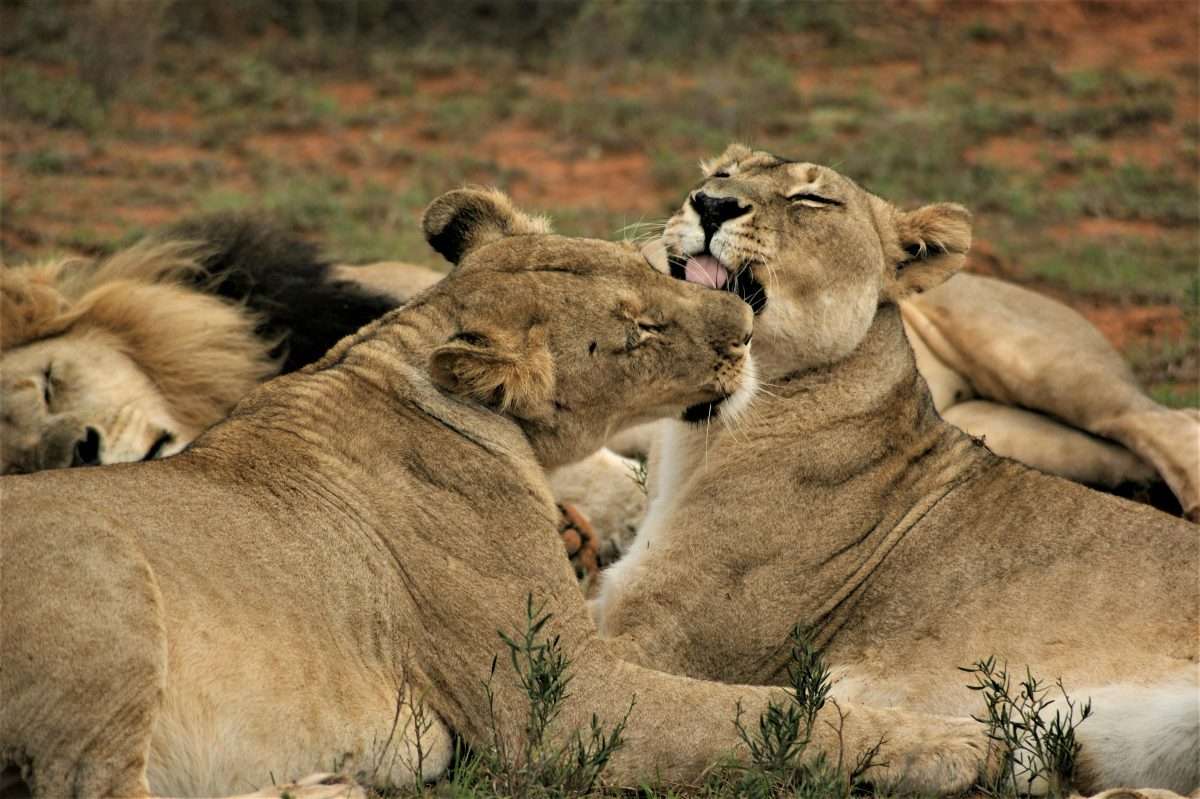
Serengeti has one of Africa’s largest lion populations. You often see prides resting on kopjes, stalking herds, or teaching cubs to hunt.
Leopard
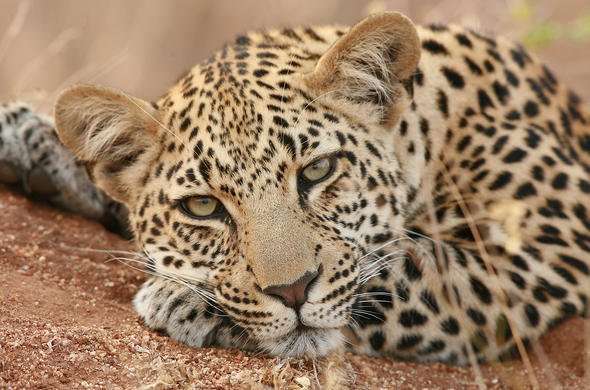
These shy cats love riverine trees. Always look up because leopards often rest on branches after a kill.
Elephant
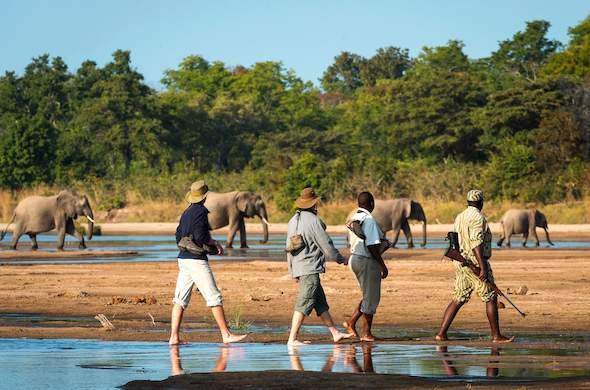
Large family herds move between woodlands and water sources. Watching their social behavior is unforgettable.
Buffalo
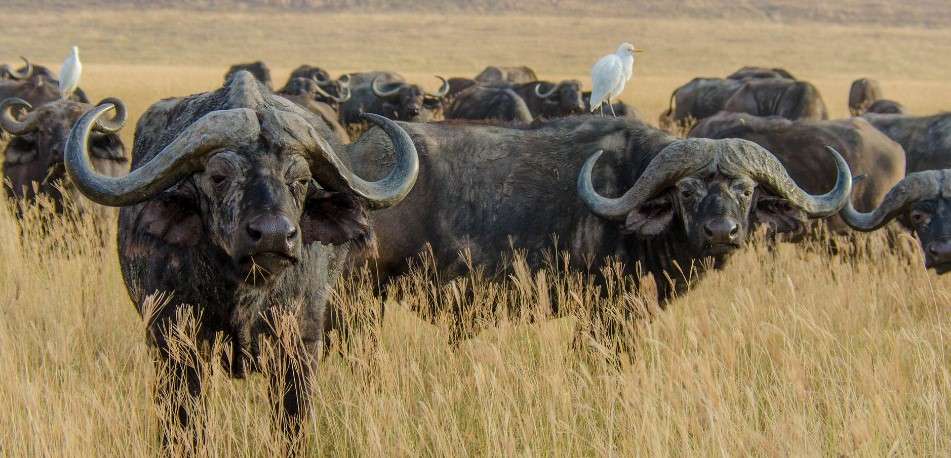
Huge herds graze near water. They are powerful and unpredictable, making them one of Africa’s most respected animals.
Rhino
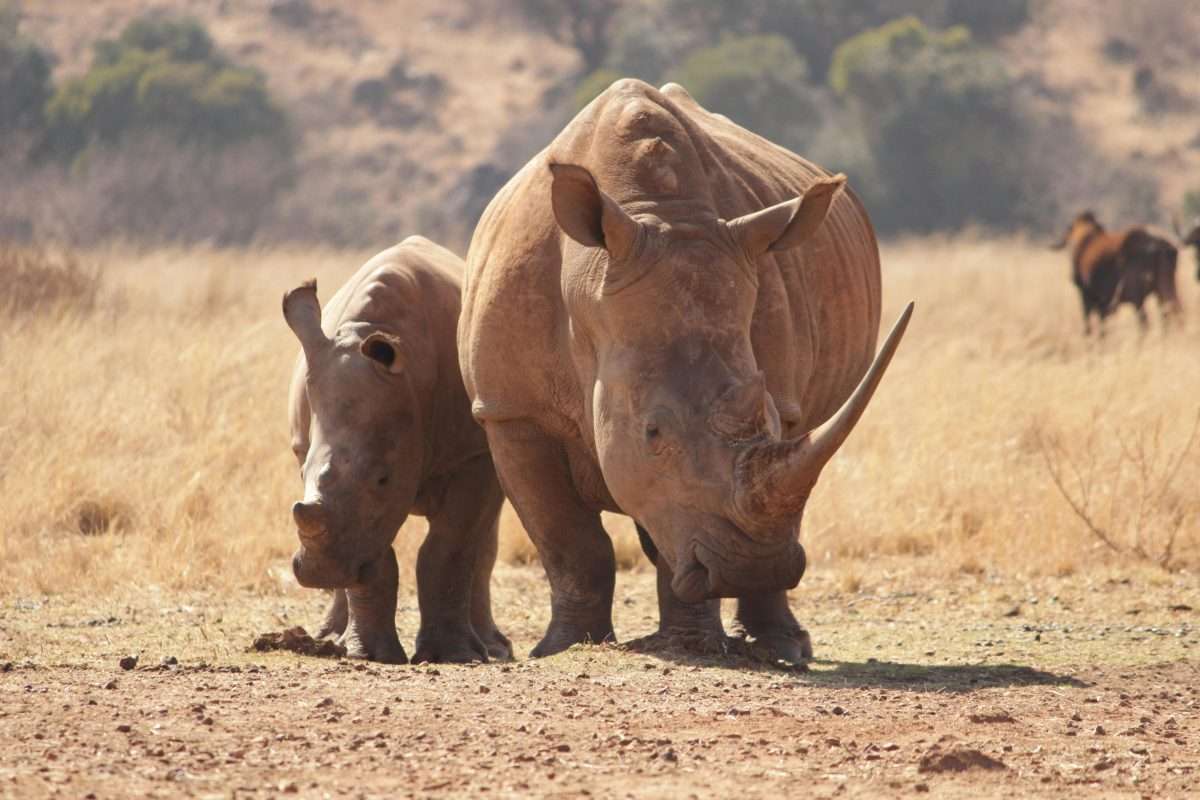
Black rhinos are rare and elusive, but spotting one is a true safari highlight.
Big Cats of Serengeti
Serengeti is one of the best places to track African predators.
Cheetah
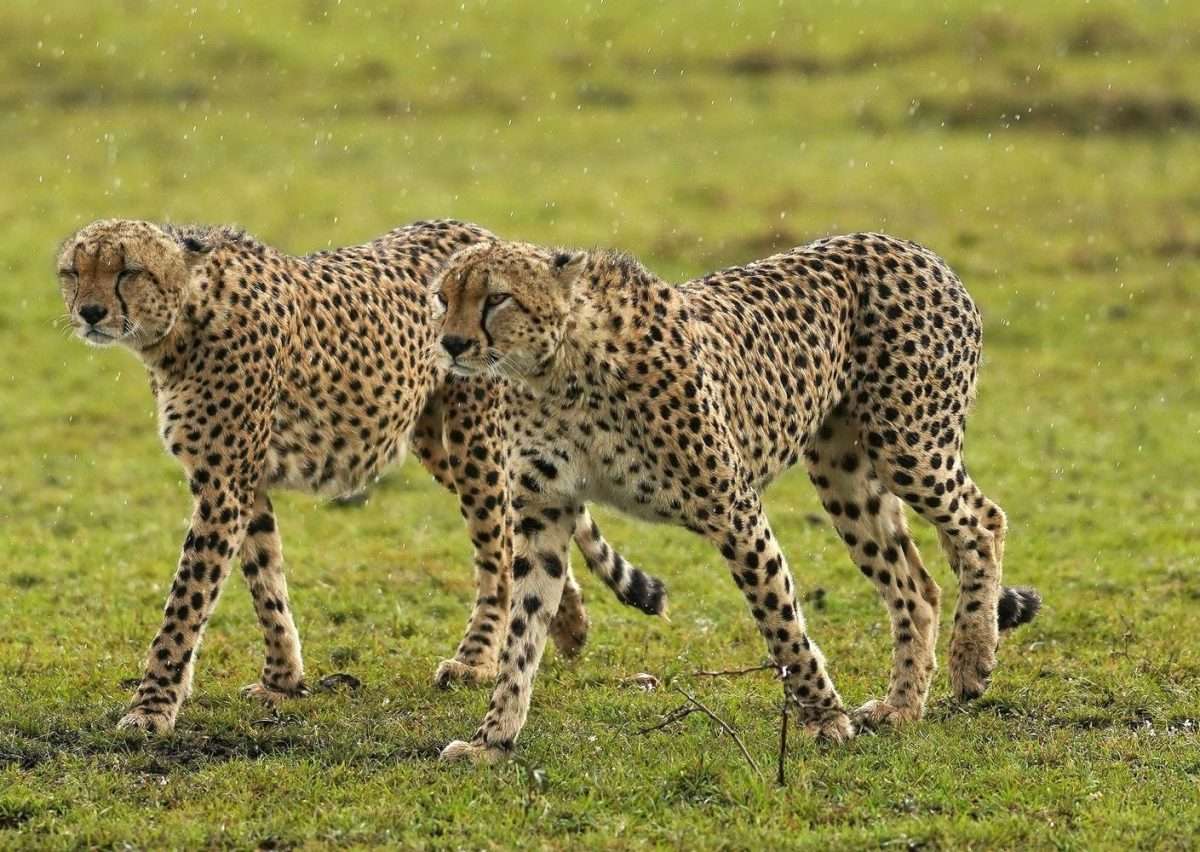
Often seen in open plains, cheetahs hunt during the day using speed and eyesight.
Serval
This medium-sized cat hunts rodents and birds in grasslands.
Caracal
Rare and secretive, known for its powerful jumps to catch birds.
Great Migration Animals
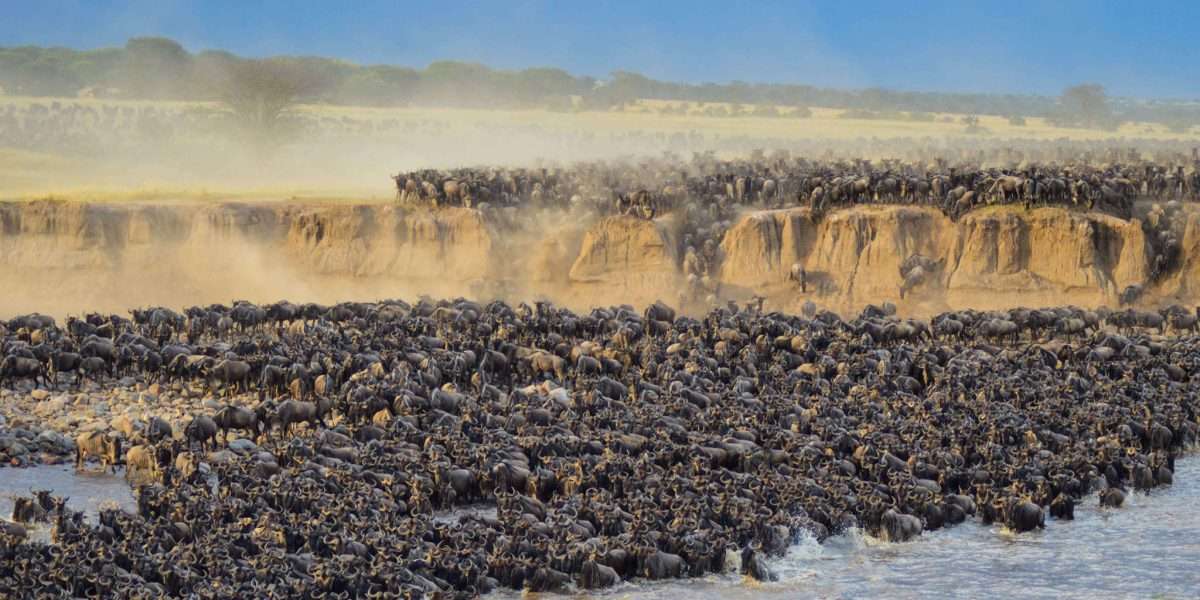
The Great Migration Tanzania is one of nature’s greatest spectacles.
Wildebeest
Over 1.5 million move across the plains each year.
Zebras
They travel alongside wildebeest, grazing fresh grass.
Gazelles
Often follow herds for safety and better feeding.
During Serengeti calving season safari in February, thousands of calves are born daily, attracting predators and creating dramatic wildlife action. River crossings later in the year offer equally thrilling scenes.
Birds in Serengeti
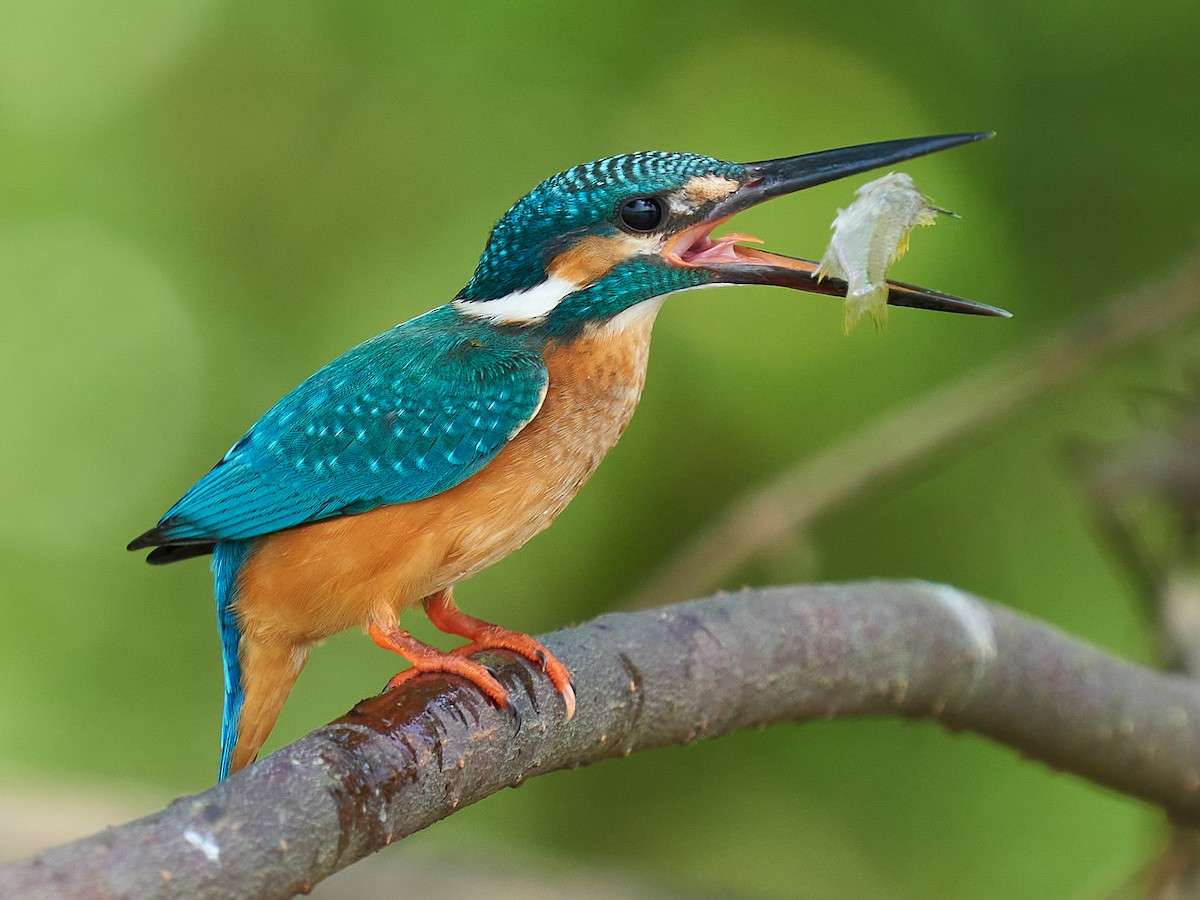
Serengeti is a paradise for bird lovers, even if you are not a serious birder.
Raptors: Fish eagles, martial eagles, vultures, and hawks dominate the skies.
Water birds: Storks, herons, spoonbills, and darters gather near rivers and wetlands.
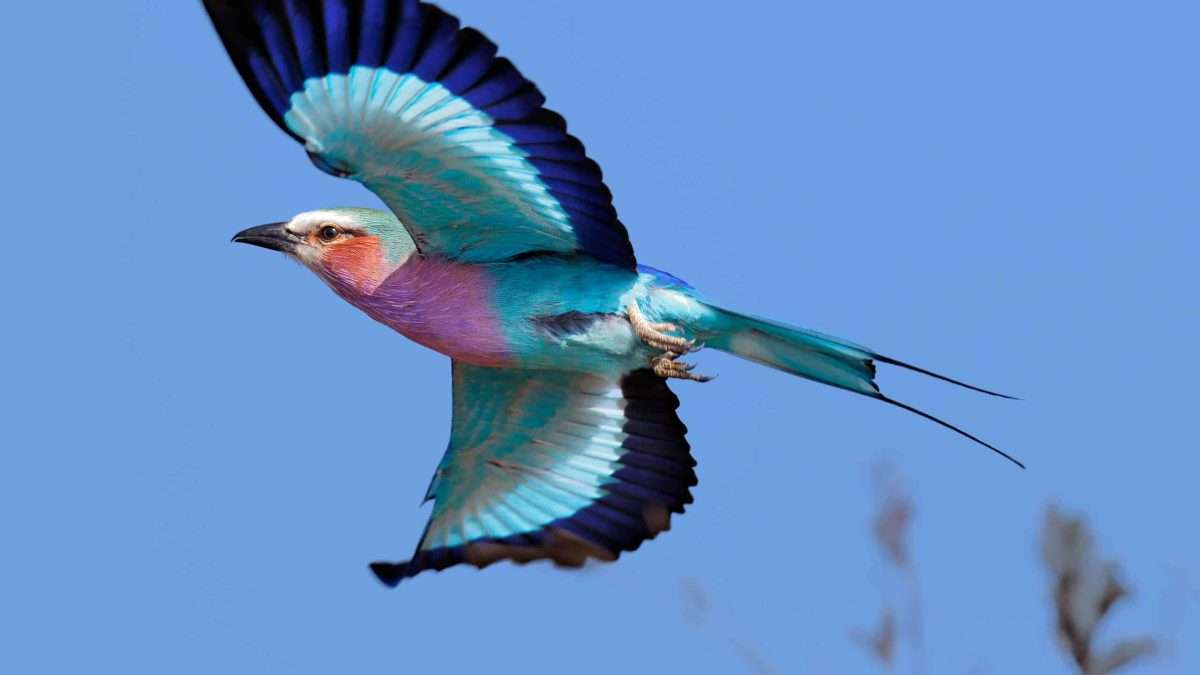
Colorful savannah birds: Lilac-breasted rollers, starlings, hornbills, and weavers add color to every drive.
With over 500 species recorded, birdlife in Serengeti makes every safari richer and more diverse.
Best Time to Visit Serengeti for Safari
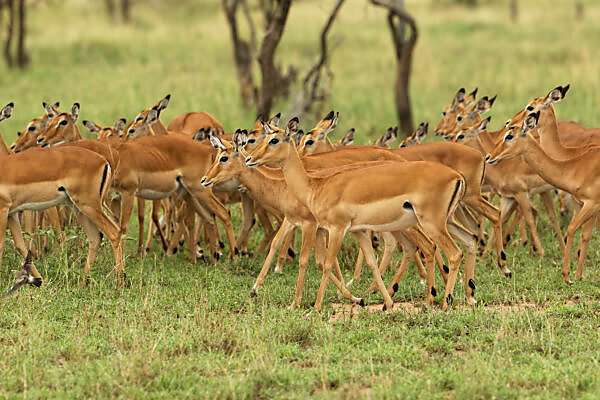
The best time to visit Serengeti really depends on what kind of wildlife moments you dream of and the type of weather you prefer. Serengeti National Park enjoys warm temperatures year-round, but it has two main rainy seasons that shape the safari season in Tanzania. The long rains fall from March to May, while the short rains usually appear between October and December. It rarely rains all day, but showers are common during these months.
During the rainy period, parts of northern and western Serengeti can be harder to access. However, central and southern areas remain excellent for game viewing. This is why many travelers love the Ndutu region in the south from November to May. Large herds gather here, especially during the famous calving season.
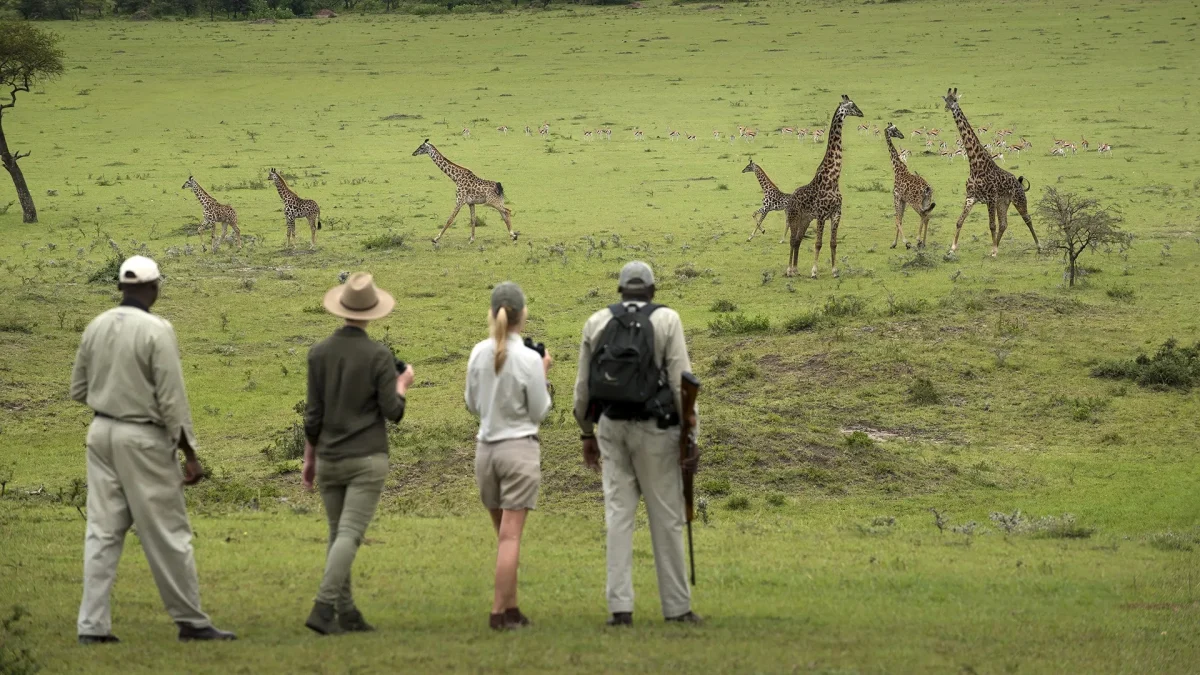
Dry Season Safari: June to October
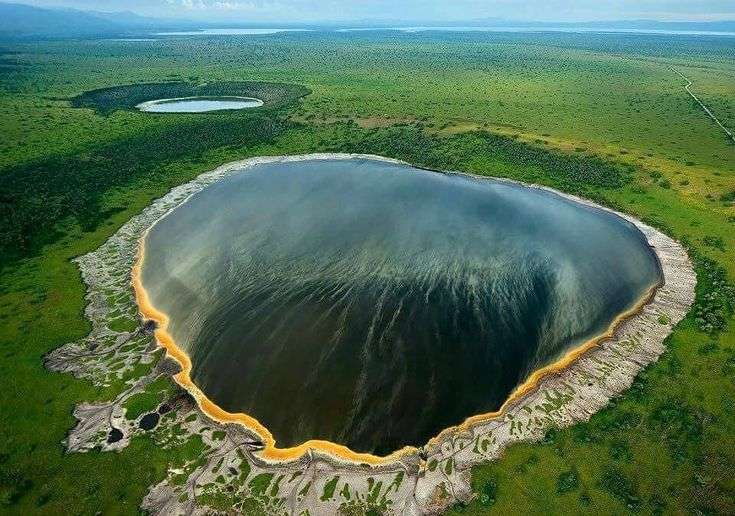
For many travelers, the dry season is the most popular time for a safari in Serengeti. From late June to October, wildlife viewing is easier because vegetation thins out and animals gather around rivers and waterholes.
Why travelers love this season
During this time, days are bright and sunny, with comfortable temperatures around 25°C. Wildlife becomes more visible, and your chances of witnessing dramatic predator action increase. This is also peak season for the Great Migration, when herds move north and attempt river crossings. If you are lucky, you may witness one of these powerful moments.
Another benefit is fewer mosquitoes, which lowers malaria risk. Photographers also love this season because of clear skies and golden light.
Things to consider
This is the busiest time in the park, especially in Seronera. Nights and early mornings can feel cold, sometimes dropping to 14°C. Occasionally, cold fronts pass through, so packing warm layers is important.
Green Season Safari: November to May
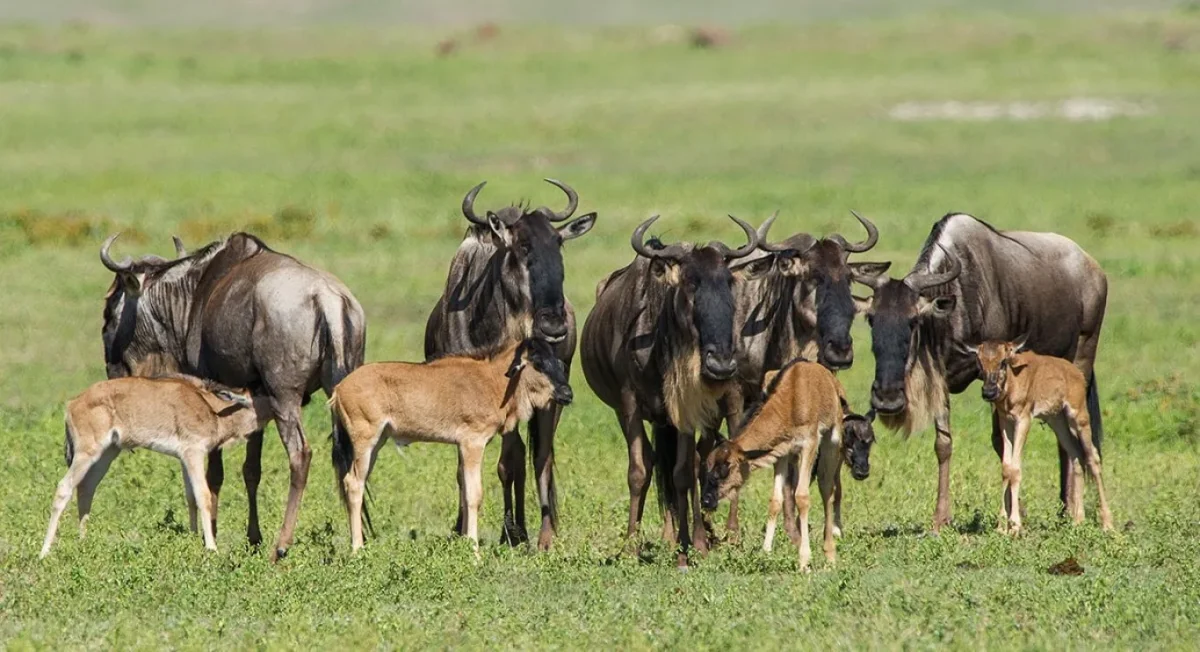
The Green Season offers a completely different Serengeti safari experience. Rains turn the plains into a lush green landscape, and wildlife spreads out across the park.
Why this season is special
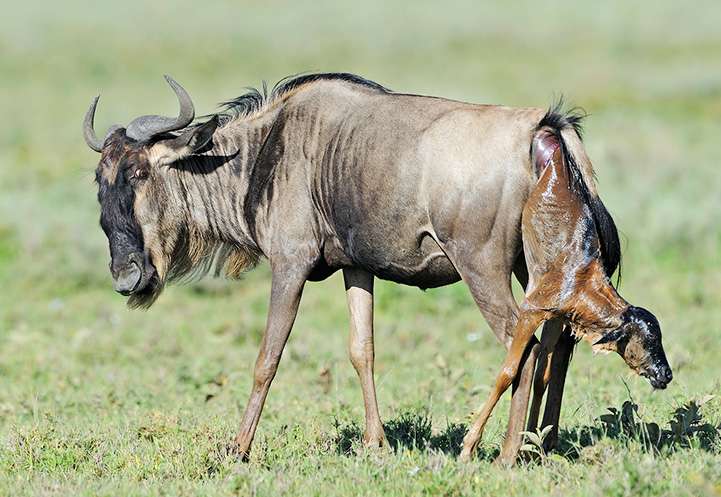
Late January to February is the highlight of the year because it marks the Serengeti calving season February. This is when thousands of wildebeest give birth on the short-grass plains of southern Serengeti and Ndutu. Seeing newborn calves take their first steps is unforgettable. Predator action increases during this period, making it one of the most exciting times for photographers and wildlife lovers.
Travelers planning a Tanzania safari in February enjoy fewer crowds, better lodge availability, and beautiful scenery. Birdwatching is also at its best, with many migratory species present.
Things to consider
March to May brings heavier rains, and skies can be cloudy. Roads may be muddy in some areas, but this rarely stops game drives. January to March can still feel busy in Seronera because of wildlife concentrations.
So, When Should You Go?
If you want easy wildlife viewing and classic safari scenes, the dry season from June to October is ideal. However, if you dream of baby animals, predator action, and vibrant green landscapes, then the calving season from January to March is perfect.
For photographers and first-time safari travelers, February stands out. You get dramatic wildlife behavior, fewer tourists, and soft natural light that makes photos truly special. Seeing baby animals during calving season is an emotional experience you will never forget.

No matter when you travel, Serengeti delivers unforgettable moments. The key is choosing the season that matches your safari goals and travel style.
Serengeti National Park Regions Explained
One of the reasons a Serengeti National Park safari feels so special is because it is not just one landscape. This park is massive, and each region offers a different Serengeti safari experience. From endless grasslands to river forests and rocky kopjes, you get many worlds in one African safari adventure.
Central Serengeti (Seronera)
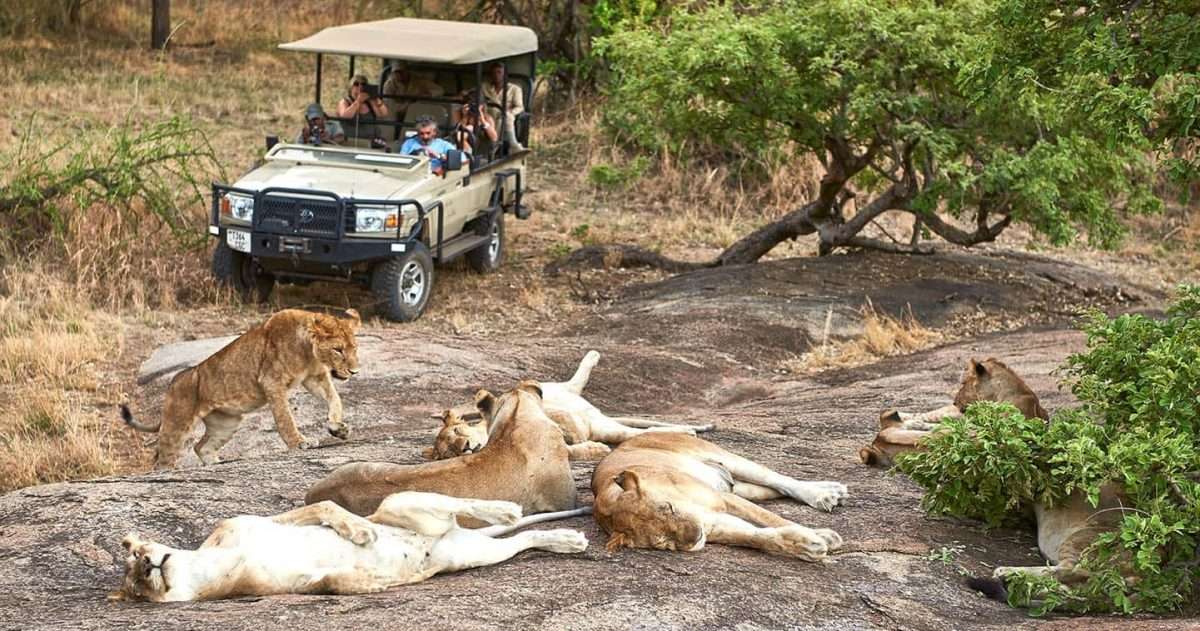
Central Serengeti, also known as Seronera, is the heart of the park and the best area for year round wildlife viewing. This is where many first time travelers spend most of their time on a safari in Serengeti.
The landscape here is classic Africa. Wide open plains stretch to the horizon, broken by acacia trees and granite rock formations called kopjes. These rocky hills are favorite resting spots for lions and leopards. If you are hoping to see big cats, this is one of the top places in Africa to do it.
Seronera supports all members of the Big Five, plus cheetahs, giraffes, hippos, hyenas, jackals and many antelope species. It also holds one of the last black rhino populations in Serengeti. At night, you often hear lions calling from your camp, which makes the experience feel raw and real.
Ndutu Region (Southern Serengeti)
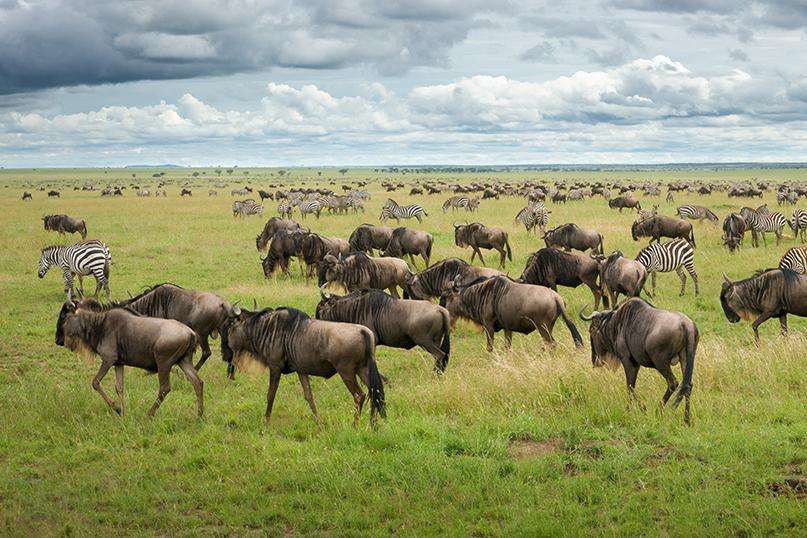
The Ndutu area in southern Serengeti is the center of the calving season safari. From late January to March, hundreds of thousands of wildebeest gather on the short grass plains to give birth. This is one of the most emotional moments you can witness on an African safari.
The flat open land makes it easy to spot newborn calves taking their first steps. At the same time, predators like lions, cheetahs and hyenas stay close, waiting for chances to hunt. This creates intense wildlife action and is why many travelers book a Serengeti calving season safari.
Lake Ndutu also attracts flamingos and other water birds, especially during the green season. Bird lovers will enjoy this region as much as wildlife photographers.
Northern Serengeti
Northern Serengeti is famous for the dramatic Mara River crossings. From July to October, huge herds of wildebeest and zebras move north during the Great Migration Tanzania. Watching animals leap into the river while crocodiles wait below is one of the most powerful wildlife scenes on earth.
This area is less crowded than nearby Masai Mara in Kenya, so you get a more peaceful safari experience. The Lamai Triangle and Lobo Valley are key wildlife zones here. Lobo Valley is known for large elephant herds and some of the biggest lion prides in the park.
Western Corridor
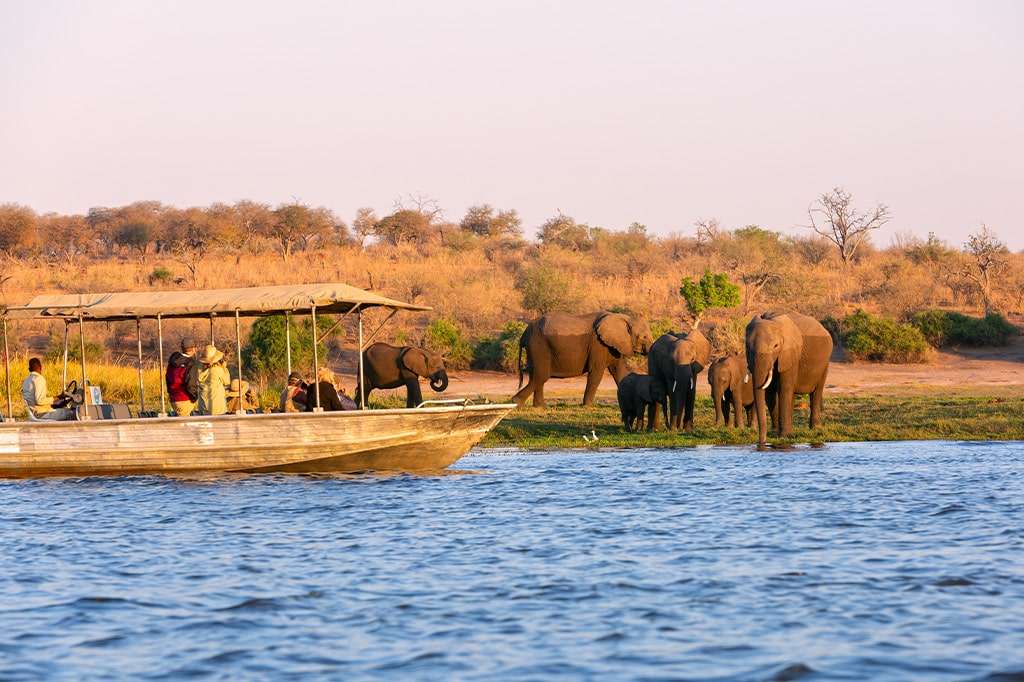
The Western Corridor follows the Grumeti River and stretches toward Lake Victoria. From May to July, migrating wildebeest pass through this region. River crossings here are less famous than the Mara but just as dramatic.
This area has thicker woodlands, which attract monkeys such as vervet monkeys, colobus monkeys and olive baboons. You may also spot hippos, crocodiles and many bird species along the riverbanks.
Nearby private reserves allow walking safaris and night drives, which adds another layer to your Serengeti safari experience.
Eastern Serengeti
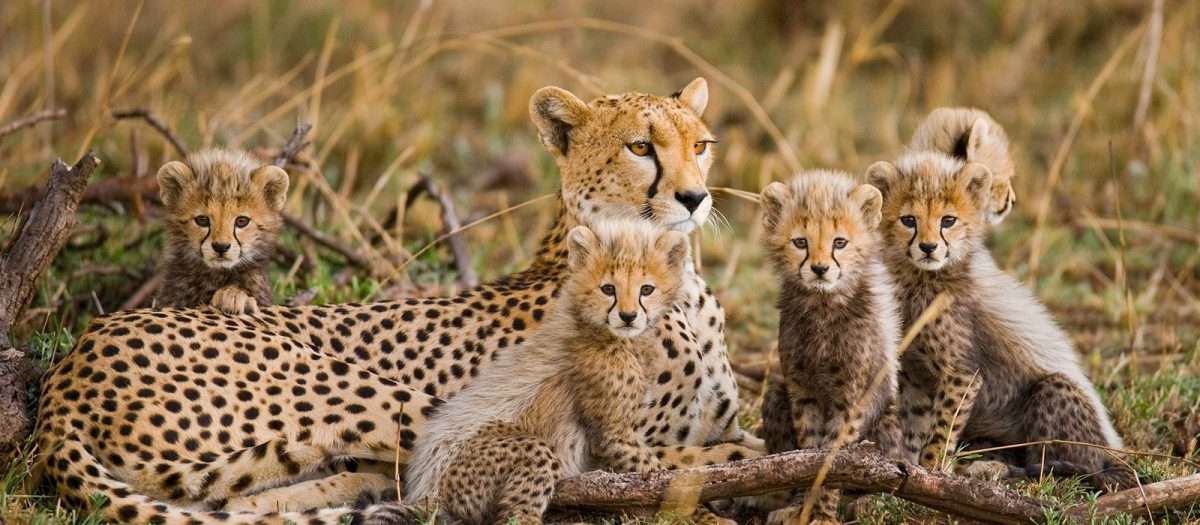
Eastern Serengeti is one of the best places in Africa to see cheetahs. The open plains make it easier to watch them hunt during the day. Lions and leopards are also common here.
The Gol Kopjes area has one of the highest cheetah populations in the world. You can also hike Naabi Hill for panoramic views of the plains. This region feels wild and untouched, perfect for travelers seeking a quieter African safari adventure.
Many Places, One Park
The beauty of Serengeti is that you never feel bored. Every region offers something new. One day you are watching calving herds in Ndutu. The next day you are tracking lions in Seronera or witnessing river crossings in the north.
This diversity is why Serengeti National Park safari is often called the best wildlife experience in Africa. No matter where you go, something incredible is always waiting.
Types of Serengeti Safari Experiences
A Serengeti National Park safari can be shaped around your travel style, budget, and comfort level. At TourwithPipi, we help you choose the experience that fits you best.
Private Safari
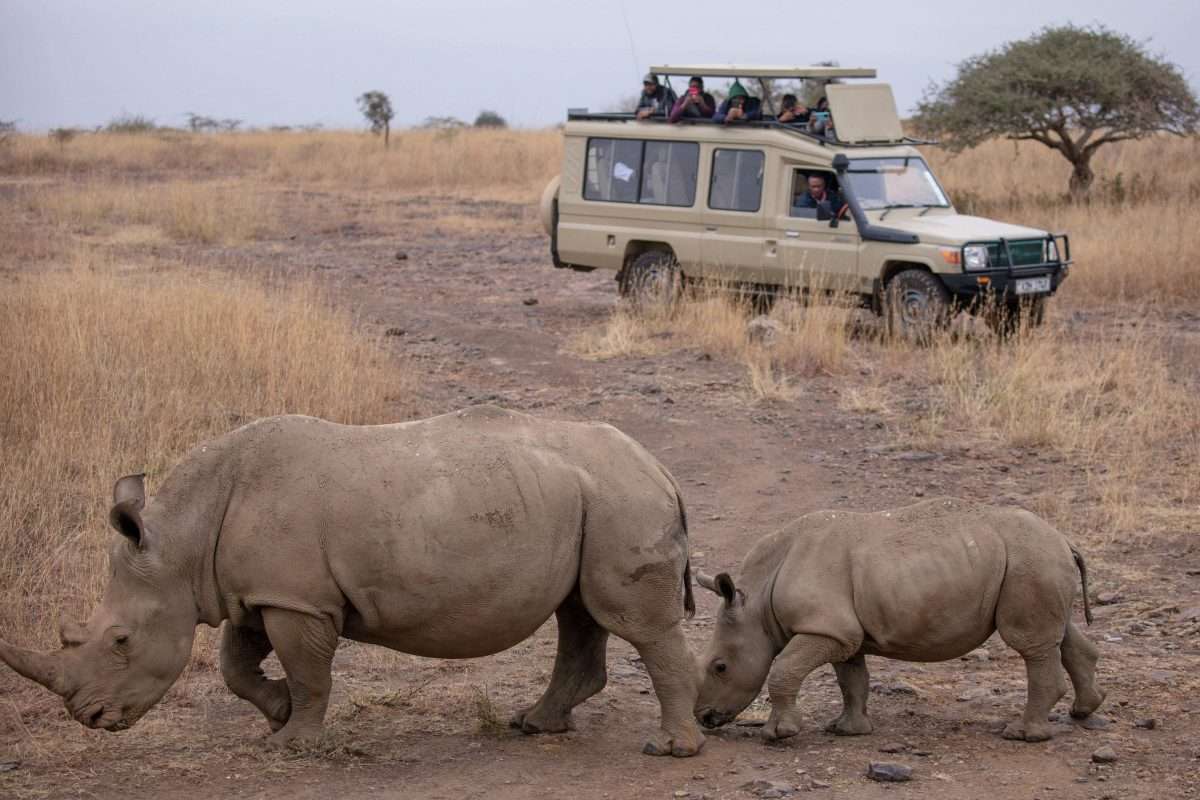
A private safari gives you full control. You decide when to stop, how long to stay at sightings, and where to go next. This is perfect for couples, photographers, and families who want flexibility and personal attention from their guide.
Group Safari
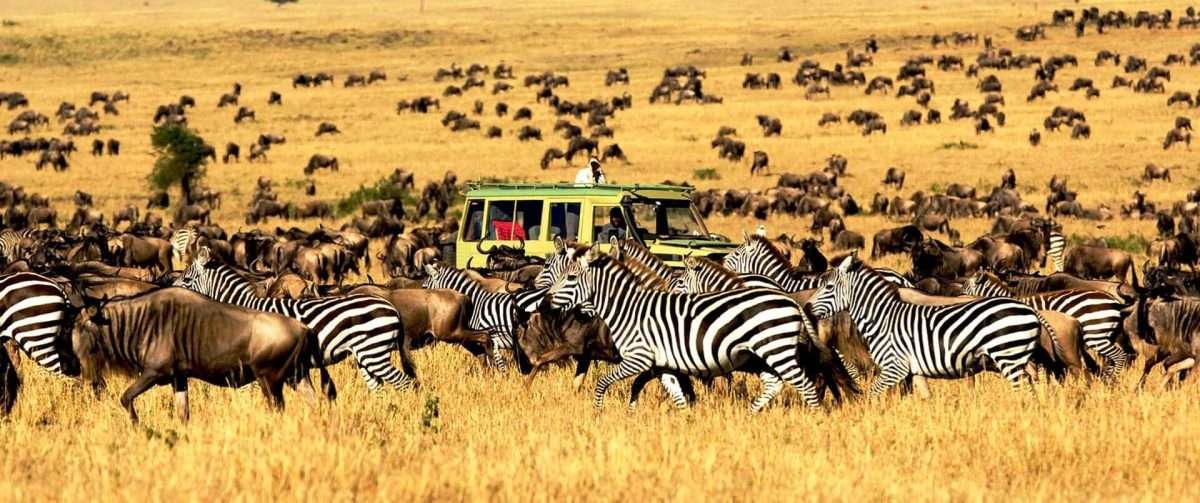
Group safaris are ideal for solo travelers or friends who want to share costs. You still enjoy expert guiding, shared game drives, and great wildlife viewing while meeting fellow travelers.
Luxury Safari Tanzania
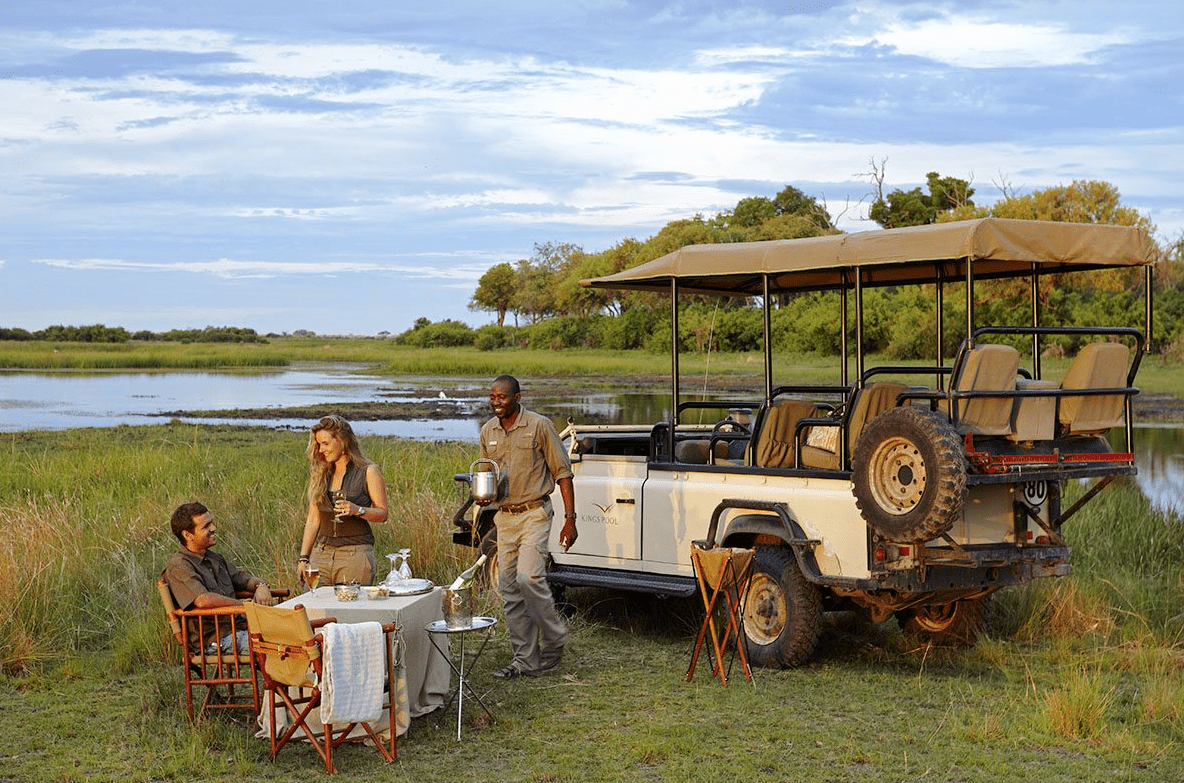
Luxury safaris focus on premium lodges, private camps, fine dining, and personalized service. Expect spacious tents, hot showers, excellent food, and unforgettable locations inside the park.
Budget Safari
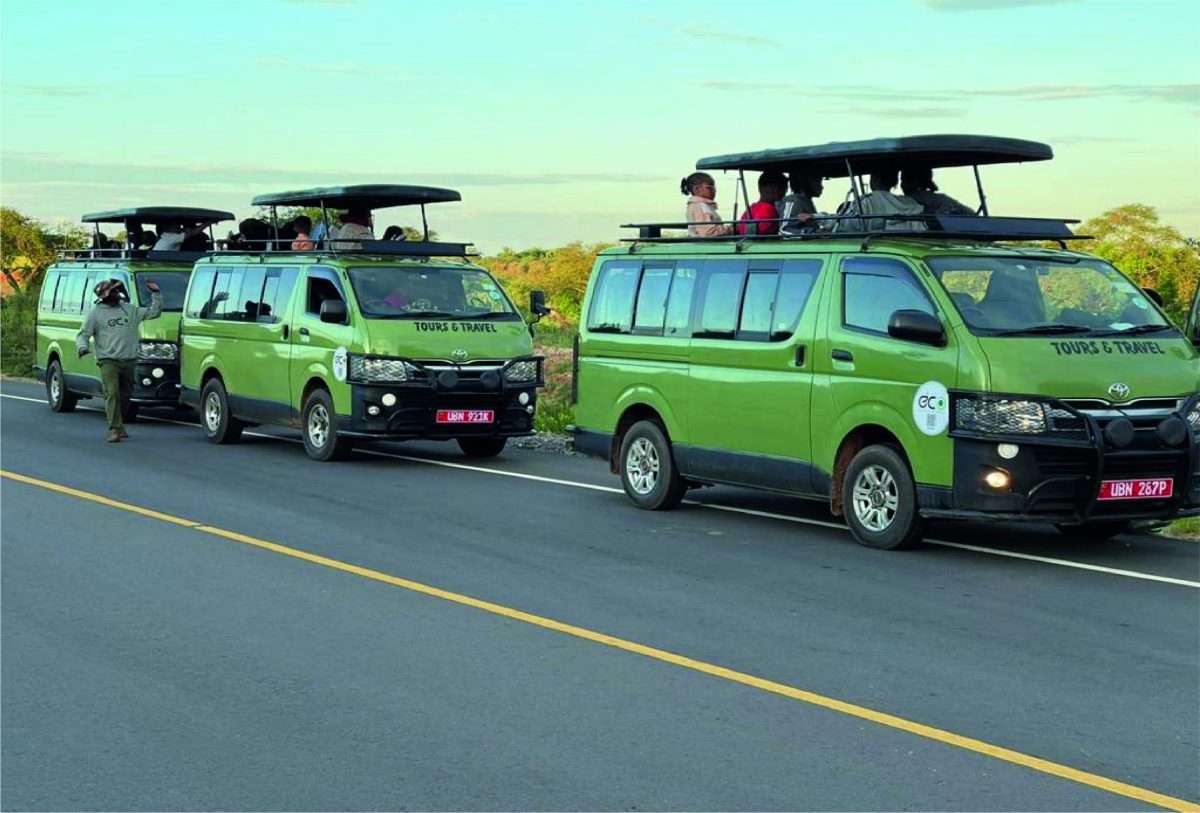
Budget safaris offer comfortable basic lodges or camps while keeping costs lower. You still enjoy professional guides and great wildlife viewing without luxury pricing.
Hot Air Balloon Safari
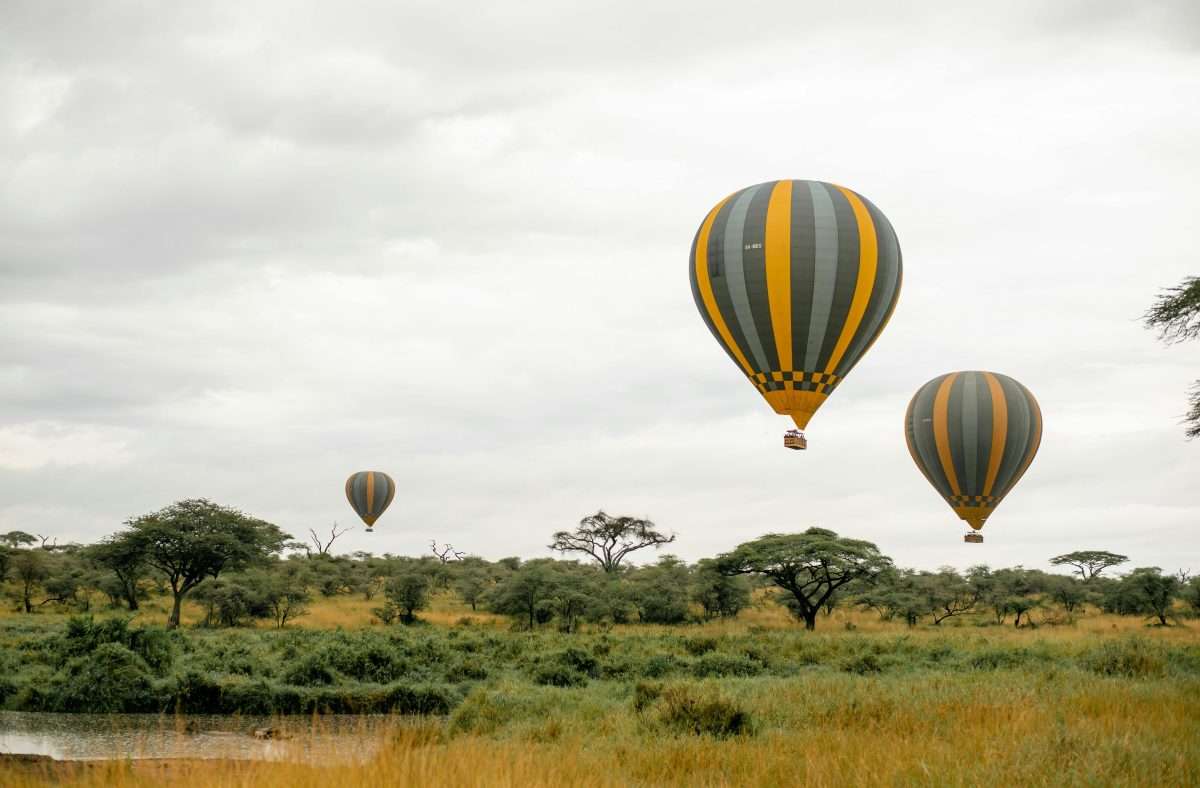
This is one of the most magical Serengeti experiences. You float silently above the plains at sunrise and watch herds move below. It ends with a bush breakfast and is perfect for special occasions.
Walking Safari
Available in private reserves near Serengeti. Walking safaris let you explore the bush on foot with an armed ranger. You learn about tracks, plants, and small wildlife.
Night Drive Safari
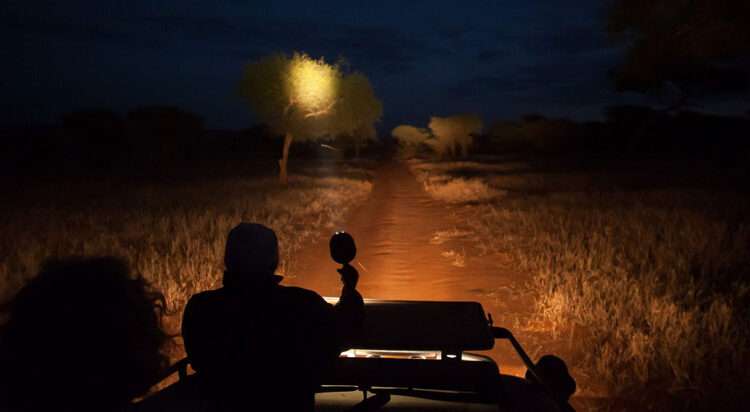
Also done in private concessions. Night drives reveal nocturnal animals like bushbabies, genets, and aardvarks using spotlights.
Serengeti Safari Itinerary Ideas
Planning a Serengeti safari itinerary can feel overwhelming at first because the park is huge and every region has something different to offer. The easiest way to choose is to start with how many days you have, then build around what you want most from your Serengeti safari experience, whether that is big cats, the Great Migration, or a relaxed first safari in Serengeti with smooth logistics. Below are simple itinerary ideas that work well for first time travelers and repeat visitors, and they fit naturally with popular Serengeti safari packages and a private Serengeti safari tour with TourwithPipi.
7 Day Serengeti Safari Itinerary

This is one of the best options for first timers because it blends Serengeti with Lake Manyara, Ngorongoro Crater, and Tarangire. It feels like a complete Tanzania safari while still giving enough time for a real Serengeti safari tour.
Day 1: Arrival in Arusha
Your 7 day Tanzania safari begins on arrival at Kilimanjaro International Airport JRO. A TourwithPipi representative greets you personally and transfers you on a scenic 45 minute drive to Arusha, the gateway to Tanzania’s Northern Safari Circuit. After check in, the day is kept easy. If you arrive early, you may explore Arusha town, visit local markets, or simply relax at the lodge. This first day allows your body to settle before the safari begins.
Overnight Arusha Serena Hotel. Meal plan Half Board.
Day 2: Lake Manyara National Park
After breakfast, you drive to Lake Manyara National Park, about two hours from Arusha. Lake Manyara is known for its mix of forest, lake shore, and open areas. You may see elephants in the trees, huge baboon troops, hippos, and strong birdlife. By late afternoon, you continue to Karatu for cooler evenings and a relaxed lodge setting.
Overnight Ngorongoro Oldeani Mountain Lodge. Meal plan Full Board.
Day 3: Serengeti National Park
After breakfast, you drive through the Ngorongoro Conservation Area, passing Maasai villages and highland scenery before entering Serengeti National Park. The plains feel endless, and this is where many people have their first real Serengeti wildlife moment, lions on kopjes, giraffes moving across the horizon, and cheetahs scanning the grass.
Overnight Kubu Kubu Tented Lodge. Meal plan Full Board.
Day 4: Full day in Serengeti
This is a full immersion day and the core of any strong Serengeti safari itinerary. Early morning drives are best for predators, then you break for lunch and rest, and return for afternoon tracking around rivers and kopjes. If you want a different view, an optional hot air balloon safari is available at sunrise.
Overnight Kubu Kubu Tented Lodge. Meal plan Full Board.
Day 5: Ngorongoro Crater
After an early Serengeti drive, you head back to Ngorongoro and descend into the crater. Wildlife viewing is intense here because the area is compact and packed with animals. Lions, buffalo, hippos, zebra, and often flamingos are common. Rhinos are hard to spot but this is one of the best places to try.
Overnight Ngorongoro Oldeani Mountain Lodge. Meal plan Full Board.
Day 6: Tarangire National Park
Tarangire feels different from Serengeti. The baobab trees are iconic and elephant sightings can be excellent, especially around the river. The park is quieter, so your game drive often feels more private and slow paced.
Overnight Conserve Safari Lodge. Meal plan Full Board.
Day 7: Tarangire to Arusha and departure
You start with a short morning game drive, then return to Arusha for lunch, shopping, or a smooth transfer to Kilimanjaro International Airport based on your flight time.
8 Days Tanzania Safari Itinerary
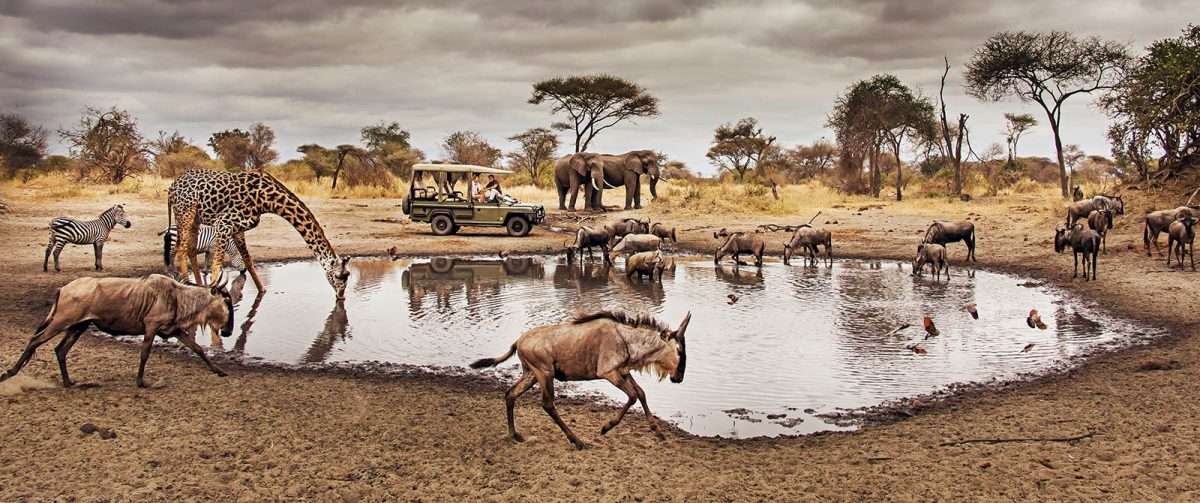
This itinerary is built around big wildlife moments and can be adapted as a longer Serengeti safari package with a stronger Ndutu focus during green season months. It is also a great fit for travelers who want both Ngorongoro and Serengeti without feeling rushed.
Day 1: Arrival in Arusha and unwind
Meet at JRO or ARK, transfer to Arusha, settle in, and enjoy a calm briefing.
Overnight Kahawa House. Meal plan Half Board.
Day 2: Ngorongoro Crater game drive
Travel to Ngorongoro and descend into the crater for an afternoon game drive. This is one of the best areas in Tanzania for dense wildlife viewing and strong Big Five chances.
Overnight Kitela Lodge. Meal plan Full Board.
Day 3: Ngorongoro to Central or Western Serengeti
You enter Serengeti with an en route game drive, watching the landscapes shift from highlands to open plains.
Overnight Kubu Kubu Tented Lodge. Meal plan Full Board.
Day 4: Full day Serengeti
Morning and afternoon game drives focused on big cats, herds, and river areas. Optional balloon safari at sunrise.
Overnight Kubu Kubu Tented Lodge. Meal plan Full Board.
Day 5: Serengeti to Ndutu
You move south toward Ndutu, a key area for calving season safari months, with wide open plains and strong predator action.
Overnight Ndutu camp. Meal plan Full Board.
Day 6: Full day Ndutu
All day wildlife viewing with a focus on calving herds, predator movement, and birdlife.
Overnight Ndutu camp. Meal plan Full Board.
Day 7: Ndutu to Tarangire
Transfer toward Tarangire and enjoy an afternoon game drive.
Overnight Tarangire lodge. Meal plan Full Board.
Day 8: Morning Tarangire drive and departure
Finish with one last game drive, then return to Arusha or fly out based on your schedule.
10 Day Tanzania Safari Itinerary
If you want a deeper story and the most complete first time safari route, a 10 day plan gives you space to slow down. It is also ideal for green season travel because you can spend real time in Ndutu and still enjoy classic Central Serengeti.
Your 10 day safari itinerary below is already written in a personal story style, so it fits perfectly as a longer Serengeti safari itinerary that combines Tarangire, Ngorongoro, Ndutu, and Seronera into one smooth journey.
Day 1: Arrival in Tanzania and Arusha overnight
Overnight Arusha Serena Hotel. Meals Dinner.
Day 2: Tarangire National Park game drive
Overnight Nyikani Camp Tarangire. Meals Breakfast lunch dinner.
Day 3: Tarangire wilderness day with sunrise and sunset drives
Overnight Nyikani Camp Tarangire. Meals Breakfast lunch dinner.
Day 4: Ngorongoro Highlands and Maasai visit
Overnight Ngorongoro Serena Safari Lodge. Meals Breakfast lunch dinner.
Day 5: Ngorongoro Crater then Olduvai Gorge then Ndutu
Overnight Nyikani Migration Camp Ndutu. Meals Breakfast lunch dinner.
Day 6 and Day 7: Ndutu calving season focus
Overnight Nyikani Migration Camp Ndutu. Meals Breakfast lunch dinner.
Day 8 and Day 9: Central Serengeti Seronera big cat days
Overnight Nyikani Camp Central Serengeti. Meals Breakfast lunch dinner.
Day 10: Bush flight to Arusha and departure
Meals Breakfast lunch.
This style of itinerary is why travelers love longer Serengeti safari packages. You do not just check off animals. You actually get time to see behavior, follow movement, and enjoy the rhythm that makes a Serengeti safari experience feel real.
Where to Stay in Serengeti National Park
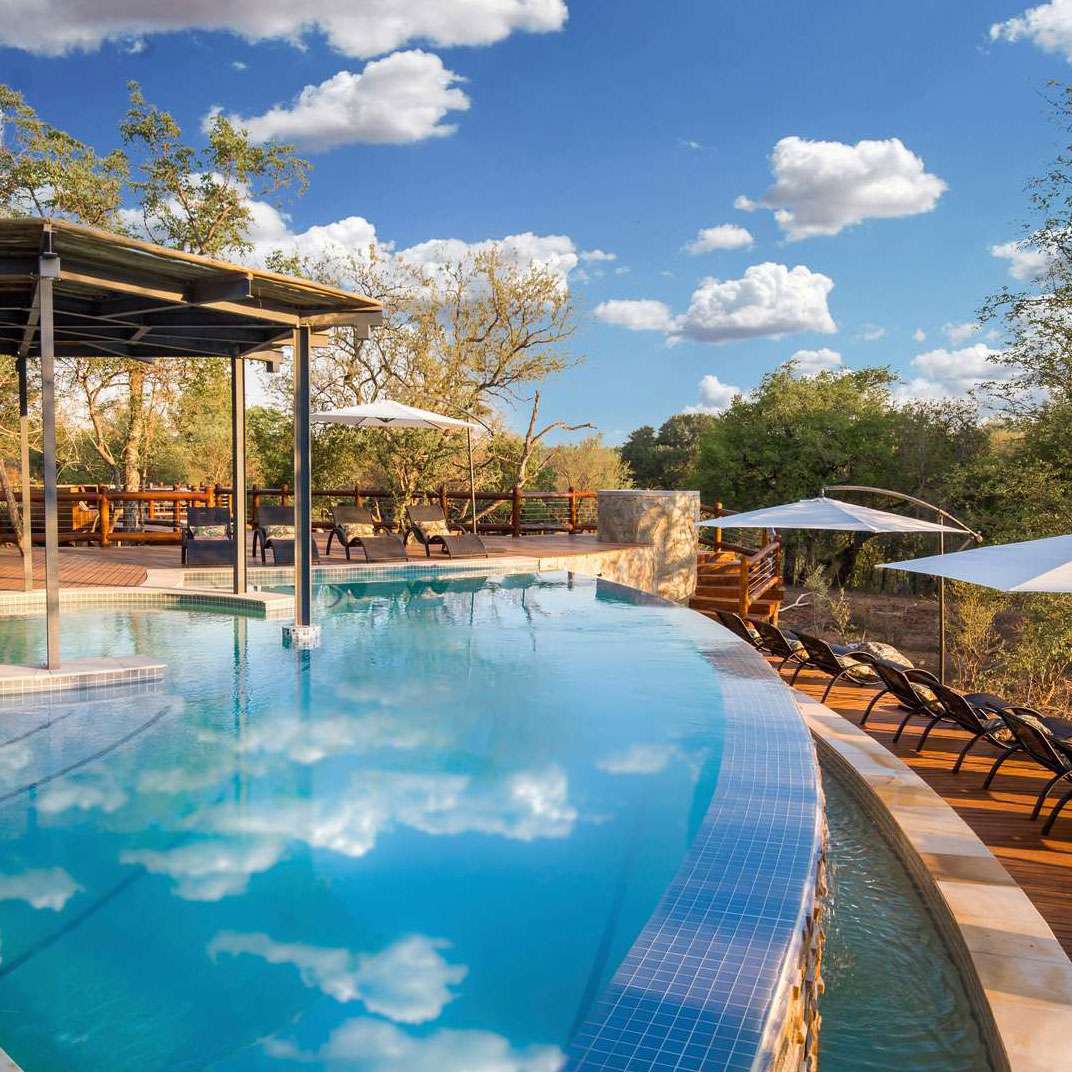
Choosing where to stay is a big part of shaping your Serengeti National Park safari experience. The park offers everything from high end lodges to classic tented camps and comfortable mid range options. No matter your travel style, there is a place that fits your budget and expectations.
Luxury Lodges
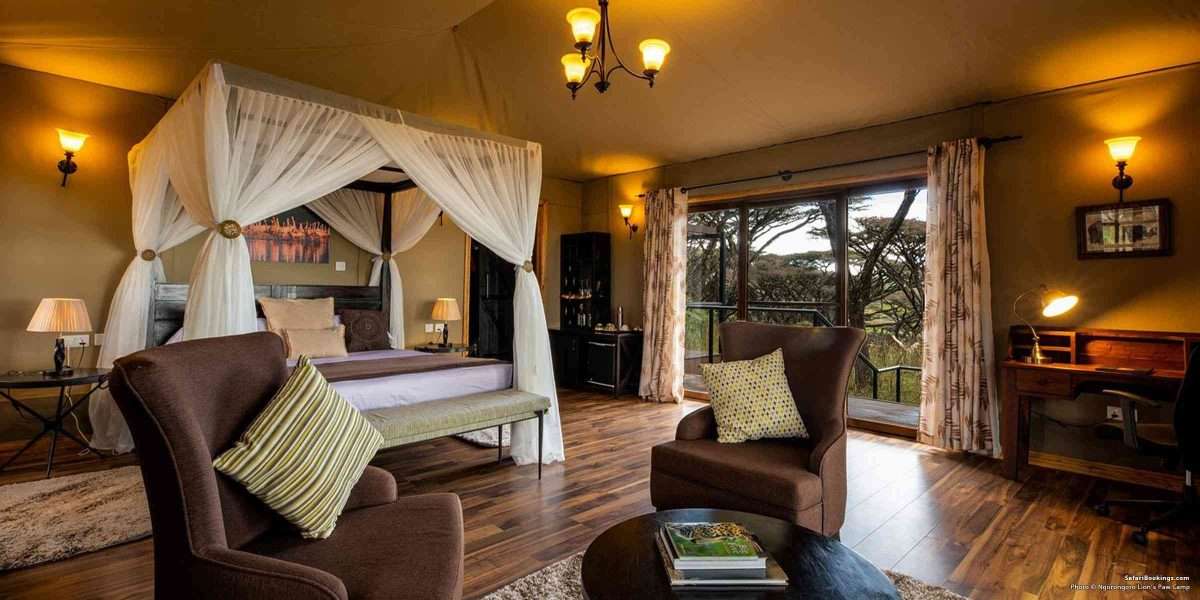
If you are looking for a luxury Serengeti safari, these lodges combine wildlife, comfort, and stunning views.
Four Seasons Safari Lodge Serengeti
Set near a busy waterhole, this lodge lets you watch elephants and antelope right from the pool deck. Rooms are spacious, service is top class, and it is perfect for families and honeymoon travelers.
Singita Grumeti Lodges
Sasakwa, Faru Faru, and Sabora are some of the most exclusive safari lodges in Serengeti. They sit in private reserves near the park, offering privacy, top guiding, and luxury safari experiences with conservation at heart.
Serena Serengeti Safari Lodge
Built on a rocky hill, this lodge offers sweeping views across the plains. It blends traditional African design with comfort and is well located for game drives.
Melia Serengeti Lodge
A modern lodge with eco design, great service, and wide views of the savannah. Ideal for travelers who like stylish comfort in the wild.
Lemala Kuria Hills Lodge
Located in the northern Serengeti, it is perfect for travelers visiting during river crossing season. The lodge offers private decks, outdoor bathtubs, and strong guiding.
Luxury and Classic Tented Camps
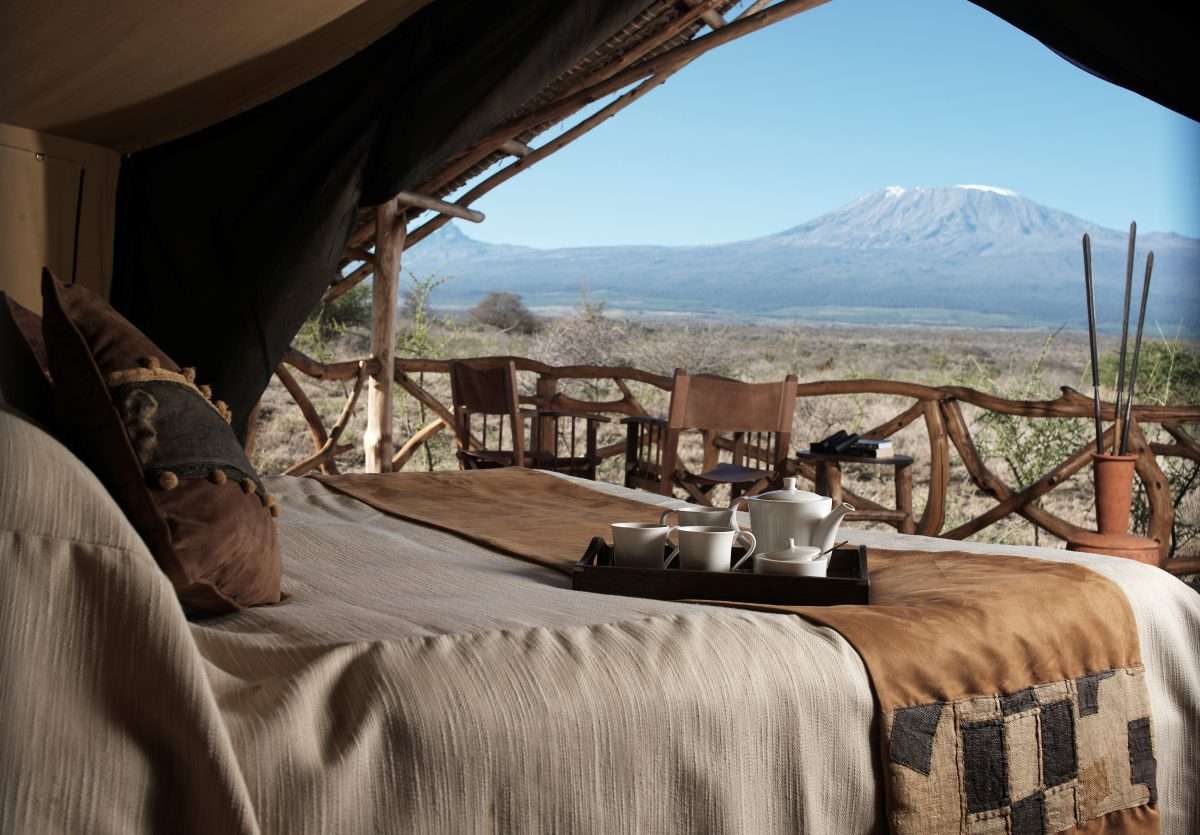
If you want to stay in tented camps and feel closer to nature, these options are ideal. You sleep under canvas but still enjoy real beds, hot showers, and great food.
Serengeti Bushtops
One of the most luxurious tented camps in Africa with private decks, hot tubs, and excellent guiding.
Sayari Camp
A top choice in northern Serengeti for migration season. Great for river crossings and big cat sightings.
Namiri Plains Camp
Located in a prime cheetah area, this camp is ideal for big cat lovers and photographers.
AndBeyond Serengeti Under Canvas
A mobile camp that moves with the Great Migration, placing you right where the action is.
Olakira Migration Camp
Another mobile camp offering front row seats to migration movements.
Dunia Camp
A beautiful female run camp with a warm atmosphere and strong wildlife focus.
Mid Range Camps and Lodges
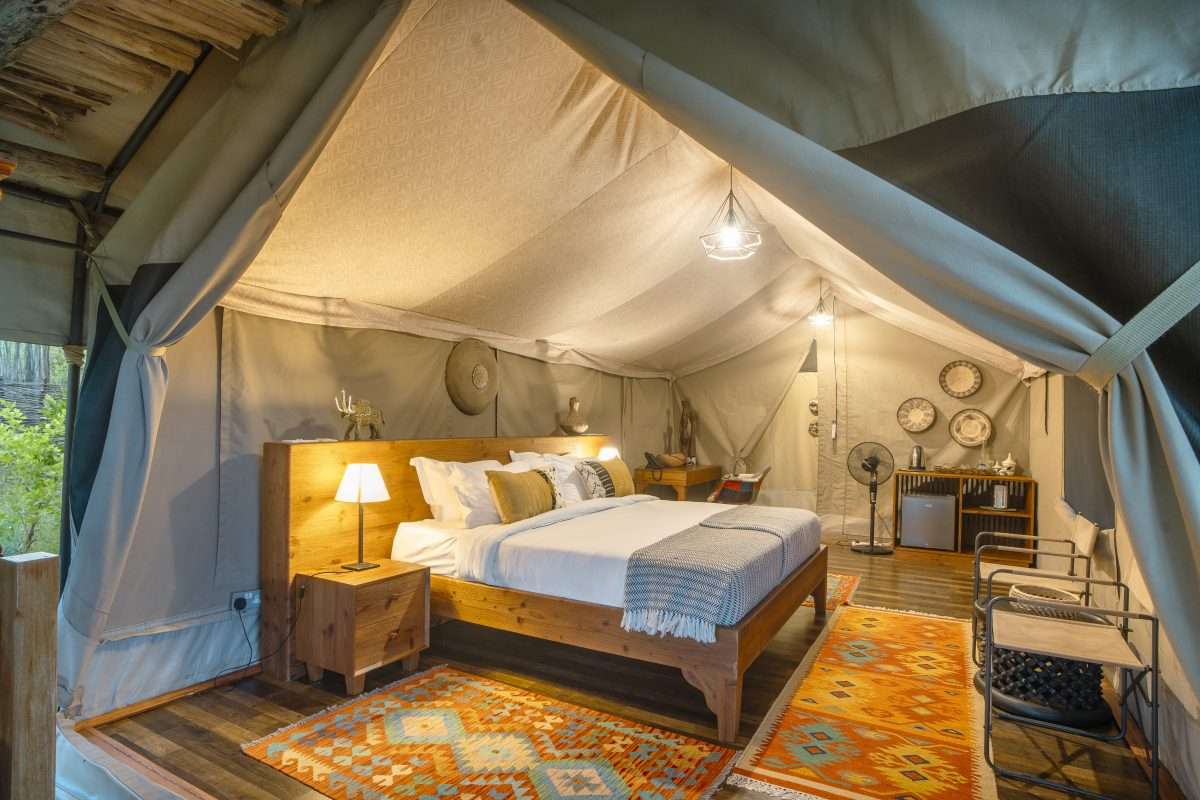
These options balance comfort and value, making them perfect for travelers looking for Serengeti safari deals.
Kubu Kubu Tented Lodge
Well located in central Serengeti, great for year round wildlife viewing.
Tortilis Camp Serengeti
Comfortable tents and a friendly atmosphere close to wildlife areas.
Mbalageti Serengeti
Known for wide views and sunset scenery over the plains.
Serengeti Heritage Camp
A budget friendly tented camp that still offers a real safari feel.
Lobo Wildlife Lodge
Good option in northern Serengeti, especially during migration months.
Into Wild Serengeti Camp
A simple and authentic camp for travelers who want nature without high costs.
Serengeti Safari Cost: What to Expect
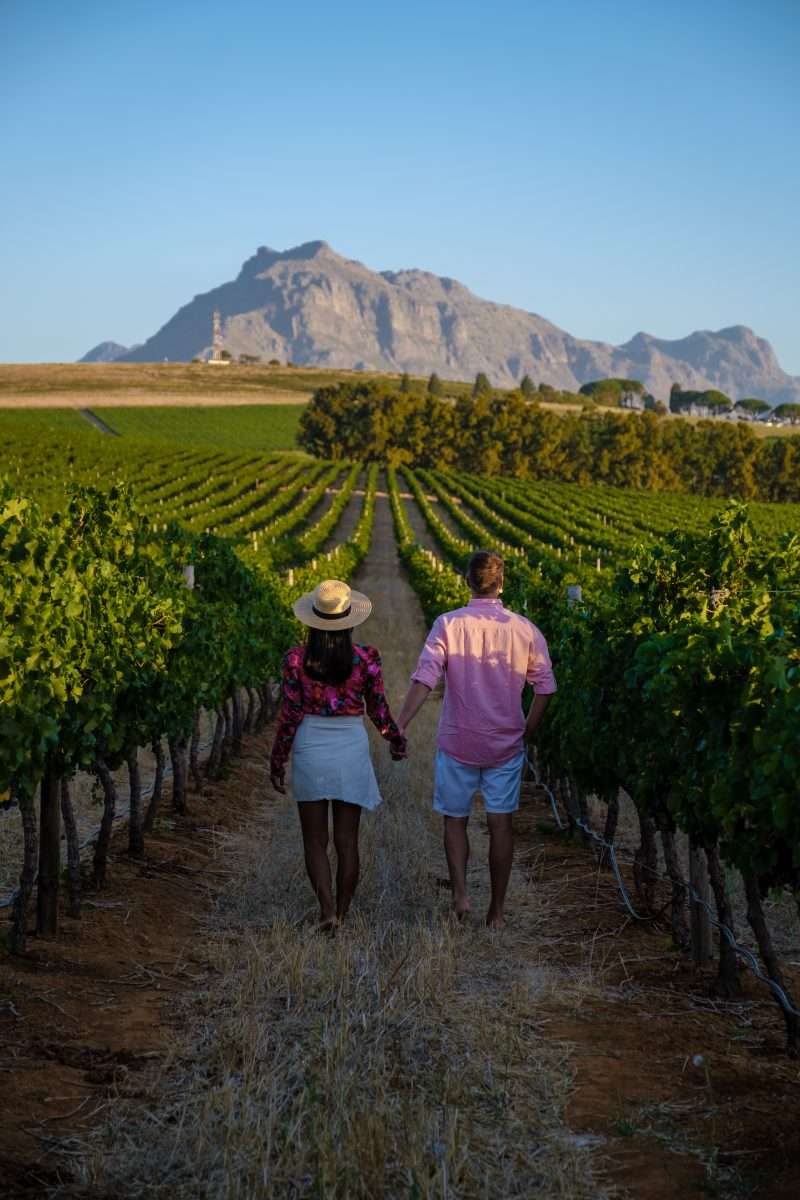
Planning your Serengeti National Park safari also means understanding the budget. The Serengeti safari cost per person can vary widely depending on your travel style, season, and level of comfort. On average, prices range from around $450 per day for budget camping safaris to $1,000+ per day for luxury lodges and fly-in safaris.
If you are comparing Tanzania safari cost, it helps to know what actually shapes the final price and what is usually included in a quality safari package.
What Affects Serengeti Safari Price
Season: Peak season runs from June to October and also during December to February. These months offer excellent wildlife viewing, but prices are higher. The green season from March to May brings fewer tourists and lower rates, making it a good time to find value-focused Serengeti safari deals.
Accommodation Level: Budget camping is the most affordable option, followed by mid-range lodges and tented camps. Luxury lodges and premium tented camps cost more but offer higher comfort, better locations, and personalized service.
Transport Style: Driving between parks is more budget friendly. Fly-in safaris save time and offer scenic views but increase the total cost.
Group Size: Solo travelers usually pay more. Couples and families can reduce the per-person price by sharing vehicles and rooms.
Customization: Private vehicles, custom routes, exclusive bush meals, and special activities raise the overall price but also enhance the experience.
Typical Inclusions in Serengeti Safari Packages
Most Serengeti safari packages include:
• Park entrance fees for Serengeti National Park
• Accommodation based on your chosen comfort level
• All meals, usually full board
• Daily game drives in a 4×4 safari vehicle
• Professional English-speaking guide
• Bottled drinking water
Extras such as hot air balloon safaris usually cost extra, with prices starting around $599 per person.
What to Expect on a Serengeti Safari
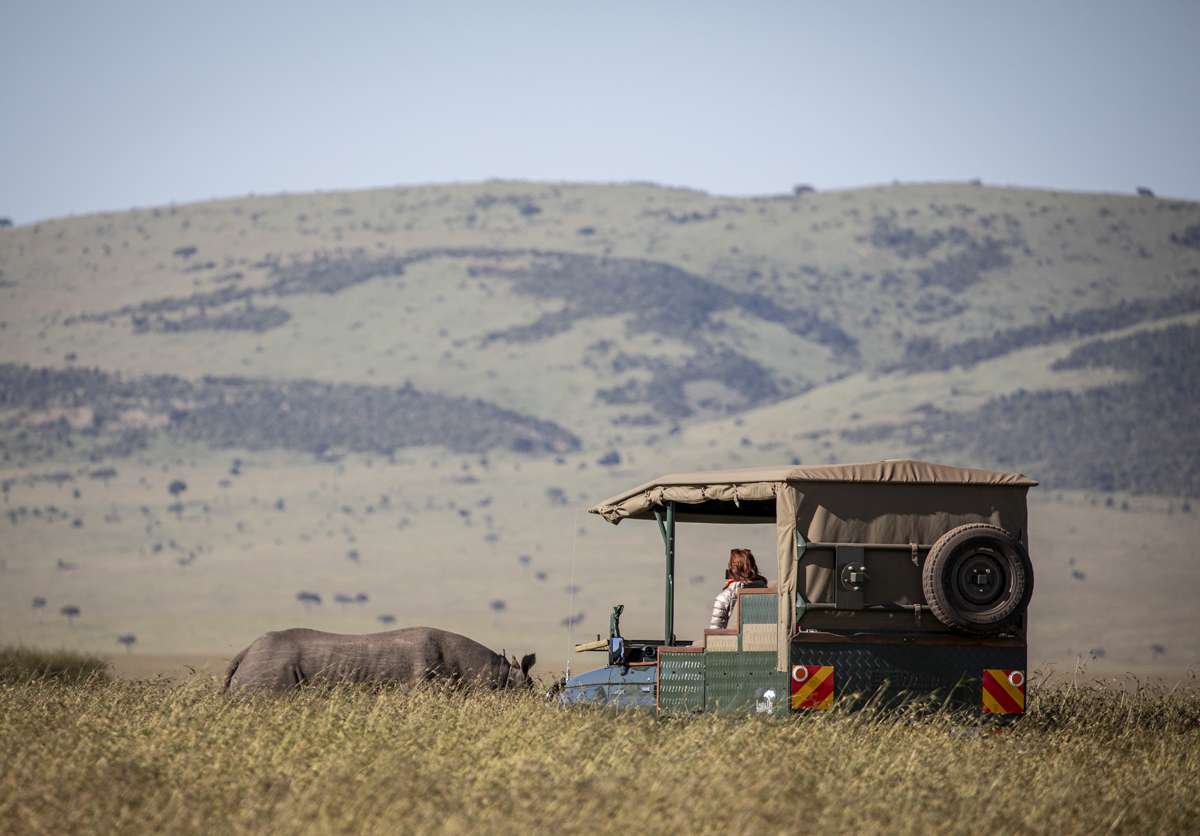
Knowing what to expect on safari helps you enjoy every moment, especially if it is your first time in Africa. A Serengeti safari experience follows a natural rhythm shaped by wildlife behavior and daylight.
Game Drive Routine
Your day usually begins early because animals are most active in the cool morning hours. After a light breakfast, you head out for a game drive in Serengeti, slowly scanning the plains for movement.
Midday is for rest, lunch, and shade, when most animals slow down. In the late afternoon, you go out again for another drive as wildlife becomes active before sunset.
This routine gives you two strong wildlife viewing windows every day.
Sunrise Safari Drive
Sunrise drives are often the highlight of a safari. The light is soft, predators are active, and the plains feel calm and fresh. This is the best time to see lions finishing a hunt, cheetahs scanning the grass, and elephants moving quietly in family groups.
If photography matters to you, early morning light creates beautiful colors and long shadows that make every scene feel dramatic.
Picnic Lunches in the Wild
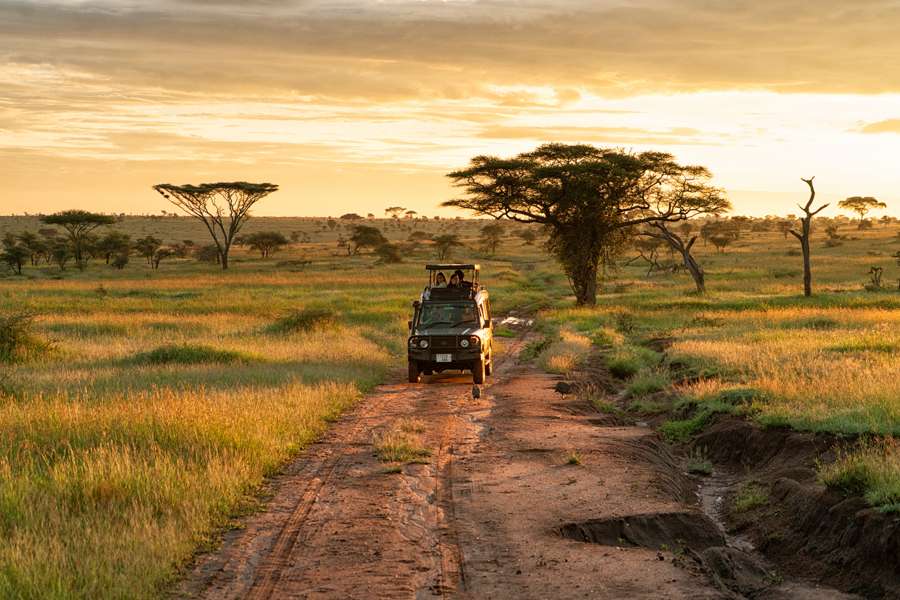
Many safari days include picnic lunches inside the park. Your guide finds a safe scenic spot, and you enjoy your meal surrounded by open savannah, kopjes, or river views.
These moments often become unexpected favorites because you truly feel part of the environment rather than just passing through it.
Safari Tips for First-Time Travelers
If this is your first Serengeti National Park safari, a little planning goes a long way. I learned most of these tips on the road, sometimes the easy way, sometimes the hard way.
How Much Cash to Carry
Carry small US dollar bills. I brought around $400–$1000 in cash.
This covered tips, small souvenirs, village visits, and drinks. Most lodges accept cards, but cash is useful in remote areas.
Best Clothes for Safari
Neutral colors work best.
I wore:
• Light khaki pants
• Breathable shirts
• A fleece jacket for mornings
• A wide hat
Avoid bright colors and dark blue because tsetse flies are attracted to them.
This helped me blend in and stay comfortable during game drives.
Meeting Local Tribes
Visiting a Maasai village was one of my favorite moments.
Always:
• Ask before taking photos
• Dress respectfully
• Listen to their stories
It feels more meaningful when you engage instead of rushing.
How Much Luggage to Carry
Most domestic safari flights allow 15 kg per person in soft bags.
Hard suitcases are not allowed.
Pack light. You only need:
• 3–4 safari outfits
• Sleepwear
• Sandals
• Closed shoes
Laundry is usually available at lodges.
Vaccines and Health
Check with your doctor before traveling.
Yellow fever vaccination may be required if you transit through certain countries.
Carry:
• Personal medication
• Hand sanitizer
• Basic first aid
Visa and Documents
Most travelers can get a Tanzania visa online or on arrival.
Make sure:
• Passport is valid for 6 months
• You have a return ticket
Travel Insurance
Do not skip this.
Good insurance covers:
• Medical emergencies
• Trip cancellations
• Lost luggage
It gave me peace of mind during my safari vacation Tanzania.
Night-Time Weather
Days are warm but nights get cold.
Bring:
• A light jacket
• Long pants
Sitting by the campfire at night feels magical but chilly.
Camera Gear
I carried:
• DSLR
• 200–400mm lens
• Extra batteries
• Memory cards
Phones work too, but a zoom lens changes everything.
Mosquitoes
They are mostly active at night.
Use:
• Repellent
• Long sleeves
• Lodge-provided nets
Listen to Your Guide
Your guide knows:
• Animal behavior
• Safe distances
• Best viewing spots
Following instructions keeps everyone safe.
Tipping Staff and Guides
Typical tipping:
• Guide $10–$20 per day
• Camp staff tip box $5–$10 per day
Tip chefs if possible. They work hard behind the scenes.
Wildlife Etiquette
• Stay quiet
• Do not stand in vehicles unless allowed
• Never feed animals
• Keep distance
Respecting wildlife makes the experience better for everyone.
These small Serengeti safari tips make a big difference.
Is Serengeti Safari Safe?
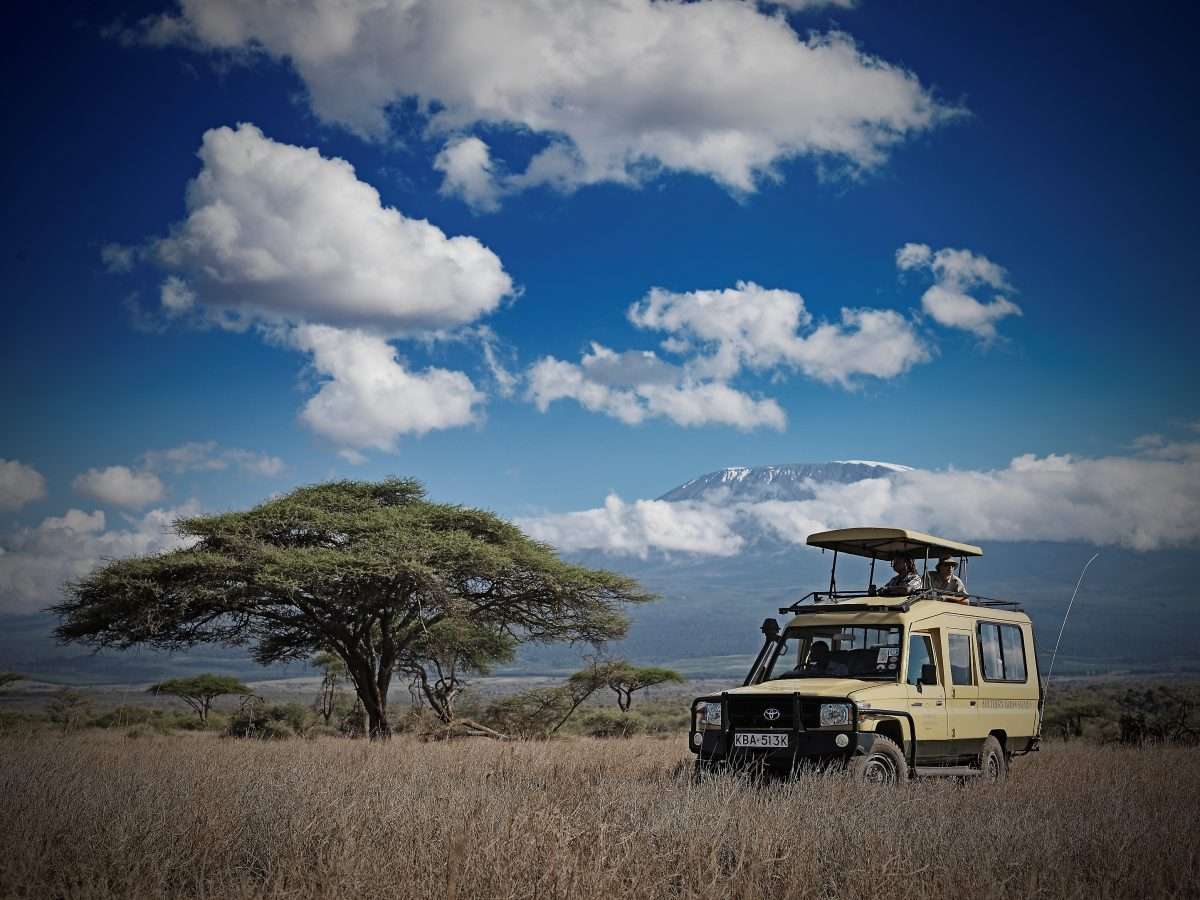
Safety was my biggest concern before I traveled. After the trip, I realized how well organized everything is.
Guides
TourwithPipi uses experienced guides.
Mine had:
• 10+ years in the field
• Deep animal knowledge
• Calm decision-making
Their safari guide experience is what makes the trip safe and enjoyable.
Vehicles
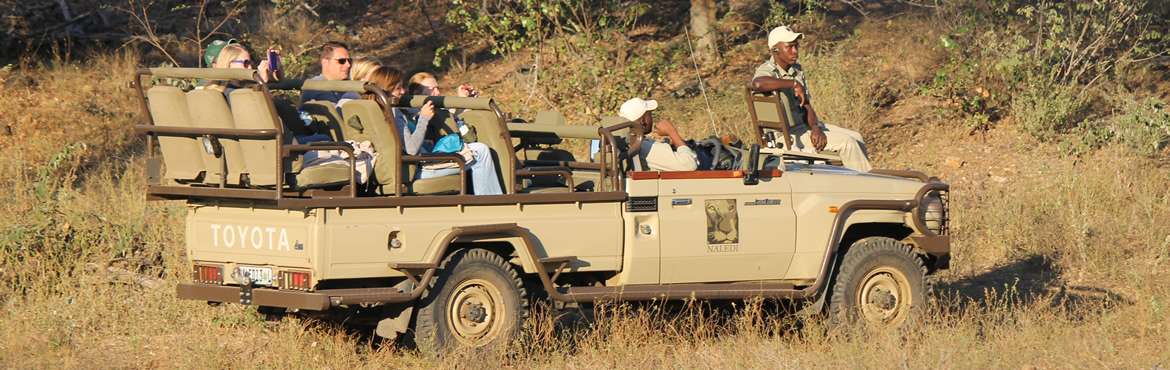
All safari vehicles are:
• 4×4 Land Cruisers
• Pop-up roofs
• Radio communication
Guides share sightings and road updates, which adds another safety layer.
Lodge Security
Lodges have:
• Night guards
• Escort after dark
• Safe camp layouts
At night, staff walked me to my tent, which felt reassuring.
Overall, Serengeti safari safety is high when you travel with a licensed operator.
Why Book Your Serengeti Safari with TourwithPipi

There are many operators, but here is why TourwithPipi stood out to me.
Custom Planning
They helped me design a safari based on:
• My travel dates
• My budget
• My wildlife interests
This made my Serengeti safari experience personal.
Expert Guides
Their guides are not just drivers.
They are:
• Wildlife trackers
• Storytellers
• Patient teachers
You learn something new every drive.
Seamless Logistics
Everything was handled:
• Airport transfers
• Lodge bookings
• Park permits
• Flight schedules
I never had to worry about timing.
Why It Matters
TourwithPipi focuses on:
• Comfort
• Safety
• Real experiences
If you want to book Serengeti safari the right way, this is it. Contact us Now!
Their Serengeti safari packages 2026 are flexible, well planned, and beginner friendly.
This is how you turn a safari into a lifetime memory.
Final Conclusion
My Serengeti National Park safari was more than just a trip. It was a real connection with nature. Watching lions at sunrise, seeing baby wildebeest take their first steps during calving season, and listening to hyenas call at night made every day unforgettable.
The Serengeti safari experience shows you that this park is not just about the Big Five. It is about the rhythm of life. From massive migration herds to quiet moments with giraffes in the distance, every drive feels different. That is what makes a safari in Serengeti so special.
If this is your first African safari adventure, Serengeti is the perfect place to start. It offers open landscapes, strong wildlife sightings, and well-managed tourism. You feel safe, guided, and inspired.
Booking with TourwithPipi made everything easy. From planning to guiding to lodge selection, every detail was handled with care. It felt like traveling with people who truly love Africa.
Summary
Serengeti National Park safari covers nearly 15,000 square kilometers of open savannah, kopjes, rivers, and woodlands, making it one of the largest and most wildlife-rich parks in Africa.
The park hosts over 2 million grazing animals, around 4,000 lions, 1,000 leopards, 550 cheetahs, and more than 500 bird species, offering year-round wildlife viewing.
The Great Migration Tanzania is the park’s most famous event, where wildebeest, zebras, and gazelles move seasonally across the plains following rain and fresh grass.
During the Serengeti calving season February, thousands of wildebeest calves are born daily in the southern plains and Ndutu region, attracting intense predator activity.
Key safari zones include Central Serengeti (Seronera) for big cats, Ndutu for calving, Northern Serengeti for Mara River crossings, and the Western Corridor along the Grumeti River.
Visitors regularly see the Big Five animals in Serengeti including lion, leopard, elephant, buffalo, and rare black rhino, especially in Seronera and Ngorongoro-linked areas.
The best time to visit Serengeti depends on interest, with June to October ideal for river crossings and January to March perfect for calving and baby animals.
A Serengeti safari experience includes sunrise game drives, picnic lunches in the bush, expert-guided tracking, and optional hot air balloon safaris over the plains.
Bird lovers enjoy safari bird watching with raptors, storks, vultures, hornbills, kingfishers, and colorful savannah species seen throughout the park.
The park plays a major role in African wildlife conservation, protecting migration corridors and endangered species like black rhino and cheetah.
Travelers stay in a range of options from mobile tented camps to luxury lodges, all offering close-to-nature experiences with night wildlife sounds.
A safari in Serengeti is suitable for first-time travelers, photographers, families, and wildlife enthusiasts seeking an authentic African safari adventure.


