
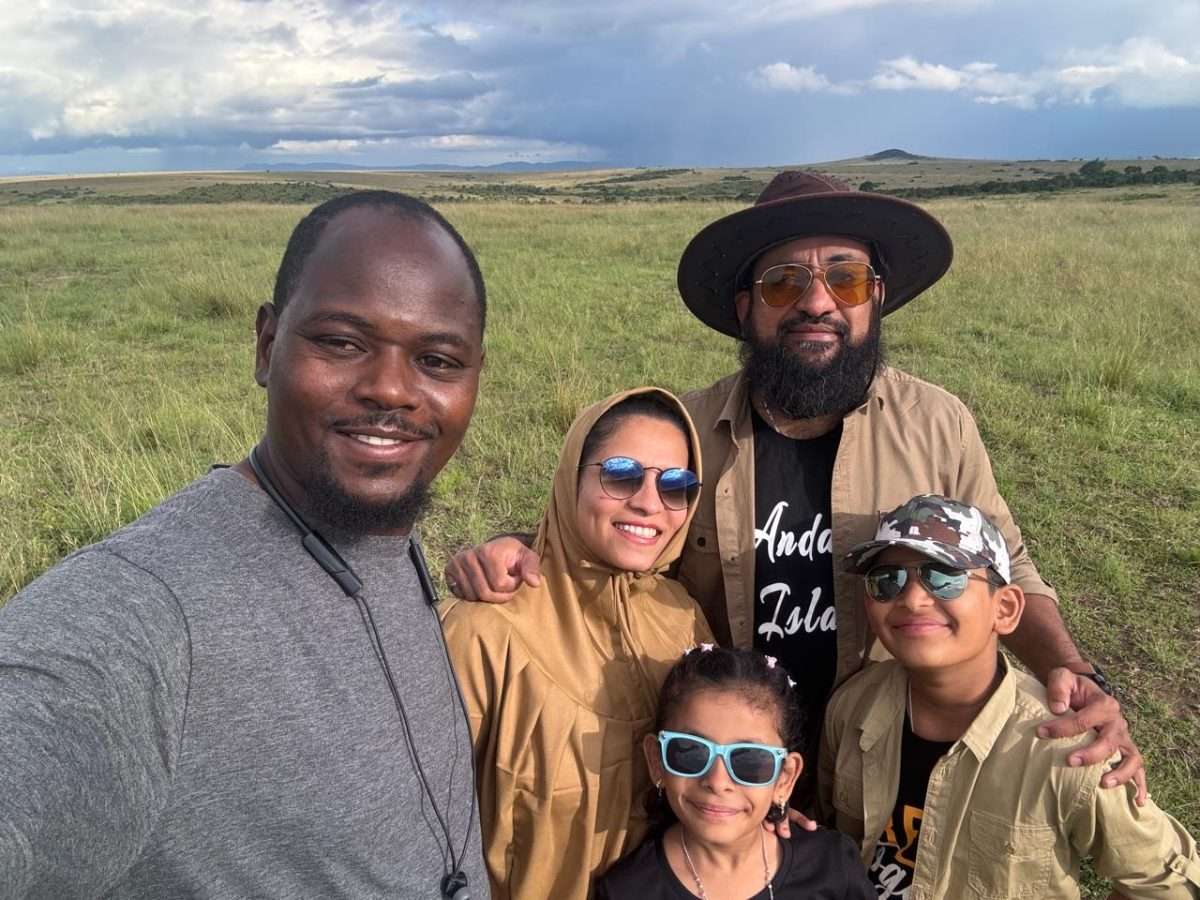
Before going on a safari, many people ask me the same question: Is It Safe to Go on a Safari With my Family and Kids? It’s a fair concern. When you hear “wild animals” and “open plains,” it’s easy to imagine danger. First-time travelers often worry about animals getting too close or what happens after dark.
From personal experience, I can confidently say that safaris are safe. I’ve traveled on safaris across Kenya, Tanzania, Uganda, and Zambia, including trips with my own family and kids. When you are in a safari vehicle with experienced guides and professional drivers, safety is always the priority. The animals are used to vehicles and do not see them as a threat. With trained teams who understand wildlife behavior, African safaris are safe, calm, and surprisingly reassuring, allowing you to enjoy the experience without fear.
At TourwithPipi, we prepare you before every drive. Our focus on safari safety for first time travelers is simple.
- Clear instructions
- Calm communication
- Experienced local guides
We are born in Africa and now based in North America, so we understand both excitement and concern. That is why TourwithPipi guided safaris focus on preparation just as much as adventure. From the first briefing, you feel confident and supported.
The 60-Second Safety Briefing Before Your First Game Drive
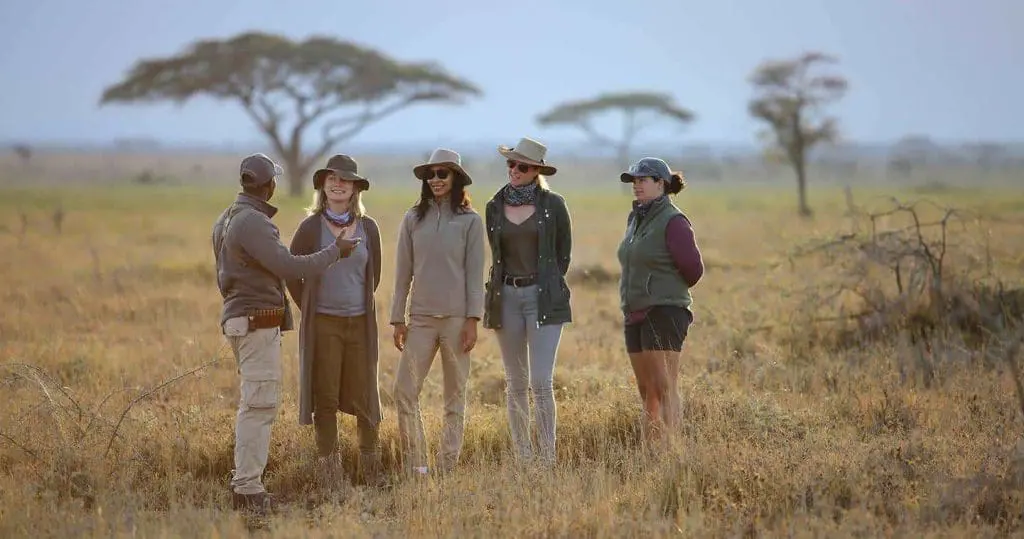
Before the engine starts, your guide gives a short talk. It takes one minute but it sets the tone for the day. This is where real safari safety rules begin.
Our guide explains:
- Seating rules
Everyone stays seated while moving. This protects you and supports basic game drive safety. - Standing rules
You only stand when the vehicle is stopped and your guide allows it. This follows professional safari operator safety - Radio checks
Guides test communication before every drive. This is why licensed safari guides are so important. - Route planning
Guides review animal locations and safe tracks based on daily park updates.
All of this creates strong safari vehicle safety. You are not just driving through the bush. You are moving with awareness and purpose.
Are African Safaris Safe?
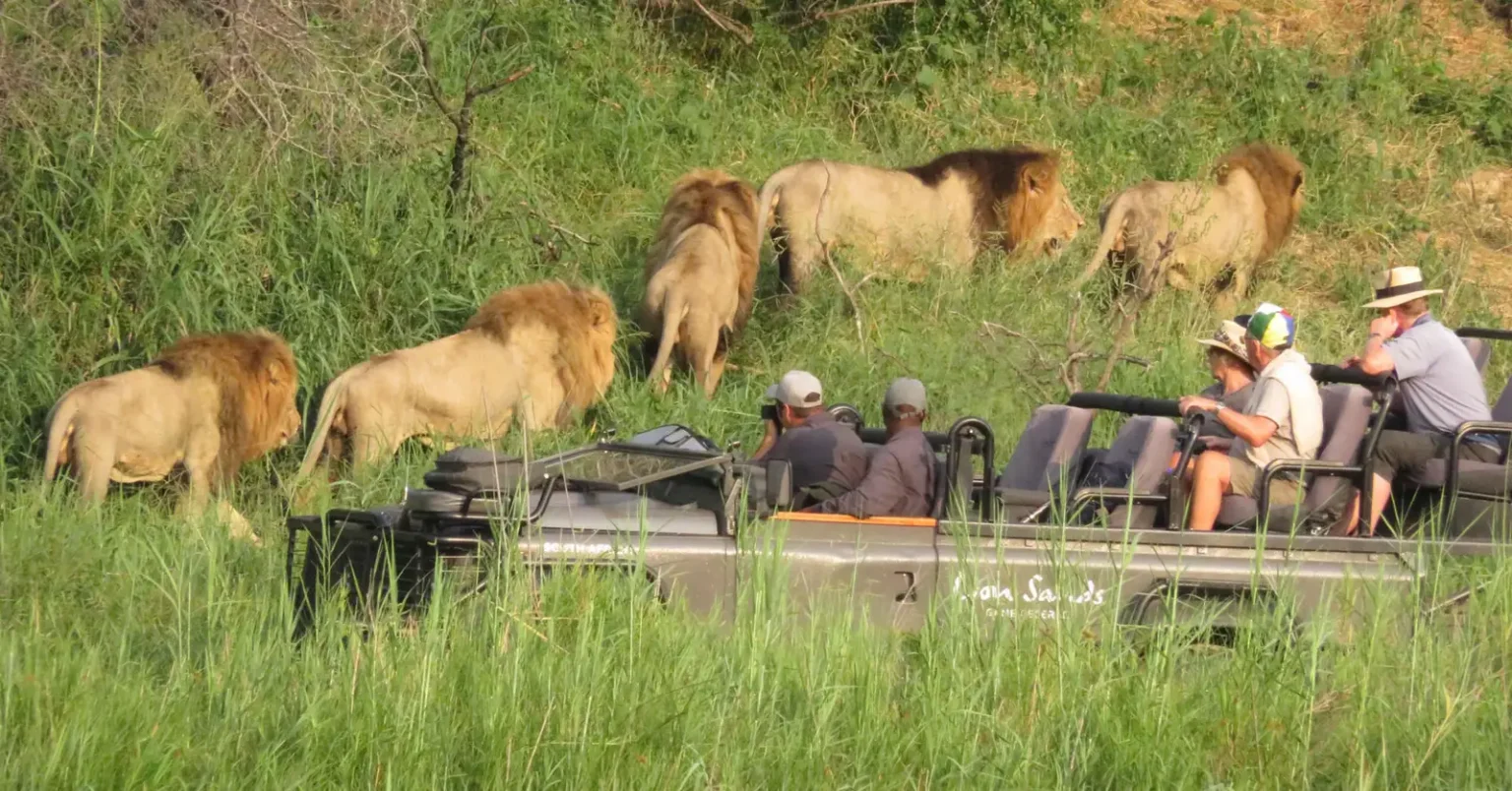
Yes, African safaris are safe when planned and operated properly. Millions of travelers enjoy safaris every year without any issues because safety is built into every part of the experience. From licensed operators to trained guides and strict park regulations, most risks are carefully controlled.
So, are safaris dangerous when done correctly?
No. Almost all incidents happen only when rules are ignored.
During real wildlife encounters, professional guides constantly read animal behavior, including:
- Ear movements
- Body posture
- Eye contact
These signals show whether an animal feels calm or threatened. If there is any sign of discomfort, your guide will calmly move the vehicle away. Keeping a safe distance is never random. It is based on years of training, experience, and deep understanding of wildlife behavior, not luck.
Are open safari vehicles really safe?
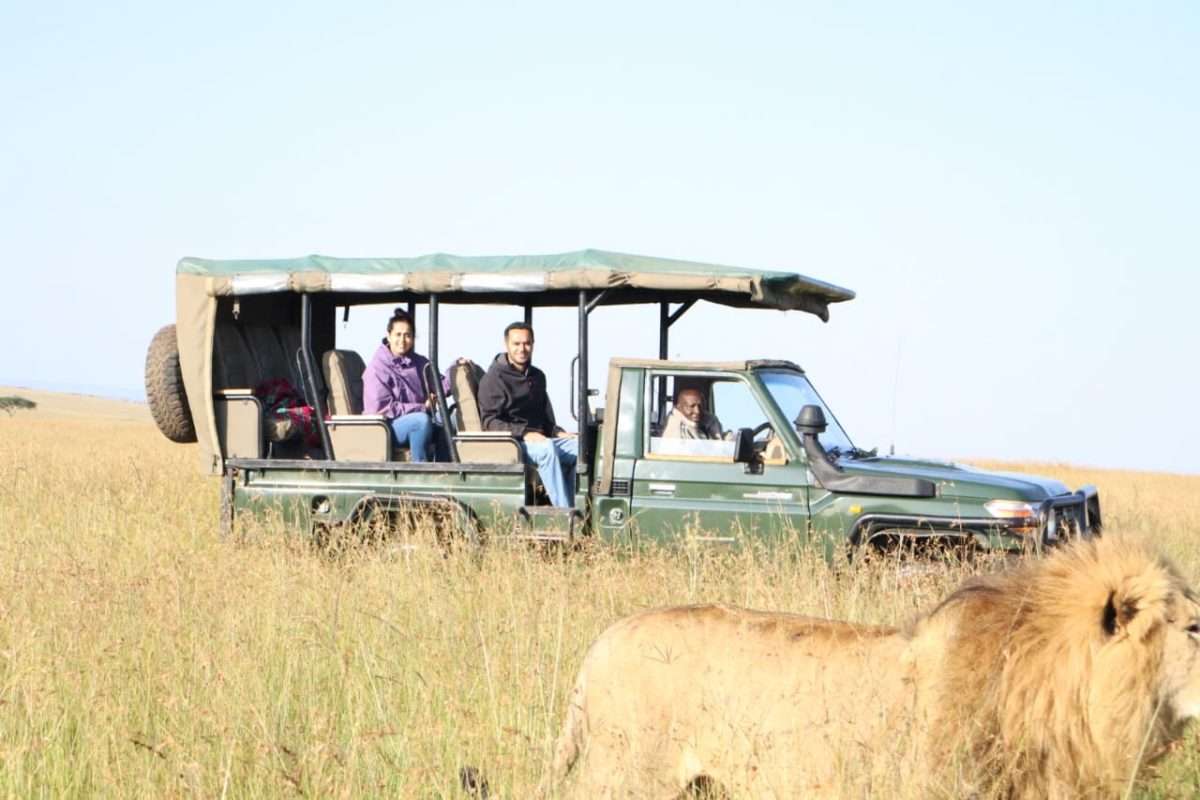
Safari vehicles are safe when you apply common sense and listen to the ranger. Many guests worry when they first see an open safari vehicle, but safaris are safe when you follow simple rules. Do not stick your arms out of the vehicle, point at lions or leopards, stand up, or move around during a sighting. The ranger will clearly explain this before the drive.
As long as you listen to the ranger, you will be fine. In places like Sabi Sand, the Serengeti, and the Maasai Mara, rangers are highly trained and experienced. They understand animal behavior and will never put you in a situation that is dangerous.
Guides strictly control movement. They also:
- Avoid blocking animal paths
- Never surround wildlife
- Park at safe viewing angles
As long as you stay seated and follow your guide’s instructions, animals remain calm and uninterested.
Will Animals Attack the Vehicle?
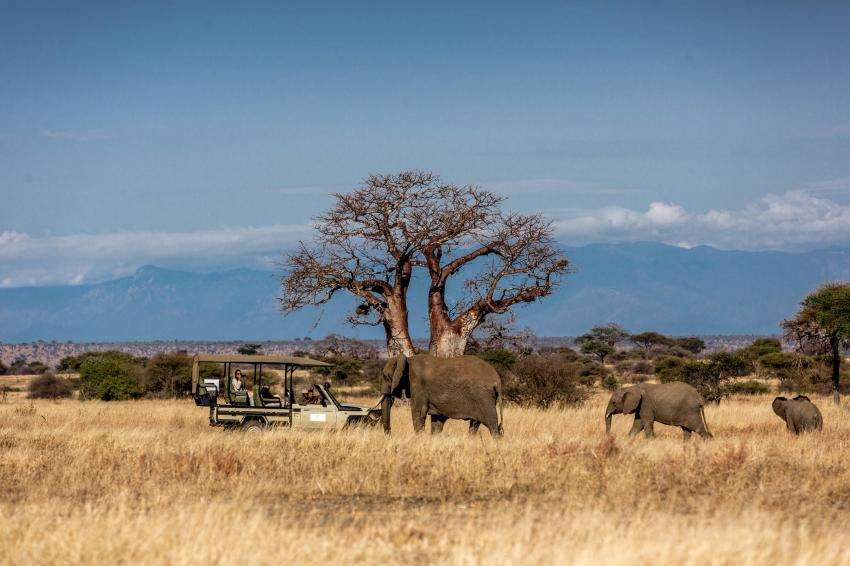
In a properly guided safari, animals do not attack vehicles. Our safari guide knows how to keep a safe distance that does not disturb wildlife.
Wild animals are used to safari vehicles. Many are born inside national parks and grow up seeing and hearing 4×4 vehicles every day, so they do not see them as a threat.
Your guide will always ask you to stay seated during game drives. Standing up or moving suddenly changes the shape animals recognize and can make them nervous. This can cause them to run away or act defensively. Strong vehicle smells also hide human scent.
If you ever feel uncomfortable while watching an animal, tell your guide. Their priority is your comfort and safety, and they will gladly move away if needed.
When you travel with a trained guide, whether in a private reserve or on a guided safari, there is very little to worry about. Guides understand animal behavior and will never place guests in a risky situation.
Why does the guide carry a gun?
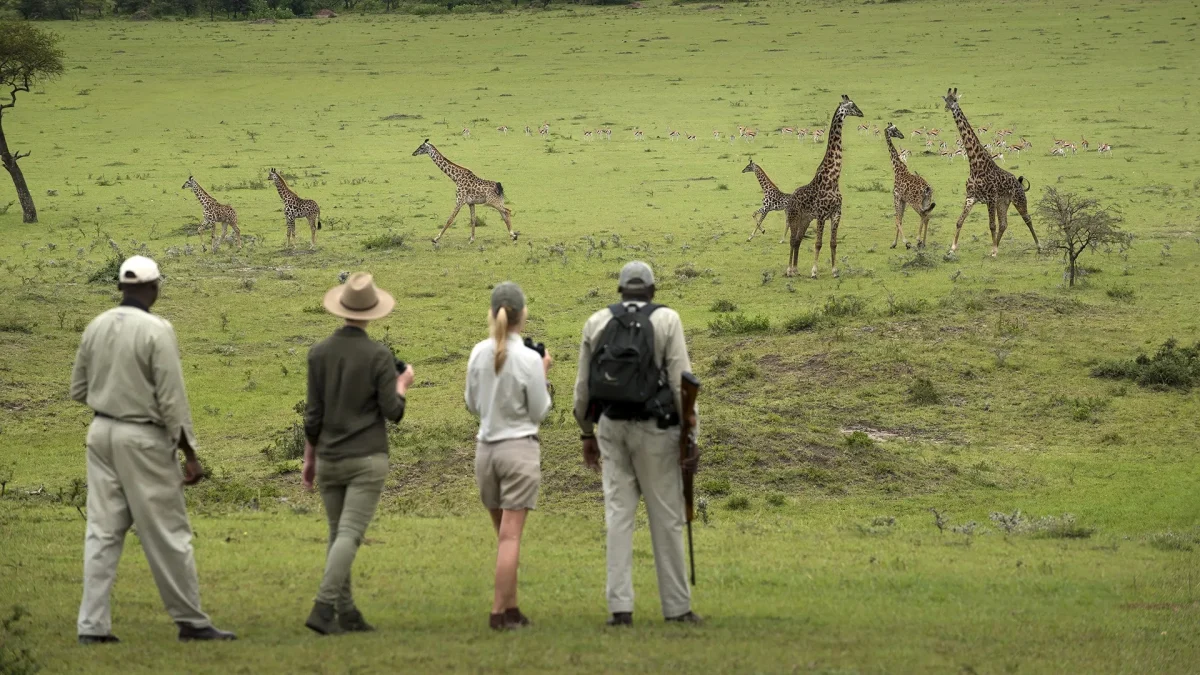
You may notice a gun on the vehicle, but it is not for animals attacking the car. It is carried for guide and tracker safety if they step out on foot to check tracks in the bush.
The most common risk on safari is bumping your head on low branches when driving off-road, so always stay alert and seated.
Wildlife Safety on Safari (What Guides Watch For)
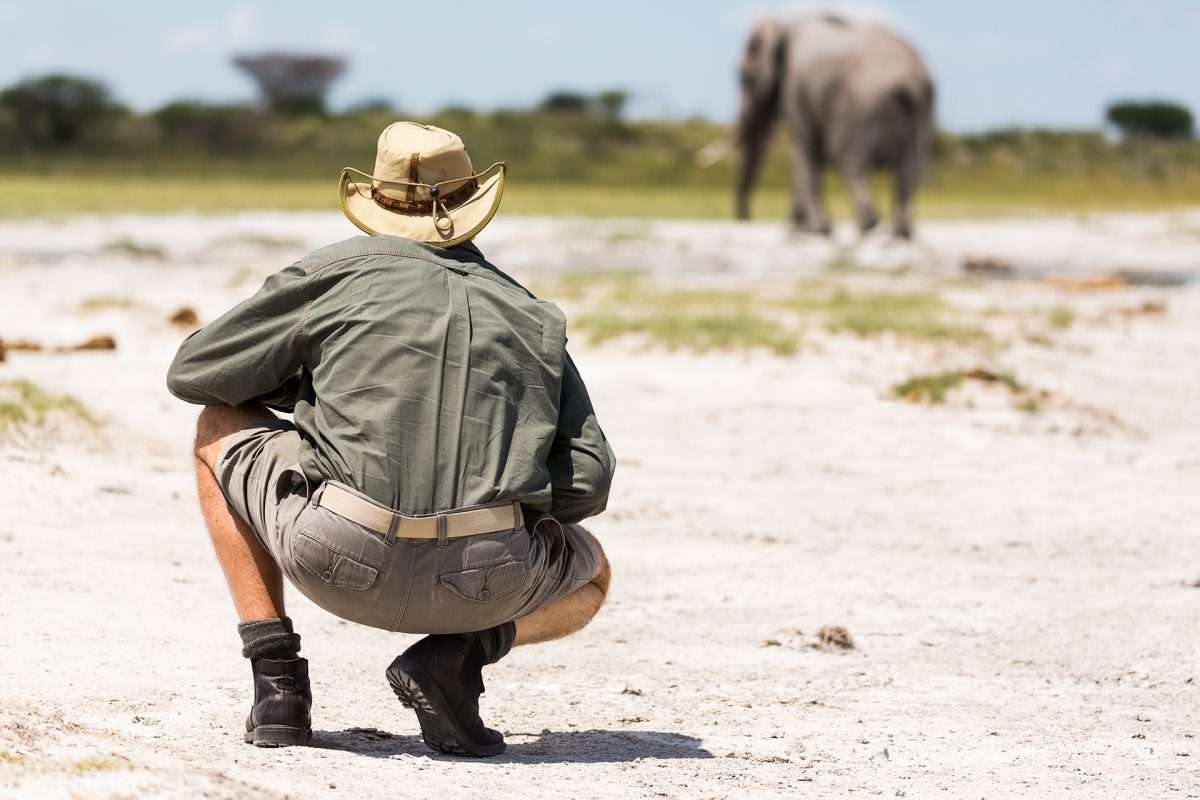
Ear Flicks
Elephants flick their ears when they feel alert or irritated. Rapid ear movement can mean discomfort. Guides notice this immediately and increase distance.
Tail Movement
Lions swish their tails when they feel annoyed or focused. A fast tail flick is often a warning sign. Guides reposition the vehicle when they see this.
Mock Charges
Elephants sometimes run forward and stop suddenly. This is called a mock charge. It is meant to scare, not attack. Experienced guides recognize this behavior and remain calm, which keeps the situation under control.
Cub Protection Behavior
If a mother lion or leopard has cubs nearby, she becomes defensive. Guides know how to read her posture and avoid getting too close.
These skills are essential for both vehicle safaris and walking safari safety. On foot, guides track wind direction, footprints and sounds. This is why walking safaris only happen in approved areas with certified professionals.
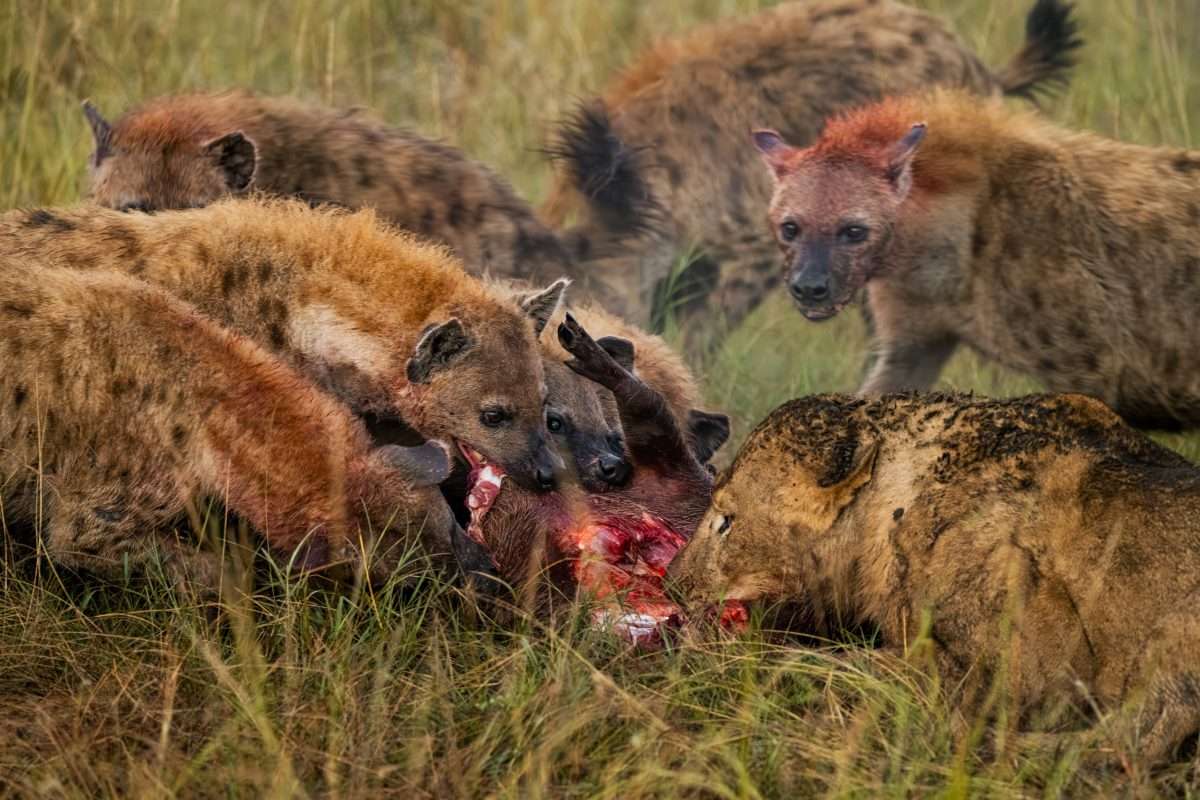
Understanding predator vs prey zones also matters. Guides know where animals hunt and where herds move. They avoid cutting across migration paths or trapping animals between vehicles.
All of this follows strict park regulations safari authorities enforce. Rangers monitor routes and guide behavior daily to ensure both guests and wildlife stay protected.
Most Dangerous African Animals (And Why You’re Still Safe)
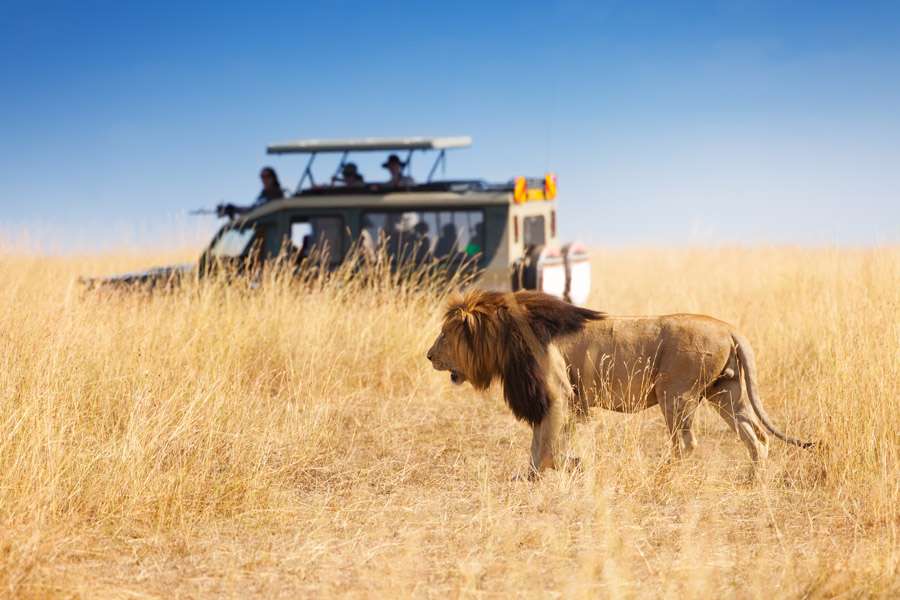
Africa is home to powerful wildlife, but danger usually comes from misunderstanding animal behavior, not from the animals themselves. When you travel with professional guides, safari attack risk stays extremely low because experts know how to keep safe distances and read warning signs early.
Here are the dangerous safari animals people often worry about:
- Hippos:
They cause many injuries because they are highly territorial, especially near rivers and lakes. This is why hippo danger safari awareness is important around water. - Elephants: An elephant charge safari situation usually happens when they feel threatened or are protecting calves. Guides recognize this behavior early and move away safely.
- Lions: As apex predators, lions can be dangerous if provoked or approached on foot. On game drives, they remain calm because they see vehicles as non-threatening objects.
- Cape buffalo: Strong and unpredictable when startled, which is why guides keep a wide distance.
- Nile crocodiles: They have one of the strongest bite forces on Earth and are most dangerous near riverbanks.
- Mosquitoes: Surprisingly, they pose the biggest risk due to malaria, making insect protection essential.
Other animals people often ask about:
- Puff adder: highly venomous and well camouflaged
- Honey badger: small but extremely fearless
The truth: Wild animals rarely become dangerous unless people behave recklessly. When you follow guide instructions and respect wildlife space, safaris remain very safe and enjoyable.
What Happens if the Animal Gets Too Close?
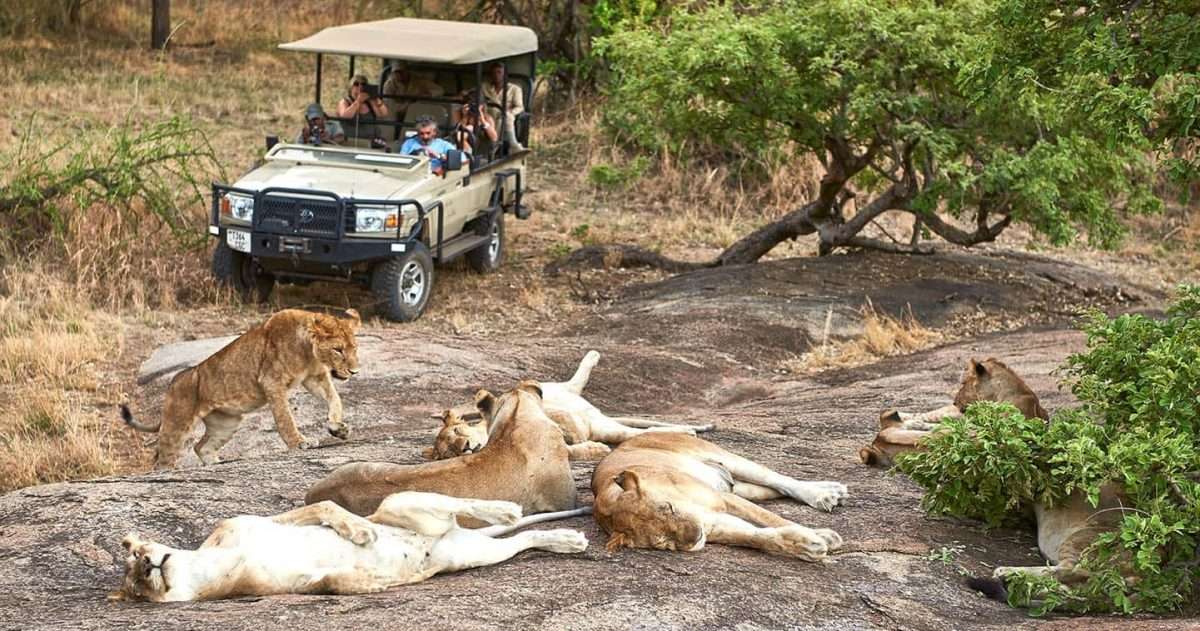
Many guests say,
“I saw a video where a lion climbed into a safari car. What if that happens to us?”
First, most viral videos are not even from Africa. Some are filmed in zoos or private parks. Others involve unlicensed operators or self-drive travelers.
Second, even when close encounters happen in Africa, they are almost always with people who ignored safety rules. In guided safaris, this is extremely rare.
On a TourwithPipi safari, your guide watches animals constantly. If a lion walks closer, your guide adjusts the vehicle calmly. You stay seated and quiet. That is it.
Safari Camp & Lodge Safety at Night
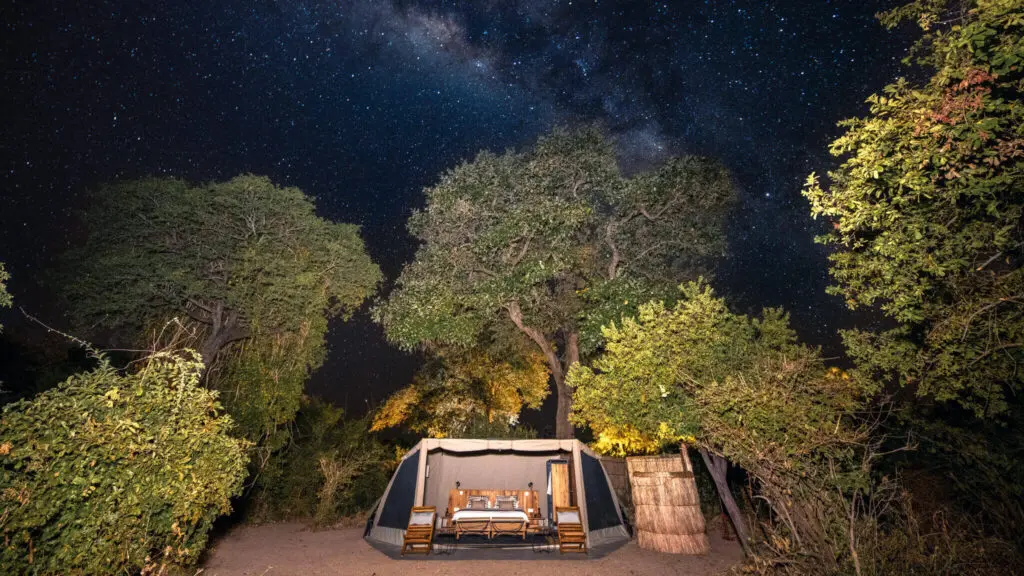
People often worry about their tent safety at night. Yes, they are very safe and well protected buy our Lodge’s security.
Animals do not see your tent as food or shelter. To them, it is just another object like a tree or rock. You may hear animals walking outside, but they are not trying to enter.
Wild animals do not understand human food smells. Your snacks do not attract them.
The most important rule is simple.
Once you go to bed, stay inside your tent.
For your safety, lodges provide:
- Night escorts to walk you to and from your room
- Security guards on duty
- Buzzers or phones in rooms
- Clear safety briefings
This is why safari lodge safety and safari camp safety at night are taken very seriously.
Never Walk Alone at Night
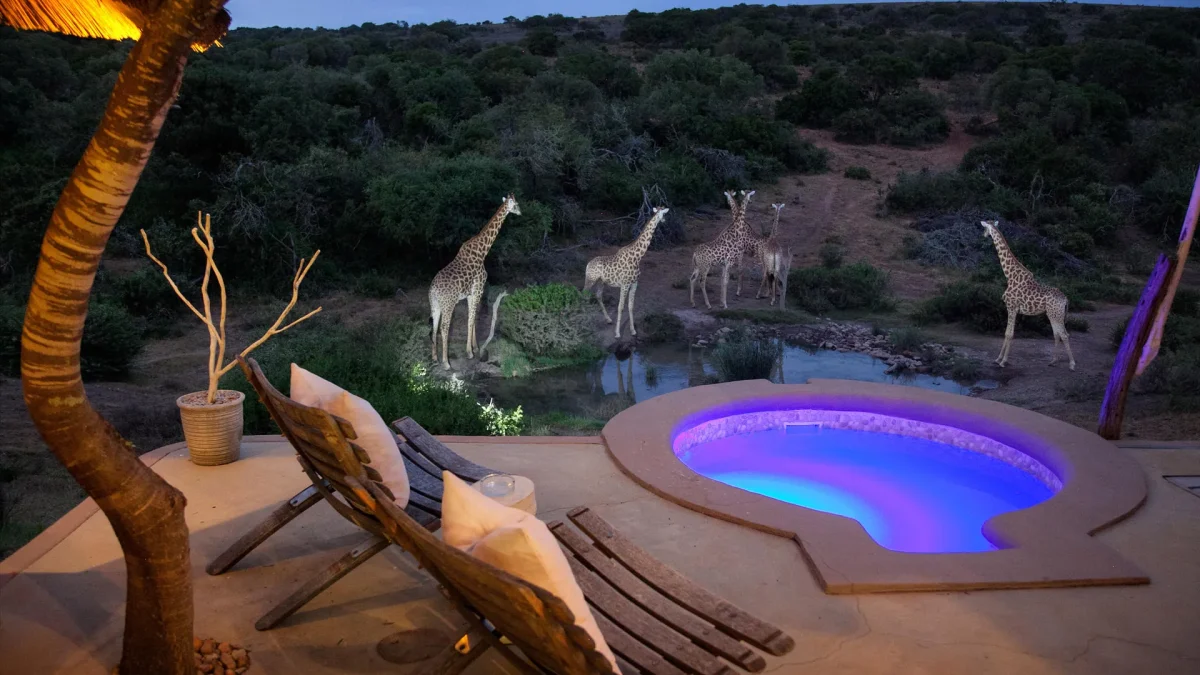
After dark, the bush comes alive. Hippos graze near rooms. Elephants wander quietly. Lions may rest close to camps.
Always request an escort when moving at night. No exceptions. Most lodges provide:
- Two-way radios in rooms
- Staff stationed near paths
- Air horns to scare animals
- Vehicles for longer transfers
If you see an animal near your path, turn around slowly and head back to the nearest safe structure. Never run. Never turn your back on a predator.
Keep Animals Out of Your Tent
Zip your tent or close your door at all times. Animals are curious, especially baboons who associate humans with food.
- Do not leave snacks inside
- Keep windows screened
- Close doors even for short exits
Bring Your Shoes Inside the Tent
Scorpions like warm, dark places. Shake shoes before wearing them.
Check toilet paper rolls too.
Snakes usually avoid people. If one passes through, stay still and let it move on.
At night, carry a flashlight when heading to the bathroom. Keep lights off when sleeping to avoid attracting insects.
How to Avoid Dangerous Wildlife Encounters
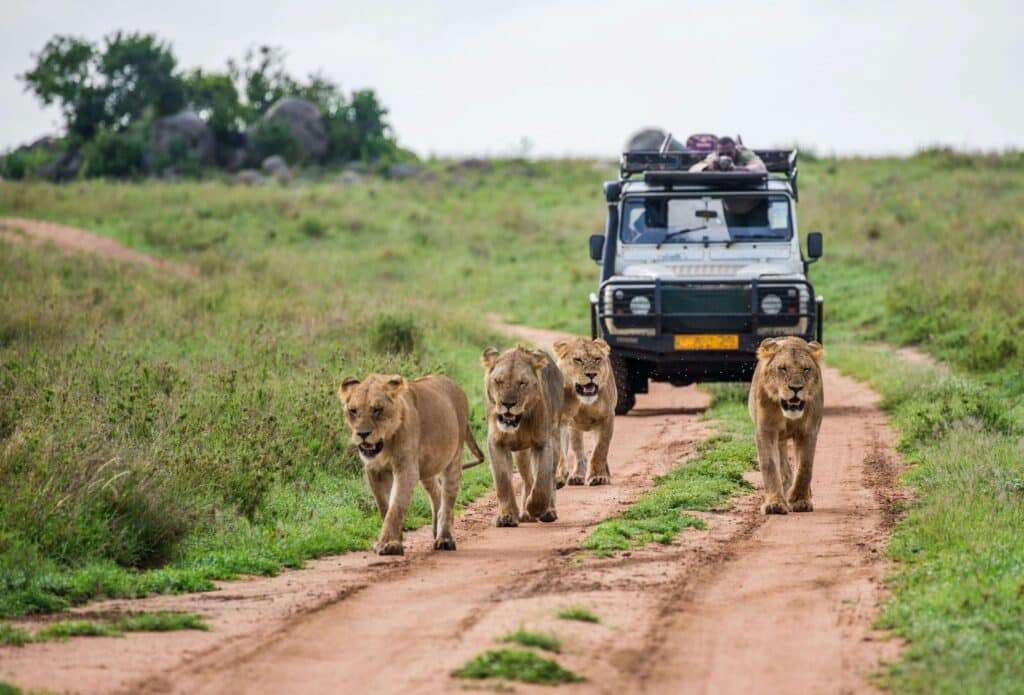
Wildlife encounters are rare when you follow the rules, but awareness makes all the difference.
- Listen to Your Guide: They are trained to read ear positions, tail movements, and body posture. These signs tell them when an animal feels stressed or curious.
- Stay Observant: Small signals matter. Raised ears, growling, or tail flicks can mean discomfort. Spotting these early keeps situations calm.
- Maintain Safe Distance: Never get close, even if the animal looks relaxed. Elephants and hippos are especially territorial.
- Stay in Groups: Animals are less likely to approach a group than a single person.
- Avoid Direct Eye Contact with Predators: Staring can be seen as a challenge. Keep your gaze soft and calm.
- Remain Calm if Approached: Do not run. Stand still, breathe slowly, and follow your guide’s commands.
- Respect the Habitat: No shouting, sudden movements, or loud laughter. The bush runs on quiet rhythm.
- Know Emergency Protocols: Your guide is trained for every scenario. Let them lead.
Is it Safe to Walk Anywhere on an African Safari?
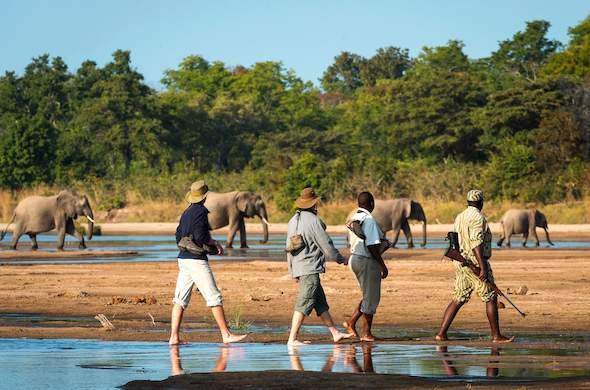
During the day, yes. You can walk around camp when it is light. TourwithPipi staff monitor wildlife movement and make sure the area is clear.
At night, you are always escorted. This is a simple safety rule, not because danger is common, but because prevention matters.
During game drives, you may stop for:
- Coffee breaks
- Picnic lunches
- Sundowners
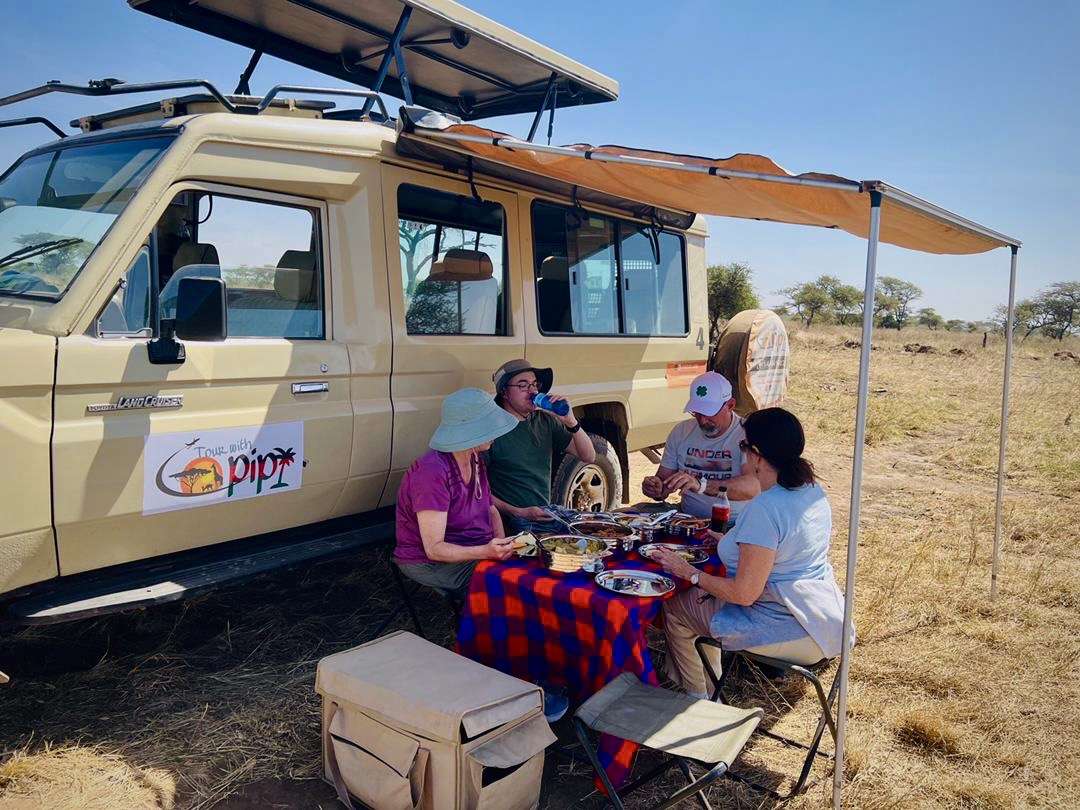
At these stops, your TourwithPipi guide chooses a calm, secure place to pause where wildlife is comfortably far away. You might spot elephants wandering by a riverbank or antelope grazing on the horizon, creating your own live safari show, but always with enough space to keep everyone relaxed and safe.
Even when using a bush toilet, your guide checks the surroundings first. You are never left alone.
Walk Safari Safety
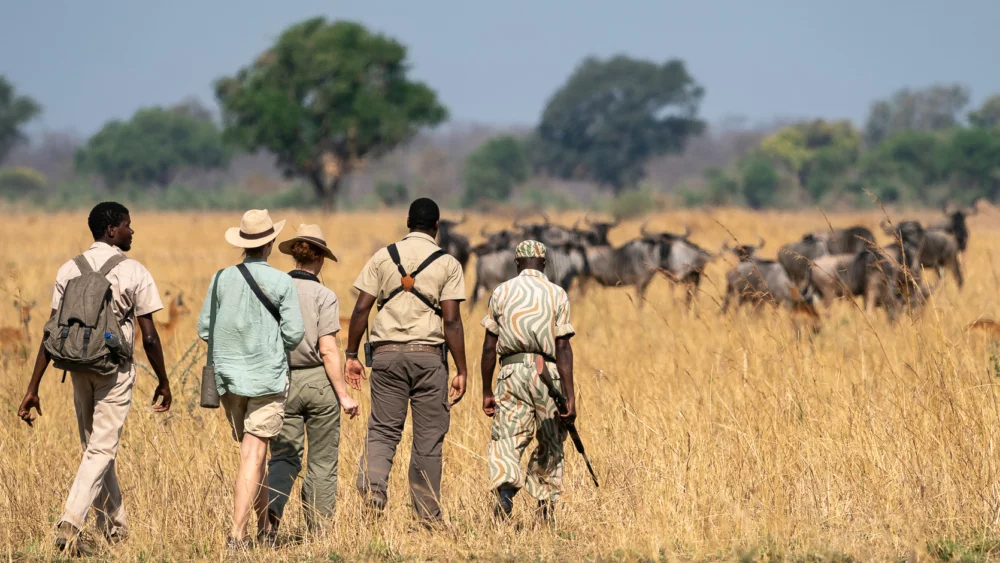
Walking safaris are thrilling and completely safe when led the right way. At TourwithPipi, these experiences are guided by highly trained professionals who know the bush inside out. Walking beside wildlife on foot creates a powerful connection with nature and gives you a deeper appreciation of animal behavior, tracks, and ecosystems.
All bush walks are conducted by Level 3 certified guides who carry a rifle purely for emergency situations. This is a legal requirement and a safety precaution, not something they depend on. Our guides have decades of combined experience and have never needed to use their rifles. Instead, they rely on skill, awareness, and deep knowledge of the wilderness to keep guests safe.
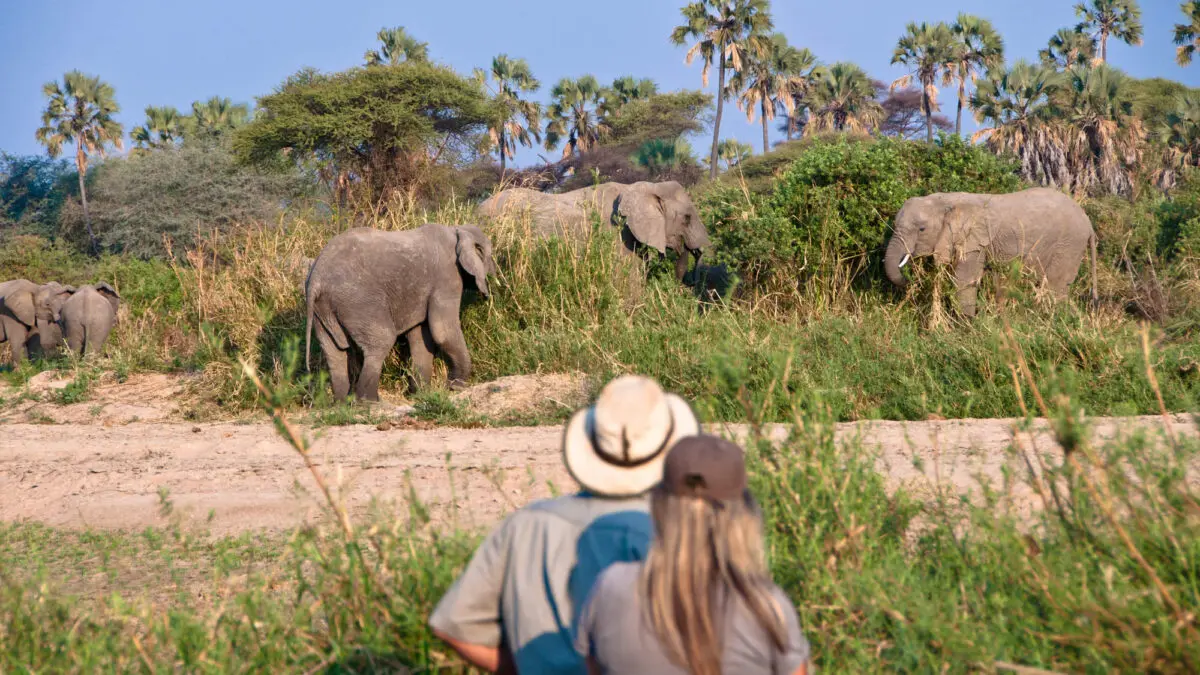
What our guides truly depend on:
- Wind direction to avoid surprising animals
- Fresh tracks to understand movement patterns
- Animal body language to read warning signs
- Bush expertise built through years of experience
Your guide controls the distance, chooses which animals are safe to approach, and constantly scans the surroundings. As long as you listen carefully and follow their instructions, walking safaris remain one of the safest and most unforgettable ways to experience Africa.
African Walking Safari Safety Tips
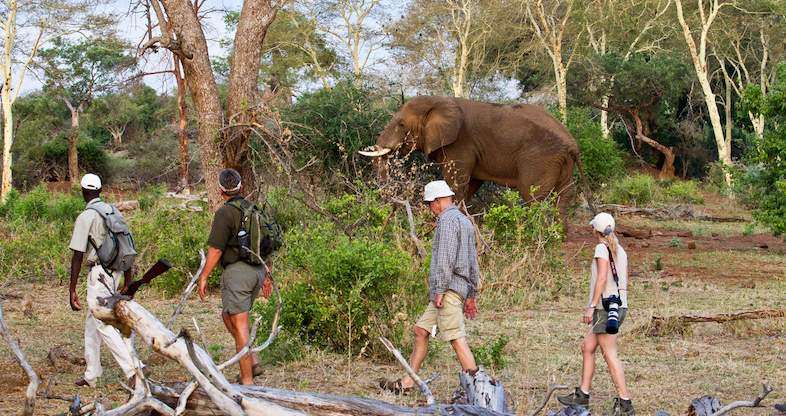
Walking safaris feel raw and real. You hear every leaf crunch, every bird call, every shift in the wind. It is beautiful, but safety always comes first. At TourwithPipi, we only offer walking safaris with certified professionals who know the bush like home.
- Stick with Your Guide: Your guide reads animal behavior, wind direction, and tracks on the ground. Trust their judgment completely. They will decide when to stop, move, or change direction.
- Walk in Single File: Moving in one line keeps noise low and helps avoid surprising animals. It also allows your guide to control the group safely.
- Wear Neutral Colors: Khaki, olive, and earth tones blend naturally with the landscape and avoid drawing attention from wildlife.
- Never Run if Confronted: Running triggers chase instincts. If an animal appears, stay still or slowly step back while following your guide’s instructions.
- Stay Alert: Watch the ground for tracks and droppings. Listen when your guide points out warning signs.
Health Safety on Safari (The Bigger Risk Isn’t Animals)
On safari, wildlife is not the biggest danger. Health-related issues are far more common, which is why smart preparation matters more than anything else.
Key safari health precautions
- Food safety: Stick to lodge meals and avoid street food to prevent stomach issues
- Malaria prevention: Use insect repellent and take medication if advised by your doctor
- Hydration: Drink water regularly, even when you don’t feel thirsty
- Sun protection: Wear a hat and apply sunscreen daily
- Vaccinations: Check required and recommended vaccines before travel
- Water safety: Drink only bottled or filtered water
Always travel with comprehensive travel insurance. It covers medical treatment and emergency evacuation, which is essential in remote safari regions.
Pre-Travel Preparations for a Safe Safari
Documentation & Insurance
- Passport & visa: Confirm visa rules early and ensure your passport is valid for at least six months after your return date
- Travel insurance: Choose a plan that covers medical emergencies, cancellations, theft, and evacuation
- Emergency contacts: Save embassy details, insurance numbers, and local emergency contacts both digitally and on paper
- First aid kit
Pack basics like antiseptic wipes, bandages, pain relievers, antihistamines, rehydration salts, and personal medication. A small medical guide can also be helpful for minor issues.
Guided Safari vs Self-Drive: Which Is Safer?
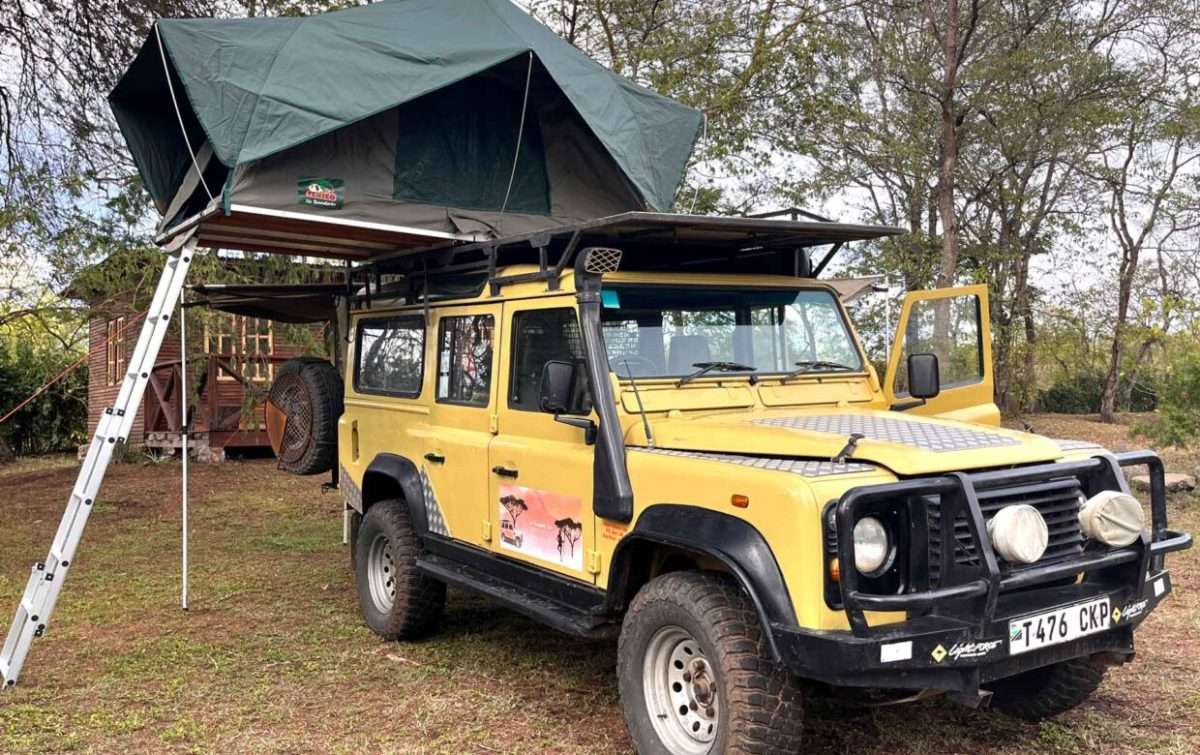
When comparing guided safari vs self drive safety, guided safaris are always safer.
Factor | Self-Drive Safari | Guided Safari |
Wildlife knowledge | Limited | Expert guides |
Emergency response | Very limited | Trained professionals |
Navigation | Can be confusing | Guides know park routes |
Safety | Higher risk | Lower risk |
So, is a self-drive safari safe?
Only if you are very experienced. For most travelers, guided safaris offer far better safari travel safety.
Safest Safari Countries in Africa (What “Safe” Really Means)
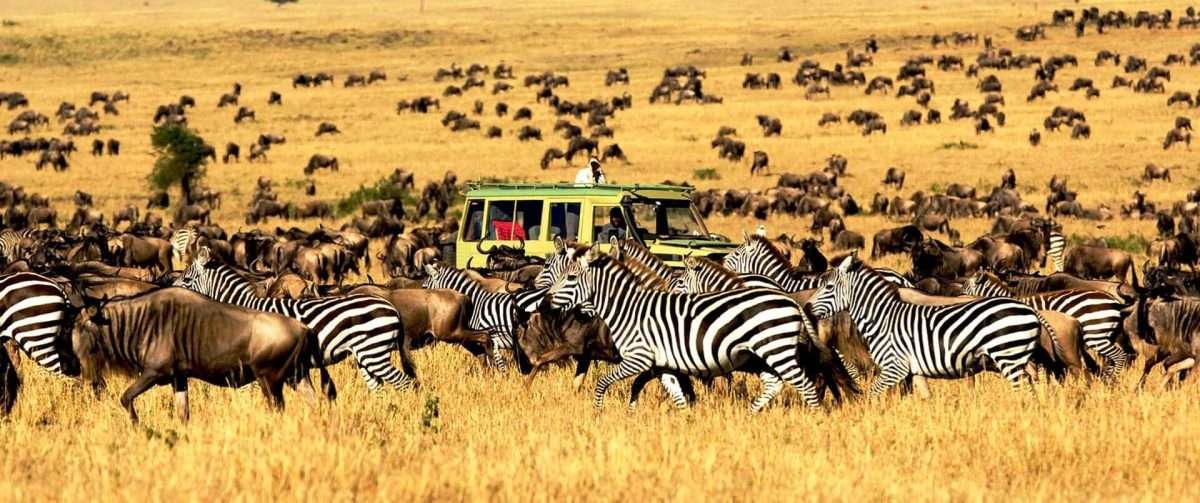
When we talk about the safest safari countries in Africa, safety is not about the absence of wildlife. It is about how well destinations are managed. True safari safety depends on three main factors:
- Park security: Armed rangers, controlled entry gates, radio monitoring, and strict visitor rules
• Guide standards: Licensed guides trained in wildlife behavior, first aid, and emergency response
• Medical access: Evacuation airstrips, rescue services, and nearby medical facilities
The safest African countries to go on safari combine strong conservation systems with professional tourism infrastructure.
Safest Safari Countries Ranked
- Botswana – Okavango Delta, Chobe National Park
Known for low tourist numbers, strict conservation laws, and elite guiding standards. - Kenya – Masai Mara National Reserve
Home to the Great Migration with excellent ranger presence and professional operators. - Namibia – Etosha National Park, Namib Desert
Peaceful country with well-maintained parks and safe desert safaris. - Tanzania – Serengeti National Park, Ngorongoro Crater
Highly regulated parks with strong lodge security and expert guides. - South Africa – Kruger National Park, Addo Elephant Park
Well-developed tourism infrastructure and excellent emergency services. - Uganda – Bwindi Impenetrable Forest
Strict gorilla trekking permits and armed ranger escorts ensure safety. - Rwanda – Volcanoes National Park
One of Africa’s safest countries with premium conservation protection. - Zambia – South Luangwa National Park
Excellent walking safaris led by highly trained guides. - Zimbabwe – Hwange National Park, Victoria Falls
Strong wildlife protection and organized tourism zones. - Morocco – Erg Chebbi Dunes, Atlas Mountains
Safe for desert tours and mountain travel with professional operators.
These destinations consistently rank highest for safari safety due to strong management and visitor protection systems.
Is Safari Safe for Families, Couples & Solo Travelers?
African safaris are safe for all traveler types when booked with licensed operators.
Families with Kids

Safaris are family-friendly with age-appropriate game drives and safety rules. Many lodges offer junior ranger programs and shorter drives for children.
Honeymoon Couples
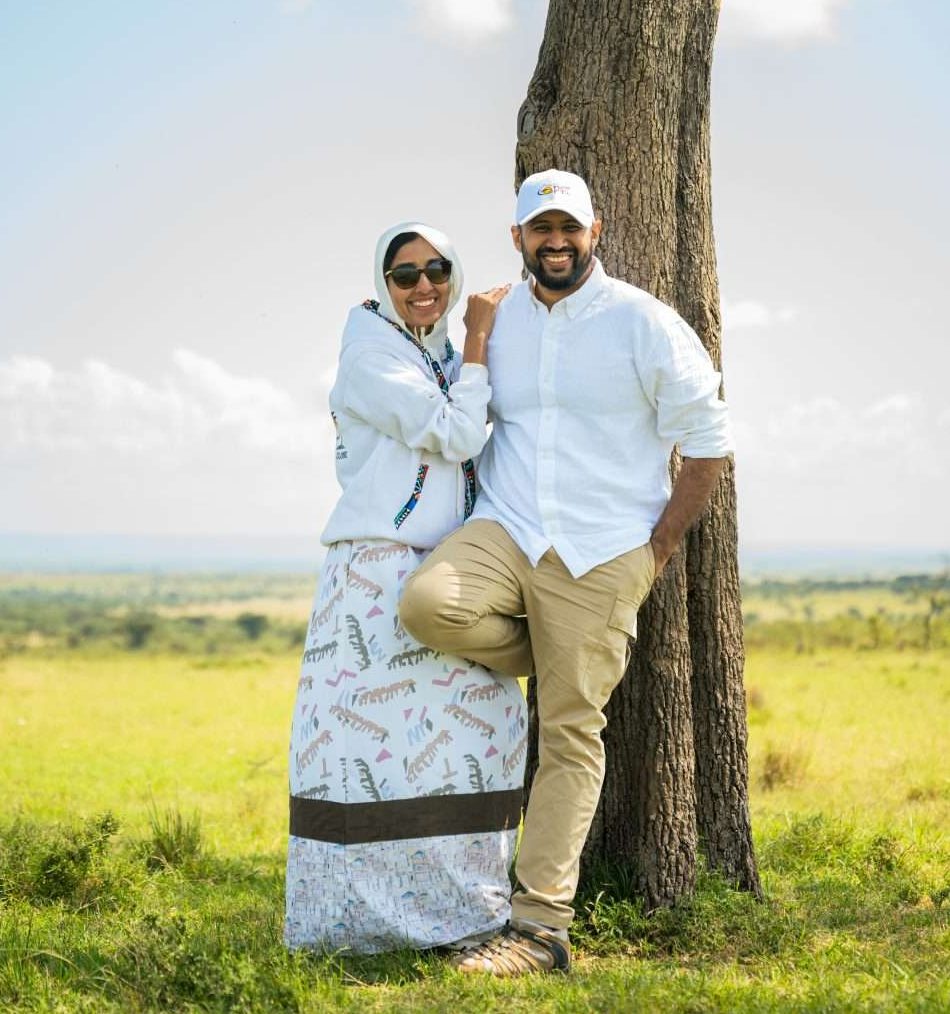
Private vehicles, luxury lodges, and controlled activities make safari honeymoons safe and intimate. Romantic dinners and sunset drives are carefully supervised.
Solo Travelers
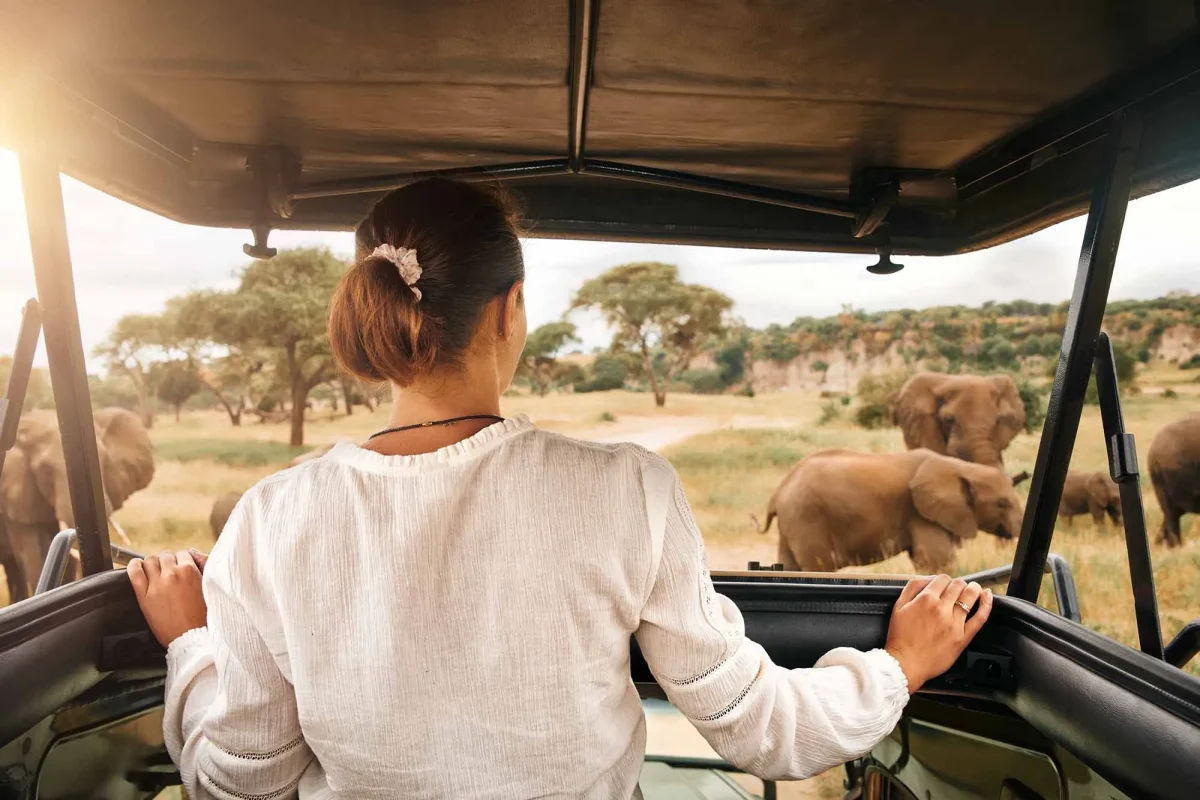
Solo guests are never alone in wildlife areas. You travel with guides and groups, making it a secure experience.
Seniors
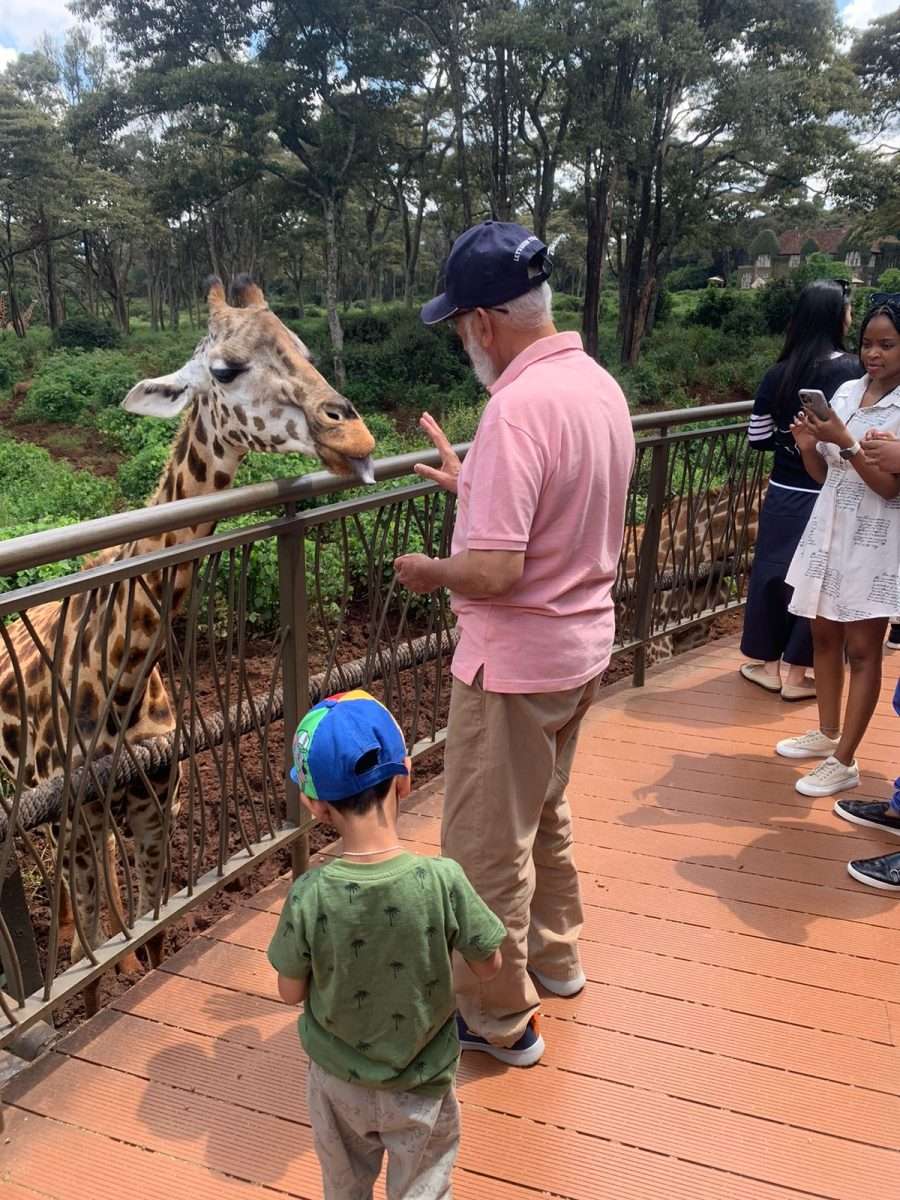
Safaris suit seniors with comfortable vehicles, flexible schedules, and accessible lodges. Private safaris allow rest breaks when needed.
TourwithPipi Safety Standards (How We Run Our Trips)

At TourwithPipi, safety is not an afterthought. It is built into every detail of your journey. Our TourwithPipi safari safety approach is based on real experience and local knowledge.
How we choose lodges: We work only with trusted camps that follow strict safety standards. This includes:
- Night escorts
- Secure lodge layouts
- Fences where needed
- 24-hour staff presence
Certified guides: Our trips are led by professionals who are trained in wildlife behavior and emergency response. This is why TourwithPipi guided safaris feel calm and organized.
Guide training: We select guides based on:
- Years of field experience
- First aid certification
- Park licensing
This supports our TourwithPipi luxury safari safety standards.
Route checks: Before every drive, guides review animal movement, weather, and park updates. Routes are chosen for safety and comfort.
Guest briefings: Every morning starts with a short safety talk. Guests always know what to expect and how to behave.
Emergency protocol: All vehicles carry communication devices and first aid kits. Lodges are connected to medical facilities and air evacuation services.
We specialize in Tanzania safari safety, including iconic areas like Serengeti safari routes and TourwithPipi Ngorongoro safari experiences. These parks are well-managed, and our operations follow park regulations strictly.
With TourwithPipi, you are not just booking a safari. You are traveling with a team that treats your safety like their own. Contact us now to book a safe and adventurous safari with your family!
Dangerous Safari Countries to Avoid & Why
While many African nations offer world-class safari experiences, the real risks usually come from human conflict, crime, or political instability, not wildlife inside protected parks. Well-managed safari destinations like Kenya, Tanzania, Botswana, and South Africa are generally very safe for travelers.
That said, it is always smart to check official government travel advisories before booking, as conditions can change.
Countries Often Cited for Higher Risk (Always Check Advisories)
- Democratic Republic of Congo (DRC): Ongoing armed conflict and political instability create serious safety concerns for travelers.
- South Sudan: High levels of violent crime, carjackings, and kidnappings make travel risky.
- Mali: Security threats from extremist groups and regional unrest affect visitor safety.
- Nigeria: Some regions face terrorism and organized crime risks. Safari areas are limited.
- Sudan: Political instability and conflict make travel unsafe in many parts of the country.
Important Safety Reminder
These risks are not related to wildlife. National parks in popular safari countries operate under strict security protocols with armed rangers and trained staff.
Bottom line:
Stick to established safari destinations, travel with licensed operators, and always review current travel advisories before planning your trip.
FAQs
Are African safaris safe for first-time travelers?
Yes. African safaris are very safe for beginners when booked with licensed operators. Professional guides, strict park rules, and secure lodges make the experience low risk and well managed.
Can wild animals attack safari vehicles?
Almost never. Animals view safari vehicles as neutral objects. Attacks only happen in rare cases when people behave irresponsibly or get too close.
Is it safe to walk around safari camps at night?
Yes, but only with a staff escort. Lodges provide guided walks after dark to prevent wildlife encounters. Walking alone at night is not allowed.
Do safari lodges have medical support?
Yes. Guides carry first aid kits, and lodges have emergency response plans. Many parks also have access to air evacuation services.
Is safari safe for honeymoon couples?
Absolutely. Honeymoon safaris are private, secure, and designed for comfort. Luxury lodges offer high safety standards and personalized service.
What is the biggest safety risk on safari?
Mosquito-borne diseases like malaria are a bigger risk than animals. Proper medication and insect protection greatly reduce this risk.
Which African country is safest for safari?
Botswana is considered the safest, followed by Tanzania, Kenya, Namibia, and Rwanda.
What is the most important game drive safety rule?
Always stay inside the vehicle unless your guide says it is safe to exit.
Are night safaris safe?
Yes. Night drives are led by trained guides using spotlights and radio communication for safety.
Is self-drive safari safe?
Only if you are experienced. Use a 4×4 vehicle, stay on marked roads, and avoid muddy conditions.
Are walking safaris dangerous?
No, when done with armed professional guides who monitor animal movement at all times.
How can I protect myself from malaria on safari?
Use insect repellent, wear long sleeves at night, sleep under mosquito nets, and take prescribed medication.
Do safari parks have security?
Yes. Parks have rangers, controlled entry points, and constant monitoring to keep guests safe.
Can children go on safari safely?
Yes. Many lodges offer family-friendly safaris with age-appropriate activities and safety guidelines.
What should I do if an animal comes close to the vehicle?
Stay calm, remain quiet, and follow your guide’s instructions. Animals usually move away on their own.
Final Thoughts
African safaris are safe, unforgettable, and well-managed when planned the right way. With trained guides, secure lodges, and strict park rules, your experience is designed around protection and comfort. Most risks are easily avoided by following expert advice and choosing reputable operators. Instead of fear, you can focus on the magic of wildlife, open landscapes, and once-in-a-lifetime moments in nature.
Ready to Plan Your Safe Safari?
Let our experts design a secure, personalized safari just for you. From selecting the safest parks to arranging luxury lodges and private guides, we handle every detail.
Talk to our safari specialist today and start planning your African adventure with confidence.
Blog Summary – Are African Safaris Safe?
- African safaris are safe when you travel with licensed guides and reputable safari operators who follow strict park safety rules.
- Animal attacks on safari vehicles are extremely rare because wildlife is used to game drive vehicles and trained guides maintain safe distances.
- Guided safaris are safer than self-drive safaris since professionals understand animal behavior, terrain risks, and emergency protocols.
- The biggest safari safety risk is malaria, not wildlife, which is why mosquito protection and medication are essential.
- Top safe safari countries in Africa include Botswana, Kenya, Tanzania, Namibia, Rwanda, Uganda, and Zambia.
- Safari lodges and camps are secure with night escorts, fenced or monitored areas, and emergency call systems.
- Cold mornings and open vehicles require warm clothing for comfort and protection during game drives.
- Following safari safety rules like staying inside vehicles, keeping noise low, and respecting animal space prevents most incidents.
- Walking safaris are safe only when guided by armed, certified rangers who control every step of the experience.
- African safaris are safe for couples, families, and solo travelers when planned correctly with professional support.


