
West Africa and East Africa are both part of the same continent, but they are two very different travel experiences. West Africa is known for its music, its bold traditional dress, and cities like Lagos and Accra that never really slow down. East Africa is known for the safari, the Great Migration, and a tourism industry that has been welcoming visitors for well over a century. There are real cultural differences in Africa between these two regions, and understanding them helps you pick the trip that actually fits what you want.
This guide breaks down west Africa vs east Africa across everything that matters to a traveler: which countries are in each region, west African people and culture versus East African culture, food, language and dress, wildlife and safari, safety, visas, flights, cost, and where to stay.
Which Countries Are in West Africa and East Africa?
East and west Africa are both geographic regions, not political unions, and there is genuine disagreement even among Africans about exactly where the lines sit.
West Africa
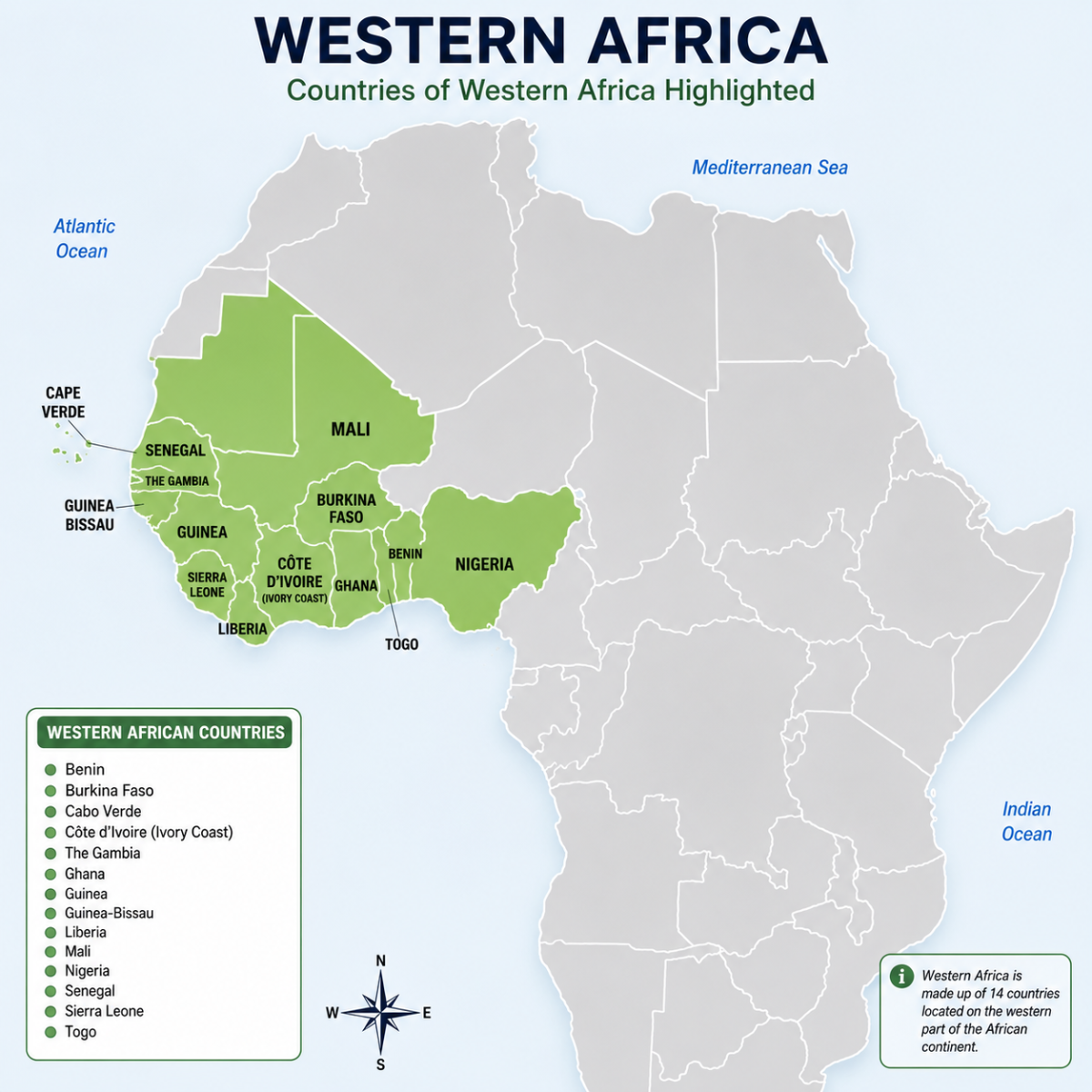
West Africa typically includes:
- Nigeria
- Ghana
- Senegal
- Ivory Coast
- Mali
- Guinea
- Sierra Leone
- Liberia
- Benin
- Togo
- Burkina Faso
- Niger
- The Gambia
- Guinea-Bissau
- Cape Verde
- Mauritania
East Africa
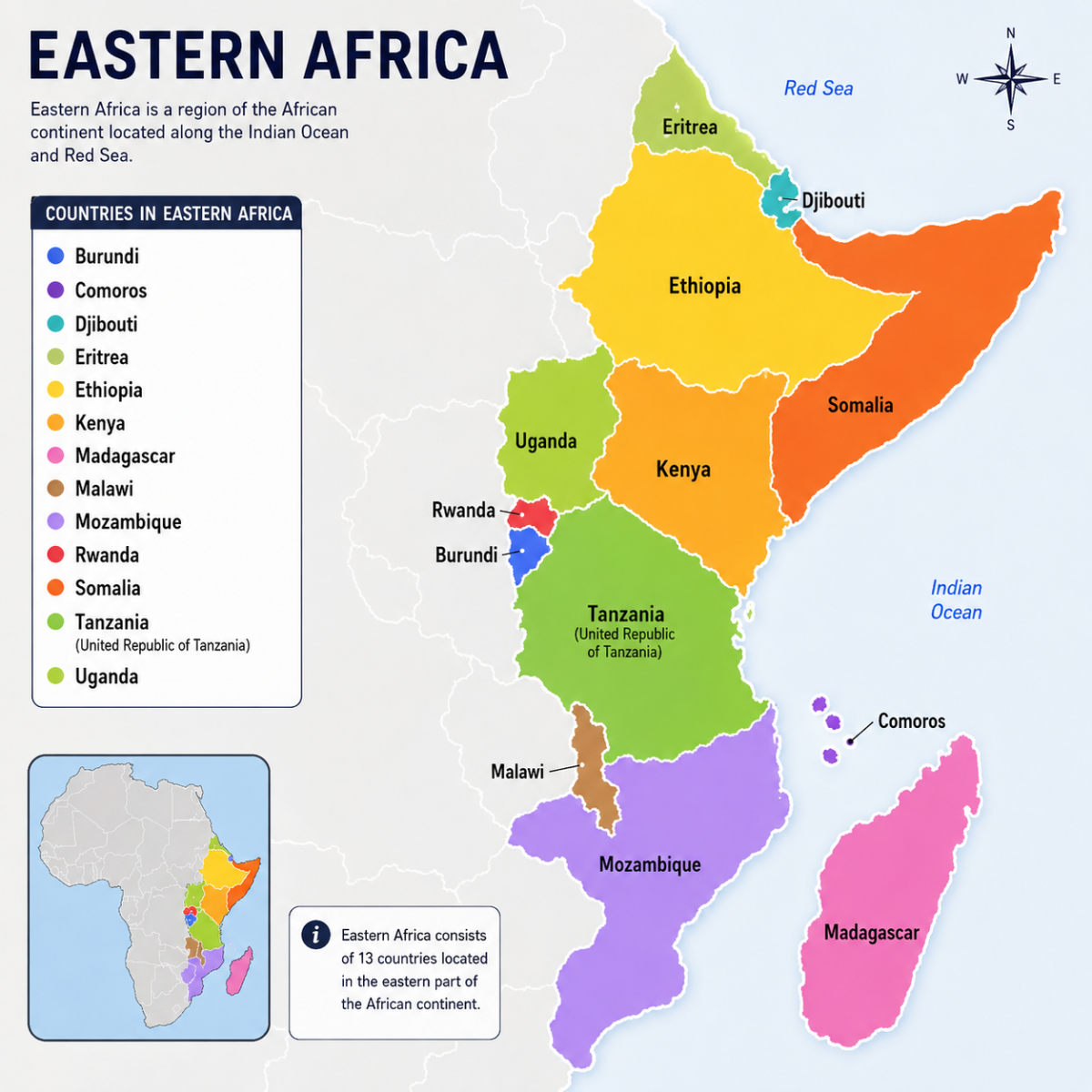
East Africa typically includes:
- Kenya
- Tanzania
- Uganda
- Rwanda
- Burundi
- South Sudan
Ethiopia, Somalia, Eritrea, and Djibouti are sometimes grouped in as East Africa and sometimes classed separately as the Horn of Africa. This is one of the more genuinely disputed regional lines on the continent, since the Horn has different languages, religious history, and ethnic roots than the Great Lakes countries like Kenya and Tanzania, even though both sit in the eastern part of the continent geographically.
West Africa vs East Africa: Quick Comparison Table
| West Africa | East Africa | |
|---|---|---|
| Most populous country | Nigeria (about 242 million) | Ethiopia (about 139 million) |
| Main language families | Niger-Congo | Bantu, Nilotic, Cushitic, Afroasiatic |
| Dominant religion | Islam and Christianity, roughly split | Christianity, Islam, and traditional faiths, varies by country |
| Known for | Music, markets, historic trade cities, coastal culture | Classic safari, the Great Migration, mountain gorillas |
| Primary safari draw | Forest elephants, Sahel wildlife, smaller reserves | Big Five, open savanna, dense wildlife concentrations |
| Tourism infrastructure | Growing, less developed for safari travel | Long-established, purpose-built for safari tourism |
Population: West Africa vs East Africa
- Nigeria is Africa’s most populous country overall, at roughly 242 million people, and it is a West African nation.
- Ethiopia is East Africa’s largest by population, at around 139 million, second on the continent behind Nigeria.
- Lagos alone is home to close to 18 million people, making West Africa’s cities generally more densely populated.
- East Africa’s population spreads more across capital cities and vast rural or wilderness areas, which is part of why the region has so much land left for national parks.
Food and Cuisine: West African vs East African Cooking
Food is one of the clearest cultural differences in Africa between these two regions, and it comes down to spice, staple crops, and outside influence.
West African Food

- Built around rich, spiced stews and one-pot dishes
- Jollof rice is the signature dish, a tomato and pepper-based rice claimed by Nigeria, Ghana, and Senegal alike, with a friendly rivalry over whose version is best
- Cassava, yams, plantains, and peanuts (often called groundnuts) are constant staples
- Flavor tends to be deep and slow-cooked rather than lightly seasoned
East African Food

- Generally milder, with strong outside influence along the Swahili coast of Kenya and Tanzania
- Centuries of trade with India, the Arabian Peninsula, and Persia shaped coastal cooking
- Coconut milk, cardamom, and cumin are common in coastal dishes
- Ugali (a maize-based porridge), pilau, and grilled meat are common inland staples
- Coriander and Indian-style spice blends show up far more often here than in most of West Africa, a detail that surprises many first-time visitors
West African People and Culture vs East African Culture
Language, dress, and daily life all point to how differently these two regions developed. Here is what actually sets west African people and culture apart from East African culture.
Language
- Most West African languages belong to the Niger-Congo family: Yoruba, Igbo, Twi, and Wolof among them (Hausa is a notable exception, an Afroasiatic language)
- East Africa is more linguistically mixed: Bantu languages like Swahili and Kikuyu, Nilotic languages like Maasai and Luo, and Cushitic or other Afroasiatic languages closer to the Horn of Africa
Traditional Dress
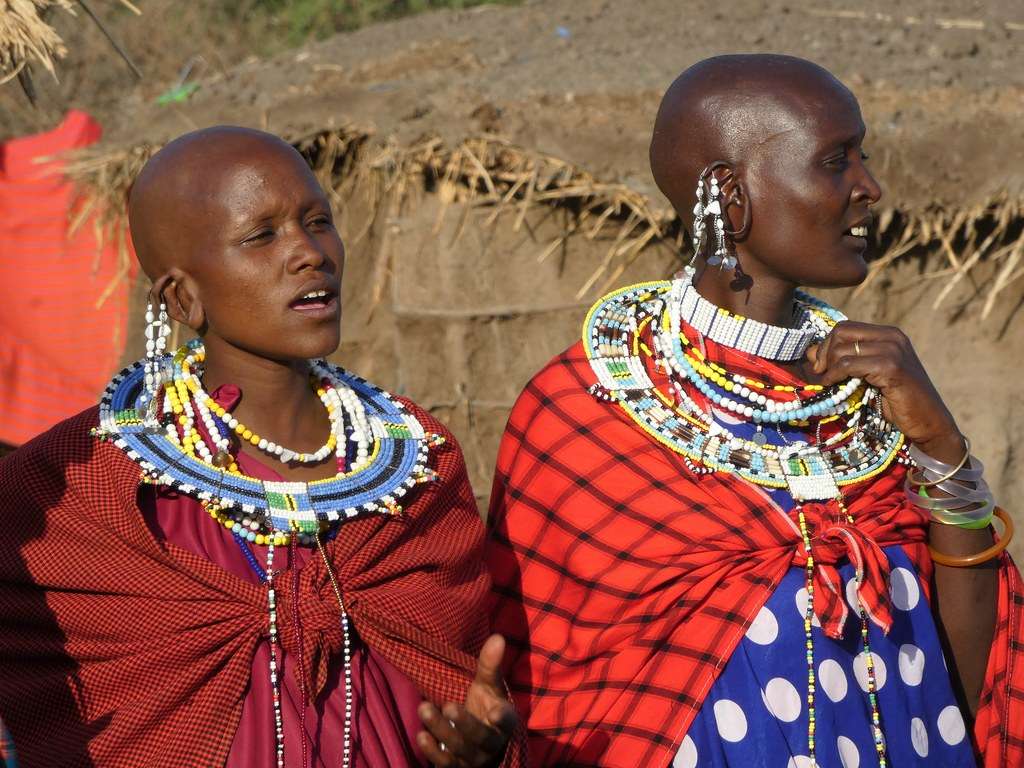
- Traditional dress is worn more visibly and more often in West Africa, where boldly printed fabrics like Ankara and kente cloth are everyday wear rather than special-occasion pieces
- It is common to see West African presidents and business leaders in traditional dress at formal events
- East African traditional dress tends to appear more in specific cultural or ceremonial contexts: the Maasai shuka in Kenya and Tanzania, or kanga and kitenge fabric along the Swahili coast
- Modern Western-style clothing is the norm in most East African cities day to day
Safari and Wildlife: East Africa vs West Africa
This is where the two regions diverge the most for travelers, and it is the main reason East Africa dominates the safari industry while West Africa remains a smaller, more specialized market.
East Africa’s Safari Landscape
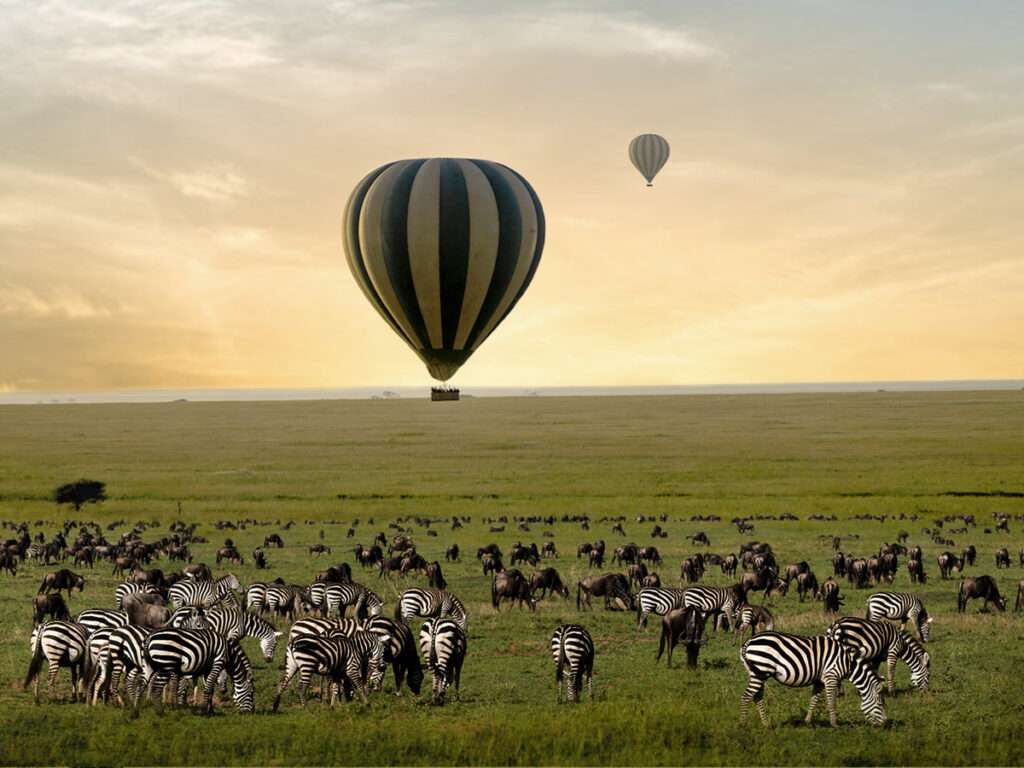
East Africa is built around open savanna, and that landscape is what makes classic safari viewing possible.
- Kenya‘s Masai Mara and Tanzania‘s Serengeti host the Great Migration, when over a million wildebeest and zebra move across the plains each year
- The region’s parks are known for reliable Big Five sightings, lion, leopard, elephant, rhino, and buffalo, often in a single game drive
- Rwanda and Uganda add mountain gorilla and chimpanzee trekking to the mix
West Africa’s Safari Landscape
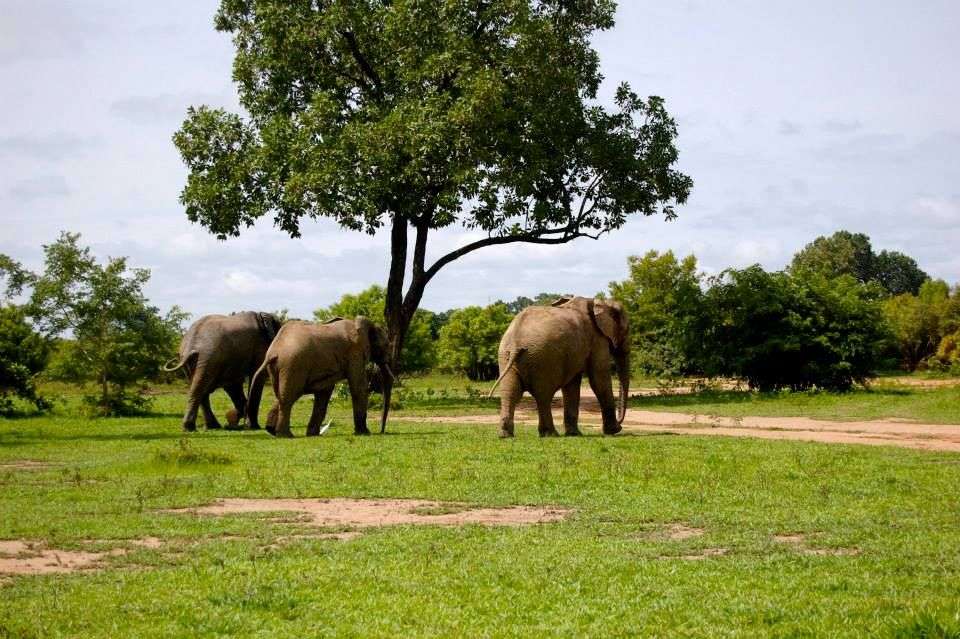
West Africa’s terrain is different, more forest, savanna transition zones, and Sahel grassland than open plains, and its wildlife reflects that.
- Mole National Park in Ghana is known for elephants and antelope in a forest-savanna mix
- Pendjari National Park in Benin, part of the larger W-Arly-Pendjari transboundary complex shared with Burkina Faso and Niger, holds West Africa’s largest lion population
- Niokolo-Koba National Park in Senegal adds chimpanzees, hippos, and a genuinely different rainforest-edge safari experience
- Visitor numbers are far lower than Kenya or Tanzania, appealing to travelers who want a wilder, less crowded experience at the cost of less developed infrastructure and fewer guaranteed sightings
Safari and Wildlife Comparison Table
| East Africa | West Africa | |
|---|---|---|
| Signature event | The Great Migration (Serengeti/Masai Mara) | W-Arly-Pendjari lion population |
| Big Five availability | Strong and reliable across major parks | Limited, present in select parks only |
| Key parks | Masai Mara, Serengeti, Ngorongoro Crater, Amboseli | Pendjari, Mole, Niokolo-Koba |
| Landscape | Open savanna and grassland | Forest-savanna transition, Sahel |
| Visitor density | High in peak season | Low, largely undiscovered by international tourism |
| Lodge and camp infrastructure | Extensive, budget to ultra-luxury | Limited, mostly basic to mid-range |
Major Safari Parks by Country
| Country | Region | Signature Park | Known For |
|---|---|---|---|
| Kenya | East Africa | Masai Mara | Great Migration, Big Five |
| Tanzania | East Africa | Serengeti National Park | Migration, dense predator sightings |
| Rwanda | East Africa | Volcanoes National Park | Mountain gorilla trekking |
| Uganda | East Africa | Bwindi Impenetrable Forest | Gorilla trekking, primates |
| Ghana | West Africa | Mole National Park | Forest elephants |
| Benin | West Africa | Pendjari National Park | West Africa’s largest lion population |
| Senegal | West Africa | Niokolo-Koba National Park | Chimpanzees, hippos, rainforest edge |
Visa Requirements for US Citizens
Entry requirements vary a lot by country, and this is one area where East Africa’s Kenya and Tanzania have become more standardized in 2026, while West Africa still varies country to country.
| Country | Visa Type | Approx. Cost (US Citizens) | Notes |
|---|---|---|---|
| Kenya | eTA (electronic travel authorization) | $30 | Replaced eVisa and visa on arrival entirely in 2026 |
| Tanzania | eVisa | $100 | Multiple-entry, required in advance, no visa on arrival |
| Rwanda | Visa on arrival | $50 | No pre-application needed |
| Nigeria | eVisa | $30 to $50 | Apply online in advance |
| Ghana | Visa required in advance | $100 (single entry), $200 (multiple entry) | Apply through embassy or VFS Global, no visa on arrival for US citizens |
| Senegal | Visa-free | $0 | Up to 90 days, no advance application needed |
A yellow fever vaccination certificate is required for entry into most of these countries regardless of visa type, so check this alongside your visa requirements.
Flights: Major US Hubs to West Africa vs East Africa

Flying to East Africa
- New York (JFK) to Nairobi, Kenya: nonstop via Kenya Airways, the fastest way to reach East Africa from the US
- Newark and Atlanta to Johannesburg, South Africa: nonstop via United and Delta, useful for a Southern and East Africa combination trip
- Most other East Africa routes connect through Doha, Dubai, Istanbul, Amsterdam, or Addis Ababa
Flying to West Africa
- Newark to Lagos, Nigeria: nonstop via United
- Atlanta and Newark to Accra, Ghana: nonstop via Delta and United
- Dakar, Senegal is generally reached via a one-stop connection through Europe
East Africa currently has a slight edge on nonstop options from more US cities, but both regions are reachable without excessive connections from major East Coast hubs.
Average Safari Cost Per Day

| East Africa | West Africa | |
|---|---|---|
| Budget | $150 to $250 per person, per day | $80 to $150 per person, per day |
| Luxury | $300 to $600 per person, per day | $150 to $300 per person, per day |
| Ultra-Luxury | $700 to $1,500+ per person, per day | $250 to $500 per person, per day |
East Africa’s luxury tier runs higher because it includes a mature network of high-end tented camps, private conservancies, and fly-in itineraries. West Africa’s costs stay lower across the board, largely because the lodge network is smaller and less premium-focused.
Lodges and Camps: What to Expect

East Africa
- A wide range from budget tented camps to ultra-luxury lodges with private plunge pools and dedicated guides
- Extensive private conservancy network in Kenya, offering exclusive-use land and low vehicle density
- Fly-in access between parks is common, cutting down long road transfers
West Africa
- Fewer properties overall, concentrated around a handful of key parks
- Options run mostly basic to mid-range, with luxury lodges still rare outside a few standout properties
- Road access is more common than fly-in access between parks
Tourist-Friendliness and Safety

East Africa has a genuine head start here. Kenya and Tanzania in particular have been building tourism infrastructure for decades, paved airstrips, an established network of licensed guides, and lodges built specifically for international visitors. That maturity makes East Africa the easier, more predictable region for a first-time visitor to Africa, especially for a wildlife-focused trip.
West Africa’s tourism industry is real but younger and more concentrated in specific hubs.
- Accra and Dakar are well set up for visitors, with good hotels, active tour operators, and a strong cultural tourism scene built around history, music, and craft markets
- Some interior and Sahel-adjacent regions carry elevated security risk, worth checking against your government’s current travel advisory before planning a route through them specifically
- Safety varies more by specific country and even specific region within a country than by a simple east-versus-west split, so check current advisories for your exact route rather than relying on a broad regional assumption
Best Activities: West Africa vs East Africa
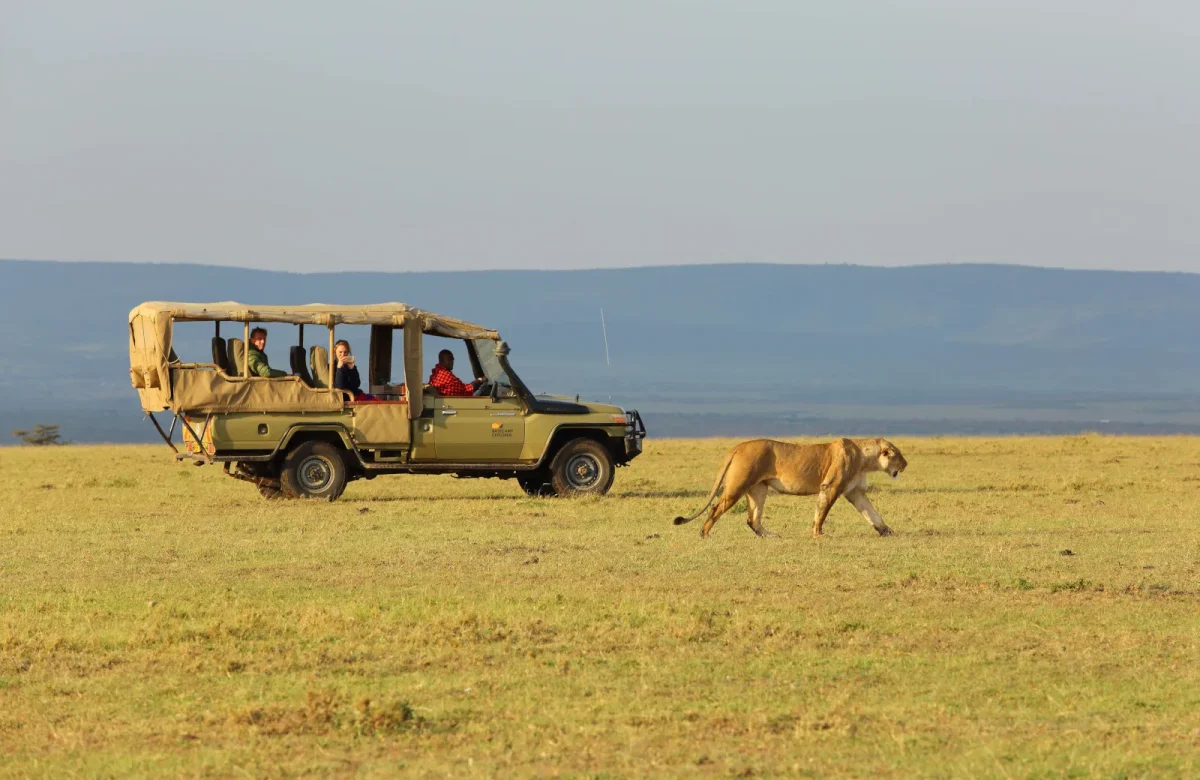
East Africa:
- Game drives across the Masai Mara or Serengeti
- Hot air balloon safaris at sunrise
- Gorilla and chimpanzee trekking in Rwanda and Uganda
- Maasai village visits
- Beach time in Zanzibar or along the Kenyan coast
West Africa:
- Live music and festival culture in Lagos and Accra
- Historic site visits, including former slave trade forts along the coast
- Craft and textile markets
- Desert excursions in the Sahel
- Wildlife viewing in parks like Pendjari and Mole
Which Region Should You Visit?
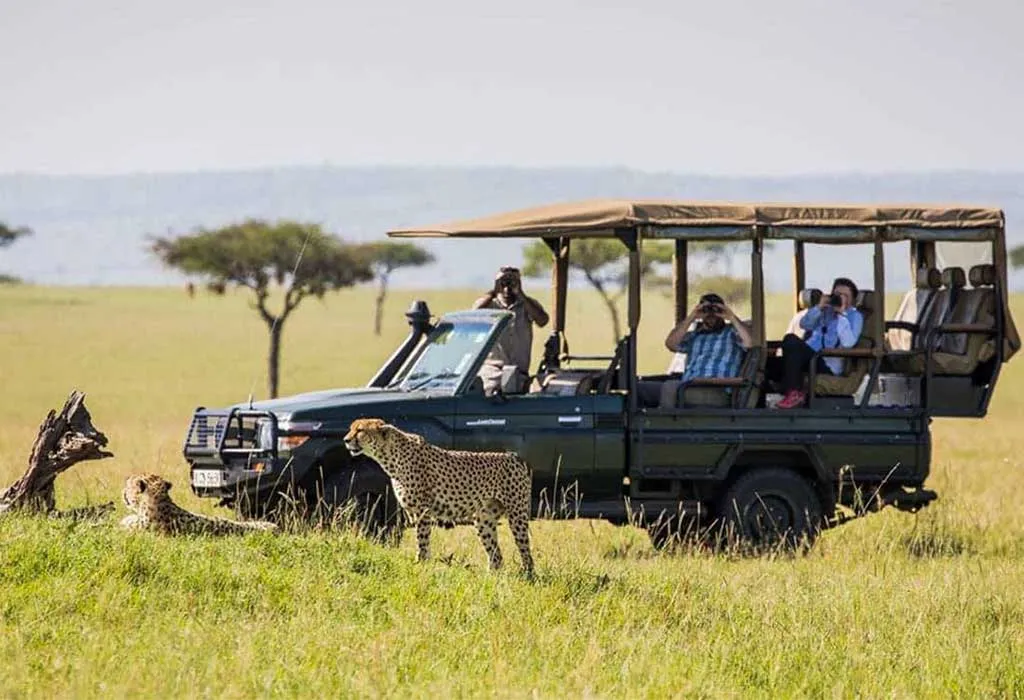
If a classic safari with reliable Big Five sightings is the priority, East Africa is the stronger choice, and it is where TourwithPipi builds the majority of our itineraries. If music, history, markets, and a less touristed cultural experience matter more than wildlife guarantees, West Africa is worth serious consideration, ideally with a specialist operator who knows the region’s specific safety and logistics well.
Plan Your East Africa Safari with TourwithPipi
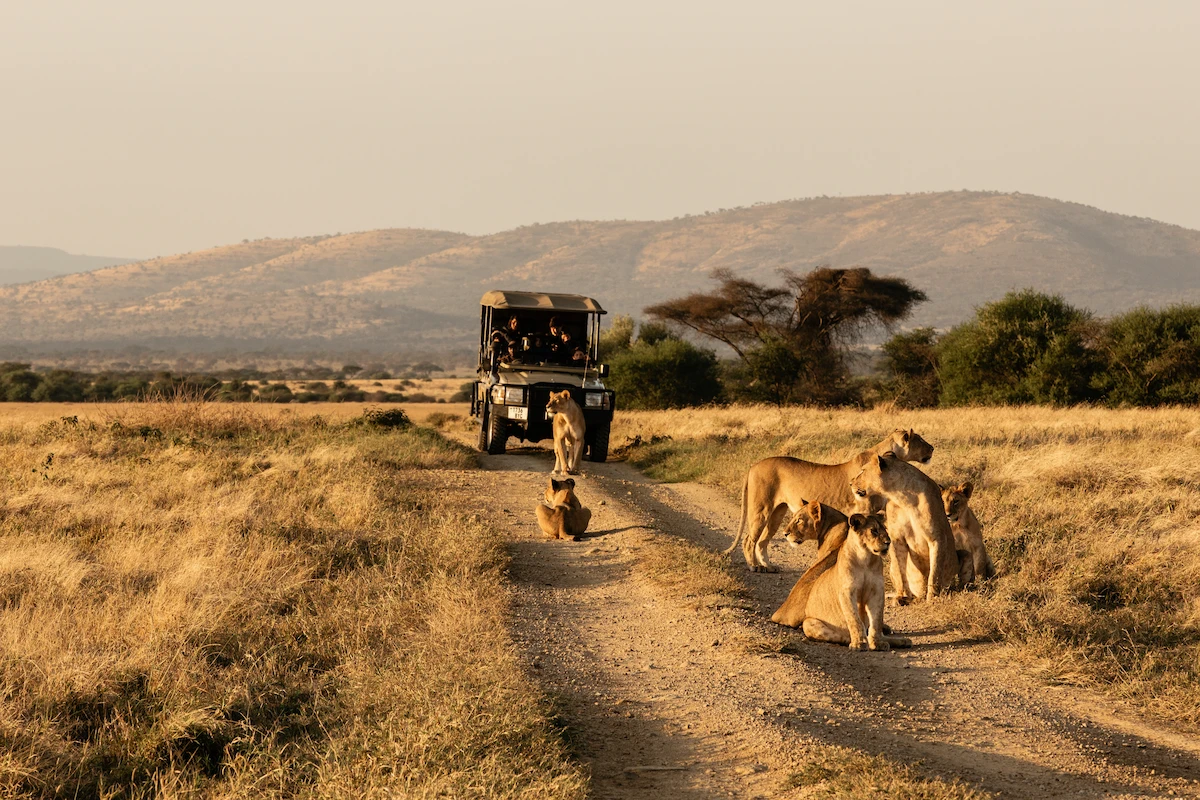
While this comparison covers the whole continent, our safaris focus on East and Southern Africa, where we have built deep, on-the-ground relationships with guides and lodges over years of operating trips. My Luxury Kenya Safaris and Luxury Tanzania Safaris cover the parks, lodges, and pricing for both countries. Message me on WhatsApp if you want help thinking through where in Africa actually fits the trip you’re picturing.
Frequently Asked Questions
What is the main difference between West Africa and East Africa?
The main differences between West Africa and East Africa are landscape, wildlife, and tourism focus. West Africa has forest-savanna terrain, Niger-Congo languages, and a tourism scene built around music, history, and culture. East Africa has open savanna, a mature safari tourism industry, and is home to the Great Migration.
Which countries are considered East Africa?
East Africa most commonly includes Kenya, Tanzania, Uganda, Rwanda, and Burundi. Ethiopia, Somalia, Eritrea, and Djibouti are sometimes included as East Africa and sometimes grouped separately as the Horn of Africa, since that region has distinct languages and history.
Which countries are considered West Africa?
West Africa includes Nigeria, Ghana, Senegal, Ivory Coast, Mali, Guinea, Sierra Leone, Liberia, Benin, Togo, Burkina Faso, Niger, The Gambia, Guinea-Bissau, Cape Verde, and Mauritania.
Is East Africa or West Africa better for a safari?
East Africa is the stronger choice for a classic safari with reliable Big Five sightings, thanks to its open savanna landscape and decades of dedicated tourism infrastructure. West Africa has real wildlife, particularly in Pendjari and Mole National Parks, but with far less developed infrastructure and lower sighting reliability.
What is the food difference between West Africa and East Africa?
West African food tends to be richly spiced and built around one-pot stews like jollof rice, with cassava, yams, and plantains as staples. East African food is generally milder, with stronger Indian and Arabian influence along the coast, and staples like ugali, pilau, and grilled meat.
Do US citizens need a visa for West Africa or East Africa?
It depends on the country. Kenya requires a $30 eTA and Tanzania requires a $100 eVisa, both arranged online in advance. In West Africa, Senegal is visa-free for US citizens for up to 90 days, while Ghana requires a visa in advance costing $100 to $200.
Is West Africa or East Africa safer for tourists?
Safety varies more by specific country and region than by a simple East versus West split. East Africa’s main safari destinations, Kenya and Tanzania in particular, have long-established, well-monitored tourist circuits. West Africa’s coastal hubs like Accra and Dakar are generally safe and tourist-friendly, while some interior and Sahel-adjacent areas carry elevated risk, so checking current government travel advisories for your specific route matters more than a broad regional assumption.
Quick Summary
- West Africa includes Nigeria, Ghana, Senegal, and 13 other countries; East Africa most commonly includes Kenya, Tanzania, Uganda, Rwanda, and Burundi.
- Nigeria is Africa’s most populous country at roughly 242 million people; Ethiopia leads East Africa at around 139 million.
- West African food is richly spiced and built around dishes like jollof rice; East African food shows stronger Indian and Arabian influence, especially along the coast.
- Most West African languages belong to the Niger-Congo family; East Africa is more linguistically mixed, with Bantu, Nilotic, and Cushitic languages.
- East Africa’s open savanna and the Great Migration make it the stronger choice for a classic Big Five safari.
- West Africa’s wildlife is real but concentrated in fewer parks, including Pendjari, Mole, and Niokolo-Koba.
- Visa costs vary widely: Kenya’s eTA runs $30, Tanzania’s eVisa runs $100, Senegal is visa-free, and Ghana runs $100 to $200 for US citizens.
- East Africa safari costs run roughly $150 to $1,500+ per person per day depending on tier; West Africa runs lower across the board, from $80 to $500.
- East Africa’s lodge network is far larger and more luxury-focused than West Africa’s.
- Safety in both regions depends more on the specific country and route than on a broad East versus West comparison.
Written by Khadija Tayabali, Founder and Virtuoso-Affiliated safari advisor at TourwithPipi. Message me directly on WhatsApp to start planning your East Africa safari.


