
Quick Answer:
A group of buffaloes is most commonly called a herd. While less common collective nouns such as gang, obstinacy, and troop occasionally appear in literature, herd of buffaloes is the accepted and widely used term by wildlife experts, conservationists, and safari guides. Buffaloes live in herds because group living improves protection from predators, increases feeding efficiency, and strengthens their social structure.
What Is a Group of Buffaloes Called?
The correct answer is simple. A group of buffaloes is called a herd.
Whether observing African buffalo crossing the Maasai Mara or domesticated water buffalo grazing in Asian wetlands, the word herd accurately describes buffalo living together as a coordinated social unit.
Collective Nouns for Buffaloes
Although “herd” is the standard term, several other collective nouns are occasionally used.
| Collective Noun | Usage | Commonness |
|---|---|---|
| Herd | Standard wildlife and scientific term | ⭐⭐⭐⭐⭐ |
| Gang | Informal expression found in literature | ⭐⭐ |
| Obstinacy | Rare poetic collective noun | ⭐ |
| Troop | Occasionally used for moving groups | ⭐ |
Among these, herd of buffaloes remains the only term commonly used in wildlife documentaries, safari guides, and scientific publications.
Why Do Buffaloes Live in Herds?

Buffaloes live in herds because it greatly improves their chances of survival. By staying together, they can better protect calves, find food, and detect predators early. Herds also provide strong defense against threats like lions, hyenas, crocodiles, and wild dogs, as large numbers make attacks more difficult. When danger arises, buffalo often form protective circles around their young while stronger adults confront predators, sometimes even driving them away or rescuing injured members.
Better Grazing Opportunities
Buffaloes are herbivores that consume large quantities of grasses every day.
Moving as a herd allows them to:
- Locate fresh grazing areas more efficiently.
- Follow seasonal rainfall and grass growth.
- Share access to reliable water sources.
- Reduce the risk of overgrazing one location.
This coordinated movement helps maintain healthier herds while allowing buffalo to travel across vast grasslands throughout the year.
Strong Social Bonds
A buffalo herd is more than a collection of animals. It is a structured social community.
Within the herd, buffalo:
- Recognize familiar individuals.
- Develop stable family groups.
- Cooperate to protect calves.
- Maintain breeding hierarchies.
- Communicate constantly through movement and vocalizations.
These social relationships contribute significantly to herd stability and long-term survival.
Increased Survival Rates
Research consistently shows that buffalo living in groups survive better than solitary individuals.
A lone buffalo has fewer opportunities to detect danger and defend itself against predators. In contrast, a large herd benefits from dozens of eyes watching for threats while multiple adults work together to protect vulnerable members.
For this reason, remaining within a group of buffalo is one of the species’ most effective survival strategies.
Buffalo Herd Structure

Buffalo herds are highly organized rather than random gatherings of animals. Each member plays a role that contributes to the group’s stability and survival.
| Herd Member | Primary Role |
| Adult Cows | Form the core of the herd, raise calves, and maintain family groups. |
| Bulls | Defend the herd, compete for breeding opportunities, and protect against predators. |
| Calves | Stay close to their mothers and remain protected within the center of the herd. |
| Young Males | Often leave to form bachelor groups before returning during breeding seasons. |
Older bulls sometimes become solitary as they age, but most buffalo spend the majority of their lives as members of a herd.
Types of Buffalo Herds
Not every group of buffaloes looks the same. Herd composition changes throughout the year depending on breeding season, food availability, age, and sex. African buffalo are especially flexible in how they organize themselves, allowing them to adapt to changing environmental conditions.
Breeding Herds
Breeding herds are the largest and most stable buffalo groups.
These herds usually include:
- Adult females
- Young calves
- Juveniles
- A few mature breeding bulls
The females form the permanent core of the herd, while dominant bulls often join during the breeding season before moving away again. This structure gives calves constant protection while ensuring successful reproduction.
Bachelor Herds
Young males rarely stay with the main herd for life.
Once they reach maturity, many bulls leave and form smaller bachelor groups where they:
- Build strength by sparring with one another.
- Establish social ranking.
- Travel independently in search of grazing areas.
- Prepare for future breeding opportunities.
These bachelor herds can contain only a few individuals or grow into sizeable groups depending on habitat conditions.
Solitary Bulls
Older males are sometimes seen living alone for months or even years.
These solitary buffalo are often called dagga boys, particularly in southern Africa. They spend much of their time near swamps, rivers, and muddy wallows where food and water remain available throughout the year. Although they no longer travel with large herds, they remain extremely powerful and are known for being unpredictable when threatened.
How Large Can a Buffalo Herd Become?

The size of a group of buffalo varies enormously depending on rainfall, habitat, predator pressure, and the season.
During the wet season, food is abundant and herds may split into smaller units that spread across the landscape. As water becomes scarce in the dry season, separate groups often merge around permanent rivers and waterholes.
| Herd Type | Typical Size |
|---|---|
| Small family herd | 20–50 buffalo |
| Medium herd | 50–200 buffalo |
| Large herd | 200–500 buffalo |
| Massive seasonal aggregation | 1,000+ buffalo |
In famous safari destinations such as Kenya’s Maasai Mara, Tanzania’s Serengeti, and Botswana’s Chobe National Park, visitors may witness hundreds or even thousands of buffalo moving together across the plains. These spectacular gatherings are among Africa’s most impressive wildlife spectacles.
How Buffalo Herds Protect Themselves
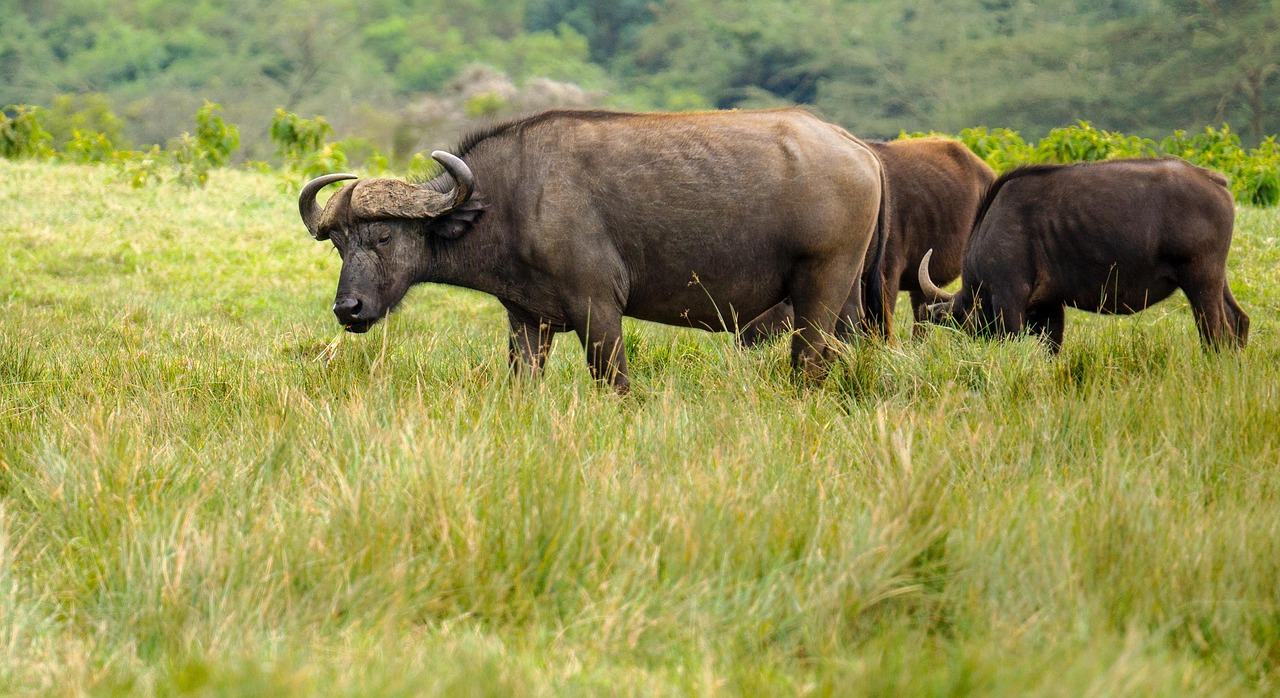
Defensive Strategies
When predators approach, buffalo rely on cooperation rather than speed.
Their defensive behaviour includes:
- Forming a protective circle around calves.
- Positioning the strongest adults at the front.
- Charging predators as a united group.
- Returning to rescue injured herd members instead of abandoning them.
This teamwork explains why even lions carefully choose which buffalo to attack. A healthy adult inside a large herd is far more difficult to overpower than an isolated individual.
Communication Within the Herd
Buffalo constantly communicate while moving and feeding.
They use:
- Low grunts to maintain contact.
- Body posture to signal danger.
- Head movements to direct herd movement.
- Their strong sense of smell to detect predators before they become visible.
These signals allow hundreds of animals to react almost simultaneously when a threat appears.
African Buffalo vs Water Buffalo

Although both animals are called buffalo, they belong to different species and occupy different parts of the world.
| Feature | African Buffalo | Water Buffalo |
| Scientific name | Syncerus caffer | Bubalus bubalis |
| Native range | Sub-Saharan Africa | Asia |
| Domestication | Wild species | Widely domesticated |
| Main habitat | Savannas, woodlands, wetlands | Marshes, rivers, rice fields |
| Behaviour | Highly defensive and unpredictable | Generally calmer around humans |
| Average herd size | 20 to over 1,000 | Usually smaller managed groups |
Despite their similar appearance, they differ significantly in behaviour, ecology, and their relationship with humans.
Interesting Facts About Buffalo Herds
- A group of buffaloes can travel several kilometres each day in search of fresh grass and water.
- African buffalo have excellent memories and frequently return to productive grazing areas year after year.
- Herds make collective decisions, with movement often influenced by experienced adult females.
- Buffalo are among the few prey animals known to actively fight back against lions instead of immediately fleeing.
- Large seasonal herds play an important ecological role by spreading seeds, fertilizing grasslands, and shaping African ecosystems through grazing.
Where Can You See Large Groups of Buffaloes in Africa?

If seeing a massive group of buffaloes is on your safari bucket list, Africa offers several outstanding destinations where herds number in the hundreds or even thousands. These parks combine healthy buffalo populations with excellent game viewing, making them some of the best places to observe natural herd behaviour.
| National Park | Country | What You’ll See |
|---|---|---|
| Maasai Mara National Reserve | Kenya | Large resident herds alongside lions, cheetahs, leopards, and the Great Migration. |
| Serengeti National Park | Tanzania | Massive buffalo herds roaming open plains throughout the year. |
| Kruger National Park | South Africa | One of Africa’s largest buffalo populations with exceptional predator interactions. |
| Chobe National Park | Botswana | Huge dry-season concentrations gathering around the Chobe River. |
| Hwange National Park | Zimbabwe | Large breeding herds near seasonal waterholes during the dry months. |
Watching hundreds of buffalo moving together is one of the most impressive wildlife experiences in Africa. During the dry season, these herds frequently gather around permanent water sources, attracting lions, crocodiles, hyenas, and other predators.
Experience Africa’s Great Buffalo Herds with TourwithPipi
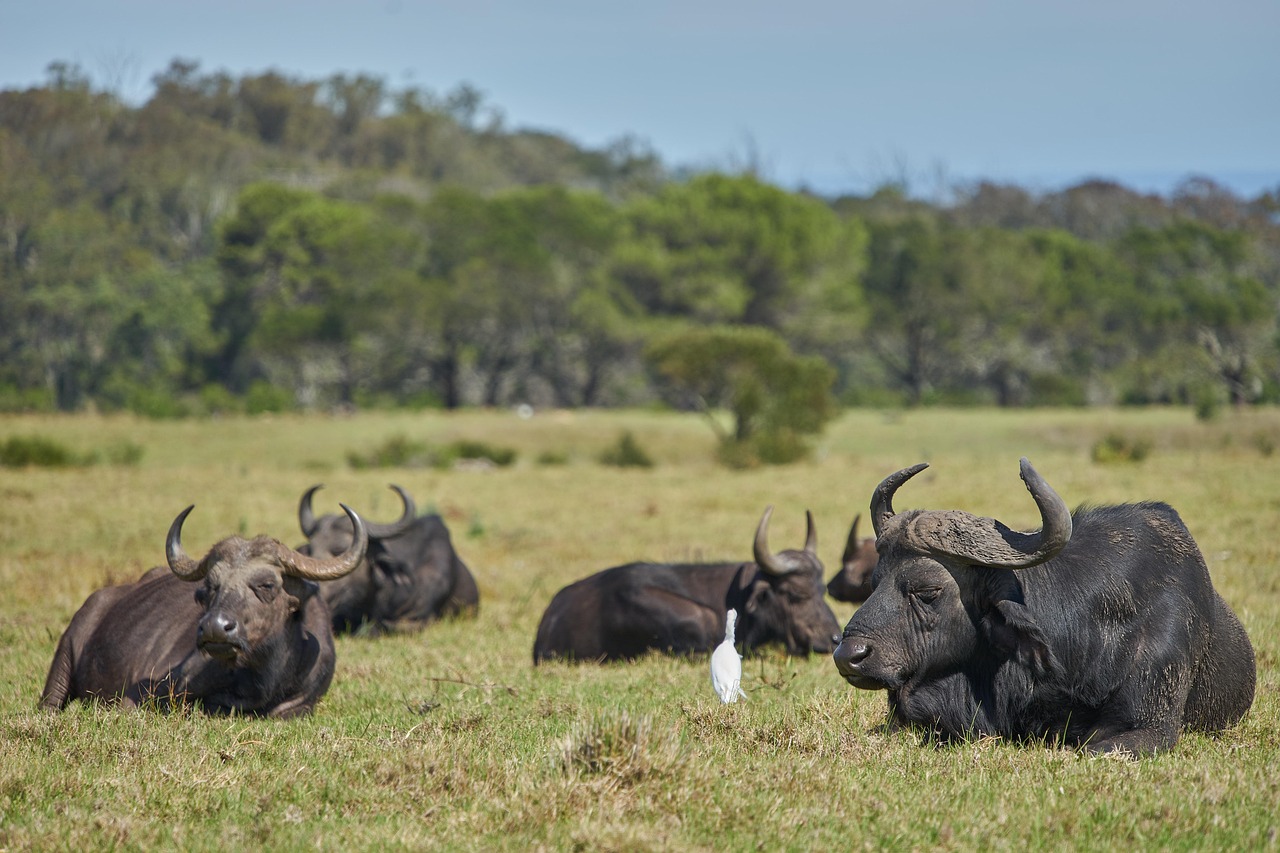
Few safari moments rival watching a group of buffaloes stretching across the African plains while lions patiently follow nearby. These encounters reveal the remarkable teamwork, strength, and resilience that have made African buffalo one of the continent’s most respected animals.
With TourwithPipi, you can experience these incredible herds in world-renowned destinations including the Maasai Mara, Serengeti National Park, Ngorongoro Conservation Area, and many of Africa’s finest wildlife reserves. Our experienced guides help you understand buffalo behaviour, herd dynamics, predator interactions, and the vital role these magnificent animals play in Africa’s ecosystems.
Frequently Asked Questions
What is a group of buffaloes called?
The correct collective noun is a herd. Although terms such as gang, obstinacy, and troop exist, herd of buffaloes is the term most commonly used by wildlife experts and safari guides.
How many buffalo are usually in a herd?
A herd may contain as few as 20 animals or grow to more than 1,000 buffalo, depending on habitat, rainfall, and season.
Why do buffalo live in herds?
Living together improves survival. Herds help buffalo detect predators early, defend calves, locate grazing areas, and find reliable water sources.
Do buffalo protect each other?
Yes. African buffalo are famous for their cooperative defence. Adults often surround young calves, charge predators together, and have even been observed returning to rescue injured herd members.
Are male and female buffalo always together?
No. Adult females usually remain in breeding herds with calves, while many mature males spend time in bachelor groups or live alone before rejoining herds during breeding season.
Which predator hunts buffalo the most?
Lions are the buffalo’s primary natural predator. Large prides work together to isolate calves, older adults, or weakened individuals. Nile crocodiles, spotted hyenas, and occasionally wild dogs may also prey on buffalo under the right conditions.
Key Takeaways
- A group of buffaloes is officially called a herd.
- Buffalo herds provide protection, improve access to food and water, and increase survival against predators.
- Herds vary in size from a few dozen animals to well over 1,000 individuals.
- Female-led breeding herds, bachelor groups, and solitary bulls all play different roles within buffalo society.
- African buffalo are among the few prey animals known to defend one another and even fight back against lions.
- Kenya, Tanzania, Botswana, South Africa, and Zimbabwe offer some of the best opportunities to observe large buffalo herds in the wild.


