
The best safari shoes are not one single pair, they change depending on what you are actually doing that day. A game drive, a walking safari, and an evening at the lodge each call for something different, and packing the wrong shoe for the wrong activity is one of the most common mistakes I see. Here is exactly what to bring and why.
Quick answer: For a game drive, lightweight trail shoes work best. For a walking safari, a mid to high-rise waterproof boot protects against mud, sand, and river crossings. For camp downtime, a slip-on ankle boot or leather sandal is the easiest choice. Three pairs total covers nearly every safari.
Best Shoes for a Game Drive Safari
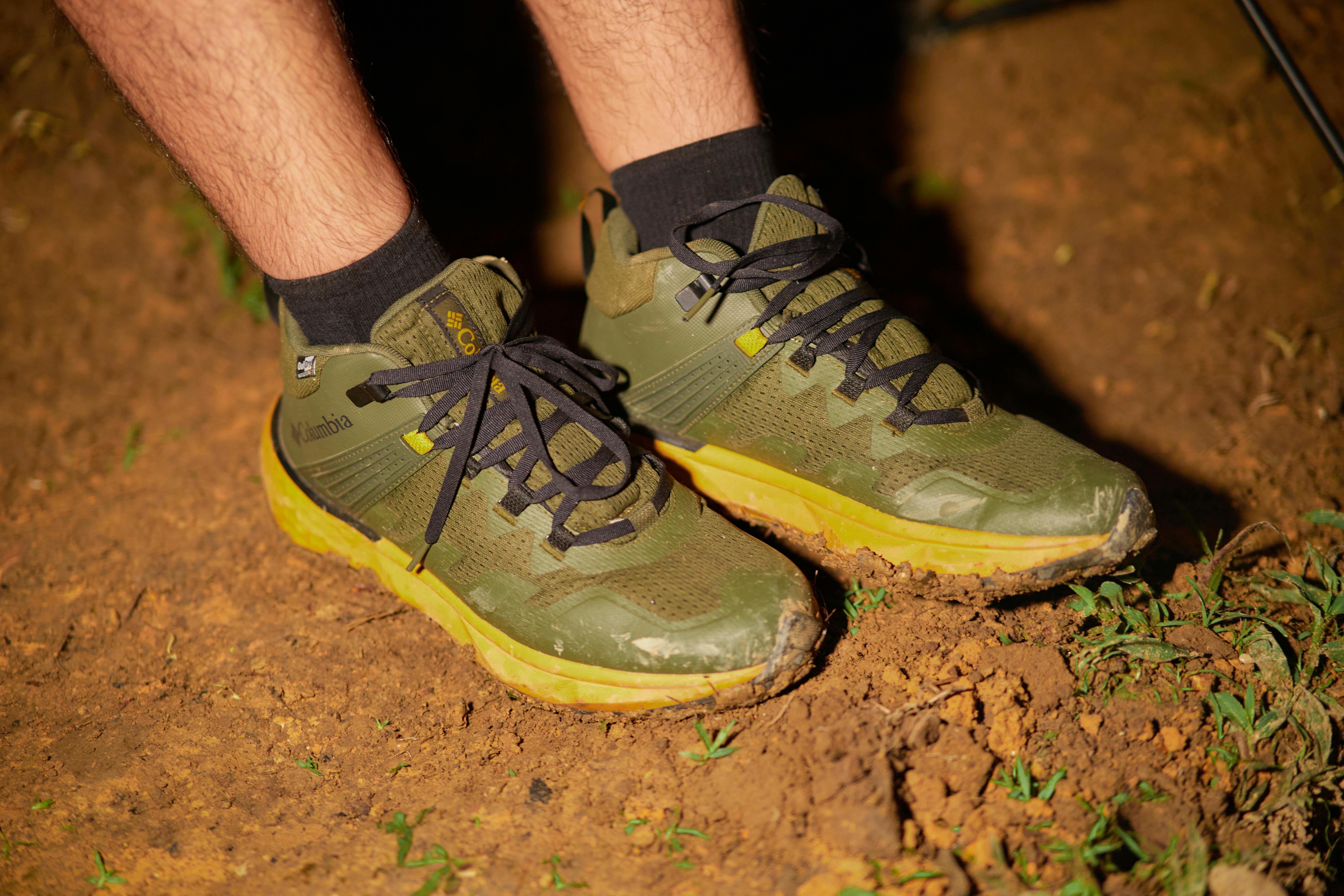
Trail shoes are the best safari shoes for a standard game drive. They are lightweight, which keeps your duffel bag weight down, and breathable enough for long hours in a warm vehicle. Trail shoes also give you grip if your guide pulls over for a short bush walk, without the bulk of a full hiking boot.
Before you slip your shoes on each morning, give them a quick check. Snakes, scorpions, and insects can find their way into open footwear or shoes left outside a tent overnight, which is one more reason closed shoes are the smarter choice on safari.
Best Boots for a Walking Safari
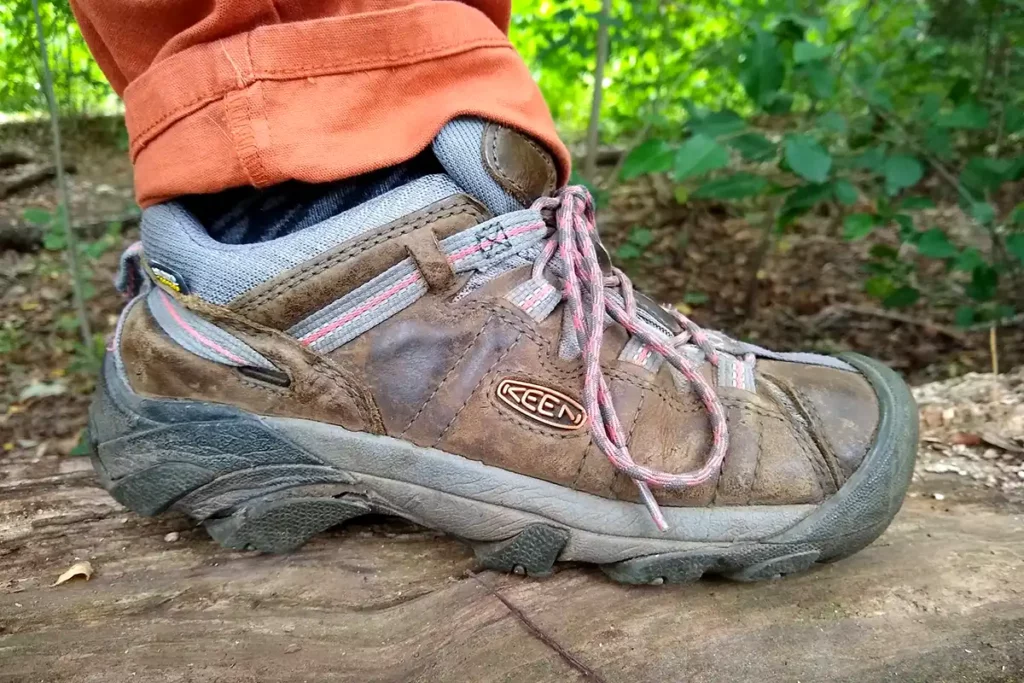
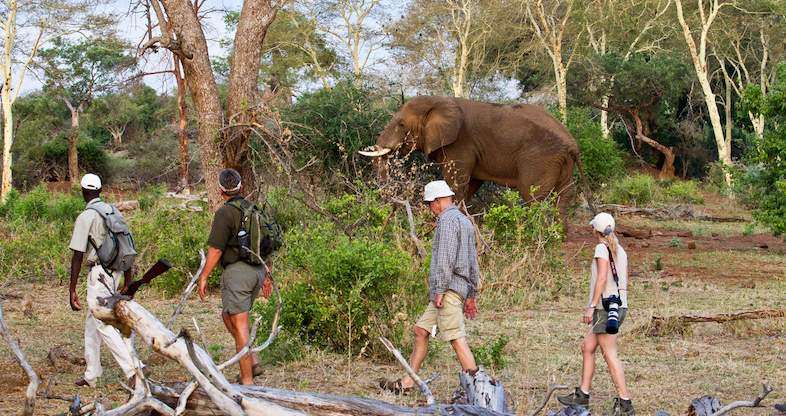
Trail Shoes vs Hiking Boots for Walking Safaris
Whether you need a full boot or just your trail shoes depends on the terrain and your own comfort level. If you want ankle support or extra protection from insects and reptiles, choose a boot with a higher rise over a low trail shoe.
Waterproof Boots for River Crossings and Mud
If your walking safari includes muddy forest trails, sandy terrain, or a river crossing, a mid to high-rise waterproof boot with a built-in tongue is worth the extra weight in your bag. It keeps water and sand out and keeps your feet dry across a full day of walking.
Combat-Style Boots for Serious Walking Safaris
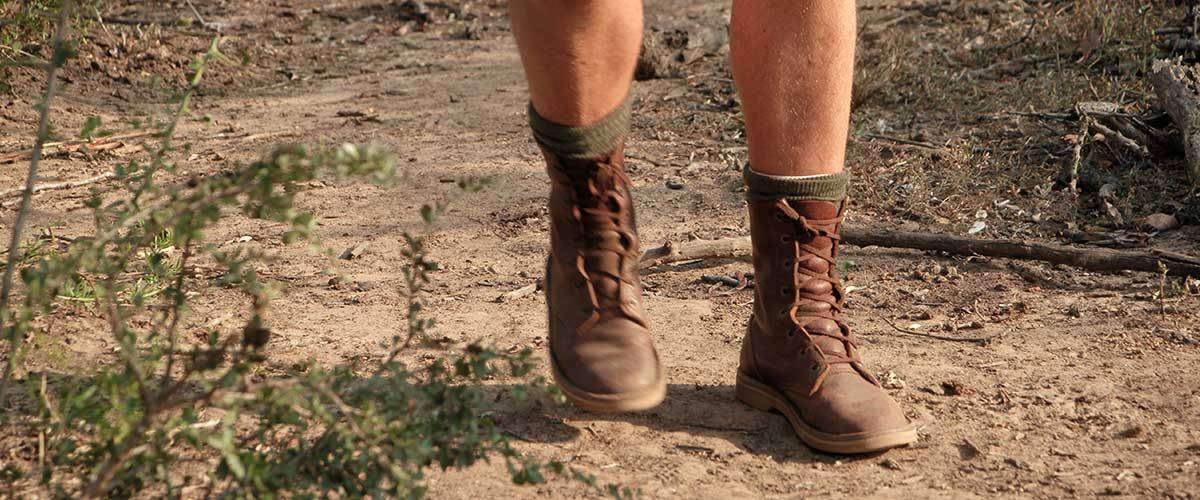
For multi-hour walking safaris across varied terrain, a rugged combat-style boot, the kind originally designed for African anti-poaching units, holds up well across mud, dust, and long distances. These boots trade a bit of extra weight for serious durability, which matters if walking is the main activity on your trip rather than an occasional stop.
Easy On, Easy Off: Ankle Boots for Camp
A slip-on leather ankle boot, similar in style to a Chelsea boot, is a safari camp favorite for a real reason. It looks polished enough for dinner, slips on and off easily after a dusty day, and still holds up to short walks around camp. Genuine leather with a grippy rubber sole works well across everything from a luxury lodge to a more rugged self-drive trip.
Best Shoes to Wear Around the Lodge

Once the day cools down, a pair of safari sandals is one of the best feelings on the whole trip. Leather sandals made specifically for African travel hold up better than a typical beach flip-flop and look the part around camp. Traditional veldskoen-style suede desert boots are another strong option, comfortable enough for lodge life and stylish enough to wear again once you are home.
Footwear Accessories You Shouldn’t Skip
Blister-Free Socks
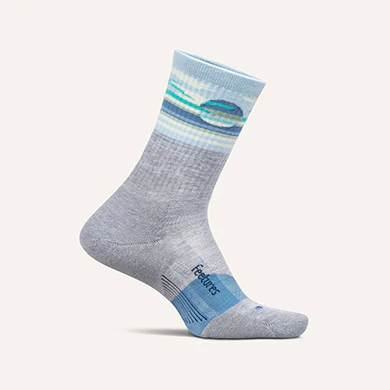
Pair your safari shoes with blister-resistant socks. A blister on day two of a multi-day safari is a genuinely miserable, avoidable problem, and a good pair of socks solves it before it starts.
Gaiters
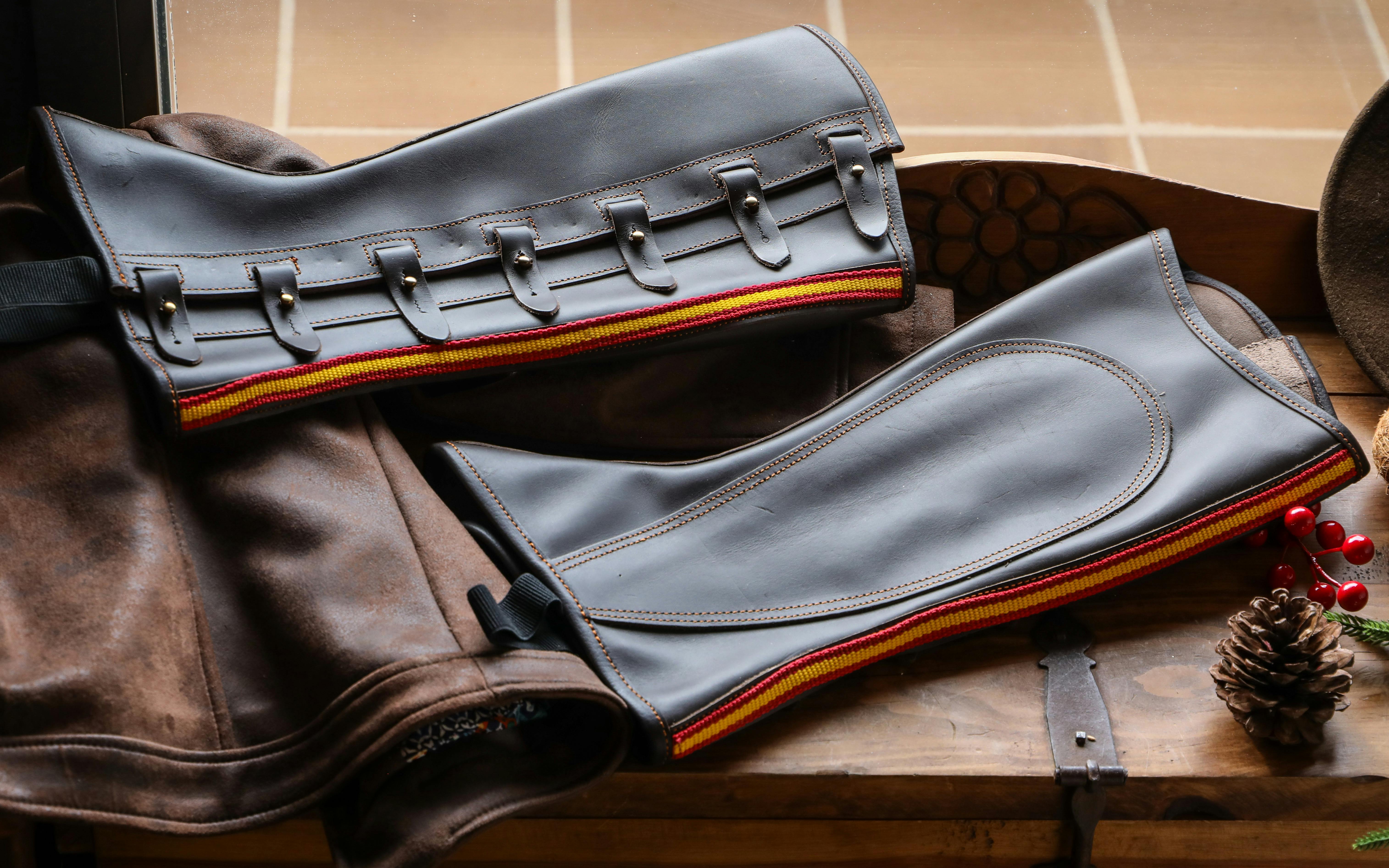
If you are wearing trail shoes rather than a high-rise boot, ankle gaiters keep ticks, thorny debris, and small stones out of your shoes on a walking safari. They come in both canvas and suede leather, and are a small, lightweight addition worth packing if walking is part of your itinerary.
How Many Pairs of Shoes Do You Actually Need
Three pairs covers nearly every safari. Trail shoes for game drives and casual walks, a proper boot if your itinerary includes a dedicated walking safari, and sandals or slip-on ankle boots for camp downtime. You do not need more than that, and packing fewer pairs saves real weight in a duffel bag with strict bush plane limits.
Quick Comparison: Which Safari Shoe for Which Activity
| Activity | Best Footwear | Why |
|---|---|---|
| Game drive | Lightweight trail shoes | Breathable, grips well, low bulk |
| Walking safari, dry terrain | Trail shoes or low hiking boot | Comfortable for hours of walking |
| Walking safari, mud or river crossings | Mid to high-rise waterproof boot | Keeps water and sand out |
| Multi-hour walking safari | Combat-style boot | Built for varied, tough terrain |
| Around camp or dinner | Slip-on ankle boot or leather sandal | Comfortable, easy on and off |
Where to Buy Safari Shoes and Price Ranges

Amazon and Walmart both carry reliable trail shoes and hiking boots at accessible prices, generally $40 to $100 depending on the brand. Outdoor retailers like REI and Cabela’s stock more technical waterproof hiking boots, typically $100 to $180. Specialty African-made footwear brands, the kind that produce genuine leather safari boots, sandals, and veldskoen-style shoes, generally run $80 to $200, and are often worth buying once you land in Africa if you want an authentic, well-made souvenir that doubles as real gear.
Break Your Shoes In Before You Go
Whatever you choose, wear your shoes several times before you fly. New boots or trail shoes straight out of the box are far more likely to cause blisters on your first real day of walking than a pair you have already broken in at home.
Ready to Plan Your Trip?
If you want a full packing list built around your specific itinerary, including whether a walking safari is part of your trip, message me directly on WhatsApp.
A few trips where the right footwear genuinely matters:
- 5-Day Masai Mara Safari
- 6-Day Mara Discovery: Big Five Safari
- 8-Day Kenya Explorer Safari
- 8-Day Extraordinary Kenya Safari
Frequently Asked Questions
What are the best shoes for an African safari?
Lightweight trail shoes work best for standard game drives, since they are breathable and give good grip without extra bulk. If your trip includes a walking safari, add a mid to high-rise waterproof boot for muddy terrain or river crossings.
Do I need hiking boots for a safari?
Not always. Trail shoes are enough for most game drives and short walks. Hiking boots become worth the extra weight if your itinerary includes a dedicated walking safari, muddy conditions, or river crossings.
What shoes should I wear around the safari lodge?
A slip-on leather ankle boot or a pair of safari sandals works well. Both are comfortable, easy to take on and off, and appropriate for camp life and dinner.
Should I bring gaiters on safari?
If you are wearing trail shoes rather than a high-rise boot for a walking safari, gaiters help keep ticks, blackjacks, and stones out of your shoes.
Do men and women need different safari shoes?
Not fundamentally. The features that matter, grip, breathability, and closed-toe protection, are the same for everyone. Buy from whichever men’s or women’s line actually fits your foot shape best.
How many pairs of shoes should I pack for safari?
Three pairs generally covers everything: trail shoes for game drives, a boot if you have a walking safari planned, and sandals or a slip-on ankle boot for camp downtime.
Should I check my shoes before putting them on in the morning?
Yes. Snakes, scorpions, and insects can find their way into open footwear or shoes left outside overnight, so a quick check before putting them on is a simple, worthwhile habit.
Summary About Safari Shoes and Boots
- Trail shoes are the best safari shoes for a standard game drive, lightweight and breathable.
- Shoes are some of the heaviest, bulkiest items in a duffel, so pack pairs strategically.
- Always check your shoes for snakes, scorpions, or insects before putting them on.
- A mid to high-rise waterproof boot is worth packing for muddy or river-crossing walking safaris.
- Combat-style boots hold up best for multi-hour, varied-terrain walking safaris.
- Slip-on leather ankle boots work well for camp, dinner, and short walks.
- A hybrid sandal or veldskoen-style desert boot is the most comfortable choice for lodge downtime.
- Blister-free socks and gaiters protect against blisters, ticks, and blackjacks.
- Three pairs of shoes covers nearly every safari: trail shoes, a boot, and sandals.
- Break in new shoes at home well before your trip, never for the first time on safari.


