
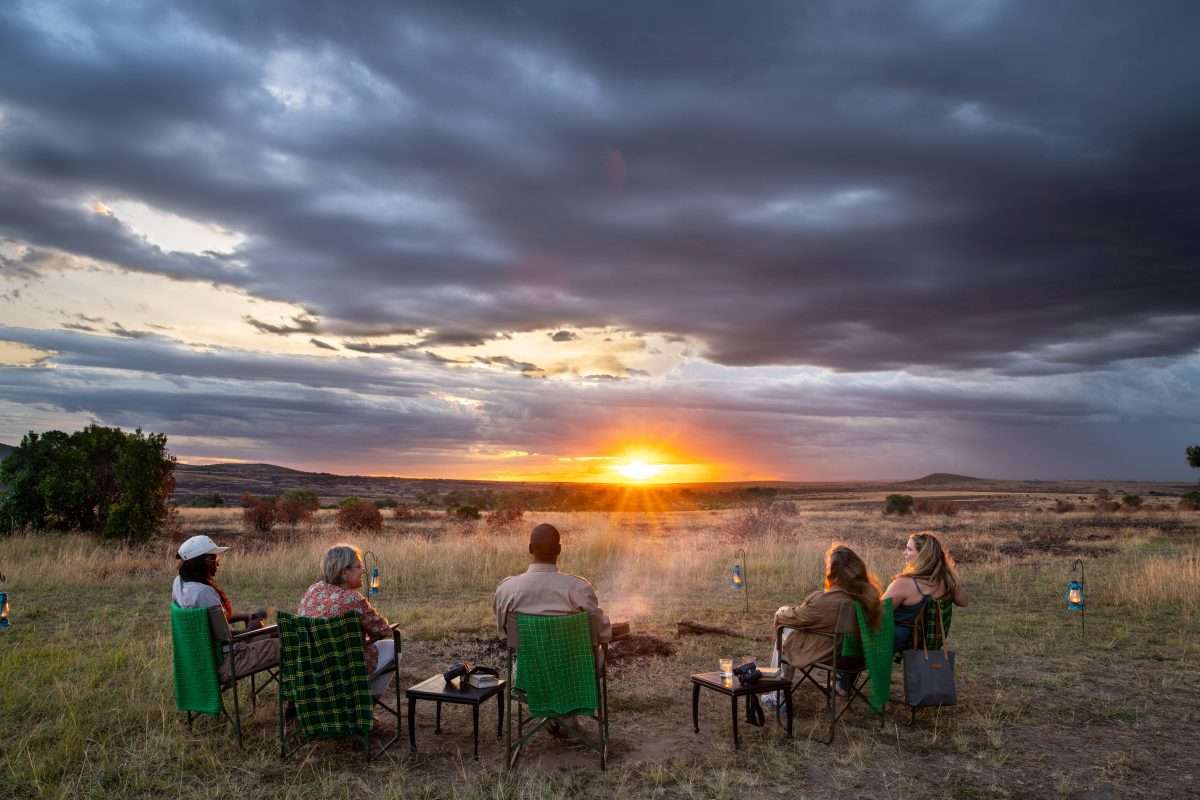
Most people pack sunscreen for a Kenya or Tanzania safari the same way they would pack it for a week at the beach. That is a mistake. Safari sunscreen has different demands than beach sunscreen, and getting it wrong is one of the most common, most avoidable regrets guests mention after a trip.
Quick answer: The best sunscreen for African safari is a broad-spectrum SPF 30 to 50+, water and sweat resistant, unscented formula, applied before insect repellent, not after. You are sitting in an open-sided vehicle for four to six hours at a stretch with little shade, often at altitude, so beach-level protection is not enough.
Why Safari Sun Is Different From Beach Sun

Kenya and Tanzania both sit close to the equator, which means the safari sun stays close to directly overhead for much of the day, all year round. There is no long summer slant like you get in Europe or the northern US, so UV rays travel a shorter, more direct path to your skin.
Altitude makes it worse. Many safari camps and lodges sit at 1,500 to 2,200 meters above sea level, and UV exposure increases by roughly 10 to 12 percent for every 1,000 meters you climb, since there is less atmosphere to filter it out. Cool mountain air around the Ngorongoro Crater rim or Kenya’s Aberdares tricks people into skipping sunscreen. The temperature feels mild even while the UV index reads extreme. On top of that, most safari vehicles are open-sided with little to no roof shade, and dusty ground bounces glare back up at you from below.
What Does SPF Actually Mean? SPF 20 vs 30 vs 50 Compared
SPF stands for Sun Protection Factor, and it measures how much UVB radiation, the rays that cause sunburn, a sunscreen blocks compared to bare skin. It is not a measure of how many hours you are protected, which is the single biggest misconception people carry into a game drive. A higher SPF blocks a slightly higher percentage of UVB rays, but every sunscreen still needs reapplying roughly every two hours, sooner if you are sweating, wiping your face, or getting dusty, regardless of the number on the bottle.
A few things worth understanding clearly about sunscreens:
- The jump from SPF 30 to SPF 50 is smaller than it sounds. You go from blocking about 97% of UVB rays to about 98%, not double the protection. What actually changes is the margin for error, sweat, missed spots, and time between reapplications eat into that percentage fast, so starting with a higher number gives you more buffer.
- No sunscreen blocks 100% of UV rays, no matter how high the SPF number climbs. SPF 100 only pushes the blocked percentage to roughly 99%.
- A higher SPF does not mean you can reapply less often. The two-hour rule applies whether you are wearing SPF 30 or SPF 50, since sweat, water, and physical rubbing wear sunscreen away over time regardless of its strength on paper.
- SPF only measures UVB protection. Always confirm the label also says broad-spectrum, which means it protects against UVA rays too, the ones responsible for longer-term skin aging and damage that burning alone does not capture.
- Water and sweat resistance matters as much as the SPF number. Look for a rating of at least 80 minutes, since a bumpy dirt track and equatorial heat will wear through anything less, no matter how high the SPF is.
Mineral vs Chemical Sunscreen: Which Is Better for Safari
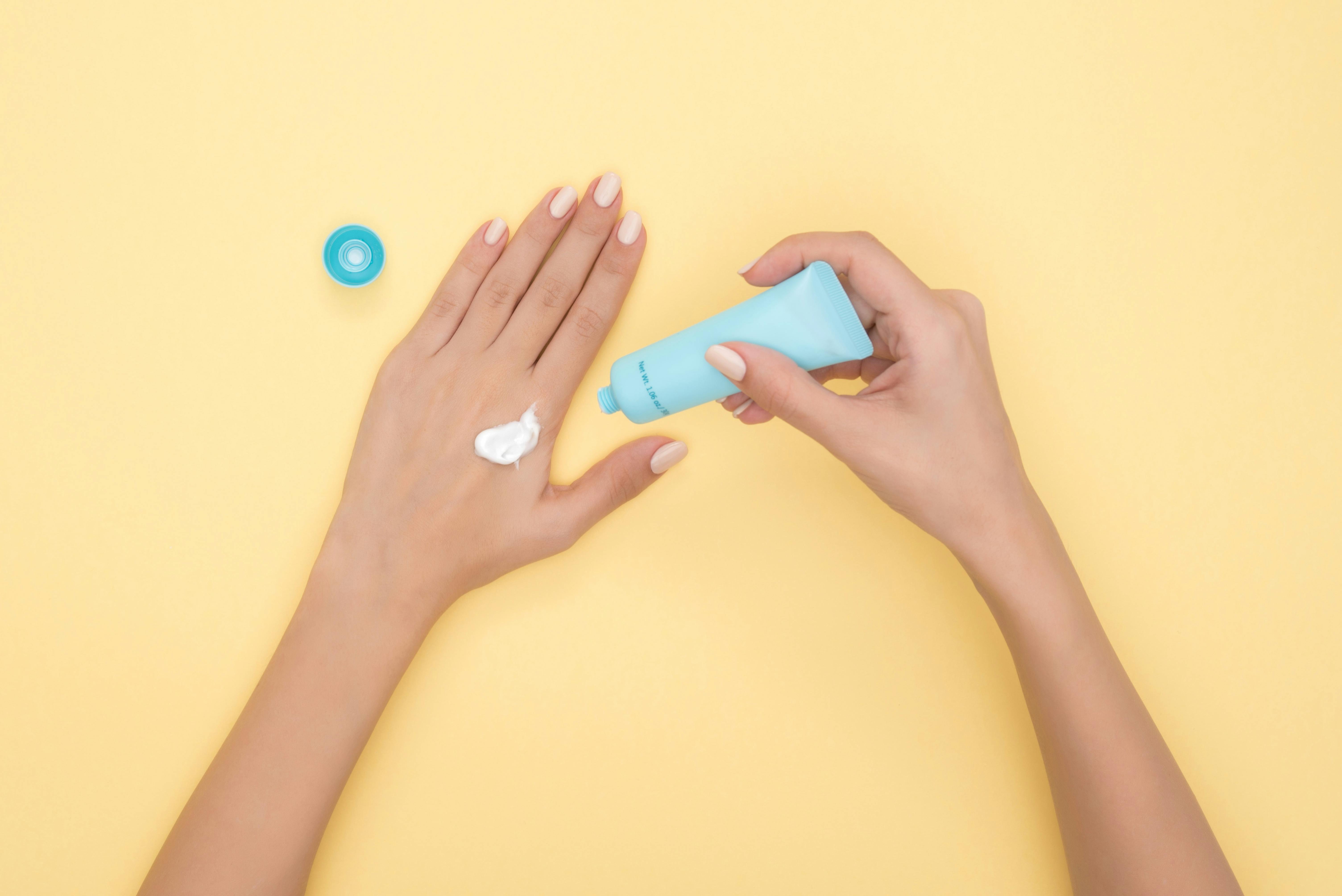
Mineral sunscreens, built on zinc oxide or titanium dioxide, sit on top of your skin and reflect UV rays, working the moment you apply them. Chemical sunscreens absorb into the skin and need about 20 minutes before they are effective, which matters on a 6am game drive departure when you are not thinking about timing.
There is a real trade-off. Mineral sunscreen can leave a white cast, which some guests dislike in photos, and it can rub off onto light-colored vehicle seats or shirt collars. Chemical sunscreen blends in better but tends to run into your eyes once you start sweating on a hot afternoon drive, which stings and is genuinely distracting when you are trying to watch a leopard in a tree. Many travelers pack both, mineral for the face, chemical for arms and legs.
TourwithPipi Recommended Sunscreens
These are two real products we point guests toward, one for the face and one for full-body coverage on longer drives.
Supergoop! Unseen Sunscreen SPF 50
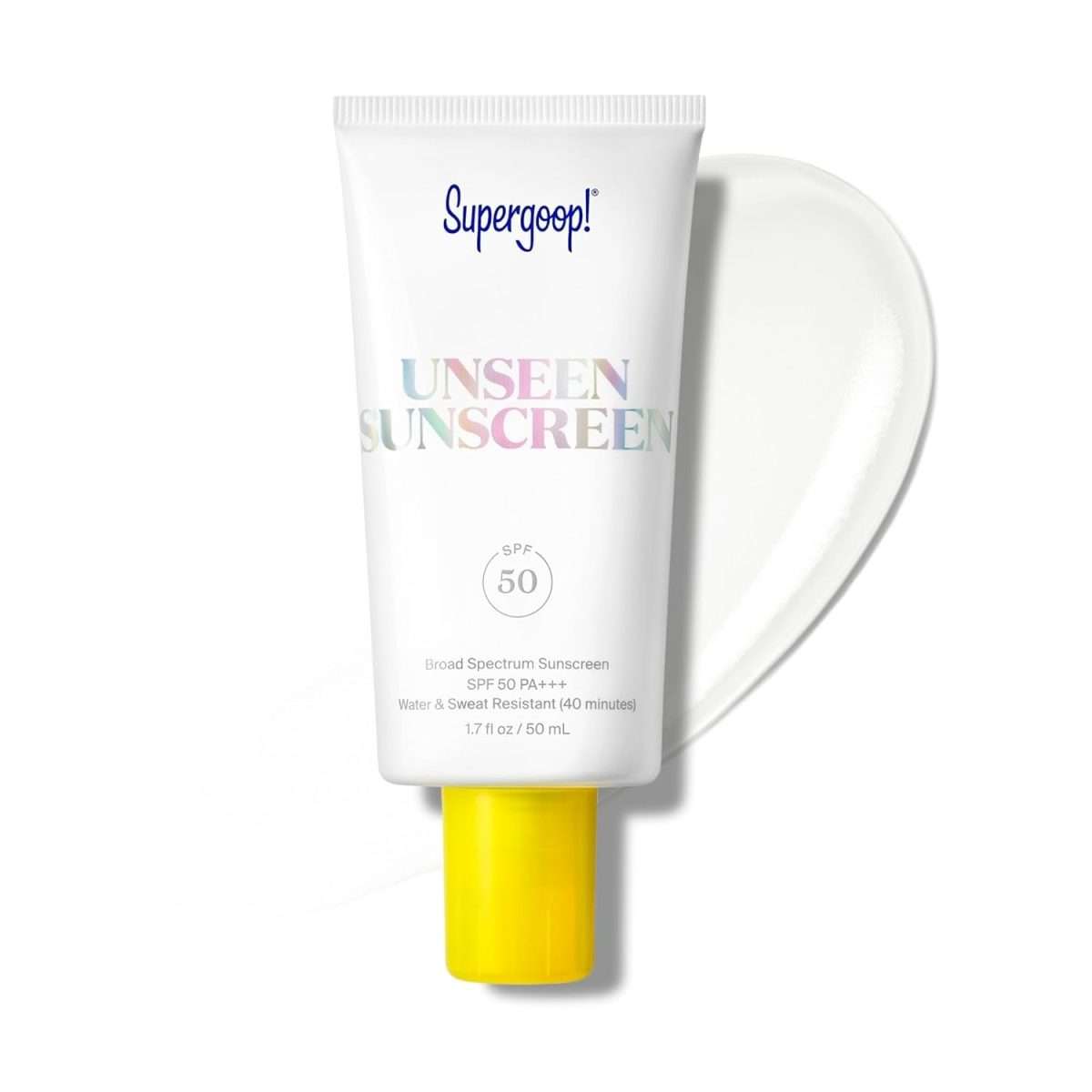
Rated 4.7 out of 5 stars across more than 19,000 reviews and an Amazon’s Choice pick. This is a completely clear, weightless, scentless gel formula, broad spectrum SPF 50, that doubles as a makeup primer. Being unscented matters more than it sounds on safari, strong perfumes attract insects in the bush, and being invisible on skin means no white cast showing up in your photos. Non-comedogenic and suitable for sensitive or acne-prone skin. Reapply at least every two hours.
Neutrogena Ultra Sheer Dry Touch Sunscreen SPF 70

Rated 4.5 out of 5 stars across more than 40,000 reviews, also an Amazon’s Choice pick. Broad spectrum SPF 70, water resistant up to 80 minutes, oxybenzone-free, with a lightweight, non-greasy, matte finish. The 3 fl oz size is TSA-compliant, easy to pack in a day bag or carry-on, and genuinely built for exactly the kind of long, hot, active day a game drive puts you through.
Sunscreen and Insect Repellent: Which Order Matters
Apply sunscreen first, wait about 10 minutes for it to set, then apply insect repellent on top. Doing it the other way around cuts sunscreen’s effectiveness, since repellent applied first dilutes the sunscreen into your skin before it can form a proper barrier. This matters in Kenya and Tanzania specifically, since malaria risk exists in most safari areas outside Nairobi and the major highland cities, so repellent is a real part of your daily routine, not an afterthought.
Clothes That Actually Block the Sun
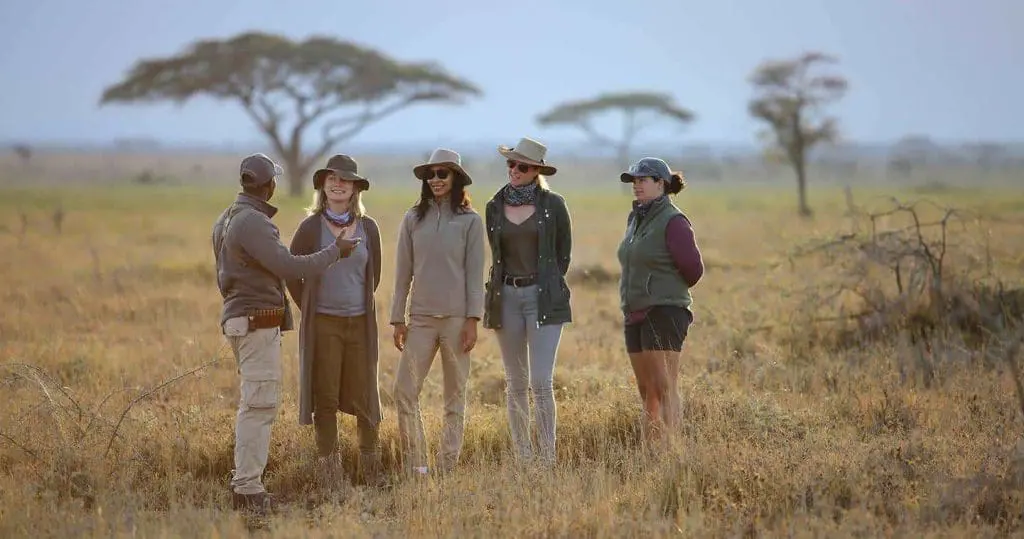
UPF-rated clothing is worth the investment for anyone spending long days in an open vehicle. UPF 50 blocks about 98 percent of UV rays, while regular cotton offers only UPF 5 to 9 when new, and less once it has been washed a few times.
- Long sleeves in a light color, loose fit, and a tight weave you cannot see light through when you hold it up to the sun
- Trousers over shorts for game drives specifically, since your knees and shins get hours of direct sun with nothing between skin and sky
- Convertible trousers that zip off into shorts work well for camp downtime once the sun has dropped
Hats and Neck Coverage
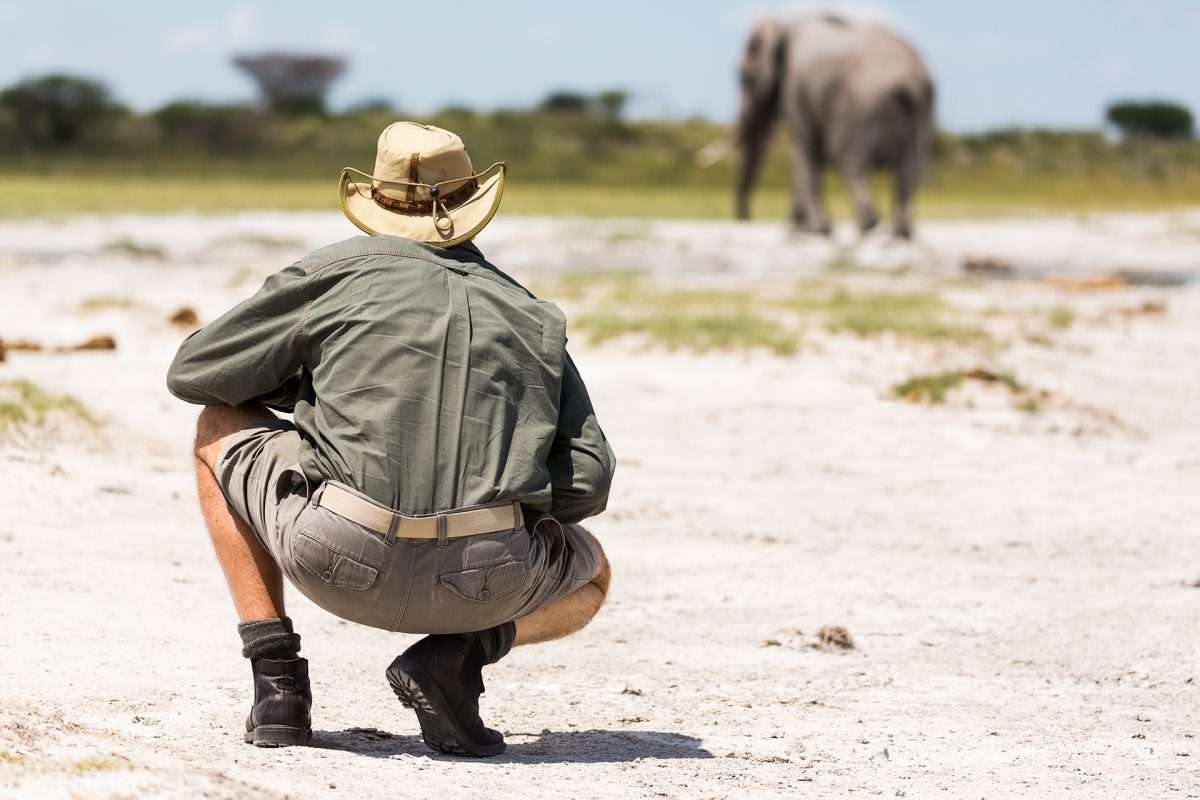
A wide-brimmed hat, at least 7.5cm of brim all the way around, protects your face, ears, and the back of your neck far better than a baseball cap. Baseball caps leave ears and neck exposed, which is exactly where the worst sunburns tend to show up on returning guests.
A chin strap earns its keep once you are out on the open plains of the Mara or the Serengeti. At real vehicle speed with wind coming through an open-sided car, a loose hat will not stay on your head. A lightweight buff or scarf around the neck adds extra coverage during the hottest midday hours, and doubles as dust protection on a dry road.
Reapplying Sunscreen on an Actual Game Drive
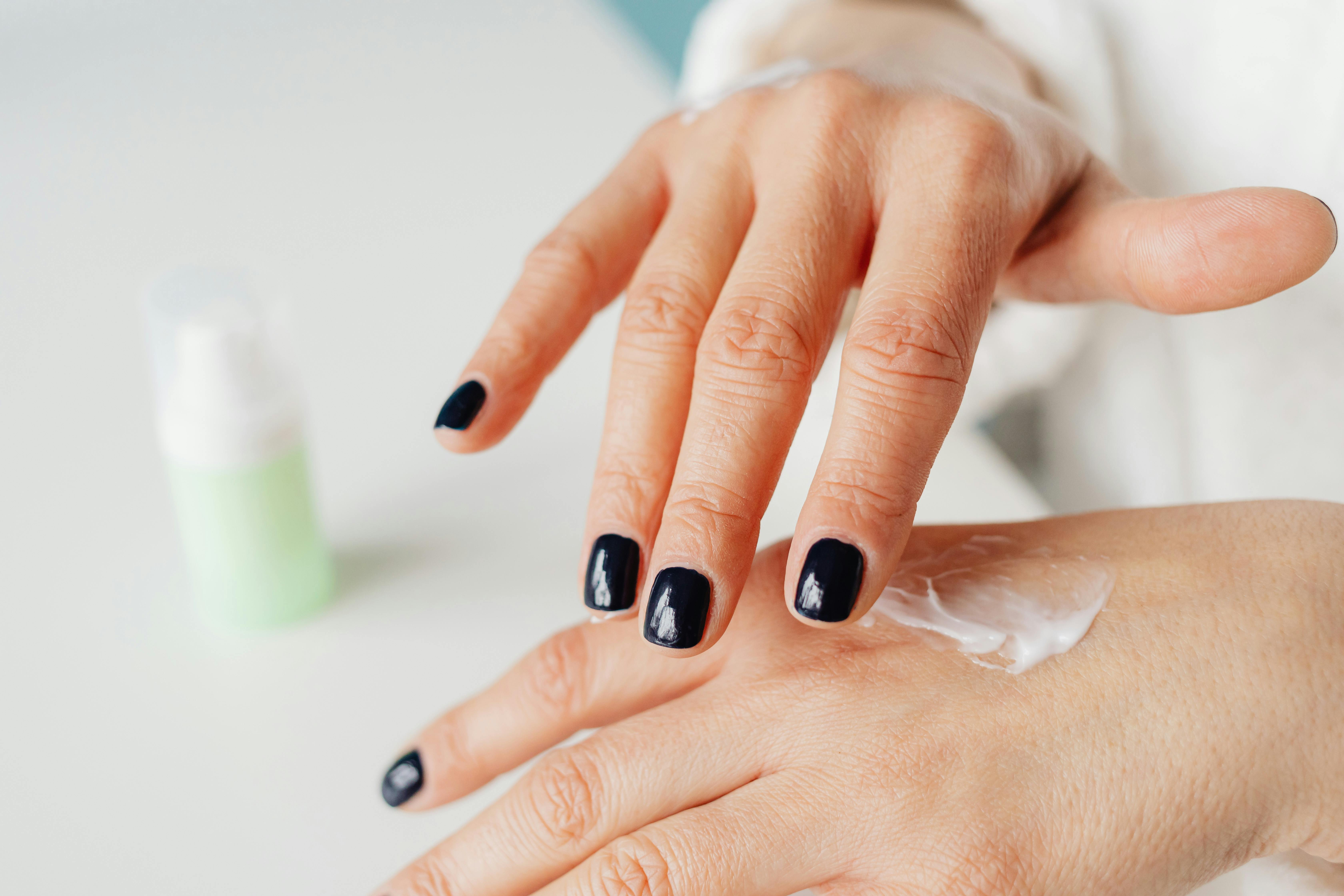
Generic advice says reapply every two hours. On an actual game drive, that is harder than it sounds, your hands are dusty, there is no sink, and nobody wants to ask the guide to stop mid-sighting so you can wash up.
- Pack sunscreen wipes or a small stick applicator for reapplication without needing water
- Apply a heavier layer before you leave camp, since morning game drives often run three to four hours without a break
- Use your camp’s mid-morning tea or coffee stop as your natural window to top up before continuing
Sun Protection for Kids, Elderly Travelers, and Melanin-Rich Skin
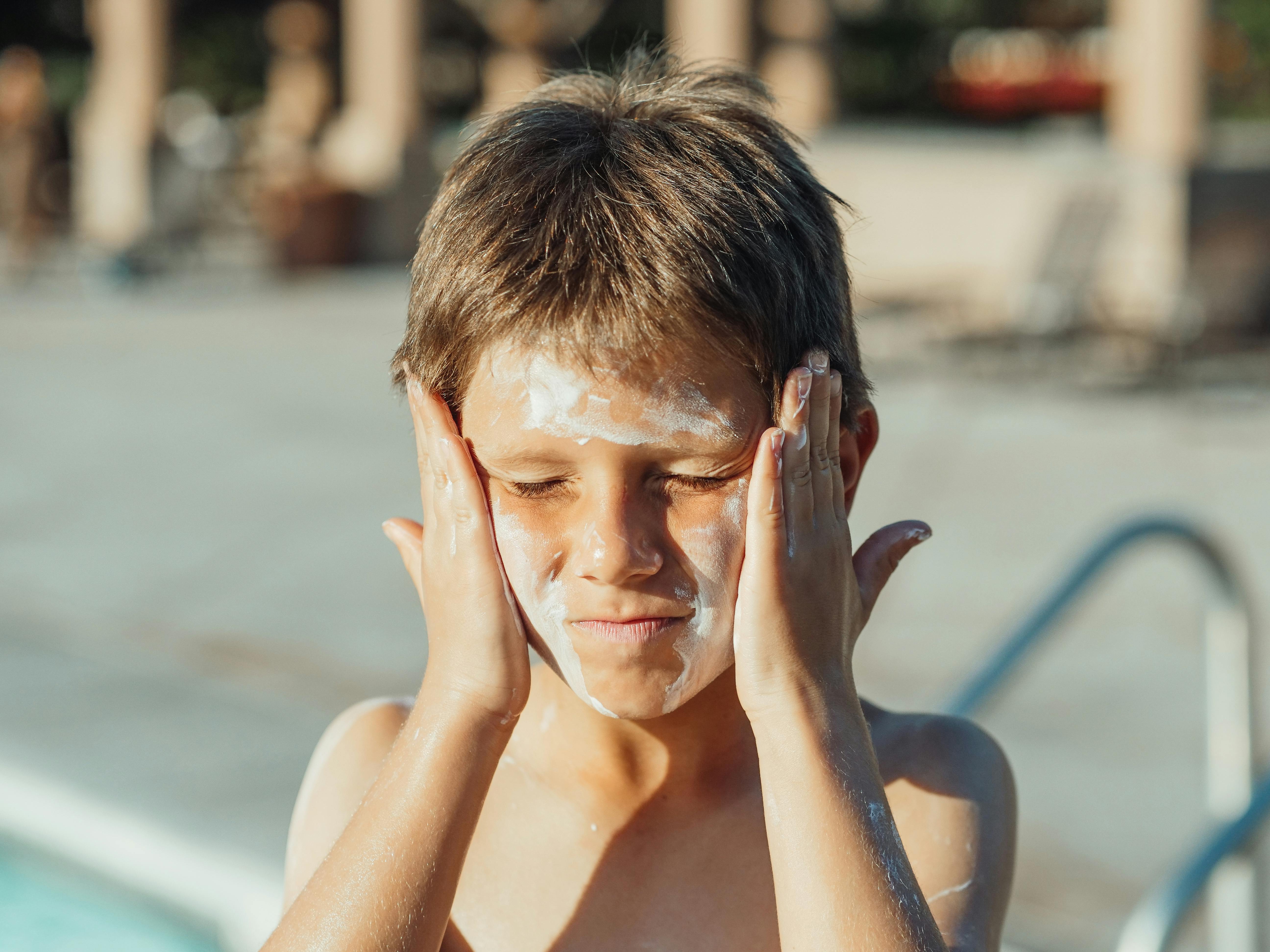
- Children under six months should not wear chemical sunscreen at all. Use mineral sunscreen and lean more heavily on UPF clothing, a hat, and shade breaks. Kids also move around more in the vehicle, so their necks and the tops of their ears need extra attention during reapplication.
- Older travelers often have thinner, more sun-sensitive skin, and some medications increase sun sensitivity, worth factoring into how much shade and rest you build into each day.
- Melanin-rich skin still needs sunscreen. It is not immune to UV damage or skin cancer risk, just naturally slower to visibly burn. SPF 30 broad-spectrum is a reasonable minimum, and mineral formulas with added iron oxide are worth considering, since standard mineral sunscreen alone does not fully block the visible light that can worsen hyperpigmentation.
Buying Sunscreen in Kenya or Tanzania vs Packing It From Home
Nairobi pharmacies and supermarkets like Chandarana and Naivas stock familiar sunscreen brands, usually SPF 30 to 50, priced roughly KES 1,200 to 2,500 for a decent bottle. Selection thins out fast once you are actually at camp, so do not count on restocking once you are in Amboseli or the Mara. Bring what you need from home, or buy it in Nairobi on arrival before heading out to the parks.
Safari Sunscreen Packing Checklist
- SPF 50 broad-spectrum sunscreen, one mineral and one chemical if you want the best of both
- Sunscreen wipes or a stick applicator for mid-drive touch-ups
- UPF 50 long-sleeve shirt and trousers, roughly one set per two days
- A wide-brimmed hat with a chin strap
- A lightweight buff or scarf for neck coverage
- Lip balm with SPF
- Sunglasses with real UV protection
Ready to Plan Your Trip?
If you want a full packing list built around your specific parks and travel dates, message me directly on WhatsApp.
A few trips where sun protection genuinely matters most:
- 5-Day Big Five Safari: Maasai Mara Road Adventure
- 8-Day Must See Kenya: Luxury Safari Journey
- 9-Day Ultimate Kenya Honeymoon: Savannah to Sea
Frequently Asked Questions
What SPF is best for an African safari?
SPF 50, broad-spectrum, water and sweat resistant, is the safest choice for a full day in an open safari vehicle. SPF 30 works for short, low-exposure moments but will not hold up through a long, hot game drive.
What is the actual difference between SPF 20, 30, and 50?
SPF 20 blocks about 95% of UVB rays, SPF 30 blocks about 97%, and SPF 50 blocks about 98%. The jump looks small on paper, but that extra margin matters over a long, sweaty game drive, since no SPF level changes how often you need to reapply.
Does a higher SPF mean I can reapply less often?
No. Every SPF level needs reapplying roughly every two hours, sooner after heavy sweat, water, or wiping dust off your face. SPF measures how much UVB it blocks, not how long it lasts on your skin.
Should I use mineral or chemical sunscreen on safari?
Both have real advantages. Mineral sunscreen works instantly and suits sensitive skin, but can leave a white cast. Chemical sunscreen blends in better but needs about 20 minutes to activate and can run into your eyes when you sweat. Many travelers use mineral on the face and chemical on the body.
Do you put on sunscreen or bug spray first?
Sunscreen first, then wait about 10 minutes before applying insect repellent. Applying repellent first dilutes the sunscreen and reduces its effectiveness.
Is the sun in Kenya and Tanzania stronger than beach sun?
Often yes. Both countries sit near the equator, which means more direct UV exposure year round, and many safari camps sit at high altitude, which increases UV intensity further, even when the air feels cool.
Can I buy sunscreen in Kenya or Tanzania?
Yes, Nairobi pharmacies and supermarkets like Chandarana and Naivas stock SPF 30 to 50 sunscreen, generally KES 1,200 to 2,500. Selection is far more limited once you are at camp, so stock up in Nairobi or bring what you need from home.
What sunscreen do you actually recommend for safari?
Supergoop! Unseen Sunscreen SPF 50 for the face, since it is unscented and leaves no white cast, and Neutrogena Ultra Sheer Dry Touch SPF 70 for full-body coverage on long game drives, since it is water resistant up to 80 minutes and genuinely lightweight.
Blog Summary About Sunscreen for an African Safari
- Safari sun is stronger than beach sun, thanks to equatorial latitude and high camp altitudes.
- UV exposure increases roughly 10 to 12 percent for every 1,000 meters of altitude.
- SPF 30 blocks about 97% of UVB rays, SPF 50 blocks about 98%, a smaller jump than the numbers suggest.
- No SPF level changes how often you reapply, every two hours is the rule regardless of strength.
- Mineral sunscreen works instantly, chemical sunscreen needs about 20 minutes to activate.
- Apply sunscreen first, then wait 10 minutes before applying insect repellent.
- UPF 50 clothing blocks about 98 percent of UV rays, regular cotton blocks very little.
- A wide-brimmed hat with a chin strap beats a baseball cap for real neck and ear protection.
- Melanin-rich skin still needs SPF 30 or higher, it is not immune to UV damage.
- Sunscreen selection thins out fast once you leave Nairobi, so stock up before heading to the parks.


