
If you are trying to figure out the best time to visit Serengeti, the honest answer is that it depends on what you want to see and how you like to travel. The Serengeti can feel completely different from one month to the next, even though it is the same park, because wildlife follows food and water, not a calendar.
That is why the Serengeti safari season changes by month. Rainfall months affect grass height, grass height changes visibility, water sources concentrate animals, and Great Migration timing shifts where the biggest herds and predator action happen. In this guide, you will get a clear Serengeti safari calendar that covers weather patterns, crowd levels, photography conditions, and the ideal time to visit Serengeti based on your goals.
Serengeti Safari Seasons at a Glance
Dry Season vs Green Season
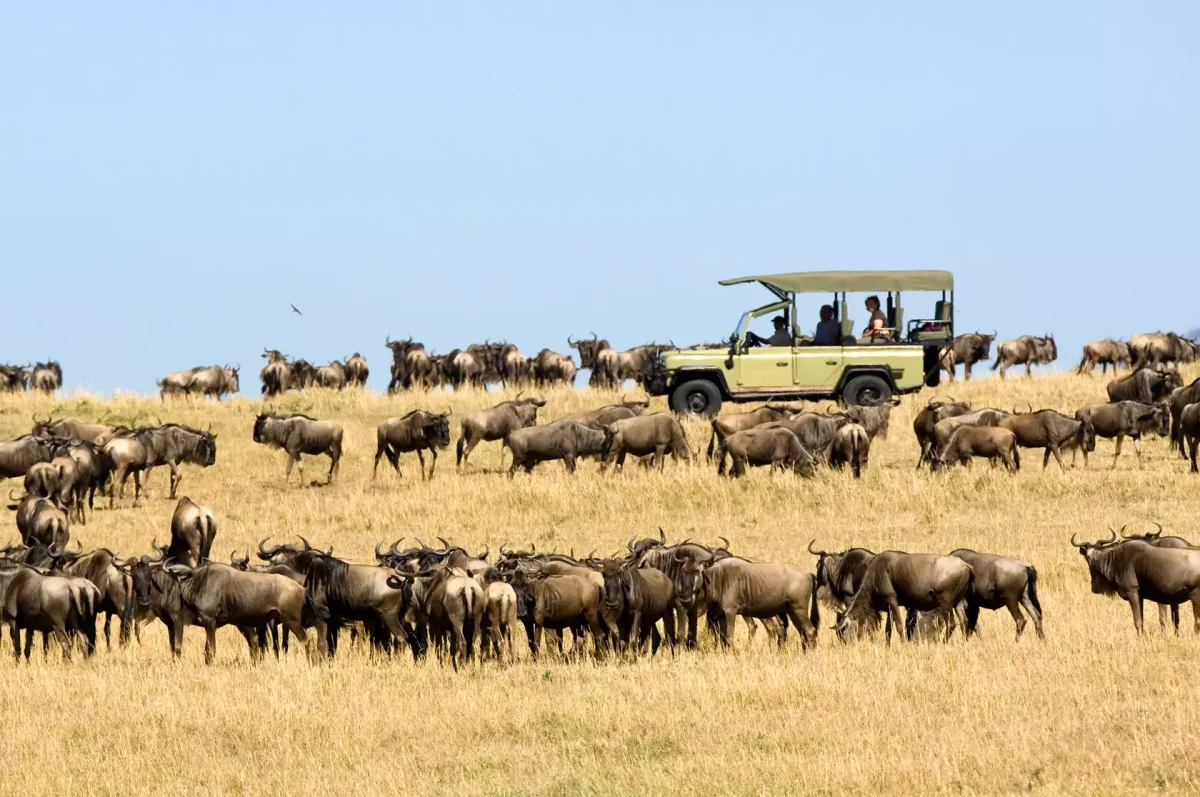
Dry Season (June to October) This is the most popular period and often considered the best time to visit Serengeti for classic wildlife viewing.
From June, July, August, September, and October, rainfall is very low and grass stays short. Because water becomes scarce, animals gather around rivers and waterholes, which makes sightings easier and more predictable. This is the time when many travelers plan their Serengeti safari tours because:
Visibility is excellent
Roads are dry and easy to drive
Big cats are easier to spot
River crossings happen from July to September
If you want the prime time to visit Serengeti for first-time safaris, this period is usually the safest choice.
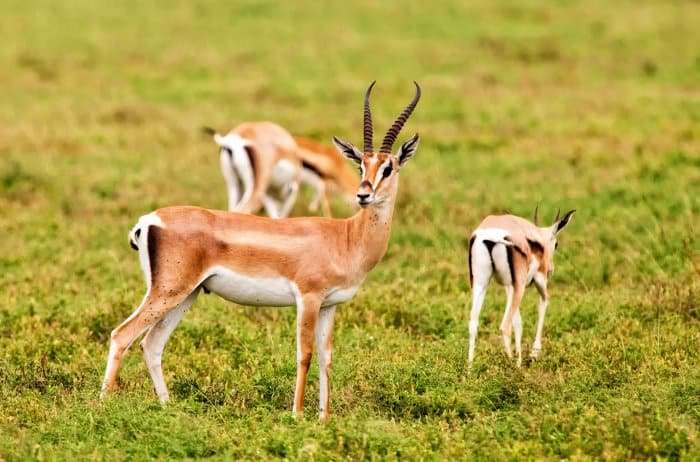
Green Season (November to May) This season runs from November, December, January, February, March, April, and May and is also called the low or shoulder season depending on the month.
Rains start lightly in November and December, become heavier in March and April, and begin easing again in May. During this time:
Landscapes turn bright green
Baby animals are born
Birdlife is at its peak
Fewer safari vehicles are in the park
January and February are special because this is when the Serengeti calving season happens in the southern plains. Thousands of wildebeest calves are born daily, making it a powerful time for predator action. For photographers and travelers who want seasonal drama, this can be the perfect time for Serengeti safari.
Peak Season vs Shoulder Season vs Low Season
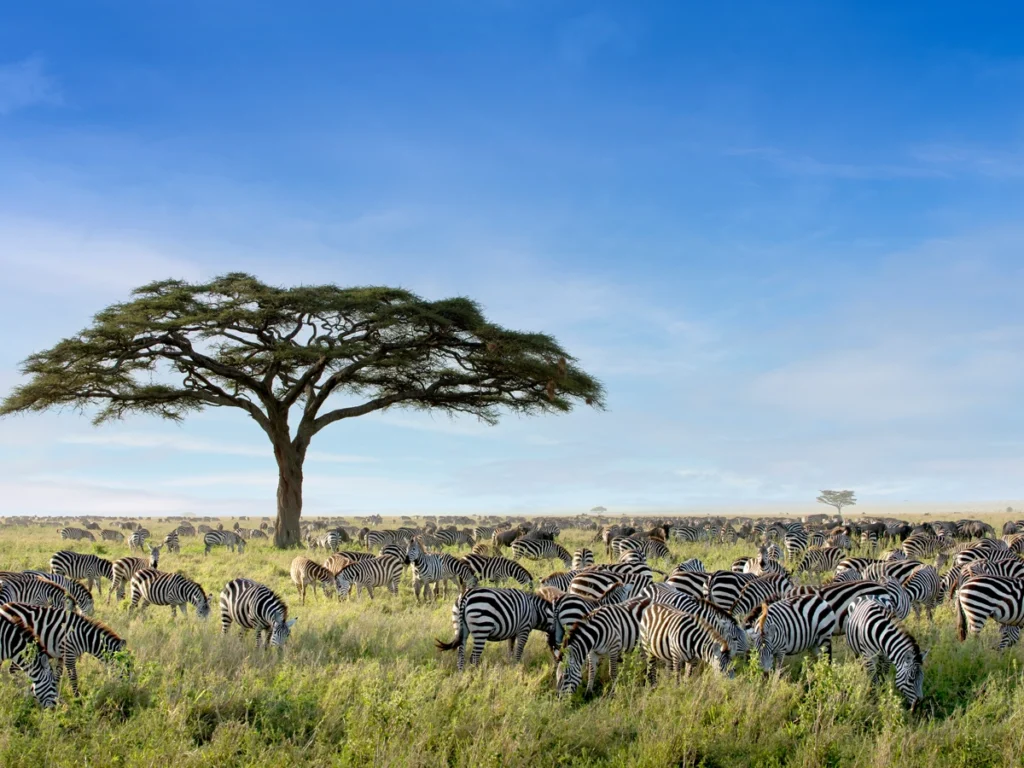
Peak Season (June to October and mid December to mid January) These months see the highest number of visitors. Prices are higher and lodges book early.
Best weather conditions
Highest chance to see the Great Migration river crossings
Busier parks especially in Central Serengeti and near Mara River
This is when the best time to go to Serengeti for dry weather and reliable wildlife viewing happens.
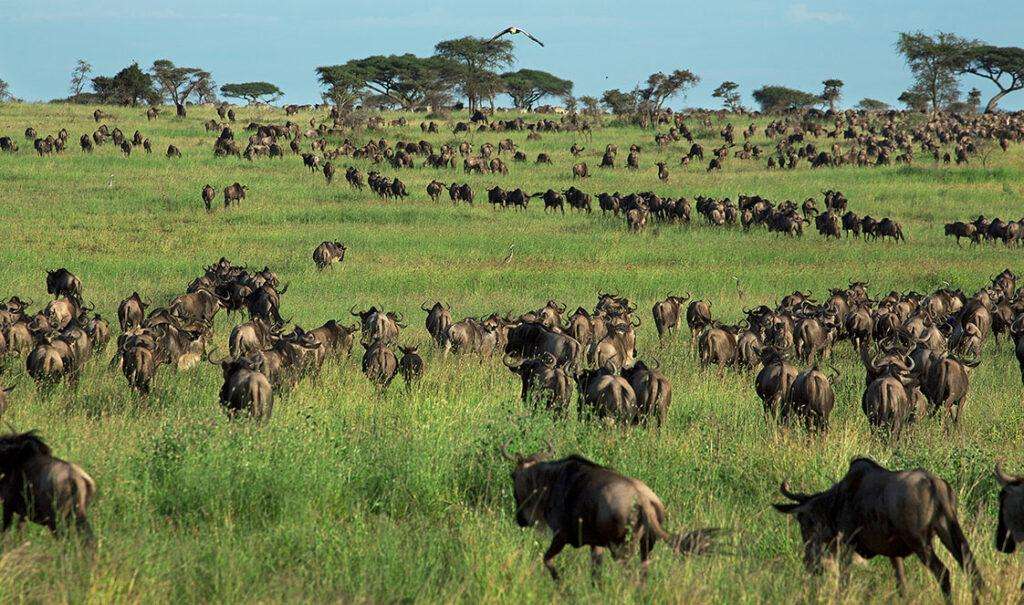
Shoulder Season (November and February)
These months sit between busy and quiet period to visit Serengeti.
Fewer crowds than peak season
Good wildlife sightings
Lower prices than peak months
February is prime for calving season
It is a smart choice if you want balance between cost, comfort, and wildlife action.
Low season is the quietest period, usually linked to heavier rains. It can be excellent for travelers who want space, better rates, and green landscapes, but you have to accept that road conditions can change quickly. Some tracks become muddy, some areas take longer to reach, and storm patterns can shift the plan for the day. The trade off is that dust drops, skies look dramatic, and you may get sightings with almost no other vehicles nearby, which is rare in peak months.
Month By Month: The Best Time To Visit Serengeti Tanzania
January
January marks the start of one of the most exciting periods of the year and is often seen as the best time to visit Serengeti for travelers who want newborn wildlife and green landscapes. The weather is warm, sunny, and mostly dry, which makes it comfortable for game drives and photography.
In the southern Serengeti and Ndutu region, huge wildebeest herds gather to give birth. This is the beginning of the Serengeti calving season, and you will see tiny calves learning to stand just minutes after birth. Because of this, predators such as lions, cheetahs, and hyenas stay close, creating powerful wildlife moments.
Weather in January
- Day temperature stays around 26 to 30°C
- Night temperature drops to 20 to 23°C
- Rainfall averages 90 mm, usually short evening showers
Why January works well for safari in Serengeti
Short grass makes animals easier to spot
Calving season creates intense predator action
Excellent month for birdwatching with migratory species
Fewer crowds compared to peak season
Good time for hiking in Ngorongoro and Usambara Mountains
January is a strong option if you want a peaceful safari with dramatic wildlife scenes. Many travelers also combine their safari with Zanzibar beaches, making it a well balanced trip.
February
February continues the magic of calving season and is widely considered the best time to go to Serengeti for seeing baby animals. The plains remain filled with wildebeest mothers and calves, and predators stay active throughout the day.
This month sits between busy holiday travel and the heavy rains of March, making it a smart shoulder season choice. You get strong wildlife viewing without large crowds, and safari costs are often more flexible.
Weather in February
- Day temperature around 29°C
- Night temperature near 26°C
- Rainfall averages 120 mm, mostly light showers at night
Why February is ideal
Peak calving action in southern Serengeti
High chance of seeing predator hunts
Clear skies for photography
Trails stay dry for walking and hiking
Quieter parks and better value for money
February is perfect for photographers and first time safari travelers who want intense wildlife scenes without peak season pressure.
March
March begins calmly but slowly transitions into the long rainy season. Early March still feels dry and warm, but by mid month, heavier rains start to arrive. This changes the mood of the park and brings fresh green growth across the plains.
Rain usually falls in the morning, while afternoons often clear up. This washes dust from the air and creates dramatic skies, making March a beautiful month for landscape photography.
Weather in March
- Day temperature between 28 and 31°C
- Night temperature around 22 to 25°C
- Rainfall averages 170 mm
Why March still works for safari
Fewer tourists and quieter parks
Lower lodge rates and good safari deals
Rich green scenery
Strong birdlife activity
Excellent month for creative photography
March suits travelers who prefer fewer vehicles, peaceful game drives, and dramatic cloud formations. With a flexible plan, you can still enjoy rewarding wildlife encounters.
April
April is the heart of the long rainy season and is usually not the most popular time to visit Serengeti, but it offers a very different safari experience. Heavy rains transform the plains into lush green landscapes, creating stunning scenery and fresh grazing grounds.
Some remote areas become muddy and a few seasonal camps close, yet this month appeals to travelers who value privacy and lower prices. Wildlife is still present, but animals spread out due to plentiful water sources.
Weather in April
- Day temperature around 25°C
- Night temperature around 14°C
- Rainfall averages 240 mm
Is April a good time to go to Serengeti?
Yes, if you enjoy green landscapes and peaceful safaris.
Why visit Serengeti in April
Lowest crowds of the year
Discounted safari packages and lodge rates
Peak birdwatching season
Fresh scenery ideal for photography
Wildebeest herds start moving north from Ndutu
April works best for budget travelers, photographers, and bird lovers who want a quieter Serengeti safari experience.
Best for: Budget safaris, birding tours, scenic photography
Not ideal for: Travelers wanting river crossings or dry weather
May
May marks the transition from wet season to dry season and is often considered a hidden gem month. Rainfall begins to decrease, roads improve, and wildlife sightings increase as animals start gathering near water sources.
This is a smart time for travelers looking for Serengeti safari deals before peak season prices rise.
Weather in May
- Day temperature around 27°C
- Night temperature around 24°C
- Rainfall averages 210 mm
Is May the best time to visit Serengeti?
May offers strong value and improving conditions.
Why May is good for safari
Lush landscapes with clearer skies
Fewer tourists and quieter game drives
Animals begin concentrating near rivers
Better road access compared to April
Great balance of price and wildlife
Best for: Value travelers, couples, photographers
Not ideal for: River crossings or dry season seekers
May is perfect if you want quality wildlife viewing without peak season crowds.
June
June officially starts the Serengeti dry season, making it one of the best months to go to Serengeti. Rainfall drops sharply, vegetation thins, and animals gather around waterholes, creating predictable sightings.
This month also marks the beginning of the Great Migration movement toward the western corridor.
Weather in June
- Day temperature around 30°C
- Night temperature around 20°C
- Rainfall averages 40 mm
Is June the best time to visit Serengeti?
Yes, June is excellent for classic safari experiences.
Why June is ideal
Dry weather and clear skies
Easy wildlife spotting
Wildebeest begin moving toward Grumeti River
Comfortable temperatures for game drives
Start of peak safari season
Best for: First time safari travelers, families, Big Five seekers
Not ideal for: Budget travelers
June is perfect if you want strong wildlife action and classic Serengeti safari scenery.
July
July is one of the best times to visit Serengeti Tanzania and marks the peak of the dry season. The grass is short, water sources shrink, and animals gather in large numbers, making wildlife viewing exceptional.
This is when the Great Migration reaches the western and northern Serengeti, and river crossing action begins.
Weather in July
- Day temperature around 27 to 32°C
- Night temperature around 15 to 20°C
- Rainfall around 30 mm
Is July the best time to go to Serengeti?
Yes, July is considered prime safari season.
Why July is perfect for a Serengeti safari
Start of dramatic migration river crossings
High chance of seeing the Big Five
Dry roads and easy park access
Clear skies for photography
Cooler nights and pleasant days
Best for: Great Migration lovers, photographers, first-time safari travelers
Not ideal for: Travelers seeking budget deals
July offers classic postcard safari scenes and intense predator action.
August
August is one of the top months for Serengeti safari and is famous for the Mara River crossings. Thousands of wildebeest attempt to cross crocodile-filled waters, creating one of Africa’s most dramatic wildlife events.
This is also the heart of peak tourist season.
Weather in August
- Day temperature around 28°C
- Night temperature around 17°C
- Rainfall around 30 mm
Is August the best time to visit Serengeti?
Absolutely, especially for migration sightings.
Why August stands out
Peak river crossing season
Excellent predator sightings
Dry vegetation improves visibility
Predictable animal movements
Ideal weather for long game drives
Best for: Migration chasers, wildlife filmmakers, luxury safari travelers
Not ideal for: Crowd-sensitive travelers
August is perfect if you want to witness the Great Migration river crossings up close.
September
September remains one of the best months to go to Serengeti with continued dry conditions and strong wildlife concentrations.
Migration herds spread across the northern Serengeti, while predator sightings stay consistent.
Weather in September
- Day temperature around 29°C
- Night temperature around 17°C
- Rainfall around 20 mm
Is September good for a Serengeti safari?
Yes, it combines great weather with fewer crowds than August.
Why September is a smart choice
Tail end of migration crossings
Fewer tourists than peak August
Strong Big Five sightings
Comfortable safari temperatures
Clear skies for photography
Best for: Couples, photographers, relaxed safari seekers
Not ideal for: Calving season fans
September offers premium safari experiences with slightly lower crowd levels.
October
October marks the end of the dry season and is still a strong month for wildlife viewing. It is considered a great time to visit Serengeti National Park if you want fewer crowds while still enjoying excellent game drives.
Vegetation remains thin, so animals stay easy to spot around water sources.
Weather in October
- Day temperature around 30°C
- Night temperature around 19°C
- Rainfall around 80 mm
Is October a good time to go to Serengeti?
Yes, October offers a balance of good weather and reduced visitor numbers.
Why October works well
Strong Big Five sightings
Less crowded than peak months
Dry tracks for smooth game drives
Great light for photography
Better lodge availability
Best for: Couples, relaxed travelers, photographers
Not ideal for: Migration river crossing seekers
October is perfect for travelers who want quality wildlife experiences without peak-season crowds.
November
November signals the start of the short rainy season and the beginning of the green season. This month offers a different safari atmosphere with fresh landscapes and active birdlife.
The migration starts moving back toward southern Serengeti, preparing for calving season.
Weather in November
- Day temperature around 30°C
- Night temperature around 22°C
- Rainfall around 130 mm
Is November a good time to visit Serengeti?
Yes, especially for travelers seeking value and quieter parks.
Why November is special
Arrival of migratory birds
Lush green scenery
Fewer tourists and lower prices
Early migration movement south
Great month for bird watching safaris
Best for: Bird lovers, budget travelers, photographers
Not ideal for: Travelers who dislike rain
November gives you peaceful safari days with rich colors and dramatic skies.
December
December combines warm weather with vibrant wildlife activity and marks the start of calving season in southern Serengeti.
This month is part of the best time to visit Serengeti Tanzania for travelers wanting newborn wildlife and festive travel.
Weather in December
- Day temperature around 27 to 32°C
- Night temperature around 21°C
- Rainfall around 130 mm
Is December a good time for Serengeti safari?
Yes, especially early December before holiday crowds arrive.
Why December stands out
Beginning of wildebeest calving season
Excellent birding opportunities
Green landscapes for photography
Warm and pleasant weather
Good safari deals early in the month
Best for: Families, photographers, holiday travelers
Not ideal for: Travelers seeking very dry conditions
December is perfect if you want a mix of wildlife, scenery, and festive travel energy.
Best Time to Visit Serengeti for the Great Migration
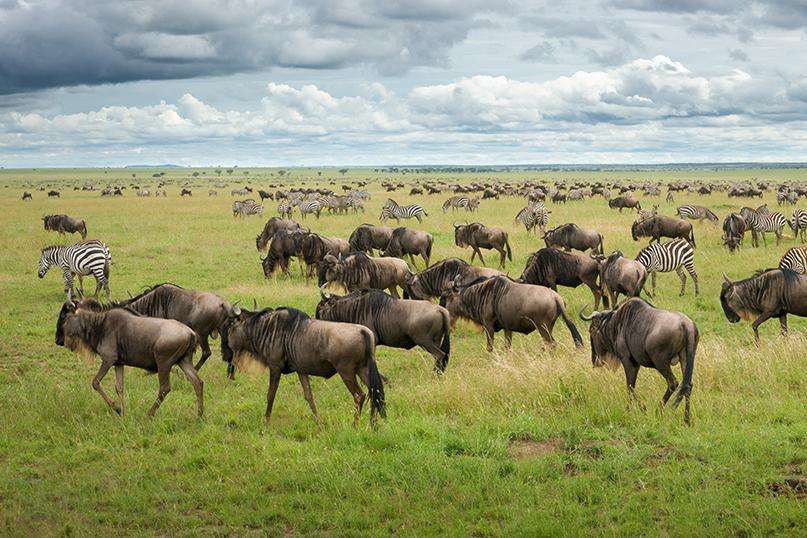
The Great Migration timing changes every month, so the best time to go depends on what part of the journey you want to witness. Over two million wildebeest, zebras, and gazelles move across the Serengeti ecosystem following rain and fresh grass. Understanding wildebeest migration months helps you plan the perfect safari.
Best month for calving and baby animals
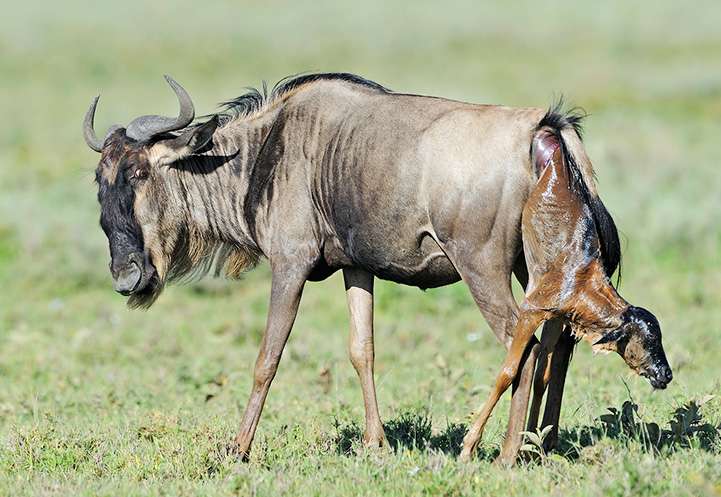
Late January to March is peak Ndutu calving season. This is when thousands of wildebeest calves are born daily in southern Serengeti. You will see newborns learning to walk within minutes, and predators staying close for hunting opportunities. This is the most emotional and action-packed phase of the migration.
Best months for Grumeti River crossings
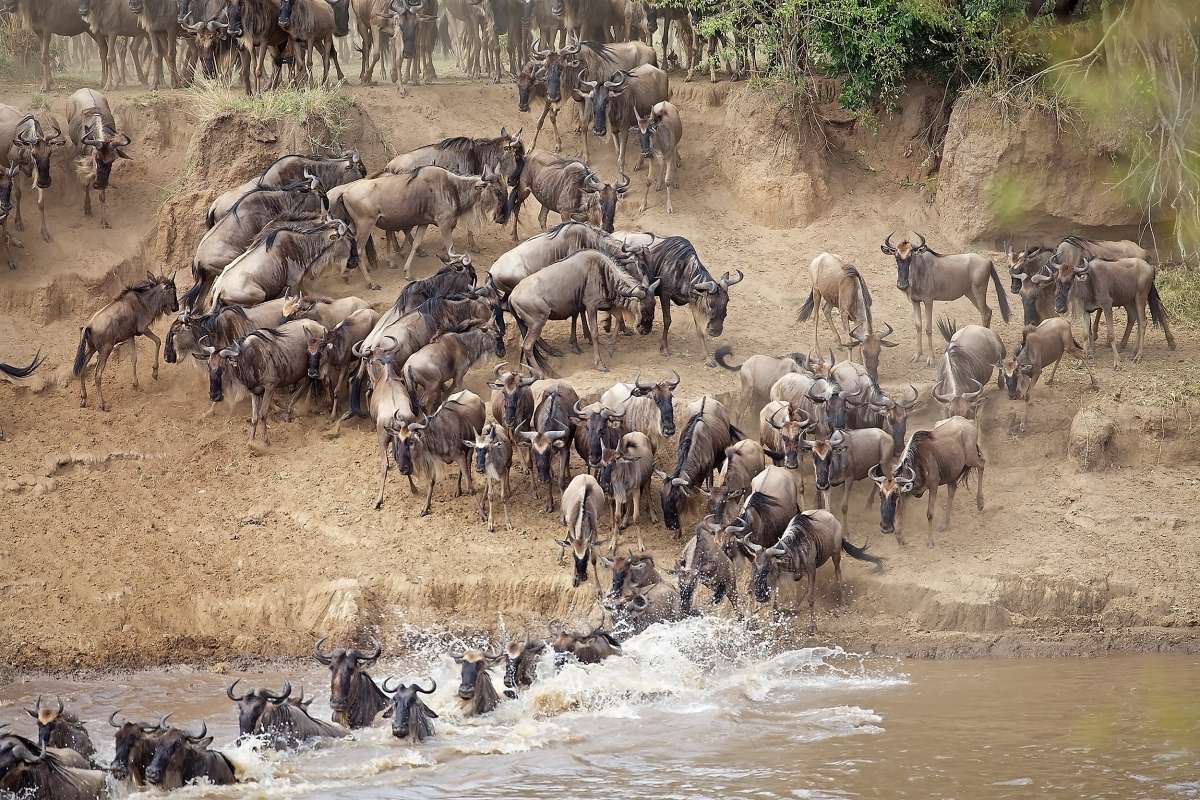
June to early July is when herds reach the Western Corridor and attempt dramatic Serengeti river crossings at the Grumeti River. Crocodiles wait in the water, making this stage raw and unpredictable.
Best months for Mara River crossings

Late July to September is the prime time for Mara River crossings in northern Serengeti. This is the most famous migration moment, where massive herds jump into strong currents while predators watch from the banks.
Best months for big herds without peak crowds
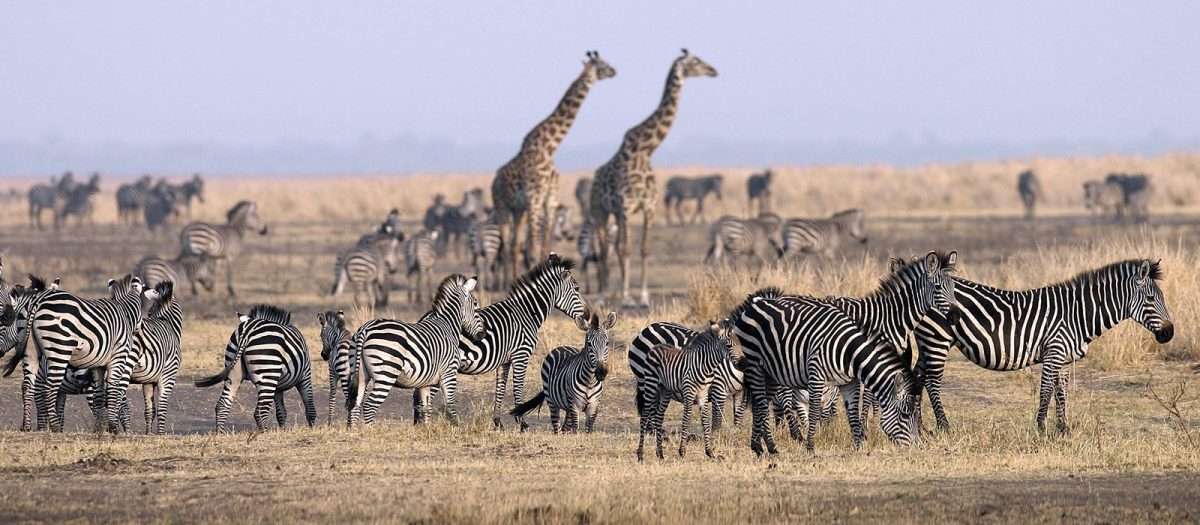
Late May and early June offer large herd movements without heavy tourist traffic. You still see massive numbers of animals, but with more space and better lodge availability.
Best Time to Visit Serengeti for Photography
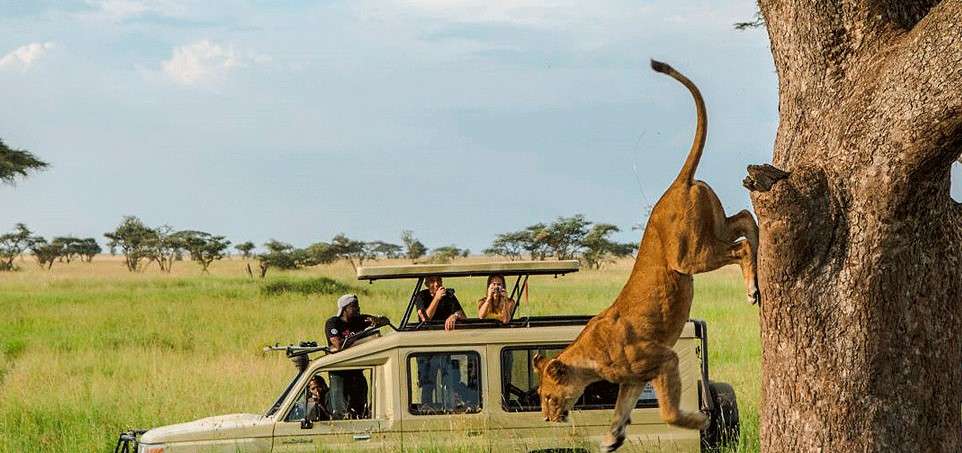
The Serengeti safari photography season depends on light, background color, and animal behavior.
Best Light and Sky Conditions
Green season color and stormy skies
From November to March, the landscape turns lush green. Cloud formations create dramatic skies, perfect for wide landscape shots. This period offers softer light and cleaner air, making wildlife photos vibrant and detailed.
Dry season dust and golden sunsets
From June to October, the dry season delivers golden sunsets and warm tones. Dust kicked up by herds adds atmosphere to action shots, especially during migration movement.
Photographers looking for softer backgrounds should visit during January to March, when grass is shorter and colors are rich.
Wildlife Behavior Photographers Love
Predators hunt more actively during cooler hours, especially early mornings and late afternoons.
Herd movement changes monthly, with dense migration scenes between June and September and intimate calving moments between January and March.
Best Time to Visit Serengeti for Bird Watching
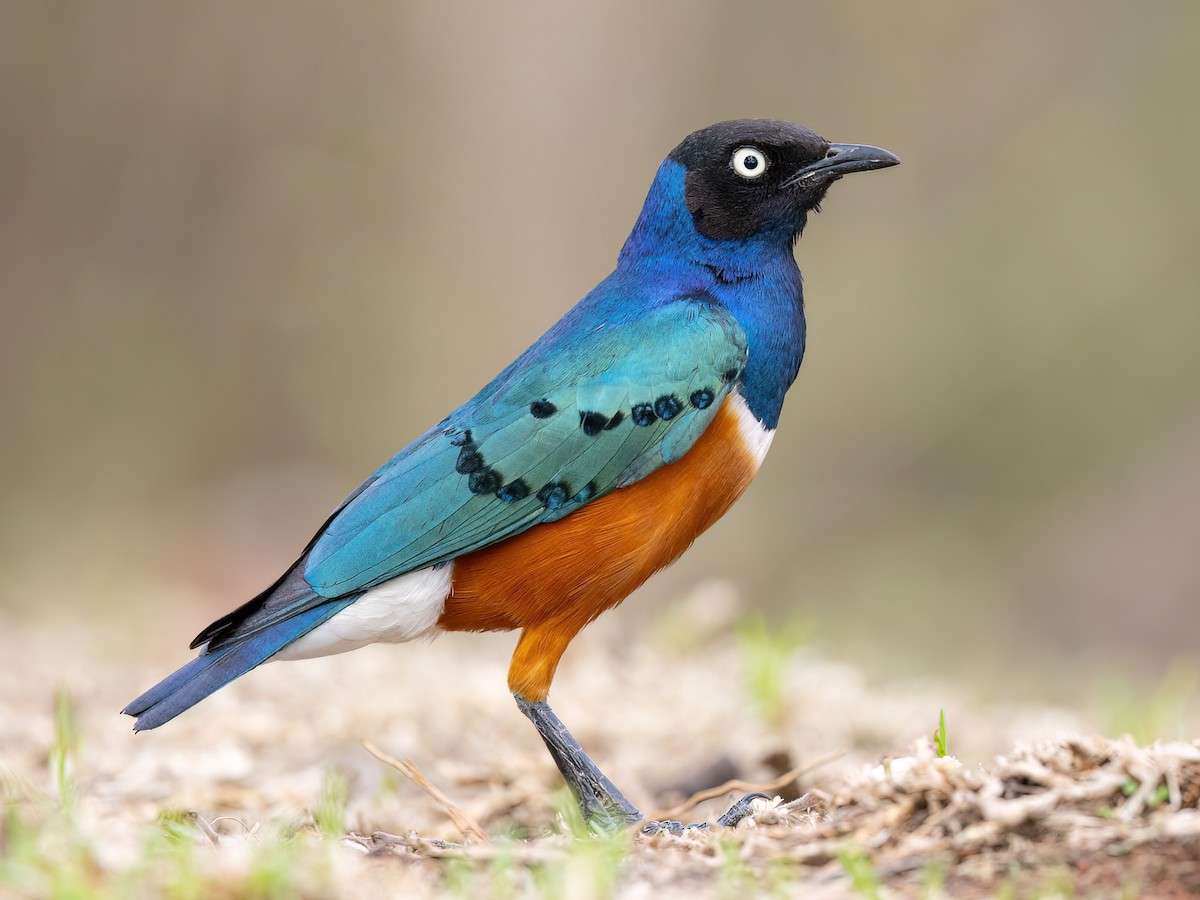
The bird watching season in Serengeti peaks from December to March. This is when migratory species arrive, adding to the already impressive list of Serengeti recorded bird species.
During this period you will see
Raptors like martial eagles and fish eagles
Colorful savanna birds such as rollers and starlings
Wetland birds including storks, spoonbills, and herons
The green season provides food and nesting conditions, making bird activity constant and exciting.
Best Time to Visit Serengeti Safari for Honeymooners
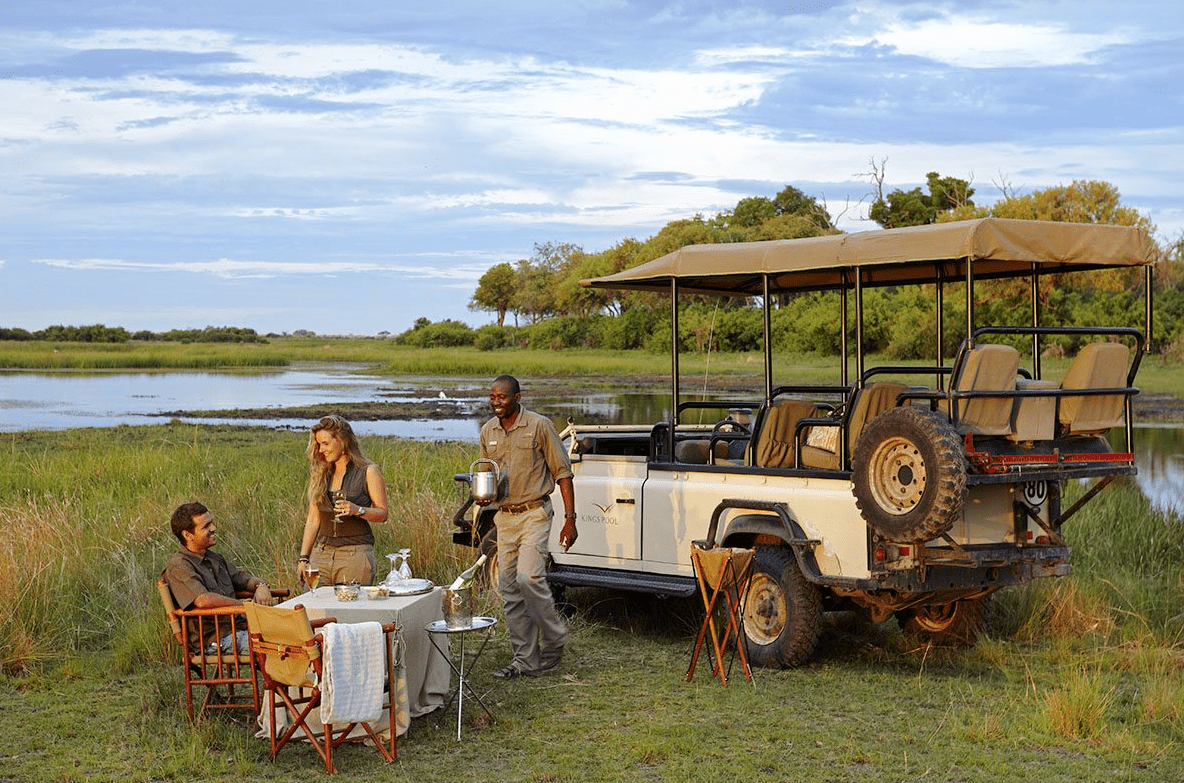
The most romantic months are June to October. These months offer clear skies, luxury camps, and dramatic wildlife viewing. Couples enjoy
Private game drives
Bush dinners
Balloon safaris at sunrise
Low insect activity
For honeymooners who prefer quieter travel, November and early December offer peaceful parks and better lodge deals.
Serengeti Crowds and Costs by Month
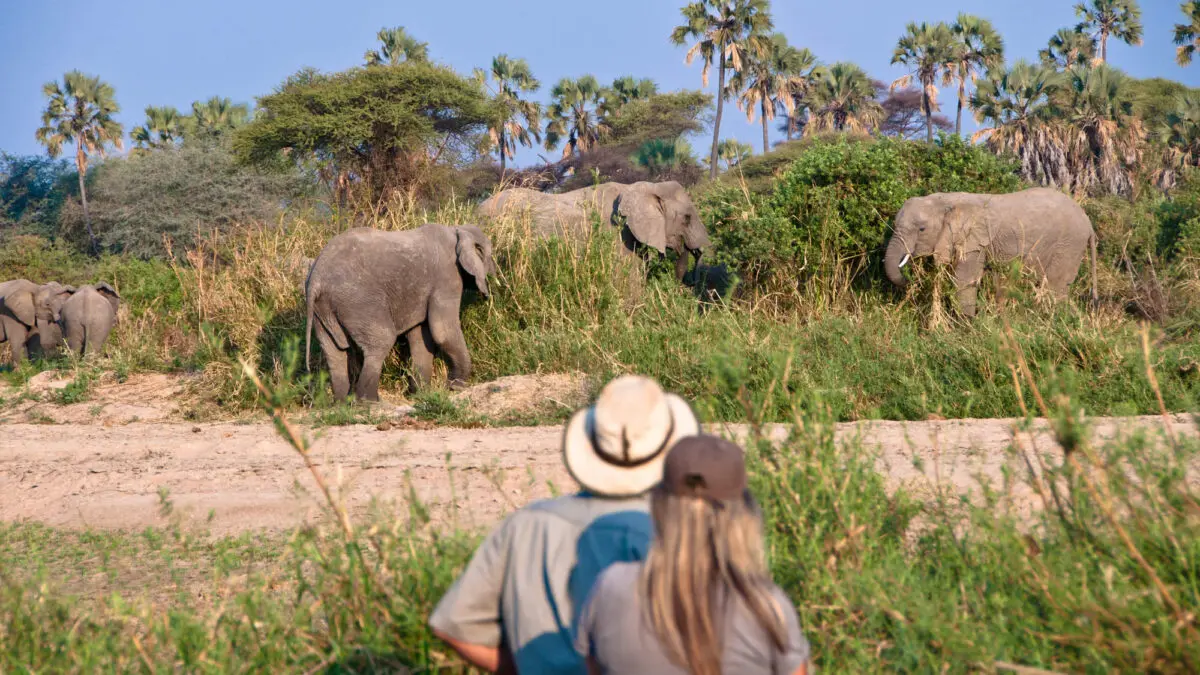
Understanding Serengeti safari crowds by month helps you plan both your budget and travel comfort. Prices change mainly due to demand, lodge availability, and migration activity.
Peak Season Pricing
June to September and late December fall under Serengeti peak season.
During this time
Luxury lodges cost $900 to $1,400 per person per night
Mid range camps range from $450 to $750 per night
Park fees remain fixed at about $82 per adult per day, but total package prices increase because of demand
Hot air balloon safari rises to $599 to $650
Private vehicles and guides cost more due to limited availability
Crowds are highest in Seronera and Northern Serengeti during migration river crossings. Popular camps sell out months in advance, especially in August.
Shoulder Season Pricing
January, February, October, and early December
Luxury lodges drop to $600 to $900 per night
Mid range camps average $350 to $550 per night
Fewer vehicles at sightings
Same wildlife quality with better space
This period offers strong value, especially during calving season.
Low Season Pricing
March to May are the cheapest months
Luxury camps from $400 to $650 per night
Mid range options from $250 to $400
Discounted safari packages available
Fewer tourists and quieter parks
Rain can affect some tracks, but wildlife viewing remains rewarding.
Planning Rule
For July to September
Book 6 to 9 months in advance
Secure migration camps early
Flights and lodges sell out fast
For December
Book 4 to 6 months ahead
Christmas and New Year weeks sell out first
Why Choose TourwithPipi for Your Serengeti Tanzania Safari

Choosing the right safari company matters just as much as choosing the right season. At TourwithPipi, we design every luxury Serengeti Tanzania safari around real travel experiences, not generic routes. We listen first, then build your journey based on what you actually want to see, how you like to travel, and your comfort level.
Our local expert guides know the Serengeti by heart. They follow animal movement daily, communicate with other guides in real time, and understand where wildlife is most active each hour. That means better sightings and fewer wasted drives.
We also handle all logistics smoothly, from airport pickups to lodge check-ins, so you never feel rushed or confused. Whether you want a calving season safari in February, a Great Migration river crossing tour, or a relaxed photography-focused trip, we customize it for you.
With TourwithPipi, you get
- Personal planning
- Private safari vehicles
- Experienced English-
- speaking guides
- Handpicked lodges
- Transparent pricing
- 24/7 local support
Your safari should feel exciting, safe, and stress-free. That’s exactly what we deliver.
Contact us now and start planning your Serengeti adventure with confidence.
FAQS
When is the best time to visit Serengeti Tanzania
The best time to visit Serengeti Tanzania depends on what you want to see.
For general wildlife viewing, June to October is excellent because it’s dry and animals gather near water.
For baby animals and fewer crowds, January to March is ideal.
What is the best month to go to the Serengeti
There is no single best month, but top choices are
February for calving season
August for river crossings
September for big herds
January for green landscapes and newborn wildlife
Each month offers a different safari experience.
Is February good for Serengeti safari
Yes, February is one of the best months for a Serengeti safari.
It is peak calving season in Ndutu
Thousands of wildebeest calves are born
Predator activity is high
Crowds are lower than peak season
Photography conditions are excellent
When are the river crossings in Serengeti
The famous Serengeti river crossings usually happen from
July to September
Peak action is in August
This is when wildebeest cross the Mara River while crocodiles wait in the water.
Is the green season good for wildlife viewing conditions in Serengeti
Yes, the green season from January to March is very good for wildlife
Short grass makes animals easier to spot
Baby animals are everywhere
Birdlife is at its peak
Fewer safari vehicles
Fresh landscapes for photos
When is the cheapest time to visit Serengeti
The cheapest time to visit Serengeti is
March to May
Lodges offer big discounts
Safari packages cost less
Crowds are minimal
Rain is possible, but wildlife is still active
What is the best time for Serengeti safari photography season
The best Serengeti safari photography season depends on style
For green landscapes and dramatic skies
January to March
For golden light and dust trails
June to October
For predator action
Early mornings year-round, especially during calving season
Final Thought
The Serengeti is not a place you simply visit. It is a place you feel. Every season tells a different story, from the soft beginnings of calving season to the powerful drama of river crossings. There is no wrong time to go, only the right time for what you want to experience.
If your dream is to see baby animals take their first steps, February is your moment. If you want the raw energy of the Great Migration, August and September will leave you speechless. If you prefer fewer crowds and better value, the green season offers beauty in a quieter way.
What matters most is choosing a safari that matches your goals, your pace, and your travel style. With the right timing and the right guide, every drive becomes meaningful and every sighting feels personal.
When you are ready to experience the Serengeti in the way that fits you best, TourwithPipi is here to plan it with care, honesty, and local expertise. Your safari story starts the moment you decide to go.
Blog Summary – Best Time to Visit Serengeti Tanzania
Serengeti National Park offers year-round safari experiences, but the best time to visit Serengeti depends on rainfall, wildlife movement, and Great Migration timing.
The dry season (June to October) is ideal for classic game drives, Big Five sightings, and dramatic Serengeti river crossings.
The green season (January to March) is perfect for the Serengeti calving season, baby animals, predator action, and colorful landscapes.
February is the best month to go to Serengeti for wildebeest calving and intense predator activity in Ndutu Plains.
July to September delivers peak Great Migration timing with iconic Mara River crossings.
Photography lovers enjoy soft light and lush scenery during the green season safari, while dry months offer golden sunsets and dust drama.
Bird watching season in Serengeti is strongest from December to March, with migratory species and raptors in abundance.
Safari costs and crowds change by month, with Serengeti peak season being more expensive and green months offering better value and fewer tourists.


