
If standing on the roof of Africa is on your bucket list, you are not alone. Every year, thousands of people ask one important question: Can a beginner climb Kilimanjaro?
The answer is a confident yes.
Mount Kilimanjaro is the highest peak in Africa, a staggering 19,341 feet above sea level. Reaching its summit, Uhuru Peak, is an incredible physical and mental achievement. The great news for beginners is that Kilimanjaro is a trekking peak, not a technical climb. You will walk to the top on established trails. You do not need ropes, harnesses, or previous mountaineering experience.
However, calling it a “walk in the park” would be dangerously misleading. Kilimanjaro is a serious high-altitude expedition where altitude sickness is your biggest challenge, not technical skill. Your success as a first-time climber hinges on three non-negotiable pillars:
Choosing a longer route for proper acclimatization.
Committing to a physical training plan beforehand.
Selecting a reputable guide company that prioritizes safety.
This guide will walk you through every step, dispelling myths and giving you the clear, actionable plan you need to transform from a beginner into a successful Kilimanjaro summiteer in 2026.
Why Beginners Can Successfully Climb Kilimanjaro
No Technical Skills Required
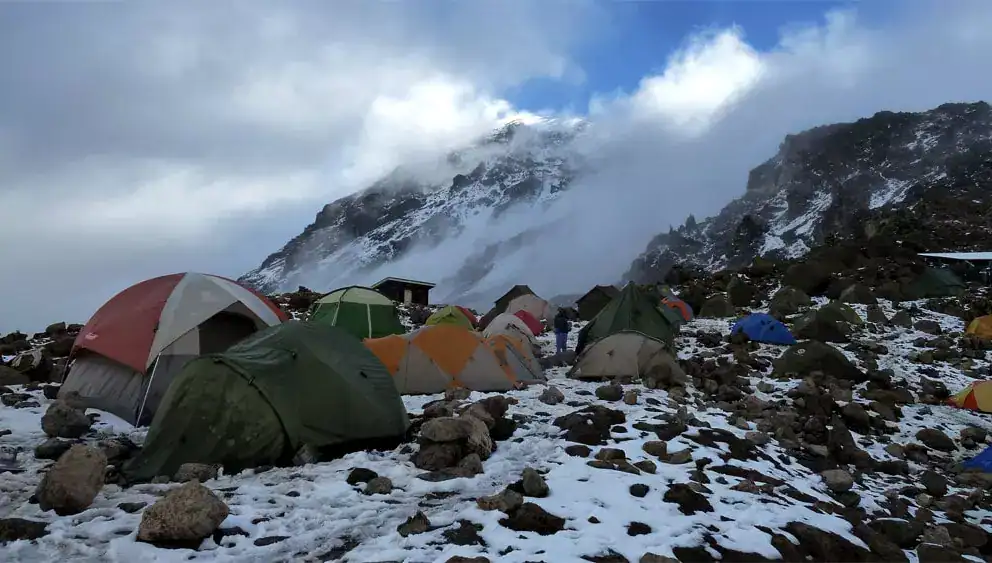
Unlike peaks in the Himalayas or the Alps, Kilimanjaro does not require technical climbing. The standard routes are essentially long, steep hiking trails. You will use the same skills you use on a tough day hike: endurance, balance, and mental grit. Your equipment list includes hiking boots and trekking poles, not ice axes and crampons.
Full Support Makes it Possible
You are not expected to do this alone. On a guided climb, a full team supports you. Expert guides set the pace and monitor your health. Porters carry the heavy gear—tents, food, and supplies—allowing you to hike with only a daypack. This crucial support system turns a nearly impossible load-carrying expedition into a challenging but achievable trek focused on your endurance and acclimatization.
The Real Challenge: Altitude and Preparation for Beginners
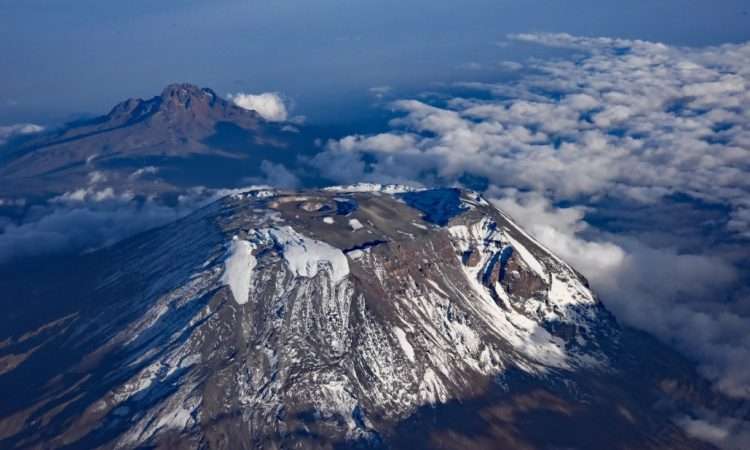
The difficulty for beginners lies almost entirely in the altitude and the sustained physical demand. Here is what you are really preparing for:
Thin Air: At the summit, there is about half the oxygen available at sea level. Your body must adapt slowly to avoid altitude sickness.
Multi-Day Stamina: You will hike for 5-8 hours a day, for 6 to 9 days in a row, over rugged terrain.
Extreme Conditions: You will experience warm rainforests, windy moorlands, and a freezing Arctic summit, sometimes all within 24 hours.
This is why preparation is everything. A beginner with a smart plan has a far better chance than an experienced athlete who shows up unprepared.
The 4 Essential Requirements for a Beginner to Climb Kilimanjaro
1. The Right Skill Level and Mindset
You need hiking stamina, not technical climbing skills. The perfect beginner candidate is someone who enjoys long walks, is comfortable with camping, and has a resilient, positive mindset. There will be tough moments; mental fortitude is as important as physical fitness.
Age Requirement: Kilimanjaro National Park sets a minimum age of 10 years old for climbers. There is no upper limit, with many healthy climbers in their 60s and 70s reaching the summit successfully.
2. A Serious Focus on Physical Fitness
You must train specifically for Kilimanjaro. “Being in shape” is not enough. Your training should build the specific endurance for back-to-back days of uphill hiking with a pack.
Your Training Pillars:
Cardio Endurance: Run, cycle, or swim 3-4 times a week to build a strong heart and lungs.
Leg Strength: Incorporate squats, lunges, and step-ups to power up the mountain.
Practice Hikes: This is the most critical training. Start with short hikes and build up to 6-hour weekend hikes with a loaded daypack (15-20 lbs). If you have stairs or hills, use them.
A dedicated 8-week training plan is the minimum recommended preparation time.
3. Non-Negotiable Gear
Your gear is your protection against the elements. Do not cut corners.
Beginner Gear Essentials:
Hiking Boots: Waterproof, well-broken-in boots are your #1 priority. Blisters can end your climb.
Sleeping Bag: Rated to at least -10°C / 14°F (a -20°C bag is better for winter months).
Clothing System: Use moisture-wicking base layers, insulating mid-layers (fleece), and a waterproof/windproof outer shell. Avoid cotton.
Daypack: A comfortable 30-40 litre pack for your water, snacks, and extra layers.
The good news? Reputable operators like TourwithPipi provide all group gear (tents, sleeping mats, dining tent).
4. Booking the Right Guide Company
This is the most important decision you will make. A great guide company is the difference between a safe, successful climb and a miserable, failed attempt.
What to Look For in a 2026 Operator:
Safety Certification: Ensure lead guides are Wilderness First Responder (WFR) certified.
High Staff-to-Client Ratio: Look for a ratio of at least 1 guide for every 2-3 climbers, plus porters. This ensures personal attention.
Focus on Longer Routes: They should strongly recommend 7+ day itineraries for beginners.
Transparent Success Rates: Ask for their summit success rates on their longer routes.
Ethical Practices: Choose a KPAP (Kilimanjaro Porters Assistance Project) partner to guarantee fair treatment for the crew.
Avoid operators offering cheap, short 5-day climbs. They cut costs by shortening the vital acclimatization time, leading to success rates as low as 50%. For a beginner, this is a recipe for failure or illness.
Choosing Your First Route: The Key to Acclimatization as a Beginner
Your route choice is your acclimatization schedule. For beginners, longer equals safer and more successful.
Best Beginner Routes for 2026:
8-Day Lemosho Route: The gold standard for beginners. It is scenic, less crowded, and its 8-day duration provides excellent acclimatization, leading to summit success rates over 90%.
9-Day Northern Circuit: The longest and most gradual route. It offers the highest success rate and incredible solitude but comes at a higher cost.
7-Day Machame Route: A good, challenging option if you are fit and time-constrained. Slightly more strenuous than Lemosho but with a solid acclimatization profile on the 7-day itinerary.
Routes to Avoid as a Beginner:
Marangu Route (5-6 days): Often called the “Coca-Cola” route, it is the shortest and has the lowest success rate due to poor acclimatization. Do not be tempted by the hut accommodations.
Any 5 or 6-day itinerary: These simply do not provide enough time for your body to adapt.
Your Step-by-Step Preparation Timeline for a 2026 Climb
6-12 Months Before:
Research and Book: Secure your spot with a reputable operator for the 2026 dry season (Jan-Mar or Jun-Oct).
Medical Check-Up: Visit your doctor to discuss the climb and medications like Diamox (Acetazolamide) for altitude prevention.
Start Building Base Fitness: Begin regular cardio and strength workouts.
4-6 Months Before:
Get Your Gear: Buy your boots and start breaking them in. Test all clothing and equipment.
Follow a Structured Plan: Begin a formalized Kilimanjaro training plan, increasing hike length and pack weight gradually.
2 Months Before:
Intensify Training: Your weekend practice hikes should now be 4-6 hours long on hilly terrain.
Finalize Gear: Have everything ready. Do a trial pack.
1 Week Before:
Taper and Rest: Reduce training intensity. Get plenty of sleep.
Mental Preparation: Visualize your success. Review your reasons for climbing.
On the Mountain: What to Expect as a Beginner
Your guide will implement the “pole pole” (slowly slowly) strategy. This slow pace is intentional and is your best weapon against altitude sickness. Embrace it.
You will have daily health checks, and your guide will educate you on recognizing altitude sickness symptoms. The camaraderie of your group and the encouragement from your guide and singing porters will become a huge source of strength.
Summit night will be the hardest thing you have ever done. It is a long, cold, dark push to the top. But with your preparation and your team, you will have what it takes. Seeing the sunrise from the Roof of Africa makes every step worth it.
Why Choose TourwithPipi for Your First Kilimanjaro Climb in 2026?
As a beginner, you need a partner you can trust completely. At TourwithPipi, we specialize in creating successful, safe, and unforgettable experiences for first-time climbers.
Beginner-Focused Itineraries: We recommend and operate the 8-day Lemosho route as our standard for beginners, maximizing your acclimatization and success.
Uncompromising Safety: Our lead guides are all Wilderness First Responders. We carry emergency oxygen and maintain a 4:1 staff-to-client ratio for constant support.
Complete Support: We handle every logistic, from permits to meals, so you can focus on your climb. We provide top-quality group gear and offer rentals.
Proven Success: Our extended routes and expert guidance result in consistently high summit success rates for our climbers.
Ethical Commitment: We are a KPAP partner, ensuring our incredible porters and crew are treated fairly and with respect.
When is the Best Time for a Beginner to Climb Kilimanjaro?
While Kilimanjaro is open year-round, choosing the right season is one of the smartest decisions a beginner can make. The right weather leads to safer conditions, drier trails, and a more enjoyable overall experience for your first high-altitude trek.
For a beginner, we strongly recommend planning your climb during one of the two primary dry seasons. These windows offer the most stable and predictable conditions, giving you the best possible foundation for success.
The Best Windows for Beginners: Dry Seasons
January through Mid-March:
This period offers clear skies, lower rainfall, and comfortable daytime temperatures. Trail traffic is generally lighter than the peak season, providing a more serene experience. While the summit will always be cold, you may encounter less snow. This is an ideal time for beginners who prioritize agreeable weather and want to avoid the largest crowds.
June through October:
This is the most popular and busiest climbing season, especially July through September. The weather is reliably dry and stable. While you will share the trail with more climbers, the excellent conditions are worth it for many. To maximize dryness, aim for dates in June or early July, before the very end of the short rainy season tail. Booking with a reputable operator ensures you have a reserved campsite even during this busy time.
Understanding the Off-Seasons (Should a Beginner Climb Then?)
The transitional months—April/May (long rains) and November (short rains)—are considered the off-season.
While climbing is possible and some operators offer lower prices, beginners should approach these times with caution. Here is what you will face:
More Rain & Mud: Expect frequent rainfall, leading to very wet, slippery, and muddy trails, making the trek more physically demanding.
Reduced Visibility: Cloud cover and fog are common, which can obscure the magnificent views you are climbing to see.
Colder, Soggier Conditions: Everything gets wet, and drying gear is challenging.
These factors add significant difficulty. For a first-time climber already managing altitude and stamina, tackling these additional hurdles is not recommended. The savings in cost are often offset by a lower chance of success and a less comfortable experience.
Key Reminder: No matter when you climb, you must prepare for extreme temperature swings, from warm, humid days in the rainforest to sub-freezing nights near the summit. Your gear list remains critical year-round.
How Beginners Can Manage Altitude Sickness on Kilimanjaro
Altitude sickness, or Acute Mountain Sickness (AMS), is the most common and serious challenge beginners face on Kilimanjaro. It happens to anyone, regardless of age or fitness, because your body is struggling with the thin air. The good news is that with the right strategy, you can greatly reduce your risk and manage it effectively.
Your 5-Step Strategy to Prevent Altitude Sickness
As a beginner, your entire climb should be planned around smart acclimatization. Here is your actionable plan:
1. Choose a Longer Route (This is Your Most Important Decision)
This is not a tip; it is a requirement for beginners. Your best defense is time. Always select a Kilimanjaro climb route with a longer duration and a gradual ascent profile. The 8-day Lemosho Route and the 9-day Northern Circuit are specifically designed for this. They incorporate “climb high, sleep low” days, giving your body the essential hours it needs to produce more red blood cells and adapt.
2. Master the “Pole Pole” Pace (Go Slowly)
Your guide will set a slow, steady pace from day one. This deliberate speed is your primary acclimatization tool. It keeps your heart rate and breathing manageable, allowing your body to process the available oxygen efficiently. Never rush or try to keep up with a faster hiker. The mantra is “pole pole” (slowly slowly) for a vital reason.
3. Hydrate Relentlessly
Dehydration dramatically worsens altitude sickness symptoms. You must drink 3 to 4 liters of water every single day. Sip consistently from your hydration bladder or bottle throughout the hike, not just at breaks. Your urine should remain clear or light yellow.
4. Fuel Your Body with Food
Even if your appetite fades at higher altitudes, you must eat. Food provides the calories and energy your body needs for the physical work of climbing and the metabolic work of acclimatization. Eat a good breakfast, snack on high-energy foods like nuts and chocolate during the hike, and try to finish your dinner.
5. Talk to Your Doctor About Medication
Many climbers use Acetazolamide (Diamox) to help prevent AMS. It is a prescription medication that can help your body acclimatize faster. Consult your doctor several months before your trip to discuss if Diamox is right for you and to get the correct dosage.
How to Recognize Symptoms and What to Do
You must know the early signs of AMS. Common symptoms include:
A persistent headache
Loss of appetite or nausea
Dizziness or lightheadedness
Unusual fatigue or weakness
The Golden Rule: If you feel unwell, you must tell your guide immediately. Do not hide symptoms hoping they will pass. Your guide is trained to assess you.
The Only Cure is Descent. If symptoms are mild, resting at the same altitude may help. If they are moderate or severe, the only correct and safe response is to descend to a lower altitude. This is not failure; it is smart mountaineering. A reputable guide will not hesitate to turn a group around if someone’s health is at risk.
Your Guide is Your Best Resource
This is why climbing with a certified guide is non-negotiable. They will:
Monitor your health twice daily using a pulse oximeter and symptom checklist.
Make objective decisions about your pace and safety.
Carry emergency oxygen for critical stabilization during a descent.
As a beginner, your job is to listen to your body, communicate openly with your guide, and trust their expertise. By combining a longer route, a slow pace, constant hydration, and professional guidance, you give yourself the strongest possible chance to acclimatize successfully and reach the summit safely.
Final Safety Tips for Your First Kilimanjaro Climb
Your guide is your primary safety system, but your own actions are equally vital. Here are the essential safety protocols every beginner must follow:
Embrace ‘Pole Pole’ (Go Slowly): This is the single most important rule. A slow, steady pace is not a suggestion; it is the strategy that allows your body to acclimatize. This is a marathon, not a sprint.
Hydrate Constantly: Drink 3-4 liters of water daily. At high altitude, dehydration happens quickly and worsens altitude sickness. Sip water consistently throughout the hike, not just at breaks.
Listen to Your Guide: Your guide performs health checks for a reason. Be honest about how you feel. If they recommend slowing down, resting, or descending, they are making a decision for your safety. Trust their expertise completely.
Acclimatize Through Your Itinerary: The best thing you can do is choose a longer route (8+ days). This builds in the necessary time for your body to adapt. “Climb high, sleep low” is built into these routes.
Pack for All Conditions: Your safety depends on being warm and dry. Never underestimate the cold at the summit. Every item on your gear list serves a protective purpose.
Final Thoughts for the First-Time Climber
Climbing Kilimanjaro as a beginner is an ambitious and absolutely achievable goal. It is a challenge that rewards careful preparation, respect for the mountain, and the right support team.
Your journey will test your endurance, but it will also build your confidence in incredible ways. By choosing the right season, committing to a training plan, packing the proper gear, and partnering with a safety-focused operator like TourwithPipi, you set the stage for a safe, successful, and unforgettable adventure.
The path to Uhuru Peak is walked by beginners every season. With the right first steps, you can join them.
Conclusion: Your Summit is Within Reach
Yes, a beginner can climb Kilimanjaro. It is a trekking peak, not a technical climb, so no previous mountaineering experience is needed. Success depends on three key factors: choosing a longer 7-9 day route for proper acclimatization, following a dedicated physical training plan beforehand, and going with a reputable guide company that emphasizes safety and a slow pace. The main challenge is altitude sickness, not ropes or climbing skill.


