
The straight answer is yes, you absolutely can do a solo Kilimanjaro climb. However, you will always need a certified guide.
It is important to understand what “solo” means on this mountain. For safety and conservation, Kilimanjaro National Park regulations require every climber to be accompanied by a licensed, registered guide. You cannot trek completely alone.
This means your solo Kilimanjaro climb is actually a private expedition. You will have your own dedicated guide and a small support team of porters. These porters are essential. They carry the crucial supplies that make your ascent possible, including food, cooking equipment, your tent, and a private portable toilet.
So while you will not be physically alone on the trail, you will have a personalized experience. You set the pace, you make the decisions about when to rest, and you enjoy the mountain without adapting to a larger group’s schedule. If you are asking whether you can climb Kilimanjaro alone without joining a pre-formed group, the answer is a confident yes. A private climb offers the solitude and personal challenge many adventurers seek, all within the required safety framework.
Why Choose a Solo Kilimanjaro Climb?
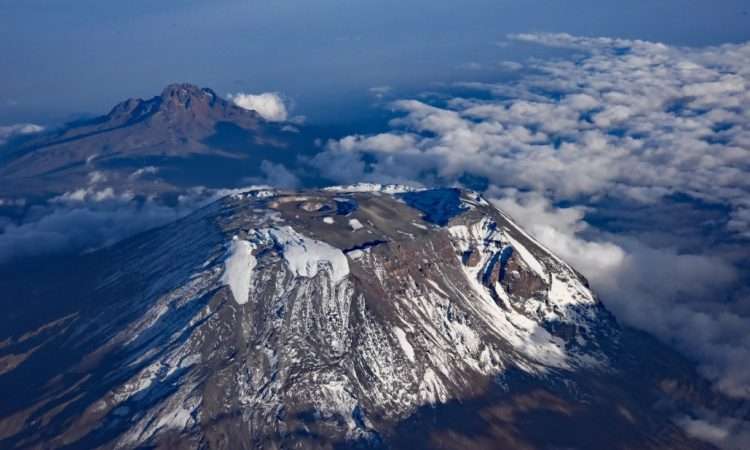
Deciding to climb Kilimanjaro solo is a personal choice. Some people enjoy the energy of a group, while others want the independence of a private journey. A solo Kilimanjaro climb means you will have a private guide and crew dedicated only to you. This creates a unique and rewarding experience for several key reasons.
You Control the Experience. A solo climb gives you complete freedom. You set the pace, whether faster or slower, without worrying about keeping up with others. You can stop for as many photos as you want, rest when you need to, and fully absorb the scenery around you.
Enjoy Peace and Personal Connection. Without a group, the mountain feels quieter and more personal. You have uninterrupted time to connect with nature and reflect. This environment is perfect for a meditative and deeply personal adventure.
Build a Unique Bond with Your Crew. With fewer people, you naturally get more time to talk with your guide and porters. You can learn about their culture, hear their stories, and build a genuine connection that enriches your entire trip.
Choose Your Perfect Dates. A private climb operates on your schedule. You can select dates that fit your life and avoid being tied to a fixed group calendar.
Focus on Self-Discovery. This journey becomes entirely yours. It is a powerful way to push your limits, build resilience, and achieve a profound personal goal on your own terms.
What Are Your Options for a Solo Kilimanjaro Climb?
If you want to climb Kilimanjaro solo, you have one primary option: a private climb. This means you, your personal guide, and a dedicated support team will be the only people on your expedition. The porters will carry all the gear, food, and camp equipment.
While you can also join an open group to save money, that is not a true solo experience. For the freedom and personal attention that define a solo trek, a private climb is the only path.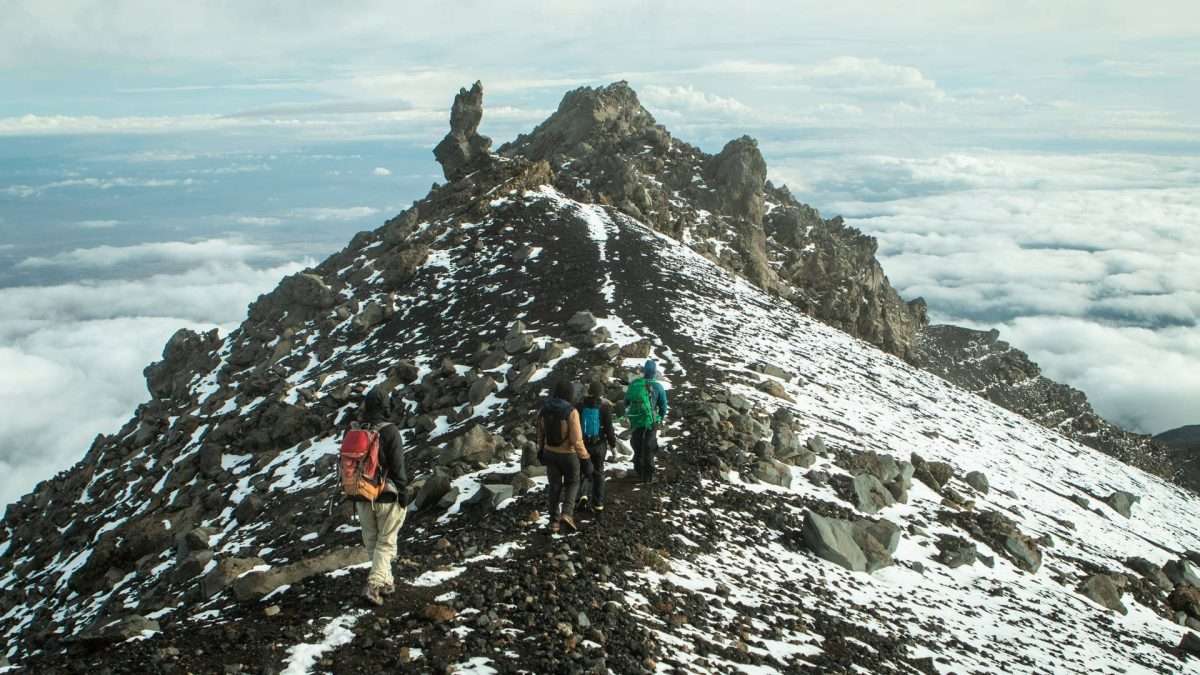
Important Considerations for a Solo Climb
A solo Kilimanjaro climb is not for everyone. It requires honest preparation and an understanding of the trade-offs.
The Main Consideration is Cost. A private expedition is more expensive than a group join. You are covering the cost of an entire support team for one person.
You Must Be Self-Motivated. While your guide and crew will support you completely, you will not have fellow climbers for shared encouragement on tough days. Your mental stamina needs to come from within.
Safety and Judgment Are Paramount. All the standard risks of climbing Kilimanjaro, like altitude sickness, remain. On a solo climb, you must rely heavily on your own judgment and your guide’s expertise. Proper preparation is non-negotiable.
To succeed and stay safe, you need:
A thorough training plan for Kilimanjaro.
An honest assessment of your experience and resilience.
Complete trust in your guide’s decisions regarding your health and safety.
Your guide and porters are your team. They are experts at motivation and monitoring your well being. They will check on you constantly and encourage you every step of the way, often with uplifting songs. Choosing a solo climb means choosing a deeply personal challenge, and with the right preparation and a trusted operator like TourwithPipi, it can be the most rewarding experience of your life.
Is a Solo Kilimanjaro Climb Safe?
Yes, climbing Kilimanjaro solo is very safe, precisely because you are not truly alone. Kilimanjaro National Park rules require every climber to have a licensed guide. On a solo climb, this means you have a dedicated professional whose sole focus is your safety and well-being. Your guide ensures you stay on the correct path, monitors your health constantly, and is trained to handle any emergency, from altitude sickness to a minor injury. This one-on-one attention often makes a private climb even safer than being in a large group.
How Many Days Does a Solo Kilimanjaro Climb Take?
A solo climb takes the same amount of time as a group climb, as the duration is determined by the route, not the number of people. Your private expedition will typically last between 6 to 9 days. We strongly recommend choosing a longer route, such as the 8-day Lemosho or 9-day Northern Circuit, even on a solo trek. The extra days are not for distance; they are critical for safe acclimatization, which is your most important factor for summit success.
Is a Solo Kilimanjaro Climb Right for You?
Almost anyone can choose to climb Kilimanjaro solo. Whether you are an experienced trekker or new to high altitudes, a private climb is a valid option. The physical training required is identical to a group climb.
You should consider a solo Kilimanjaro climb if:
You value setting your own pace and having complete schedule flexibility.
You prefer a quiet, reflective experience in nature without group dynamics.
You want to build a closer connection with your guide and Tanzanian crew.
You have specific dates that do not align with group departures.
Ultimately, if you want a personalized adventure where you call the shots, a solo climb is an excellent and safe way to achieve your summit goal.
Solo Kilimanjaro Climb Gear & Packing List
Packing correctly is non-negotiable for a solo climb. You carry full responsibility for your gear, and every item must meet the mountain’s demands. Here is exactly what you need.
| Item | Recommended Specifications | Solo Climber Requirement |
|---|---|---|
| Hiking Boots | Waterproof, well fitting, and fully broken in | Essential |
| Warm Layers | Fleece jacket, insulated down jacket, thermal base layers | Essential |
| Waterproof Jacket | Breathable, windproof shell with a hood | Essential |
| Sleeping Bag | Rated for at least -10°C / 14°F (preferably lower) | Essential |
| Backpack (Daypack) | 30-40 litres, with a rain cover and comfortable straps | Essential |
| Trekking Poles | Adjustable, lightweight, with wrist straps | Highly Recommended |
| Headlamp | LED, with extra batteries | Essential |
| Water Bottles/Bladder | 2-3 litre total capacity, insulated or with purification | Essential |
| Sunglasses | UV protection, polarized lenses | Essential |
| Personal First Aid Kit | Includes any prescription meds and altitude sickness pills | Essential |
| High-Energy Snacks | Calorie dense, easy to eat while moving | Recommended |
| Communication Device | Satellite messenger or phone for emergency contact | Recommended |
| Portable Power Bank | High capacity, for charging electronics | Recommended |
Important Note: Your tour operator provides all group gear like tents, sleeping mats, and mess tents. The list above is for your personal gear only.
Key Factors to Consider for a Solo Kilimanjaro Climb
1. Understanding the Cost of a Solo Climb
A solo Kilimanjaro climb is more expensive than joining a group. You are covering the cost of an entire support team for one person. Budgeting accurately is crucial.
Here is a realistic breakdown of average costs for a 6-day solo camping trek:
| Expense Category | Average Daily Cost (USD) |
|---|---|
| Trekking Guide | $20 – $30 |
| Porters (2-3 required) | $10 – $15 per porter |
| Cook | $15 – $20 |
| National Park Fees | $70 – $100 |
| Camping Fees | $50 – $70 |
| Estimated Total Trip Cost: | $1,800 – $3,000+ |
Total Cost Note: This is a base estimate. The final price depends on your route, season, gear rentals, and operator quality. Park fees are fixed and make up a large portion of the cost, which is why longer, more expensive routes often offer better value through higher success rates.
2. Success Rates for Solo Kilimanjaro Climbers
Your choice of route directly impacts your chance of standing on the summit. Longer routes with better acclimatization profiles yield significantly higher success rates, which is especially critical on a solo climb where group morale isn’t present.
| Kilimanjaro Climbing Route | Estimated Success Rate (Solo Climbers) |
|---|---|
| Machame Route (7-day) | Around 70% |
| Rongai Route (7-day) | Around 75% |
| Lemosho Route (8-day) | Around 85% |
| Northern Circuit (9-day) | Around 90% |
The Clear Recommendation: For a solo climber, investing in the 8-day Lemosho or 9-day Northern Circuit route is the wisest decision. The extra cost buys you the most valuable asset on the mountain: time to acclimatize. This dramatically increases your safety and your likelihood of a successful, enjoyable summit.
Solo Kilimanjaro Climb Regulations and Permits
Planning a solo Kilimanjaro climb requires careful attention to park rules. You cannot simply show up and start hiking. The Kilimanjaro National Park Authority (KINAPA) manages the mountain, and they have strict regulations for everyone’s safety and environmental protection.
Here are the essential rules and permits you need for a solo climb:
Permits are Mandatory: Every climber must obtain a permit from KINAPA. Your tour operator will handle this for you as part of your booking package. You cannot legally climb without one.
You Must Have a Licensed Guide: This is the most important rule for solo climbers. KINAPA regulations require every climber to be accompanied by a registered, licensed guide. This ensures your safety, provides expert navigation, and guarantees compliance with all park protocols.
Registration and Route Details: Your operator will register your climb with KINAPA in advance, providing your personal details, chosen route, and exact climb dates. This is crucial for park management and rescue services.
Higher Permit Fees: Solo climbers pay a higher permit fee per person than those in a group. This is because fixed costs like guide and porter wages are not shared across multiple climbers.
Strict Campsite Use: You must camp in designated sites only. Random camping is prohibited to protect the fragile ecosystem.
Follow Leave No Trace Principles: You must pack out all your waste. The guiding principle is to leave the mountain exactly as you found it.
Important Reminder: Regulations can be updated. A reputable operator like TourwithPipi manages all permits and ensures full compliance with the latest KINAPA rules, giving you one less thing to worry about. Your safety and a lawful climb are our responsibility.
Summary: Your Guide to a Solo Kilimanjaro Climb
Choosing a solo Kilimanjaro climb means embarking on a highly personalized private expedition. While you will have a dedicated guide and support team as required by park rules, the journey is tailored entirely to you—you set the pace, enjoy the solitude, and experience the mountain on your terms.
Key Takeaways:
Safety First: A solo climb is safe because you are accompanied by a licensed guide whose sole focus is your well-being, from health monitoring to emergency response.
Route is Critical: Success depends heavily on your route choice. Opt for longer itineraries like the 8-day Lemosho or 9-day Northern Circuit for superior acclimatization, which leads to summit success rates of 85-90% for solo climbers.
Prepare for the Cost: A private climb is a significant investment, typically ranging from $1,800 to $3,000+, as you cover the full cost of your support team and park fees.
Gear is Non-Negotiable: You must have high-quality, essential gear including a sub-zero sleeping bag, waterproof layers, and broken-in boots. Your mental preparation and physical training are just as important.
Rules are Strict: Permits and a licensed guide are mandatory. Your tour operator will handle all regulations, ensuring you comply with park fees, designated campsites, and environmental protocols.
Ultimately, a solo Kilimanjaro climb is for the independent adventurer seeking a profound personal challenge. With the right preparation, a trusted operator, and a longer route, it is an immensely rewarding way to stand on the Roof of Africa.


