
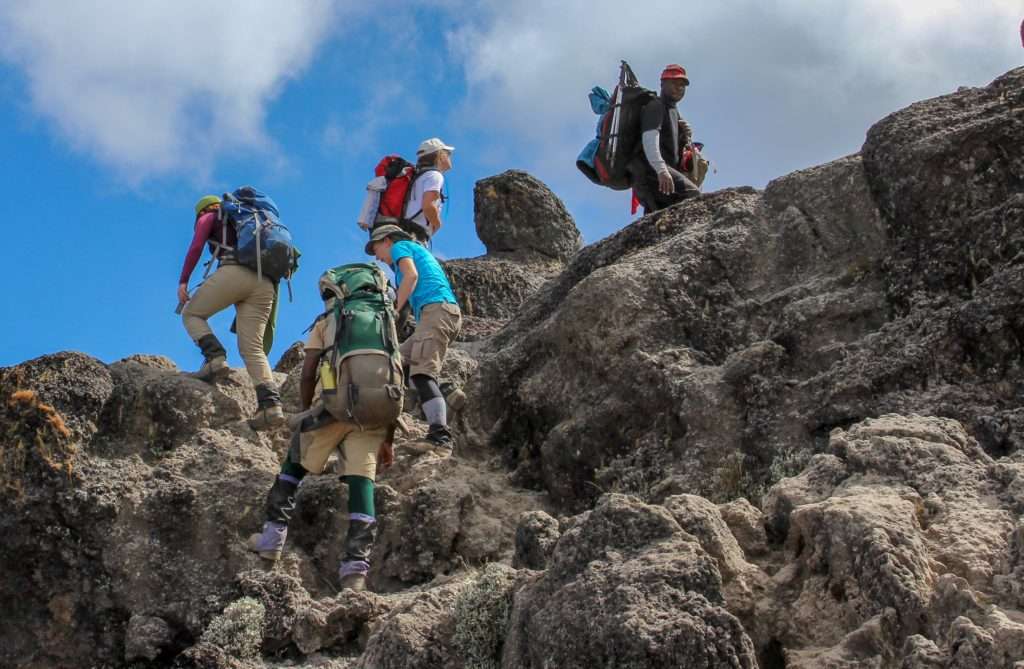
Highlight of Our Training Plan for Kilimanjaro 2026
To prepare to climb Kilimanjaro, you must focus on consistent and rigorous physical preparation. Therefore, we emphasize a training regimen centered on high-frequency hiking, simulating the mountain’s conditions, while gradually increasing load and duration. Furthermore, supplement your hiking with dedicated aerobic and strength work.
Physical Training
Consistent physical training is the core of your preparation; it builds the stamina necessary for high altitude.
Hiking is the Most Important Training: Aim for a combination of shorter, high-intensity weekday hikes and longer, more strenuous weekend hikes. This regimen ensures continuous conditioning.
Increase Gradually: Start with shorter distances and easily manageable elevation gain. Subsequently, increase both distance and vertical ascent by 10 to 20% each week to safely build endurance.
Simulate Conditions: If you lack access to mountain trails, you can effectively use stairs, incline incline treadmill, stadium steps, or a stair machine. This effectively mimics the sustained climbing action of the trek.
Aerobic Exercise Builds Cardiovascular Fitness: Supplement your hiking with activities such as running, cycling, or swimming. Aim for three to four sessions per week, ultimately increasing duration to 40 minutes or more.
Strength Training Enhances Leg and Core Power: Incorporate strength training sessions two to three times per week. Specifically, focus on exercises like squats, planks, push-ups, and pull-ups.
Interval Training is Key to Steep Sections: Practice climbing steep hills or stairs at a high intensity for a few minutes. Then, recover with a slower pace on the way down, repeating this cycle for 20 to 45 minutes. This builds both anaerobic and aerobic capacity.
Gear and Gear Practice
Practice with your gear ensures comfort and familiarity during the actual climb.
Wear Your Gear: Get completely used to wearing your hiking boots and carrying your daypack on every single climbing Kilimanjaro training hike. This prevents blisters and discomfort later.
Gradually Add Weight: Start your pack training with a lighter load. Subsequently, increase the weight you carry up to the amount you expect on the climb, increasing by approximately 10% each week.
Mental and Other Preparation
A prepared mind is just as important as a prepared body.
Acclimatization: If possible, spend time at high altitude before your climb. This helps your body begin to adjust to lower oxygen levels.
Mental Preparation: Find your powerful “why” for climbing; this motivation is vital. Be mentally prepared for a challenging experience, and maintain a confident attitude throughout your training plan for Kilimanjaro.
Hydration is Essential: Drink plenty of fluids during all training sessions. This teaches your body the habit of staying well hydrated, which is crucial during long, strenuous efforts on the mountain.
How Fit Do You Need to Be to Climb Kilimanjaro?
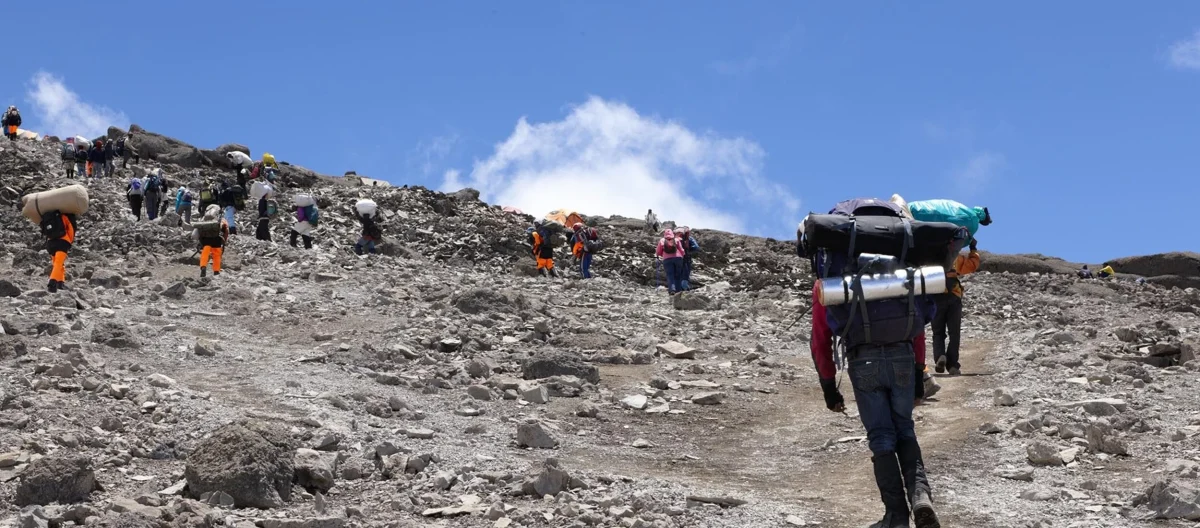
Many people ask how to train for Kilimanjaro and worry that they are not fit enough for the 19,341 foot summit. While it is a serious challenge, reaching the top is often more achievable than people assume. Success relies on smart preparation, not extreme fitness. In fact, over preparing can be just as unhelpful as not preparing enough. The key is consistent and moderate training that builds the right kind of stamina for a multi day trek.
Why Kilimanjaro Is More Accessible Than You Think
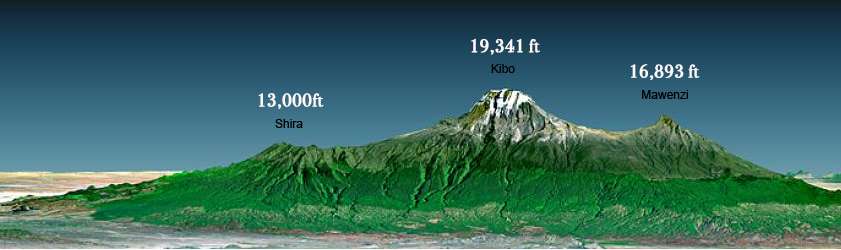
You might think calling Kilimanjaro accessible sounds unrealistic. We agree it is not an easy climb, but it is feasible for many people. First, it does not require technical climbing skills or special equipment. You only need the same ability you use for a long hike. The trails, while steep, do not exceed a 50 percent grade. This manageable terrain has even allowed climbers over 70 years old to summit successfully.
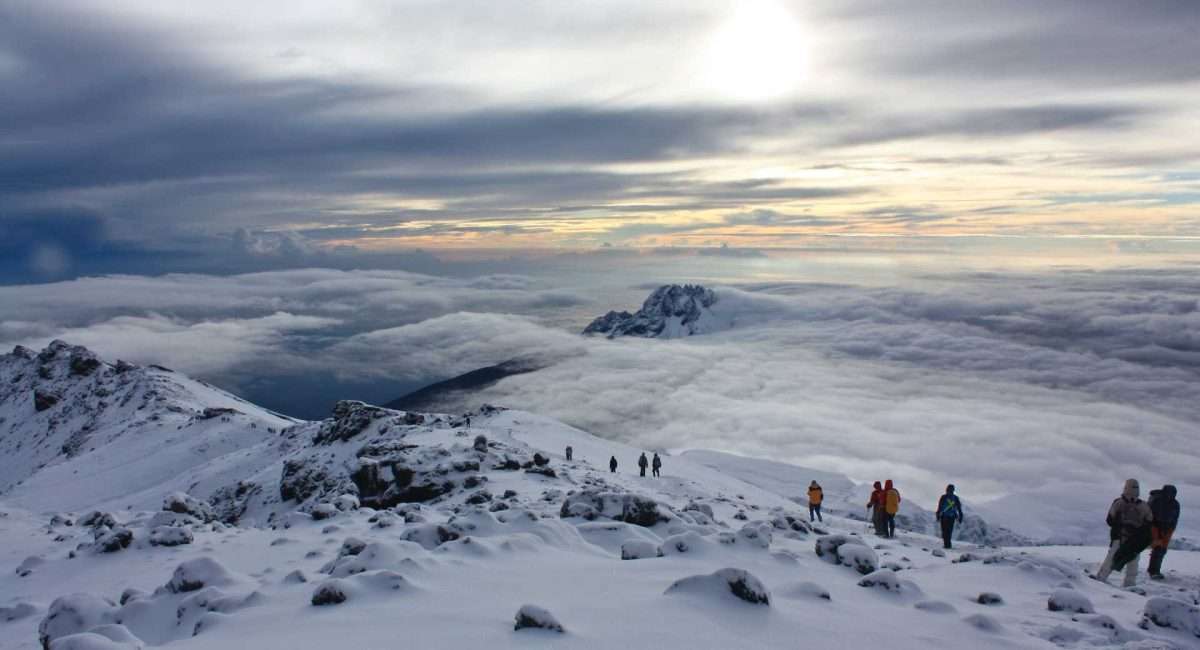
Your strategy and support system are actually greater predictors of success than extreme fitness. For example, operators like Thomson report a 98 percent summit success rate. They achieve this by using longer routes for better acclimatization and providing essentials like unlimited purified water, nutritious meals and comfortable rest. Without this strong foundation, overall summit success rates drop significantly. Kilimanjaro National Park figures show that only about 45 percent of all climbers across all routes reach the summit. This statistic highlights how crucial your tactical approach is alongside your training.
In short, training is very important but overdoing it will not guarantee your success. Now let us look at the real challenges and how to prepare effectively.
Why a Training Plan for Kilimanjaro Is Essential
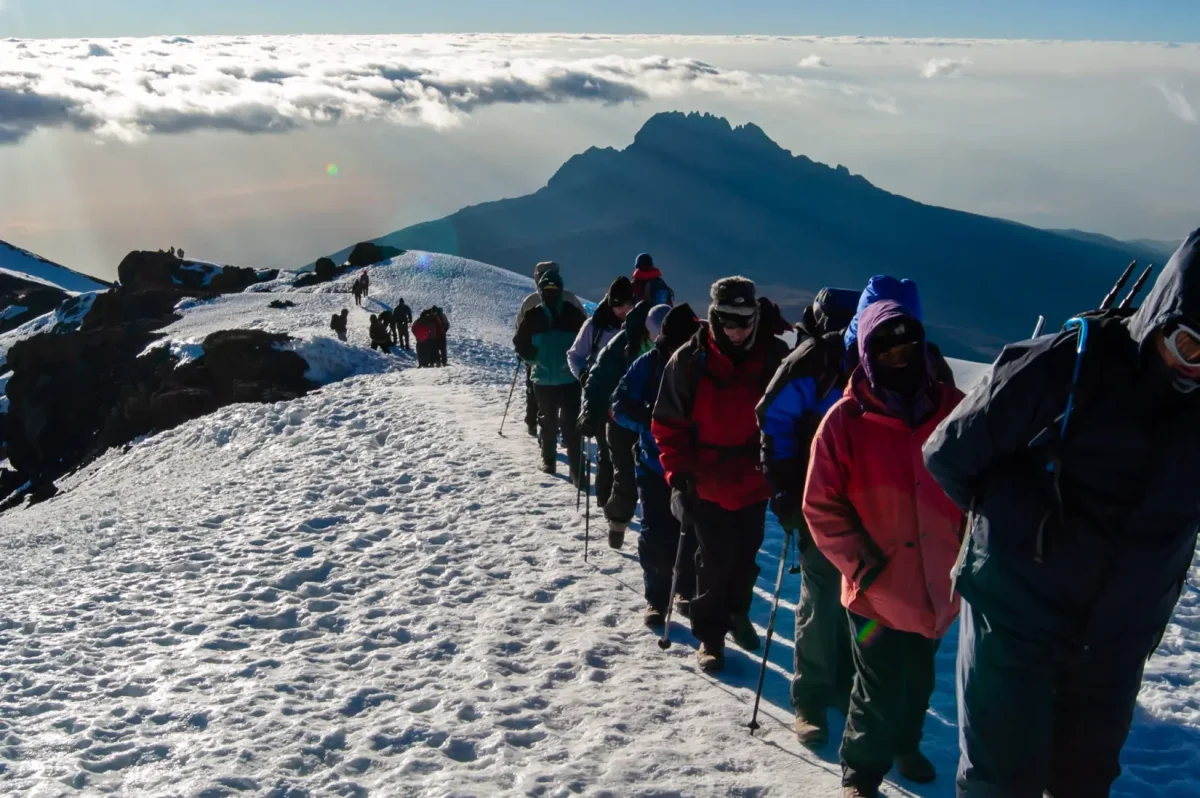
Every year, many climbers do not reach the summit. Some turn back due to altitude sickness, which is often unpredictable. Others simply find the physical effort too demanding. While you cannot control altitude, you can control your fitness. Failing because you did not train properly is avoidable. It would be disappointing to invest your time, money and energy only to fall short because your body was not ready.
Therefore, physical preparation is one of the most important steps when you prepare to climb Kilimanjaro. A good training plan builds the endurance, strength and mental resilience you need for long hiking days, steep descents and carrying a daypack at altitude. The fitter you are, the more likely you are to summit and actually enjoy the journey.
Remember, the type of fitness matters more than the degree. Climbing Kilimanjaro is essentially a long hike. Therefore, the best preparation is hiking under similar conditions. While running improves general fitness, it does not fully prepare your muscles for a strenuous six day trek
Do Not Confuse Trek Fitness with Altitude Training
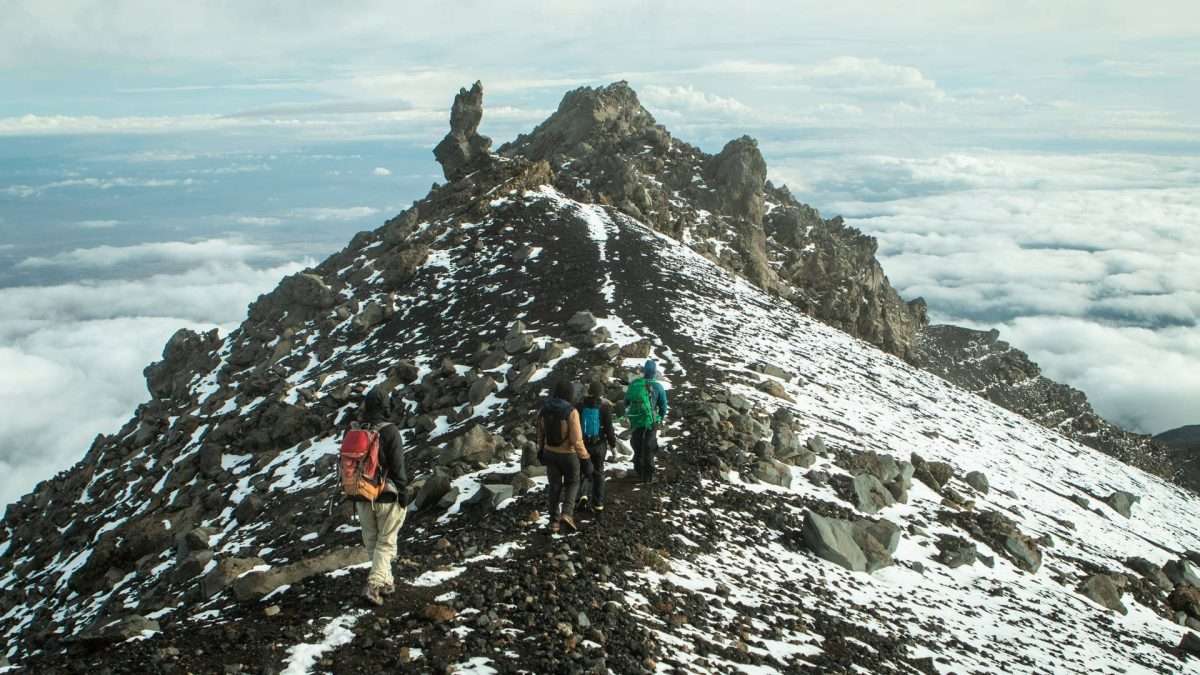
Some people think altitude training is how you prepare for this. That is not exactly right. Altitude training is what elite athletes do—they train high up, usually between 5,000 and 8,000 feet, and then compete lower down. This is not the same as preparing your body to handle altitude sickness.
The truth is, you cannot train your lungs to avoid altitude sickness. How your body reacts to thin air has almost nothing to do with your fitness level. This is exactly why the acclimatization plan built into your climb is so important for your success.
What You Should Do: Learn How Altitude Feels
The best preparation you can do is to learn how altitude affects your body. Knowing the symptoms helps you pace yourself and take action early. Most climbers on Kilimanjaro experience things like low appetite, nausea, or headaches from the altitude.
You should not have to manage this alone. Climbing with a guide who is a certified Wilderness First Responder is key. They will check on you and your group regularly for any signs of altitude sickness, making sure everyone stays safe.
Building the Right Fitness for Kilimanjaro
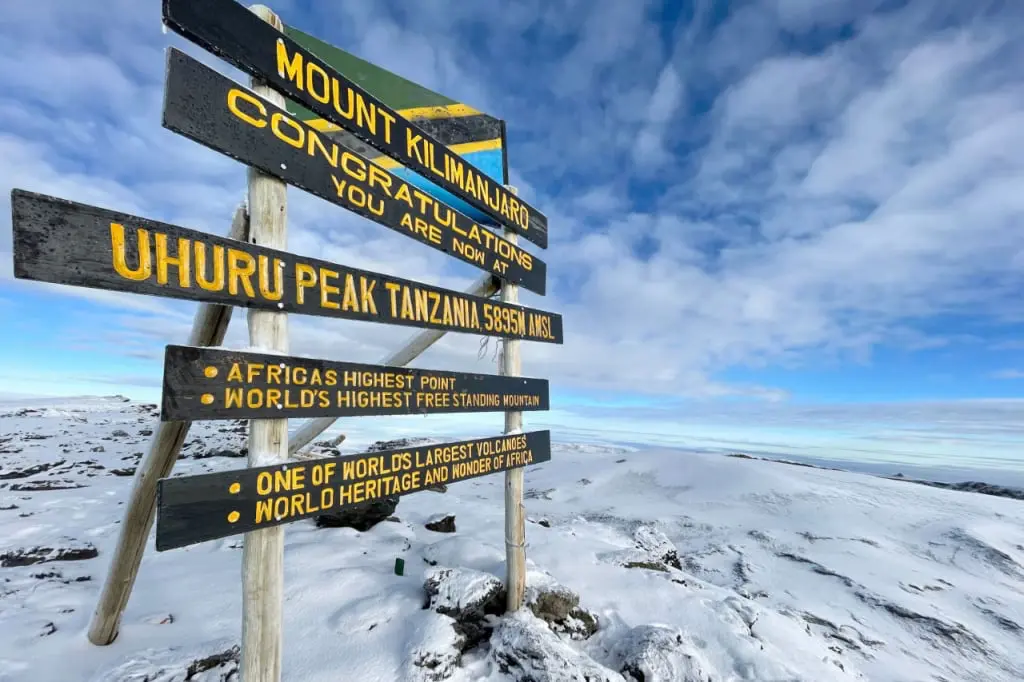
Reaching the Kilimanjaro summit needs solid strength and stamina, but it is easy to get overwhelmed by the big picture. Remember, you do not climb Kilimanjaro in one day. The trek is broken into several days, each with different distances, times, and elevation gains.
To give you a clear idea, let us look at the numbers from a popular route, the Western Approach. These figures are a helpful baseline:
Average distance per day: 5 miles
Average hiking time per day: 5 hours
Average daily elevation gain: 2,100 feet
Average trail grade: 30%
Weight of your daypack: 15 to 20 pounds
Total trek mileage: Approximately 45 miles
Use these numbers to guide your endurance training. But remember, an average does not tell the whole story. Setting your treadmill to a 30% incline will not perfectly match the ever-changing trail conditions underfoot.
Instead, focus your training on the toughest part of the entire journey: the final summit push from Barafu Camp to Uhuru Peak. This last leg is the most demanding challenge you will face.
Distance to hike: 3 miles
Average hiking time: 8 to 10 hours
Elevation gain: 4,265 feet
Trail grade: 45% to 50%
While the extreme altitude plays a huge part here, the incredibly steep slope is what your training should really prepare you for. Keep this steep, long, final climb in mind as you get ready, and tailor your climbing Kilimanjaro training to meet this specific challenge.
Your Complete Guide: How to Train for Kilimanjaro
Start Early and Train Consistently:
You should begin your training plan for Kilimanjaro at least three months before your trek. An earlier start, around five to six months out, is even better for building a strong, injury-resistant foundation. This gradual approach is the smartest way to prepare to climb Kilimanjaro. Aim to train between three and five days each week, slowly increasing the duration and intensity of your workouts. Remember, consistency over many weeks is far more effective than last-minute, intense cramming.
The Golden Rule of Preparation: Hike as Much as You Can
The single most effective part of your Kilimanjaro training is simple: go on hikes. Frequent hiking is the perfect simulation for the multiday trek you’ll face. It builds the specific muscle endurance, balance, and mental stamina you’ll need. Ideally, your training would include multiple hikes per week. Since that’s tough for most people with work and life commitments, a balanced weekly mix of strength, aerobic, and cardio workouts is the practical solution.
Essential First Steps Before You Start Training
1. Schedule a Medical Check-Up
Before starting any new fitness program, especially one as demanding as preparing for Kilimanjaro, consult your doctor. Share your climbing goals and this training plan. Your doctor can provide personalized advice and ensure you’re ready to begin, making this a critical first step for a safe climb.
2. Follow the Principle of Progressive Resistance:
Your strength training should be built on “progressive resistance.” This means you start with a weight or resistance level that matches your current ability and gradually increase it as you get stronger. Whether you use dumbbells, gym machines, or just your body weight, the key is to challenge yourself a little more over time, which steadily builds the muscle strength needed for the mountain’s long climbs and descents.
3. Prioritize Safety and Proper Form
This progressive method is safe because it’s tailored to you. However, performing each exercise with correct technique is non-negotiable to prevent injury. Consider investing in a session with a fitness instructor to learn the right form for key exercises, or use reliable online video guides. Always listen to your body.
4. Understand Workout Structure: Reps and Sets
Your strength workouts will be organized into repetitions (“reps”) and sets. A rep is one complete movement (e.g., one squat). A set is a group of reps done consecutively. A typical set includes 8 to 12 reps. You’ll usually do multiple sets of each exercise with short rest periods in between.
5. Never Skip Your Warm-Up
Always begin with a 5-10 minute warm-up. This involves dynamic stretches and light movement like leg swings, torso twists, and walking lunges to increase blood flow to your muscles. Warming up prepares your tendons, ligaments, and joints for work and is your best defense against training injuries.
The Three-Pillar Kilimanjaro Training Plan
To prepare your body fully, focus on these three interconnected areas of fitness.
Pillar 1: Strength Training for the Mountain
Strong legs and a stable core are your most important physical assets. You will be ascending and descending nearly 3,000 vertical meters, so your muscles need serious endurance. Focus on compound, functional movements that train multiple muscle groups together, this mimics the real demands of trekking far better than isolated machine exercises.
Key Exercises for Climbing Kilimanjaro Training:
Lunges: Build powerful quads and glutes for uphill climbing.
Side Lunges: Activate stabilizing muscles in your inner and outer thighs, crucial for uneven terrain.
Squats: The foundational exercise for overall leg and core strength.
Calf Raises: Strengthen your calves for sustained uphill pushes and controlled downhill braking.
Wall Sits: Build incredible endurance in your thigh muscles; try to hold for 60-90 seconds.
How to do it: Aim for three sets of 10-15 repetitions per exercise, two to three times per week. As you get stronger, add more reps, longer holds, or light weights.
Pillar 2: Aerobic Conditioning
Aerobic training improves how efficiently your body uses oxygen—a critical factor when preparing for Kilimanjaro’s high altitude. These workouts get your heart rate up and can be done anywhere.
Effective Aerobic Exercises:
Running or walking up and down flights of stairs.
High-knee running in place.
Circuit training with jumping jacks, squat jumps, and burpees.
Joining a high-energy class like spinning, Zumba, or HIIT.
Pillar 3: Cardiovascular Endurance
This is the cornerstone of your training plan for Kilimanjaro. You need to condition your heart and lungs for long, slow, sustained effort. Excellent cardio activities include running, brisk walking, cycling, swimming, and using the elliptical machine.
The Critical Long-Session Rule: During the week, aim for 45-60 minute cardio sessions. On weekends, you must gradually extend this time. In the final two months of training, your weekend workouts should be 4 to 6 hours long. This trains your body and mind for the reality of Kilimanjaro: you will be hiking for 5-8 hours a day, at a steady “pole pole” (slowly slowly) pace.
Your Detailed 8-Week Kilimanjaro Training Plan: A Week-by-Week Breakdown
No single activity prepares you to climb Kilimanjaro better than hiking itself. Practice hikes are the most critical part of your training because they combine strength, cardio, and real-world skills into one workout. Here is exactly how to build your practice hikes and combine them with gym work over eight weeks.
How to Structure Your Weekly Practice Hikes
Aim for a simple, consistent schedule:
Weekday Hikes: If your schedule allows, do one or two shorter hikes of 1 to 2 hours.
Weekend Hike: This is your main event. Block out time for one long, challenging hike that grows in length and difficulty each week.
Four Key Rules for Your Hiking Training
Increase Difficulty Gradually: Start on easy, flat trails. Every week or two, find a route that is steeper, longer, or has rougher terrain like rocks or gravel.
Simulate Real Conditions: Wear the exact boots, socks, and daypack you plan to use on Kilimanjaro. Load your pack with 15 to 20 pounds of weight (use water bottles for easy adjustment). Hike in different weather to test your rain gear and layers.
Practice Going Downhill: At least 30% of your hiking time should focus on controlled descents. Kilimanjaro’s downhill sections are demanding on your knees and thighs, so you must train for them.
Master the “Pole Pole” Pace: Practice hiking at a slow, steady speed where you can hold a conversation without gasping for air. This is the exact pace you will use on the mountain to conserve energy.
Sample 4-Week Hike Progression (Your Final Month Before the Climb)
This shows how to peak your training just before you taper.
Week 4 Before Your Trip: Complete 2 hikes of 6-7 miles each, with 2,000 to 2,500 feet of elevation gain.
Week 3 Before Your Trip: Complete 2 hikes of 7-8 miles each, with 2,500 to 3,000 feet of elevation gain.
Week 2 Before Your Trip: Complete 2 hikes of 7-8 miles each, with 3,000 to 3,500 feet of elevation gain.
Final Week (Taper): Reduce effort to save energy. Do only one easy hike of 4-5 miles with very little climbing.
The Complete 8-Week Gym and Walking Training Plan for Kilimanjaro
Follow this combined plan to build total-body fitness. The gym work targets key muscle groups, while the walking program builds specific hiking endurance.


