
Most people imagine Africa as a continent of endless sunshine and warm temperatures all year round. While that image is partly true, it is not the full story. Many travelers are surprised to learn that Africa has real winters, freezing nights, and even snowfall in some regions. So if you have ever asked questions like does it get cold in Africa or how cold does Africa get, the answer may surprise you.
The main reason for cold weather in Africa is altitude. Countries with high mountains and elevated plateaus experience much cooler temperatures than low lying coastal areas. Places such as Lesotho, the Atlas Mountains in Morocco, the Drakensberg range in South Africa, and Mount Kilimanjaro in Tanzania sit thousands of meters above sea level.
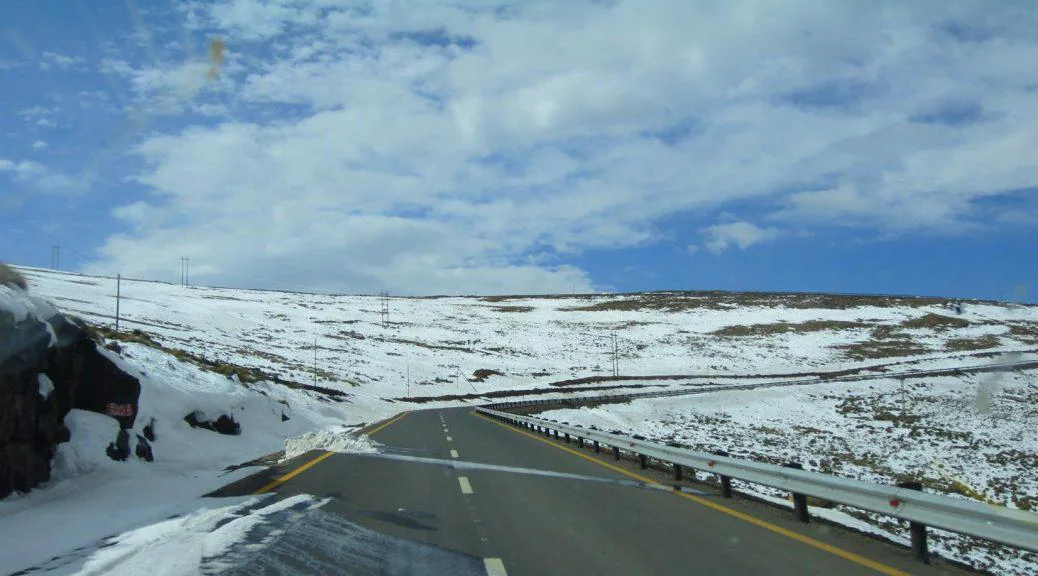
Lesotho: Africa’s Coldest and Highest Country
Lesotho proudly holds the title of the coldest country in Africa. It is often called the “Kingdom in the Sky” because the entire nation sits above 1,000 meters in elevation. This extreme altitude is the main reason Lesotho experiences freezing winters, making it one of the most unique cold destinations in Africa.
During winter, from June to August, temperatures regularly drop below 0°C. In highland areas like Mokhotlong and Thaba Tseka, snowfall is common. Rivers, dams, and waterfalls can freeze completely, creating stunning icy landscapes rarely associated with Africa. This makes Lesotho one of the true answers to the question, what is the coldest place in Africa.
The coldest months in Lesotho are July and August, when night temperatures can reach -10°C or lower. Days remain crisp and clear, perfect for outdoor exploration.
Best places to visit in winter include:
Maloti Mountains
Katse Dam
Sehlabathebe National Park
Thaba Bosiu cultural site
Things to do during the cold season:
Travelers can enjoy snow hiking, mountain photography, cultural village visits, and scenic road trips through frost covered valleys. Lesotho even offers skiing at Afriski, making it one of the few African countries with a ski resort.
Lesotho proves that snow in Africa is real and unforgettable.
Morocco: Home to Africa’s Coldest Recorded Temperature
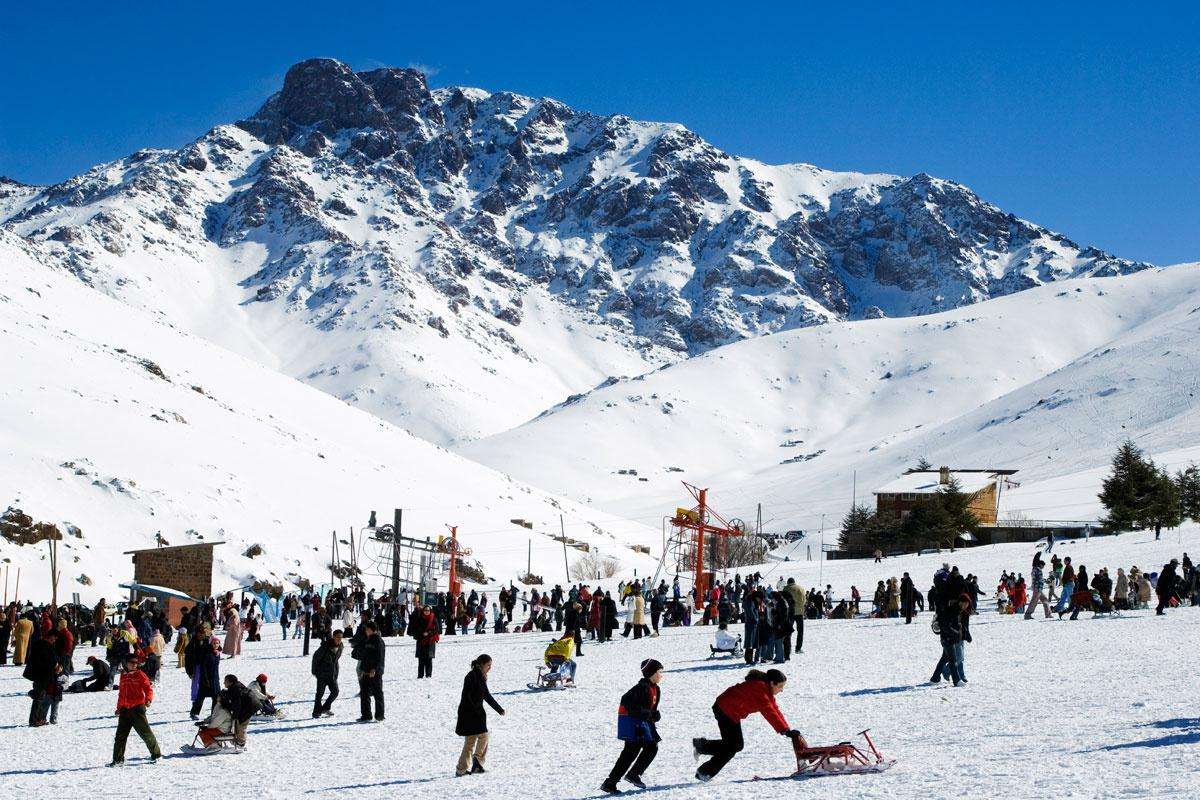
Morocco holds the record for the coldest temperature ever recorded in Africa. In the Atlas Mountains, temperatures have dropped to -24°C, making it one of the coldest places on the continent during winter.
The Atlas Mountains winter climate is cold and snowy, especially from December to February. Towns like Ifrane, often called the “Switzerland of Africa,” receive heavy snowfall. The High Atlas range remains snow capped for months, creating dramatic alpine scenery.
Best time to visit for snow lovers is January and February when snowfall is at its peak. This is also a great season for skiing, hiking, and winter photography.
Winter travel advantages in Morocco
Fewer crowds at tourist sites
Cooler weather for city exploration
Better hotel availability
Unique desert plus snow experiences
Famous cold cities in Morocco
Ifrane
Azrou
Midelt
Oukaïmeden
Morocco perfectly blends snow in Africa with desert culture, making it one of the most fascinating winter destinations in Africa.
South Africa: Snow, Mountains & Winter Safaris
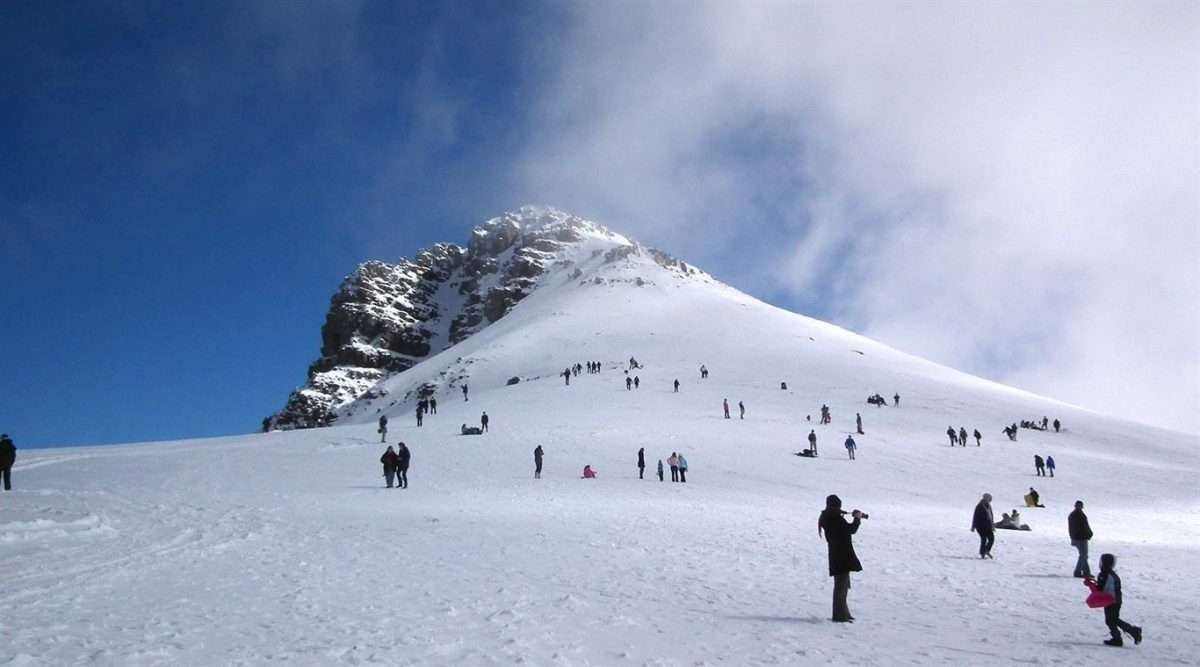
South Africa is another top contender among the coldest countries in Africa. The winter season from June to August brings chilly mornings and frosty nights, especially in inland and mountainous regions.
The Drakensberg Mountains receive snowfall almost every winter. These peaks turn white, attracting hikers and photographers.
Sutherland in the Northern Cape is known as the coldest town in South Africa, where winter nights often drop below -10°C.
Coldest cities in South Africa include:
Sutherland
Barkly East
Matatiele
Clarens
Where to see snow
Drakensberg Mountains
Eastern Cape highlands
Lesotho border regions
Winter safari benefits
Cold weather brings clear skies, thinner vegetation, and animals gathering near water sources. This makes winter one of the best seasons for wildlife viewing in Kruger National Park and private reserves.
South Africa offers the perfect mix of winter safaris, snow mountains, and cozy lodge experiences.
Tanzania: Cold Near the Equator
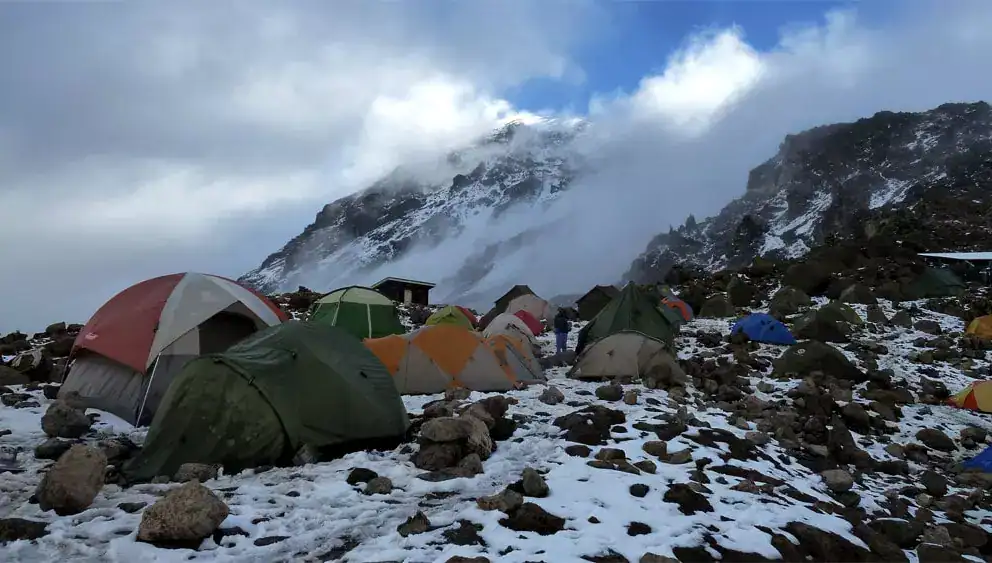
It surprises many travelers that Tanzania is among the cold places in Africa, even though it sits near the equator. The secret is altitude.
Mount Kilimanjaro remains snow capped all year. Temperatures at the summit drop to -20°C, making it one of Africa’s coldest points.
In the Serengeti, cold mornings are common during June to August. Early game drives feel chilly, especially in open vehicles.
Ngorongoro Crater winter brings misty mornings and temperatures close to 5°C. The high crater rim can feel very cold before sunrise.
Best cold season months
June to August is Tanzania’s coldest period, offering perfect safari conditions with dry weather and excellent wildlife visibility.
Winter safari experience
Crisp mornings
Clear skies
Active predators
Fewer mosquitoes
Beautiful golden landscapes
Tanzania shows that even near the equator, snow in Africa and winter temperatures are very real, especially in high altitude regions.
Kenya: Cold Even on the Equator
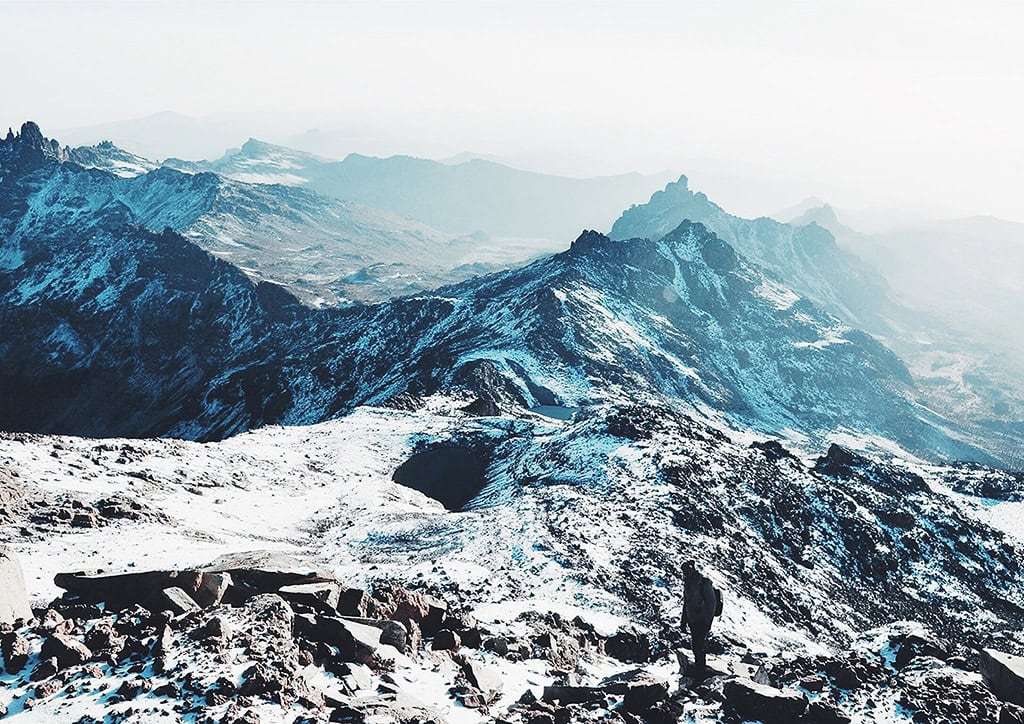
Kenya sits directly on the equator, yet it surprises many travelers with its cool winters. The main reason is altitude. Much of the country, including Nairobi, lies on a high plateau.
Nairobi winter temperatures
From June to August, daytime temperatures range between 18°C and 22°C, while nights can drop to 8°C or lower. Early mornings feel cold, making Nairobi one of the most well known cold cities in Africa.
Mount Kenya snowfall
Africa’s second highest mountain receives snowfall during the colder months. The upper slopes remain icy year round, creating a dramatic contrast against equatorial surroundings.
Cold regions in Kenya
Mount Kenya region
Aberdare Highlands
Limuru and Kiambu highlands
Nyahururu area
Best time to visit for cool weather in Kenya
June to August offers the coolest climate with dry conditions, ideal for safaris and outdoor travel.
Kenya’s unique equatorial climate allows travelers to experience winter conditions just hours away from tropical landscapes, making it one of Africa’s most diverse destinations.
Ethiopia: Highlands & Frosty Mornings
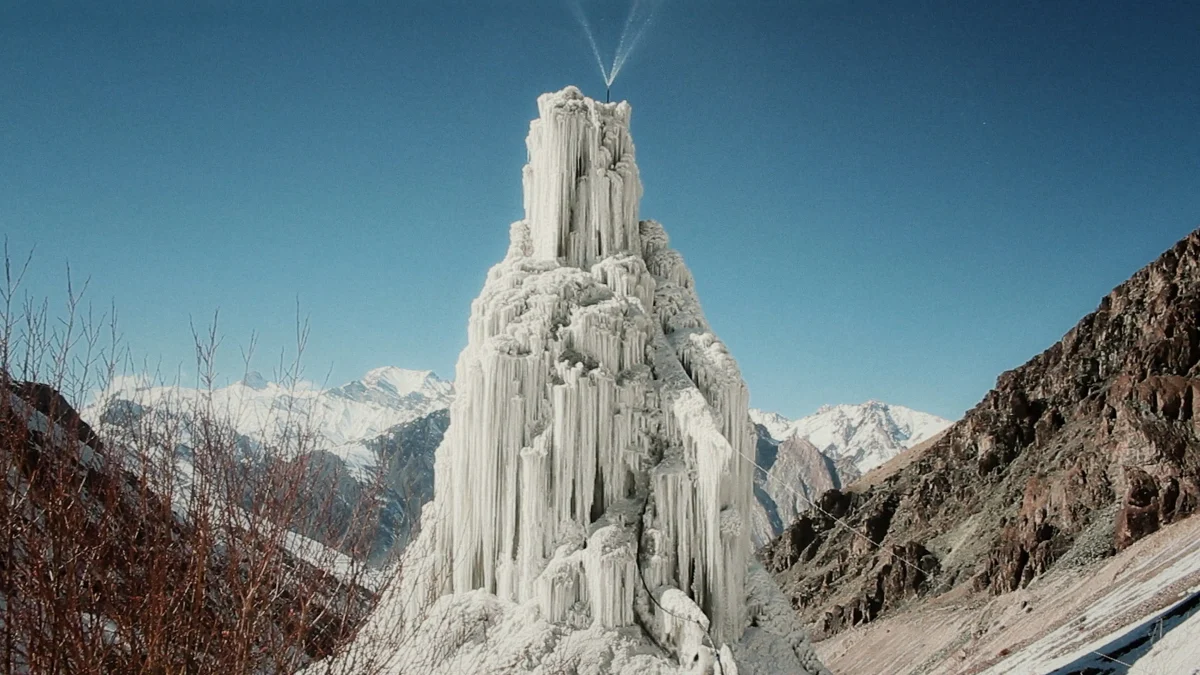
Ethiopia’s high altitude terrain makes it one of the coldest countries in East Africa. Large parts of the country sit above 2,000 meters, creating cool days and frosty nights.
- Simien Mountains cold climate: This mountain range experiences freezing temperatures at night, and frost is common in winter. The dramatic cliffs and deep valleys feel alpine rather than African.
- Addis Ababa winter weather: The capital city enjoys cool mornings with temperatures around 8°C to 12°C between November and February.
- Frost in the highlands: Northern and central highlands often see frost in early mornings, especially in January and February.
- Coldest months: December and January are Ethiopia’s coldest months, especially in elevated areas.
- Cultural winter travel: Winter is perfect for exploring ancient churches, historical sites, coffee ceremonies, and colorful markets without extreme heat.
Uganda: Mountain Cold Zones
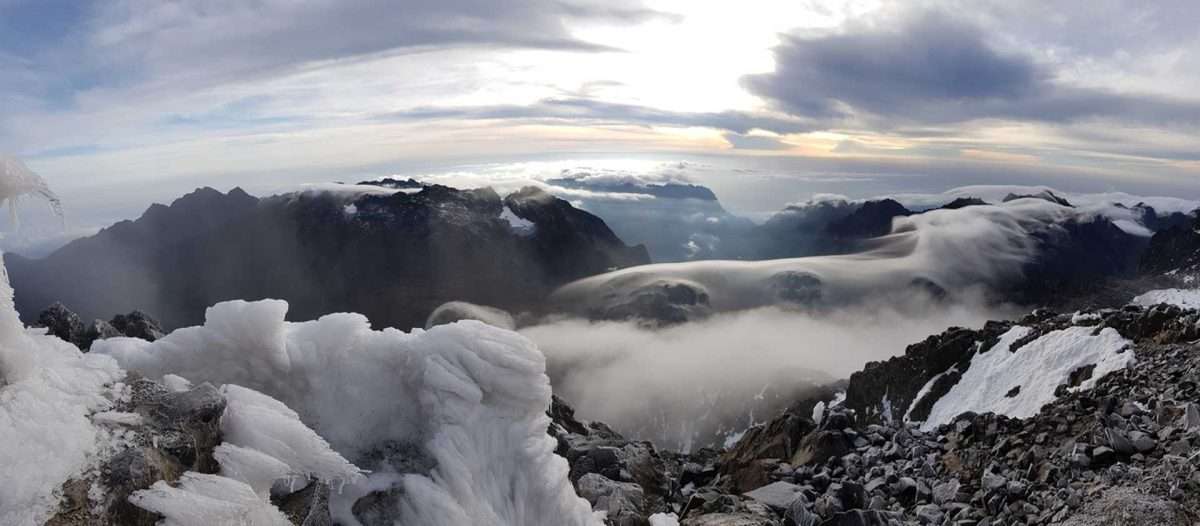
Uganda is known for its warm climate, but the western mountains experience surprisingly cold weather.
- Rwenzori Mountains snowfall: The Rwenzori range, also called the Mountains of the Moon, has permanent glaciers and snowfall at higher elevations.
- Cold regions near glaciers: Areas near Kasese and the Rwenzori foothills experience chilly nights, especially during June to August.
- Best months to visit: June to August offers cool temperatures and dry conditions, ideal for trekking and wildlife viewing.
- Wildlife plus cold climate: Travelers can enjoy gorilla trekking in cool mountain forests and game drives in nearby national parks, making Uganda a rare blend of adventure and winter climate.
Top Coldest Cities in Africa
Here are some of the coldest cities in Africa known for freezing temperatures:
- Sutherland, South Africa: Famous for temperatures dropping below -10°C in winter and clear stargazing skies.
- Ifrane, Morocco: Known as the “Switzerland of Africa,” it records heavy snowfall and freezing winters.
- Mokhotlong, Lesotho: One of Africa’s highest towns, regularly covered in snow during winter.
- Addis Ababa, Ethiopia: Cool mornings year round with winter temperatures near 8°C.
- Nairobi, Kenya: A high altitude capital city with cold nights during winter months.
- Arusha Highlands, Tanzania: Chilly mornings due to elevation near Mount Meru and Ngorongoro region.
- These cities prove that cold weather in Africa is real, diverse, and shaped mainly by altitude and geography.
Coldest Temperature Ever Recorded in Africa
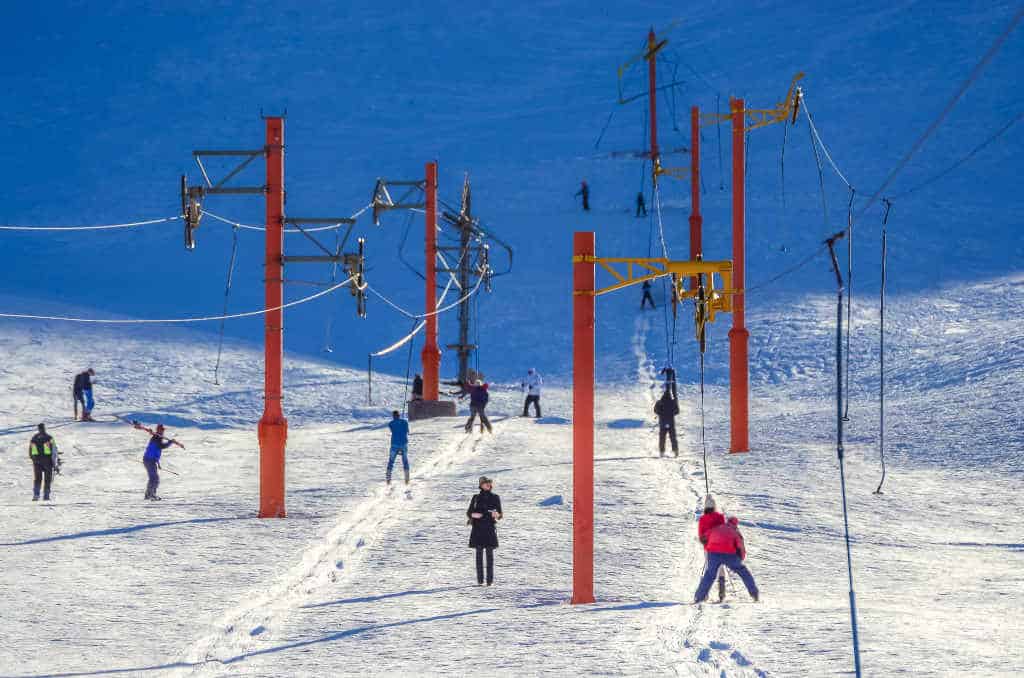
The coldest temperature ever recorded in Africa was -23.9°C (-11°F) in Ifrane, Morocco, on February 11, 1935. This historic cold snap happened in the high altitude Atlas Mountains, where winter conditions resemble alpine Europe.
- Why it gets so cold: High elevation combined with dry winter air causes heat to escape rapidly at night. This creates extreme cold, especially in January and February.
While Morocco holds the record, Lesotho remains Africa’s coldest country overall, with consistent sub zero temperatures across large parts of the country every winter.
Does It Snow in Africa?
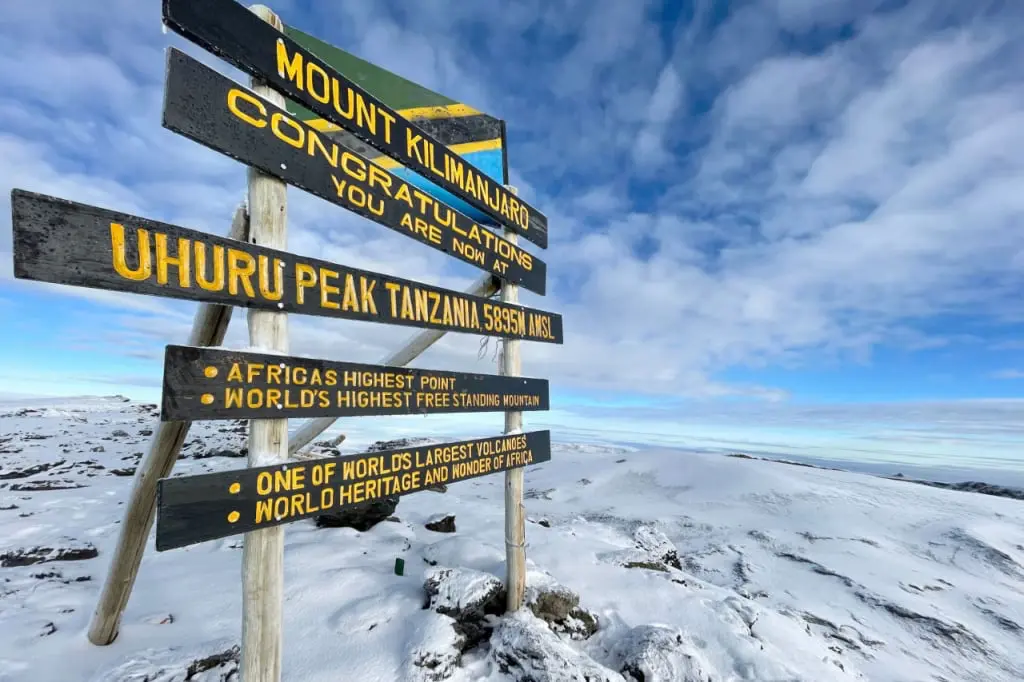
Yes, it does snow in Africa, but only in mountainous and high altitude regions. Snowfall is seasonal and mainly happens during winter months.
African Countries that get snow
Lesotho
Morocco
South Africa
Tanzania
Ethiopia
Uganda
Kenya
Best time to see snow in Africa
Southern Africa: June to August
North Africa: December to February
East Africa mountains: June to September
Mountain snowfall vs cities
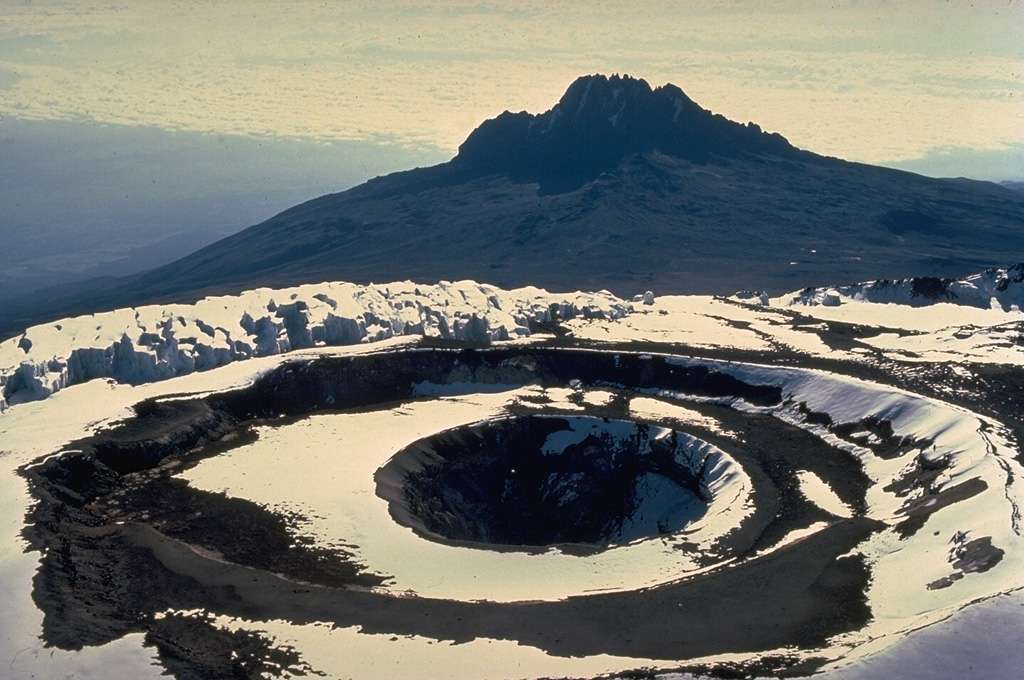
Snow mostly falls on mountain peaks such as Kilimanjaro, Mount Kenya, the Atlas Mountains, and the Drakensberg range. Cities rarely get snow, except high altitude towns like Ifrane and Mokhotlong.
Top tourist snowfall spots in Africa
Afriski Resort, Lesotho
Ifrane, Morocco
Oukaïmeden ski area, Morocco
Drakensberg Mountains, South Africa
Mount Kilimanjaro summit, Tanzania
These locations prove that snow in Africa is real and accessible to travelers.
Best Time to Visit Cold Destinations in Africa
The best time to visit cold destinations in Africa depends on the region and what you want to experience.
Winter months by region
Southern Africa: June to August
East Africa highlands: June to September
North Africa: December to February
Ethiopia highlands: November to January
Dry season vs cold season
In many countries, the dry season overlaps with winter, making it perfect for travel. You get cooler temperatures, clear skies, and better road conditions for sightseeing and safaris.
When to avoid heavy rain
Avoid peak rainy months such as:
March to May in East Africa
November in parts of West Africa
These months bring muddy roads and limited visibility.
Shoulder seasons
May and September are ideal shoulder months. You still enjoy cool weather but with fewer crowds and better travel deals.
Planning your trip around these seasons ensures the best experience when visiting cold places in Africa.
What to Pack for Cold Weather in Africa
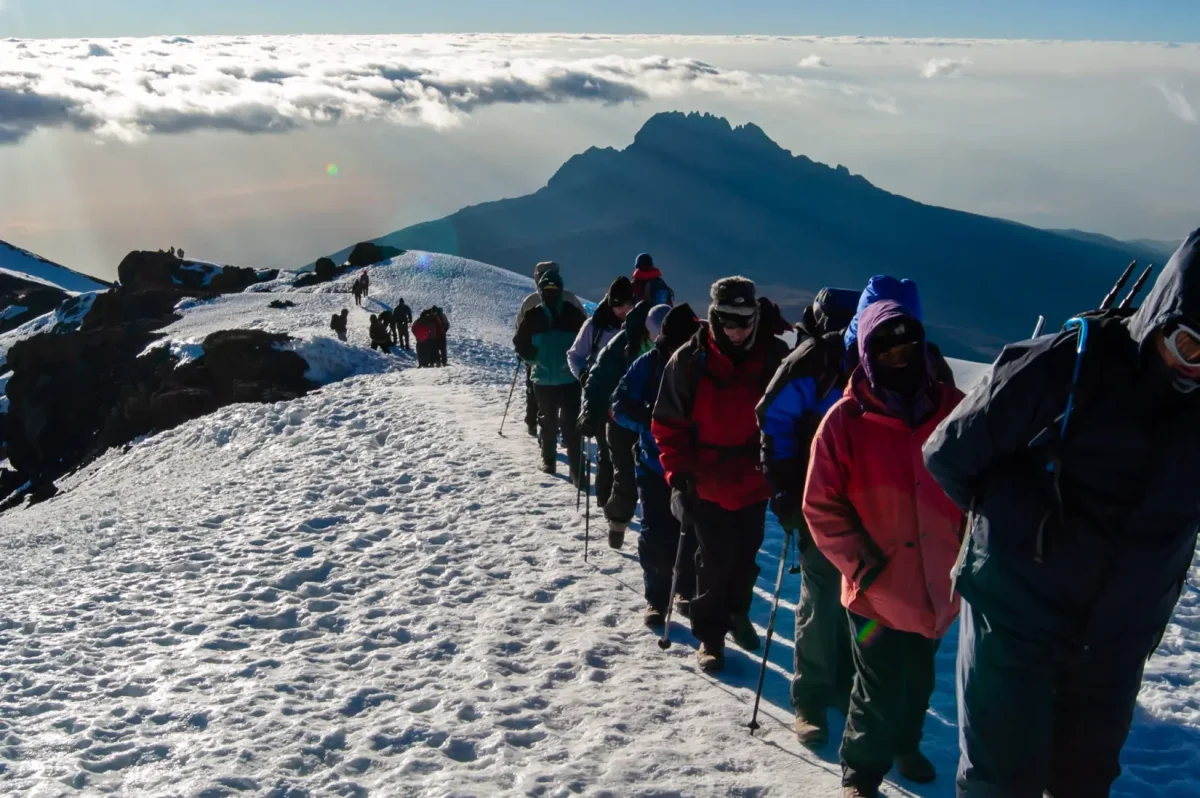
If you are visiting cold destinations in Africa, packing smart makes all the difference. Temperatures can drop sharply, especially at night and in high altitude areas. Here is what to carry.
- Jackets
Bring a warm insulated jacket for early mornings and evenings. A down or padded jacket works best in places like Lesotho, Morocco mountains, and South Africa’s Drakensberg. - Thermals
Thermal base layers are essential. They trap body heat and keep you warm without adding bulk, perfect for winter safaris and mountain trips. - Gloves
Light thermal gloves protect your hands during cold mornings, especially in open safari vehicles or mountain regions. - Waterproof shoes
Choose waterproof hiking shoes or boots. Snow, frost, and wet trails are common in cold African regions, and proper footwear prevents slips and cold feet. - Layering tips
Dress in layers. Start with a thermal base, add a fleece or sweater, and finish with a windproof jacket. This helps you adjust easily as temperatures change throughout the day.
This packing approach ensures comfort when traveling to cold places in Africa.
Book African Tours with TourwithPipi
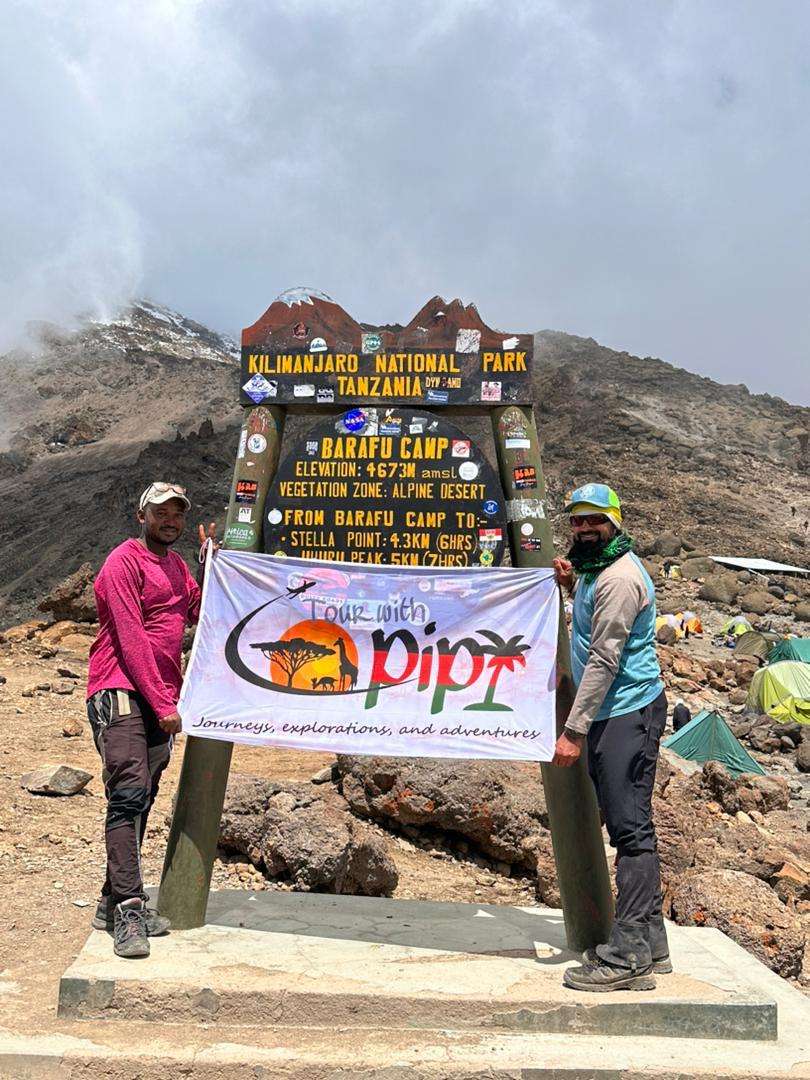
TourwithPipi designs custom trips to Tanzania, Morocco, South Africa, Kenya, and Ethiopia for travelers who want something beyond ordinary vacations.
Explore snow capped mountains in Morocco, winter safaris in South Africa, cold highlands in Tanzania, and cool climate escapes in Kenya and Ethiopia.
You get personalized itineraries, trusted local guides, and smooth travel planning from start to finish. Whether you want wildlife, culture, or winter landscapes, TourwithPipi helps you experience Africa in the best way possible.
Ready to plan your journey?
Talk to a TourwithPipi travel expert and start building your perfect African adventure today.
Why Some Parts of Africa Are Cold
Africa’s cold regions are shaped mainly by high elevation. Areas located above 1,500 meters experience much lower temperatures than coastal plains. For example, Lesotho sits entirely above 1,000 meters and regularly drops below freezing in winter. Similarly, the Ethiopian Highlands, Mount Kenya, and the Rwenzori Mountains in Uganda remain cool throughout the year. This high altitude cold in Africa is the biggest reason certain areas experience frost and snow.
Mountain Climate vs Desert Climate
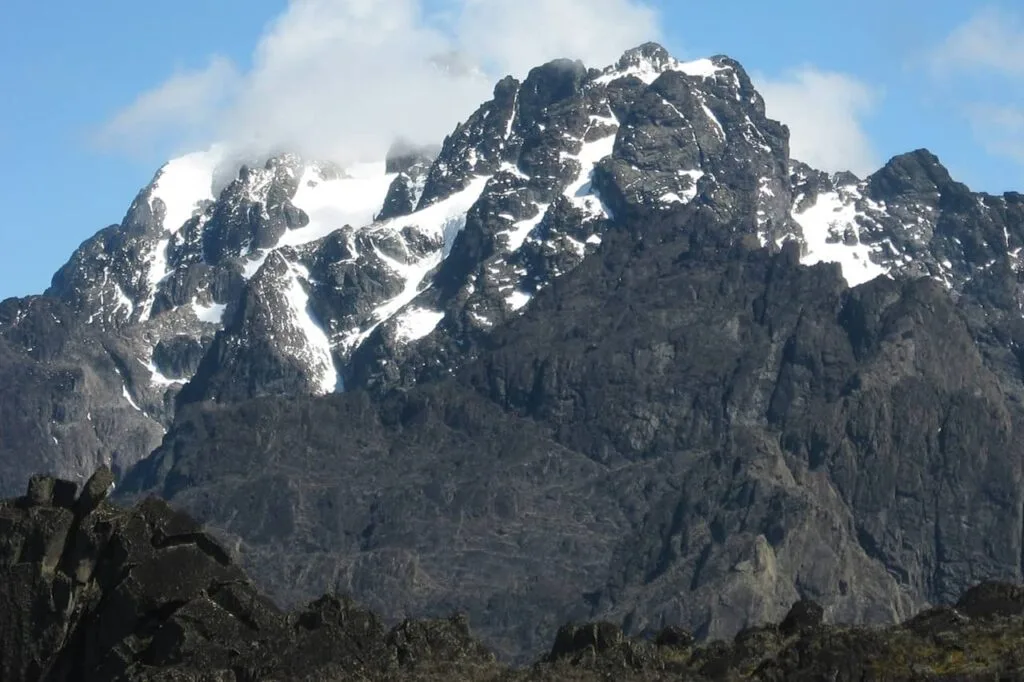
Mountain climates in Africa are completely different from desert climates. In high altitude regions, temperatures drop sharply at night and remain cool during the day. Snowfall is common in winter months on peaks like Kilimanjaro, the Atlas Mountains, and the Drakensberg range.
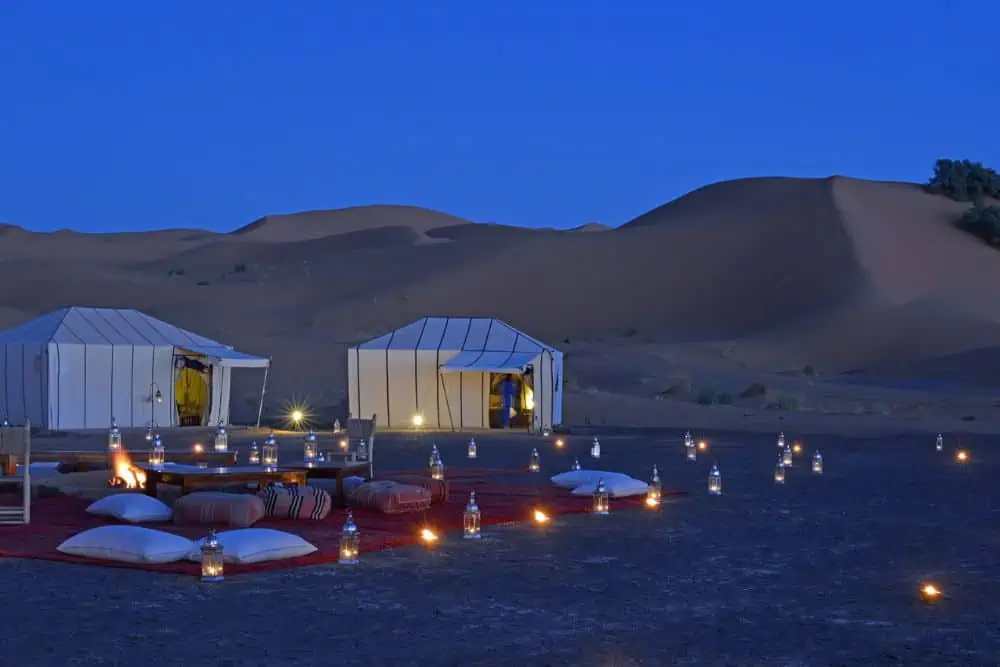
Desert regions, on the other hand, are hot during the day but extremely cold at night. The Sahara Desert can feel warm under the sun but freezing after sunset. This sharp temperature change explains why travelers often feel cold even in countries known for heat.
Snowfall in Africa Explained
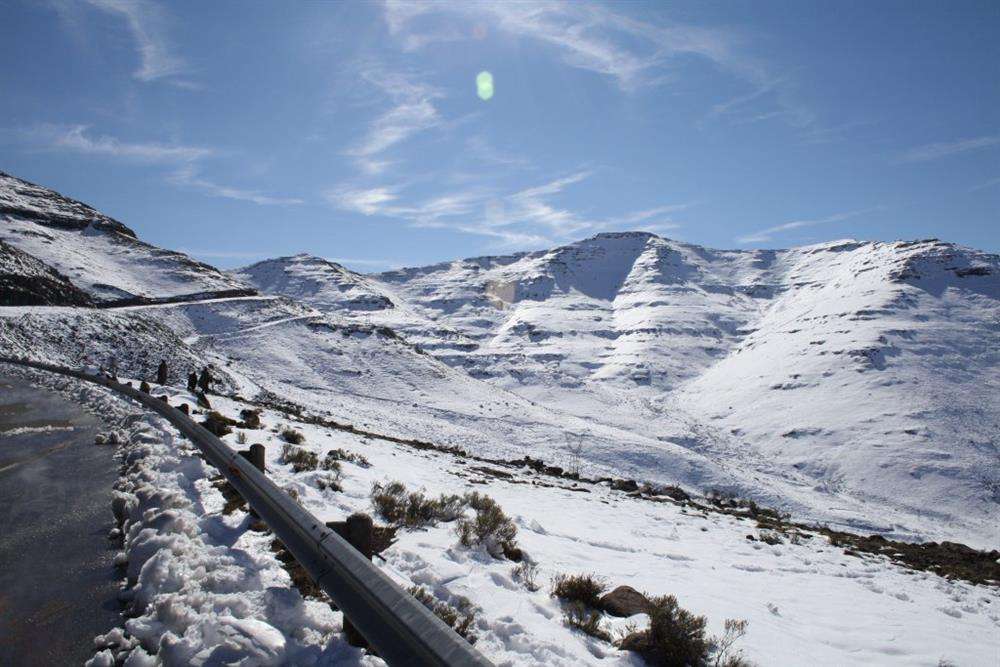
Yes, it does snow in Africa, but only in mountainous areas. Snowfall occurs in countries like Morocco, Lesotho, South Africa, Tanzania, Ethiopia, and Uganda. The snow is seasonal and usually appears between June and August in southern Africa and December to February in northern Africa. These snowy landscapes attract hikers, photographers, and adventure travelers looking for winter experiences in Africa.
Cold Nights vs Cold Days
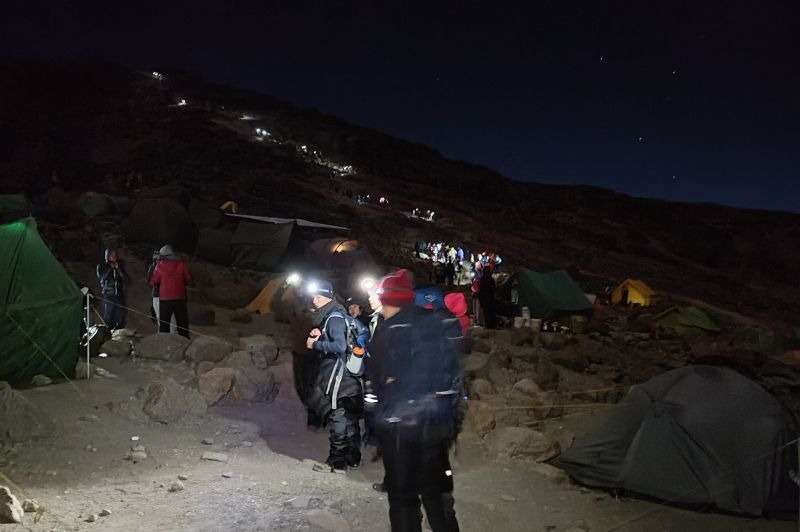
Many African regions have warm days and cold nights. During winter, morning game drives can feel icy, especially in open safari vehicles. Temperatures often drop close to 0°C before sunrise, even if daytime weather feels comfortable. This day and night contrast is one of the most common reasons travelers underestimate how cold Africa can be.
How Seasons Differ Across Africa
Africa’s seasons change depending on location. Northern Africa experiences winter from December to February. Southern Africa is coldest from June to August. East Africa sees cooler weather during June to August, while central regions remain warmer due to dense forests and humidity. This variation is known as the African winter season pattern and explains why one part of the continent can be cold while another stays warm.
FAQs
Is Africa really cold in winter?
Yes. Many African regions experience real winter, especially mountain and high altitude areas where temperatures drop near freezing.
Which is the coldest country in Africa?
Lesotho is the coldest country in Africa because the entire nation sits above 1,000 meters in elevation.
What is the coldest city in Africa?
Ifrane in Morocco and Sutherland in South Africa are considered the coldest cities in Africa.
Does it snow in Africa?
Yes. Snow falls in Lesotho, Morocco, South Africa, Tanzania (Kilimanjaro), Uganda (Rwenzori), and Ethiopia.
What is the coldest temperature ever recorded in Africa?
The lowest temperature recorded was -23.9°C in Ifrane, Morocco.
When is winter in Africa?
Winter varies by region but generally falls between May and August in southern Africa and December to February in northern Africa.
Is it cold at night in Africa?
Yes. Desert and high altitude areas become very cold at night even if days are warm.
Can you go skiing in Africa?
Yes. Ski resorts operate in Morocco and Lesotho during winter months.
What should I pack for cold African destinations?
Pack thermal layers, insulated jackets, gloves, waterproof shoes, and scarves.
Are cold destinations in Africa good for tourism?
Yes. Winter brings fewer crowds, better wildlife viewing, and unique snow landscapes.
Blog Summary
Africa has real winter seasons, and several countries experience freezing temperatures, snowfall, and icy mornings.
Lesotho is the coldest country in Africa, with winter temperatures dropping below zero and frequent snowfall.
Morocco recorded the coldest temperature in Africa at -23.9°C in Ifrane, located in the Atlas Mountains.
South Africa has some of the coldest cities in Africa, including Sutherland and mountain regions like Drakensberg.
Tanzania gets cold despite being near the equator, with snow on Mount Kilimanjaro and chilly Serengeti nights.
Kenya experiences winter cold in Nairobi and snowfall on Mount Kenya due to high elevation.
Ethiopia’s highlands bring frosty mornings, especially in Addis Ababa and Simien Mountains.
Uganda’s Rwenzori Mountains have glaciers and snowfall, making them one of the coldest places in East Africa.
Snow in Africa is common in mountain regions such as Lesotho, Morocco, Tanzania, Ethiopia, and Uganda.
The best time to visit cold destinations in Africa is during regional winter months when skies are clear and crowds are low.
Sutherland, South Africa is considered the coldest city in Africa, with winter temperatures dropping below -10°C and frequent frost and snowfall.
Ifrane, Morocco is one of Africa’s coldest towns, where temperatures have reached -23.9°C, earning it the nickname “Switzerland of Africa.”
- Lesotho is the coldest country in Africa with winter temperatures below 0°C and heavy snowfall, Morocco follows with record lows of -23.9°C in the Atlas Mountains
- Coldest cities in Africa:
Sutherland (South Africa), Ifrane (Morocco), Mokhotlong (Lesotho), Addis Ababa (Ethiopia), Nairobi (Kenya), Arusha (Tanzania), Maseru (Lesotho), Oukaimeden (Morocco), Tiffindell (South Africa)


