
If you have ever wondered does it get cold in Africa or is Africa cold at night, you are not alone. Many travelers assume Africa is hot all year, but that is not always true. In reality, Africa experiences real winter seasons, chilly mornings, and even snowfall in certain regions. Knowing what month is it cold in Africa helps you pack correctly, choose the right safari season, and enjoy your trip comfortably.
At TourwithPipi, we design safaris across Tanzania, Kenya, and Southern Africa, and we know exactly when temperatures drop and how that affects your experience. In this guide, we break down cold months in Africa region by region, explain how cold it actually gets, and share expert tips to help you travel comfortably and safely.
Does It Get Cold in Africa?
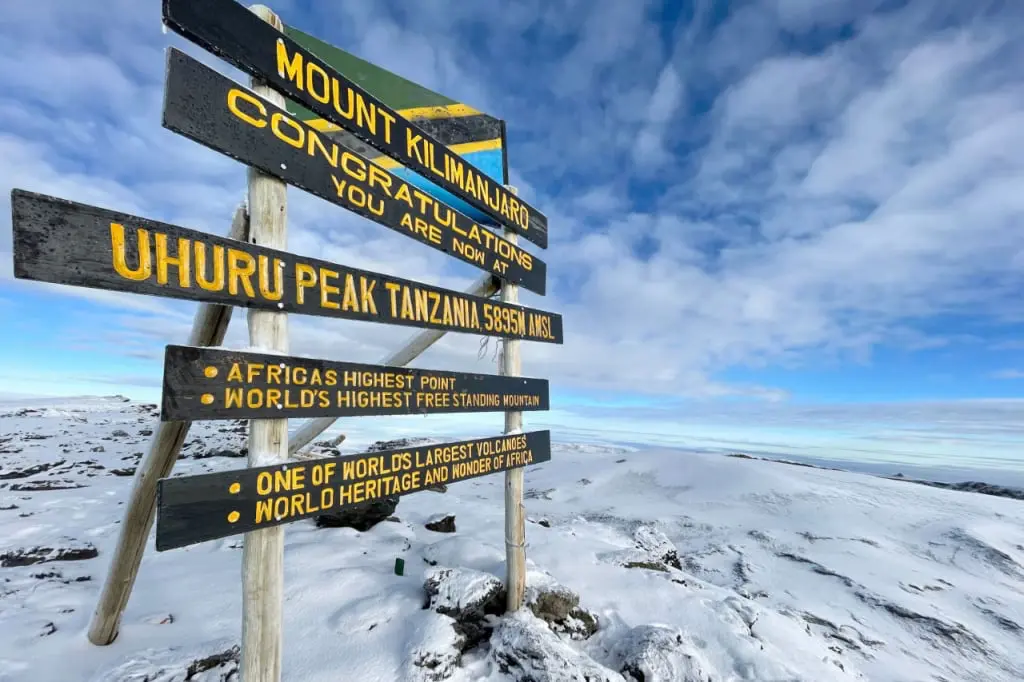
Yes, Africa does get cold depending on the region and season. While the continent is famous for warm weather, winter months bring real cold, especially in southern and high altitude areas.
During the day, temperatures may feel pleasant. However, nights and early mornings can be surprisingly cold.
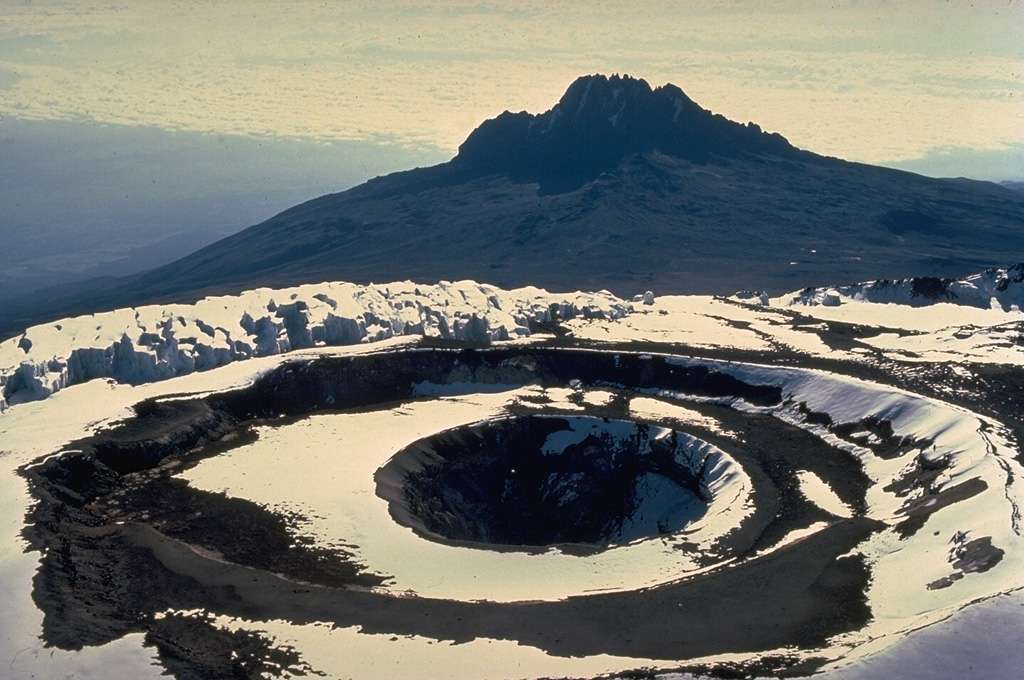
Altitude plays a big role. Places like Ngorongoro Crater, Mount Kilimanjaro, the Atlas Mountains, and the Drakensberg Highlands stay much cooler than coastal cities. The higher you go, the colder it gets.
Desert regions also cool down quickly after sunset. In places like Morocco and Namibia, you may experience warm days and very cold nights.
This is why many visitors ask is Africa cold in the morning. On safari, the answer is often yes. Game drives start early to catch predators in action, and mornings can feel freezing.
How Cold Does It Get in Africa?
Africa’s cold season varies by region. It is coldest from May to September in Southern Africa, June to August in East Africa, December to February in North Africa, October to March in West Africa, and January to July in Central Africa. Overall, the continent remains warm compared to Europe or North America, but some areas experience real winter conditions.
Average Winter Temperatures
- South Africa: Winter temperatures range between 5°C and 15°C. Mornings are cold, nights are chilly, and days remain sunny. Cape Town and Drakensberg can feel especially cold.
- East Africa: Temperatures usually fall between 8°C and 18°C. Highland areas like Ngorongoro, Mount Kenya, and Rwanda are colder than lowlands.
- North Africa: Winter temperatures range from 5°C to 20°C. Cities near the Mediterranean are cool and rainy, while mountain regions get much colder.
- West Africa: This region experiences a mild cool season. Temperatures stay warm but less humid from October to March.
- Central Africa: Mostly warm year round, but nights feel cooler from January to July, especially in Rwanda and Zambia.
What Month Is It Cold in Africa? (By Region)
Northern Africa
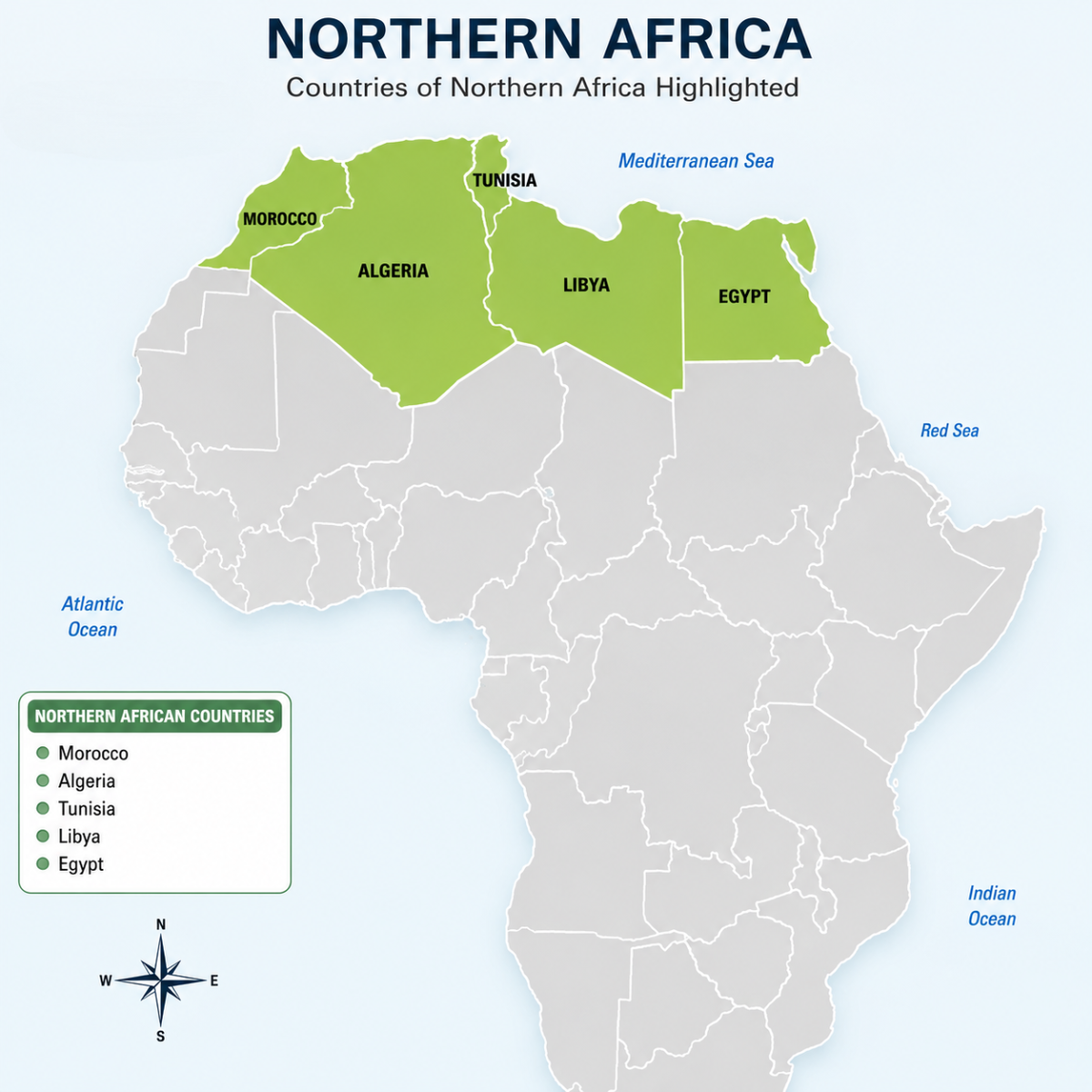
Northern Africa enjoys a mild winter that feels refreshing after the intense summer heat. The cold months usually fall between December and February. During this period, the weather is cooler and slightly wet, especially near the Mediterranean coast. Daytime temperatures generally range between 73 and 84 degrees Fahrenheit, while evenings feel much cooler. Higher elevations such as the Atlas Mountains can even receive snowfall.
This is one of the best seasons to explore ancient cities, colorful markets, mosques, and historical ruins without the harsh desert heat. Travelers enjoy activities such as hiking, skiing in mountain resorts, camel trekking in the Sahara, and visiting archaeological wonders.
- Egypt: Egypt feels noticeably cooler around January. While winter is mild, mornings and evenings can be chilly. This is a great time to explore the pyramids, temples, and the Nile Valley without extreme heat. After a safari or desert excursion, you can comfortably visit the Aswan Dam or cruise along the Nile.
- Morocco: December and January mark peak winter in Morocco. Temperatures drop, crowds thin out, and the Atlas Mountains receive snow. Morocco even has ski resorts during this time. Winter is perfect for visiting souks, enjoying film festivals, and exploring mountain villages.
- Tunisia: Winter temperatures in Tunisia range between 61 and 64 degrees Fahrenheit. Light snow sometimes appears on mountain peaks. This season is ideal for indoor attractions like museums, artisan shops, and the famous El Djem Amphitheater.
- Algeria: The coldest months in Algeria fall between November and March. Temperatures can dip close to 52 degrees Fahrenheit. While wildlife tourism is limited, this is a great season for desert tours, mountain exploration, and cultural experiences.
- South Sudan: South Sudan experiences its cooler season from June to September. Average temperatures stay below 89 degrees Fahrenheit, making it more comfortable for safari travel. With six national parks and multiple game reserves, this period is perfect for wildlife lovers.
Western Africa
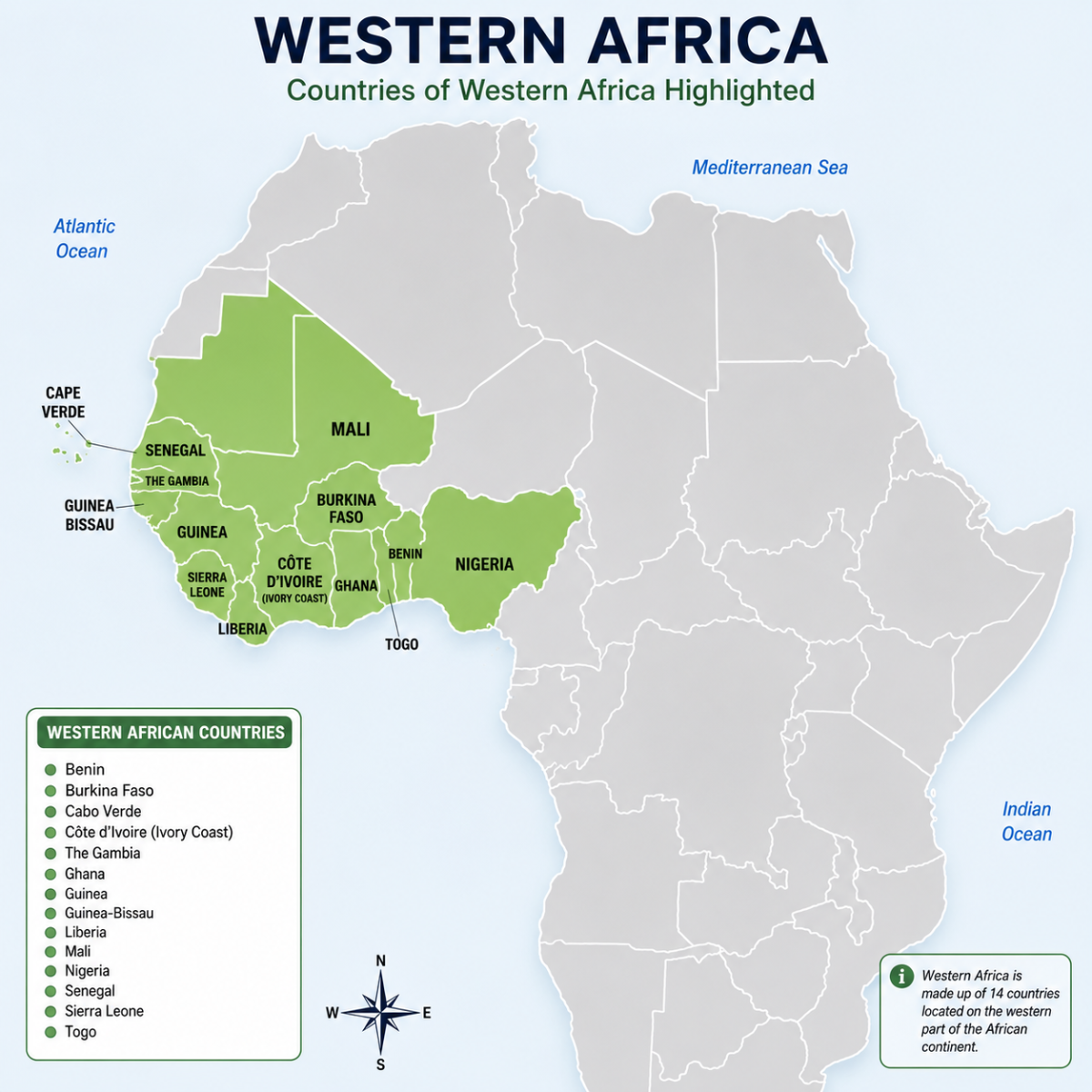
West Africa lies closer to the equator, so temperature changes are less dramatic. However, the cooler period generally occurs between October and March, which also marks the dry season. Temperatures range between 37 and 68 degrees Fahrenheit depending on location and time of day.
Lower humidity during these months keeps insects away and improves wildlife viewing. With less rain and thinner vegetation, animals are easier to spot. Besides safaris, this season is perfect for cultural festivals, city tours, and art galleries.
- Nigeria: Winter in Nigeria is hot and dry despite heavy rainfall in other months. Temperatures can still reach around 80 degrees Fahrenheit. Music venues, street food, and cultural shows make this a fun travel period.
- Sierra Leone
Being close to the equator, temperatures remain balanced. October sees mild winter conditions with highs around 93 degrees Fahrenheit. This makes outdoor exploration comfortable. - Senegal: The coolest months last from January to May. February is particularly pleasant with daytime temperatures between 65 and 78 degrees Fahrenheit. This is a great time for beach visits and wildlife tours.
- Ghana: Ghana’s cool season runs from July to September. Temperatures drop slightly to around 83 degrees Fahrenheit. This is a perfect time to explore national parks and heritage sites.
- Gambia: Gambia experiences cooler months from July to October. When temperatures fall below 92 degrees Fahrenheit, outdoor guided tours become much more enjoyable.
Central Africa
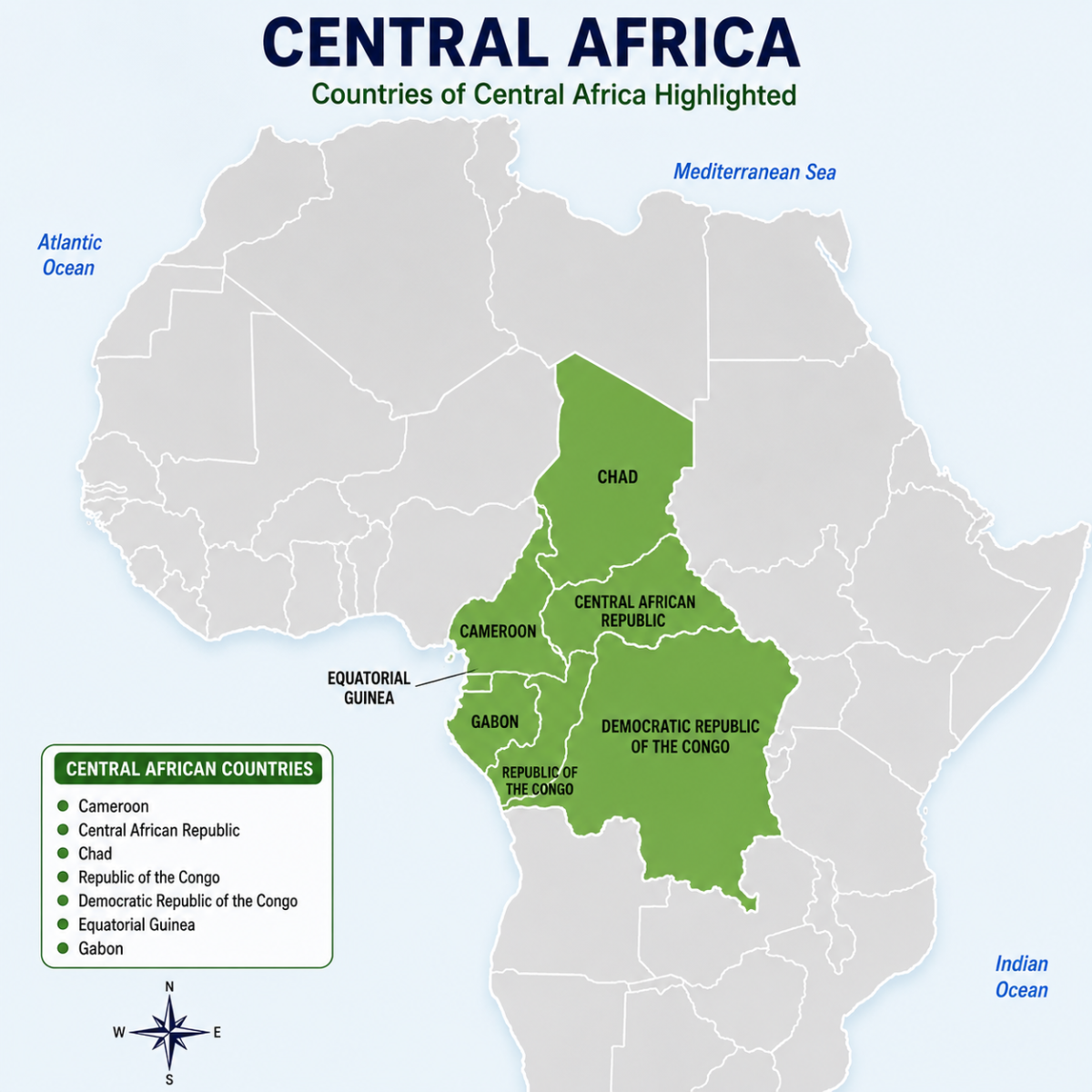
Central Africa straddles the equator, which keeps the climate warm and humid most of the year. However, cooler months appear between January and July, although the region remains warmer compared to others.
As you move away from the equator, the dry season becomes more noticeable. When temperatures dip below 86 degrees Fahrenheit, conditions improve for beach activities, boat trips, and wildlife viewing.
- Gabon: Gabon experiences its cooler dry season from May to September. Wildlife parks attract visitors during this time. Beaches and cultural festivals are also popular.
- Angola: Winter runs from June to September. Temperatures can fall to around 61 degrees Fahrenheit. Rain is possible, so planning ahead is important.
- Cameroon: December to February brings cooler nights and drier days. Northern regions can experience temperatures close to freezing. This season creates a calm atmosphere at luxury lodges.
- Rwanda: The coldest season in Rwanda lasts from July to October. This is a top time for luxury safaris, hiking, birdwatching, and gorilla trekking.
- Zambia: Zambia experiences a short cold season from June to July. With more than 20 national parks, June is one of the best months for game drives without crowds.
Eastern Africa
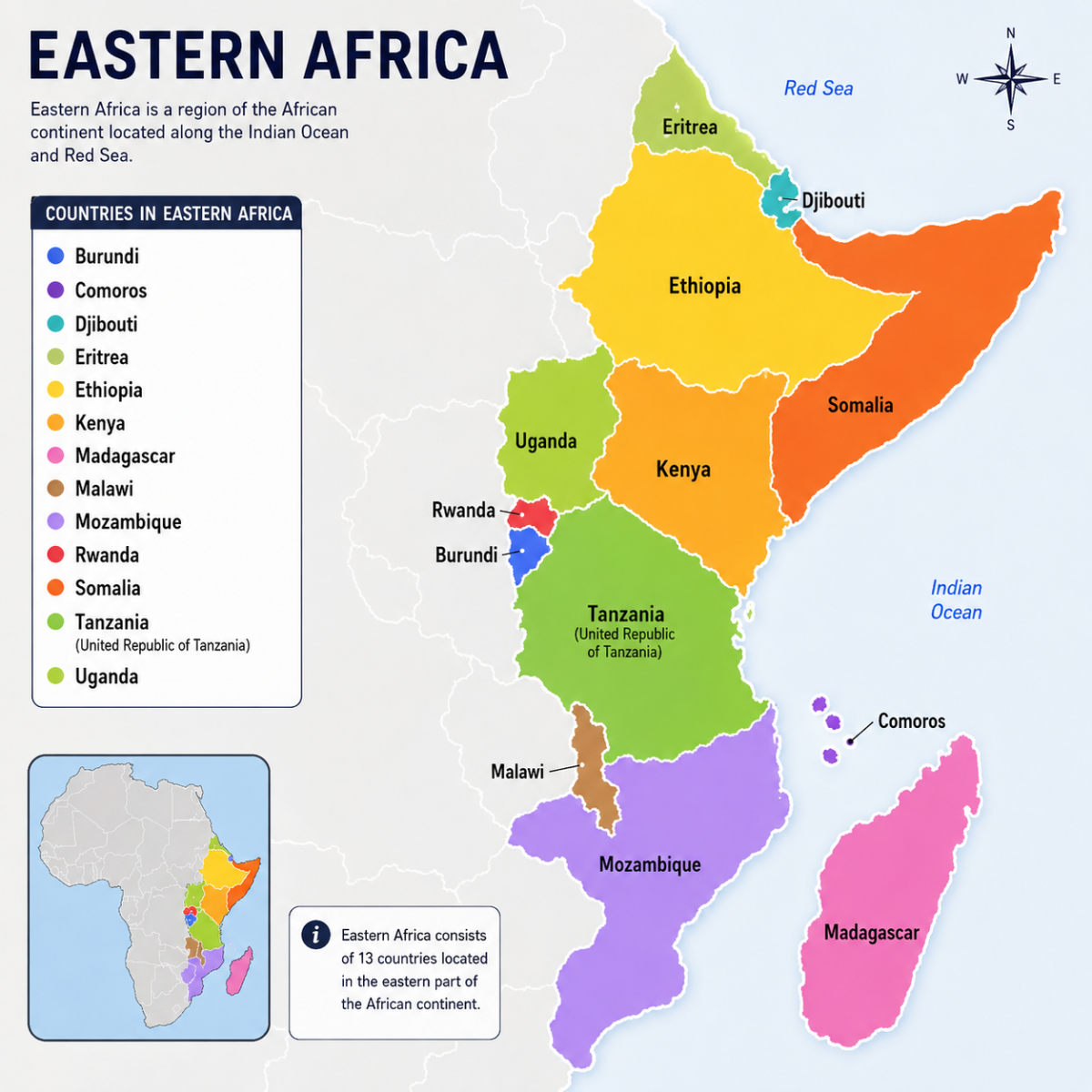
East Africa experiences a dry winter from June to August. Temperatures range between 93 and 100 degrees Fahrenheit during the day, but mornings and nights feel much cooler.
Rainy seasons occur from April to May and mid October to November. Therefore, the dry season is ideal for safaris and for witnessing the Great Migration. However, this is also peak travel season with higher prices.
- Tanzania: Mount Kilimanjaro remains snow capped year round. Other regions including Serengeti and Ngorongoro feel colder from June to September, especially early mornings.
- Uganda: Uganda stays warm most of the year. However, rainy months from March to May and October to November bring cooler temperatures around 84 degrees Fahrenheit. Lush greenery attracts wildlife, making this a good safari period.
- Kenya: Kenya has no true winter, but July to September are the coolest months. This is when the Great Wildebeest Migration happens in Masai Mara.
- Ethiopia: December to February are the coolest months. While days remain sunny, mountain regions can experience frost and occasional snowfall.
- Madagascar: Winter runs from July to November. Temperatures range between 50 and 70 degrees Fahrenheit. September is special because lemurs give birth and whales arrive along the coast.
Southern Africa
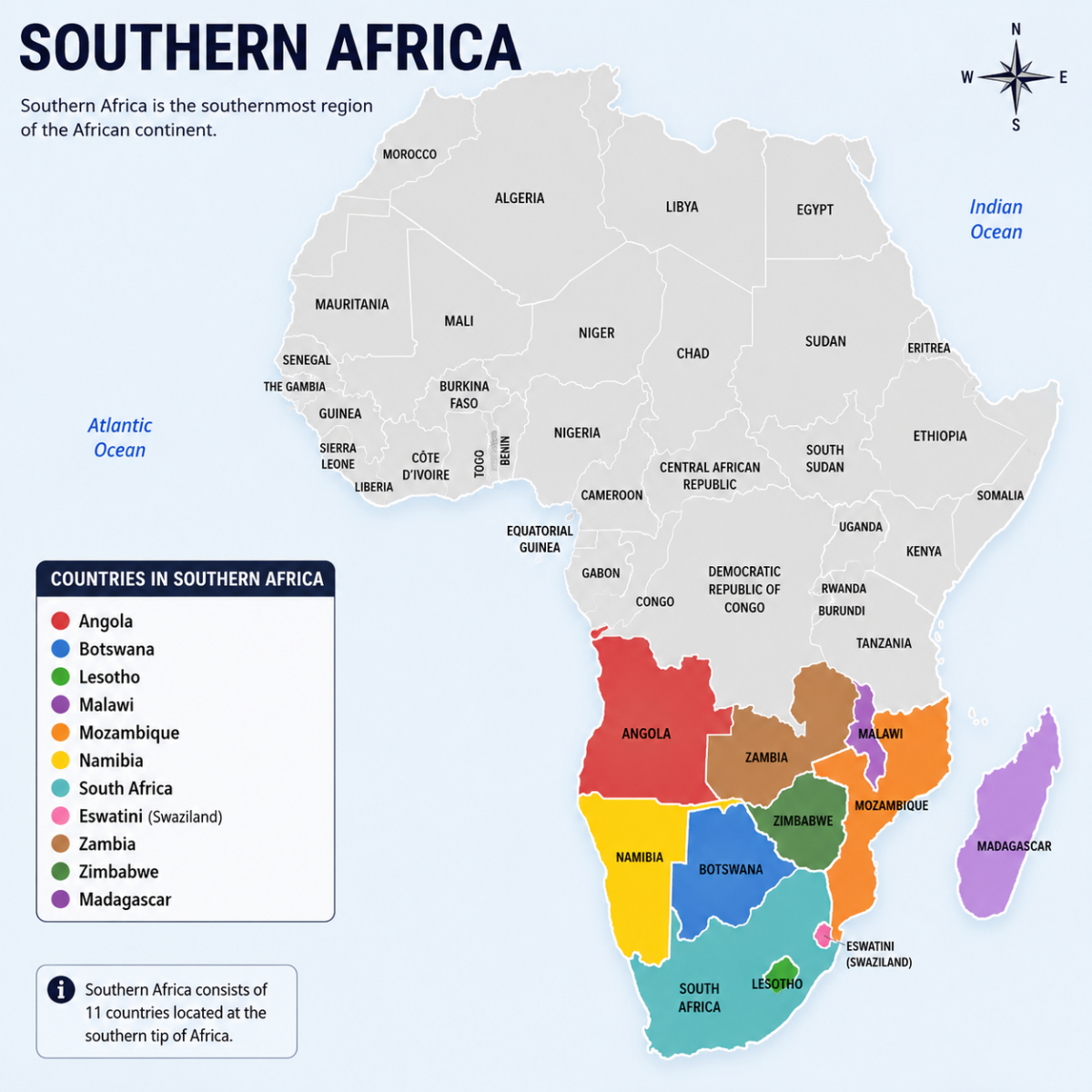
Southern Africa experiences its cold season from May to September. Days remain sunny but nights can be frosty. Temperatures often drop to around 63 degrees Fahrenheit or lower.
Colder weather reduces mosquito activity and improves wildlife viewing. Animals gather near waterholes, making safaris more rewarding.
- Botswana: May to August are the coldest months. Night winds feel chilly, but this is peak safari season in Chobe and Okavango Delta.
- Namibia: June to August are the coldest months. While deserts are hot during the day, nights become very cold.
- South Africa: June to August is winter. Temperatures hover around 64 degrees Fahrenheit. Cape Town and Drakensberg occasionally receive snow.
- Mozambique: May to August brings cooler weather. This is ideal for safari tours and beach holidays.
- Zimbabwe: Cold months run from May to August. Walking safaris, birdwatching, and camping are most enjoyable during this period.
Visit – Cape Town in Style: A 7-Day Coastal & City Escape
Coldest Part of Africa
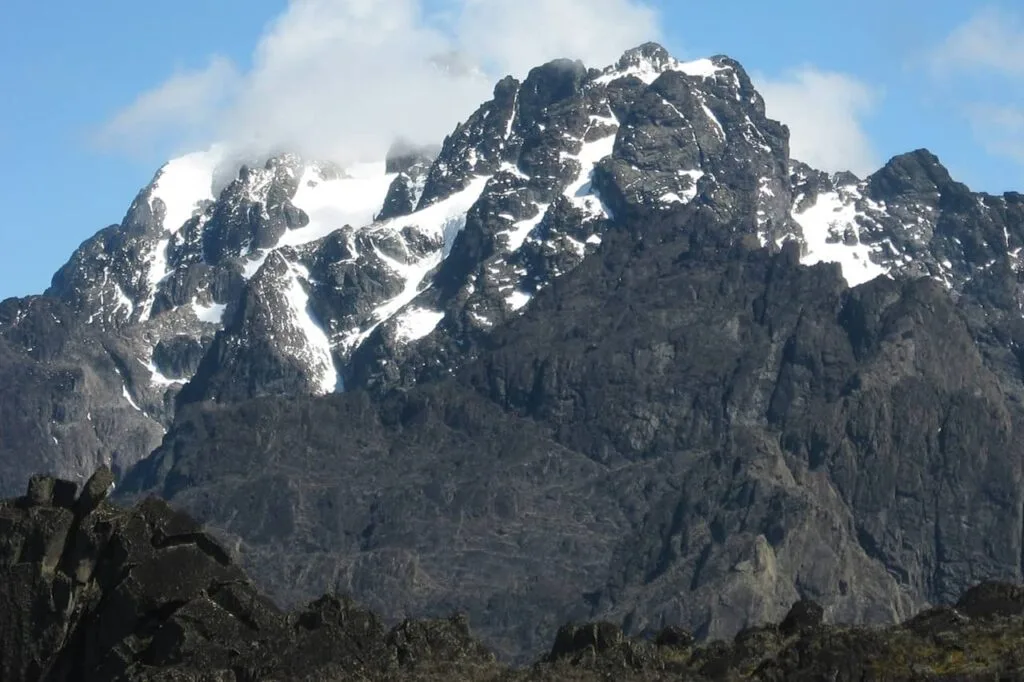
The coldest areas are usually found at high elevations, where temperatures drop sharply, especially at night and during winter months.
Mountain Regions
Africa’s mountains are home to the lowest temperatures on the continent.
- Mount Kilimanjaro, Tanzania: At the summit of Kilimanjaro, temperatures can fall to -20°C (-4°F) or even lower. The peak remains permanently snow capped, making it the coldest natural point in Africa. Even base camps experience freezing nights during the dry season.
- Rwenzori Mountains, Uganda: Known as the Mountains of the Moon, the Rwenzori range experiences temperatures as low as -5°C (23°F) at higher altitudes. These mountains have glaciers and permanent ice caps, making them one of Africa’s coldest regions.
- Atlas Mountains, Morocco: The Atlas Mountains regularly drop below freezing in winter. Temperatures range between -5°C to 10°C (23°F to 50°F). Snowfall is common from December to February, especially around ski resorts.
The best time to see snow in Africa is between June and August in Southern Africa and December to February in North Africa. These months bring cold fronts and winter conditions.
If you dream of seeing snow in Africa, TourwithPipi can help you plan trips that combine safari adventure with rare winter landscapes.
Is Africa Cold at Night?
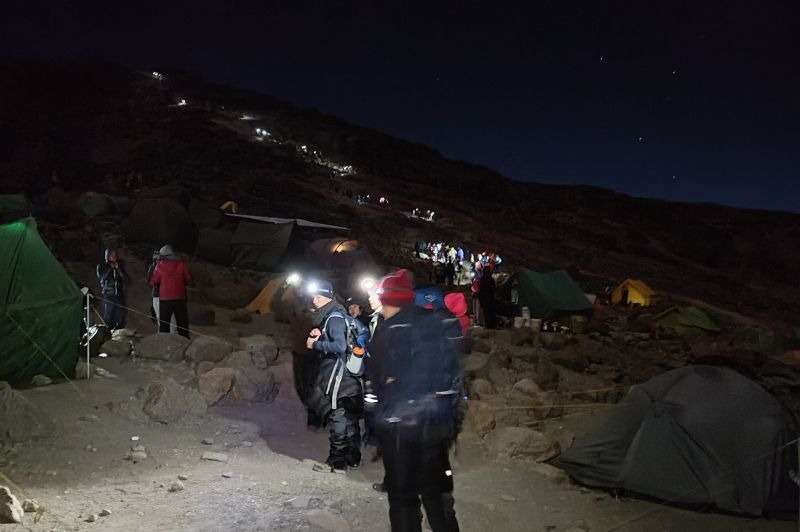
Yes, Africa can be cold at night, especially in safari regions and desert areas.
Night temperatures often fall between 5°C to 12°C (41°F to 54°F) in popular safari destinations. In high altitude areas, it can drop close to freezing.
- Safari mornings: Game drives start before sunrise. Open vehicles combined with wind chill make mornings feel much colder than the actual temperature. Even when daytime reaches 25°C, early mornings feel freezing.
- Desert nights: In places like Namibia and Morocco, desert nights cool rapidly. Temperatures drop sharply after sunset because sand does not retain heat.
- Wind chill in open vehicles: Driving through parks at dawn creates extra cold due to moving air. This is why travelers often underestimate how chilly safari mornings can be.
Most luxury lodges provide:
- Hot water bottles
- Warm blankets
- Fireplaces
- Heated bedding
At TourwithPipi, we always advise packing layers so you stay comfortable during early game drives and evening dinners.
Dry Season vs Cold Season in Africa
Many people confuse Africa’s dry season with its cold season. In reality, they often overlap.
The dry season usually happens during winter months. For example
Southern Africa dry season runs from May to September
East Africa dry season runs from June to October
This is why winter months are also the best safari months.
Why winter is perfect for safaris
- Lower temperatures make long game drives comfortable
- Mosquito activity decreases
- Animals gather around limited water sources
- Vegetation becomes thinner
- Wildlife is easier to spot
During this season, predators hunt near waterholes, and herbivores gather in large numbers. This creates dramatic wildlife scenes, especially in Serengeti, Ngorongoro, and Masai Mara.
TourwithPipi carefully designs Safari itineraries around this dry and cool season to give guests front row wildlife encounters without extreme heat.
Cold Months for Popular Safari Destinations
Many travelers book safaris expecting warm weather all day, but some of Africa’s top parks experience real cold, especially at night and early morning. Knowing when temperatures drop helps you plan smarter.
Serengeti
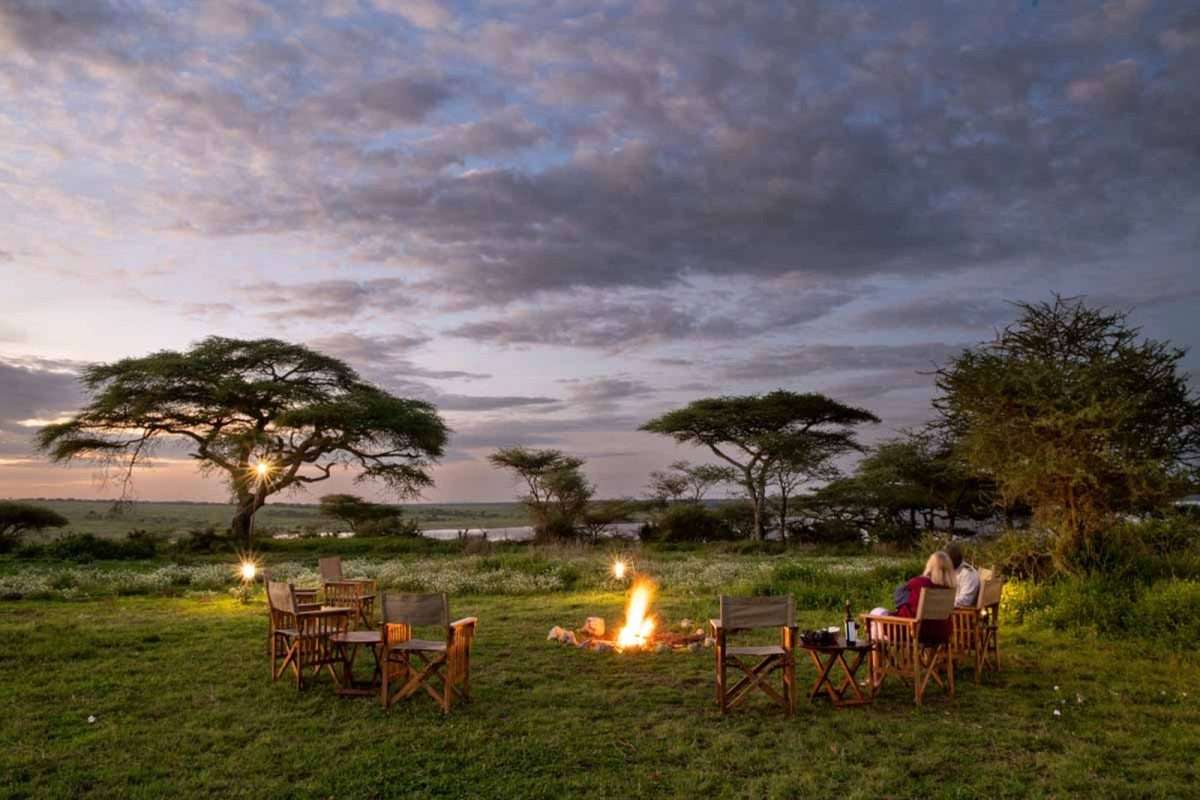
Many guests ask is Serengeti cold at night. The answer is yes, especially during the dry season.
Best months for cool weather: June to August
During these months, daytime temperatures feel comfortable, usually around 20°C to 26°C. However, night temperatures drop to 8°C to 12°C, sometimes colder in tented camps. Early morning game drives feel chilly, especially before sunrise.
This period is also prime Great Migration season, so you enjoy incredible wildlife action with pleasant daytime weather. It is one of the best times to combine cool temperatures with world class safari sightings.
Ngorongoro Crater
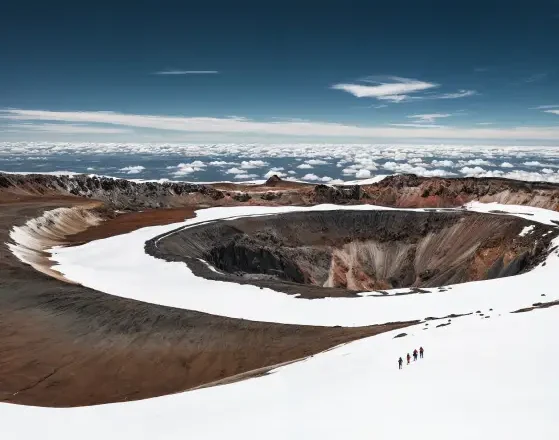
Visitors often ask is Ngorongoro Crater cold. Because of its high altitude, the crater stays cooler than most safari parks.
Morning temperatures can drop to 5°C to 10°C. Foggy mornings are common, creating a magical atmosphere as mist rises from the crater floor. Evenings feel cold, and lodges usually provide fireplaces and hot water bottles.
Despite the cold, this is one of the best safari destinations in Africa. The cooler climate makes long game drives comfortable, and wildlife viewing is excellent year round.
Kilimanjaro
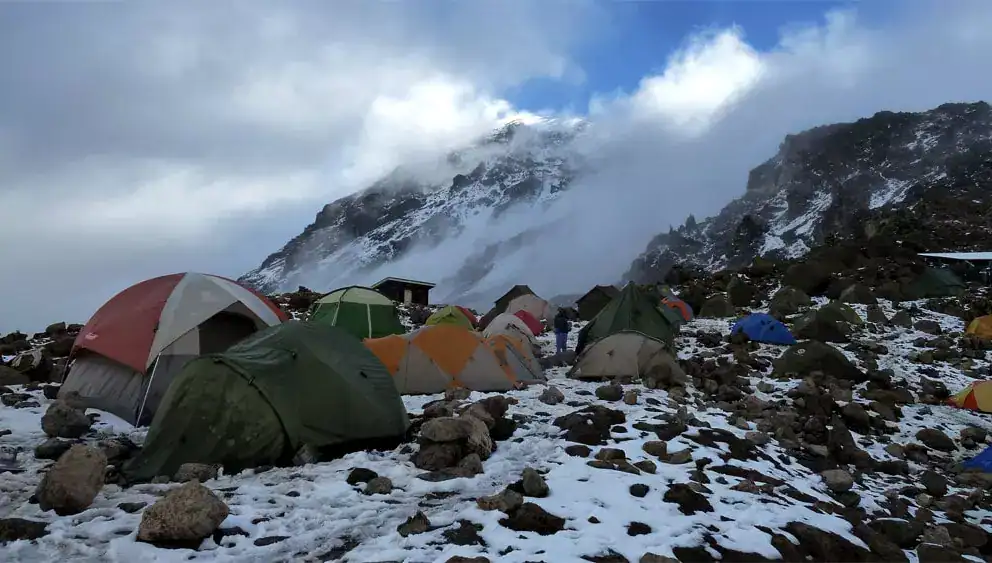
If you are wondering is Kilimanjaro cold, the answer depends on altitude.
At the base, temperatures remain mild. However, as you climb higher, it gets dramatically colder.
Summit temperatures:
Daytime: -5°C to -10°C
Night: -15°C to -20°C
The peak stays snow covered all year. Even experienced climbers feel the cold strongly. Proper gear is essential for anyone trekking to Uhuru Peak.
Masai Mara
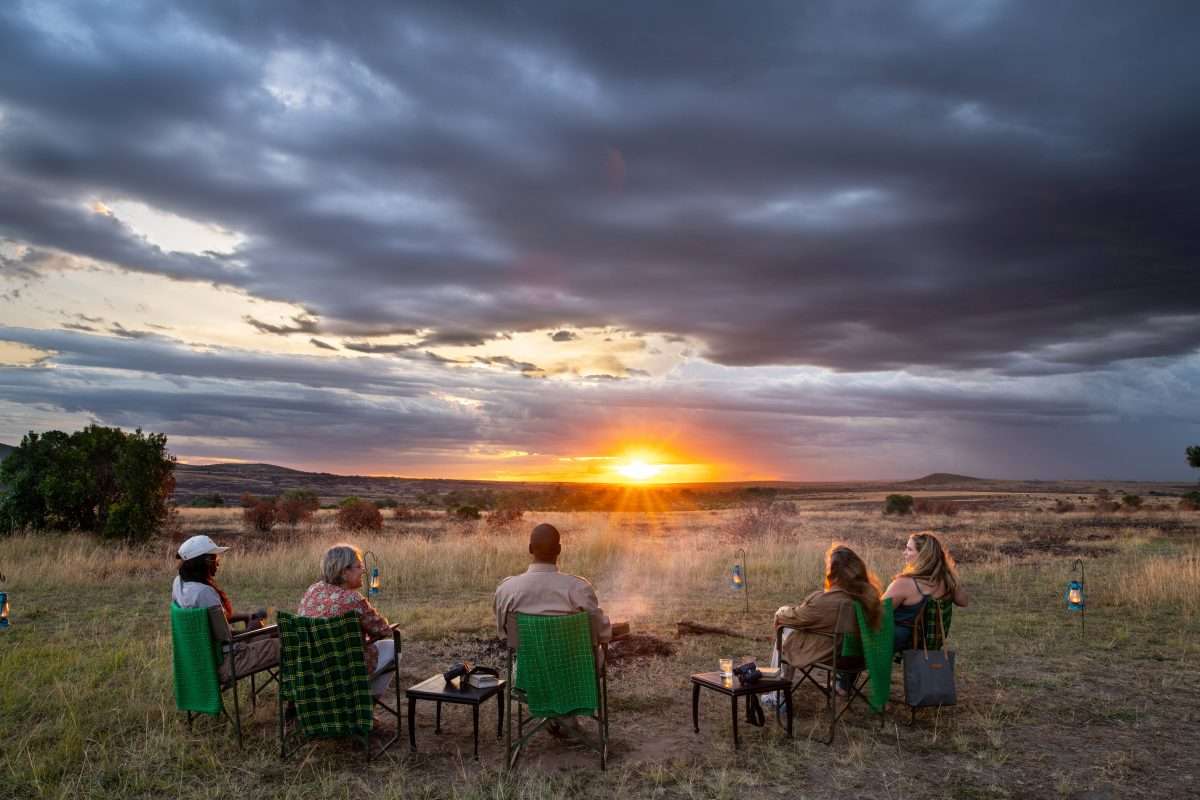
July mornings in Masai Mara can feel surprisingly cold.
During peak migration season, temperatures drop to 7°C to 12°C in early mornings. Game drives before sunrise feel chilly due to open vehicles and wind chill. By midday, temperatures rise to comfortable levels.
This cool season also delivers the best river crossing action, making it one of the most popular safari periods.
Best Time to Visit Africa for Cool Weather
If you are searching for the best time to visit Africa for cool weather, the ideal months are:
- June to August: This is winter in Southern and East Africa. Days are sunny, nights are cold, and wildlife viewing is excellent. It is peak safari season for Serengeti, Ngorongoro, Masai Mara, Kruger, and Okavango Delta.
- September shoulder season: September offers slightly warmer temperatures with fewer crowds. It is perfect if you want comfortable weather without peak season prices.
- Avoid rainy cold months: Months like April and May can be cold and wet at the same time. Roads become muddy, and some lodges close. Wildlife viewing is also harder due to thick vegetation.
TourwithPipi designs itineraries around these seasonal patterns to give you the best balance of weather, wildlife, and comfort.
What Should I Pack for Cold Weather in Africa?
If you are wondering what should I pack for cold weather in Africa, layering is the key. Mornings and evenings are cold, while afternoons warm up.
Essential packing list
- Fleece jacket
- Windbreaker
- Gloves
- Beanie
- Thermal base layer
- Scarf
These items keep you warm during early game drives and evening dinners. Neutral colors like beige, olive, and brown work best for safari.
Safari Packing Tips from TourwithPipi
At TourwithPipi, we go beyond basic packing advice. Our guests receive personalized guidance based on their exact itinerary.
Lodge heating: Most luxury camps provide heated bedding, fireplaces, and hot water bottles.
Personalized packing advice:
We help you pack according to Season, Park altitude, Accommodation type, Planned activities
Tanzania specific tips:
For Serengeti and Ngorongoro, we always recommend
Thermal layers
Closed shoes
Warm socks
Light down jacket
This ensures you stay comfortable without overpacking.
Country-Specific Cold Weather Guide
South Africa
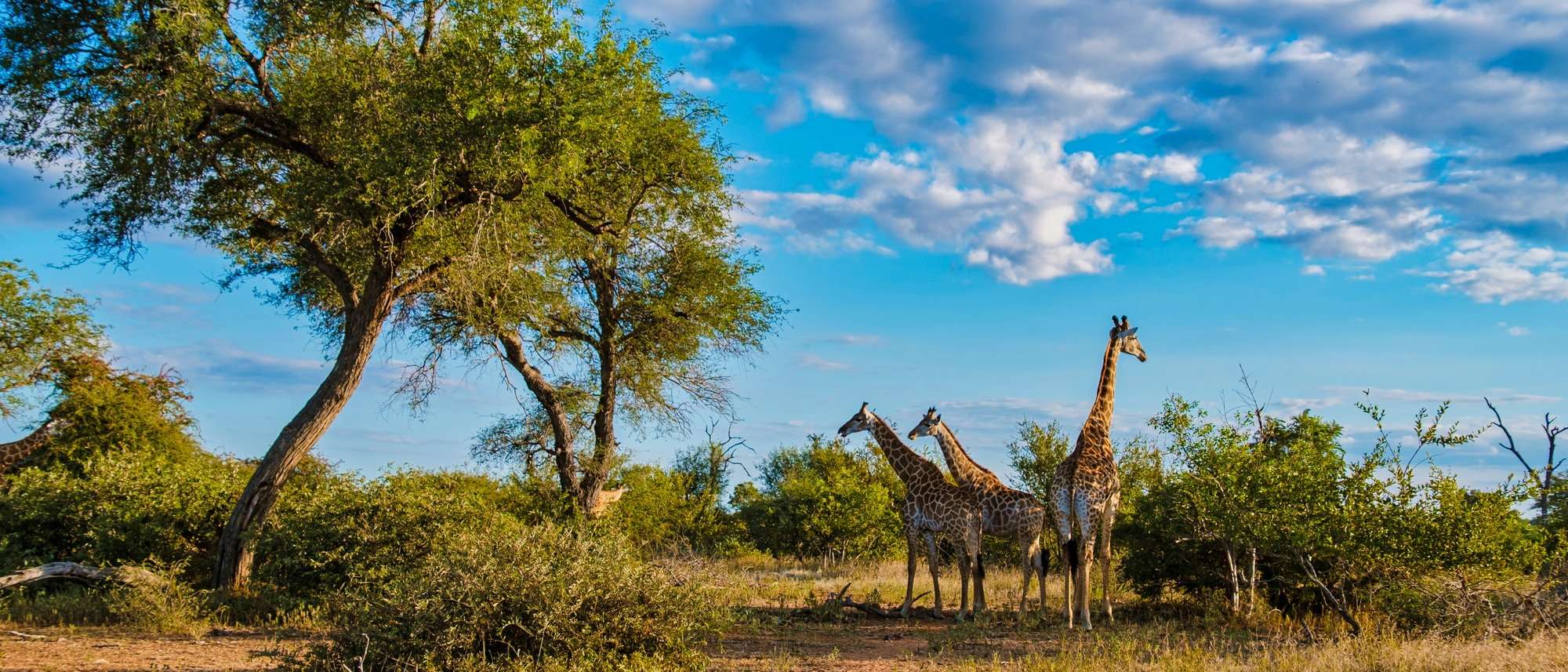
South Africa’s winter months run from June to August. During this time, mornings and nights feel cold, while afternoons remain sunny.
Cape Town cold season
Cape Town feels especially chilly in winter due to ocean winds. Temperatures range between 7°C to 18°C. Rain is common, and mountain areas sometimes receive snowfall.
Inland regions such as Kruger National Park experience cold mornings around 6°C to 10°C, which warms up by midday. This is one of the best safari seasons because animals gather near water sources.
Tanzania
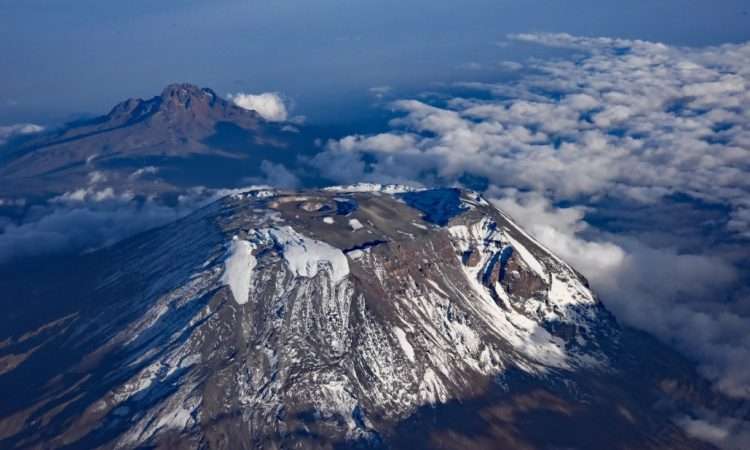
Tanzania stays warm most of the year, but winter brings noticeable cold in safari regions.
Serengeti mornings
From June to August, early mornings drop to 8°C to 12°C. Game drives before sunrise feel cold due to wind in open vehicles.
Ngorongoro nights
Ngorongoro Crater sits at high altitude, making nights colder than other parks. Temperatures can fall to 5°C. Foggy mornings and chilly evenings are common.
TourwithPipi recommends layering for comfort, especially when staying in crater rim lodges.
Kenya
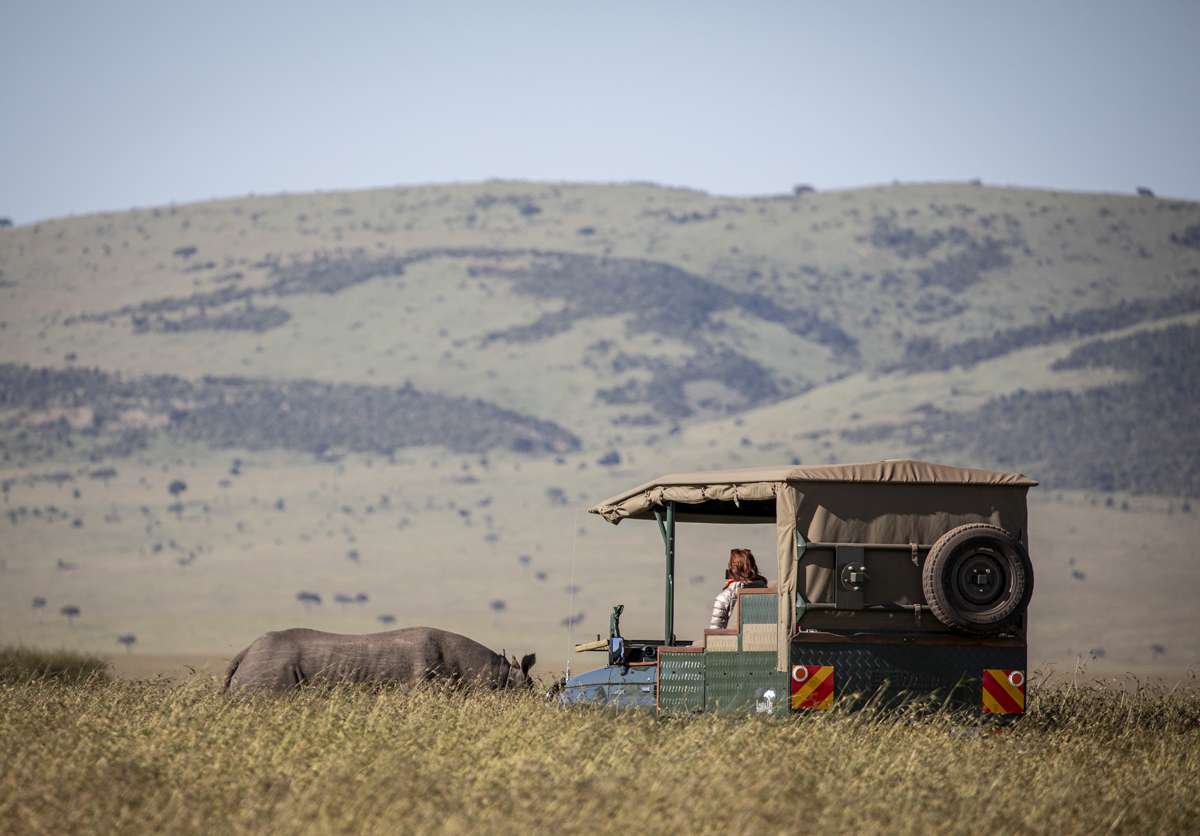
Kenya has no true winter, but July to September is the coolest period.
Masai Mara cold mornings
Morning temperatures fall to 7°C to 11°C. Wind chill during game drives makes it feel colder. By afternoon, temperatures rise comfortably.
This is also peak Great Migration season, offering spectacular river crossings.
Morocco
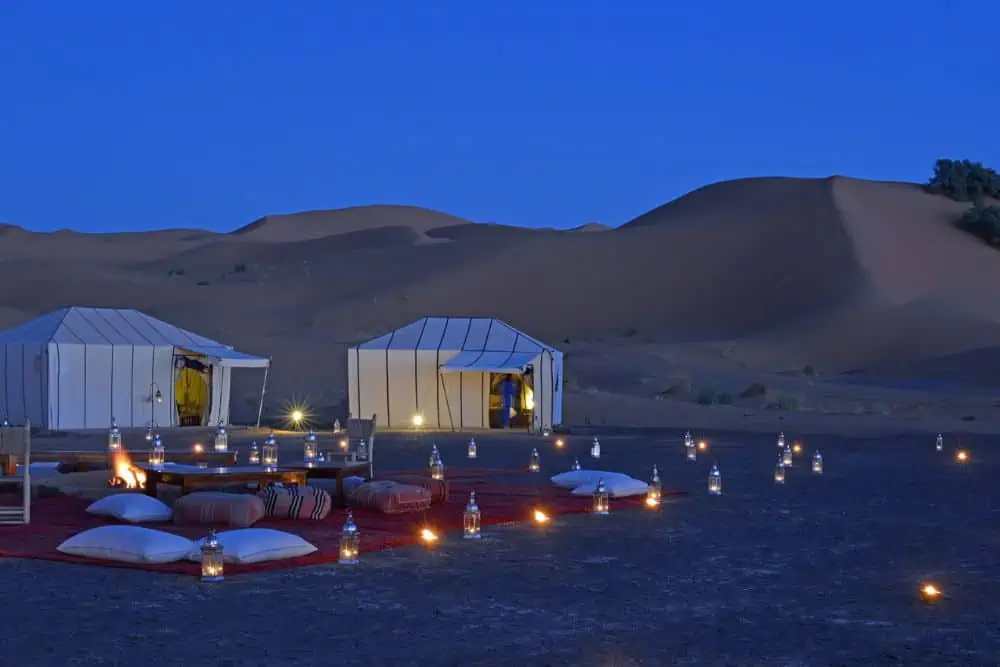
Morocco experiences winter from December to February.
Atlas Mountain snow
The Atlas Mountains receive heavy snowfall, sometimes 20 to 60 cm. Temperatures drop below freezing in higher regions.
Cities like Marrakech stay mild, but nights feel cold. This season is perfect for desert tours, cultural exploration, and mountain skiing.
Why Travel During Africa’s Cold Season?
Traveling during Africa’s cold season offers several advantages.
- Fewer mosquitoes: Cooler weather reduces mosquito activity, lowering malaria risk.
- Better wildlife sightings: Animals gather near limited water sources, making them easier to spot.
- Clear skies: Dry winter months bring bright blue skies and excellent photography conditions.
- Less humidity: Lower humidity makes long game drives comfortable.
For this reason, TourwithPipi schedules most safari departures during these months.
Common Myths About Africa’s Climate
Africa is always hot ❌
False. Many regions experience cold winters, frosty mornings, and even snow.
Africa has no winter ❌
Wrong. Winter exists across the continent but occurs at different times by region.
Africa never gets snow ❌
Not true. Snow falls in Lesotho, Atlas Mountains, Kilimanjaro, and Drakensberg.
FAQs
Does Africa have winter?
Yes. Africa experiences winter, but timing varies by region. Southern Africa is cold from May to September, while North Africa feels cold from December to February.
Is Africa cold in December?
Yes, especially in North Africa. Countries like Morocco, Egypt, and Tunisia feel cold in December.
Is Africa cold in July?
Yes. July is winter in Southern and East Africa. Safari regions like Serengeti, Masai Mara, and Kruger feel cold in the mornings.
What is the coldest country in Africa?
Lesotho is considered the coldest country in Africa due to its high altitude and heavy snowfall.
What month is coldest in Africa?
July is the coldest month for Southern and East Africa. January is coldest for North Africa.
Is it cold on safari in the morning?
Yes. Early game drives can feel freezing due to open vehicles and wind chill.
Where does it snow in Africa?
Snow falls in Lesotho, Atlas Mountains in Morocco, Kilimanjaro, Rwenzori Mountains, and Drakensberg.
Plan Your Safari with TourwithPipi

At TourwithPipi, we design safaris around real weather patterns, not assumptions.
Custom itineraries: Every trip is tailored to your preferred season, comfort level, and travel goals.
Best lodges for winter travel: We select camps with heating, fireplaces, and cozy bedding.
Great Migration season tips: We guide you on the best months and exact locations for river crossings.
Tanzania and Kenya specialists: Our team specializes in Serengeti, Ngorongoro, Masai Mara, and Zanzibar extensions.
Whether you want a luxury winter safari or a migration adventure, TourwithPipi ensures comfort and unforgettable wildlife moments. Contact us Now!
Final Thoughts
Africa does get cold, and knowing the right months helps you travel smarter.
Southern Africa is cold from May to September.
East Africa feels cold from June to August.
North Africa experiences winter from December to February.
Planning early allows you to secure the best lodges, guides, and flight deals.
Ready to plan your safari?
Talk to a TourwithPipi travel expert today and start your African adventure the right way.
Blog Summary
- Africa does get cold, especially during winter months, depending on region, altitude, and season, so Africa is not hot all year round.
- The coldest months in Africa vary by region: Southern Africa is cold from May to September, East Africa from June to August, and North Africa from December to February.
- July is the coldest month in popular safari destinations in Africa like Serengeti, Masai Mara, Kruger National Park, and Okavango Delta.
- High altitude areas such as Mount Kilimanjaro, Rwenzori Mountains, and Atlas Mountains experience freezing temperatures and permanent ice caps.
- Lesotho is the coldest country in Africa, with winter temperatures dropping below zero and regular snowfall.
- It does snow in Africa, but only in mountain regions like Kilimanjaro, Atlas Mountains, Drakensberg, and Lesotho Highlands.
- Africa can be cold at night, especially in deserts and safari parks, where temperatures drop to 5°C to 12°C.
- The dry season overlaps with winter, making it the best time for safari travel due to better wildlife visibility and fewer mosquitoes.
- June to August is the best time to visit Africa for cool weather, clear skies, and comfortable safari conditions.
- Packing for cold weather in Africa requires layered clothing such as fleece jackets, thermal base layers, scarves, and windbreakers.
Cold Months in Africa (By Region)
• North Africa: December to February
• Southern Africa: May to September
• Central Africa: January to July
• East Africa: June to August
• West Africa: October to March


