
East and Southern Africa both deliver genuinely world-class safaris, and the honest answer to which is better depends entirely on what you actually want from the trip. East Africa, meaning Kenya, Tanzania, and their neighbors, gives you the Great Migration and reliable year-round game viewing. Southern Africa, meaning South Africa, Botswana, and the countries around Victoria Falls, gives you denser Big Five sightings, off-road tracking, and the option to add Cape Town or the Falls themselves to the trip.
I run private safaris in both regions, not just one, so this South Africa vs East Africa and Southern vs East Africa comparison comes from actually planning trips across both sides of the continent rather than picking a favorite and building a case for it. This guide breaks down the real differences in landscape, cost, timing, and which traveler each region actually suits, so you can decide with facts instead of guessing.
East vs Southern Africa: Quick Overview
| East Africa | Southern Africa | |
|---|---|---|
| Main Countries | Kenya, Tanzania, Uganda, Rwanda | South Africa, Botswana, Zimbabwe, Zambia, Namibia |
| Top Parks | Masai Mara, Serengeti, Ngorongoro Crater, Samburu | Kruger, Sabi Sand, Okavango Delta, Chobe, Victoria Falls |
| Dry Season | January to March, June to October | May to October |
| Wet Season | April to May, November to December | November to April |
| Signature Draw | The Great Migration | Big Five density and off-road tracking |
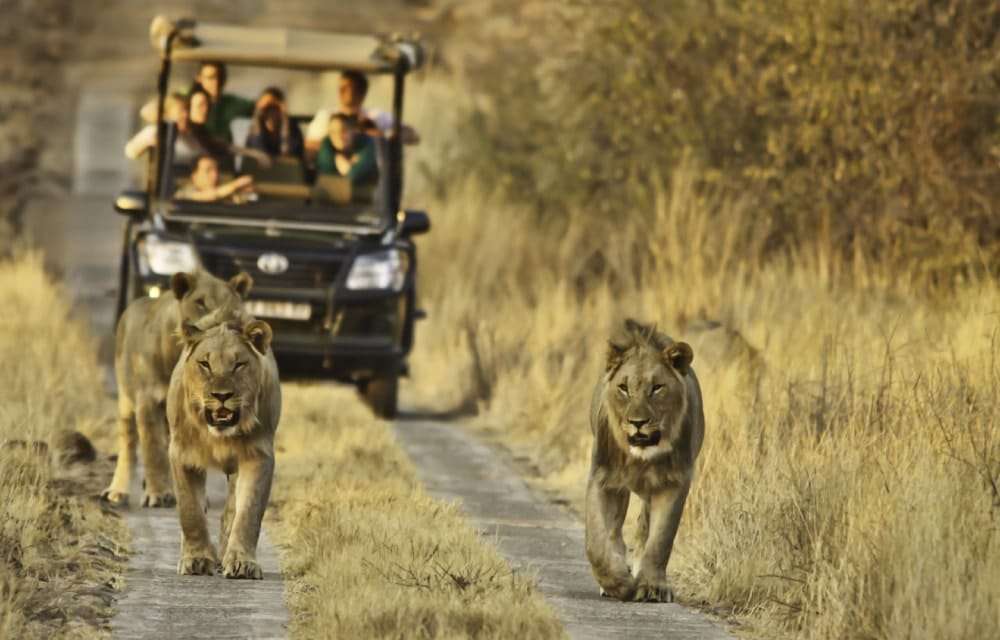
| Typical Vehicle | Closed 4×4 with a pop-top roof hatch | Open-sided 4×4 with tiered seating |
| Easy Add-Ons | Zanzibar, gorilla trekking | Cape Town, Victoria Falls |
Location, Landscape, and Climate
East Africa means wide open plains and steady, year-round temperatures. Southern Africa means far greater variety, in landscape and in climate alike.
East Africa
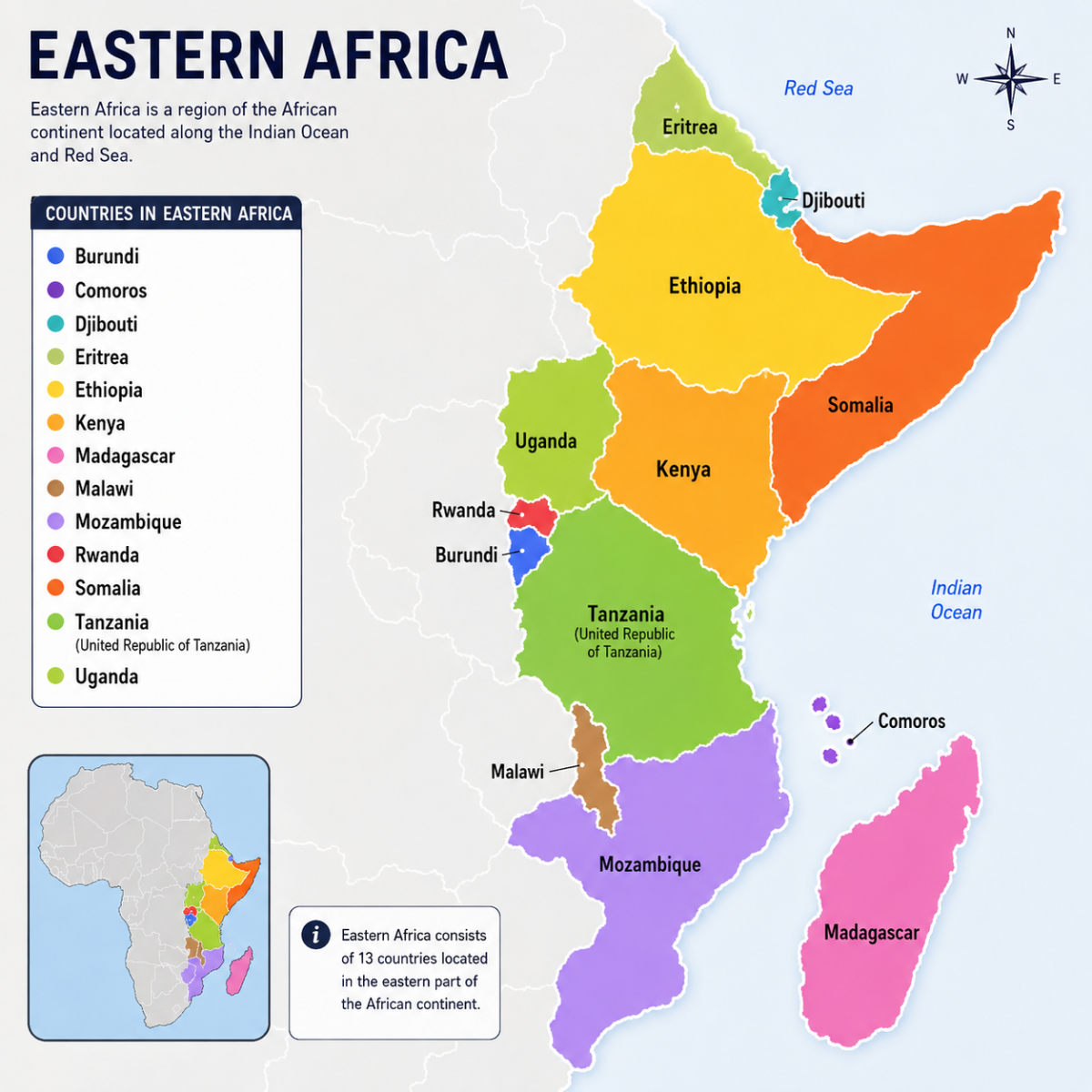
East Africa sits along the eastern side of the continent and centers on Kenya and Tanzania, with Uganda and Rwanda close by. The Great Rift Valley runs straight through the region, and it’s home to Africa’s two tallest peaks, Kilimanjaro and Mount Kenya, along with Lake Victoria, Africa’s largest lake by surface area.
The climate here runs cooler and drier than you’d expect this close to the equator, which is exactly why East Africa holds up as a year-round safari destination. The open plains mean there’s almost always something to see, regardless of the month.
Southern Africa
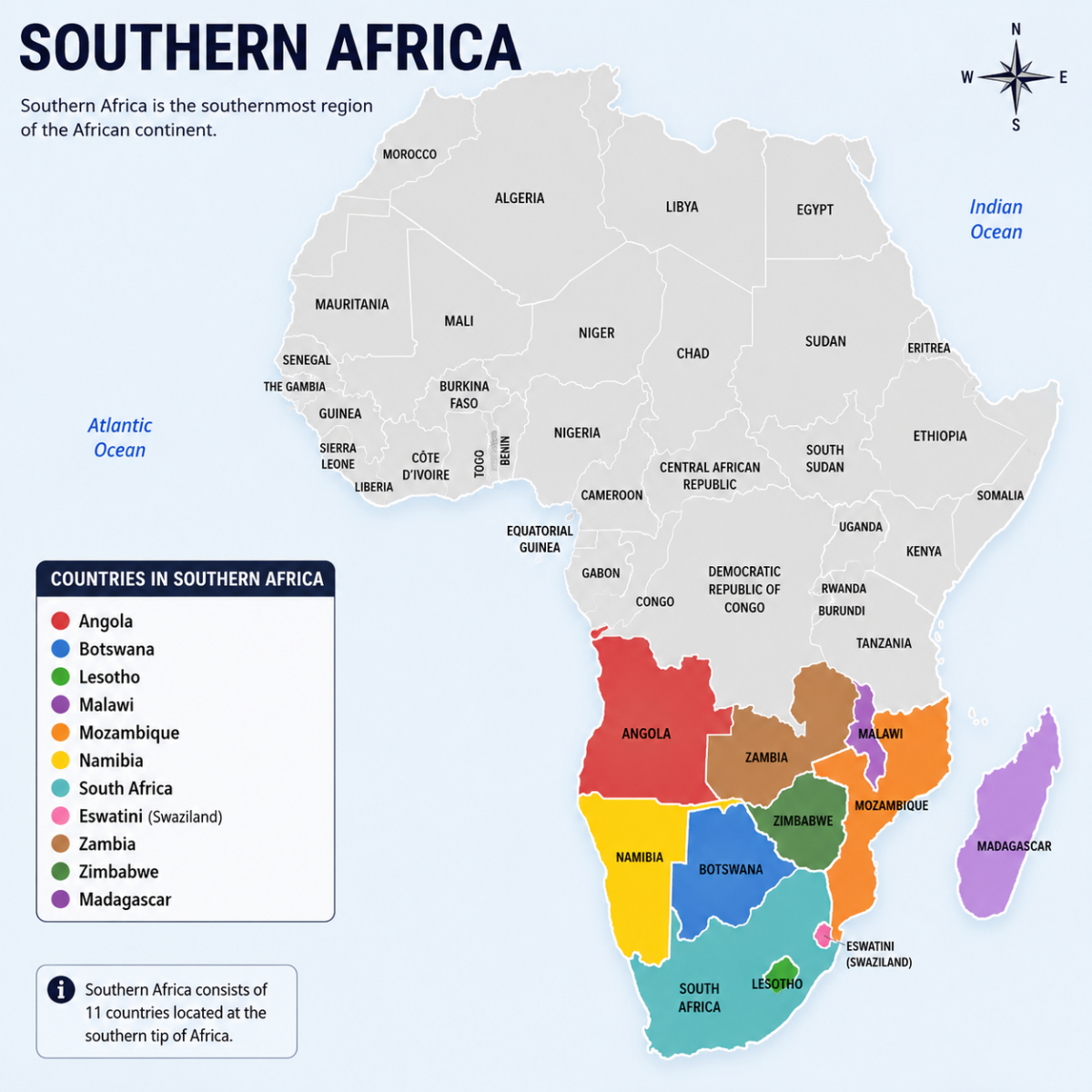
Southern Africa covers South Africa, Botswana, Namibia, Zimbabwe, and Zambia, and the terrain shifts dramatically across the region, from the Kalahari’s semi-desert scrub to the Okavango’s flooded wetlands to Cape Town’s Mediterranean coastline.
That range of terrain comes from an equally wide range of climate zones, from Mediterranean in the southwest to subtropical and desert further north. Most of the region enjoys warm days and genuinely cool nights, and the dry season concentrates wildlife around a shrinking number of water sources, which is exactly what makes game viewing so productive here from May through October.
Best Safari Destinations in East Africa
Kenya
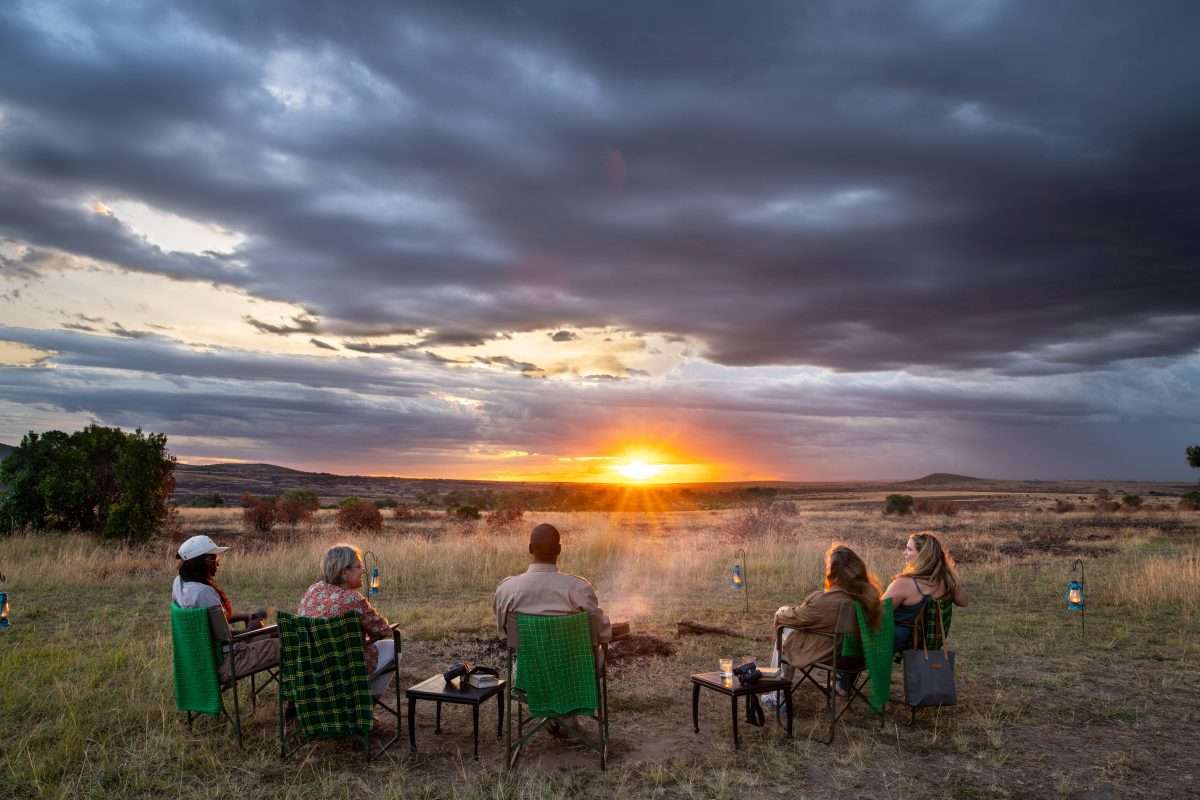
The Masai Mara holds some of the highest lion density anywhere in Africa, alongside elephant, buffalo, giraffe, and the Great Migration’s mega-herds from around July to November. Amboseli adds elephant herds set against Kilimanjaro as a backdrop, and Samburu, in Kenya’s north, holds species found almost nowhere else in the country.
Our 9-Day Chale and Masai Mara Escape is built around this exact combination, a classic Mara safari paired with beach time on the Kenyan coast.
Tanzania
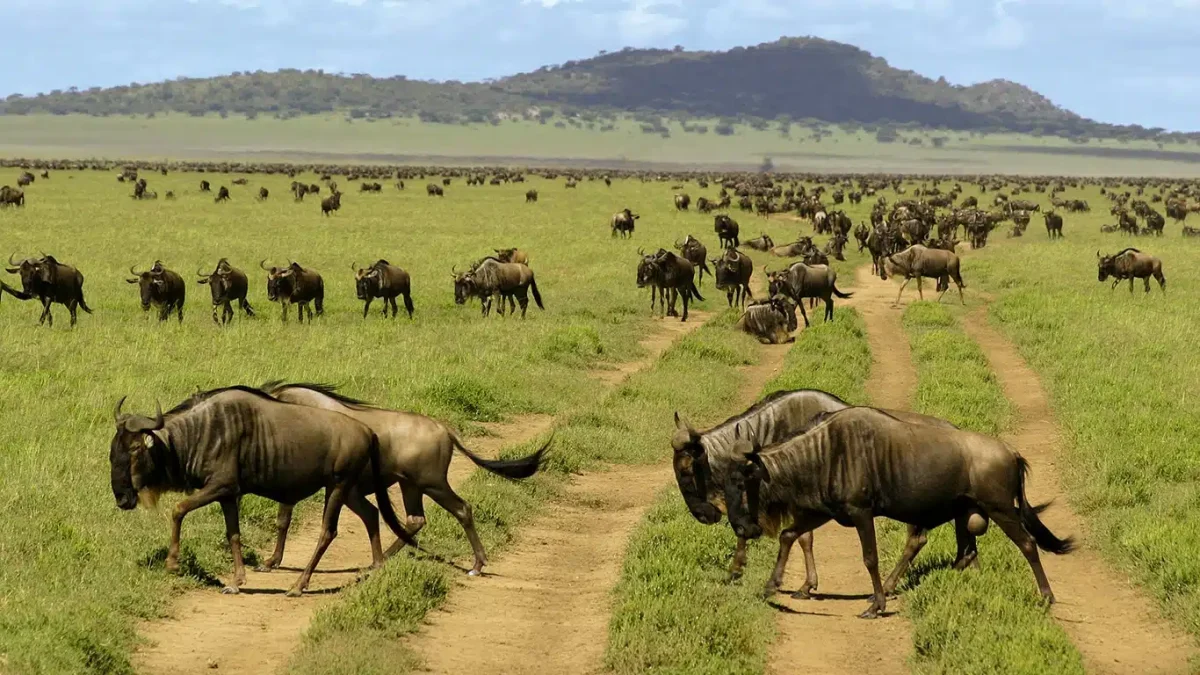
The Serengeti holds one of the largest wildlife concentrations on the planet and the bulk of the Great Migration for most of the year. Ngorongoro Crater, a collapsed volcanic caldera, packs an entire ecosystem into one enclosed basin and delivers some of East Africa’s most reliable Big Five sightings. Tarangire adds massive elephant herds and striking baobab trees to a typical northern circuit.
Uganda and Rwanda
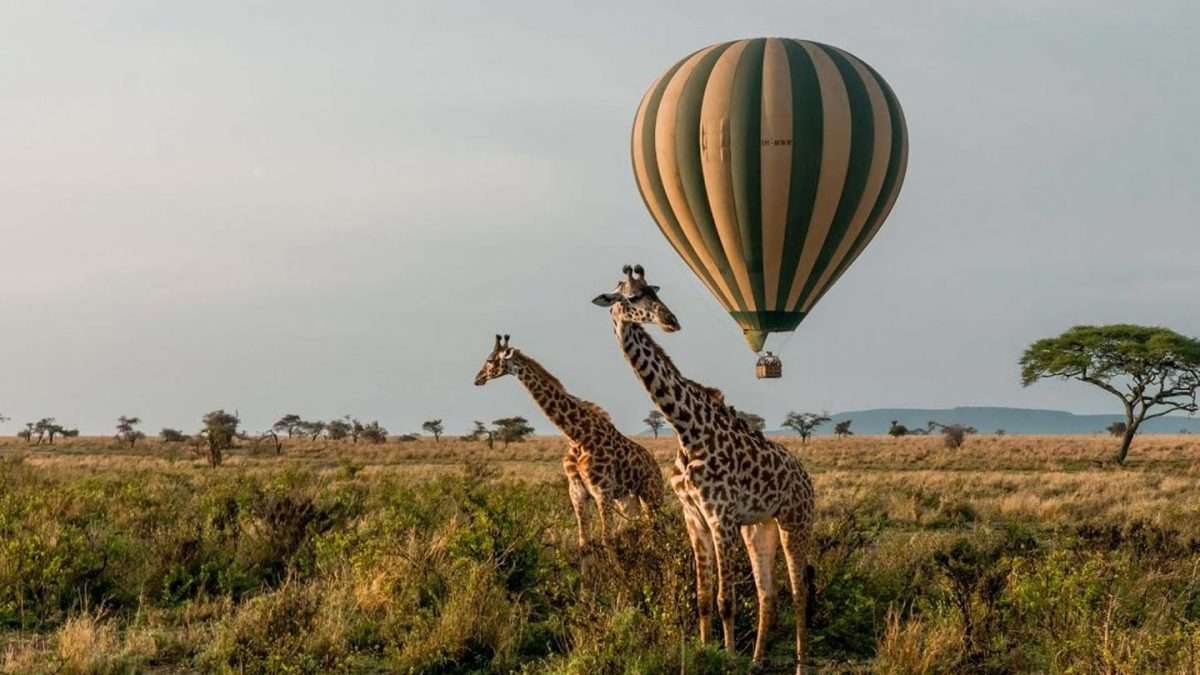
Bwindi Impenetrable Forest in Uganda and Volcanoes National Park in Rwanda are the two places on Earth to see mountain gorillas in the wild, a genuinely different kind of safari experience built around a guided forest trek rather than a vehicle.
Best Safari Destinations in Southern Africa
South Africa
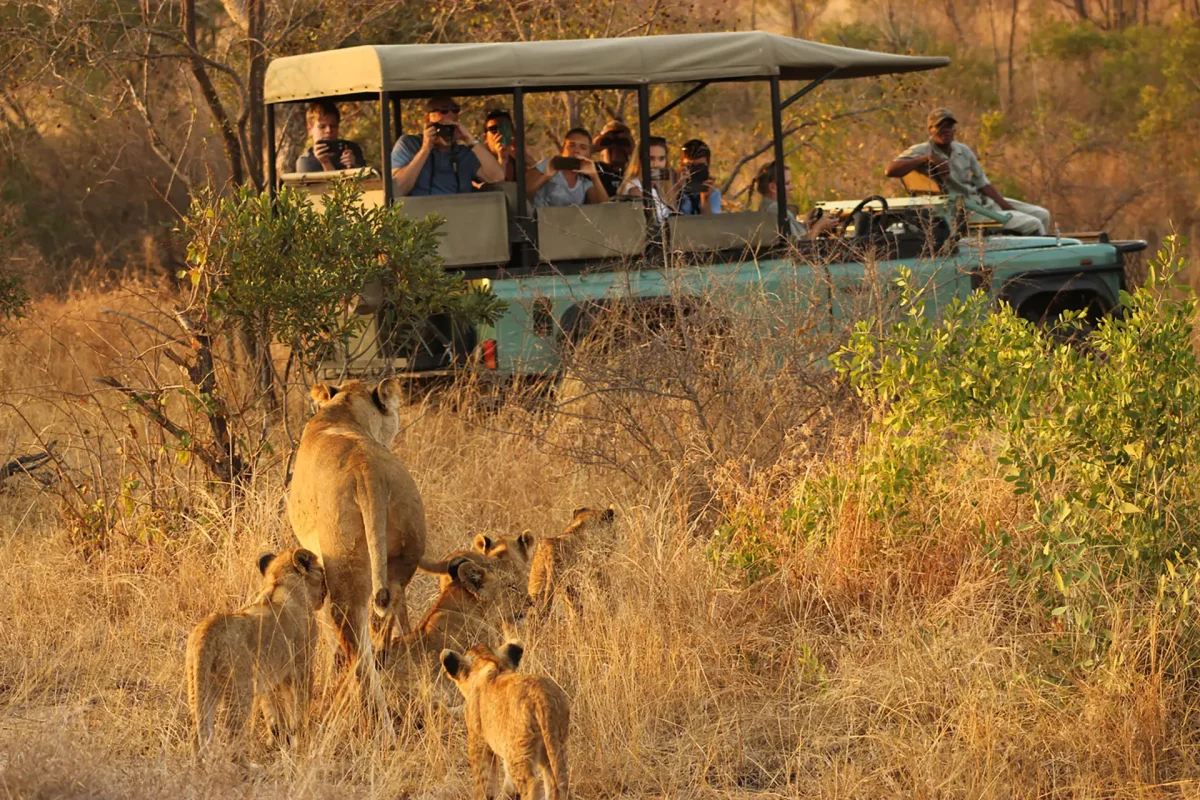
Kruger National Park holds South Africa’s greatest diversity of wildlife, and the private reserves bordering it, including Sabi Sand, add off-road tracking access most national parks don’t allow. Cape Town isn’t technically a safari destination, but it’s a near-mandatory add-on, with Table Mountain, Kirstenbosch Botanical Gardens, and the beaches all within easy reach.
Our Cape Town in Style: 7-Day Coastal and City Escape pairs three nights at a private reserve on the border of Kruger with four nights in Cape Town, combining both sides of what makes South Africa such a strong choice.
Botswana
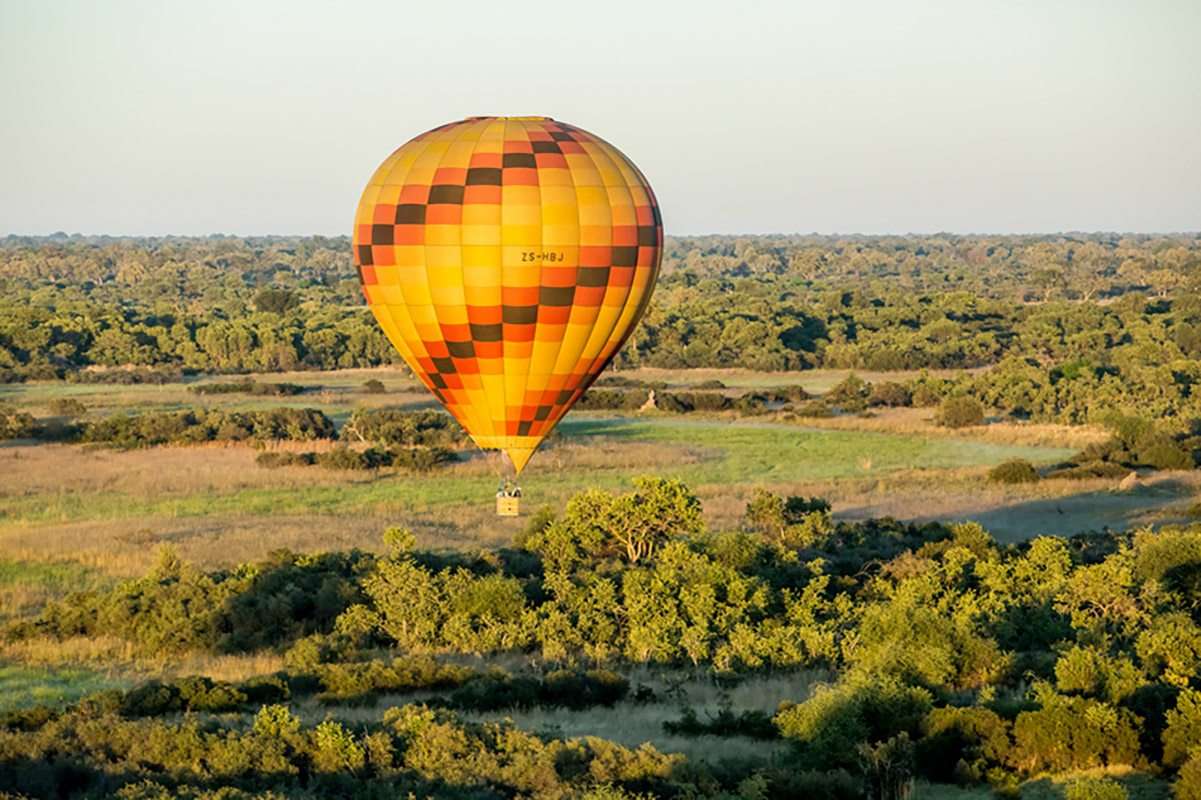
The Okavango Delta, best explored by mokoro canoe through its flooded channels, is home to an enormous concentration of predators and birdlife. Chobe National Park holds some of the largest elephant herds on the continent, with close sightings along the Chobe River especially strong during the dry season.
Victoria Falls
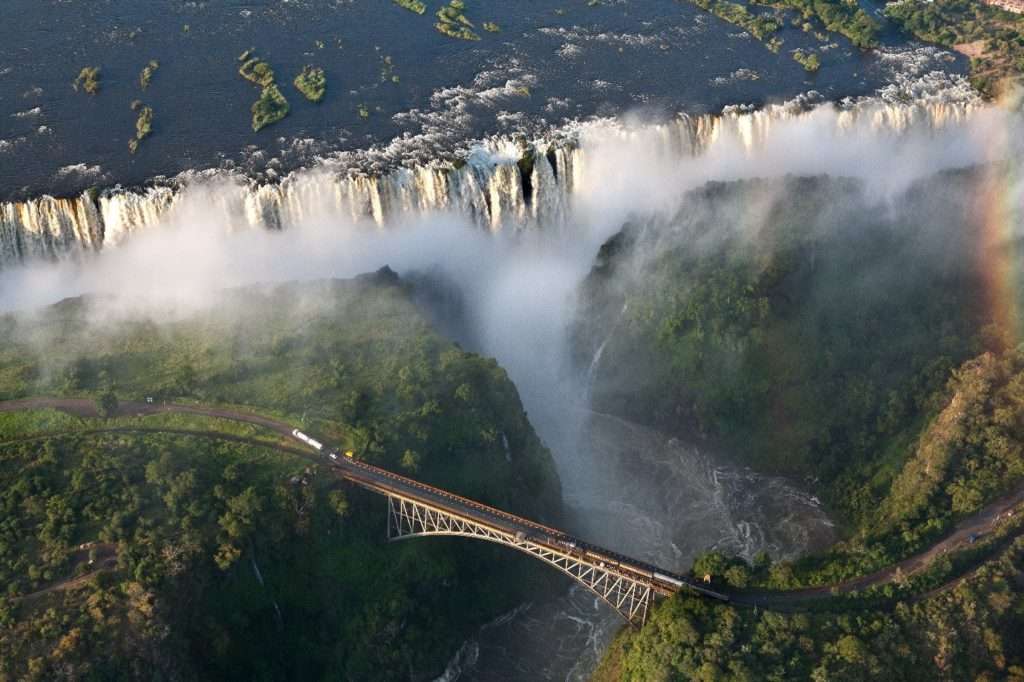
Straddling the border of Zimbabwe and Zambia, Victoria Falls is one of the seven natural wonders of the world and a near-standard add-on to a Southern Africa itinerary rather than a standalone trip. High water season runs roughly March to July, when the falls are at their most dramatic, and low water season from September to December suits activities like white-water rafting better.
Message me directly for a tailor-made Victoria Falls itinerary built around your dates and the rest of your Southern Africa route.
Zimbabwe
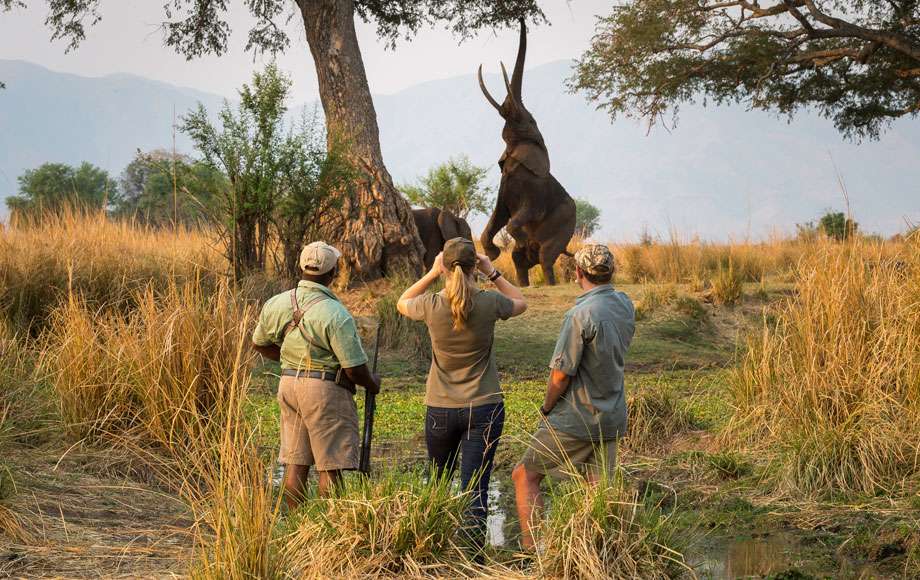
Beyond the Falls themselves, Zimbabwe holds two genuinely strong safari parks in their own right. Hwange National Park holds one of the largest elephant populations anywhere on the continent, with dry-season game viewing around its pumped waterholes that rivals anywhere on the continent. Mana Pools, a UNESCO World Heritage site along the Zambezi floodplain, is known for exceptional walking safaris and canoe trips, and for close, unfenced encounters with elephant and lion that made it the backdrop for a well-known wildlife documentary series. This is informational rather than a current TourwithPipi offering, but it’s genuinely worth knowing about for travelers who want more than just the waterfall out of a Zimbabwe stop.
Namibia
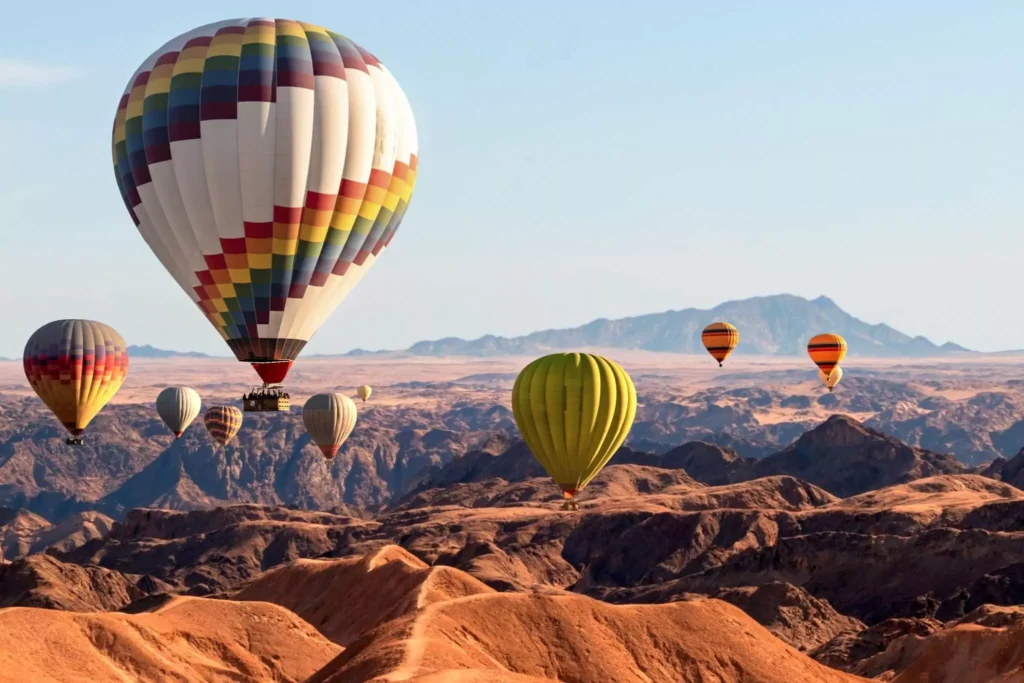
Namibia’s Etosha National Park is considered one of Africa’s best self-drive destinations thanks to its well-maintained roads, and the towering dunes at Sossusvlei add a genuinely different landscape to a Southern Africa trip. This is informational rather than a current TourwithPipi offering, but it’s worth knowing about if desert scenery is a priority for your trip.
Zambia
South Luangwa National Park is widely credited as the birthplace of the walking safari, with a genuine density of elephant, hippo, and lion around its rivers and lagoons. This is worth knowing about for travelers specifically chasing a walking-focused trip rather than a vehicle-based one.
Mozambique
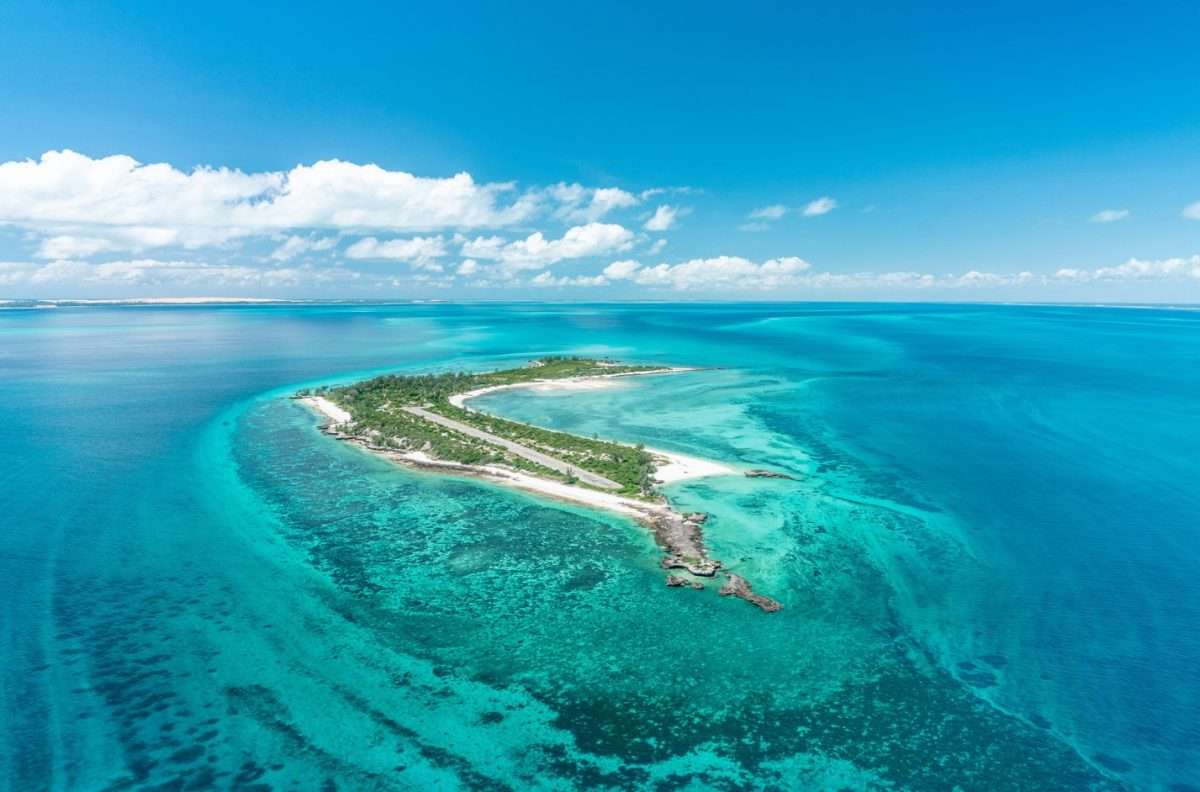
Mozambique isn’t really a wildlife safari destination in its own right, but it’s a genuine option for the beach half of a Southern Africa trip, particularly the Bazaruto Archipelago’s turquoise water and coral reefs. It’s most often paired with a South Africa or Zimbabwe safari as the coastal leg, similar to how Zanzibar works alongside a Kenya or Tanzania safari.
Beach and Island Add-Ons for Each Region
Neither region requires you to end the trip on wildlife. Both have a strong beach and island option nearby, and they suit slightly different travelers.
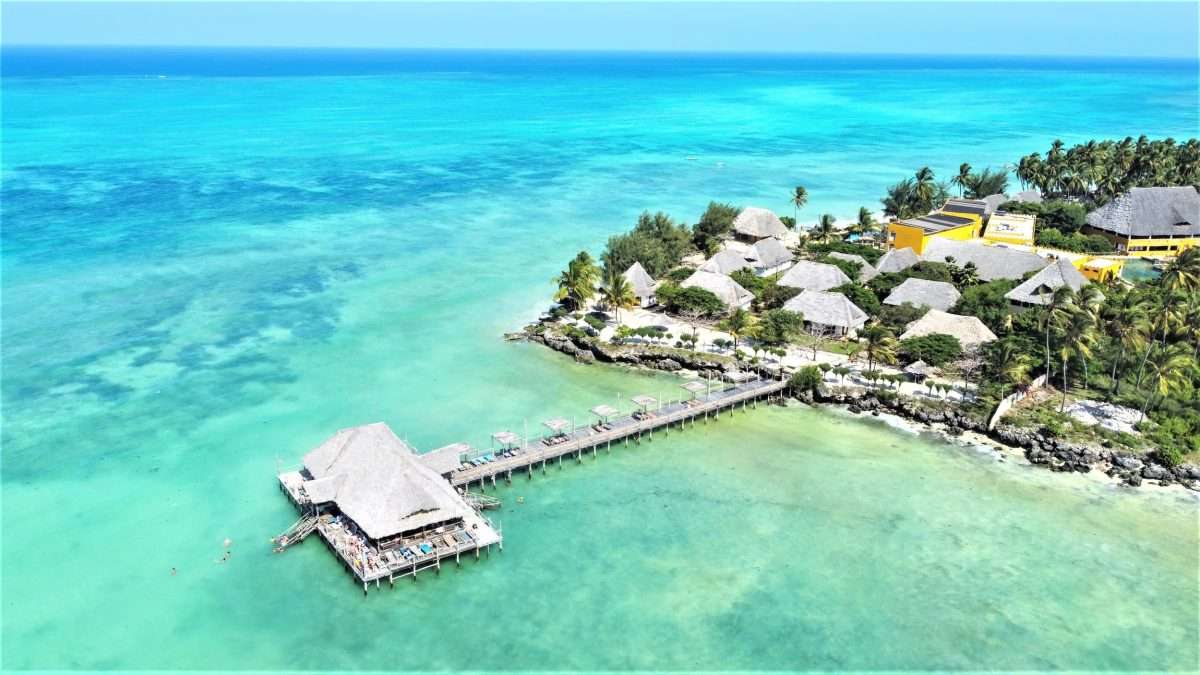
East Africa’s beach add-on is almost always Zanzibar, a short flight from either Nairobi or the northern Tanzania safari circuit. Warm water, historic Stone Town, and a genuinely easy transition from dusty game drives to beach time make it the default choice, and the Seychelles is a further, more upscale alternative for honeymooners with a bigger budget.
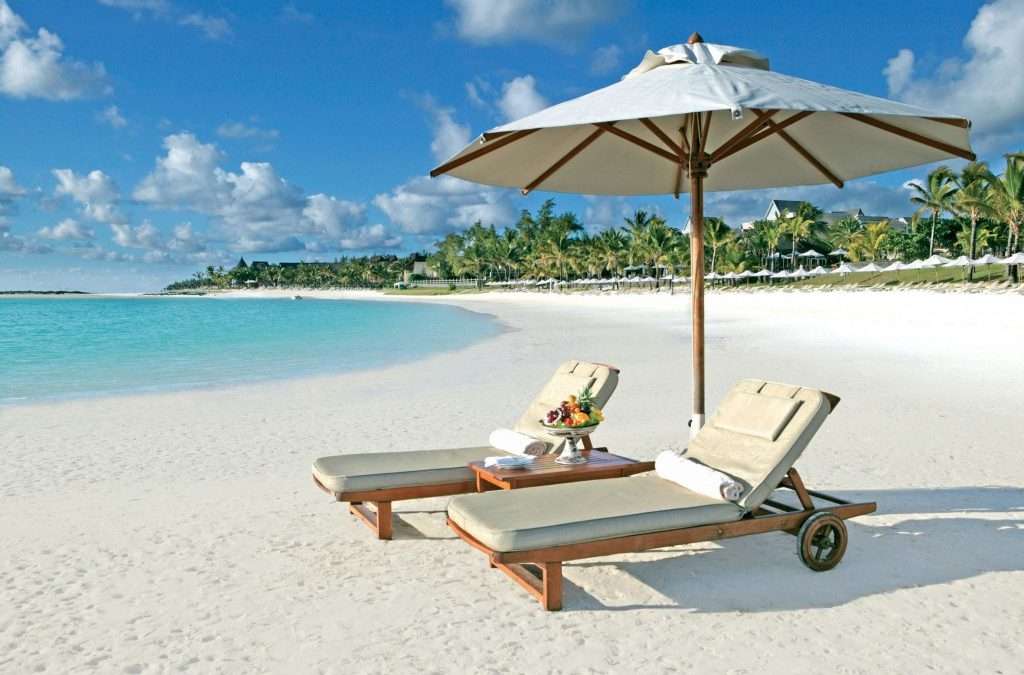
Southern Africa’s beach add-on more often means Cape Town’s beaches and coastline, or Mauritius and Mozambique for travelers wanting a dedicated tropical island stay separate from the safari itself. Cape Town in particular doubles as a genuine city break, not just a beach stop, which is part of why it pairs so naturally with a Kruger or Sabi Sand safari.
Cape Town also has a strong seasonal draw East Africa doesn’t: whale watching. Southern right whales gather along the Cape coast, especially around Hermanus, roughly June through November, which is worth timing your Cape Town add-on around if it’s a priority.
Key Differences Between an East and Southern Africa Safari
East Africa rewards patience with scale and drama. Southern Africa rewards you with closeness and detail.
| East Africa | Southern Africa | |
|---|---|---|
| General Game Viewing | Strong year-round, thanks to open plains and resident wildlife | Best May to October, when animals cluster around water sources |
| Big Five Sightings | Reliable in Ngorongoro Crater and private Kenyan conservancies | Near-daily in Kruger’s private reserves |
| Great Migration | Present year-round across the Serengeti and Masai Mara | Not applicable |
| Off-Road Driving | Restricted in most national parks, allowed in private conservancies | Commonly allowed in Kruger’s private reserves and Botswana |
| Safari Vehicle | Closed 4×4 with a pop-top roof hatch | Open-sided 4×4 with tiered seating |
| Multi-Park Road Trips | Genuinely practical, several parks in one circuit | Usually requires flights between regions |
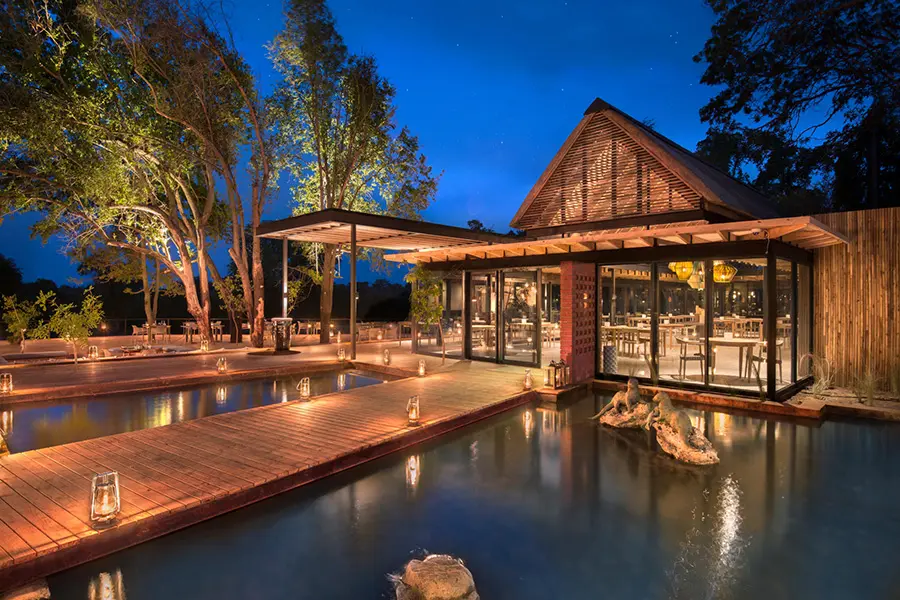
| Accommodation Style | Mostly traditional lodges and tented camps | Mostly contemporary, design-forward luxury lodges |
| Cultural Access | Maasai and Samburu village visits are common add-ons | Less centered on village visits, more on the landscape itself |
| Popular Activities | Game drives, bush walks, balloon safaris | Game drives, bush walks, boat and canoe safaris |
| Easy Add-Ons | Zanzibar, gorilla trekking | Victoria Falls, Cape Town |
The accommodation difference is worth sitting with for a moment. East African camps, especially in the Mara and Serengeti, tend to lean into a traditional canvas-and-thatch safari look, while Southern African lodges, particularly in South Africa, more often go for a sleek, architect-designed aesthetic. Neither is better, but it does change the feel of a trip, and it’s worth telling your travel planner which look you actually prefer.
Best Time to Visit East vs Southern Africa
| East Africa | Southern Africa | |
|---|---|---|
| Dry Season | January to March, June to October | May to October |
| Wet Season | April to May (long rains), November to December (short rains) | November to April |
| Peak Migration Viewing | August to November in the Masai Mara, December to July in the Serengeti | Not applicable |
| Gorilla Trekking Season | June to September, December to February | Not applicable |
| Victoria Falls | Not applicable | March to July, high water; September to December, low water |
East Africa’s two rainy seasons work differently from each other. The April to May long rains are heavy enough that some camps close for maintenance, while the shorter November to December rains tend to arrive in brief afternoon bursts, cooling things down and greening up the landscape without seriously disrupting game drives. That short rains window is genuinely underrated, since rates drop and the crowds thin out while the game viewing stays strong.
Costs: Is East Africa or Southern Africa More Expensive?
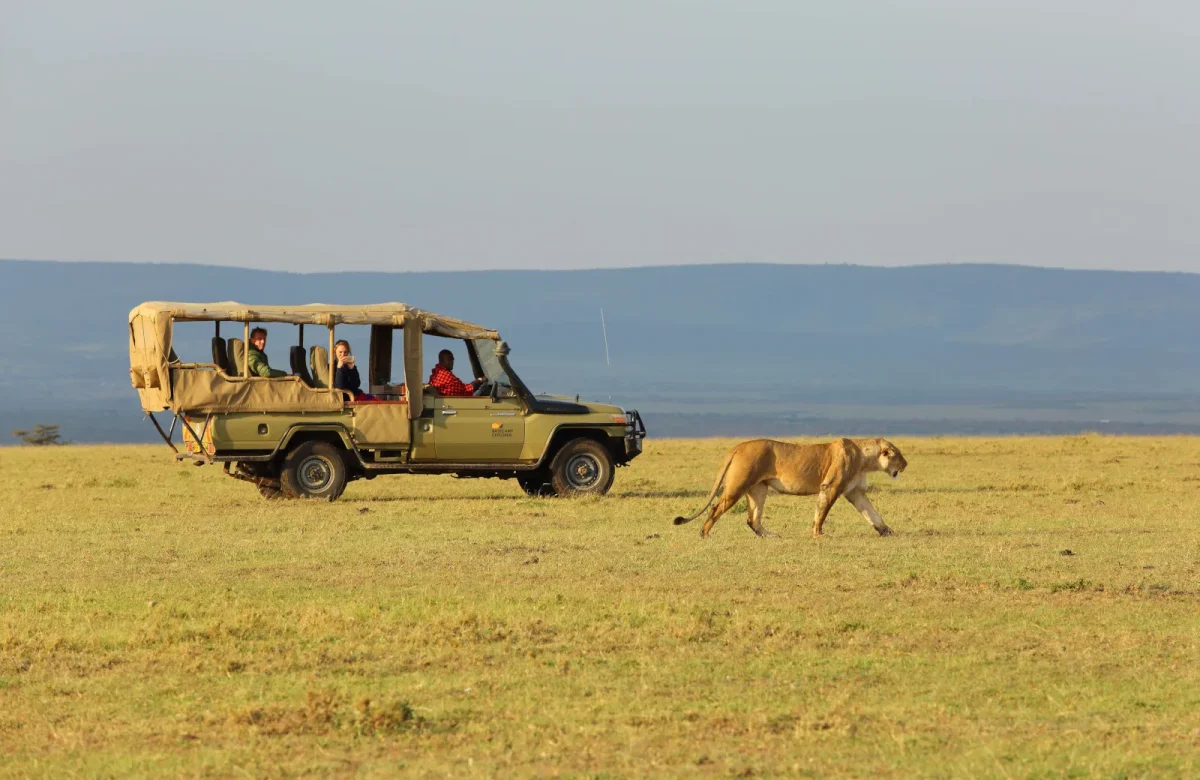
Southern Africa is generally cheaper. Botswana is the expensive exception to that rule.
Southern Africa, and South Africa specifically, is generally the more affordable of the two regions, largely thanks to stronger road infrastructure and the option to self-drive through parks like Kruger. A Kenya or Tanzania safari typically runs $350 to $800 per person per day at a comfortable mid-range level, while a similar-tier South African safari often comes in lower, closer to $150 to $600 per day, depending on the specific reserve.
Botswana is the outlier and genuinely the most expensive safari country in the region by design, since its government deliberately limits visitor numbers to protect the Okavango Delta and Chobe, with daily rates commonly running $600 to $800 and climbing well past $2,000 at the top end.
| Cost Factor | East Africa | Southern Africa |
|---|---|---|
| Mid-range daily rate | $350 to $800 per person | $150 to $600 per person (South Africa); $600+ in Botswana |
| Park fees | Often $60 to $90 per person, per day | Kruger runs roughly R602 (about $33) per day for non-residents |
| Gorilla trekking permit | $700 to $1,500, separate from the daily rate | Not applicable |
| Self-drive option | Limited | Genuinely practical, especially in Kruger and Etosha |
| International flights (from the US) | $1,100 to $3,500 round trip | $1,000 to $3,200 round trip |
Health, Visas, and Logistics: South and East Africa Compared
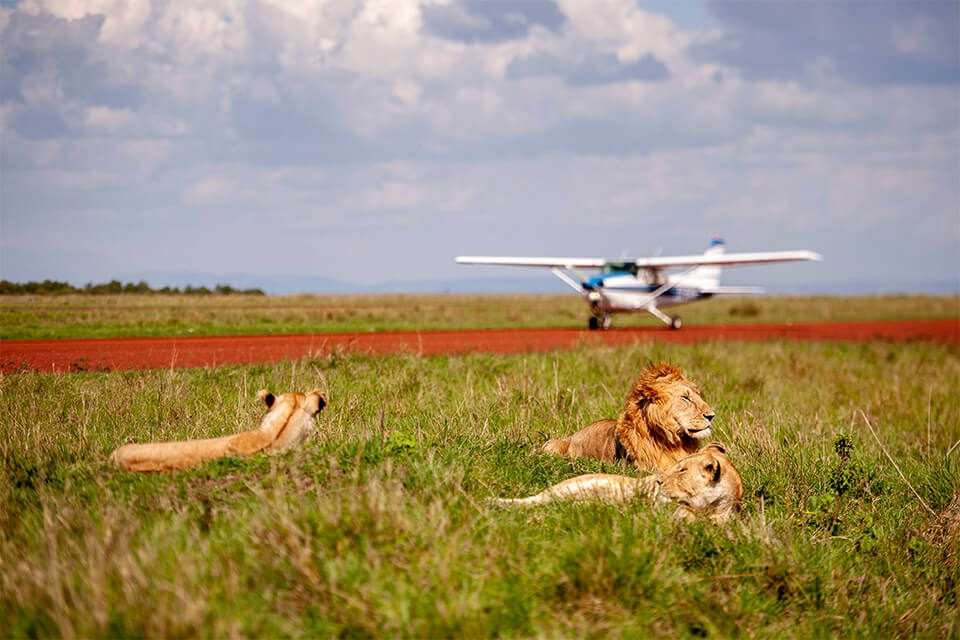
Beyond wildlife and cost, a few practical differences between the two regions genuinely affect how a trip comes together.
- Malaria risk. Most of East Africa sits in a high-risk malaria zone year-round. Southern Africa is more mixed. Kruger and the Okavango Delta carry real malaria risk, while a genuine cluster of malaria-free reserves exists in South Africa, including Madikwe and Pilanesberg, giving families with young kids a real workaround that East Africa doesn’t offer in the same way.
- Yellow fever. Kenya and Tanzania both require proof of yellow fever vaccination for entry. Requirements across Southern Africa vary more by country and by where you’re arriving from, so it’s worth checking the specific requirement for your itinerary rather than assuming.
- Visas. Kenya uses an eTA system that generally costs around $30 to $50 per person. South Africa and Botswana both allow visa-free entry for a wide range of nationalities, which can make a South and East Africa combined trip logistically easier on the Southern leg than the Kenya or Tanzania leg.
- Time zones and flight connections. East Africa runs on East Africa Time, generally a smoother adjustment for European travelers than for those arriving from the Americas. Southern Africa’s major hub, Johannesburg, has strong long-haul connections from both Europe and North America, which is part of why it’s often the easier region to reach directly.
How Many Days Do You Need in Each Region?
| Trip Style | East Africa | Southern Africa |
|---|---|---|
| Single-country introduction | 7 to 9 days (Kenya or Tanzania) | 6 to 8 days (South Africa) |
| Multi-park circuit within one country | 9 to 12 days | 8 to 10 days |
| Adding a beach or island leg | Add 3 to 5 days | Add 3 to 5 days |
| Adding gorilla trekking or a second country | Add 3 to 4 days | Add 4 to 6 days for Victoria Falls or Botswana |
| Combining both regions in one trip | 14 days minimum, realistically | 14 days minimum, realistically |
East Africa’s shorter minimum comes down to its road network. A single-country Kenya or Tanzania trip can cover two or three genuinely different parks by road without burning days on flights. A comparable Southern Africa trip more often needs an extra flight leg between regions, which is part of why it tends to run a day or two longer for the same number of stops.
Wildlife You Can Only See in One Region
Some species are effectively region-specific, which is worth knowing if a particular animal is the actual reason you’re booking the trip.
| Species | Where to See It |
|---|---|
| Mountain gorilla | Only Uganda and Rwanda, in East Africa |
| Wildebeest migration herds | Only Kenya and Tanzania, in East Africa |
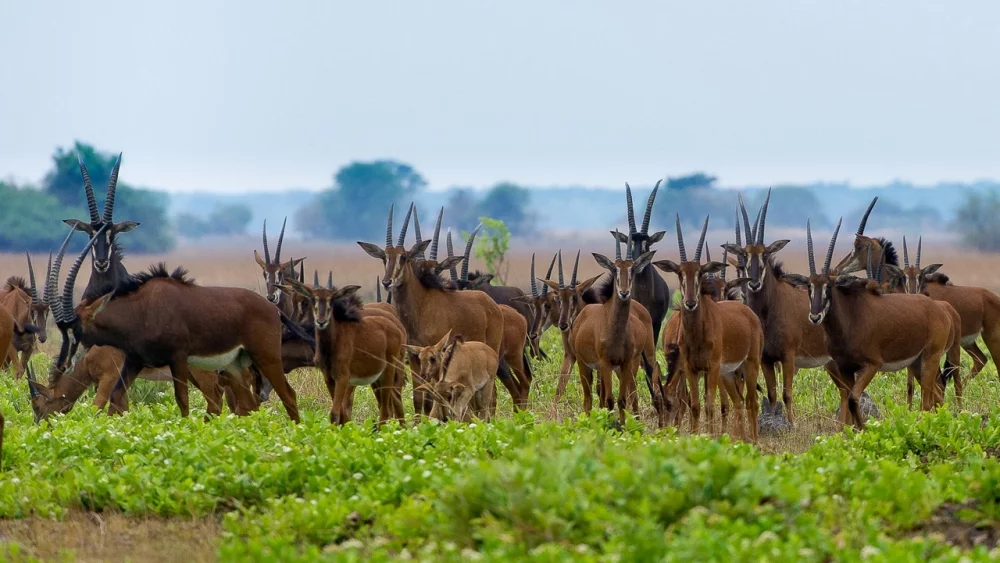
| Sable antelope | Southern Africa, notably Zimbabwe’s Hwange and South Africa’s Shimba Hills area |
| African wild dog, at strong densities | Botswana and Zimbabwe, in Southern Africa |
| Desert-adapted elephant | Namibia only, in Southern Africa |
| Special Five (Kenya’s Samburu region) | Only Samburu, in East Africa |
| Southern right whale | Southern Africa’s Cape coast, seasonally |
Which Traveler Type Fits Which Region?

| Traveler Type | East Africa | Southern Africa |
|---|---|---|
| Solo travelers | Kenya, Tanzania | South Africa |
| Couples | Kenya, Tanzania, Zanzibar | South Africa, Botswana |
| First-time safari-goer | Strong fit, especially Kenya | Strong fit, especially South Africa |
| Honeymooners | Kenya, Tanzania, Zanzibar | South Africa, Botswana |
| Families with children | Kenya, Tanzania | South Africa |
| Intrepid, off-the-beaten-path travelers | Uganda, Rwanda | Namibia, Zambia |
| Adventure and active travelers | Zanzibar for diving and water sports | South Africa, Victoria Falls |
| Travelers seeking a genuinely indulgent trip | Limited | South Africa, Botswana |
| Travelers wanting a self-drive option | Limited | South Africa, Namibia |
| Travelers on a tighter daily budget | Moderate | Stronger fit, outside Botswana |
| Travelers chasing the Great Migration | The clear choice | Not applicable |
Can You Combine East and Southern Africa in One Trip?
Yes, though it’s a bigger undertaking than most guests expect, since the two regions aren’t adjacent and typically require a connecting flight through Johannesburg, Nairobi, or a similar hub rather than a short hop. When guests do combine them, it’s usually because they want both the Great Migration and Victoria Falls or Cape Town in the same trip, and are willing to spend two full weeks or more to do it properly.
If that’s genuinely what you want, I’d rather build it as two focused legs, a proper Kenya or Tanzania safari followed by a separate South Africa or Victoria Falls leg, rather than rushing both regions into a single overcrowded itinerary. Message me on WhatsApp with your total trip length and I’ll tell you honestly whether combining both regions makes sense for your dates, or whether you’re better off picking one region and doing it properly.
Ready to Choose Your Region?

Tell me what matters most to you, the Great Migration, Big Five density, a beach add-on, or Victoria Falls, and I’ll tell you honestly which region fits, since I plan trips across both. Message me on WhatsApp to start planning.
Common Questions About East vs Southern Africa Safaris
Which is better, an East Africa or Southern Africa safari?
Neither is objectively better. East Africa is the stronger choice if the Great Migration or year-round game viewing matters most to you. Southern Africa is the stronger choice for Big Five density, off-road tracking, and pairing the safari with Cape Town or Victoria Falls.
Is East Africa or Southern Africa cheaper for a safari?
Southern Africa, particularly South Africa, is generally the more affordable option, thanks to better road infrastructure and genuine self-drive options. Botswana is the clear exception and is the most expensive safari country in the region.
Can I see the Great Migration in Southern Africa?
No. The Great Migration takes place entirely within Kenya’s Masai Mara and Tanzania’s Serengeti ecosystem in East Africa. It doesn’t occur in any Southern African country.
Which region is better for a first safari?
Both work well for a first-timer. Kenya is a strong pick in East Africa for its flexibility and range of family-friendly lodges, while South Africa is a strong pick in Southern Africa for its infrastructure and malaria-free reserve options.
Is it possible to combine East and Southern Africa in one trip?
Yes, but it requires a connecting flight between regions and usually a trip length of two weeks or more to do both properly. Guests planning a South and East Africa trip together should expect two distinct legs rather than one seamless route, since the regions aren’t adjacent. I generally recommend treating it as two focused legs rather than one rushed itinerary.
Blog Summary
- East Africa (Kenya, Tanzania) is the stronger choice for the Great Migration and year-round game viewing, while Southern Africa (South Africa, Botswana, Victoria Falls) offers denser Big Five sightings and off-road tracking.
- East Africa’s dry seasons run January to March and June to October, while Southern Africa’s single dry season runs May to October.
- Southern Africa, especially South Africa, is generally the more affordable region, while Botswana is the clear exception as the most expensive safari country on the continent.
- East Africa’s road network makes multi-park road trips genuinely practical, while Southern Africa more often requires flights between regions.
- Victoria Falls and Cape Town are the classic Southern Africa add-ons; Zanzibar and gorilla trekking are the classic East Africa add-ons, with Mauritius and the Seychelles as further upscale beach options in each region.
- Accommodation style differs too, with East Africa leaning traditional canvas-and-thatch and Southern Africa leaning contemporary, design-forward lodges.
- Cape Town adds a whale watching season, roughly June through November, that East Africa has no real equivalent to.
- Kenya and South Africa both work well for a first-time safari-goer, for different reasons.
- Malaria risk runs high across all of East Africa, while Southern Africa offers a real cluster of malaria-free reserves in South Africa.
- Combining both regions in one trip is possible but requires a longer trip length and a connecting flight, and works best planned as two separate legs.
- Zimbabwe’s Hwange and Mana Pools, and Mozambique’s beaches, round out Southern Africa’s destinations beyond the Falls, Kruger, and Botswana.
- Some wildlife is effectively region-specific, including mountain gorillas and the Great Migration in East Africa, and desert-adapted elephant and southern right whales in Southern Africa.


