
The lions of the Masai Mara are the reason the reserve is considered the greatest wildlife destination on earth for big cat encounters. Estimates suggest around 850 to 900 lions reside within the Masai Mara ecosystem, with densities as high as 25 to 30 lions per 100 square kilometres in prime areas. That is the highest lion concentration in Kenya and one of the highest anywhere in Africa.
How many lions are there in Kenya? Kenya is home to approximately 2,000 to 2,500 lions, with major populations in the Masai Mara, Amboseli, Tsavo, and Laikipia
Quick Answer: Lions in Masai Mara Kenya
| Fact | Detail |
|---|---|
| Lion population in Masai Mara | 850 to 900 individuals |
| Lion density | 5 lions per 100 sq km across the reserve, up to 25 to 30 in prime areas |
| Total Kenya lion population | Approximately 2,000 to 2,500 |
| Best time to see lions | Year-round. July to October for Migration predator action |
| Most active hours | Dawn and dusk, often nocturnal hunters |
| Pride size | 3 to 30 individuals, typically 15 to 20 |
| Famous prides | Marsh Pride, Paradise Pride, Rekero Pride, Topi Pride |
| Conservation status | Vulnerable (IUCN Red List) |
| Best camps for lion sightings | Governors Camp (Marsh Pride territory), Naboisho Camp |
The Life of a Lion in the Masai Mara
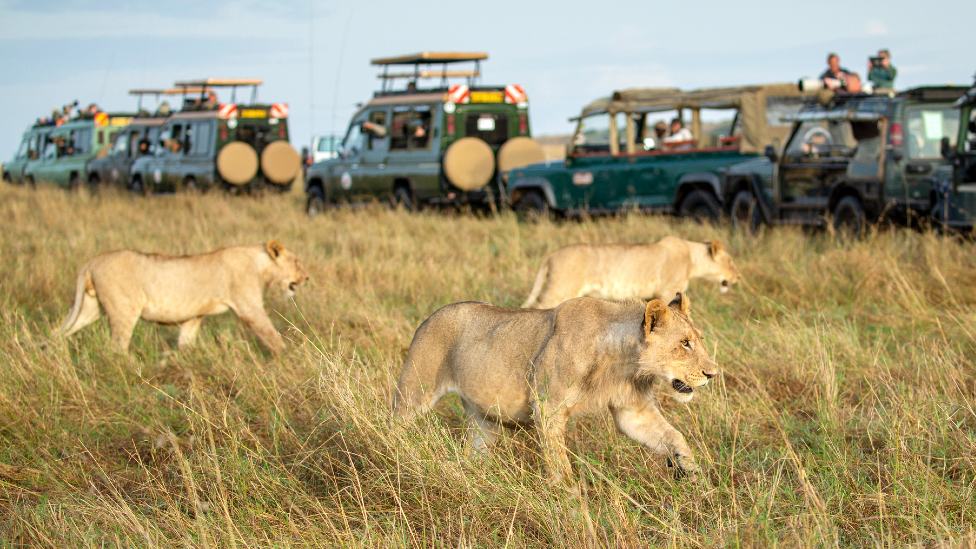
The lion in Masai Mara is the largest of Africa’s big cats and the most sociable. Lions live in prides of 15 to 20 members, with up to three dominant males, several adult females, and a number of sub-adults and cubs. The dominant male holds territories of 20 to 400 square kilometres within which several female prides live.
Lionesses do most of the hunting in the Mara, using silent coordinated teamwork to bring down prey. They favour wildebeest and zebra, but also take buffalo, warthog, topi, and gazelle. Males assist with large dangerous prey like buffalo. Because of their high metabolism, lions sleep about 20 hours a day. Kills are often made at night and the best morning game drive sightings frequently come from finding a pride still feeding at dawn.
The Famous Lion Prides of the Masai Mara
The Masai Mara’s prides are not anonymous groups. Guides and researchers track them individually, know their histories, and follow the drama of territorial battles, pride takeovers, and cub survival across seasons. These are the most notable prides and coalitions in the Greater Mara ecosystem:
Marsh Pride
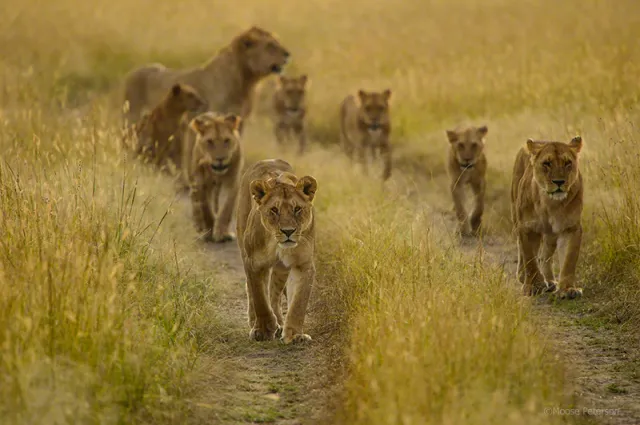
Location: Musiara area, western Masai Mara
The most famous lion pride in the world. Made internationally famous by the BBC’s Big Cat Diary, the Marsh Pride has been continuously documented for decades. They dominate the Musiara Marsh area, a prime hunting ground with year-round water and dense concentrations of prey. Leadership has changed multiple times through male coalition takeovers, and each transition has produced dramatic documented events followed by wildlife photographers and researchers worldwide. As of 2026, the legendary Marsh Pride continues to dominate the headlines and the Musiara ecosystem.
Paradise Pride
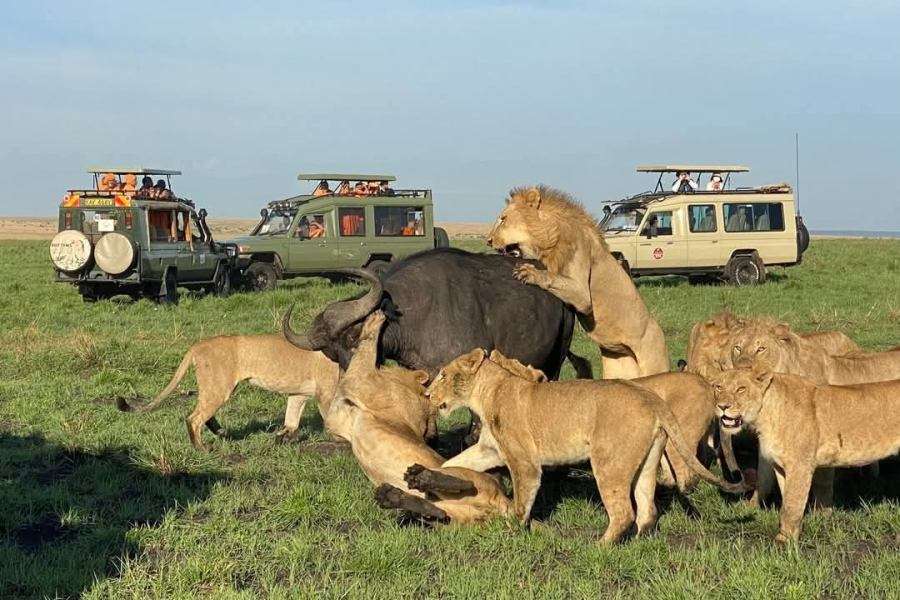
Location: Chinese Hill to Main Crossing area
One of the most observed prides during the Great Migration. The Paradise Pride is documented for dramatic interactions with Nile crocodiles at the Mara River crossings, where they hunt wildebeest at the water’s edge while avoiding crocodile attacks. Their territory along the main crossing area makes them one of the most photographed prides in Africa during July to October.
Rekero Pride
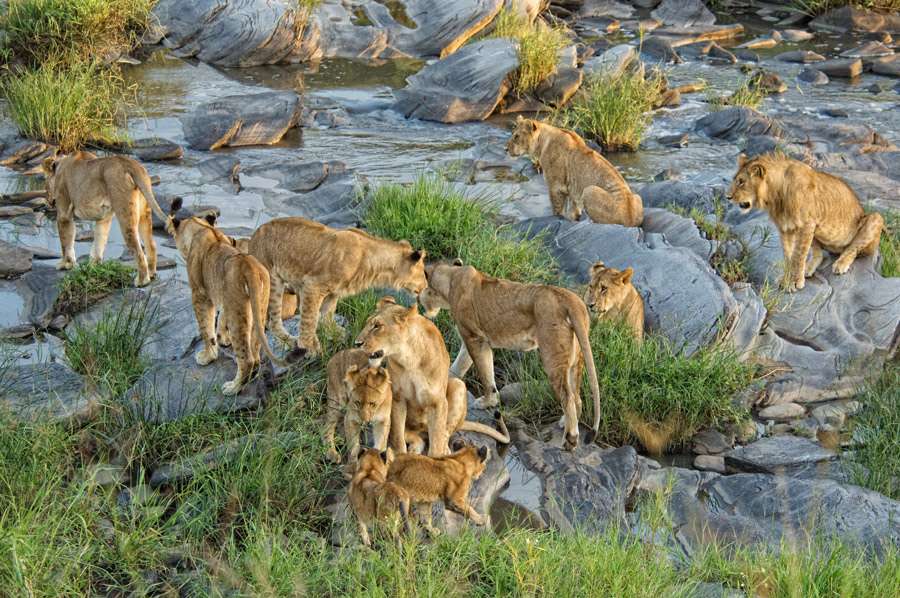
Location: Rekero Crossing, Naibor, and Entim areas along the Talek River
A large pride known for high cub survival rates and dramatic riverside ambushes. The Talek River is a year-round prey corridor and the Rekero Pride has mastered hunting along its banks. Guests staying at Rekero Camp frequently witness hunting behavior from the camp itself.
Topi Pride
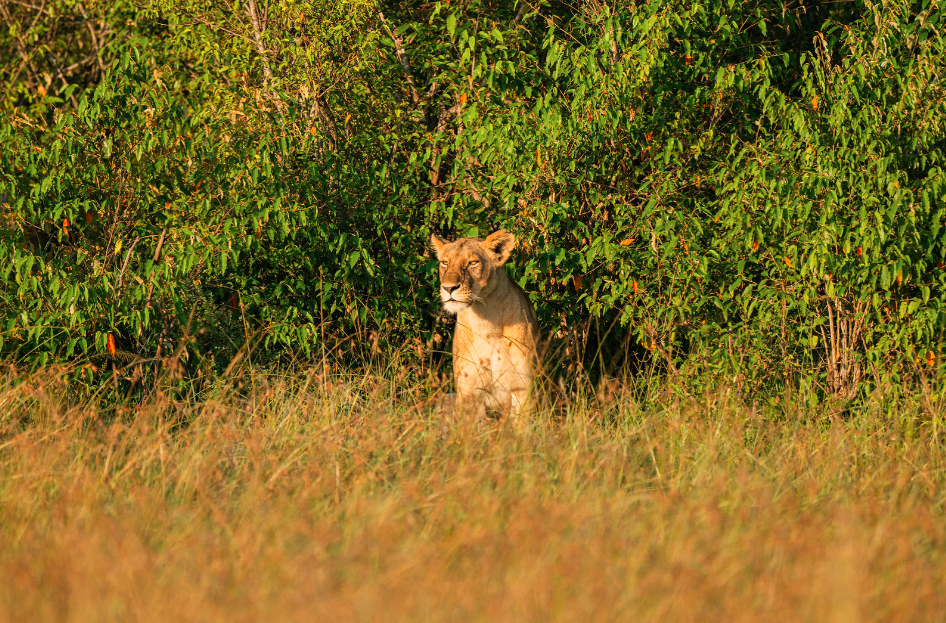
Location: Double Cross and Rhino Ridge areas
Named for their specialization in hunting Topi antelope, one of the fastest plains animals. High-speed chases across open grassland are characteristic of this pride. They have been expanding territory in recent years, pushing into neighboring pride ranges.
Rongai Pride
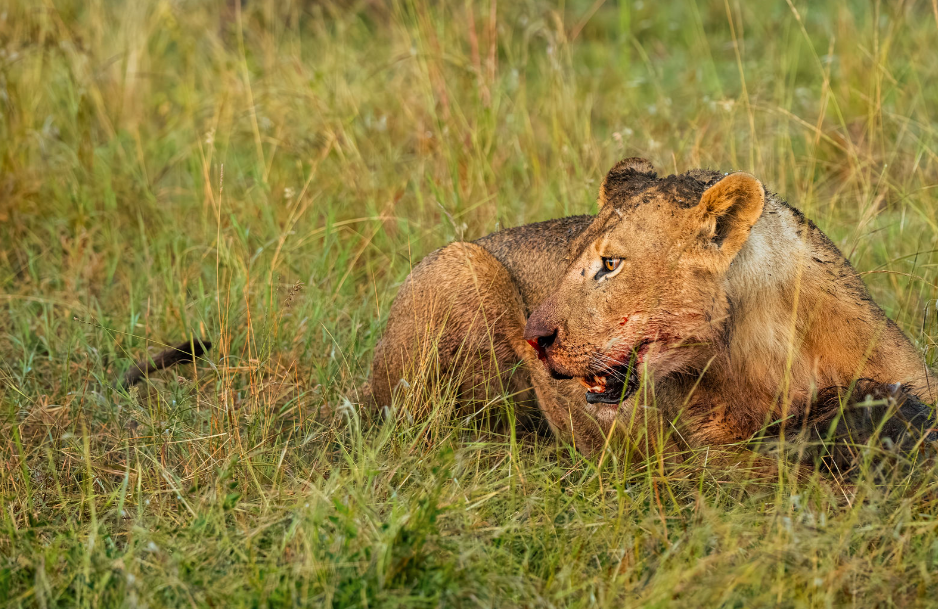
Location: Central Masai Mara
Known for resilient lionesses who have successfully raised multiple cub generations despite intense competition from neighboring prides. Frequently spotted along the open central plains during morning and evening game drives. Targets large prey including buffalo and zebra.
Survey Pride
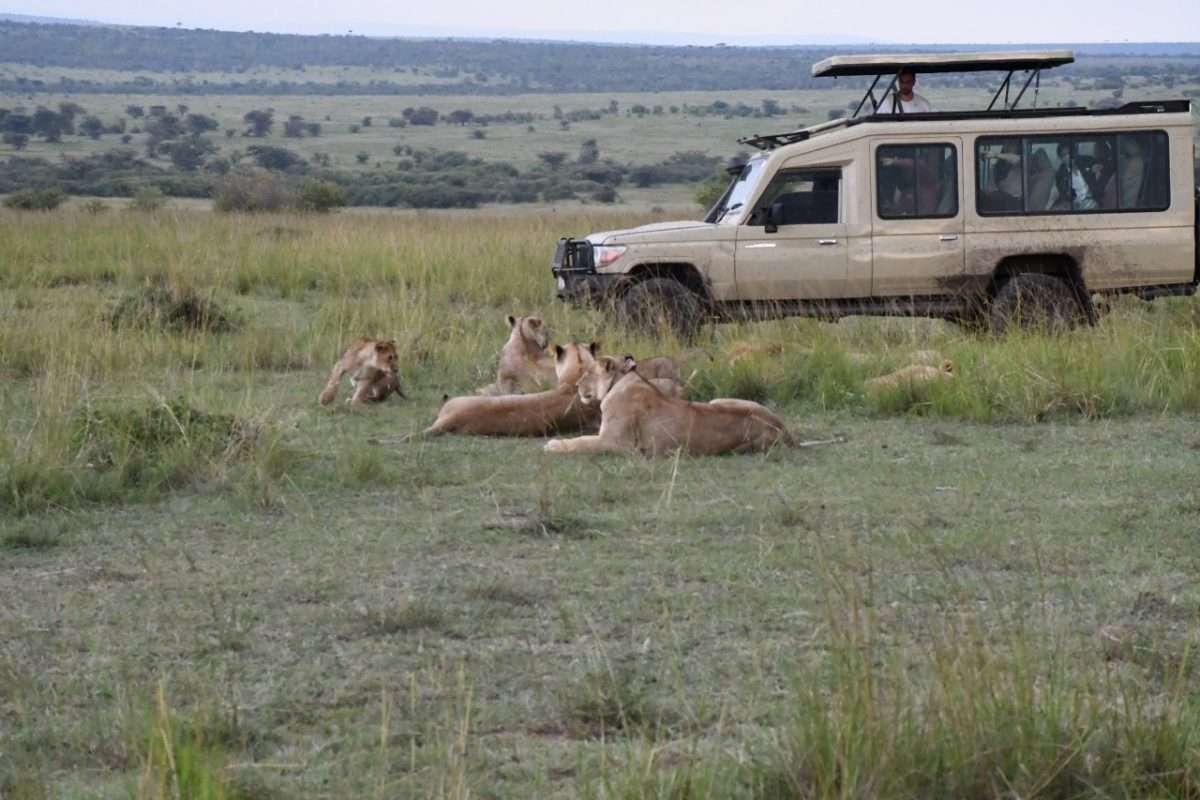
Location: Survey Hills, southern Mara
Notable for a strong coalition of males who have maintained dominance over the region for several years. The Survey Pride is known for intense territorial battles with neighboring groups, making them one of the more aggressive families in the reserve.
Black Rock Pride
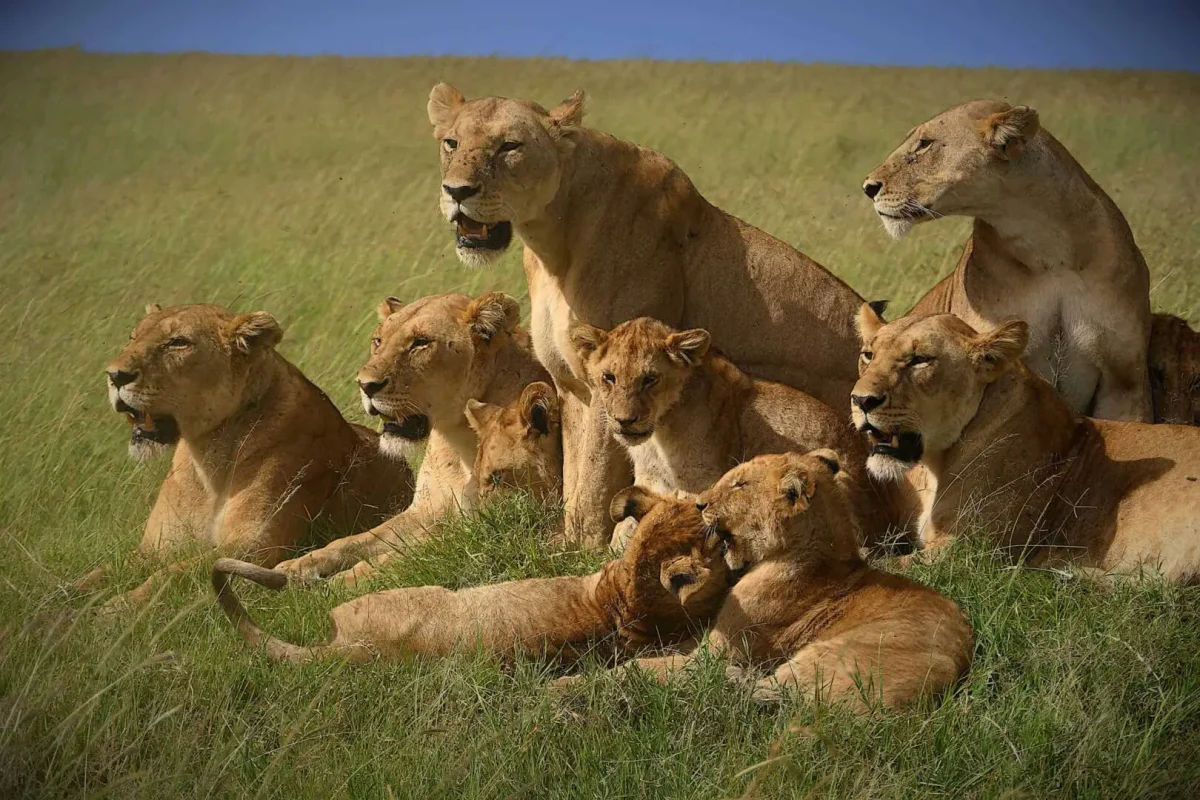
Location: Black Rock area, southeastern Greater Mara
Uses the Black Rock formations as vantage points for hunting ambushes. The rocky terrain gives them a tactical advantage. Their proximity to the Mara River means they take full advantage of migrating wildebeest from July to October.
Koka/Border Pride
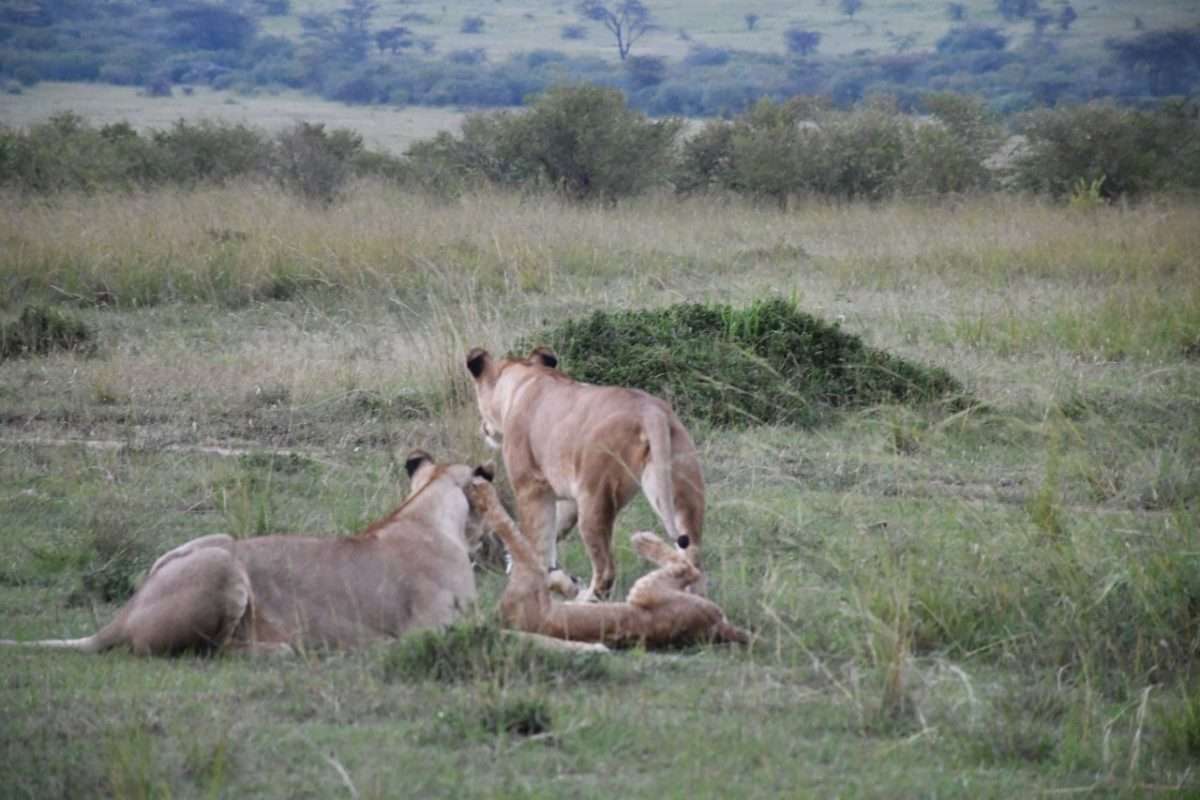
Location: Kaka Hills, southeastern Mara, straddling the Kenya-Tanzania border
Unique for moving freely between the Masai Mara and the Serengeti, following prey across the unfenced ecosystem boundary. Highly adaptable and closely tied to migration patterns on both sides of the border.
Figtree Pride
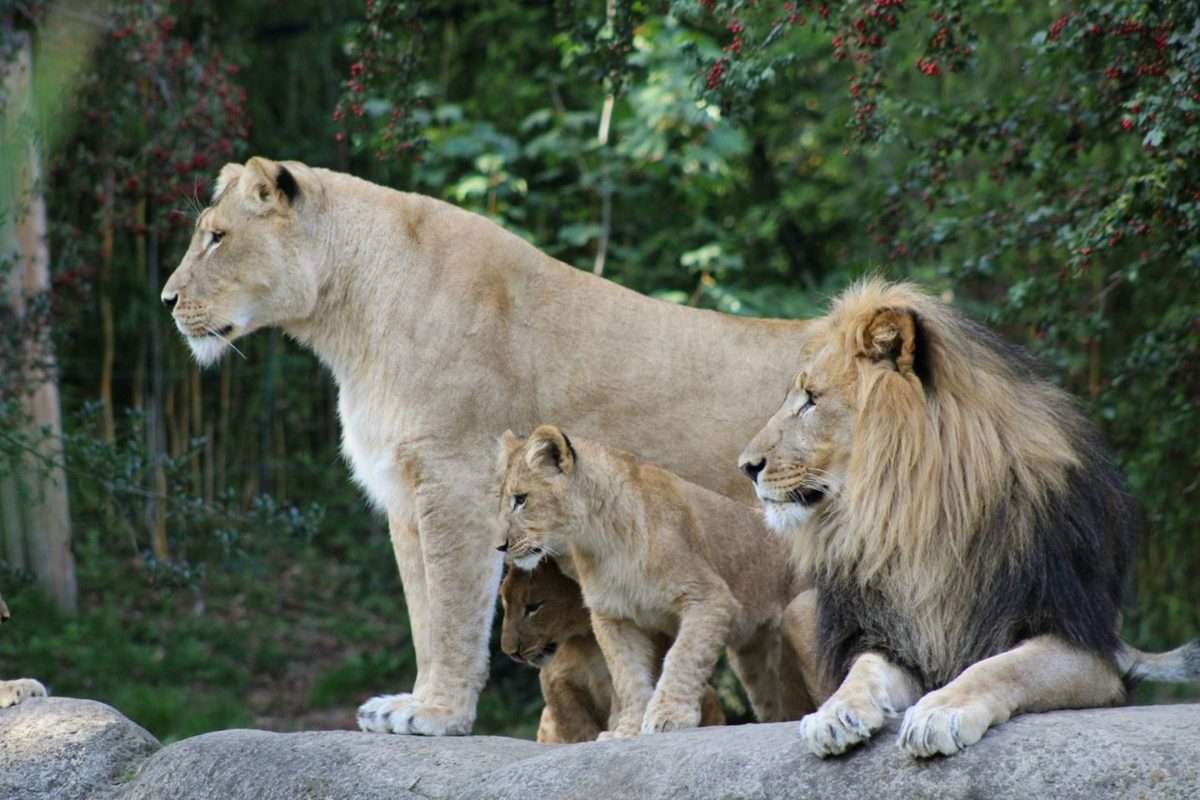
Location: Kananga area, sometimes moving to Olerai Conservancy
Well known for regular proximity to safari lodges and camps, making them highly accessible for visitors. High cub survival rate and stable dominant males who have held their territory for multiple seasons.
Kill Layon Pride
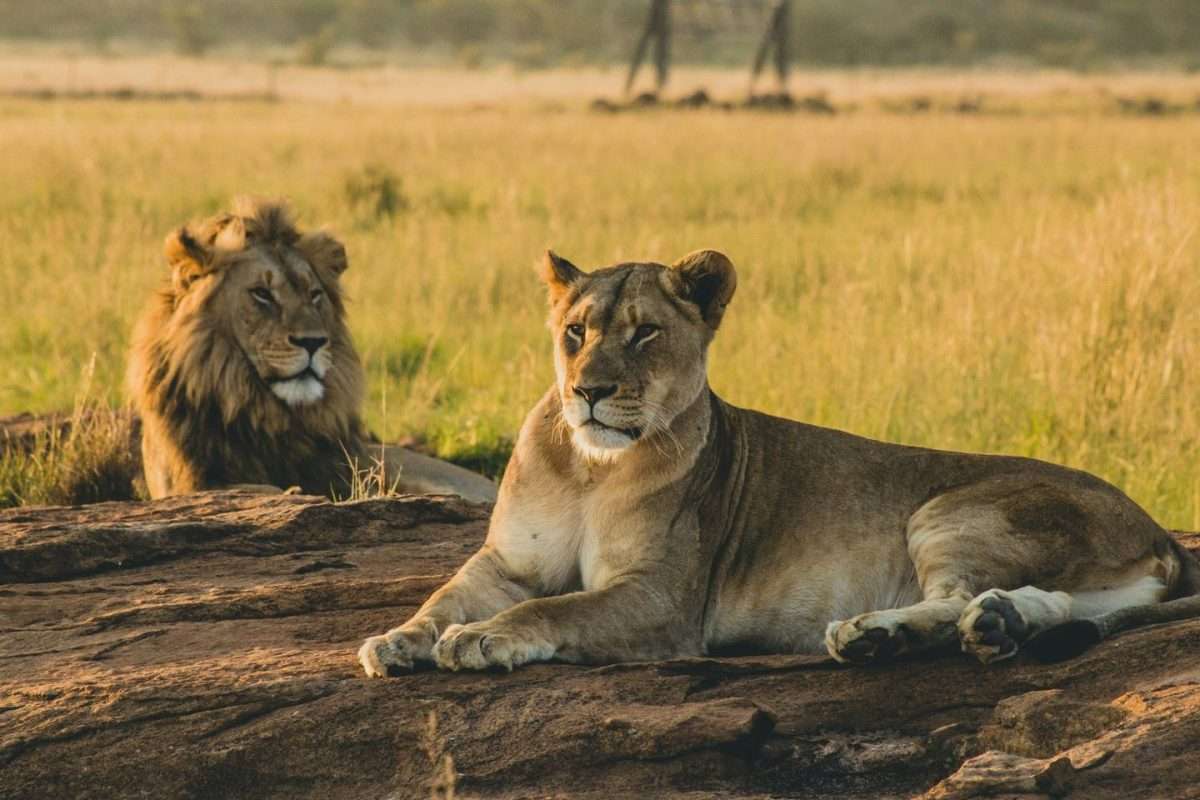
Location: Central Mara, near Olare Orok area
Known for bold hunting including documented giraffe kills, which are rare among lions. Dominant males have defended territory successfully for several seasons.
Maji Ya Fisi Pride
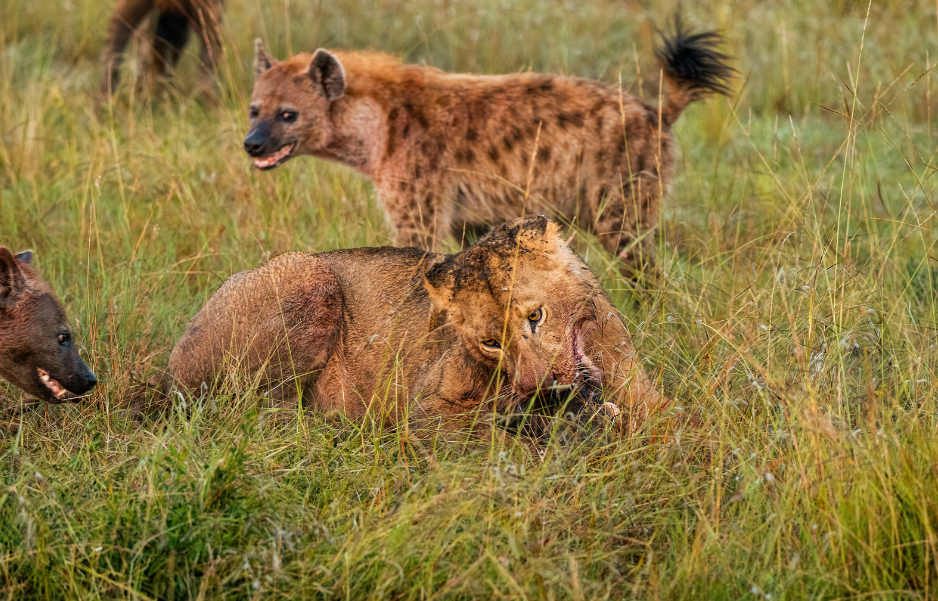
Location: Western Mara, near the Mara River
Name translates from Swahili as “Hyena Water.” This pride is defined by its ongoing rivalry with spotted hyenas in the area. Frequently observed at watering holes defending kills against large hyena clans.
Notable Male Coalitions
Kaskasi Boys: nomadic coalition of young powerful males, constantly challenging established pride leaders. Nomadic, unpredictable, and known for ferocity.
Isabella Boys: a coalition roaming from the Lookout area to the Tanzania border. Their sheer size and aggression make them a threat to smaller established prides.
When to See Lions in the Masai Mara
Lions in Masai Mara are visible year-round. There is no bad month for a lion sighting in the reserve. That said, certain seasons offer specific types of encounter:
| Season | Months | What to Expect |
|---|---|---|
| Great Migration | July to October | Lions hunting wildebeest and zebra near the Mara River. Most dramatic predator-prey interactions of the year |
| Calving Season | January to March | Wildebeest calves on the Serengeti/southern Mara. Easy prey = high kill rates and visible feeding |
| Short rains | November to December | Many lion cubs born during this period. Excellent for family sightings |
| Long rains | April to May | Lush green landscape, fewer visitors, good predator activity |
Time of day: Lions are most active at dawn and dusk. Morning game drives starting at 6:30 AM consistently produce the best sightings: prides returning from night hunts, mothers with cubs in the early light, and males marking territory at sunrise. Afternoon drives from 3:30 PM to 6:30 PM catch lions waking up from their midday rest and beginning to move.
During midday, lions rest in shade and are visible but inactive. Many guides use this quiet period to locate prides for afternoon drives.
Where to See Lions in Masai Mara: Best Areas
Musiara Marsh (northern reserve): Marsh Pride territory. Year-round lion sightings with one of the most documented prides in the world. Best accessed from camps near Governors Camp.
Central Mara plains (Seronera area equivalent): year-round resident lion prides including Rongai and Kill Layon. Open terrain makes spotting easy.
Main Crossing area (Paradise Pride territory): Migration season concentration of both predators and prey. Lion kills at the river happen regularly July to October.
Talek River corridor: Rekero Pride territory. Hunting along the river banks year-round.
Private conservancies (Mara North, Naboisho, Olare Motorogi): lower vehicle density means more natural lion behavior. Off-road driving in conservancies allows guides to position vehicles closer without disturbing the animals.
See the Lions of the Masai Mara with TourwithPipi

Every TourwithPipi Kenya safari includes private game drives in a dedicated 4×4 Land Cruiser with a certified guide who tracks the Mara’s lion prides daily. No shared vehicles, no rushed drives, no fixed group schedules.
6-Day Luxury Kenya Safari, Signature — From $3,799 Masai Mara game drives including full morning and afternoon sessions across multiple days.
7-Day Masai Mara Safari and Watamu Beach — From $3,699 Masai Mara lion country followed by time on the Kenyan coast.
8-Day Kenya Flying Safari, Signature — From $5,519 Fly-in to the Mara with maximum time in the reserve and minimal time in transit.
Talk to our team on WhatsApp to plan a Kenya safari built around the best lion sightings in the Mara.
Are There Lions in Kenya Beyond the Masai Mara?
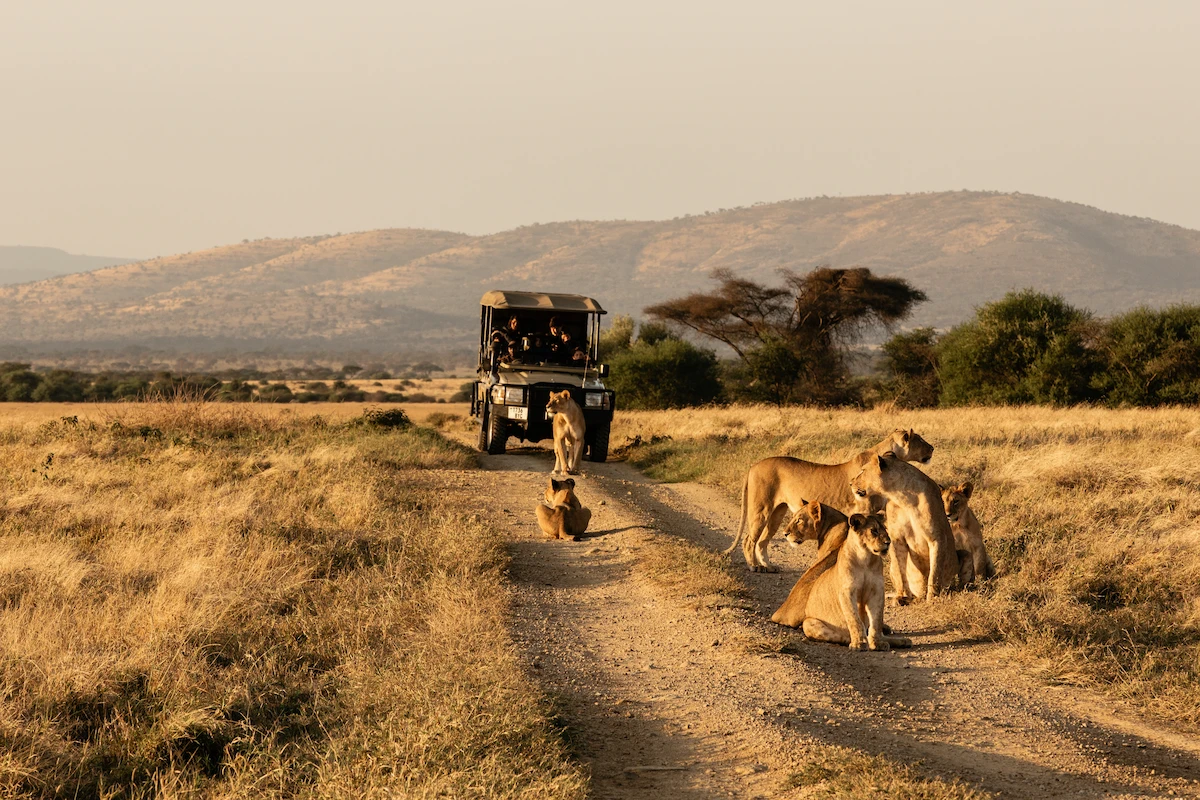
Yes. Kenya’s lions are distributed across the country’s national parks, national reserves, and private conservancies. Key populations outside the Mara include:
- Amboseli National Park: resident lion prides against the backdrop of Kilimanjaro. Smaller population but reliable sightings.
- Tsavo East and West: large but dense bush, making sightings less predictable. Tsavo is historically associated with the “Man-Eaters of Tsavo” (1898).
- Laikipia Plateau: growing lion population across private ranches and community conservancies. Less visited than the Mara but strong for serious wildlife researchers.
- Samburu National Reserve: northern lions adapted to more arid conditions and different prey base.
The Masai Mara remains the gold standard for lion in Masai Mara Kenya sightings because the open savannah terrain, high prey density, and well-habituated prides produce the most consistent and close encounters of any park in Kenya.
Lions and the Great Migration
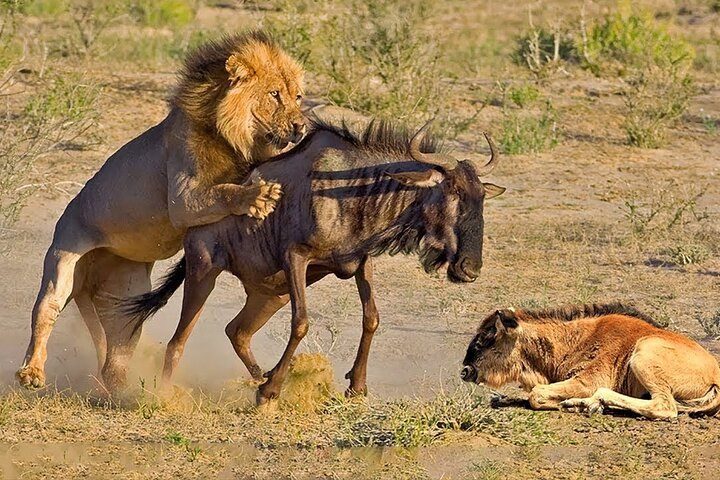
The Great Migration is the best time to see lions in Masai Mara Kenya at their most active. Between July and October, over 1.5 million wildebeest and 200,000 zebra pour into the Mara from the Serengeti. For the reserve’s lion prides, this is the equivalent of a feast arriving at the front door.
Lion prides position themselves along known migration routes and river crossing sites. The Paradise Pride works the Mara River crossings, hunting at the water’s edge while Nile crocodiles work the same prey from below. The Marsh Pride hunts across the open plains north of the marsh where wildebeest herds concentrate. Some prides take down four or five large animals in a single night during peak migration weeks.
Even outside migration season, the Mara’s resident herds of zebra, topi, impala, buffalo, and warthog provide year-round prey. Lions are never short of food here, which is why the population density remains among the highest in Africa.
Lion Safari Tips for Masai Mara
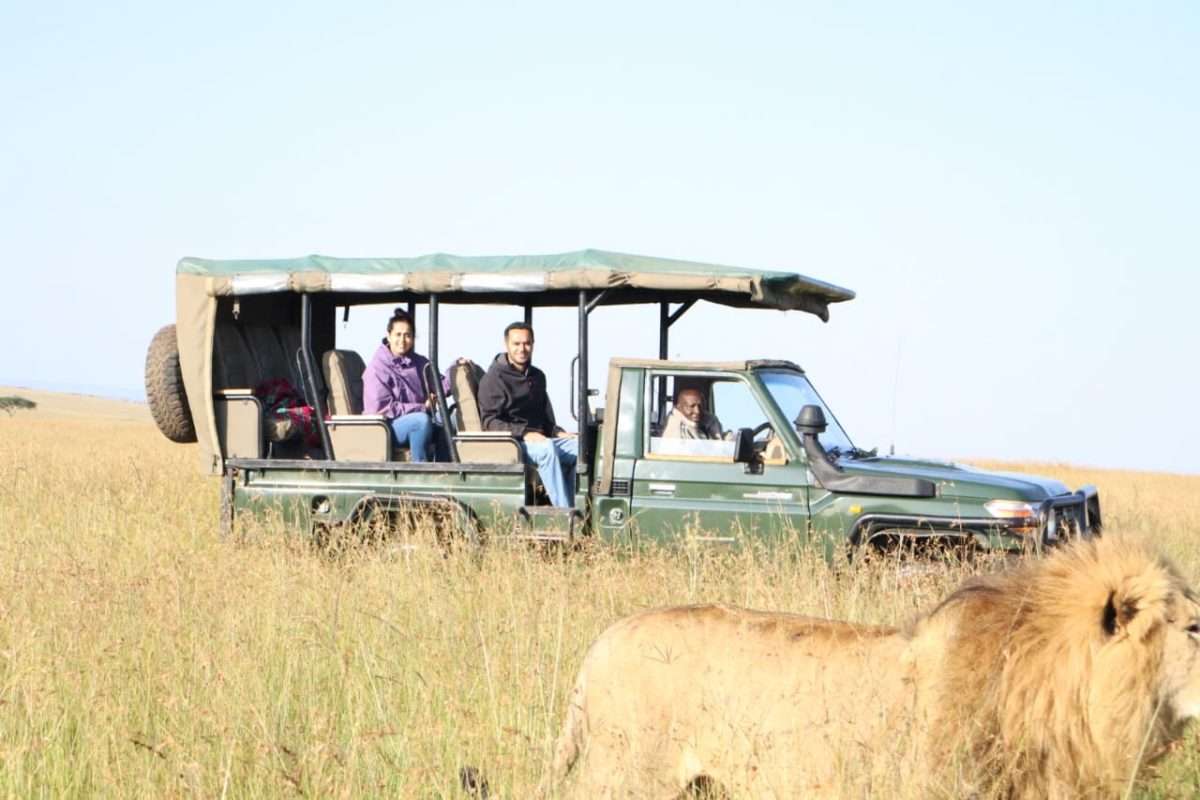
- Use a guide who tracks specific prides. The best sightings come from guides who know individual lions by name, track their known territories, and communicate on radio with other vehicles. A guide who says “that is the Marsh Pride, the older male on the left is the coalition dominant, he took over 18 months ago” transforms a lion sighting into a story.
- Stay out for full game drives. The most dramatic encounters, kills, mating, territorial roaring at sunset, happen at the edges of drives when most tourists have started heading back to camp. Staying until 6:30 PM consistently produces better sightings than leaving at 5:00 PM.
- Choose a conservancy for photography. Private conservancies allow off-road driving, meaning your guide can position the vehicle at the optimal angle relative to light direction. Morning light from the east and evening light from the west are when lion photography is best.
- Listen before you look. You will often hear the alarm calls of zebras or the agitation of wildebeest before you see a lion. Guides read these behavioral cues constantly. When vehicle radios start crackling, something is happening nearby.
Do Lion Prides in the Masai Mara Fight Each Other for Territory?
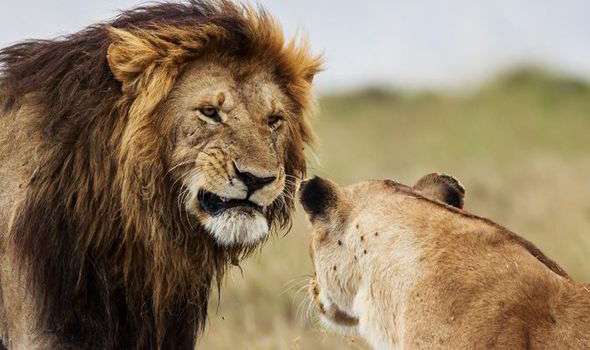
Yes, and it happens regularly.
- The Mara’s high prey density makes every kilometre of territory worth fighting for. When pride boundaries overlap or a nomadic coalition moves in, conflict follows.
- Male fights are serious: lacerations, broken bones, and fatal injuries are all documented outcomes in the reserve.
- Pride takeovers almost always lead to infanticide. Incoming males kill existing cubs to bring lionesses back into estrus and pass on their own genes.
- Nomadic coalitions like the Kaskasi Boys and Isabella Boys move through established territories specifically looking for weak or aging dominant males to challenge.
- Territory boundaries shift constantly. Disease, injury, or a run of failed hunts all create openings that neighboring prides exploit fast.
- When radios start crackling about a pride confrontation, every guide in the area moves toward it. These encounters are among the rarest sightings the Mara produces.
Game Drive Safety Tips While Spotting Lions: 5 Mistakes to Avoid
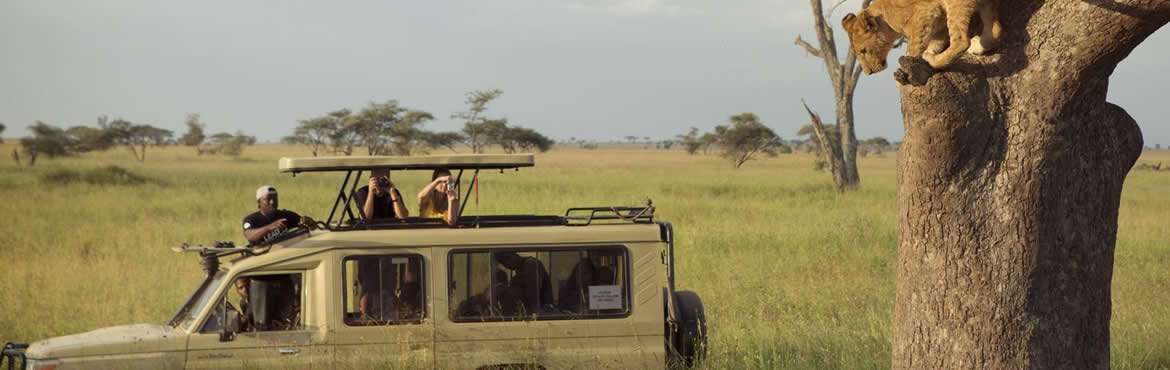
1. Never stand up or lean out of the vehicle. Lions are habituated to safari vehicles as a single unit. The moment a human shape rises above the roofline, that changes. A standing figure breaks the silhouette the animal has learned to ignore. Stay seated, especially near prides with cubs, do not stick your hand out of the vehicle.
2. Never open the vehicle door. It sounds obvious until you are watching a lion twenty metres away and someone reaches for the handle for a better angle. Doors stay closed at all times inside the reserve, no exceptions.
3. Never approach a lioness with cubs. Cubs look approachable. Their mothers are not. A lioness with young cubs is at her most alert and most reactive. Guides keep a safe distance. If yours does not, say something.
4. Never use flash photography near lions. Flash disorients animals and can trigger a stress response, especially at dusk or near cubs. Switch off your flash before the drive starts, not after someone already fires it.
5. Never rush the guide to move on. The instinct to collect sightings and move to the next animal is the enemy of safety. A guide who holds position is reading the situation. Impatient passengers who pressure guides to drive closer or stay longer than is safe create the conditions for incidents. Trust the guide’s judgment and let the drive unfold at their pace.
Frequently Asked Questions
How many lions are in the Masai Mara?
The Masai Mara ecosystem holds an estimated 850 to 900 lions, with densities as high as 25 to 30 per 100 square kilometres in prime hunting areas. It is the highest lion density in Kenya.
Are there lions in Kenya?
Yes. Kenya has approximately 2,000 to 2,500 lions across national parks, reserves, and private conservancies. The Masai Mara has the largest single population at around 850, followed by Tsavo, Amboseli, and Laikipia.
What is the best time to see lions in Masai Mara?
Lions are visible year-round. July to October offers the most dramatic encounters during the Great Migration when lion prides hunt at wildebeest river crossings. January to March (calving season) produces high kill rates. Dawn and dusk game drives are consistently best for active behavior.
What are the most famous lion prides in Masai Mara?
The Marsh Pride (Musiara area), Paradise Pride (Mara River crossing area), Rekero Pride (Talek River), and Topi Pride are the most documented. The Marsh Pride is internationally famous from BBC wildlife documentaries.
How do lions behave in the Masai Mara?
Lions in the Mara live in social prides, with lionesses hunting cooperatively and males protecting territory. They sleep up to 20 hours per day and hunt primarily at dawn, dusk, and through the night. Their roar carries up to 8 km. Cubs are nursed communally by all pride females.
What do lions eat in the Masai Mara?
Wildebeest and zebra are the primary prey, especially during the Great Migration. Year-round prey includes buffalo, warthog, topi, impala, and gazelle. On rare occasions, lions have been documented taking down giraffe.
Are lions dangerous on safari in the Masai Mara?
Lions are wild predators and are not tame. In a safari vehicle with a qualified guide, the risk is minimal. Lions are habituated to vehicles and do not react aggressively to them when approached calmly. The risks increase only if guests leave the vehicle or if guides behave irresponsibly near lions with cubs.
What is the Mara Predator Conservation Programme?
It is a research and conservation initiative that monitors big cats, including lions, across the Masai Mara ecosystem. The programme tracks individual lions, studies territorial dynamics, and works with Maasai communities to reduce human-wildlife conflict through education and practical livestock protection measures.
Key Takeaways
- The Masai Mara holds 850 to 900 lions, the highest density in Kenya and one of the highest in Africa.
- Kenya lions total approximately 2,000 to 2,500 across all parks and reserves. The Mara holds roughly 40% of Kenya’s entire lion population.
- Lions in Masai Mara are visible year-round. The best season for predator-prey encounters is July to October during the Great Migration.
- The Marsh Pride is the most famous lion family in the world, documented for decades in the Musiara area.
- Lions live in prides of 15 to 20 members, with lionesses doing most of the hunting. Males protect territory and assist with large prey.
- A lion’s roar can be heard up to 8 km away. Hearing one at dawn from a tent in the Mara is one of the defining Africa experiences.
- Morning drives starting at 6:30 AM and afternoon drives from 3:30 PM produce the most active lion encounters.
- Private conservancies (Mara North, Naboisho, Olare Motorogi) offer off-road driving and lower vehicle density for better photography and more natural behavior.


