
Do lions eat humans? Yes, they can and sometimes they do. But it is not common, and it is not something that should stop you from going on safari. Lions are wild predators at the top of the food chain. Humans are not their natural food, but under certain conditions, lions do attack and eat people. This guide explains exactly when it happens, why it happens, and what the actual risk is for a safari traveler.
What Do Lions Normally Eat?
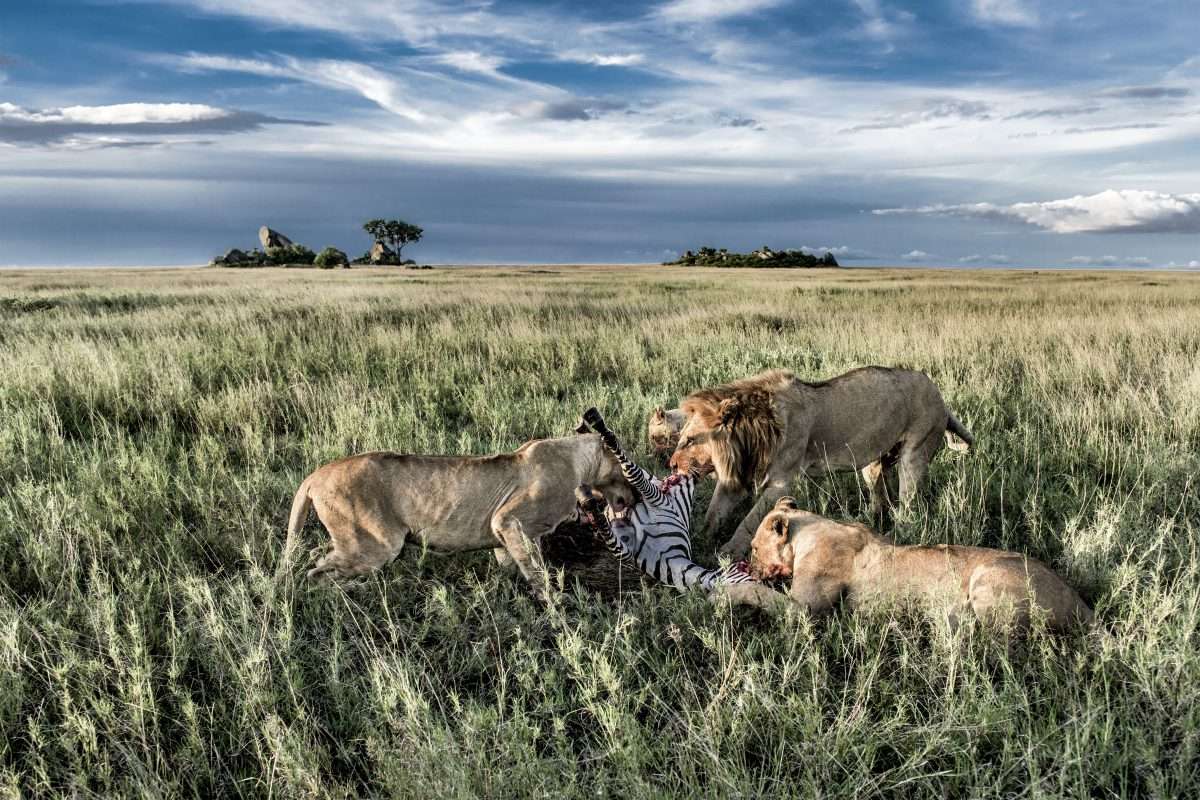
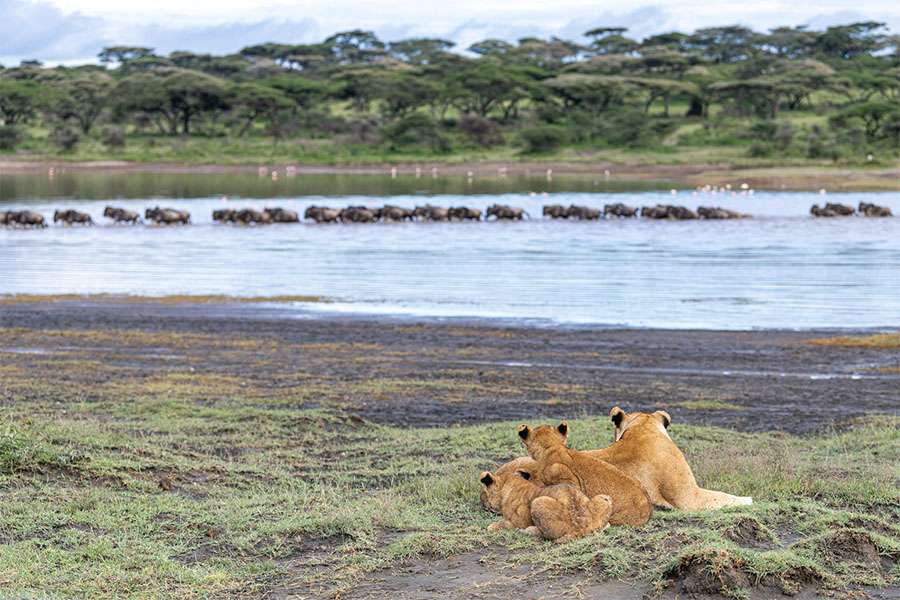
Lions are carnivores and they eat large mammals. Their natural diet includes wildebeest, zebra, buffalo, gazelle, warthog, and giraffe. A healthy lion living in a national park with plenty of prey does not need to go after humans. Humans are not part of their regular menu.
A fully grown male lion eats about 7 kg of meat daily, while females eat slightly less. Lions hunt in groups and choose prey that gives enough food without too much risk.
Humans are easier to catch than many animals, so do lion eat human can be true in some cases. But even though lions can eat humans, they usually avoid people because we behave unpredictably and are not their natural prey.
Do Lions Eat Humans?
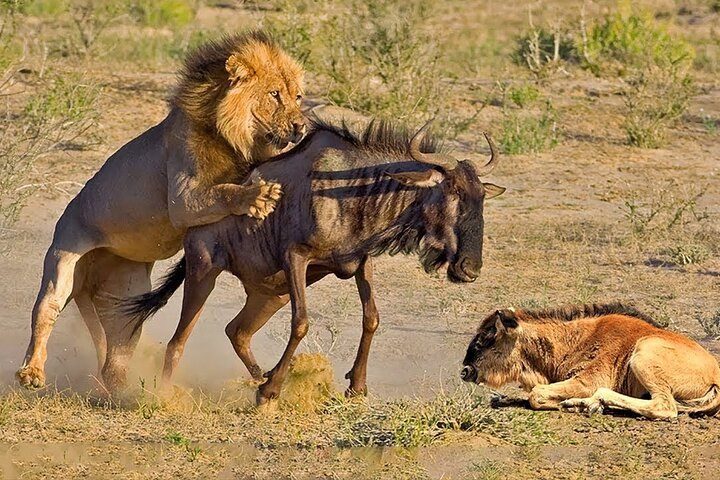
Yes. Lions do eat humans, but it is not typical behavior. Lions are apex predators and will consider any other animal including humans to be potential prey.
The estimated number of people killed by lions each year across Africa sits between 200 and 250. In Tanzania specifically, nearly 600 people were killed by lions between 1990 and 2004 in communities living close to national park boundaries.
However, lion attacks on tourists inside game parks are extremely rare. The vast majority of lion attacks on humans happen in rural communities that live near lion habitat, not inside safari vehicles on guided game drives.
Do lions just kill humans or do they eat them too?
Both happen. Sometimes a lion kills a human and does not eat them, especially if the attack was defensive. But when lions attack and kill humans in areas where they have become habitual hunters of people, they do eat them. The infamous historical cases of man-eating lions show that some lions developed a clear pattern of hunting and eating humans over extended periods.
Read More – Are African Safaris Safe?
Famous Cases of Lions Eating Humans
One of the most known examples linked to do lion eat human is the Tsavo Man-Eaters. In 1898, two male lions killed dozens of railway workers over several months. Studies later showed serious dental damage, which likely pushed them to target humans because they were easier to catch than normal prey.
Another major case happened in Njombe, Tanzania, between 1932 and 1947. Lions killed an estimated 1,500 people over time. This shows that do lions eat humans can become repeated behavior when conditions allow it, especially if it is learned within a pride.
There are also reports from Kruger National Park where lions attacked people crossing at night. Numbers are debated, but these cases highlight that lions can eat humans when humans move through their territory without protection, especially after dark.
Why Do Lions Attack and Eat Humans?

- This is the most important part of the topic. Lions do not randomly decide to hunt humans. There is always a reason.
- One major reason is lack of prey. If natural prey like zebra or antelope becomes scarce, lions look for alternatives. Humans, especially in rural areas, can become easier targets.
- Another reason is injury or age. A healthy lion can chase fast animals. An old or injured lion cannot. It starts looking for slower, weaker prey. Humans fall into that category.
- There is also the issue of territory. As human populations grow, villages expand into lion habitats. This increases contact. More contact leads to more risk.
- Time of day also matters. Lions are most active at night. Many attacks happen when people are walking outside after dark, often without protection.
- In some rare cases, lions learn behavior. If a lion successfully hunts a human once, it may repeat it. This is how the idea of “man-eaters” begins.
Are Lions Afraid of Humans?
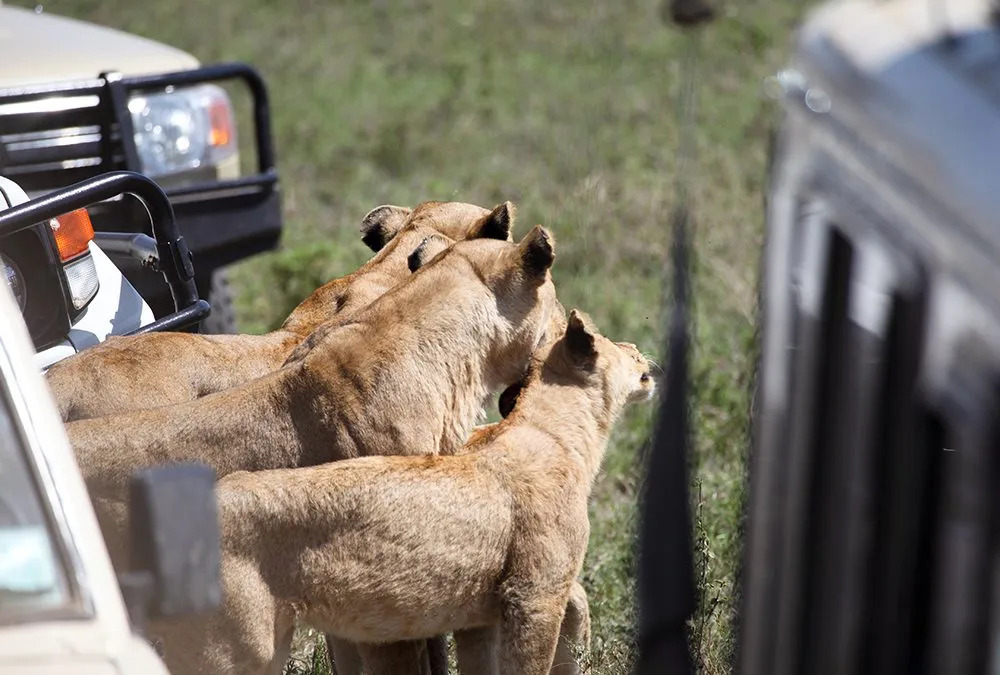
Are lions afraid of humans? Most of the time, yes.
Lions have learned over thousands of years that humans are dangerous. Humans hunt, use weapons, and travel in groups. Because of this, lions tend to avoid areas with strong human presence.
During the day, lions are even less likely to approach people. They prefer to stay hidden and rest.
This fear is one of the main reasons why attacks are not as common as people think.
When Do Lions Attack Humans?
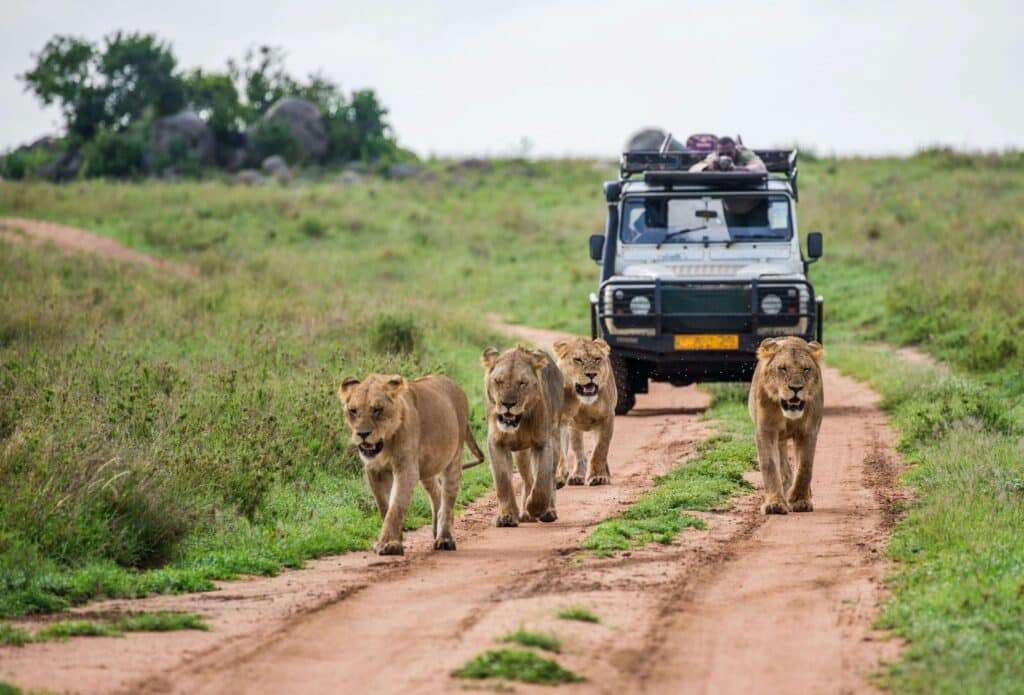
Understanding when lions attack humans helps you understand the actual risk level.
| Situation | Risk Level | Why |
|---|---|---|
| Seated in a safari vehicle during daylight | Extremely low | Lions do not associate vehicles with prey |
| Walking with an armed ranger in a national park | Low | Ranger experience, correct behavior, group protection |
| Alone on foot near a national park boundary at night | High | Darkness, isolation, proximity to lion territory |
| Sleeping outdoors near a village bordering a park | High | Lions active at night, no physical barrier |
| Provoking or cornering a lion | Very high | Defensive aggression is immediate |
| Getting between a lioness and her cubs | Very high | Maternal defensive aggression |
For safari tourists: The risk of being attacked by a lion on a properly guided safari is genuinely extremely low. More people die from mosquito-borne malaria than from lion attacks globally. Every guide at TourwithPipi is trained and experienced in lion behavior and safe game drive practice.
Learn More – African Safaris with Kids and Family: How Safe it is?
How to Stay Safe from Lions on Safari
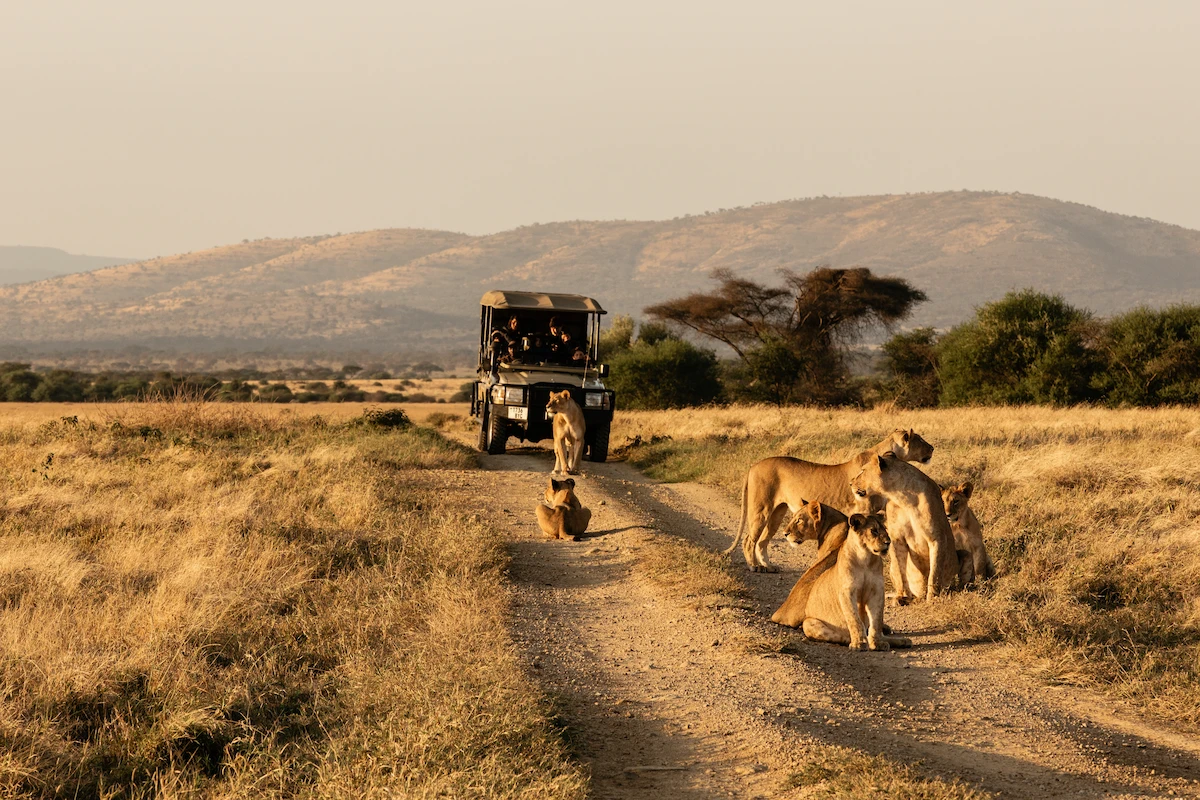
- Following these rules reduces your lion attack risk to near zero on a guided safari.
- Stay in your vehicle. Lions do not typically associate a vehicle with prey. They may walk right past a car. The moment you step out, that changes. Never exit the vehicle without your guide’s explicit instruction.
- Never run from a lion. Running triggers the prey response in any predator. A lion can cover 80 km per hour. You cannot outrun it. If you encounter a lion on foot, stand your ground, make yourself appear large, and follow your guide’s instructions.
- Respect the darkness. Do not walk between tents, lodges, or campsites after dark without a guide or torch. Do not use outdoor toilets at remote campsites alone at night. Lions are most active between dusk and dawn.
- Never get between a lion and its cubs. A lioness protecting her cubs is the most predictably aggressive situation you can create with a lion. Do not approach cubs even if they appear to be alone.
- Travel in groups. Lions avoid groups of humans. A single person wandering away from a group on a walking safari dramatically increases risk.
- Listen to your guide. Your guide reads the environment, the lion’s body language, and the wind. If your guide says to back up, back up. If your guide says to be quiet, be quiet. Their experience is your safety margin.
Do Lions Attack Humans on Safari
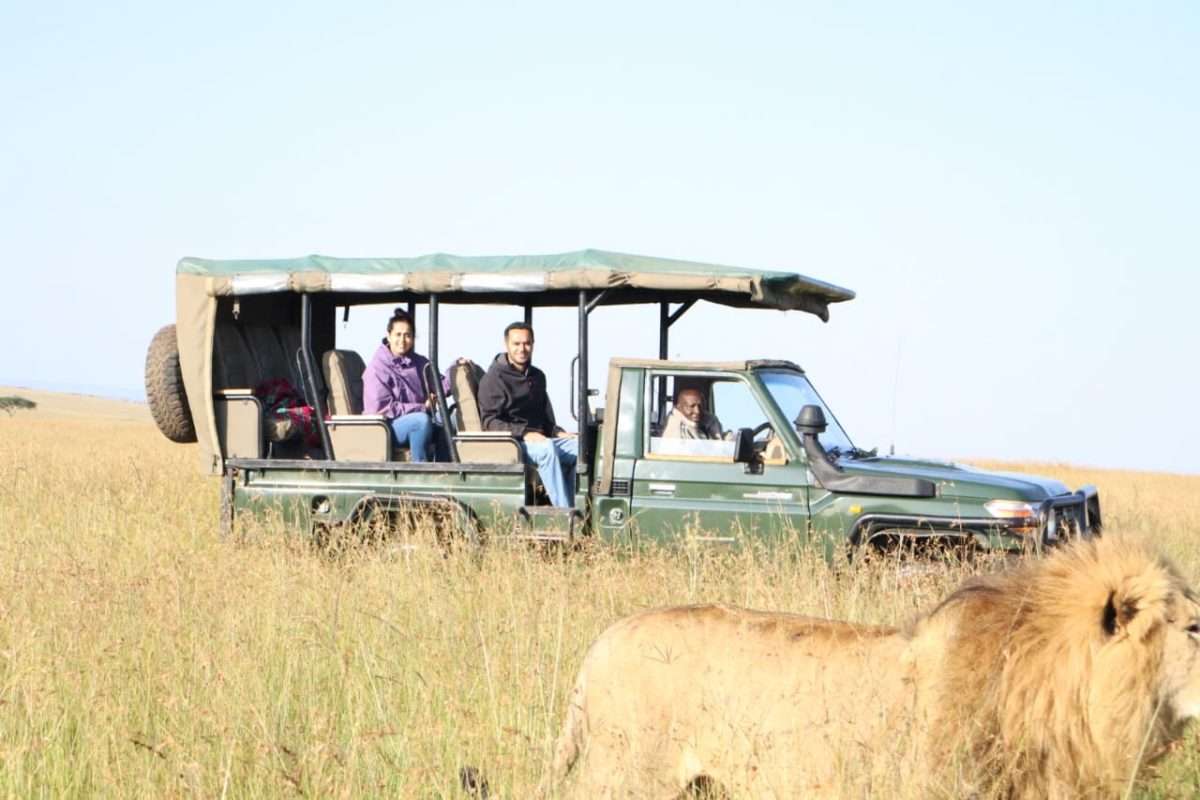
This is where many travelers worry unnecessarily.
Do lion attack humans on safari? The answer is almost no In places like Maasai Mara National Reserve, the system is controlled and structured. You are inside a vehicle. Guides understand lion behavior. Lions are used to vehicles and do not see them as prey.
This is why safari experiences are considered very safe. The environment is managed, and the risk is extremely low.
Conclusion
Do lions eat humans? Yes, sometimes they do. But the context matters enormously. A healthy lion with access to natural prey in a well-managed park does not want to eat you. The cases of lions regularly attacking and eating humans involve specific conditions — injury, starvation, habitat loss, learned behavior, and darkness — that rarely apply to a tourist on a guided safari.
Kenya and Tanzania are home to some of the world’s most magnificent lion populations in the Maasai Mara, Amboseli, Serengeti, and Ngorongoro Crater. Watching a lion pride hunt at dawn from the roof of a Land Cruiser is one of the most powerful wildlife experiences on Earth. The risk of being harmed is genuinely tiny when you travel with experienced guides and follow the simple rules of safari behavior.
At TourwithPipi, every Kenya and Tanzania safari is led by certified, experienced guides who know lion behavior intimately. Your safety is built into every itinerary, every camp selection, and every game drive route.
Plan your Kenya or Tanzania lion safari with TourwithPipi →
Frequently Asked Questions — Do Lions Eat Humans?
Do lions eat humans or just kill them?
Lions sometimes do both. In cases where a lion attacks and kills a human defensively, it may not eat the person. But in habitual man-eating situations, lions kill and eat humans as a food source. The Tsavo and Njombe cases both involved lions eating the people they killed over extended periods.
How many people do lions kill each year?
The estimated figure is between 200 and 250 people per year across Africa. Tanzania recorded nearly 600 lion-related deaths between 1990 and 2004. These figures relate almost entirely to rural communities living near lion habitat, not safari tourists.
Can a lion eat a whole human?
Yes. A lion’s digestive system can process bone as well as flesh. A large pride sharing a kill would consume a human body completely including most bones. A single lion would eat the soft tissue and may not fully consume the harder bones.
Are lions more dangerous than other African animals?
In terms of pure unprovoked aggression toward tourists, hippos and Cape buffalo kill more people in Africa each year than lions do. Mosquitoes kill far more through malaria transmission. However, a lion is one of the few animals that will actively stalk and hunt a human when conditions are right, which makes the nature of the threat different from being charged by a buffalo.
Do lions in zoos eat humans?
Zoo lions occasionally attack keepers but rarely eat them because the attack is usually broken up quickly. Zoo lions that have attacked humans tend to do so when keepers enter enclosures incorrectly, not because they have developed a taste for human prey.
Why do lions not eat humans more often?
Healthy lions living with abundant natural prey have no reason to risk a confrontation with humans. Lions know that humans can be dangerous, especially in groups. We smell unusual, we behave unpredictably, and we have historically persecuted lions for attacking people and livestock. All of these factors make a healthy lion prefer to avoid us.
Are tourists safe from lions on safari?
Yes, with a properly guided safari in a licensed vehicle with an experienced guide. Lion attacks on safari tourists inside vehicles are exceptionally rare. Following the basic rules of game drive safety, staying in your vehicle, not provoking animals, and listening to your guide eliminates nearly all meaningful risk.
What should you do if a lion approaches you on foot?
Stand still. Do not run. Do not turn your back. Make yourself appear as large as possible by raising your arms. Speak in a calm, firm voice. Back away slowly if the lion does not advance. If you are on a guided walk, follow your guide’s instructions immediately and exactly. Never be in lion habitat on foot without an experienced armed ranger.
Do lions attack humans during the day?
Daytime attacks happen but are far less common than night attacks. Lions prefer to hunt at night and in low light conditions. Daytime attacks on safari tourists are extremely rare and almost always involve someone exiting a vehicle or approaching a lion on foot, which removes the protections that keep tourists safe.
Is it true that lions become man-eaters after tasting human blood?
This is a popular belief but the science does not fully support it. Lions that become habitual man-eaters are more commonly driven by injury, dental problems, or learned behavior rather than a specific taste preference developed after one attack. The Tsavo lions are the best-studied example, and their man-eating was linked clearly to dental damage that made faster prey impossible to catch.
Summary — 10 Key Facts About Lions and Humans
- Lions can and do eat humans but it is not their natural or preferred behavior.
- Approximately 200 to 250 people are killed by lions each year across Africa, mostly in rural communities near park boundaries.
- Injured or old lions with damaged teeth are far more likely to target humans because they cannot catch fast-moving natural prey.
- The Tsavo Man-Eaters of 1898 killed 35 railway workers in Kenya and remain the most documented case of habitual lion man-eating in history.
- Lions fear humans especially in daylight and in groups, based on thousands of years of being hunted by people.
- Most lion attacks happen at night between 8pm and 10pm when lions have a visibility advantage over humans.
- Safari tourists in vehicles face an extremely low risk of lion attack on properly guided game drives.
- Running from a lion triggers its prey instinct and dramatically increases the chance of an attack.
- Man-eating behavior can be learned and passed through lion prides across generations, which is why some areas have repeated attack patterns.
- Human encroachment into lion habitat is the primary long-term driver of increasing lion and human conflict across Africa.
Read Related Blogs
-
- Lions of the Masai Mara
- What Do Lions Eat?
- African Lion vs Indian Lion
- African Lion Safari
- Why Is the Lion the King of the Jungle?
- Lion Hunting Video
- Lioness Hunting vs Male Lion
- How Many Hours Do Lions Sleep?
- Lion Gestation Period
- Lion Bite Force
- How Much Do Lions Weigh?
- How Long Do Lions Live?
- How Often Do Lions Feed?


