
Quick Overview Table (Mount Kenya vs Kilimanjaro)
| Topic | Mount Kenya | Mount Kilimanjaro |
|---|---|---|
| Location and nearest airports | Central Kenya near Nairobi. Nearest airport is Jomo Kenyatta International Airport (NBO) | Northern Tanzania near the Kenya border. Nearest airport is Kilimanjaro International Airport (JRO) |
| Height | 5,199 meters (17,057 feet) at Batian Peak. Point Lenana trekking summit is 4,985 meters (16,355 feet) | 5,895 meters (19,341 feet) at Uhuru Peak |
| Typical trek duration | 4 to 6 days depending on route | 6 to 8 days depending on route |
| Official trekking routes | About 8 main trekking routes including Naro Moru, Sirimon, and Chogoria | 7 main ascent routes including Machame, Marangu, Lemosho, Rongai, Northern Circuit, Umbwe, and Shira |
| Technical vs non technical summit options | Point Lenana is non technical. Batian and Nelion require technical rock climbing skills | Uhuru Peak is non technical and can be reached by walking routes |
| Most popular routes | Naro Moru, Sirimon, Chogoria | Machame, Marangu, Lemosho |
| Camping vs huts | Mix of camping and mountain huts depending on route | Mostly camping. Only Marangu Route has huts |
| Best months to climb | January to March and June to October | December to March and June to October |
| Crowds and vibe | Quieter and more remote feeling | Busier and more social, especially in peak season |
| Cost range snapshot | About USD 1,200 to USD 3,500 per person | About USD 2,000 to USD 6,000 per person |
Where Each Mountain Is and Why It Matters for Your Plan
Kilimanjaro Location and Access
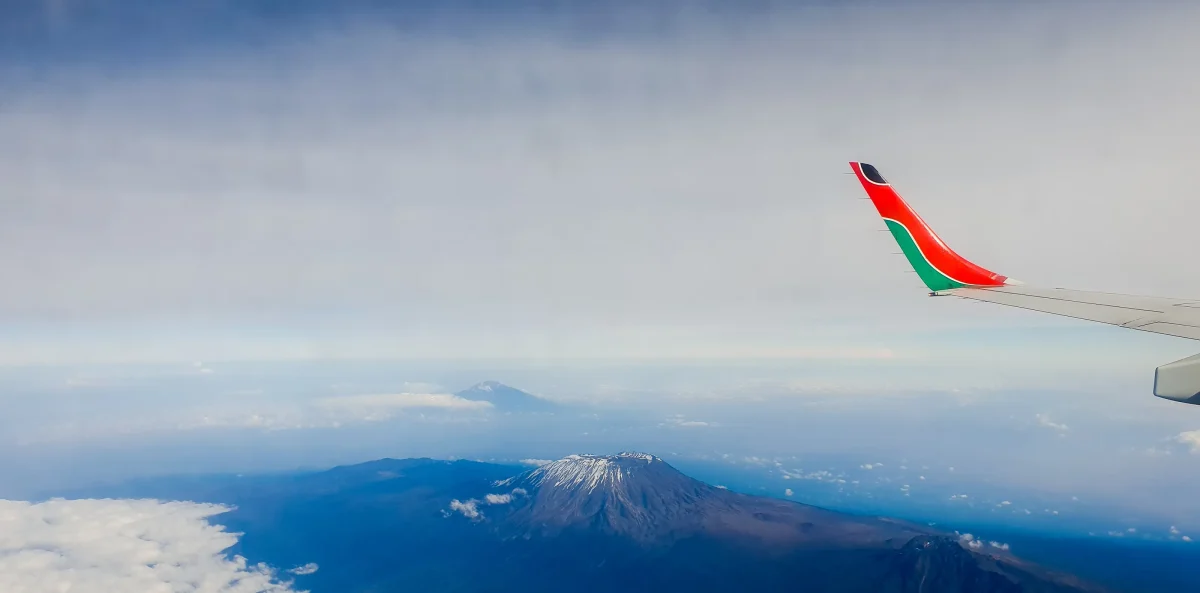
Mount Kilimanjaro is in northern Tanzania, close to the Kenya border. It sits inside Kilimanjaro National Park and is about 80 kilometers (50 miles) east of Arusha.
Most travelers arrive through Kilimanjaro International Airport (JRO), which is roughly 40 kilometers (25 miles) from the park gate. From the airport, the road transfer to your hotel or starting gate usually takes one to two hours depending on traffic and route.
Mount Kenya Location and Access
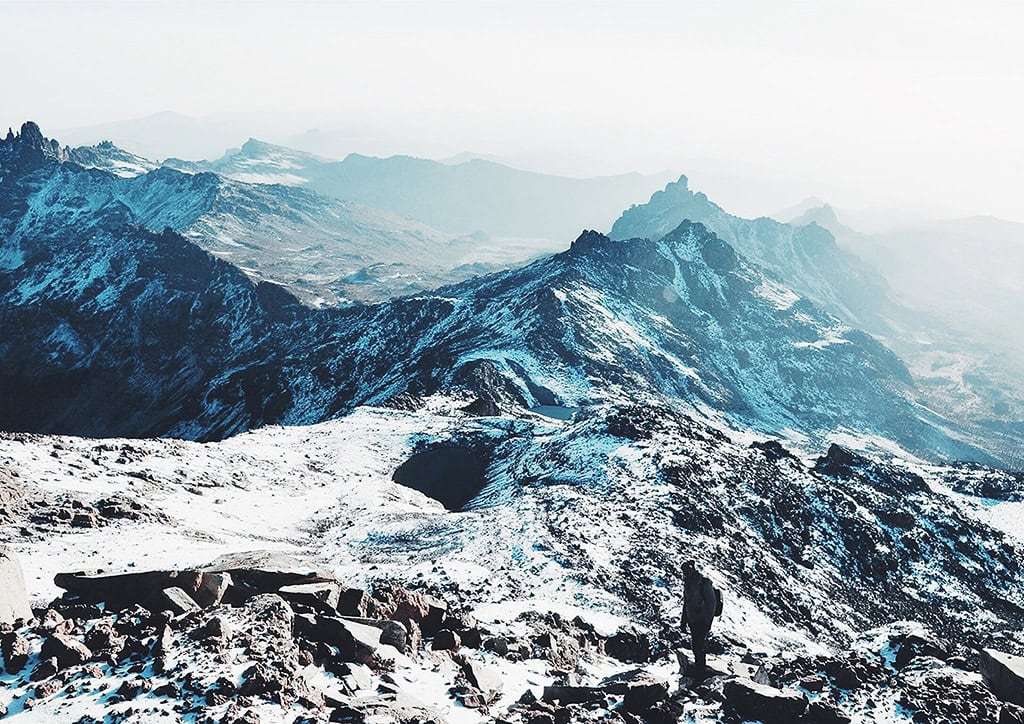
Mount Kenya is in central Kenya, about 150 kilometers (93 miles) north of Nairobi. It is protected by Mount Kenya National Park and is surrounded by farming communities and forest reserves.
The main gateway is Nairobi’s Jomo Kenyatta International Airport (NBO). From Nairobi, the drive to Mount Kenya usually takes three to four hours depending on traffic and which park gate you use.
Because of this road access, Mount Kenya is often easier for shorter schedules or travelers who want a mountain trek combined with a Kenya safari such as Masai Mara or Amboseli without changing countries.
Difficulty and Technicality
Why Kilimanjaro is usually “trek only”
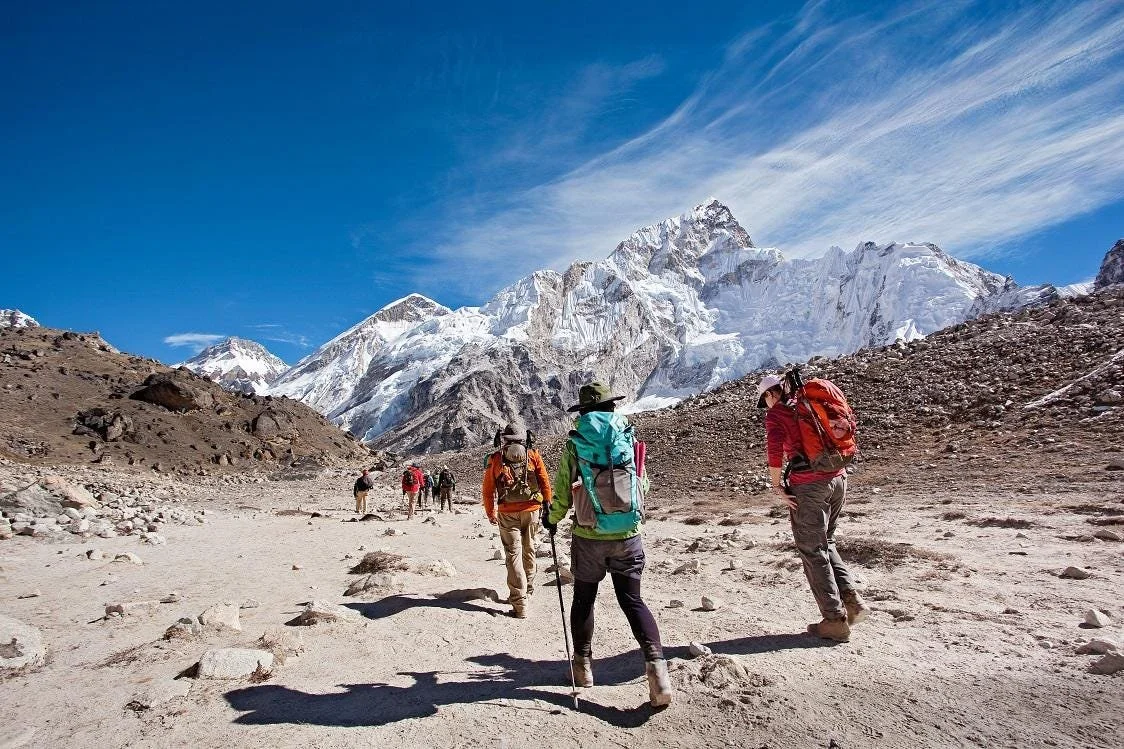
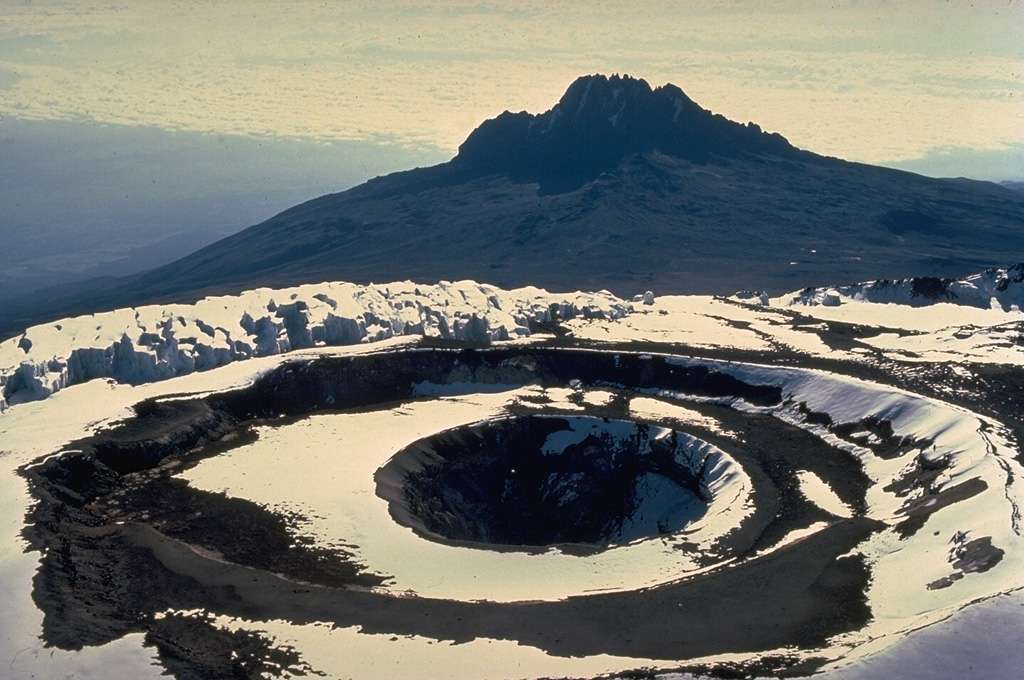
Most routes on Kilimanjaro lead to Uhuru Peak using walking trails only. You do not need ropes, ice axes, or rock climbing skills. This makes Kilimanjaro a realistic goal for regular hikers.
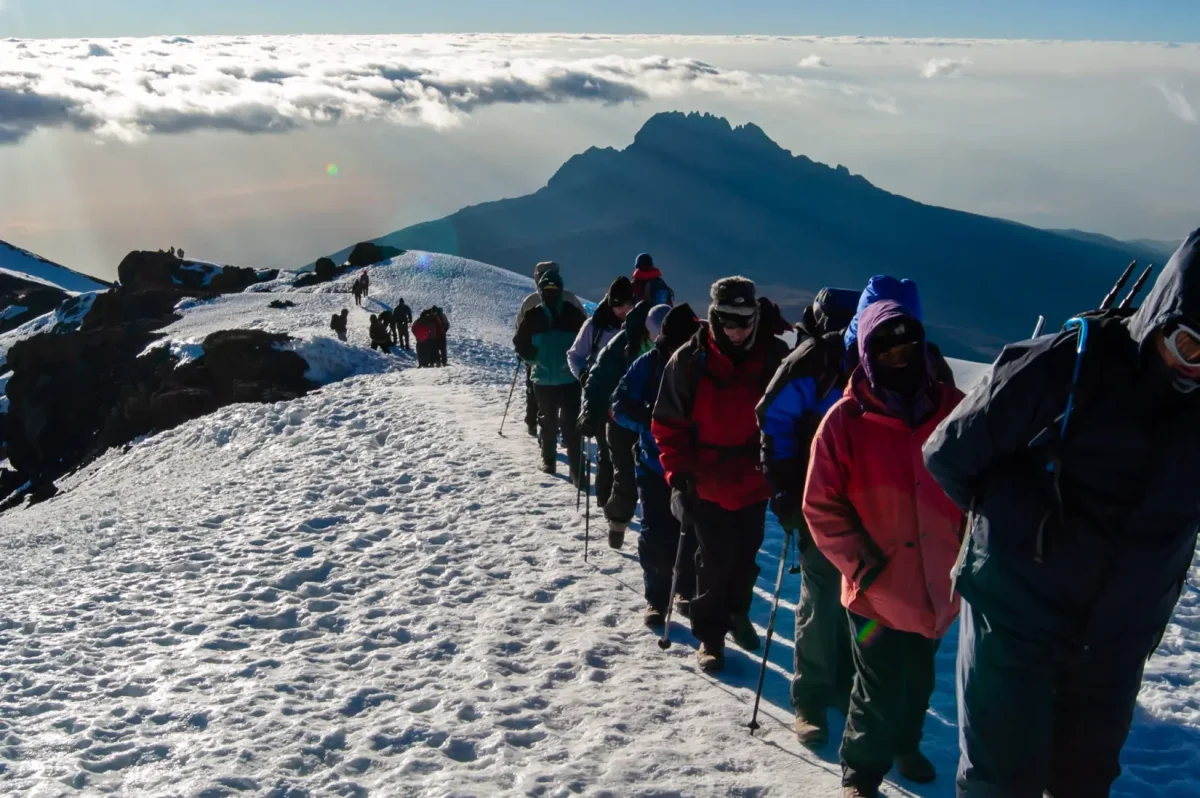
What still makes it hard is the altitude and long walking days. Summit night can involve walking 10 to 14 hours in cold temperatures, often below freezing, so endurance and mental strength matter as much as fitness.
Why Mount Kenya can be more technical
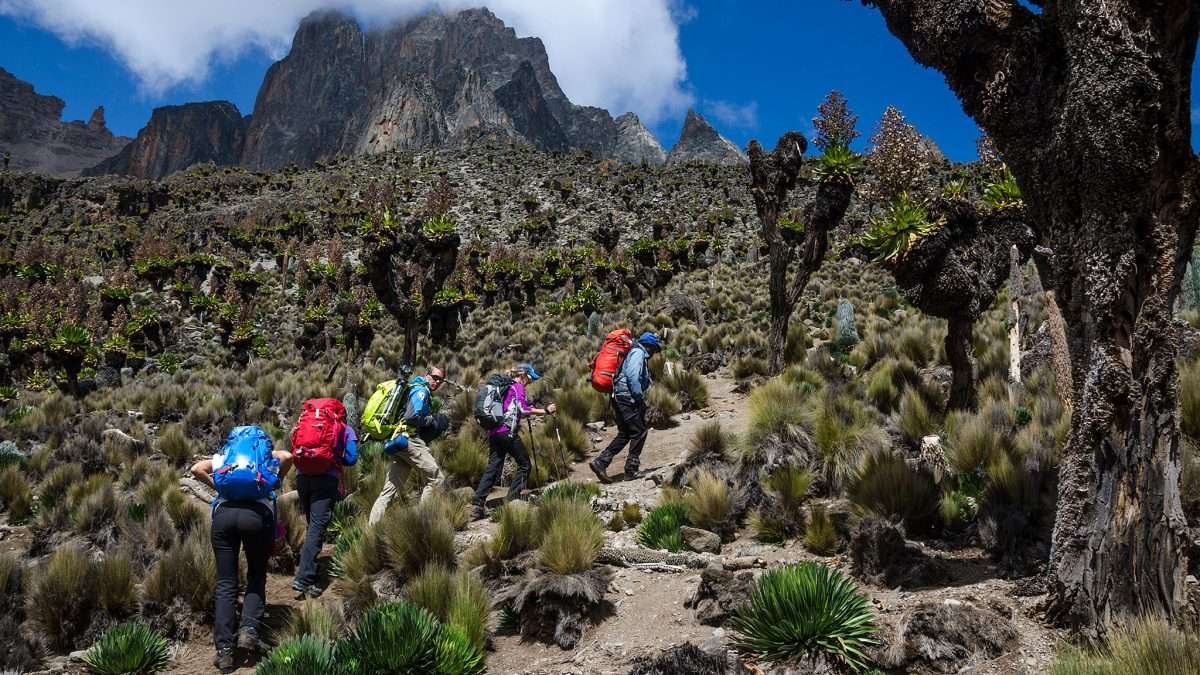
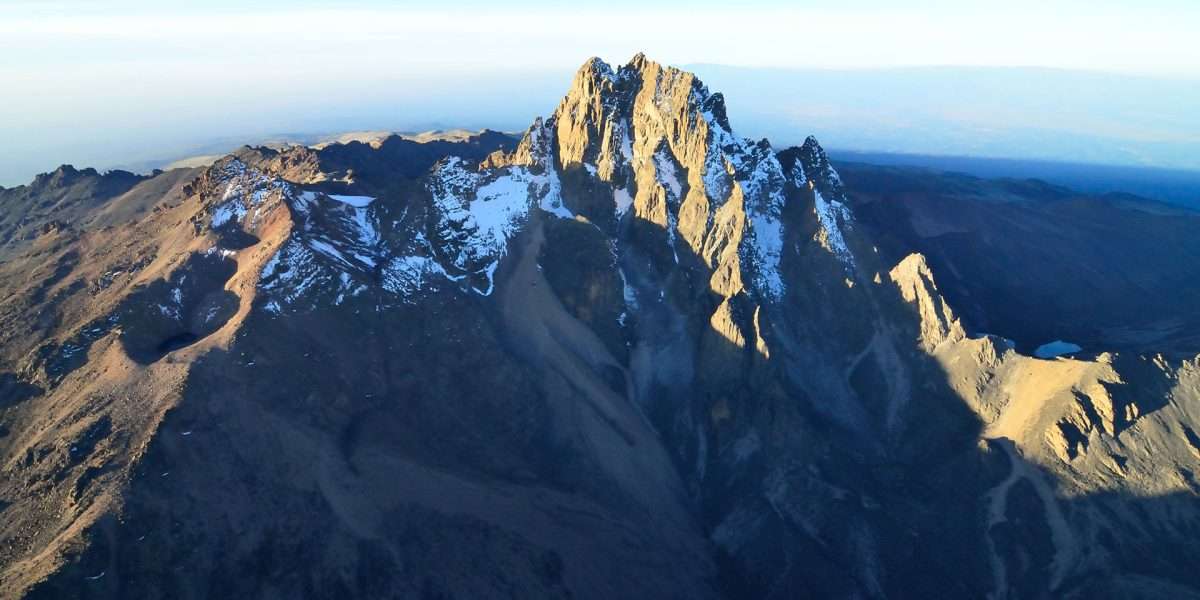
On Mount Kenya, reaching Batian or Nelion requires real climbing skills and equipment such as ropes, helmets, and harnesses. These peaks involve steep rock faces and exposed ridges.
Because of this, Mount Kenya attracts experienced climbers who want a true alpine challenge. Hikers without climbing experience usually choose Point Lenana instead.
The “best of both worlds” angle
Kilimanjaro also has a technical peak called Mawenzi, but it is only for advanced climbers and not part of standard trekking routes.
Mount Kenya, on the other hand, has Point Lenana, which allows non technical trekkers to experience high altitude without technical climbing.
So in simple terms, Kilimanjaro is mostly for trekkers, while Mount Kenya offers both trekkers and serious climbers a summit option. This is why the choice between Mount Kenya vs Kilimanjaro depends on whether you want a walking challenge or a true climbing adventure.
Fitness Needed and Training That Works
What your body needs for both mountains
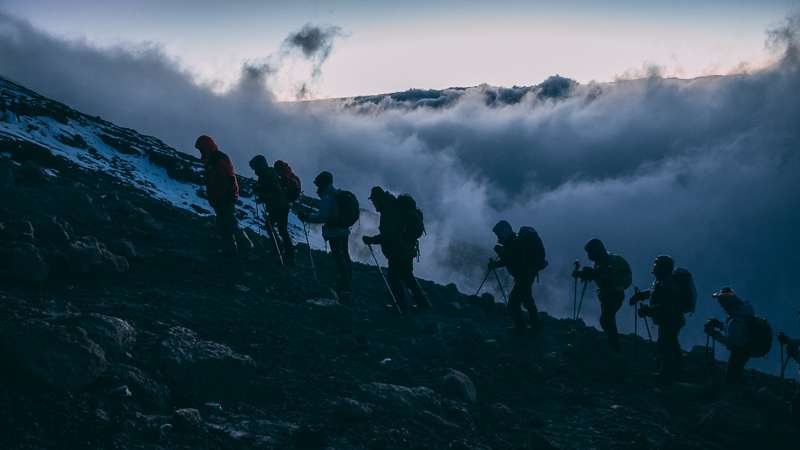
When you climb Mount Kenya or Mount Kilimanjaro, your body must handle several days of walking in a row, often 5 to 8 days, plus long downhill descents at the end. Your legs, knees, and ankles work the hardest, especially on rocky paths and steep sections. For families, first timers, and older parents, the biggest challenge is not speed but steady movement day after day. Strong joints and balance matter as much as strong lungs.
Kilimanjaro endurance vs Mount Kenya intensity
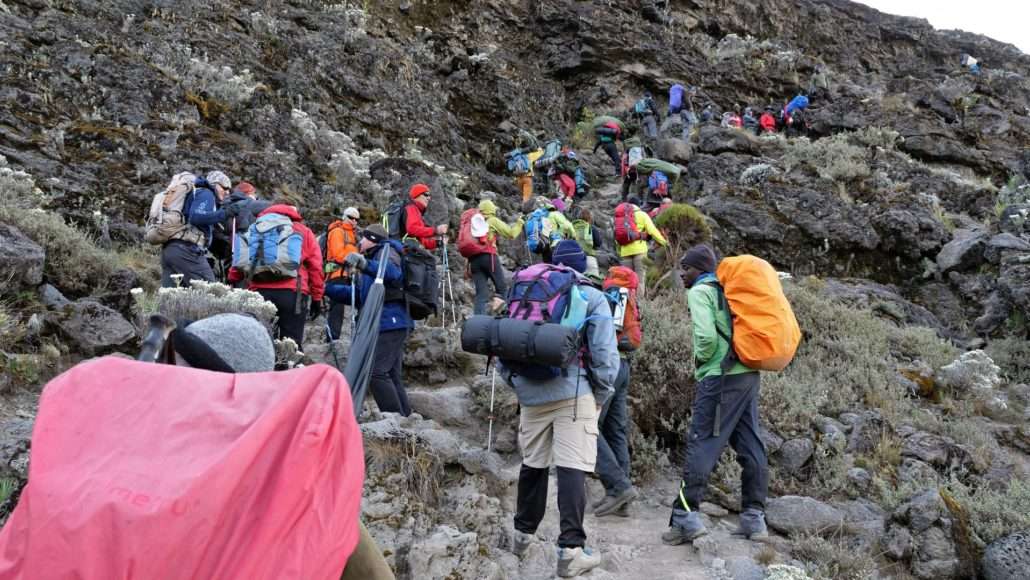
Kilimanjaro usually feels longer and more tiring overall because most treks take 6 to 8 days and involve long summit night hikes of 10 to 14 hours. You walk more hours per day, even though the trail is mostly non technical.
Mount Kenya can feel shorter but steeper, especially on routes leading toward higher peaks. The terrain is more rugged, and the climbs can feel sharper on your legs. In simple terms, Kilimanjaro tests your endurance, while Mount Kenya tests your strength and balance more.
Simple training plan you can follow at home
You do not need a gym to prepare. What works best is:
Walking for 45 to 90 minutes, three to four times a week
Uphill sessions on local hills or treadmill incline
Stair climbing with a small backpack to train your legs
Boot testing by walking in the shoes you will use on the mountain
If you are traveling with kids or older parents, practice short but regular walks, focus on slow pace, and train them to walk for several days in a row. Comfort and routine matter more than speed.
Climate, Temperature, and Trek Conditions
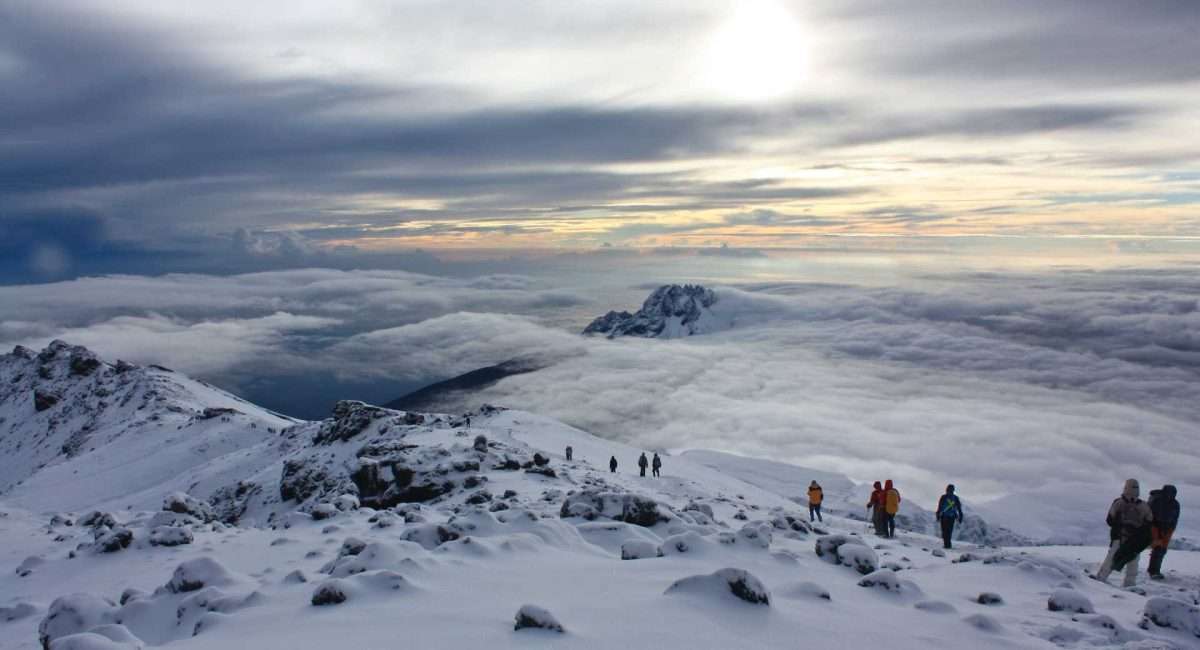
Shared climate bands near the Equator
Both Mount Kenya and Mount Kilimanjaro sit near the Equator, so they share similar climate zones as you go up:
Forest zone at the base
Moorland zone with shrubs and open land
Alpine desert zone with dry and rocky ground
Arctic summit zone near the top
This is why climbing either mountain feels like traveling from the tropics to winter in just a few days.
What temperatures feel like as you go higher
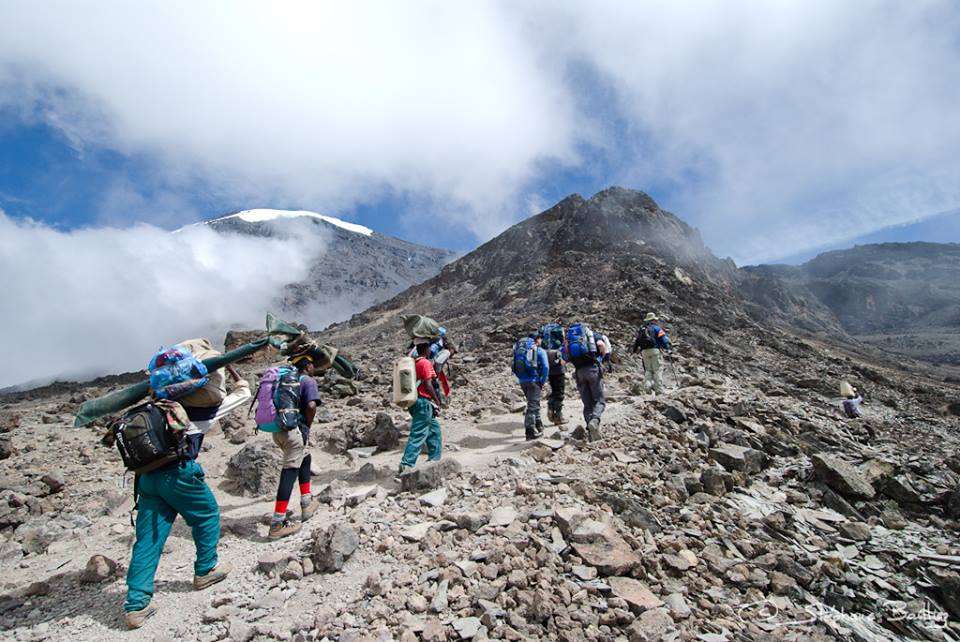
At the base, temperatures are often 20 to 30°C (68 to 86°F) and can feel warm and humid. As you climb higher, daytime temperatures drop to around 10°C (50°F) in the moorland zone.
Near the summit, night temperatures can fall to minus 5 to minus 15°C (23 to 5°F). This is why summit night feels like winter, even though you are in Africa.
Snow and ice differences you should know
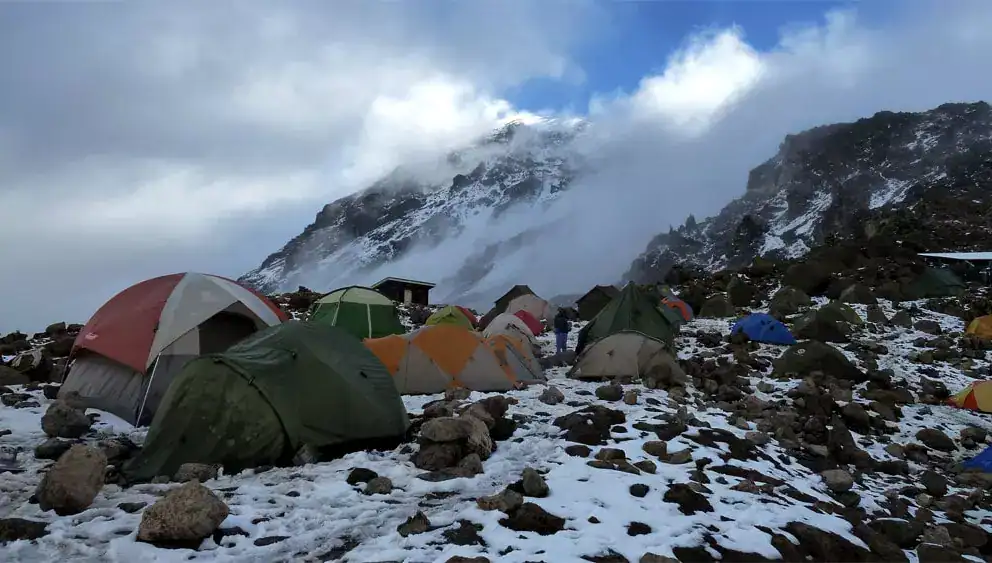
On Kilimanjaro, many trekkers do not need to cross glaciers. Depending on season and route, you may walk on snow but usually without ice tools.
On Mount Kenya, reaching Batian or Nelion often involves ice and glacier remnants, which means ropes and technical gear are needed. This is a key difference when choosing between Mount Kenya vs Kilimanjaro.
Best Time to Climb and What Each Season Looks Like
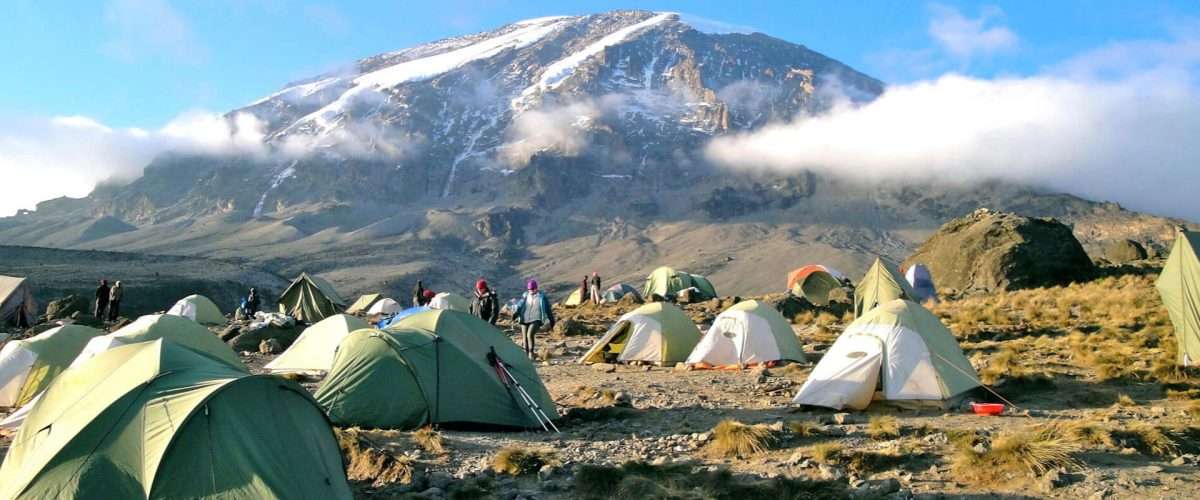
Dry seasons and why they are popular
The best climbing months for both mountains are:
Mid December to mid March
June to mid October
These periods have clearer skies, firmer trails, and better summit views. This is why they are the busiest times of year.
Wet seasons and the trade off
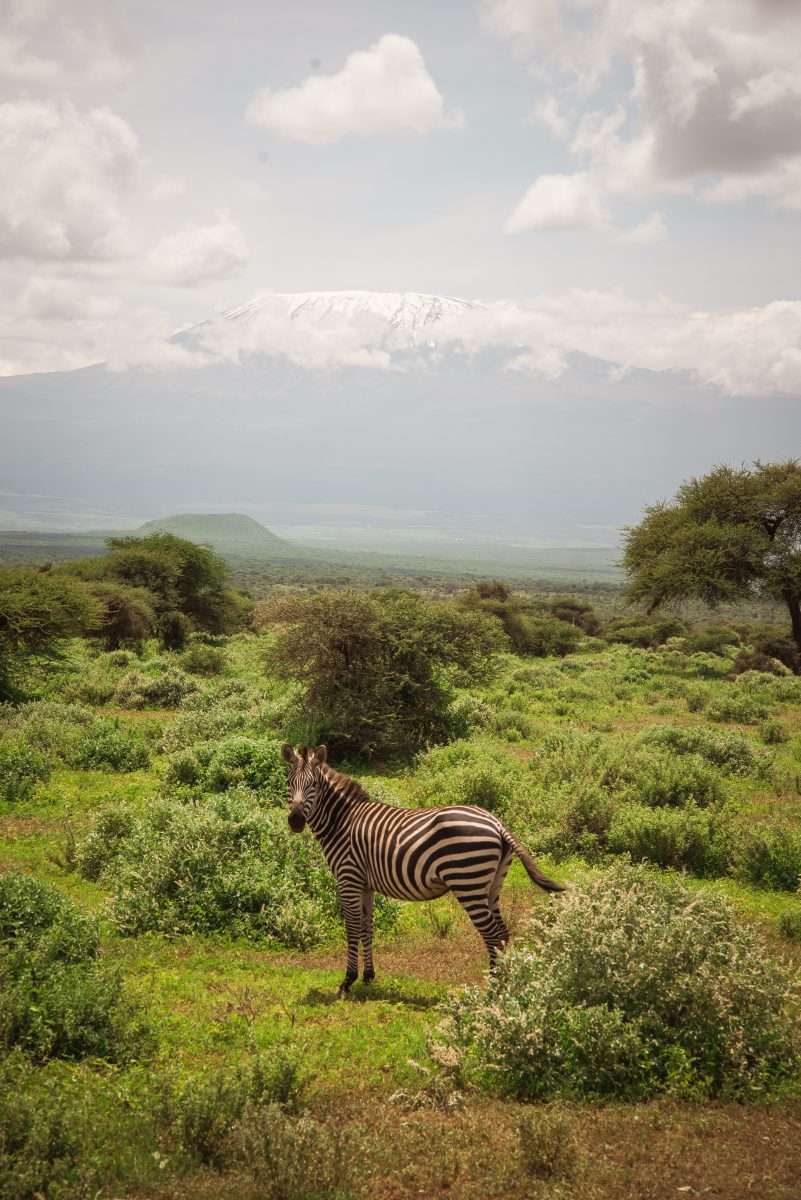
The wetter months are:
April to May which is the long rainy season
November which is the short rainy season
During these months, trails can be muddy, clouds may block views, and summit success can be lower. However, prices are often lower and there are fewer people on the routes.
Peak season vs shoulder season strategy
Instead of choosing only by month, you can avoid crowds by choosing quieter routes. For example, on Kilimanjaro, routes like Northern Circuit or Rongai feel less busy than Machame or Marangu, even in peak season.
This strategy lets you climb in good weather without feeling surrounded by other groups, which is especially important if you are traveling with family or want a calmer experience.
Routes Side by Side
Kilimanjaro routes that travelers ask for most
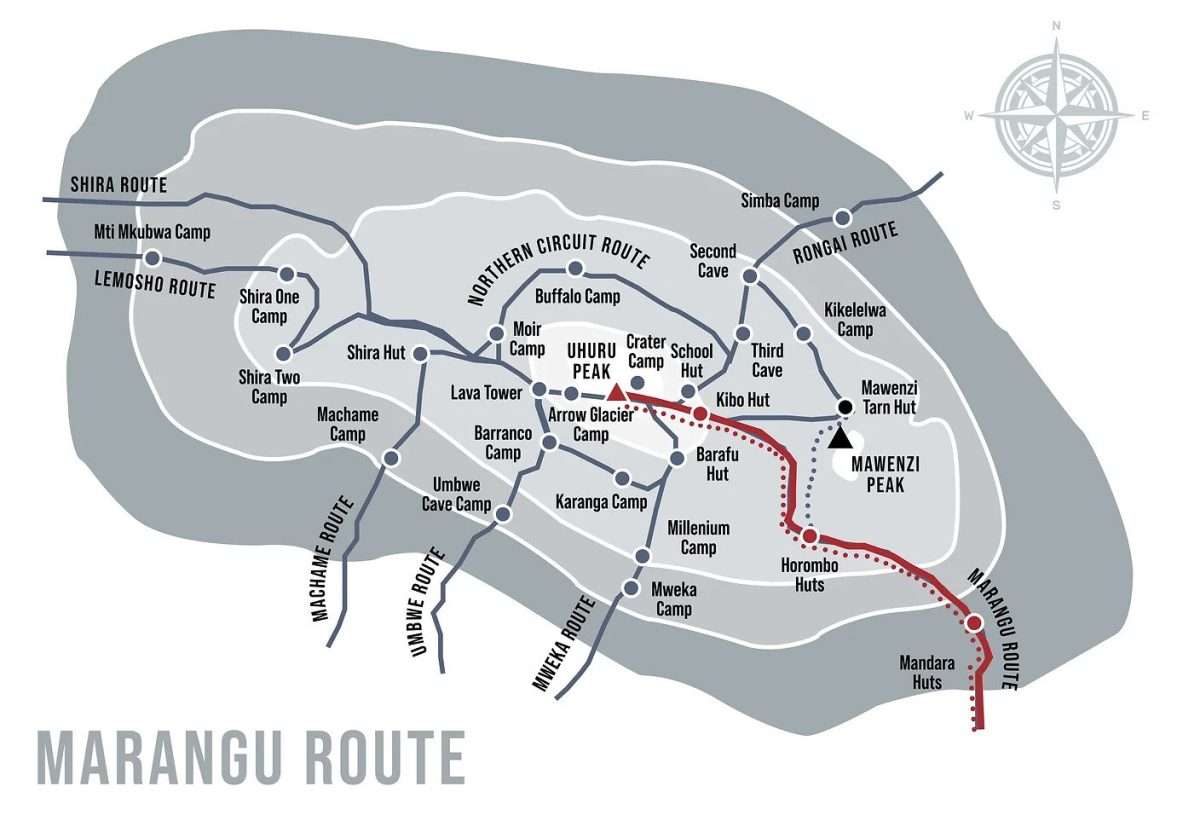
On Mount Kilimanjaro, there are several established routes, and each one gives a different experience.
Machame Route is the most popular and very scenic, but it can feel busy in peak season.
Marangu Route is the only route with hut accommodation instead of tents, which suits travelers who prefer solid roofs and simpler logistics.
Lemosho Route is known for better acclimatization and wide views because it approaches the mountain from the west.
Rongai Route comes from the north near the Kenya border and is usually quieter.
Northern Circuit is the longest route and gives you the highest chance of acclimatization because you spend more days at altitude.
Umbwe Route is the steepest and toughest and is best for very fit and experienced hikers.
Most routes descend via the Mweka Route, which is used mainly for coming down safely rather than climbing up.
Mount Kenya trekking routes and what they are best for
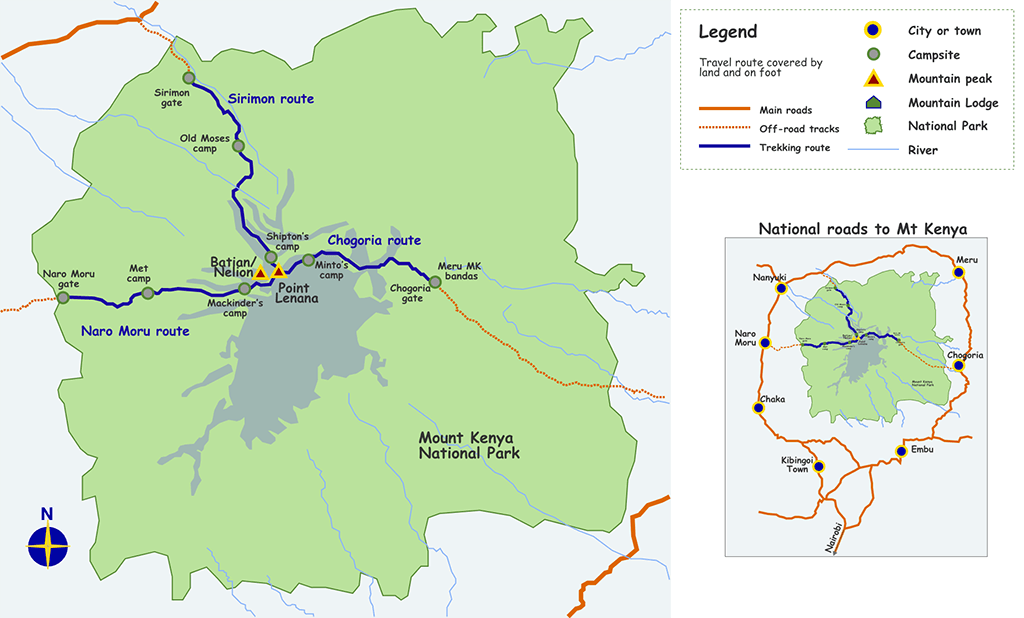
On Mount Kenya, the main trekking routes are:
Naro Moru Route, which is the shortest and most direct but can be steep and muddy.
Sirimon Route, which is longer and gentler, making it good for acclimatization.
Chogoria Route, which is the most scenic and often used as a descent route.
A common and smart plan is to ascend via Sirimon or Naro Moru and descend via Chogoria, so you get both good acclimatization and the best views. There are also less used routes like Burguret and Kamweti, which are chosen by travelers who want very quiet trails.
Route picking based on your travel style
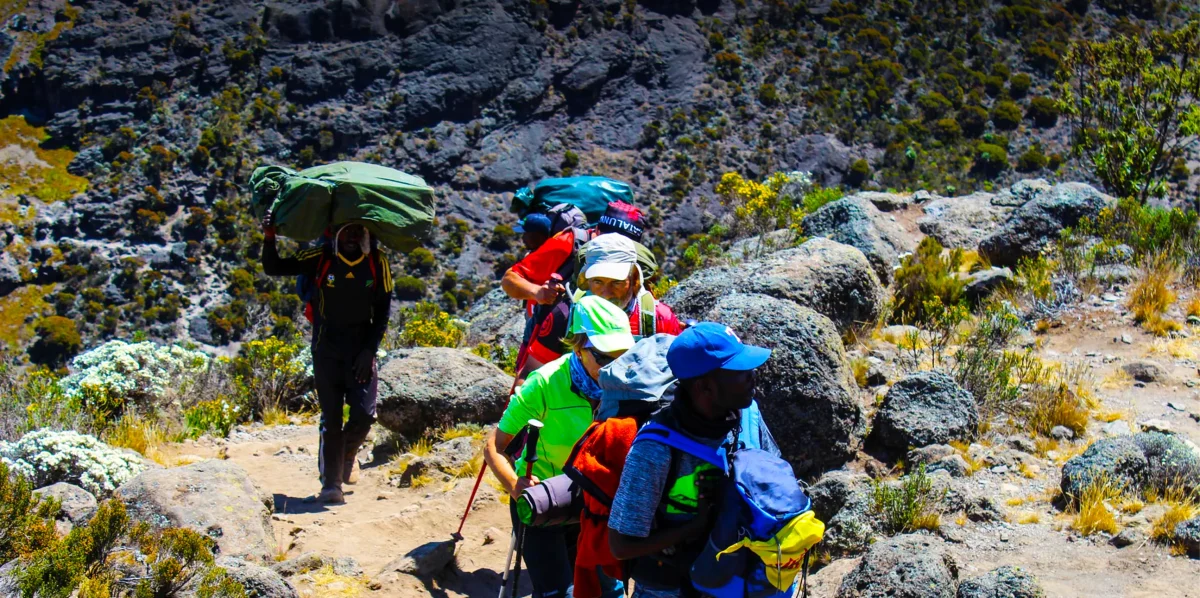
If you want quieter trails, Rongai and Northern Circuit on Kilimanjaro and Sirimon or Chogoria on Mount Kenya work well.
If you want better acclimatization, longer routes like Lemosho and Northern Circuit on Kilimanjaro or Sirimon plus Chogoria on Mount Kenya are safer choices.
If you want huts instead of tents, Marangu Route on Kilimanjaro and selected hut routes on Mount Kenya are the best fit.
Accommodation Rules and Comfort Levels
Kilimanjaro accommodation

On Kilimanjaro, most climbers stay in tented camps that are set up at official campsites inside Kilimanjaro National Park. Facilities are basic but regulated.
The Marangu Route is the only route with permanent huts, which makes it popular with travelers who dislike camping or who are climbing during wetter months.
Mount Kenya accommodation
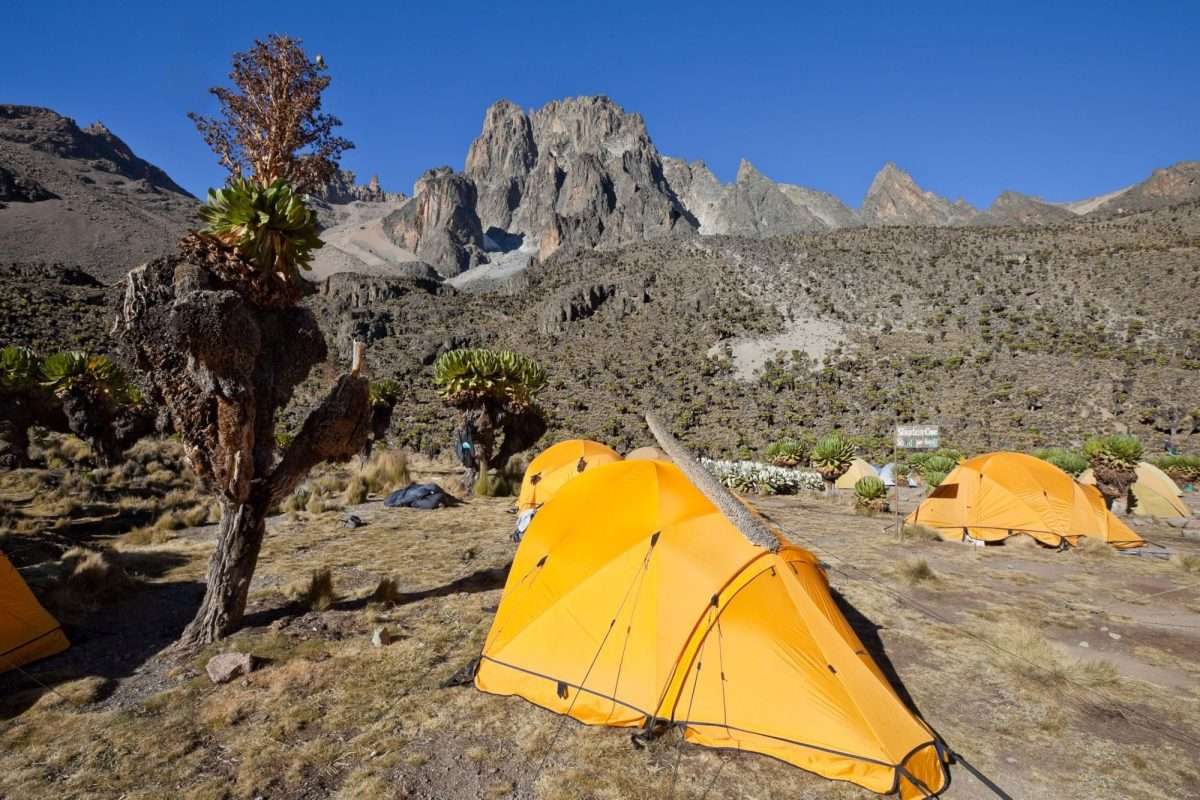
Mount Kenya offers more flexibility. You can camp in tents or stay in mountain huts and simple cabins, depending on your route. Some huts are very basic with just beds and roofs, while others have running water and cooking areas. This variety makes Mount Kenya feel more like a traditional alpine trek.
What to choose if you want more comfort
Real comfort does not come only from huts or tents. It comes from three main things:
Crew quality, meaning experienced guides and good porters
Sleeping kit, such as warm sleeping bags and proper mats
Itinerary length, because more days mean less rushing and better rest
Even on tented routes, a well planned itinerary can feel more comfortable than a rushed hut based trek.
How Long Each Trek Takes
Typical Kilimanjaro trek duration
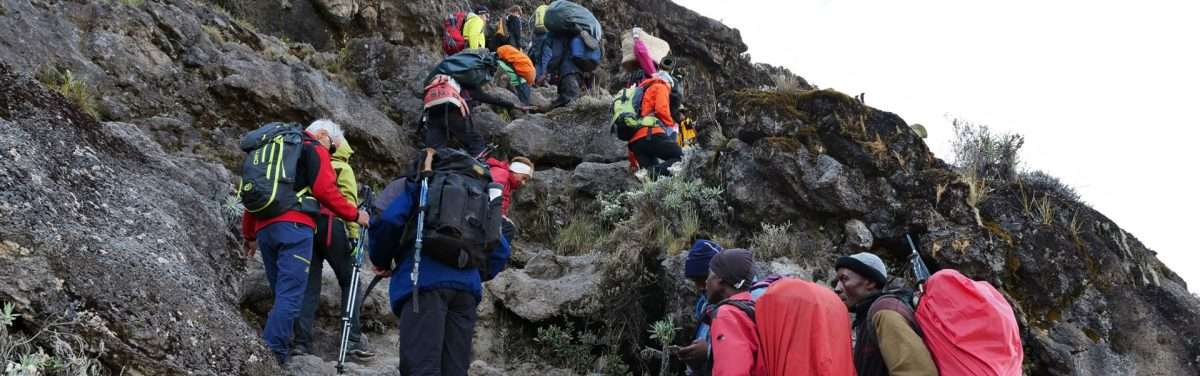
Most Kilimanjaro climbs take 6 to 8 days, depending on the route and how much time you allow for acclimatization. Shorter routes of 5 days exist, but they carry higher altitude risk.
Typical Mount Kenya trek duration
Most Mount Kenya treks to Point Lenana take 4 to 6 days, depending on route choice and whether you combine ascent and descent paths.
Why rushing is the biggest mistake
Rushing is the main reason people fail to reach the summit. Short itineraries give your body less time to adjust to altitude, which increases the risk of headaches, nausea, and exhaustion.
Costs and What Changes the Price
Cost range comparison
When you compare Mount Kenya vs Kilimanjaro, price is often a deciding factor for families and first time trekkers. On Kilimanjaro, trips usually fall between USD 2,000 and USD 6,000 per person, depending on route length, comfort level, and group size. For example, TourwithPipi packages like 5 Nights on the Legendary Marangu Route at USD 2,179, 7 Days on Kilimanjaro’s Machame Trail at USD 2,639, and The 8 Day Lemosho Signature Trek at USD 2,939 show how price increases with more days and better acclimatization.
Mount Kenya is generally more affordable. Options such as Mount Kenya Hike 4 Days via Sirimon Route at USD 999 and Mount Kenya Chogoria Ascent 4 Day Trek Adventure at USD 999 show that shorter itineraries and lower park fees keep costs down. In simple terms, Kilimanjaro costs more because it is higher, longer, and more regulated, while Mount Kenya often costs less if you choose trekking style routes like Point Lenana.
What you are actually paying for
Your trek price is not just for walking on a trail. You are paying for national park fees, guide and porter wages, climbing permits, and rescue and safety services. It also includes tents or huts, meals on the mountain, transport to and from the park gates, and basic gear such as cooking equipment. On Kilimanjaro, park fees alone can be several hundred dollars, which is why prices are higher than Mount Kenya for similar day counts.
How to budget without getting surprised
Many travelers forget about hidden costs. You should plan extra money for crew tips, gear rentals, etc. When you budget for Mount Kenya or Kilimanjaro, it is smart to add a buffer for these extras so your trip does not feel stressful at the end.
Crowds and Trail Atmosphere
What to expect on Kilimanjaro
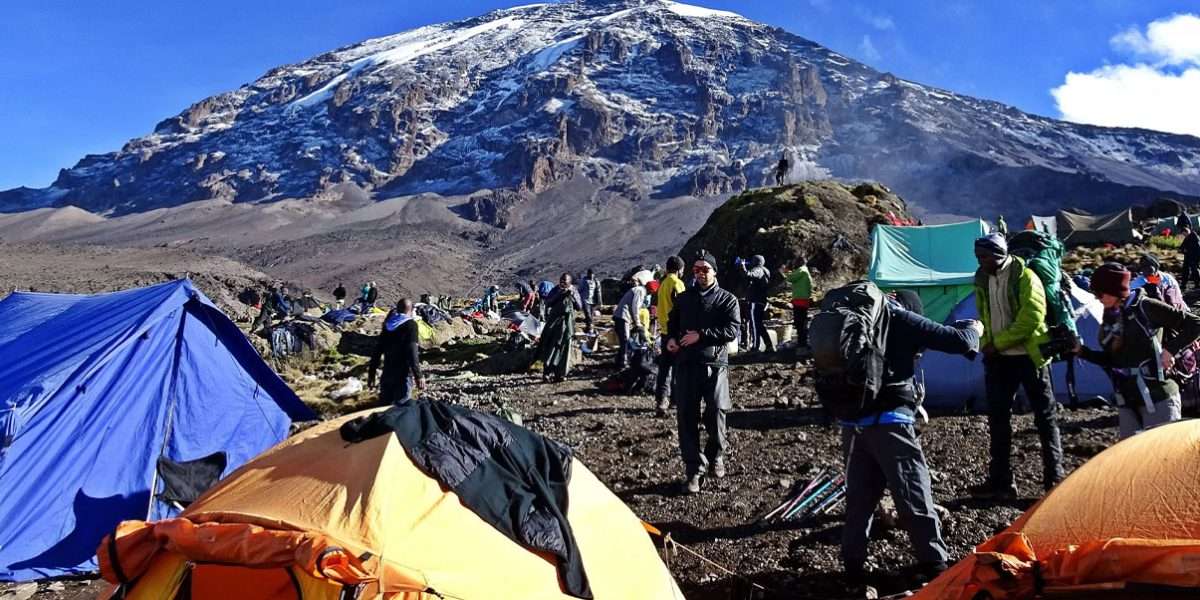
Kilimanjaro is Africa’s most famous trekking mountain, so it attracts more people. During the main dry months of June to October and December to March, popular routes like Machame and Marangu can feel busy, especially near camps and on summit night. Some routes feel crowded simply because they are shorter and more direct.
What to expect on Mount Kenya
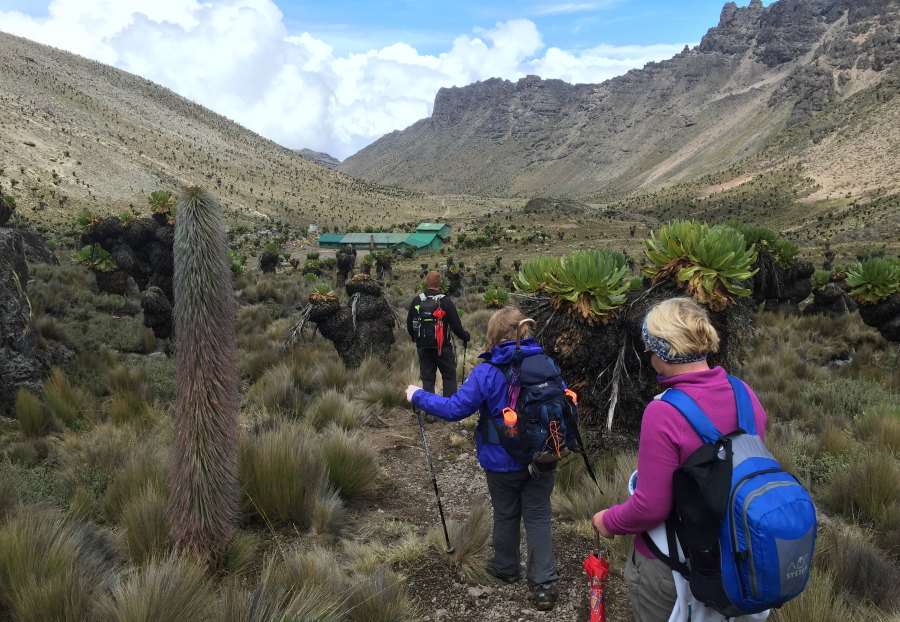
Mount Kenya usually has fewer trekkers. Trails feel quieter and more rugged, and you often walk long stretches without seeing other groups. This is one reason many people choose Mount Kenya when they want a calmer and more remote experience.
Who should choose which for the “vibe”
If you enjoy social energy, shared summit moments, and a famous goal, Kilimanjaro suits you well. If you prefer peaceful trails, mountain scenery, and fewer people, Mount Kenya often feels more personal and wild.
Summit Success and Altitude Safety

What “summit success rate” really means
A summit success rate is simply the number of people who reach the top compared to those who start. Honest operators focus on slow ascent and good acclimatization, not big marketing numbers. Longer itineraries almost always lead to higher success.
The biggest reasons people fail
Most failures happen because of altitude sickness or because the itinerary is too short. Symptoms like headache, nausea, and weakness can force climbers to turn back, even if they are fit at home.
Safety standards you should look for
For both Mount Kenya and Mount Kilimanjaro, you should choose trips that include licensed guides, daily health checks, a first aid kit, and oxygen backup for emergencies. These safety steps protect you and your family and make the climb more comfortable and responsible.
Wildlife, Scenery, and What You Will Actually See
Shared wildlife on the lower slopes
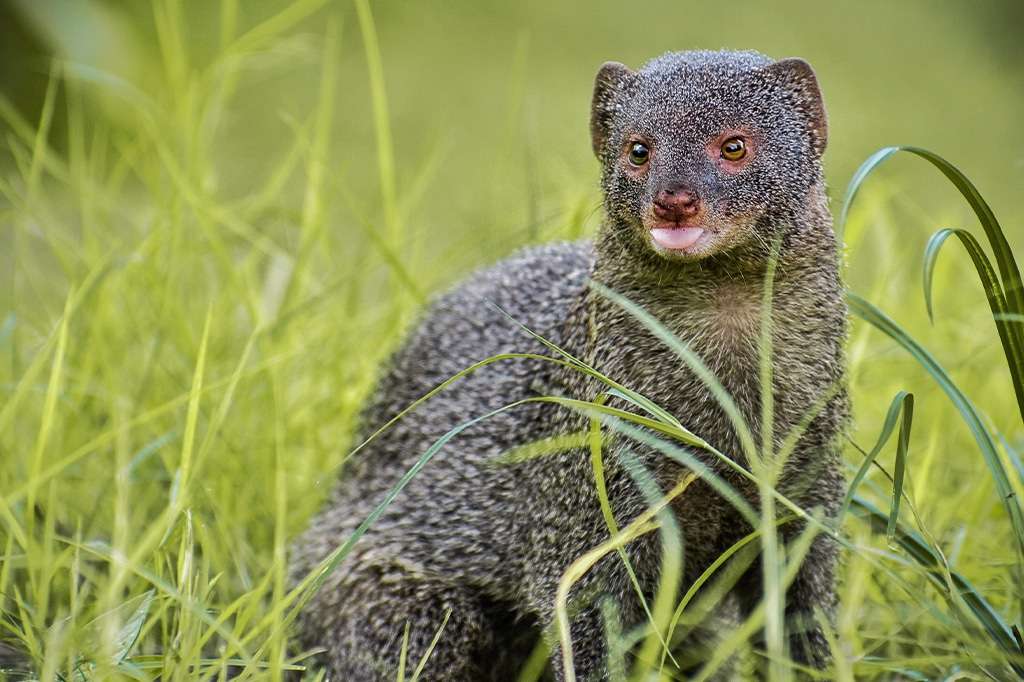
On both Mount Kenya and Mount Kilimanjaro, the lower forest zones feel alive with movement. You often see blue monkeys, colobus monkeys, and baboons in the rainforest belt, along with many bird species. In some foothill areas, especially around protected park boundaries, you may also find buffalo, antelope, and even elephants moving between forest and plains. This means your trek can begin with a real safari feeling before you ever reach high altitude.
Scenery differences
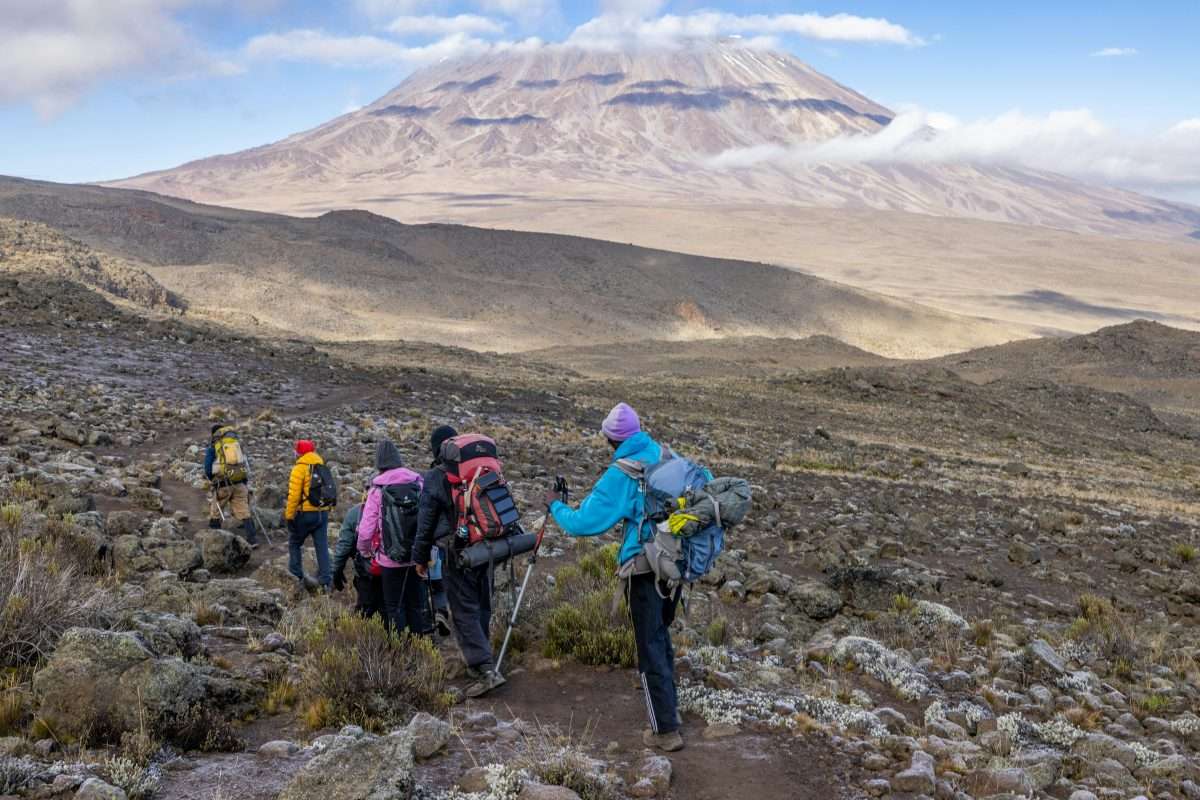
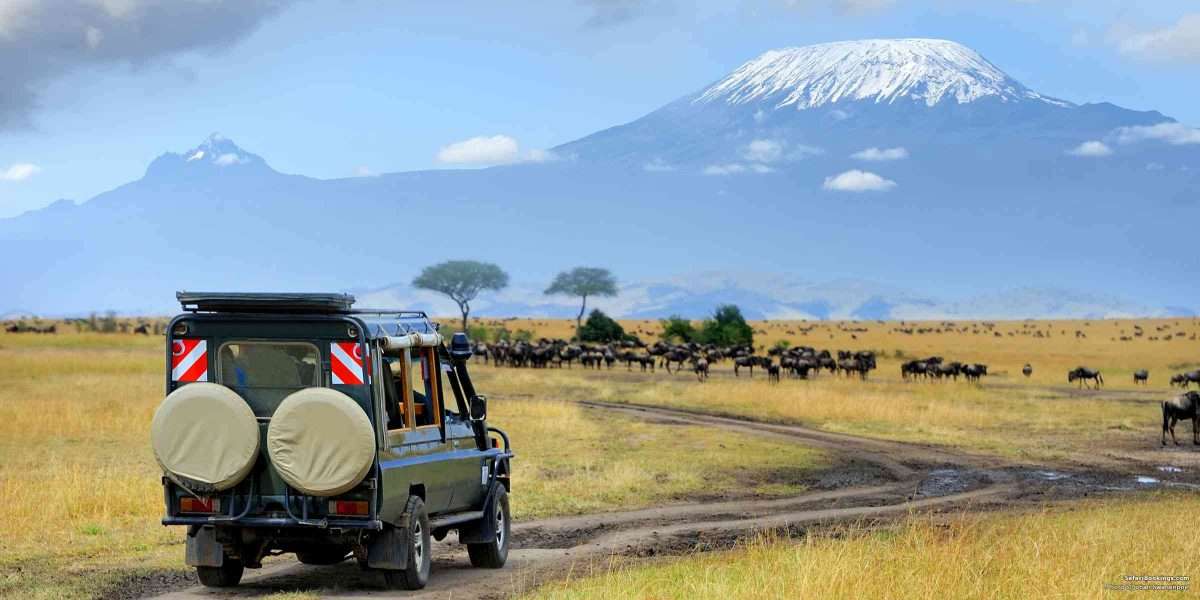
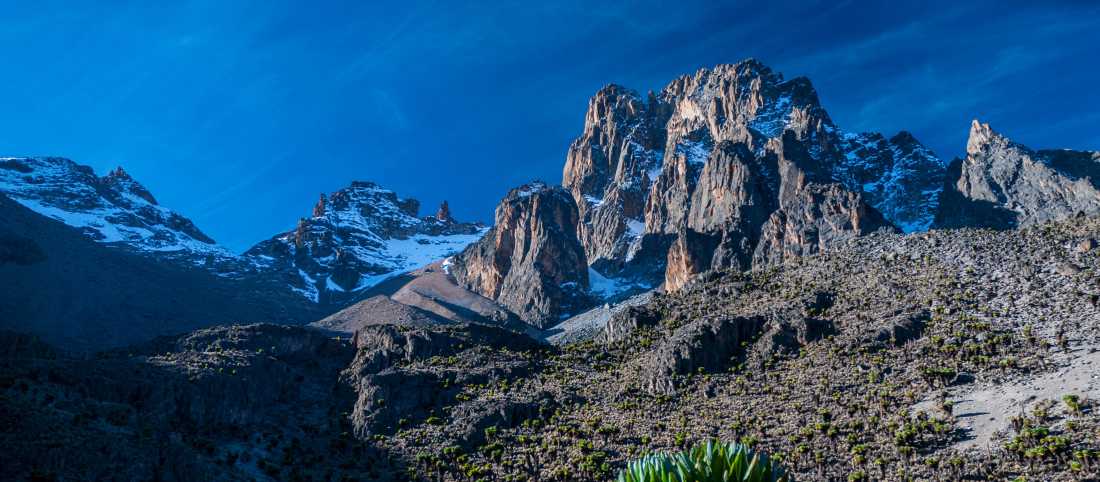
The biggest visual difference between mt kenya vs kilimanjaro is the shape and setting of the mountains. Mount Kilimanjaro is famous for its snow capped summit rising straight out of open savannah, which is why photos with elephants and giraffes in the foreground are so popular. Mount Kenya, by contrast, feels more rugged and dramatic. You see sharp rock peaks, alpine lakes, deep valleys, and cliff faces, which make the scenery feel closer and more intense as you climb.
Rare plants that make both mountains special
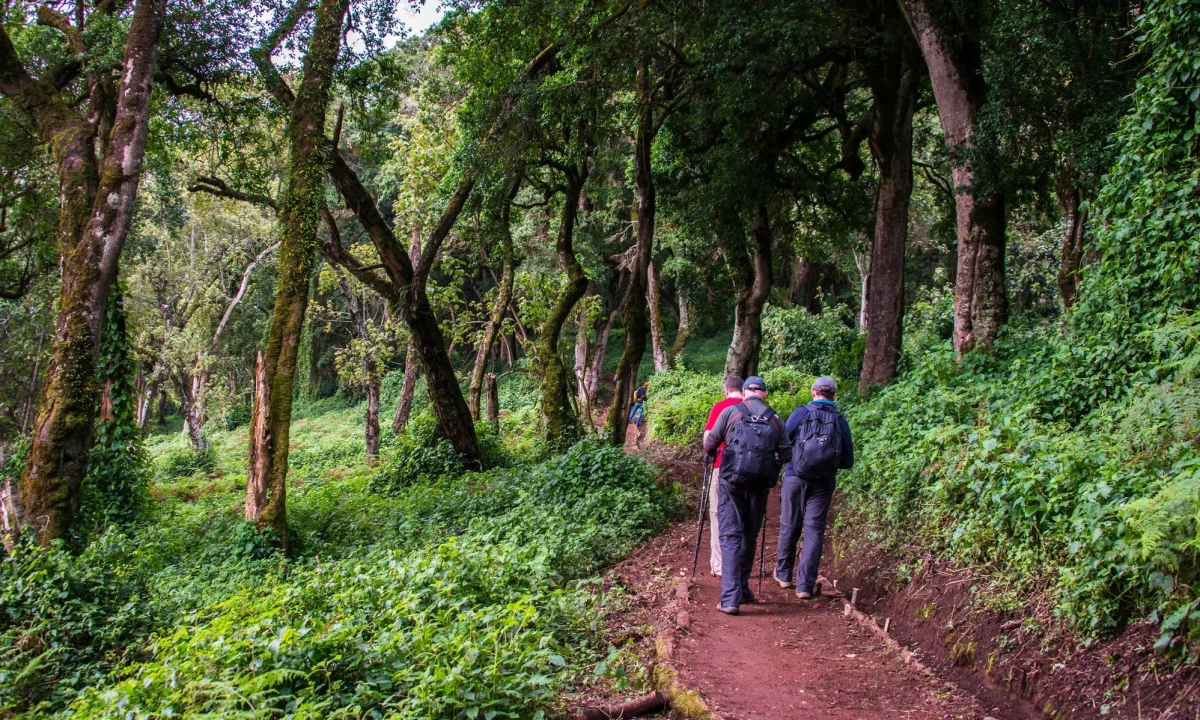
Both mountains pass through Afro alpine zones where strange plants grow that you will not see anywhere else. Giant lobelias and giant groundsels look like they belong on another planet. For kids and families, this is often one of the highlights because it feels like walking through different worlds in one journey, from forest to desert to icy summit landscapes.
Mount Kenya vs Kilimanjaro Packing List
Essentials for both mountains
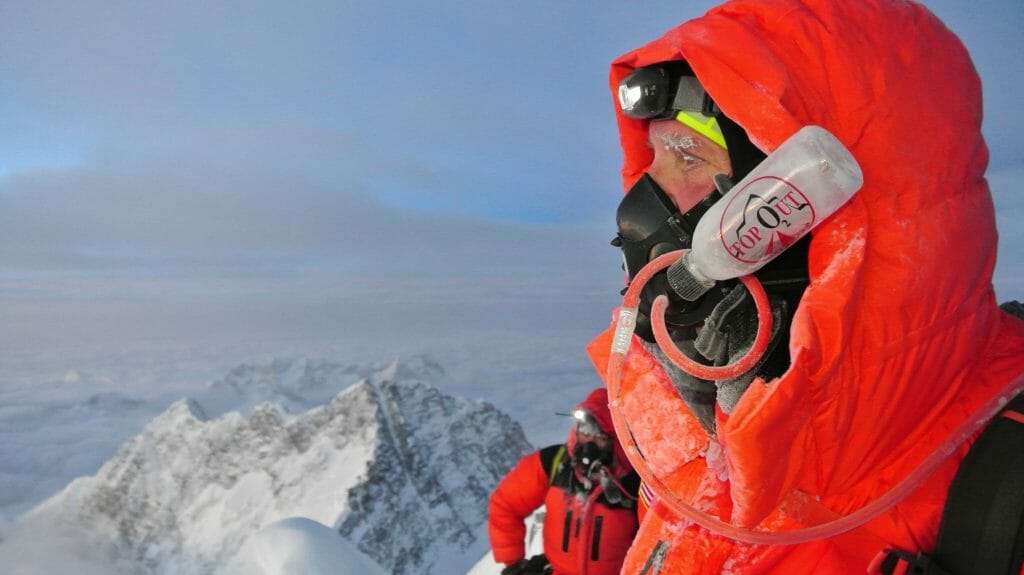
Whether you choose mount kenya vs kilimanjaro, your basic packing list is similar. You need warm layers, a good sleeping system, a headlamp, sun protection, and a strong hydration setup with bottles or a hydration pack. Daytime can feel warm, but nights can drop below freezing, so thermal clothing and a down jacket are important for comfort and safety.
Footwear and blister prevention
Your boots matter more than almost anything else. Choose waterproof hiking boots with ankle support and break them in before your flight. Use a sock system with liner socks and thicker outer socks to reduce friction. Test everything at home on long walks and stairs so you know what works for your feet. This is especially important if you are trekking with children or older family members.
Extra gear if you aim for technical summits on Mount Kenya
If your goal is Batian or Nelion on Mount Kenya, you need technical climbing gear such as rope, harness, helmet, carabiners, and climbing shoes. These are not needed for Kilimanjaro or for Point Lenana on Mount Kenya, which is why many families choose non technical routes.
Age Limit to Climb Mount Kenya vs Kilimanjaro
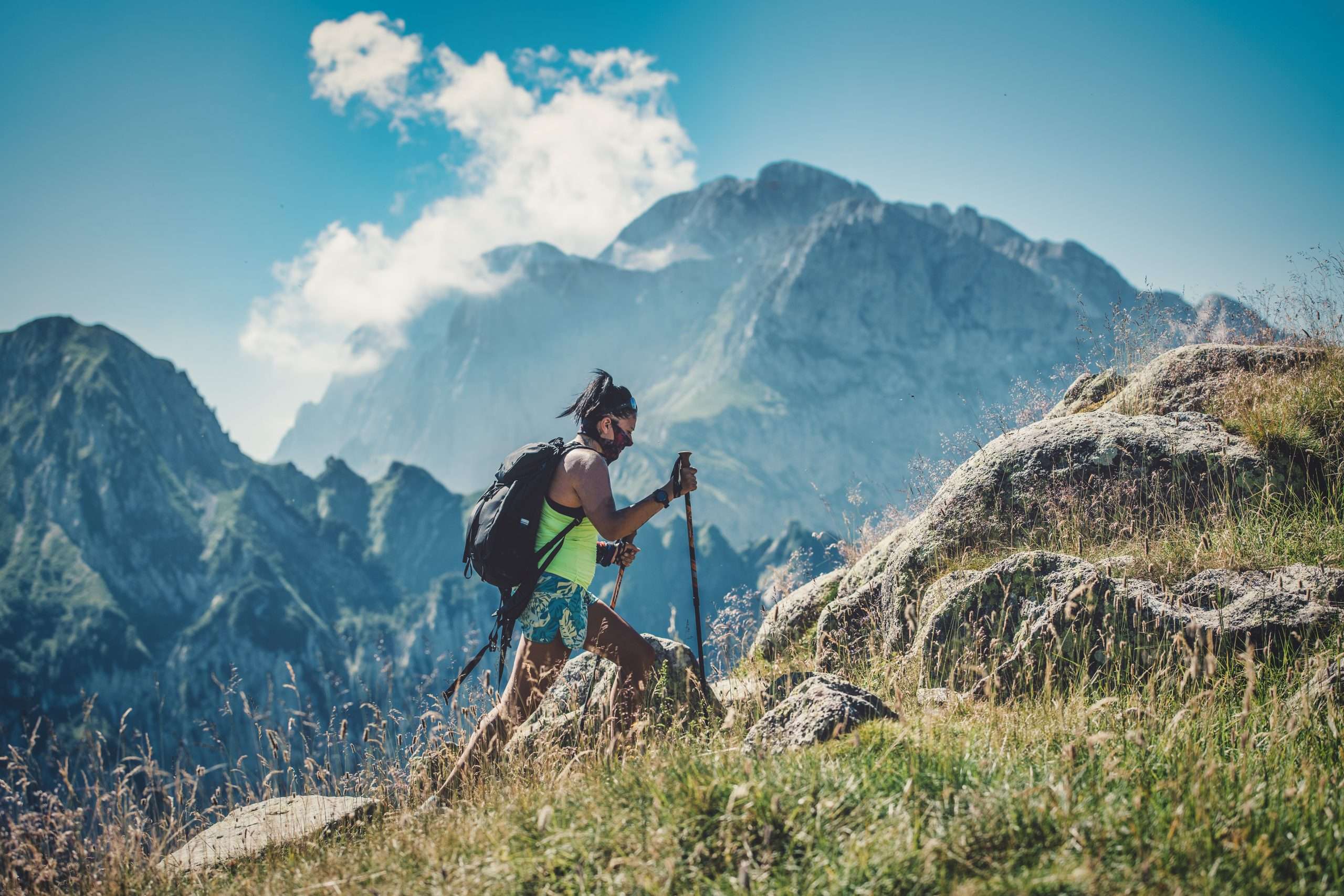
There is no single fixed legal age limit for climbing Mount Kenya or Mount Kilimanjaro, but park authorities and operators follow practical safety rules. On Mount Kilimanjaro, most responsible tour operators set a minimum age of about 10 years, and this is also the guideline used by Kilimanjaro National Park. Children must be healthy, able to walk several hours a day, and cope with cold and altitude. There is no official maximum age, and many people in their 60s and even 70s successfully reach Uhuru Peak, as long as they are medically fit.
Why Mount Kenya Might Be a Better Climb Than Kilimanjaro
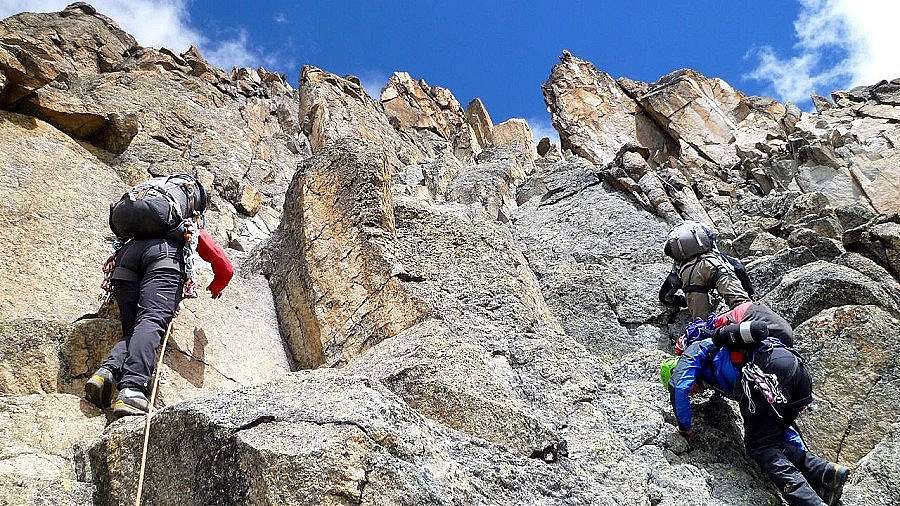
For many travelers, Kilimanjaro is the only mountain they hear about when planning a trek in Africa. However, there is another option right next door that often delivers a quieter, more scenic, and more personal experience. If you want something less crowded and more varied than simply chasing altitude, Mount Kenya can be a smarter choice. It is also more affordable than Kilimanjaro, mainly because Kilimanjaro has higher daily park and permit fees.
Mount Kenya is often called the trekker’s trek of Africa. It feels raw and real, and if you are already thinking about Kilimanjaro, it deserves serious consideration. Many of our travelers even choose to combine Mount Kenya and Kilimanjaro in one trip for the best of both worlds.
Quieter Trails, Richer Experience
Unlike Kilimanjaro, which welcomes tens of thousands of trekkers each year, Mount Kenya stays refreshingly uncrowded. On many days, you walk in near silence with no long lines of hikers, no crowded campsites, and no traffic of headlamps on summit morning. This gives you space to enjoy the mountain at your own pace and feel truly connected to nature.
Trekking, Not Just Altitude Walking
Kilimanjaro is mostly a steady uphill walk focused on gaining height. Mount Kenya feels more like true trekking. You move through valleys, climb ridges, pass alpine lakes, and follow routes that change daily in scenery and terrain. It feels like a journey across a mountain, not just a straight line to the top.
A Full Traverse, Not a Simple Return Route
Most Kilimanjaro climbs go up and down similar paths. On Mount Kenya, you often do a full traverse of the mountain. A classic route begins in the forested Chogoria side, climbs past Lake Ellis and Lake Michaelson, and descends through the wide Mackinder Valley. This means every day shows you something new instead of repeating the same views.
Diverse Landscapes and Glacial Beauty
Mount Kenya packs more variety into a shorter trek. You walk through bamboo forest, Afro alpine meadows, rocky towers, and glacial lakes. The landscape changes constantly, which is why the mountain is listed as a UNESCO World Heritage Site for both natural and cultural value.
Exceptional Value for Money
Many trekkers are surprised to learn that Mount Kenya usually costs much less than Kilimanjaro, often half the price or even less, depending on route and comfort level. Kilimanjaro’s higher cost comes from strict daily park fees and required crew sizes. On Mount Kenya, the experience feels more personal and less commercial, while still being well supported.
High Success with Strong Local Support
Because the itinerary naturally allows your body to adjust to altitude, Mount Kenya often has fewer altitude related problems than rushed Kilimanjaro schedules. Guiding teams are known for their care and attention, and success rates are strong for trekkers aiming for Point Lenana.
So is Mount Kenya the better climb?
If your goal is simply to stand on the highest point in Africa, Kilimanjaro still wins on height and fame. But if you want a trek that feels more remote, more scenic, and more like a real mountain journey without the heavy crowds or high price tag, Mount Kenya may be Africa’s best kept trekking secret.
FAQs: Mount Kenya vs Kilimanjaro
1. Which is harder to climb: Mount Kenya or Mount Kilimanjaro?
It depends on which summit you choose. Mount Kilimanjaro is higher at 5,895 m (19,341 ft) and challenges you mainly with altitude and endurance, but it does not require technical climbing skills. Mount Kenya has a lower trekking summit, Point Lenana at 4,985 m (16,355 ft), which is non technical, but its main peaks Batian and Nelion require real mountaineering skills, ropes, and helmets. So Kilimanjaro is harder because of altitude, while Mount Kenya can be harder because of technical terrain.
2. Which mountain is better for first time high altitude trekkers?
For most beginners, Kilimanjaro is the better choice because the main routes are walking trails and do not involve rock climbing. You still need fitness and good acclimatization, but you do not need climbing experience. Mount Kenya is better for travelers who want a quieter trek or who already have some hiking experience, especially if they aim only for Point Lenana.
3. Can you combine Mount Kenya and Kilimanjaro in one trip?
Yes, and it is a popular idea for strong hikers. The two mountains are about 320 km (200 miles) apart. A smart plan is to climb one mountain first, rest for several days, and then attempt the second. Many travelers do Mount Kenya first to prepare their bodies for altitude before going on to Kilimanjaro.
4. How fit do you need to be for each mountain?
For both mountains, you need to be able to walk uphill for several days in a row and handle long downhill sections. Kilimanjaro usually feels longer and more tiring because treks last 6 to 8 days. Mount Kenya can feel steeper and more rugged over 4 to 6 days. You do not need to be an athlete, but regular walking, stair climbing, and hill training help a lot.
5. Which mountain has better scenery?
They are beautiful in different ways. Kilimanjaro is famous for its snow capped summit rising above the savannah and wide open views. Mount Kenya feels more dramatic with sharp peaks, alpine lakes, and deep valleys. Many hikers say Mount Kenya feels more varied and wild, while Kilimanjaro feels more iconic and symbolic.
6. What wildlife might you see on these mountains?
On the lower slopes of both mountains, you may see monkeys, birds, and forest animals. Around the foothills, especially in national parks, there can be elephants, buffalo, and antelope. Higher up, wildlife becomes rare, but the plants become special, including giant lobelias and giant groundsels.
7. Which one is more crowded?
Kilimanjaro is much busier, especially during dry months from June to October and December to March. It can see 30,000 to 50,000 trekkers per year. Mount Kenya receives far fewer visitors, so the trails feel quieter and more remote. If you want a social atmosphere, Kilimanjaro suits you. If you want solitude, Mount Kenya is often better.
8. What is the best time of year to climb each mountain?
For both mountains, the best months are usually January to March and June to October. These are the dry seasons with clearer skies and safer trails. April and May are the long rainy season, which can mean muddy paths and poor visibility. November is a short rainy season with fewer crowds but less predictable weather.
9. How much does it cost to climb Mount Kenya vs Kilimanjaro?
Kilimanjaro is more expensive because of park fees and strict rules. Typical prices range from USD 2,000 to 6,000 per person depending on route and comfort level. Mount Kenya is usually cheaper, often starting around USD 1,000 to 3,000, depending on route and services. Costs usually include park fees, guides, porters, food, and camping gear.
10. Which mountain should I choose if I have limited time?
If you only have a few days, Mount Kenya is usually better because you can reach Point Lenana in 4 to 6 days. Kilimanjaro normally needs 6 to 8 days for a safer climb with acclimatization. If your time is short and you still want a high mountain experience, Mount Kenya can fit your schedule more easily.
Blog Summary
Mount Kilimanjaro vs Mount Kenya compares Africa’s two highest mountains, helping you choose based on height, difficulty, time, and budget.
Kilimanjaro is higher at 5,895 m (19,341 ft), while Mount Kenya is second highest at 5,199 m (17,057 ft), with different summit options for trekkers and climbers.
Kilimanjaro is mostly a trekking climb, while Mount Kenya can be technical if you aim for Batian or Nelion, making skill level an important factor.
Both mountains sit near the Equator and share similar climate zones, from rainforest and moorland to alpine desert and icy summits.
Best time to climb Mount Kenya and Kilimanjaro is usually January to March and June to October for clearer skies and safer trails.
Kilimanjaro attracts more crowds, with tens of thousands of climbers each year, while Mount Kenya is quieter and more rugged.
Trek duration differs, with Kilimanjaro usually taking 6 to 8 days and Mount Kenya often taking 4 to 6 days for Point Lenana routes.
Costs vary, with Kilimanjaro generally more expensive due to park fees and regulations, and Mount Kenya offering more budget friendly options.
Scenery and wildlife differ in style, with Kilimanjaro known for its snow capped peak above the savannah and Mount Kenya for its sharp peaks, lakes, and valleys.
With smart planning, you can even combine Mount Kenya and Kilimanjaro in one trip, making it possible to enjoy both mountains in a single East Africa adventure.


