
I have planned safaris for hundreds of American travelers by now, and I get the same questions almost every time. Not the questions you find on a packing list website. The real ones. The ones people ask me over a phone call at 9pm their time because they are lying awake worried about something nobody warned them about.
So here are the safari facts I actually tell people, in the order they usually ask me. Just what I have learned from planning trips to Kenya, Tanzania, and beyond, and from being on safari myself more times than I can count.
What to Pack
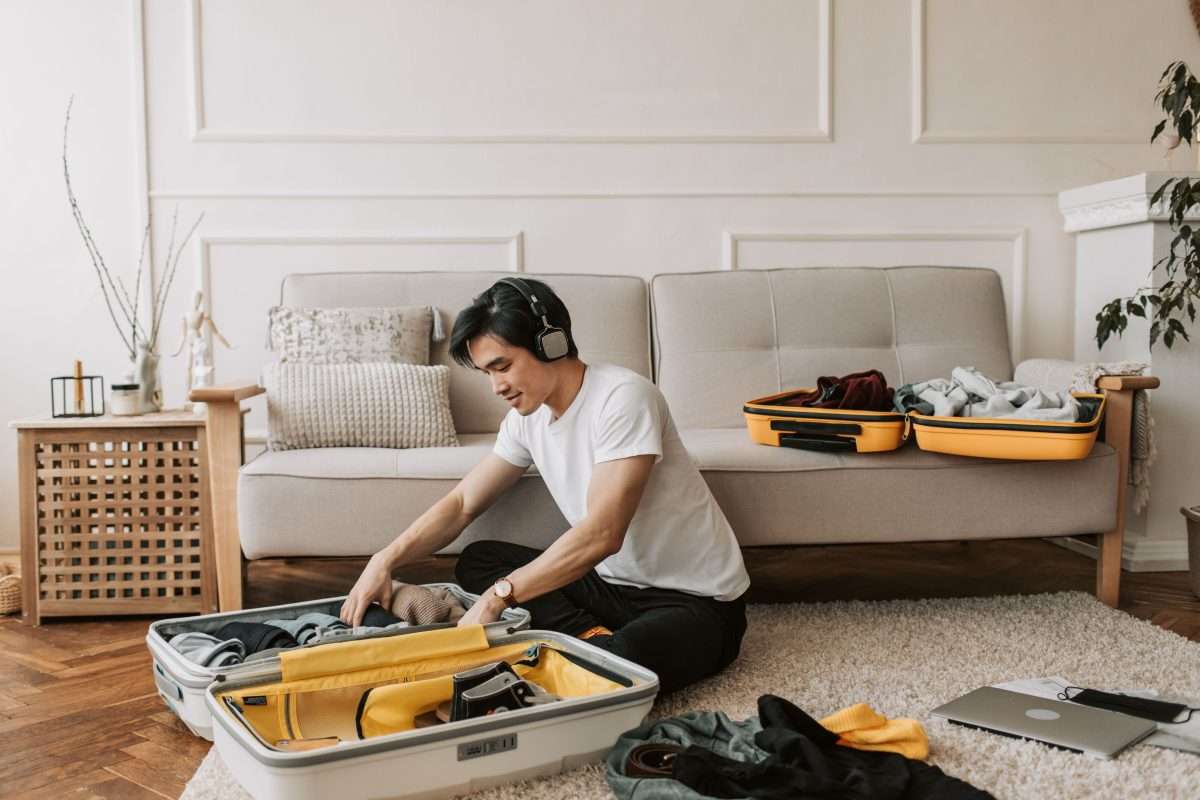
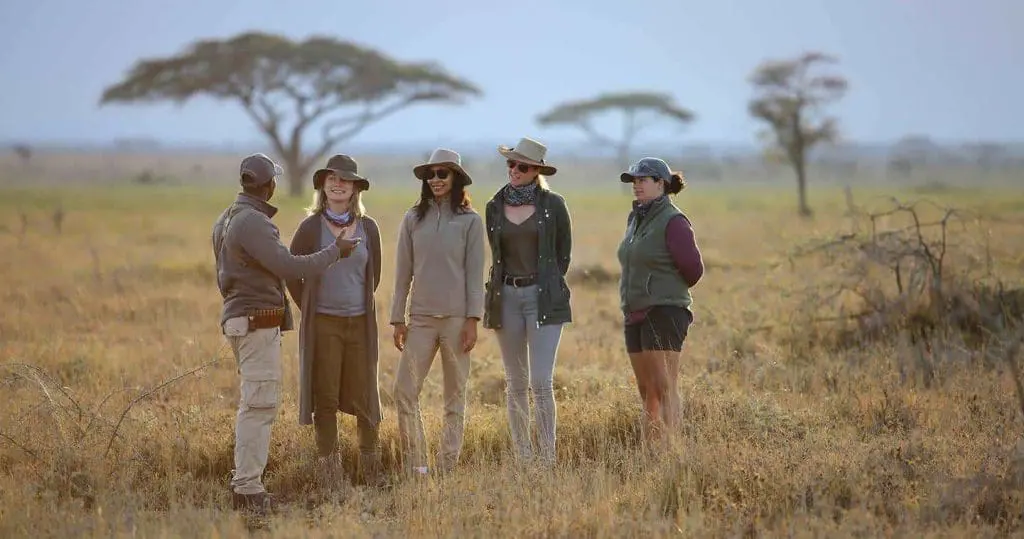
You do not need a whole new wardrobe. I tell every guest the same thing: bring neutral colors like khaki, olive, and tan, skip bright white and black, and pack less than you think you need. Camps do free laundry almost everywhere, so you can wear the same shirt three times and nobody will care or even notice.
What people forget: a warm layer. Mornings on game drives start before sunrise and it gets cold, even in places you think of as hot all year. A fleece or light jacket matters more than a fourth pair of pants. Bring a headlamp too, since camps run on solar power and paths between tents are dark at night.
Bring extra memory cards and a dust cover for your camera if you have one. The dust here is fine and it gets into everything, your bag, your ears, your camera bag. It is part of the experience, not a flaw in the trip.
Malaria Pills and Health Prep

I always tell guests to talk to a travel doctor at home before booking their pills, since the right one depends on your health history. What I can tell you from experience is that most of our guests take antimalarials without any issue, and combined with a good repellent and covering up at dawn and dusk, the actual risk on a well-run safari is low.
I also tell people to bring their normal prescriptions plus a small kit: pain relief, something for an upset stomach, rehydration salts, and bandaids. Camps in remote areas are not near a pharmacy, and a small kit saves you a stressful night.
Tipping in USD: How Much and How
This is the question I get asked the most, and it makes sense, because tipping culture in East Africa is real and it is different from home. I tell every US guest to bring cash in US dollars, in small bills, and make sure the notes are newer series, since older or torn notes are sometimes refused.
For your guide, the general range is 15 to 25 dollars per person per day. For camp staff, it is usually 10 to 20 dollars per person per day, and most camps have a shared tip box so the kitchen staff and housekeeping you may never meet directly still get a share. I always suggest bringing a bit more than the guideline. Every guest who has done this has told me it felt right once they saw how hard the staff work for them.
WiFi and Phone Signal: What Actually Works
Most camps now have WiFi in the main lounge area, and some have it in tents too, but it is often slow and it can drop out completely during a storm. I always tell guests to plan for this instead of fighting it. Download maps, music, and anything you need offline before you leave a city with strong signal.
Honestly, most guests tell me afterward that losing signal for a few days was one of the best parts of the trip. You stop checking your phone and you start noticing the birds calling at sunrise instead.
The Questions Nobody Else Answers
A few things people almost never ask me directly, but I bring up anyway because I know they are wondering.
Yes, you will hear animals at night. Hippos grazing near your tent, hyenas calling in the distance, maybe an elephant rumbling past. This is normal and it means the camp is doing its job letting you feel close to the wilderness while keeping you safe.
No, you will not need to defend yourself from a lion. Camps are staffed all night, and animals treat tents and vehicles as part of the landscape, not as prey. I have had guests lie awake their first night convinced something was about to happen, and by night two they are sleeping better than they do at home.
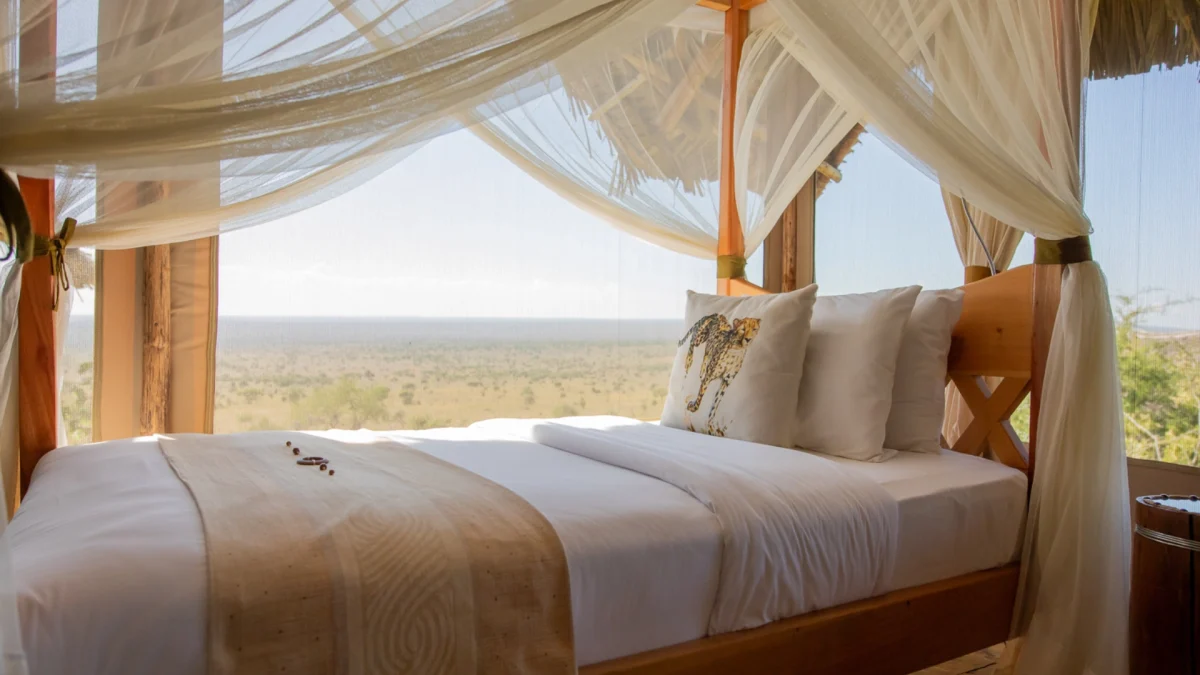
And no, you will not need to walk outside in the dark to use the bathroom. Every lodge and luxury camp we book has a full ensuite bathroom right inside your tent or room, toilet and shower included. I know some blogs talk about outdoor long-drop toilets and a torch walk across camp, and that may be true for very basic budget setups, but it is not what our guests experience. You step out of bed, and your bathroom is right there.
A Story From a Recent Trip
Last season I had a guest from Chicago who called me the week before her flight, nervous about almost everything on this list. Pills, tipping, whether her phone would work for her kids back home.
She landed in the Masai Mara four days later and texted me a photo of a lioness walking past her vehicle close enough to touch, if she had been foolish enough to try. Her message said she had cried, laughed, and forgotten to check her phone for six hours straight. That is what I want for every guest. Not just good sightings, but that shift where the questions stop mattering and the experience takes over.
Visa Process, Fees, and Documents
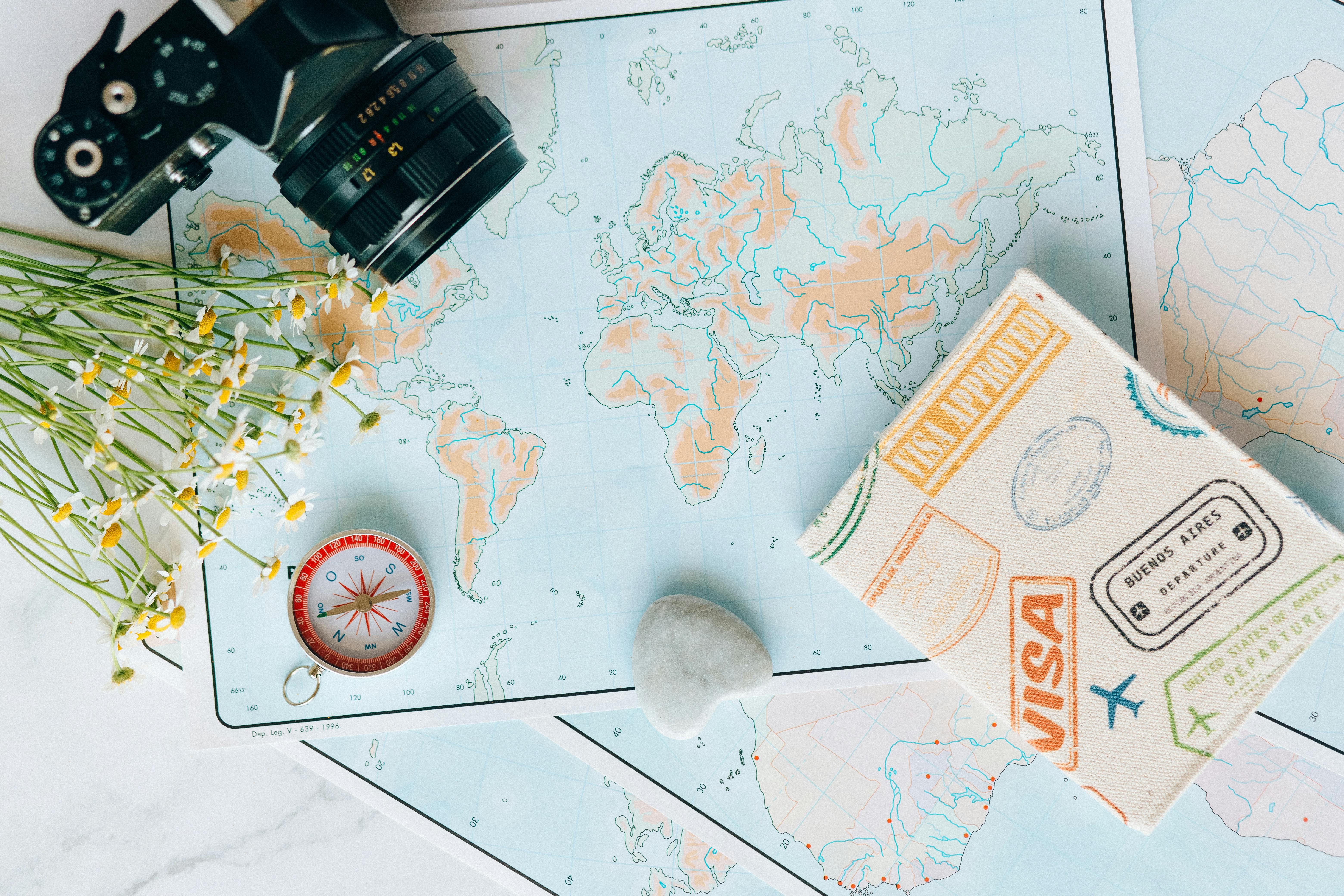
Most US travelers need a visa to enter Kenya and Tanzania, and the good news is it is simple. You apply online before you fly through the official government eVisa portal, upload a photo and your passport photo page, and pay the fee by card. Kenya’s eVisa runs around 30 to 50 dollars and Tanzania’s is similar, though fees change, so I always tell guests to check the current rate close to their travel date rather than trust an old number online.
Your passport needs at least six months of validity left from your travel date and at least one blank page. I tell every guest to apply for their visa two to three weeks before departure. It rarely takes that long, but it gives you a buffer if anything needs correcting.
How Far in Advance to Book Your Flights

I tell guests to book international flights three to six months ahead for the best fares and seat choice, especially if you are traveling in July through October, which is peak season for the Great Migration. If you are set on specific dates around a holiday or a milestone trip, six to nine months out is safer.
Internal flights within Kenya or Tanzania, the small bush planes that connect you to the parks, we book on your behalf once your safari dates are locked in. You do not need to arrange those yourself.
Kids and Elderly Guests on Safari
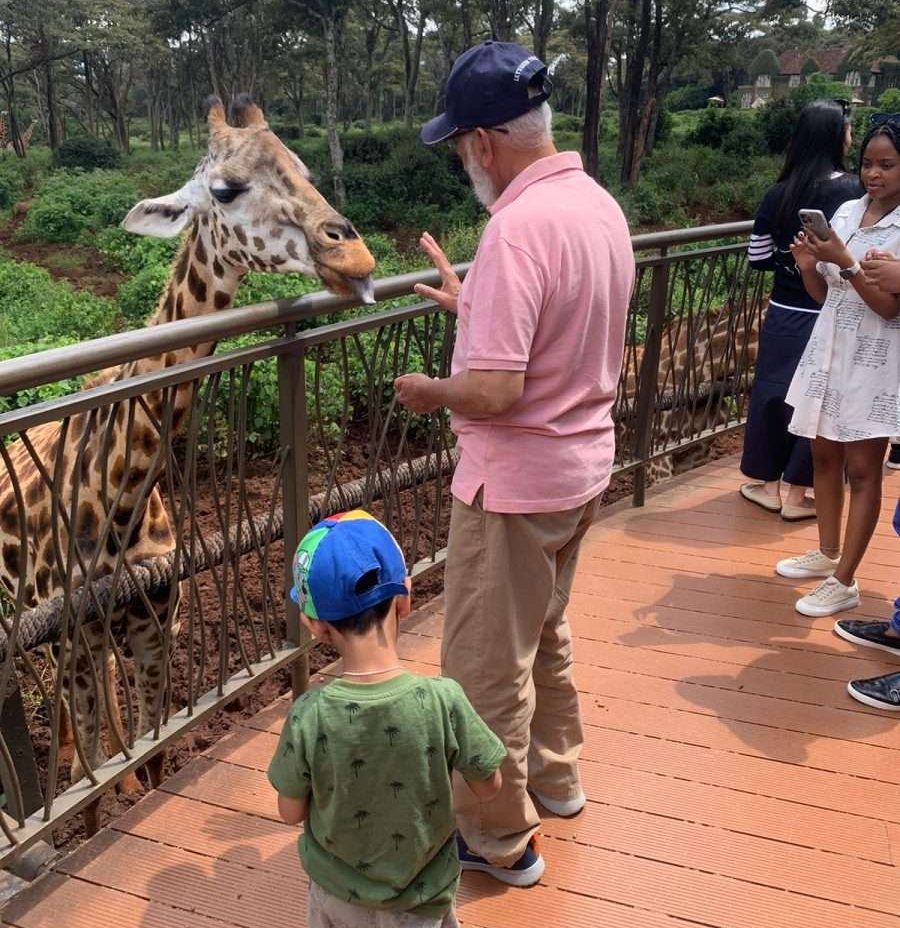
Safari works for a wider range of ages than people expect, but the right camp and pace depends on who is traveling. Most camps and parks set a minimum age for game drives, often 6 or 7 years old, since young children can struggle to sit still and quiet during a sighting, and some parks restrict children under 12 from certain walking safaris or gorilla treks. I always ask about ages before I build an itinerary, since some camps are genuinely built for families with connecting tents and kids’ activities, and others are adults-only.
For elderly guests, the main things to plan around are the early wake-up calls, the bumpy roads, and getting in and out of safari vehicles, which sit higher than a normal car. None of this rules anyone out. I have booked safaris for guests in their 80s who did beautifully, but I build the itinerary around their pace, with fewer long transfer days and camps that are easier to move around in.
Is Africa Safe for US Travelers?

This is the question I get asked in almost every first call, and I understand why. The honest answer is that a well-run safari, staying at vetted lodges and camps, moving between destinations with a licensed operator, is one of the safer trips you can take. You are inside protected parks and conservancies most of the time, not wandering city streets at night.
Like any international trip, normal precautions apply in cities before or after your safari days, the same way they would in any major city at home. Once you are in the bush with your guide, you are in the hands of people who do this every single day and know the land, the animals, and the routes better than anyone.
Food, Stomach Issues, and What to Do About Diarrhea
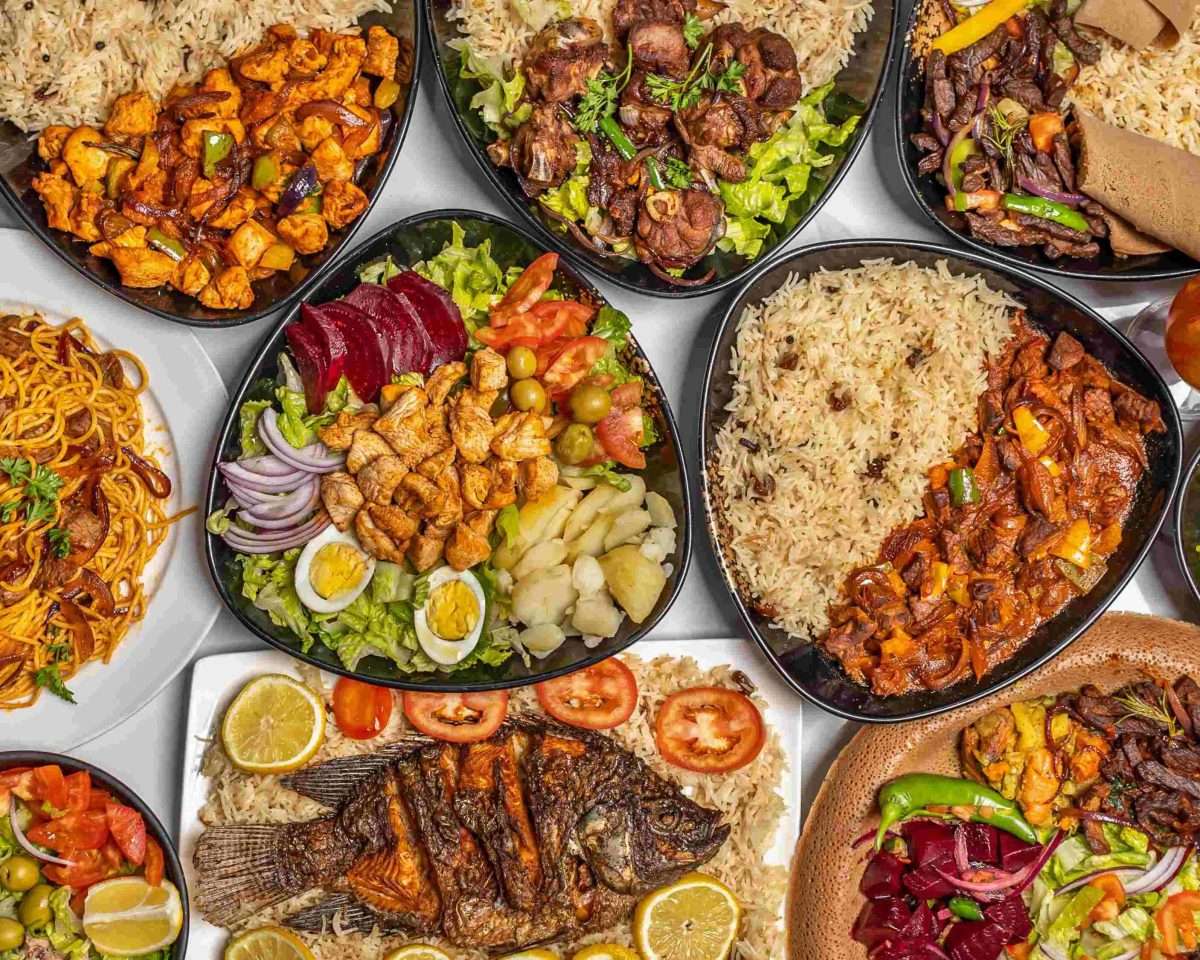
Food at our lodges and camps is genuinely good, freshly prepared, and served in generous portions, and most guests eat well the entire trip without any issue. Still, new food, new water sources even when filtered, and travel fatigue can upset anyone’s stomach, so I tell every guest to pack a small kit with anti-diarrheal medicine, rehydration salts, and something gentle for an upset stomach, just in case. If you do feel off, tell your guide. Camps are used to this and can help right away.
Drinking Water: Is Tap Water Safe?
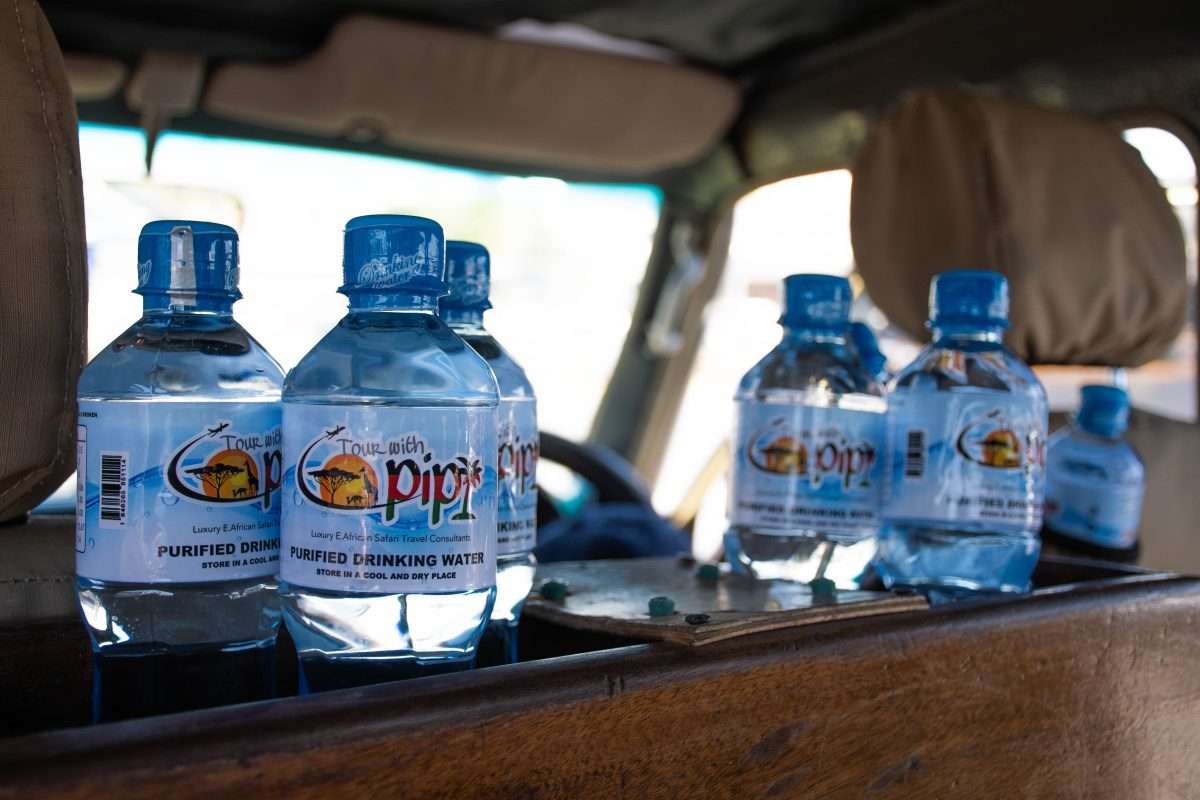
No, do not drink the tap water at your lodge or camp, or anywhere in Kenya or Tanzania for that matter. This is standard advice for the region and applies to locals and visitors alike. What I always tell our guests is not to worry about it, because we provide free bottled water throughout your entire trip, in your room, in the vehicle, everywhere. You will never need to buy your own water or wonder if what you are drinking is safe.
Keep Change for Tipping
Bring your tipping cash already broken into small bills before you arrive, ideally 1, 5, 10, and 20 dollar notes. Places to break a 100 dollar bill are limited once you are out in the parks, and I have had guests realize on day 3 that all they have is large bills and nowhere to change them. Sort your tipping envelopes before you leave home if you can, one for your guide and one for camp staff, so it is one less thing to think about once you land.
Mobile and Internet Plans for Safari
Most guests do one of two things: buy a local Kenya or Tanzania SIM card at the airport on arrival, which is cheap and gives you decent data in towns and some camps, or use an eSIM app like Airalo, which you can set up before you fly and activate on landing. Either works well. I would not rely on your home carrier’s international roaming alone, since it gets expensive fast and coverage in the parks is patchy no matter which network you use.
Physical Fitness for Safari
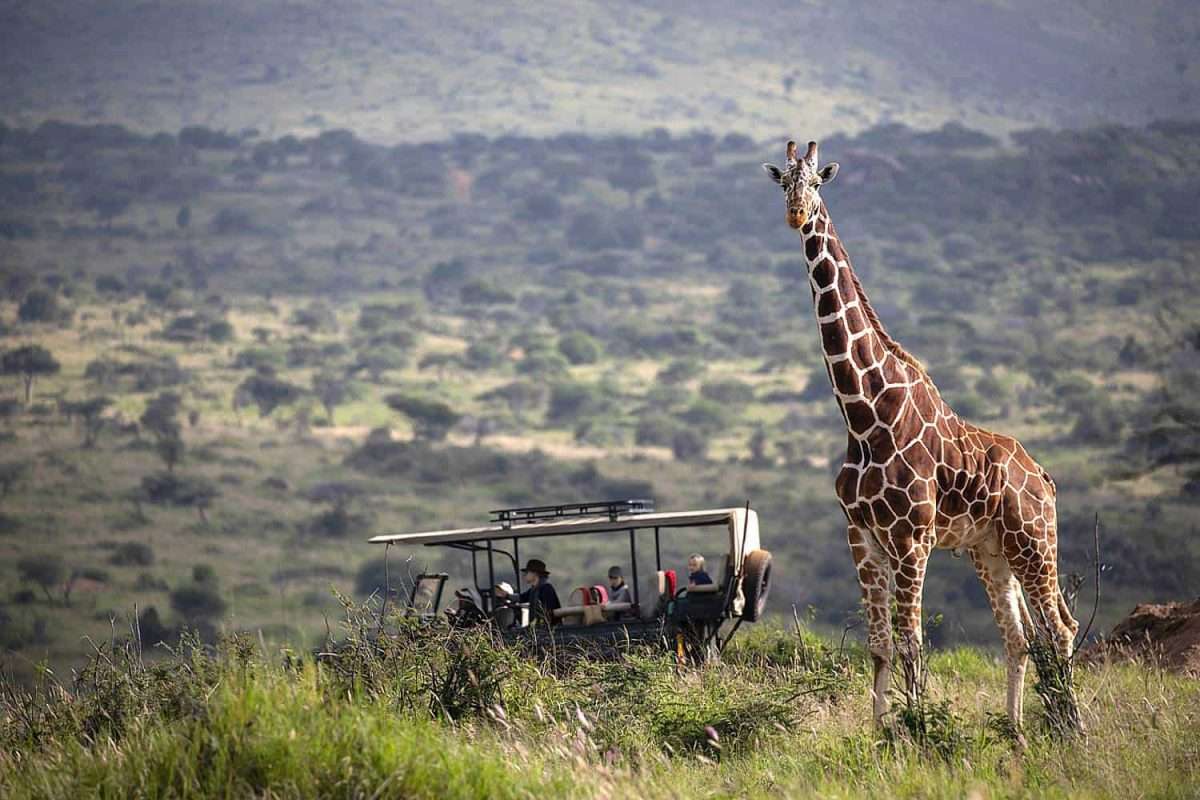
You do not need to be especially fit to enjoy a safari. Game drives are done seated in a vehicle, and most of your day involves sitting, watching, and photographing rather than hiking. The main physical demand is tolerating some bumpy roads and getting in and out of a raised vehicle a few times a day.
If your itinerary includes a walking safari or a trek like gorilla trekking in Rwanda or Uganda, that is a different level of fitness, and I always flag this clearly when I build a trip so nobody is caught off guard.
What Time Do You Wake Up on Safari?
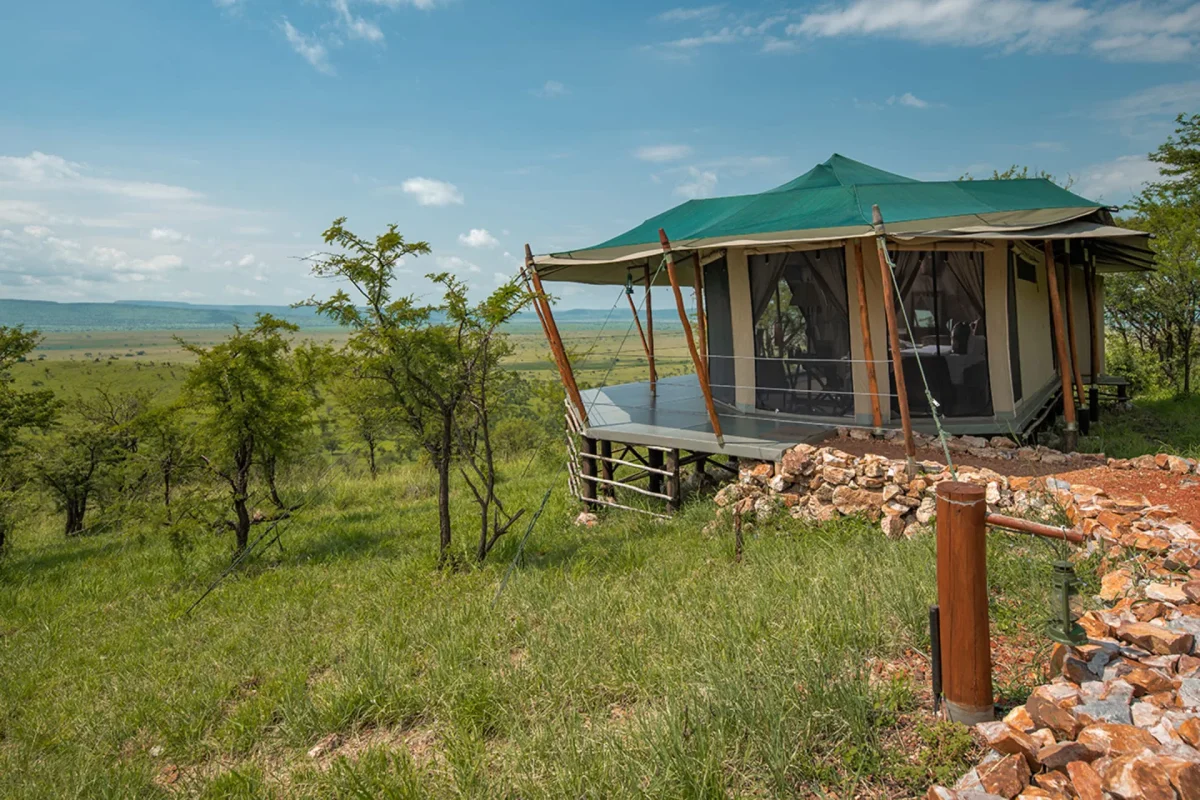
Early. Most mornings start around 5:30 or 6am, with tea or coffee brought to your tent, before heading out for the morning game drive around 6:30, when animals are most active and the light is best for photos. I know that sounds brutal on holiday, but by day two or three, most guests are waking up naturally at that hour and loving it.
What Does a Typical Safari Day Look Like?
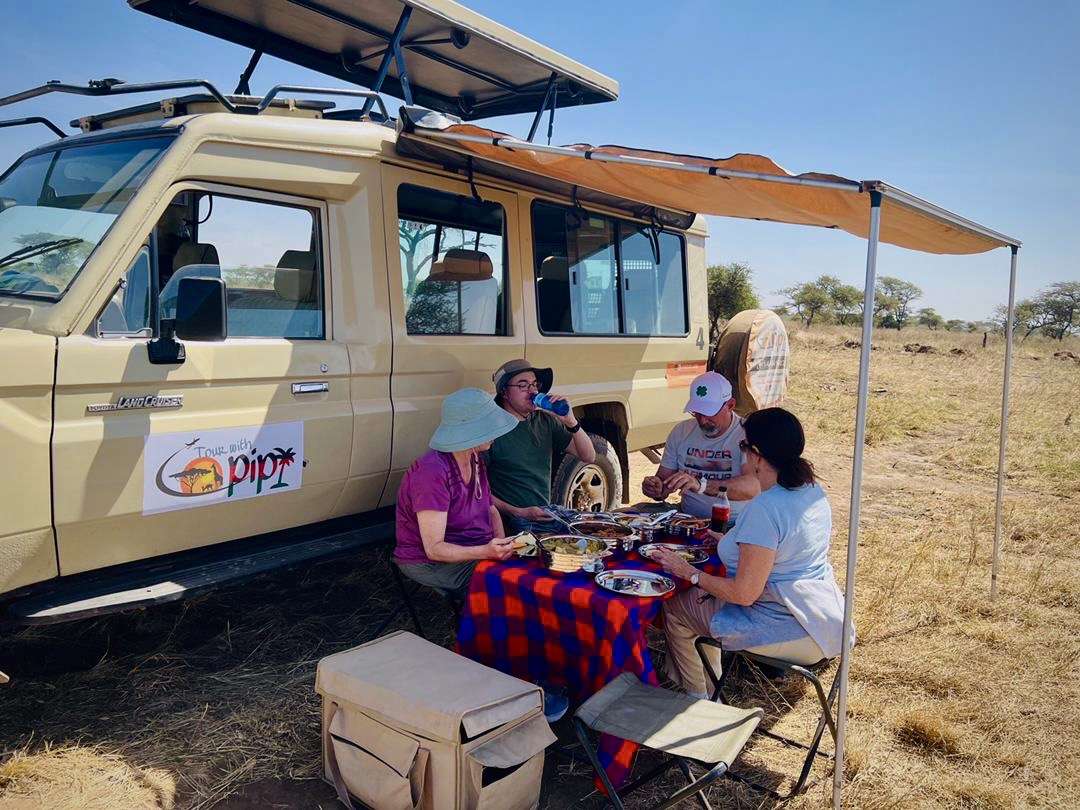
Mornings start early with a game drive from around 6:30am to late morning, often with a stop for a bush breakfast along the way. You come back to camp for lunch and some rest during the hottest part of the day, when animals are resting too. In the afternoon, you head out again for a second game drive, usually ending with a sundowner, drinks watching the sunset, before returning to camp for dinner and an early night. It is a simple rhythm, and most guests tell me it is one of the best parts of the whole trip.
Airport Transfers
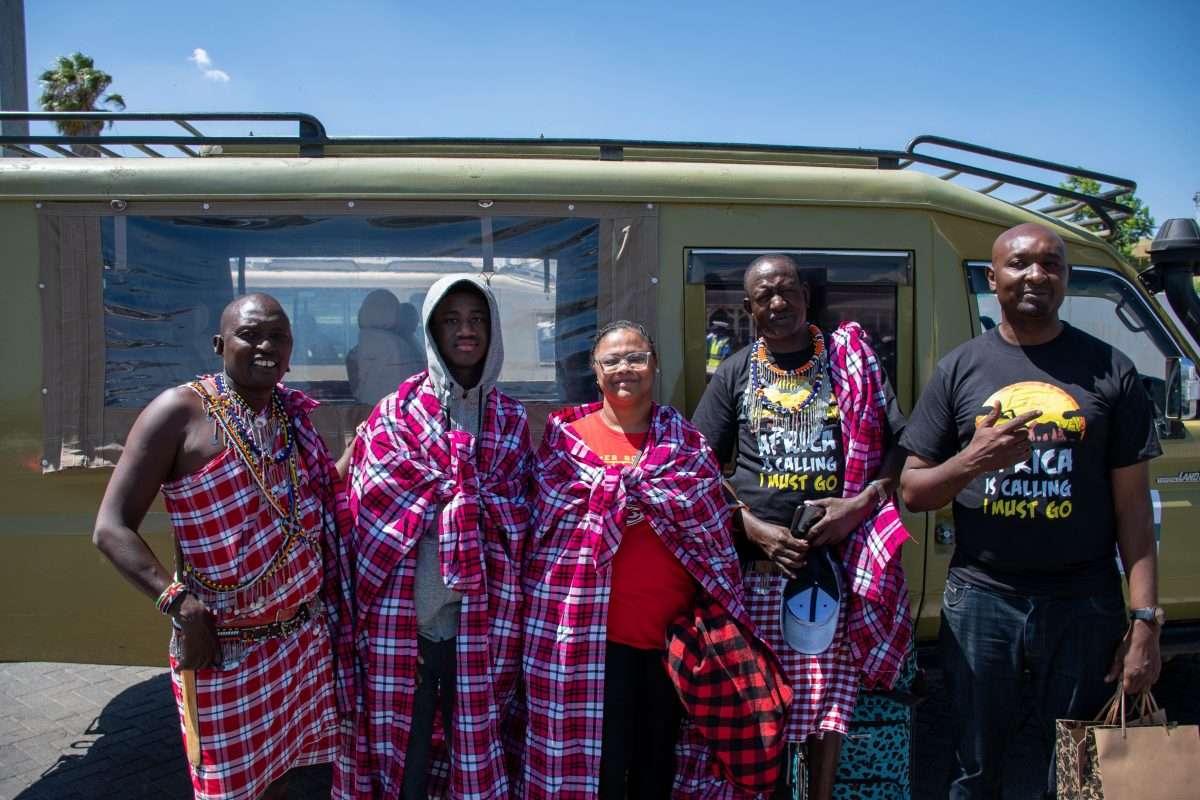
All of your transfers, from the airport to your first lodge, and between destinations during your safari, are arranged for you as part of your trip. You will be met at arrivals by name, so you never have to figure out a taxi or navigate on your own in an unfamiliar city. The only thing we ask is that you share your flight details with us ahead of time so we can plan around any delays.
Ready to Start Planning?
If you are going on a safari for the first time and have questions like these, message me directly on WhatsApp and I will answer them the same way I do for every guest, honestly and without the sales pitch.
A few trips our first-time US guests book most often:
- 5-Day Masai Mara Safari
- 6-Day Mara Discovery: Big Five Safari
- 8-Day Kenya Explorer Safari
- 8-Day Extraordinary Kenya Safari
Frequently Asked Questions
Is it safe to go on a safari for the first time?
Yes. Safaris run inside national parks and conservancies with licensed guides, trained camp staff, and strict protocols. Most guests tell me they feel safer in camp than they do walking around a large city at home.
What safari facts do first-timers get wrong the most?
The biggest one is expecting it to feel rough or basic. Most camps have real beds, hot showers, and excellent food. The wilderness is outside your tent, not inside it.
How much should I budget for tipping on safari?
Plan for 15 to 25 dollars per person per day for your guide and 10 to 20 dollars per person per day for camp staff, paid in US dollars in small, newer bills.
Do I need malaria pills before going to safari?
Talk to a travel doctor before you go, since the right medication depends on your health and travel dates. Most guests take antimalarials without issue when combined with repellent and covering up at dawn and dusk.
Will my phone work on safari?
Many camps have WiFi in shared areas, but it is often slow and can drop during storms. Download what you need offline and expect some time fully disconnected.
What should I pack for my first safari?
Neutral colored clothing, a warm layer for early mornings, a headlamp, sunscreen, and any personal medication. Camps offer free laundry, so you need less than you think.
Do US travelers need a visa for Kenya or Tanzania?
Yes, most US travelers need an eVisa, applied for online before departure. Your passport needs at least six months validity and one blank page. Apply two to three weeks before you fly.
Is the tap water safe to drink on safari?
No, do not drink tap water in Kenya or Tanzania. We provide free bottled water throughout your entire trip, so you never need to buy or worry about your own water supply.
Is safari safe for kids and elderly travelers?
Yes, with the right planning. Most camps set a minimum age for game drives, often 6 or 7, and we build itineraries around each guest’s age and pace, whether that means a family-friendly camp or a slower schedule for older travelers.
What time do you wake up on a safari?
Most mornings start around 5:30 to 6am, with the game drive beginning around 6:30 when animals are most active. Most guests adjust to the rhythm within a day or two.
Will I have phone and internet access on safari?
A local SIM card or an eSIM like Airalo works well for data in towns and some camps. Coverage in the parks themselves is patchy no matter which provider you use, so plan for some offline time.
10 Safari Facts to Remember Before You Go
- Bring US dollars in small, newer bills for tipping, and break your change before you land.
- Guides get 15 to 25 dollars per person per day, camp staff 10 to 20 dollars.
- Pack a warm layer, mornings are colder than you expect.
- Apply for your eVisa online two to three weeks before departure.
- Book international flights three to six months ahead, more for peak migration season.
- Do not drink tap water, we provide free bottled water throughout your trip.
- Talk to a travel doctor about malaria pills before you book, and pack a small stomach kit just in case.
- All lodges and camps we book have full ensuite bathrooms, no walking outside in the dark.
- A local SIM or eSIM covers you in towns, but expect patchy signal inside the parks.
- Days start early, around 5:30am, but by day two the rhythm feels natural, not exhausting.


