
Quick Answer:
The best mosquito repellent for an African safari is a combination of 30–50% DEET or 20% Picaridin applied to exposed skin, together with Permethrin-treated clothing. This layered approach offers the best protection against mosquitoes that can transmit malaria and also helps reduce bites from other insects commonly found on safari.
What Is the Best Mosquito Repellent for an African Safari?
No single product provides complete protection on its own.
Experienced safari guides, travel clinics, and outdoor specialists recommend using a layered protection strategy instead of relying on one spray.
The most effective approach combines:
- A high-quality skin repellent containing DEET or Picaridin.
- Permethrin-treated safari clothing to repel and kill insects before they reach your skin.
- Appropriate safari clothing that covers exposed skin.
- Mosquito nets and lodge precautions during the evening and overnight.
This combination significantly reduces your chances of being bitten while remaining comfortable during game drives and walking activities.
Visit Kenya Tours
- 5 Days Maasai Mara, Kenya Safari — $1,739
- 6 Days Luxury Safari in Kenya — $3,799
- 8 Days Masai Mara Safari & Watamu Beach — $3,699
- 8-Days Classic Kenya Safari — $4,219
- 8-Days Kenya Flying Safari — $5,519
- 9-Day Mara & Chale Honeymoon Escape — $4,739
Why Mosquito Protection Matters on Safari
Most safari destinations are perfectly safe to visit with proper preparation, but mosquitoes remain one of the few health considerations travelers should plan for before arriving.
Mosquitoes can carry diseases including:
- Malaria
- Dengue fever
- Yellow fever (in some regions)
- Zika virus
The level of risk depends on:
- The country you visit.
- The season.
- Rainfall.
- Elevation.
- Your specific safari itinerary.
For this reason, insect protection should be considered an essential part of your safari packing list rather than an optional accessory.
Visit Tanzania Safaris
- 7-Day Classic Luxury Tanzania Safari Tour — $3,109
- 9-Day Luxury Tanzania Safari with Zanzibar — $4,869
- 10-Day Luxury Tanzania Calving Season Safari — $4,839
- 10-Day Luxury Tanzania Great Migration Safari — $5,479
The Three Most Effective Active Ingredients
When choosing the best insect repellent for an African safari, the active ingredient matters far more than the brand name.
1. DEET (Recommended for Most Safari Travelers)
DEET has been used worldwide for decades and remains the gold standard for mosquito protection.
A concentration between 30% and 50% provides long-lasting protection without requiring constant reapplication.
Benefits
- Highly effective against mosquitoes.
- Excellent protection in malaria-risk areas.
- Long-lasting coverage.
- Extensively researched and recommended by travel health experts.
Things to Know
DEET can damage certain plastics, synthetic fabrics, sunglasses, watches, binoculars, and expensive camera equipment if applied carelessly.
Always wash your hands after application before handling electronics or photography gear.
2. Picaridin (Best for Sensitive Skin)
Picaridin has become increasingly popular among safari travelers.
It offers protection comparable to DEET while being:
- Odorless.
- Non-greasy.
- Gentle on sensitive skin.
- Safe around plastics and camera equipment.
Because it does not damage synthetic materials, many wildlife photographers prefer Picaridin during long game drives.
A 20% Picaridin formula provides excellent protection against mosquitoes throughout most safari activities.
3. Permethrin (For Clothing Only)
Permethrin is completely different from DEET and Picaridin.
It is not applied to your skin.
Instead, it is sprayed or soaked into safari clothing before departure, where it bonds with the fabric and continues protecting through multiple washes.
Permethrin helps repel and kill:
- Mosquitoes.
- Tsetse flies.
- Ticks.
- Other biting insects.
For maximum protection, treat:
- Safari shirts.
- Trousers.
- Socks.
- Hats.
- Gaiters.
- Lightweight jackets.
Using treated clothing together with skin repellent creates one of the most effective insect defence systems available.
Best Mosquito Repellents for an African Safari
The following products are consistently recommended because of their active ingredients, reliability, and performance in outdoor environments.
| Product | Active Ingredient | Best For |
| 3M Ultrathon | 34% DEET | Long-lasting protection during full safari days |
| Sawyer Premium Maxi-DEET | DEET | High mosquito activity and malaria-risk areas |
| Sawyer Picaridin | 20% Picaridin | Sensitive skin, photographers, families |
| Permethrin Clothing Treatment | Permethrin | Treating safari clothing before departure |
| RID Insect Repellent (East Africa) | Local formula | Easy local replacement if you forget your spray |
If you forget to pack insect repellent, locally available products such as RID, which is widely used across East Africa, are often available at pharmacies, supermarkets, airports, and safari lodges.
How to Apply Mosquito Repellent Correctly
Even the best mosquito repellent for an African safari won’t provide full protection if it’s applied incorrectly. Following the right order helps maximize effectiveness while protecting your skin and gear.
Step 1: Apply Sunscreen First
If you’re using sunscreen, apply it to clean, dry skin first and allow it to absorb for 15–20 minutes.
Step 2: Apply DEET or Picaridin
Once the sunscreen has dried, apply your insect repellent evenly to all exposed skin, including:
- Arms
- Hands
- Neck
- Ankles
- Lower legs
- Back of the ears if exposed
Avoid spraying directly onto your face. Instead, spray onto your hands first, then gently apply it around your face while avoiding your eyes and mouth.
Step 3: Wear Permethrin-Treated Clothing
Your safari clothing should already be treated with Permethrin before you travel.
This provides an additional protective layer, especially when mosquitoes or tsetse flies land on your clothing.
Step 4: Reapply When Needed
Sweating, heavy rain, or washing can reduce the effectiveness of skin repellents.
Always follow the manufacturer’s recommended reapplication time, especially after long game drives or walking safaris.
Mosquitoes vs Tsetse Flies: Know the Difference
Many first-time safari travelers prepare for mosquitoes but know very little about tsetse flies, another insect commonly found in parts of East and Southern Africa.
Understanding the difference helps you prepare more effectively.
| Feature | Mosquito | Tsetse Fly |
|---|---|---|
| Most Active | Evening, night, early morning | Mainly during the day |
| Main Risk | Malaria and other mosquito-borne diseases | Painful bites and, in some regions, African sleeping sickness |
| Attracted To | Body heat, carbon dioxide, sweat | Movement, dark colours, vehicles |
| Best Protection | DEET or Picaridin | Permethrin-treated clothing and light-coloured clothing |
Although both insects bite, your protection strategy differs slightly depending on which one you’re trying to avoid.
Why Clothing Colour Matters on Safari
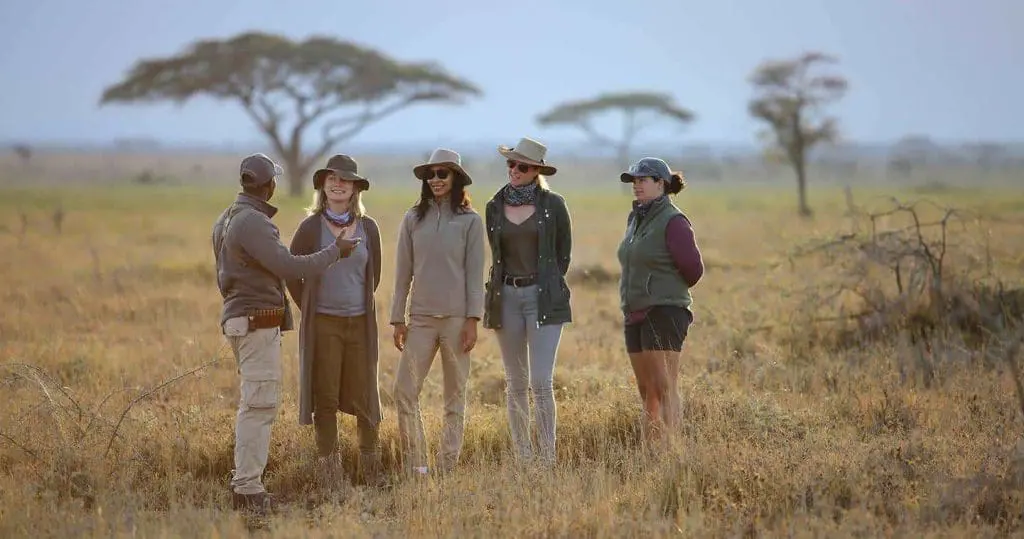
Many safari companies recommend wearing neutral colours, and insect protection is one of the reasons why.
Research and field experience have shown that tsetse flies are strongly attracted to dark blue and black, which is why many tsetse traps are deliberately made using these colours.
Choosing the right clothing can reduce unnecessary insect attention.
Best Safari Colours
- Khaki
- Olive green
- Tan
- Beige
- Light brown
- Sand
These colours also blend naturally into the environment, making wildlife encounters less disruptive.
Colours to Avoid
- Black
- Dark blue
- Bright neon colours
- White (gets dirty easily and may be highly visible to wildlife)
Neutral earth tones are not only practical for photography but are also the preferred choice for experienced safari guides.
What Should You Pack for Insect Protection?
A complete safari insect kit is lightweight and takes up very little luggage space.
Essential Packing Checklist
| Item | Why You Need It |
| DEET or Picaridin repellent | Daily skin protection against mosquitoes |
| Permethrin clothing treatment | Protects clothing from biting insects |
| Long-sleeved safari shirts | Reduces exposed skin |
| Lightweight safari trousers | Protects legs during mornings and evenings |
| Neutral-coloured clothing | Helps reduce attraction from tsetse flies |
| Wide-brim safari hat | Additional sun and insect protection |
| Lightweight socks | Protect ankles from bites |
| After-bite cream | Helps relieve itching if bitten |
Packing these essentials before departure helps you stay comfortable throughout your safari.
Is Mosquito Repellent Enough to Prevent Malaria?
No.
Insect repellent is one of the most effective ways to reduce mosquito bites, but it should be part of a broader malaria prevention strategy.
Travel health specialists often recommend combining several protective measures.
A Smarter Approach to Malaria Prevention
- Use a quality mosquito repellent every day.
- Wear long sleeves and trousers during dawn and dusk.
- Sleep under insecticide-treated mosquito nets where provided.
- Keep accommodation doors and windows screened or closed at night.
- Discuss malaria prevention medication with your healthcare provider before travelling.
- Follow the latest travel health advice for your destination.
Combining these precautions provides significantly better protection than relying on insect repellent alone.
Do You Need Mosquito Repellent During Game Drives?
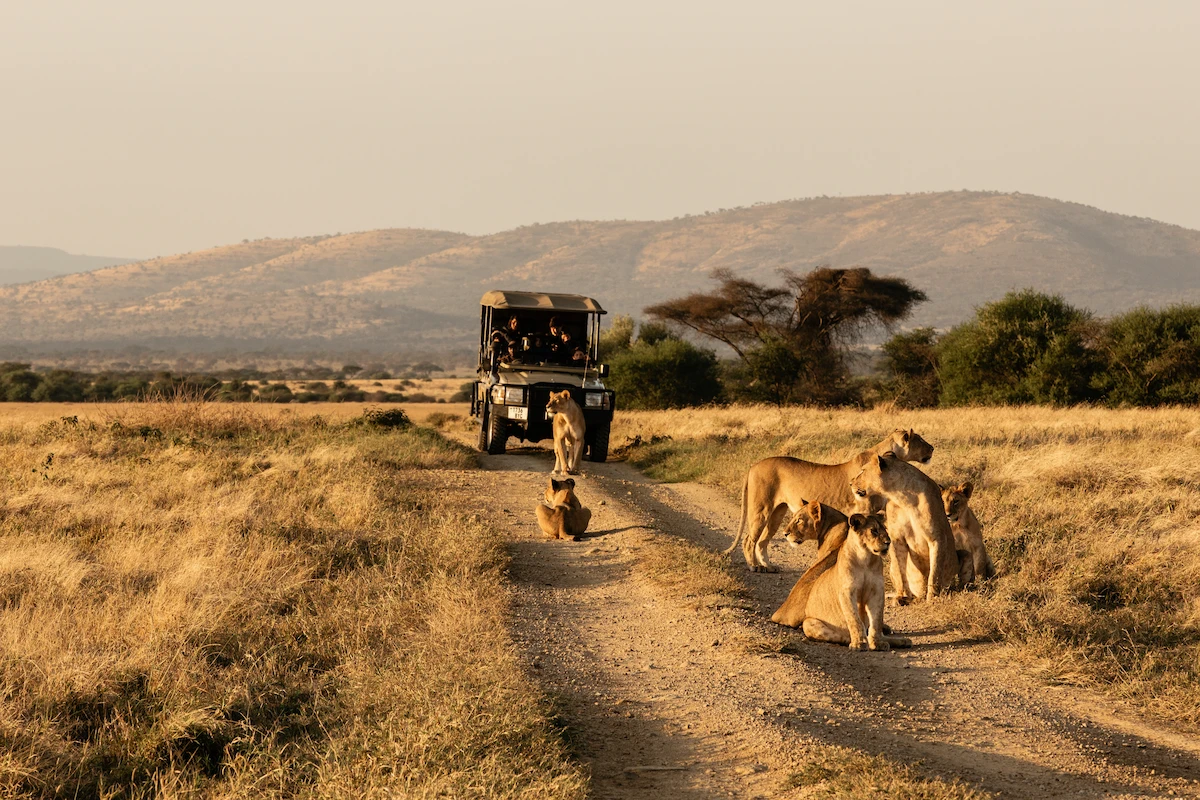
Yes-especially for early morning and late afternoon game drives.
Mosquito activity is generally highest during:
- Sunrise
- Sunset
- Warm, humid evenings
- After rainfall
Midday game drives usually have fewer mosquitoes because of the higher temperatures, but carrying repellent throughout the day is still recommended.
If you’re staying in a luxury safari lodge, you’ll often find mosquito control measures already in place, including screened rooms, mosquito nets, and evening room treatments. However, applying your own repellent before heading out remains one of the simplest and most effective ways to stay protected throughout your safari.
Mosquito Prevention at the Lodge
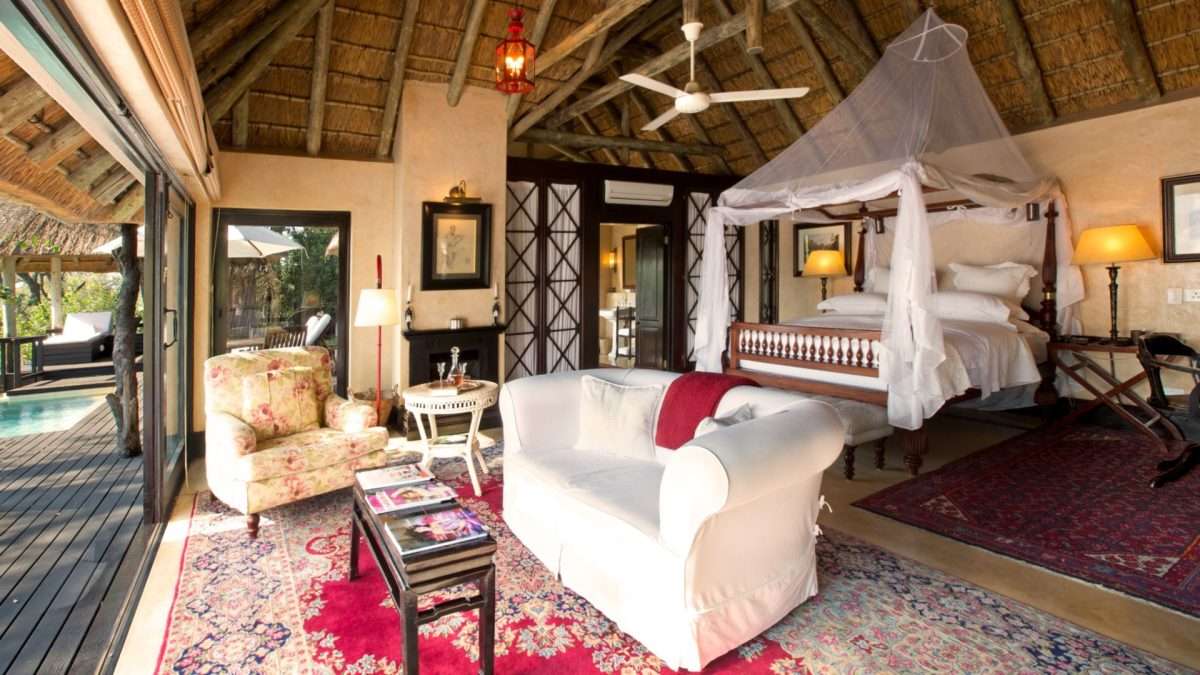
Most luxury safari lodges in East Africa are well-equipped for mosquito management. Tented camps and lodges properties use mosquito nets on all beds, screens on tent openings, and often have ceiling fans which help circulate air and reduce the carbon dioxide concentration around a sleeping body that attracts mosquitoes.
Practical habits at the lodge level that make a meaningful difference:
Let down your mosquito net before sunset, not when you go to bed. By the time you are ready to sleep, a loose mosquito may already be inside the net if you wait.
Keep tent and room zips fully closed at all times except entry and exit. One mosquito inside a tent is enough for a disrupted night and a visible bite in the morning.
Apply repellent before sundowners at camp. The period between 5:30 pm and 7 pm is peak Anopheles activity. This is also when safari guests are most likely to be sitting outdoors at a campfire or on a deck without thinking about reapplication.
Use a ceiling fan while sleeping if available. Moving air disrupts the mosquito’s flight and makes carbon dioxide harder to trace.
Frequently Asked Questions
What percentage of DEET is best for an African safari?
30 to 50% DEET is the recommended range for an African safari. Below 30% may not provide sufficient protection in high mosquito density environments. Above 50% does not add meaningful protective benefit and increases the risk of skin irritation. A controlled-release 34% DEET formula like 3M Ultrathon gives you the right balance of protection, safety, and longevity.
Can I use DEET on my face for a safari?
Apply DEET to hands first and then carefully apply to the face, avoiding eyes and mouth. Alternatively, use Picaridin for facial application as it is gentler on the skin. Never spray repellent directly onto your face.
Is Picaridin as effective as DEET for malaria prevention?
At 20% concentration, Picaridin provides comparable protection to 30 to 50% DEET against malaria-carrying mosquitoes. It is a fully effective alternative and is the preferred option for travelers with sensitive skin or those using camera equipment that DEET could damage.
Does natural mosquito repellent work on a safari?
Citriodiol (lemon eucalyptus oil) is the most effective natural repellent and has received regulatory approval from the CDC, NHS, and other international health organizations as a genuine alternative to DEET. Mosi-guard Extra uses citriodiol as its active ingredient and provides up to 10 hours of protection. Other natural repellents based on essential oils (citronella, lavender, eucalyptus) perform significantly less well and are not recommended as primary protection in malaria-endemic areas.
What if I forget my repellent on safari?
RID Insect Repellent is widely available in Kenya and Tanzania and is a trusted local brand. Most safari lodges will have basic insect repellent available to purchase or borrow. That said, do not rely on sourcing it on arrival, particularly if your itinerary begins immediately after landing. Pack it in your carry-on.
Do I still need malaria tablets if I use repellent?
Yes. Repellent significantly reduces your risk of being bitten, but it does not eliminate it entirely. Malaria prophylaxis and repellent work together as a layered defense. Your travel health clinic will advise on the most appropriate prophylaxis for your specific destinations and health history.
Are mosquitoes worse at certain times of year in East Africa?
Mosquito populations in East Africa are higher during and after the rainy seasons. In Kenya and Tanzania, the long rains run from March to May and the short rains from October to November. Mosquito activity tends to be lower during the dry seasons of June to October and January to March. That said, mosquitoes are present year-round in most destinations and prophylaxis and repellent should be used regardless of season.
Key Takeaways
- Use 30–50% DEET for maximum mosquito protection.
- 20% Picaridin is an excellent alternative for sensitive skin and photographers.
- Treat safari clothing with Permethrin before your trip.
- Wear khaki, olive, tan, or beige clothing and avoid dark blue or black in tsetse fly areas.
- Apply sunscreen first, then insect repellent.
- Combine repellent with long sleeves, trousers, and mosquito nets for the best protection.
- Speak to your doctor about malaria medication before travelling to malaria-risk regions.


