
Safari outfits for women get overcomplicated fast once you start scrolling Pinterest, with model-style linen shirts, wide leather belts, and felt hats that look wonderful in photos and terribly on an actual game drive. After years of watching what guests actually wear and actually use, I have a much simpler answer than the mood boards suggest.
Quick answer: The best safari wear for women is lightweight, breathable layers in neutral earth tones, khaki, olive, tan, and stone, built around a few mix-and-match pieces rather than a full new wardrobe. Comfort and function come first, and style follows easily once you get the basics right.
What Makes a Good Safari Outfit for Women
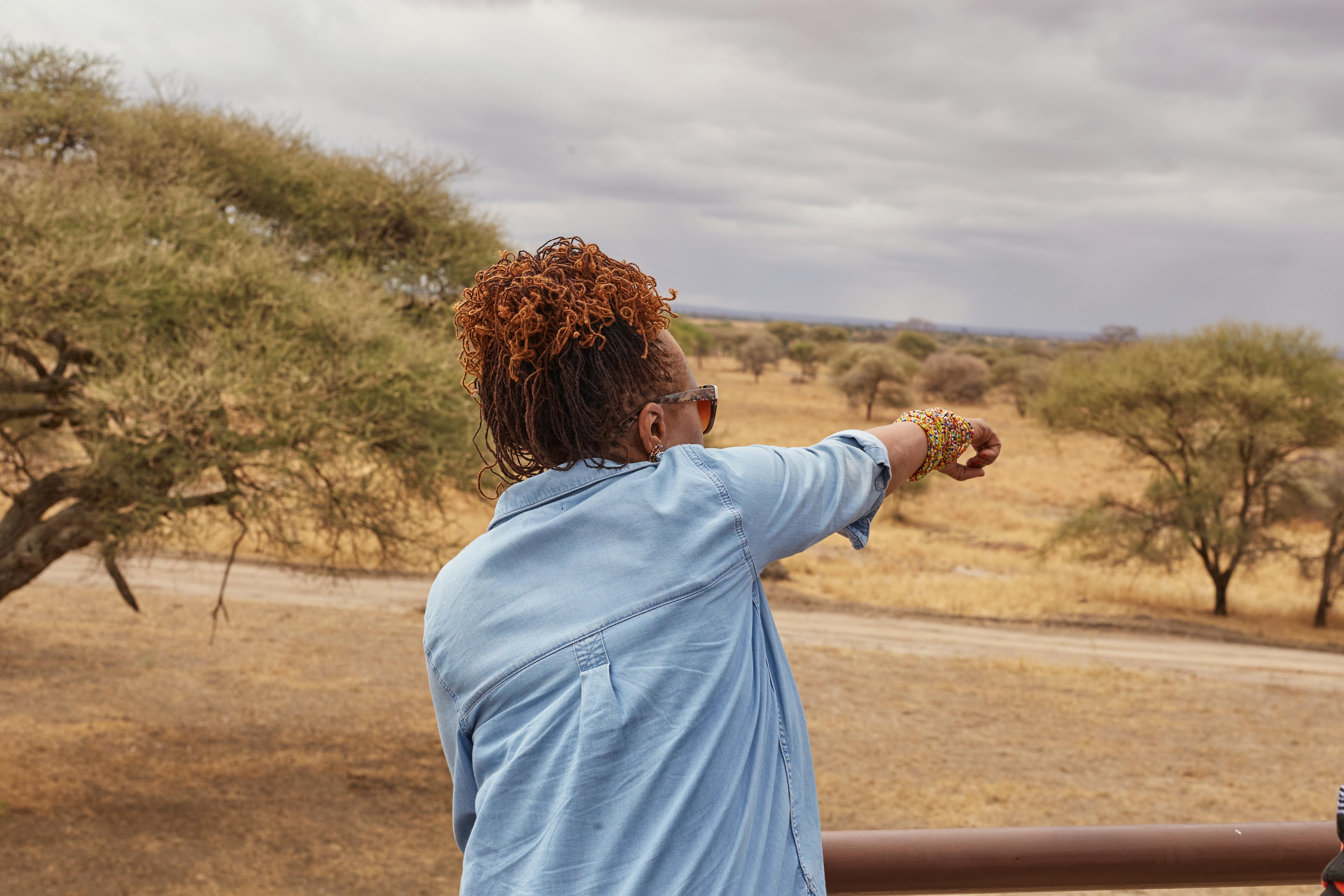
A good safari outfit for women needs to handle a cold, early morning game drive and a hot midday sun within the same few hours, often in an open vehicle with no roof for shade. That means lightweight, breathable fabric that layers easily, quick-drying material for hand washing, and a color palette that blends into the bush rather than standing out. Style matters too, and there is no reason to look less put together just because you are practical, but function has to come first out here.
Safari Wear for Women: Bottoms
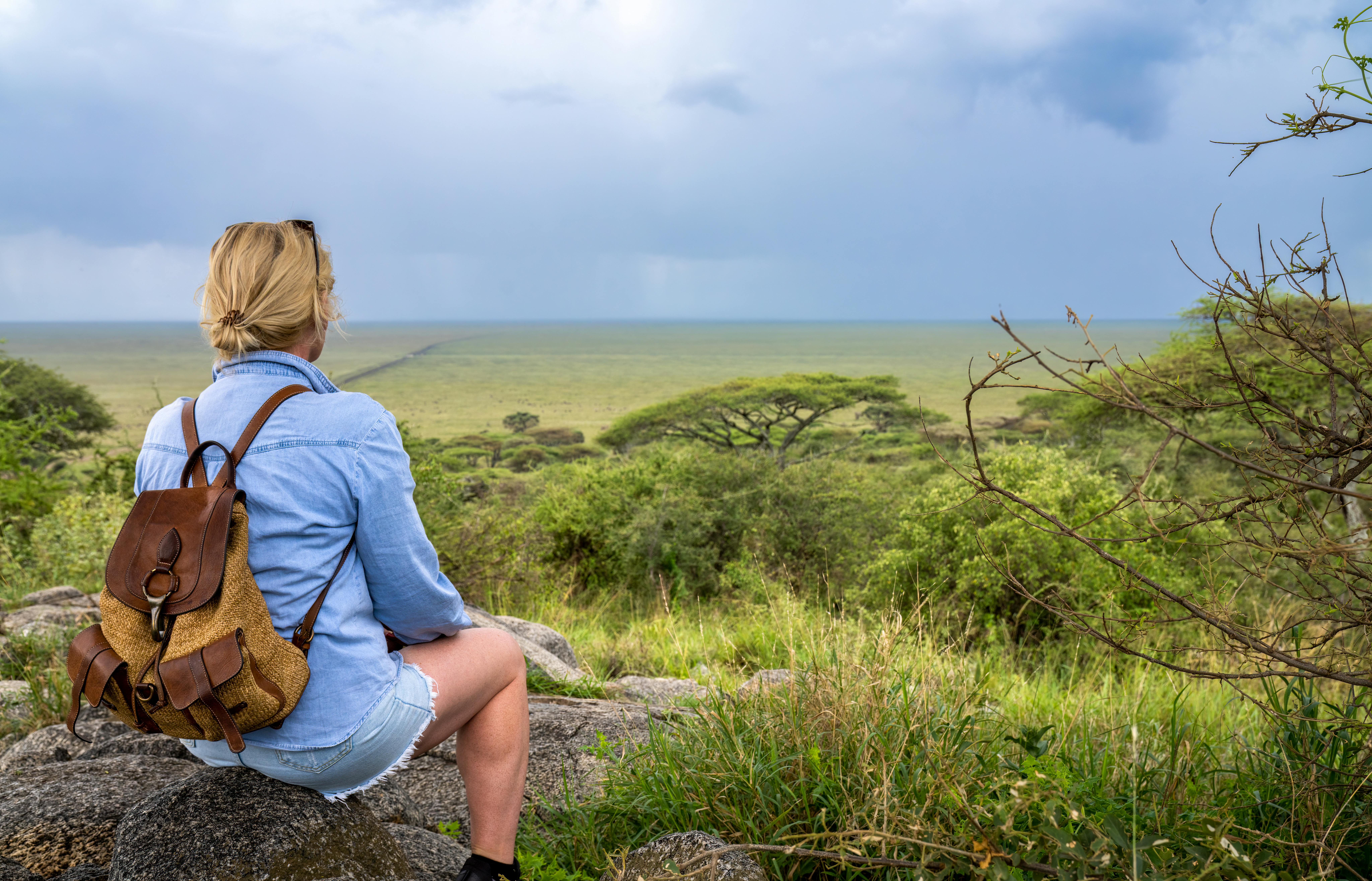
Shorts
Shorts work well for hot days and lounging around the lodge, though I always tell guests to pack sunscreen and insect repellent alongside them, since bare legs need both protection during a game drive.
Pants and Cargo Joggers
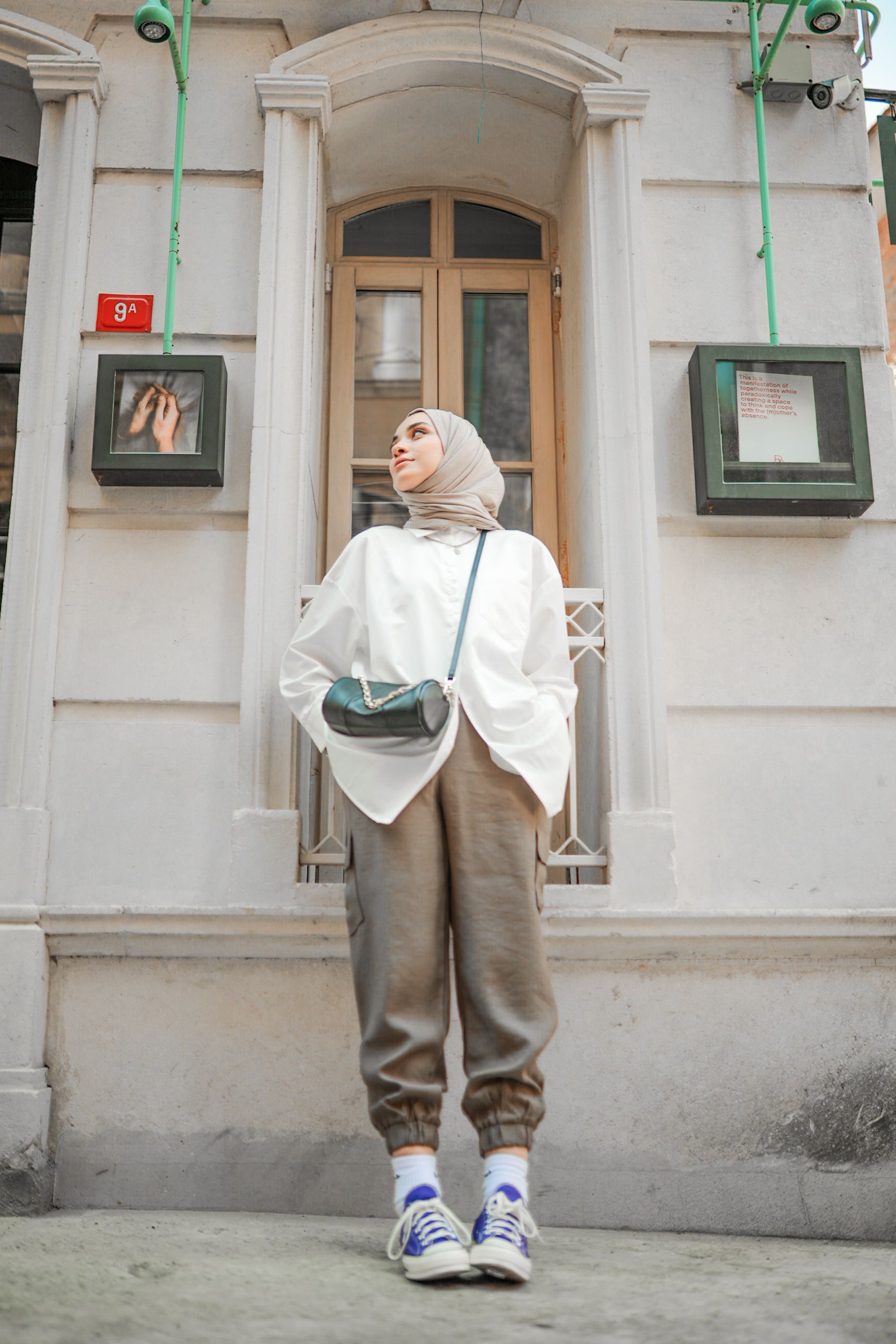
Lightweight cargo joggers or linen pants are the most versatile bottoms you can pack, moving easily from a dusty morning game drive to a relaxed dinner at camp. Extra pockets are genuinely useful too, since storage space in the vehicle is limited.
Convertible Zip-Off Pants
Convertible zip-off pants that turn into shorts are one of the smartest packing choices for women’s safari clothes, since temperatures swing so much between a cold dawn departure and a hot late morning. One pair effectively covers two categories of clothing without adding weight.
Safari Clothes for Ladies: Tops

Short and Long Sleeve Shirts
Pack a mix of both. Short sleeves work for hot afternoons, while long sleeves protect your arms from sun and insects during cooler mornings and evenings, especially in an open vehicle without a roof hatch.
Tank Tops for Layering
Tank tops take up almost no space and layer easily under a shirt or fleece, making them one of the most efficient pieces in any women’s safari packing list.
Button-Down Shirts
A button-down shirt in a neutral tone is one of the most versatile pieces you can bring, moving from a casual game drive to a slightly dressed-up dinner without needing a separate outfit.
Oversize Hoodie or Fleece
A soft, oversized hoodie or fleece is worth the space it takes up. It doubles as a travel layer for flights and becomes essential the moment the temperature drops on an early morning drive.
Jackets and Layers for Changing Weather

Your choice of jacket depends heavily on season and destination. A lightweight utility jacket works well for general layering, but if you are traveling during the rainy season, a proper rain jacket is the more practical choice. Some lodges provide insulated ponchos or blankets for open vehicles, but I still recommend packing your own layer rather than relying on what might be available.
Rompers and Jumpsuits: A Stylish One-Piece Option
Rompers and jumpsuits are not for everyone, but they are a genuinely practical option if you like the ease of a single piece rather than coordinating separates. A neutral-toned romper photographs beautifully and packs flat, which makes it worth considering even if it is not your usual style at home.
Safari Accessories for Women
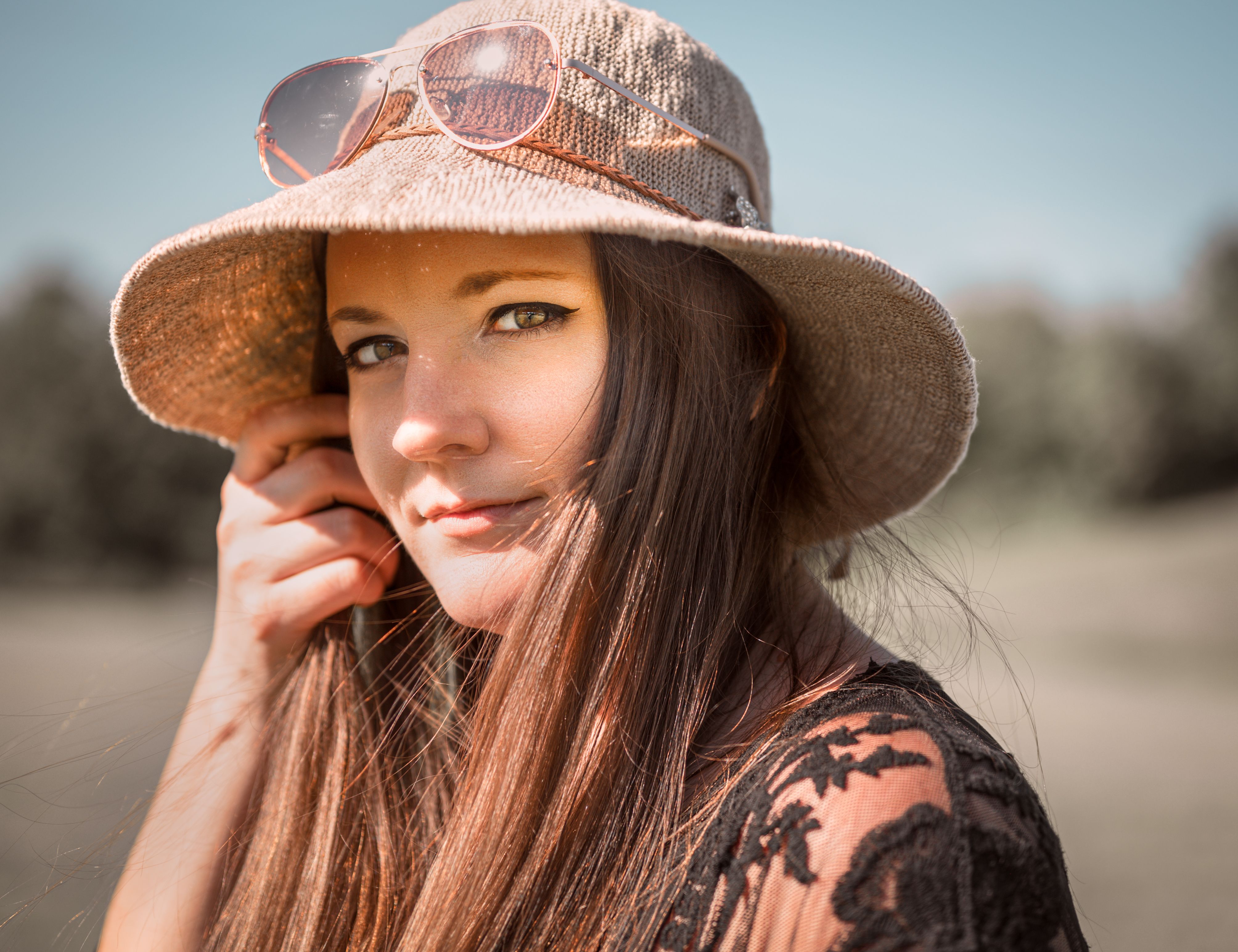
Hats
You have three real options here. Classic felt hats look fantastic in photos but pack poorly and tend to blow off in a moving vehicle, so treat them as a special-occasion piece rather than your daily hat. A wide-brim bucket-style safari hat with a chin strap offers the best actual sun protection and stays secure in the wind. A snug baseball cap works in a pinch but leaves your ears and neck exposed, so it is a backup rather than a first choice.
Bags
You do not need a large bag on a game drive. A small backpack or crossbody bag comfortably holds your phone, sunscreen, and a water bottle. If you are traveling with real camera equipment, a proper padded camera bag is worth the extra space.
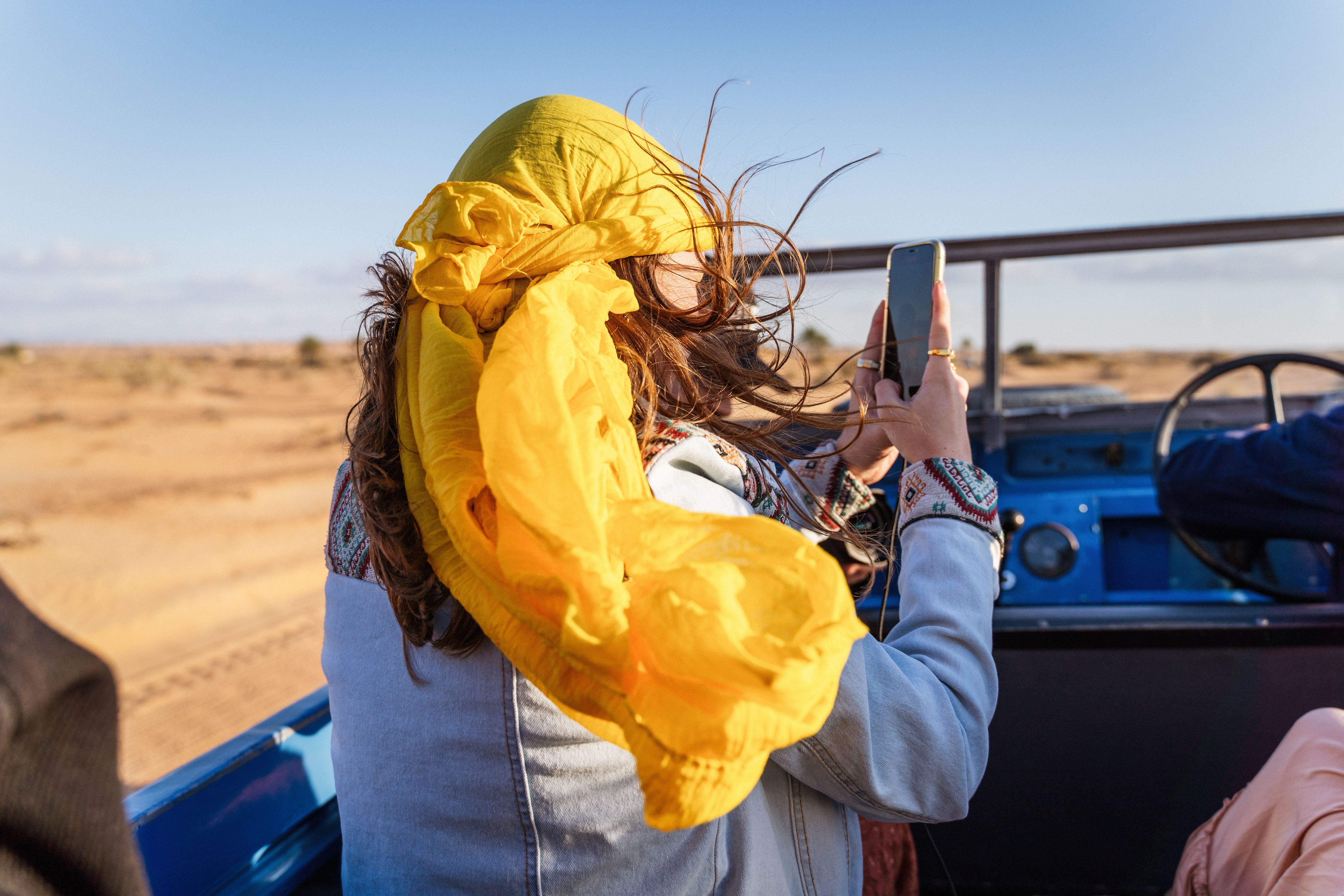
Scarf
A lightweight scarf is more useful than it looks, doubling as sun protection for your shoulders, a wind layer for your neck, and a simple styling piece that pulls a plain outfit together.
Sunglasses
Polarized sunglasses cut glare on bright mornings and protect your eyes from dust on a windy drive. Bring a case, since a lot goes on and off during a single game drive.
Shoes for a Women’s Safari Outfit
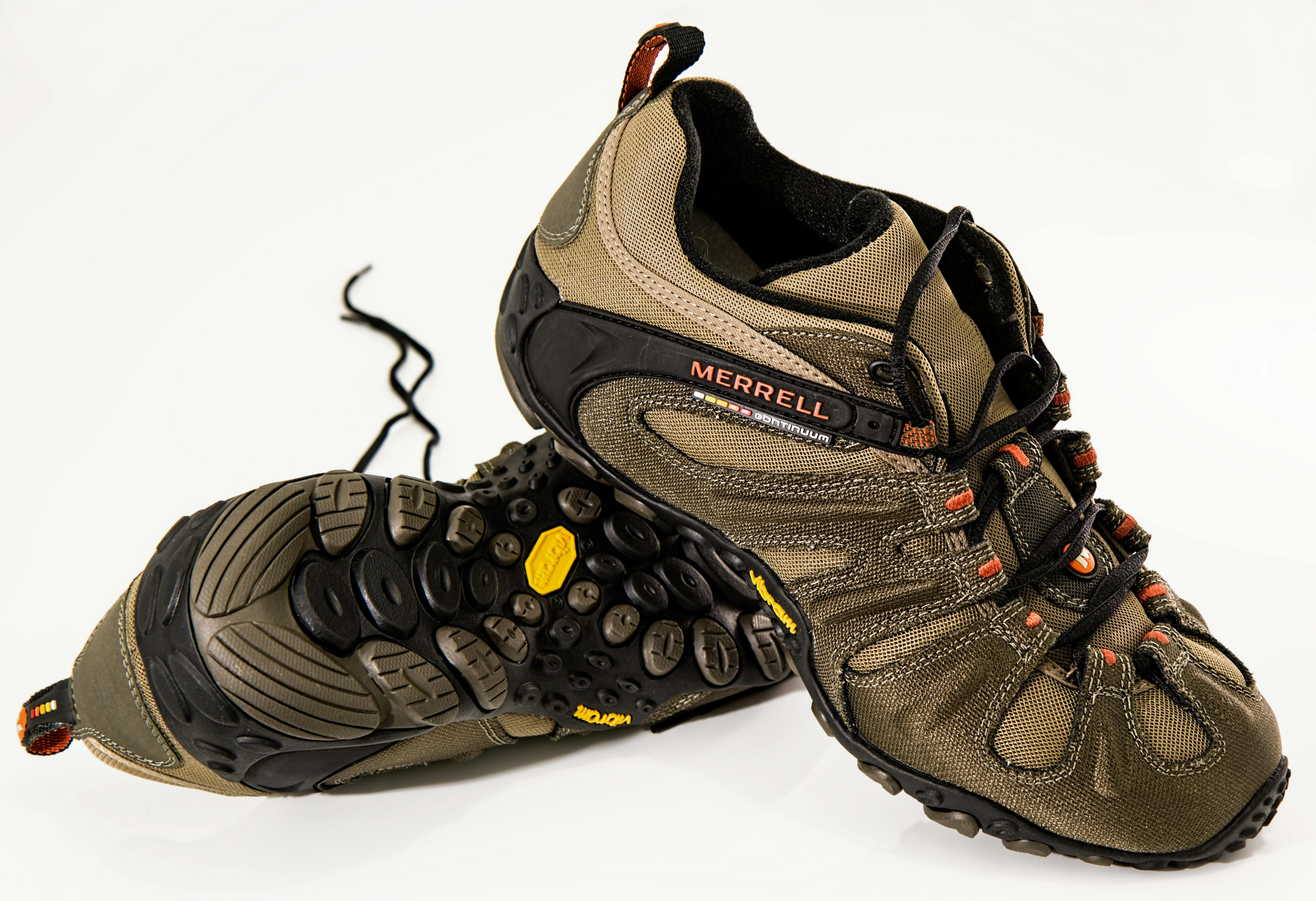
You will not need more than three pairs of shoes for the entire trip, and heels have no place in your suitcase.
Hiking Boots
Hiking boots are worth packing even if you are not planning a dedicated walking safari. They handle dusty and wet conditions far better than sneakers and still look put together with the rest of your outfit.
Sneakers
A comfortable pair of sneakers works well for travel days and casual time around the lodge, and doubles as workout shoes if your camp has a small gym.
Sandals
Sandals are fine around the lodge for meals and downtime, but skip them for game drives, since the dust gets into everything.
Socks, Belts, and Swimsuits
Pack proper hiking socks for your boots and a few standard pairs for sneakers. A simple leather belt is a small addition that pulls a plain shirt and pants combination together, easy to forget but worth including. If your lodge has a pool, and many do, bring a swimsuit, since a dip after a hot afternoon game drive is one of the small pleasures of camp life.
What Colors to Wear on Safari, and What to Avoid
Stick to earthy neutral tones: khaki, olive, tan, beige, and soft green. These colors help you blend into the landscape and avoid drawing unnecessary attention from wildlife. Avoid bright colors and prints, especially animal print, which stands out exactly where you do not want to. Avoid black and dark or bright blue as well, since both are known to attract tsetse flies and other biting insects. Camouflage print should be left at home entirely, since several African countries reserve it for military use and restrict civilians from wearing it.
How Many Outfits Do You Actually Need On A Safari Tour?
Fewer than you think. For a week to ten day trip, three to four tops, two pairs of bottoms, one jacket or fleece, and a handful of accessories genuinely covers you, especially since most pieces mix and match across several days. Many camps and lodges offer laundry service, but policies and pricing vary by property, so ask your operator for a specific quote on laundry at each stop on your itinerary rather than assuming it is included. Knowing that answer in advance changes how much you actually need to pack.
Fabric That Actually Works: What to Look For
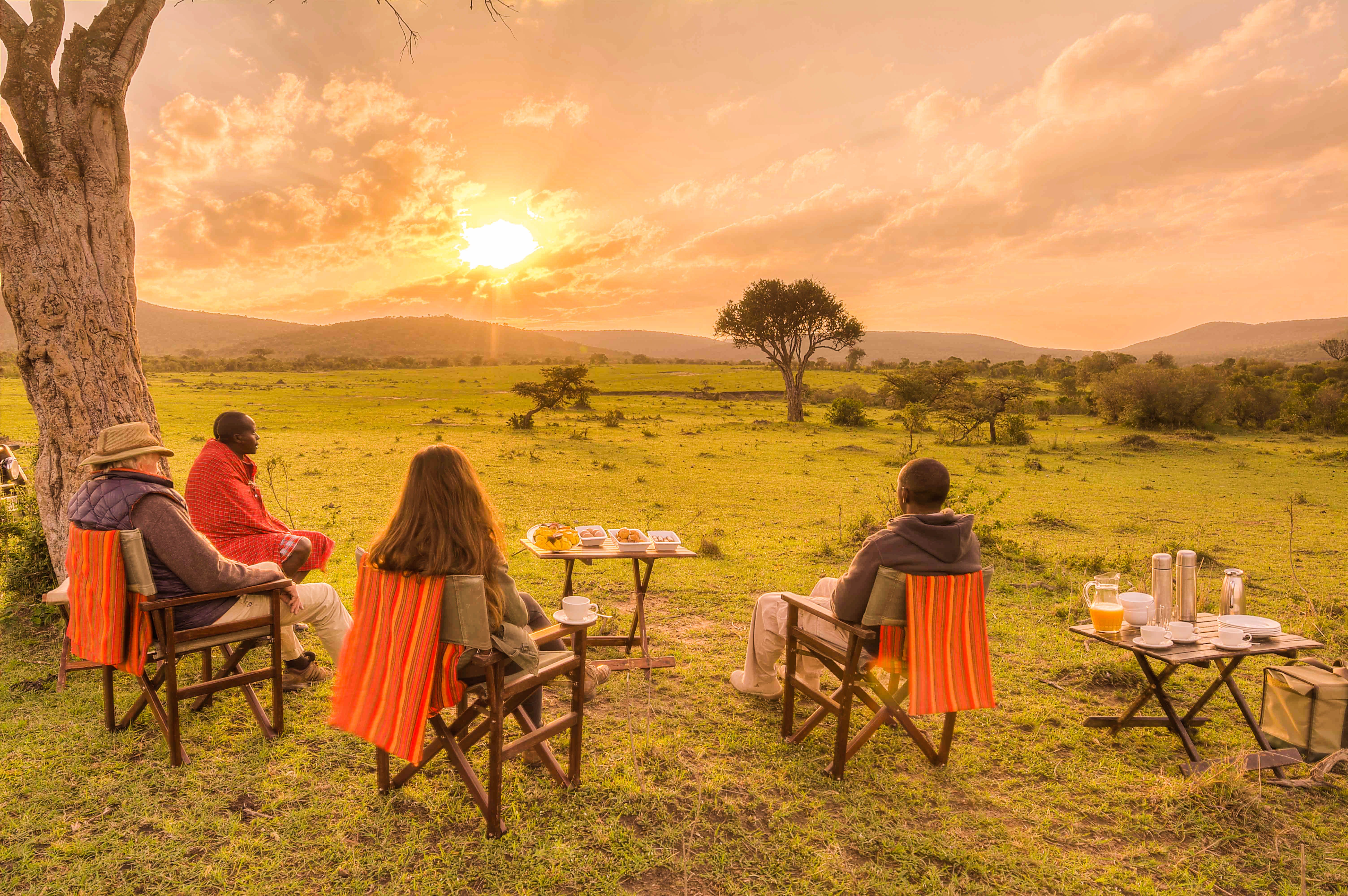
The fabric matters just as much as the color or the cut. Look for quick-dry, wrinkle-free synthetic blends, since these are the pieces that actually survive a hand wash in a lodge sink and air dry within a couple of hours, which matters when you are packing light and rewearing pieces across a week. Many travel-specific safari brands build their pants and shirts with UPF 50+ built into the fabric itself, not just the hat, which adds real sun protection under a piece you are already wearing. Lightweight fabric also means less weight in your duffel, and it genuinely adds up. A single pair of well-made travel pants can weigh well under a pound, so packing several mix-and-match pieces still keeps you comfortably under a bush plane’s luggage limit. Wrinkle-free fabric is also worth prioritizing simply because there is no iron waiting for you at most camps, and clothes that look fine straight out of a rolled duffel save you real time getting ready before an early game drive.
Open Vehicles and Weather: What to Actually Expect
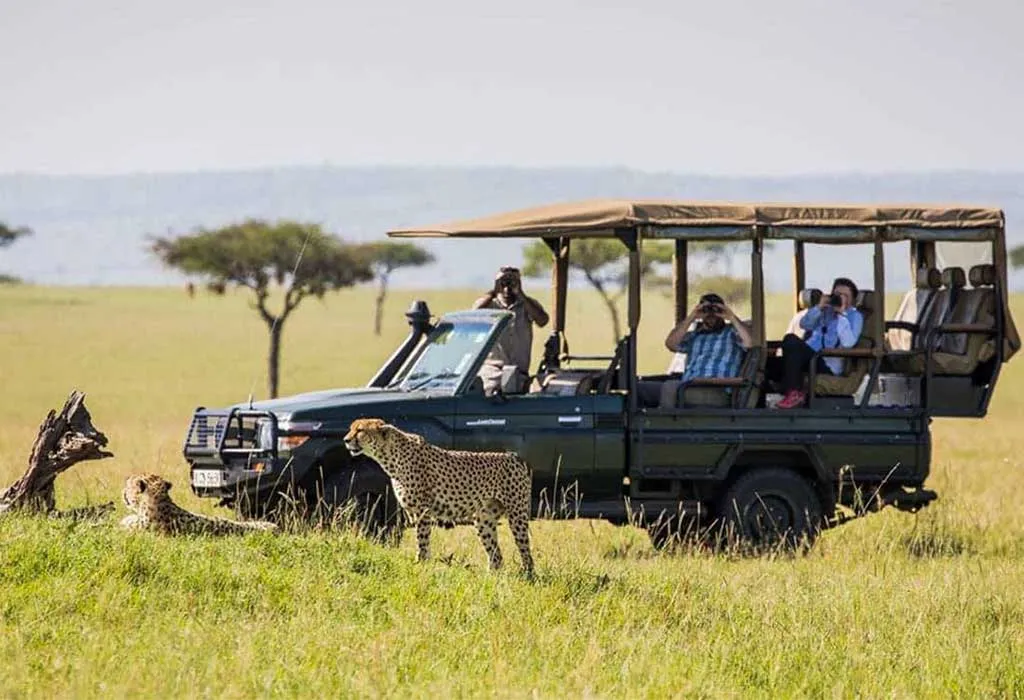
Many safari vehicles, especially in parks like Kruger and the Masai Mara, have no roof hatch or windows, which means you are far more exposed to actual weather than photos suggest. A sunny morning can shift into wind, cloud, and a real temperature drop within an hour, especially once the vehicle picks up speed on an open road. Some lodges provide warm blankets or insulated ponchos for guests on cold morning drives, but this varies by property, so it is worth asking your operator rather than assuming it will be there. This is exactly why layering matters more than any single piece of clothing. A tank top under a shirt under a light fleece lets you adjust as the vehicle moves between sun, shade, and wind, rather than being stuck in one outfit for a four hour drive.
Ready to Plan Your Trip?

If you want a packing list built around your specific dates, destinations, and the weather you will actually experience, message me directly on WhatsApp.
A few trips where this packing advice comes up most:
- 5-Day Masai Mara Safari
- 6-Day Mara Discovery: Big Five Safari
- 7-Day Kenya Explorer Safari
- 8-Day Extraordinary Kenya Safari
Frequently Asked Questions
What should women wear on safari?
Lightweight, breathable layers in neutral earth tones work best, built around a few mix-and-match pieces like cargo pants, button-down shirts, a fleece or hoodie, and a wide-brim hat with a chin strap.
What colors should women avoid on safari?
Avoid bright colors, animal prints, and camouflage. Black and dark or bright blue are best avoided too, since they attract tsetse flies and other biting insects.
Are leggings okay for safari?
Leggings can work as a base layer or for travel days, but they offer little protection from sun, insects, or thorny bush on a walking safari. Lightweight pants or convertible zip-off trousers are generally a better main choice.
Do I need hiking boots for safari?
They are worth packing even without a dedicated walking safari planned, since they handle dust and uneven ground better than sneakers and still look appropriate around camp.
How many outfits do I need for a week-long safari?
Three to four tops, two pairs of bottoms, one jacket or fleece, and a small set of accessories is generally enough, especially since pieces mix and match across days.
Can I wear a dress or romper on safari?
Yes, a neutral-toned romper or simple dress works well for camp downtime or a dinner, though for actual game drives, pants or shorts are more practical.
What fabric is best for safari clothes?
Quick-dry, wrinkle-free synthetic blends work best, since they survive a hand wash and air dry within a couple of hours. Fabric with built-in UPF 50+ protection adds real sun coverage under clothing you are already wearing.
Will I be exposed to the weather on a game drive?
Many safari vehicles have no roof hatch or windows, so weather changes, wind, cloud, and temperature drops, are felt directly. Some lodges provide blankets or ponchos, but layering your own outfit is the more reliable solution.
Where can I buy safari clothes for women?
Amazon offers a wide range of affordable cargo pants and neutral tops, outdoor retailers like REI and Cabela’s carry more technical hiking-oriented pieces, and dedicated travel and safari wear brands offer wrinkle-free, UPF-rated options built specifically for packing light. A full wardrobe generally costs between 150 and 400 dollars.
10 Safari Outfit Facts for Women to Remember
- Neutral earth tones, khaki, olive, tan, and stone, work best and help you blend into the bush.
- Avoid bright colors, animal print, black, and dark or bright blue.
- Convertible zip-off pants cover both hot and cold temperature swings in one piece.
- Quick-dry, wrinkle-free fabric with built-in UPF protection makes packing and hand washing far easier.
- Many safari vehicles have no roof hatch, so layering matters more than any single piece of clothing.
- A wide-brim hat with a chin strap protects better than a felt hat or loose baseball cap.
- Three pairs of shoes is enough: hiking boots, sneakers, and sandals for camp.
- A full women’s safari wardrobe typically costs between 150 and 400 dollars.
- Ask your operator for a specific laundry quote per camp rather than assuming it is free.
- Pack fewer outfits than you think, most pieces mix and match across the whole trip.


