

Is Africa safe to visit? That question comes up in nearly every first conversation I have with a new client, and I understand why. Headlines tend to flatten an entire continent of 54 countries into one story, usually the worst one. The reality, once you’re actually planning a trip, looks nothing like that. Some of the safest places in Africa rival anywhere in Europe for peace of mind, and the countries where TourwithPipi builds safaris are chosen specifically because they hold up to that standard.
I was born in Africa and now live between there and North America, so I’ve sat on both sides of this question, the traveler wondering if it’s really okay, and the person who has to give an honest answer. Below is that honest answer: which countries are genuinely the safest African countries to visit, what “safe” actually means once you’re on the ground, and how to pick the right one for the trip you want.
What Does “Safe” Really Mean When Traveling in Africa?
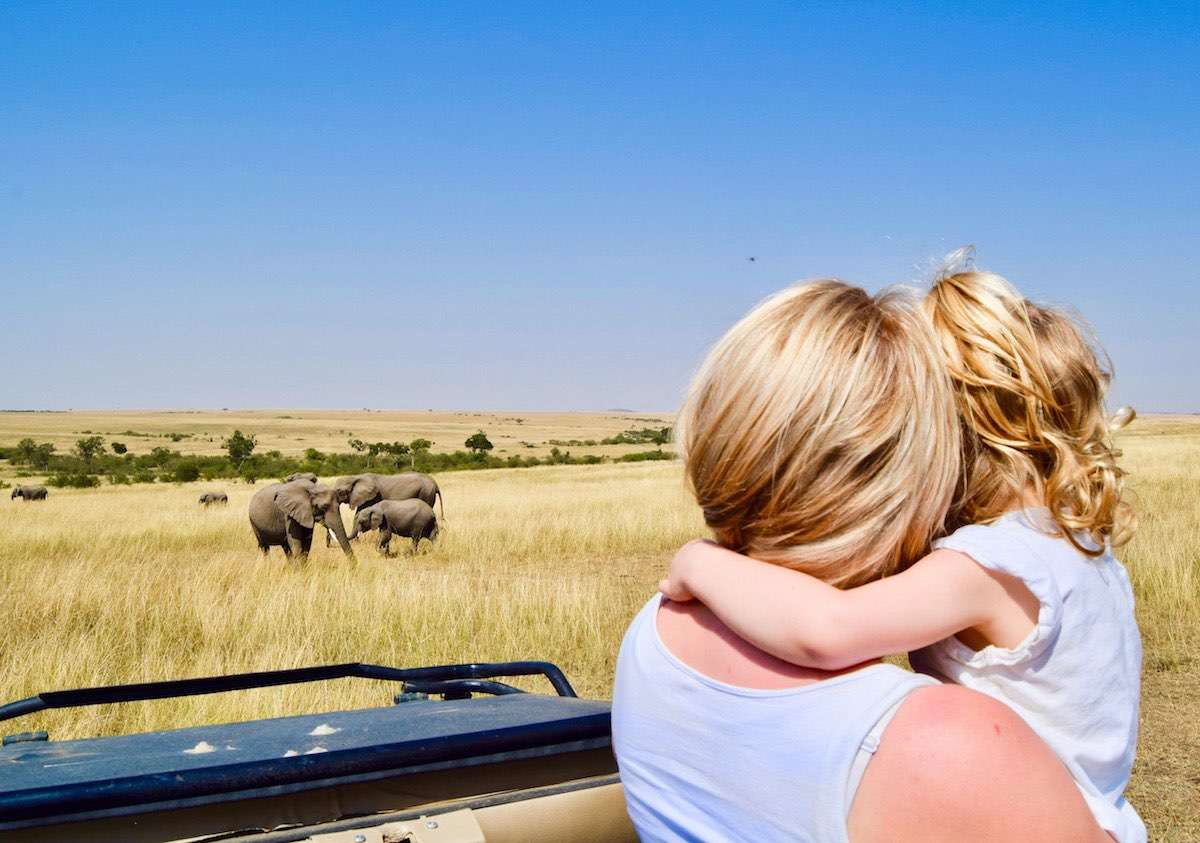
“Safe” isn’t one thing. It’s a handful of factors stacking on top of each other.
Political stability matters more than most travelers realize, since it’s what keeps roads maintained, police funded, and tourism policy consistent year over year. Low crime in the specific areas you’ll actually visit, national parks, resort strips, city centers with tourist infrastructure, matters more than a country’s overall crime statistics, which often get dragged around by problems in places you’d never go anyway. And medical access matters most when you least expect it to: a nearby clinic, a real evacuation plan, staff who know what to do if something goes wrong on a game drive.
Traveling with a licensed operator changes all three of these in your favor at once. It’s the single biggest lever a visitor has over their own safety in Africa, more than the country they pick.
How TourwithPipi Chooses Safe Safari Destinations
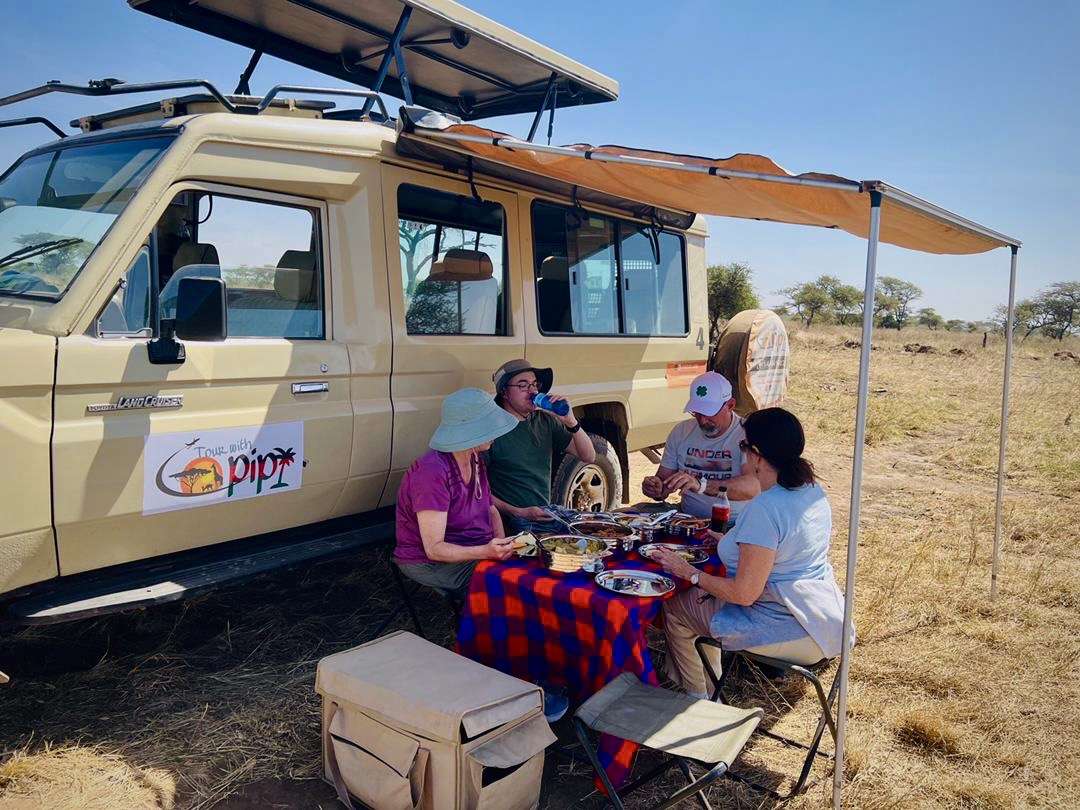
We don’t pick destinations off a ranking. We pick them off what we’ve actually seen work.
That means parks with a real ranger presence and controlled visitor numbers, guides who are certified and trained in wildlife behavior and emergency response, and a hospital or air evacuation route within reach no matter how remote the camp feels. It means airports and drivers we trust, and it means factoring in political stability alongside all of it, since a beautiful park in an unstable region isn’t worth the risk.
This is how we’ve built our own view of the safest places in Africa to visit, one shaped by on-the-ground experience rather than a spreadsheet.
17 Safest Countries in Africa to Visit for the First Time
1. Mauritius
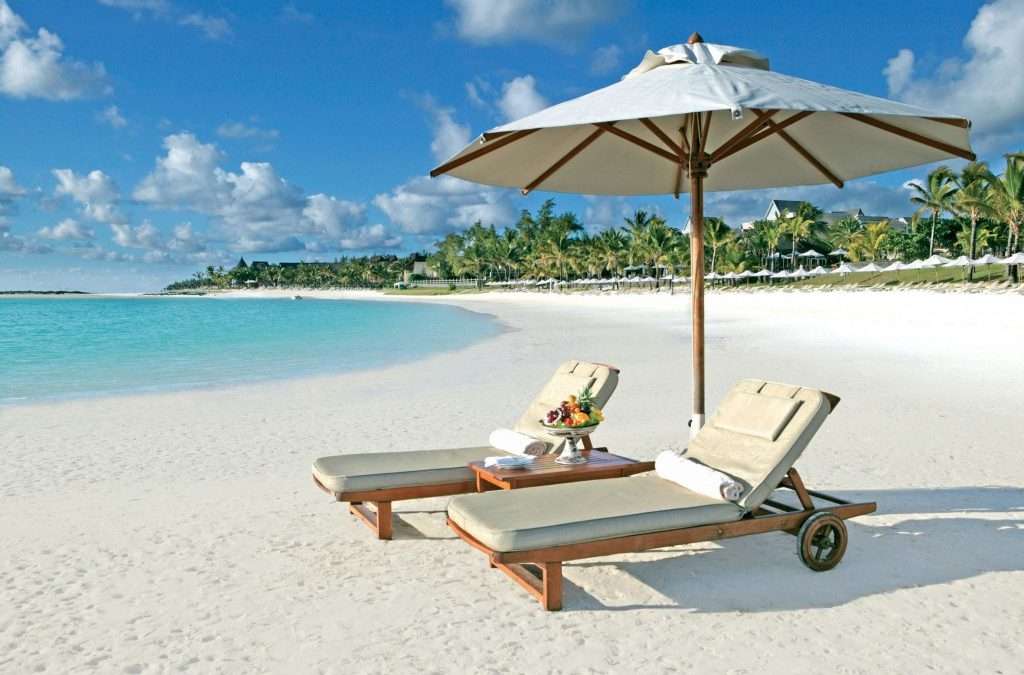
Mauritius gets my vote as the single safest country in Africa to visit, and this isn’t just an opinion, it’s what the numbers say too. Mauritius tops the Global Peace Index for the entire continent, and has for close to two decades, so if you’re asking which is the safest African country to visit in the strictest sense, this island is the answer. Crime is low, infrastructure is excellent, and the political environment has been stable for decades.
It isn’t a wildlife destination, so it won’t suit most of my safari clients, but whale watching, dolphin cruises, bird sanctuaries, and giant tortoise reserves fill that gap for travelers who want nature without game drives. What crime exists is mostly petty theft in busy tourist zones, easily avoided by watching your belongings and steering clear of isolated beaches after dark. Either way, it’s one of the safest places in Africa to visit if a beach trip is what you’re really after.
2. Botswana
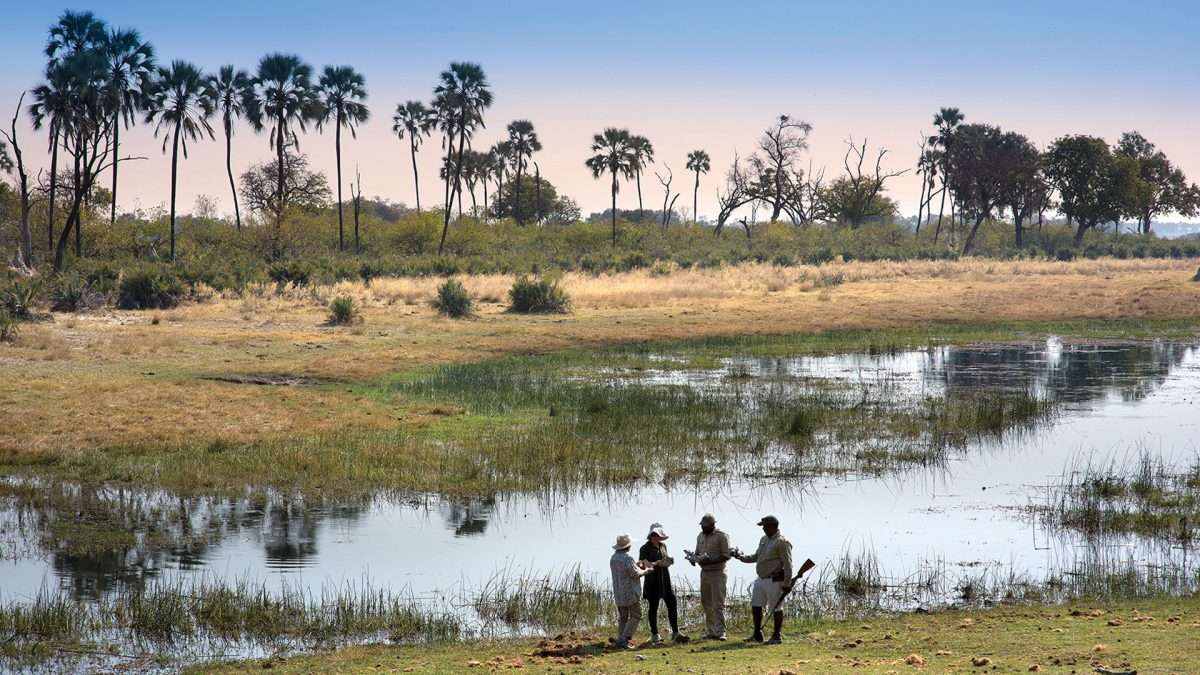
Staying with the safari heavyweights, Botswana is certainly one of the safest countries in Africa to travel to, and it’s the one safari guides themselves name most often when you ask them directly. It’s second continent-wide on the Global Peace Index, and first by a wide margin once you narrow the question to safari travel specifically. Botswana has a stable, long-running democracy, a small population, and national parks run with a discipline that shows the moment you arrive. Visitor numbers inside places like the Okavango Delta are deliberately capped, so you’re rarely sharing a sighting with more than one or two other vehicles.
That low density is also why the wildlife feels so undisturbed. Between November and March, thousands of zebra migrate between the Delta and Chobe toward Makgadikgadi Pans, the largest migration in Southern Africa that almost nobody outside the industry has heard of. Botswana isn’t the cheapest way into a safari, but if privacy and safety are what you’re paying for, it’s hard to beat.
3. Namibia
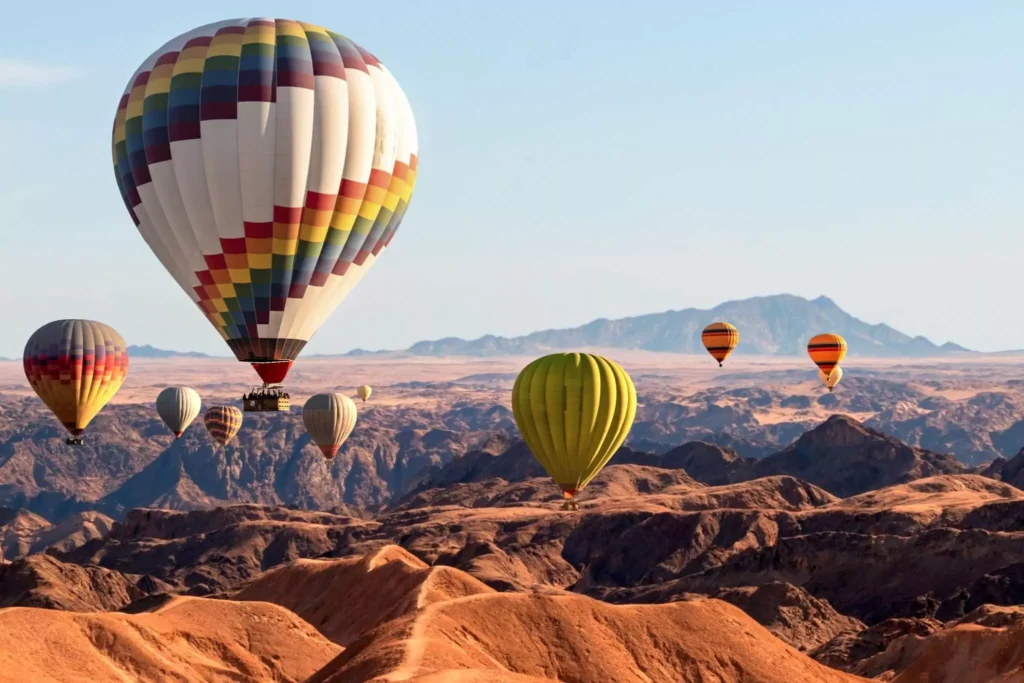
Moving further into Southern Africa, Namibia is without question one of the safest African countries to visit, and it sits third on the Global Peace Index for the continent to back that up. It’s especially worth naming if you like the idea of driving yourself, since it’s one of the easiest safe places to travel to in Africa behind the wheel of your own vehicle. Crime in tourist areas is low, the roads are some of the best-maintained in the region, and the government has stayed politically stable long enough that infrastructure investment actually shows.
The landscapes do a lot of the selling here: the towering red dunes at Sossusvlei, the eerie, fog-bound Skeleton Coast, and Etosha National Park, where floodlit waterholes let you watch elephants and rhino drink at night from a secure platform. The trade-off is Namibia’s emptiness. Distances between towns are long, roads are often gravel, and if something breaks down in a remote stretch, help can take a while. Bring water, plan fuel stops, and you’ll be fine.
4. Rwanda
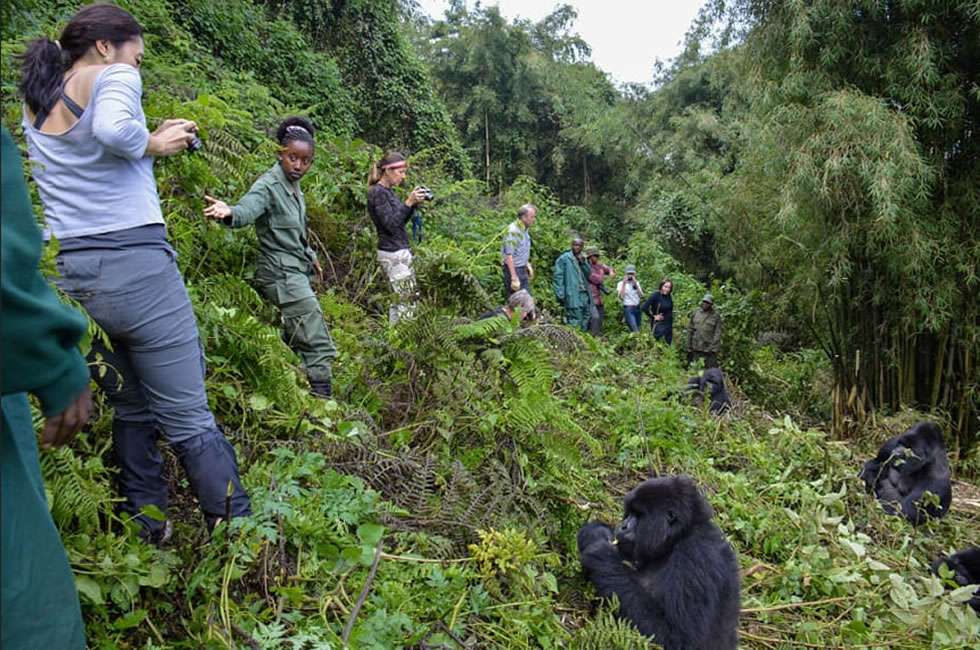
Heading over to East Africa now, Rwanda is certainly one of the safest countries in Africa to travel to today, which is remarkable given where the country stood thirty years ago. It’s one of the most tightly managed, cleanest, and safest African countries to travel to on this whole list, with low crime and a government that has made tourism security a real priority rather than an afterthought.
Gorilla trekking in Volcanoes National Park is the headline reason people come, and it runs on a strict permit system: certified guides, trackers, and often armed rangers accompany every group. Nyungwe Forest adds chimpanzee tracking and canopy walks with the same level of oversight. The one area worth extra awareness is near the borders with DRC and Burundi, but that’s far from where any trekking itinerary takes you.
5. Kenya:
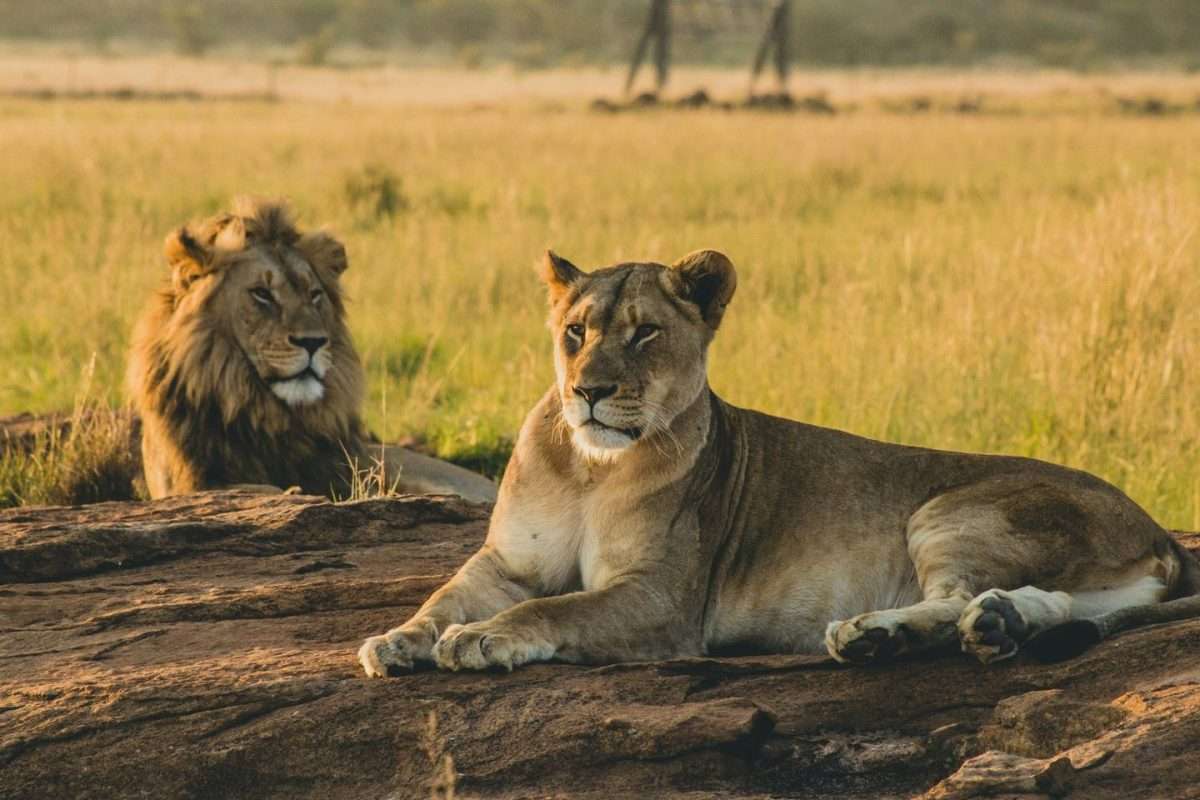
Sticking with East Africa, I’m naming Kenya as one of the safest places in Africa to visit, a claim that surprises people who only know the headlines. It’s where modern safari tourism was basically invented, and it remains one of the safest countries to travel to in Africa precisely because the industry around it is so mature. Most safaris happen inside private conservancies or well-patrolled national parks, with licensed guides and ranger networks that have been refined over decades.
The Masai Mara is the obvious draw, especially during the Great Migration between July and October, when millions of wildebeest, zebra, and gazelle pour across from Tanzania. But Kenya is more than the Mara. Ol Pejeta and Lewa run low-vehicle conservancy safaris with genuine conservation stakes, Samburu in the north introduces species you won’t see further south, and Laikipia adds camel treks and time with Maasai communities into the mix. Kenya is also one of the most developed countries in East Africa, which means good hospitals, reliable phone networks, and English spoken almost everywhere you’ll go.
Visit – Luxury Kenya Safari Tour
6. Tanzania
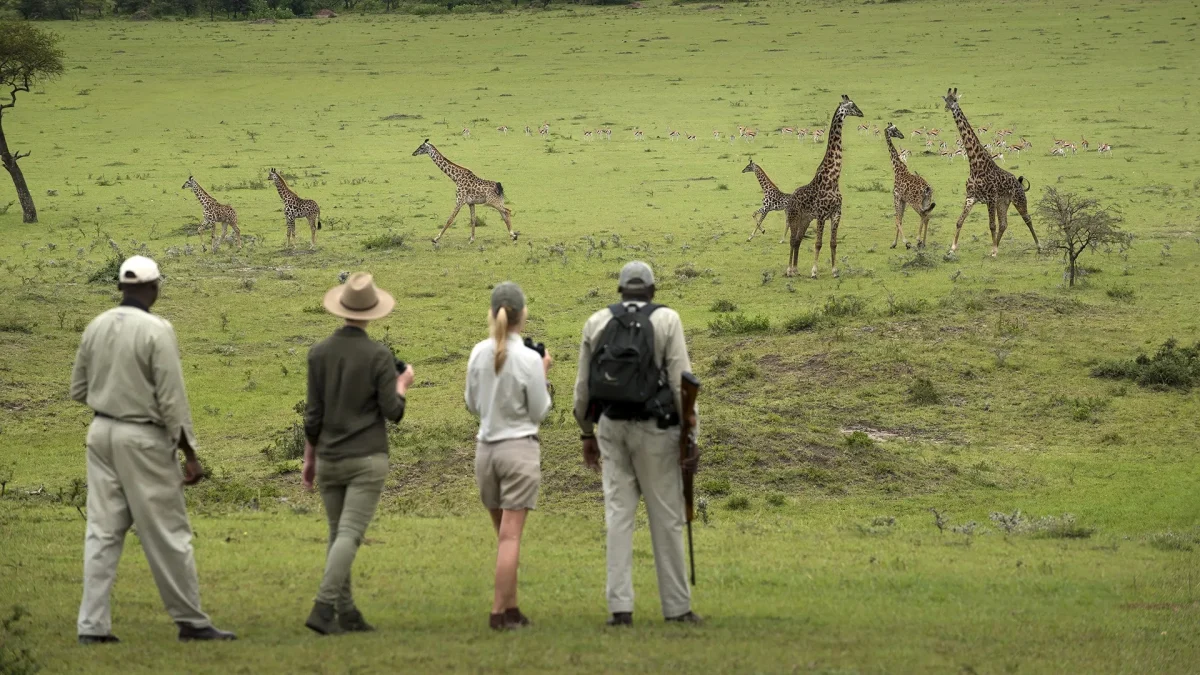
Right next door, Tanzania is just as easily one of the safest and most rewarding countries in Africa to travel, and for many of my clients, it’s another favourite once they’ve done Kenya once and want the bigger, wilder version. The Serengeti and Ngorongoro Crater are both protected by rangers trained specifically around visitor safety, and the roads, lodges, and airstrips across the northern circuit are professionally run.
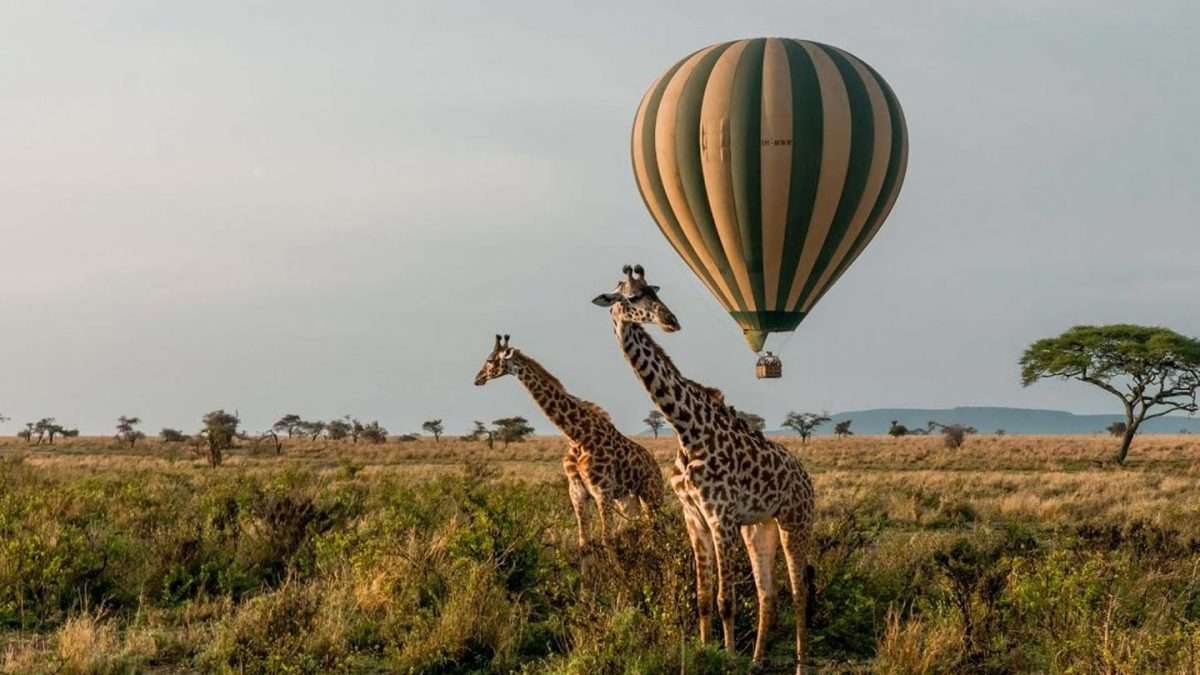
The Serengeti hosts the world’s largest overland migration, over 1.5 million wildebeest and zebra on the move, trailed by lions and cheetah working the herd. The Ngorongoro Crater packs an almost absurd density of wildlife into a compact, walled-in space, which makes for some of the easiest, safest big-game viewing anywhere on the continent. Add a hot air balloon ride over the plains or a few days on Zanzibar afterward, and you’ve got a trip that rarely feels anything less than effortless.
Visit – Luxury Tanzania Safari Tour
7. South Africa
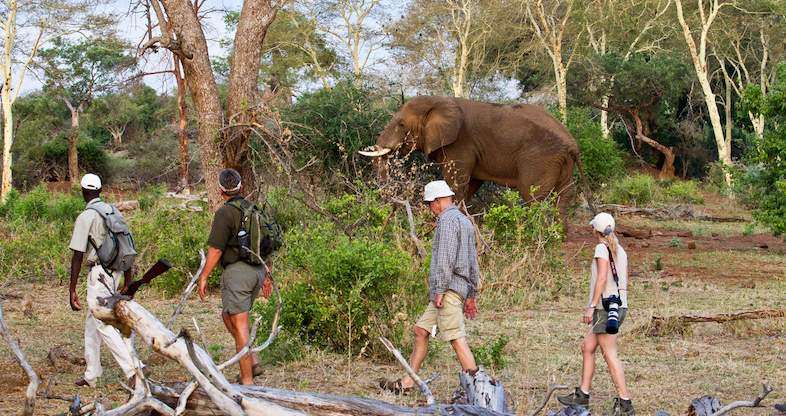
Moving south now, South Africa is where I send most first-timers who aren’t sure Africa is for them yet, and it’s absolutely one of the safest African countries to visit for a beginner, self-drive or fully guided, because it removes almost every point of friction.
Let’s be honest about the trade-off, though: crime in South Africa’s big cities runs genuinely high, and that’s not something worth glossing over. The safari and tourist circuit is a different world from that, well-patrolled reserves, secure lodges, private transfers, but if your trip includes real city time in Johannesburg, take the same precautions you would in any major city with a real crime problem. Kruger National Park and private reserves like Sabi Sands, Madikwe, and Pilanesberg deliver consistent, high-quality sightings, and several of these reserves are malaria-free, a real plus for families or older travelers. What sets South Africa apart from the rest of this list is how easily it combines with a city trip: Cape Town, the Winelands, the Garden Route, all reachable in the same itinerary, with excellent medical care, English spoken everywhere, and well-established transport that makes it easy to travel in even if this is your first trip to the continent.
Visit – Cape Town in Style: A 7-Day Coastal & City Escape
8. Uganda
Back up to East Africa for Uganda, the Pearl of Africa, which is certainly one of the safest and most rewarding countries in Africa to travel, gorillas included, and at a noticeably lower price than its neighbor. It sits just behind Rwanda for gorilla trekking, which makes it one of the safest places in Africa to visit if budget matters as much as the experience itself. Bwindi Impenetrable Forest and Mgahinga both run secure, well-managed tracking programs for gorillas and golden monkeys.
Beyond the primates, there are classic game drives, boat safaris on the Kazinga Channel, and hikes through volcanic terrain that most first-time visitors never expect from Uganda. Isolated incidents do occur in the country’s northern regions, but they’re nowhere near the tourist circuit, and the usual precautions, malaria prevention, no solo night walks, keeping valuables out of sight, cover the rest.
9. Zambia
Zambia is one of the safest safari countries for travelers seeking authentic bush experiences. It is politically stable, welcoming, and far less crowded than East African safari destinations.
South Luangwa National Park is known worldwide as the birthplace of the walking safari. All walks are led by armed, certified guides who understand animal behavior deeply. This allows guests to explore safely on foot while maintaining strict safety distances.
Parks are well protected, and visitor numbers are low, which reduces risk and increases exclusivity. Wildlife sightings include elephants, hippos, lions, and crocodiles along the Luangwa River.
While cities require basic safety awareness, safari regions remain very secure. Travelers should prepare for malaria prevention and basic health protection due to rural conditions.
10. Morocco
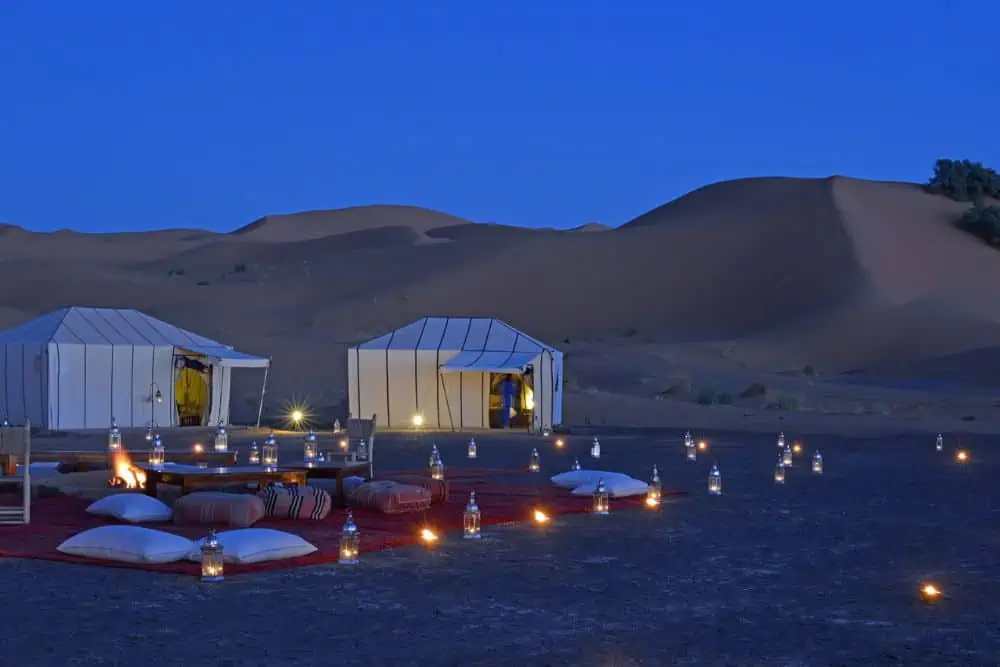
Morocco is widely considered one of the safest places to travel in Africa, especially in North Africa. It has a stable government, strong tourism infrastructure, and a visible tourist police presence in major cities like Marrakesh, Fes, and Casablanca.
While Morocco is not a traditional safari destination like Botswana or Namibia, it offers desert expeditions in the Sahara, Atlas Mountain treks, and cultural city tours. These experiences are very safe when done with licensed guides and organized tours.
Hotels, riads, and transport services are well regulated. Some travelers may experience street hassle, especially in busy markets, but this is rarely dangerous. Dressing modestly helps avoid unwanted attention and shows cultural respect.
Morocco also benefits from close proximity to Europe, with fast connections to Spain and major European cities, which strengthens its emergency support network.
Visit top Morocco tours
11. Zimbabwe
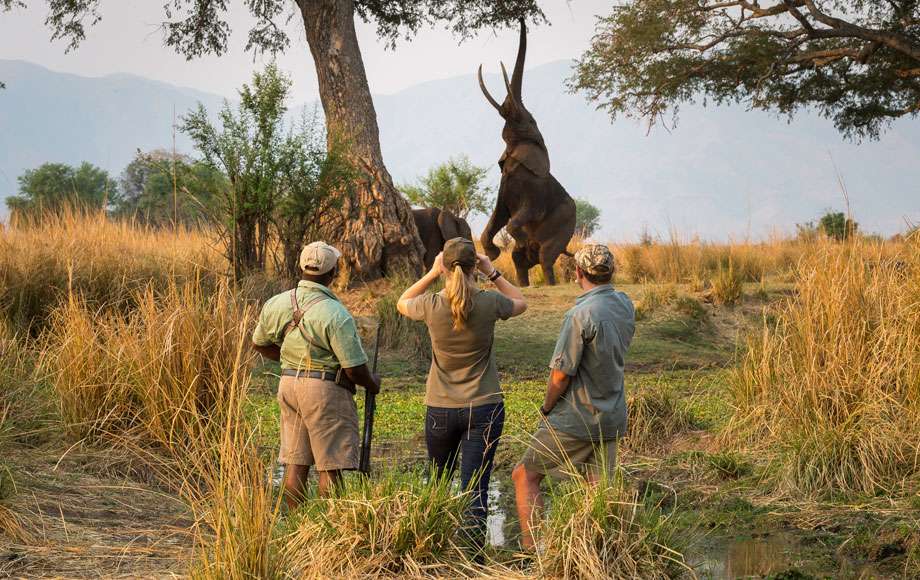
Staying in Southern Africa, Zimbabwe doesn’t always make these lists, but I’d still call it one of the safest African countries to travel to if guide quality is what matters most to you. It doesn’t get enough credit for how well it trains its guides. The standard here, especially for walking safaris and canoe trips, is among the toughest on the continent, which is exactly what you want when you’re on foot near elephants.
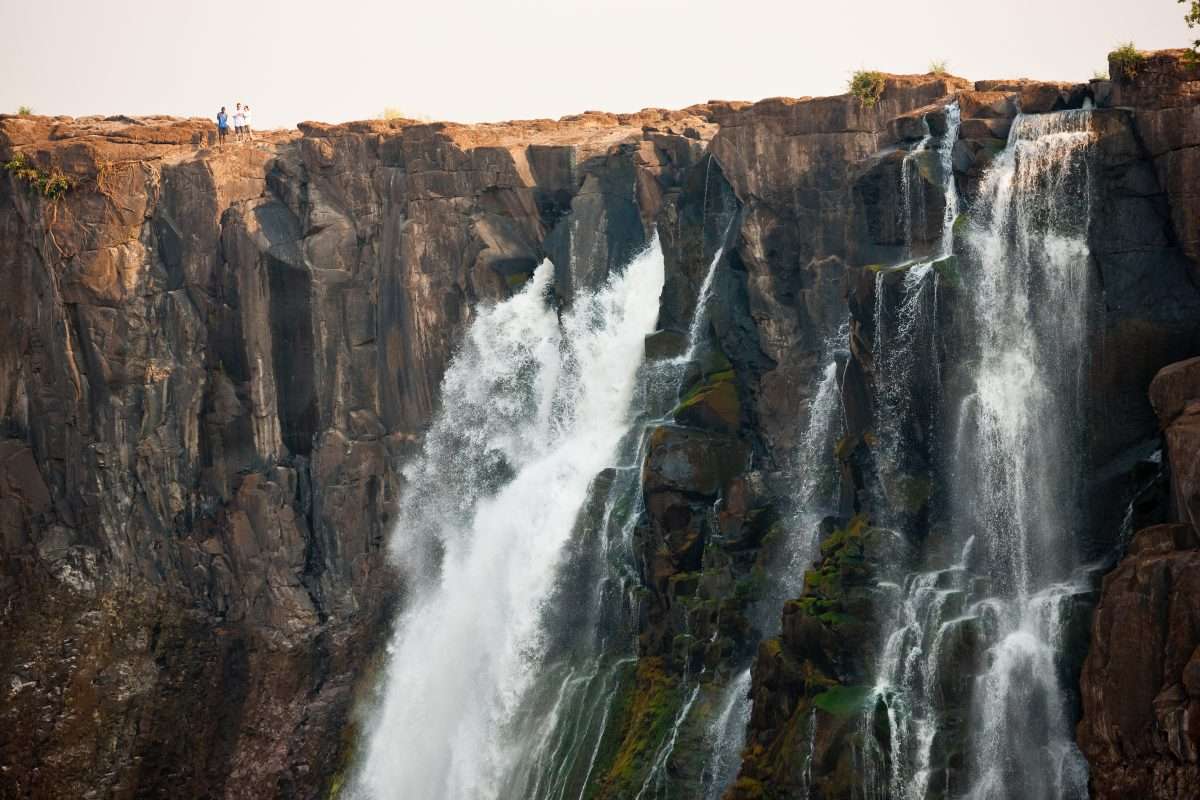
Mana Pools is the destination most associated with that style of guiding, canoeing and walking along the Zambezi with people who’ve spent years reading the bush. Hwange holds some of Southern Africa’s largest elephant herds and strong predator numbers, with daily ranger patrols keeping the parks secure. Victoria Falls itself, shared with Zambia, gets solid police and tourism support on the Zimbabwean side, making it an easy, safe add-on to any Southern Africa itinerary.
Visit – Victoria Falls Tour
12. Senegal
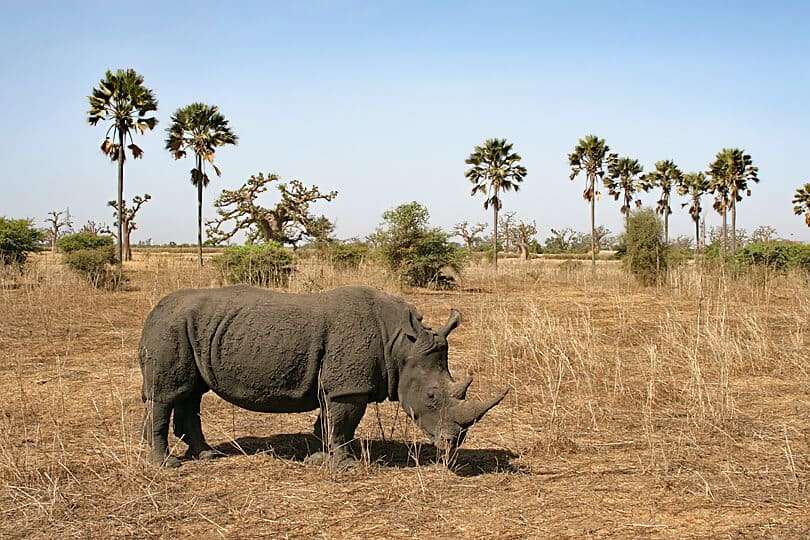
Now moving across to West Africa, Senegal is one of the safest countries in West Africa for travellers, which matters because West Africa doesn’t show up on “safe” lists nearly as often as East or Southern Africa. Senegal has had a long run of peaceful elections and stable democratic government, and that stability shows up directly in how tourist areas function.
Crime in Dakar and Saint-Louis runs lower than in most regional capitals, and there’s a visible police presence supporting the tourism sector specifically. Health prep matters more here than in some Southern African destinations, malaria and yellow fever both require attention, but that’s a planning issue, not a safety one, and it’s easily handled with the right vaccines ahead of time.
13. The Gambia
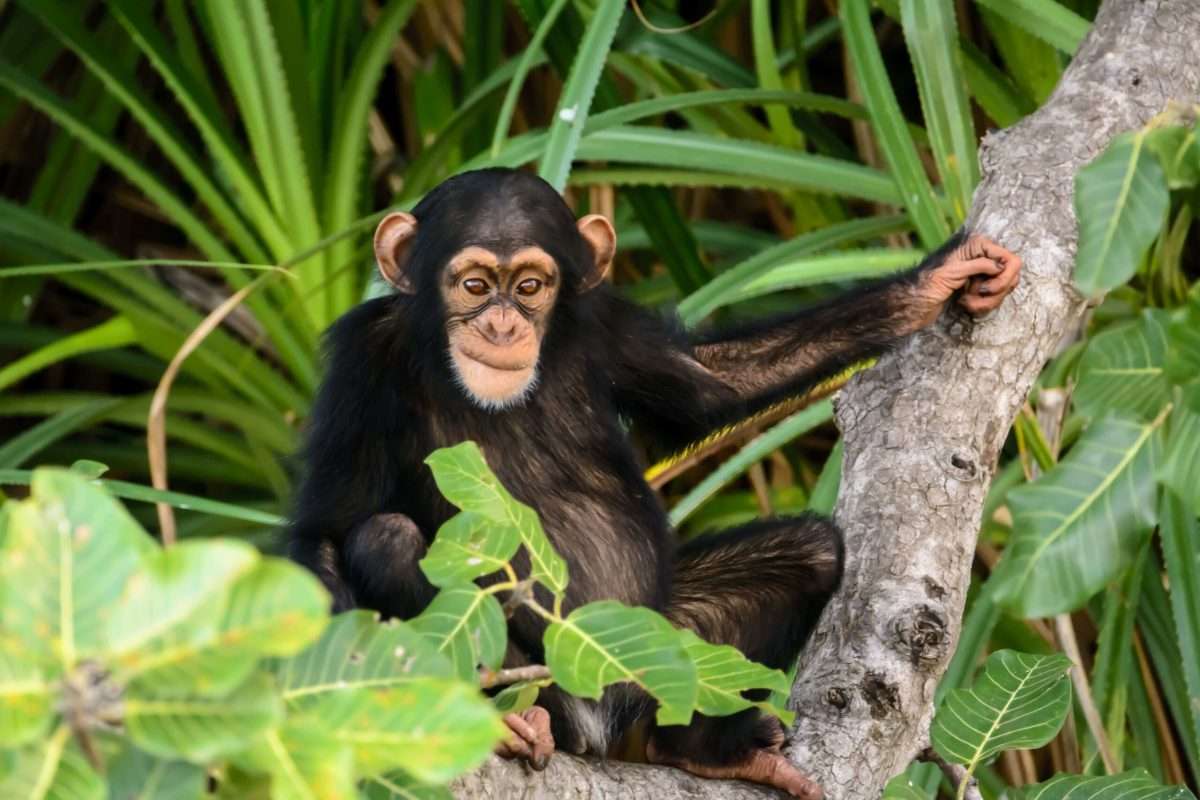
Right next door and technically surrounded by it, The Gambia deserves its own spot on this list too, since despite its tiny size, it has long been considered a safe zone for travellers. It’s largely crime-free with genuinely good tourist infrastructure for a country this small, built up over decades of British and European package-holiday traffic to its coast, and it’s a strong pick if you want one of the safest places in Africa to visit without a big, sprawling itinerary.
Petty theft, pickpocketing mainly, is the most common issue, easily managed by keeping valuables close in crowded areas. The usual coastal precautions apply: skip the beaches after dark, and use registered taxis in the bigger towns rather than flagging down whatever’s passing. It’s also one of the easiest overland border crossings from Senegal if you’re combining the two on one trip.
14. Egypt
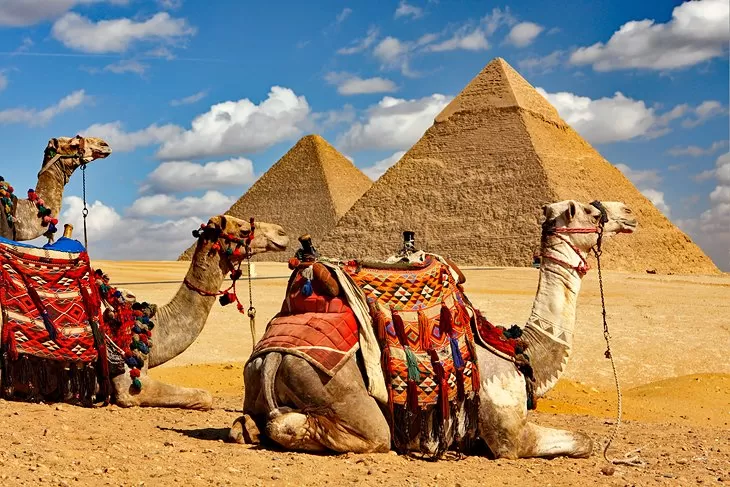
Egypt often ranks among the safest African countries for general travel due to its heavy security presence in tourist areas.
Cities like Cairo, Luxor, and Aswan are well protected. Police patrols operate around historical sites, hotels, and transport hubs.
Public transport, including the metro, trains, and domestic flights, is well regulated. Rideshare services like Uber offer added safety for solo travelers.
Street vendors can be persistent, but polite refusal usually works. Organized tours are highly recommended for desert trips and archaeological sites.
15. Malawi
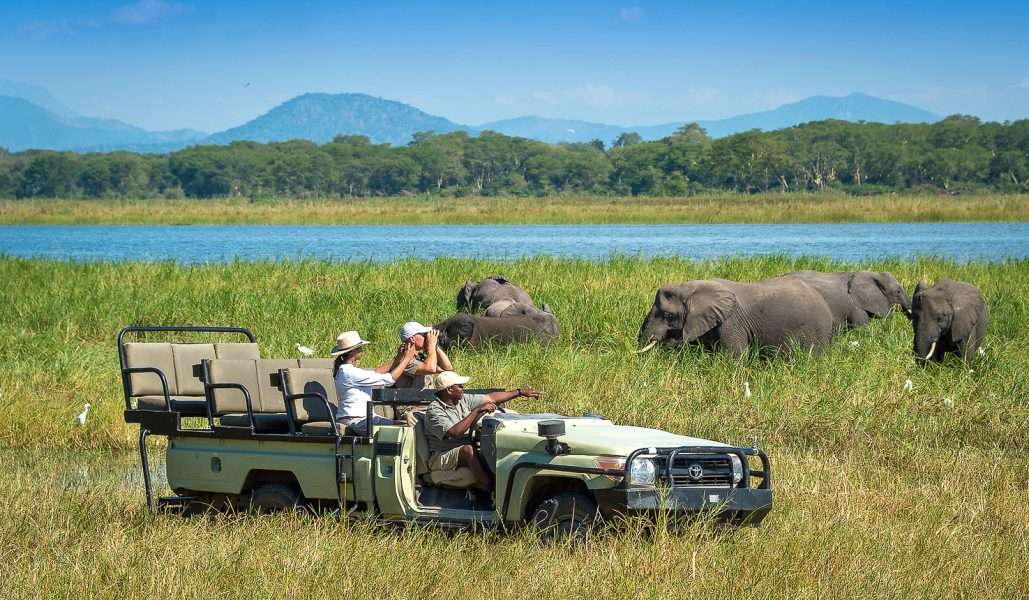
Malawi is often called the Warm Heart of Africa, and that warmth shows in both its people and travel atmosphere. It is widely considered one of the safest and most peaceful countries in Africa for visitors. Crime levels are low in tourist areas, and travelers enjoy a relaxed, low stress safari experience.
Lake Malawi forms the backbone of tourism here, offering a rare beach and bush combination. Parks like Liwonde and Majete provide quiet game viewing without crowds, which adds to the sense of safety.
Politically, Malawi is stable and calm. The country also has fewer large dangerous animals compared to other safari destinations, which lowers wildlife risk.
Travelers should still take basic precautions in cities and protect against malaria, but overall Malawi remains one of the safest places in Africa to travel.
16. Eswatini
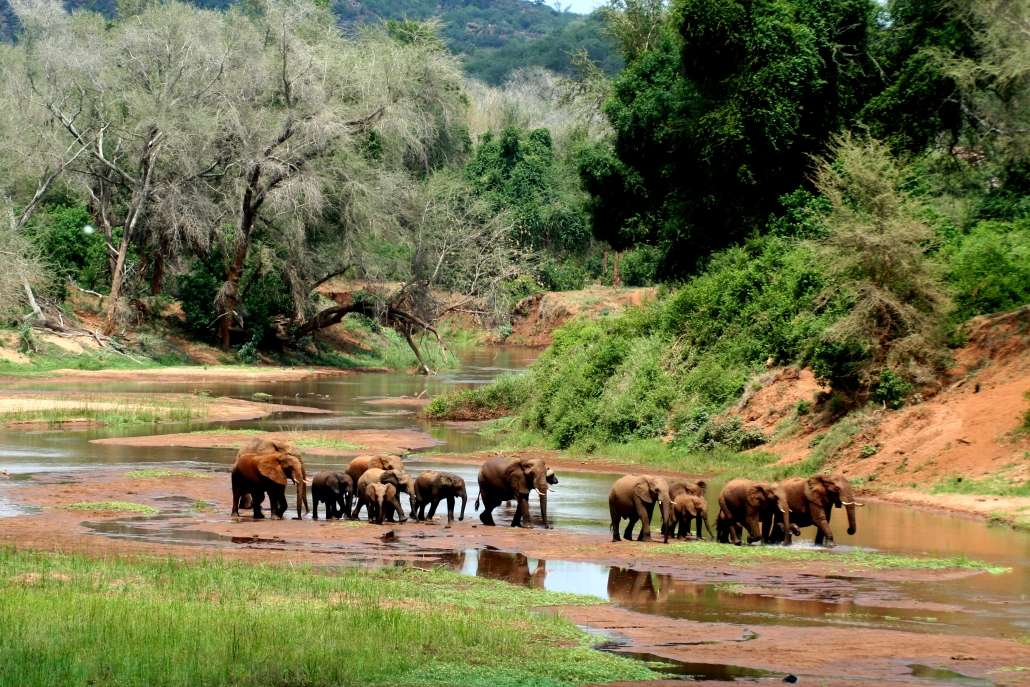
Tucked entirely inside South Africa, Eswatini is easy to skip on a first look, but it’s genuinely one of the safest countries in this continent for a quiet, low-key trip, and it works well precisely because it’s small, quiet, and easy to overlook. Crime is low, and the population is small enough that safety here often comes down to basic common sense rather than active vigilance.
Hlane Royal National Park and Mlilwane Wildlife Sanctuary are both well managed, and with fewer dangerous animals than most neighboring countries, wildlife risk stays low too. Road awareness is crucial to staying safe there, since that’s where most incidents involving travelers actually happen, not with wildlife or crime.
17. Sierra Leone
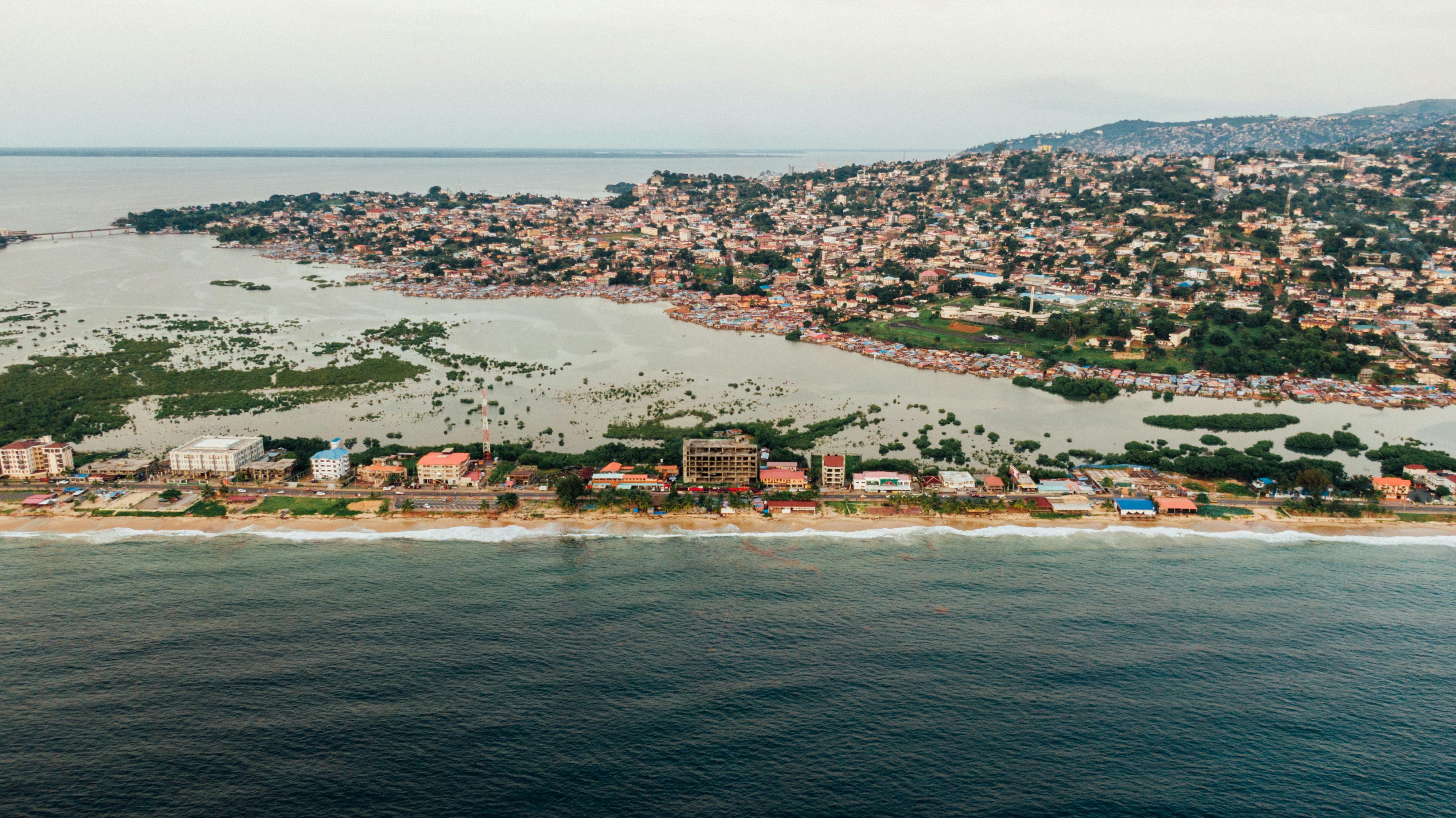
Last on this list, and the one that raises eyebrows, is Sierra Leone, which I’d still call one of the safe places to visit in Africa that most people overlook. But the civil war ended decades ago, and the country has had a long, steady run of peace since, enough that it’s now worth a second look rather than an automatic skip. Freetown and the beaches south of it see relatively few tourists, which means a calmer, more open welcome than more heavily touristed spots, not less safety.
Petty theft and the usual precautions around walking alone at night still apply, same as anywhere on this list. Visit in the dry season, January through March, for the easiest travel conditions and a lower malaria risk, and dress modestly and conservatively out of respect for local norms, since Sierra Leone remains a fairly traditional, mixed-religious society.
Is Africa Safe for First-Time Travelers?

Yes, and by a wide margin, as long as you travel the right way. We build fully guided safaris precisely so first-timers are never figuring it out alone, airport pickup, lodge check-in, daily drives, all handled. You show up for the parts you actually came for.
National parks and private reserves are among the most protected spaces in the countries we work in, Tanzania, Kenya, Botswana, Namibia, and South Africa, all of which combine strong tourism infrastructure with reliable roads and solid medical facilities. Local, on-the-ground support is really what turns “is this safe” into “yes, I felt supported the entire time,” which is the answer we’re aiming for with every itinerary.
Safest African Countries for Families

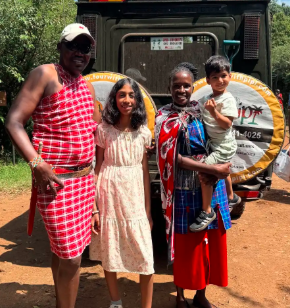
Families often worry about traveling with children, but Africa offers many safe options designed specifically for parents and kids.
The safest African countries for families include South Africa, Botswana, Namibia, Kenya, and Tanzania. These destinations have child friendly safari lodges with family rooms, kids programs, and flexible game drive schedules.
Many lodges are fully fenced, especially in malaria free zones. This means children can walk safely around camp without wildlife wandering through sleeping areas.
Guides also adjust drives for families. They choose calm animal sightings, avoid long bumpy routes, and explain wildlife in a way kids enjoy. This improves safari safety for kids while keeping the experience fun and educational.
Why families feel safe
Fenced safari camps
Child friendly lodges
Shorter game drives
Medical access nearby
Trained family guides
Safest African Countries for Solo Travelers
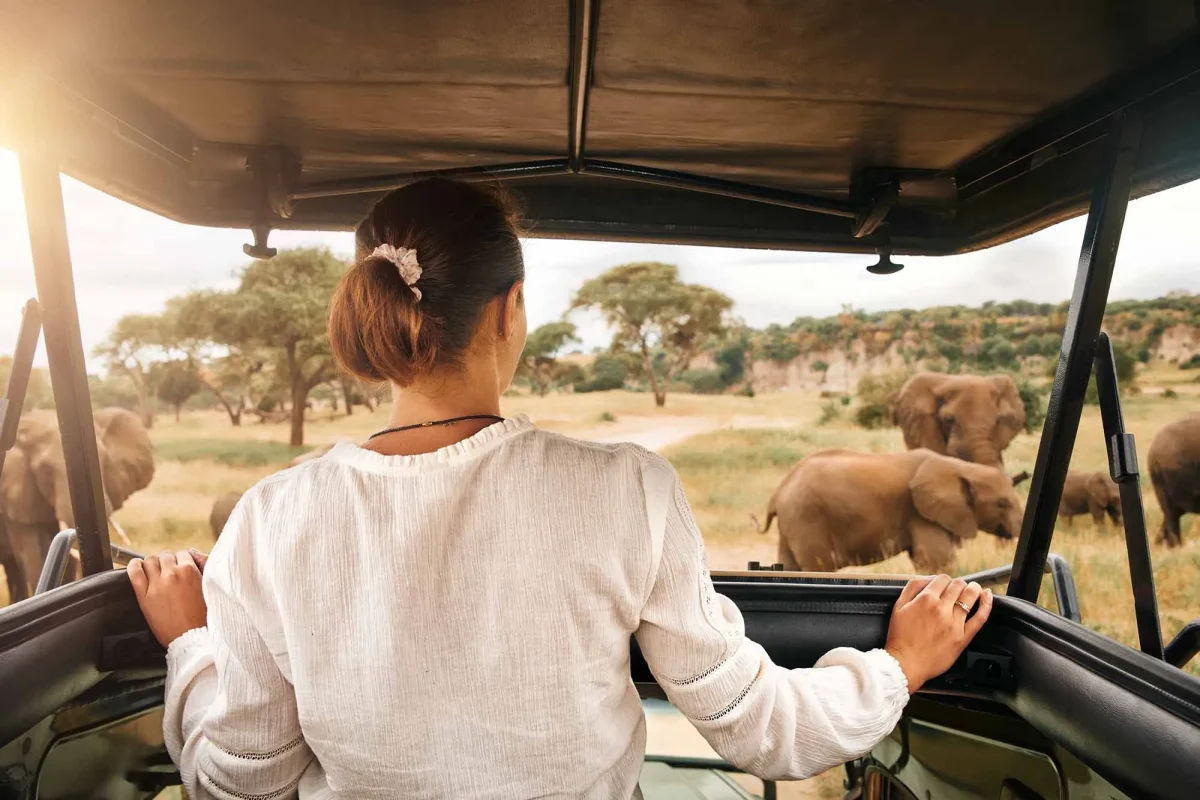
Africa is increasingly popular for solo travelers, including women. Safety comes down to smart planning and choosing the right destinations.
The safest African countries for solo travelers include Rwanda, Namibia, South Africa, Botswana, and Kenya. These countries have good infrastructure, organized tours, and strong security in tourist areas.
For women, group safaris and guided tours are the best option. You travel with a professional guide and other guests, so you are never isolated. Lodges also provide escorts at night and secure accommodations.
Countries like Rwanda and Namibia are especially known as some of the safest African countries for women travelers because of low crime rates and respectful local cultures.
Solo safety tips
Join guided group tours
Use lodge transfers
Avoid walking alone at night
Stay in reputable hotels
Follow local advice
Health Safety in Africa (What You Should Know)
Health safety is often a bigger concern than wildlife. With the right preparation, risks are very manageable.
Malaria Zones
Some safari regions are malaria zones, especially in parts of East and Southern Africa. Prevention includes:
Taking prescribed medication
Using mosquito repellent
Wearing long sleeves at night
Sleeping under nets if provided
This is the foundation of malaria prevention Africa travel planning.
Vaccines
Before travel, consult your doctor about vaccinations for Africa. Common recommendations include:
Yellow fever
Hepatitis A and B
Typhoid
Tetanus booster
Traveler’s Diarrhea
Traveler’s Diarrhea is common but preventable.
Drink bottled or filtered water
Avoid ice in remote areas
Eat hot, freshly cooked food
Carry basic medication
Water Safety
Never drink tap water unless confirmed safe. Use bottled water for brushing teeth in remote regions.
Why health risks are manageable
Good hospitals in safari hubs
Medical evacuation services
Trained lodge staff
Travel insurance support
Guided Tours vs Independent Travel: Which Is Safer?
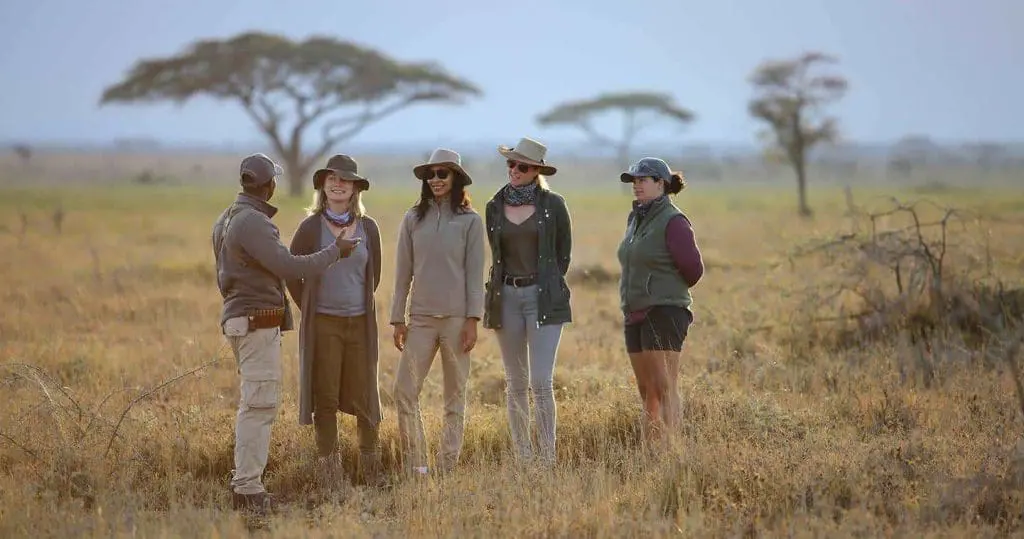
When it comes to guided safari vs self drive safety, guided travel is always the safer option, especially for first timers.
Guided safaris remove guesswork. Your driver knows park rules, animal behavior, and safe routes. Independent travelers often struggle with navigation, distance judgment, and animal movement patterns inside parks.
Safari travel safety improves dramatically with a guide because:
They communicate with rangers on radio
They know which roads to avoid
They understand animal warning signals
They control vehicle positioning
Safety Comparison
| Factor | Guided Safari | Self Drive |
|---|---|---|
| Navigation | Expert route planning | GPS dependent |
| Animal encounters | Managed by professionals | High risk if misjudged |
| Wildlife behavior | Interpreted by guide | Guesswork |
| Emergency response | Immediate radio support | Delayed assistance |
| Vehicle safety | Maintained by operator | Personal responsibility |
Guided travel is ideal for families, solo travelers, and anyone new to Africa. Self drive is better suited for experienced travelers who already understand bush safety rules.
TourwithPipi Safety Standards
At TourwithPipi, safety is not an add on. It is built into every single trip we design.
How we choose lodges
We only partner with lodges that meet strict safety criteria. This includes trained staff, night escorts, secure rooms, and emergency procedures.
Certified guides only
Every TourwithPipi guide is professionally licensed and trained in wildlife behavior, first aid, and crisis response.
Daily route checks
Our teams review wildlife movement every morning. Routes are adjusted based on animal activity and park updates.
24/7 guest support
From arrival to departure, our team is always reachable. No guest is ever left without assistance.
Escort rules
At unfenced camps, guests are escorted after dark. This is non negotiable for safety.
Emergency protocols
We maintain clear evacuation plans, hospital contacts, and backup vehicles in every region.
Why travelers trust us
Proven track record
On ground partners
Continuous monitoring
Real time communication
How to Choose the Safest Country for Your Travel Style
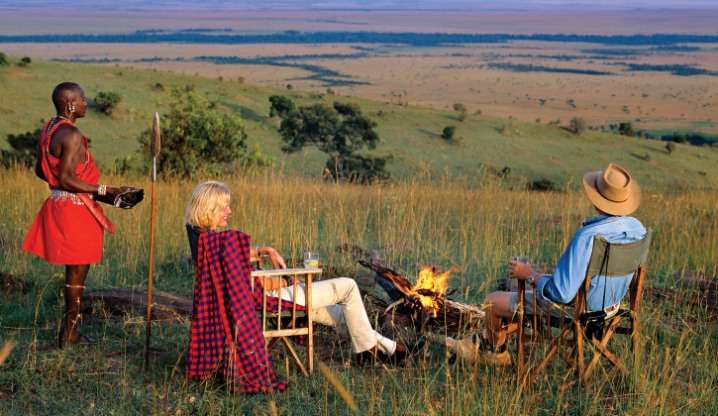
Safety depends on how you travel, not just where you go.
Honeymoon Travelers
Botswana, Mauritius, Rwanda, and Tanzania offer privacy, luxury lodges, and secure environments. These are among the best countries in Africa to visit for couples seeking romance and peace.
Adventure Travelers
Zambia, Namibia, and Kenya are ideal for walking safaris, desert drives, and cultural experiences. Guided adventures keep risk low.
Budget Travelers
South Africa and Namibia offer safe self drive routes, affordable lodges, and strong infrastructure.
Luxury Travelers
Botswana, Rwanda, and Tanzania deliver exclusive camps with top security standards.
No matter your style, the safest place in Africa for tourists is always where professional guides, secure lodges, and strong park systems exist.
Choosing wisely means matching your comfort level with the right destination and support system.
African Safari Safety Tips
- Book with a licensed, established operator. At TourwithPipi, that means vetted lodges, certified guides, and secure transport on every trip, not just the ones we advertise.
- Stay alert in towns and cities, even though safari areas themselves are tightly protected. Use hotel-arranged transport and avoid isolated streets.
- Keep valuables out of sight. Leave expensive jewelry and large cash sums in your lodge safe, and dress simply when you’re out in towns or markets.
- Carry only the cash you need for the day. The rest stays locked up at your accommodation.
- Book a guide for anywhere you’re unsure of, particularly local villages or informal settlements that aren’t set up for casual visitors.
- Never walk alone at night. Ask your lodge for an escort, every time, no exceptions.
- Save emergency numbers before you travel: your guide, lodge reception, and local emergency services.
- Pack a basic first aid kit with pain relief, bandages, insect repellent, and any personal medication you rely on.
When to Visit Africa?
Because Africa is such a vast continent, there is no single best time to visit. Weather patterns vary by region, so it’s best to plan based on where you’re going.
- North Africa: The ideal time to visit is during spring and autumn, from April to May and September to October. Temperatures are comfortable, making it perfect for sightseeing and exploring historic cities.
- West Africa: Peak travel season runs from December to February. This period has lower rainfall and humidity, creating more pleasant conditions for travel.
- East Africa: The best time is the long dry season from July to September, which also совпides with the Great Migration. The short rainy season in November and December can also be a good option, with fewer crowds.
- Southern Africa: For Cape Town, visit between November and February for warm summer weather.
For Namibia and Botswana, the best months are May to October, when it’s cooler and ideal for wildlife viewing.
How the Global Peace Index Ranks Africa’s Safest Countries

If you want a number instead of a vibe, the Global Peace Index is the closest thing. It’s an annual ranking from the Institute for Economics and Peace that scores 163 countries on crime, political stability, and conflict, and it’s where most serious “safest country” claims should start.
By that measure, Mauritius is the safest country in Africa, and has been for close to two decades. It scores around 1.55 and sits near 23rd safest in the world, ahead of plenty of countries people never think twice about visiting. Botswana comes in second continent-wide, Namibia third, with Gambia and Sierra Leone rounding out the top five.
Here’s the catch for safari travelers: Mauritius isn’t a safari destination. It’s a beach and marine-life island in the Indian Ocean. So while it’s genuinely the safest country to visit in Africa by the numbers, the more useful question for most of my clients is which of the safari countries lead on safety, and that’s a shorter, different list. Botswana tops it.
Note:
One quick note on how this list was built: a country’s safety picture can shift fast, and it isn’t static. Ethiopia is a good example. It’s a major East African destination with incredible history and landscape, but as of this year it still sits under a US State Department Level 3 advisory, with several regions flagged Do Not Travel due to armed conflict and unrest, so it doesn’t make this list right now. That could change. If you feel safer sticking with countries that have stayed consistently stable for years rather than ones recovering from recent conflict, the list below leans that way on purpose.
FAQs
Which is the safest African country to visit?
By the Global Peace Index, Mauritius is the safest country in Africa overall. For safari travel specifically, Botswana and Namibia lead, with Rwanda close behind for its gorilla trekking security.
Is it safe for US citizens to travel to Africa?
Yes, it is safe for US citizens to travel to Africa when visiting tourist zones and using guided tours. Countries like South Africa, Kenya, Botswana, and Rwanda are popular with Americans. Good infrastructure improves safety. Travel insurance is recommended.
Which is safer, South Africa or Kenya?
Both are safe when traveling with licensed operators. South Africa offers malaria free parks and strong roads. Kenya has secure safari reserves and ranger patrols. Safety depends on location and planning.
What is the no. 1 safest country?
Mauritius often ranks as the safest country in Africa overall. It has very low crime and strong healthcare. For safaris, Botswana ranks highest. Both are extremely secure.
What to worry about when traveling to Africa?
Health risks like malaria and dehydration are bigger concerns than wildlife. Petty theft can happen in cities. Always follow local advice. Use guided transport for safety.
Where should I go for the first time in Africa?
South Africa, Kenya, and Tanzania are best for first timers. They offer easy logistics and safe safari circuits. English is widely spoken. Medical access is good.
What is the most tourist friendly country in Africa?
South Africa is very tourist friendly with good roads and hotels. Kenya and Morocco are also welcoming. Tourism services are well developed. Guides are professional.
Is Morocco a safe country?
Yes, Morocco is one of the safest places to travel in Africa. Tourist police protect major cities. Hotels are secure. Dress modestly to avoid attention.
Is it better to visit Kenya or Tanzania?
Both are excellent safari destinations. Kenya is easier for shorter trips. Tanzania offers larger parks like Serengeti. Safety is high in both.
Is Kenya friendly with the US?
Yes, Kenya has strong relations with the US. Many American tourists visit yearly. English is widely spoken. US travelers feel welcome.
Is Kenya safe for American tourists?
Yes, Kenya is safe for American tourists in safari areas. Parks are secure and guided tours reduce risk. Cities require basic precautions.
What is the most American-friendly country in Africa?
South Africa and Kenya are very American friendly. English is common. Infrastructure is strong. Tourism services are tailored to US travelers.
Is Kenya safe for whites?
Yes, Kenya is safe for all races. Safari zones are secure. Locals are welcoming. Follow standard safety tips.
Is $100 a lot of money in Kenya?
Yes, $100 goes far in Kenya. It can cover meals and transport. Safari activities cost more. Local spending is affordable.
What is considered rude in Africa?
Disrespecting elders is rude. Public affection is frowned upon. Dress modestly. Always greet politely.
Where should I go for my first trip to Africa?
South Africa, Kenya, or Tanzania are best. They offer safe tourism systems. Wildlife viewing is excellent. Transport is easy.
What is the prettiest place in Africa?
Serengeti, Okavango Delta, and Victoria Falls are stunning. Namibia dunes are breathtaking. Beauty depends on taste.
How much does an average trip to Kenya cost?
A mid range safari costs $2,500 to $4,500 per person. Luxury trips cost more. Budget options exist. Prices vary by season.
Which country in Africa is the most beautiful?
Tanzania is often called the most beautiful. It has mountains, plains, and beaches. Namibia is also stunning. Beauty is subjective.
Which country in Africa has the most beautiful beaches?
Mauritius and Zanzibar in Tanzania have top beaches. White sand and blue waters attract tourists. Seychelles is also popular.
Blog Summary
- African safaris are safe when you travel with licensed guides and reputable operators like TourwithPipi.
- By the Global Peace Index, Mauritius is Africa’s safest country overall; Botswana leads specifically for safari travel.
- Botswana, Namibia, Rwanda, Tanzania, Kenya, and South Africa all rank among the safest countries in Africa to visit.
- Guided safaris are safer than self-drive trips, since trained guides manage wildlife behavior and emergencies in real time.
- Open safari vehicles are safe when guests stay seated and follow their guide’s instructions.
- Africa is a strong family destination, with fenced lodges, child-friendly facilities, and active ranger patrols across the top countries.
- Solo travelers, including women, travel safely through Kenya, Namibia, Rwanda, and similar countries using small group or guided tours.
- Health risks like malaria and dehydration are more common on safari than any threat from wildlife or crime.
- TourwithPipi’s safety standards include certified guides, daily route checks, and 24/7 support on every trip.
- The safest African country for you depends on your travel style, honeymoon, adventure, budget, or luxury, as much as it depends on the destination itself.
Author: Khadija Tayabali, Founder and Virtuoso-Affiliated Safari Advisor, TourwithPipi


