
A Serengeti safari in Tanzania is widely considered the finest wildlife experience on earth. Covering 14,763 square kilometres of open savannah, riverine forest, and granite kopje outcrops, the Serengeti National Park supports the largest concentration of predators anywhere in Africa and hosts the Great Wildebeest Migration, a circular journey of nearly two million animals that is the largest land mammal migration in the world.
This guide covers everything you need to plan a Serengeti safari trip in 2026. You will find the best regions to visit, when to go for each wildlife event, what luxury lodges are available, how much a Serengeti safari package costs, and the exact itineraries TourwithPipi offers across Tanzania’s Northern Safari Circuit.
Written by Khadija Tayabali, Kenya-born physician and Virtuoso-certified African safari advisor designing private luxury safaris across Africa.
Quick Serengeti Safari Facts
- The name Serengeti comes from the Maasai word Siringeti, meaning “the land that moves on forever”
- The Serengeti covers 14,763 km² and forms part of the larger 30,000 km² Serengeti-Mara Ecosystem shared with Kenya’s Masai Mara
- Home to approximately 3,000 lions, making it one of the highest lion densities in Africa
- Around 1.7 to 2 million wildebeest complete the Great Migration circuit every year
- Over 500 recorded bird species live in or pass through the park
- The calving season from January to March produces around 8,000 wildebeest calves per day at peak
- High season runs from June to October; low season runs from November to May
- UNESCO World Heritage Site since 1981
Where Is the Serengeti?
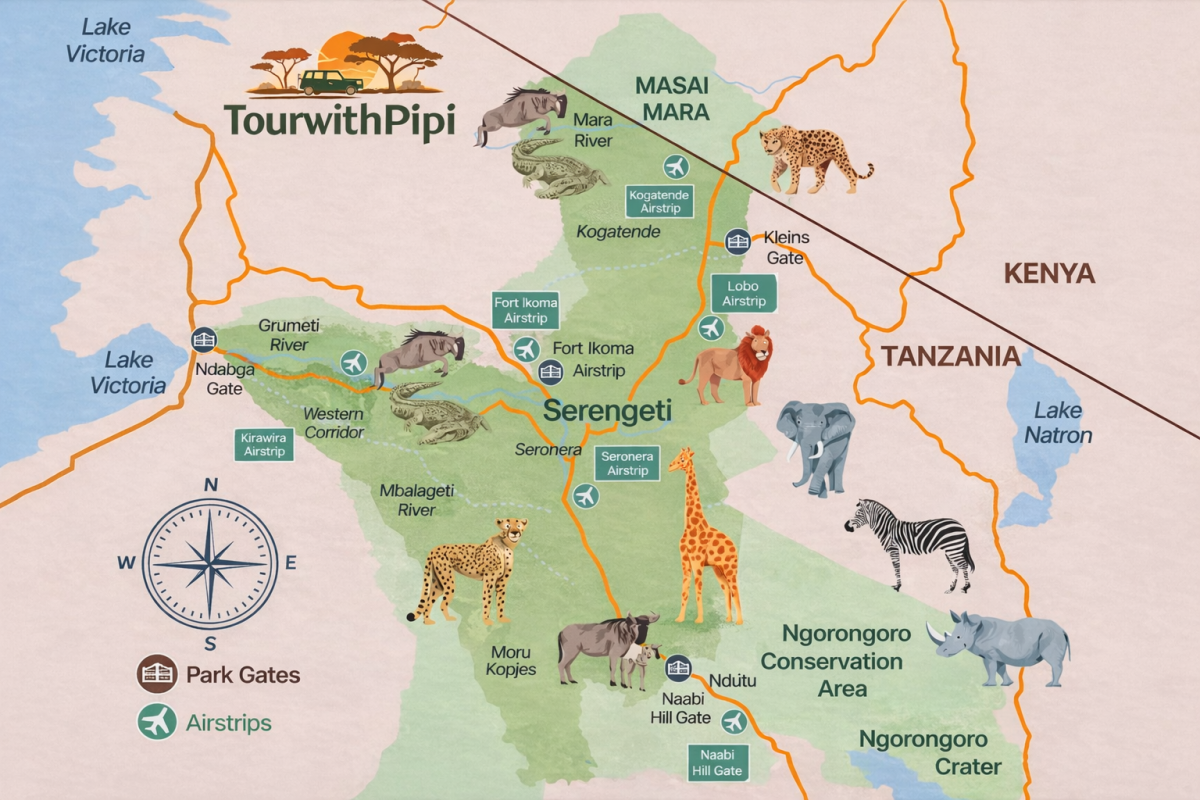
The Serengeti National Park sits in the north-western corner of Tanzania, bordering Kenya to the north. The conservation area continues across the Kenyan border into the Masai Mara National Reserve, together forming the Serengeti-Mara Ecosystem, one of the most protected wildlife areas on the planet.
The Serengeti national park is accessible from two airports. Most international travelers fly into Kilimanjaro International Airport (JRO) or Arusha Airport (ARK) and then take a short domestic charter flight directly to one of several Serengeti airstrips, including Seronera, Kogatende, and Lobo. The flight from Arusha to the Serengeti takes approximately 60 to 90 minutes.
TIP: International flights into Kilimanjaro often arrive late at night. We strongly recommend an overnight at a lodge in Arusha before your charter flight into the Serengeti the following morning. Arriving rested makes the first game drive significantly more enjoyable.
The Five Regions of the Serengeti: Where to Go
The Serengeti national park is not one uniform park. It divides into five distinct safari regions, each offering a different landscape, wildlife concentration, and type of experience. Understanding these regions helps you choose the right safari package for your timing and priorities.
Northern Serengeti
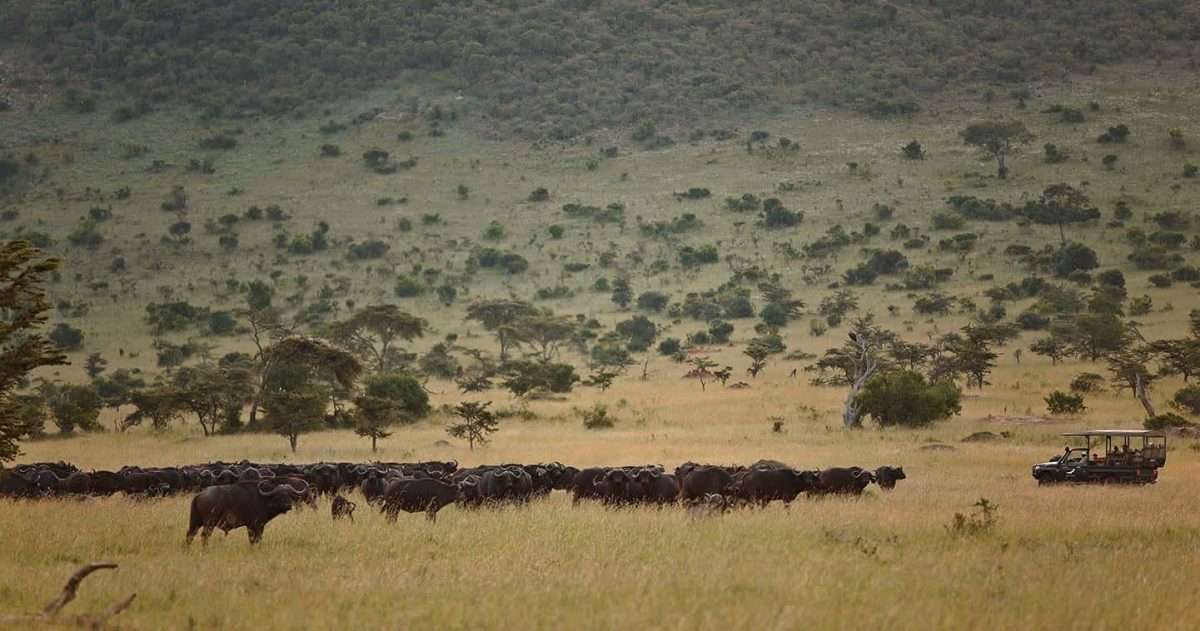
The northern Serengeti safari region is the most remote and least crowded part of the park. It is characterized by small rivers, granite kopjes, rolling green hills, and the Mara River, the site of the most dramatic wildlife event in Africa. From July through October, enormous wildebeest herds gather on the southern banks of the Mara River and make the decision to cross. Crocodiles wait below. The river crossing can last minutes or hours. It is raw, unpredictable, and completely unlike anything else you will witness in your life.
The northern Serengeti also contains the Lamai Wedge, a private wildlife management area adjacent to the national park where off-road driving, night game drives, and guided walking safaris are all permitted. These activities are prohibited in the national park itself, making the Lamai Wedge a significant advantage for travelers who want the deepest possible safari experience.
- Best time to visit: July to October for Mara River crossings. Year-round for general wildlife.
- Wildlife highlights: Lion, leopard, elephant, giraffe, cheetah, rhino (rare), buffalo, and during July to October, enormous wildebeest and zebra herds.
Central Serengeti (Seronera Valley)
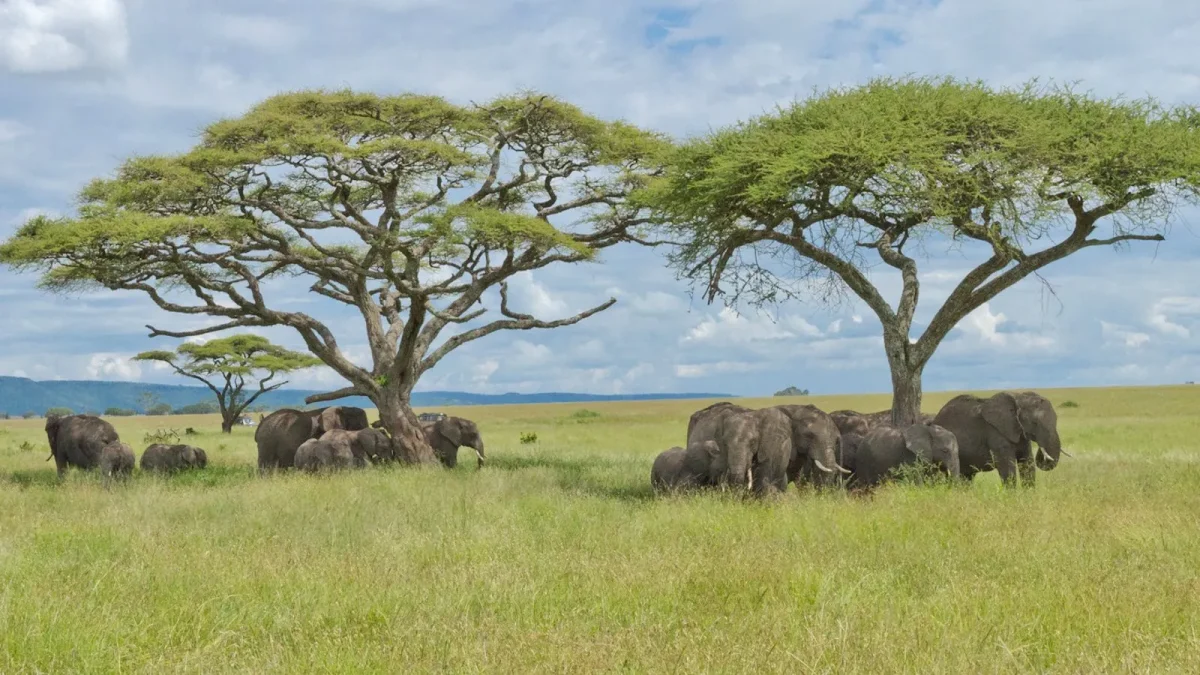
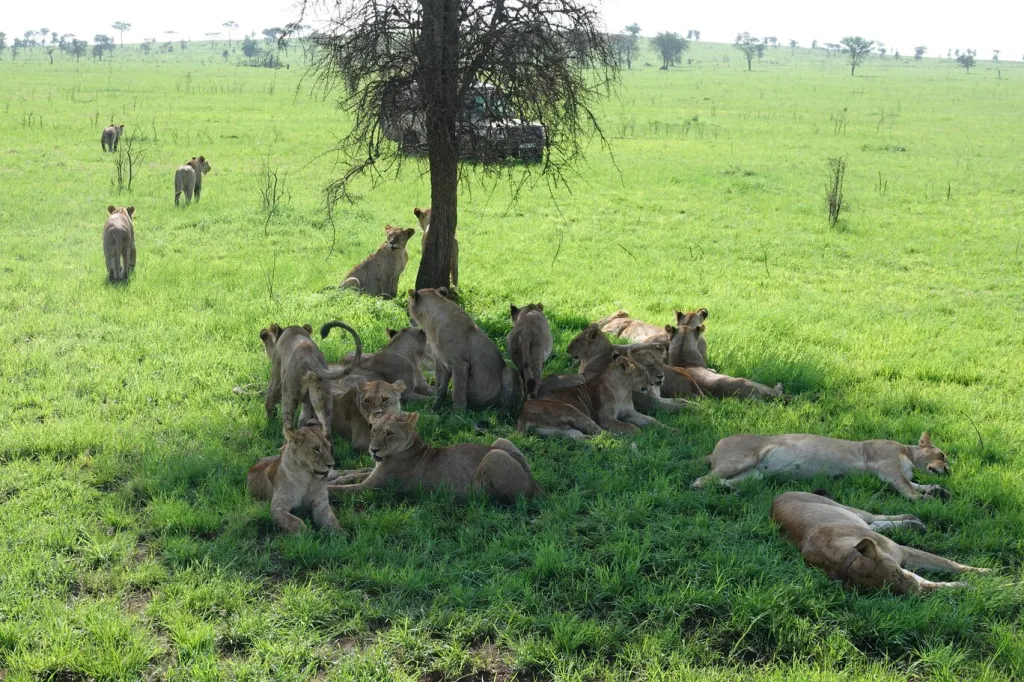
The central Serengeti safari area is the most consistently productive wildlife zone in the entire park. The Seronera River Valley creates a natural boundary between the wooded north and the open south, drawing wildlife from both habitats into a relatively compact area. Lion prides here have been studied for decades and are fully habituated to vehicles, allowing close and unhurried observation.
Leopards rest in fever trees along the Seronera River throughout the year. Cheetahs hunt across the open floodplains in the early morning light. The central region is accessible and diverse, making it the most reliable area for a first Serengeti safari. It is, however, the busiest part of the park, especially during peak season from June to October.
- Best time to visit: Year-round. Excellent for big cats throughout all seasons.
- Wildlife highlights: Lion, leopard, cheetah, elephant, buffalo, giraffe, zebra, wildebeest.
Southern Serengeti and Ndutu Plains
The southern Serengeti safari area transitions gradually into the Ndutu Plains within the Ngorongoro Conservation Area. This is where the Great Migration herds give birth from January through March in what is called the calving season. The short open grassland of Ndutu allows off-road driving, giving guides the ability to position vehicles directly alongside newborn calves and the predators hunting them.
During calving season safari the Ndutu Plains are among the most extraordinary places on earth for wildlife viewing. Lions, cheetahs, leopards, and hyenas converge on the area to take advantage of the easiest prey of the year. The density of activity during peak calving in February is something most travelers describe as the most memorable safari experience of their lives.
- Best time to visit: January to March for calving season.
- Wildlife highlights: Lion, cheetah, leopard, hyena, wildebeest calves, zebra, flamingo at Lakes Ndutu and Masek.
Eastern Serengeti
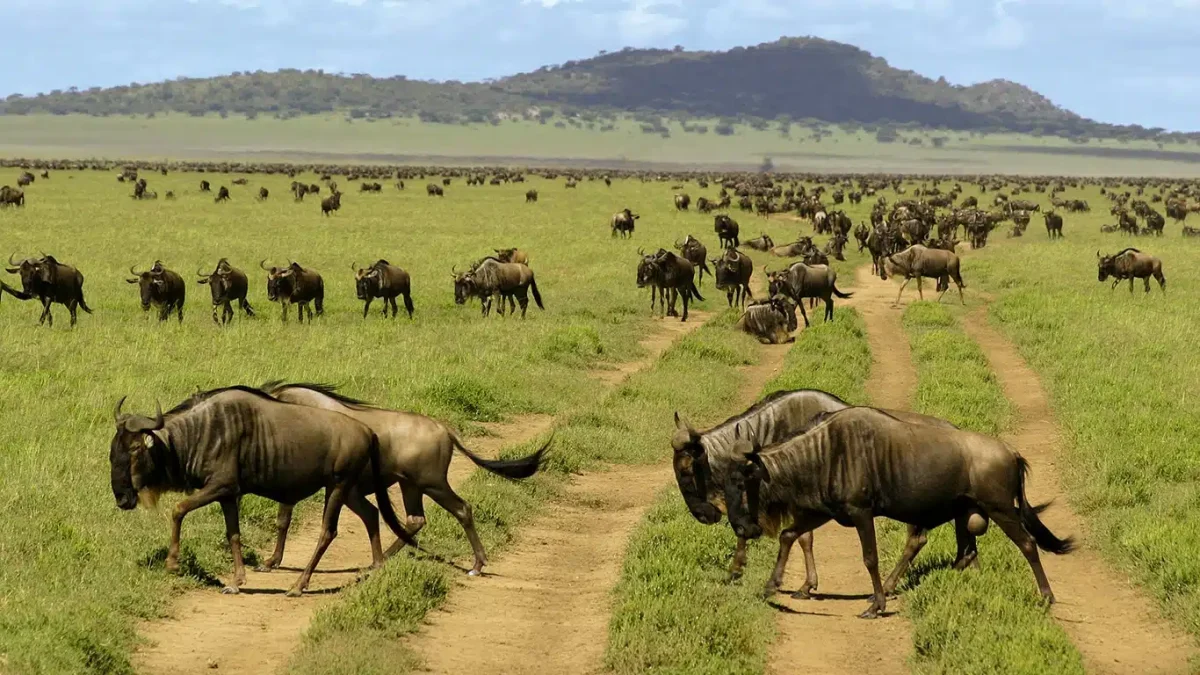
The eastern Serengeti safari region is significantly quieter than the central region and offers a different kind of safari experience. The landscape is more varied, with plains, kopje formations, and light woodland. This area is one of the best in the entire Serengeti for cheetah sightings, with resident populations that are less disturbed by vehicle traffic. The eastern region also offers good grazing for the migration herds from December through March.
- Best time to visit: January to March during the calving season circuit. Year-round for cheetah.
- Wildlife highlights: Cheetah, lion, leopard, elephant, migrating wildebeest and zebra.
Western Serengeti (Grumeti Corridor)
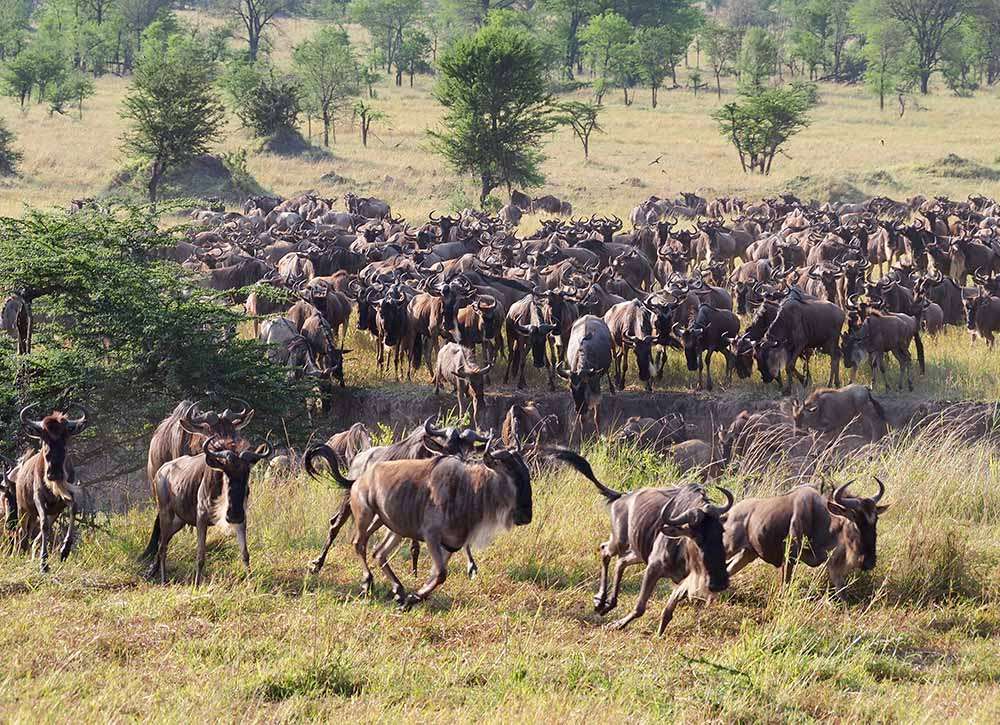
The Western Corridor stretches all the way to Lake Victoria. The Grumeti River and its gallery forests run through this section of the park, providing a permanent habitat for enormous Nile crocodiles and large hippo pods. Between May and July, convoys of wildebeest arrive at the Grumeti River for the first of the migration’s major water crossings. These crossings are smaller in scale than the Mara River events in the north but no less dramatic.
The Singita Grumeti Reserve, a private reserve adjacent to the Western Corridor, is one of the most exclusive safari destinations on the continent. With extremely limited accommodation and a vast private territory, it offers game viewing with almost no other vehicles in sight.
- Best time to visit: May to July for Grumeti River crossings.
- Wildlife highlights: Crocodile, hippo, lion, leopard, cheetah, wildebeest during crossing season.
How Many Days for a Serengeti Safari Tour?
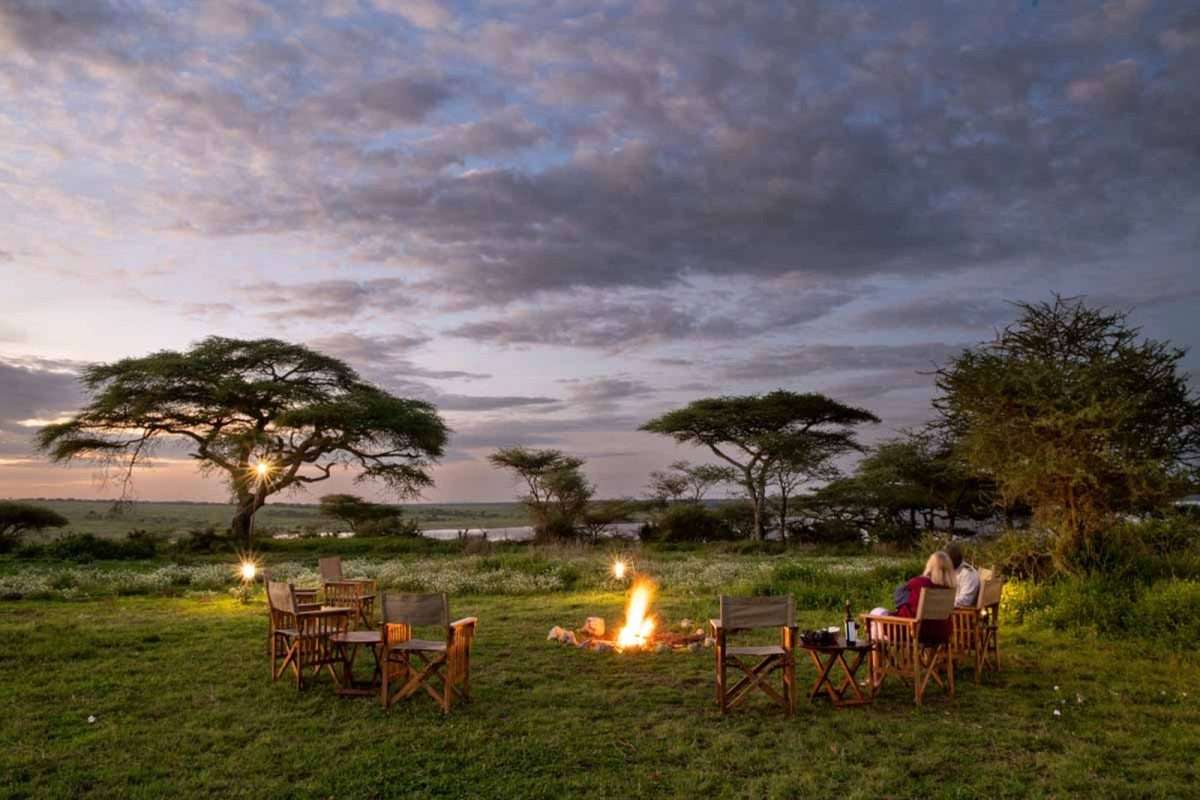
A Serengeti safari is one of the most rewarding wildlife experiences in Africa, but the number of days you spend here makes a big difference.
For a well-planned Serengeti safari tour, you should stay at least 4 full days. This gives you enough time to explore different regions, see a variety of wildlife, and enjoy game drives without rushing.
If you stay for 3 days or less, your safari will feel limited and you may miss key wildlife areas. The Serengeti is very large, and animals move across different zones, so more time increases your chances of seeing more.
For the best experience, a 5 to 7-day Serengeti safari tour is ideal. This allows you to fully enjoy the landscape, track wildlife properly, and relax between game drives.
If your trip includes nearby destinations like the Ngorongoro Crater or other parks, then 4 days in the Serengeti works well as part of a longer safari itinerary.
The Great Wildebeest Migration: Month by Month Guide
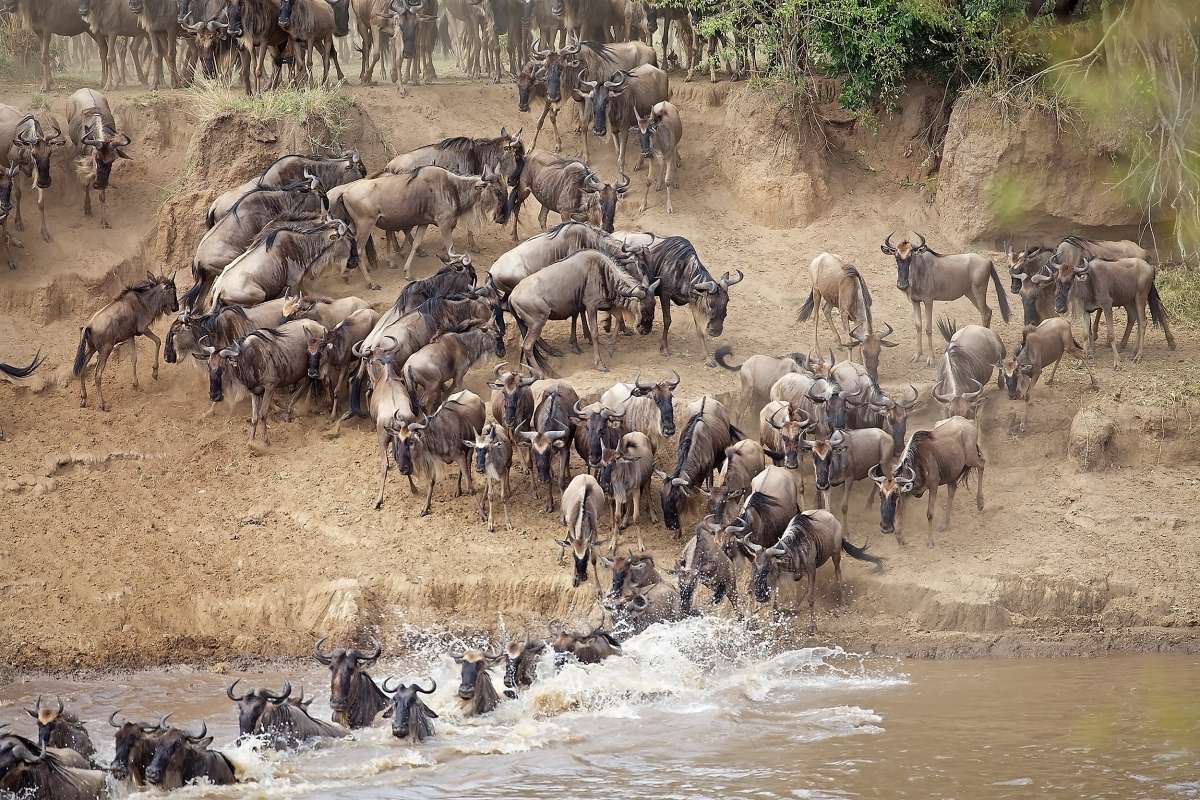
The Great Migration is not a single event. It is a year-round circular journey driven by rainfall and the movement of fresh grass. Understanding the approximate schedule allows you to time your Serengeti safari package for the wildlife event that matters most to you.
| Month | Migration Location | What to See |
|---|---|---|
| January to March | Southern Serengeti and Ndutu Plains | Calving season. Up to 8,000 calves born per day. Intense predator activity. |
| April to May | Western and Central Serengeti | Rutting season. Herds moving west. First Grumeti crossings beginning in May. |
| May to July | Western Serengeti, Grumeti River | Grumeti River crossings. Crocodile activity. |
| July to October | Northern Serengeti, Mara River | Most dramatic Mara River crossings. Peak season. |
| October to January | Northern to Southern Serengeti | Herds moving south. Transition and rutting. Southern calving beginning in December. |
TIP: The Migration is a natural phenomenon and its exact timing cannot be guaranteed. Spending at least three nights in the relevant Serengeti safari area significantly increases your chance of witnessing a river crossing. A safari guide with deep knowledge of the herd movements is essential.
Top Things to Do on a Serengeti Safari
1. Game Drives
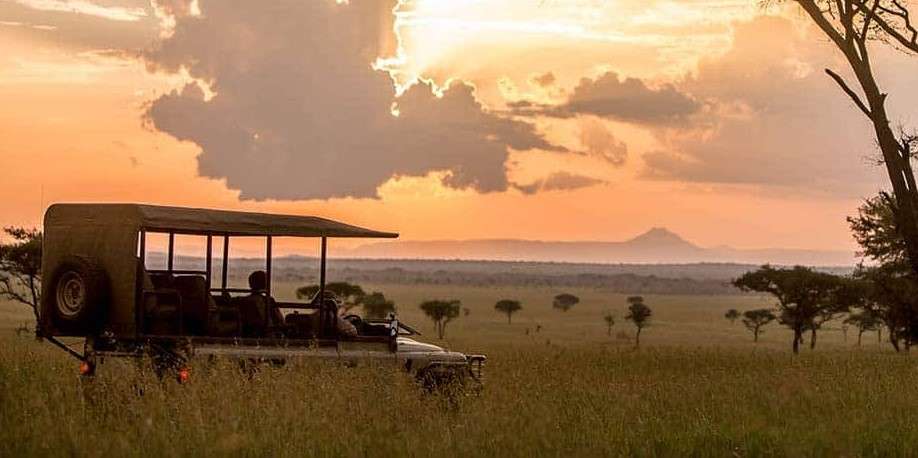
Morning and afternoon game drives in a private 4×4 Land Cruiser with a pop-up roof are the foundation of any Serengeti safari. Private drives give you full control over pace, direction, and time spent at each sighting. You stop when you want and stay as long as the wildlife warrants. This is especially important during events like a lion hunt or a cheetah tracking its prey, where patience is rewarded.
2. Hot Air Balloon Safari
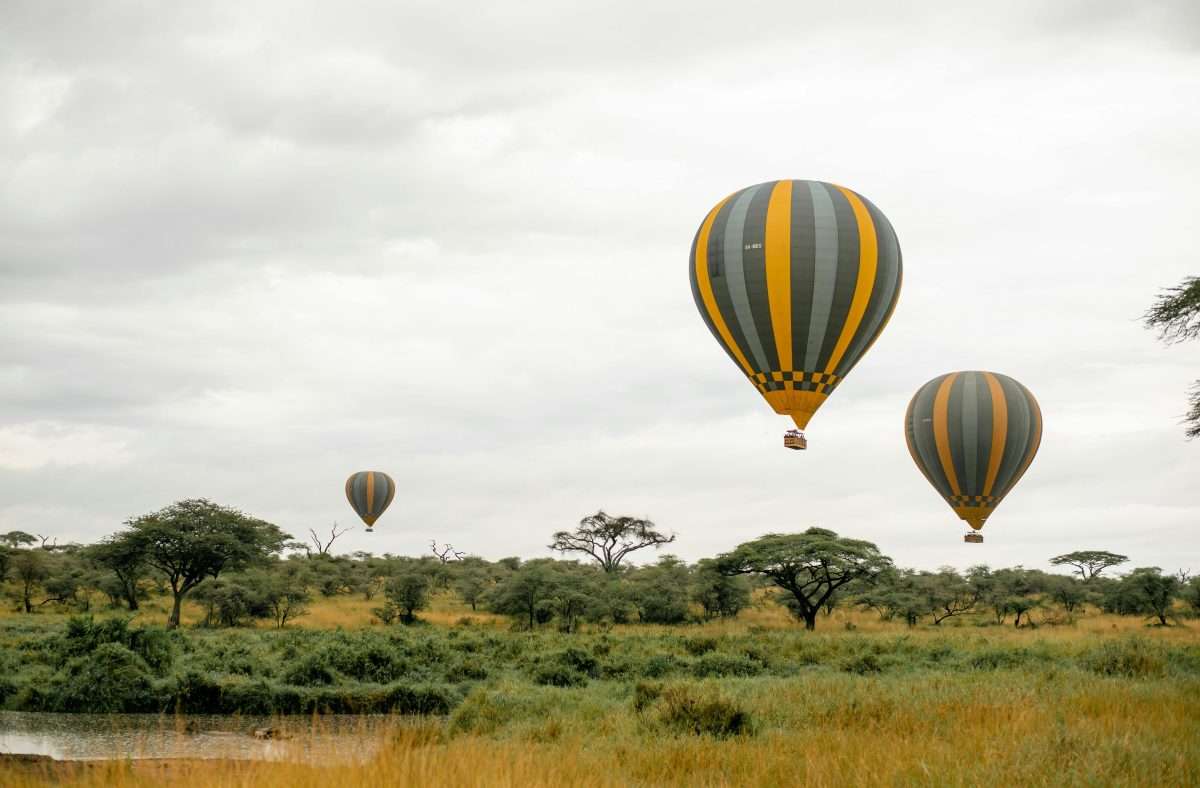
Rising at dawn to float silently above the Serengeti plains is one of the most memorable experiences East Africa offers. The scale of the landscape from the air is genuinely difficult to process. During the migration months, the herds below stretch as far as the eye can see. Most hot air balloon safaris in Africa land on the plains and finish with a champagne breakfast in the open. The additional cost is approximately $500 to $590 per person and it is worth every dollar. TourwithPipi can build this into any central or northern Serengeti package.
3. Walking Safari in Private Areas
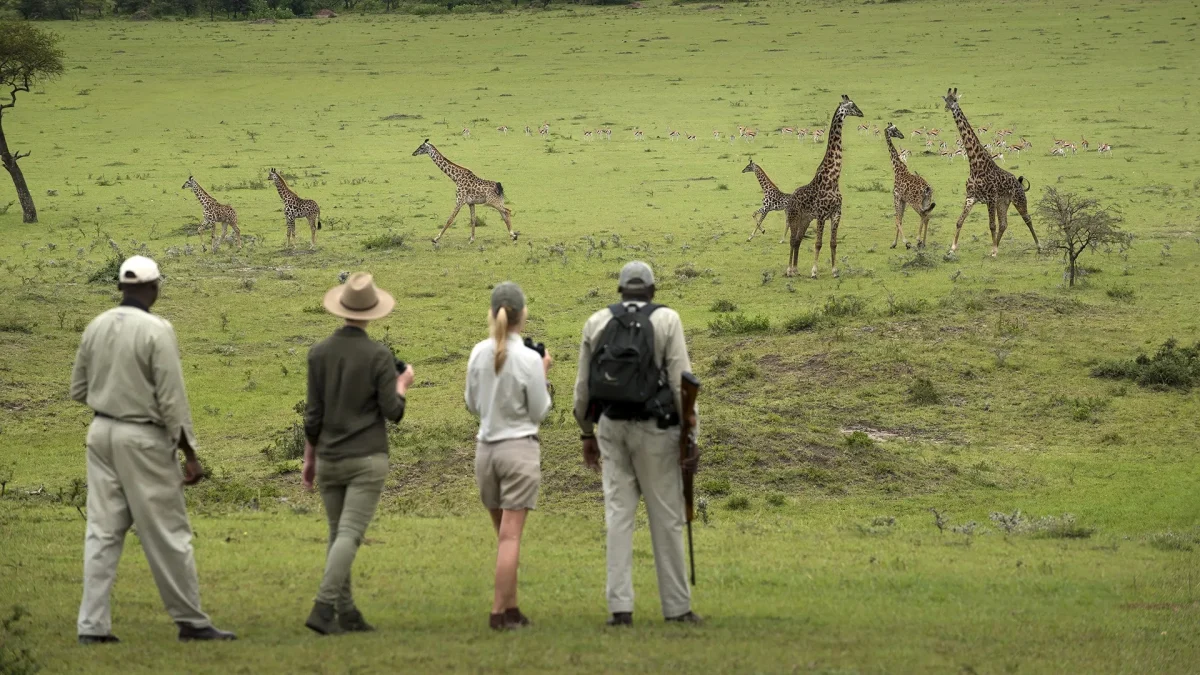
Guided walking safaris are not permitted inside the national park itself, but are available in adjacent private areas including the Lamai Wedge in the north and private concessions around the Ndutu area. Walking with a professional guide and armed ranger at ground level changes your entire perception of the bush. Tracks, plants, insects, and sounds that are invisible from a vehicle become the focus of attention.
4. Night Game Drives
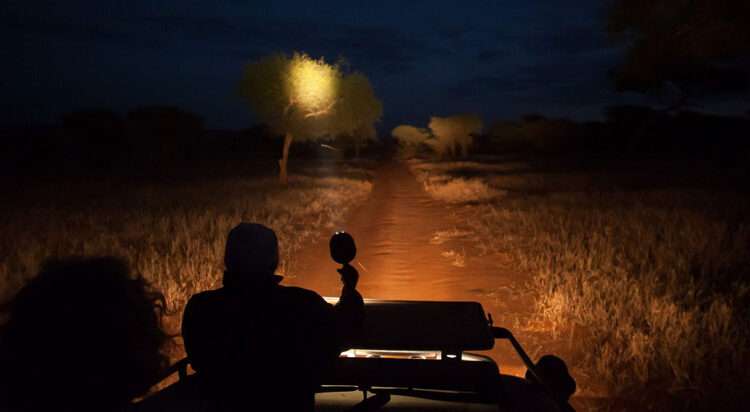
Night drives are only available in private conservancies adjacent to the Serengeti, not in the national park. They reveal nocturnal species including aardvark, porcupine, genet, and hunting lions in the dark. If your Serengeti safari lodge is located in or adjacent to a private area, ask about night drive availability.
5. Cultural Visits
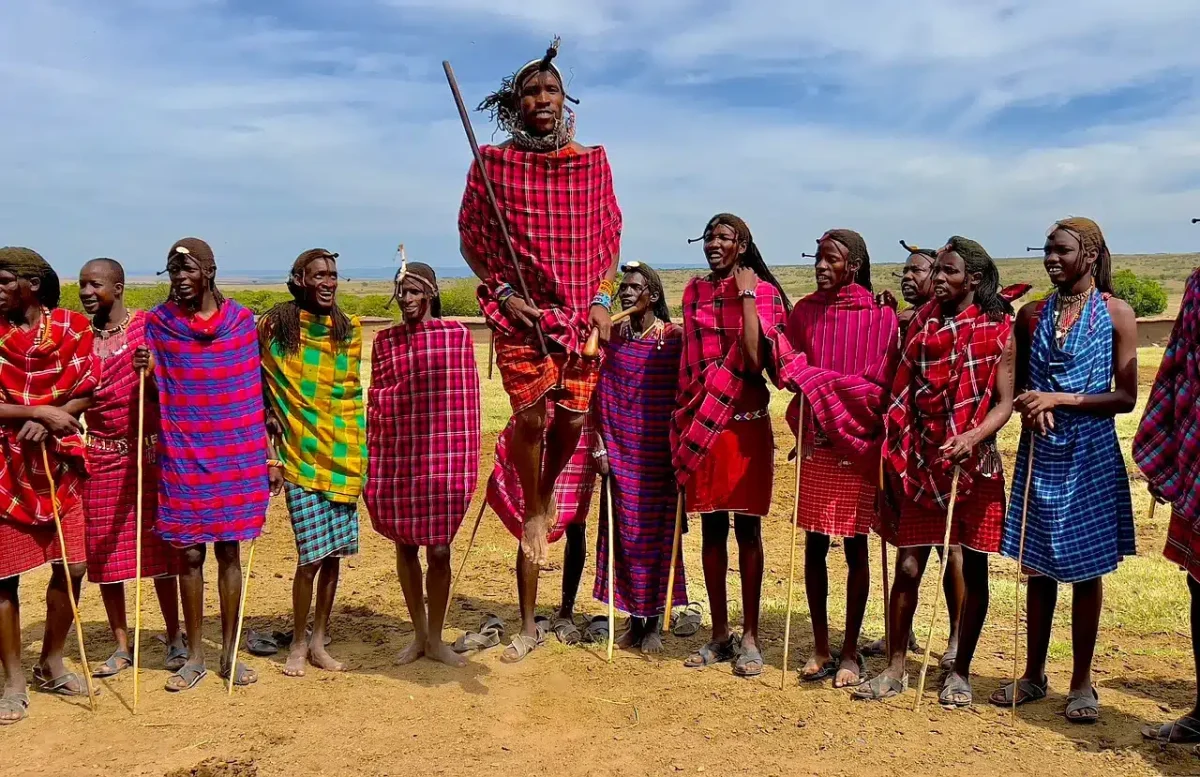
The Maasai have lived alongside the Serengeti’s wildlife for centuries. A well-organized visit to a Maasai community near the park gives you direct insight into cattle culture, beadwork, traditional medicine, and warrior traditions that have shaped the landscape you are driving through. TourwithPipi includes a Maasai village visit on several Serengeti safari itineraries in Tanzania.
6. Birdwatching
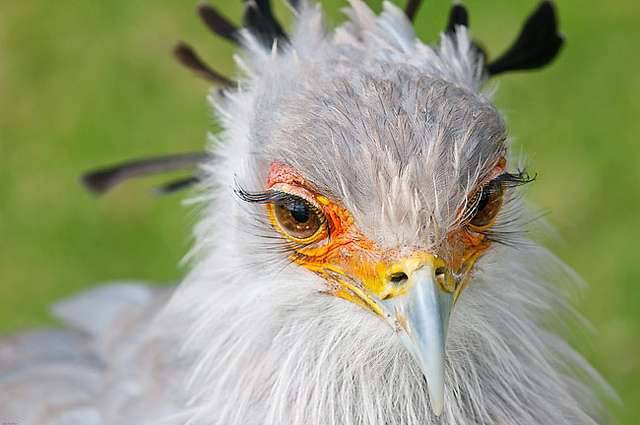
The Serengeti is home to over 500 bird species including secretary birds, Kori bustards, lilac-breasted rollers, ostriches, and more than 30 species of raptor. The green season from November to April brings additional migratory species, making it one of the best birdwatching periods despite being low season for general wildlife.
When to Go: Best Time for a Serengeti Safari

- For families: Peak season from July to October aligns with US school summer holidays. Book nine to twelve months ahead for the best Serengeti safari lodges.
- For photography: The green season from November to April offers the most dramatic skies, lush landscapes, and the best light. Fewer vehicles in the parks also means more unobstructed sightings.
- For value: Calving season from January to March delivers extraordinary wildlife at rates 20 to 30 percent below peak season, and is one of the best-kept secrets of the Tanzania safari circuit.
Serengeti Safari Booking Tip: If you want to see the Mara River crossings, plan your Serengeti safari for July through September and position yourself in the northern Serengeti for at least three consecutive nights. Crossings are unpredictable and spending time in position is the only reliable strategy.
Luxury Serengeti Safari Lodges: What to Know
Accommodation on a Serengeti safari ranges from mid-range tented lodges to ultra-luxury private camps with plunge pools, butler service, and fully inclusive rates. The most important factor is not the lodge’s star rating but its location. A well-positioned mid-range camp inside or adjacent to the best wildlife zones will deliver better sightings than a luxury lodge positioned poorly.
What Distinguishes a Luxury Serengeti Safari Lodge
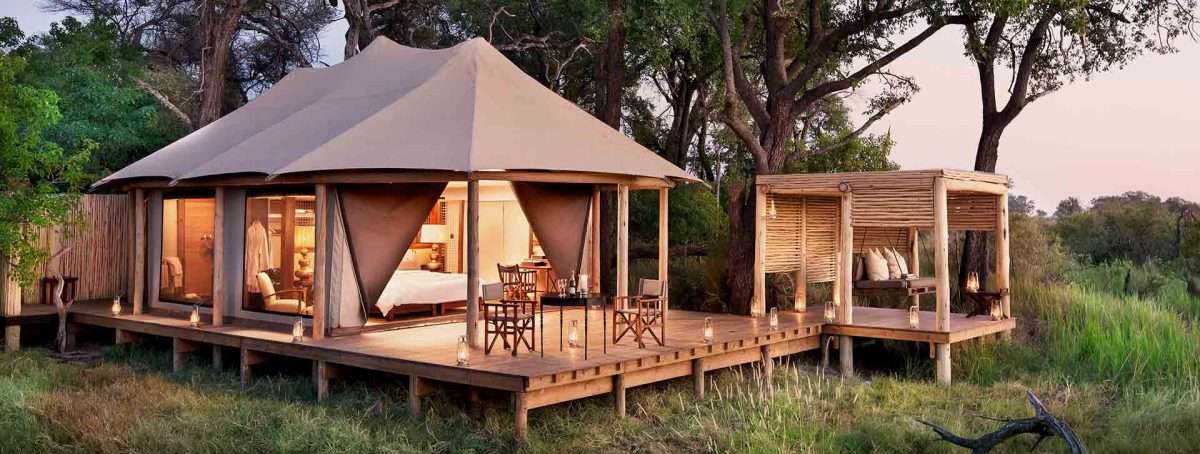
A genuine luxury camp or lodge in the Serengeti includes the following: private tented suites on raised platforms with personal verandas, ensuite bathrooms with hot water, solar or generator power, a qualified guide employed directly by the camp, full board with all meals and soft drinks included, small guest capacity typically between 12 and 24 beds, and excellent positioning in or adjacent to the park. The best luxury camps also have naturalist guides who know the resident prides and individual animals by sight and name.
Lodges Used on TourwithPipi Serengeti Safari Tour Packages
Nyikani Camp Central Serengeti:
Located at Banagi Hill in the heart of Serengeti National Park, 20 minutes from Seronera Airstrip. Twelve tents on an elevated kopje with panoramic views across the Seronera Valley. Positioned at the boundary between wooded north and open grassland south, giving access to the full range of central Serengeti habitats. Solar powered, full board, and expert guides who know the resident lion prides and leopards by individual territory.
Nyikani Migration Camp Kogatende:
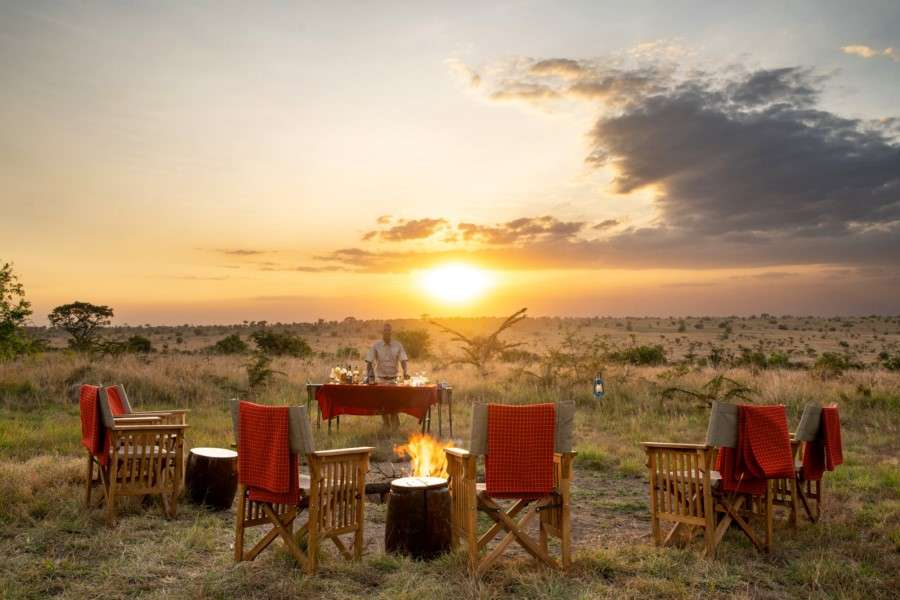
A seasonal camp in the northern Serengeti, perfectly positioned for Mara River crossings from July through October. Twelve tents spaced widely apart with private verandas overlooking the migration corridor. Direct access to the Mara River crossing sites. Runs entirely on solar power with handcrafted local furniture and full board throughout.
Nyikani Migration Camp Ndutu:
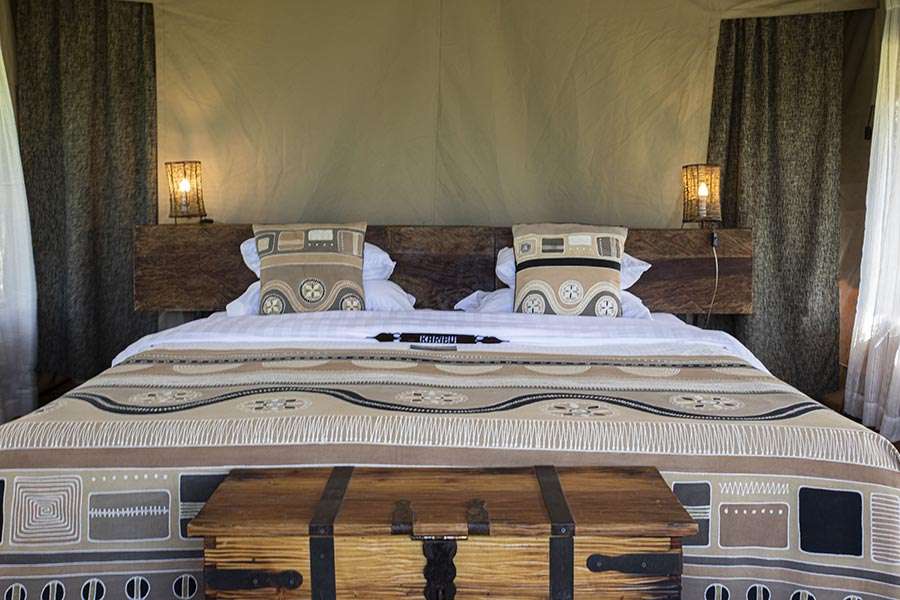
Operating seasonally from December through March directly on the Ndutu calving plains within the Ngorongoro Conservation Area. Twelve tents with private verandas overlooking the southern Serengeti where up to 8,000 wildebeest calves are born daily during the February peak. Because this camp operates only during calving season, the guides here specialize exclusively in reading the calving herds and predator movements on the Ndutu Plains.
Kubu Kubu Tented Lodge (Central Serengeti):
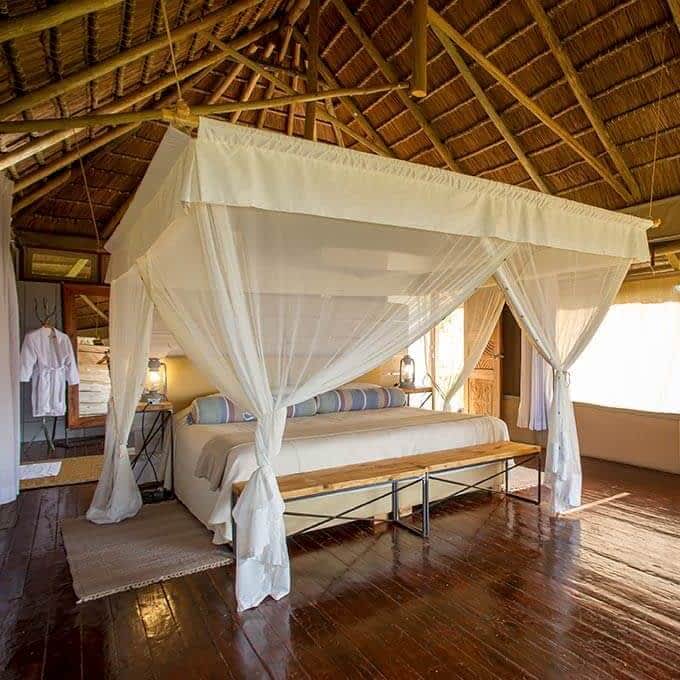
Permanently positioned in the central Serengeti near the Seronera area. Tented suites have private verandas with open savannah views. Swimming pool, open dining area, and a well-stocked bar with Serengeti views. Used on TourwithPipi’s 7-day and 8-day Serengeti Tanzania itineraries.
Ndutu Under Canvas:
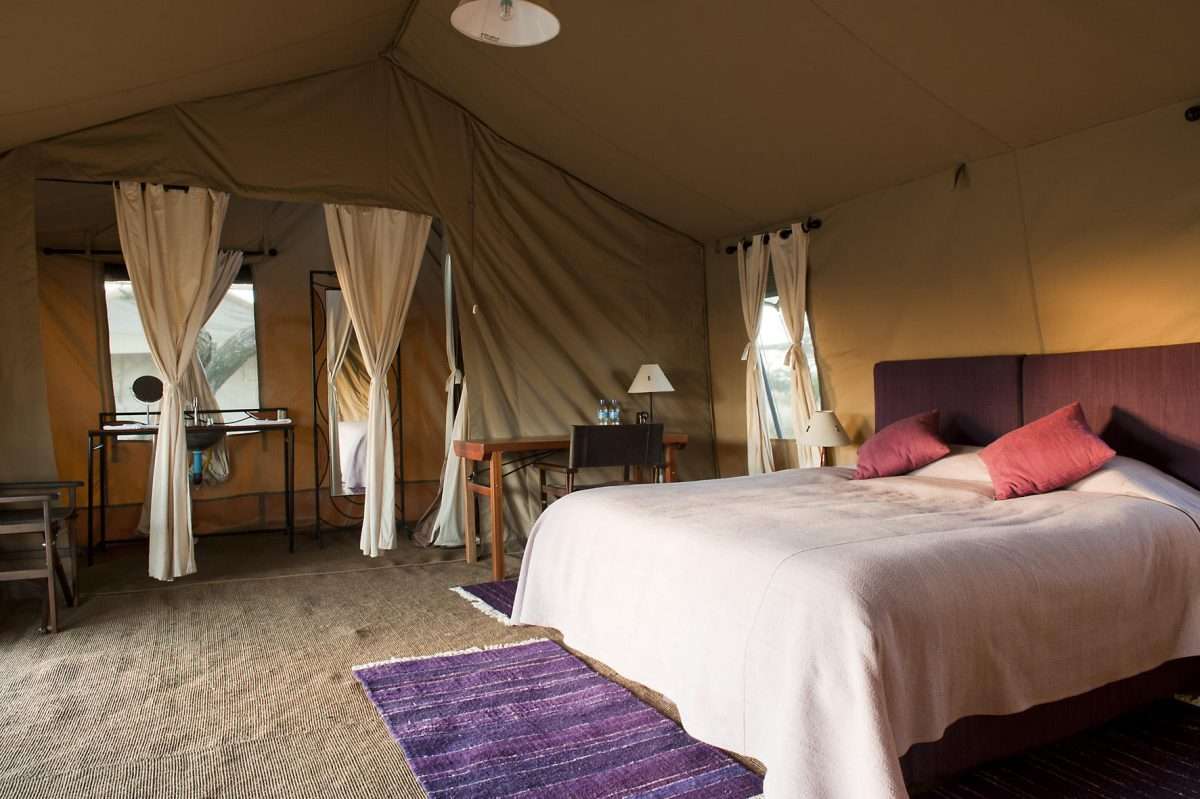
A seasonal luxury tented camp positioned directly on the Ndutu Plains within the Ngorongoro Conservation Area. Spacious canvas suites with private verandas looking across the calving grounds. Camp operates December through March specifically around the calving season window.
Serengeti Safari Cost: What to Budget in 2026

Serengeti safari tour price sits in the mid-to-upper range of African safari destinations because of Tanzania’s national park fees, conservation levies, and the quality of the wildlife experience. Here is what to expect at different price tiers.
Additional safari Cost in Serengeti
Serengeti park entry fees add approximately $70 to $80 per adult per day on top of accommodation. For a 7-day trip with five nights in the Serengeti, budget $350 to $400 per person in park fees alone.
Additional costs to plan for: international flights from the US (approximately $900 to $1,800 per person in economy), travel insurance ($250 to $500 per person), visa fees ($50 for Tanzania), and gratuities ($15 to $25 per day for your guide).
Serengeti Safari Combined With Other Tanzania Destinations
A Serengeti safari trip in Tanzania becomes significantly richer when combined with other parks on the Northern Safari Circuit. The following combinations appear on most well-designed Tanzania itineraries.
Serengeti with Ngorongoro Crater
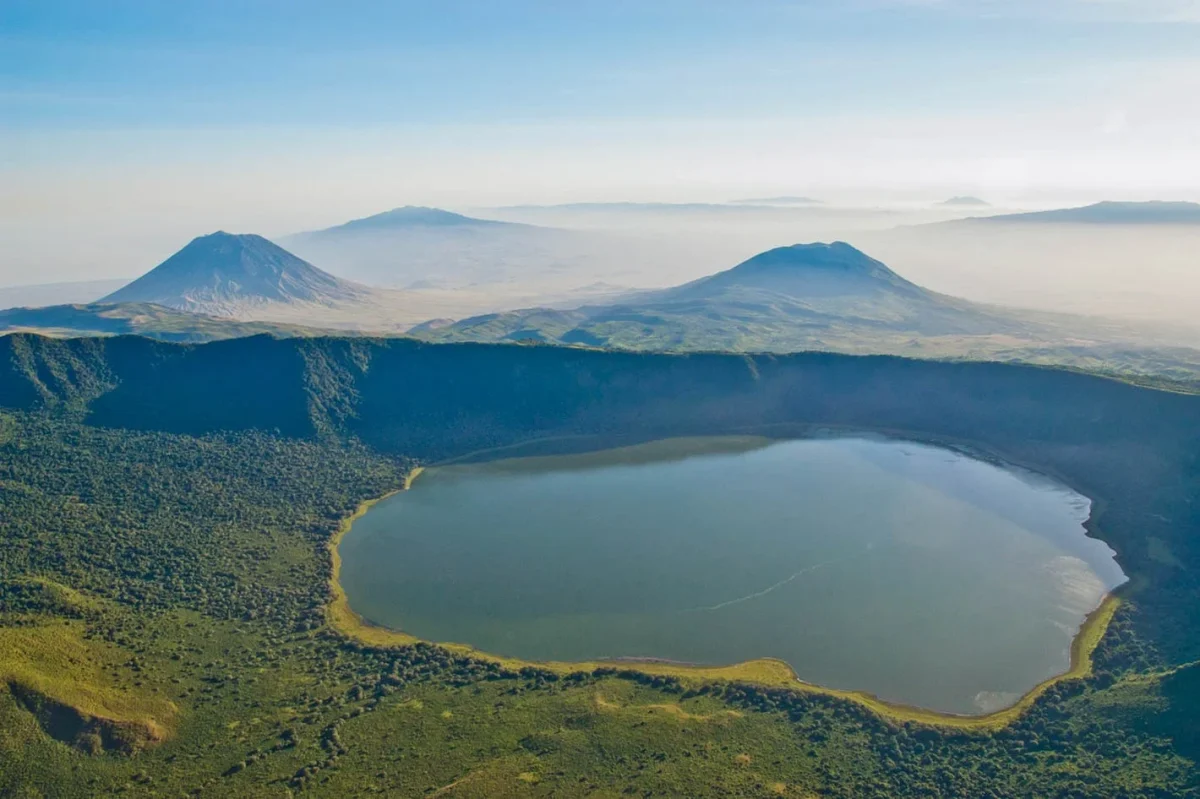
The Ngorongoro Crater is the world’s largest intact volcanic caldera, covering 260 km² and holding approximately 25,000 large animals in permanent residence. Because animals cannot leave the crater floor, wildlife density is extraordinary. Lions rest in the open grass from the first light. Black rhinos graze near the central wetlands. Elephants move through the Lerai Forest. Hippos crowd the Gorigor Swamp. Flamingos colour Lake Magadi pink.
The Crater sits within driving distance of the southern Serengeti and Ndutu Plains, making it a natural pairing on any Tanzania circuit. Most TourwithPipi itineraries include one full Ngorongoro Crater game drive combined with two to four nights in the Serengeti.
Serengeti with Tarangire National Park
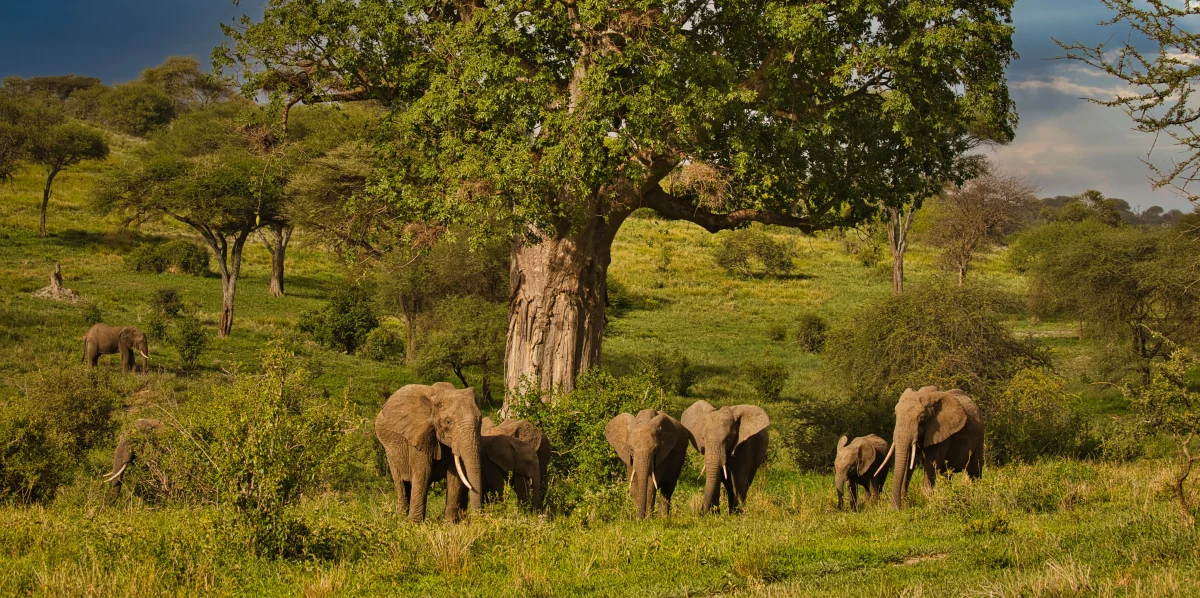
Tarangire is often described as Tanzania’s hidden gem. The park covers 2,850 km² of baobab-dotted savannah and holds over 5,000 elephants, giving it one of the highest elephant densities in northern Tanzania. Ancient baobab trees, some over a thousand years old, frame every game drive. Tarangire has a different pace and atmosphere from the Serengeti. It feels quieter and more intimate. Over 550 bird species have been recorded here.
Most TourwithPipi Tanzania itineraries include two nights in Tarangire, either at the start or end of the circuit, balancing the scale of the Serengeti with the intimacy of a less-visited park.
Serengeti with Lake Manyara
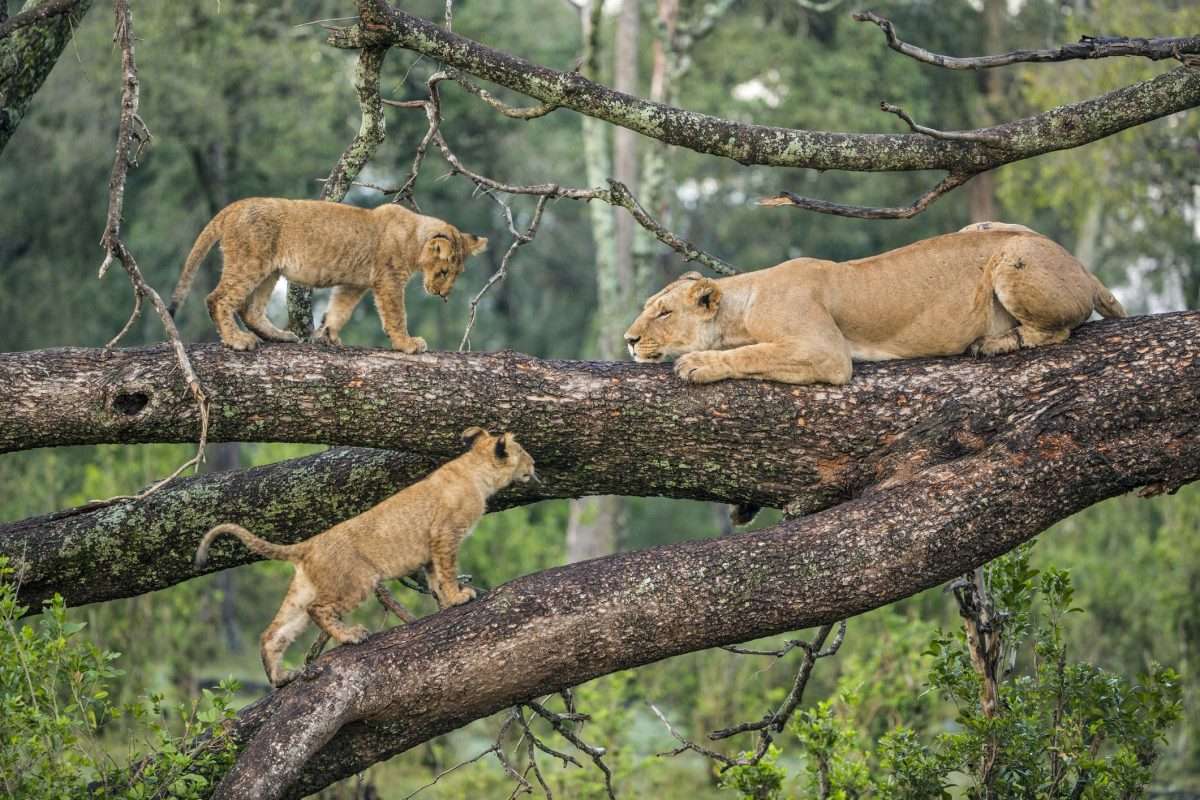
Lake Manyara National Park is compact but diverse, covering 325 km² including a large soda lake that attracts flamingos, pelicans, and wading birds in enormous numbers. The park is famous for tree-climbing lions, a behavior documented here more consistently than almost anywhere else in Africa. Elephants move through the groundwater forest at the park’s northern edge. It is a strong addition to any Tanzania itinerary as a half-day or full-day stop.
Serengeti with Zanzibar
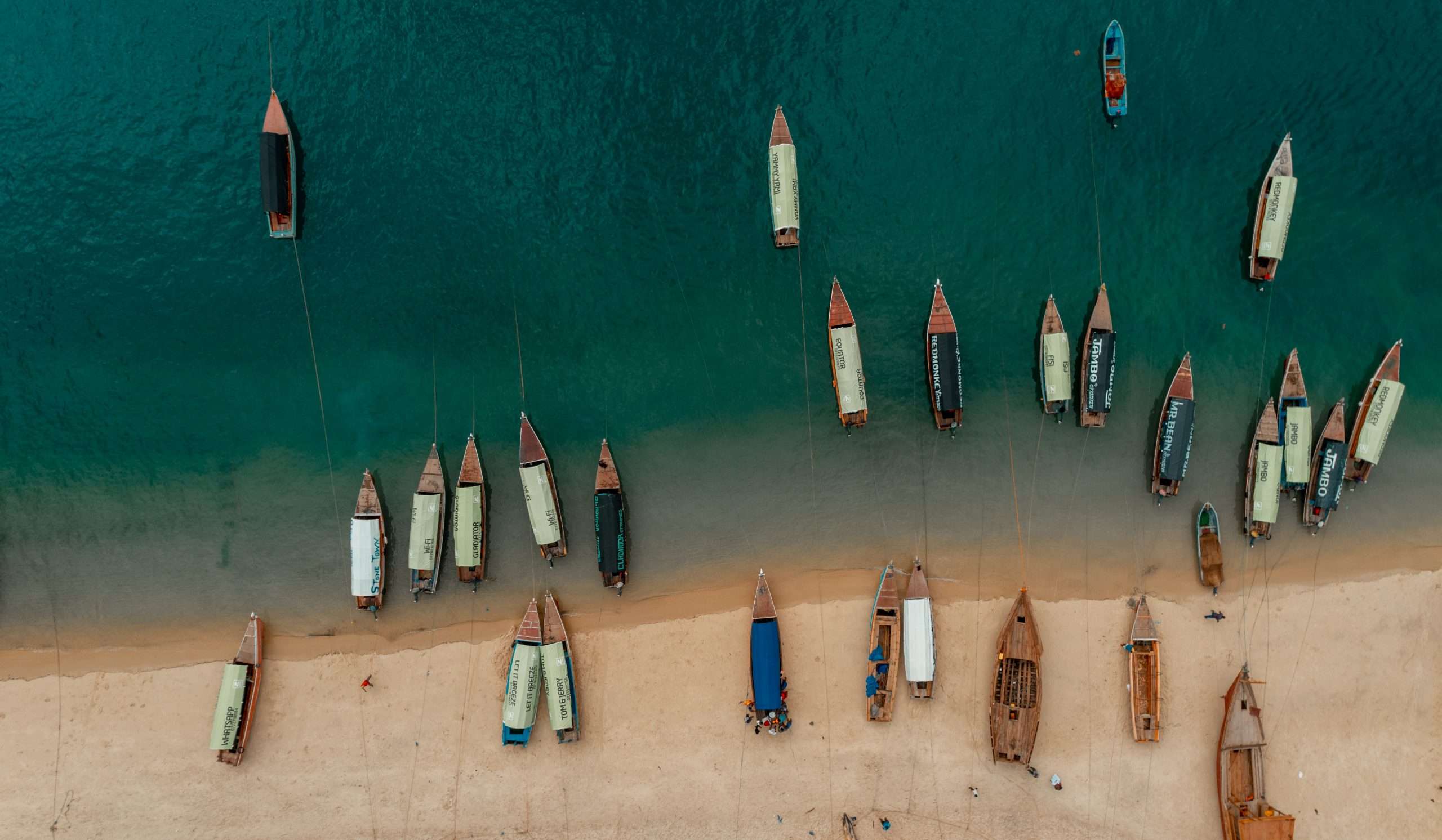
Many travelers completing a Serengeti safari trip end their Tanzania journey with three to five nights on Zanzibar Island. The contrast between the raw wildlife experience of the Serengeti and the white-sand beaches and Indian Ocean warmth of Zanzibar is exactly right. The distance from Arusha to Zanzibar is a short domestic flight, typically 60 to 90 minutes. TourwithPipi can incorporate Zanzibar into any Tanzania package as a beach extension.
TourwithPipi Serengeti Safari Packages: 2026 Prices and Itineraries
TourwithPipi designs all Tanzania safaris as private itineraries. Every package includes a private 4×4 Land Cruiser, professional English-speaking guide, full board accommodation at vetted lodges, all park and conservation fees, airport transfers, and 24/7 on-trip support from a team based in Kenya with deep knowledge of the Northern Circuit.
7 Days Serengeti Tanzania Luxury Safari
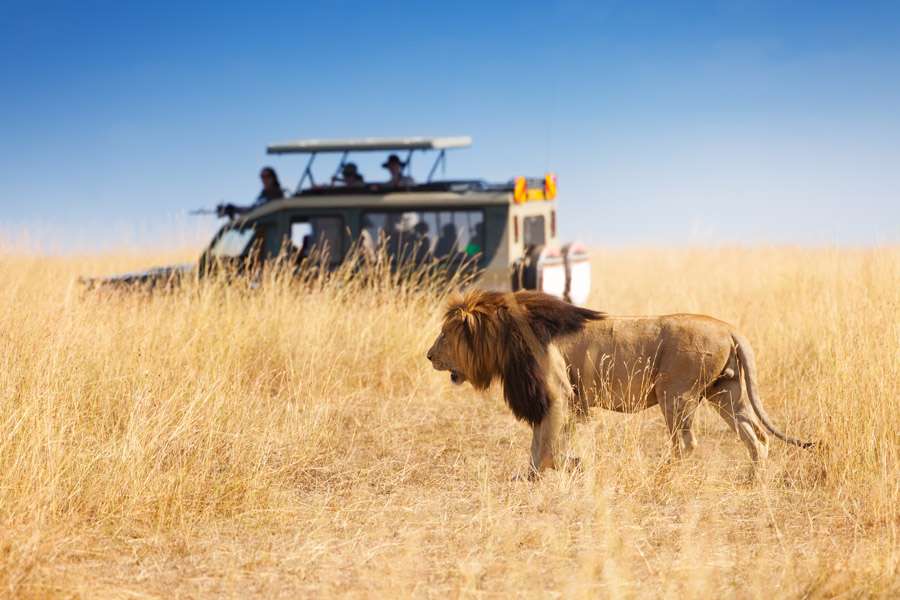
What it covers: Lake Manyara, Serengeti National Park, Ngorongoro Crater, Tarangire National Park. A complete Northern Circuit itinerary covering Tanzania’s four most iconic wildlife destinations.
Lodges: Ngorongoro Oldeani Mountain Lodge, Kubu Kubu Tented Lodge (Serengeti), Conserve Safari Lodge (Tarangire)
Best for: First-time Tanzania visitors who want to see the full circuit with two nights in the Serengeti as the centrepiece
| Group Size | Per Person | Total |
|---|---|---|
| 2 People | $3,749 | $7,498 |
| 4 People | $3,299 | $13,196 |
| 6 People | $2,979 | $17,874 |
8-Day Tanzania Calving Season Safari
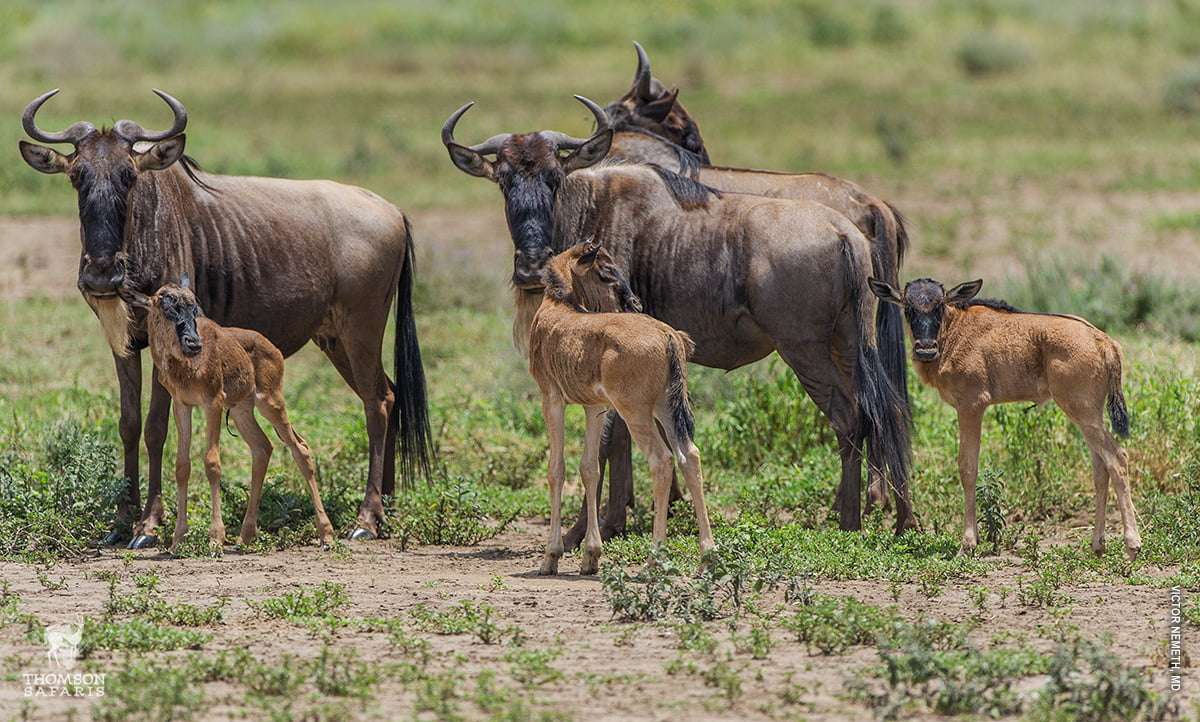
What it covers: Ngorongoro Crater, Central Serengeti, Ndutu Calving Plains, Tarangire National Park. Designed specifically for January through March travel to witness the calving season.
Lodges: Kahawa House Arusha, Kitela Lodge (Ngorongoro Highlands), Kubu Kubu Tented Lodge (Serengeti), Ndutu Under Canvas (Ndutu Plains), Elephant Springs Luxury Lodge (Tarangire)
Best for: Travelers who want to witness the calving season with two full days on the Ndutu Plains and two days in the Central Serengeti. Extraordinary predator activity. Less crowded and lower priced than peak season.
| Group Size | Per Person | Total |
|---|---|---|
| 2 People | $5,429 | $10,858 |
| 4 People | $4,679 | $18,716 |
| 6 People | $4,449 | $26,694 |
10 Days Great Migration Safari in Tanzania
What it covers: Tarangire, Ngorongoro Highlands, Ngorongoro Crater, Central Serengeti, Northern Serengeti with two full days at the Mara River. The most comprehensive Tanzania itinerary TourwithPipi offers, designed for peak season travel from July through October.
Lodges: Arusha Serena Hotel, Nyikani Camp Tarangire, Serena Hotel Ngorongoro, Nyikani Camp Central Serengeti, Nyikani Migration Camp Kogatende
Best for: Peak season travelers who want the Mara River crossings as the highlight of their safari. Two full days in position at the Mara River significantly increases the chance of witnessing a crossing.
| Group Size | Per Person | Total |
|---|---|---|
| 2 People | $6,549 | $13,098 |
| 4 People | $5,749 | $22,996 |
| 6 People | $5,479 | $32,874 |
How to Plan Your Serengeti Safari Trip: Practical Tips
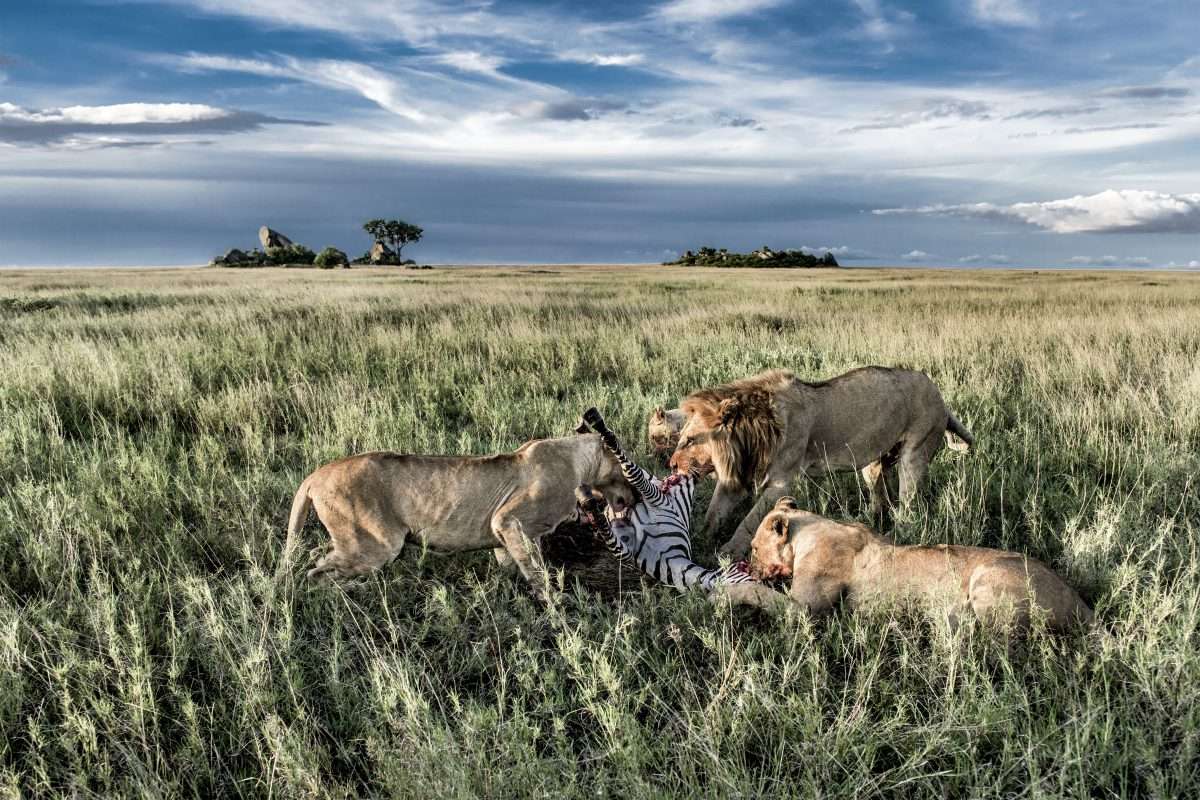
- Book early for peak season: The best-positioned lodges in the Northern Serengeti and at the Mara River crossings sell out six to twelve months ahead for July through September travel. If peak season is your target, start planning now.
- Give the Serengeti time: A minimum of four nights in the Serengeti is advised. Three nights or less does not allow enough time for the park’s scale to reveal itself. For the Mara River crossings specifically, two consecutive nights in the northern Serengeti is the minimum to have a realistic chance of witnessing a crossing.
- Choose private over group: Private game drives give your family or group full control over pace and positioning. For events like a lion hunt or a cheetah with cubs, staying longer than a shared vehicle schedule allows is the difference between a good sighting and a transformative one.
- Understand what your lodge includes: Some lodges are full board with all activities included. Others charge separately for game drives, walks, and balloon rides. Confirm exactly what is included in your Serengeti safari package before booking.
- Consider a fly-in between parks: Road transfers between Tarangire, Ngorongoro, and the Serengeti take two to four hours each. For travelers with limited time or families with young children, domestic charter flights between parks save time and energy. TourwithPipi includes charter flights on the 10 Days Great Migration Safari.
- Pack layers for early morning drives: The Serengeti at 5:30 am is cold, especially during peak season from June through September. Bring a fleece or down jacket regardless of what time of year you visit. The drive warms up by 8 am but the first two hours require serious layering.
Serengeti Safari vs Masai Mara: How They Compare
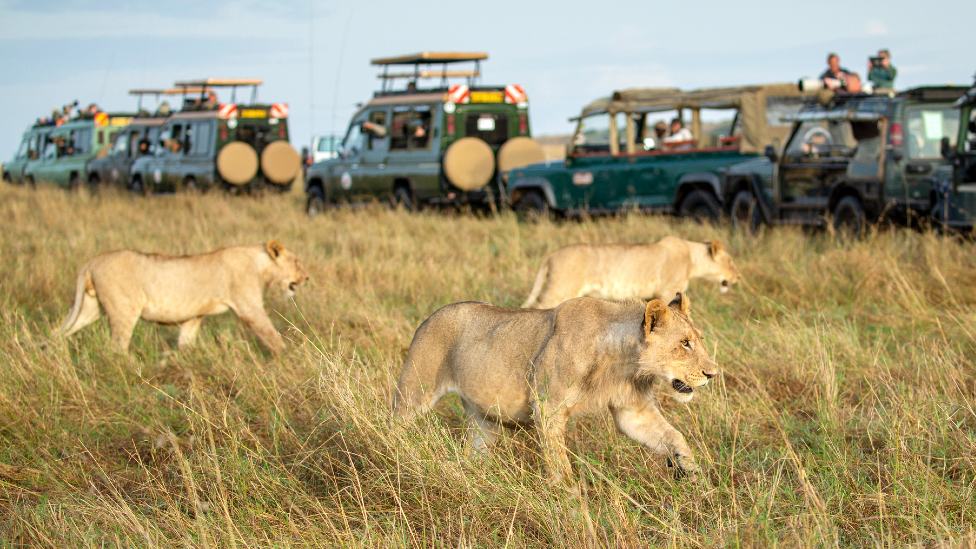
Many travelers ask whether to visit the Serengeti in Tanzania or the Masai Mara in Kenya. The honest answer is that they are part of the same ecosystem and the wildlife is the same. The differences are in scale, access, and experience.
| Factor | Serengeti (Tanzania) | Masai Mara (Kenya) |
|---|---|---|
| Size | 14,763 km² | 1,510 km² |
| Crowd density at peak | Moderate, spread across a large area | Higher relative density in a smaller park |
| Off-road driving | Limited inside the national park | Permitted in private conservancies |
| Night drives | Not in national park, permitted in private areas | Permitted in private conservancies |
| Migration timing | Calving (Jan-Mar), Grumeti crossings (May-Jul), Mara crossings (Jul-Oct) | Mara crossings (Jul-Oct) |
| Park fees | $70 to $80 per adult per day | $80 to $100 per adult per day in the reserve |
| Best combined with | Ngorongoro Crater, Tarangire, Lake Manyara, Zanzibar | Amboseli, Samburu, Kenya Coast |
For the full Great Migration experience across all stages, the Serengeti wins by a wide margin. It hosts the calving season, the Grumeti crossings, and the early stages of the Mara River crossings before the herds move north into Kenya. A 10-day Tanzania itinerary gives you access to the complete migration story in a single trip.
Positive Impact of Your Serengeti Safari Tour
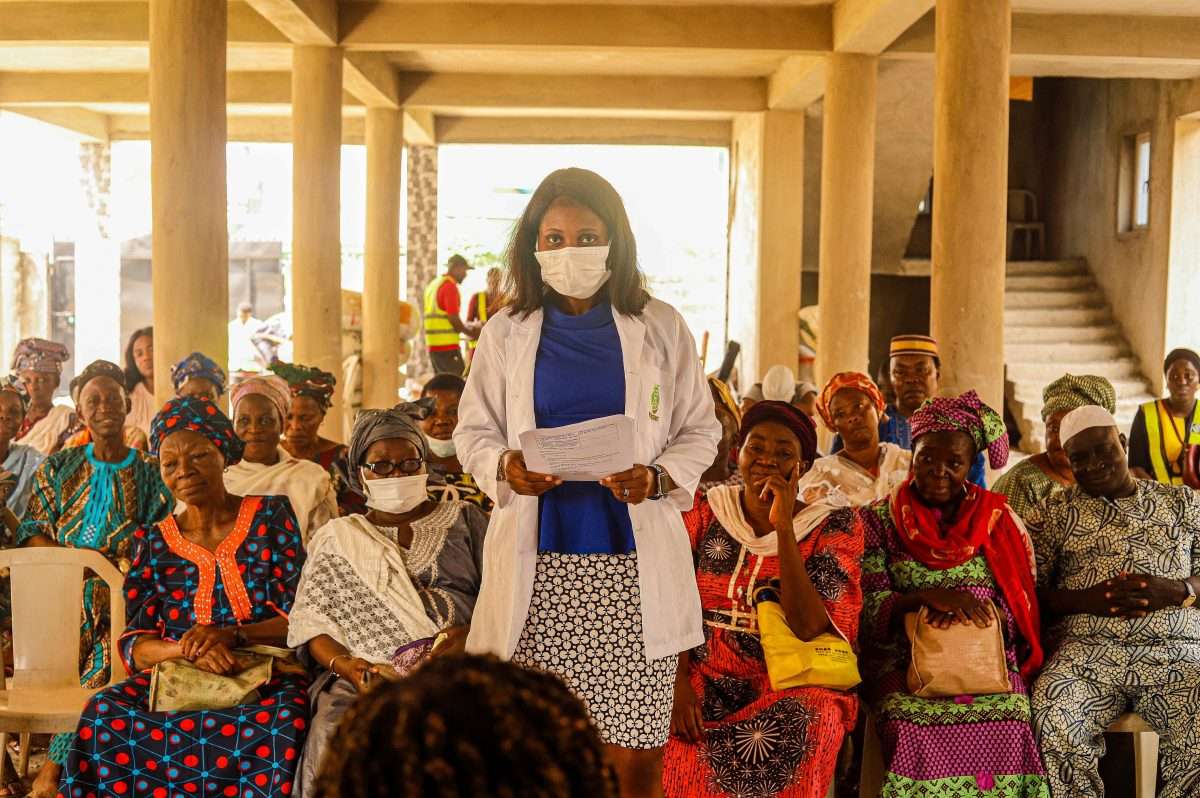
A Serengeti safari tour is not just about wildlife and landscapes, it also creates a meaningful positive impact. A portion of your safari package goes directly toward supporting healthcare initiatives in Tanzania and across East Africa, helping local communities access better medical care. At the same time, every Serengeti safari is designed with sustainability in mind, promoting eco-friendly travel, responsible tourism practices, and conservation efforts that protect wildlife and natural habitats for future generations.
Frequently Asked Questions About Serengeti Safari
What is the best time to visit the Serengeti?
The best time depends on what you want to see. For Mara River crossings, July through October is peak. For calving season and extraordinary predator activity, January through March on the Ndutu Plains is exceptional. For general wildlife and lower rates, June and November are strong shoulder options. The Serengeti delivers excellent game viewing year-round because the predators never migrate.
How much does a Serengeti safari cost in 2026?
A private luxury Serengeti safari for two people costs approximately $700 to $1,400 per person per night at the lodge level, placing a 7-day trip between $9,800 and $19,600 for two people. For a group of four people, TourwithPipi’s Tanzania packages range from $13,196 for a 7-day Northern Circuit to $22,996 for a 10-day Great Migration safari. Park fees add approximately $70 to $80 per adult per day.
How many days do you need for a Serengeti safari?
A minimum of four full days in the Serengeti is recommended to experience the park properly. Three days or fewer is not enough time. Most first-time visitors spend five to seven nights on a Tanzania circuit that includes the Serengeti alongside Ngorongoro Crater and Tarangire. For the Mara River crossings, a minimum of two consecutive nights in the northern Serengeti during peak season gives the best chance of witnessing a crossing.
What is the difference between the Serengeti and the Masai Mara?
They are part of the same ecosystem divided by the Kenya-Tanzania border. The Serengeti is 14,763 km² compared to 1,510 km² for the Masai Mara. The Serengeti hosts all stages of the Great Migration across the year, including calving, Grumeti crossings, and the early Mara River events. The Masai Mara is smaller, slightly busier in peak season, and best known for the migration from July through October. Both offer excellent Big Five wildlife viewing.
Can I see the Great Migration in the Serengeti year-round?
The Migration is a year-round circular event but what you see depends on when you visit and which region you are in. Calving on the Ndutu Plains happens January through March. The Grumeti River crossings happen May through July. The Mara River crossings happen July through October. From October through January the herds are dispersed across the northern and central areas moving south. There is no month when the Serengeti has no wildebeest.
What should I pack for a Serengeti safari?
Neutral-colored clothing in khaki, olive, or beige. Warm layers for early morning drives, especially June through September. A light waterproof jacket. Good sunscreen and insect repellent. Binoculars. A camera with a telephoto lens if photography is a priority. Comfortable walking shoes. A wide-brimmed hat. Most lodges provide a welcome kit with basic essentials.
Is the Serengeti safe to visit?
Yes. Tanzania’s Serengeti is a safe and well-established safari destination visited by thousands of international travelers every year. The security situation in national parks is stable. TourwithPipi’s guides and lodge partners are experienced professionals. Medical evacuation insurance is recommended as the nearest hospital to most Serengeti camps is in Arusha, approximately 60 to 90 minutes by charter flight.
Which Serengeti region is best for families?
The central Serengeti around Seronera is the most consistent for wildlife year-round and is best for families on a first Tanzania safari. During calving season from January to March, the Ndutu Plains in the southern region offer extraordinary wildlife at a more accessible price point. Both regions have lodges that accommodate families with children from age six.
What wildlife will I see on a Serengeti safari?
The Serengeti hosts all members of the Big Five: lion, leopard, elephant, buffalo, and rhino. Cheetah sightings are more reliable here than almost anywhere in Africa. Giraffe, zebra, wildebeest, hyena, wild dog, jackal, hippo, crocodile, and over 500 bird species are all present. Lion density in the Serengeti is approximately 3,000 animals, one of the highest concentrations in Africa.
How do I get to the Serengeti?
Fly into Kilimanjaro International Airport (JRO) or Arusha Airport (ARK) and then take a domestic charter flight to a Serengeti airstrip. Charter flights from Arusha to Seronera (central), Kogatende (northern), or other airstrips take 60 to 90 minutes. TourwithPipi arranges all domestic flights and airport transfers as part of every Tanzania itinerary.


