
The animal in Lion King is not just animation. Every character you see in the movie comes from real wildlife you can actually see on safari in Africa.
When you travel with TourwithPipi, you are not just watching animals. You are stepping into the same world that inspired The Lion King. The landscapes, the behavior, and the wildlife are real. And once you see them in person, the movie feels completely different.
The Lions in The Lion King: Simba, Mufasa, Nala, Sarabi and Scar
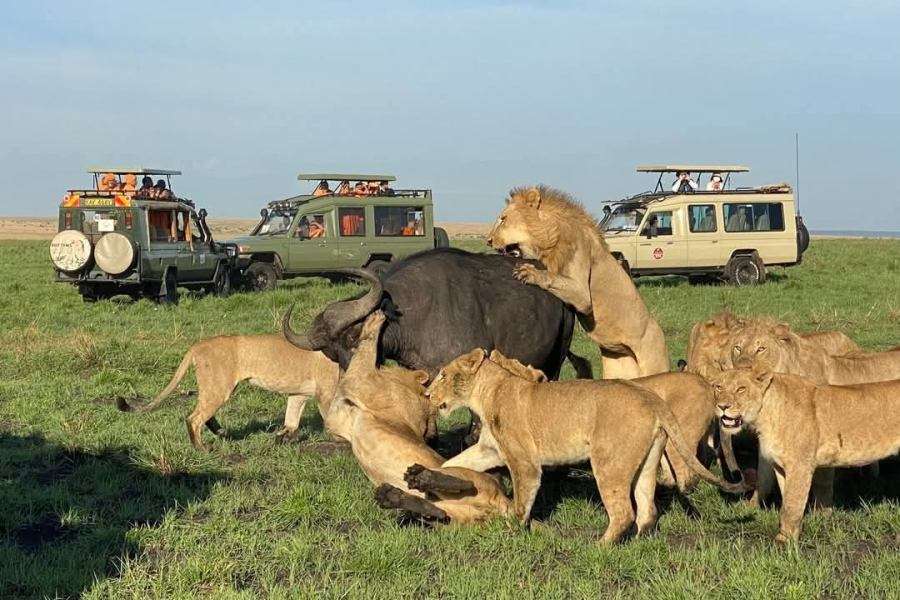
In the film: The lions are the stars. Simba, Mufasa, Nala, Sarabi, and Scar are all African lions. Their names come from Swahili, the language spoken across Kenya and Tanzania.
Simba means “lion.” Mufasa means “king.” Nala means “gift.” Sarabi means “mirage.” Rafiki means “friend.”
In real life: African lions are the only big cats that live in groups. A group of lions is called a pride. Prides are usually led by females. The females do most of the hunting. The male lion’s main job is to defend the pride’s territory.
One thing the film gets slightly wrong is who leads the pride. In The Lion King, Mufasa and Simba rule as kings. In reality, lionesses run the pride. The male protects, but the females decide where to go and when to hunt.
Where to see lions on safari: The Maasai Mara in Kenya and the Serengeti in Tanzania are the best places in the world to see lions. The Maasai Mara has the highest lion density in Africa. You can also see lions in Amboseli, Tsavo, Lake Nakuru, and the Ngorongoro Crater.
Hyenas: Shenzi, Banzai and Ed (2019: Shenzi, Kamari and Azizi)
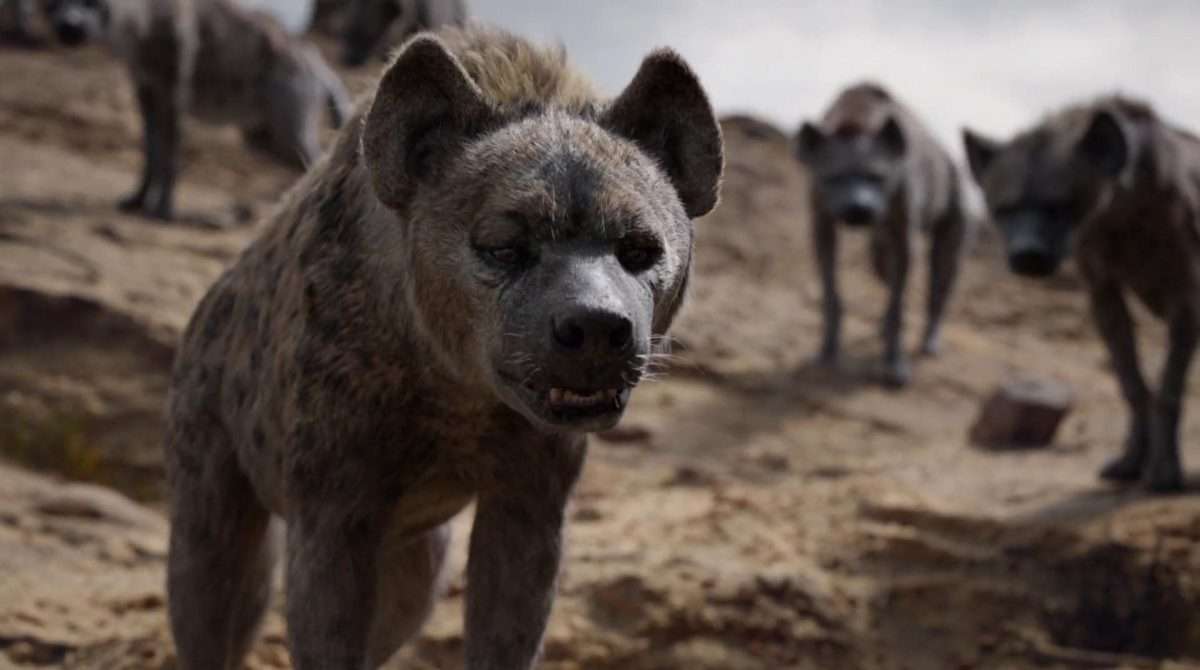
In the film: The hyenas are Scar’s henchmen. They are portrayed as cowardly, sneaky, and dangerous. In the 2019 remake they are given slightly updated names.
In real life: Hyenas are much more impressive than the film suggests. They are not just scavengers. Spotted hyenas are intelligent, social hunters that can take down large prey on their own. Their famous laugh is actually a communication tool used within the clan.
Where to see hyenas on safari: Spotted hyenas are common in the Maasai Mara, Serengeti, Amboseli, and Ngorongoro Crater. The Ngorongoro Crater has one of the largest spotted hyena populations anywhere in Africa.
Timon the Meerkat

In the film: Timon is Simba’s wisecracking best friend. He lives by the Hakuna Matata philosophy. No worries.
In real life: Meerkats weigh less than 1 kilogram but they are remarkably tough little animals. They live in groups called mobs or gangs. Several members of the group stand guard on their hind legs at any time, watching for predators and calling out warnings to the rest of the mob.
One fun fact: meerkats are immune to certain venoms. They can eat scorpions, including the stinger, with no problem. This is useful when you live in the Kalahari Desert.
Where to see meerkats: Meerkats are found in the Kalahari Desert across Botswana, Namibia, and South Africa. They are not found in Kenya or Tanzania. If meerkats are on your list, a Southern Africa safari is the right choice.
Pumbaa the Warthog
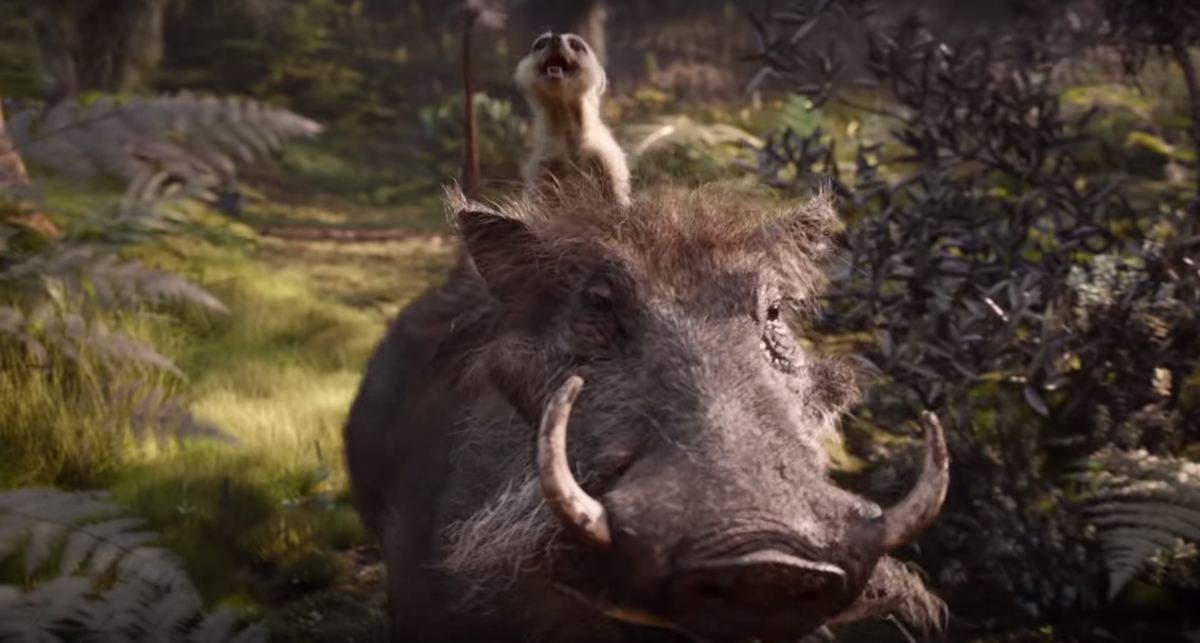
In the film: Pumbaa is Timon’s loyal best friend and Simba’s second protector during his exile. Pumbaa means “simpleton” or “to be foolish” in Swahili. His most memorable feature, other than his heart of gold, is his flatulence.
In real life: Warthogs are wild pigs native to sub-Saharan Africa. They are faster than they look. A warthog running at full speed can hit 55 kilometers per hour. Their main defense from predators like lions and cheetahs is speed, not strength.
Where to see warthogs: Warthogs are widespread across Kenya and Tanzania. You will see them in the Maasai Mara, Serengeti, Amboseli, Tsavo, and most other safari areas.
Rafiki the Mandrill
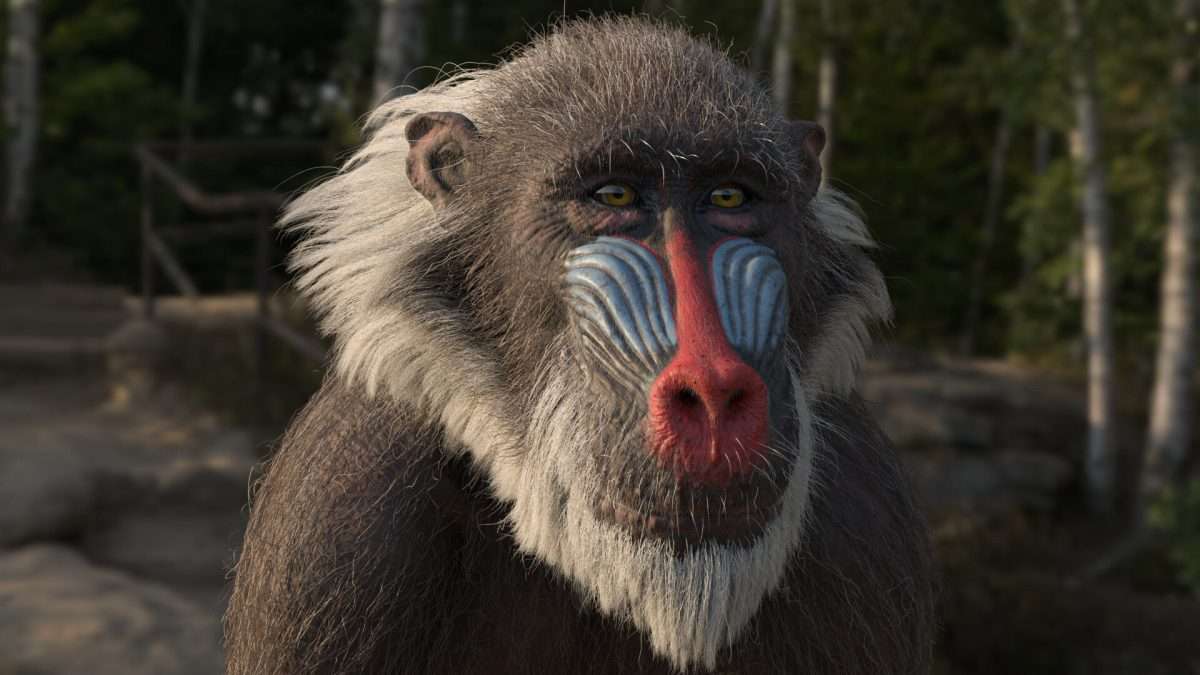
In the film: Rafiki is the wise shaman figure who advises the royal family and presents Simba to the animals at Pride Rock. He lives in a massive baobab tree. Most people call Rafiki a baboon but he is actually a mandrill.
In real life: Mandrills are the largest monkeys in the world. A fully grown male mandrill can weigh up to 35 kilograms. Their faces are brightly coloured in red and blue, which becomes more vivid when the animal is excited or displaying dominance.
One thing Rafiki gets right is the baobab tree. Baobab trees are one of Africa’s most iconic species. They grow slowly and can live for thousands of years. You will see them in Tarangire National Park in Tanzania and in some areas of Kenya.
Where to see mandrills: Mandrills are found in Central Africa’s rainforests, not in East Africa. If you want to see them, you would need to travel to a place like Gabon or Cameroon rather than Kenya or Tanzania.
Zazu the Yellow-Billed Hornbill
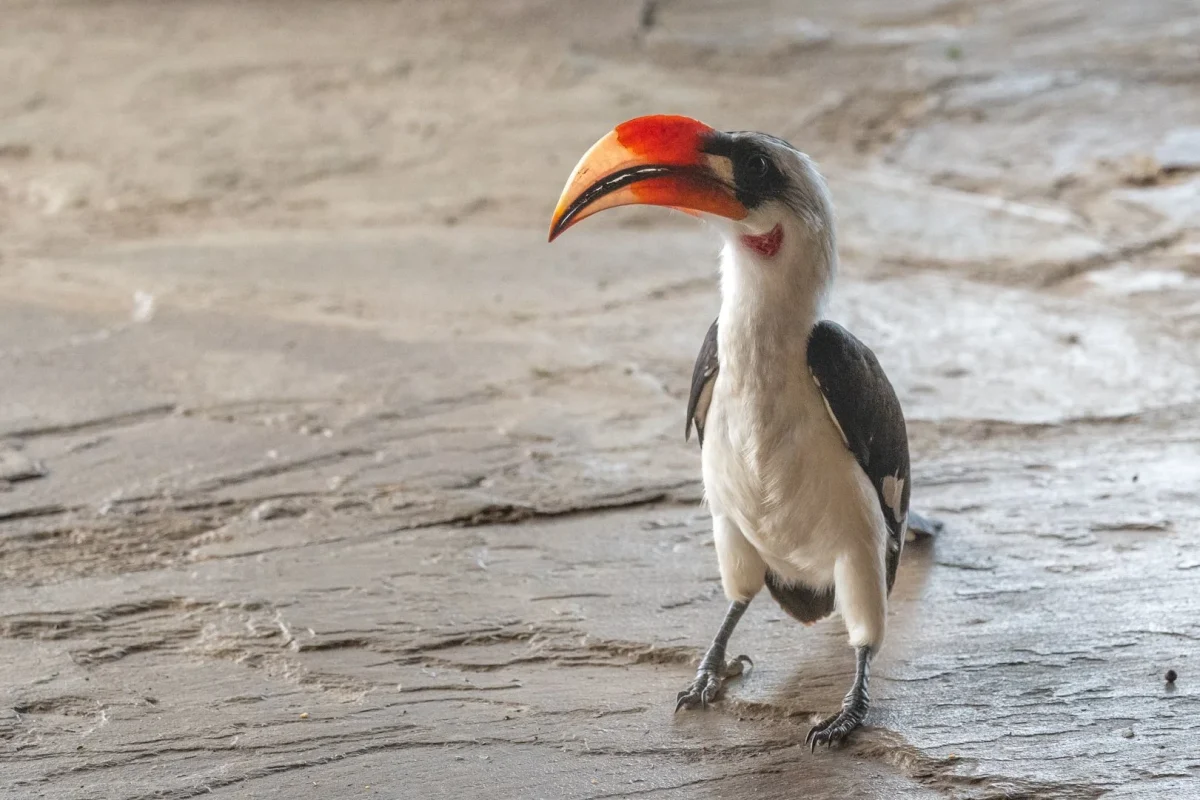
In the film: Zazu is Mufasa’s majordomo, a kind of royal adviser and news reporter who follows Simba around reluctantly. He is a yellow-billed hornbill.
In real life: Yellow-billed hornbills are real birds found across sub-Saharan Africa. They are unmistakable because of their large, curved yellow beaks. This is why they are sometimes called “flying bananas.”
Yellow-billed hornbills have an unusual nesting behavior. When a female is ready to lay eggs, she seals herself inside a tree cavity using mud, fruit pulp, and droppings. She leaves only a narrow slit open. The male passes food through this gap. She stays sealed inside until the eggs hatch and the chicks are ready to leave the nest.
Where to see yellow-billed hornbills: Yellow-billed hornbills are common across savannah and woodland areas in Kenya and Tanzania. You will likely see them in Samburu, Tsavo, and the Maasai Mara. They are bold birds and often come close to safari vehicles.
The Wildebeest — The Stampede Scene
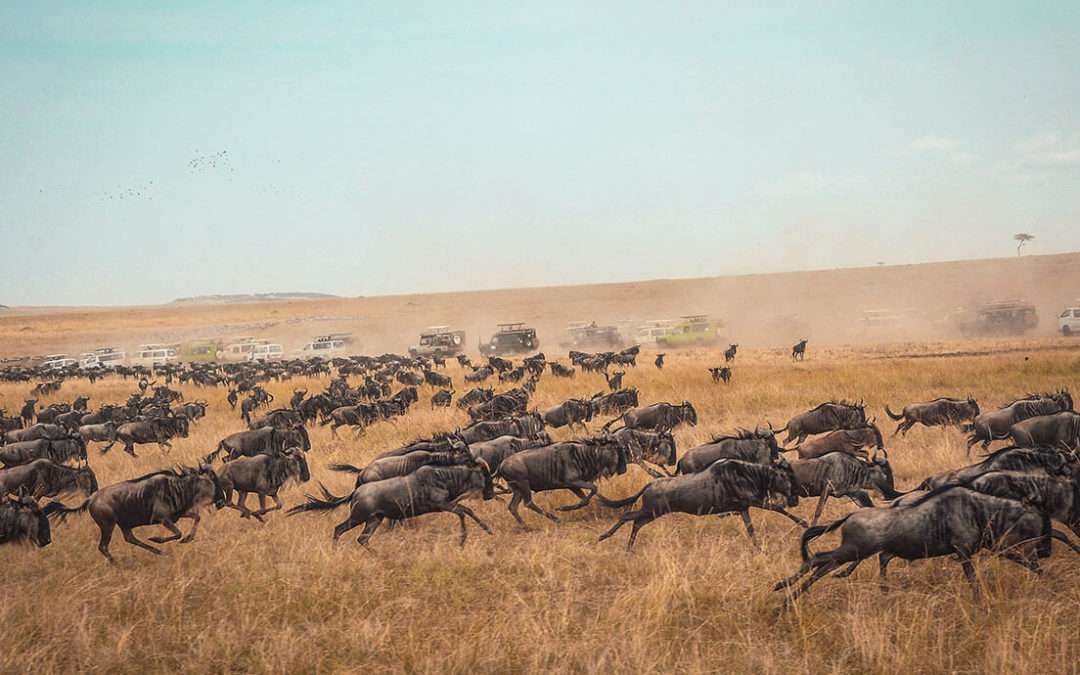
In the film: Wildebeest appear in one of the most dramatic scenes in the film, the stampede that kills Mufasa. They are not a named character but they play a key role in the story.
In real life: Wildebeest are famous for the Great Wildebeest Migration, one of the most extraordinary wildlife events on Earth. Over 1.5 million wildebeest move between Tanzania and Kenya each year following the rains and fresh grass.
Wildebeest are not aggressive animals in normal situations. But a panicked herd does create a dangerous stampede. This part of the film is based in reality. A wildebeest stampede creates significant force and animals, or people, can be injured or killed by a moving herd.
Where to see wildebeest: The Maasai Mara in Kenya and the Serengeti in Tanzania are the best places in the world to see wildebeest. The river crossings from July to October are one of the most dramatic wildlife spectacles anywhere.
The Elephants
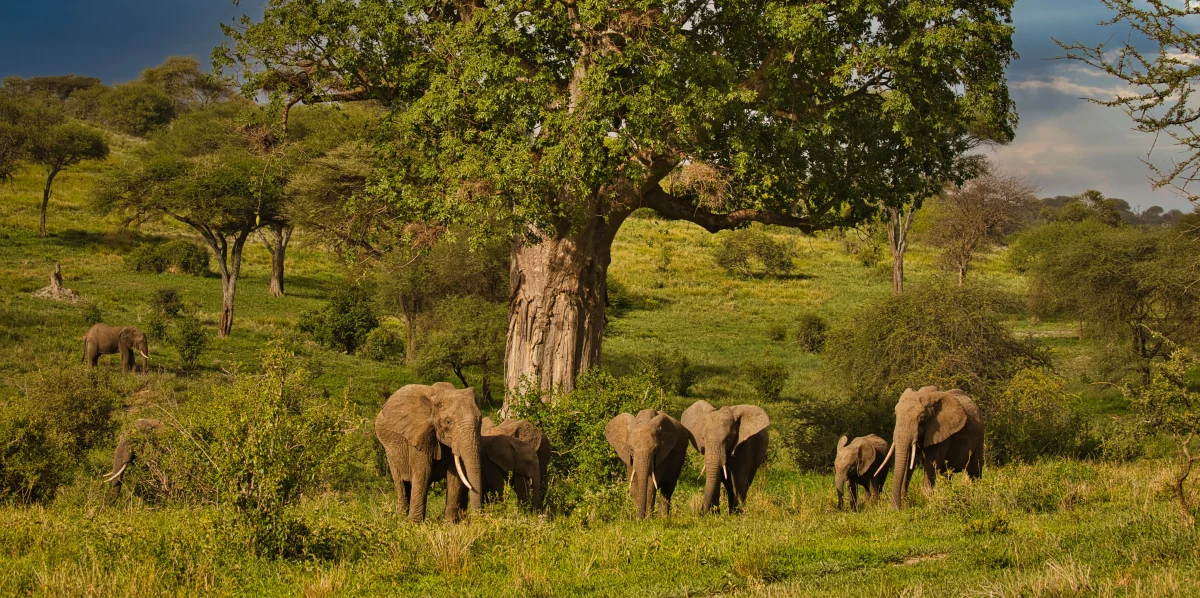
In the film: Elephants appear in crowd scenes, most notably at the presentation of Simba at Pride Rock. They are not named characters but they are a constant presence in the Pride Lands.
In real life: African elephants are the largest land animals on Earth. A fully grown male African elephant can weigh up to 6,000 kilograms. They live in family groups led by a matriarch, the oldest and most experienced female.
Elephants have remarkable memory and strong family bonds. They mourn their dead, recognize themselves in mirrors, and communicate over long distances using low-frequency sounds that humans cannot hear. They are widely regarded as one of the most intelligent animals on Earth.
Where to see elephants: Amboseli National Park in Kenya is the best single place in Africa to see large free-ranging elephant herds against the backdrop of Mount Kilimanjaro. Tarangire National Park in Tanzania is also excellent, with over 5,000 elephants. Both parks are highlights of any East Africa safari.
The Giraffes
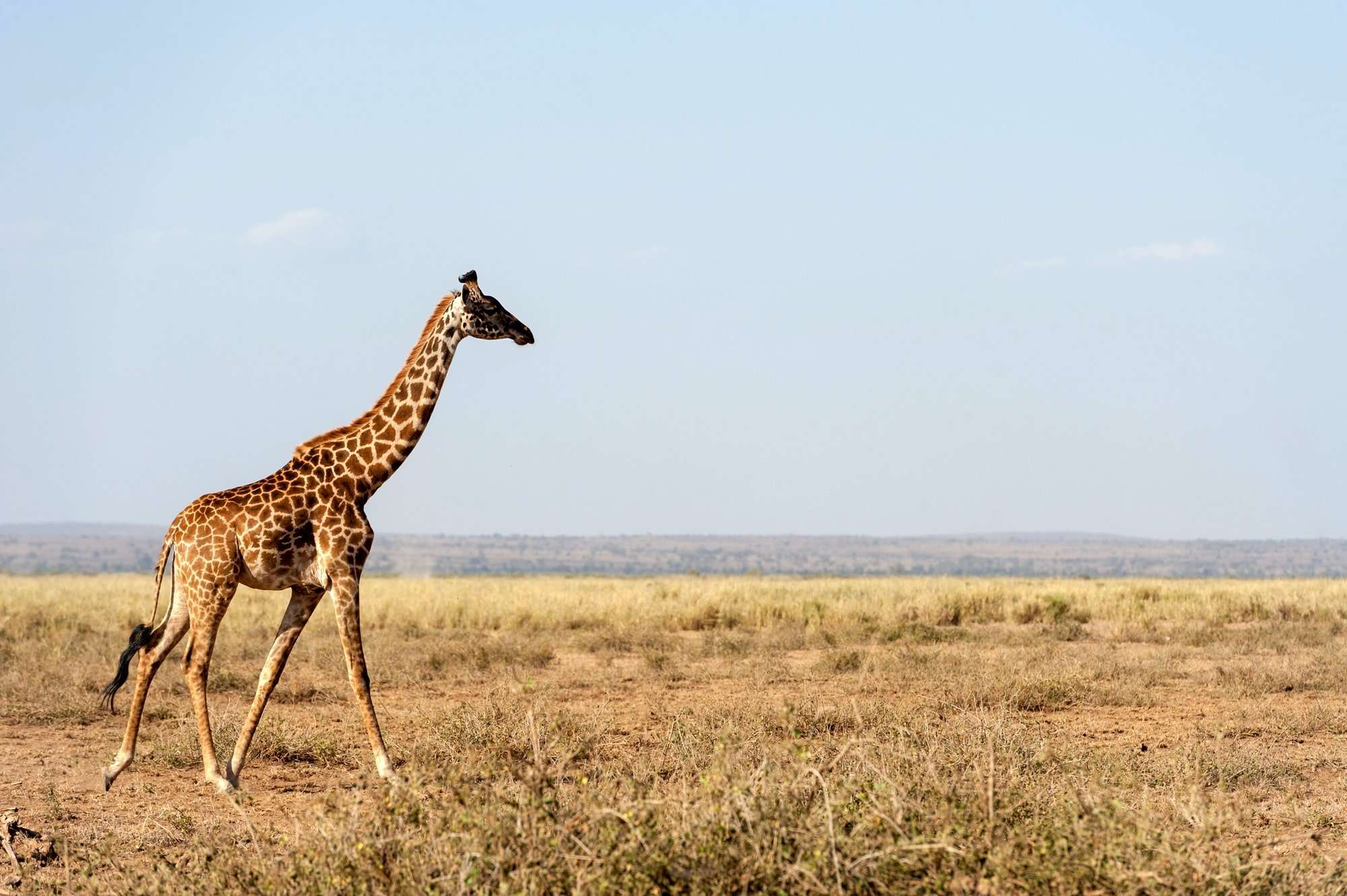
In the film: Giraffes appear in the opening scene of The Lion King during the presentation of Simba at Pride Rock. They bow their long necks as part of the ceremony. It is one of the most beautiful images in the film.
In real life: Giraffes are the tallest living animals on Earth. A fully grown male giraffe stands up to 5.5 metres tall. Their long necks have exactly the same number of vertebrae as a human neck. Seven. Each vertebra is just much larger.
Giraffes drink water by spreading their front legs wide apart to reach the ground. This position makes them vulnerable to predators, so they spend as little time drinking as possible.
Where to see giraffes: Masai giraffes are found across Kenya and Tanzania. They are common in the Maasai Mara, Amboseli, Serengeti, and Nairobi National Park. The Giraffe Centre in Nairobi lets you hand-feed Rothschild giraffes, a critically endangered subspecies.
The Zebras
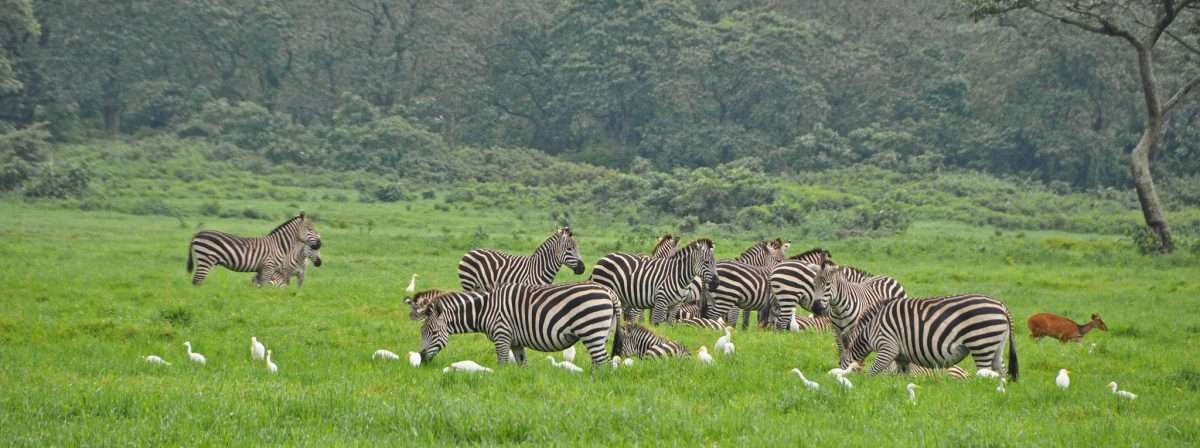
In the film: Zebras are part of the Pride Lands community and appear throughout the film alongside wildebeest and other plains animals.
In real life: Plains zebras are one of the most recognisable animals in Africa. Each zebra has a unique stripe pattern, like a fingerprint. Scientists believe the stripes help confuse flies, regulate body temperature, and may make it harder for predators to pick out a single animal from a moving herd.
Zebras and wildebeest often travel together during the Great Migration. They have a mutually beneficial relationship. Zebras eat the tall, rough grass first. Wildebeest follow and eat the shorter grass that zebras expose. Both species benefit from having more eyes and ears watching for predators.
Where to see zebras: Zebras are found across Kenya and Tanzania. You will see them on almost every game drive in the Maasai Mara, Serengeti, Amboseli, and Ngorongoro Crater.
Hakuna Matata — The Real Swahili Connection
Hakuna Matata is not just a movie phrase. It is real Swahili. It means “no trouble” or “no problems” in KiSwahili, the language spoken widely across Kenya and Tanzania.
If you travel to Kenya or Tanzania for a safari, you will hear Hakuna Matata used in everyday conversation. Locals use it genuinely as a warm, reassuring phrase. It captures something real about East African culture — a relaxed, welcoming attitude toward life and visitors.
Many of the other names in The Lion King also come from Swahili. The film’s creators worked with consultants to make sure the language and setting felt authentic to East Africa.
Where Can You See Lion King Animals in the Wild?
Every major animal in The Lion King except the mandrill can be seen on a Kenya or Tanzania safari. Here is a quick guide.
| Lion King Animal | Character | Where to See Them |
|---|---|---|
| African lion | Simba, Mufasa, Nala, Scar | Maasai Mara, Serengeti, Ngorongoro Crater |
| Spotted hyena | Shenzi, Banzai, Ed | Ngorongoro Crater, Maasai Mara, Serengeti |
| Meerkat | Timon | Kalahari Desert, Southern Africa |
| Warthog | Pumbaa | Maasai Mara, Serengeti, Tsavo, Amboseli |
| Mandrill | Rafiki | Central African rainforests |
| Yellow-billed hornbill | Zazu | Samburu, Tsavo, Maasai Mara |
| Wildebeest | The stampede | Maasai Mara, Serengeti — Great Migration |
| African elephant | Pride Lands crowds | Amboseli, Tarangire |
| Masai giraffe | Pride Rock ceremony | Maasai Mara, Serengeti, Nairobi National Park |
| Plains zebra | Pride Lands herds | Maasai Mara, Serengeti, Ngorongoro Crater |
Summary — 10 Key Facts About Lion King Animals
- Every Lion King movie animal is based on a real species found in Africa.
- The lion characters — Simba, Mufasa, Nala, Sarabi, and Scar — are all African lions, with names taken from Swahili.
- Real lion prides are led by females, not males, which is different from how the film portrays it.
- Rafiki is a mandrill, not a baboon. Mandrills are the world’s largest monkeys.
- Hyenas are not just scavengers. They are skilled hunters and their clans are led by females.
- Timon the meerkat weighs under 1 kilogram but is immune to scorpion venom.
- Pumbaa the warthog can run up to 55 km per hour. Speed is his main defence.
- Yellow-billed hornbills like Zazu are real birds. Females seal themselves inside tree cavities to lay eggs.
- Hakuna Matata is real Swahili used every day in Kenya and Tanzania. It means “no problems.”
- All Lion King animals except the mandrill can be seen on a Kenya or Tanzania safari.
Frequently Asked Questions — Animals in The Lion King
What animal is Simba in The Lion King?
Simba is an African lion. His name means “lion” in Swahili. African lions are the only social big cats and live in family groups called prides. You can see lions in the Maasai Mara in Kenya and the Serengeti in Tanzania, the same savannah landscapes that inspired the film’s setting.
What animal is Rafiki in The Lion King?
Rafiki is a mandrill, not a baboon. Mandrills are the world’s largest monkeys with brightly coloured red and blue faces. They live in the rainforests of Central Africa, not in the East African savannah where The Lion King is set.
What animal is Timon in The Lion King?
Timon is a meerkat. Meerkats are small social mammals found in the Kalahari Desert in Southern Africa. They live in groups, stand guard for predators, and are immune to certain venoms including scorpion stings.
What animal is Pumbaa in The Lion King?
Pumbaa is a common warthog. Warthogs are wild pigs native to sub-Saharan Africa. They can run up to 55 km per hour and live in family groups called sounders. You will see warthogs on almost any Kenya or Tanzania safari.
What animal is Zazu in The Lion King?
Zazu is a yellow-billed hornbill, sometimes called a “flying banana” because of his large yellow beak. Yellow-billed hornbills are real birds common across East Africa. Female hornbills seal themselves inside tree cavities to lay and hatch eggs while the male passes food through a small slit.
What animals are the hyenas in The Lion King?
The hyenas Shenzi, Banzai, and Ed are spotted hyenas. Spotted hyenas are found across sub-Saharan Africa including Kenya and Tanzania. They are intelligent hunters, not just scavengers, and their clans are led by females. The Ngorongoro Crater in Tanzania has one of the largest spotted hyena populations in Africa.
Can you see Lion King animals on safari?
Yes. Almost every animal in The Lion King can be seen on a Kenya or Tanzania safari. Lions, hyenas, warthogs, elephants, giraffes, zebras, wildebeest, and yellow-billed hornbills are all present across the Maasai Mara, Serengeti, Amboseli, Tsavo, and Ngorongoro Crater. The only exception is Rafiki the mandrill, who lives in Central Africa’s rainforests.
Where is The Lion King set?
The Lion King is set in a fictional African savannah called the Pride Lands. The landscapes in the film were inspired by the savannahs of East Africa, particularly Kenya and Tanzania. The Maasai Mara in Kenya is widely considered the real-life equivalent of the Pride Lands because of its open grasslands, lion prides, wildebeest herds, and dramatic skies.
What does Hakuna Matata mean?
Hakuna Matata is real Swahili. It means “no trouble” or “no problems.” Swahili is spoken widely across Kenya, Tanzania, Uganda, and other parts of East Africa. You will hear locals use this phrase genuinely in conversation if you travel to Kenya or Tanzania.
What are the names of all the animals in The Lion King?
The main Lion King animals are Simba, Mufasa, Nala, Sarabi, and Scar (all lions), Rafiki (mandrill), Timon (meerkat), Pumbaa (warthog), Zazu (yellow-billed hornbill), Shenzi, Banzai, and Ed (spotted hyenas), and Wildebeest (the stampede). Background animals include elephants, giraffes, zebras, and various bird species throughout the Pride Lands scenes.


