
The Masai Mara covers 1,510 square kilometers of open savannah in southwestern Kenya, and no two days here look the same. One morning you are watching a cheetah hunt across open plains. The next, a lion pride is resting ten meters from your vehicle while the sun rises behind them. The Mara is Kenya’s most celebrated wildlife destination for a reason, and what it offers goes far beyond a standard game drive.
Here are the 10 best things to do in the Masai Mara on a Kenya safari.
Masai Mara at a Glance
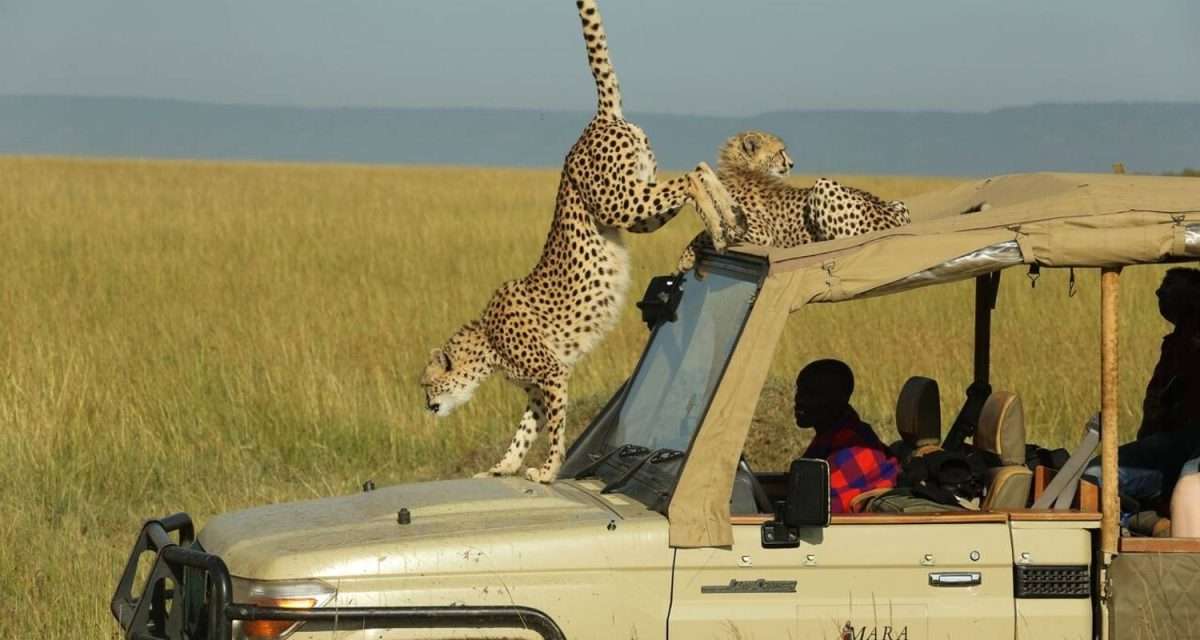
Located in Narok County in southwestern Kenya, the Masai Mara National Reserve sits at an elevation of roughly 1,500 meters above sea level. It borders Tanzania’s Serengeti National Park to the south, forming a single continuous ecosystem across the two countries. The reserve holds the highest density of predators in Africa and is the setting for the Great Wildebeest Migration between July and October.
1. Game Drives
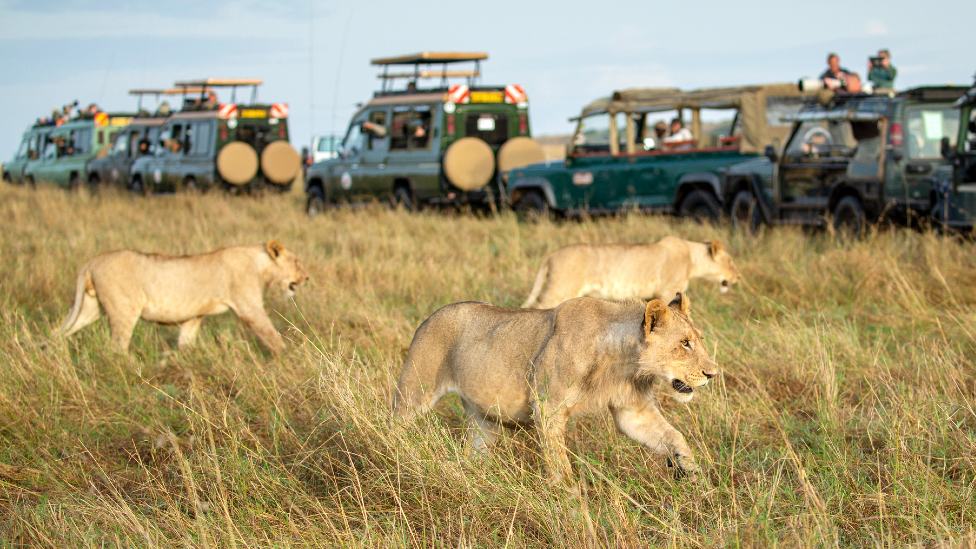
Game drives are the foundation of any Masai Mara visit and the most reliable way to see the full range of wildlife the reserve offers. Morning drives begin around 6:00 am when predators are most active and the light is at its best. Afternoon drives go out again around 4:00 pm and run until dusk.
The Mara’s open savannah means visibility is excellent across most of the terrain. Lions are spotted regularly on the open plains. Cheetahs hunt in the open in daylight. Elephants move in family groups through the acacia woodland along the Mara River. Leopards rest in fig trees along the riverine forest. Your guide tracks wildlife through a radio network shared between drivers, which means if a significant sighting is happening anywhere in the park, you will know about it.
The reserve covers multiple distinct ecosystems. Plains game drives, river circuit drives, and woodland drives each deliver different sightings, which is why consecutive days in the Mara consistently produce new experiences.
2. Witness the Great Migration
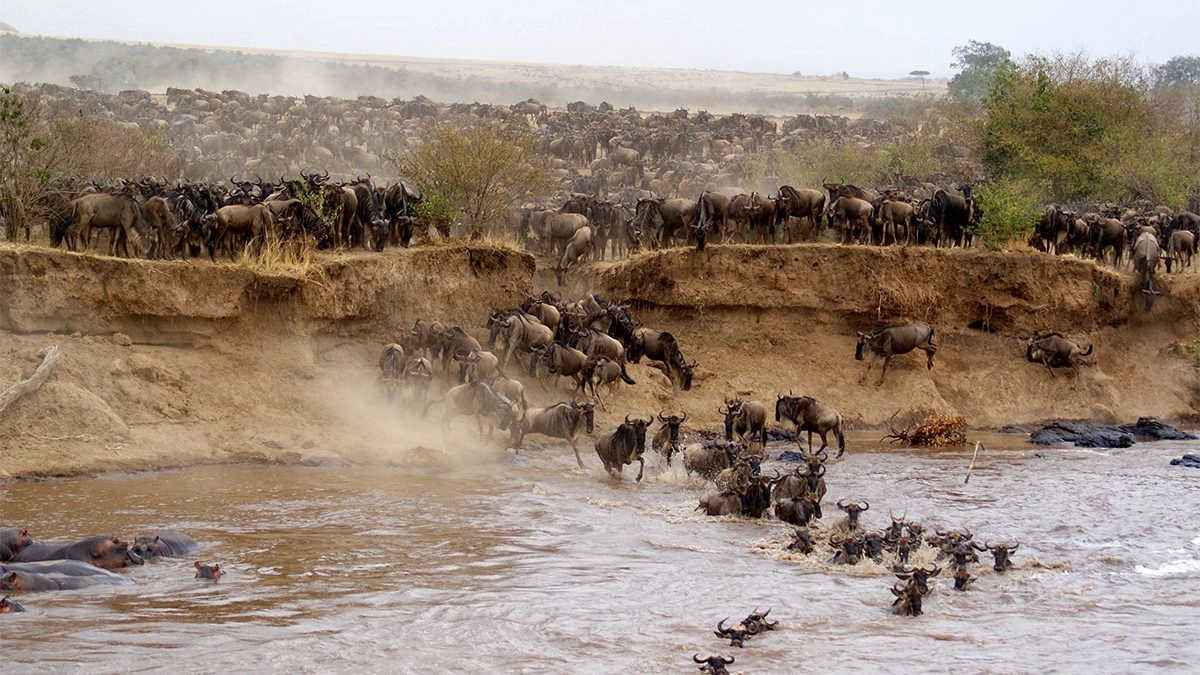
Between July and October, approximately 1.5 million wildebeest, along with hundreds of thousands of zebras and gazelles, move north from Tanzania’s Serengeti into the Masai Mara in search of fresh grass. The Mara River crossings are the most dramatic event of the migration. Herds gather on the southern bank, pace nervously for hours, then plunge into the crocodile-filled water in a rush of hooves, spray, and noise.
A single crossing lasts two to three minutes. The experience lasts considerably longer in memory. Your guide monitors herd movement throughout the day and positions you at the right crossing point with maximum lead time.
The crossing happens at several points along the Mara and Talek Rivers. August and September produce the highest crossing frequency, but significant crossings occur throughout the July to October window. The migration is the most sought-after wildlife event in Africa and the primary reason many visitors plan their Kenya safari specifically around these months.
3. Hot Air Balloon Safari
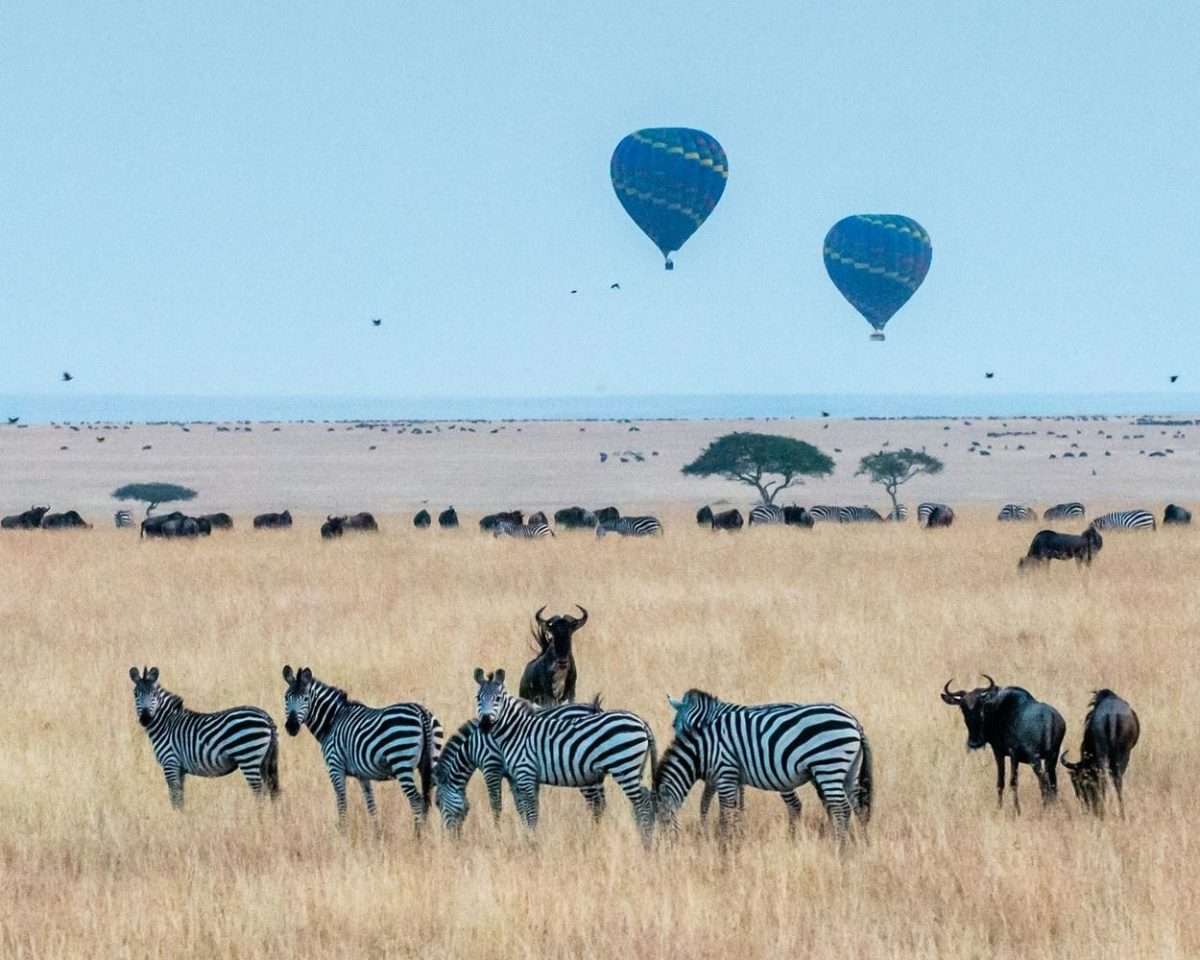
A hot air balloon safari over the Masai Mara is one of the most memorable experiences available anywhere on the African continent. Flights launch at dawn, drifting silently above the plains for approximately one hour as the sun rises and wildlife moves below.
From the basket, you see the Mara from an entirely different perspective. Herds of wildebeest and zebra stretch across the plains. Elephants move in slow lines through the acacia. A lion pride rests on a termite mound. The silence of the balloon makes the experience feel almost private despite the scale of the landscape beneath you.
After landing in the open bush, a full champagne breakfast is served on white linen laid across the plains. The whole morning, from launch to breakfast, takes around three hours.
The balloon safari costs approximately USD 500 per person and must be booked in advance, particularly during peak migration season. TourwithPipi arranges balloon bookings as part of all Masai Mara packages on request.
4. Big Cat Tracking
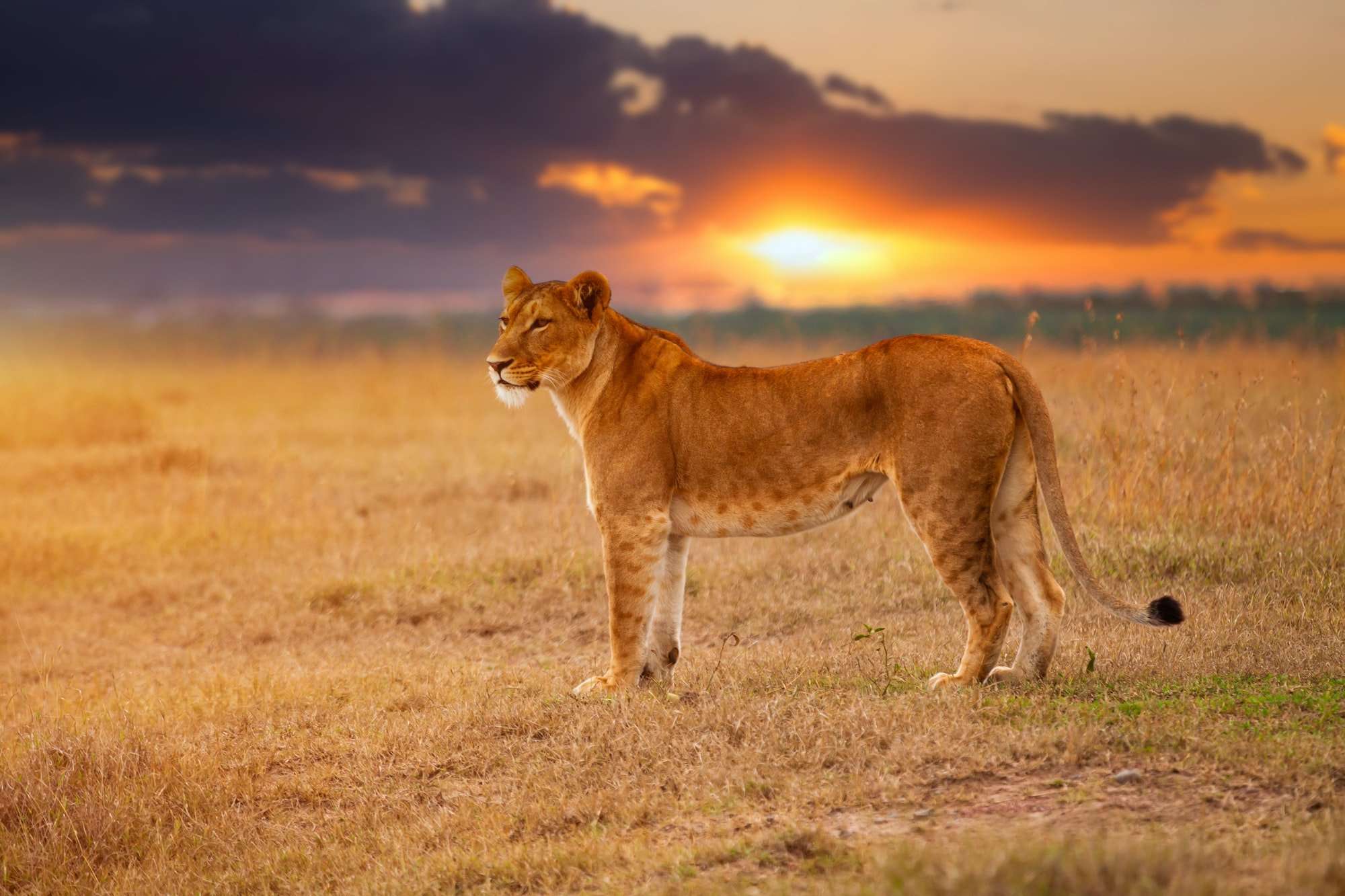
The Masai Mara holds one of the highest concentrations of big cats in Africa. Lions, leopards, and cheetahs are all resident in the ecosystem and regularly seen on game drives throughout the year.
Lions are the most commonly sighted. The Mara’s open grassland suits them well and prides are frequently spotted resting, socializing, or hunting in full view of safari vehicles. The reserve is estimated to hold around 850 to 900 lions, one of the densest populations in Kenya.
Cheetahs hunt in daylight on the open plains, making the Mara one of the best places in Africa to watch a complete hunt unfold. They are most active in the cool morning and late afternoon hours.
Leopards are the most elusive of the three but the riverine forest along the Mara River provides excellent habitat. Sightings have increased in recent years. Your guide will scan the fig and acacia trees along the water’s edge on every river circuit drive.
5. Mara River Boat Safari
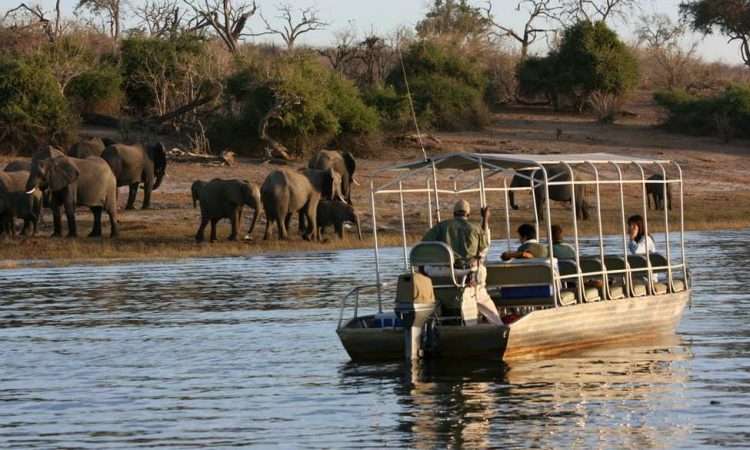
A boat safari on the Mara River is a completely different perspective on the reserve and one of the most underrated activities in the Mara. From the water, you see wildlife at eye level: hippos surfacing a few metres from the boat, massive Nile crocodiles resting on muddy banks, African fish eagles calling from overhanging branches, and elephants drinking on the opposite shore.
The Mara River holds one of the highest densities of hippos and Nile crocodiles in East Africa. Hippo pods of 30 to 50 individuals are common sightings. Crocodiles here grow to considerable size, some exceeding five metres, fed by decades of wildebeest crossings.
Boat safaris run in the morning and late afternoon and are most productive during and around migration season when crossing activity concentrates wildlife near the river. They are available as an add-on to standard game drives.
6. Bush Walk with a Maasai Guide
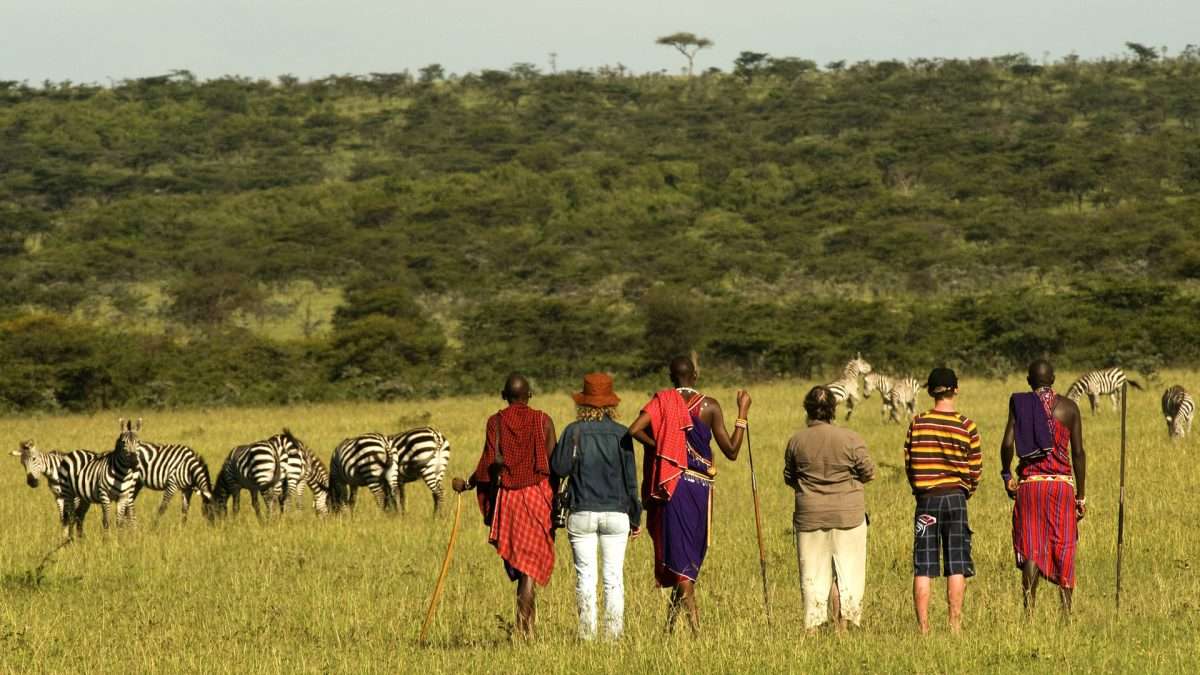
Walking safaris are permitted in the private conservancies surrounding the Masai Mara National Reserve and offer an entirely different relationship with the landscape than a vehicle-based game drive. You move quietly through the bush, reading animal tracks, identifying plants, and experiencing the sounds and smells of the Mara at ground level.
Bush walks are led by trained Maasai guides who have grown up in this landscape. Their knowledge of the terrain, animal behavior, and traditional plant use adds a cultural layer to the experience that no game drive can replicate. Walks typically cover two to four kilometres and last two to three hours, returning to camp before the midday heat.
Walking safaris are available from TourwithPipi’s camp in the Mara North Conservancy.
7. Sundowner in the Bush
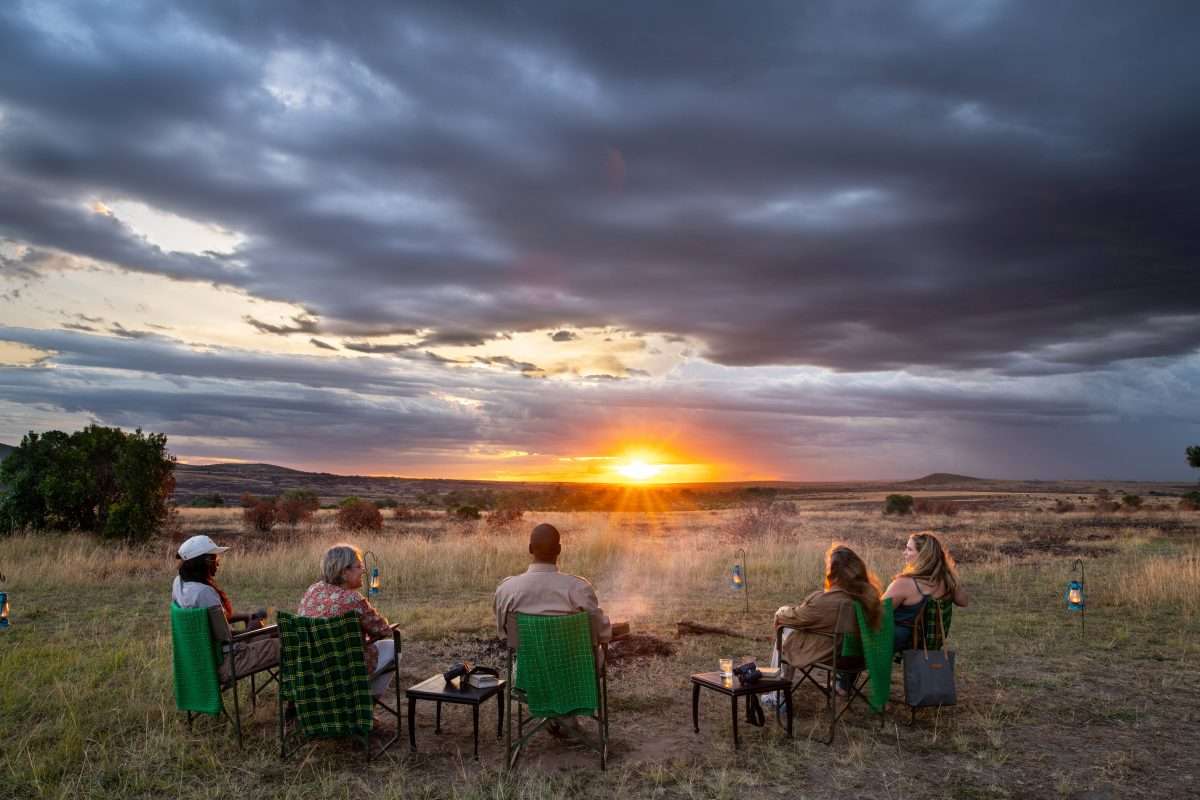
A sundowner in the Masai Mara is one of those small pleasures that ends up being one of the trip’s most memorable moments. As the afternoon game drive winds down and the light turns from gold to amber, your guide pulls over on open ground with a clear western horizon.
The vehicle tail opens. Drinks are served. The plains stretch out in every direction as the sky shifts through orange, pink, and purple. Wildlife continues to move in the middle distance. Nobody speaks much.
It takes about 20 minutes and costs nothing extra. It is the kind of thing that makes you want to come back.
8. Maasai Village Cultural Visit
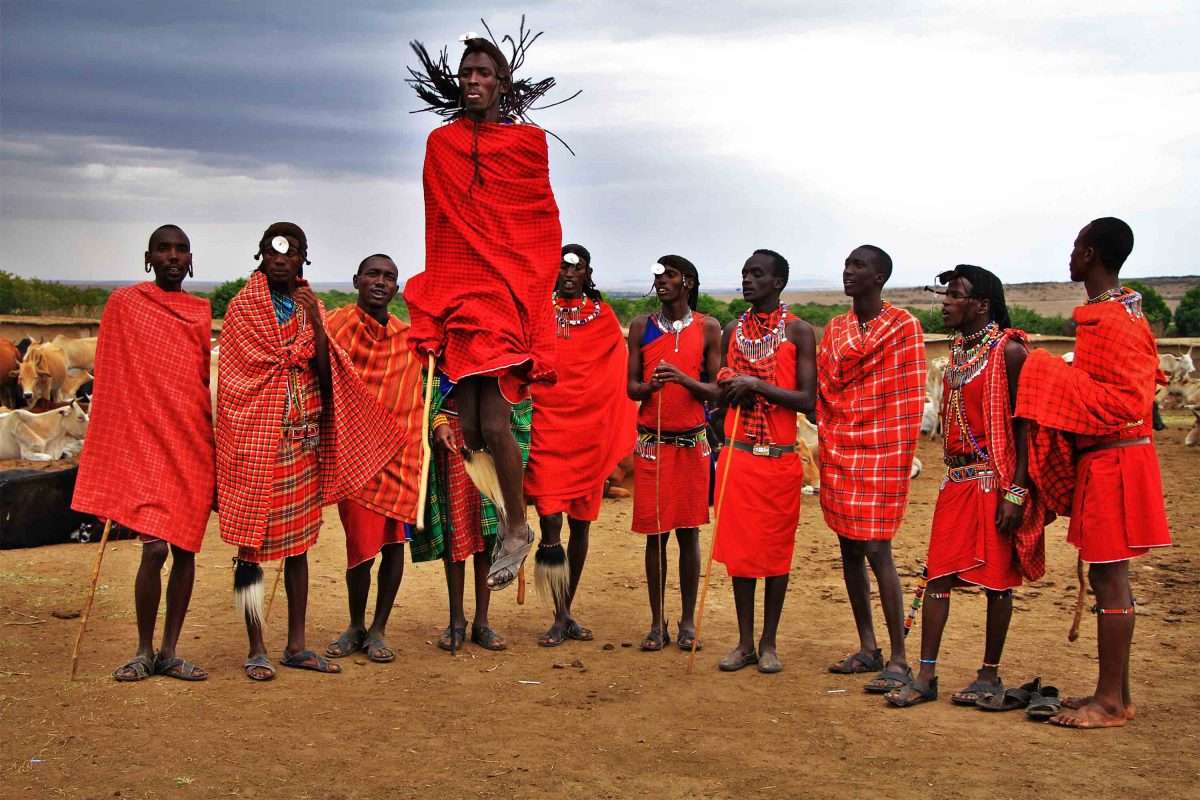
The Maasai people have coexisted with the wildlife of the Mara ecosystem for centuries and a village visit offers genuine insight into how that relationship works. A typical visit to a Maasai boma (homestead) includes a welcome by the village elder, traditional singing and jumping dances, a walk through the compound, and a visit to the local school.
The experience is not a performance put on for tourists. The Maasai communities around the Mara are fully functioning traditional villages where pastoralism, warrior culture, and community structure remain intact and central to daily life. The optional visit costs approximately USD 50 per person and all proceeds go directly to the community.
TourwithPipi includes the village visit as an optional add-on on Day 4 of the Masai Mara itinerary.
9. Night Drive in the Conservancy
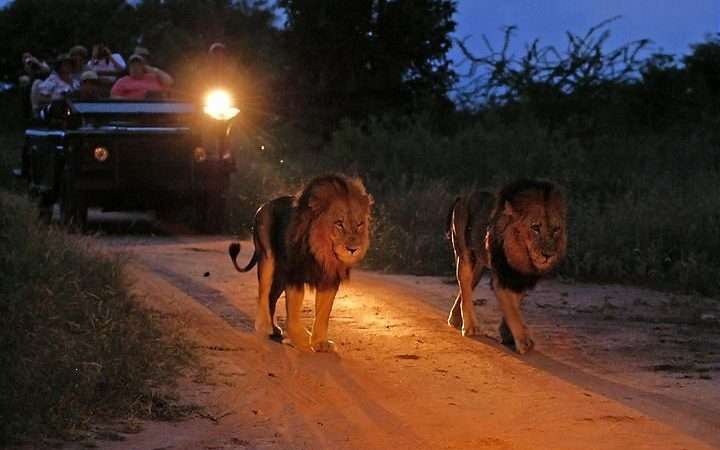
Night drives are not permitted inside the Masai Mara National Reserve but are available in the private conservancies surrounding it. This distinction is one of the strongest reasons to stay in a conservancy rather than the reserve itself.
After dark, the Mara ecosystem reveals species that are rarely seen on daytime drives. Leopards become more active and visible. Aardvarks root through termite mounds. Porcupines move along bush trails. Serval cats, bush babies, and civets emerge from the undergrowth. Your guide uses a red-filtered spotlight that illuminates animals without disturbing them.
Night drives run for approximately two hours after dinner and return to camp before midnight. They require a stay in one of the conservancies and cannot be arranged from lodges inside the national reserve.
10. Bird Watching
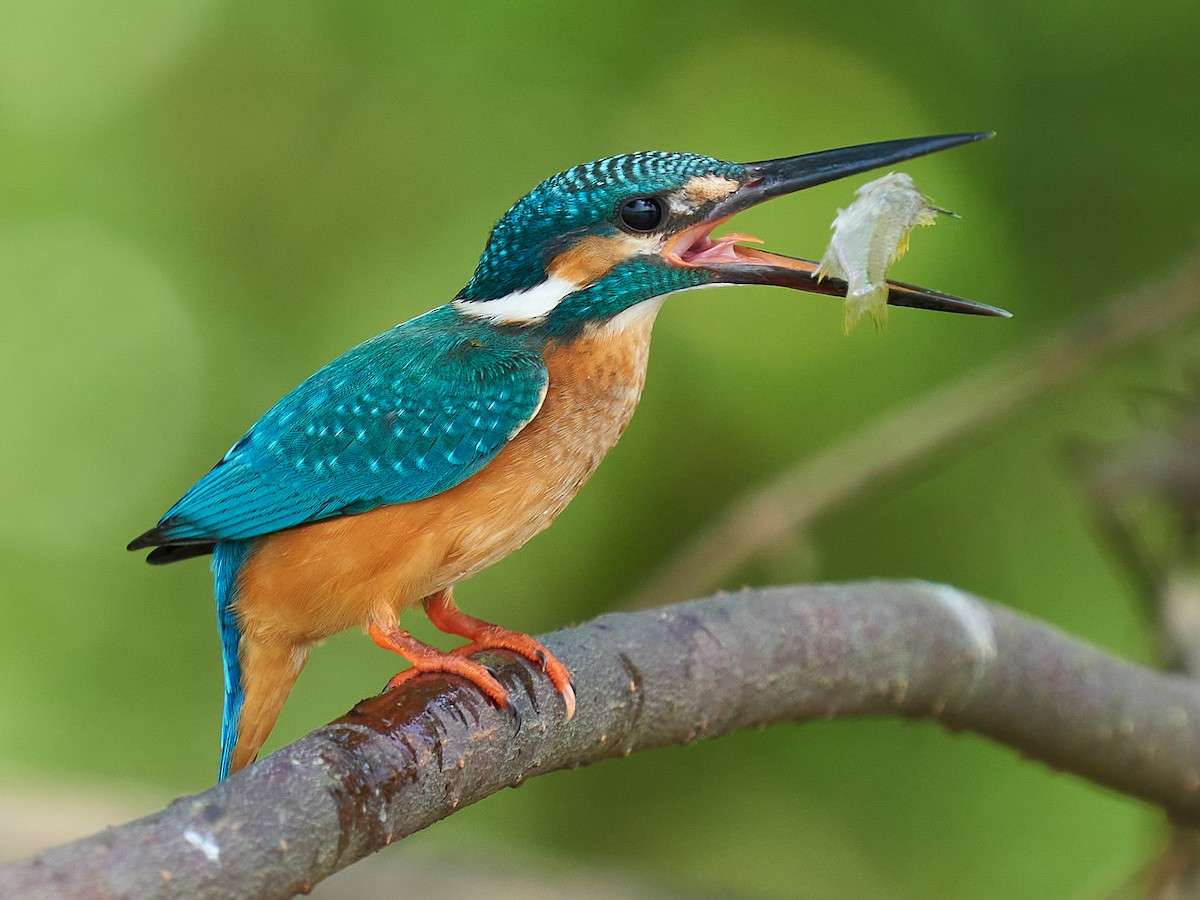
The Masai Mara is home to over 570 bird species, making it one of Kenya’s premier birdwatching destinations alongside the obvious appeal of its large mammals. The diversity of habitats, from open grassland to riverine forest to wetlands, supports an extraordinary range of species across all families.
Raptors are the Mara’s most visible bird group. Martial eagles, bateleur eagles, and various hawk species are seen daily on game drives. The lilac-breasted roller, Kenya’s national bird, is one of the most photographed species in the reserve and found perching on termite mounds and low branches throughout the plains.
Waterbirds along the Mara River include goliath herons, kingfishers, hamerkops, and African fish eagles. The green season from March to May is the peak birdwatching period when migratory species arrive from Europe and Asia in large numbers, filling the trees and wetlands with color and activity.
5 Key Takeaways
- The Masai Mara offers year-round game viewing with the Great Migration, lion season, green season, and short rains each delivering a distinct experience across different months.
- The Mara River crossings between July and October are the single most dramatic wildlife event in Africa, with up to 1.5 million wildebeest crossing from Tanzania into Kenya during this period.
- A hot air balloon safari at sunrise is the most memorable optional activity in the Mara, costing approximately USD 500 per person and requiring advance booking.
- Staying in a private conservancy gives you access to night drives, bush walks, and off-road driving that the national reserve does not permit, significantly expanding what you can see and do.
- The Masai Mara holds over 570 bird species and one of Africa’s highest concentrations of big cats. Outstanding wildlife viewing is guaranteed regardless of the season you visit.
Frequently Asked Questions About Things to Do in the Masai Mara
1. What are the best things to do in the Masai Mara?
Game drives, witnessing the Great Migration, hot air balloon safaris, big cat tracking, and bush walks with Maasai guides are the top activities. Night drives in the private conservancies and boat safaris on the Mara River are excellent additions for guests with more time.
2. How much does a hot air balloon safari cost in the Masai Mara?
A hot air balloon safari costs approximately USD 500 per person. The price includes the flight, a champagne bush breakfast after landing, and transfers to and from the launch site. Booking in advance is essential during migration season.
3. Can I do a night drive in the Masai Mara?
Night drives are not permitted inside the Masai Mara National Reserve. They are available in the private conservancies surrounding the reserve, including Mara North.
4. Is a Maasai village visit worth doing?
Yes. A Maasai village visit offers genuine cultural insight into a community that has lived alongside the Mara ecosystem for centuries. It costs approximately USD 50 per person and all proceeds go directly to the community.
5. What wildlife can I see in the Masai Mara?
The Masai Mara holds lions, leopards, cheetahs, elephants, buffalos, hippos, giraffes, zebras, wildebeest, and over 570 bird species. During migration season from July to October, the reserve hosts 1.5 million wildebeest crossing from Tanzania.
6. How many days should I spend in the Masai Mara?
A minimum of three full days gives you a solid safari experience. Four to five days is better for maximizing predator sightings, attempting a Migration crossing, and fitting in optional activities like the balloon safari or Maasai village visit.
7. What is the difference between the Masai Mara National Reserve and a private conservancy?
The national reserve is the main protected area with the widest game circuits and greatest vehicle access. Private conservancies surrounding the reserve offer exclusivity, far fewer vehicles, off-road driving, night drives, and bush walks that the reserve does not permit.
8. Can I see the Big Five in the Masai Mara?
Yes. All Big Five species, lion, leopard, elephant, buffalo, and rhino, are present in the broader Mara ecosystem. Rhino sightings are less common in the reserve itself but are reliably seen at nearby Ol Pejeta Conservancy, which TourwithPipi includes on the 8-day fly-in safari.
9. What birds can I see in the Masai Mara?
The Mara holds over 570 species including martial eagles, bateleur eagles, lilac-breasted rollers, African fish eagles, goliath herons, and hundreds of migratory species during the green season from March to May.
10. How do I get to the Masai Mara?
The Masai Mara is approximately 270 kilometres from Nairobi, a five to six hour drive by road or 45 minutes by bush plane from Wilson Airport. TourwithPipi arranges all transfers by road or air as part of Kenya safari packages.


