
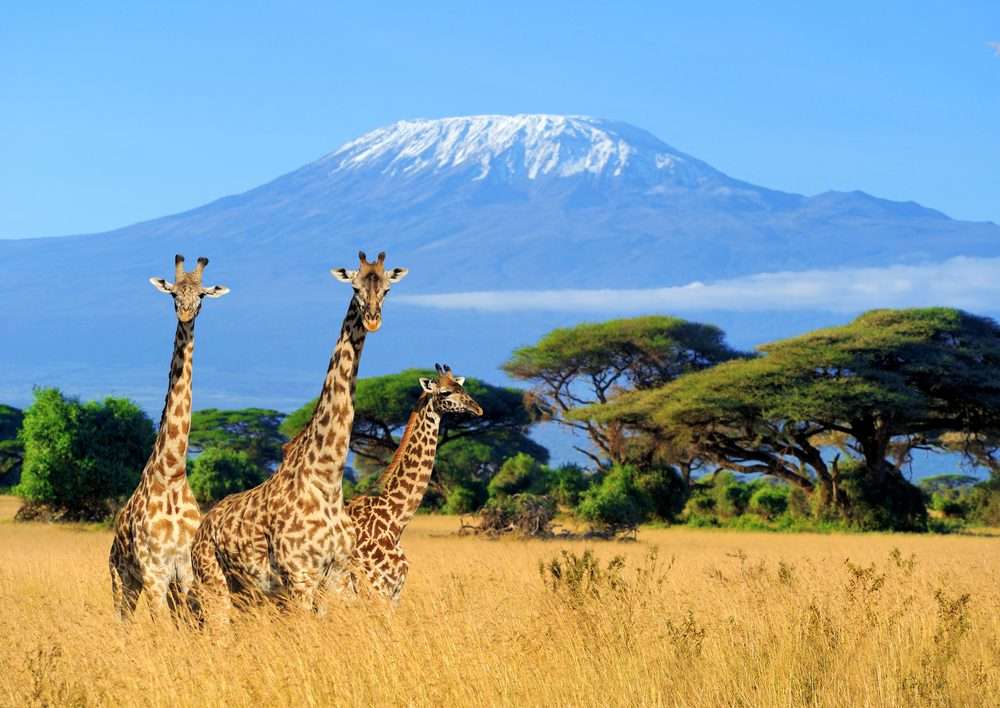
Mount Kilimanjaro is not a safari park like Serengeti or Ngorongoro, but it still has rich wildlife living on its slopes. As you climb higher, the animals you see change with the altitude, climate, and vegetation. Some routes give you better chances to spot animals than others, especially in the forest and lower zones.
Yes, large animals like elephants and buffalo live around Kilimanjaro, but they stay mostly in the lower forests and are rarely seen by climbers. You do not walk through herds of lions or leopards on the trail, which makes the climb much safer than many people expect.
In this guide, we will show you
✔ what animals live on Kilimanjaro
✔ where you are most likely to see them
✔ which routes give better wildlife sightings
✔ and how safe it is to hike among them
If you love nature, Kilimanjaro gives you a rare mix of mountain trekking and real African wildlife in one journey.
What Animals Live on Mount Kilimanjaro?
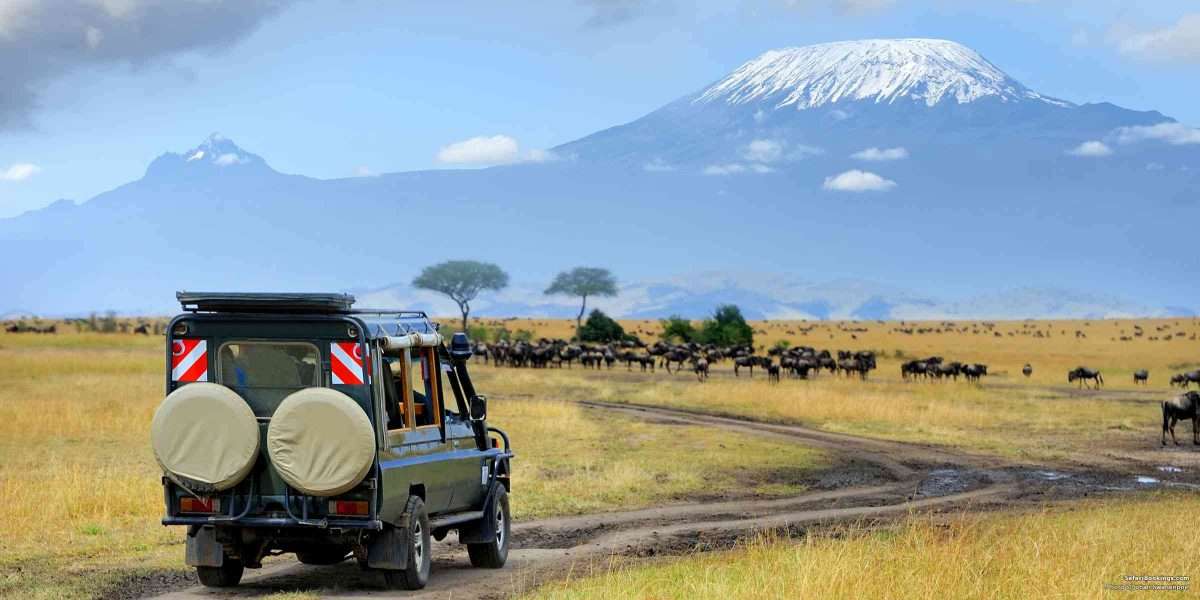
Mount Kilimanjaro is home to a surprising range of wildlife. You can find monkeys, antelope, mongooses, porcupines, chameleons, bush babies, and more than 150 bird species across its different zones. Larger mammals such as elephants, buffalo, and giraffes live mostly on the lower slopes and nearby forests, not on the high climbing trails.
When you hike, you are most likely to see smaller animals and birds rather than big predators. The mountain has several climate zones, and each one supports different types of life. This is why Kilimanjaro wildlife changes as you move higher, from farms and forests to rocky alpine desert near the summit.
Animals in the Cultivated & Foothills Zone (800–1,800 m)
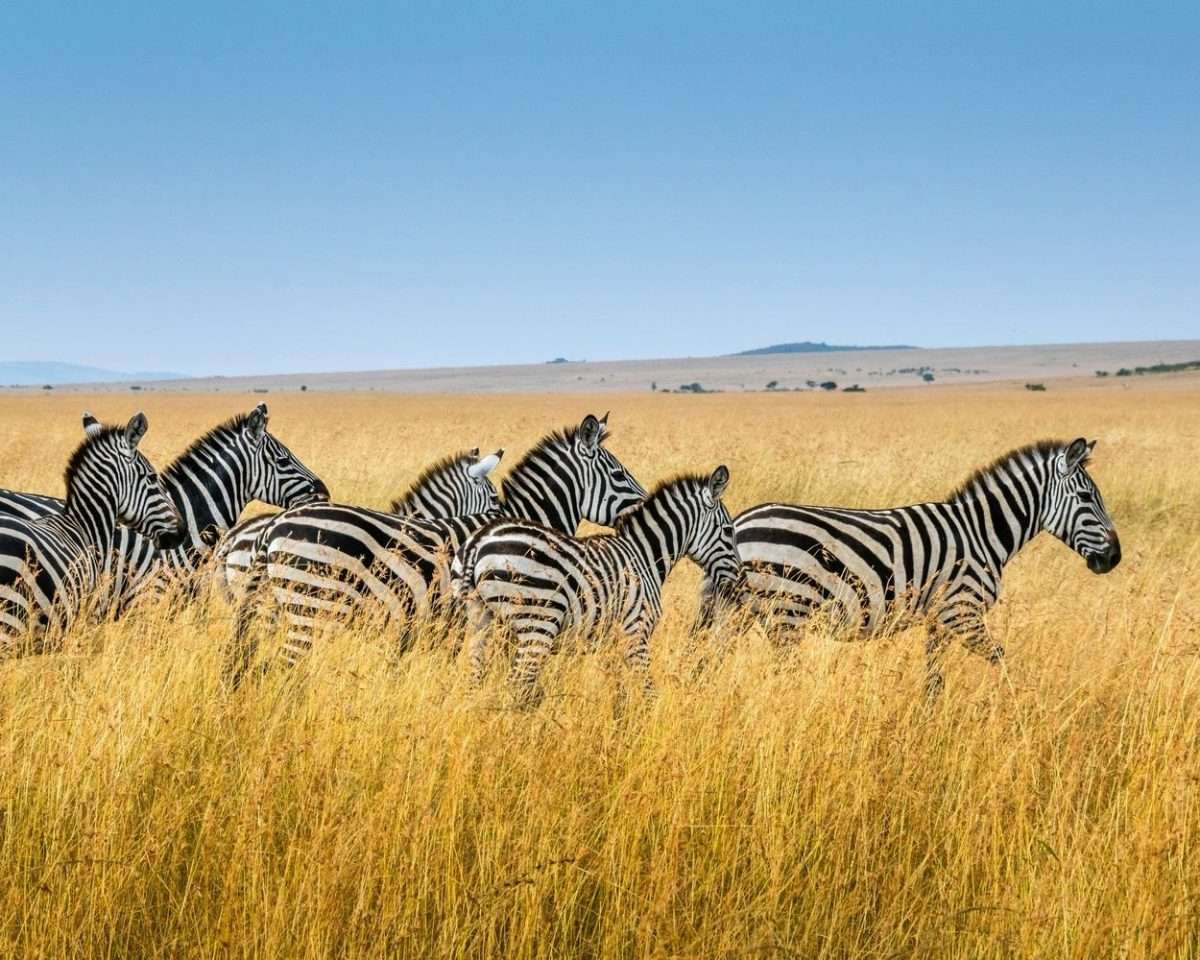
This zone surrounds the base of the mountain and is where local villages and farms are found. It has warm temperatures, fertile soil, and plenty of food, so animal life is richest here.
When you walk through this area, you move between farmland and natural forest edges. This is also where Kilimanjaro’s larger animals pass through, even if you do not always see them.
Bushbuck
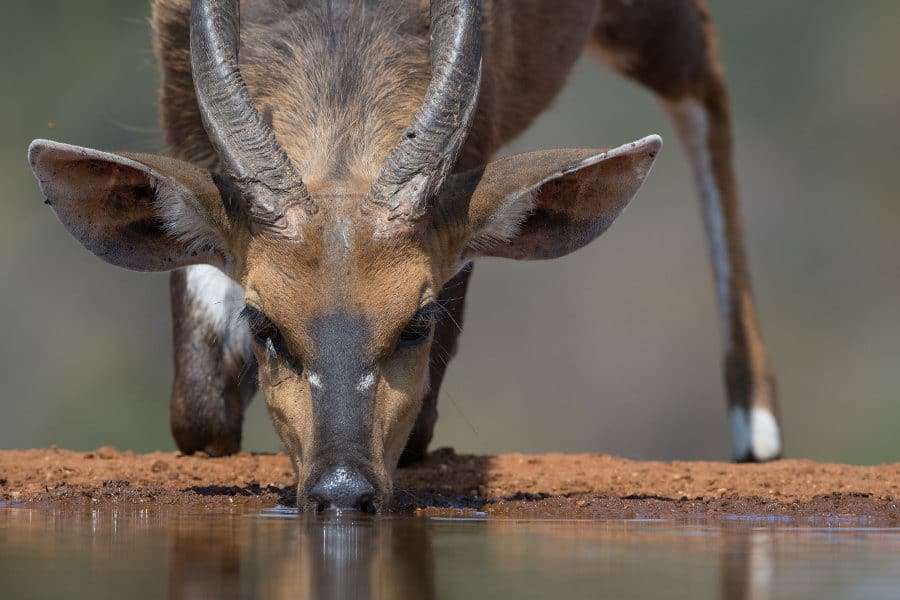
Bushbucks are small forest antelope that live between 800 and 2,200 meters. We sometimes spot them near trailheads early in the morning or late in the evening. They are shy and freeze when scared, blending into bushes. You are more likely to see them on quiet routes like Rongai or Lemosho.
Monkeys (Blue Monkeys & Colobus Monkeys)
Monkeys are the most commonly seen animals near Kilimanjaro’s base.
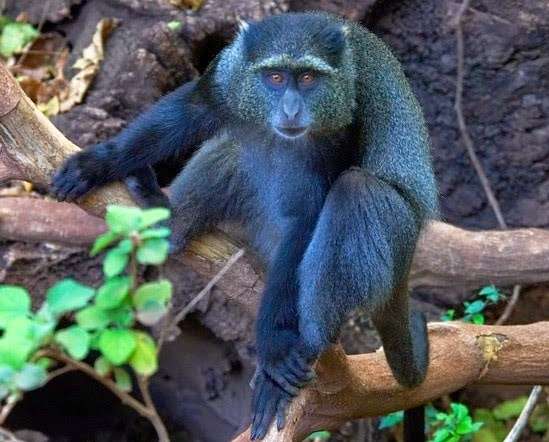
Blue monkeys live mainly in the lower rainforest between 1,200 and 2,500 meters. They are curious and not very afraid of humans. You often see them jumping between trees near Mandara Huts or Big Tree Camp.
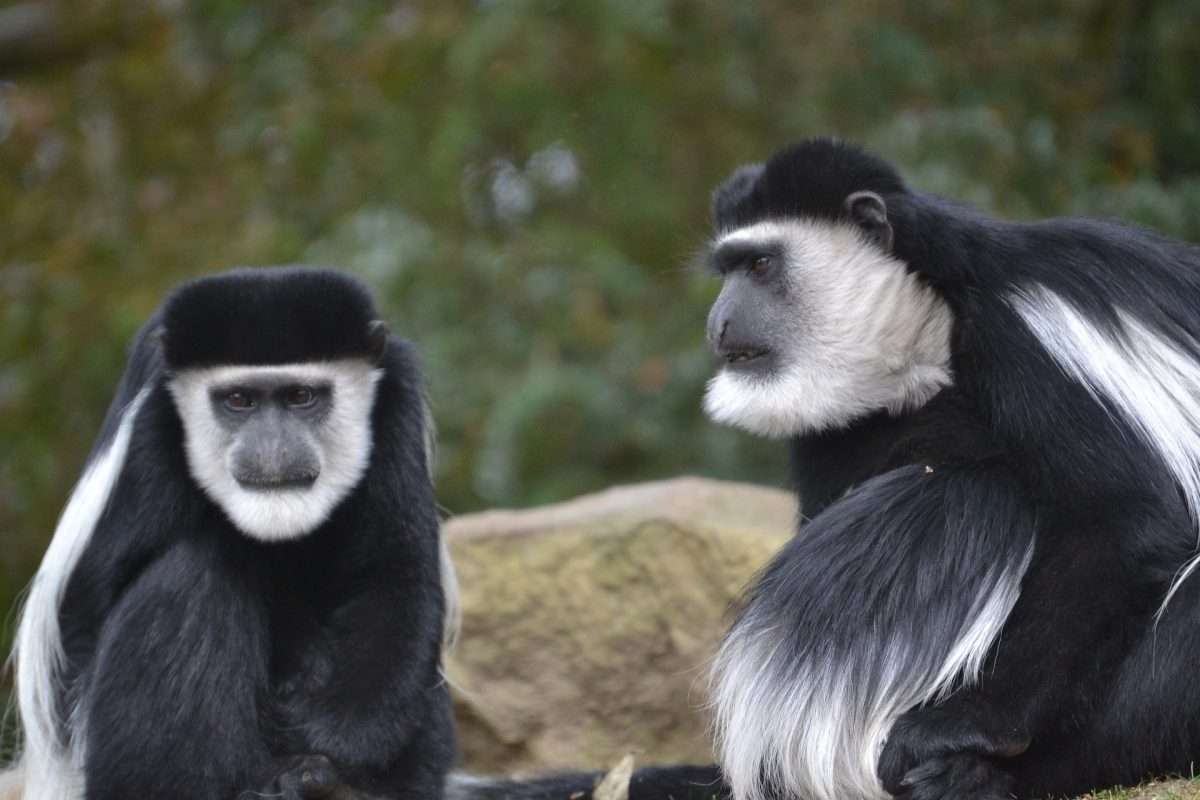
Black-and-white colobus monkeys stay higher in tall forest canopies. You will recognize them by their long white tails and loud calls. They live in family groups and feed on leaves and fruit.
When we guide climbers, we usually stop quietly so you can watch them without disturbing them.
Birds
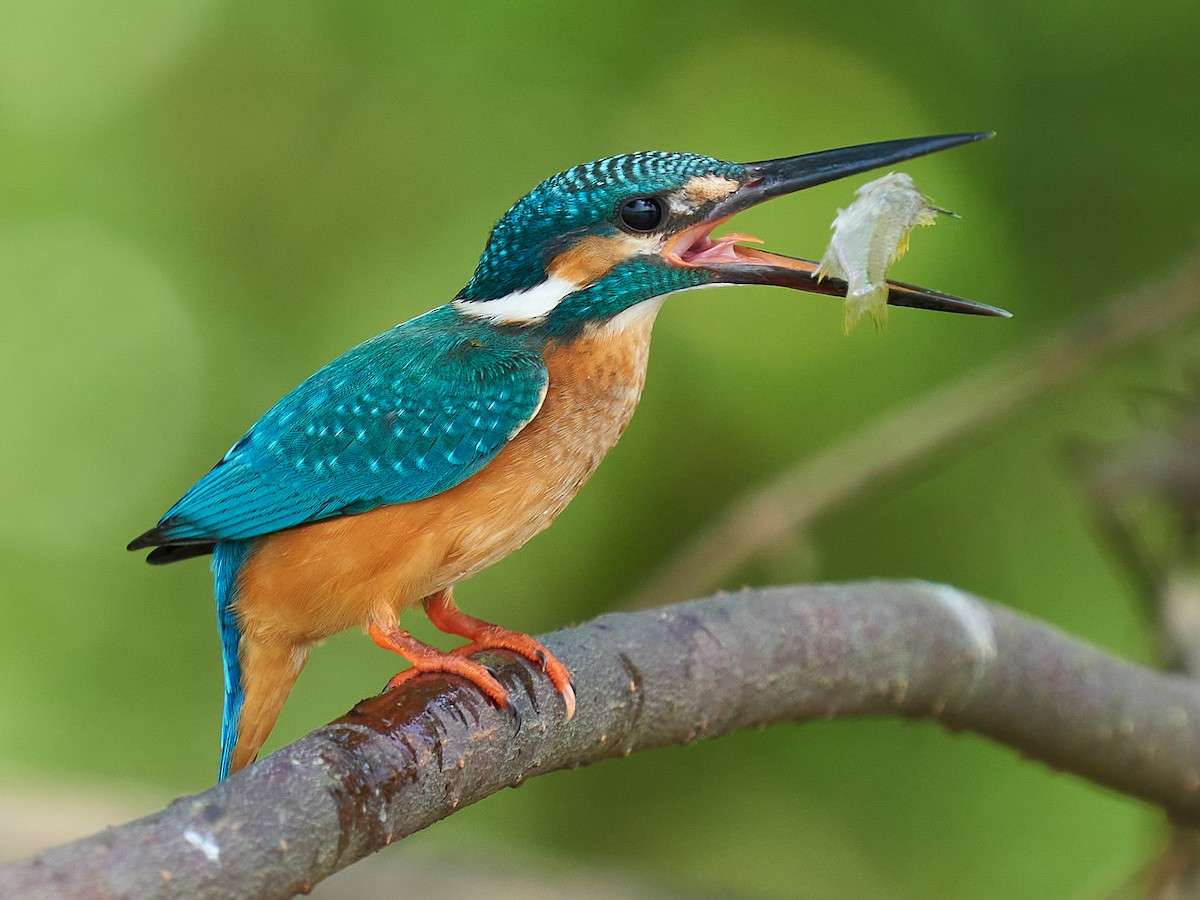
Bird life is richest in the foothills and forest zone. You may see:
• hornbills
• sunbirds
• turacos
• kingfishers
• white-necked ravens
Most birds stay below 2,800 meters where insects and fruit are available. Early morning hikes are best for bird sightings. We recommend keeping your camera ready before breakfast walks.
Insect Life
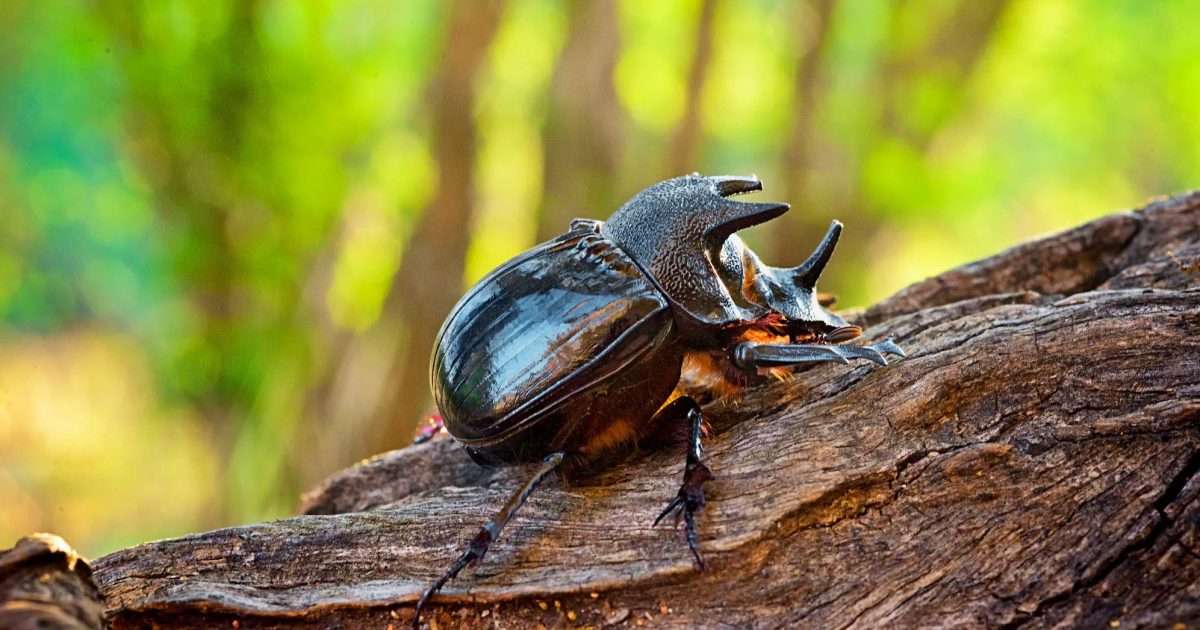
This zone is full of butterflies, beetles, ants, and grasshoppers. These insects support birds and small mammals. In rainy months, you will see more butterflies and hear louder insect sounds in the evening.
Elephants (Nearby but Not on the Trail)
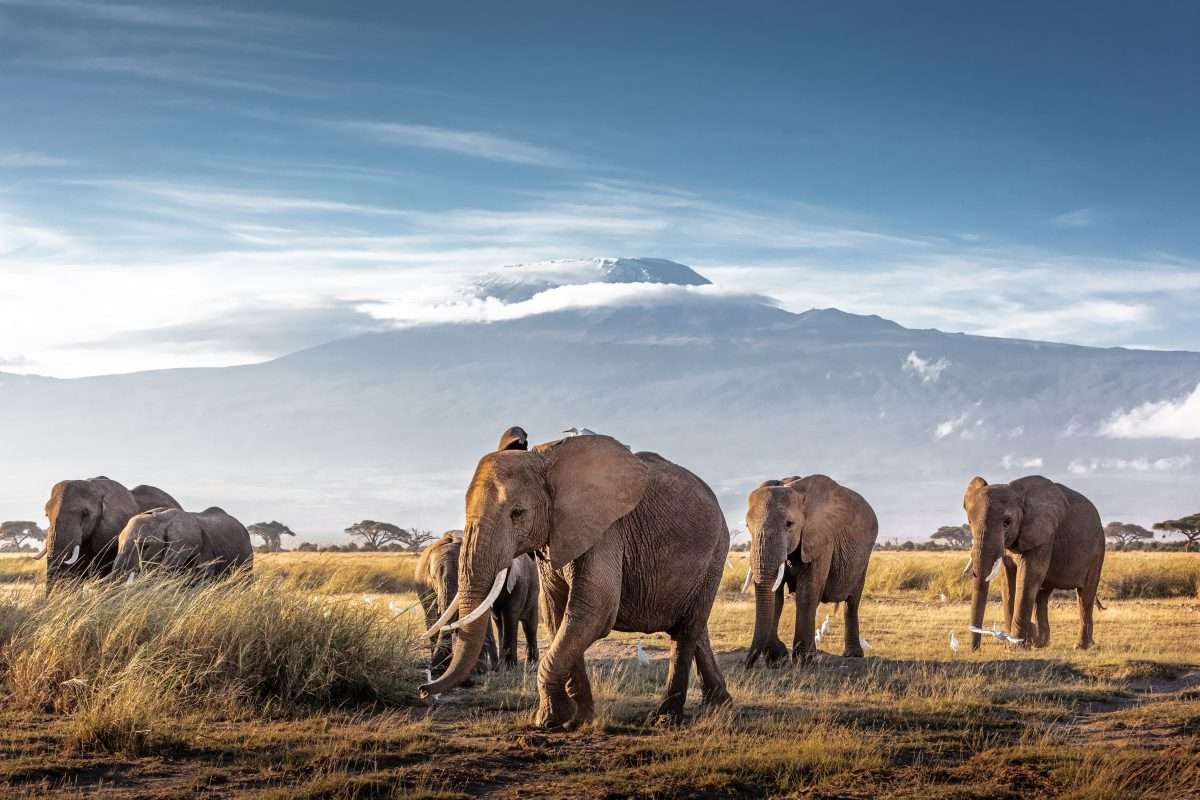
Elephants live in Kilimanjaro National Park, mainly on the northern slopes near Kenya, especially along the Rongai route area. However, trekking routes avoid their main paths, so you are very unlikely to meet one while hiking.
We sometimes see elephant footprints near forest edges, which reminds you that this mountain is still wild. Rangers monitor elephant movement to keep trekkers safe.
Animals in the Rainforest Zone (1,800–2,800 m)
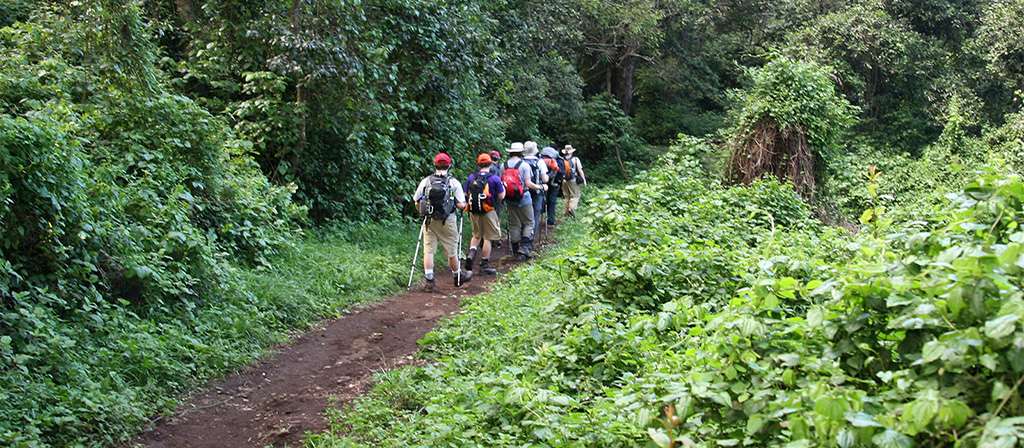
This is the greenest and most alive part of the mountain. The air is warm and damp, trees are tall, and mist hangs between branches. We often tell climbers this is the best zone for wildlife because food and water are still easy to find here. You walk slowly, your body is adjusting to altitude, and the forest feels calm and full of sound.
You may see:
Black-and-white colobus monkeys
These monkeys live high in the trees between 1,800 and 2,600 meters. You notice their long white tails first, then hear their loud calls. They move in family groups and feed on leaves and fruit. We usually spot them near Mandara Huts and forest trail sections.
Blue monkeys
Blue monkeys stay lower in the canopy and are more curious about people. They live around 1,500 to 2,500 meters and are often seen jumping across branches near camps. If you stop and stay quiet, they often come closer.
Bush babies (galagos)
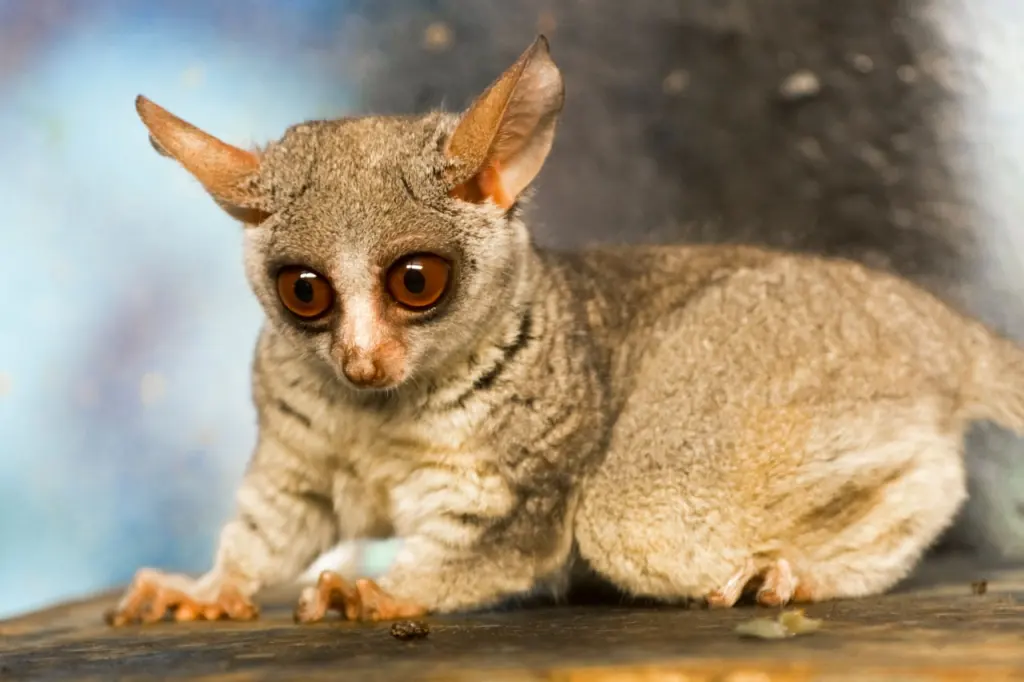
These are night animals. You rarely see them during the day, but at night you may hear their sharp cries near camp. They live in tree holes and hunt insects after dark. Their big eyes help them see in low light.
Tree hyrax
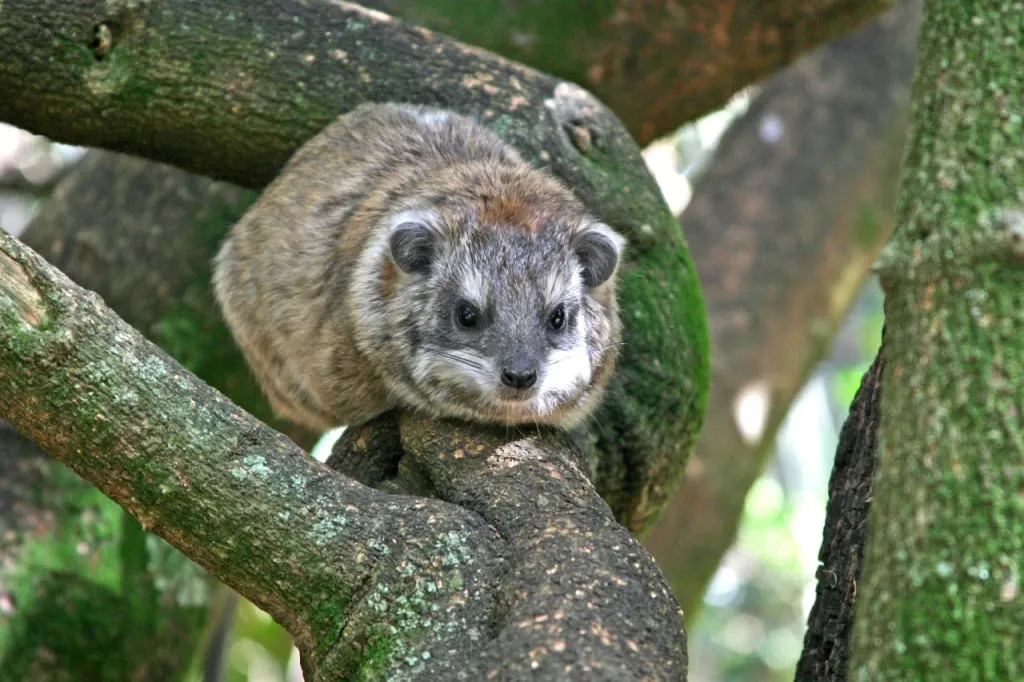
Tree hyraxes hide in trees and rocky areas. You may hear them before you see them. Their calls sound like screams in the night. They live mainly between 2,000 and 3,000 meters and feed on leaves and bark.
Chameleons
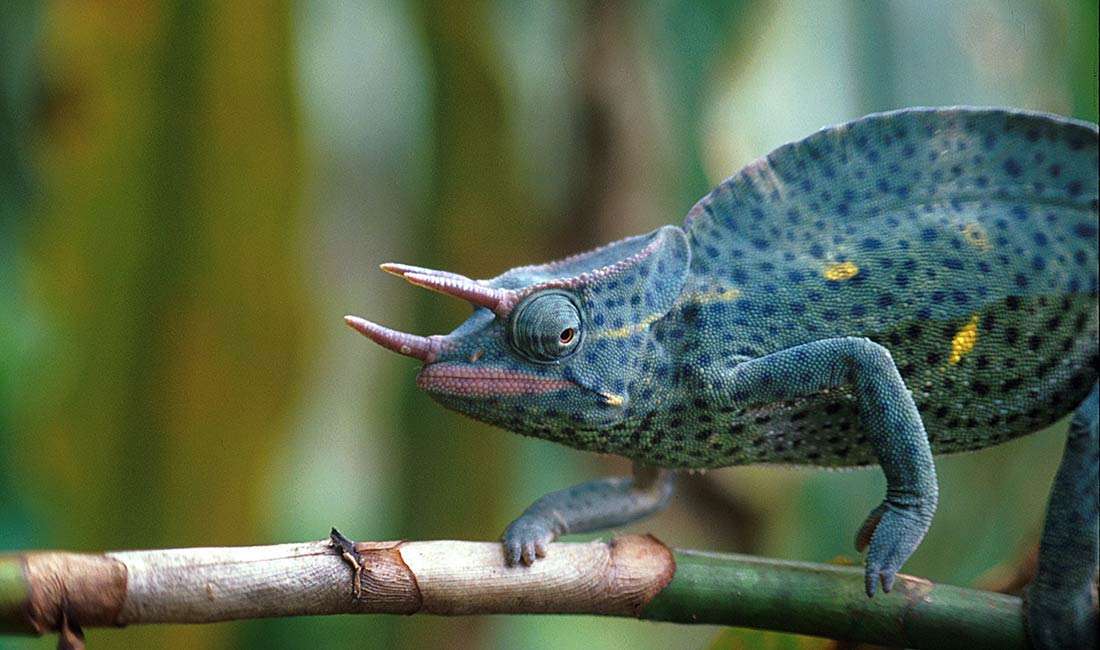
Chameleons stay low in bushes and small trees. You might see Jackson’s chameleon or Dwarf Fischer’s chameleon. They change color with temperature and light. We often find them early in the morning when they are still cold and slow.
Hornbills
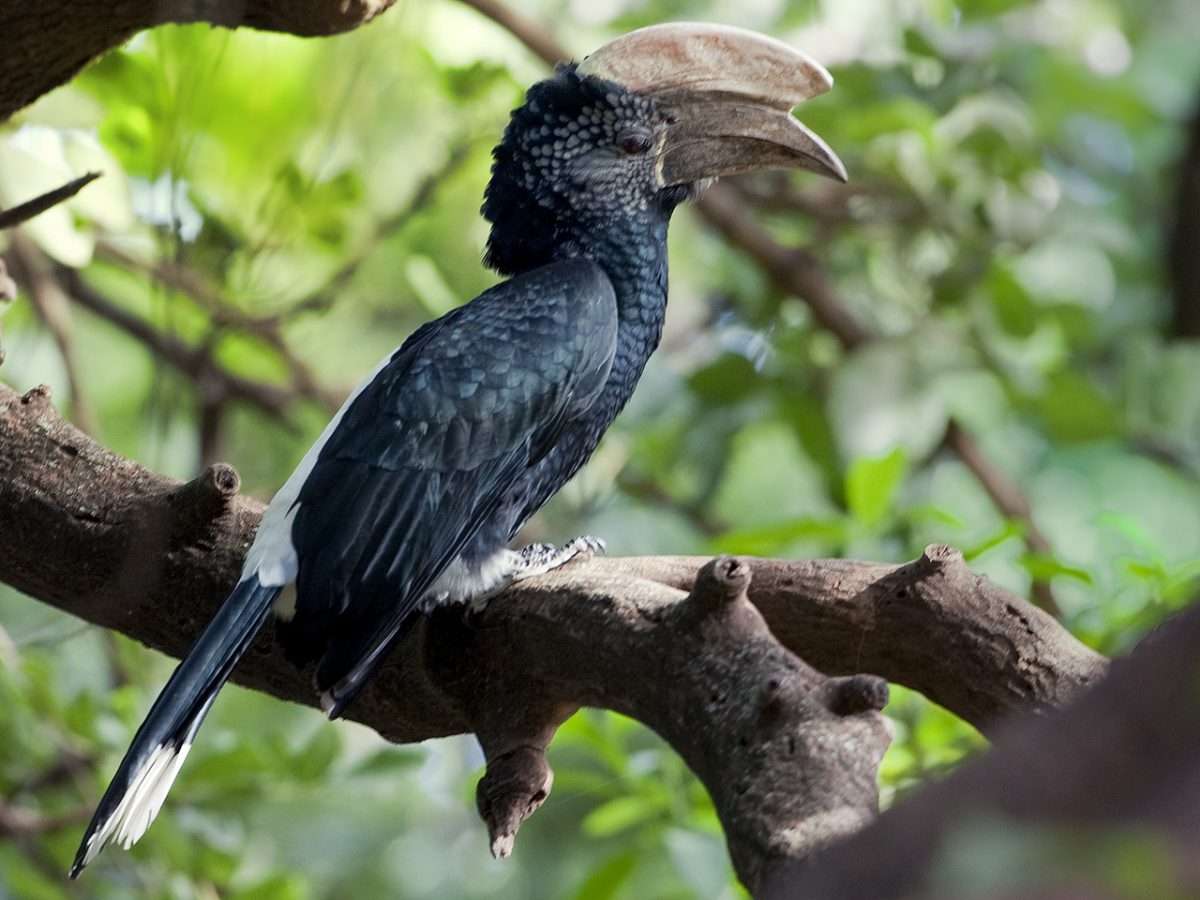
Hornbills fly between tall forest trees and make loud wing sounds. They eat fruit and insects and are easiest to see near forest clearings.
Turacos
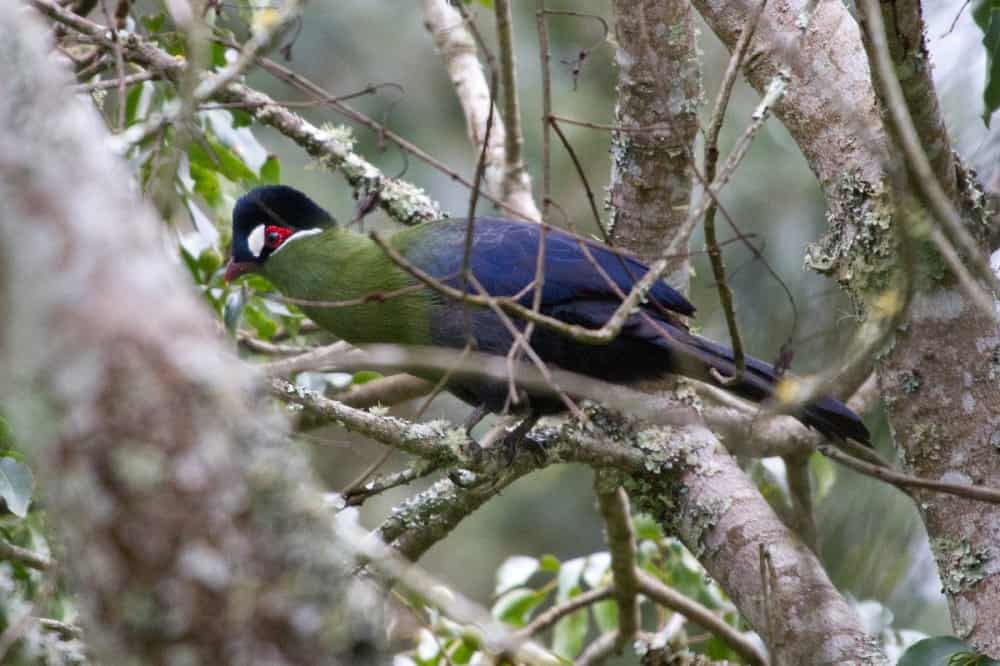
Turacos are colorful forest birds with green, red, and blue feathers. You often hear them before you see them. They live in fruit trees and move in pairs.
Animals in the Moorland & Heath Zone (2,800–4,000 m)
Here the forest disappears and the land opens into wide valleys. The air is cooler and drier. Plants grow lower to the ground, like giant groundsels and lobelias. Fewer animals live here, but the ones that do are well adapted to cold nights and thin air.
You may see:
Duikers
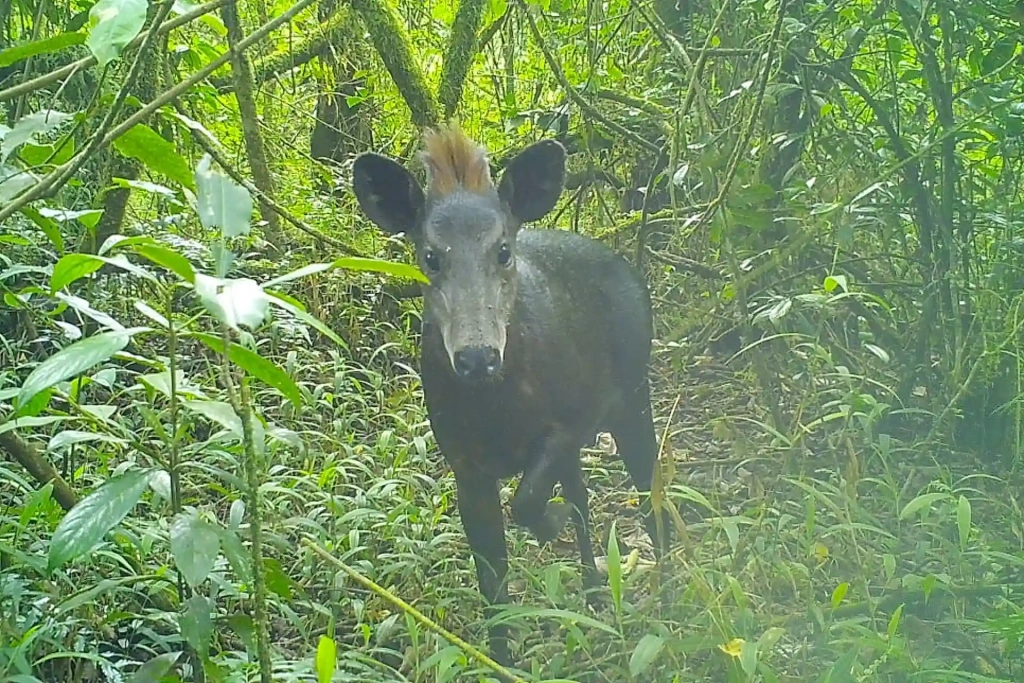
Duikers are small antelope that hide in bushes and rocky areas. They live mostly between 2,800 and 3,500 meters. They move fast and dive into plants when scared. Abbott’s duiker is very rare, but this zone is where it lives.
Serval cats (very rare)
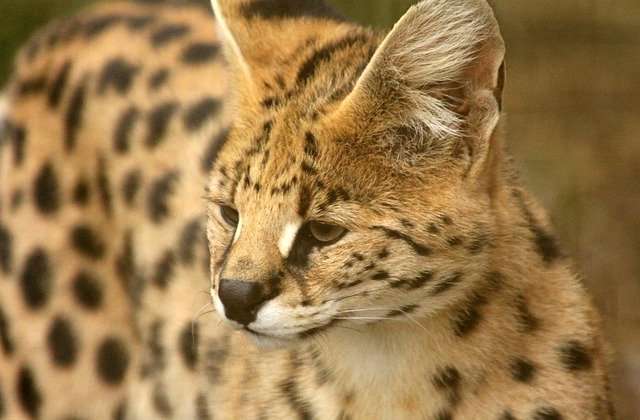
Serval cats hunt rodents in open grassland. They are active day and night but are very shy. We rarely see them, but their long legs and spotted coats make them easy to recognize if you are lucky.
Mongooses
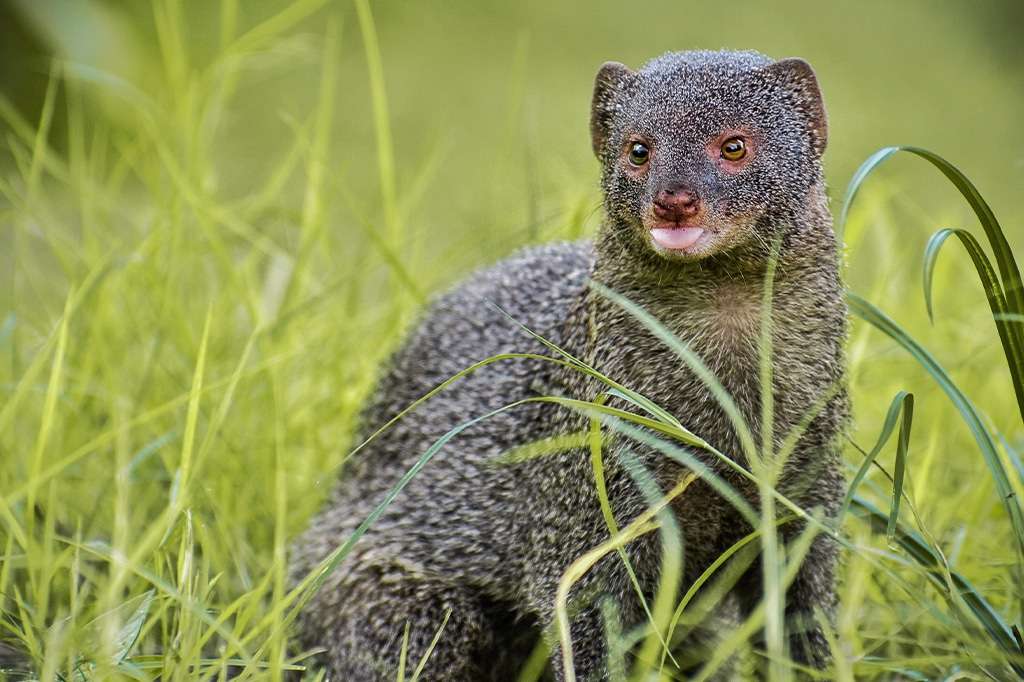
Mongooses hunt insects, birds, and small animals. You may see them moving quickly across rocks or near camp kitchens looking for scraps.
Giant groundsel ecosystem
This is not an animal, but it supports animal life. Giant groundsels store water and warmth in their thick stems. Insects live inside them, and birds use them for shelter from wind.
White-necked ravens
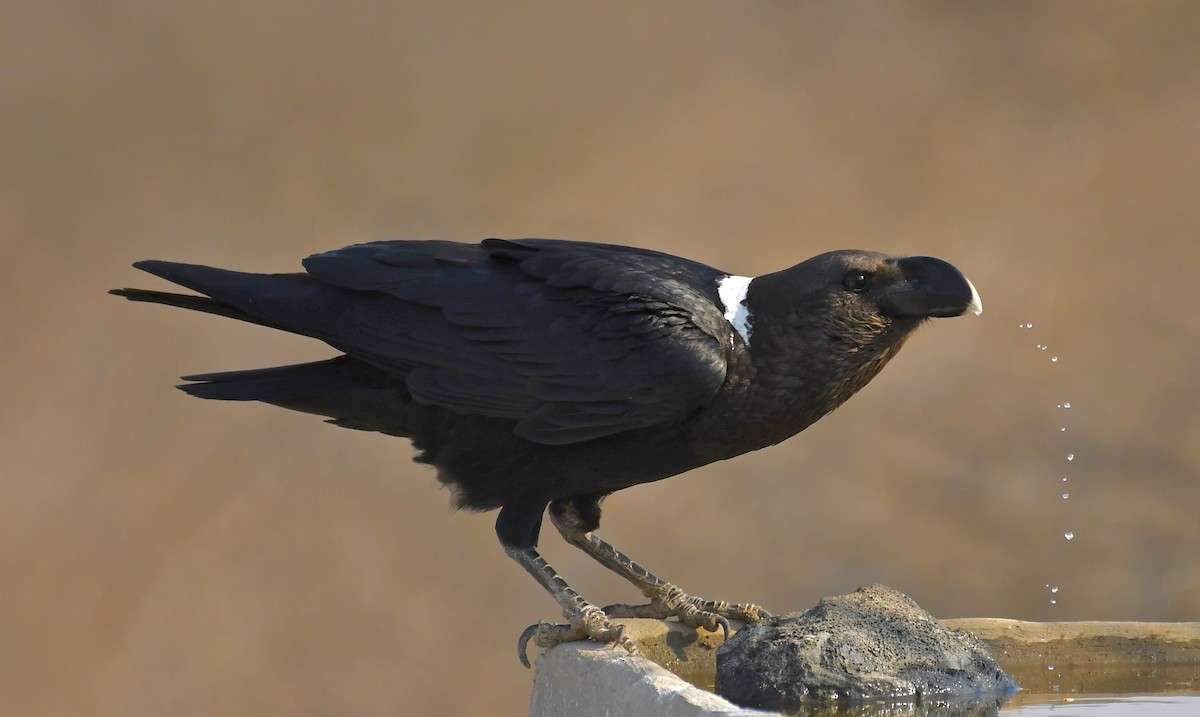
These birds are common at this altitude. They fly around camps and are very smart. We always tell climbers to close food bags because ravens can open zippers and steal snacks.
This zone feels wide and quiet. The sky looks bigger, the clouds feel closer, and your breathing is slower as your body adapts to thinner air.
Animals in the Alpine Desert (4,000–5,000 m)
Keywords: alpine desert animals Kilimanjaro
This is a harsh place. Cold wind, strong sun, and almost no plants. Oxygen is low and your body feels tired. Only the toughest animals can survive here.
You may see:
- Very limited mammals
Most mammals cannot survive above 4,000 meters because there is little food and extreme cold at night. Occasionally, small rodents appear near camps. - Rodents: Four-striped grass mice are sometimes seen around huts and camps. They eat food scraps and seeds and can survive freezing temperatures.
- Insects: A few hardy insects live here, hiding under rocks to escape wind and cold. They are most active when the sun is out.
- Hardy birds: White-necked ravens still fly at this height. You may also see small alpine birds feeding near camps. Birds survive better than mammals because they can travel to lower zones to find food.
Arctic Zone (Above 5,000 m)
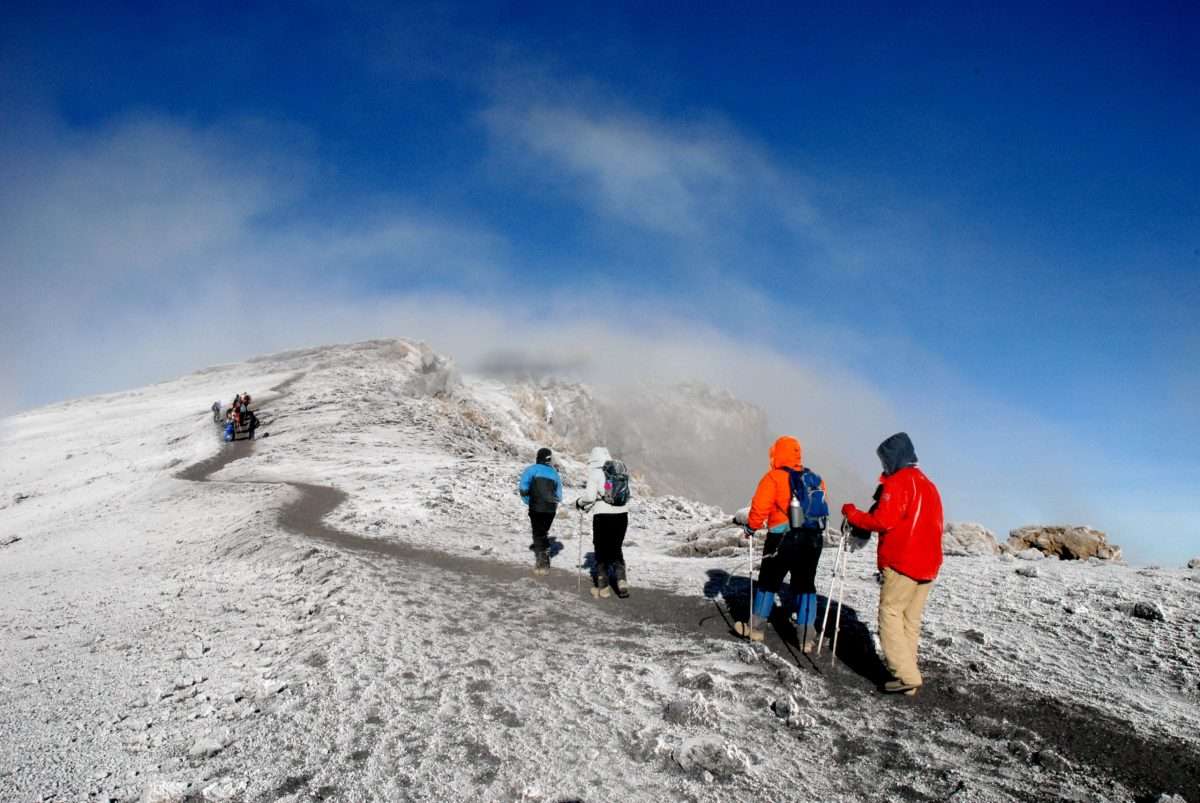
This is the top of the mountain, near Uhuru Peak. The ground is ice and rock. Temperatures drop well below freezing, and the air has about half the oxygen of sea level. Your body is working hard just to walk and breathe.
You will notice:
- Almost no animals
At this height, there is no grass, no trees, and almost no insects. Mammals cannot survive here because there is nothing to eat and the cold is too extreme. - Only a few birds
Sometimes you may see a white-necked raven flying near the summit. These birds can travel between high and low zones to find food. They do not live at the summit, but pass through it. - Extreme cold
Night temperatures can fall to –15°C to –20°C. Wind makes it feel even colder. This is why animals stay far below this zone. - Very low oxygen
At 5,895 meters, oxygen is scarce. Animals need energy to hunt and stay warm, and this zone cannot support that.
This zone feels silent and empty. You focus on your breathing, your steps, and the ice under your boots. It is a place for humans to pass through, not for wildlife to live.
Reptiles and Snakes on Kilimanjaro
Reptiles live only on the lower slopes of Kilimanjaro, where it is warm and wet. You will not see reptiles in the alpine desert or summit zones. Most reptiles stay below 2,800 meters, mainly in forest and bush areas.
You may find:
- Jackson’s chameleon
This three-horned chameleon lives in the rainforest zone between 1,800 and 2,600 meters. It moves slowly on branches and changes color with light and temperature. We often spot them in the early morning when they are still cold. - Dwarf Fischer’s chameleon
This smaller chameleon lives in bushes and low trees. It is native to northern Tanzania and southern Kenya only. It prefers cool, misty forest and hides well in leaves. - Puff adder (very rare)
Puff adders live in grass and bush areas at low altitude. They are venomous but extremely rare on Kilimanjaro trails. They avoid people and stay hidden. - Green mamba (forest only)
Green mambas live deep in forest trees and thick vegetation. They are shy and move away when they sense vibration. They are not seen on trekking paths. - Boomslang
Boomslangs are tree-dwelling snakes found in forest areas. They stay high in branches and are very difficult to spot. Bites are extremely rare.
Important safety facts:
- Reptiles are found mostly in the forest zone, not higher up
- Encounters are very rare because trails are used daily
- We avoid walking through tall grass and dense bush
- Our guides are trained to spot movement and keep distance
- Snakes do not chase humans and bite only when disturbed
In all our climbs, reptile sightings are uncommon. Most climbers never see a snake at all. Your biggest focus will be walking, breathing, and enjoying the forest sounds, not worrying about animals.
Which Kilimanjaro Route Has the Most Wildlife?
Not all Kilimanjaro routes offer the same chance to see animals. Wildlife depends on forest cover, human traffic, and nearby food sources. We always tell our climbers that Kilimanjaro is not a safari, but some routes do pass through better animal zones than others.
Rongai Route
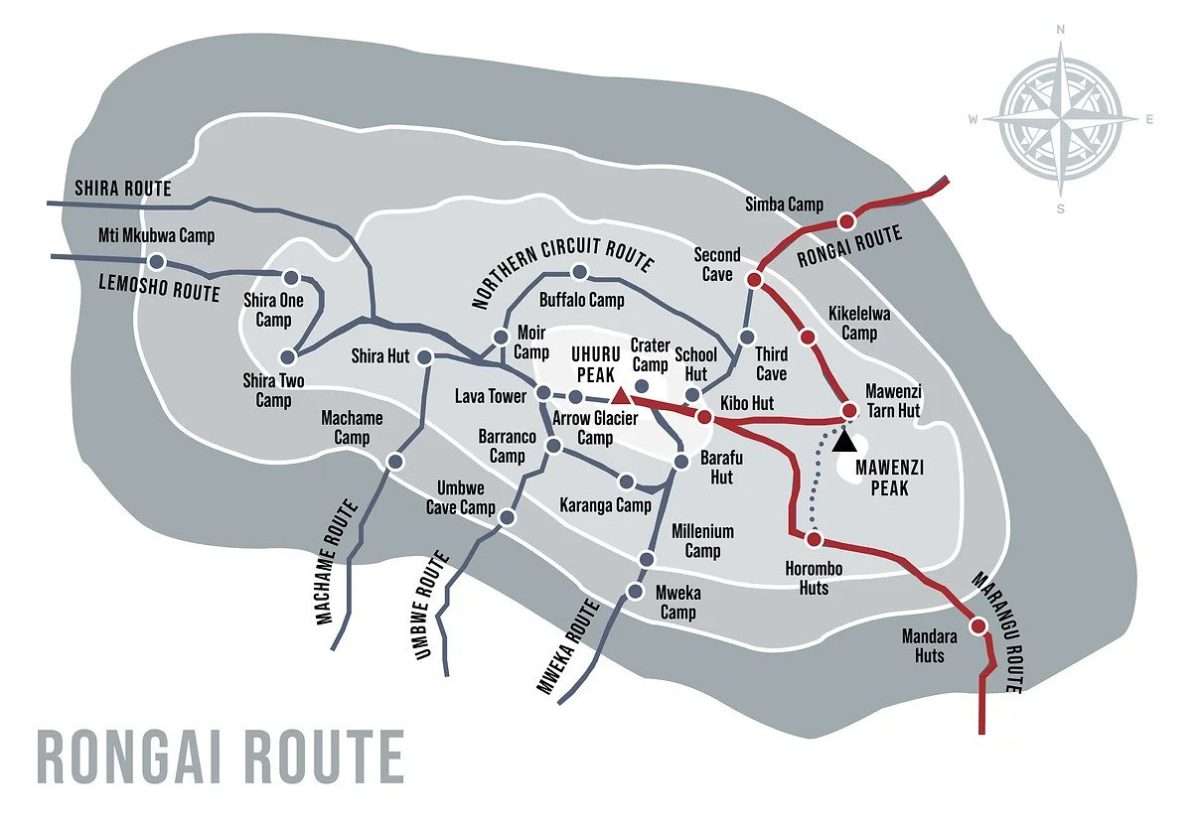
The Rongai Route has the best reputation for wildlife sightings on Kilimanjaro. This route approaches the mountain from the northern side, near the Kenyan border.
- You may see:
• Elephants moving through forest corridors
• Buffalo tracks
• Antelope
• Colobus and blue monkeys
• Many birds
Elephants are seen here more often because this side of the mountain connects to wildlife migration paths from Amboseli and Kenya’s plains. The forest is quieter, with fewer trekkers, so animals feel safer crossing this area.
This is why the Rongai Route is often called the best route for wildlife on Kilimanjaro.
Lemosho Route
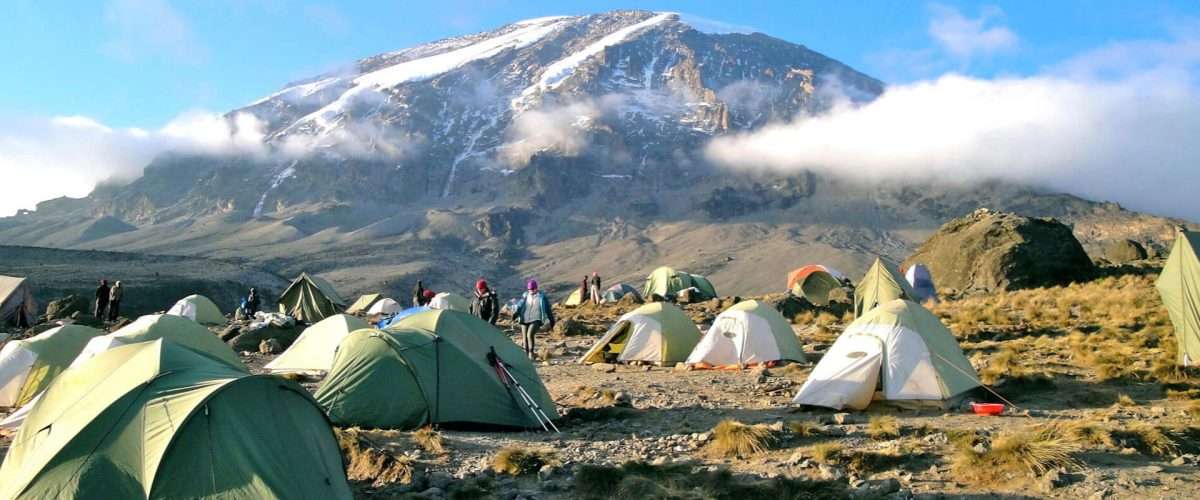
The Lemosho Route starts in deep rainforest on the western side of Kilimanjaro. It passes through thick forest before climbing into open moorland.
- You may see:
• Colobus monkeys
• Blue monkeys
• Bush babies at night
• Birds and chameleons
Because this route begins in untouched forest, you spend more time in animal habitat during the first days. Once you climb above the trees, wildlife becomes rare.
Machame Route
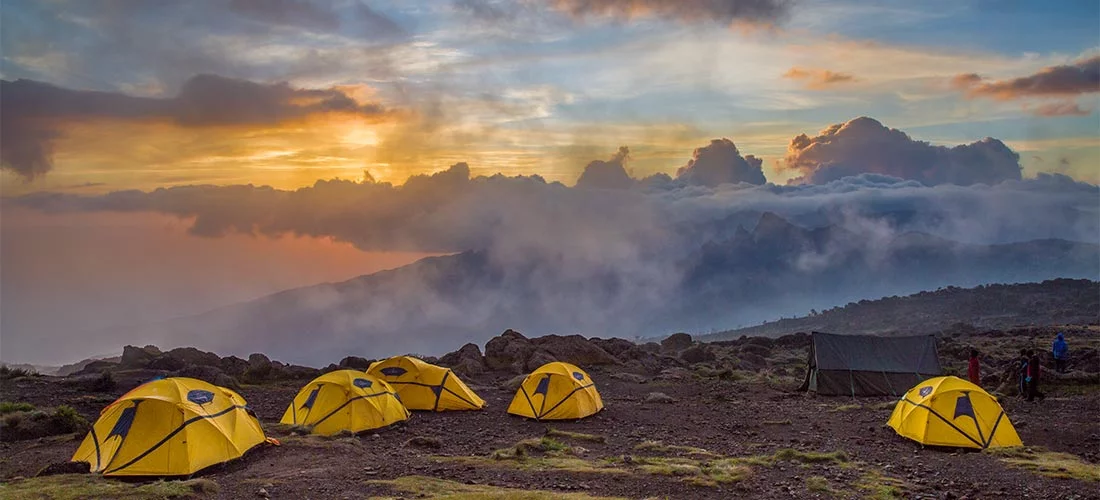
The Machame Route also passes through rainforest but is busier than Lemosho.
- You may see:
• Monkeys
• Birds
• Occasional small antelope
Animals here are more cautious because many trekking groups use this trail. You still get good forest wildlife, but less than Rongai or Lemosho.
Marangu Route

The Marangu Route has the least wildlife sightings.
- You may see:
• Monkeys
• Birds
• Small rodents near huts
This route has huts instead of tents and heavier daily traffic. Animals tend to stay away from the trail due to human noise and movement.
Are There Dangerous Animals on Kilimanjaro?
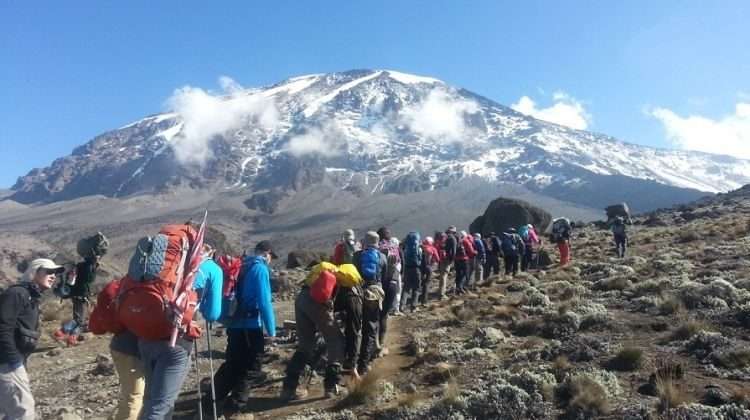
Yes, animals like lions and leopards exist in Kilimanjaro National Park, but climbers almost never encounter them.
Here is why Kilimanjaro is safe from animals:
- Trails start above the main predator zones
- Lions and leopards avoid humans
- They stay in low forest and park boundaries
- Climbers move in groups
- Guides monitor animal movement daily
In all our climbs, we have never had a client face danger from predators. Your bigger challenge will be altitude and weather, not animals.
So the answer is simple.
Yes, Kilimanjaro is safe from animals.
Best Time to See Animals on Kilimanjaro
Animals are easier to see when plants are thinner and trails are drier.
The best months are:
- June to October:
Dry season means fewer leaves and clearer paths. Animals are easier to spot and birds are active. - January to February:
Short dry season with good visibility and warm temperatures. Forest animals move more during these months.
Why dry season is better:
- Less thick vegetation
- Better trail visibility
- Animals come closer to water
- Fewer insects
During rainy months, animals hide deeper in forest and thick plants block your view.
Why You Rarely See the Big Five on Kilimanjaro
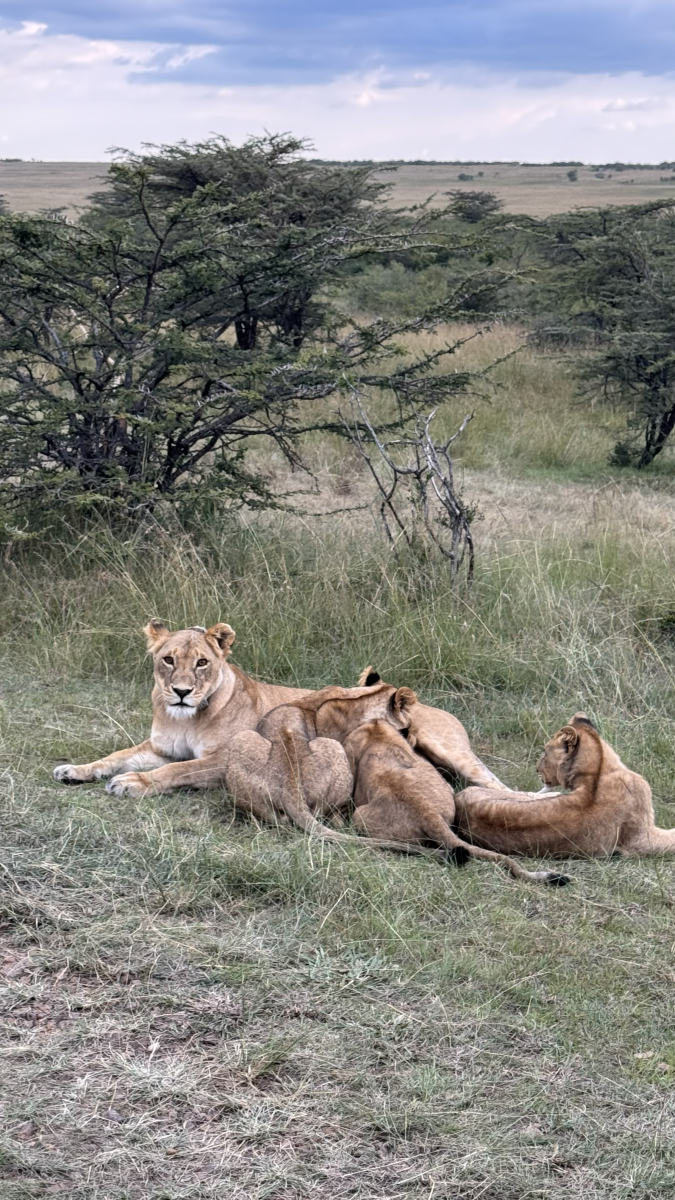
The Big Five are:
- Lion
- Leopard
- Elephant
- Rhino
- Buffalo
You rarely see them on Kilimanjaro because:
- There is not enough grass for large herds
- There is not enough prey for predators
- Cold temperatures limit food
- Altitude makes survival difficult
Elephants may pass through lower forest areas, especially on the Rongai Route, but they do not live high on the mountain.
If your goal is to see the Big Five, we always recommend visiting:
- Serengeti
- Ngorongoro Crater
- Tarangire
- Lake Manyara
These parks are built for wildlife viewing. Kilimanjaro is built for climbing.
Can You Combine Kilimanjaro Climb with Safari?
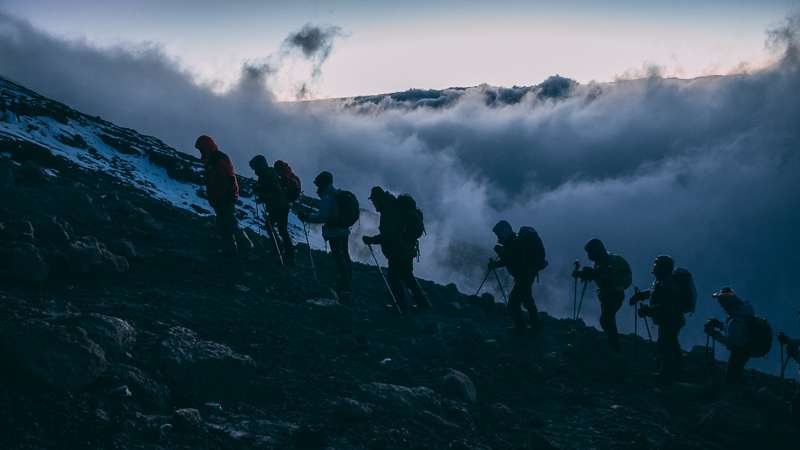
Yes, and this is what we recommend to most of our travelers.
A Kilimanjaro safari combo lets you:
- Climb Africa’s highest mountain
- Then relax and see wildlife
- Recover your legs in a vehicle instead of walking
Best safari parks to pair with Kilimanjaro:
- Serengeti for migration and predators
- Ngorongoro Crater for Big Five in one day
- Tarangire for elephants and baobabs
- Lake Manyara for birds and tree-climbing lions
We often plan:
Climb first → Safari after → Beach in Zanzibar if wanted
This way, you experience:
Mountain
Wildlife
Rest
All in one journey.
FAQs
What animals will I see on Kilimanjaro?
You can see monkeys, antelope, mongooses, porcupines, chameleons, and many bird species. Most animals live in the lower forest zones. Large animals stay near the foothills.
Are there snakes on Kilimanjaro?
Yes, but they are rare. Snakes like puff adders, green mambas, and boomslangs live mainly in the forest zone. Climbers almost never see them. Guides avoid tall grass and known habitats.
Will I see elephants on Kilimanjaro?
Elephants live on the lower slopes and forest edges. They are most often seen on the Rongai Route, which passes near wildlife corridors. You will not see elephants near the summit.
Is Kilimanjaro safe from wild animals?
Yes. Kilimanjaro is safe from wild animals. Predators avoid people, trails start above their main territory, and climbers walk in groups with trained guides.
Which Kilimanjaro route has most wildlife?
The Rongai Route has the best chance of wildlife sightings. It passes through quieter forest areas where elephants and antelope move between parks.
Are there birds on Kilimanjaro?
Yes. There are over 150 bird species on Kilimanjaro, including ravens, hornbills, sunbirds, turacos, and alpine chats. Birds are the most common wildlife you will see on the climb.
Do lions live on Kilimanjaro?
Lions live in Kilimanjaro National Park but stay in low forest areas. Climbers do not meet lions because trails begin higher and lions avoid humans.
Blog Summary
Kilimanjaro wildlife exists but Mount Kilimanjaro is not a safari park. You mainly see animals in the lower forest zones, not near the summit.
What animals live on Kilimanjaro includes monkeys, antelope, mongooses, porcupines, chameleons, and over 150 bird species. Large mammals stay near the foothills.
Wildlife by altitude on Kilimanjaro changes with climate zones. The rainforest zone has the most animals, while the alpine desert and summit zones have almost none.
The best route for wildlife on Kilimanjaro is the Rongai Route because it passes through quiet northern forests used by elephants and antelope.
Dangerous animals on Kilimanjaro like lions and leopards exist in the park but avoid climbers. Trails start above their territory and guides monitor wildlife movement.
The best time to see wildlife on Kilimanjaro is during the dry seasons from June to October and January to February when plants are thinner and animals are easier to spot.
You rarely see the Big Five on Kilimanjaro because there is little grass, low prey numbers, and high altitude. Safari parks like Serengeti and Ngorongoro are better for Big Five viewing.
The best experience is a Kilimanjaro safari combo, where you climb the mountain first and then visit Serengeti, Ngorongoro, Tarangire, or Lake Manyara for full wildlife viewing.


