
Tanzania’s beaches are some of the most beautiful in the world, and Zanzibar sits at the center of all of it. After days on safari in the Serengeti or Ngorongoro Crater, the shift to white sand and warm Indian Ocean water feels like the trip finding its natural close. The contrast is what makes it so good. You go from the dust and drama of the African bush to turquoise water, coral reefs, and fresh seafood at sunset, all within a single journey.
Tanzania Beach Quick Answer
Tanzania’s best beaches are concentrated in Zanzibar, with Nungwi and Kendwa on the north coast offering the most consistent swimming and the liveliest atmosphere, while Paje and Jambiani on the east coast deliver kitesurfing and authentic fishing village culture. For seclusion, Mnemba Island and Fanjove Island are two of East Africa’s finest private island retreats. On mainland Tanzania, Saadani National Park uniquely combines beach and Big Five safari in a single destination.
Beaches in Tanzania at a Glance
| Beach | Location | Best For |
|---|---|---|
| Nungwi | North Zanzibar | Lively atmosphere, kitesurfing, sunsets |
| Kendwa | North Zanzibar | Younger crowd, beach bars, full-moon parties |
| Paje | East Zanzibar | Kitesurfing, local culture, budget travelers |
| Jambiani | East Zanzibar | Quiet, authentic, seaweed farming villages |
| Matemwe | East Zanzibar | Seclusion, snorkeling, empty shoreline |
| Kiwengwa | East Zanzibar | Powdery sand, calm water, resort feel |
| Pongwe | East Zanzibar | Pier views, low-tide walks, tranquility |
| Mtende | South Zanzibar | Wild, cliff coast, off the beaten track |
| Mangapwani | West Zanzibar | Secluded, historical caves, total quiet |
| Mnemba Island | Off Northeast Zanzibar | Romantic, diving, snorkeling, luxury |
| Fanjove Island | South Zanzibar archipelago | Eco-luxury, turtles, unpolluted skies |
| Pemba Island | North of Zanzibar | Diving, untouched, Fundu Lagoon |
| Ushongo Beach | Mainland Tanzania | Fishing village, no crowds, seafood |
| Ras Kutani | Mainland, south of Dar | Day trips, snorkeling, shipwreck diving |
| Saadani National Park | Mainland Tanzania | Safari meets beach, elephants and ocean |
Zanzibar: Tanzania’s Island Paradise
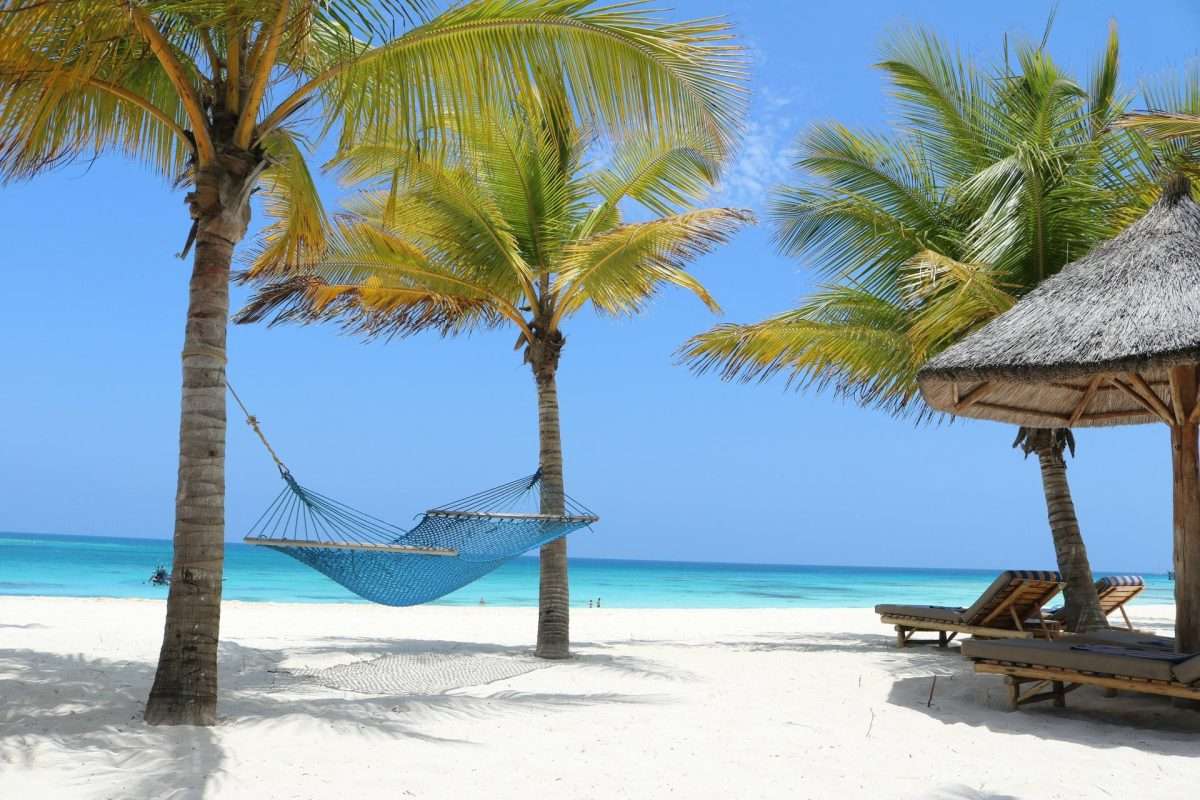
Zanzibar is not just one island. It is an archipelago of around 54 islands off the coast of Tanzania. The largest and most visited is Unguja, which most people simply call Zanzibar. Pemba Island sits to the north, largely untouched by tourism. Mafia Island lies to the south, famous for whale shark encounters. Smaller islands like Mnemba, Fanjove, and Misali round out an archipelago that genuinely earns every superlative thrown at it.
TourwithPipi builds this combination into every Tanzania itinerary that runs long enough to include it.
Nungwi Beach:
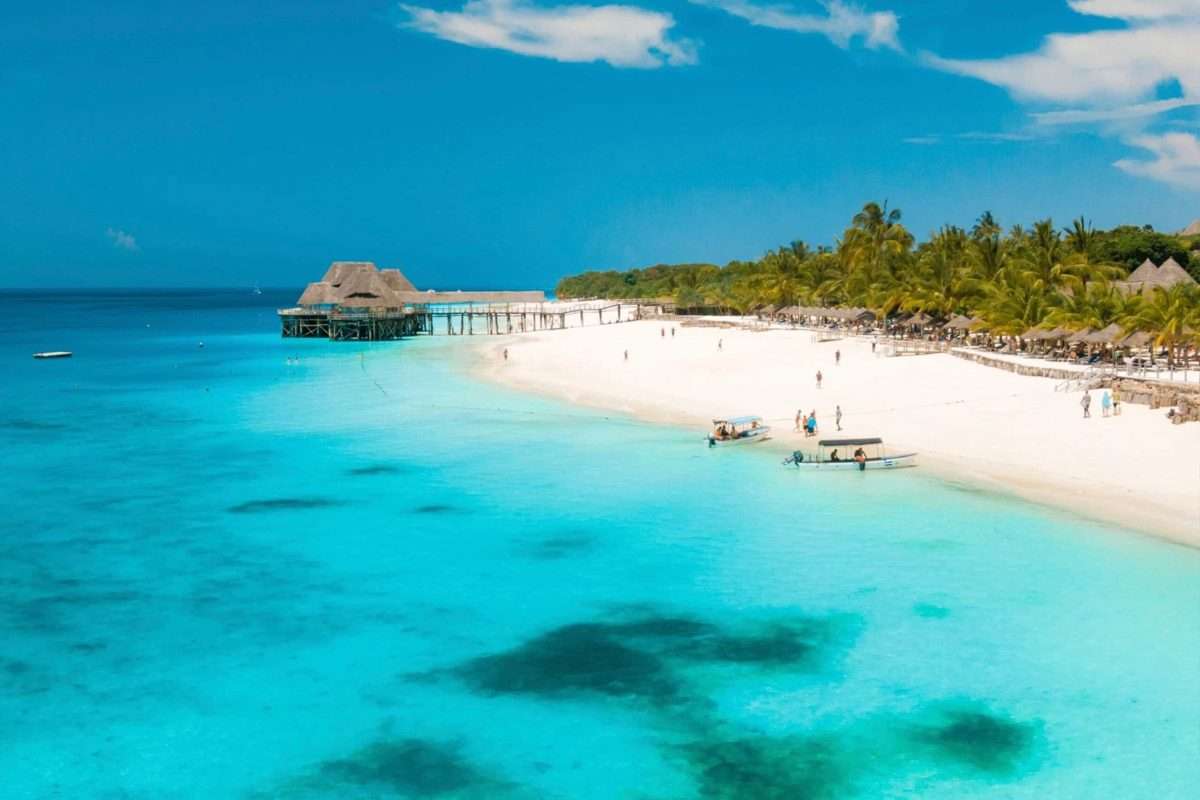
Nungwi sits at the northernmost tip of Unguja and is one of the most beautiful beaches in all of Tanzania. The sand is powdery white and the water stays deep enough for swimming at all tidal stages, which is not true of every beach on the island. This makes Nungwi one of the most consistently swimmable beaches in Zanzibar.
The village has an energy that suits travelers who want activity alongside relaxation. Bars, restaurants, water sports, and sunset dhow cruises are all available from the beachfront. Traditional fishing boats still launch from the shoreline at dusk for night fishing, which gives Nungwi an authenticity that sits alongside its popularity. Kitesurfing here is excellent thanks to consistent tidal conditions that allow launching at any time of day, unlike the eastern beaches where low tide pulls the water out too far.
Activities: Kitesurfing, scuba diving, snorkeling, sunset dhow cruises, parasailing, deep sea fishing.
Kendwa Beach:
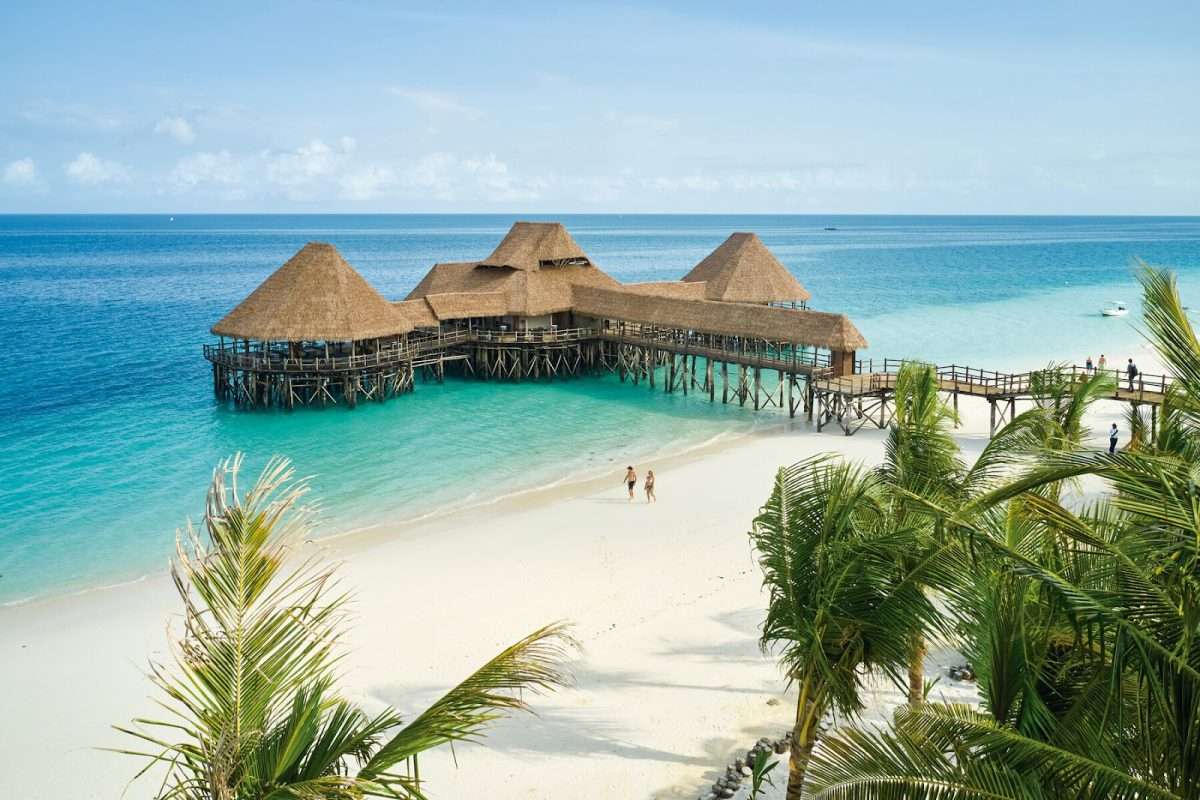
Kendwa is 15 minutes south of Nungwi and shares much of the same coastline quality. The sand is equally fine, the water equally clear, and the sunsets from this stretch of coast are among the best in Zanzibar. Where Kendwa differs is in atmosphere. This beach draws a younger crowd and is famous across East Africa for its full moon beach parties.
Shack-style bars line the beachfront and music plays through the night on weekends and during the full moon events. If that is not your preference, the eastern beaches are a better fit. But if you are ending a safari with a group and want energy and celebration after two weeks in the bush, Kendwa delivers.
During high season, both Kendwa and Nungwi can get crowded. Arriving outside of peak periods from June to August or December to January means significantly more space on the beach.
Paje Beach:
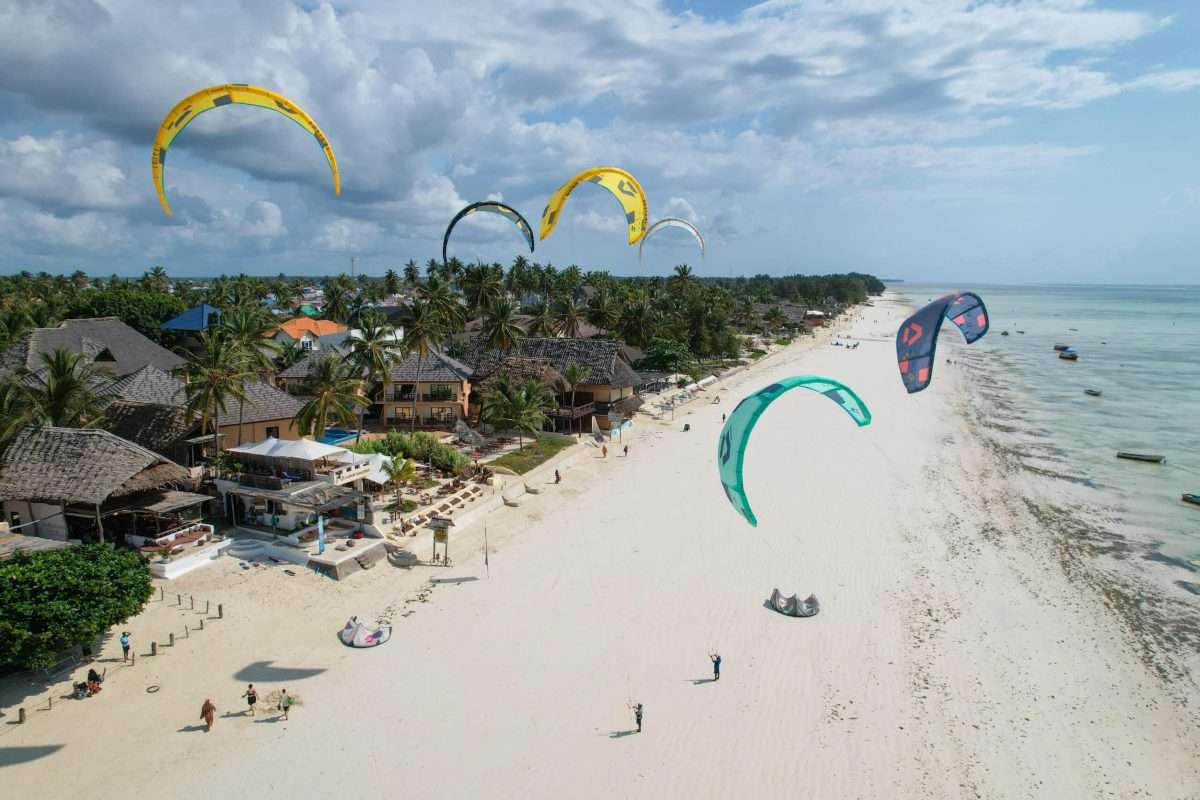
Paje is on the east coast of Unguja and earns its reputation as Zanzibar’s kitesurfing capital honestly. The side-shore winds blow almost every day of the year and the wide, shallow lagoon at low tide creates ideal launch conditions for beginners and experienced riders alike.
The sand at Paje is genuinely remarkable. Fine and flour-white, it contrasts with the intense turquoise of the water in a way that looks almost artificial until you are standing in it. At low tide the sea recedes significantly, revealing the seaweed farming plots tended by local women who have worked this beach for generations. Seaweed from Paje is now one of Tanzania’s notable export products, used in cosmetics and food production globally.
Beyond kitesurfing, Paje has a good selection of restaurants serving fresh fish and seafood brought in daily from the nearby fishing village. The beach has a relaxed backpacker energy and is popular with budget travelers and surfers, though comfortable mid-range and upscale accommodation has expanded here considerably in recent years.
Activities at Paje: kitesurfing, snorkeling, dhow boat hire, beach walks to Jambiani, seaweed farm visits, fresh seafood dining.
Jambiani Beach:
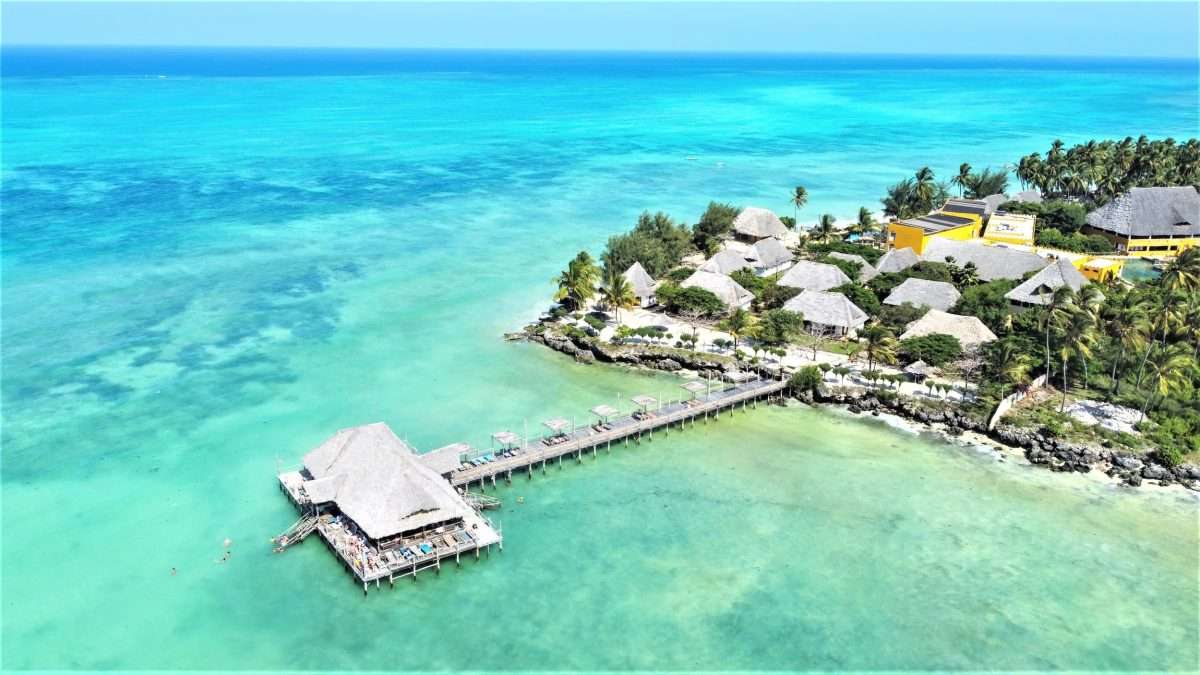
Jambiani is on the same eastern coastline as Paje but feels like a different world. This is where you come when you want to genuinely slow down. There are no beach hustlers, no persistent vendors, and no party atmosphere. What you get instead is a real fishing village built around the sea, where children play in the shallows, men repair nets under palm trees, and women walk the low-tide beach tending their seaweed plots.
The beach is a tidal one. At low tide the sea pulls back significantly, leaving the sand exposed and sometimes scattered with seaweed debris. This is part of the rhythm here and very much part of the local culture rather than an inconvenience. Swimming is best at high tide.
One of the best ways to spend a day at Jambiani is simply walking. A 20-kilometre beach walk from Jambiani north through Bwejuu, Dongwe, and Pingwe to Michamvi passes through some of the most untouched coastal scenery on the island. Scuba diving here reveals seahorses, octopuses, stingrays, and turtles. Deep sea fishing for marlin, tuna, sailfish, and dorado is popular with serious anglers. The Blue Lagoon at Dongwe, a 15-minute drive north, is a popular snorkeling spot reachable as a half-day excursion.
Traditional bao boards appear outside guesthouses throughout the village. Bao is a Zanzibari strategy game similar to mancala and a genuine part of local social life. Sitting down for a game with someone from the village is more memorable than any organized activity.
Activities at Jambiani: beach walking, scuba diving, kitesurfing, deep-sea fishing, dhow cruises, Blue Lagoon snorkeling, cultural village visits.
Matemwe Beach:
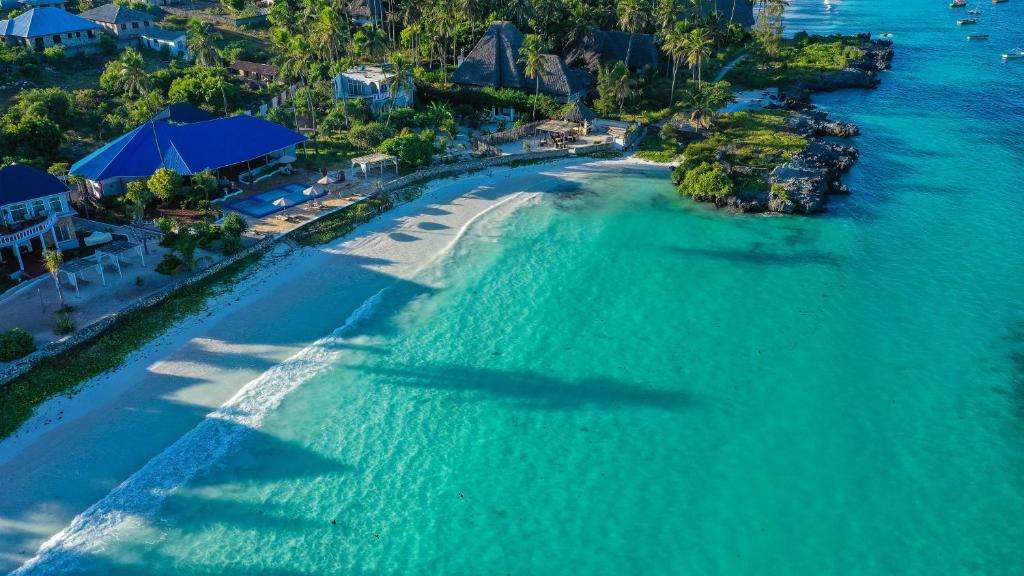
Matemwe Beach stretches along the northeastern coast of Unguja and feels genuinely endless. On a quiet morning you can walk for an hour without seeing another tourist. The horizon stays empty. The water is clear. The reef offshore at Matemwe is one of the better snorkeling and diving spots on this side of the island, and Mnemba Atoll, one of East Africa’s top dive sites, is a short boat ride away.
This beach suits travelers who want peace after a long safari, good marine life without the crowds of Nungwi, and the sensation of having a stretch of the Indian Ocean largely to themselves. Accommodation is a mix of small boutique guesthouses and a few well-positioned mid-range lodges.
Kiwengwa Beach:
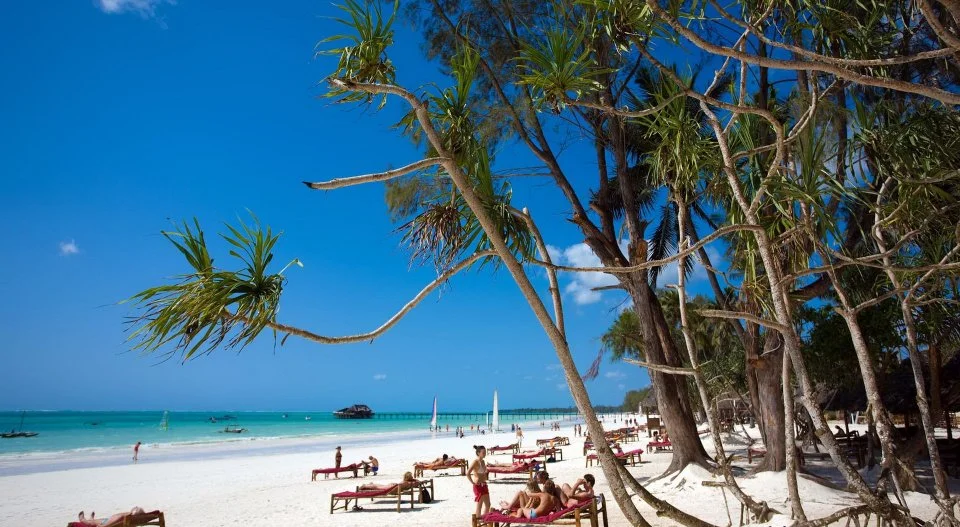
Kiwengwa on the northeastern coast offers some of the finest sand on the island, soft and pale against water that shifts from pale green in the shallows to deep blue further out. The beach here is wide enough to feel spacious even during busier periods. The pace is slower than Nungwi and the atmosphere suits couples and families looking for comfort and quiet in equal measure.
The reef protects the bay from strong currents, making the water consistently calm and safe for swimming. Several larger resort properties are positioned along this stretch of coast, and the area has developed comfortably without losing its beach character.
Pongwe Beach:
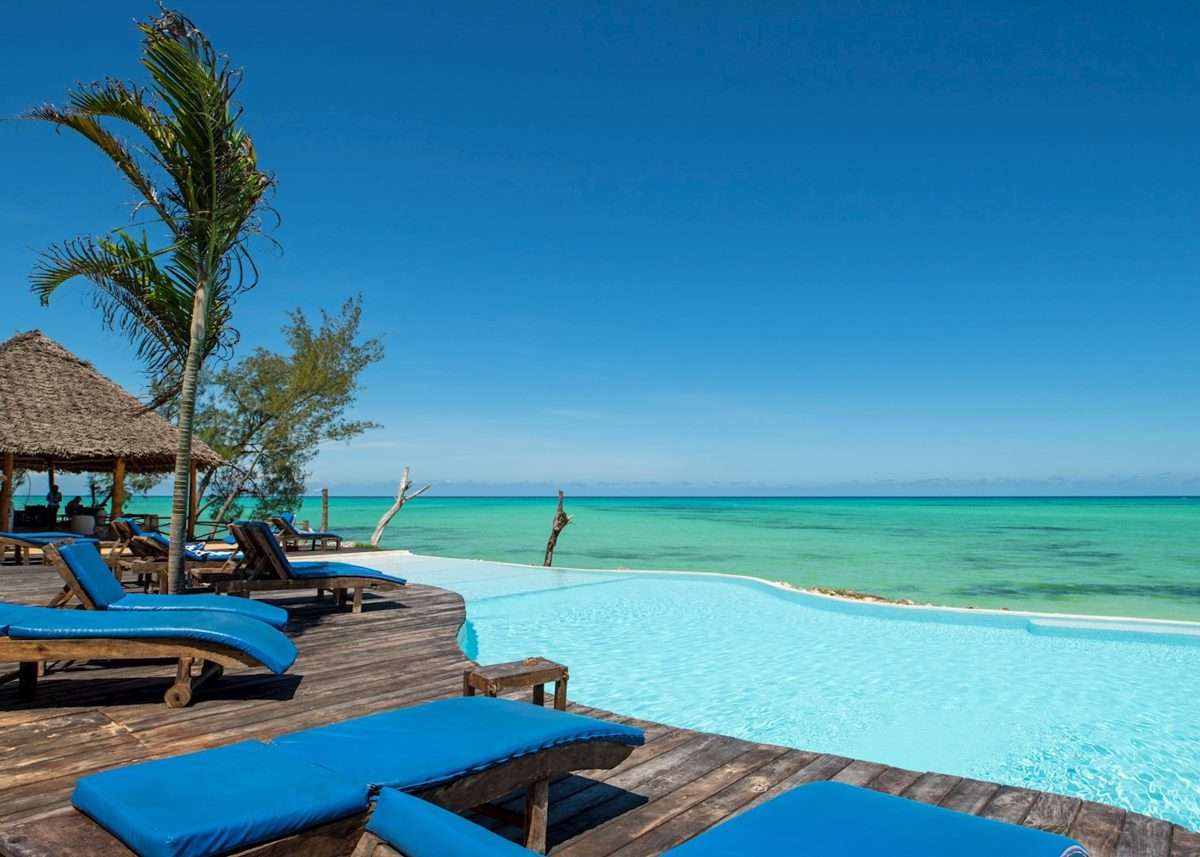
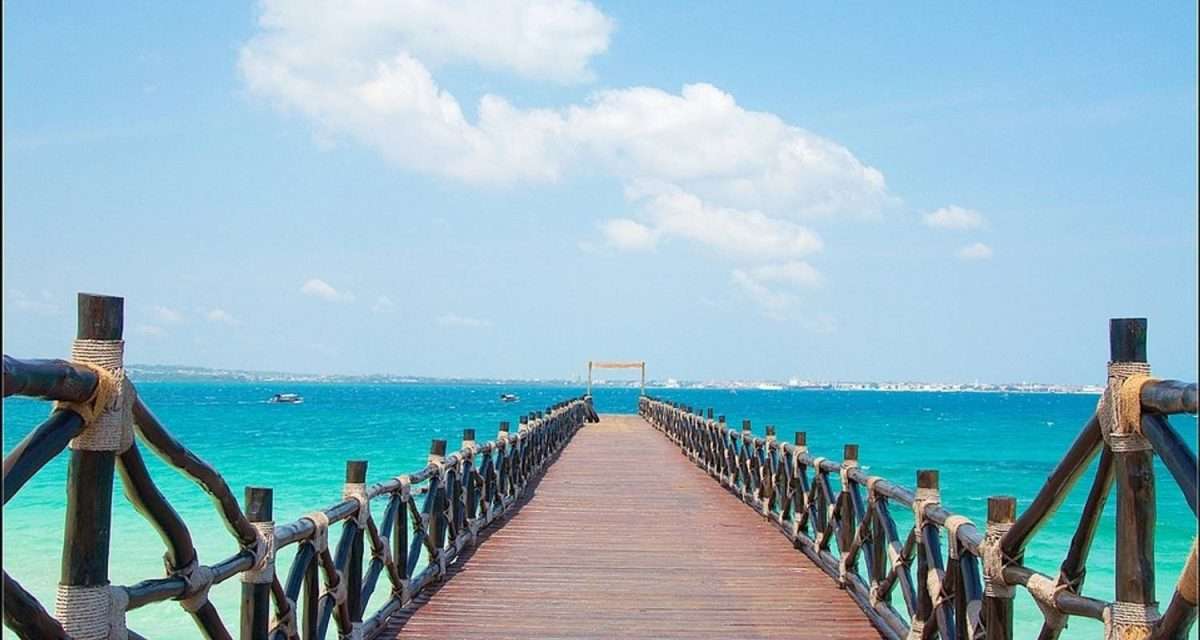
Pongwe is a small, tucked-away beach on the east coast with a long wooden pier that extends out over the shallow water, one of the more photogenic spots on this side of the island. At high tide the views from the pier looking back to shore are genuinely beautiful. At low tide the sea pulls back far enough that you can walk long distances across exposed sand and shallow pools, following the receding water out toward the reef.
Pongwe is quiet by Zanzibar standards. There is one main lodge and a handful of smaller properties. The tidal character of the beach means the experience changes completely between morning and afternoon, which gives it a rhythm that more commercial beaches lack.
Mtende Beach:
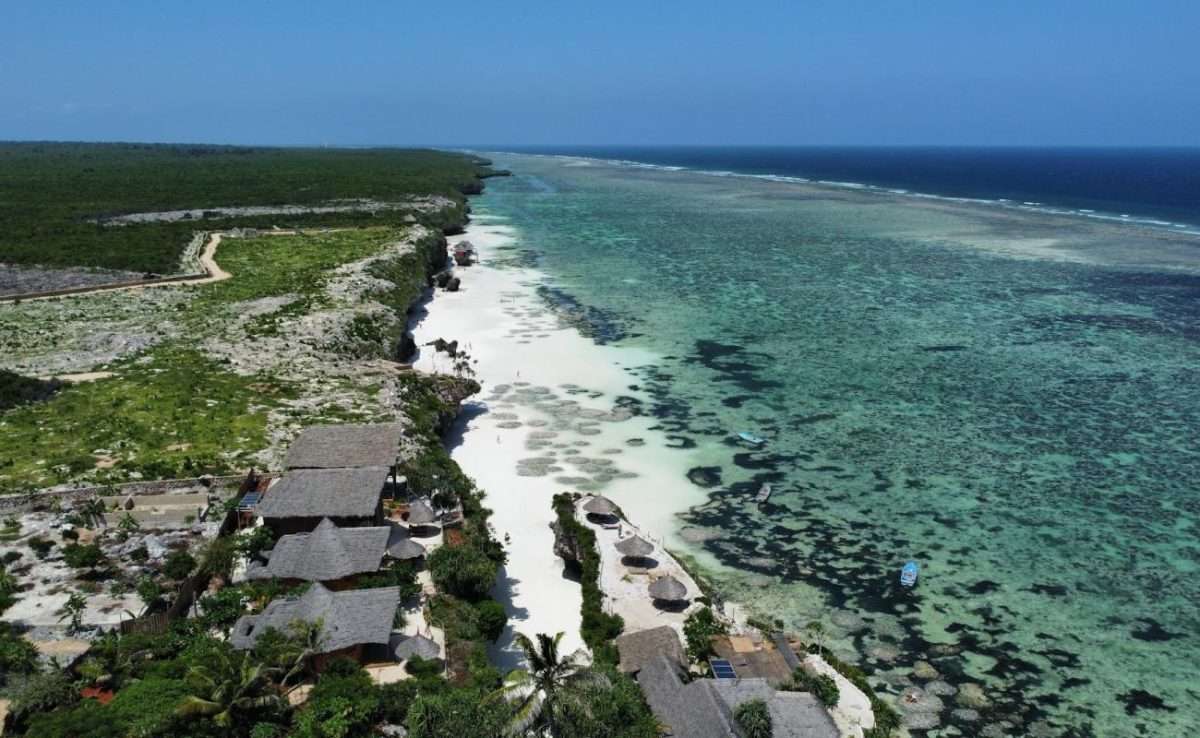
Mtende is on the far southern tip of Unguja and is unlike any other beach on the island. The coastline here is dramatically different from the flat, sandy stretches of the north and east. Cliffs drop toward the water in places, creating a rugged, wild character that feels genuinely off the beaten track. The beach has not been developed for tourism in any meaningful way, which is both its inconvenience and its appeal.
Getting here requires effort. That effort is exactly why it stays uncrowded. If wild, undeveloped coastline is what you are looking for at the end of a safari, Mtende delivers something that the more popular beaches in Tanzania simply cannot.
Mangapwani Beach:
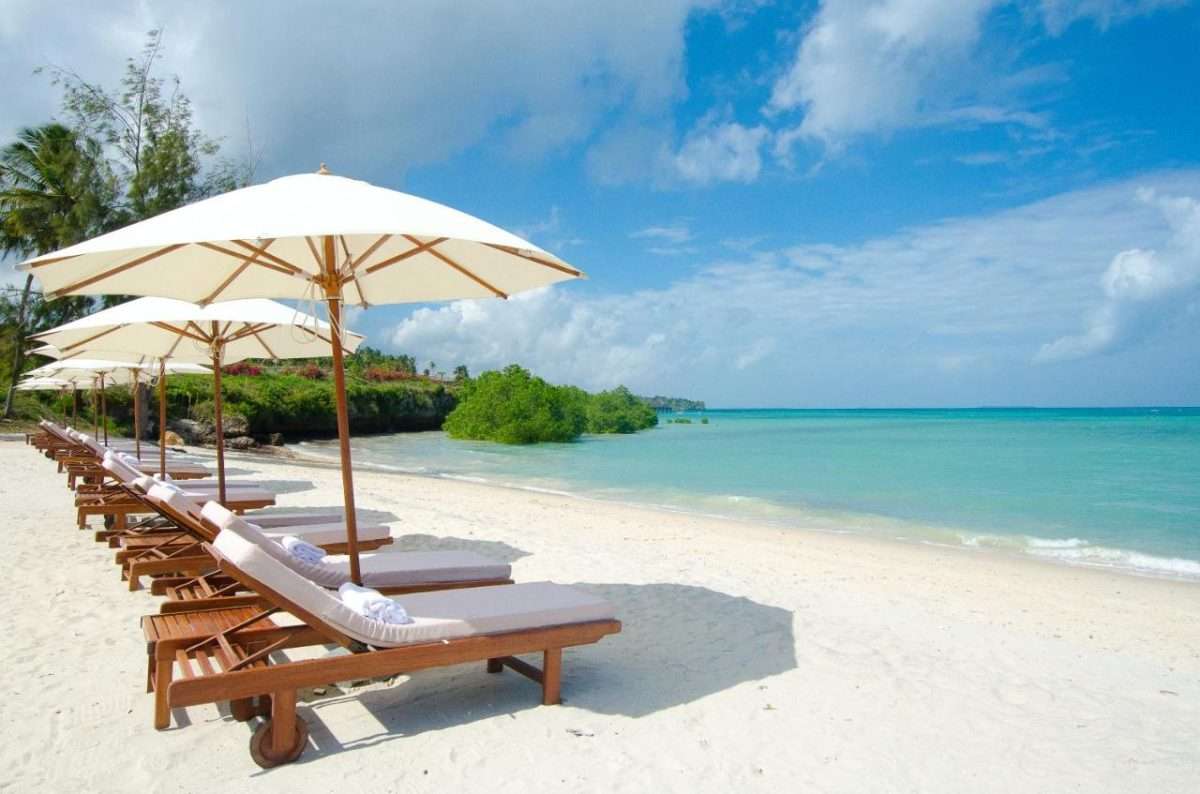
Mangapwani sits on the western coast of Unguja, away from the trade winds and the kitesurfers and the beach bars. It is a small, secluded beach where abandoned fishing boats sit on the sand and the water is calm and warm.
Near Mangapwani are two historical caves worth visiting: one was used as a water reservoir by an Arab merchant in the nineteenth century, the other as a holding point during the slave trade era. The combination of complete coastal seclusion and genuine historical depth makes Mangapwani one of the more layered half-day excursions from Stone Town.
The Rock Restaurant and Michamvi Pingwe
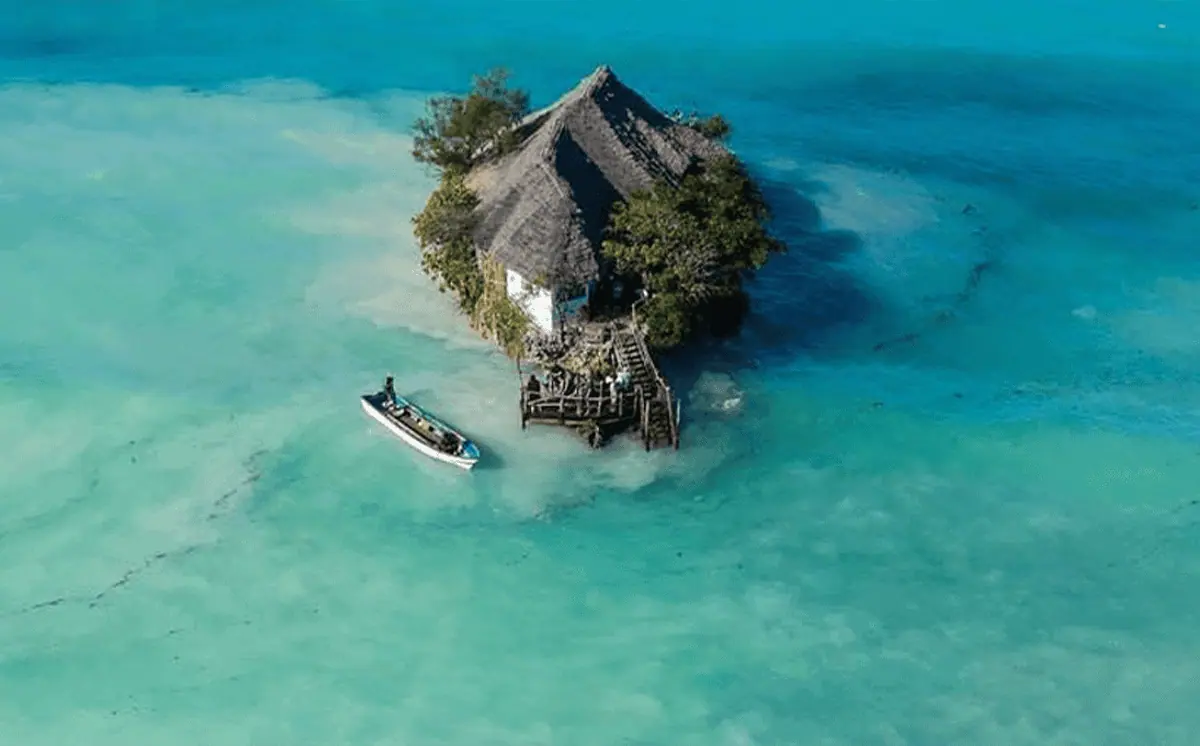
No guide to Zanzibar beaches is complete without The Rock. Built on a small outcrop of coral rock just offshore from Michamvi Pingwe beach on the southeastern coast, The Rock restaurant is one of the most photographed dining spots in Africa. At low tide you walk to it across the sand. At high tide a small boat takes you across the water. The menu focuses on fresh seafood and the location alone justifies the visit, though booking well in advance is essential.
The beach at Michamvi Pingwe itself is long, quiet, and largely undeveloped. It is a good base for exploring the southeastern coast, and the Chwaka Bay mangrove system nearby is worth a morning by boat.
Mnemba Island
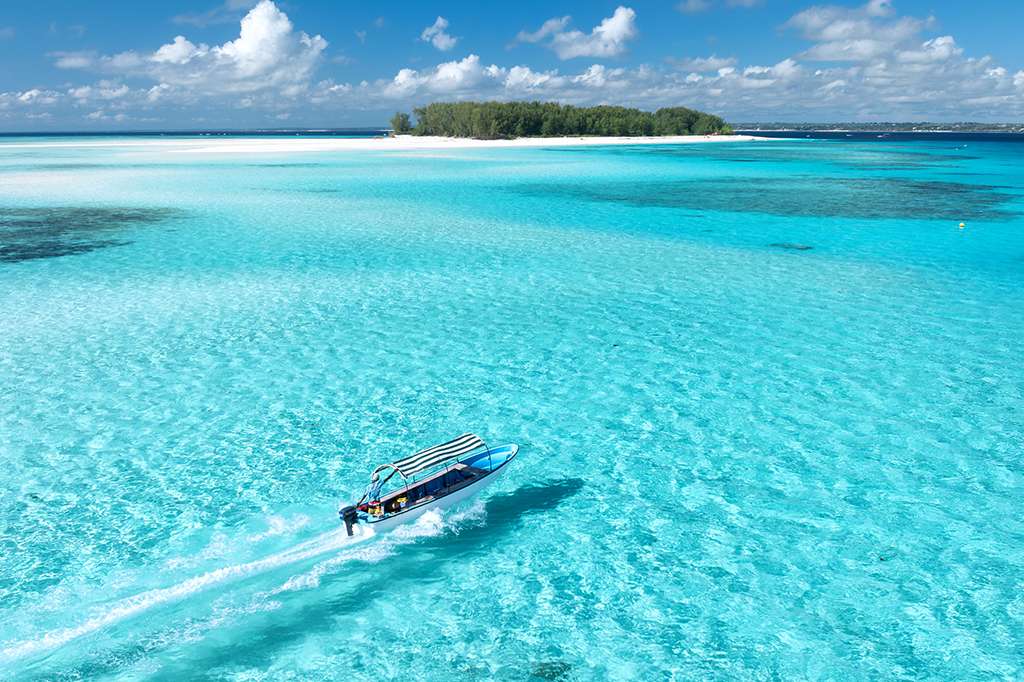
Mnemba Island is a small private island off the northeastern tip of Unguja, managed by Andbeyond. It is one of the most sought-after romantic retreats in all of East Africa. The island is surrounded by Mnemba Atoll, a protected marine area with some of the best diving and snorkeling conditions in Tanzania. Dolphins are frequently seen in the water around the atoll, and sea turtles nest on the beaches. Yoga sessions, beach massages, and all-day swimming in consistently calm, clear water define the pace here. Access is exclusively for guests.
Fanjove Island
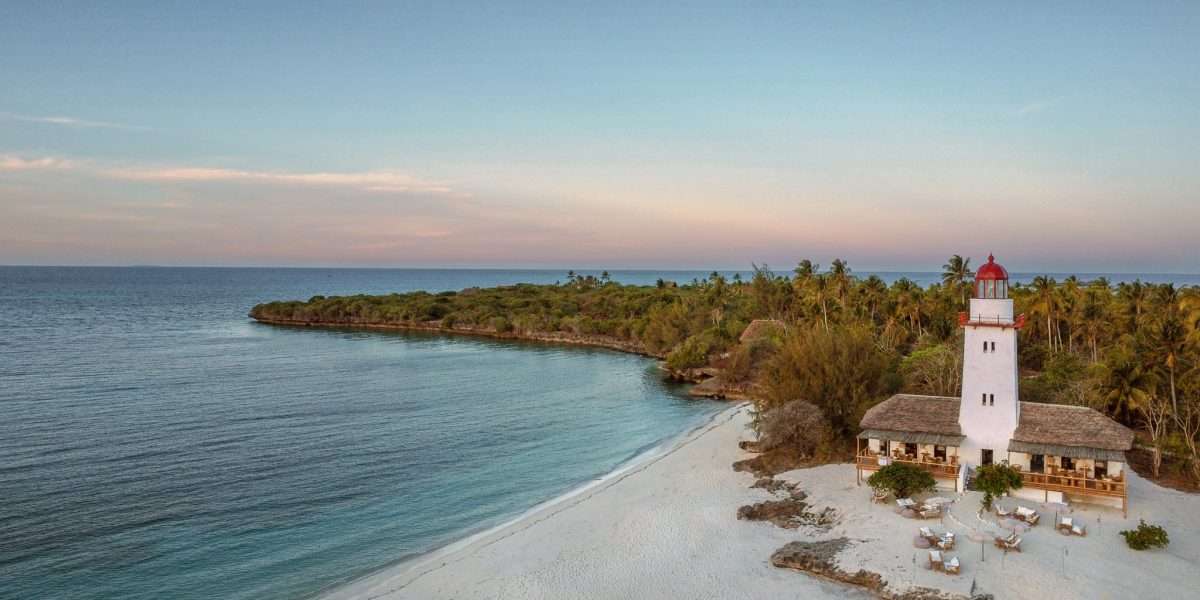
Fanjove Island is a small private island in the southern reaches of the Zanzibar archipelago, run with a genuine eco-conscious approach. There is no air conditioning and no television. What there is instead is pristine white sand, unpolluted night skies dense with stars, pods of dolphins, green turtles nesting on the beach, and a level of quiet that is increasingly rare. For travelers who value environmental responsibility alongside genuine seclusion, Fanjove is one of Tanzania’s most special properties.
Pemba Island:
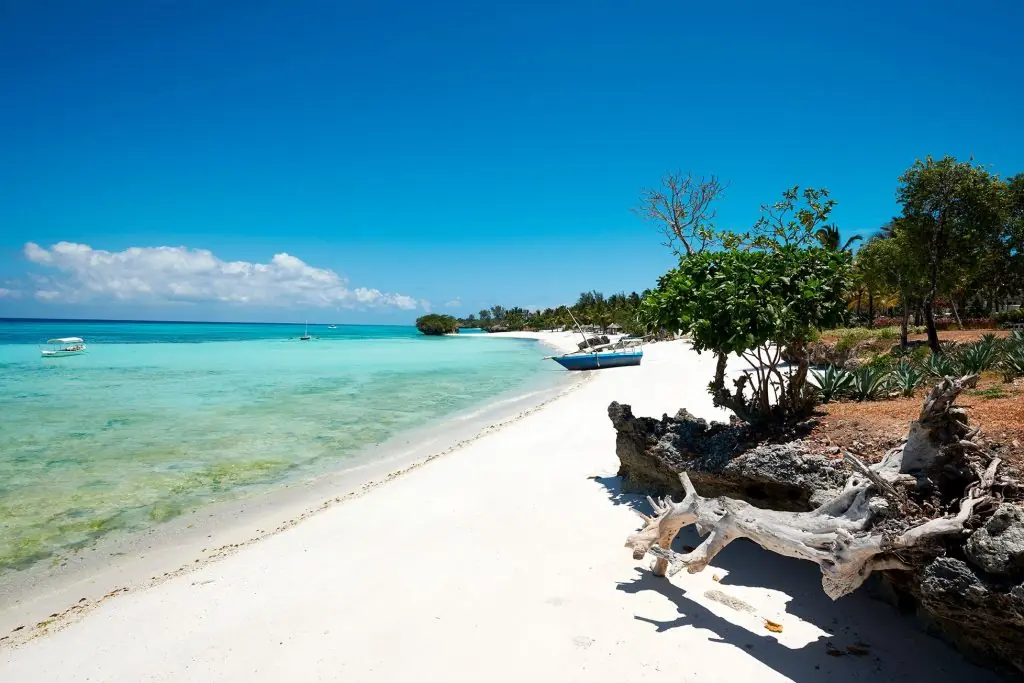
Pemba Island lies north of Unguja and has remained largely untouched by the kind of tourism that has shaped Nungwi and Paje. That is the point. Pemba’s steep underwater walls and strong currents create some of the most biodiverse diving conditions in the Indian Ocean. Hammerhead sharks, manta rays, and dense schools of pelagic fish are regular sightings for experienced divers.
- Fundu Lagoon is Pemba’s standout beach, a white sandy arc bordered by dense mangrove forest that adds a lush, tropical quality to the shoreline.
- Vumbavimbi Beach on the eastern shore is completely undeveloped. No bars, no hotels, no restaurants. Traditional fishing boats sit in the shallows and local fishermen cycle down to the water each morning. Bring a picnic and spend the day.
- Misali Island, a small island off Pemba’s western coast, is reachable with a local tour operator and offers genuine seclusion alongside some of the finest white sand beaches in the entire Zanzibar archipelago.
Mainland Tanzania Beaches
Ushongo Beach
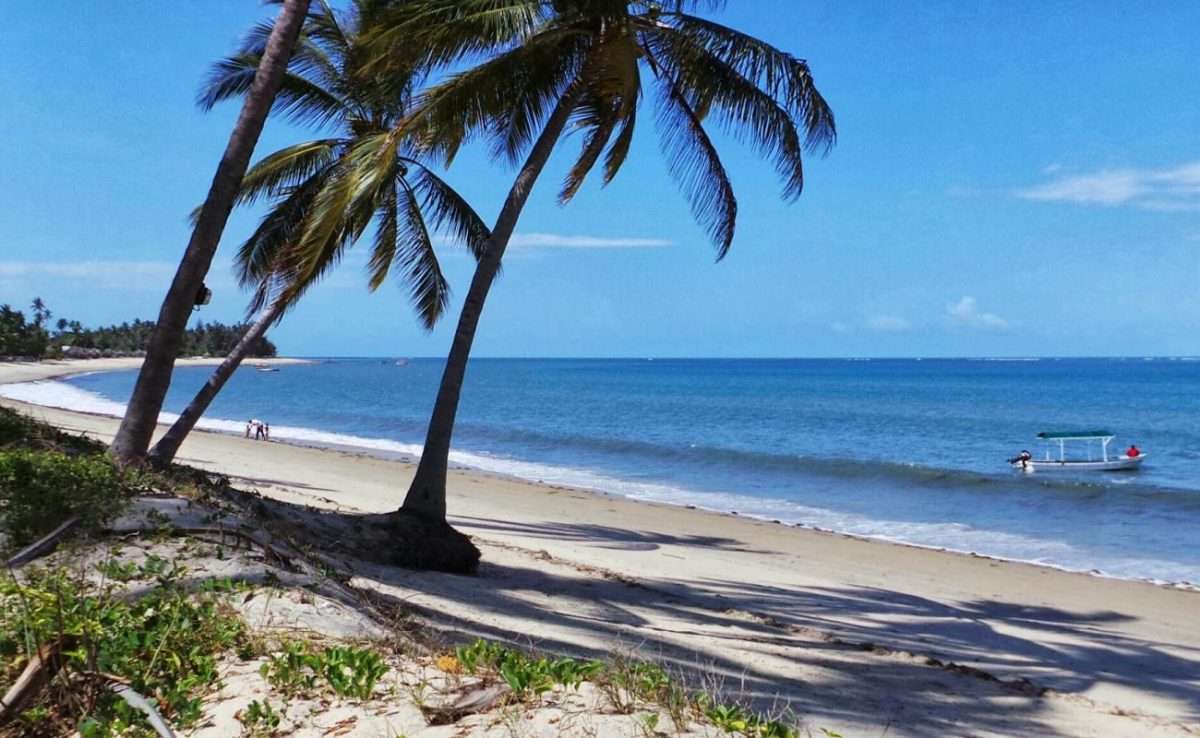
Ushongo is a traditional fishing village on the mainland Tanzania coast north of Dar es Salaam, in the Pangani district. It does not see the visitor numbers of Zanzibar, which means no beach vendors and no tourist infrastructure pushing in on the experience. What it has is a genuinely authentic fishing community, excellent fresh seafood served in open-air settings, and easy access to Maziwe Marine Reserve.
Maziwe Marine Reserve is the oldest marine reserve in Tanzania. The reef here is healthy and the sandbar that appears at low tide makes for one of the more unusual snorkeling experiences on the mainland coast.
Ras Kutani Beach
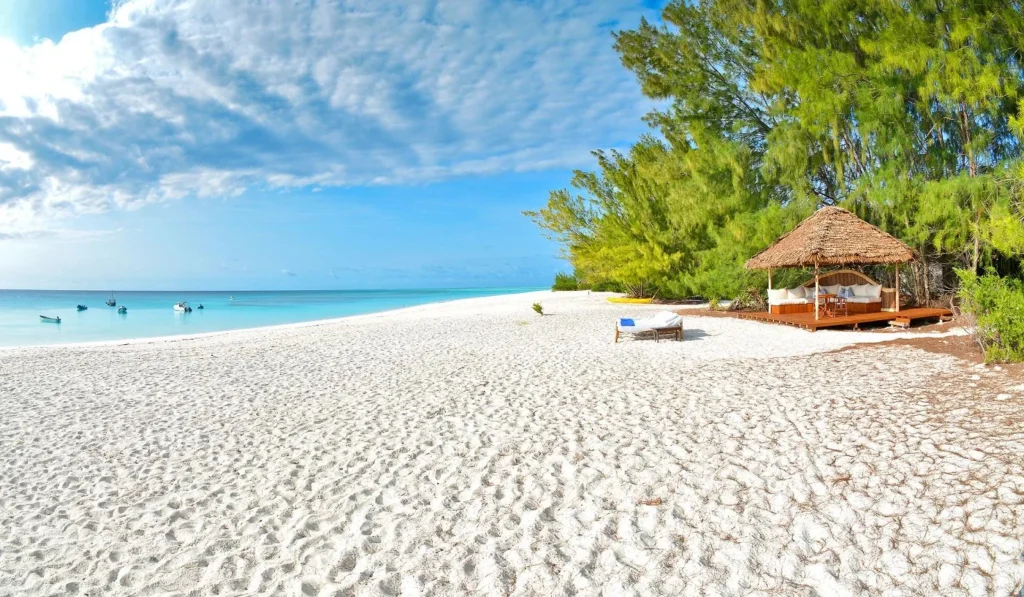
Ras Kutani juts into the Indian Ocean around 25 kilometres south of Dar es Salaam. The beach is long, the water is clear, and a shipwreck just offshore makes it one of the more interesting snorkeling spots on the mainland. It is easily accessible as a day trip from Dar and Ras Kutani Lodge offers accommodation, kayaking, fishing, and turtle nesting tours for those who stay.
Saadani National Park
Saadani is the only national park in East Africa that directly borders the Indian Ocean. Mornings here go on game drives through mangrove forest and acacia woodland where elephants, lions, giraffes, and buffalo are resident. Afternoons you sit on the beach. The two experiences happening within the same park, separated by a short drive, make Saadani genuinely unlike anywhere else.
Sange Beach inside Saadani is the park’s hidden beach, dotted with swaying palms and thatched accommodation. It is as far from a commercial beach as you can get while still being reachable within a day from Dar es Salaam.
Combining Tanzania Safari with a Beach Holiday
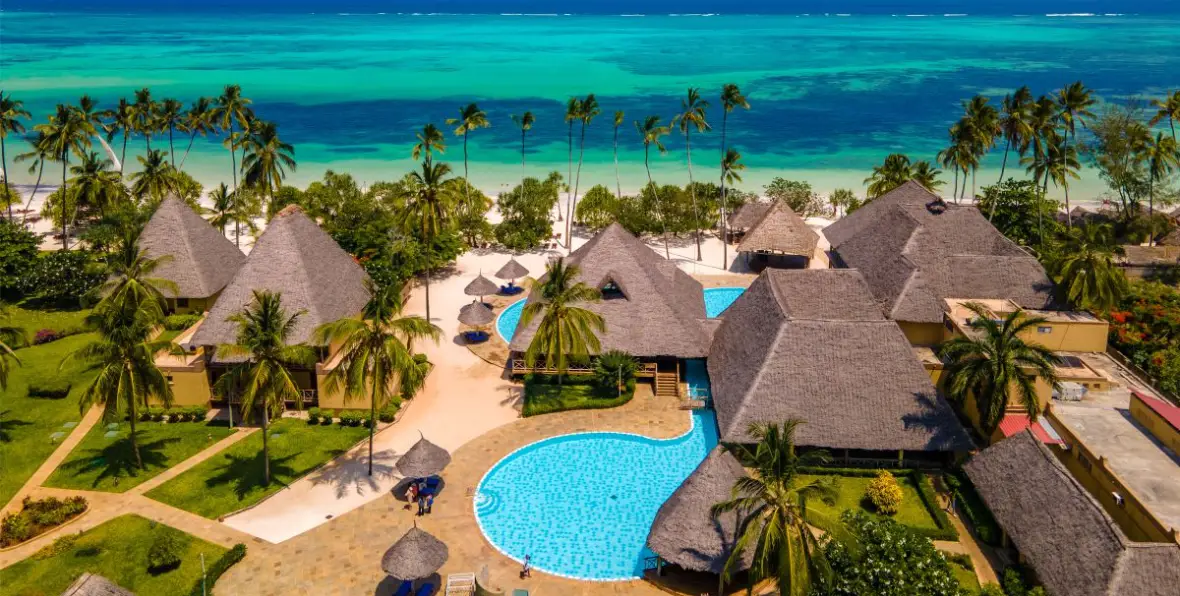
The classic East Africa combination works because both halves complement each other so well. Safari is intense, early, active, and emotionally full. The beach is the natural counterweight: slow, warm, and restorative.
Most TourwithPipi Tanzania itineraries that include a beach extension use Zanzibar. Stone Town airport on Unguja is less than an hour from most beaches on the island and domestic flights from the mainland take around 25 minutes from Dar es Salaam or Julius Nyerere International Airport. The logistics are straightforward and the transition from safari boots to sandals takes less time than you expect.
A 9 to 12 day Tanzania itinerary comfortably covers the Serengeti, Ngorongoro Crater, and Tarangire on the mainland with three to four days in Zanzibar at the end. A 14-day itinerary adds Pemba or a private island extension. TourwithPipi handles all domestic flights, transfers, and lodge bookings across both mainland and island.
Best Time to Visit Tanzania Beaches
| Period | Condition | Recommendation |
|---|---|---|
| June to October | Dry, warm, calm seas | Best overall for beach and safari |
| December to February | Hot, dry at coast, some rain inland | Excellent for beaches, good for diving |
| March to May | Long rains, rough seas | Avoid for beaches, some diving sites closed |
| November | Short rains | Brief showers, fewer crowds, lower rates |
The Indian Ocean off Tanzania is warm year-round, averaging 25°C to 28°C. Diving visibility is best from June to October and December to February. Whale shark season around Mafia Island runs from October to February.
5 Key Takeaways
- Zanzibar is an archipelago of around 54 islands. Unguja is the main island, Pemba is the best for diving, and Mnemba and Fanjove are the top private island retreats.
- Nungwi is the most consistently swimmable beach in Zanzibar because the tide stays high enough throughout the day for swimming, unlike some eastern beaches.
- Paje and Jambiani on the east coast are the best options for kitesurfing and an authentic local atmosphere away from resort-heavy tourism.
- Saadani National Park on the mainland is the only place in East Africa where you can do a morning Big Five game drive and spend the afternoon on a beach in the same national park.
- The best time to visit Tanzania beaches is June to October for calm seas and dry weather, with December to February as a strong second option for beach and diving conditions.
Frequently Asked Questions About Tanzania Beaches
1. What are the best beaches in Tanzania?
Nungwi and Kendwa in northern Zanzibar offer the finest sand and most consistent swimming. Paje is the top kitesurfing beach. Mnemba Island is the best private island. On the mainland, Saadani National Park offers a unique safari-and-beach combination.
2. Is Zanzibar part of Tanzania?
Yes. Zanzibar is a semi-autonomous region of Tanzania comprising around 54 islands. The main island is Unguja, commonly called Zanzibar, with Pemba Island to the north and Mafia Island to the south.
3. When is the best time to visit Zanzibar beaches?
June to October is the best period for dry weather and calm seas. December to February is also excellent for beach holidays and diving. Avoid March to May when the long rains bring rough seas and reduced visibility.
4. Which Zanzibar beach is best for families?
Nungwi and Kiwengwa are the most family-friendly options. Both have calm, reef-protected water, wide sandy beaches, and a good range of accommodation. Nungwi’s consistent tidal water makes it particularly safe for children.
5. Which Tanzania beach is best for kitesurfing?
Paje on the east coast of Zanzibar is the best kitesurfing beach in Tanzania. Side-shore winds blow almost daily and the wide shallow lagoon at low tide is ideal for beginners and advanced riders.
6. Can I combine a Tanzania safari with a beach holiday?
Yes. A 10 to 14 day Tanzania itinerary comfortably covers mainland safari parks including the Serengeti and Ngorongoro Crater with three to four days in Zanzibar at the end. TourwithPipi builds this combination into all extended Tanzania packages.
7. What is the best beach in mainland Tanzania?
Saadani National Park is the most unique mainland beach because it combines Big Five game drives with Indian Ocean coastline inside a single national park. Ras Kutani near Dar es Salaam and Ushongo Beach near Pangani are excellent quieter alternatives.
8. Is Pemba Island worth visiting?
Yes, particularly for serious divers. Pemba’s steep underwater walls and strong currents create some of the most biodiverse diving conditions in the Indian Ocean. The island is largely untouched by mass tourism, which adds to its appeal.
9. What is Mnemba Island known for?
Mnemba Island is a private island off northeastern Zanzibar known for world-class diving and snorkeling in Mnemba Atoll, dolphin sightings, sea turtle nesting, and an exclusively romantic, luxury atmosphere managed by Andbeyond.
10. How do I get to Zanzibar from the mainland Tanzania safari?
Domestic flights from Julius Nyerere International Airport in Dar es Salaam to Zanzibar’s Abeid Amani Karume International Airport take around 25 minutes. Flights are also available from Kilimanjaro International Airport near Arusha. TourwithPipi arranges all domestic flight connections as part of Tanzania safari and beach packages.


