
TourwithPipi operates in Kenya, Tanzania, South Africa, Victoria Falls, Botswana, and Morocco, so every destination in this guide is one I can actually build a family itinerary in, not just write about.
Best African Safari for Families, by Age Group
Not every safari suits every age, and the best family safari setup changes significantly between a toddler and a teenager. Here’s how I actually plan trips depending on how old your kids are.
Infants and Under 2
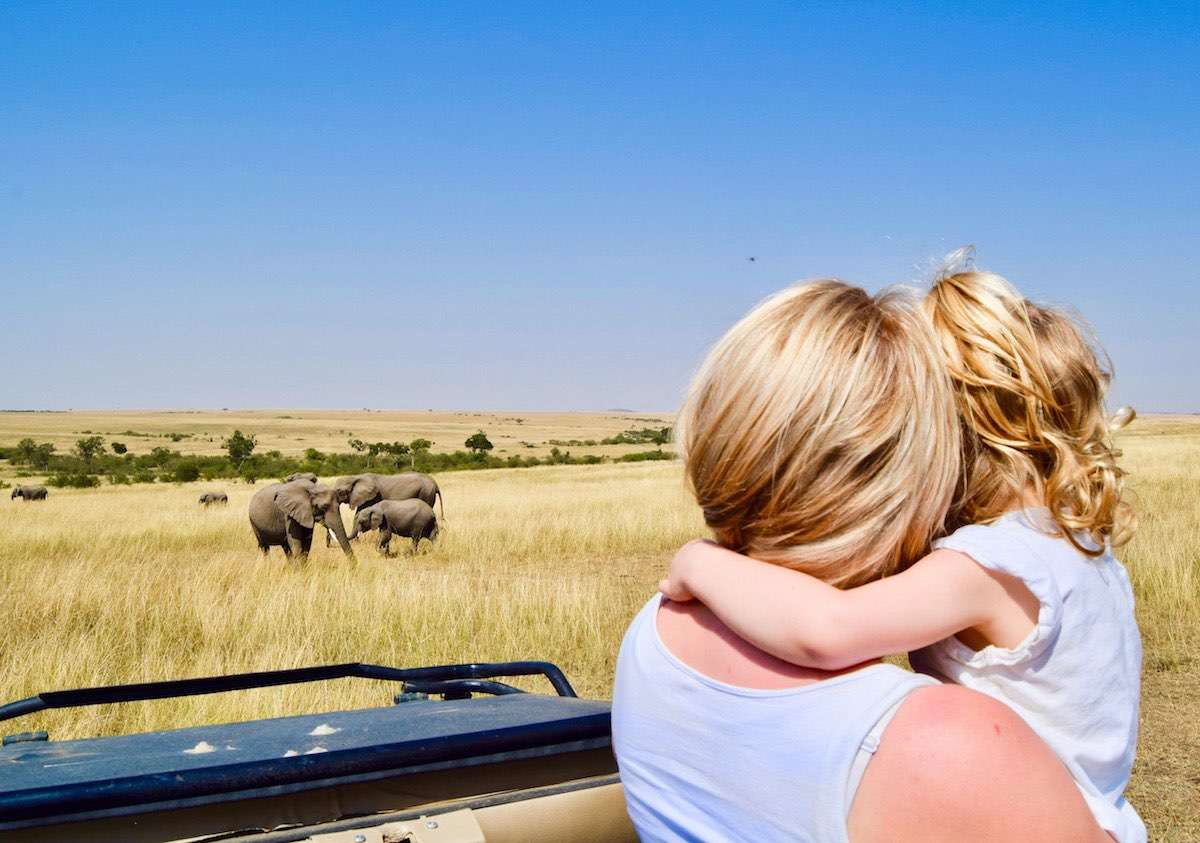
A safari with an infant is entirely doable, but it works best in a malaria-free reserve so you can avoid the question of malaria medication altogether. A private vehicle is non-negotiable at this age, and I generally recommend keeping the trip to a single lodge rather than moving between camps every few nights.
Toddlers, Ages 2 to 5
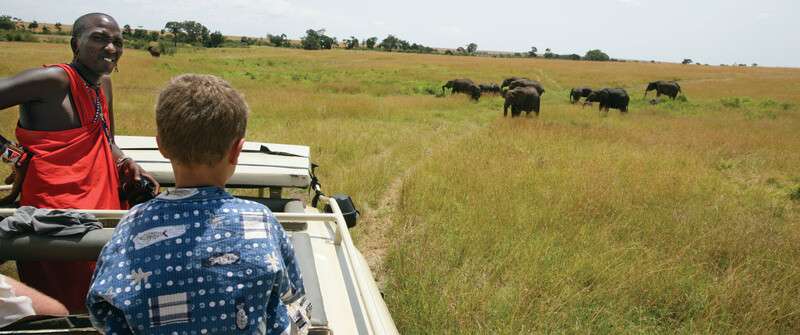
Most shared game drive vehicles set a minimum age of 6 or 7, so a private vehicle is essential at this age, not optional. Shorter daily drive segments, a lodge with a fenced, safe property, and a pool for downtime between drives all matter more than covering ground. Set expectations honestly at this age too. A three-year-old can get genuinely excited at the start of a drive, spotting a giraffe or an elephant with real delight, but attention usually fades within the first hour, and it’s common for toddlers to doze off well before the drive ends. A self-drive route through Kruger National Park is worth considering at this age too, since driving yourselves means no lodge age policy to work around and full control over how long each stop lasts. I generally keep trips at this age to two parks rather than three or four, and malaria-free South African reserves like Madikwe or Pilanesberg are worth considering if malaria medication is a concern for your pediatrician.
Ages 6 to 9
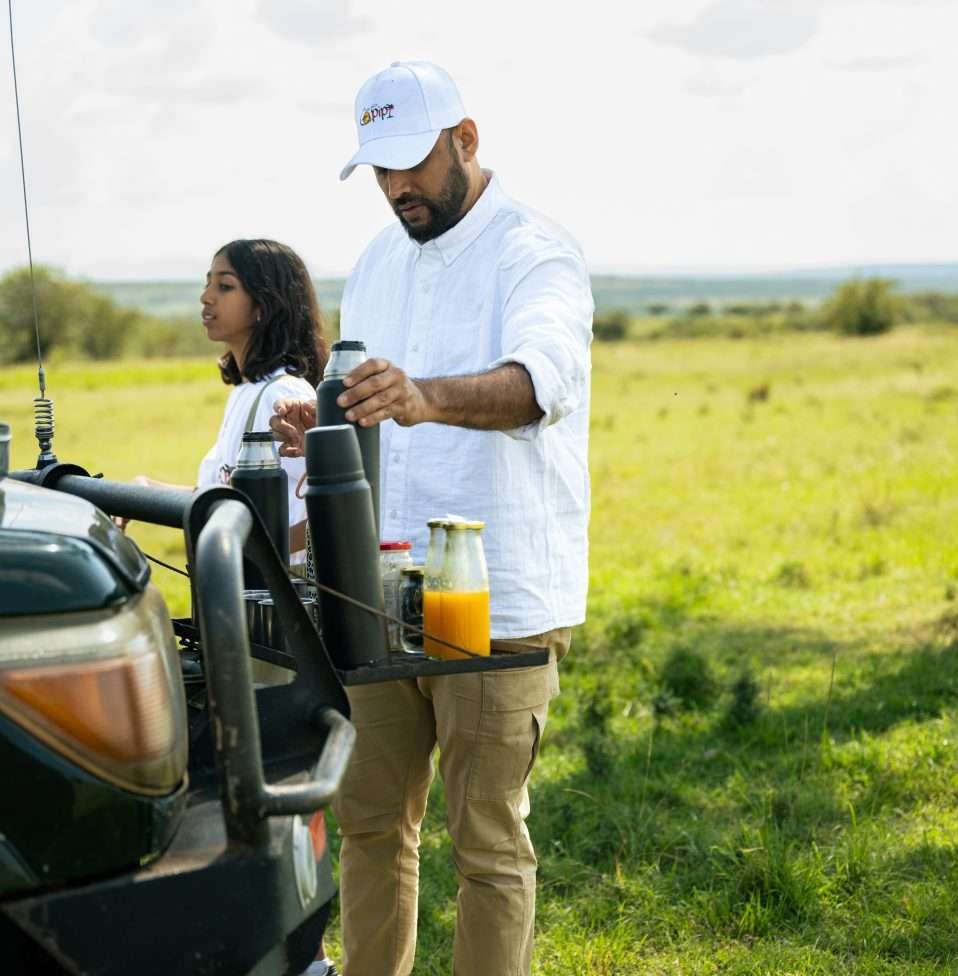
Somewhere around this age, most kids shift from tolerating a game drive to genuinely following it, pointing out animals themselves and staying interested across a full circuit rather than just the first hour. This is also where junior ranger and track-and-sign programs really start to click. Most lodges accept children in this range on shared or private drives, many offer connecting family rooms, and kids under 12 often receive discounted rates, sometimes 25 to 50 percent off the adult lodge rate.
Tweens, Ages 10 to 12
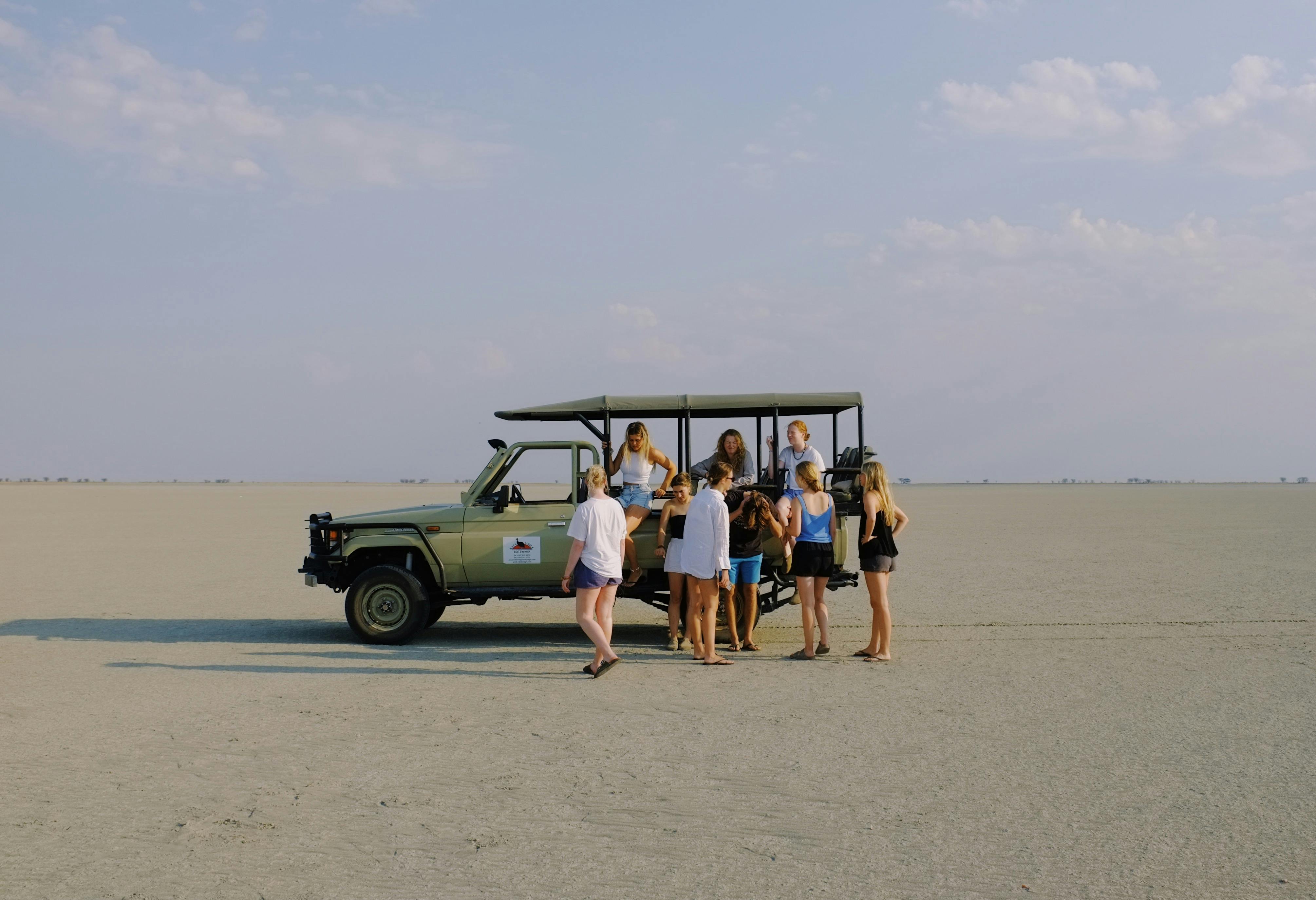
Tweens can usually handle longer game drives and start to appreciate photography, tracking skills, and the more detailed explanations guides give during a sighting. This is a good age to introduce a guided nature walk where the lodge allows it, alongside the standard game drive schedule.
Teens, Ages 13 and Up
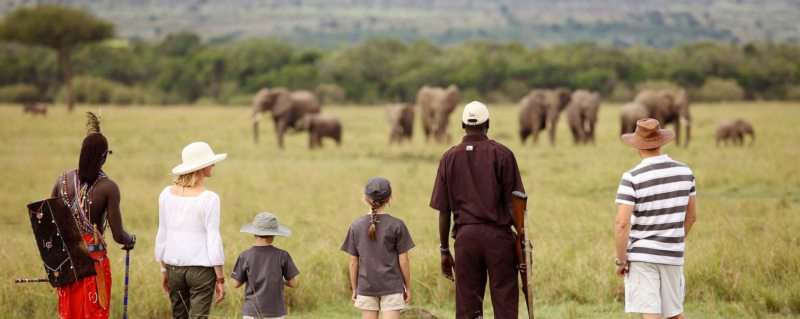
Teenagers can usually join almost any activity, including guided walking safaris and, at some lodges, night drives. This is the age where a hot air balloon safari, a guided bush walk, or a cultural Maasai village visit genuinely lands, since teens can process and appreciate the experience the way younger kids often can’t yet.
Minimum Age Requirements by Activity
| Activity | Typical Minimum Age | Notes |
|---|---|---|
| Shared vehicle game drives | 6 to 7 | Varies by lodge, some set no minimum at all |
| Private vehicle game drives | No strict minimum | The main workaround for younger children |
| Junior ranger and track-and-sign programs | 4 to 12, split by age group | Many lodges run separate junior tracker and junior ranger tiers |
| Guided walking safaris | 12 to 16 | Set by individual conservancies and lodges |
| Hot air balloon safari | 6 to 7 | Confirm directly, some operators set it higher |
| Gorilla trekking (Uganda, Rwanda) | 15 | Government-mandated, not lodge discretion |
| Chimp trekking (Tanzania, Uganda) | 12 to 15 | Varies by park |
| Night drives (where permitted) | 12 and up | Only offered at select private conservancies |
Always confirm age policies directly with the specific lodge before booking. These vary property by property, and a camp that says yes to a 5-year-old on a private vehicle might say no to the same age on a walking safari.
Kids’ Activities and Junior Ranger Programs at Family Lodges
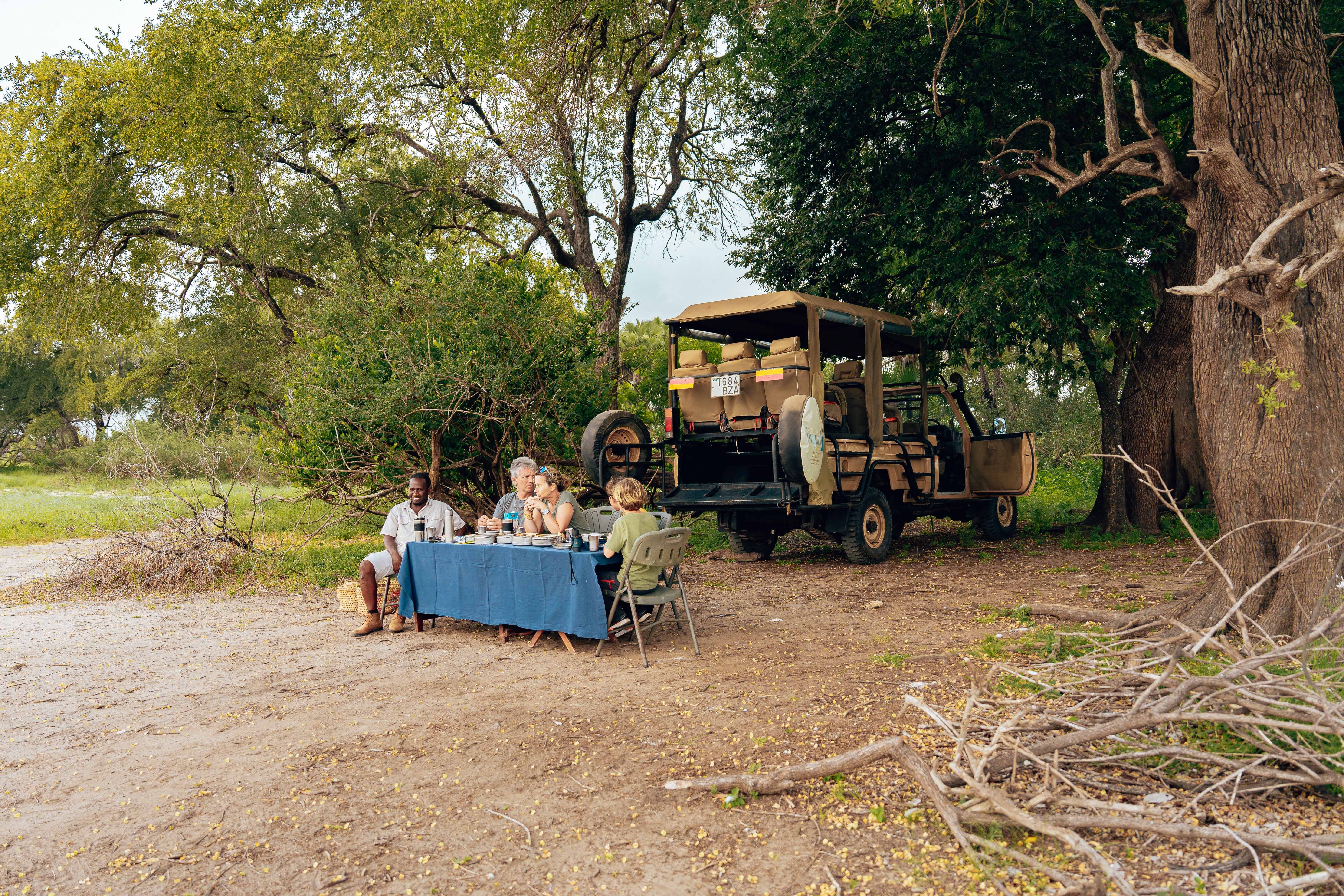
A lodge that simply allows children is not the same as one built for them. The strongest family properties run structured programs that keep kids genuinely occupied between game drives, not just a kids’ menu at dinner.
Junior Ranger and Track and Sign Programs
Most family-focused lodges split children into age bands, often a junior tracker tier for ages 4 to 8 and a junior ranger tier for ages 9 to 12. Kids learn to read animal tracks, identify dung and spoor, and use basic bush orientation skills alongside a dedicated field guide. Many properties send kids home with their own safari booklet or activity backpack, and some award a junior ranger certificate or merit badge at the end of the stay.
Bush Craft, Baking, and Creative Activities
Back at camp, kids’ programs typically include cookie decorating or pizza-making sessions with the chef, plaster spoor casting, bead work, sand art, and storytelling around the fire. These activities fill the gap between the morning and afternoon game drives, when the heat of the day makes wildlife viewing less productive anyway.
Family Game Drives and Nature Walks
Many lodges run a shorter, kid-paced game drive alongside the standard adult drive, timed to match a child’s attention span rather than a full three-hour circuit. Guided nature walks close to camp, stargazing with a ranger, and small treasure hunts using natural landmarks are also common at family-focused properties.
Kids’ Clubs and On-Property Amenities
Look for a dedicated kids’ clubhouse with a jungle gym, arts and crafts space, and a genuinely tech-free environment. Cots, high chairs, and babysitting services are common at the stronger family lodges, which matters if you want one quiet adult dinner during the trip.
Best Time for a Family Safari in Africa
| Region | Best Months | Why |
|---|---|---|
| Masai Mara, Kenya | July to October | Great Migration river crossings, peak wildlife concentration |
| Serengeti and Ngorongoro, Tanzania | June to October | Dry season, easier wildlife spotting |
| Southern Serengeti, Tanzania | January to March | Calving season, near-constant wildlife activity, fewer crowds |
| Kruger and Sabi Sand, South Africa | May to September | Dry season pushes animals to waterholes |
| Victoria Falls | February to May | Falls at their fullest and most dramatic |
| Okavango Delta, Botswana | May to October | Flood season, best for water-based activities |
Calving season in southern Tanzania deserves more attention from families than it usually gets. Newborn wildebeest and predator activity happen throughout the day, not just at dawn and dusk, which keeps younger kids engaged across a full game drive rather than just the first hour.
Best Family Safari Destinations in Africa
Kenya

Kenya is consistently the easiest starting point for a first family safari. The Masai Mara holds the highest lion density in Africa, Amboseli gives you elephant herds with Kilimanjaro as a backdrop, and Samburu adds rare species found nowhere else in the country. Most lodges in these regions set no strict minimum age at all when a private vehicle is used, and the short flight times between regions mean less time in transit and more time actually on safari. A private vehicle for your family alone, rather than a shared group truck, is standard practice here and makes a real difference with young kids. Many families also add a stop at Giraffe Manor near Nairobi, where resident Rothschild’s giraffes poke their heads through the windows at breakfast, a genuinely memorable start or end to a Kenya trip for kids of any age.
Tanzania
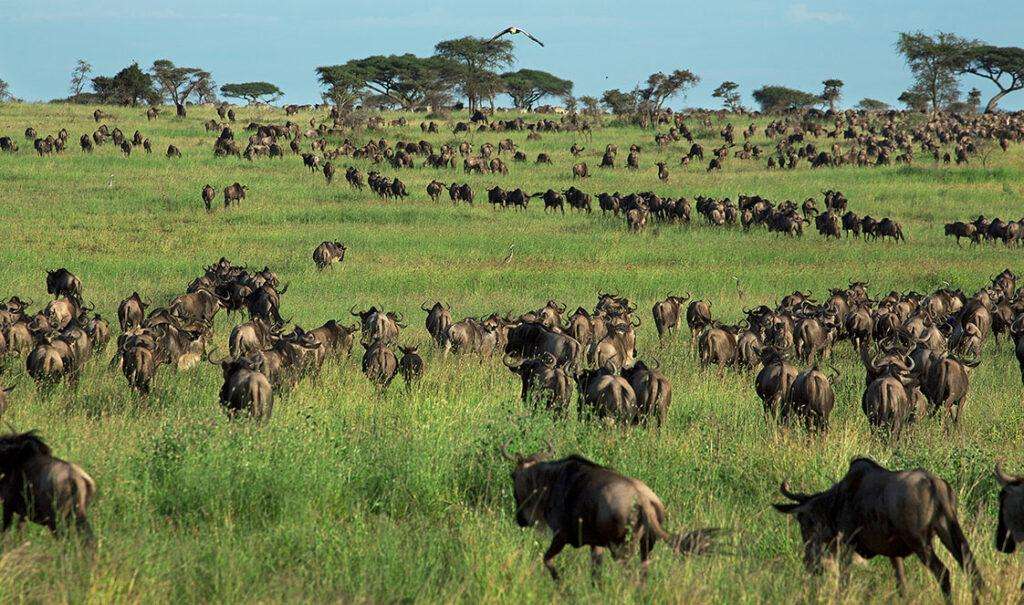
Tanzania’s Serengeti, Ngorongoro Crater, and Tarangire cover an enormous range of landscapes and wildlife density within a single circuit. The calving season window from January to March is genuinely one of the most family-friendly times to visit anywhere in Africa, since wildlife activity doesn’t taper off between drives the way it can elsewhere.
South Africa
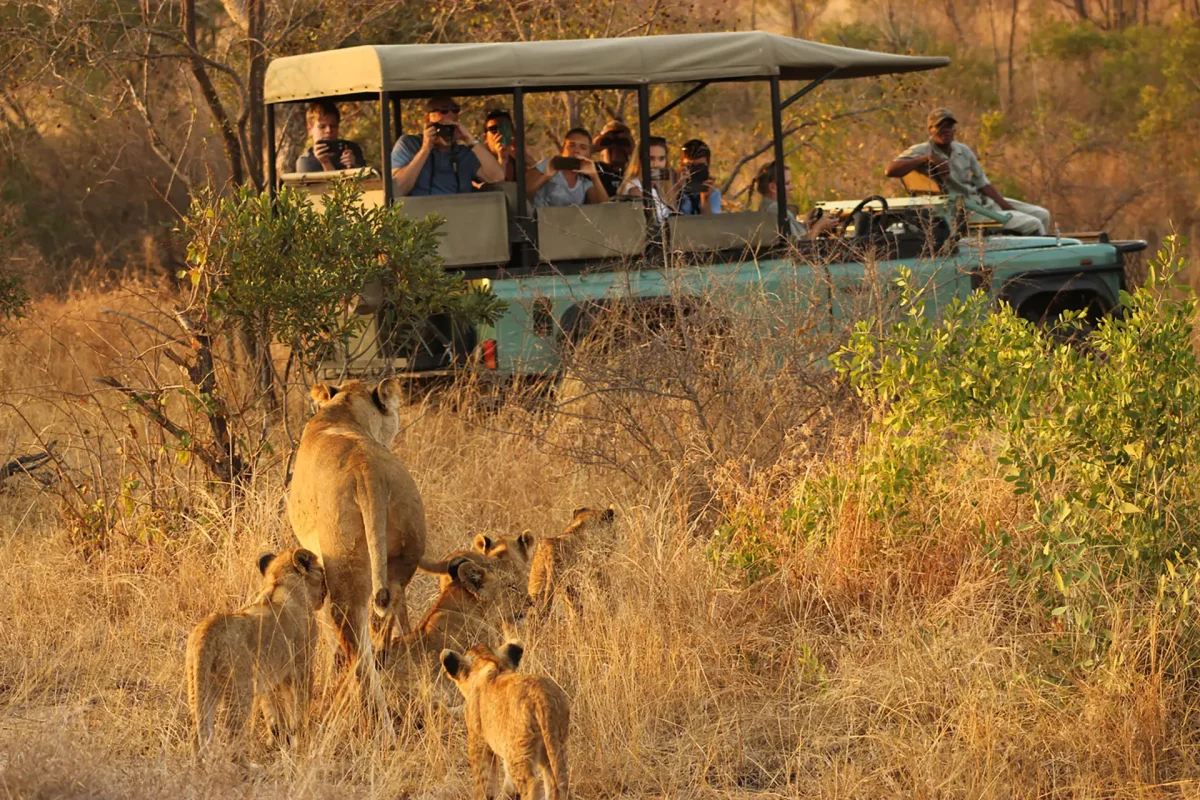
South Africa is the strongest destination in this guide for families with very young children, thanks to a genuine cluster of malaria-free Big Five reserves, including Madikwe, Pilanesberg, and the Eastern Cape’s Addo and Shamwari, where Addo alone is home to several hundred elephants. Sabi Sand, bordering Kruger, adds off-road tracking access and some of the best leopard sighting rates in Africa, and lodges here consistently run the strongest junior ranger programs on the continent. Kruger itself is also one of the few major parks where a self-drive safari route is genuinely practical, which gives families with very young children full control over pacing without needing to work around a lodge’s game drive age policy.
Beyond the bush, South Africa’s family appeal extends into Cape Town and Johannesburg. The Cradle of Humankind, a UNESCO World Heritage fossil site outside Johannesburg, pairs interactive museum exhibits with an underground boat ride through the Sterkfontein Caves, genuinely engaging for school-age kids. The Lion & Safari Park near Johannesburg lets kids hand-feed giraffes and see cheetahs up close, a good half-day stop either side of a Kruger safari. In Cape Town, the Table Mountain Aerial Cableway and an afternoon browsing the V&A Waterfront round out a trip that mixes wildlife with genuine city fun. Our Cape Town in Style: 7-Day Coastal and City Escape pairs three nights at Arathusa Safari Lodge in Sabi Sand, right on the border of Kruger, with four nights in Cape Town, giving families both a bush stay and a genuinely kid-friendly city, complete with the penguins at Boulders Beach and the Two Oceans Aquarium.
Victoria Falls
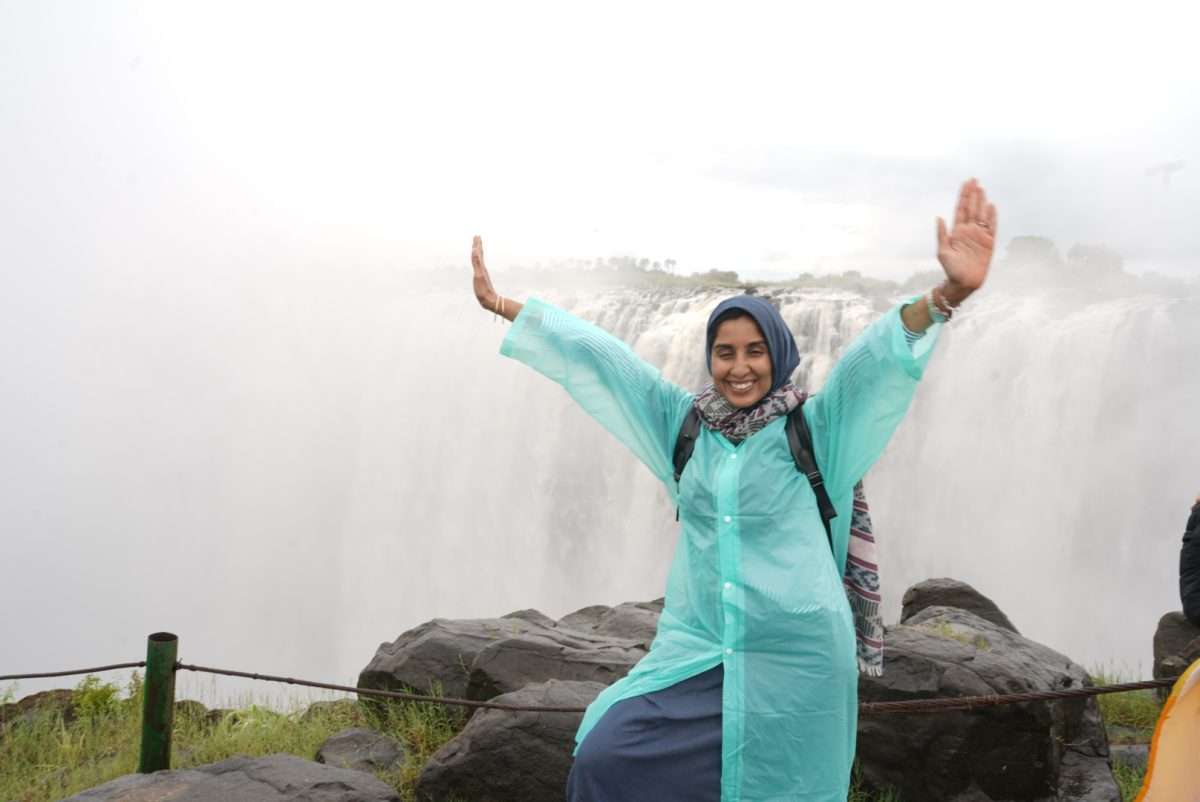
Victoria Falls sits on the border between Zimbabwe and Zambia and is one of the seven natural wonders of the world. Most families add two to four nights here at the end of a longer Southern Africa itinerary rather than treating it as a standalone trip, since the falls themselves take a day to properly explore, and the town offers gentler activities like a sunset river cruise that suit a wider age range than white-water rafting does.
Botswana
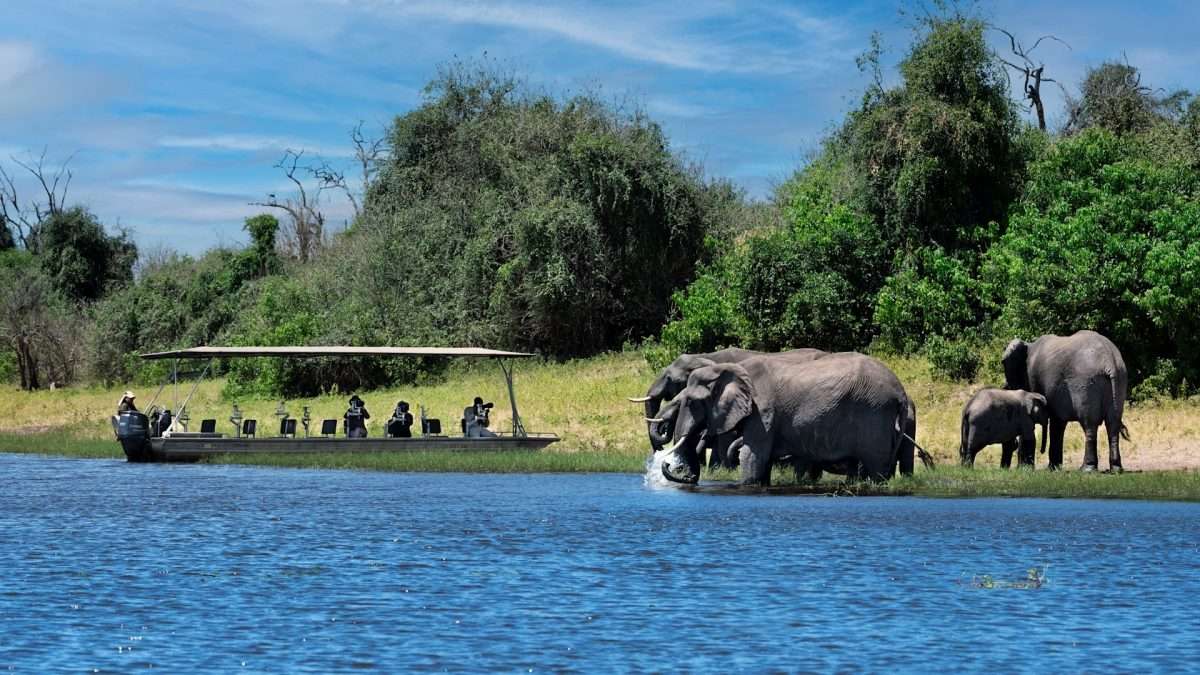
The Okavango Delta offers a genuinely different kind of safari, with mokoro canoe rides through the waterways alongside traditional game drives, sunset boat cruises, and some of the best odds anywhere in Africa of spotting endangered African wild dogs. Chobe National Park, in the country’s north, adds some of the largest elephant herds anywhere in Africa, easily seen from a boat safari along the Chobe River as well as from a standard game drive. Botswana suits families with older children who will appreciate this variety, though most camps here set higher minimum ages than Kenya or Tanzania, so confirm policies before booking if your kids are under 8.
Namibia
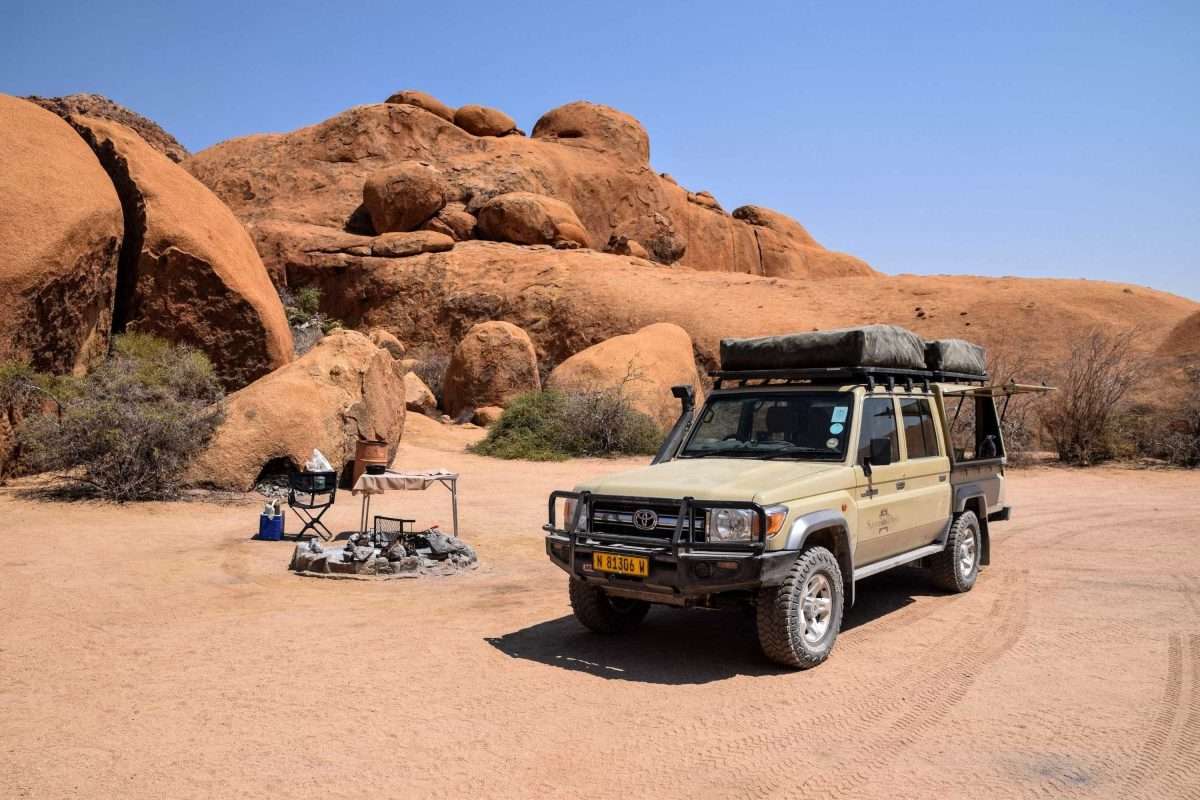
Namibia’s dramatic desert landscapes, including the dunes at Sossusvlei, appeal most to teenagers and families who want adventure activities like sandboarding mixed in with wildlife viewing. It generally suits older kids better than very young children, given the longer self-drive distances between sights.
Morocco
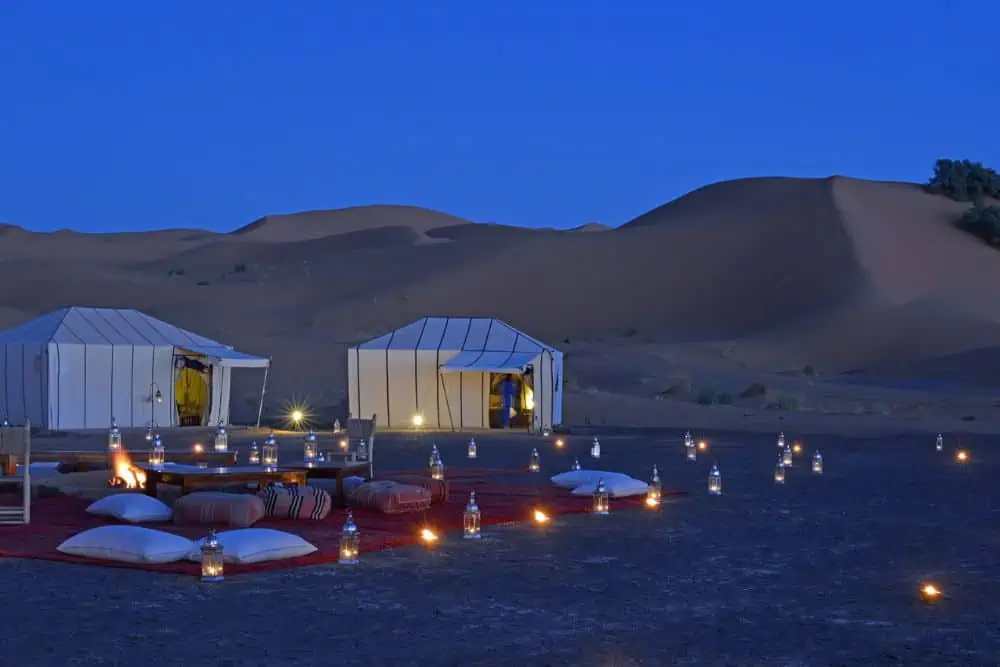
Morocco works differently from the rest of this list, since it’s a wildlife-light, culture-heavy trip rather than a Big Five safari, and that variety is exactly why families with kids of very different ages often love it. Camel trekking into the Sahara, exploring the kasbahs and mountain villages of the Atlas range, and wandering the markets of Marrakech all suit a wide age range at once, and the shorter flight time from Europe and North America makes it a genuinely easier trip logistically than East or Southern Africa.
What to Look for in a Family-Friendly Safari Lodge
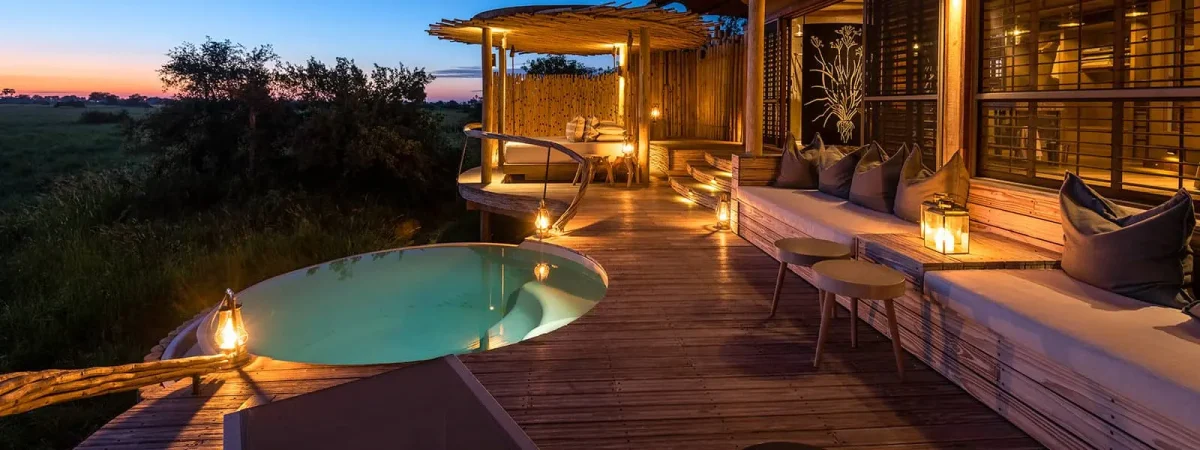
A lodge that simply allows children is not the same as one built for them. Before booking, I check for:
- A fenced property, so young kids aren’t restricted to their tent at every moment
- Connecting or interleading family rooms, rather than two separate units across camp
- A swimming pool for downtime between game drives
- No open, unguarded drops or decks that pose a real fall risk for toddlers
- A private vehicle option, so your family isn’t sharing a truck with strangers during a sighting
- A structured junior ranger or kids’ club program, not just a kids’ menu at dinner
- Malaria-free status, if you’re traveling with children under 5 or 6 and want to avoid medication altogether, whether that’s a South African reserve or an entirely malaria-free country like Mauritius as a beach add-on
How to Plan a Family Safari in Africa
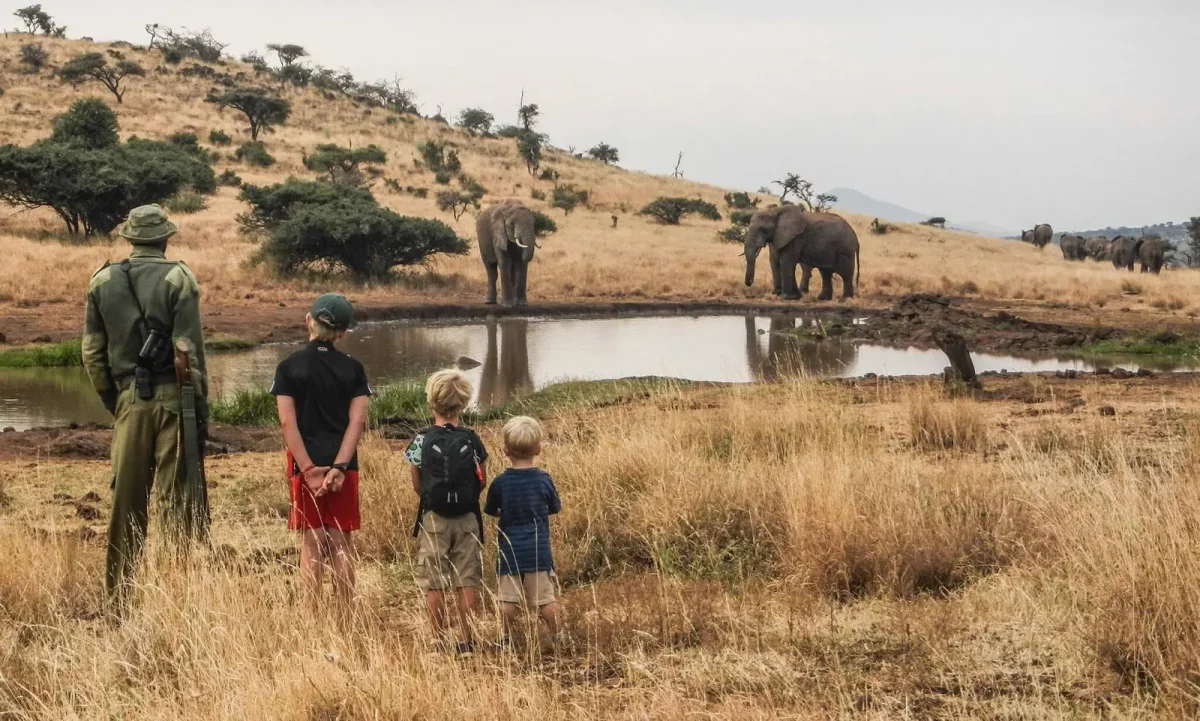
Planning a family safari in Africa is easier when you work through it in this order, rather than picking a destination first and working backward.
Start with your kids’ ages, not the destination. The age breakdown earlier in this guide should be your first filter. A trip built around toddlers looks nothing like one built around teenagers, and picking the country before you’ve settled this usually means backtracking later.
Choose the country based on malaria risk and age policy. If you’re traveling with kids under 5 or 6, a malaria-free South African reserve removes a real planning headache. If your kids are older and healthy enough for malaria medication, Kenya and Tanzania open up.
Time the trip to the season that matches your priority. Migration season, calving season, and the dry season all fall in different months, and the best time table earlier in this guide breaks that down region by region.
Pick a lodge with a real kids’ program, not just a policy that allows children. Junior ranger tiers, a kids’ clubhouse, and connecting family rooms matter more day to day than the marketing photos.
Budget for what safari packages don’t include. International flights, travel insurance, and visas are the costs families most often forget, and they can add several thousand dollars to a family of four’s total trip cost.
Sort vaccines, malaria medication, and your medical kit early. Some vaccines come in a series and need months of lead time, so this isn’t a step to leave until the final weeks before departure.
Book six to nine months ahead for peak season. The strongest family lodges, the ones with genuine kids’ programs and connecting rooms, sell out first, especially for July through October in East Africa.
Sample Family Safari Itineraries
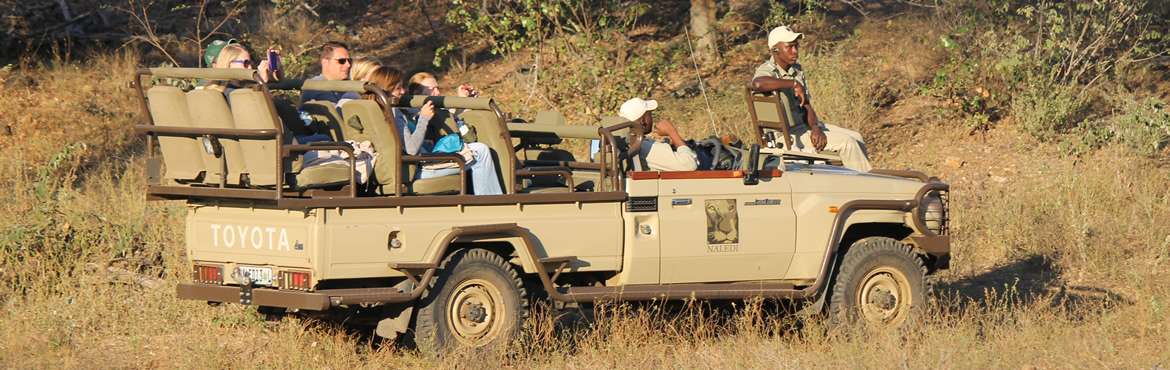
Every itinerary I build is private and tailor made, but these give a sense of what works well for families.
The 8-Day Kenya Flying Safari moves your family between parks by light aircraft instead of long road transfers, which matters more with young kids than most parents expect. The 8-Day Classic Kenya Safari covers three genuinely different landscapes at an unhurried pace. For calving season specifically, the 10-Day Tanzania Calving Season Safari puts your family inside the action during one of Africa’s most dramatic and family-friendly wildlife windows.
Families wanting to end the trip with beach time can add the 9-Day Kenya Safari and Beach Holiday, which pairs the Masai Mara and Lake Nakuru with several nights on the Diani coast, from $4,739 per person. For a Southern Africa route, the Cape Town in Style: 7-Day Coastal and City Escape combines Sabi Sand with Cape Town in a single trip.
Victoria Falls, & the Okavango Delta don’t currently have a fixed sample itinerary published in this guide, since I build all three entirely around your dates and the rest of your route. Message me directly if any of them are on your list.
Costs of a Family Safari in Africa
| Cost Item | Typical Range | Notes |
|---|---|---|
| International flights | $900 to $1,800 per person, economy | Not included in any safari package |
| Lodge and safari package | Varies widely by season and lodge tier | Children under 12 often discounted 25 to 50 percent |
| Domestic flights between parks | $400 to $800 per person | Only applies to fly-in itineraries |
| Travel insurance | $300 to $600 per person | Confirm it covers medical evacuation, not just cancellation |
| Kenya eTA visa | Around $30 per person | Required for most nationalities |
| Tanzania visa | Around $50 per person | Required for most nationalities |
| Guide and driver tips | $15 to $25 per guest, per day | Ask your operator for local norms |
| Hot air balloon safari | $450 to $590 per adult | Most operators accept children from age 6 or 7 |
| Guided bush walk | $50 to $150 per person | Available at select conservancies |
| Maasai village visit | $30 to $80 per person | A well organized cultural stop |
Are African Safaris Safe for Families?
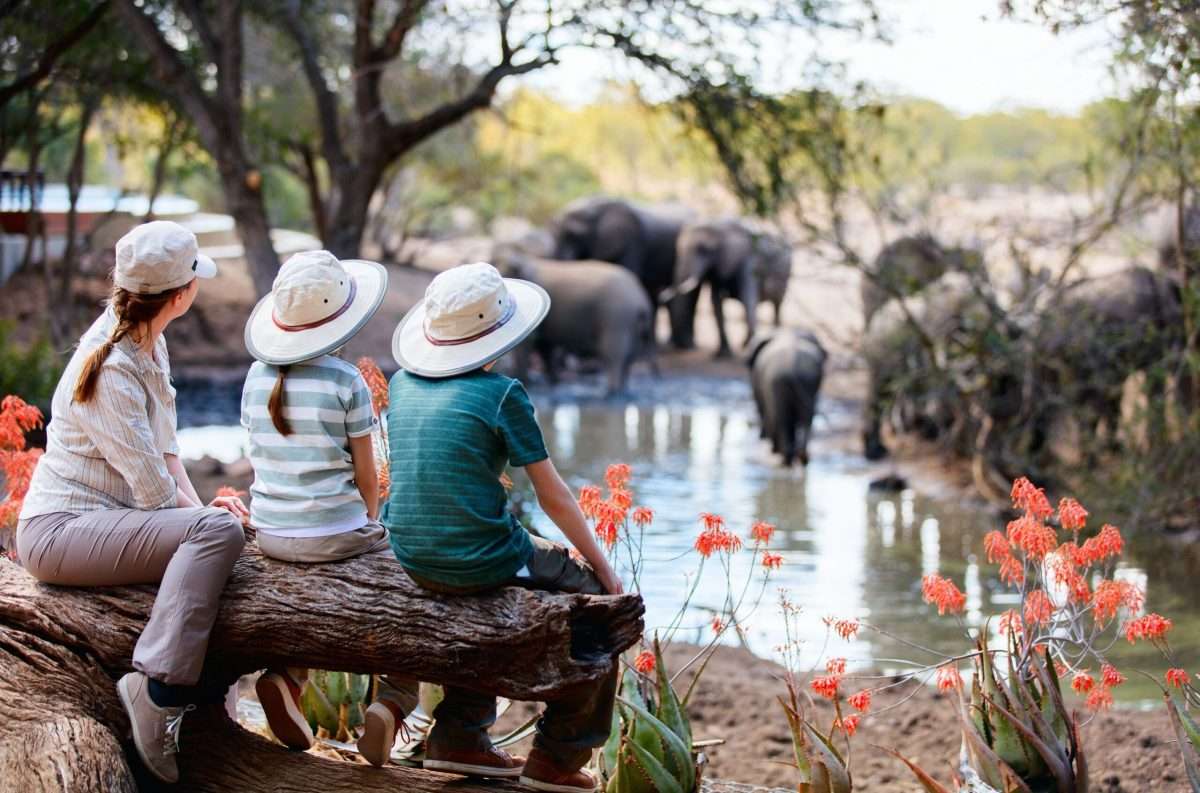
Yes, African safaris are generally very safe for families, including families traveling with young kids. Serious incidents on a well-run safari are rare, since wild animals overwhelmingly prefer distance from vehicles and people, and guides are trained specifically to keep a safe distance during every sighting. The bigger safety consideration in practice is usually the lodge property itself, not the wildlife, which is exactly why fencing and safe deck design matter so much when you’re traveling with young kids.
The other real planning concern is health rather than safety in the wildlife sense. Kenya and Tanzania both require a yellow fever vaccination, and malaria medication is strongly advised for the whole family, since most of East Africa sits in a high-risk malaria zone. Malaria pills aren’t generally advised for children under 5 or 6, which is one reason some families choose a malaria-free South African reserve instead for very young kids. Check the CDC website well ahead of travel, since some vaccines come in a series and need a few months’ lead time.
What to Pack for a Family Safari
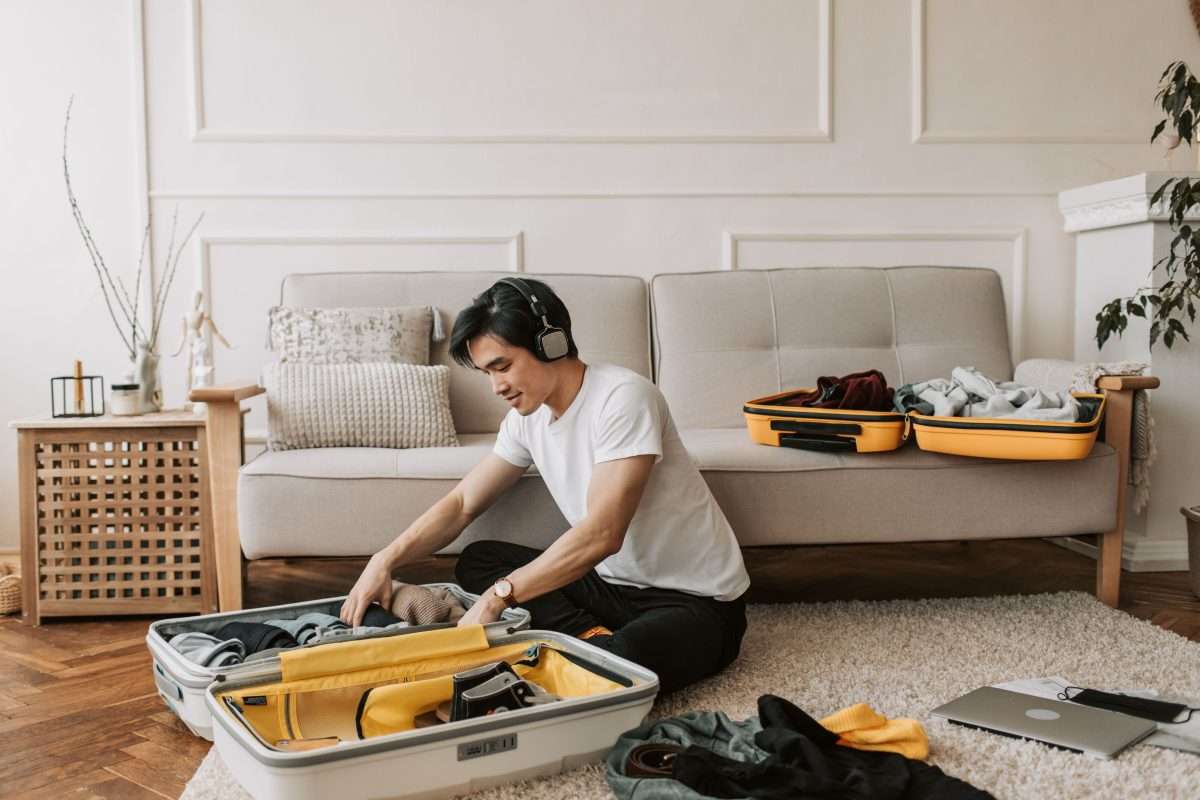
Clothing
- Neutral colored clothing in khaki, olive, or tan; avoid bright white, black, and dark blue, which attract tsetse flies in some regions
- Full sleeve shirts and long trousers for early morning and evening game drives, when mosquitoes are most active
- A warm layer or light jacket for early morning game drives, since dawn temperatures can be genuinely cold even near the equator
- Comfortable, closed walking shoes for the whole family
- A wide brim hat, sunglasses, and swimwear for pool downtime between drives
Health and Medical Kit
- Malaria medication for the whole family where advised by your doctor, started before departure as instructed
- Insect repellent with DEET, applied especially at dawn and dusk
- High SPF, kid-safe sunscreen
- A basic first aid kit: adhesive bandages, antiseptic wipes, tweezers, and a thermometer
- Anti-diarrheal medication and oral rehydration salts for both adults and kids
- Any prescription medication, packed in carry-on luggage rather than checked bags
- Kids’ pain and fever reducer in the correct pediatric dosage
- Antihistamine for insect bites or minor allergic reactions
- Hand sanitizer and a small pack of wet wipes, genuinely useful after every game drive
Gear
- Binoculars for each child old enough to use them, since this alone keeps kids engaged during long drives
- A camera or phone with a zoom lens for older kids
- A reusable water bottle per person
- A headlamp or small flashlight for camps without full lighting after dark
- A soft sided duffel bag rather than a hard suitcase, since small charter flights enforce strict weight and shape limits
- Snacks and simple entertainment, like a coloring book or card game, for long transfer days
Documents
- Passports valid for at least six months beyond your travel dates
- Printed and digital copies of visas, eTAs, and vaccination records
- Travel insurance policy details, including the emergency evacuation contact number
Ready to Plan Your Family Safari?
Tell me your kids’ ages, how many days you have, and whether you want Kenya, Tanzania, South Africa, Victoria Falls, Botswana, or Morocco, and I’ll build the itinerary around them, not the other way around. Message me on WhatsApp to start planning your family’s trip.
Common Questions About Family Safaris in Africa
What is the best African safari for families?
Kenya and Tanzania are generally the best starting point, since most lodges set no strict minimum age when a private vehicle is used, and both countries offer a genuinely wide range of family-built camps. For most first-time travelers, this is the pairing that gets called the best African safari for families for a reason, though South Africa’s malaria-free reserves are the better call for children under five.
What is a good Africa family safari for a first trip?
An 8-day Kenya itinerary covering the Masai Mara and Amboseli is the trip I recommend most for a first Africa family safari. It’s long enough to properly settle into two parks, short enough not to exhaust young kids with travel days, and both regions have wide, flexible age policies at the lodge level.
What are the best African safaris for families new to safari travel?
Kenya’s Masai Mara and Amboseli, Tanzania’s Serengeti and Ngorongoro, and South Africa’s Sabi Sand are the three regions I recommend most to families booking their first safari. All three offer private vehicles, a wide range of family-built lodges, and enough infrastructure that a first trip doesn’t feel like a logistical gamble. Among the best African safari tours for families specifically, an 8 to 9 day private itinerary covering two of these regions tends to work better than a single-park trip or an overly ambitious four-park route.
How old should kids be for an African safari?
Many lodges set a minimum age of 6 or 7 for shared game drive vehicles, though a private vehicle removes that restriction at most properties. Specific activities like walking safaris and gorilla trekking carry their own, often higher, minimum ages.
What should be in a family safari medical kit?
At minimum, pack malaria medication if advised, insect repellent, sunscreen, adhesive bandages, antiseptic wipes, anti-diarrheal medication, oral rehydration salts, a kids’ pain and fever reducer, and any prescription medication in carry-on luggage.
Is Africa safe for a family with young kids?
Yes. Serious wildlife incidents on a well-run safari are rare, and the national parks themselves are generally very safe. The bigger planning considerations are malaria risk and vaccination requirements, both of which are manageable with proper preparation, or avoidable entirely at a malaria-free reserve.
How many days should a family safari be?
Seven to nine days is the range I recommend most often for families. It’s enough time to properly settle into two or three parks without exhausting young children with constant travel days.
Can toddlers go on an African safari?
Yes, with the right setup. A private vehicle, a fenced lodge property, and shorter daily drive segments make a safari genuinely workable for toddlers, and a malaria-free South African reserve removes one of the biggest planning concerns at this age.
Blog Summary
- Kenya and Tanzania are generally the best countries for a family safari in Africa, thanks to flexible age policies and short flights between parks.
- South Africa’s malaria-free reserves, like Madikwe and Pilanesberg, are the strongest option for families with children under five.
- Most lodges set a minimum age of 6 or 7 for shared game drives, though a private vehicle removes that restriction at most properties.
- Junior ranger and track-and-sign programs, split by age band, are what actually keep kids engaged at a family lodge between game drives.
- Ages 6 to 12 are the sweet spot for a first family safari, often with discounted lodge rates for children in that range.
- Tanzania’s calving season, January through March, is one of the most underrated family-friendly windows in Africa.
- A fenced property, connecting family rooms, a pool, a private vehicle, and a real kids’ program matter more than a fancy brochure when choosing a family lodge.
- A proper family medical kit includes malaria medication where advised, insect repellent, sunscreen, and anti-diarrheal supplies, not just plasters.
- Every family itinerary I build, from the 8-Day Kenya Flying Safari to the South Africa Cape Town and Sabi Sand trip, is private and tailor made around your kids’ ages.
- Morocco, the Cradle of Humankind, Giraffe Manor, and Chobe National Park round out the destinations and day trips worth considering beyond a classic Big Five safari.
- Plan in order: kids’ ages first, then country and malaria risk, then season, then lodge, then budget and vaccines, booking six to nine months ahead for peak season.


