
Kenya has lost nearly 70% of its wildlife in the past 30 years. Loss of habitat, development pressure, and human-wildlife conflict have pushed animals off land they occupied for centuries. Conservancies in Kenya are the most effective response to that decline.
65% of Kenya’s wildlife lives on community and private lands outside national parks. Without conservancies, those animals have no protection. With them, communities earn income from tourism, land is set aside from agriculture and grazing, and wildlife corridors connect isolated ecosystems. If government-operated lands were the only protection in Kenya, just 10% of the country’s land would be protected. Conservancies more than double that figure.
In the Masai Mara alone, 15 conservancies protect over 450,000 acres. The lion population there has doubled over the last decade. Over 3,000 households now earn more than $4 million annually from tourism generated by those conservancies.
Quick Answer: Conservancies in Kenya
| National Parks | Private Conservancies | |
|---|---|---|
| Access | Open to all vehicles | Restricted, controlled numbers |
| Night drives | Not permitted | Permitted |
| Walking safaris | Not permitted (most parks) | Permitted |
| Off-road driving | Not permitted | Permitted |
| Vehicle density at sightings | High in peak season | Low, often exclusive |
| Conservation fee | Government park fee | Separate conservancy fee ($70 to $200/night) |
| Community benefit | Indirect | Direct land-lease payments to landowners |
What Is a Wildlife Conservancy in Kenya?
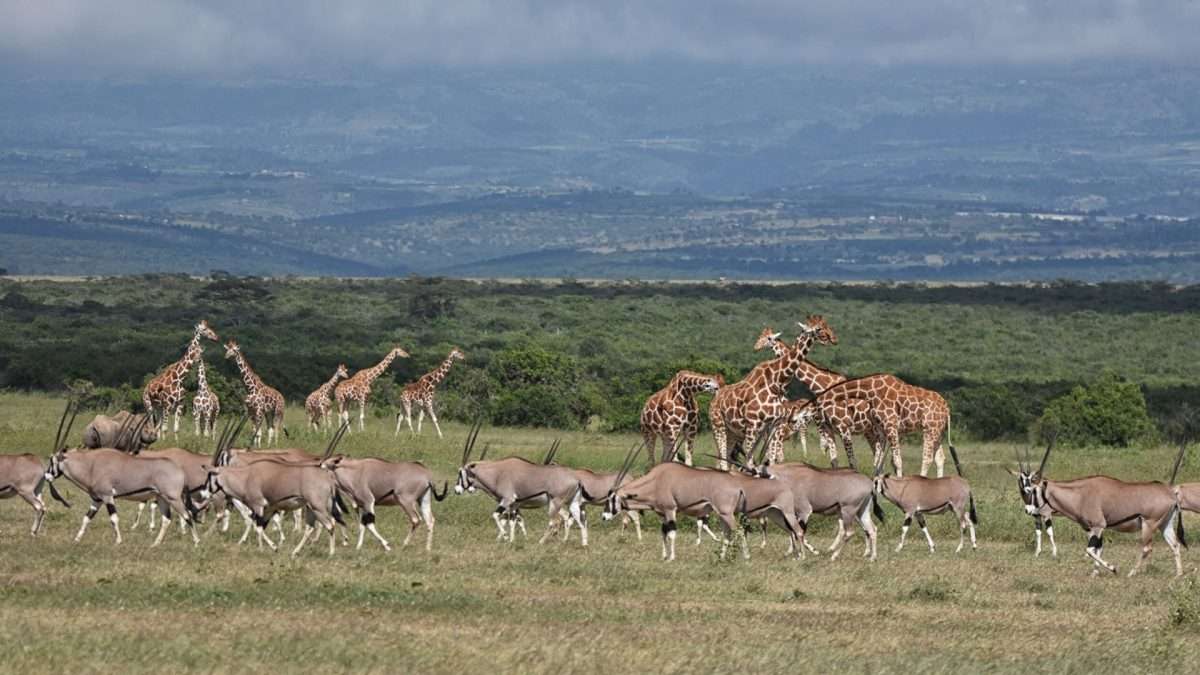
A wildlife conservancy in Kenya is land managed by an individual landowner, a community, or a group of owners specifically for wildlife conservation alongside compatible land uses. Unlike national parks owned and run by the government, conservancies are privately or communally operated.
Under Kenya’s Wildlife Act 2013, conservancies are a recognized land use category, giving landowners clear legal rights and access to conservation incentives when they dedicate their land to wildlife management.
There are three main types:
- Community conservancies: formed by local communities on jointly owned land, managed by community representatives with assistance from Kenya Wildlife Service. Common in areas adjoining Amboseli and Tsavo.
- Group conservancies: formed by combining private properties that share a border, creating a larger viable area for wildlife management. Most Masai Mara conservancies operate on this model.
- Private conservancies: owned and operated by a private individual, family, or corporate entity on a single ranch or property. Most common in the Laikipia area.
Why Choose a Private Kenya Safari in a Conservancy?
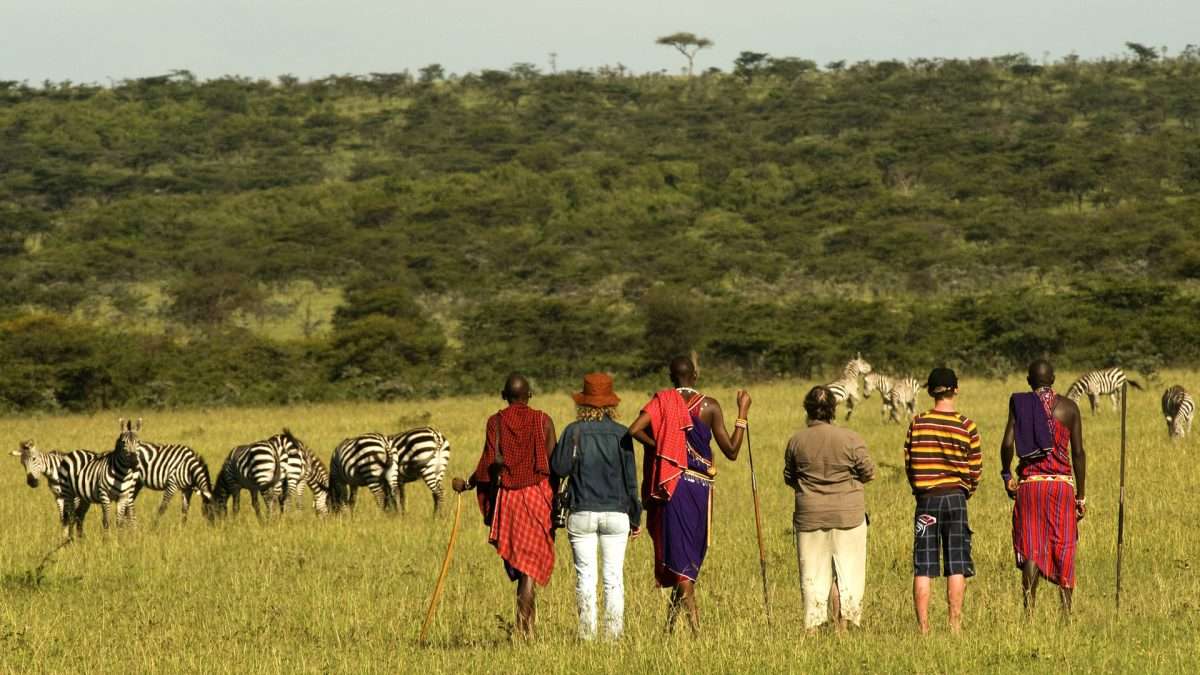
The difference between a national park game drive and a private Kenya safari in a conservancy is not subtle. It changes the quality of every hour you spend in the bush.
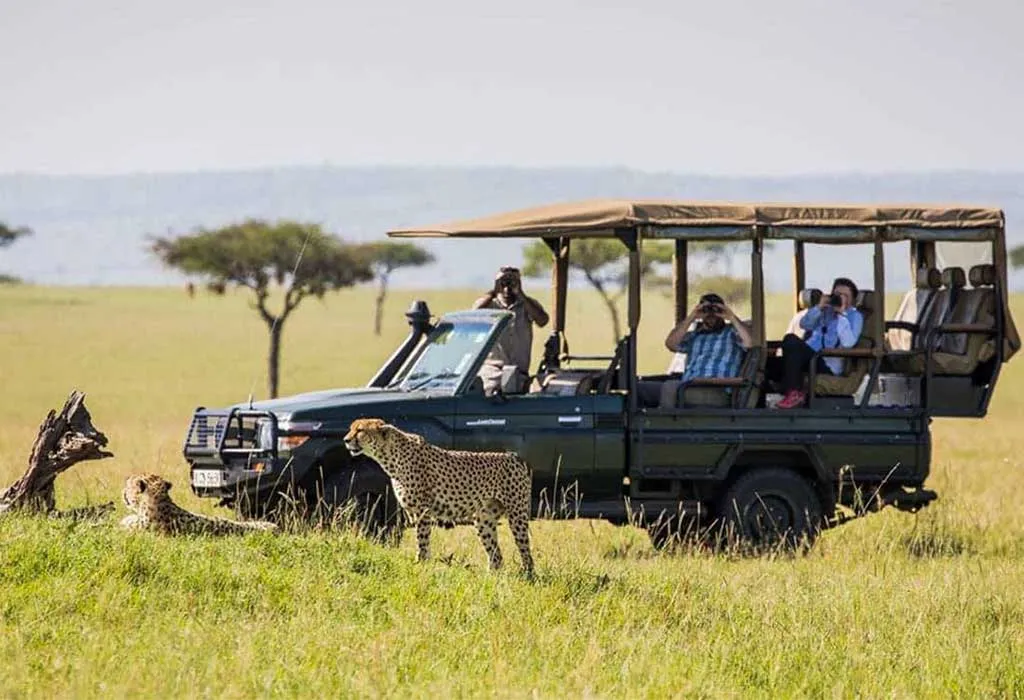
- No vehicle congestion. The Masai Mara National Reserve at peak season can have dozens of vehicles clustered around a lion sighting, engines running, tourists jostling for position. In Mara Naboisho or Olare Motorogi, you might be the only vehicle watching that same lion. Traffic jams in the bush are even more unpleasant than back at home. Conservancies exist to prevent exactly that.
- Off-road driving. In the national reserve, vehicles must stay on tracks. In a conservancy, guides drive off-road to position vehicles for optimal light, angle, and proximity. The difference in photography quality alone justifies the conservancy fee.
- Night game drives. Night drives are not permitted inside the main Masai Mara National Reserve. They are standard in every private conservancy. The species you see change completely: leopards on the move, aardvarks, servals, civets, and hyenas hunting in the dark.
- Walking safaris. Getting out of the vehicle inside a national park is not permitted. In conservancies, guided walks let you read animal tracks, examine plants, and experience the bush at human pace. A different kind of encounter entirely.
- Bush meals. Sundowners on a hilltop, breakfast in the field after an early drive, dinner around a fire in the middle of nowhere. These experiences happen in conservancies, not in national parks.
- Direct community benefit. Conservancy fees typically range from $70 to $200 per person per night and go directly to Maasai or local landowners through lease agreements. Staying in a conservancy is not just better for your safari. It is directly better for the people who own that land.
Best Private Conservancies in Kenya
Greater Masai Mara Conservancies
The Masai Mara conservancies surround the national reserve on multiple sides. For guests who want the Mara experience without the Mara crowds, a conservancy stay is not a compromise. It is an upgrade.
- Mara Naboisho Conservancy (50,000 acres): Managed by over 700 Maasai families through a land-lease model. Mara Naboisho has big cats in big numbers, including one of the highest lion densities in the world. Between 70 and 100 lions live within its boundaries. The conservancy also witnesses the Loita Migration when wildebeest and zebra herds move between the Loita Hills and the reserve. Walking safaris, night drives, and off-road access throughout. Excellent for photographers and serious wildlife travelers.
- Mara North Conservancy (57,000 acres): 320 square kilometres of savannah and bush distinguished by ridges formed by luggas, courses of seasonal streams. Some of the best predator sightings in the Mara ecosystem, including resident lion prides such as the Acacia and Gorge prides. Maasai herders retain grazing rights alongside wildlife, creating a genuinely mixed-use landscape that is one of the most authentic in Kenya. Vehicle numbers are strictly controlled. TourwithPipi uses Soroi Mara Bush Camp here on fly-in Kenya safari itineraries.
- Olare Motorogi Conservancy (33,000 acres): Olare Motorogi is known for one of the highest concentrations of lions per square kilometre in East Africa. Originally two conservancies (Olare Orok and Motorogi) that merged in 2012, the area pioneered the maximum 12 tents per camp model that is now the Mara conservancy standard. Over 50 species of raptors have been recorded. Very low tourist density. Bordering the national reserve, guests can enter both areas.
- Ol Kinyei Conservancy (17,500 acres): The first conservancy to be owned by the local community. From its creation, Ol Kinyei has shown how Maasai landowners can earn directly through safari tourism. Established in 2005 by 171 Maasai landowners, it has won Community Conservancy of the Year twice. A resident lion pride of over 30 individuals, leopards, cheetahs, and over 300 bird species. Only one camp operates inside, keeping the experience exceptionally quiet.
- Enonkishu Conservancy: On the northern boundary of the Mara-Serengeti ecosystem, Enonkishu operates as a demonstration site for sustainable rangeland management, sitting on the edge of human settlement and arable farmland. A working model of how conservation and livestock can coexist, and increasingly popular with travelers who want a less-visited Mara experience.
- Mara Triangle (Mara Conservancy): One-third of the total Masai Mara Reserve area, managed separately by the Mara Conservancy. All Big Five can be seen, often within a few kilometres of each other. Entry via Oloololo Gate or Purungat Bridge, cashless payment only. Home to Mara Serena Safari Lodge and Little Governors Camp.
Laikipia Plateau Conservancies
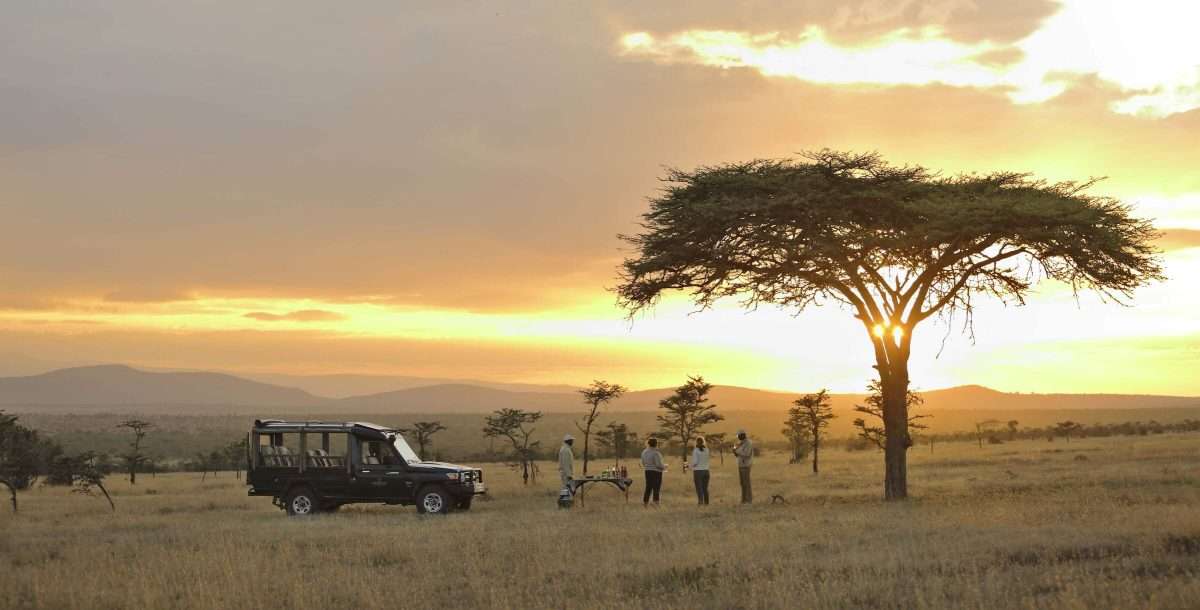
Laikipia has become the gold standard for high-end conservation. Lying north of Nairobi and Mount Kenya, this elevated plateau supports Kenya’s most innovative private conservation models alongside exceptional wildlife diversity, including endangered species rarely seen in the Mara.
- Ol Pejeta Conservancy (90,000 acres): The largest black rhino sanctuary in East Africa and home to the last two northern white rhinos on earth. Beyond rhinos, Ol Pejeta supports the Big Five, African wild dogs, chimpanzees at the Sweetwaters Sanctuary, Grevy’s zebra, and Jackson’s hartebeest. Night drives, walking safaris, and conservation research participation available. Guests can engage in citizen science activities including tracking wild dogs with researchers and visiting anti-poaching canine units. TourwithPipi uses The River Camp at Ol Pejeta on fly-in Kenya itineraries.
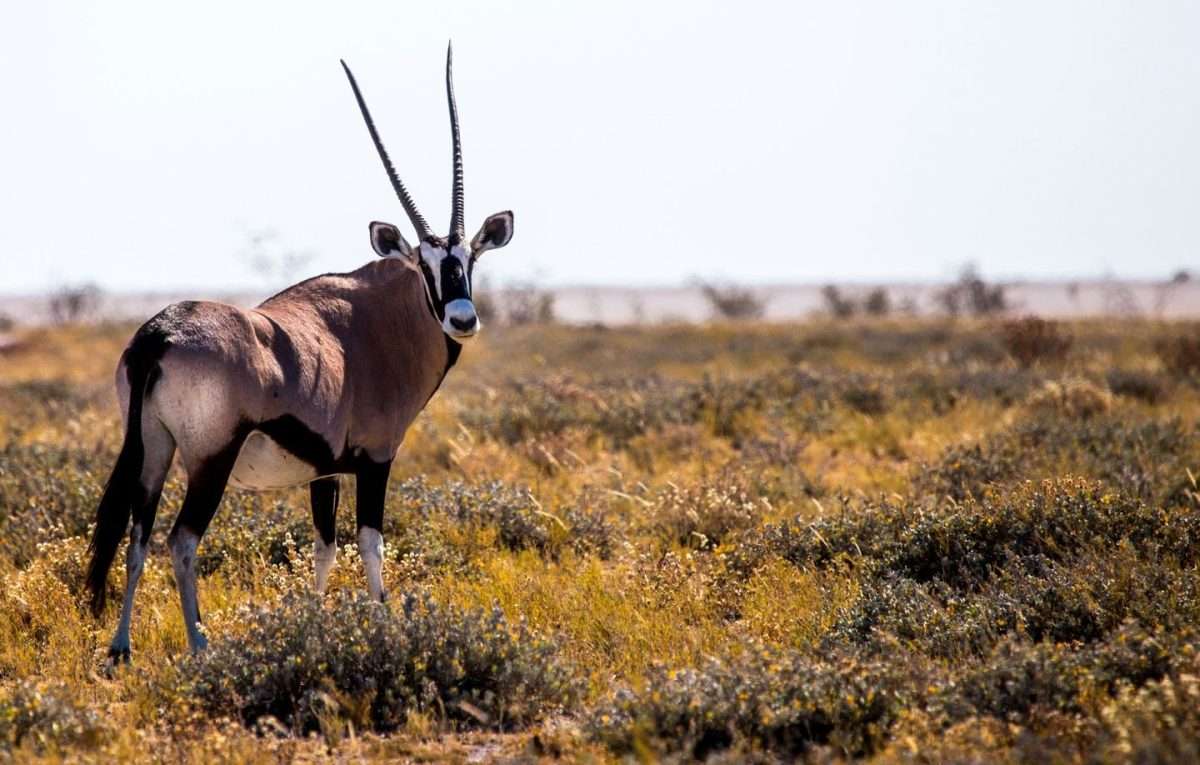
- Lewa Wildlife Conservancy (62,000 acres): A UNESCO World Heritage Site and Kenya’s most celebrated conservation success story. Originally a cattle ranch, Lewa was converted to a black rhino sanctuary and now holds 255 black and white rhinos, the Grevy’s zebra, sitatunga, oryx, and healthy predator populations. Lewa has pioneered conservation management for both private and community lands, and is now translocating rhinos to other conservancies and educating others on best practices. Conservation revenue funds community healthcare, education, and water projects for tens of thousands of people.
- Borana Conservancy (37,000 acres): Adjacent to Lewa on the south, offering exclusive wildlife viewing with some of the best horseback safaris in Kenya. Home to black rhinos, buffalo, eland, and healthy lion and cheetah populations. Conservation revenue supports community schools and a mobile health clinic for surrounding communities.
- Loisaba Conservancy (57,000 acres): Laikipia’s most diverse activity conservancy. Night drives, camel treks, walking safaris, horseback riding, and the famous Loisaba star beds (sleeping platforms raised into the treetop canopy) alongside standard game drives. Strong wildlife including elephants, lions, leopards, African wild dogs, Grevy’s zebra, and reticulated giraffe.
- Namunyak Wildlife Conservancy, Samburu (850,000 acres): 100% Samburu-owned in the Matthews Range, northern Kenya. Home to the Reteti Elephant Sanctuary, which rescues orphaned calves and releases them back into the conservancy. Sarara in the Namunyak Conservancy is one of the most dramatic camps in Kenya, positioned above a waterhole in the Matthews Range with a community-owned model that is among the most directly impactful in the country. A completely different Kenya from the Mara: remote, dry, and culturally Samburu throughout.
Tsavo and Amboseli Conservancies
- Selenkay Conservancy (13,500 acres) In the Amboseli ecosystem, operated by Gamewatchers Safaris. Used by Porini Amboseli Camp. Close elephant encounters, Kilimanjaro views, and deep Maasai cultural interactions. A strong choice for travelers who want Amboseli wildlife without Amboseli park crowds.
- Ngutuni Sanctuary (10,000 acres) Surrounded on three sides by Tsavo East National Park, making it a natural corridor for elephants, lions, and cheetahs. Night game drives available, which are not permitted in Tsavo East itself. Within 2.5 hours of Mombasa.
Conservancy vs National Park: Which Is Right for You?
Choose a conservancy if:
- You want off-road driving, night drives, and walking safaris
- Exclusive wildlife encounters matter more to you than budget
- You are a photographer who needs vehicle positioning flexibility
- You want your tourism spend to go directly to local communities
- You prefer fewer tourists at sightings
Choose a national park if:
- You are on a tighter budget and need lower park fees
- You want the greatest possible wildlife density and variety
- You are specifically targeting Great Migration river crossings at peak season inside the reserve
- You are combining multiple parks on a road safari and need efficient access
Many travelers do both: stay inside a conservancy for the exclusive activities and cross into the national reserve for migration season game drives.
Conservancy Fees: What to Budget
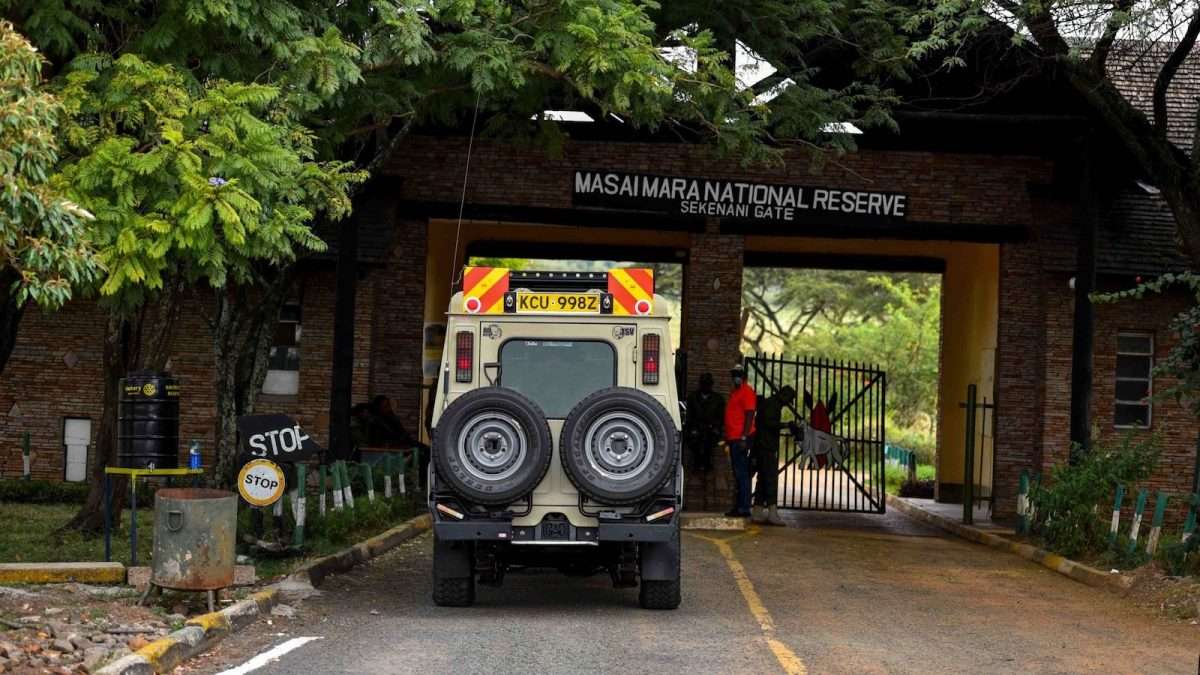
Conservancy fees are separate from national park entry fees and typically range from $70 to $200 per person per night. If your itinerary includes both a conservancy stay and entry into the Masai Mara National Reserve, you pay both fees separately.
Most reputable all-inclusive safari packages include conservancy fees in the total price. Always confirm this in writing before booking.
Book a Private Kenya Safari with TourwithPipi
TourwithPipi includes private conservancy stays on several Kenya safari itineraries, with all conservancy fees, park fees, game drive vehicles, guides, meals, and transfers included.
6-Day Luxury Kenya Safari, Signature — From $3,799 Ol Pejeta Conservancy and Masai Mara. Private Land Cruiser throughout.
7-Day Masai Mara Safari and Watamu Beach — From $3,699 Masai Mara ecosystem game drives with beach extension to Watamu.
8-Day Kenya Flying Safari, Signature — From $5,519 Fly-in between Ol Pejeta, Amboseli, and Masai Mara. Soroi Mara Bush Camp in Mara North Conservancy.
Talk to our team on WhatsApp to build a Kenya private safari itinerary around your dates and the conservancies that match your interests.
Frequently Asked Questions
What is a conservancy in Kenya?
A wildlife conservancy in Kenya is land managed by a private owner, community group, or corporate entity for wildlife conservation alongside compatible land uses. Under Kenya’s Wildlife Act 2013, conservancies are a recognized land-use category. They complement national parks by protecting land that government reserves cannot reach.
What is the difference between a conservancy and a national park in Kenya?
National parks are government-owned and managed by Kenya Wildlife Service. Conservancies are privately or communally owned and operated. Conservancies allow off-road driving, night drives, and walking safaris that national parks do not permit. Vehicle numbers are controlled to keep wildlife encounters exclusive.
Are private Kenya safaris in conservancies worth the higher cost?
Yes, for most travelers. The higher price includes lower visitor density, more personalized experiences, and extended safari activities such as night drives and walking safaris. The direct community benefit through conservancy fees also adds meaningful value for travelers who care about conservation impact.
Which conservancy in Kenya has the most lions?
Mara Naboisho has between 70 and 100 lions, one of the highest densities of any conservancy in Africa. Olare Motorogi is also known for exceptional lion concentrations per square kilometre. Mara North has several well-documented resident prides including the Acacia and Gorge prides.
Can I do night drives in Kenya conservancies?
Yes. Night drives are standard in all private conservancies. They are not permitted inside the main Masai Mara National Reserve. Night drives access a completely different range of species: leopards, aardvarks, servals, civets, genets, and hyenas actively hunting.
What is the best conservancy in Kenya for rhinos?
Ol Pejeta Conservancy in Laikipia is the largest black rhino sanctuary in East Africa and the only place where the last two northern white rhinos can be seen. Lewa Wildlife Conservancy holds 255 black and white rhinos and has driven one of the most successful rhino recovery programs in Africa.
Do conservancy fees go to local communities?
Yes. Most Kenya conservancies operate on land-lease agreements where local Maasai or other community landowners receive direct regular payments for dedicating their land to wildlife conservation. In Mara Naboisho, for example, over 700 Maasai families receive income from the conservancy model.
How do I book a private safari in a Kenya conservancy?
Book through a Kenya-based operator who has established relationships with specific conservancies and camps. All TourwithPipi Kenya packages use vetted lodges inside or adjacent to private conservancies, with all conservancy fees included. Contact us on WhatsApp to discuss which conservancies match your travel dates and interests.
Key Takeaways
- 65% of Kenya’s wildlife lives on community and private land outside national parks. Conservancies protect that land.
- Private conservancies in Kenya offer off-road driving, night drives, and walking safaris that national parks do not permit.
- Vehicle density at conservancy sightings is a fraction of what you experience in the main Masai Mara reserve during peak season.
- Conservancy fees ($70 to $200 per person per night) go directly to Maasai and local landowners through land-lease agreements.
- The Masai Mara conservancies (Naboisho, Mara North, Olare Motorogi, Ol Kinyei) are best for big cats and migration access without crowds.
- The Laikipia conservancies (Ol Pejeta, Lewa, Borana, Loisaba) are best for rhinos, endangered species, and diverse activities including horseback and camel treks.
- Conservancy fees are separate from national park entry fees. Confirm which fees are included in your package before booking.


