
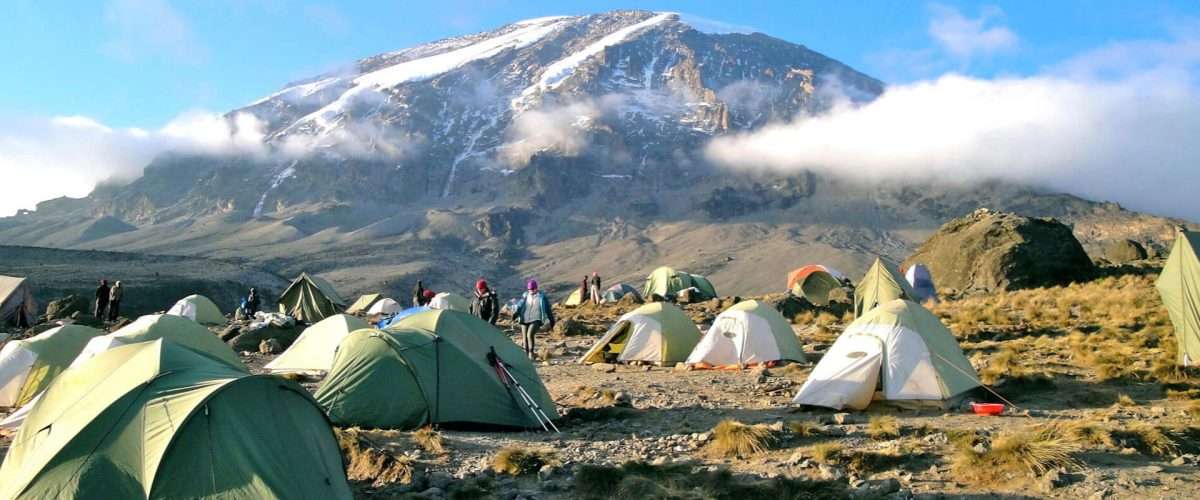
Mount Kilimanjaro is located entirely in Tanzania, not Kenya.
However, many travelers become confused because the mountain stands very close to the Kenya border and is clearly visible from several famous Kenyan national parks.
From the Kenyan side, especially in Amboseli and Tsavo West, Kilimanjaro rises dramatically behind wildlife like elephants and giraffes. These postcard views make it easy to assume the mountain belongs to Kenya. In reality, every part of the mountain, including all hiking routes and park gates, is inside Tanzania.
At TourwithPipi, we plan both Kenya safaris and Tanzania trips, so we explain this clearly to our guests. You can enjoy Kilimanjaro views from Kenya, but if you want to climb it, you must travel to Tanzania.
Where is mt Kilimanjaro Located
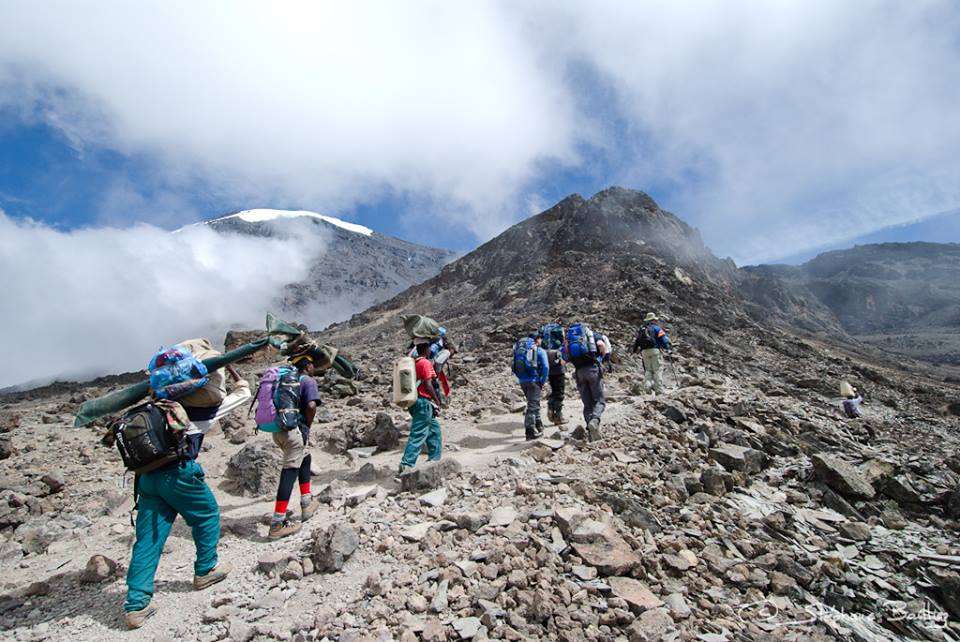
Mount Kilimanjaro is located in northeastern Tanzania in East Africa. Administratively, it lies in the Kilimanjaro Region of Tanzania and is protected within Kilimanjaro National Park.
The nearest major town to Mount Kilimanjaro is Moshi, which sits on the southern slopes of the mountain and serves as the main base for climbers. Arusha is another important nearby city and is often used as a secondary gateway.
Geographically, Mount Kilimanjaro is positioned only about 20 kilometers or 12.4 miles south of the Kenya–Tanzania border. It is approximately 225 kilometers or 140 miles south of Nairobi, Kenya’s capital city. This close distance explains why the mountain is so easy to see from Kenya on clear days.
The exact coordinates of Mount Kilimanjaro are 3.0674 degrees south latitude and 37.3556 degrees east longitude. These coordinates place the mountain just south of the Equator. Although the Equator runs only about 330 kilometers or 205 miles north of the summit, Kilimanjaro’s peak is permanently cold because of its extreme height.
Mount Kilimanjaro rises to 5,895 meters or 19,341 feet above sea level, making it the highest mountain in Africa and the tallest free standing mountain in the world. Its great height and open surrounding plains make it visible from long distances, especially from southern Kenya.
Why Mount Kilimanjaro Is Often Linked to Kenya
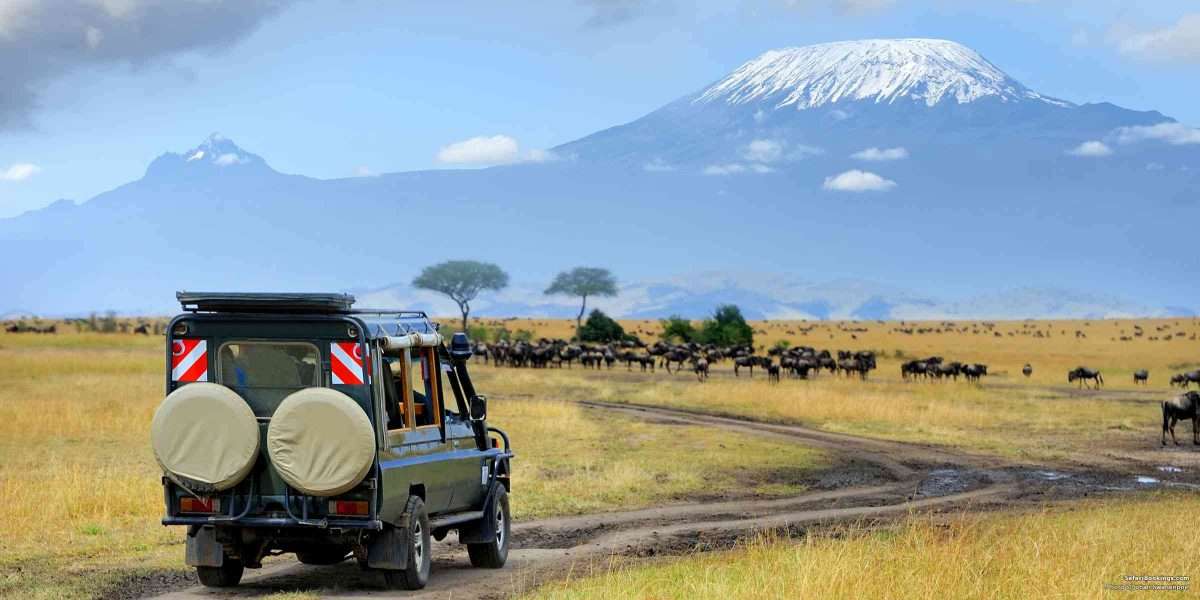
Mount Kilimanjaro is often linked to Kenya because it is clearly visible from southern Kenya, especially on clear mornings. Famous safari photos show elephants and giraffes walking with Kilimanjaro in the background, which makes many people think the mountain is in Kenya. In reality, these animals are standing in Kenya while the mountain itself is across the border in Tanzania.
Tourism marketing has strengthened this idea. Parks like Amboseli promote Kilimanjaro as part of the safari view, and over time this created confusion about its true location. Camera angles also play a role. From flat plains, the mountain looks very close, even though it stands about 20 km or 12.4 miles inside Tanzania. This visual illusion makes Kilimanjaro appear Kenyan, although it is fully Tanzanian.
Where You Can See Mount Kilimanjaro from Kenya
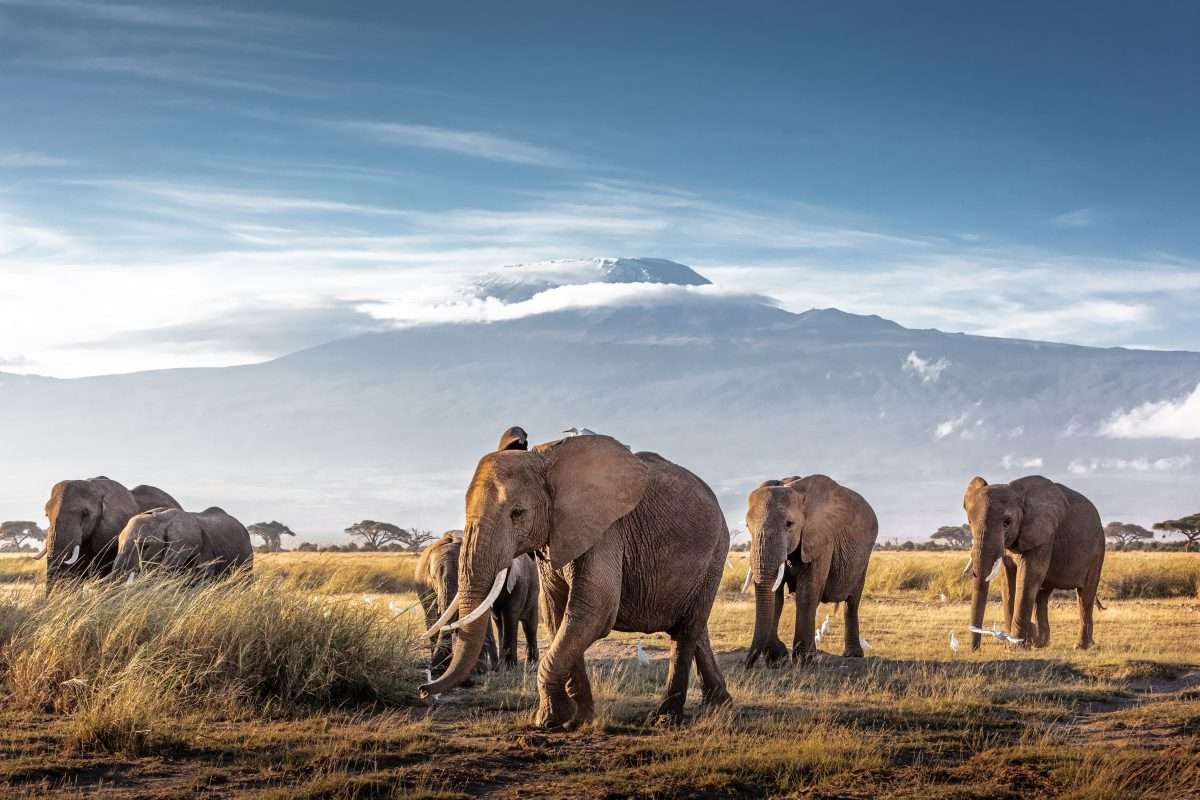
Amboseli National Park is the most famous viewing point in Kenya.
It covers about 392 sq km or 151 sq miles and lies around 240 km or 149 miles south of Nairobi. The park is known for its large elephant population of about 1,800 elephants, earning it the name Land of Giants. On clear days, Kilimanjaro forms a dramatic backdrop behind wildlife. In June 2023, Amboseli was added to Kenya’s tentative UNESCO World Heritage list.
Tsavo West National Park in Kenya is another place where Kilimanjaro can be seen on clear days.
It covers about 9,000 sq km or 3,475 sq miles and, together with Tsavo East, forms Kenya’s largest protected area. Wildlife includes lions, elephants, giraffes, buffalo, and rare black rhinos. Visibility of Kilimanjaro depends heavily on weather and cloud cover.
Best viewing tips:
Best time of day is early morning
Dry months offer clearer skies
Clouds often hide the peak by late morning
Observation Hill in Amboseli gives one of the best viewpoints
So yes, you can see Kilimanjaro from Kenya, but only from a distance and only in good weather.
Who Manages and Protects Mount Kilimanjaro
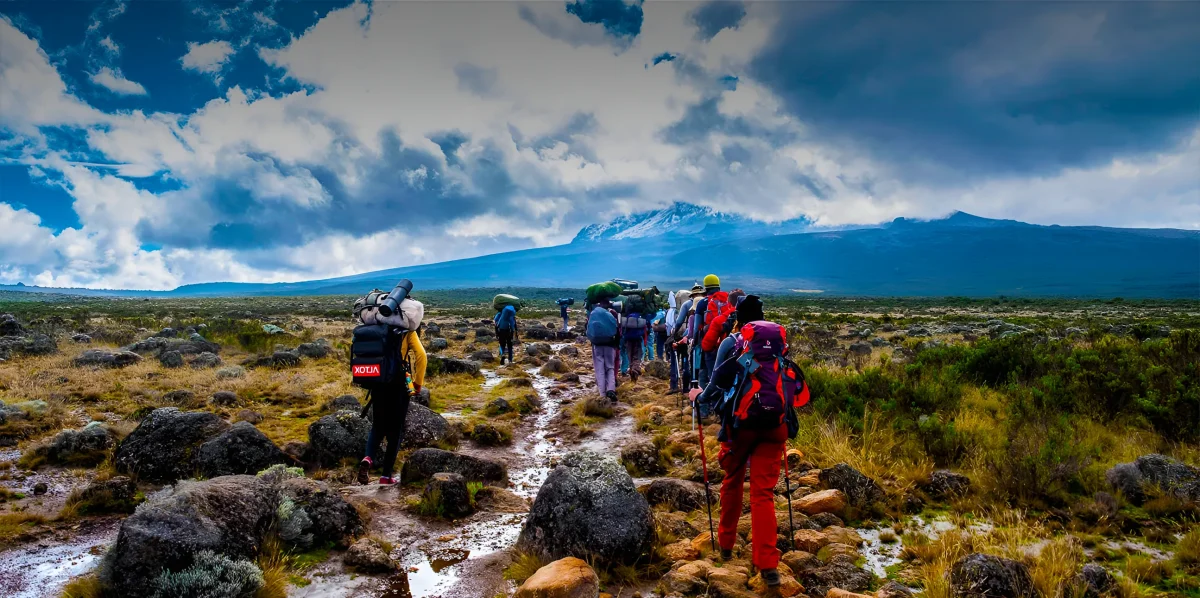
Mount Kilimanjaro is fully managed and protected by the Government of Tanzania. The mountain sits inside Kilimanjaro National Park, which is responsible for conservation, visitor safety, and trekking regulations. All climbing permits and park rules are controlled by KINAPA (Kilimanjaro National Park Authority).
In 1987, the park was listed as a UNESCO World Heritage Site, recognizing its global natural value and unique ecosystems. This status helps protect the mountain from overuse and environmental damage while supporting sustainable tourism.
Main Routes Used to Climb Mount Kilimanjaro
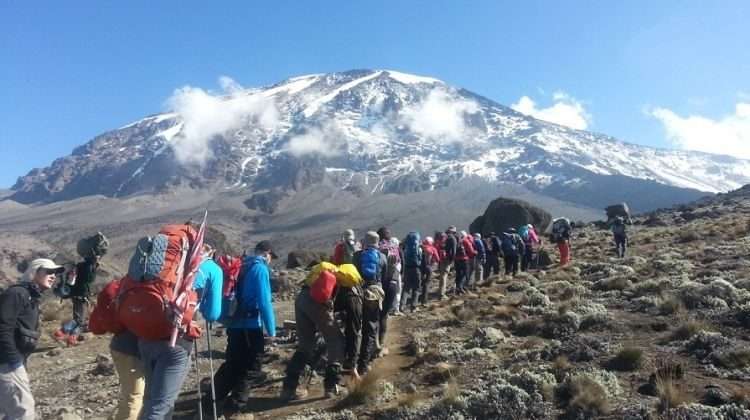
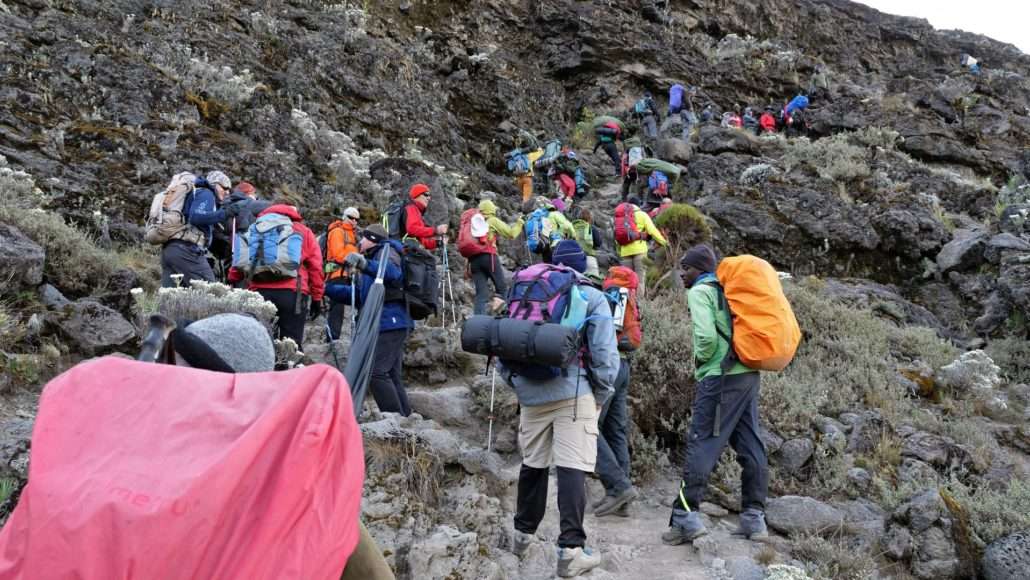
There are several official routes to reach the summit, and each offers a different experience in terms of scenery, difficulty, and success rate.
- Machame Route: Often called the most scenic route, Machame is very popular because it passes through all major climate zones and has good acclimatization. It usually takes 6 to 7 days and is known for its varied landscapes and higher summit success rate compared to shorter routes.
- Marangu Route: This is the only route with hut accommodation instead of tents. It is sometimes called the “Coca-Cola Route” because it is considered more comfortable. However, it is shorter, usually 5 to 6 days, which can make acclimatization harder.
- Lemosho Route: Lemosho is one of the longest and most gradual routes, taking about 7 to 8 days. It starts in the west and offers wide views and quieter trails in the early days. Its slow ascent gives it one of the highest success rates.
- Rongai Route: Rongai is the only route that approaches Kilimanjaro from the north side, near the Kenya border. It is drier than other routes and less crowded. The climb usually takes 6 to 7 days and is good during the rainy seasons.
- Northern Circuit Route: This is the longest route, often taking 8 to 9 days. It circles around the mountain and provides excellent acclimatization. Because of this, it has one of the best summit success rates and fewer crowds.
- Umbwe Route: Umbwe is the steepest and most challenging route. It is direct and physically demanding, with a rapid gain in altitude. It is usually chosen by experienced climbers and has a lower success rate due to limited acclimatization time.
- Shira Route: Shira approaches from the west and joins other routes higher up. It starts at a higher elevation, which makes acclimatization more difficult. It is often combined with Lemosho for better results.
- Western Breach: This is the most technical and least used route. It crosses steep rock sections and is considered risky due to rockfall areas. It is only attempted by experienced climbers with strong support teams.
All of these routes are located entirely in Tanzania and are managed by Kilimanjaro National Park, which controls permits, safety rules, and conservation of the mountain.
Best Time to Visit Mount Kilimanjaro
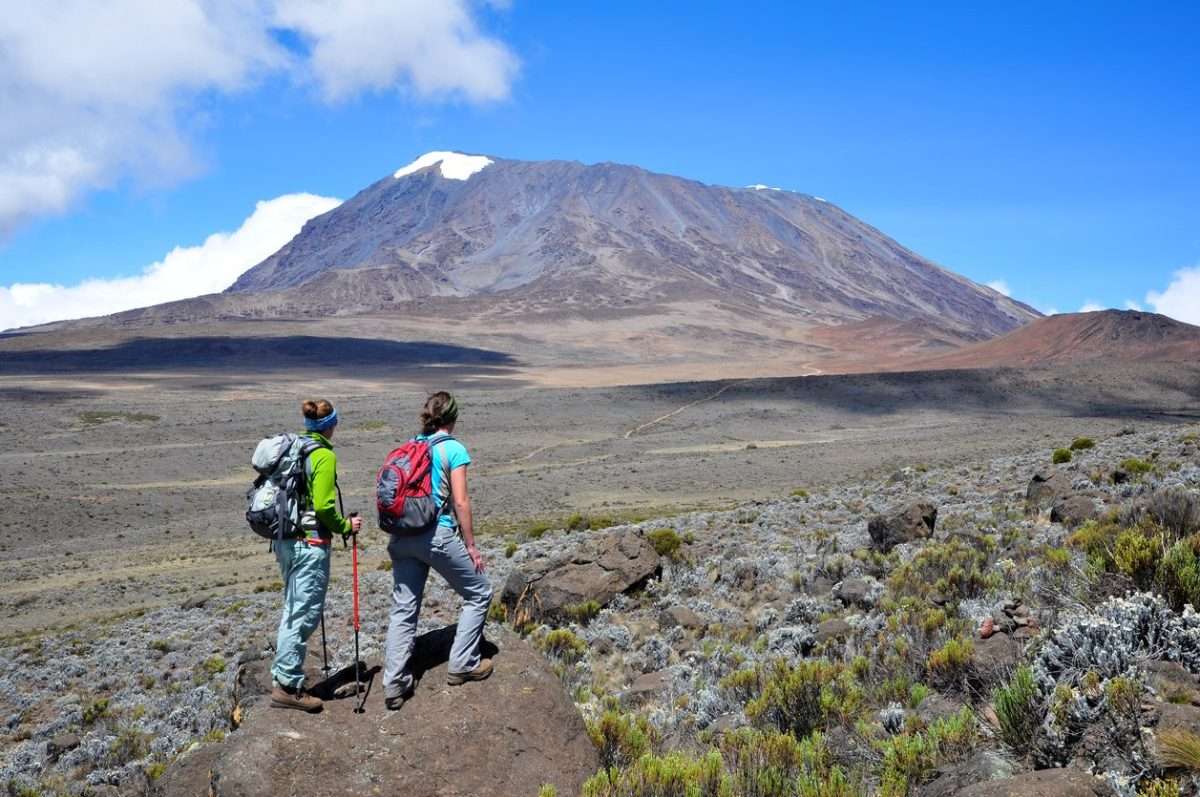
Mount Kilimanjaro can be visited all year, but some months are better than others depending on weather and visibility.
The best time is June to September, when conditions are cool and dry. Daytime temperatures at lower levels range from 15°C to 25°C (59°F to 77°F), and summit nights are cold but stable. This is the busiest season because skies are clearer.
Another good season is December to March, which is warmer and also mostly dry. These months are popular with travelers who want both safari and mountain views.
The rainy seasons are April to May and November. Trails can be muddy, clouds often hide the summit, and visibility is lower. However, prices are usually cheaper and the landscape is greener. The trade-off is fewer crowds but more challenging weather.
Mount Kenya vs Mount Kilimanjaro (Not the Same Mountain)
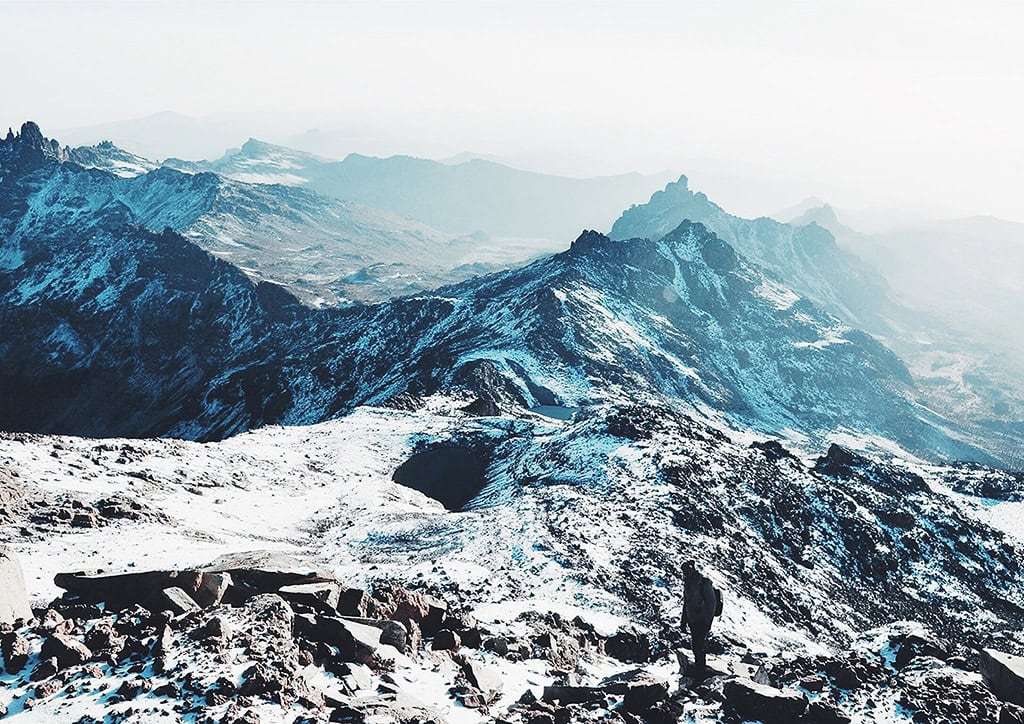
Mount Kenya and Mount Kilimanjaro are often confused, but they are completely different mountains in different countries.
Mount Kilimanjaro is in Tanzania and stands at 5,895 meters (19,341 feet), making it the tallest mountain in Africa. Mount Kenya is in Kenya and is 5,199 meters (17,057 feet), the second-highest in Africa.
Geologically, Kilimanjaro is a volcanic mountain with three cones called Kibo, Mawenzi, and Shira. Mount Kenya is an ancient volcanic plug shaped by erosion over millions of years.
Climbing systems are also different. Kilimanjaro does not require technical climbing skills, while Mount Kenya’s highest peaks require rock or ice climbing equipment and experience.
Common Myths About Mount Kilimanjaro
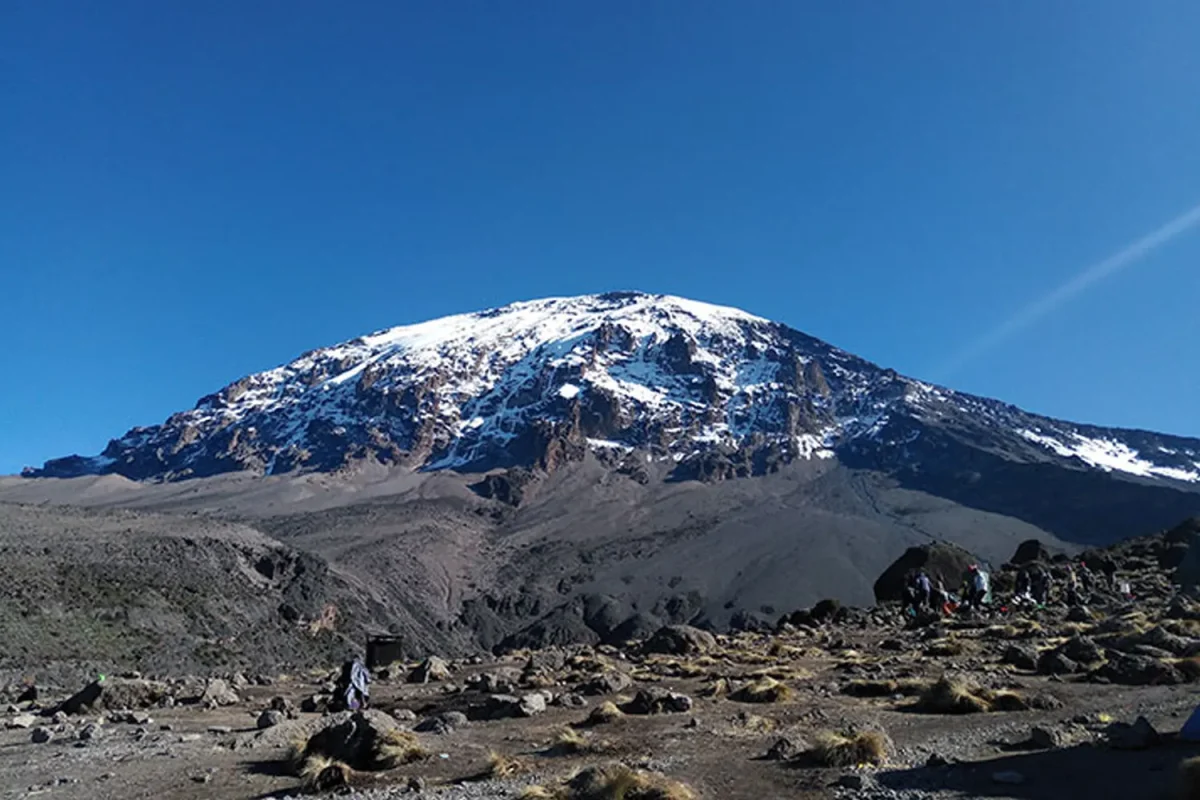
One common myth is that Mount Kilimanjaro is in Kenya. In reality, the entire mountain is in Tanzania, even though it can be seen clearly from Kenya.
Another myth is that you can climb Kilimanjaro from Kenya. You cannot. All official routes start in Tanzania and are managed by Kilimanjaro National Park.
Some people believe Kilimanjaro is inside Amboseli National Park. This is false. Amboseli is in Kenya and only offers views of the mountain from a distance.
There is also a myth that technical climbing is required. In truth, most Kilimanjaro routes are trekking routes that require fitness and acclimatization, not ropes or climbing gear.
Why Book Kilimanjaro and Safari with TourwithPipi

With TourwithPipi, we plan your trip based on how you want to see Kilimanjaro. We combine Kenya safaris and Tanzania mountain routes in one smooth journey so you do not waste days moving between borders.
We manage border routing, visas, and transport so your trip stays stress-free. We also choose the best parks for Kilimanjaro views, such as Amboseli in Kenya and the Kilimanjaro Region in Tanzania.
Our team handles timing so your safari and mountain plans match the best seasons for weather and visibility. We make sure you see Kilimanjaro clearly and experience it safely, whether you hike, photograph it, or climb it.
FAQs About Mount Kilimanjaro Location and Access
1. Is Mount Kilimanjaro closer to Kenya or Tanzania?
Mount Kilimanjaro is fully inside Tanzania, but it sits very close to the Kenya border. The distance from the mountain to the border is about 20 kilometers (12 miles). This is why people in Kenya can see it clearly on sunny days, even though the mountain itself is not in Kenya.
2. Why do many safari photos show Kilimanjaro with Kenyan wildlife?
Many famous photos are taken in Amboseli National Park in Kenya, where elephants and giraffes walk with Kilimanjaro in the background. The flat plains and open views make the mountain look closer than it really is. This creates the impression that Kilimanjaro is in Kenya, even though it is actually across the border in Tanzania.
3. What is the exact height of Mount Kilimanjaro?
Mount Kilimanjaro rises to 5,895 meters (19,341 feet) above sea level. It is the highest mountain in Africa and the tallest free standing mountain in the world, meaning it rises straight from the plains without being part of a long mountain chain.
4. Which town is the main gateway to Mount Kilimanjaro?
The main gateway town is Moshi, located in northern Tanzania. Moshi sits at the foot of the mountain and is where most climbers stay before and after their trek. It is about 40 kilometers (25 miles) from Kilimanjaro International Airport.
5. Can you drive from Kenya to Mount Kilimanjaro?
Yes, you can travel by road from Kenya to Kilimanjaro, but you must cross into Tanzania. Most travelers go through the Namanga or Loitokitok border posts, then continue to Moshi or Arusha. You cannot enter the mountain directly from the Kenyan side without crossing the border.
6. Does Mount Kilimanjaro sit on the Equator?
Mount Kilimanjaro is located just south of the Equator at about 3 degrees south latitude. This means the base of the mountain is in a warm tropical climate, while the summit is cold and icy. This sharp contrast is why the climb passes through several climate zones in just a few days.
7. Is Mount Kilimanjaro inside a national park?
Yes, the mountain is protected as Kilimanjaro National Park in Tanzania. The park covers about 1,688 square kilometers (652 square miles) and is managed by the Tanzanian government through KINAPA. It was declared a UNESCO World Heritage Site in 1987.
8. Can you see Mount Kilimanjaro from Nairobi?
No, Mount Kilimanjaro cannot be seen from Nairobi because it is too far away and blocked by terrain. Nairobi is about 250 kilometers (155 miles) from the mountain. You can see Kilimanjaro from southern Kenya, especially from Amboseli, but not from the capital city.
9. Why is Kilimanjaro called a free standing mountain?
Kilimanjaro is called free standing because it rises alone from the surrounding plains instead of being part of a mountain range like the Himalayas or Alps. It stands on its own as a massive volcanic structure made up of three cones called Kibo, Mawenzi, and Shira.
10. Do you need a visa for Tanzania if you view Kilimanjaro from Kenya?
If you only view Mount Kilimanjaro from Kenya, such as from Amboseli, you do not need a Tanzanian visa. However, if you want to hike or climb the mountain, you must enter Tanzania and therefore need a Tanzanian visa and a climbing permit issued by Kilimanjaro National Park.
Is Mount Kilimanjaro in Kenya?
No, Mount Kilimanjaro is not in Kenya. It is located entirely in northeastern Tanzania, near the Kenya border. Many people think it is in Kenya because you can see the mountain clearly from Kenyan parks like Amboseli and Tsavo, but all of Kilimanjaro’s land, climbing routes, and park entrances are in Tanzania. You can enjoy the views from Kenya, but if you want to visit or climb Mount Kilimanjaro, you must enter Tanzania.
Final Thoughts
Mount Kilimanjaro is often linked to Kenya because of the famous views from Amboseli and Tsavo, but the mountain itself is completely in Tanzania and can only be climbed from the Tanzanian side. You can admire it from Kenya, photograph it with wildlife in the foreground, and enjoy its beauty from afar, but every official trail, permit, and summit attempt begins in Tanzania.
Whether you want to hike its lower slopes, reach the summit, or simply see it rising above the savanna on safari, Kilimanjaro is best experienced with the right planning. When you understand its true location, climate zones, and access rules, your trip becomes safer, smoother, and far more rewarding.
Blog Summary
Mount Kilimanjaro is in Tanzania, not Kenya, even though it can be clearly seen from Amboseli and Tsavo in southern Kenya.
Many travelers get confused because famous safari photos show Kenyan wildlife with Kilimanjaro in the background, creating the illusion that it is in Kenya.
You cannot climb Mount Kilimanjaro from Kenya because all official routes and permits are controlled by Tanzania’s Kilimanjaro National Park.
The mountain rises to 5,895 meters (19,341 feet) and is the tallest mountain in Africa and the tallest free-standing mountain in the world.
Climbers pass through five climate zones, from warm farmland and rainforest to alpine desert and an icy summit near the Equator.
Popular climbing routes such as Machame, Marangu, Lemosho, Rongai, and Northern Circuit all start in Tanzania and offer different levels of difficulty and scenery.
You can enjoy short family friendly hikes on Kilimanjaro’s lower slopes, like the Marangu rainforest trail and Mandara Hut walk, without climbing to the top.
With the right planning, you can combine a Kenya safari for Kilimanjaro views with a Tanzania trek or visit, making your trip smoother and more rewarding.


