
Nairobi is Kenya’s capital sits in southern Kenya at an altitude of approximately 1,795 metres, which keeps temperatures mild and pleasant year-round. The name Nairobi comes from the Maasai phrase Enkare Nairobi, meaning “cool water,” a reference to the Nairobi River that runs through the region.
It is one of Africa’s fastest-growing cities and the continent’s fourth-largest, home to around 5 million people within the greater metropolitan area. Nairobi is the commercial, political, and cultural center of East Africa, the headquarters of several United Nations agencies, and the main hub connecting East Africa’s safari circuit to the rest of the world.
What makes Nairobi genuinely different from most capital cities is its relationship with wildlife. Nairobi National Park sits 7 kilometers from the city center. You can watch lions hunt against a skyline of glass towers. That is not something you can say about any other capital city on earth.
Things to Do in Nairobi
Nairobi National Park
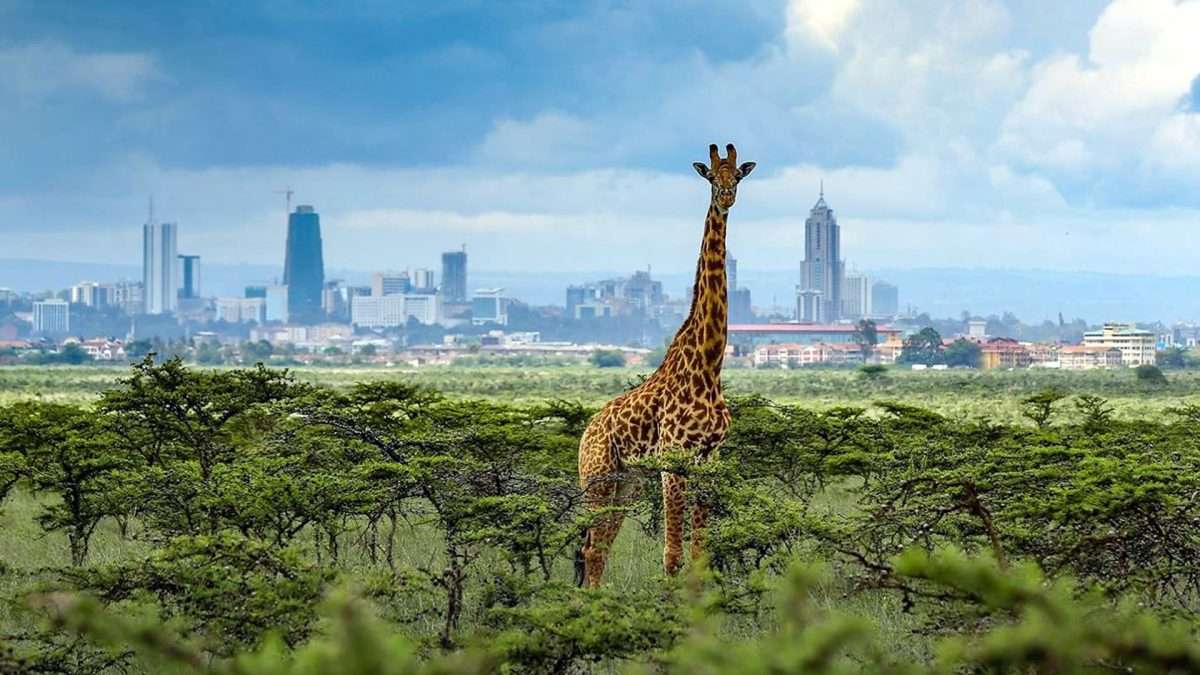
Nairobi National Park is the only national park in the world that sits inside a capital city. Located on the southern outskirts, just 7 kilometres from the city center, it covers 117 km² of open grassland, riverine forest, and rocky gorges. Four of the Big Five are present: lions, leopards, buffalos, and rhinos. The park holds around 50 black rhinos, the highest concentration of black rhinos in Africa, which earned it the nickname Kifaru Ark, Swahili for Rhino Ark.
Game drives here produce serious wildlife. Lions are spotted regularly. Cheetahs appear occasionally. Giraffes, zebras, wildebeest, elands, and hippos in the Athi River pools fill out a game drive that would feel extraordinary in any national park and feels almost surreal set against the Nairobi skyline.
The park is a perfect option for travelers who are short on time and cannot make it to the Masai Mara or other parks, or as an add-on morning activity for guests departing on an afternoon flight.
The Nairobi Giraffe Centre
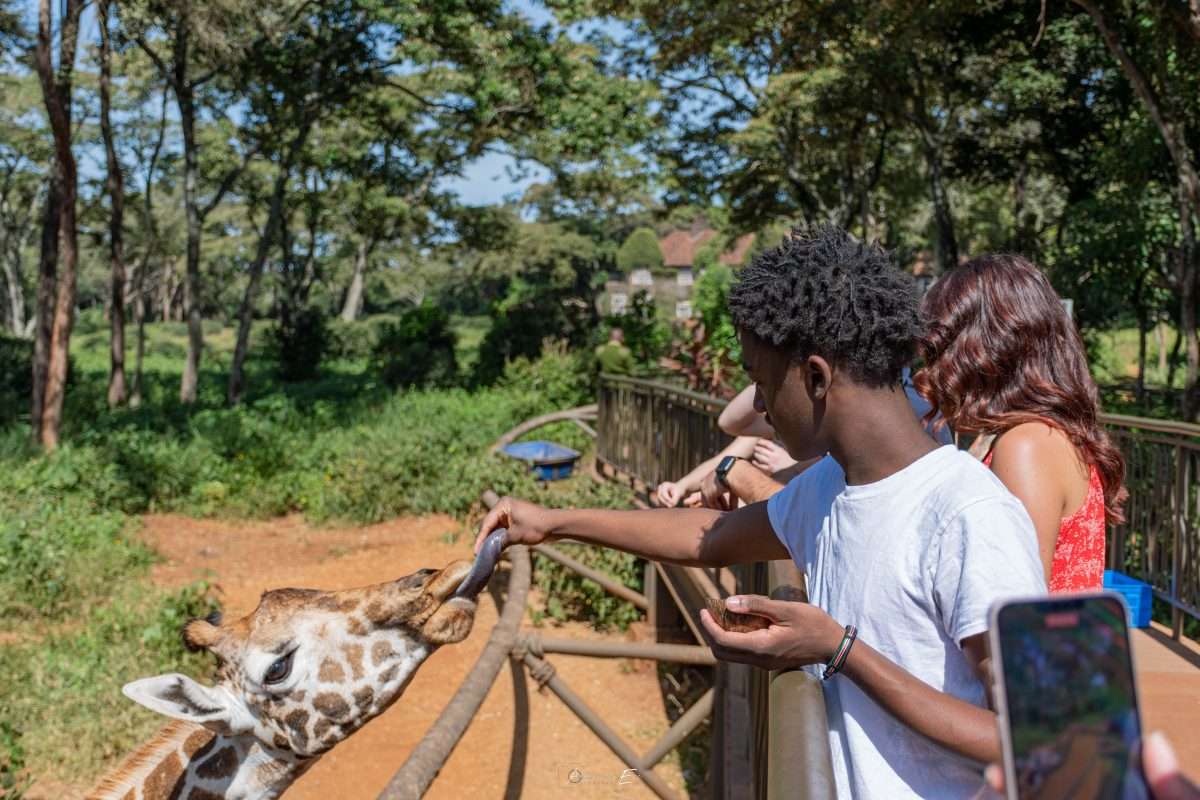
The Giraffe Centre in Lang’ata is one of the best wildlife experiences Nairobi offers. Run by the African Fund for Endangered Wildlife, it was founded in 1979 to save the Rothschild’s giraffe subspecies, which had dropped to fewer than 130 individuals in the wild. Today the elevated wooden feeding platform brings you eye-to-eye with these remarkable animals and you feed them pellets directly from your hand.
The centre is open daily from 9:00 AM to 5:00 PM. Non-resident adult tickets cost KES 1,500 (approximately USD 15). Arrive between 9:00 AM and 11:00 AM for the most active giraffes and smallest crowds. Every ticket includes a bowl of pellets and access to the 1.5-kilometre nature trail across the road.
TourwithPipi pairs the Giraffe Centre with the Masai Boma as a standard Nairobi day combination. Both attractions are in the Lang’ata area and take a comfortable half-day together.
David Sheldrick Wildlife Trust
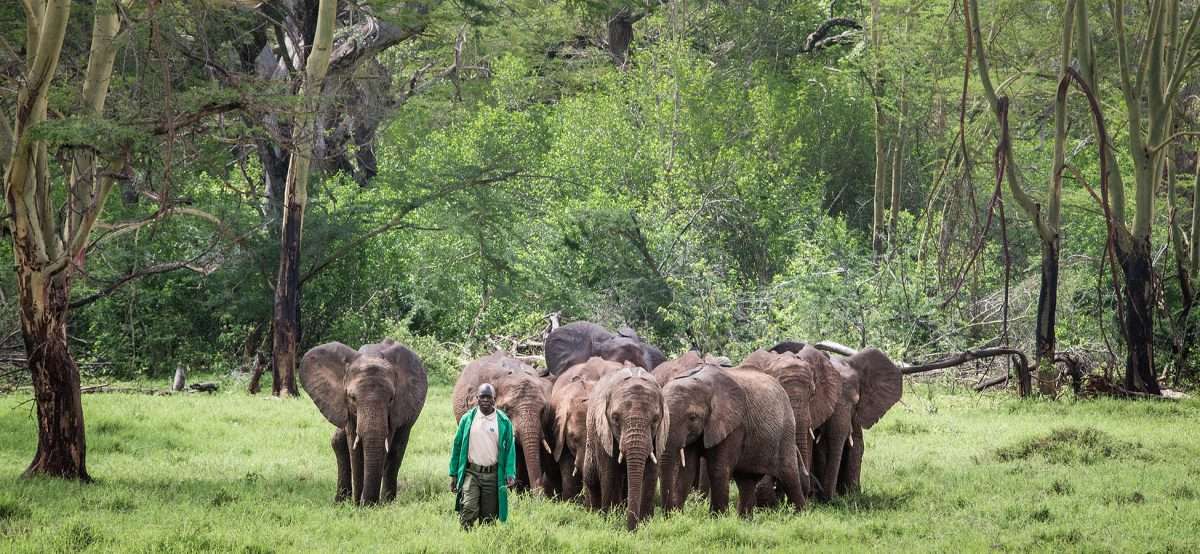
The David Sheldrick Wildlife Trust elephant orphanage is one of the most emotionally powerful wildlife experiences in Kenya. The orphanage rescues elephant calves that have lost their mothers to poaching or human-wildlife conflict, raises them in a protected environment, and reintegrates them into wild populations in Tsavo East National Park over a multi-year process.
The public visiting window runs daily from 11:00 AM to 12:00 PM. During this hour, keepers bring the orphaned calves out to a muddy open area where they feed on milk bottles, play in the mud, and interact with each other in full view of visitors. Watching a six-month-old elephant attempt to climb a mud pile while its keeper chases it is not something you forget quickly.
Entry is by donation and pre-booking online is recommended, particularly during peak season from July to October.
Karen Blixen Museum
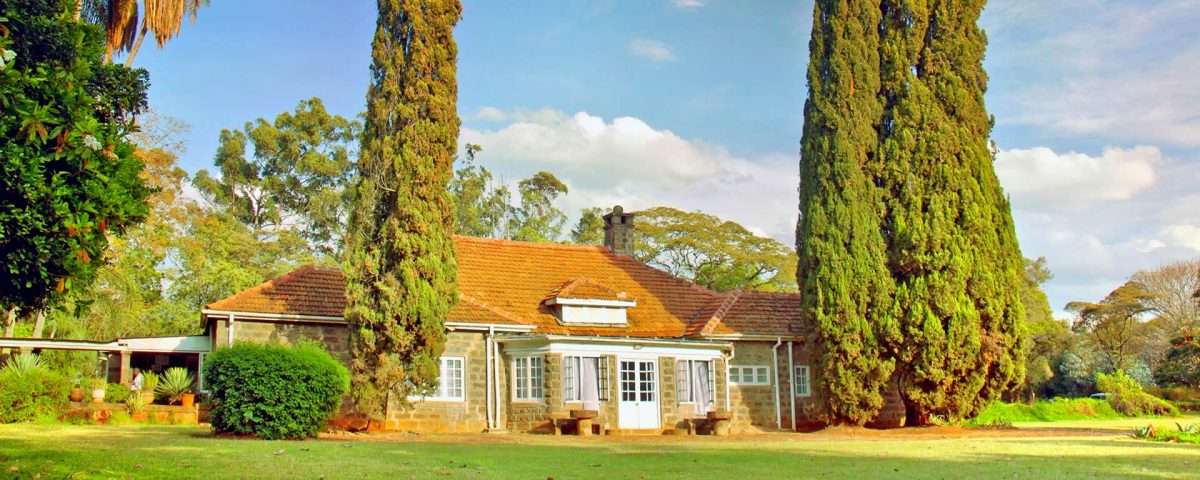
The Karen Blixen Museum sits 10 kilometres from the city center in the suburb that bears her name. It is the former home of Danish author Karen Blixen, whose memoir Out of Africa chronicled her years managing a coffee farm in Kenya between 1914 and 1931. The 1985 film adaptation with Meryl Streep and Robert Redford was loosely based on her life and shot partly on location.
The museum preserves the original farmhouse and furnishings with remarkable authenticity. The gardens surrounding the property are well maintained and peaceful.
The museum is close to the Oloolua Nature Trail, the Giraffe Centre, and the entrance to Nairobi National Park, making the Karen area the logical base for a full day of Nairobi activities.
Nairobi National Museum
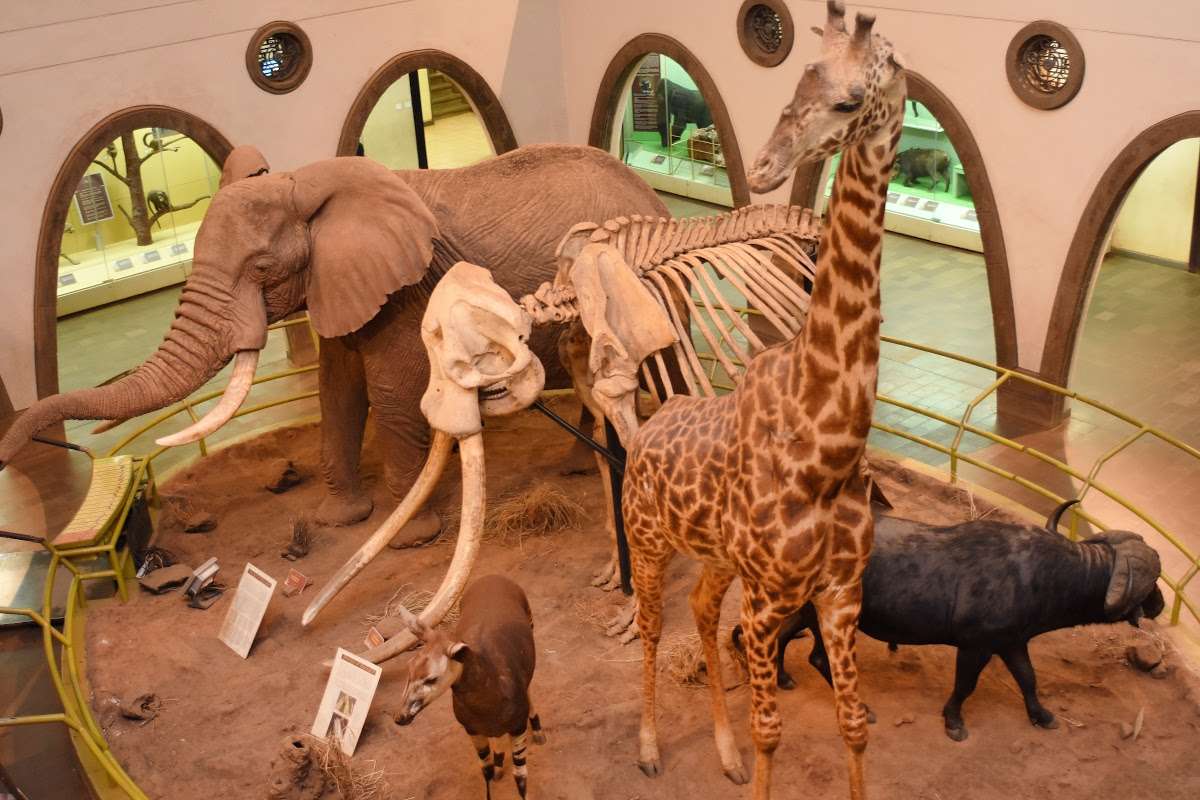
The Nairobi National Museum is 10 minutes from the city center and one of the most comprehensive natural history collections in East Africa. Built in 1929 and significantly expanded in 2008, it holds archaeological discoveries, cultural artefacts, and an extensive Birds of East Africa collection covering native species in detail.
The museum covers Kenya’s history from prehistoric times through the colonial period to independence and beyond. There is an art gallery, a snake park, and a botanical garden with a short nature trail. For travelers interested in the context behind what they are seeing on safari, the natural history and anthropology sections add real depth.
Bomas of Kenya
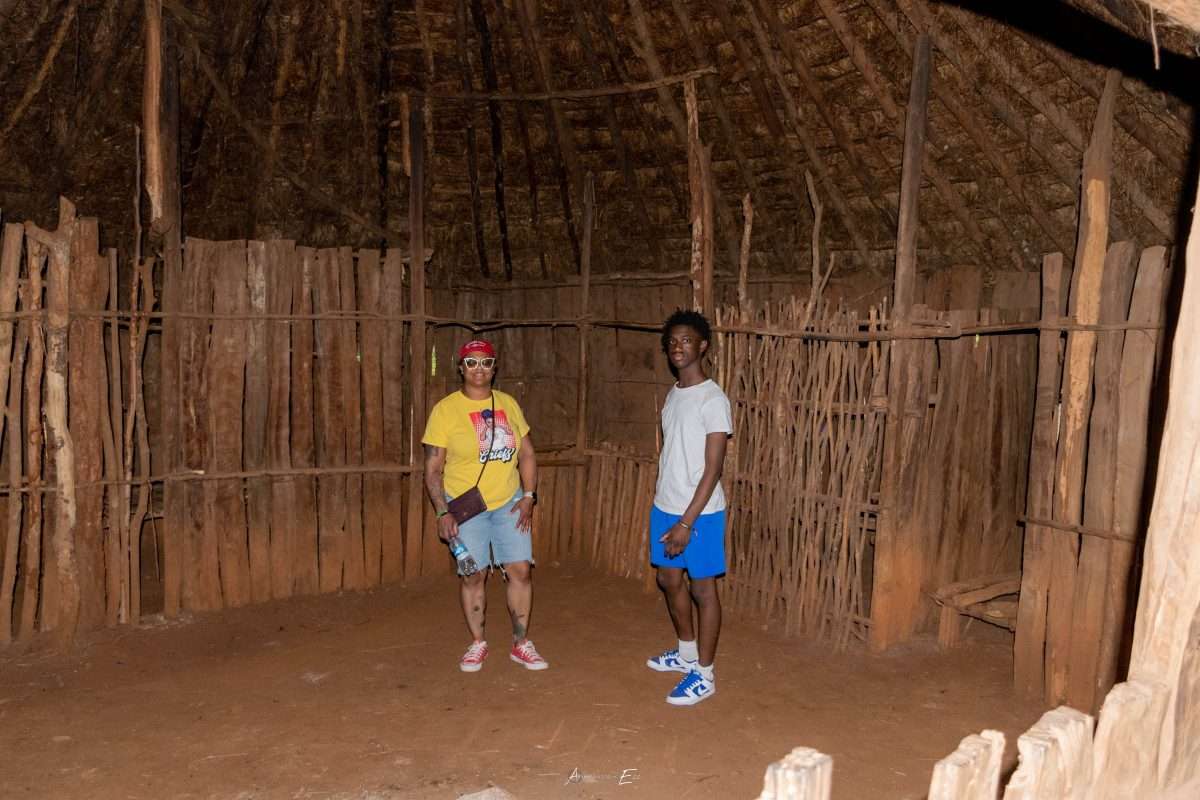
The Bomas of Kenya opened in 1971 as a cultural preservation project in Nairobi and has welcomed over 10 million visitors since. The complex features replica traditional villages representing the architecture and lifestyle of several Kenyan ethnic communities. The resident Harambee Dancers perform daily, presenting over 50 traditional dances from different communities across Kenya, accompanied by Embu drumming, Swahili taarab music, and traditional percussion.
From Thursday to Sunday, the Mambo Jambo Acrobats add juggling, balancing, and fire performances to the program. For families with children, this is one of the more engaging Nairobi attractions and provides genuine cultural context for the broader Kenya experience.
Karura Forest
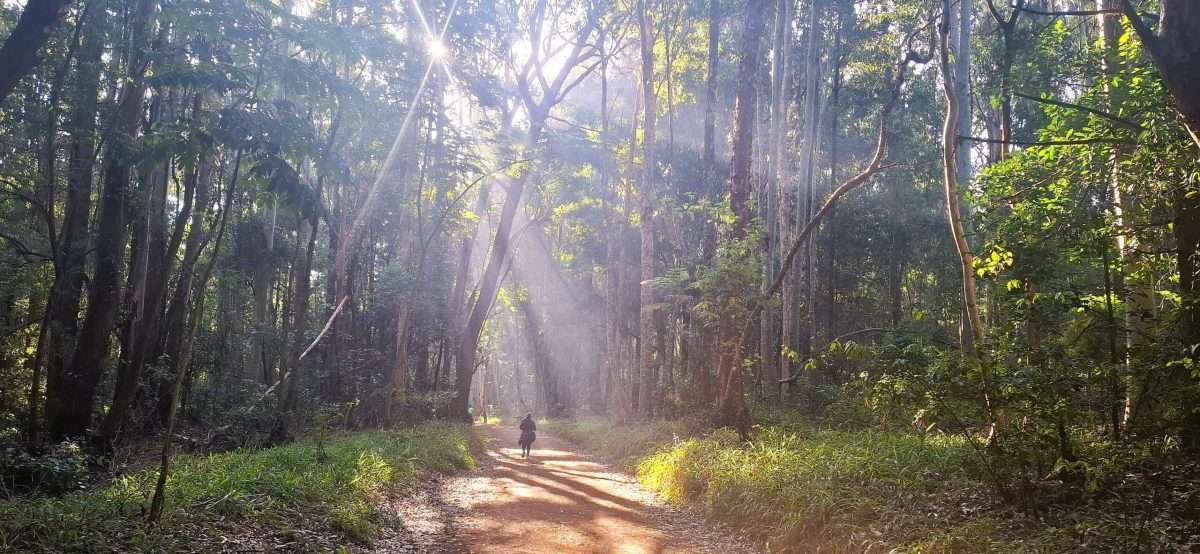
Karura Forest is an urban forest in the north of Nairobi, remarkable for both its size and the fact that it exists intact within one of Africa’s busiest cities. The forest has waterfalls, a bamboo section, forest trails, and cycling paths that attract around 16,000 visitors per month.
Wildlife in the forest includes several monkey species, dik-dik antelope, duikers, and bush babies. The contrast between the noise of the surrounding city and the quiet of the forest interior is striking. Karura is a good option for an early morning walk before heading to the airport or as a low-key half-day activity for travelers who want something gentler than a full game drive.
Oloolua Nature Trail
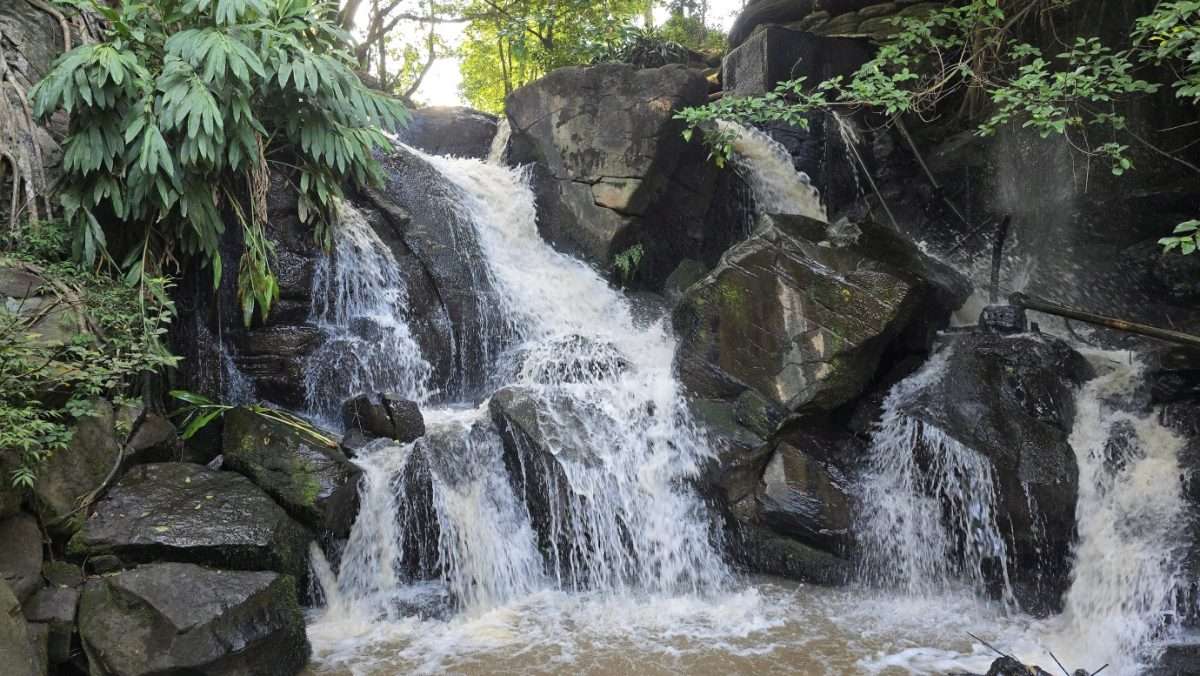
The Oloolua Nature Trail offers a similar atmosphere to Karura Forest but is closer to the Karen area. The trail passes through indigenous woodland, past a small waterfall and caves, and through a section of bamboo forest. It is a 15 to 20-minute drive from the Karen Blixen Museum and works well as an afternoon addition to a Karen area day itinerary.
The Maasai Market

The Maasai Market is a rotating open-air craft market held at different Nairobi locations on different days of the week, with the Sunday market at the Village Market in Gigiri being the most popular and most accessible for tourists. Stalls sell locally made beadwork, textiles, woodcarvings, leather goods, and kikoi fabric.
Go in knowing that initial prices will be significantly above what a local would pay. Bargaining is expected, enjoyable once you get into it, and entirely accepted. Start at around 40% of the asking price and work from there. Do not buy items made from wildlife materials including ivory, shells, or animal skins, which are illegal to export from Kenya.
Best Time to Visit Nairobi
Nairobi’s altitude keeps temperatures comfortable year-round. Daytime highs typically sit between 20°C and 26°C. Nights can drop to around 10°C to 14°C, particularly from June to August. Rain is the main variable.
| Season | Months | Conditions |
|---|---|---|
| Long Dry Season | June to October | Best for Nairobi National Park game drives |
| Short Dry Season | January to March | Good conditions, fewer crowds |
| Long Rains | March to May | Afternoon showers, reduced game visibility |
| Short Rains | November to December | Brief showers, still pleasant in the city |
The dry seasons are the best time to visit for Nairobi National Park game drives, when grass is short and wildlife concentrates around permanent water. The city itself is enjoyable year-round.
Getting to Nairobi
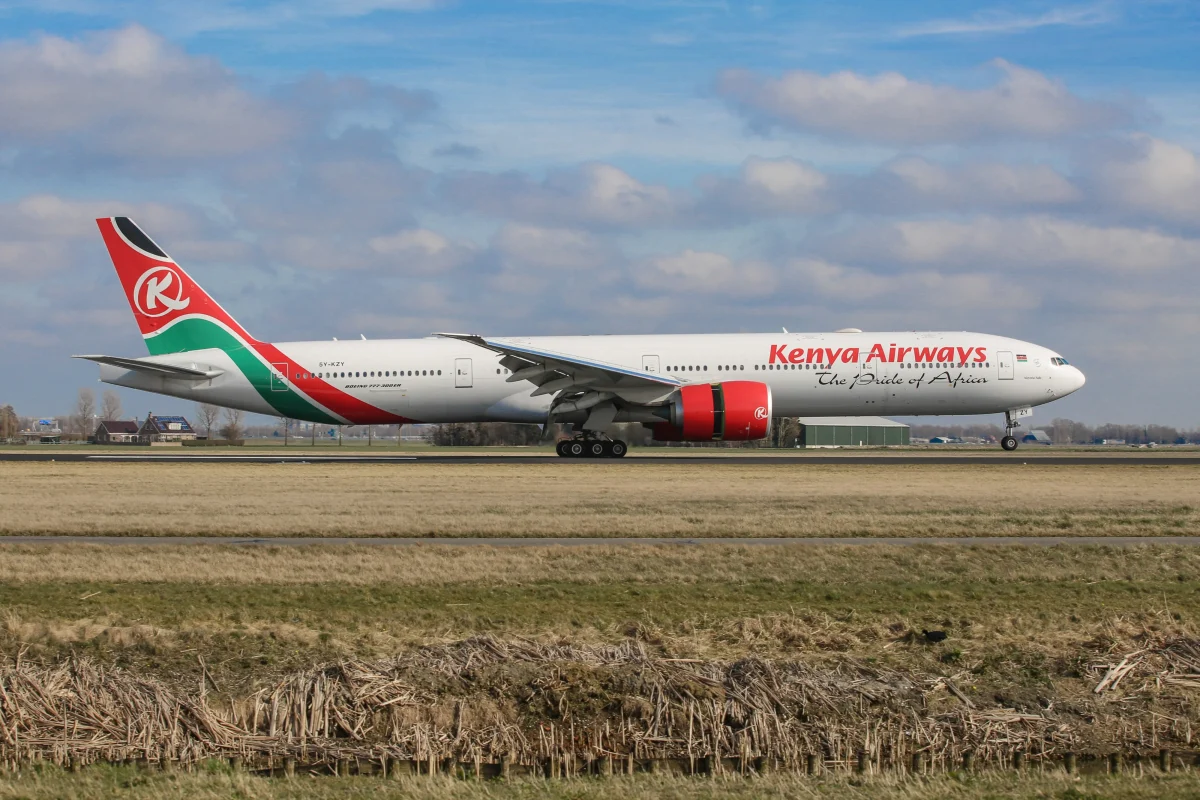
Most international flights arrive at Jomo Kenyatta International Airport (JKIA), Kenya’s main international gateway located around 15 kilometres southeast of the city center. Direct flights from London take approximately 8.5 to 9 hours. Flights from New York connect through European or Middle Eastern hubs and take 15 to 18 hours total.
Wilson Airport, a smaller domestic airport roughly 6 kilometres from the city center, handles bush flights to safari parks including the Masai Mara, Amboseli, and Nanyuki for Ol Pejeta. TourwithPipi arranges all transfers between JKIA, Wilson Airport, and Nairobi hotels as part of every Kenya safari package.
Getting Around Nairobi
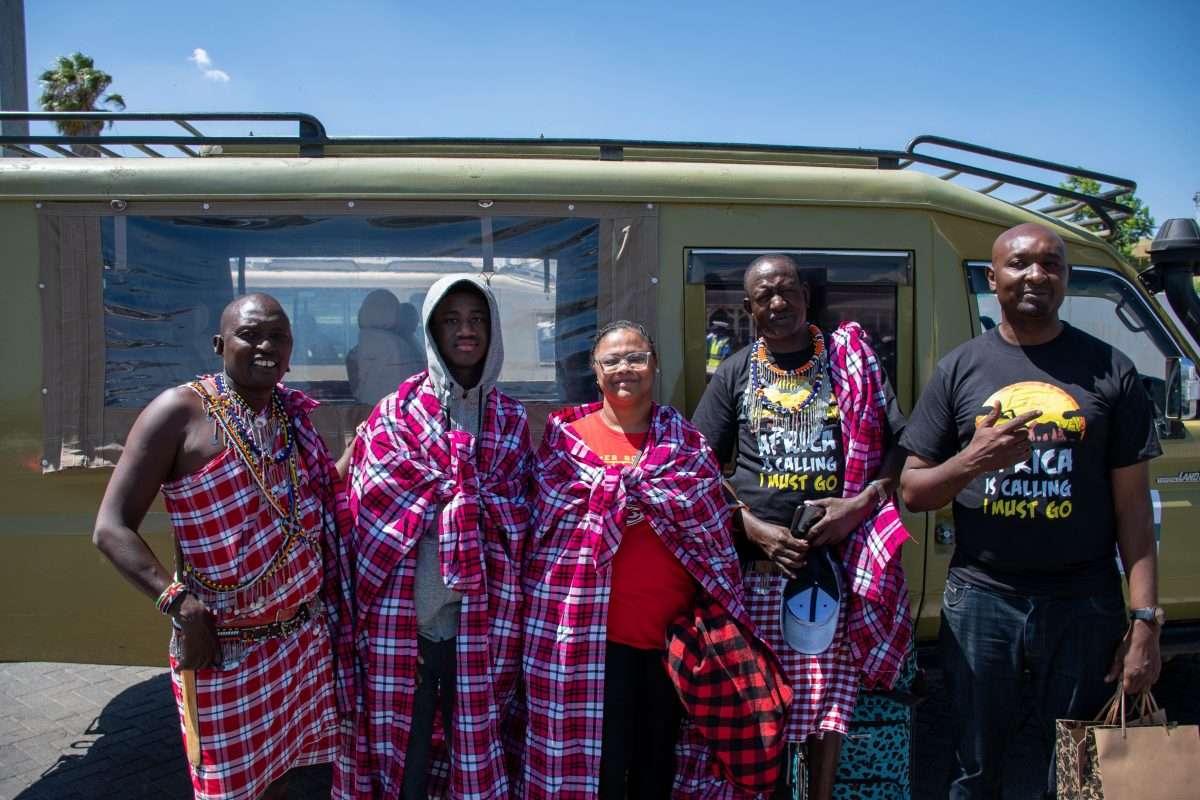
Uber and Bolt both operate reliably throughout Nairobi and are the most practical options for tourists. Standard taxis are available at all hotels but negotiate the fare before getting in. Matatus, the shared minibus network, are cheap and used by locals but not recommended for visitors unfamiliar with the routes.
Traffic in Nairobi is heavy during morning and evening peak hours, typically 7:00 AM to 9:30 AM and 4:30 PM to 7:30 PM. Factor this into any airport transfer timing. A journey that takes 20 minutes at midday can take over an hour during peak traffic.
Where to Stay in Nairobi
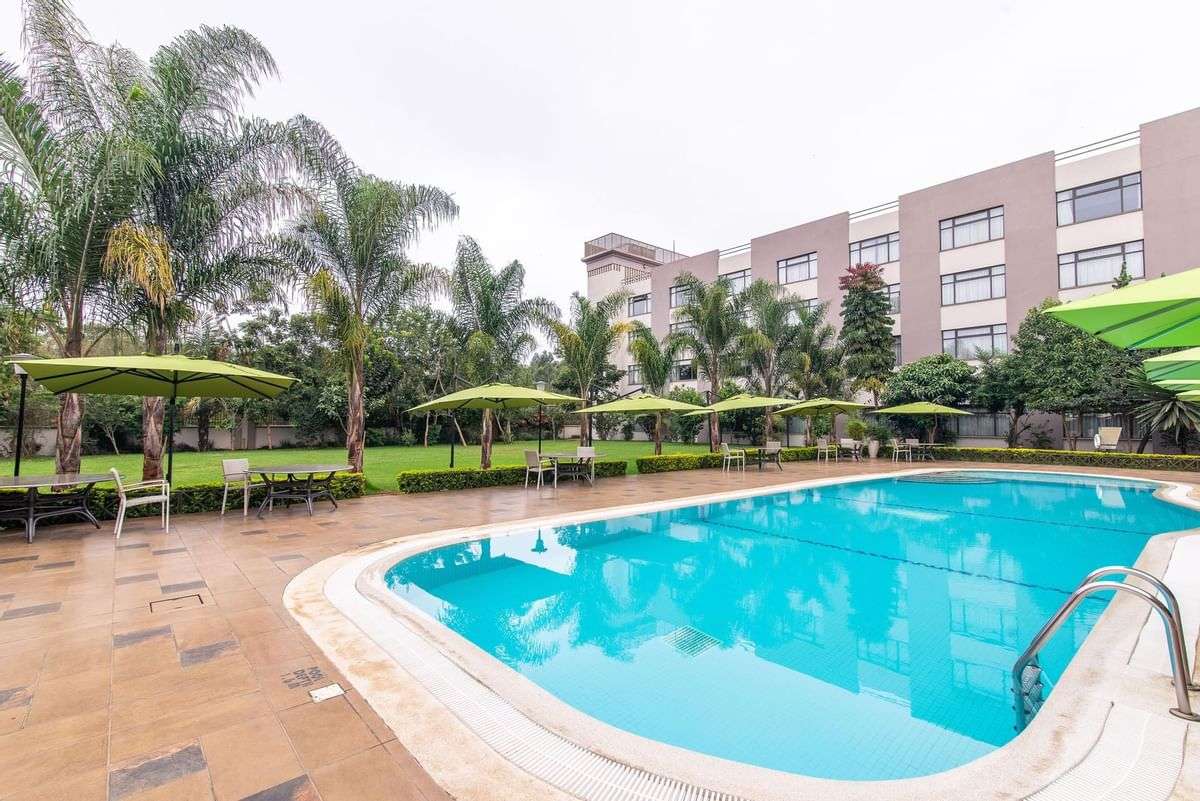
TourwithPipi uses Tamarind Tree Hotel in Nairobi as the standard accommodation for guests on arrival and departure nights. It is a calm, well-positioned property with easy access to Wilson Airport and the main Nairobi attractions in the Lang’ata and Karen area. The hotel is comfortable, the service is consistent, and it works well as a transition property between long-haul travel and safari.
Other options worth considering in Nairobi:
Hemingways Nairobi in Karen is a colonial-style boutique hotel with 45 rooms, a spa, and a strong restaurant. It is one of the most comfortable small hotels in the city and well-positioned for the Giraffe Centre and Karen Blixen Museum.
The Tribe Hotel in Village Market, Gigiri, is modern, design-forward, and convenient for the Sunday Maasai Market and the UN complex area. It is popular with international business travelers and has a good pool and restaurant.
For budget travelers, the Ibis Styles Nairobi Westlands near the central business district offers 277 reliable rooms with a fitness center and rooftop restaurant at a competitive price point.
Food and Drink in Nairobi
Nairobi has a genuinely good restaurant scene that most first-time visitors underestimate. The city has built a strong food culture influenced by its Swahili, Indian, and East African communities alongside a growing international dining scene.
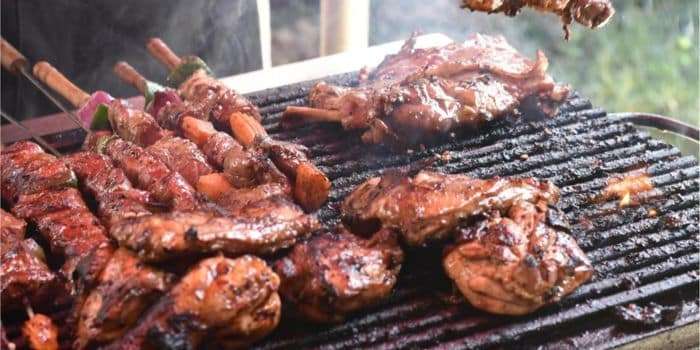
Nyama choma (roasted goat or beef) is the quintessential Nairobi meat dish and best eaten at a local joint where it arrives on a wooden board with ugali and kachumbari (tomato and onion salad). Carnivore Restaurant in Langata has been serving game meat and Kenyan specialties since 1980 and remains one of the city’s most famous dining experiences.
For Swahili coastal food, Swahili Beach and Tamarind Restaurant both serve excellent pilau rice, coconut fish curry, and grilled seafood. Indian food is widely available and consistently good across Westlands and the CBD. The city’s cafe culture has grown considerably and quality espresso is easy to find in Karen and Westlands.
Kenyan street food worth trying: mandazi (East African doughnuts), samosas filled with spiced meat or vegetables, mutura (Kenyan sausage), and mahindi (roasted corn) sold at roadside stalls throughout the city.
Is Nairobi Safe?
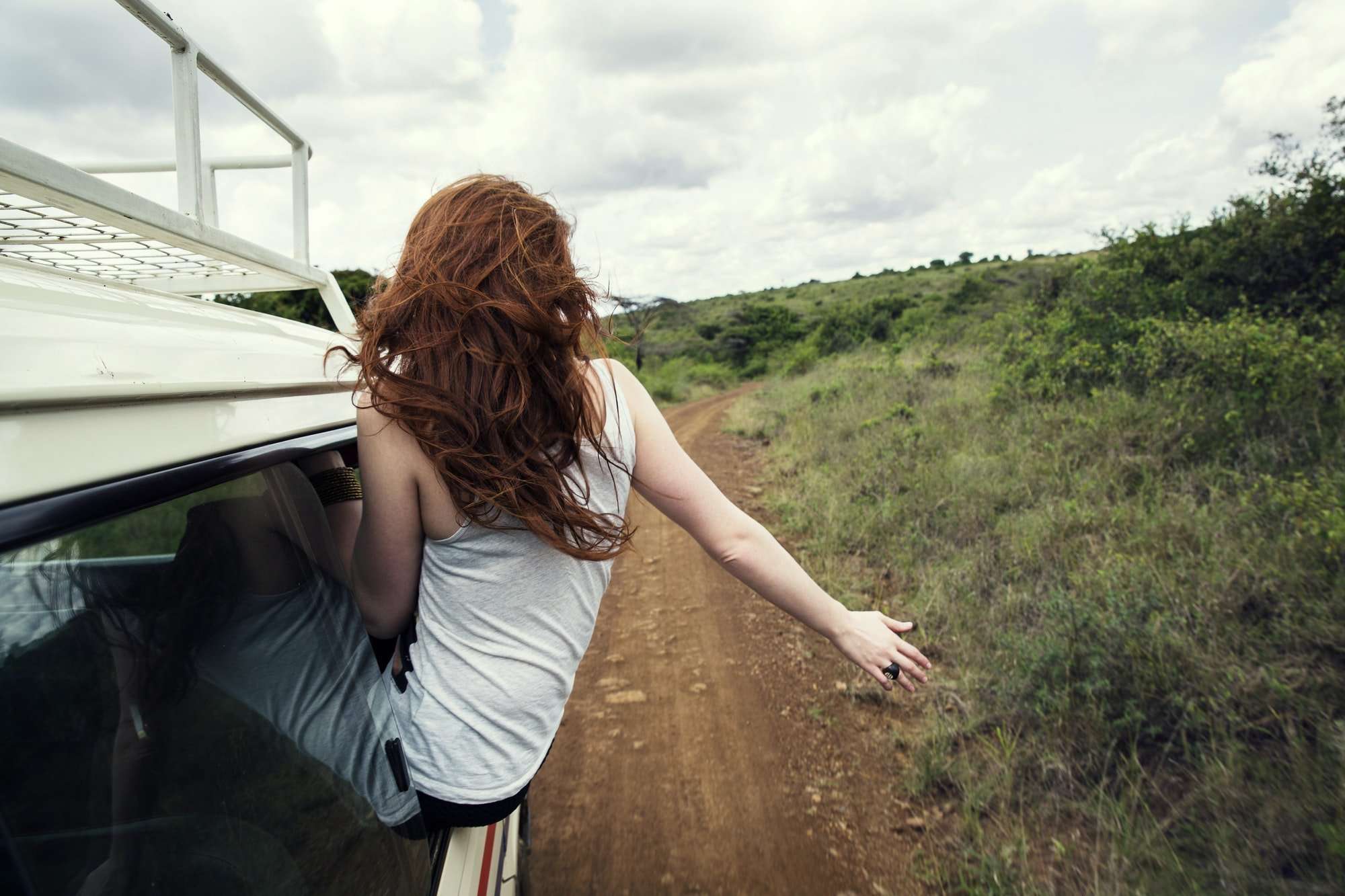
Yes, with standard travel common sense. Nairobi has areas that carry higher risk for tourists, particularly parts of the city center after dark and informal settlements on the city’s edges. The tourist areas including Karen, Lang’ata, Westlands, Gigiri, and the hotel districts are well managed and generally safe during the day and evening.
Use Uber or Bolt rather than hailing taxis off the street. Do not display expensive cameras, jewelry, or phones in busy public areas. Keep valuables in your hotel safe. Avoid walking alone after dark in unfamiliar areas.
The Foreign Commonwealth and Development Office travel advisory for Kenya notes elevated risk in the northeastern counties near the Somali border and some coastal areas, but Nairobi’s main tourist zones and all major safari parks fall outside these areas.
TourwithPipi arranges all Nairobi transfers using trusted private drivers and vetted vehicles, which is the safest and most practical way to move around the city.
Nairobi and Your TourwithPipi Kenya Safari

Nairobi is the start and end of every TourwithPipi Kenya itinerary. The team meets you at the airport on arrival, takes care of your hotel transfer, and ensures your departure morning runs smoothly whether you are catching a bush flight to the Mara or heading back to JKIA for an international connection.
For guests with time in the city, TourwithPipi arranges tailored Nairobi day programs combining the Giraffe Centre, David Sheldrick Elephant Orphanage, Karen Blixen Museum, and Nairobi National Park depending on your arrival time and interests. Every element is handled privately with a guide who knows the city well.
5 Key Takeaways
- Nairobi is the entry and exit point for every Kenya safari. Most travelers spend one to two nights here at the start and end of their trip.
- Nairobi National Park, 7 kilometres from the city center, is the only national park inside a capital city and holds the highest concentration of black rhinos in Africa.
- The Giraffe Centre and David Sheldrick Elephant Orphanage in Lang’ata are the two strongest Nairobi activities and work well together as a half-day combination.
- Karen and Lang’ata are the best areas to base yourself in Nairobi for access to the main attractions and proximity to Wilson Airport for bush flights.
- Traffic in Nairobi is heavy during peak hours. Always allow extra time for airport transfers and plan activities for mid-morning to avoid the worst congestion.
Frequently Asked Questions About Nairobi
1. Is Nairobi safe to visit?
Yes. Nairobi’s main tourist areas including Karen, Lang’ata, Westlands, and Gigiri are generally safe. Use Uber or Bolt, avoid displaying valuables in public, and follow standard travel precautions. Avoid walking alone after dark in unfamiliar areas.
2. What is Nairobi famous for?
Nairobi is Kenya’s capital and the safari gateway to East Africa. It is famous for Nairobi National Park, the only national park inside a capital city, as well as the Giraffe Centre, David Sheldrick Elephant Orphanage, and its role as the commercial hub of East Africa.
3. How many days do I need in Nairobi?
One night is enough for a transit stay. Two days allows you to cover the Giraffe Centre, elephant orphanage, Karen Blixen Museum, and Nairobi National Park comfortably. Three days gives you time to add the National Museum, Bomas of Kenya, and Karura Forest.
4. What is the best time to visit Nairobi?
June to October during the long dry season is the best time for Nairobi National Park game drives. January to March is also good. Nairobi’s altitude keeps it pleasant year-round, though the long rains from March to May bring regular afternoon showers.
5. How far is Nairobi from the Masai Mara?
The Masai Mara is approximately 270 kilometres from Nairobi, a five to six hour drive, or 45 minutes by bush plane from Wilson Airport. TourwithPipi arranges all transfers between Nairobi and the Mara as part of Kenya safari packages.
6. Where should I stay in Nairobi?
TourwithPipi uses Tamarind Tree Hotel for arrival and departure nights. For a more boutique experience, Hemingways Nairobi in Karen is excellent. The Karen and Lang’ata areas are the most convenient for the Giraffe Centre, elephant orphanage, and Wilson Airport access.
7. What airport do I fly into for a Kenya safari?
Jomo Kenyatta International Airport (JKIA) handles all international arrivals. Wilson Airport handles domestic bush flights to safari parks including the Masai Mara, Amboseli, and Nanyuki for Ol Pejeta.
8. What is there to do in Nairobi with kids?
The Giraffe Centre, David Sheldrick Elephant Orphanage, Nairobi National Park, Bomas of Kenya, and the National Museum are all excellent family activities. The Giraffe Centre and elephant orphanage together make one of the best family half-days available in any African city.
9. What food should I try in Nairobi?
Try nyama choma (roasted meat served with ugali), mandazi (East African doughnuts), pilau rice, and fresh Kenyan chai. Carnivore Restaurant is Nairobi’s most famous dining institution. The city also has a strong Indian food scene across Westlands and the CBD.
10. What should I not do in Nairobi?
Do not display expensive cameras or phones in busy public areas. Do not hail taxis off the street. Do not walk alone after dark in unfamiliar areas. Do not buy wildlife products including ivory or shells, which are illegal to export. Always use Uber, Bolt, or a pre-arranged private transfer.


